Seehund | |
|---|---|
| Maa | Sukusolut |
| Rooli | Midget-sukellusvene |
| Tuotettu | 1944–1945 |
| Rakennettu | 285 |
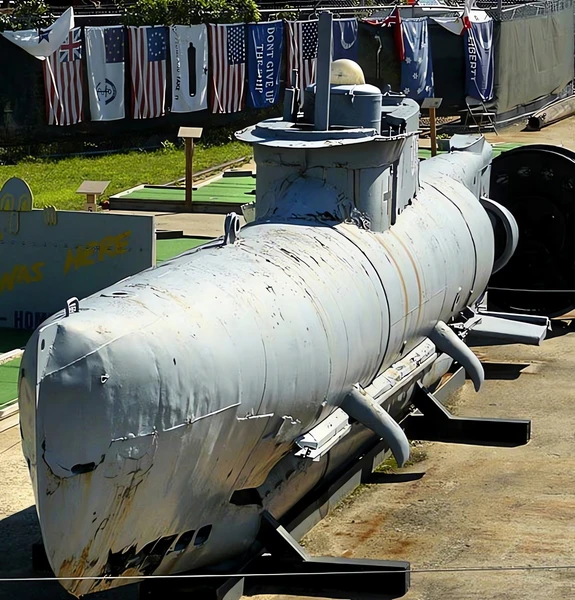
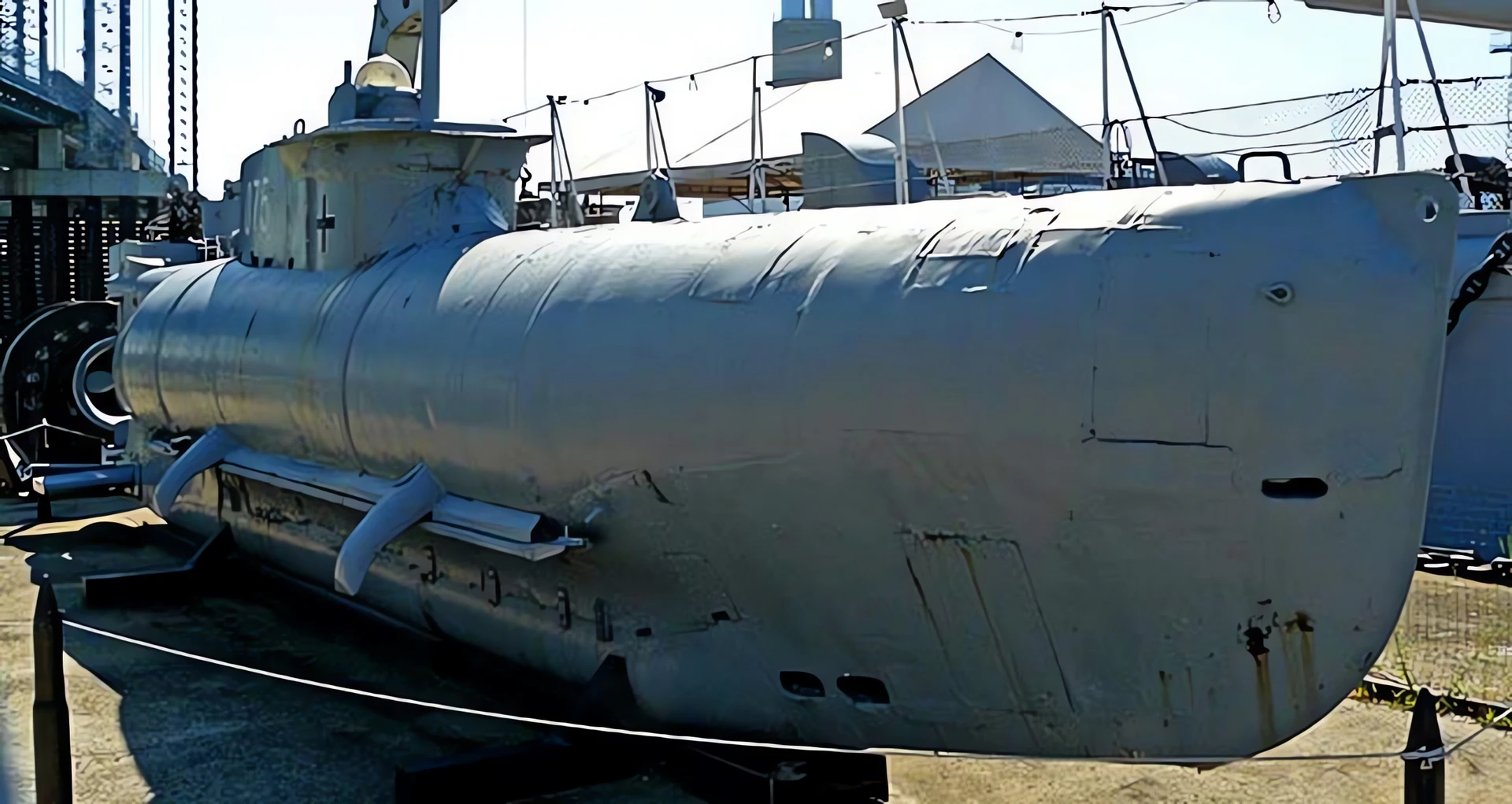
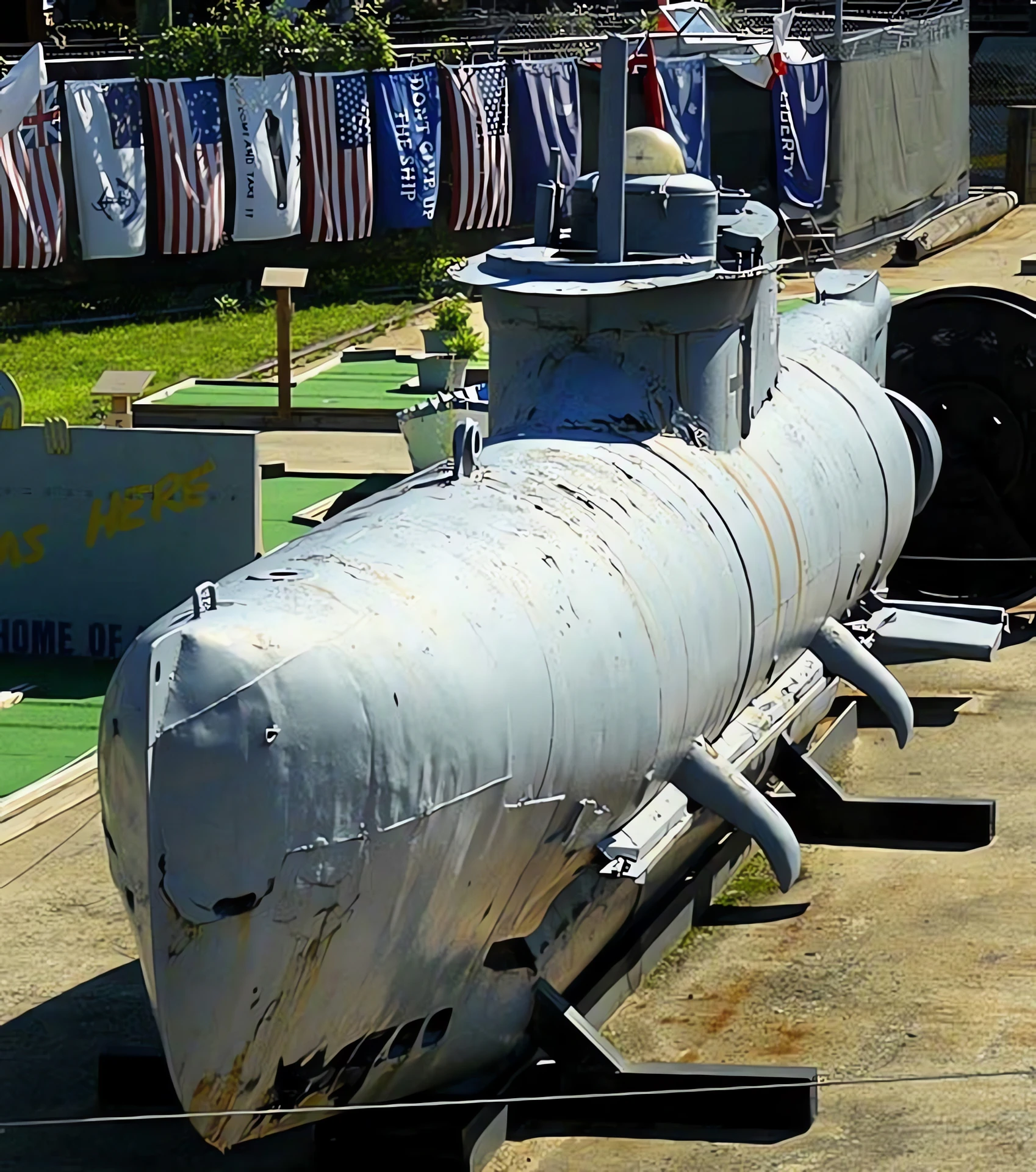
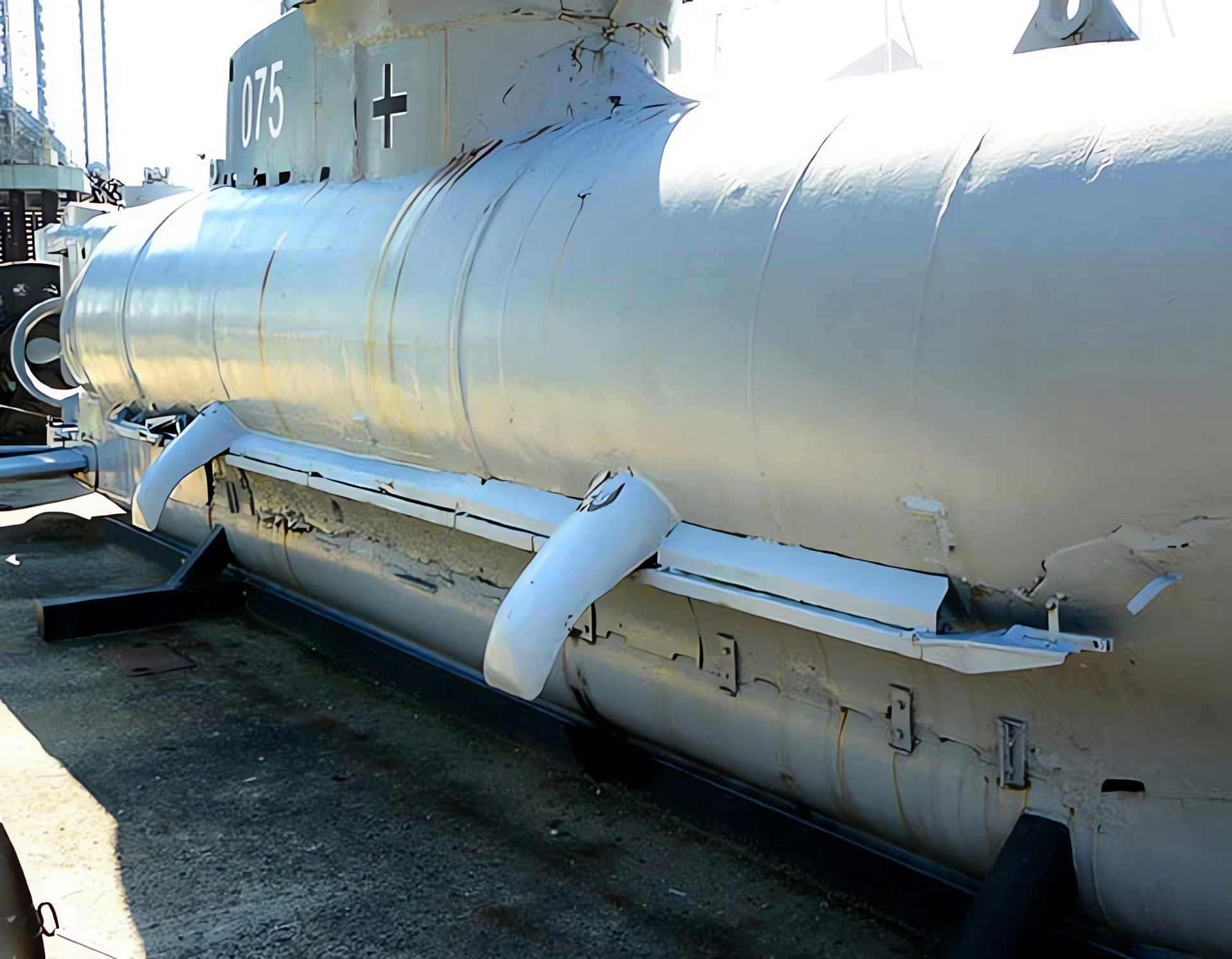
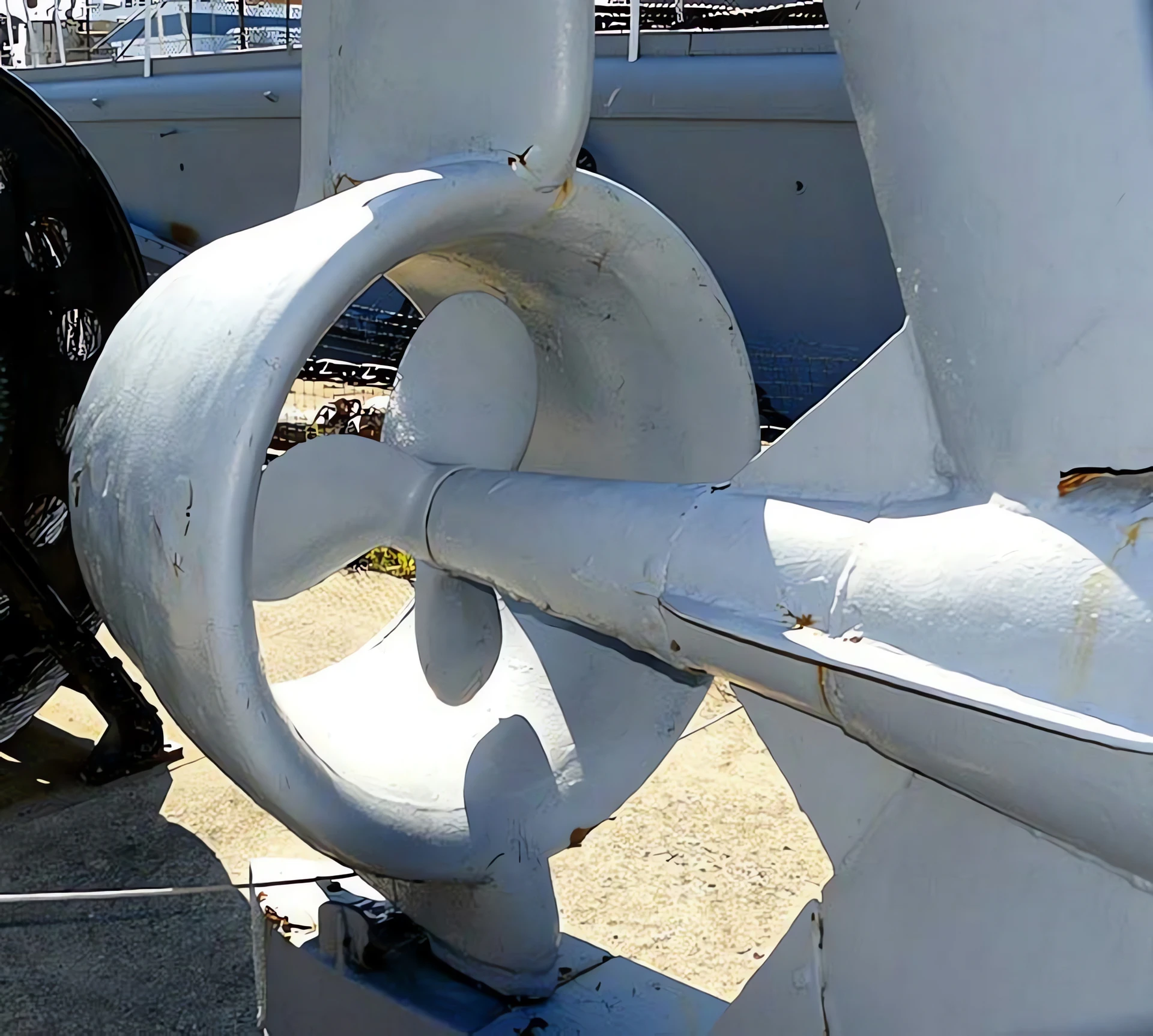
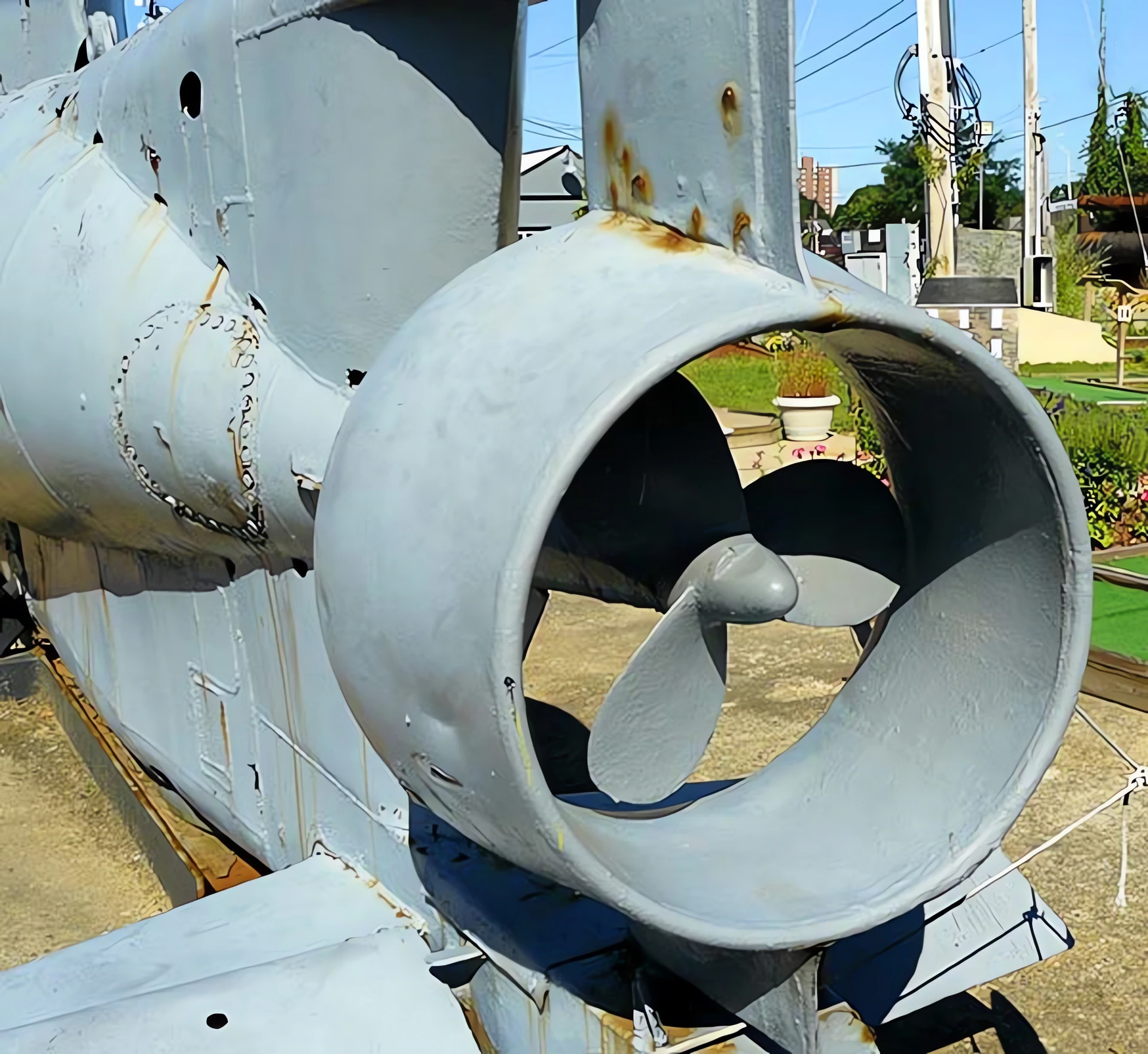
Nniiden Seehund (saksaksi: "hylje"), joka tunnetaan myös nimellä tyyppi XXVII, oli natsi -Saksan toisen maailmansodan aikana valmistama kääpiösukellusvene. Se suunniteltiin vuonna 1944 ja sitä käytti kahden hengen miehistö, ja sitä käytti Kriegsmarine (Saksan laivasto) sodan viimeisinä kuukausina, upottaen yhdeksän kauppalaivaa ja vahingoittaen vielä kolmea, menettäen 35 venettä, lähinnä huonon sään vuoksi. Ranskan laivasto käytti kolmea kaapattua venettä sodan jälkeen vuoteen 1953 asti.
Lähde: Seehund Wikipediassa
| Seehund German Midget Submarine Walk Around | |
|---|---|
| Photographer | Bill Maloney |
| Localisation | Unknow |
| Photos | 20 |
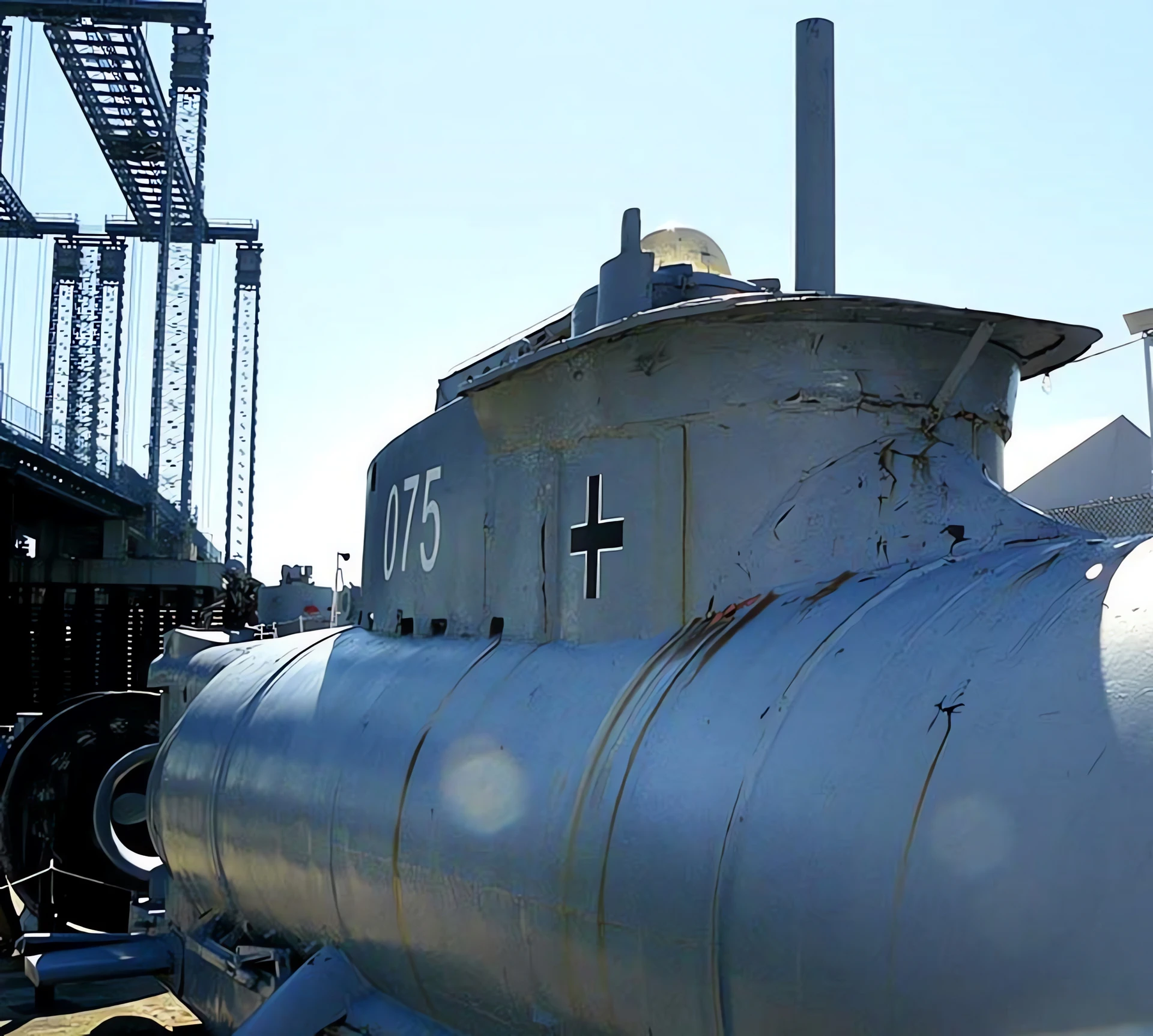
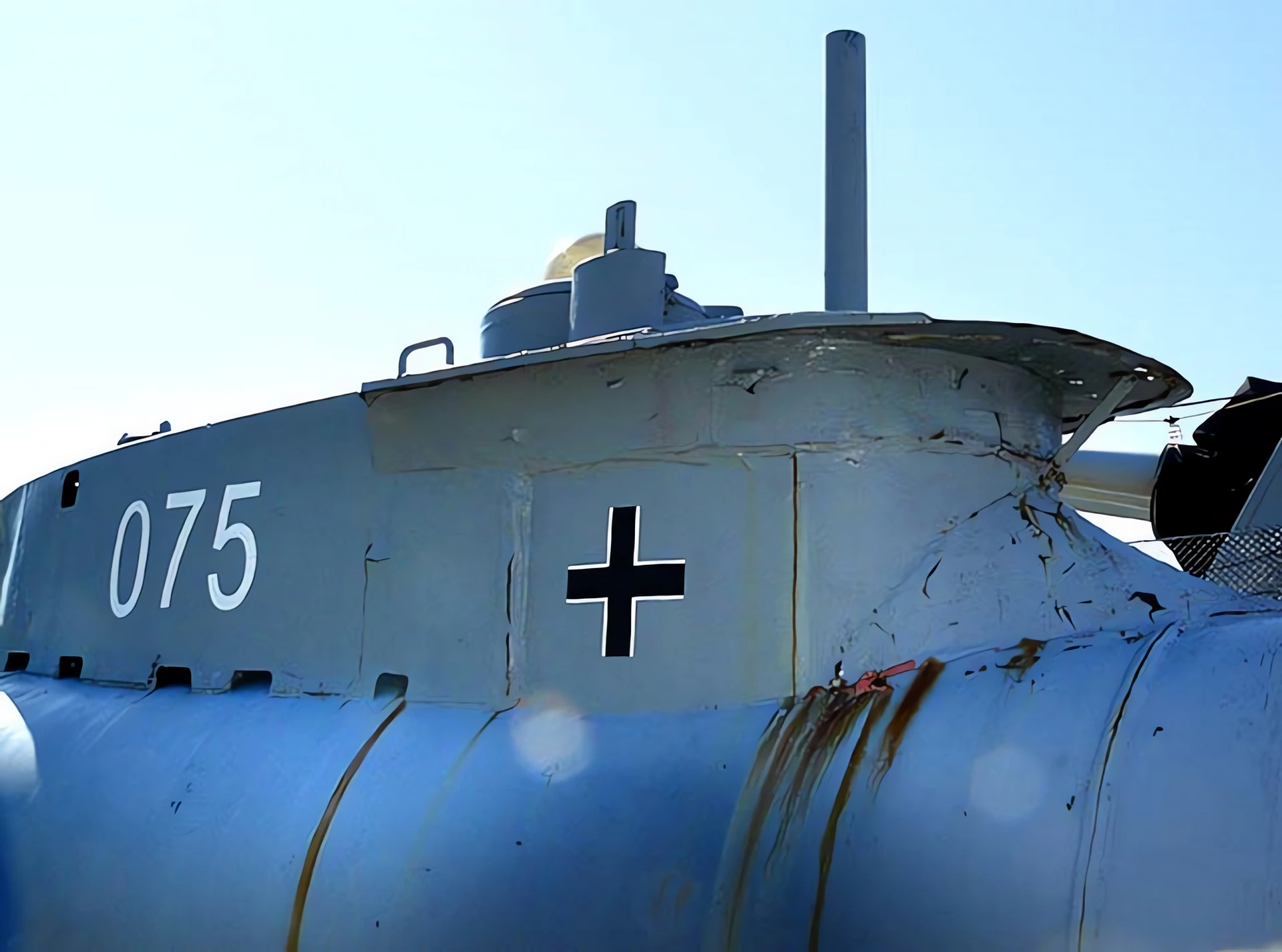
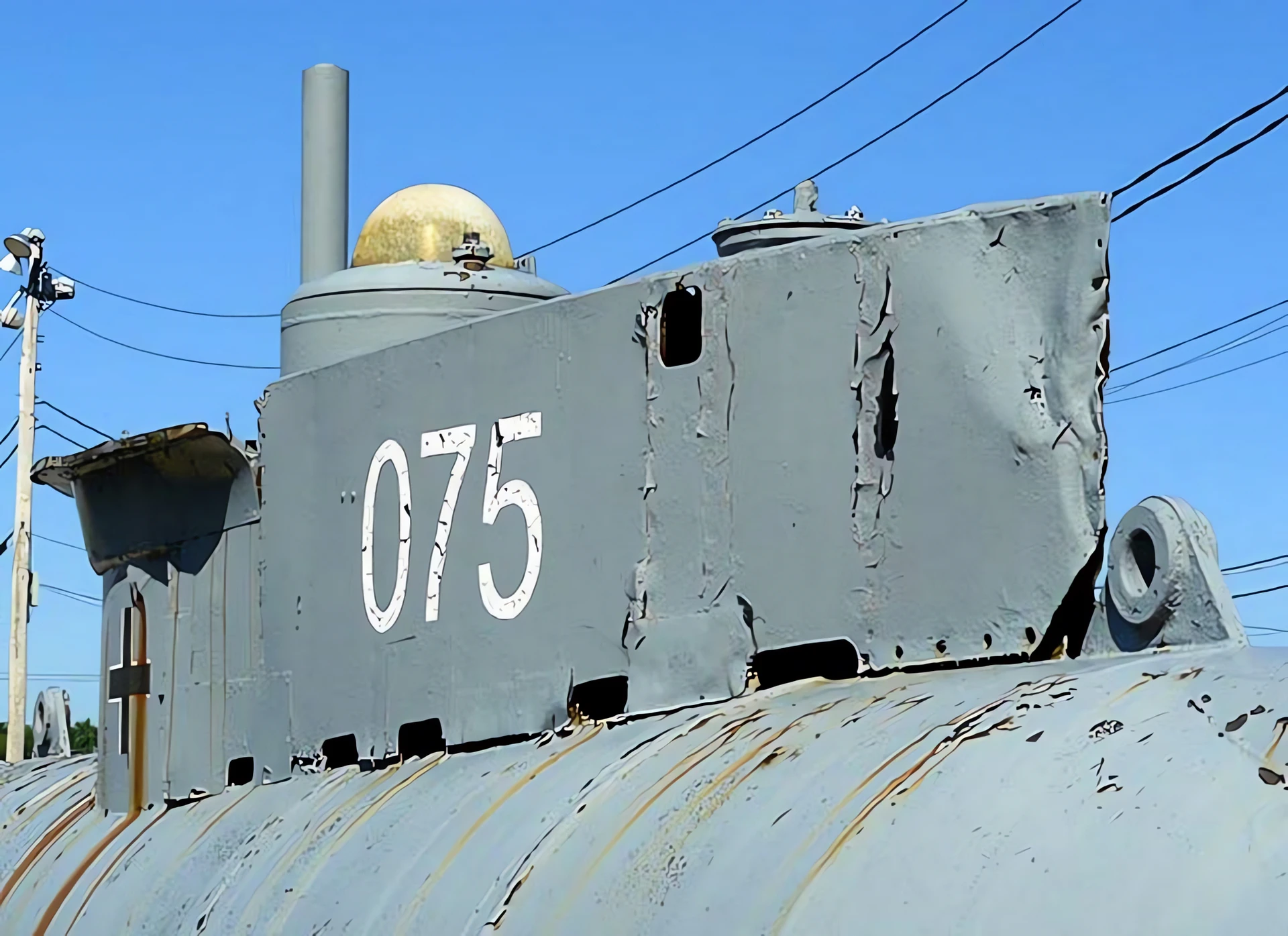
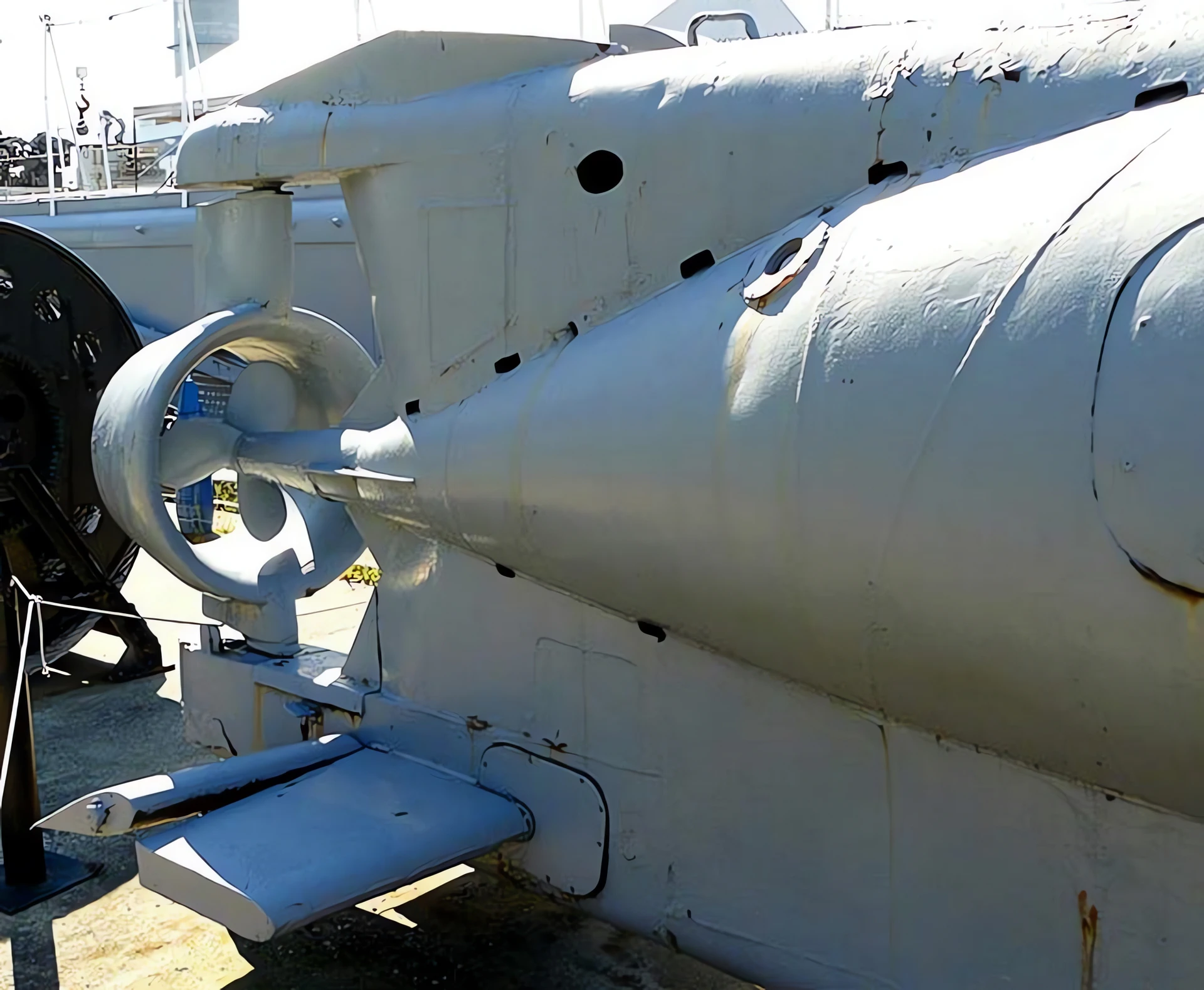

Katso myös:


General Characteristics and Role
The Seehund (“Seal” or “Sea Dog”), designated Type XXVIIB, was the most successful German midget submarine of World War II, seeing action in the final months of the conflict (1944–1945). Designed under the direction of Dr. Fischer and Grim, the Seehund was engineered from the start as a true small submarine, incorporating the lessons learned from earlier, less effective midget types. Its small size and quiet, slow-speed electric drive made it extremely difficult for Allied radar and sonar (Asdic) to detect, optimizing it for stealthy coastal operations and hit-and-run attacks against Allied shipping in the English Channel and the North Sea.
| Property | Typical Value (Type XXVIIB5) |
|---|---|
| Rooli | Midget Submarine (Coastal Defense/Attack) |
| National Origin | Nazi Germany (Kriegsmarine) |
| Year Introduced | 1944 (Operational January 1945) |
| miehistö | 2 (Commander and Engineer) |
| pituus | 11.86 m (38 ft 11 in) |
| Beam | 1.7 m (5 ft 7 in) |
| Displacement (Submerged) | 17 long tons (17.3 tonnes) |
| Maximum Diving Depth | 30 m (98 ft) (Safe operational depth) |
Propulsion and Performance
- Propulsion: Diesel-electric system.
- Surfaced Engine: 1 x Büssing 6-cylinder diesel engine (60 hp).
- Submerged Motor: 1 x AEG electric motor (25 hp).
- Maximum Speed (Surfaced): 7.7 knots (14 km/h).
- Maximum Speed (Submerged): 6 knots (11 km/h).
- Maximum Range (Surfaced): 270 nautical miles at 7 knots (can be extended with external tanks).
- Maximum Range (Submerged): 63 nautical miles at 3 knots.
Armament and Service Record
- Armament: 2 x 21-inch (533 mm) G7e torpedoes, carried externally in fixed racks below the hull.
- Production: Approximately 285 units were completed before the end of the war, though over 1,000 were originally ordered.
- Combat Effectiveness: Despite the late introduction, the Seehund was the most effective German midget submarine. In 142 sorties between January and April 1945, they sank 8 Allied ships (totaling over 17,000 gross tons) and damaged three others.
- Post-War Use: Several captured Seehund submarines were used by the French Navy until 1953 for testing and training.
Views : 2493
Voit myös nähdä:
 USS Becuna - Valokuvat ja videot
 USS Cod - Valokuvat ja videot
 USS Requin SS-481 - Valokuvat ja videot
 USS Croaker - Valokuvat ja videot
 Älykäs valas – Valokuvat & Videot
 USS Pampanito (SS-383) - Valokuvat ja videot
 USS Blueback (SS-581) - Valokuvat ja video
 USS Bowfin SS-287 - Valokuvat ja video
 USS Lionfish SS-298 - Valokuvat ja video
 U-505 tyyppi IXc U-vene – Valokuvat ja video