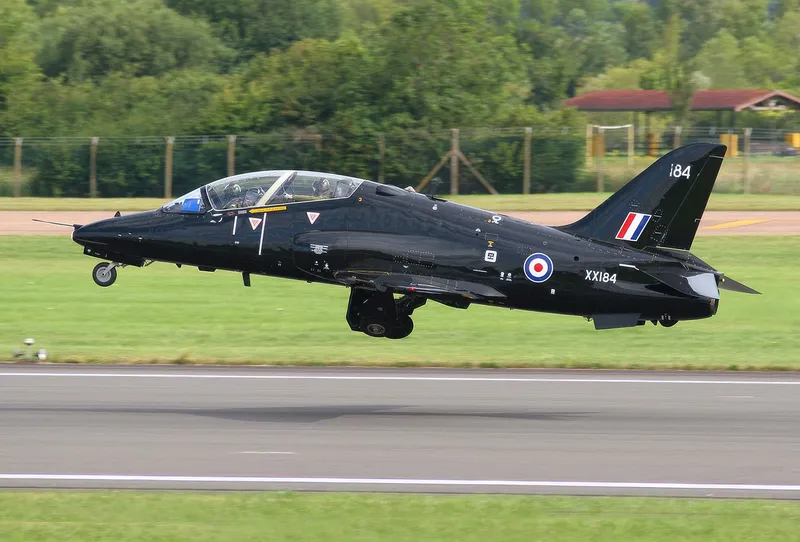
Folland sääski | |
|---|---|
| Maa | Iso |
| Rooli | Taistelija ja kouluttaja |
| Ensimmäinen lento | 18. heinäkuuta 1955 |
| Rakennettu | 449 |
Nniiden Folland sääski on brittiläinen kompakti pyyhkäisysiipinen ääntä hitaampi hävittäjälentokone, jonka on kehittänyt ja valmistanut Folland Aircraft.
Lähde: Folland Gnat Wikipediassa
| Hawker Siddeley Gnat T1 | |
|---|---|
| Valokuvaajat | Ei tietää |
| Lokalisointi | Ei tietää |
| Valokuvat | 60 |
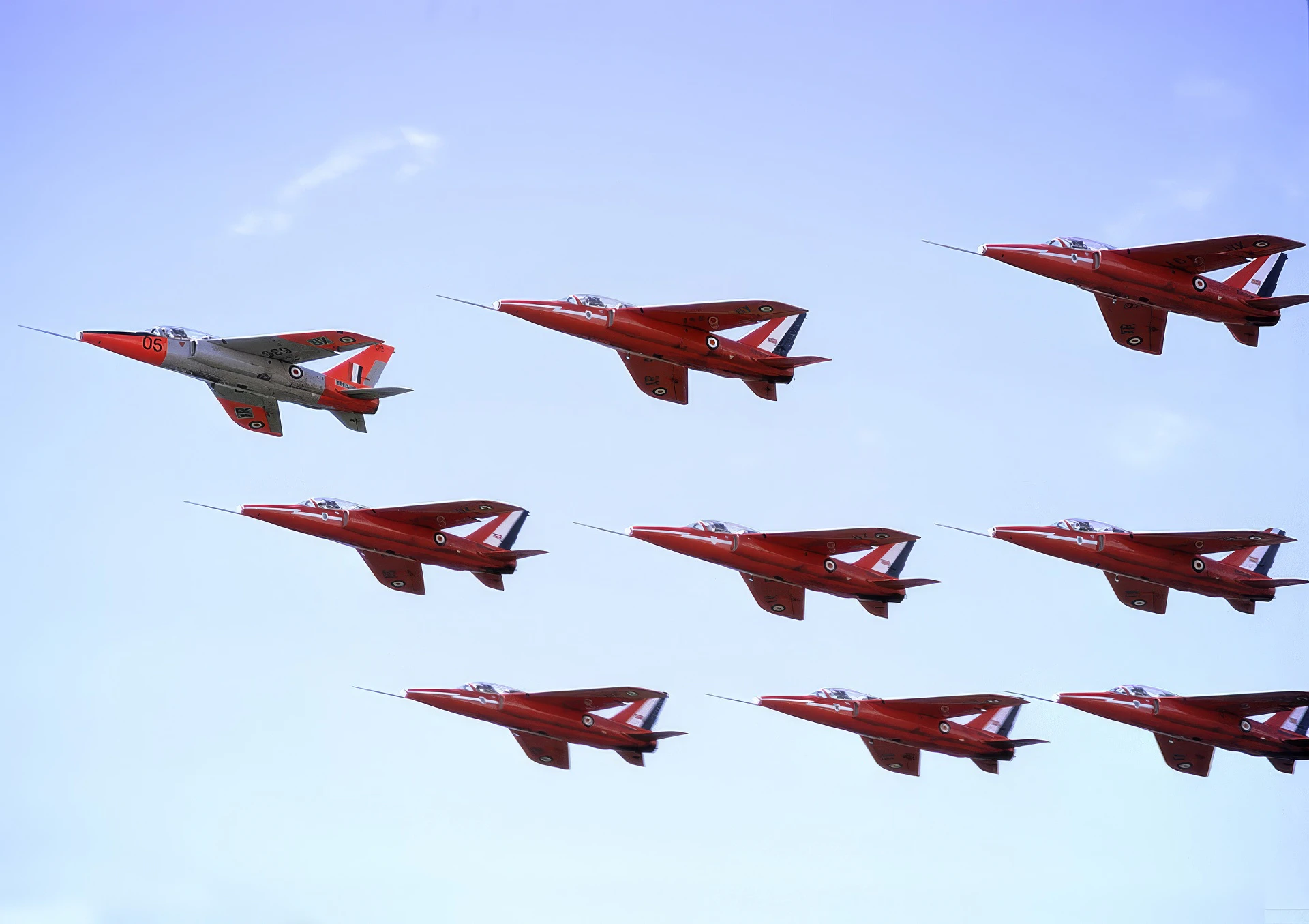
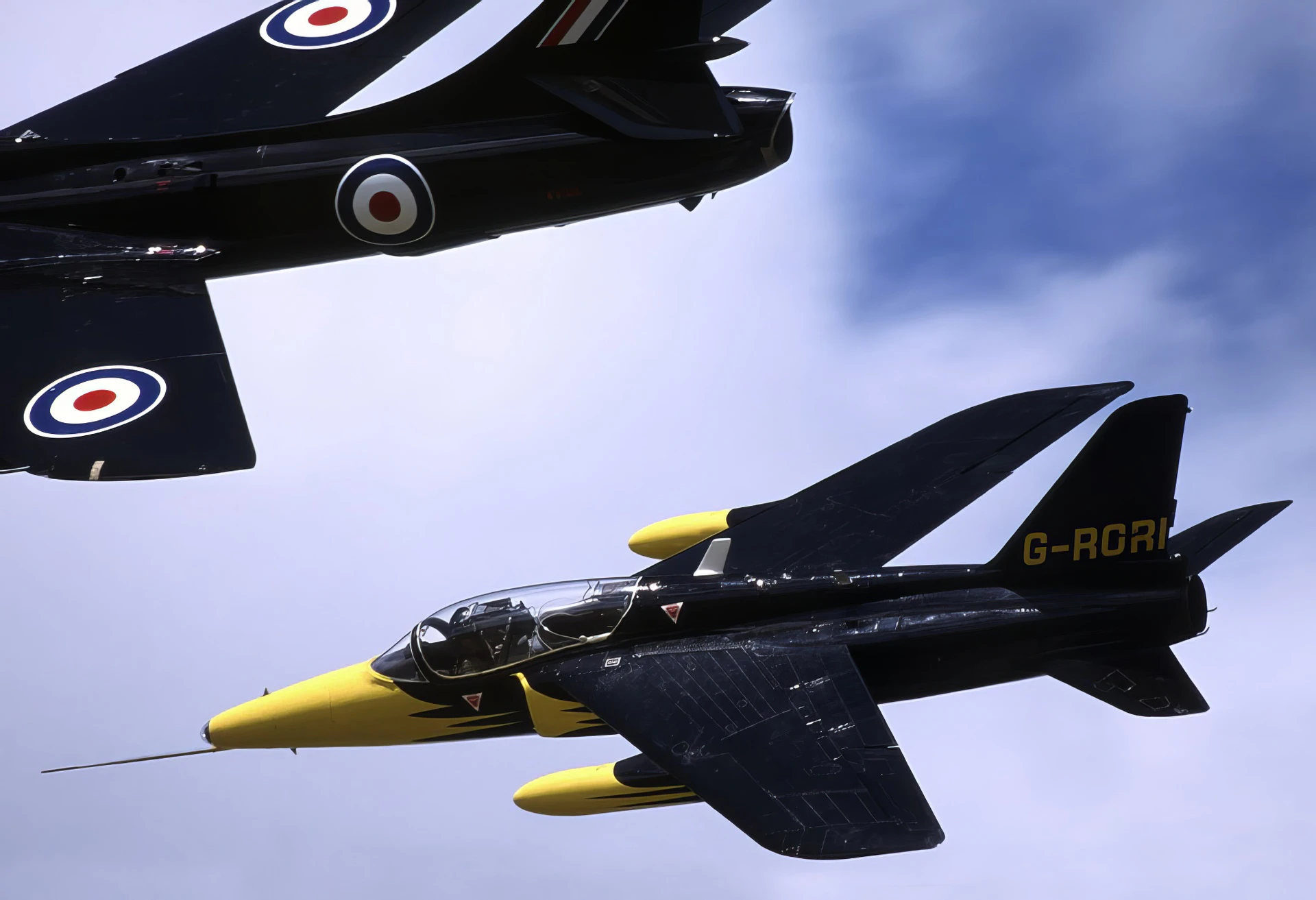
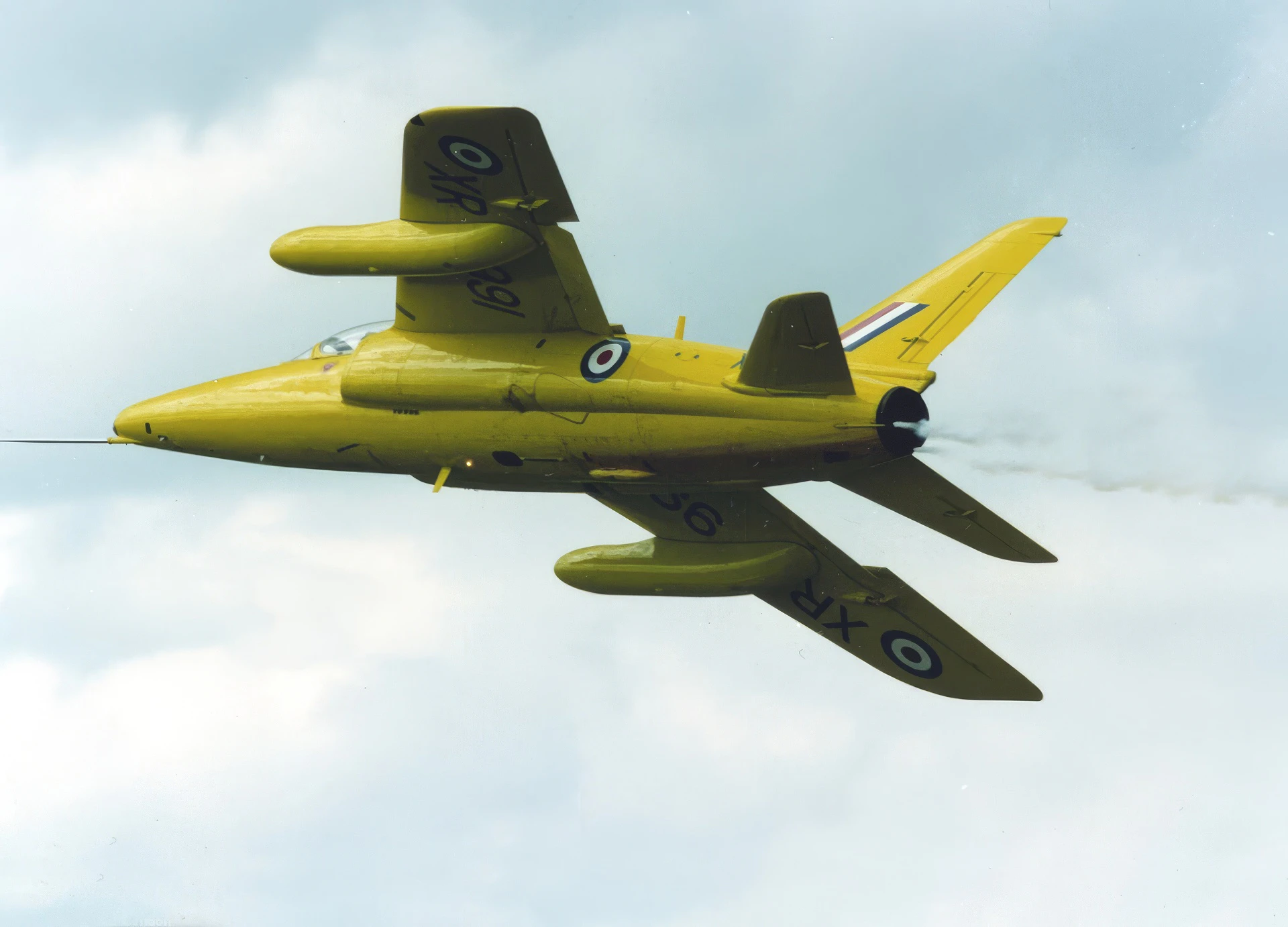
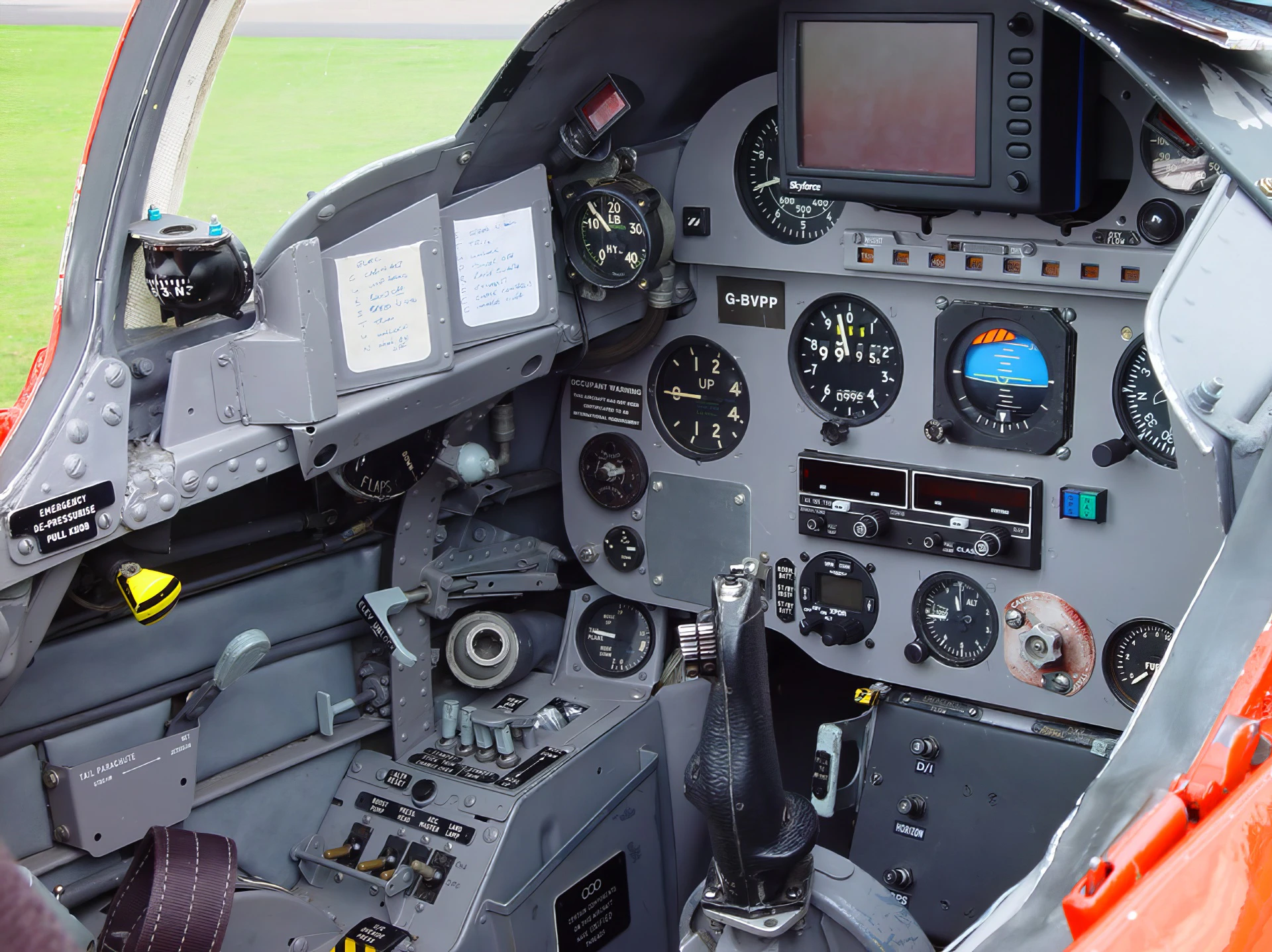
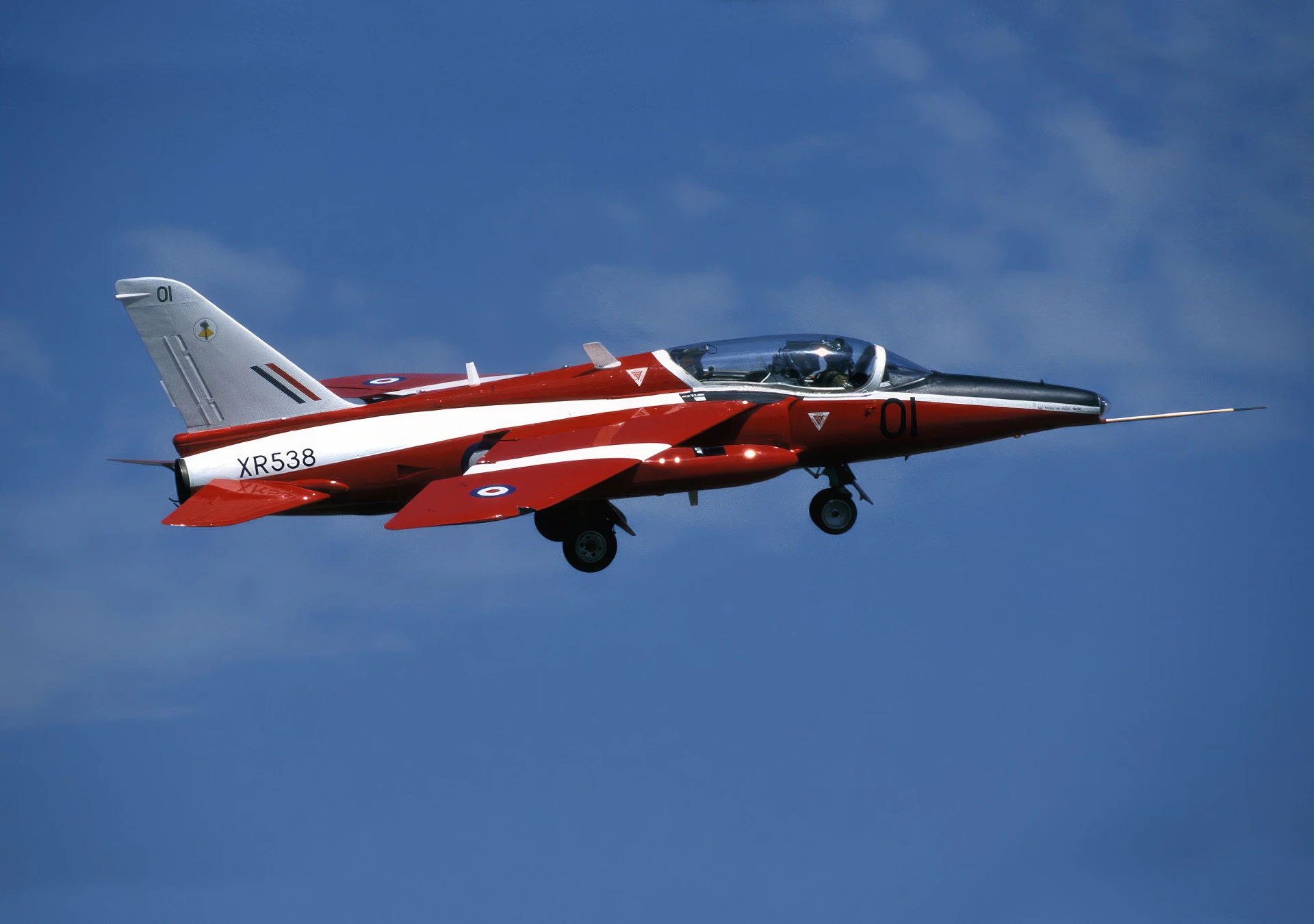
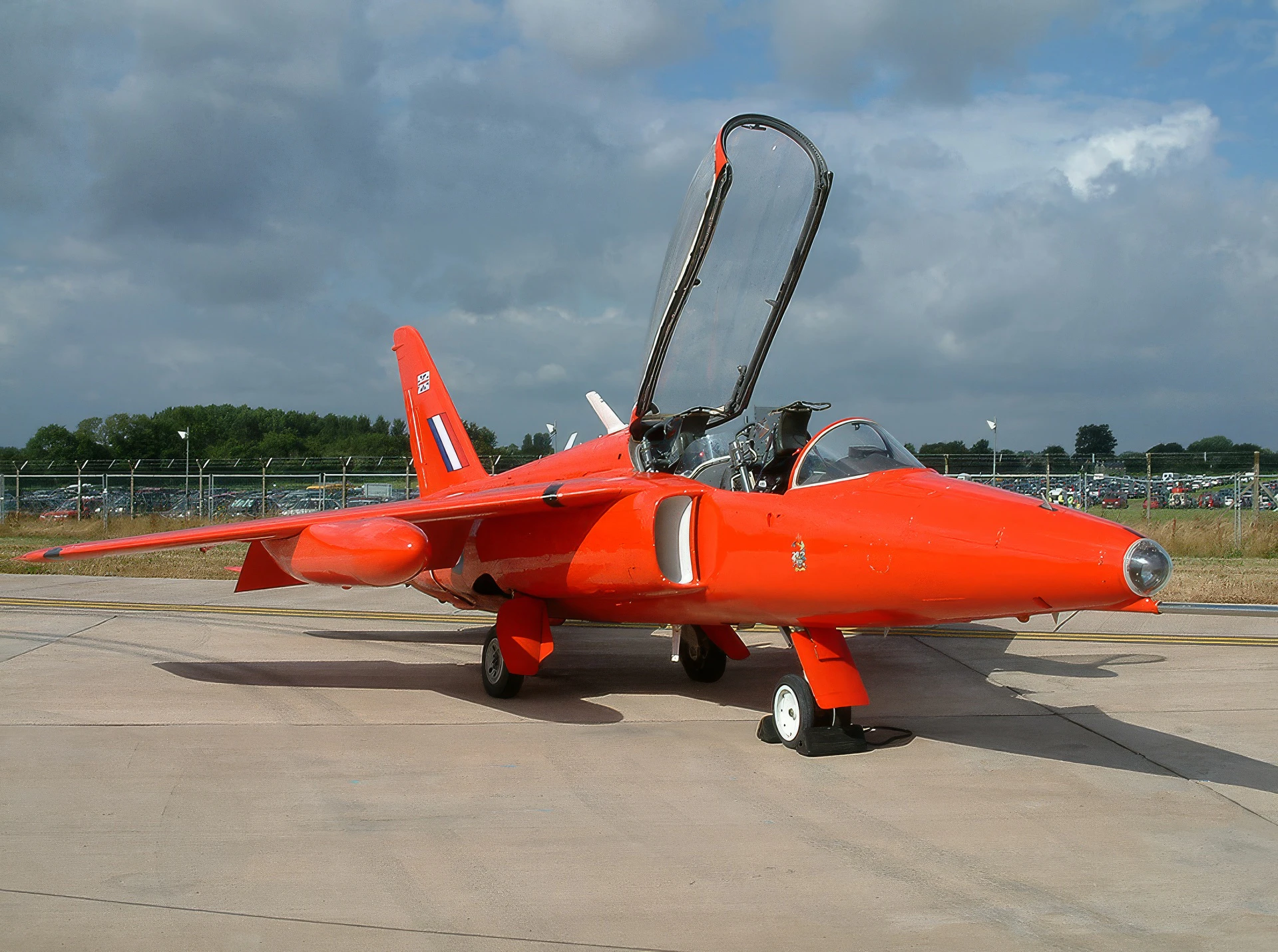
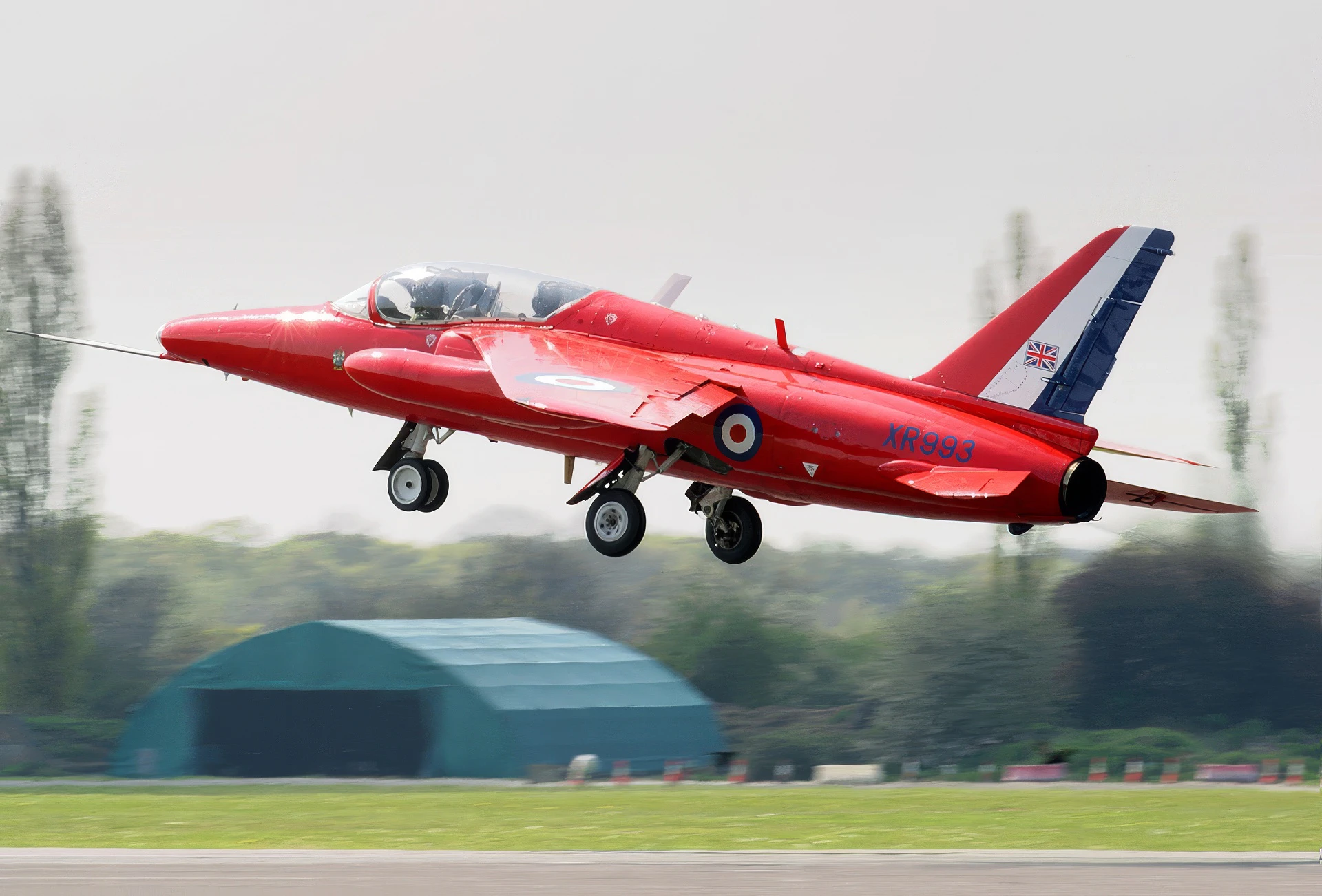
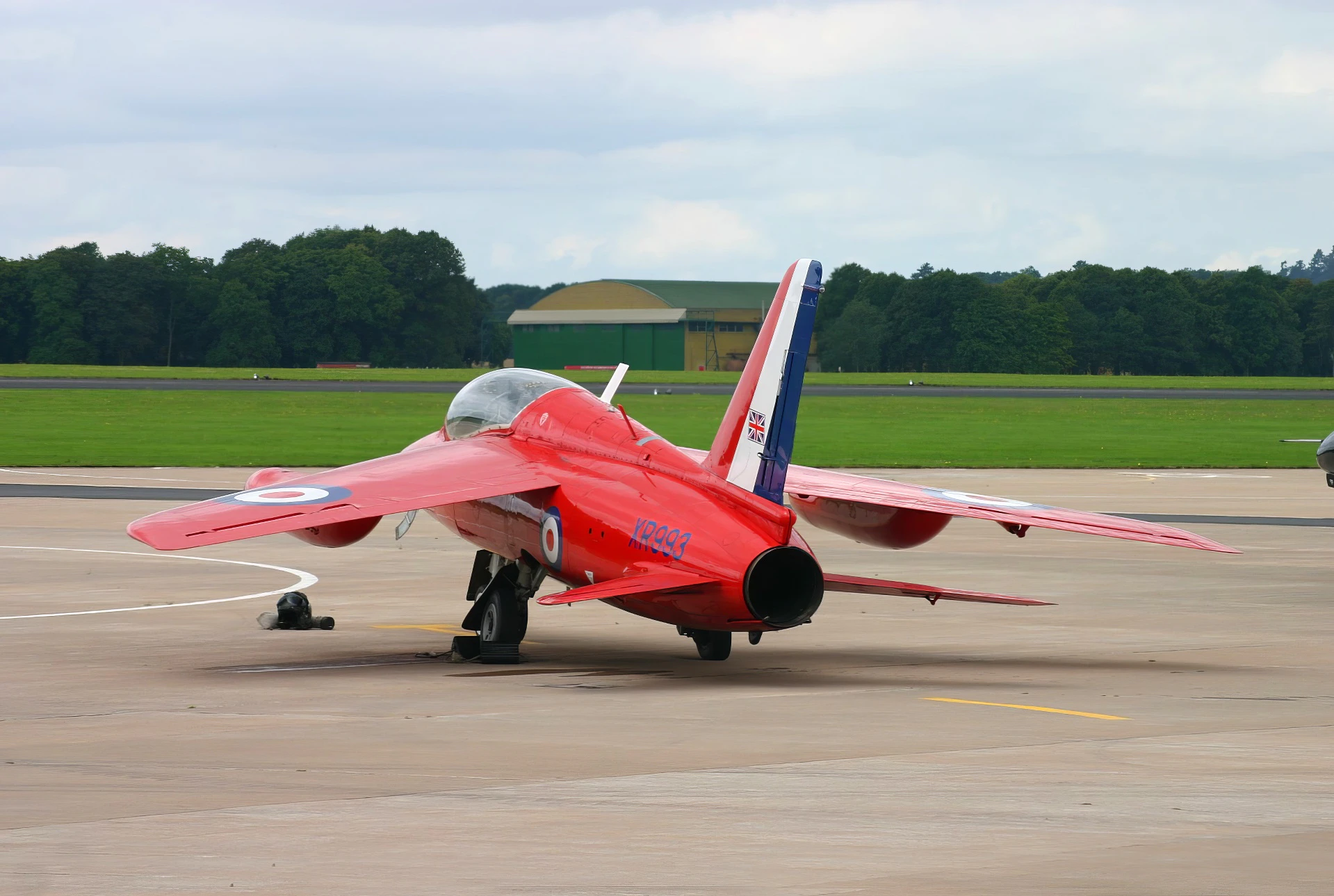
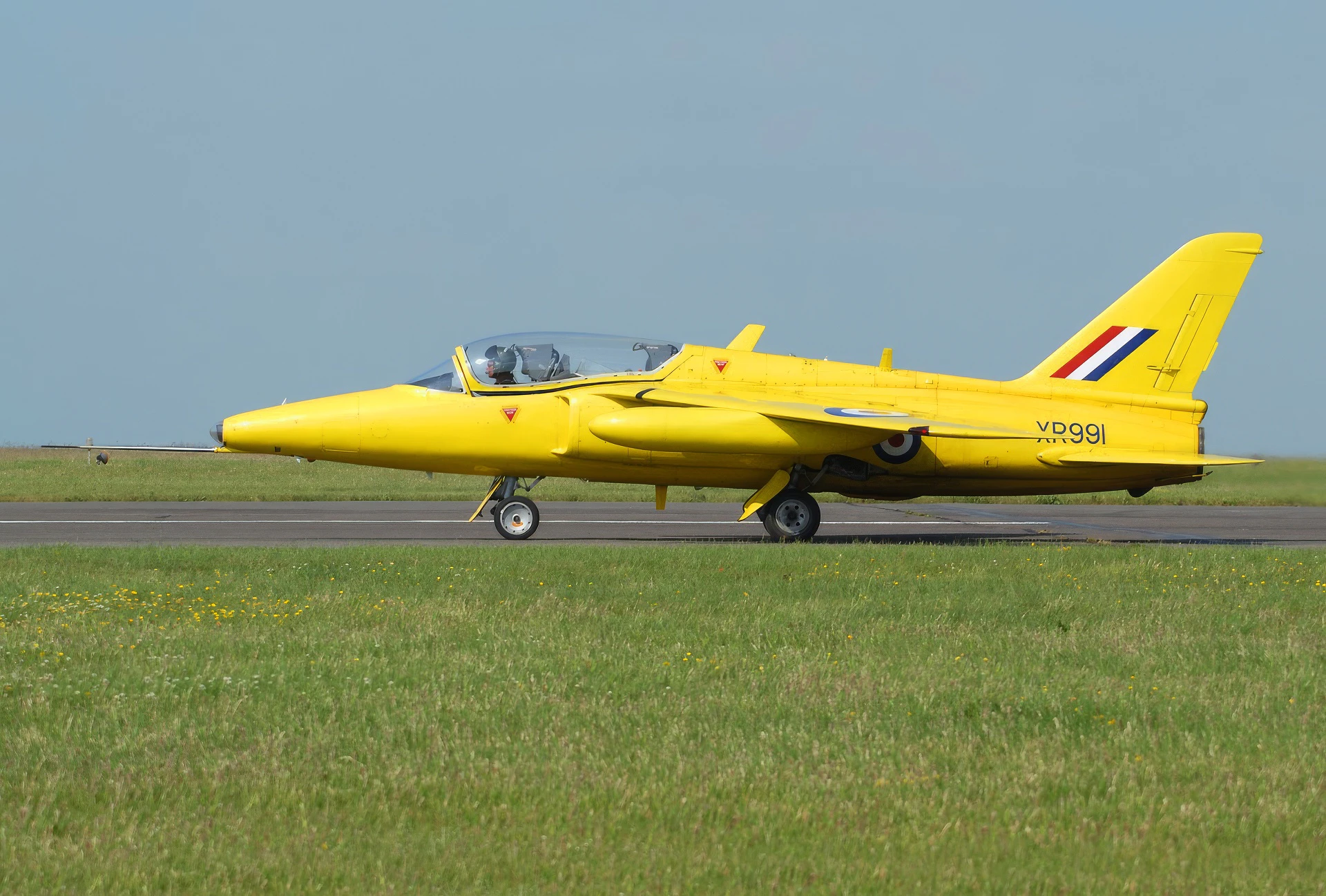
Odota, etsitään Folland Gnatia sinulle ...

 Osta minulle kahvia

Katso myös:


General Characteristics (Gnat T.1 Trainer Variant)
The Folland Gnat was a British-designed swept-wing jet aircraft originally conceived as a small, affordable light fighter (Gnat F.1). Although the Royal Air Force (RAF) did not adopt the fighter variant, it purchased the two-seat trainer version (Gnat T.1) extensively. The Gnat is most famous for its use by the RAF’s Red Arrows aerobatic team from 1965 to 1979 due to its agility.
| Property | Typical Value (Gnat T.1 Trainer) |
|---|---|
| Rooli | Advanced Jet Trainer / Aerobatic Display |
| Valmistaja | Folland Aircraft (later Hawker Siddeley) |
| First Flight (Gnat Fighter) | July 18, 1955 |
| miehistö | 2 (Student and Instructor, in tandem) |
| Siipiväli | 7.32 m (24 ft 0 in) |
| pituus | 11.53 m (37 ft 10 in) |
| Max Takeoff Weight | 4,378 kg (9,650 lb) |
| Units Built (Total) | ~449 (including HAL Ajeet) |
Design and Powerplant
- Engine: One Bristol Siddeley (later Rolls-Royce) Orpheus 101 turbojet engine.
- Thrust Output: Approximately 20.9 kN (4,700 lbf) of static thrust.
- Fuselage: Small, simple, all-metal construction, designed for ease and affordability of manufacture, reflecting designer W. E. W. Petter’s philosophy of a lightweight fighter.
- Variants: The trainer (T.1) variant featured a different, larger wing with integral fuel tanks, conventional flaps/ailerons, and an enlarged tail section compared to the original fighter (F.1).
- Ejection Seats: Equipped with Martin-Baker zero-zero ejection seats (on later models).
- Success Abroad: The fighter version was notably successful in the Indian Air Force (IAF), where it was license-built by HAL as the Ajeet (“Invincible”) and earned the nickname “Sabre Slayer” during conflicts with Pakistan.
Performance and Armament (Fighter F.1 & Trainer T.1)
- Maximum Speed: Approximately Mach 0.95 (around 1,024 km/h or 636 mph). Could exceed Mach 1 in a shallow dive.
- Service Ceiling: 14,630 m (48,000 ft).
- Range (Ferry): Approximately 1,200 km (750 miles) with external tanks.
- Rate of Climb: High rate, often cited around 20,000 ft/min.
- Armament (Fighter F.1): Two 30 mm ADEN cannon (one mounted in each air intake lip).
- External Stores (F.1): Two underwing pylons for drop tanks or external ordnance (e.g., 500 lb bombs or unguided rockets).
- Trainer Role (T.1): The RAF’s Gnat T.1 trainer was unarmed and focused purely on providing a high-performance platform to transition pilots to frontline jet fighters like the English Electric Lightning.
Katselukertoja : 1080
Voit myös nähdä:
 Sikorsky S-39 - Valokuvat ja videot
 Pohjois-Amerikan NA-64 Yale – Valokuvat & Videot
 Sud-Ouest Triton – Valokuvat & video
 Culver PQ-14 Cadet – Valokuvat ja video
 Northrop F-20 Tigershark – Valokuvat & Video
 Aeronca L-3 – Valokuvat ja video
 McDonnell F2H Banshee – Valokuvat & Video
 Macchi MC-202 – WalkAround
 Faireyn taistelu – WalkAround
 Hawker Sea Fury – Kävellä