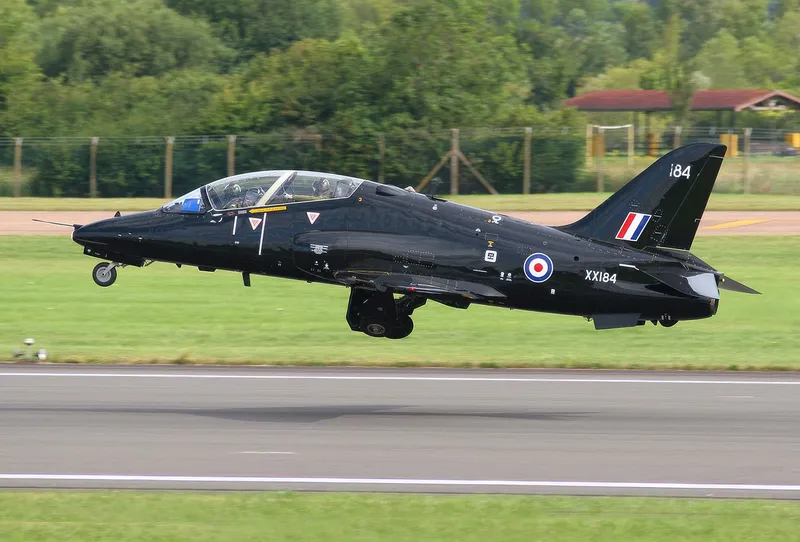
Folland Gnat | |
|---|---|
| Riik | Uk |
| Rolli | Võitleja ja treener |
| Esimene lend | 18. juuli 1955 |
| Ehitatud | 449 |
2007 Folland Gnat on Briti kompaktne pöörleva tiivaga allhelikiirusega hävituslennuk, mille on välja töötanud ja tootnud Folland Aircraft.
Allikas: Folland Gnat Vikipeedias
| Hawker Siddeley Gnat T1 | |
|---|---|
| Fotograafid | Teadmata |
| Lokaliseerimine | Teadmata |
| Fotod | 60 |
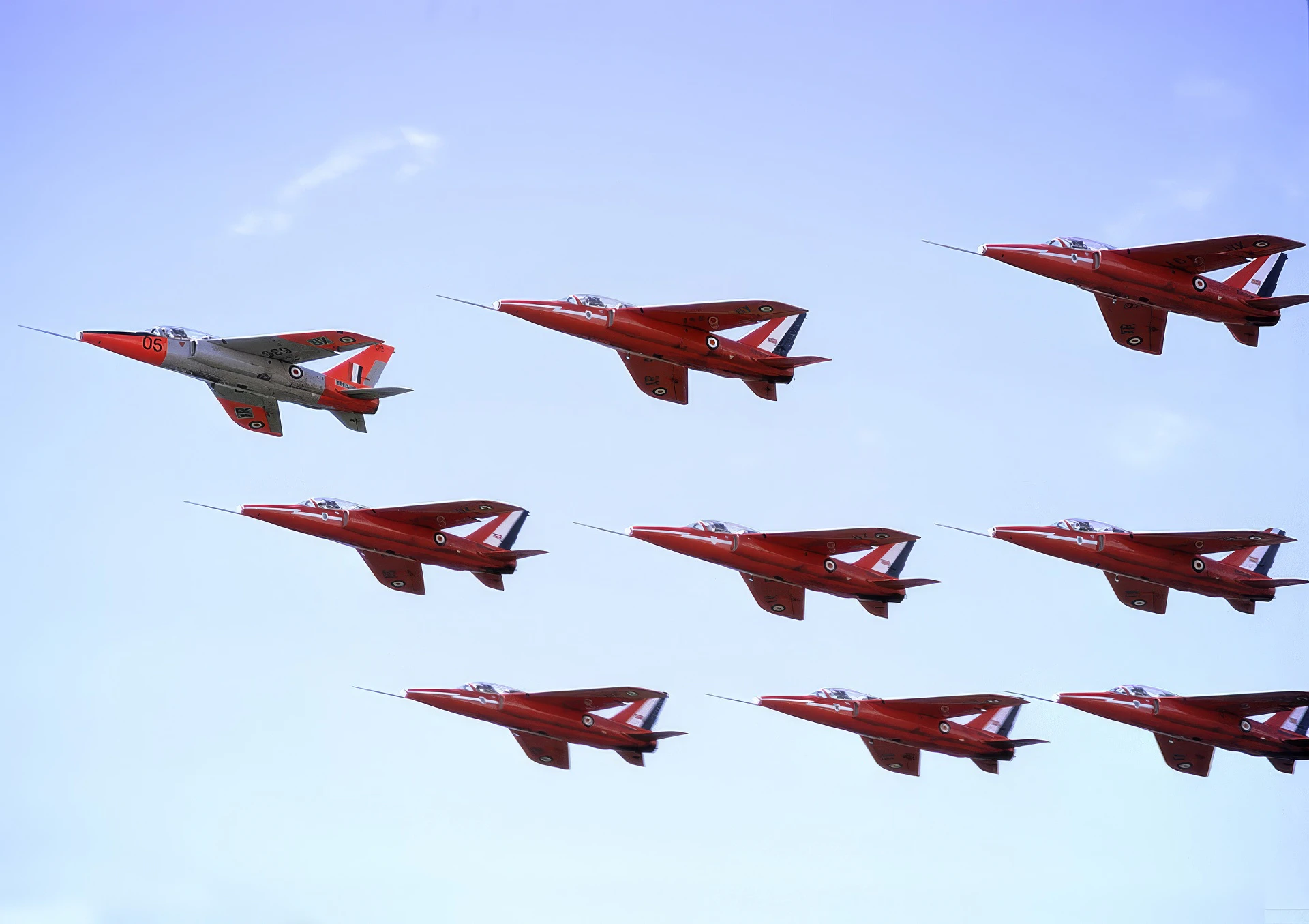
Folland Gnat 01
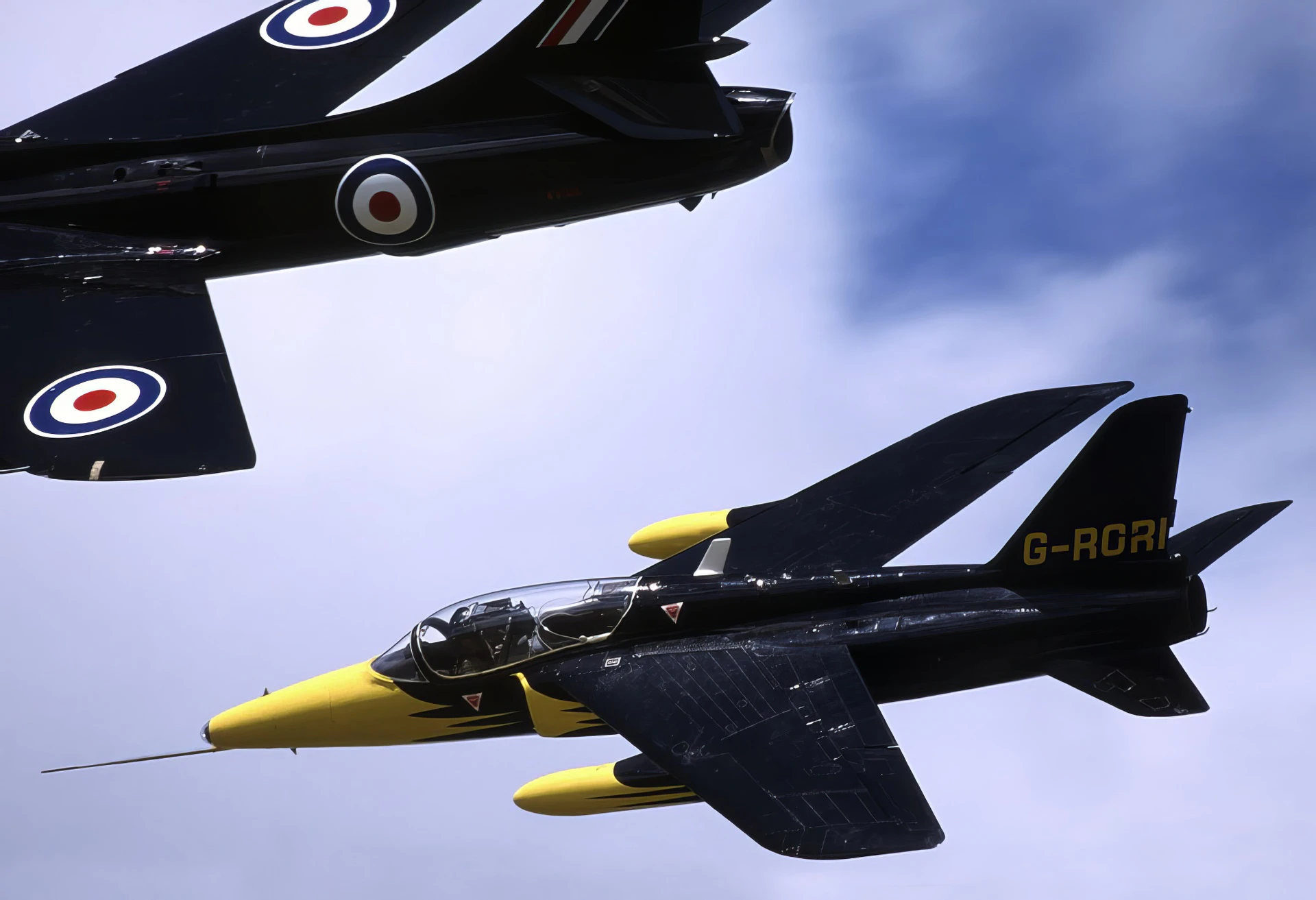
Folland Gnat 02
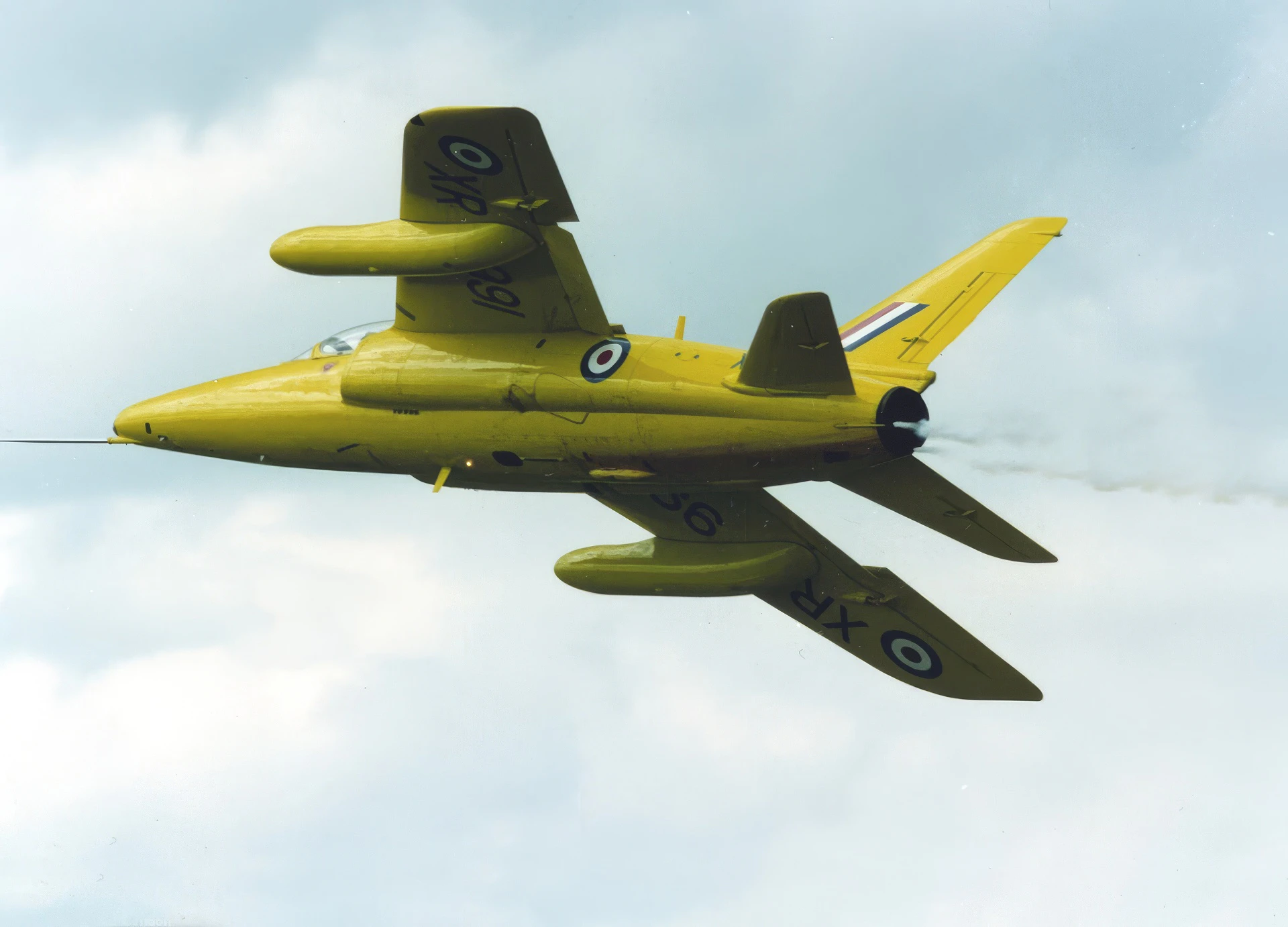
Folland Gnat 03
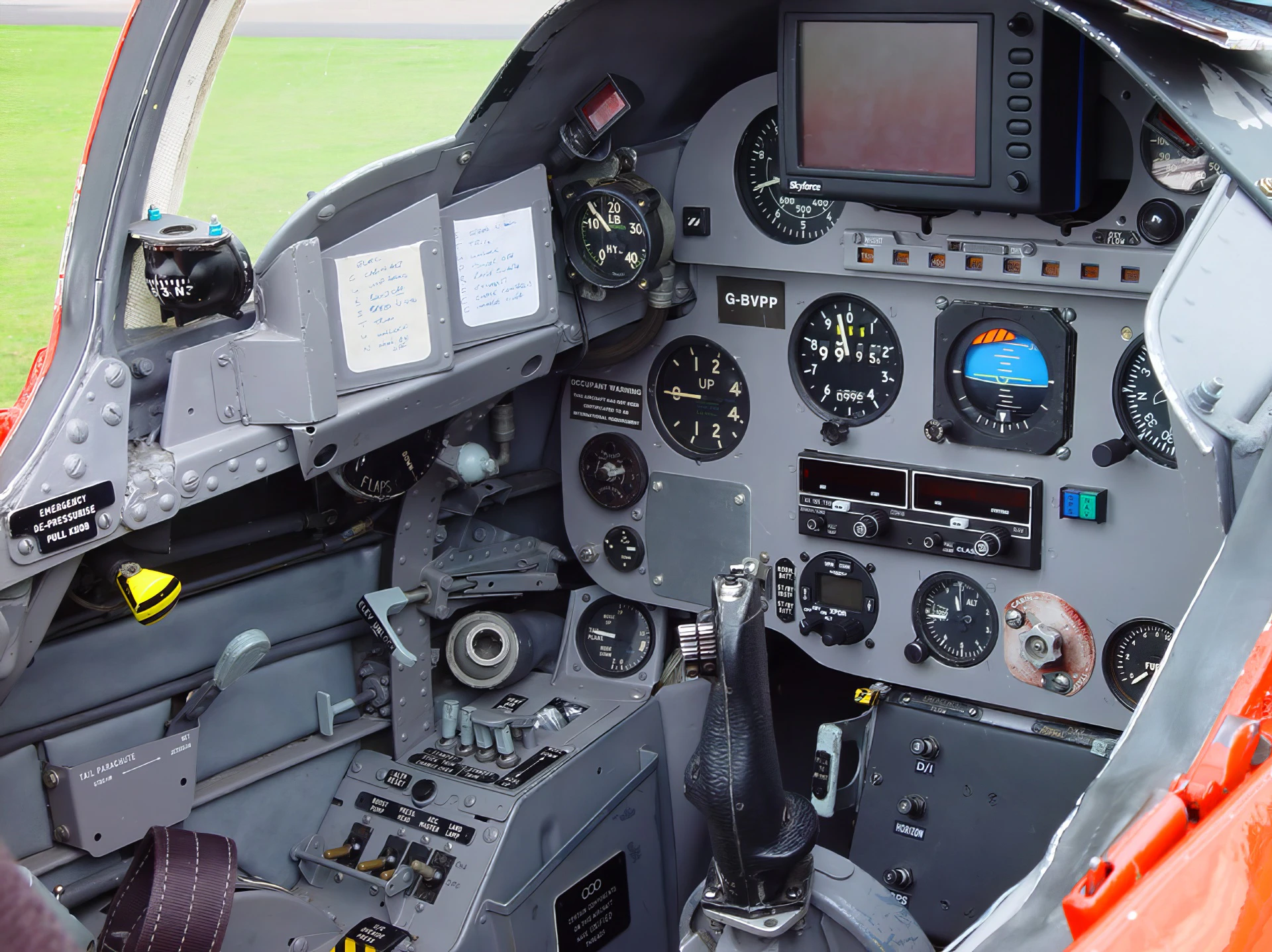
Folland Gnat 04
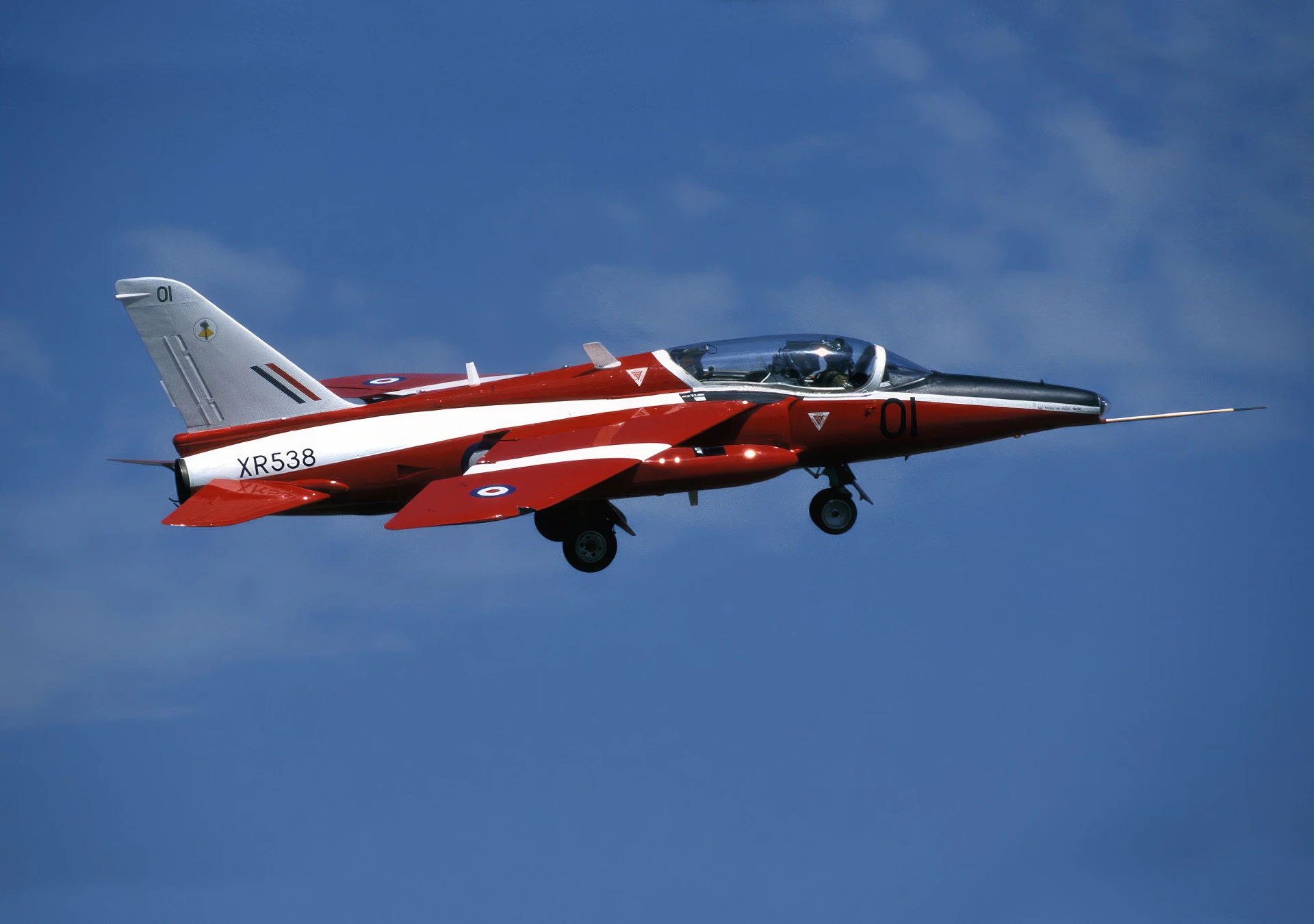
Folland Gnat 05
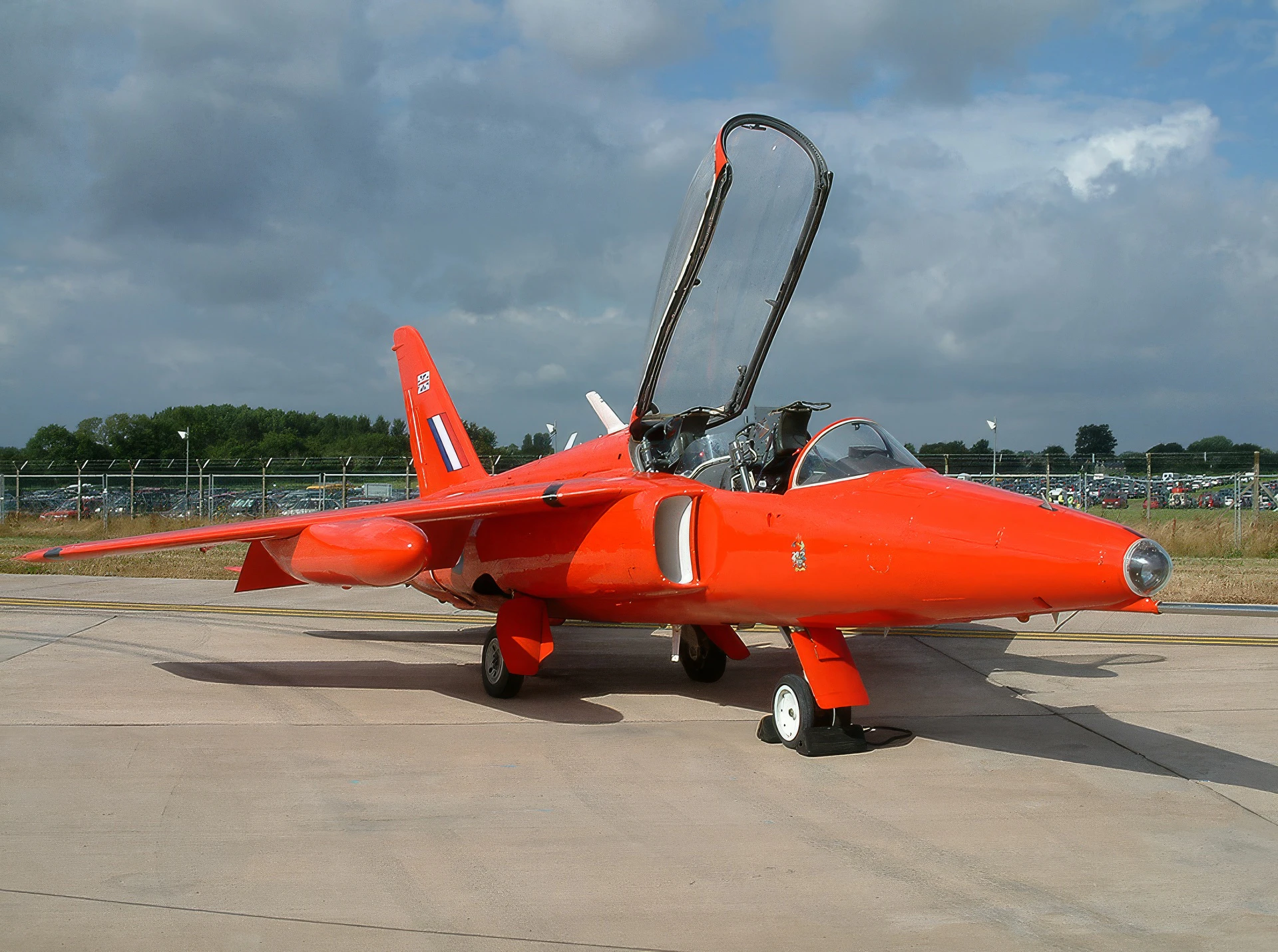
Folland Gnat 06
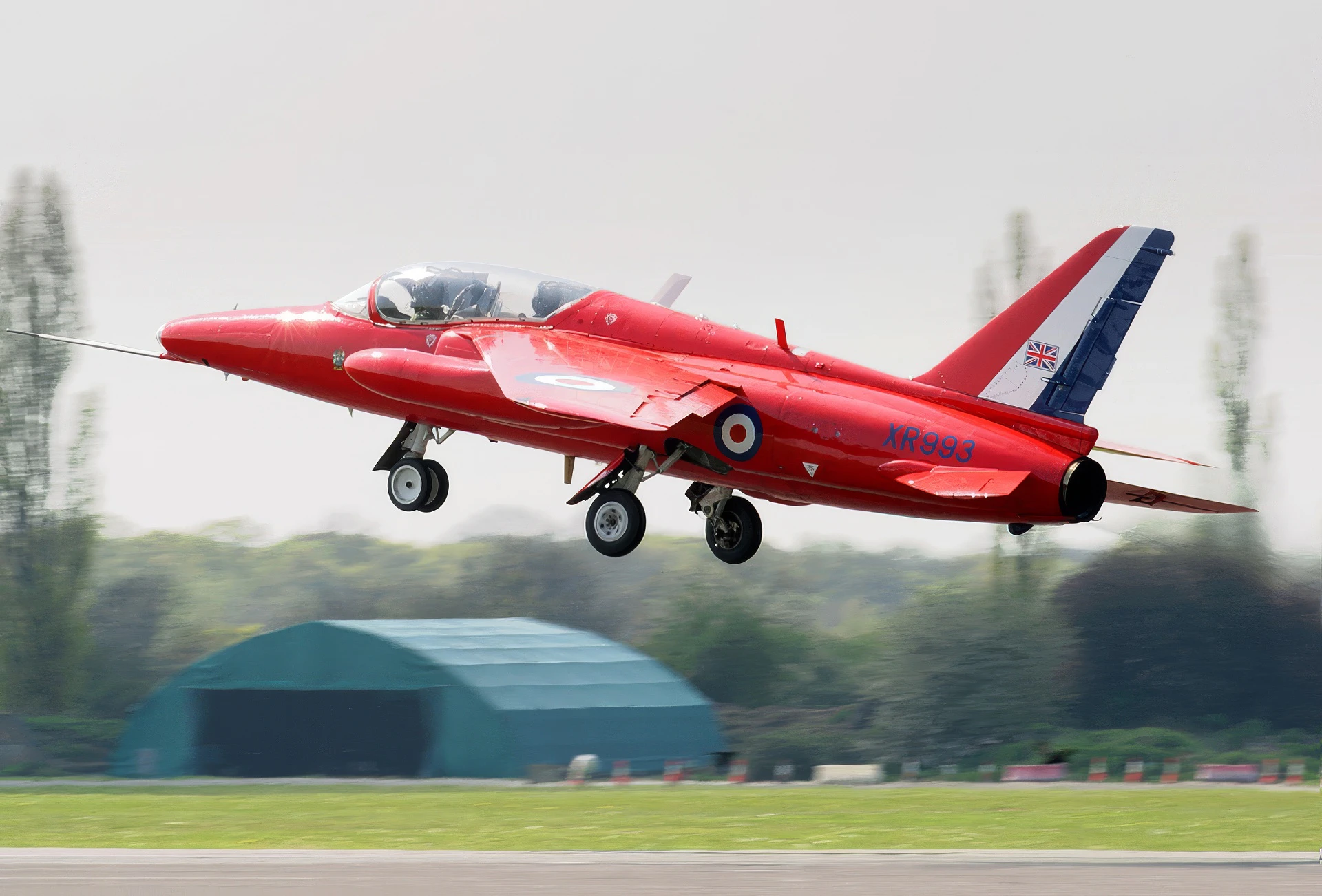
Folland Gnat 07
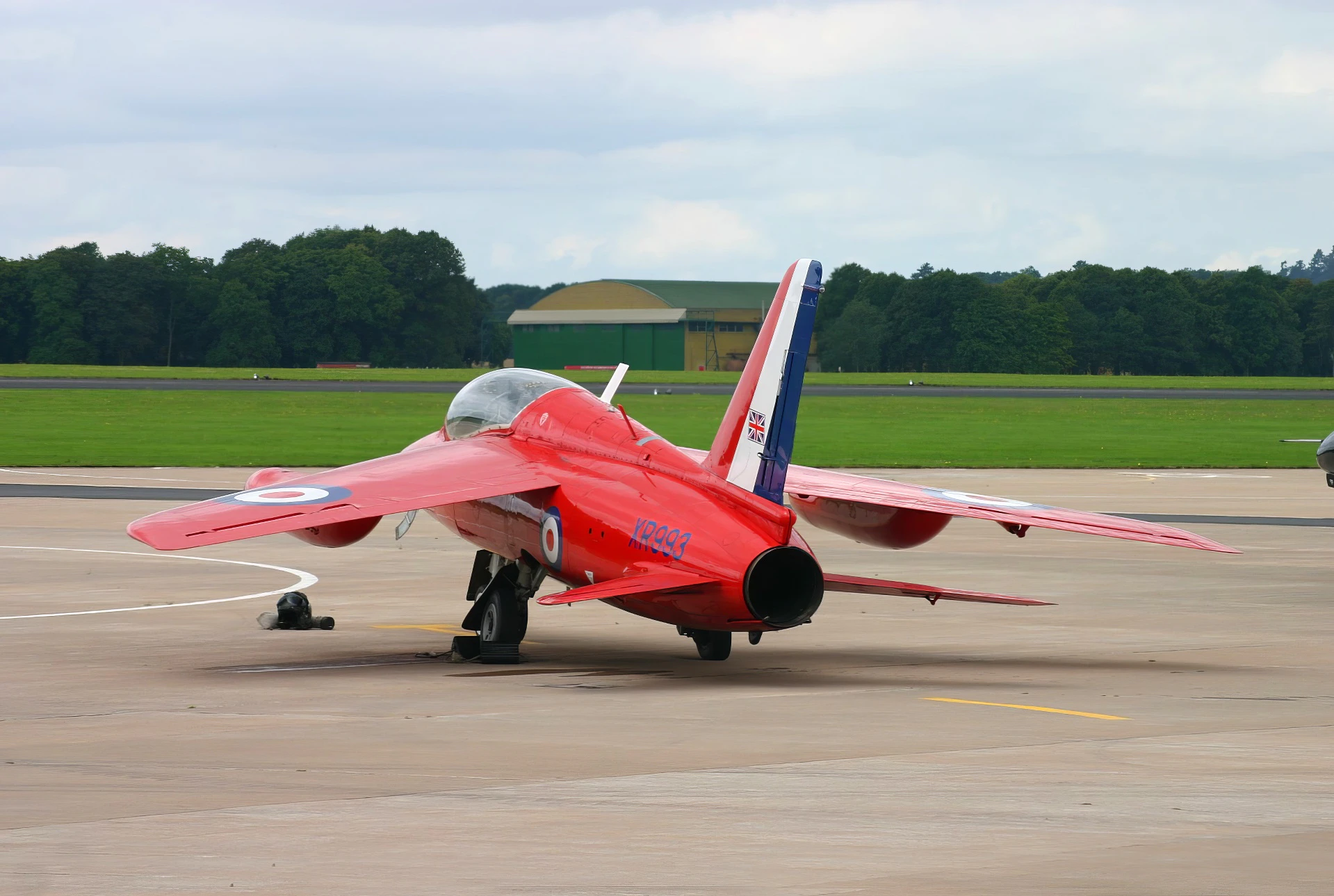
Folland Gnat 08
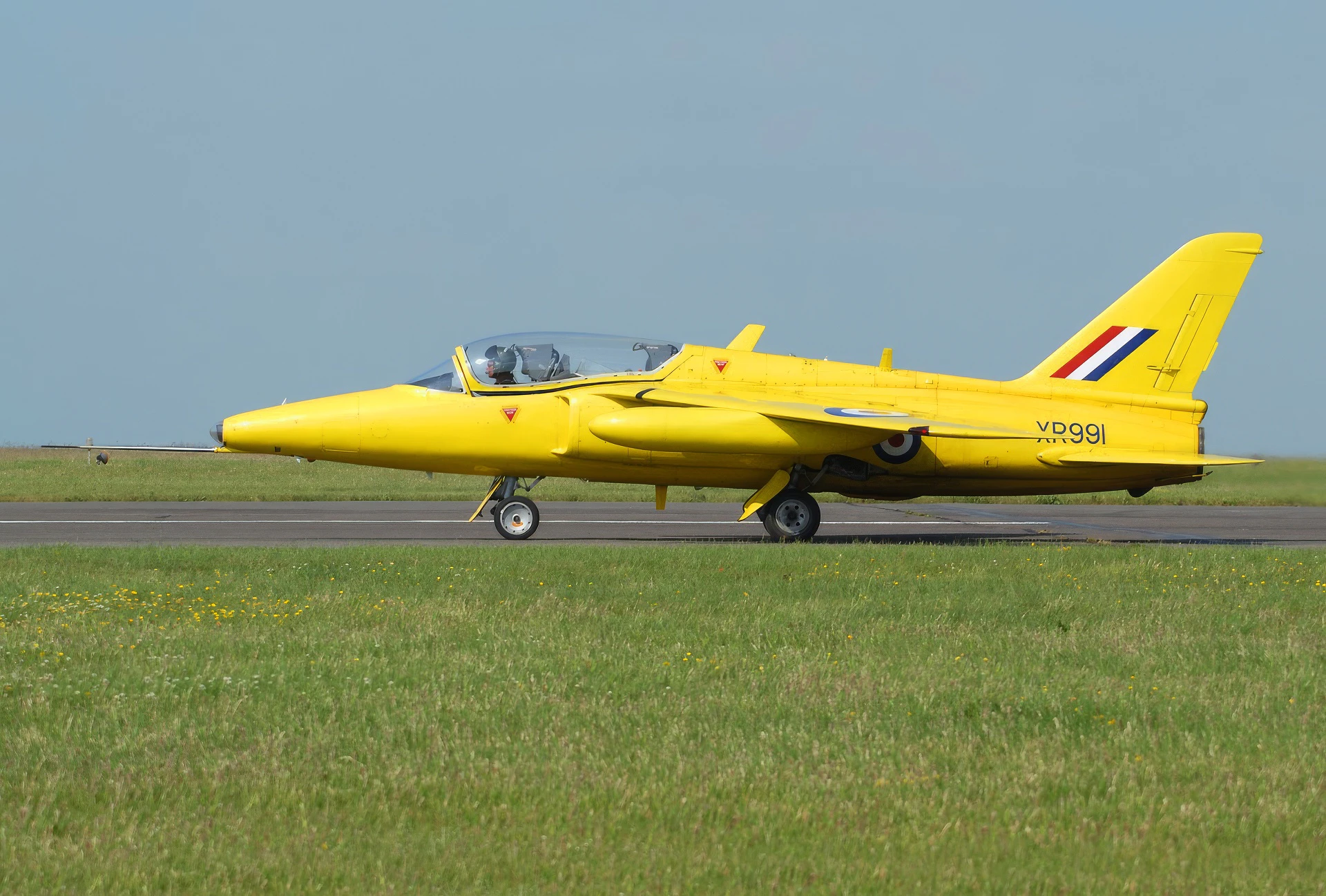
Folland Gnat 09
Oota, otsides Folland Gnatit sinu jaoks ...

 Osta mulle kohvi

Vaata ka:


General Characteristics (Gnat T.1 Trainer Variant)
The Folland Gnat was a British-designed swept-wing jet aircraft originally conceived as a small, affordable light fighter (Gnat F.1). Although the Royal Air Force (RAF) did not adopt the fighter variant, it purchased the two-seat trainer version (Gnat T.1) extensively. The Gnat is most famous for its use by the RAF’s Red Arrows aerobatic team from 1965 to 1979 due to its agility.
| Property | Typical Value (Gnat T.1 Trainer) |
|---|---|
| Rolli | Advanced Jet Trainer / Aerobatic Display |
| Tootja | Folland Aircraft (later Hawker Siddeley) |
| First Flight (Gnat Fighter) | July 18, 1955 |
| Meeskonna | 2 (Student and Instructor, in tandem) |
| Tiibade siruulatus | 7.32 m (24 ft 0 in) |
| pikkus | 11.53 m (37 ft 10 in) |
| Max Takeoff Weight | 4,378 kg (9,650 lb) |
| Units Built (Total) | ~449 (including HAL Ajeet) |
Design and Powerplant
- Engine: One Bristol Siddeley (later Rolls-Royce) Orpheus 101 turbojet engine.
- Thrust Output: Approximately 20.9 kN (4,700 lbf) of static thrust.
- Fuselage: Small, simple, all-metal construction, designed for ease and affordability of manufacture, reflecting designer W. E. W. Petter’s philosophy of a lightweight fighter.
- Variants: The trainer (T.1) variant featured a different, larger wing with integral fuel tanks, conventional flaps/ailerons, and an enlarged tail section compared to the original fighter (F.1).
- Ejection Seats: Equipped with Martin-Baker zero-zero ejection seats (on later models).
- Success Abroad: The fighter version was notably successful in the Indian Air Force (IAF), where it was license-built by HAL as the Ajeet (“Invincible”) and earned the nickname “Sabre Slayer” during conflicts with Pakistan.
Performance and Armament (Fighter F.1 & Trainer T.1)
- Maximum Speed: Approximately Mach 0.95 (around 1,024 km/h or 636 mph). Could exceed Mach 1 in a shallow dive.
- Service Ceiling: 14,630 m (48,000 ft).
- Range (Ferry): Approximately 1,200 km (750 miles) with external tanks.
- Rate of Climb: High rate, often cited around 20,000 ft/min.
- Armament (Fighter F.1): Two 30 mm ADEN cannon (one mounted in each air intake lip).
- External Stores (F.1): Two underwing pylons for drop tanks or external ordnance (e.g., 500 lb bombs or unguided rockets).
- Trainer Role (T.1): The RAF’s Gnat T.1 trainer was unarmed and focused purely on providing a high-performance platform to transition pilots to frontline jet fighters like the English Electric Lightning.
Vaadatud : 1080
Näete ka :
 Sikorsky S-39 - fotod ja videod
 Põhja-Ameerika NA-64 Yale - fotod ja videod
 Sud-Ouest Triton - fotod ja video
 Culver PQ-14 kadett - fotod ja video
 Northrop F-20 Tigershark - fotod ja video
 Aeronca L-3 – fotod ja video
 McDonnell F2H Banshee - fotod ja video
 Macchi MC-202 – WalkAround
 Fairey lahing – WalkAround
 Hawker Sea Fury – Jalutada