Dodge Power Wagon | |
|---|---|
| Maa | Yhdysvallat |
| Luokan | Täysikokoinen lava-auto |
| Tuotanto | 1945–1980 |
| Rakennettu | Ei tietää |
Nniiden Dodge Power Wagon on nelivetoinen keskikokoinen kuorma-auto, jota Dodge valmisti eri mallisarjoissa vuosina 1945–1981, sitten Dodge Ramin tyyppikilvenä vuosina 2005–2013 ja viimeksi '13-nykyhetken, Ram Trucksin markkinoimana yksittäisenä mallina. Se kehitettiin WDX-kuorma-autoksi, ja noin vuoteen 1960 asti se tunnettiin sisäisesti teknisellä koodillaan T137 - nimi, jota harrastajat käyttävät edelleen alkuperäisestä sarjasta.
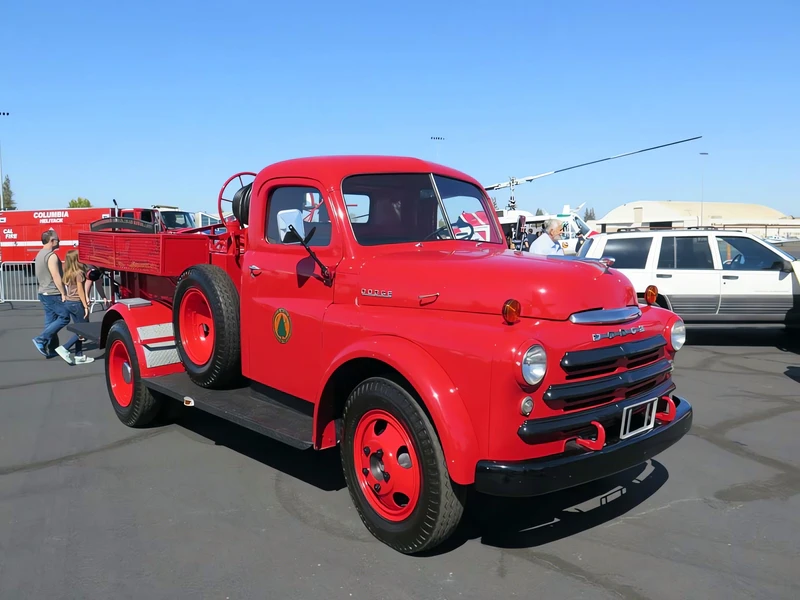
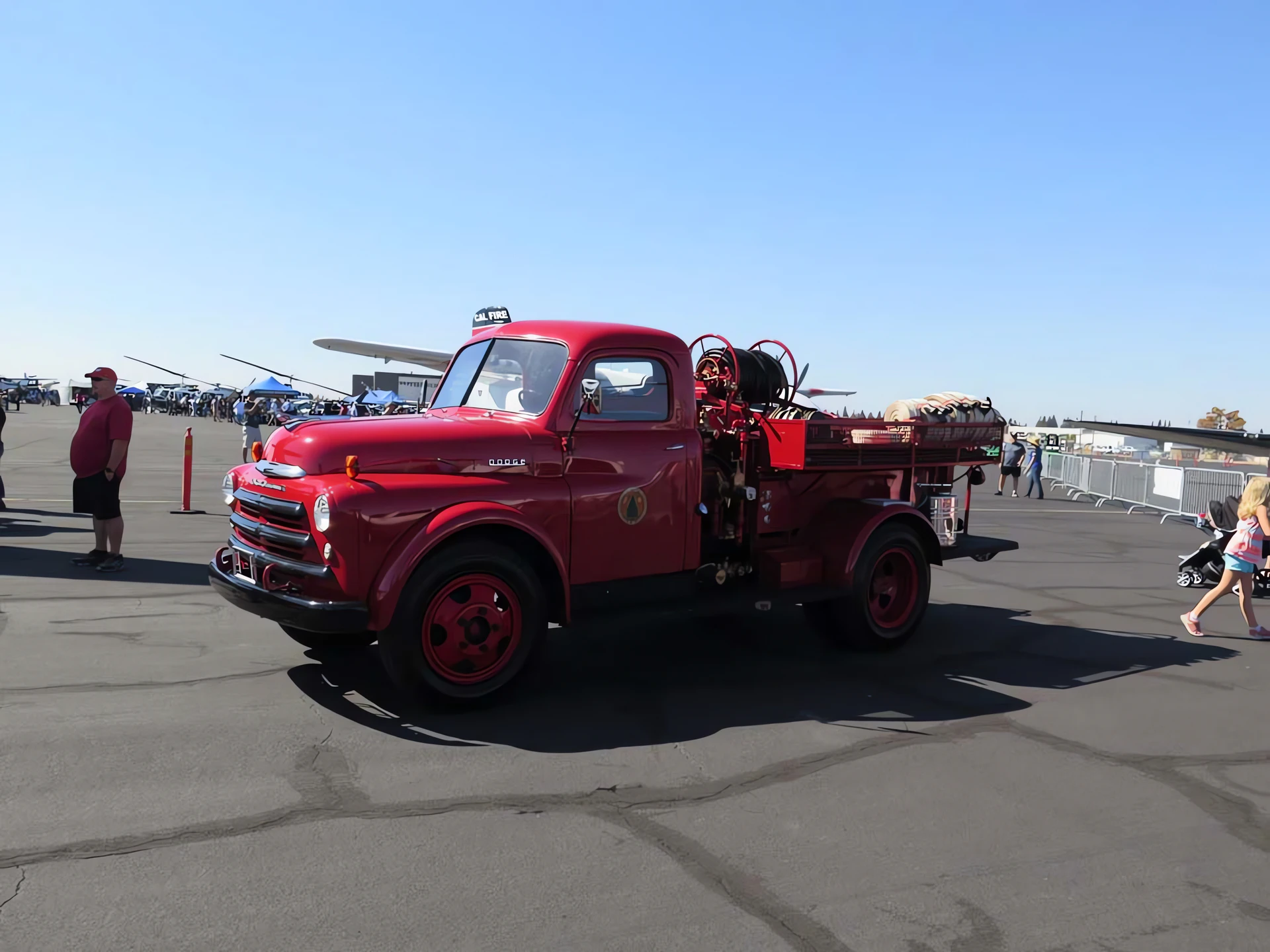
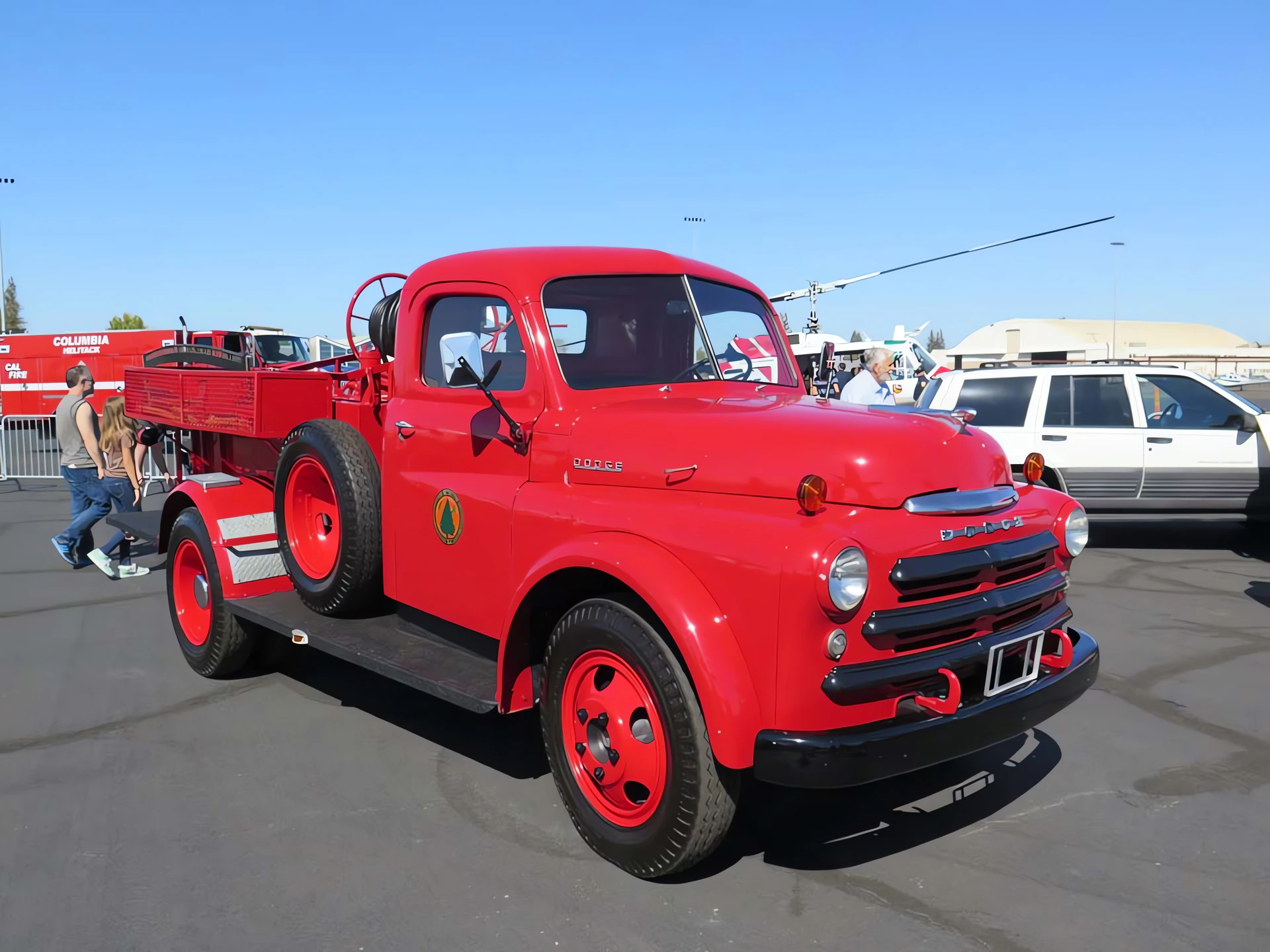
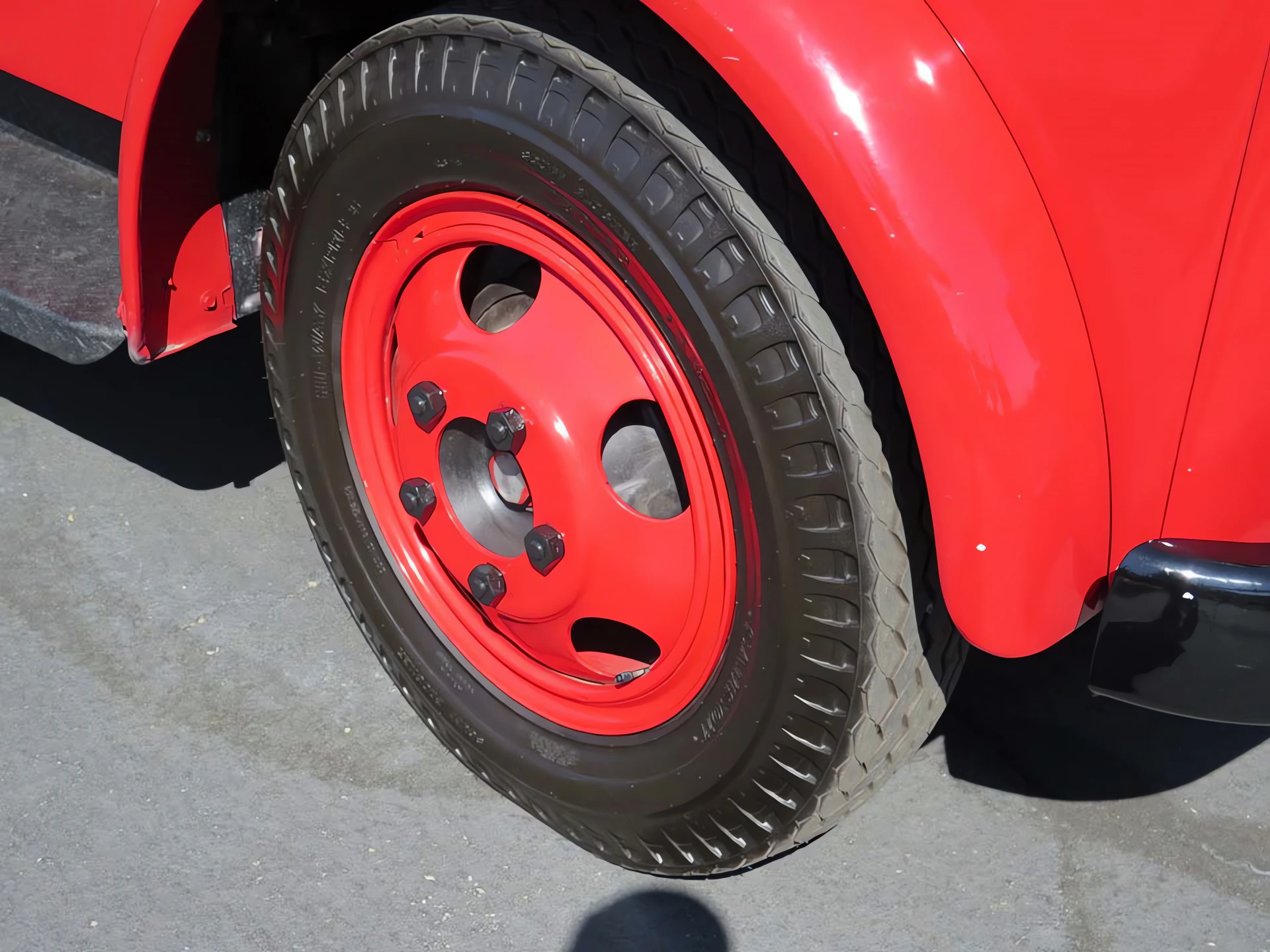
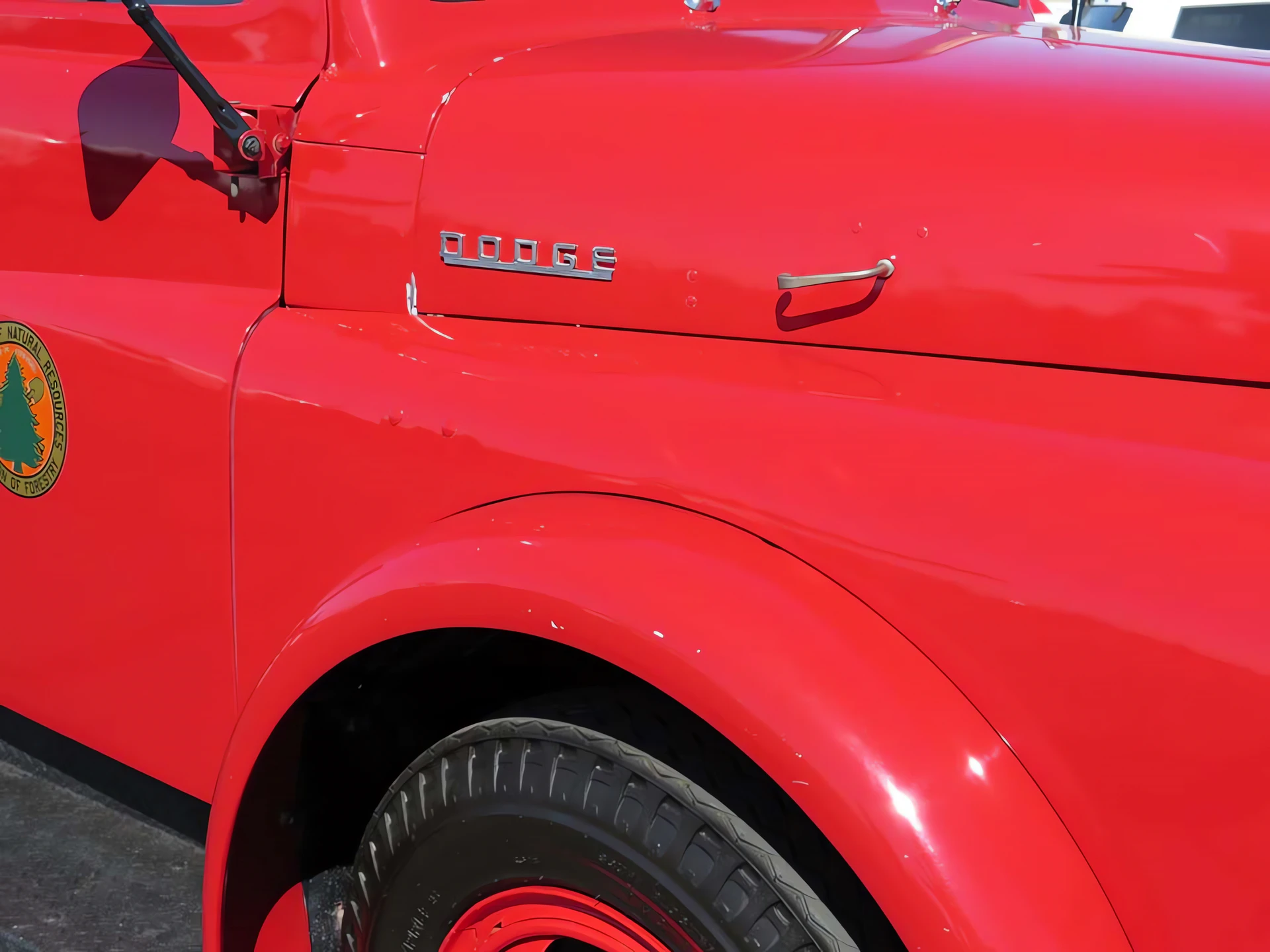
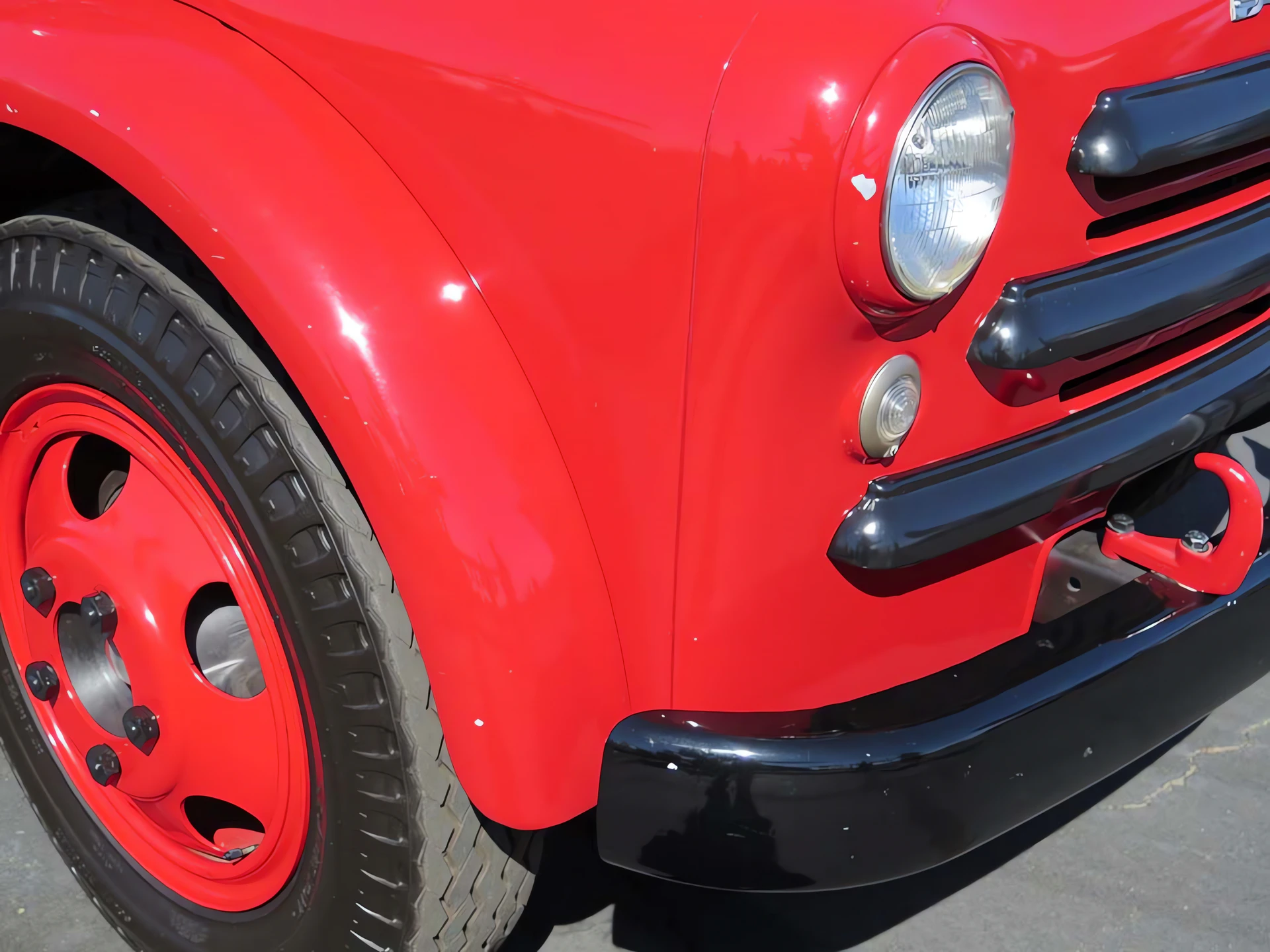
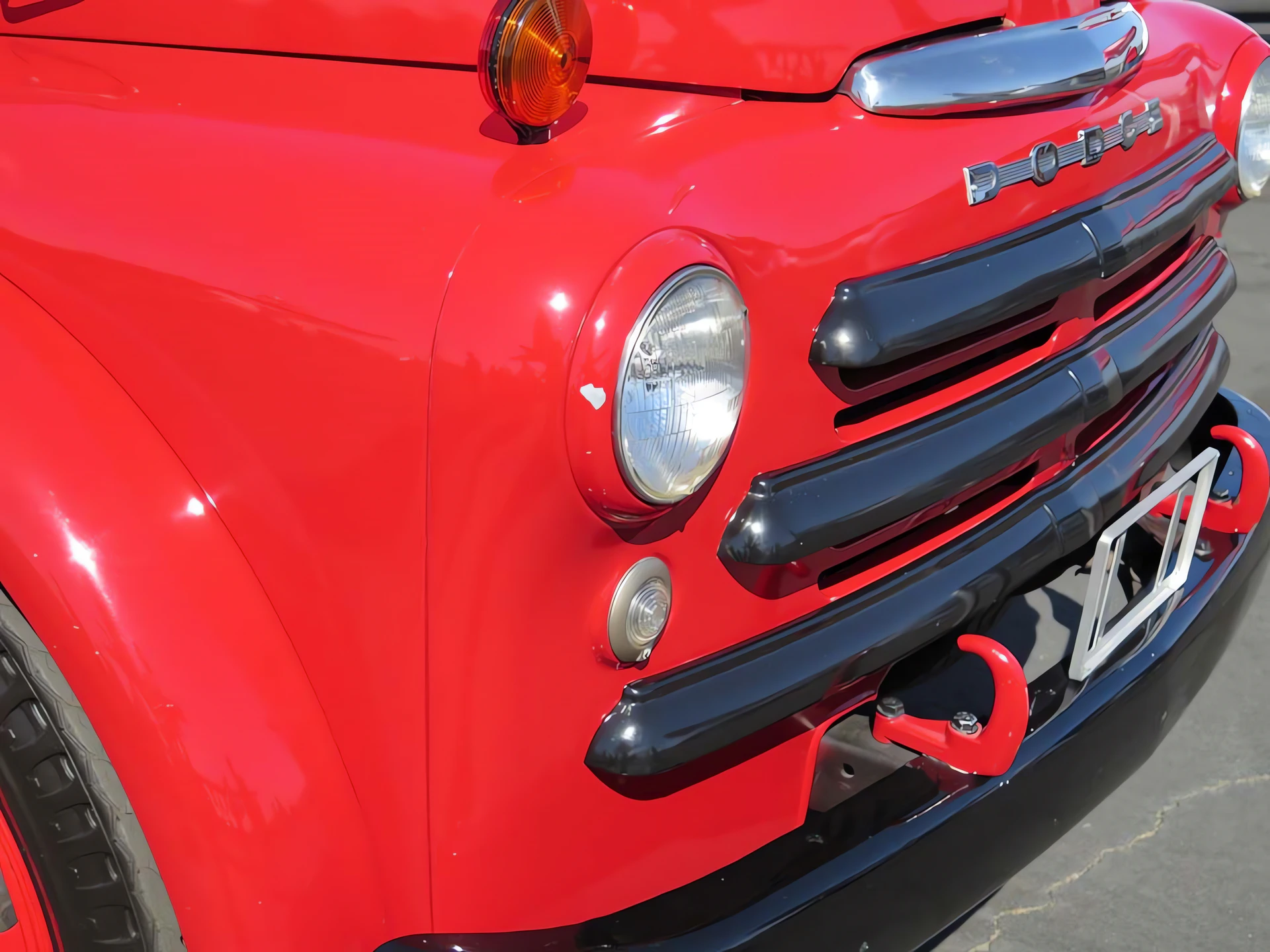
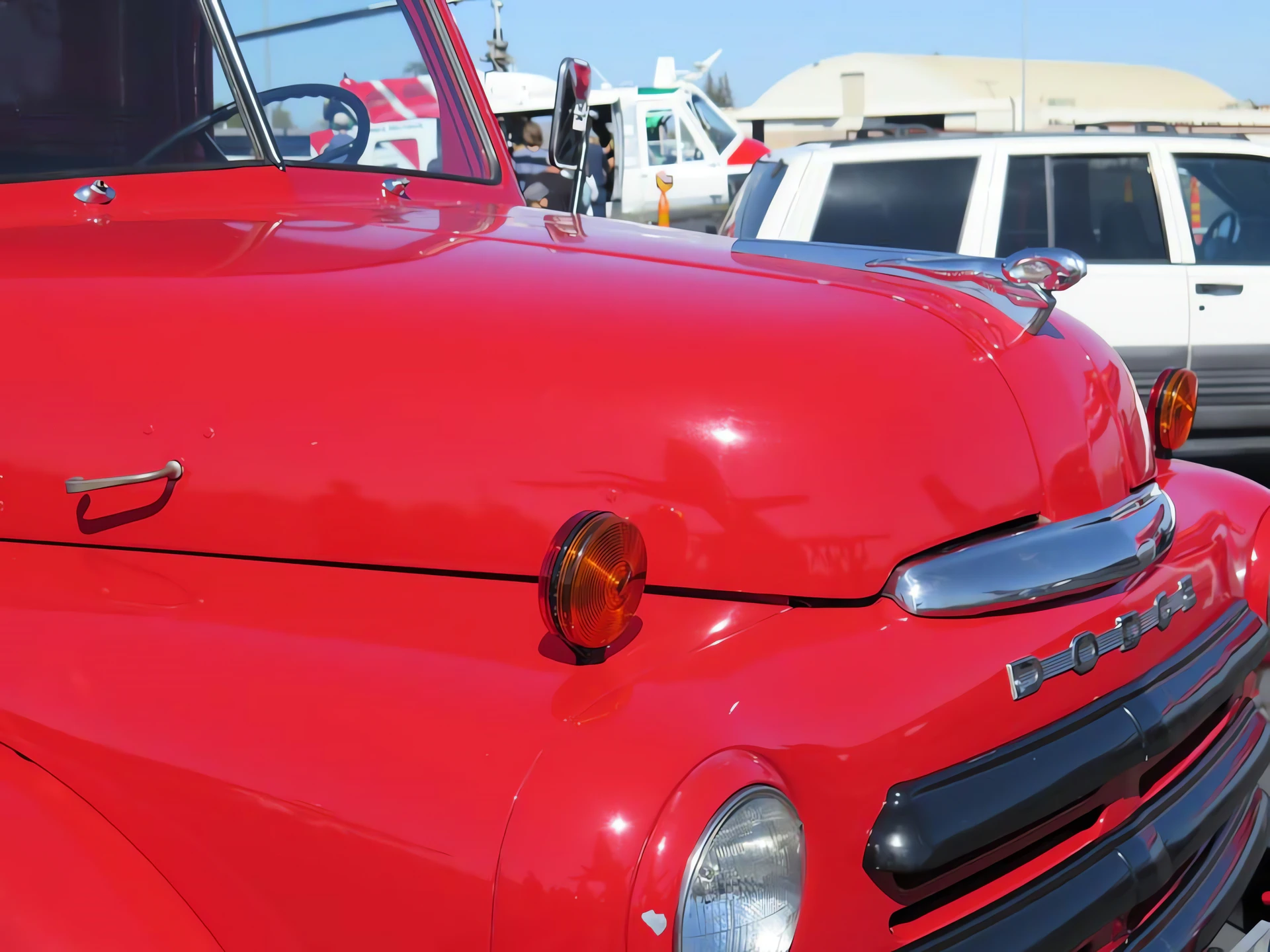
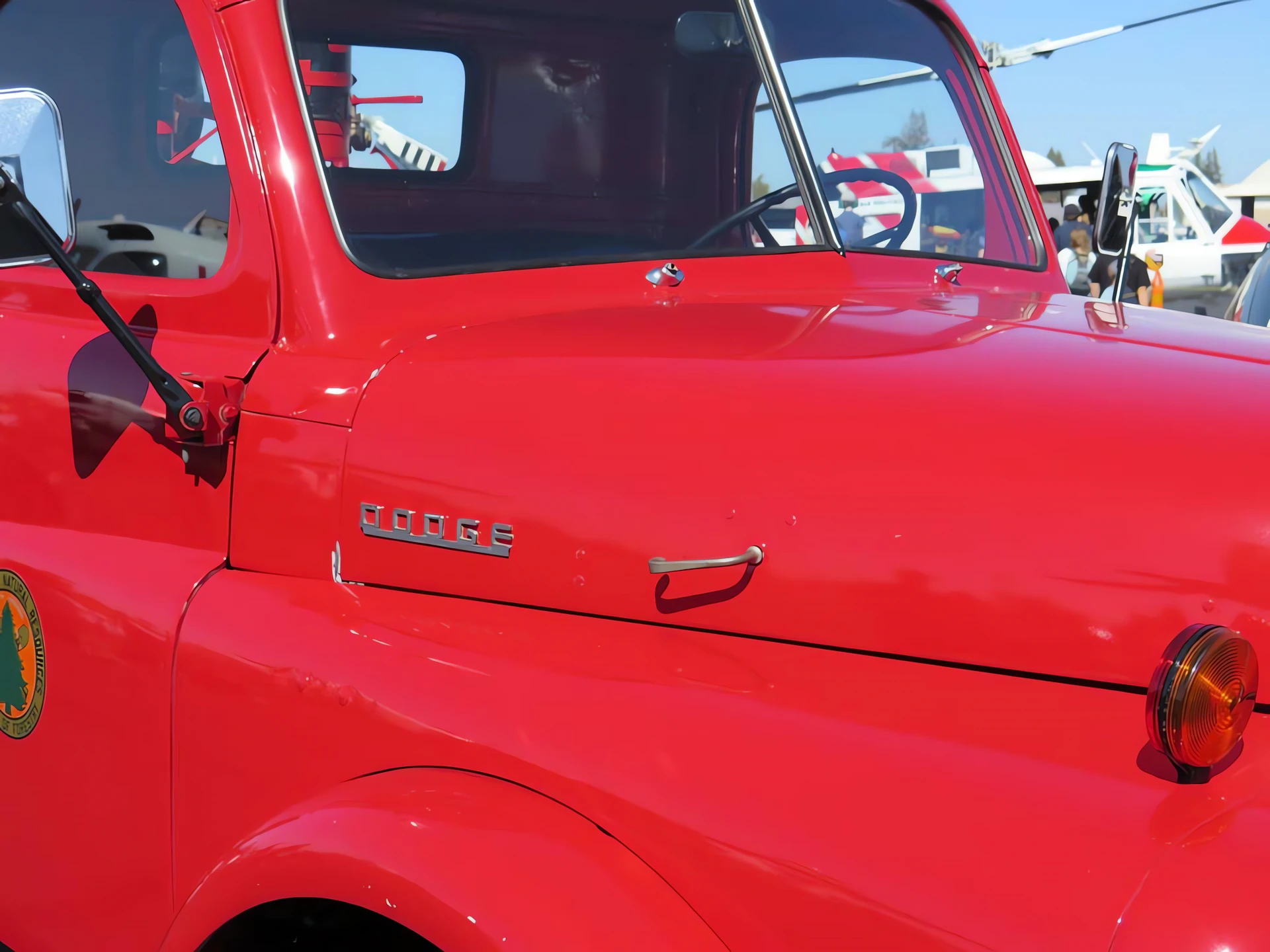
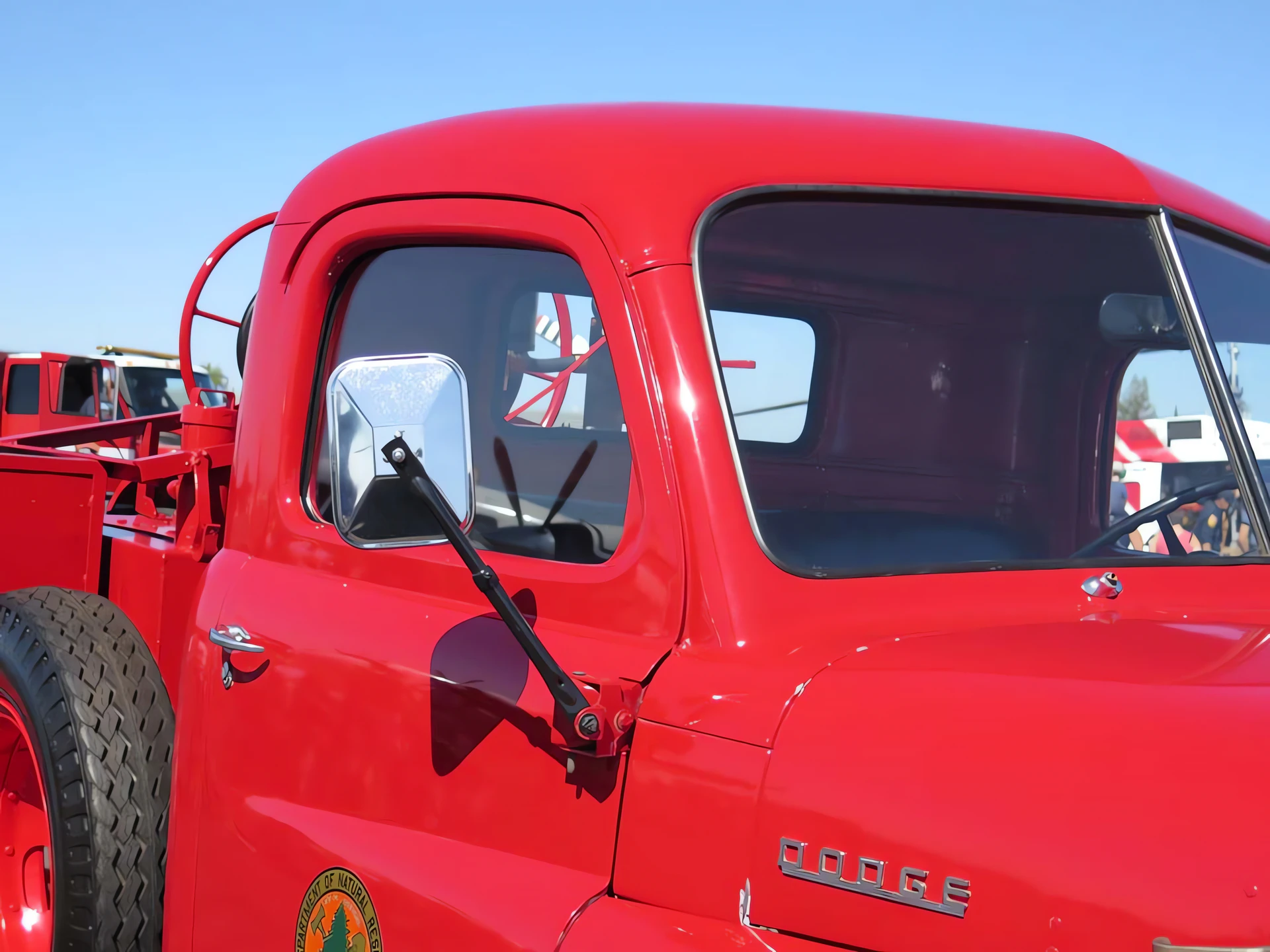
| 1950 Dodge Fire Truck Walk Around | |
|---|---|
| Photographer | Vladimir Yakubov |
| Localisation | Capital City Airshow, Sacramento |
| Photos | 62 |

Katso myös:


General Characteristics and Role
The 1950 Dodge fire truck typically utilized the chassis from Dodge’s medium-duty B-Series or C-Series trucks (such as the B-3 or C-3 models), customized by specialist fire apparatus builders like American LaFrance or Barton-American. These trucks were widely used by smaller municipal and volunteer fire departments in the post-war era, providing reliable and affordable service. The design favored a rugged, straightforward mechanical layout and a familiar cab-over-engine or conventional-cab style. The 1950s era represented a transition in fire truck design, moving toward more specialized apparatus, but the Dodge chassis provided a dependable workhorse platform for carrying pumps, water, and essential equipment.
| Property | Typical Value (Medium-Duty Chassis) |
|---|---|
| Rooli | Pumper or Tanker Fire Apparatus |
| National Origin | Yhdysvallat |
| Manufacturer (Chassis) | Dodge (Chrysler Corporation) |
| Model Series | B-Series or C-Series (e.g., 1.5-ton rating) |
| Production Year | 1950 |
| Drive Layout | 4×2 rear-wheel drive |
| Gross Vehicle Weight (GVW) | Approx. 15,000 to 20,000 lbs (6,800 to 9,070 kg) |
| Cab Type | Conventional (Engine forward of the cab) |
Powerplant and Firefighting Capabilities
- Engine: Typically a Dodge L-head straight-six engine (also known as the flathead six).
- Power Output: Ranging from approximately 95 to 115 hp, depending on the engine size and tune.
- Transmission: Usually a 4-speed synchromesh manual transmission.
- Pumping Capacity: These trucks were generally fitted with pumps capable of discharging water at 500 gallons per minute (GPM), which was standard for basic municipal service at the time.
- Water Tank: Common tank capacity ranged from 300 to 500 gallons.
- Key Feature: Simplicity and durability, allowing them to remain in service in small departments well into the 1970s.
Design Context and Legacy
- Chassis Base: The 1950 truck was part of the post-war trend where commercial chassis were adapted into fire apparatus, offering lower cost than custom-built options.
- Apparatus Body: The fire body often featured open jump seats on the rear or sides for transporting firefighters, a design that would later be phased out for safety reasons.
- Modernization: The use of the powerful flathead six engine was nearing its end, soon to be replaced by the more powerful overhead valve (OHV) V8 engines that would dominate the late 1950s and beyond.
- Collector’s Item: Today, the 1950s Dodge fire trucks are prized by antique vehicle collectors for their classic styling and nostalgic connection to the volunteer fire service era.
Views : 1159
Voit myös nähdä:
 Pavesi P4 – Photos & Videos
 Ilmiö Granit 1500 – Valokuvat & Videot
 Ford G917T 3-tonni – Valokuvat ja videot
 M1120 HEMTT kuormankäsittelyjärjestelmä - valokuvat ja videot
 Mack M123 Truck – Valokuvat ja videot
 P-18-tutka - Valokuvat ja videot
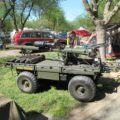 M274 1/2 tonnin 4×4 hyötykuorma-auto – Valokuvat ja videot
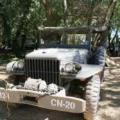 WC52 - Valokuvat ja video
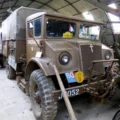 Ford CMP 15cwt 4×4 GS – Kävellä
 Bedford OYC polttoainetankkeri – Kävellä