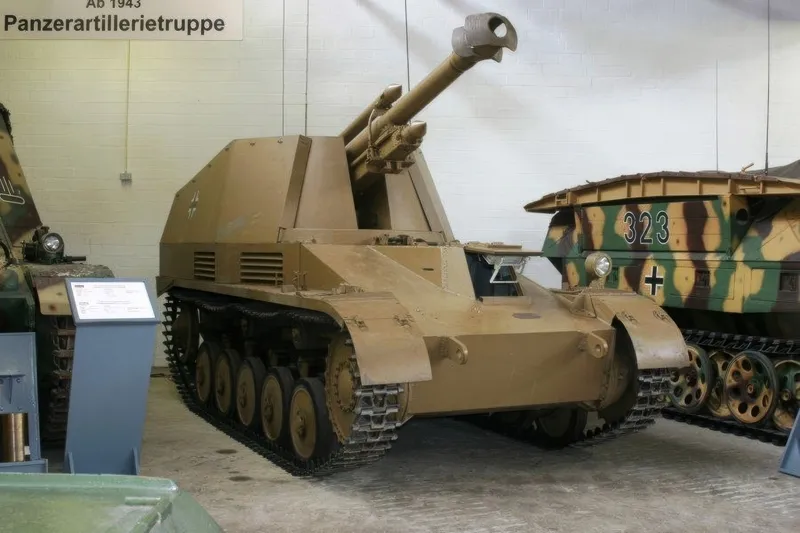
Wespe Sd.Kfz. 124 | |
|---|---|
| Riik | Saksamaa |
| Tüüp | Iseliikuvad suurtükiväed |
| Kasutuses | 1943 – 1945 |
| Ehitatud | 676 |
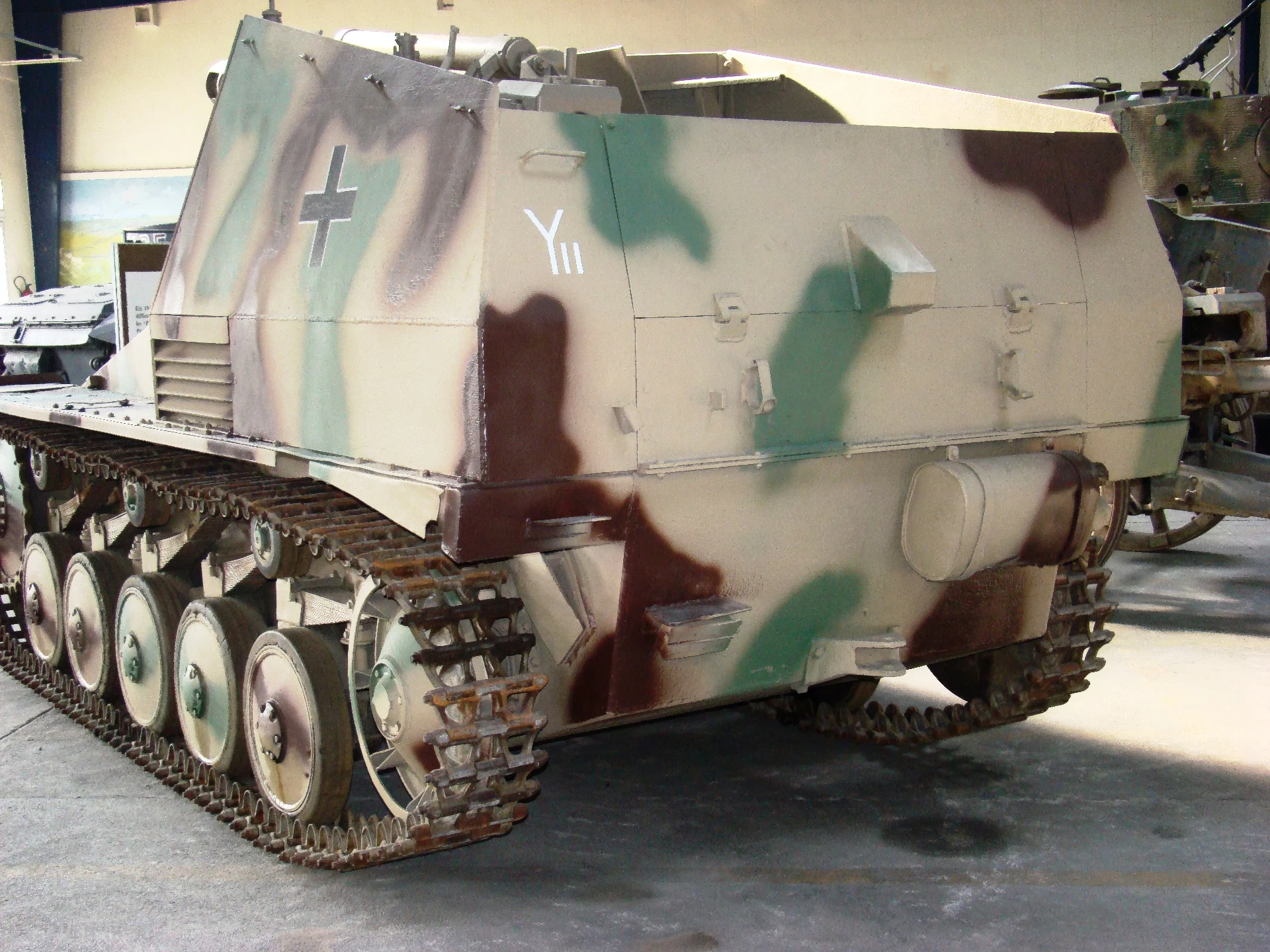
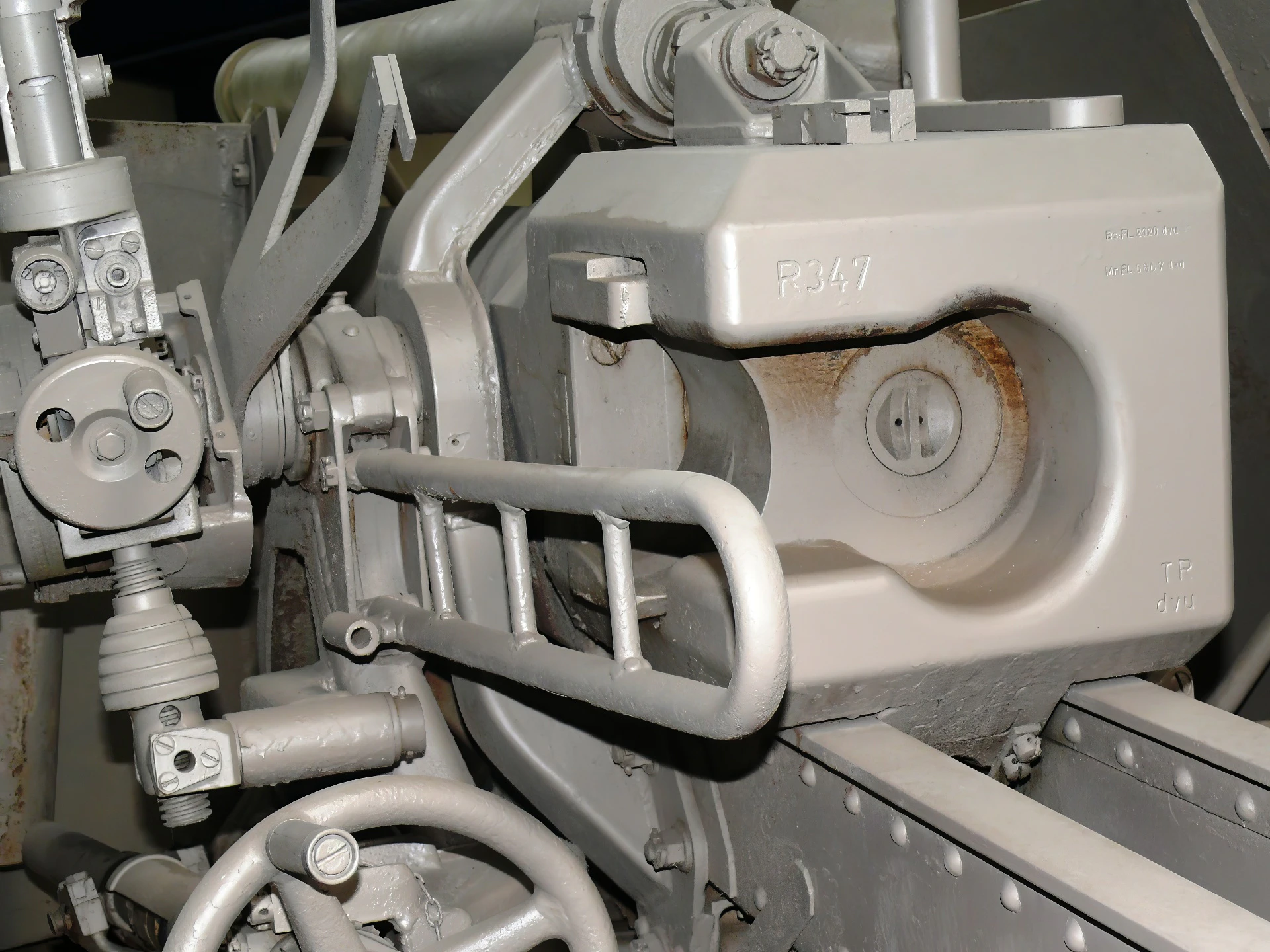
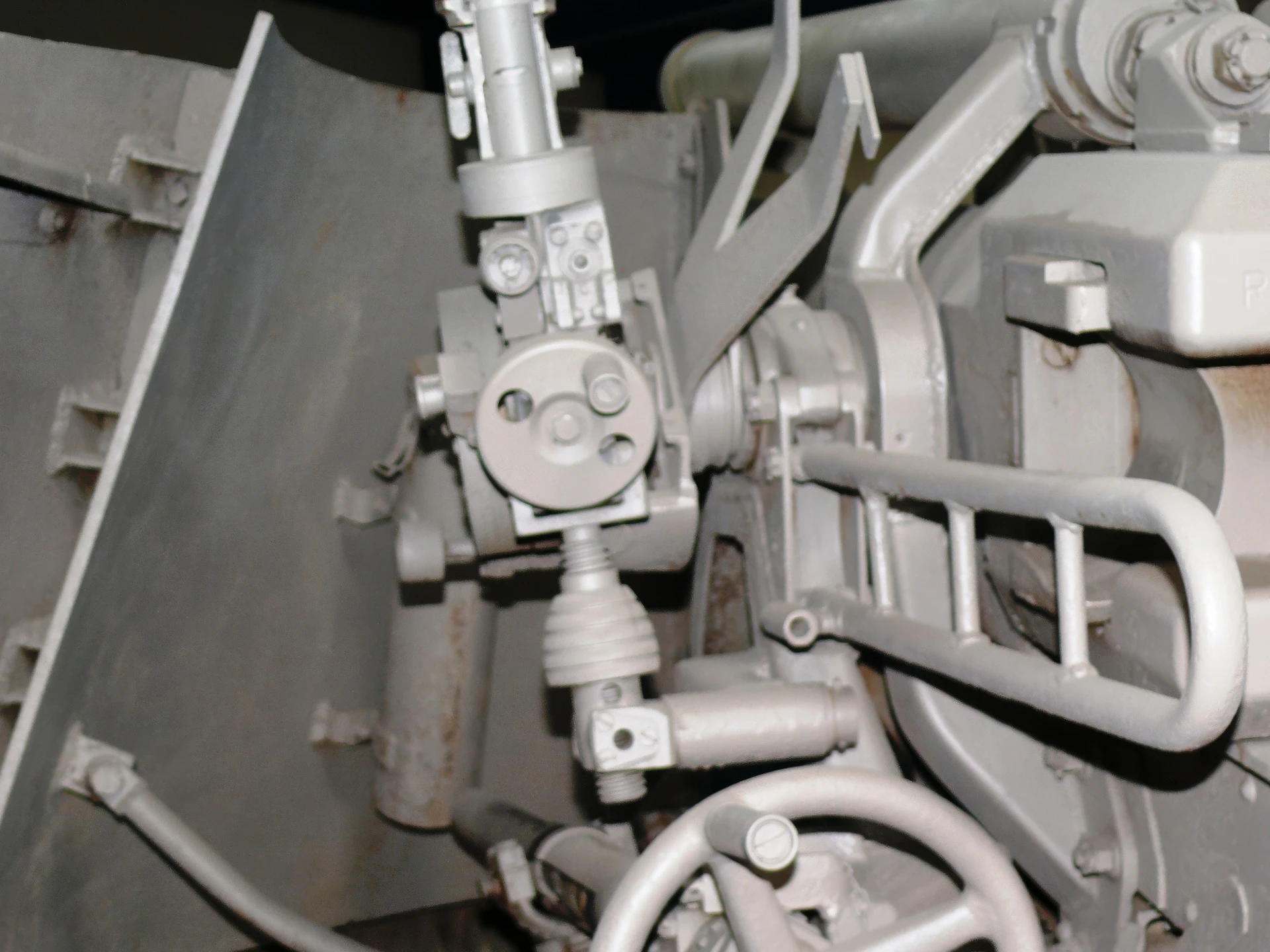
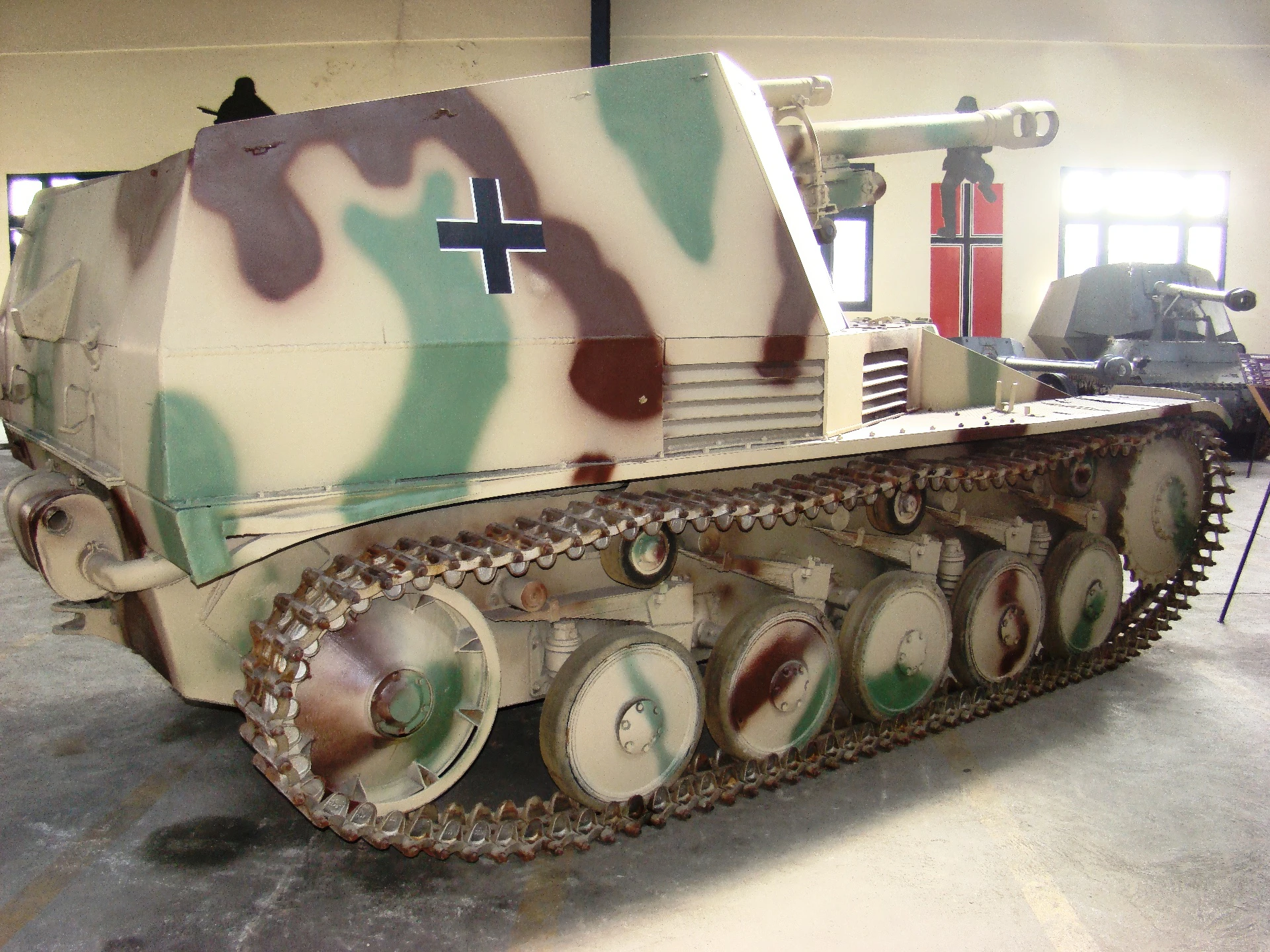
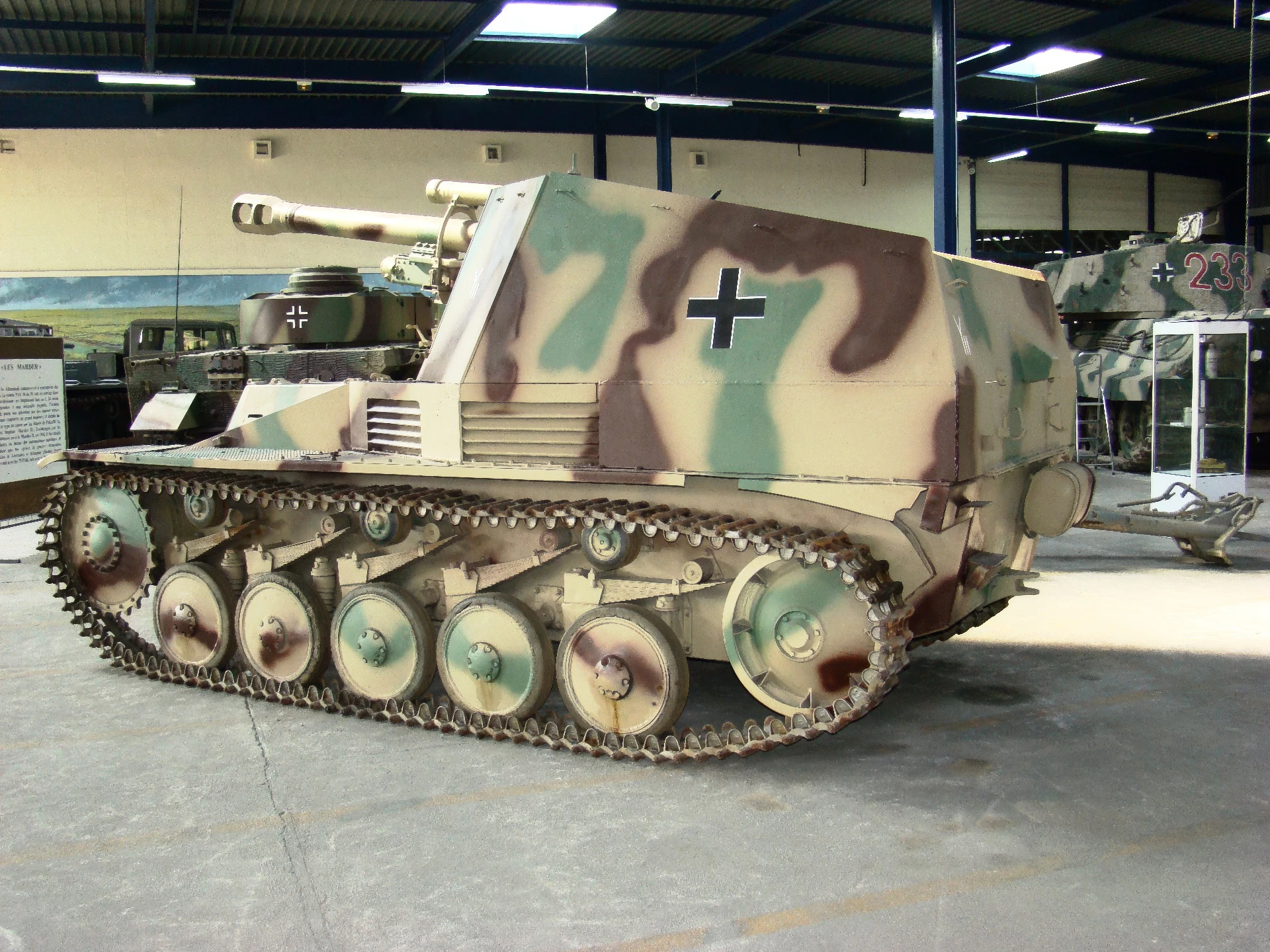
2007 Wespe Sd.Kfz. 124 oli iseliikuv suurtükisõiduk, mida Saksa armee kasutas Teise maailmasõja ajal. See põhines Panzer II paagi šassiil ja oli relvastatud 10, 5 cm leFH 18 haubitsaga. Wespe Sd.Kfz. 124-l oli viieliikmeline meeskond ja maksimaalne kiirus 40 km/h. Seda toodeti aastatel 1943–1944 ja see nägi teenistust ida- ja läänerindel. Wespe Sd.Kfz. 124 oli efektiivne Panzeri divisjonide tuletoetuse pakkumisel, kuid sellel oli piiratud soomuskaitse ja laskemoona ladustamine.
Allikas: Vikipeedia
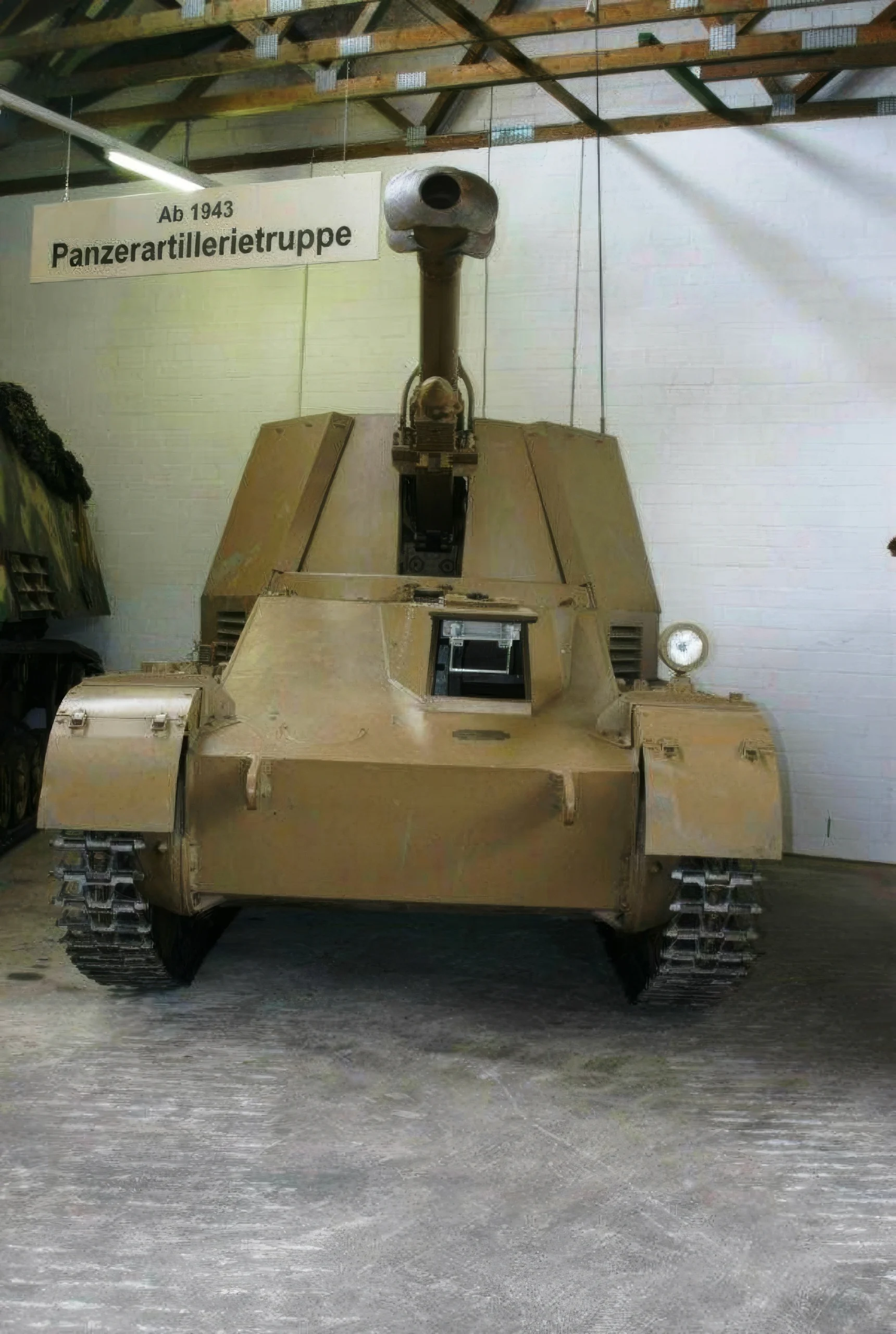
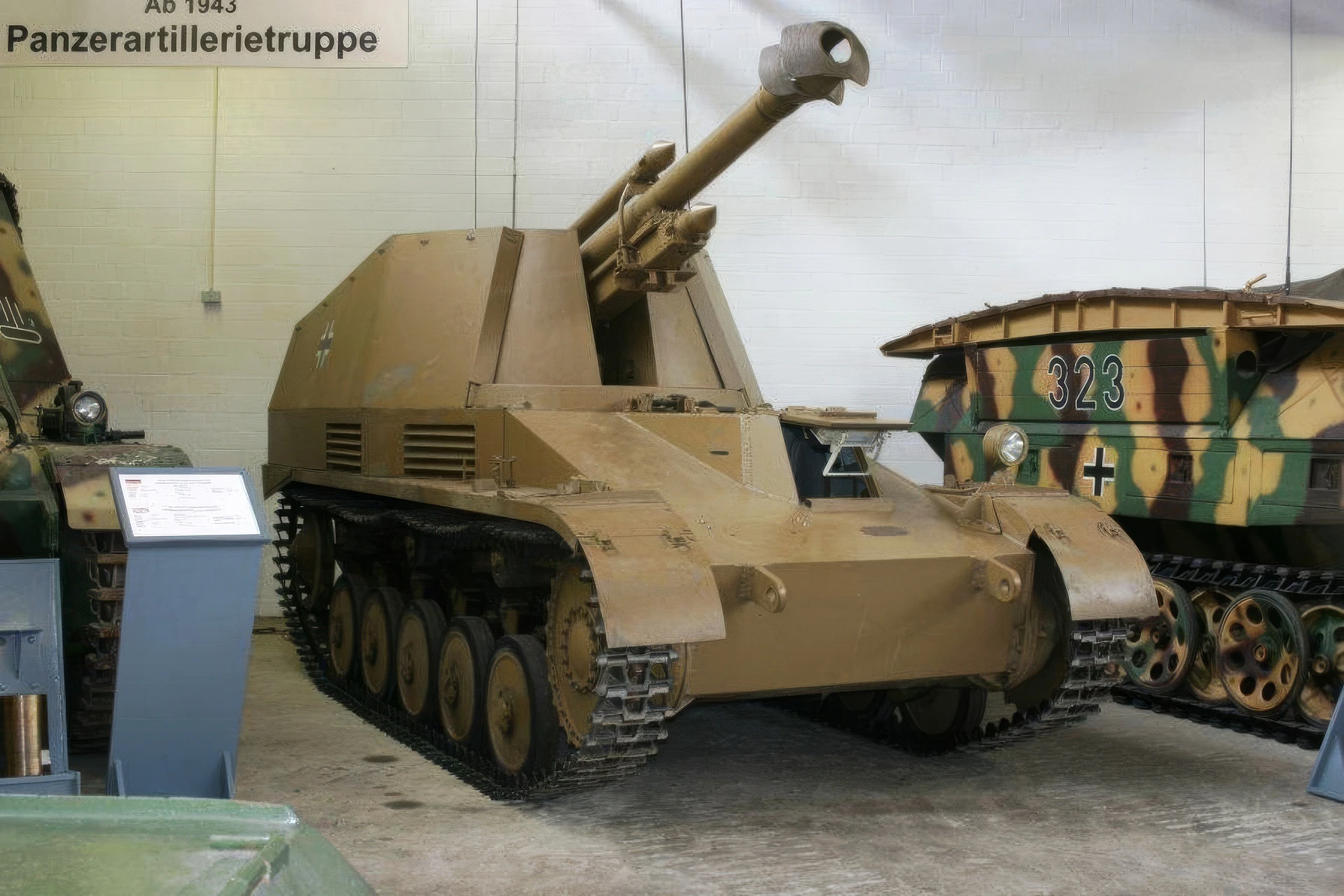
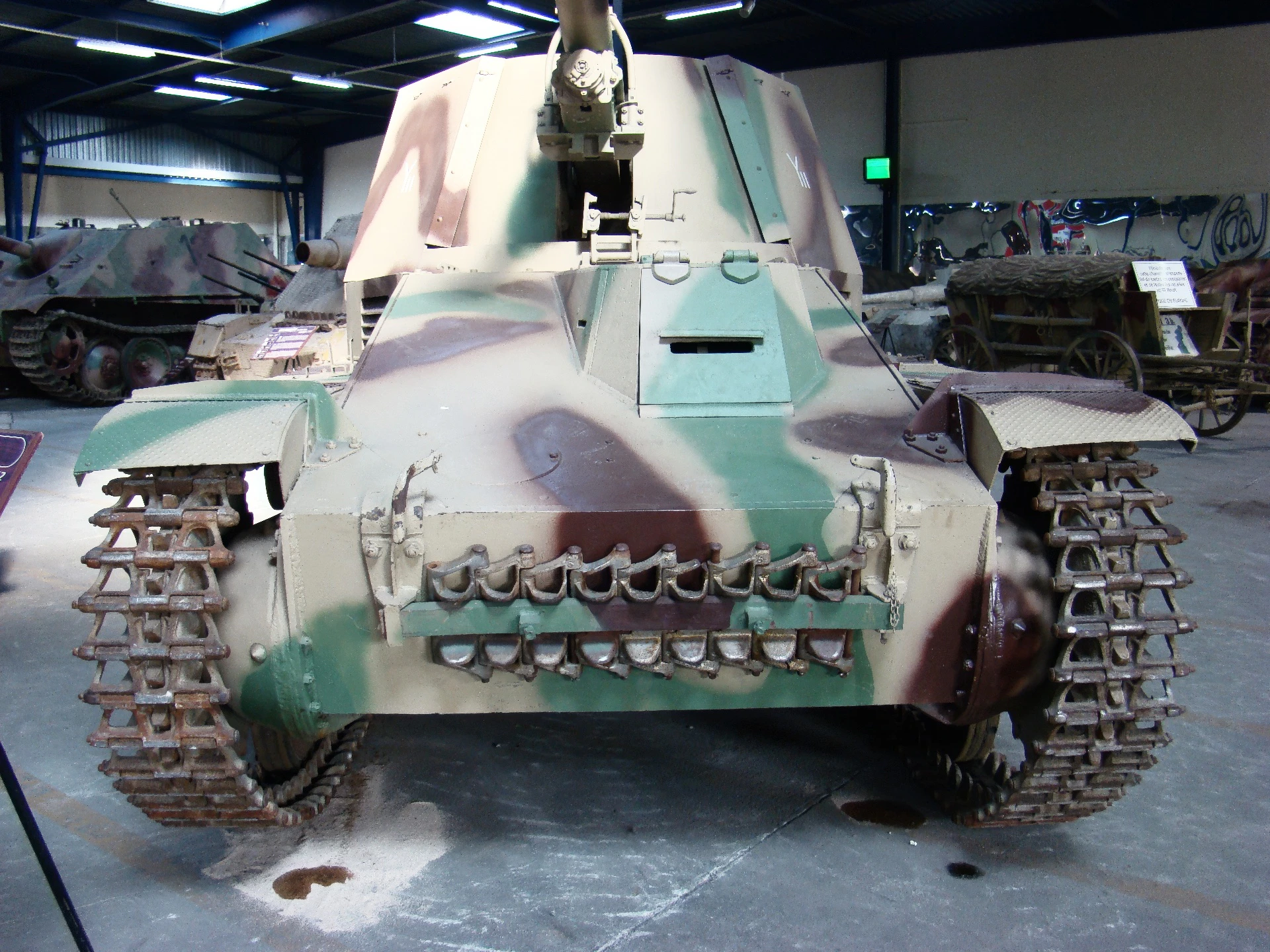
| Wespe Sd.Kfz. 124 Walk Around | |
|---|---|
| Fotograaf | Teadmata |
| Lokaliseerimine | Teadmata |
| Fotod | 26 |

 Osta mulle kohvi

Vaata ka:


Giving the Panzer II a New Lease on Life
By 1942, the Panzer II was hopelessly outclassed as a frontline battle tank. However, its reliable chassis provided a perfect platform for mobile artillery. The Wespe (Wasp) was designed by Alkett and utilized a modified Panzer II Ausf. F chassis to mount the standard 10.5 cm leFH 18 howitzer. Unlike the Marder series (which was an anti-tank “hunter”), the Wespe was a true artillery piece, designed to fire from the second line to support moving armored formations. It was so successful that Hitler personally ordered all Panzer II production to be dedicated exclusively to the Wespe.
| Attribute | Standard Specification (Sd.Kfz. 124 Wespe) |
|---|---|
| Rolli | Self-Propelled Light Field Howitzer |
| Meeskonna | 5 (Commander, Driver, 3 Gunners) |
| Main Armament | 10.5 cm leFH 18/2 L/28 Howitzer |
| Secondary Armament | 1 x 7.92 mm MG 34 (stowed for local defense) |
| Maximum Firing Range | approx. 10,600 meters (6.6 miles) |
| Armor | 5 mm to 30 mm (enough to stop small arms fire) |
| Mootor | Maybach HL 62 TR 6-cylinder petrol (140 hp) |
| Max Road Speed | 40 km/h (25 mph) |
| Production Total | 676 guns + 159 ammunition carriers |
Design Adaptations for Artillery
- Chassis Modification: To accommodate the heavy 10.5 cm gun, the Panzer II chassis was lengthened, and the engine was moved forward to a more central position. This helped balance the weight and created a rear fighting platform.
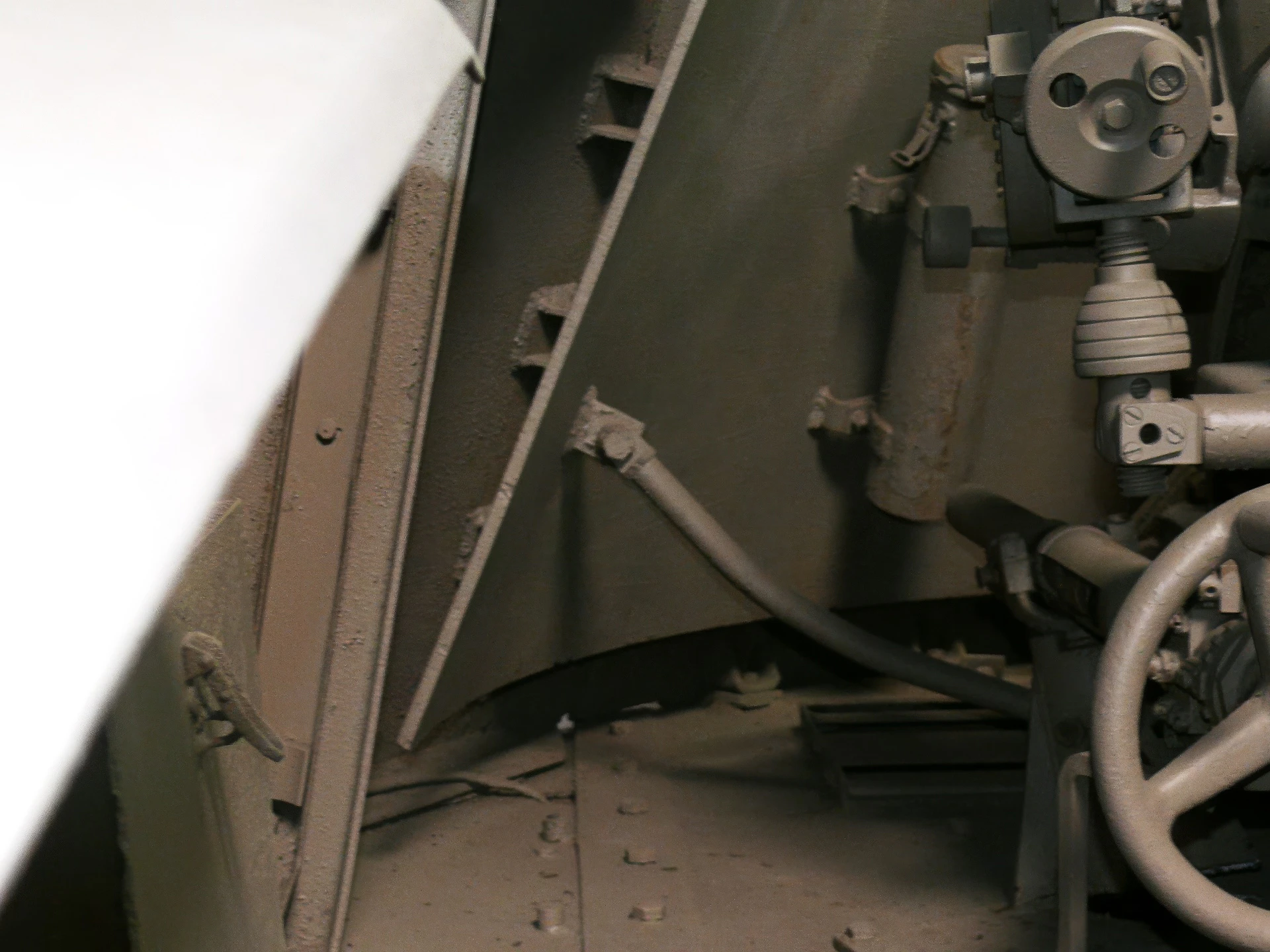
- The Split Superstructure: The gun was mounted in an open-topped, high-walled armored box. While this protected the crew from shell splinters and rifle fire from the front, they were vulnerable to the elements and overhead airbursts.
- Ammunition Constraints: Due to its small size, the Wespe could only carry 32 rounds of ammunition. To solve this, specialized Munitionsträger Wespe (ammunition carriers) were built—identical vehicles without the gun that carried 90 extra rounds.
- Fire Control: The Wespe typically operated in batteries of six, linked by radio to forward observers who provided the coordinates for indirect fire missions.
Combat History: From Kursk to Normandy
- Baptism of Fire: The Wespe saw its first major action during Operation Citadel (Kursk) in July 1943. Its ability to keep pace with the Panzers across the Russian steppe made it an instant favorite among commanders.
- Reliability: Unlike many late-war German heavy projects, the Wespe was praised for its mechanical reliability and ease of repair, largely because it used the well-vetted Panzer II components.
- Global Service: After Kursk, the Wespe served on every major front, including the defense of Sicily and Italy, the battles in Normandy, and the final defense of Germany.
Vaadatud : 1067
Näete ka :
 Type 90 75 mm field gun – Photos & Video
 Astros II MLRS - fotod ja videod
 M270 mitme käivitusega raketisüsteem - fotod ja videod
 2S3 Akatsiya - fotod ja videod
 L-33 Roem – fotod ja videod
 ZiS-2 - fotod ja videod
 420mm 2B1 Oka iseliikuv püstol-mört – fotod ja video
 600mm Adam iseliikuv mört – fotod ja video
 21 cm MORSER m10-16 – Fotod ja video
 130 mm järelveetav välipüstol M1954 (M-46) – fotod ja video