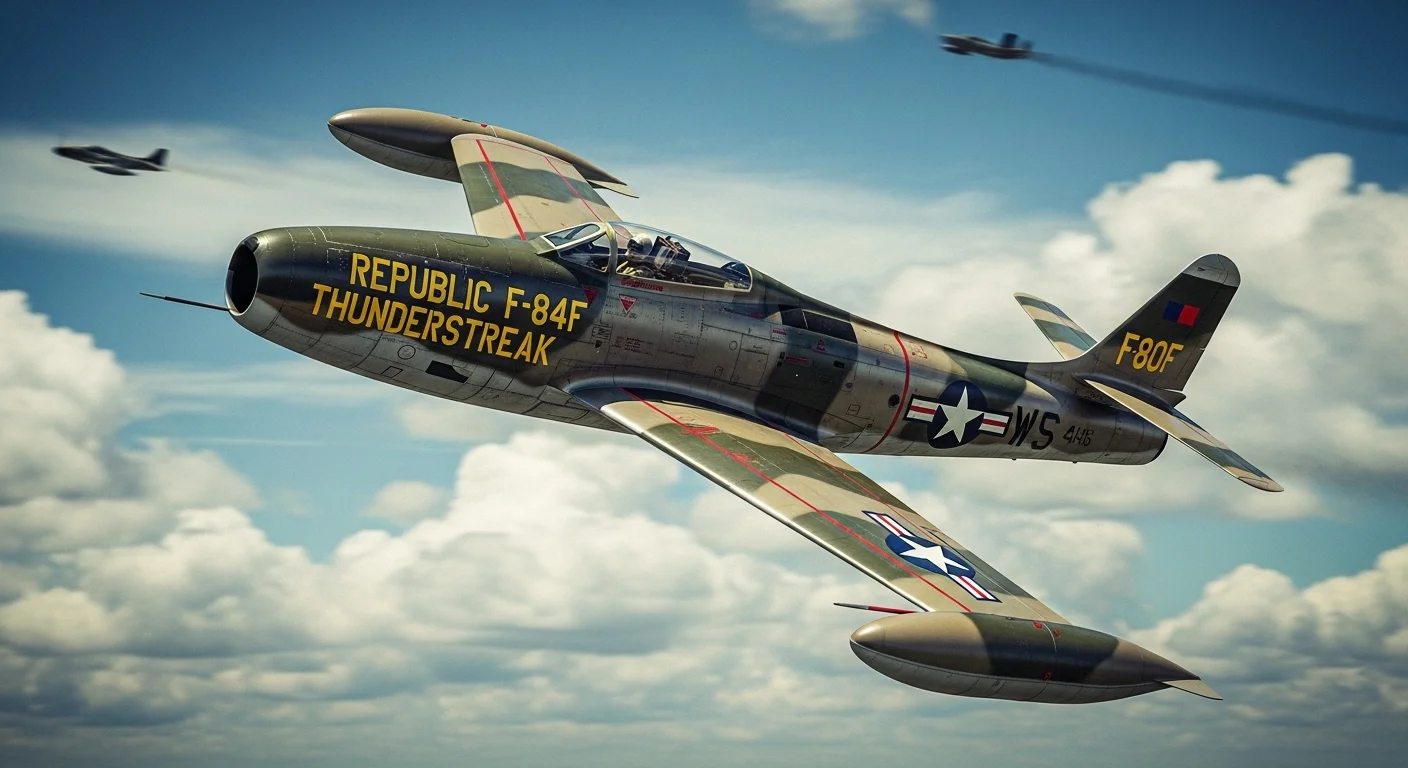
Vabariik F-84F Thunderstreak | |
|---|---|
| Riik | USA |
| Rolli | Hävitajad-pommitajad ja luurelennukid |
| Esimene lend | 3. juuni 1950 |
| Ehitatud | 3428 |
2007 Vabariik F-84F Thunderstreak oli Ameerika pühkitud tiibadega turboreaktiivhävitaja-pommitaja. Kuigi F-84F oli sirge tiivaga F-84 Thunderjeti evolutsiooniline edasiarendus, oli see uus disain. RF-84F Thunderflash oli fotoluure versioon.
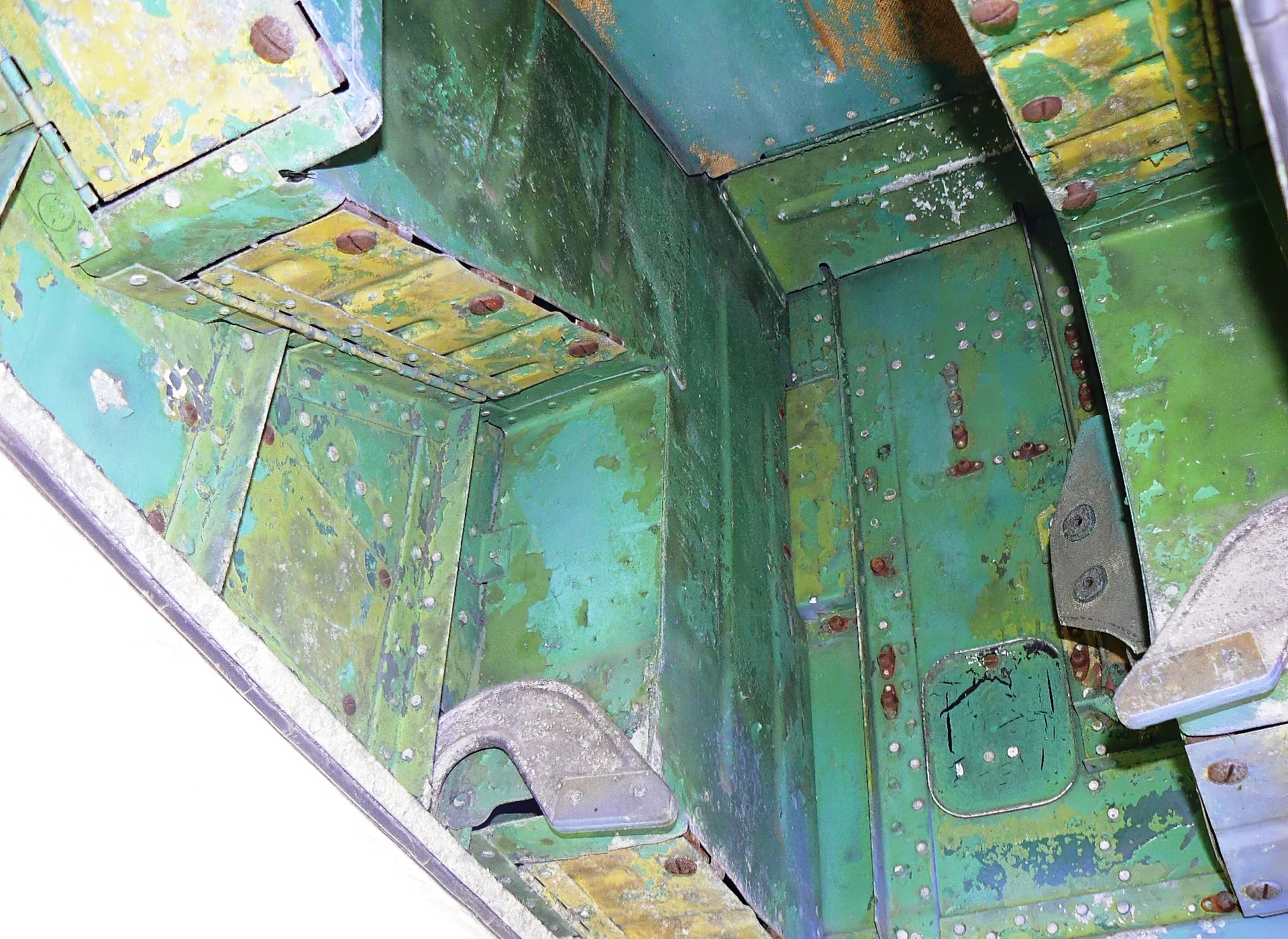
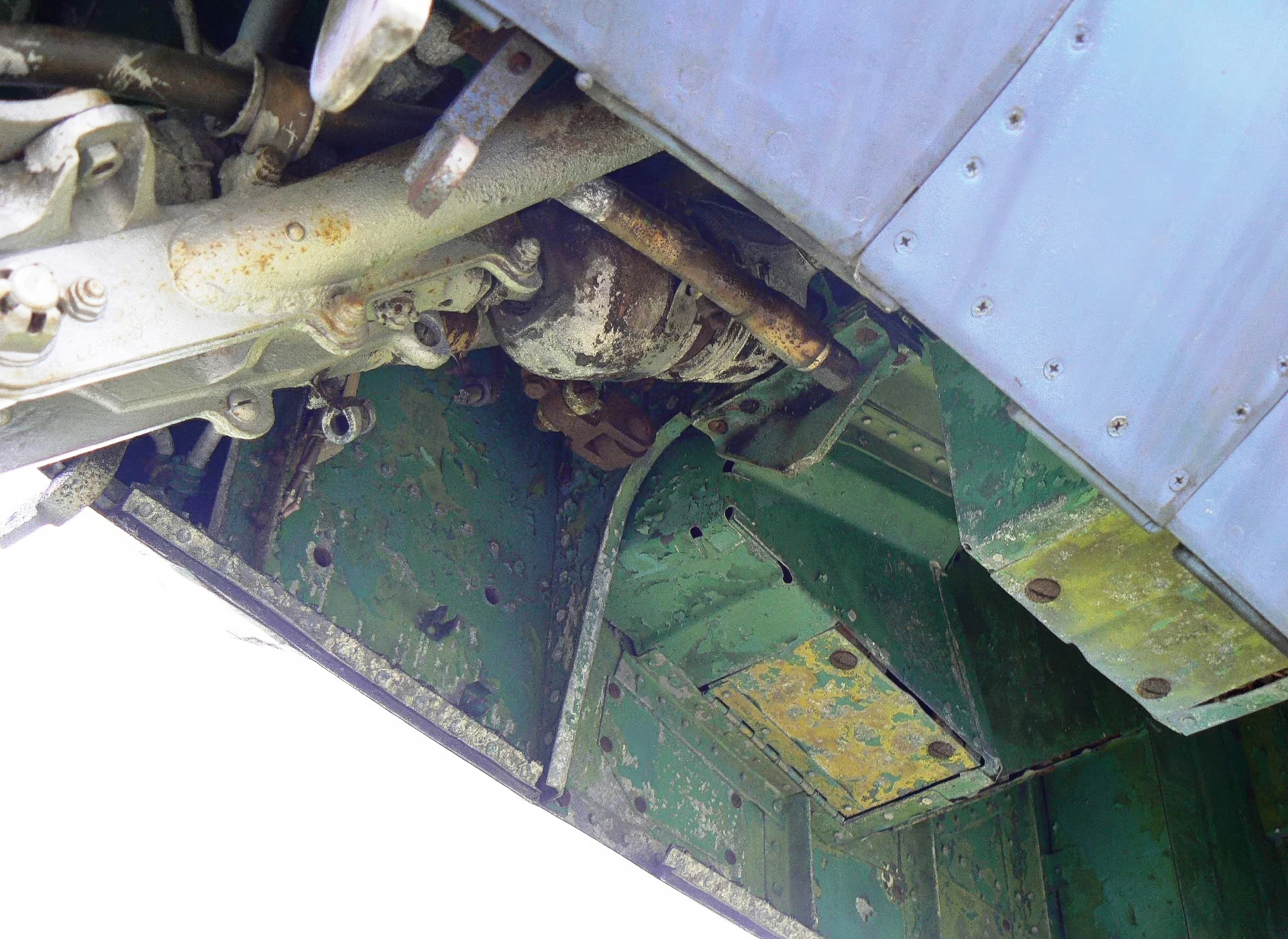
| Republic F-84F Thunderstreak Walk Around | |
|---|---|
| Fotograaf | Allex |
| Lokaliseerimine | Uknow |
| Fotod | 24 |
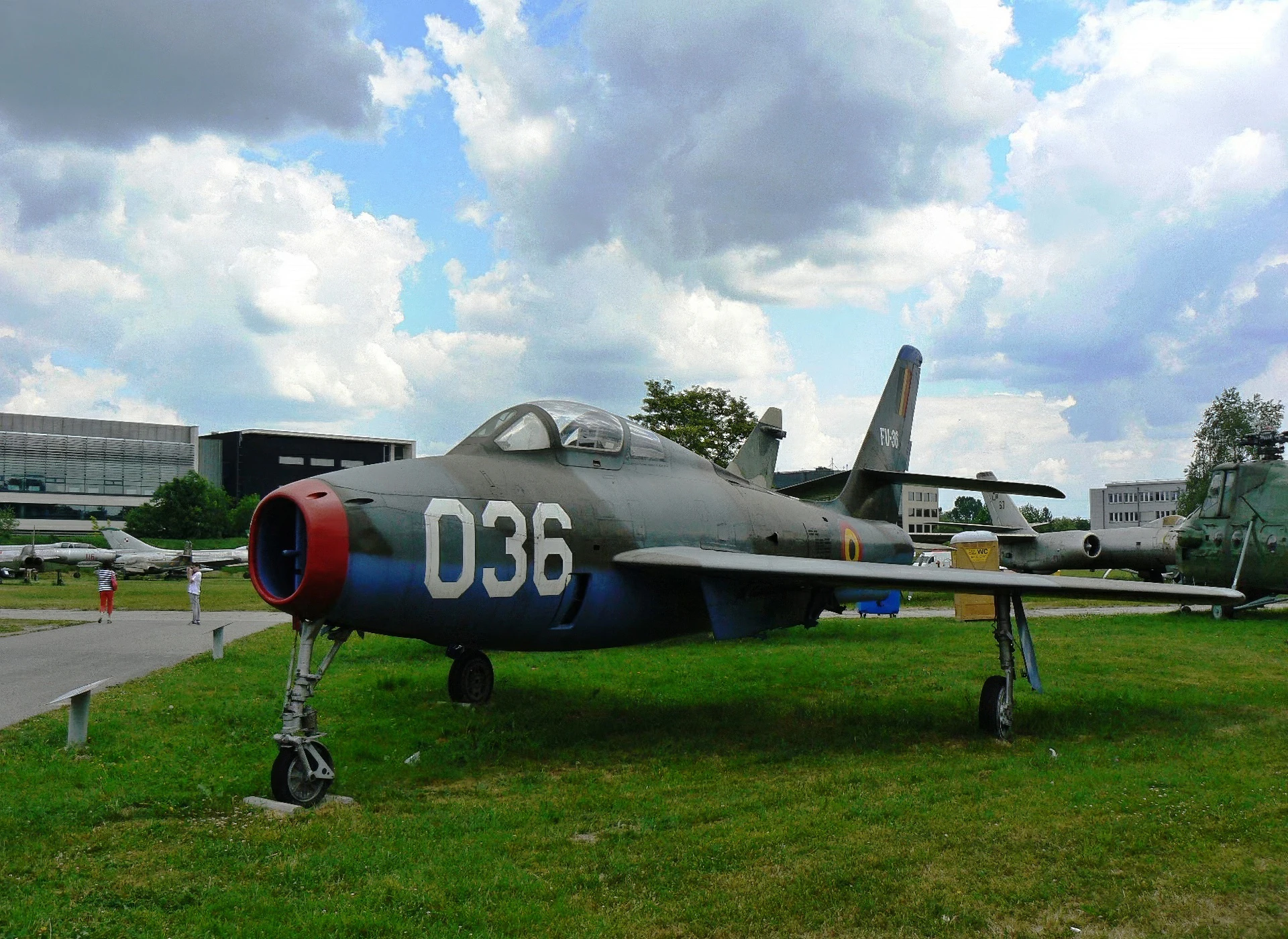
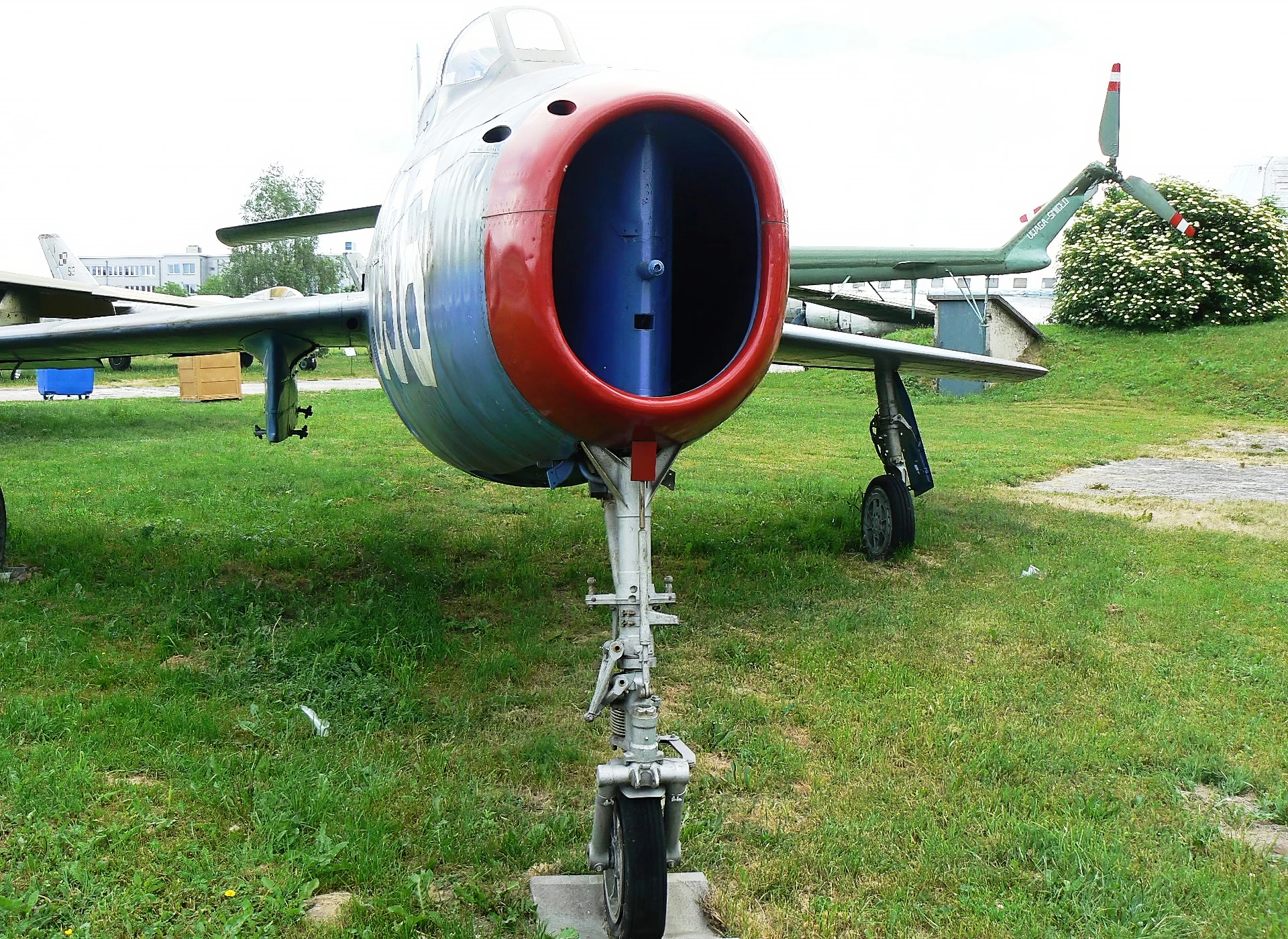
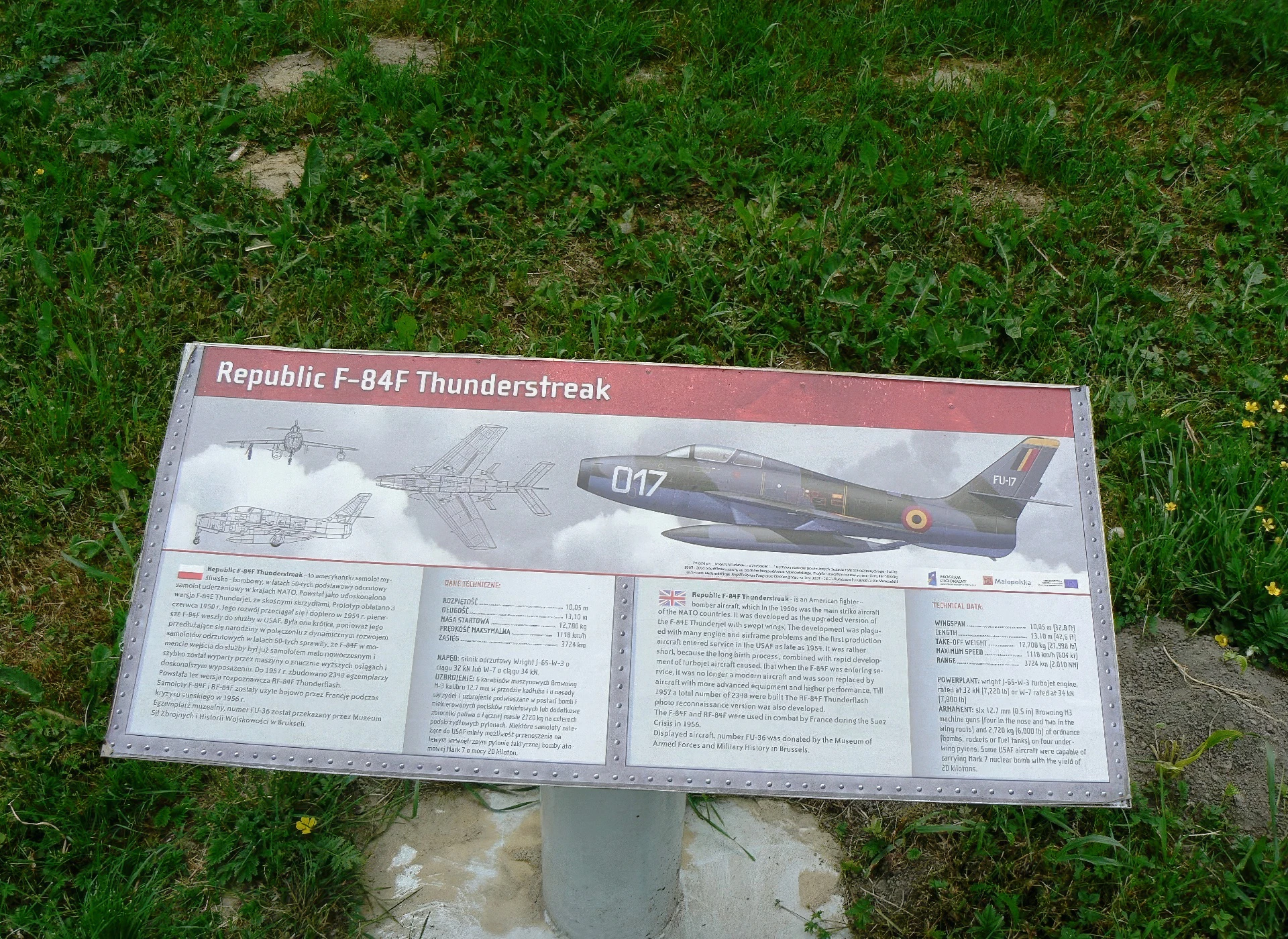
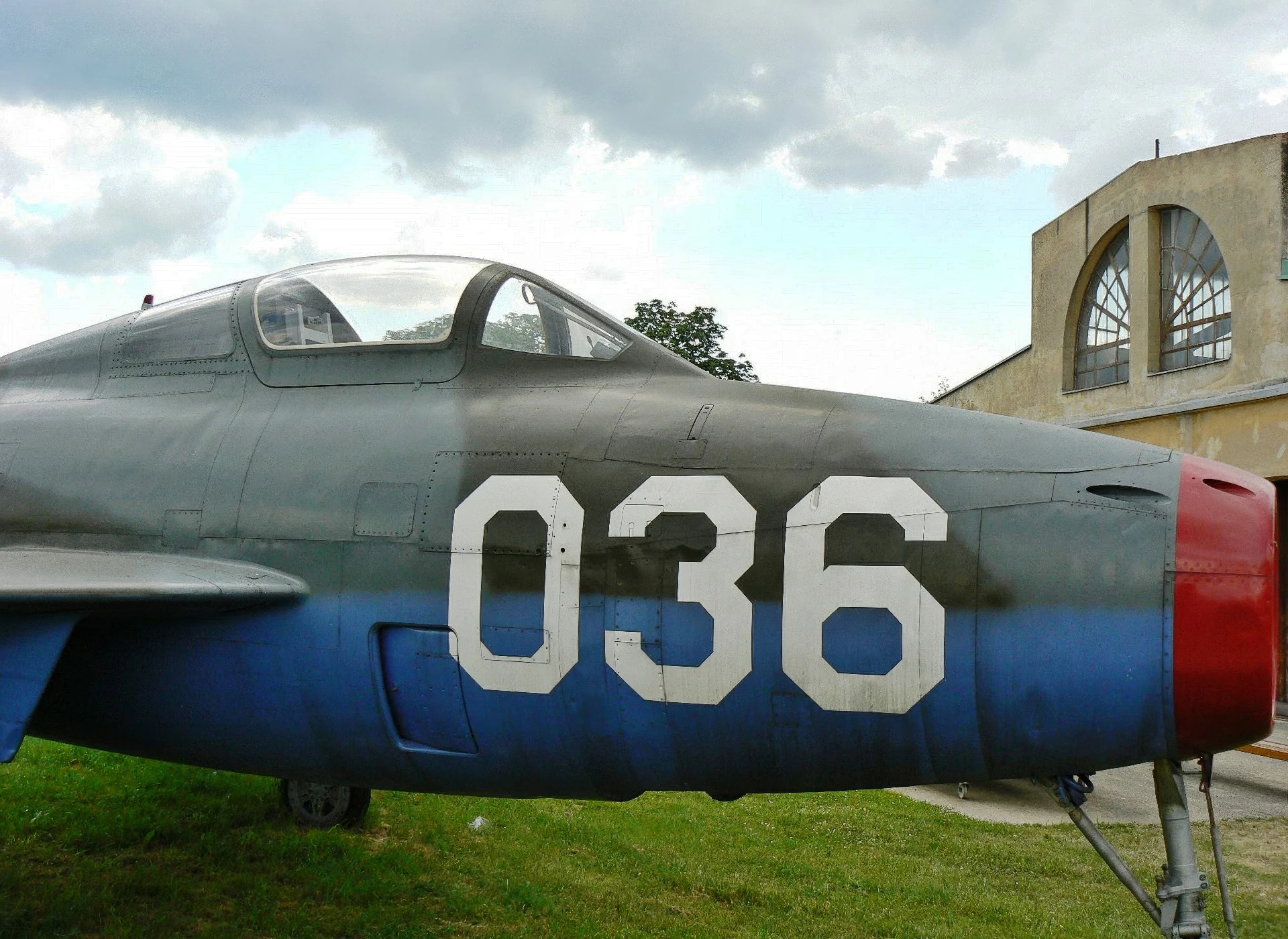
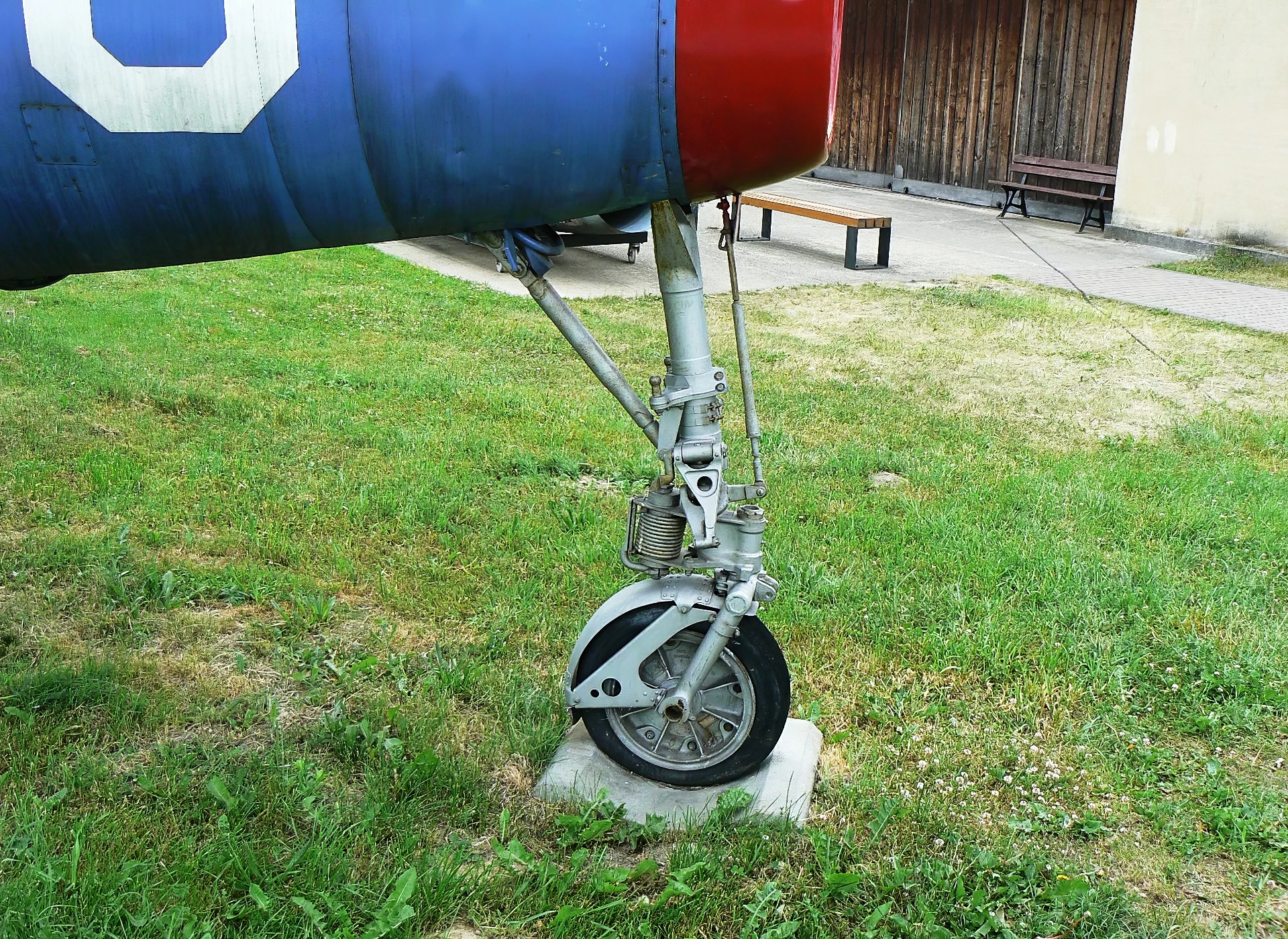
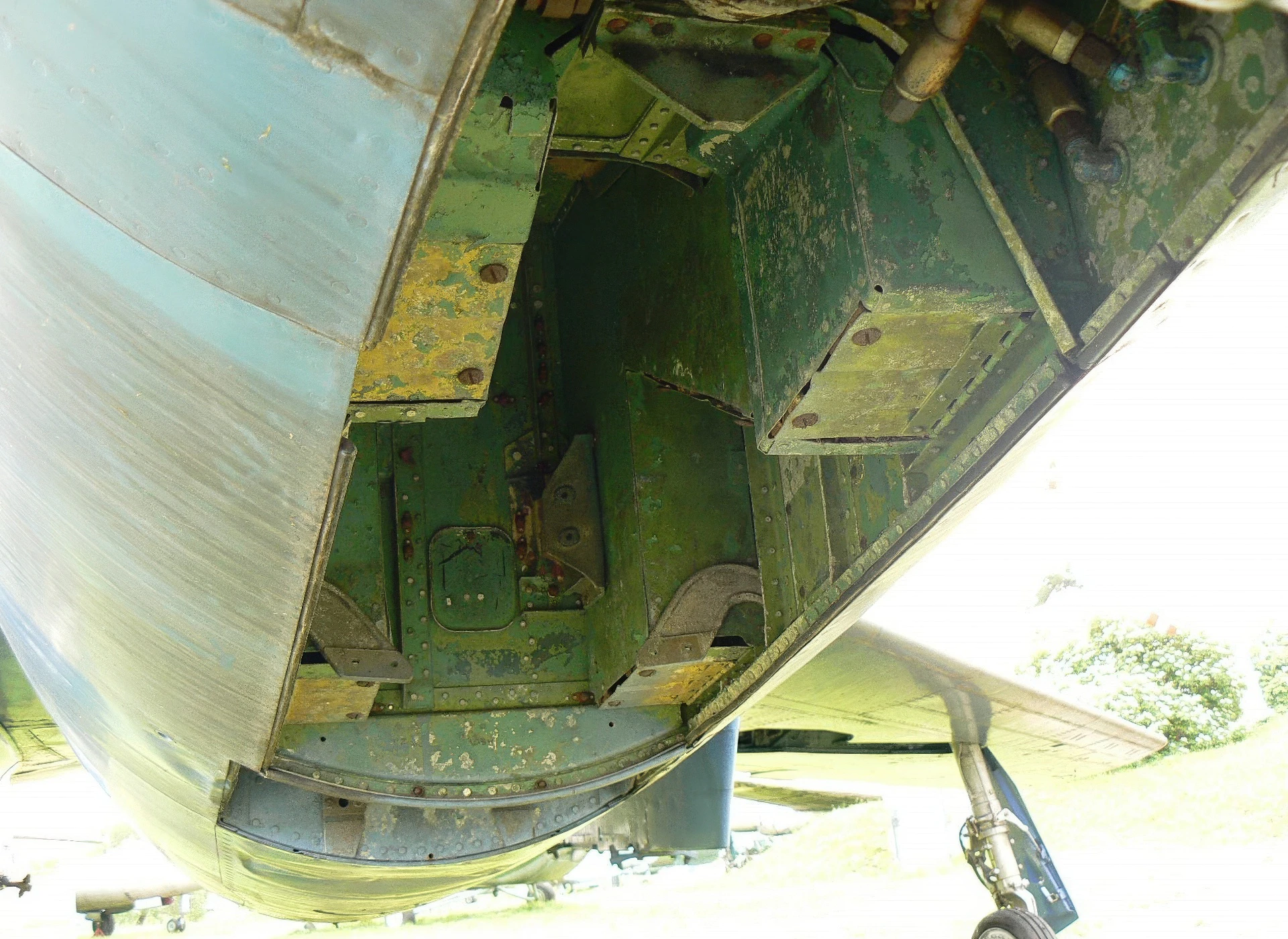
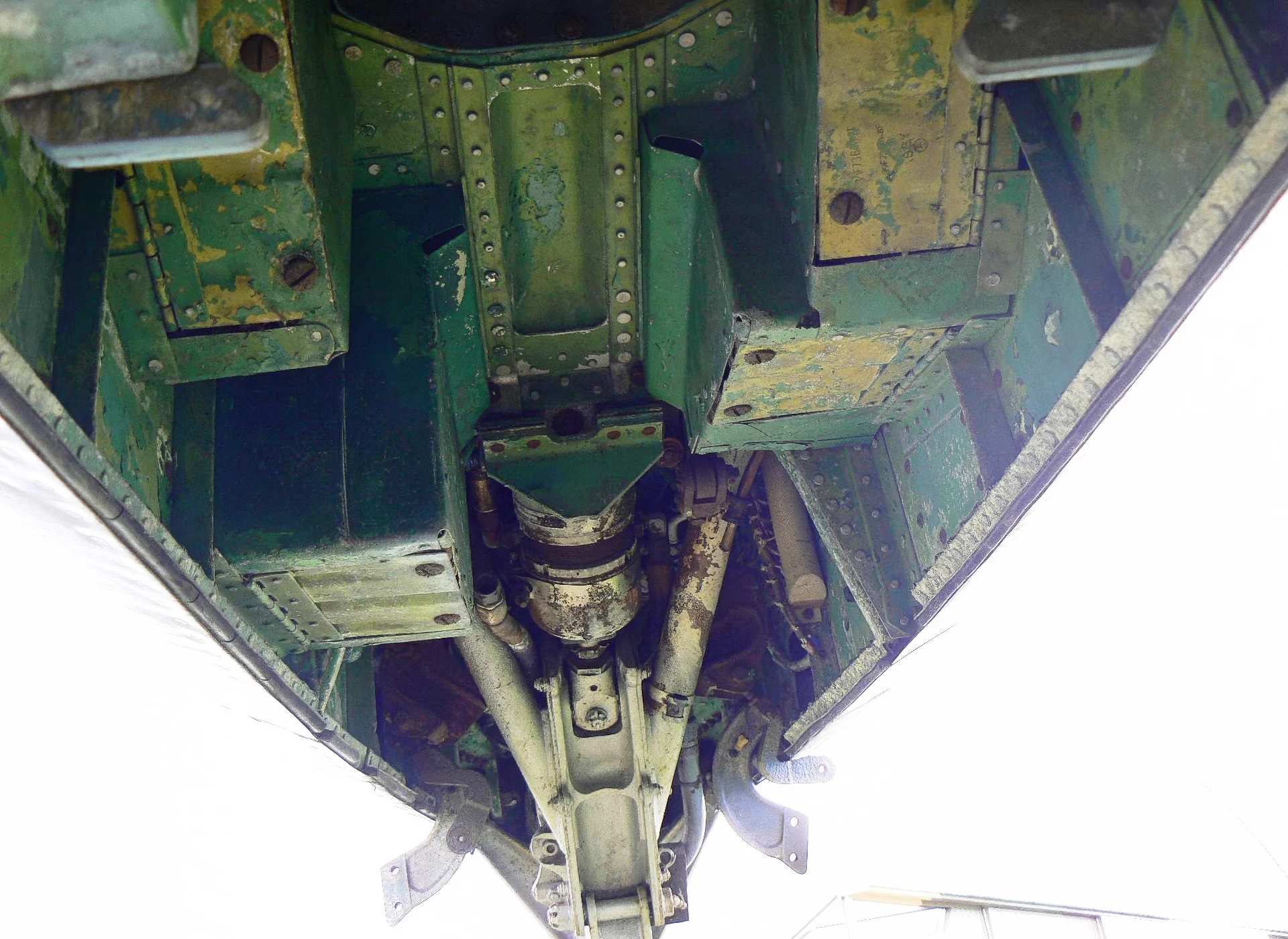

 Osta mulle kohvi

Vaata ka:


From Straight-Wing to Swept-Wing
2007 F-84F Thunderstreak was a major redesign of the earlier straight-wing F-84 Thunderjet. By the early 1950s, the advent of the MiG-15 proved that straight-wing fighters were obsolete for high-speed combat. Republic Aviation responded by “sweeping” the wings and tail surfaces at a 40-degree angle and installing a much more powerful Wright J65 turbojet. Although it shared a model number with the Thunderjet, the Thunderstreak was essentially a new aircraft, serving as a primary strike fighter for NATO forces throughout the 1950s and 60s.
| Attribute | Standard Specification (F-84F Thunderstreak) |
|---|---|
| Rolli | Fighter-Bomber / Strike Aircraft |
| Meeskonna | 1 (Pilot) |
| First Flight | February 14, 1950 |
| Jõuallikas | 1 × Wright J65-W-3 turbojet |
| Thrust | 7,220 lbf (32.1 kN) |
| Maximum Speed | 1,118 km/h (695 mph / Mach 0.91) |
| Combat Radius | 1,300 km (approx. 810 miles) |
| Armament | 6 × .50 caliber Browning M3 machine guns |
| Ordnance | Up to 2,722 kg (6,000 lbs) of bombs/rockets (including Mk 7 nuclear bomb) |
Design Innovations & Unique Features
- The “Deep” Fuselage: Because the Wright J65 engine was larger than the Thunderjet’s engine, the F-84F features a distinctive oval-shaped air intake and a deeper fuselage to accommodate the increased airflow and larger engine dimensions.
- All-Moving Tailplane: To maintain control at transonic speeds where traditional elevators become ineffective, later models of the F-84F were equipped with an “all-flying” slab tail.
- The RF-84F “Thunderflash”: A dedicated reconnaissance version was built with air intakes moved to the wing roots. This allowed the nose to be packed with a specialized camera suite for high-speed photo-intel missions.
- Zero-Length Launch (ZEL): In one of the most daring Cold War experiments, the F-84F was tested with a massive rocket booster to launch from a trailer without a runway, intended for use if airfields were destroyed in a nuclear exchange.
Operational History: NATO’s Shield
- Strategic Air Command: The F-84F was a key component of SAC, tasked with the “Tactical Nuclear Strike” mission during the height of the Cold War.
- The 1961 Berlin Crisis: Following the construction of the Berlin Wall, F-84Fs were rapidly deployed to Europe as a show of force, highlighting the aircraft’s role as a cornerstone of NATO defense.
- The “Thunderbirds”: Before moving to the F-100 Super Sabre, the USAF demonstration team, the Thunderbirds, flew the F-84F for the 1955-1956 seasons.
- European Service: The Thunderstreak saw extensive service with the air forces of West Germany, France, Belgium, the Netherlands, Italy, Greece, and Turkey, remaining in frontline service well into the 1970s.
Vaatamisi: 683
Näete ka :
 Fokker D.VII – Fotod ja video
 McDonnell F3H Demon - fotod ja video
 McDonnell Douglas KC-10 laiendaja - fotod ja video
 McDonnell FH Phantom - fotod ja video
 C-130J Hercules - fotod ja video
 Macchi MC-200 – WalkAround
 PZL P.11 – WalkAround
 P-51 Mustang vol2 – Jalutuskäik ümber
 Bell P-63E KingCobra – WalkAround
 Vought F4U Corsair – WalkAround