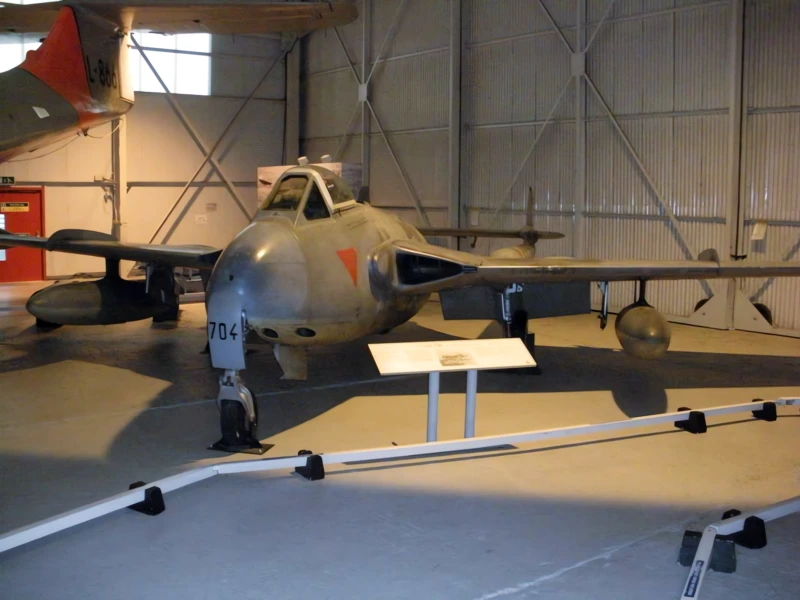
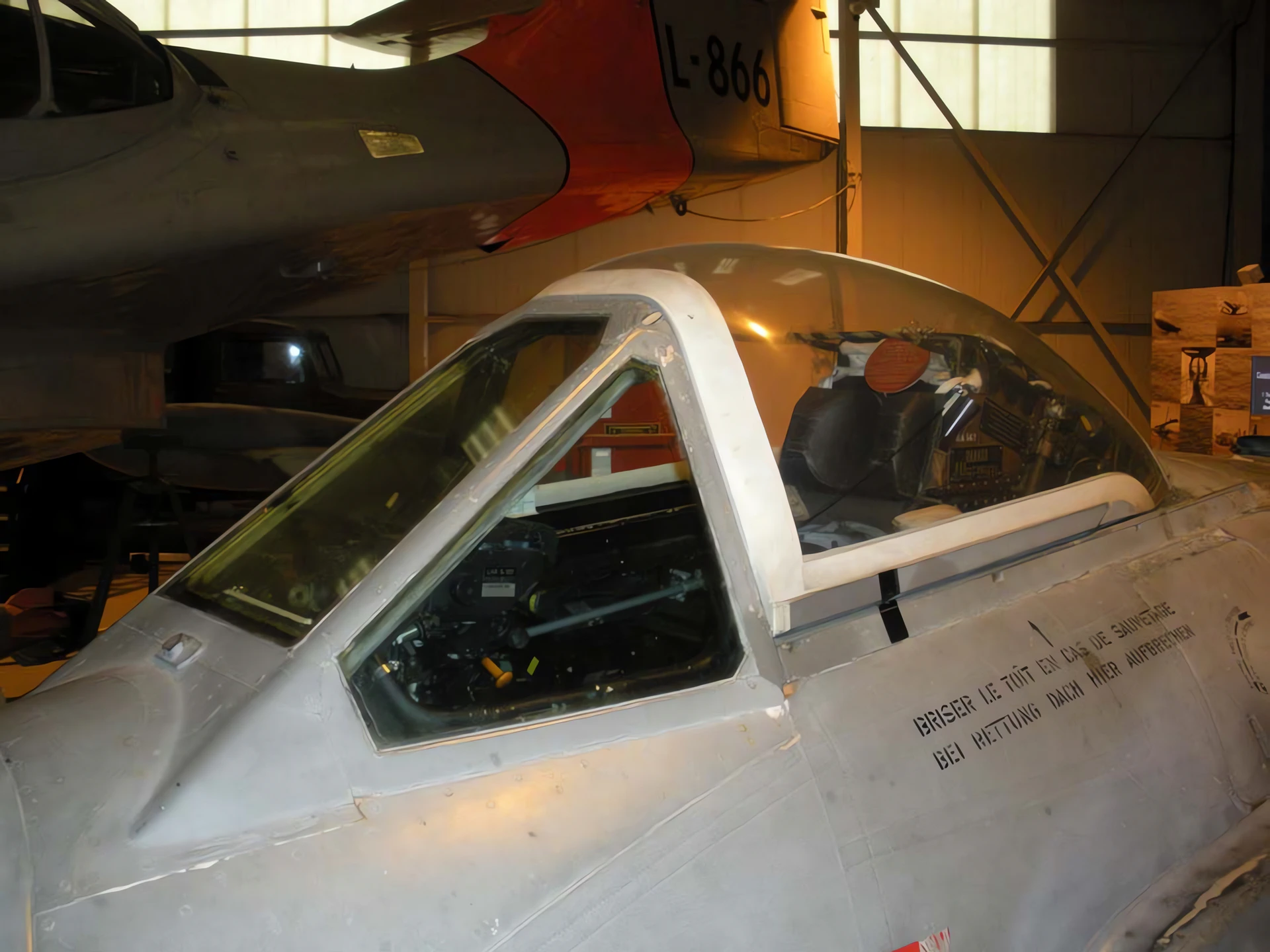
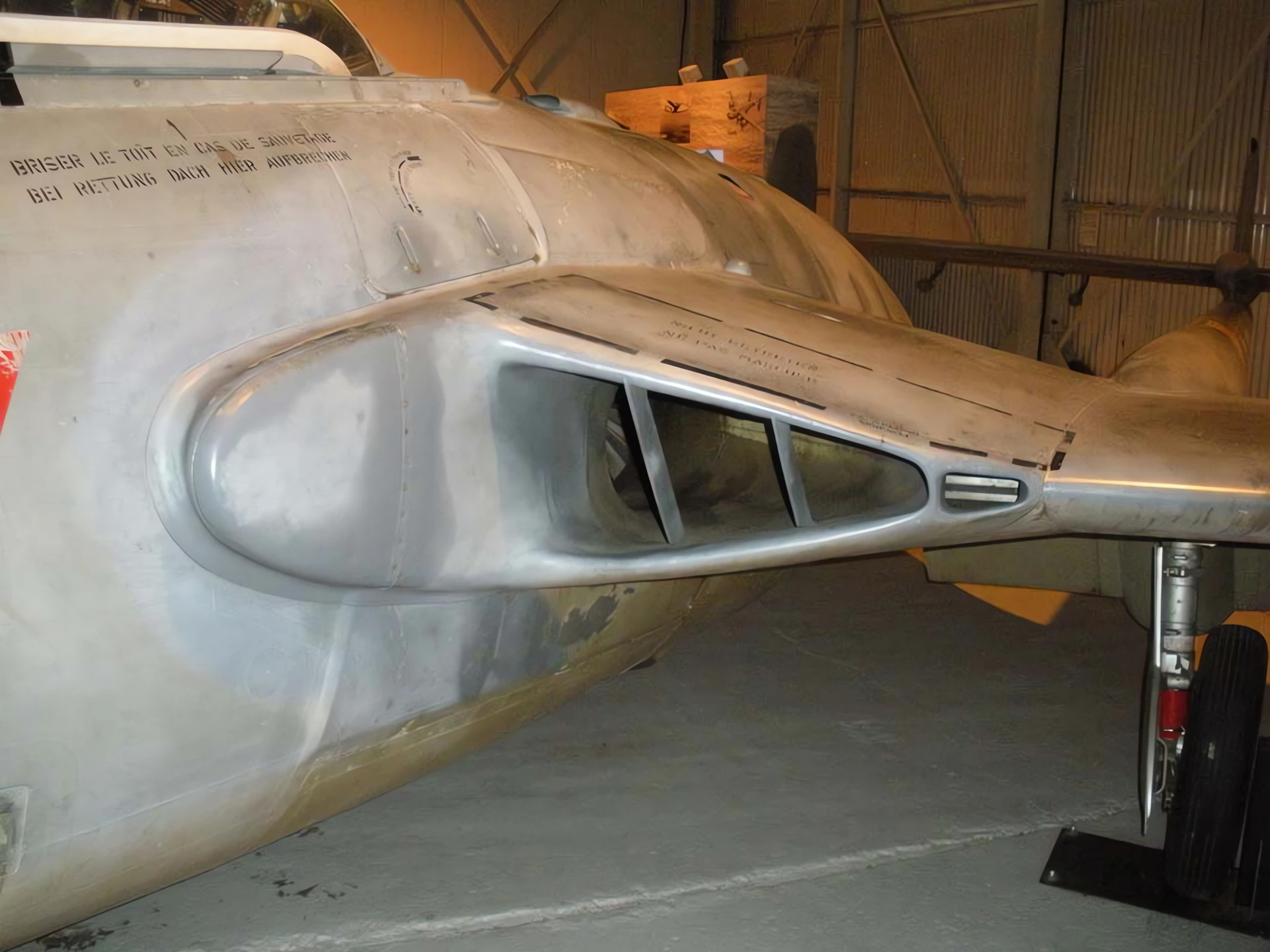
de Havilland DH112 Mürk | |
| Riik | Uk |
| Tüüp | Ühe mootoriga reaktiivlennuk |
| Foto | Randy Ray |
| Leida | Royal Air Force Museum Cosford, Suurbritannia |
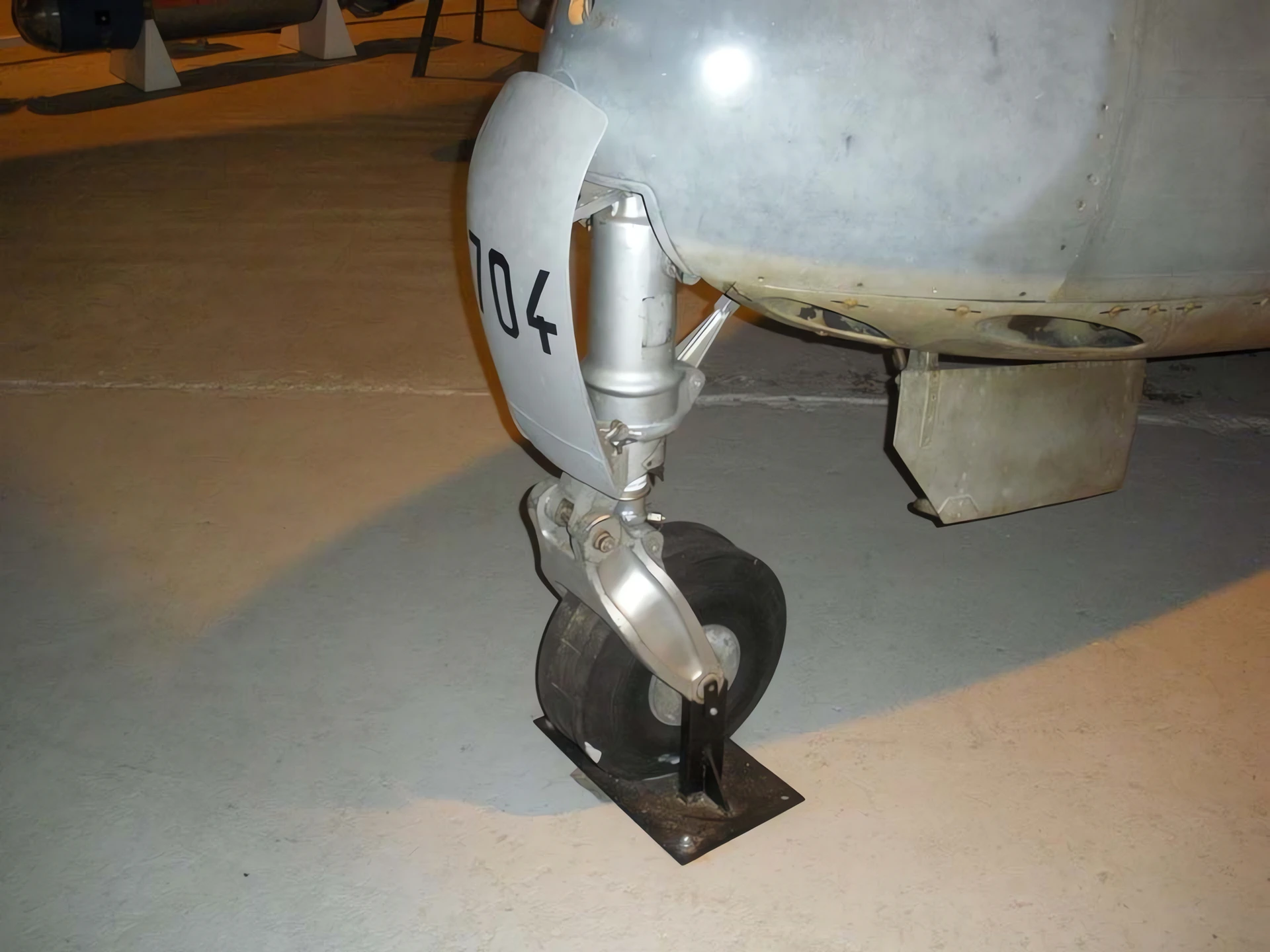
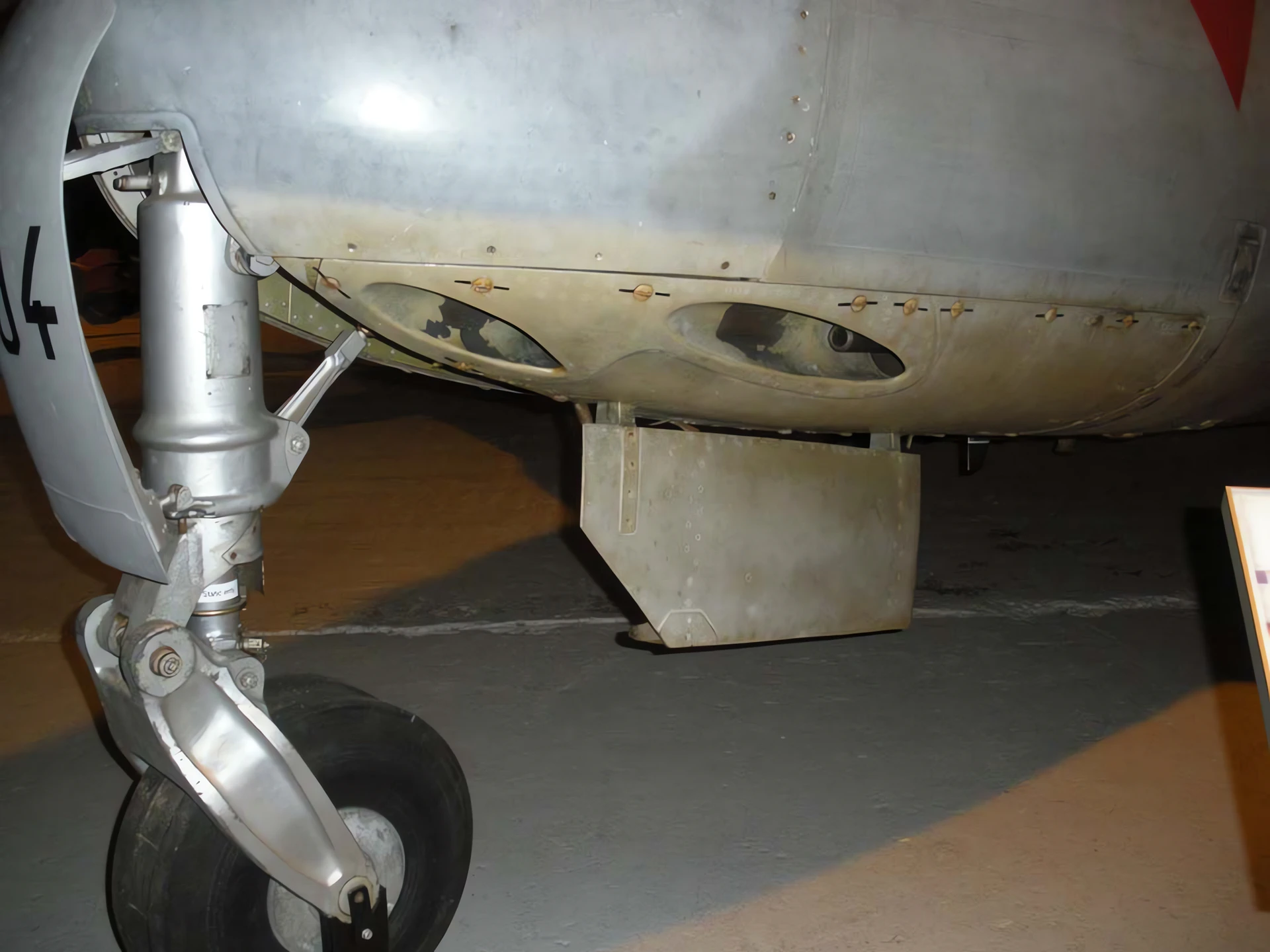
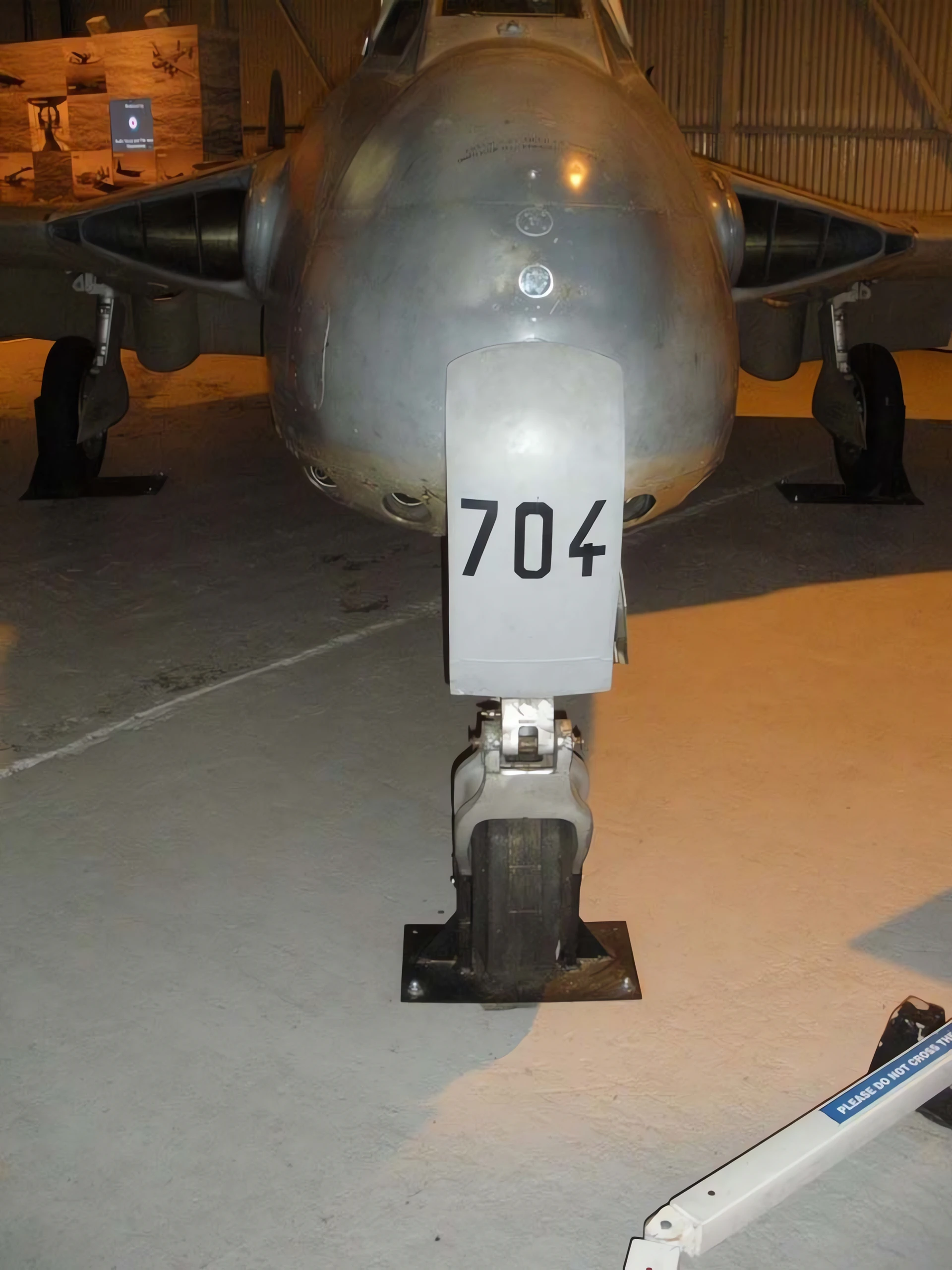
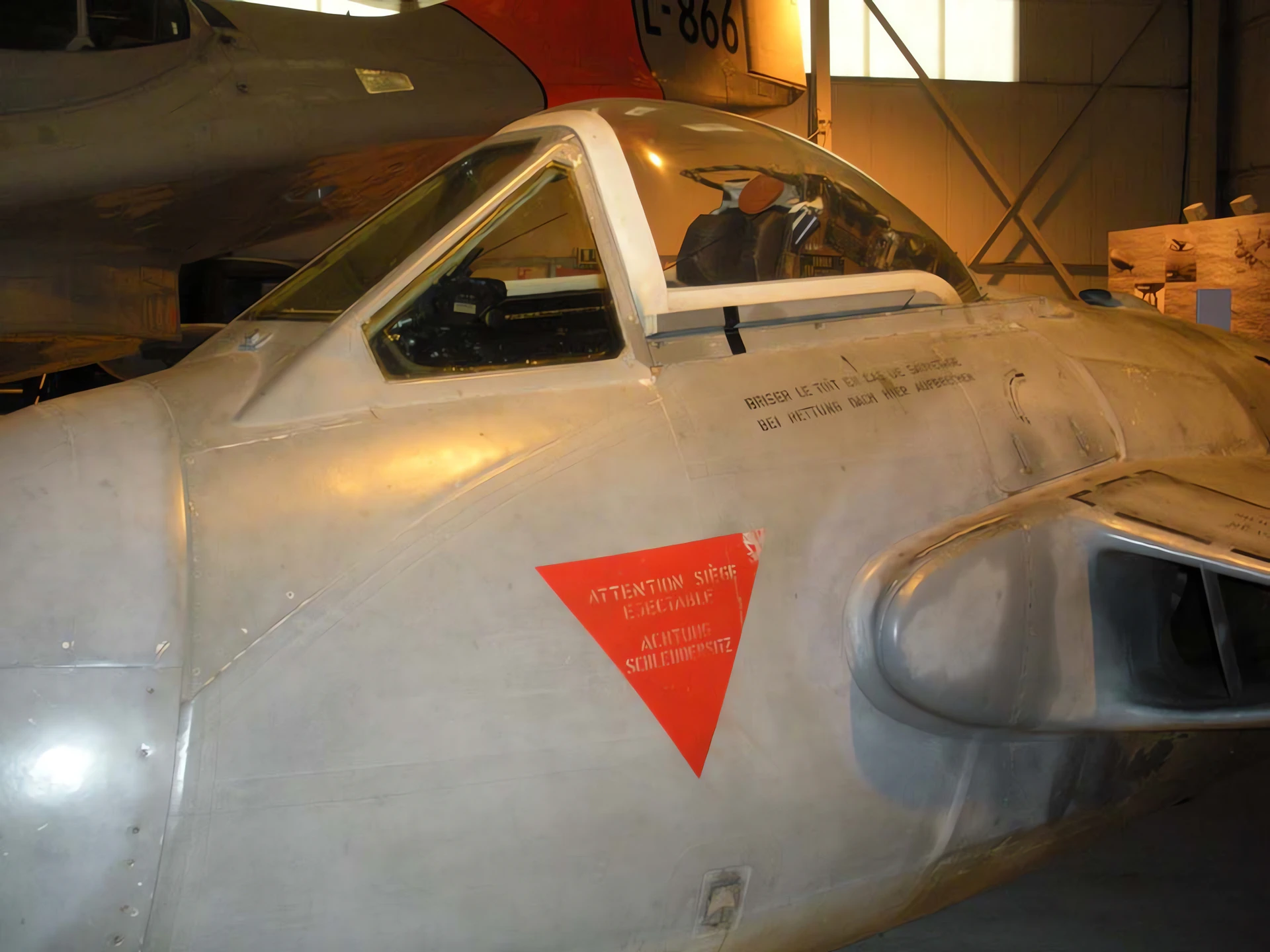
| Kirjeldus | Album 20 fotod «de Havilland DH112 Venom» jalutuskäigust |
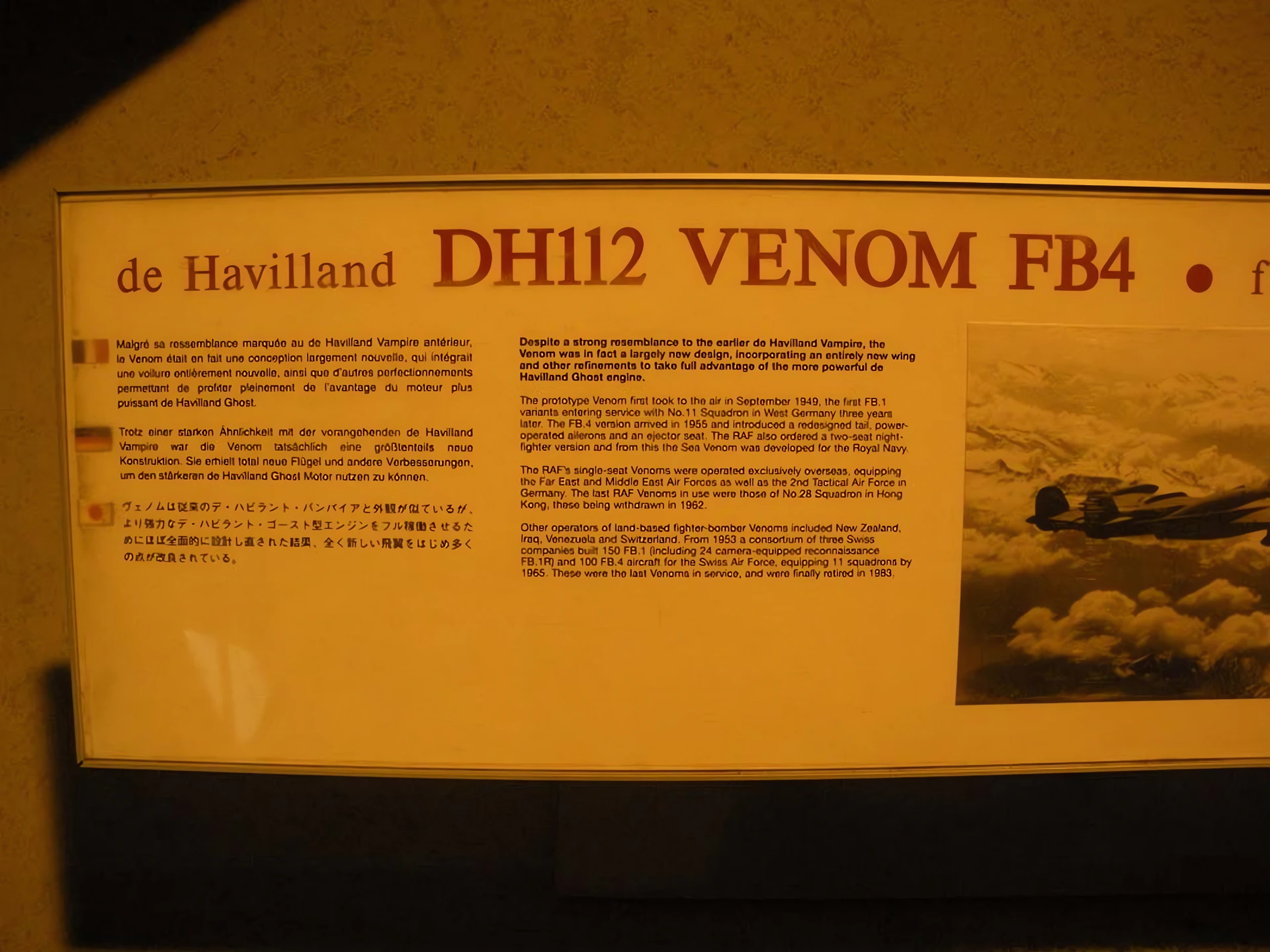
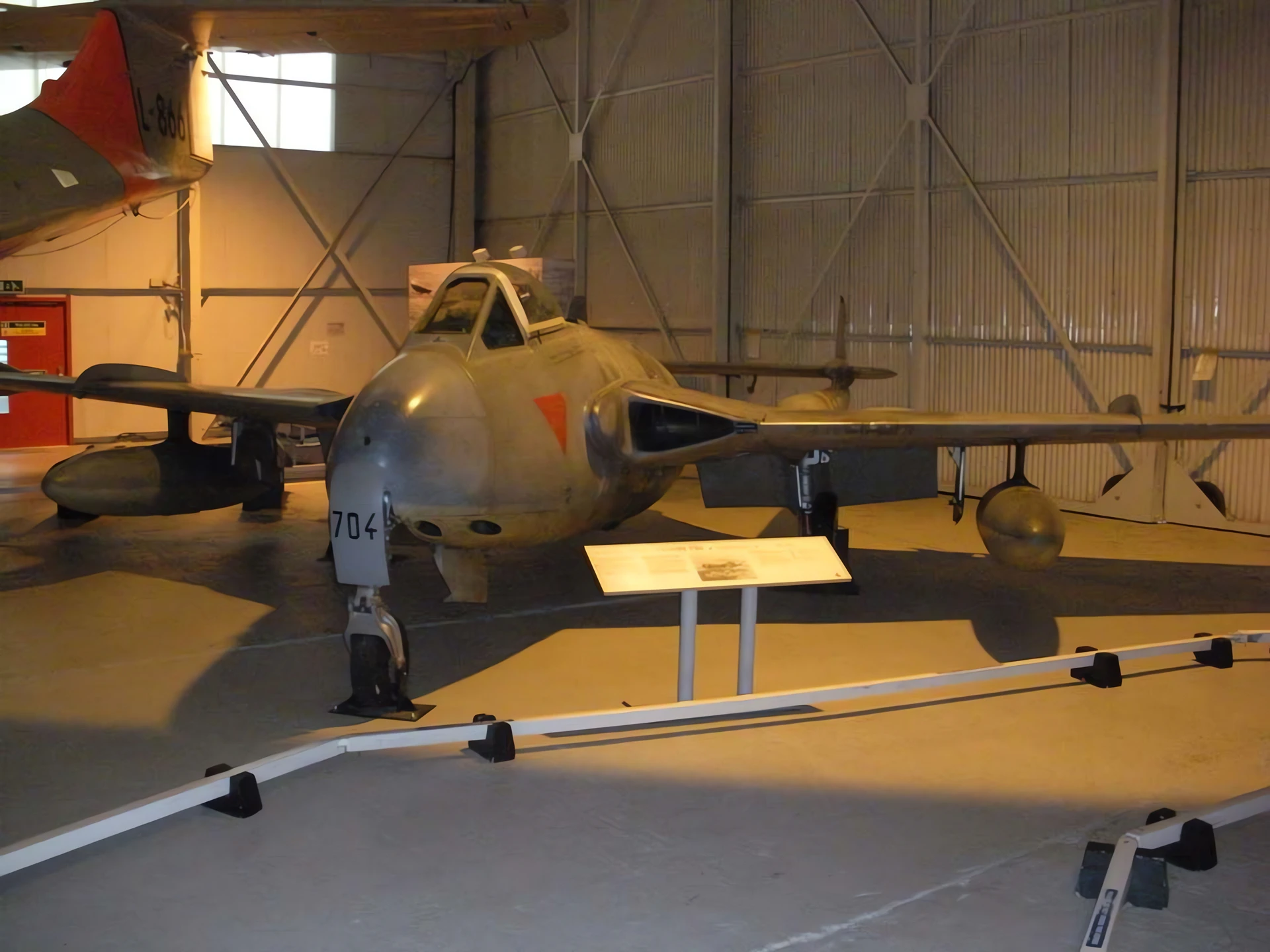
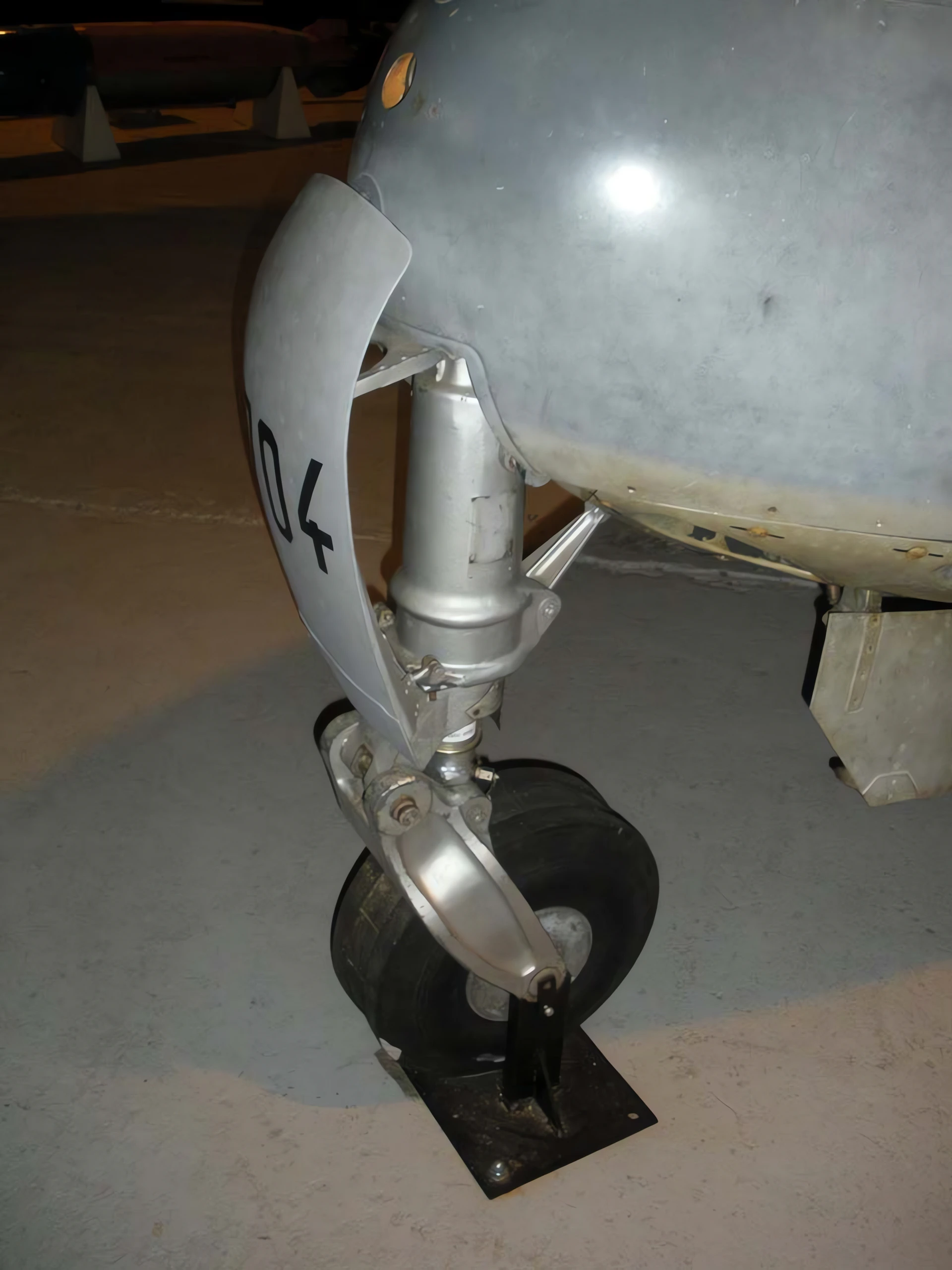
Fotogalerii de Havilland DH112 Mürk, The de Havilland DH 112 Venom was a British postwar single-engined jet aircraft developed from the de Havilland Vampire. It served with the Royal Air Force as a single-seat fighter-bomber and two-seat night fighter. The Venom was an interim between the first generation of British jet fighters – straight-wing aircraft powered by centrifugal flow engines such as the Gloster Meteor and the Vampire and later swept wing, axial flow-engined designs such as the Hawker Hunter and de Havilland Sea Vixen. The Venom was successfully exported, and saw service with Iraq, New Zealand, Sweden, Switzerland and Venezuela. The Sea Venom was a navalised version for carrier operation.
Allikas: de Havilland DH112 Mürk Wikis

 Osta mulle kohvi
Vaata ka:


The Refined Predator
2007 de Havilland Venom was the high-performance successor to the revolutionary DH100 Vampire. While it retained the iconic twin-boom tail and “pod-and-boom” layout, the Venom was a much more capable combat aircraft. It featured a thinner, swept-back wing and the significantly more powerful de Havilland Ghost turbojet. These improvements allowed it to climb faster and reach much higher altitudes, making it an excellent interceptor and ground-attack platform during the early Cold War and the twilight of the British Empire.
| Attribute | Technical Specification (FB.4 Variant) |
|---|---|
| Rolli | Fighter-Bomber / Night Fighter |
| Meeskonna | 1 (FB.4) / 2 (NF.2 Night Fighter) |
| First Flight | September 2, 1949 |
| Jõuallikas | 1 × de Havilland Ghost 103 turbojet |
| Thrust | 4,850 lbf (21.6 kN) |
| Maximum Speed | 640 mph (1,030 km/h) at sea level |
| Service Ceiling | 48,000 ft (14,630 m) |
| Armament | 4 × 20 mm Hispano Mk V cannons; 2 × 1,000 lb bombs or 8 × rockets |
Design Engineering: Thin Wings and “Ghost” Power
- Thinner Wing Profile: To reach higher speeds, de Havilland designed a thinner wing than the Vampire’s, incorporating a slight sweep on the leading edge. This delayed the onset of compressibility effects at high Mach numbers.
- The Ghost Turbojet: The Venom was built around the Ghost engine, the world’s first turbojet to be certified for civil use (in the Comet). It was 50% more powerful than the Vampire’s Goblin engine, requiring a larger intake area and a beefed-up fuselage pod.
- Wingtip Tanks: To compensate for the thirsty jet engine and the limited internal space of the twin-boom design, the Venom was often fitted with fixed wingtip fuel tanks. This became a defining characteristic of the aircraft’s silhouette.
- The “Sea Venom” (FAW): The design was adapted for the Royal Navy with folding wings, a catapult hook, and an arrestor hook. It also featured a wider cockpit for a two-man crew and a nose-mounted radar for “All-Weather” operations.
Combat and Longevity
- Suez Crisis (1956): British and French Venoms saw extensive action during Operation Musketeer, performing ground-attack sorties against Egyptian airfields and convoys.
- The Malayan Emergency: Venoms were highly effective in the jungles of Malaya, where their maneuverability and heavy cannon fire were used to flush out insurgent camps.
- Swiss Precision: Switzerland was a massive fan of the Venom, building them under license. They even upgraded their fleet to carry modern AIM-9 Sidewinder missiles and kept them flying until 1983—long after the RAF had retired theirs.
- Evolution to the Vixen: The lessons learned from the twin-boom Venom led directly to the development of the much larger, supersonic-capable **de Havilland Sea Vixen**, the last of the great twin-boom British fighters.
Views : 2979
Näete ka :
 de Havilland DH.104 Tuvi - fotod ja videod
 de Havilland Dragon Rapide - fotod ja videod
 de Havilland Kanada DHC-2 - fotod ja videod
 de Havilland DH.60 Moth - fotod ja videod
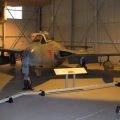 de Havilland DH112 Venom - fotod ja videod
 de Havilland Kanada DHC-4 Caribou - fotod ja video
 de Havilland Mosquito - fotod ja video
 de Havilland DH.88 Komeet - fotod ja video
 de Havillandi vampiir - fotod ja video
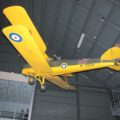 de Havilland DH.82 Tiger Moth - fotod ja video