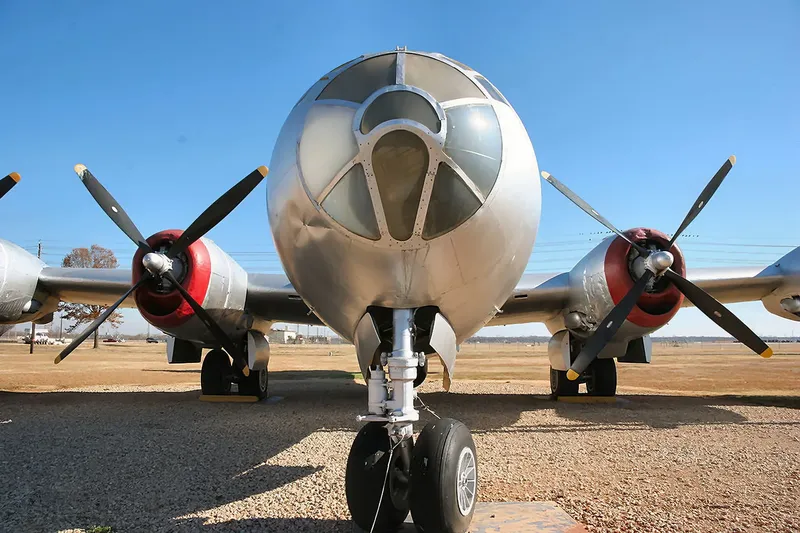
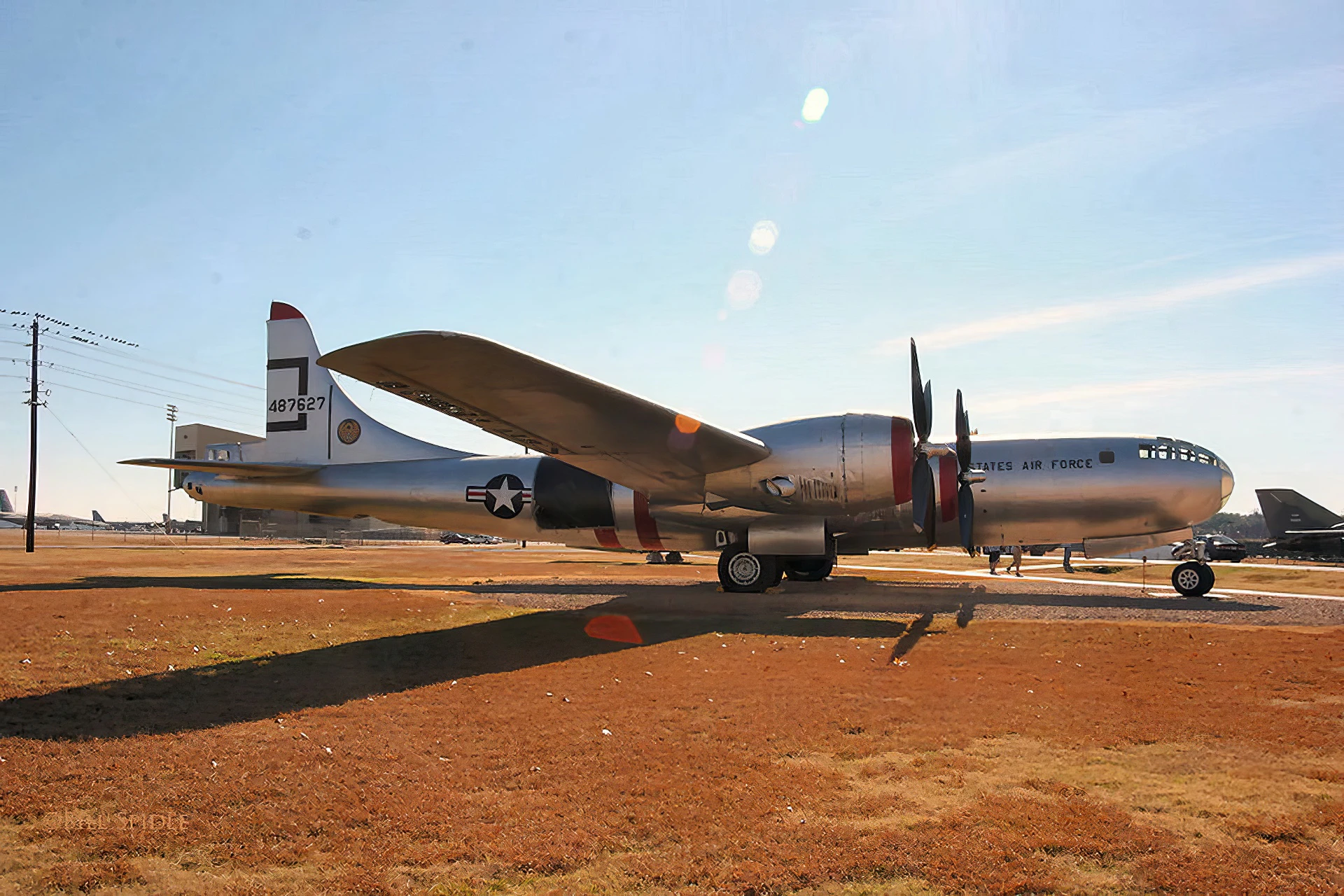
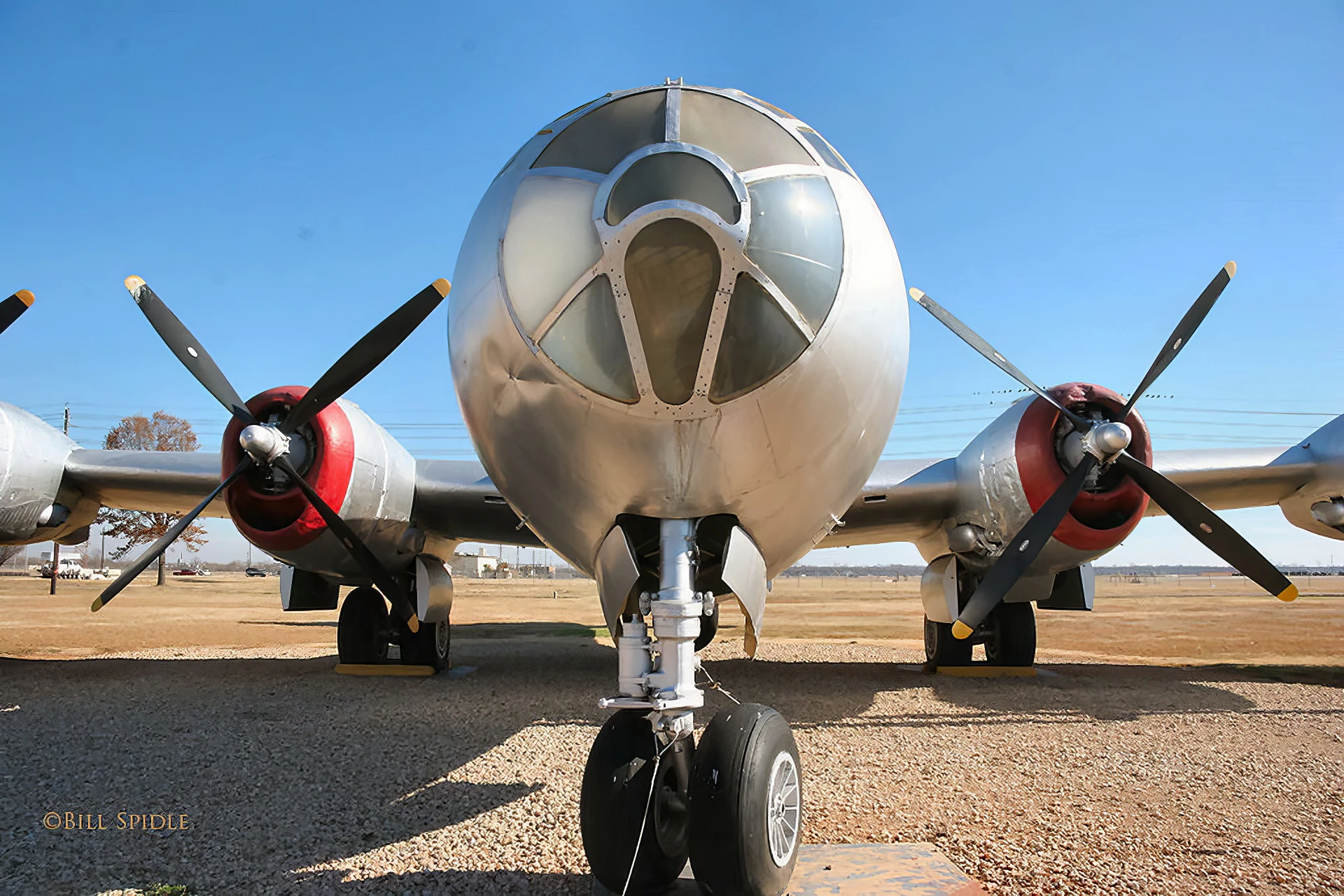
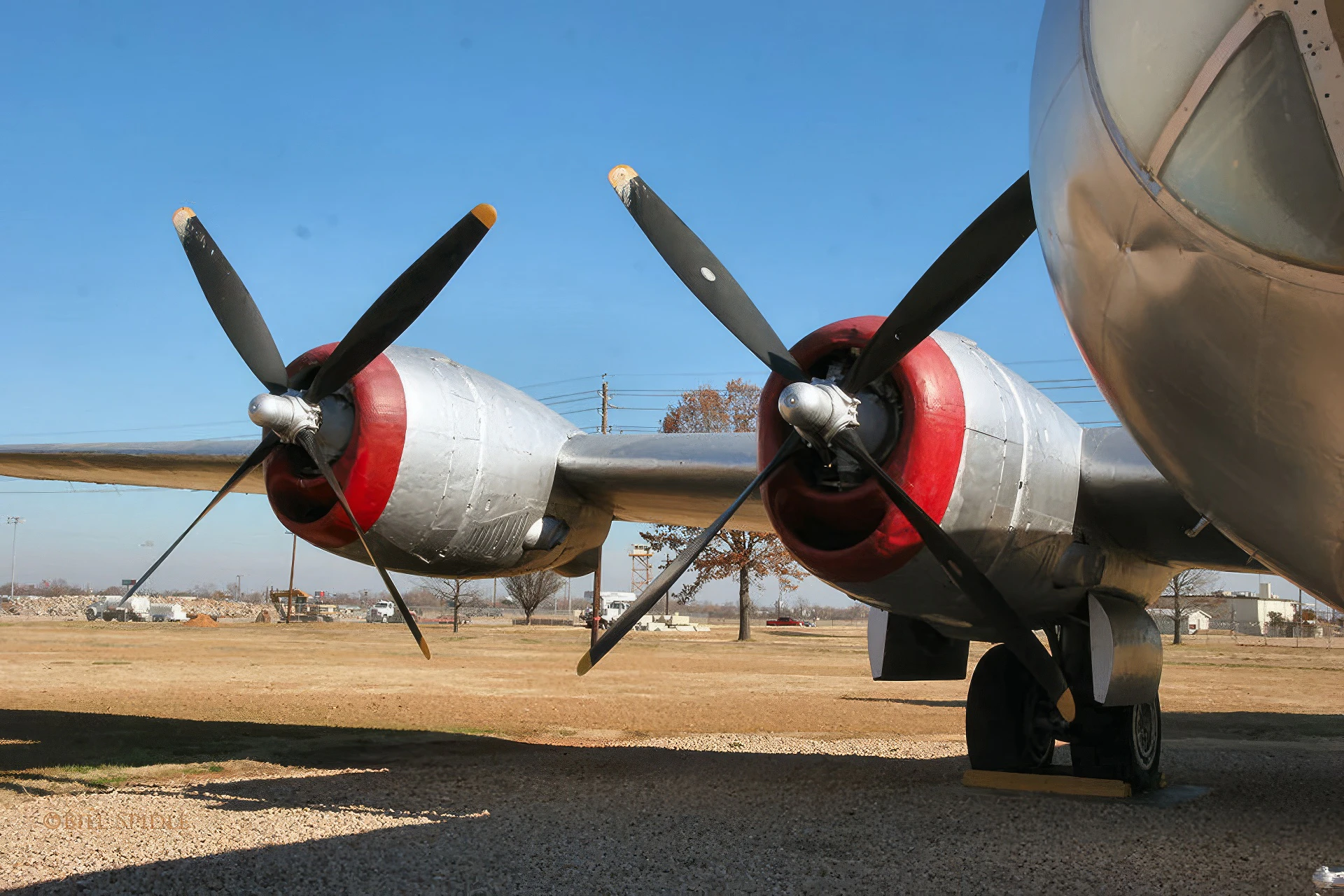
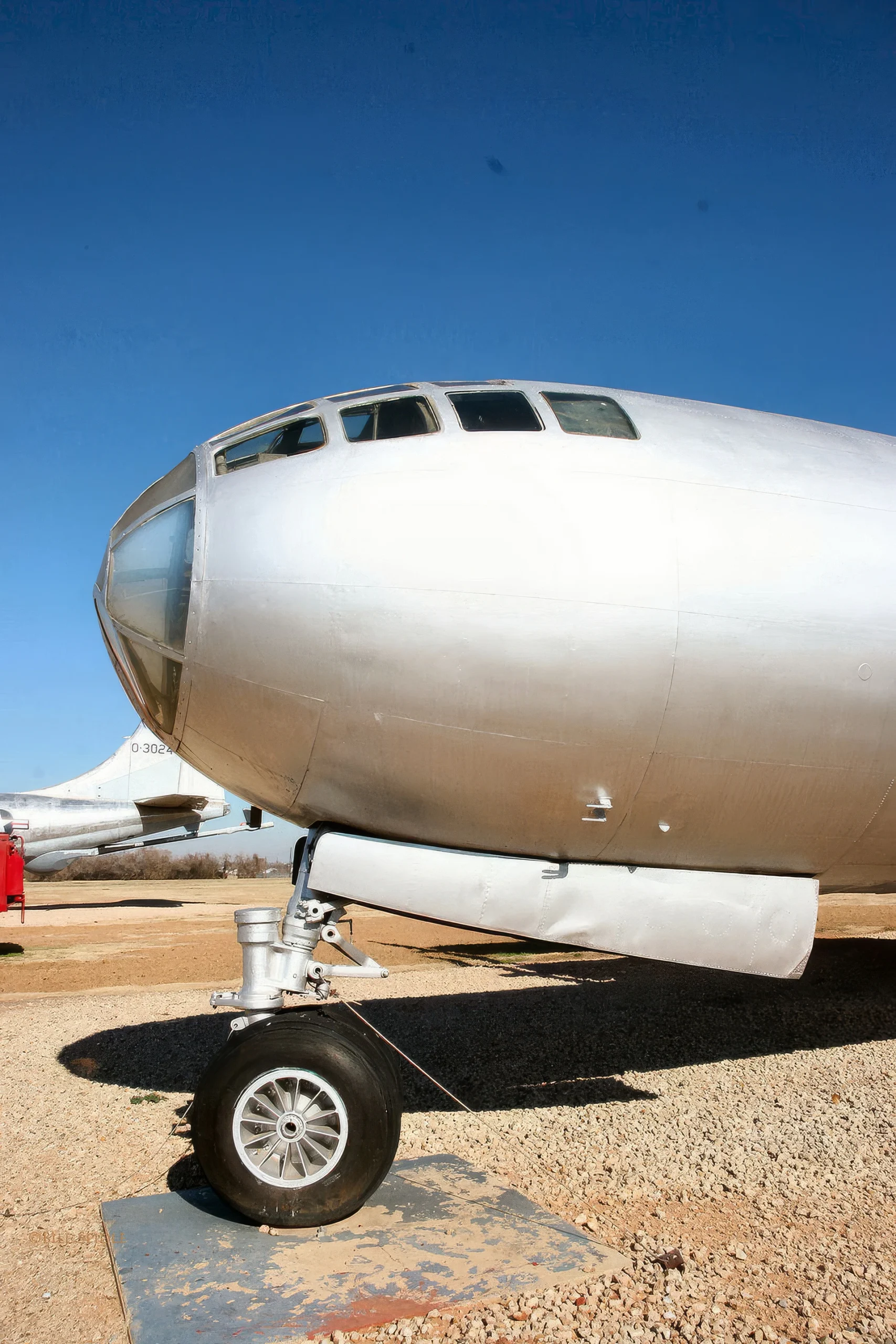
B-29 Super Fortress | |
|---|---|
| Riik | USA |
| Rolli | Strateegiline pommitaja, raske pommitaja |
| Esimene lend | 21. september 1942 |
| Ehitatud | 3970 |
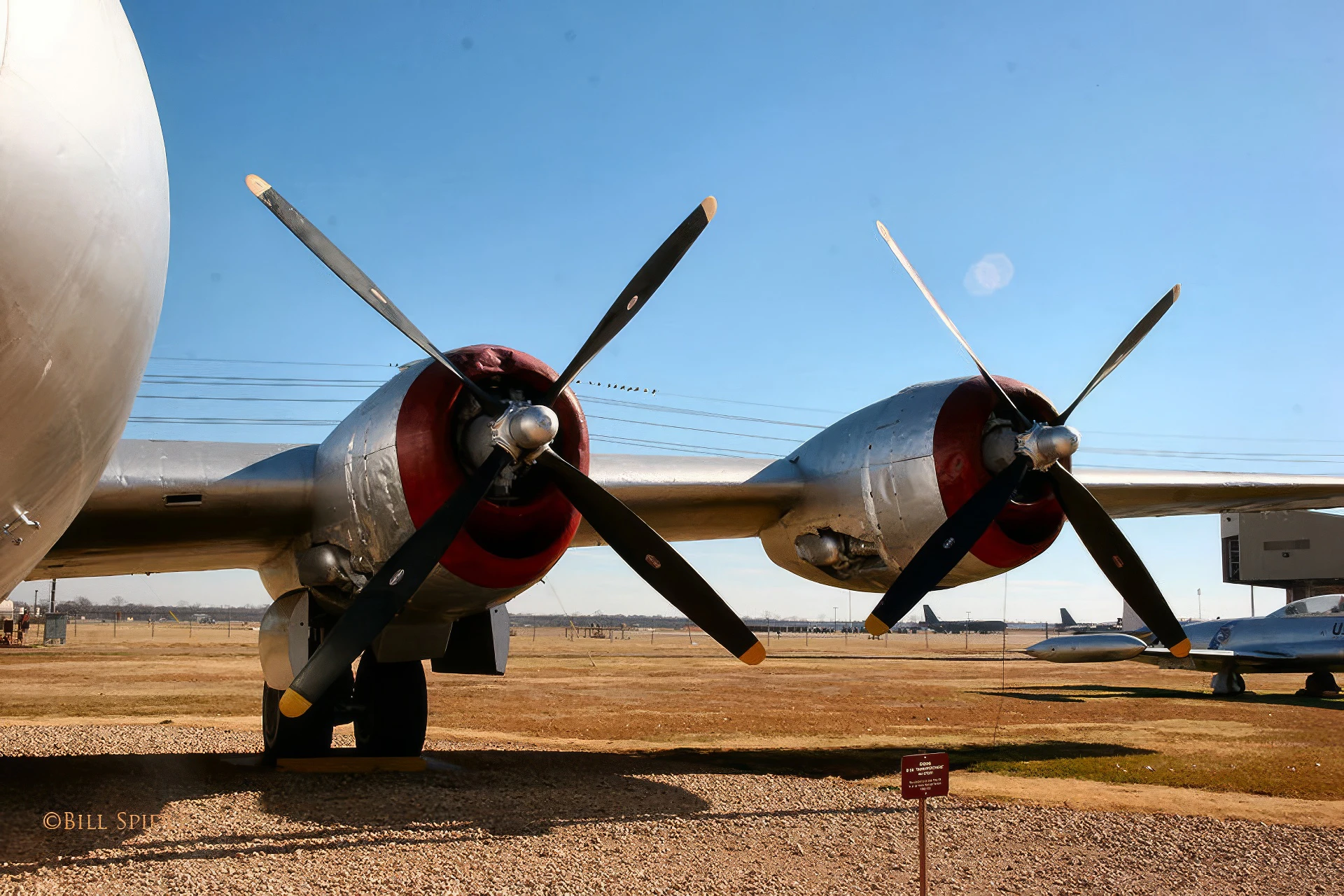
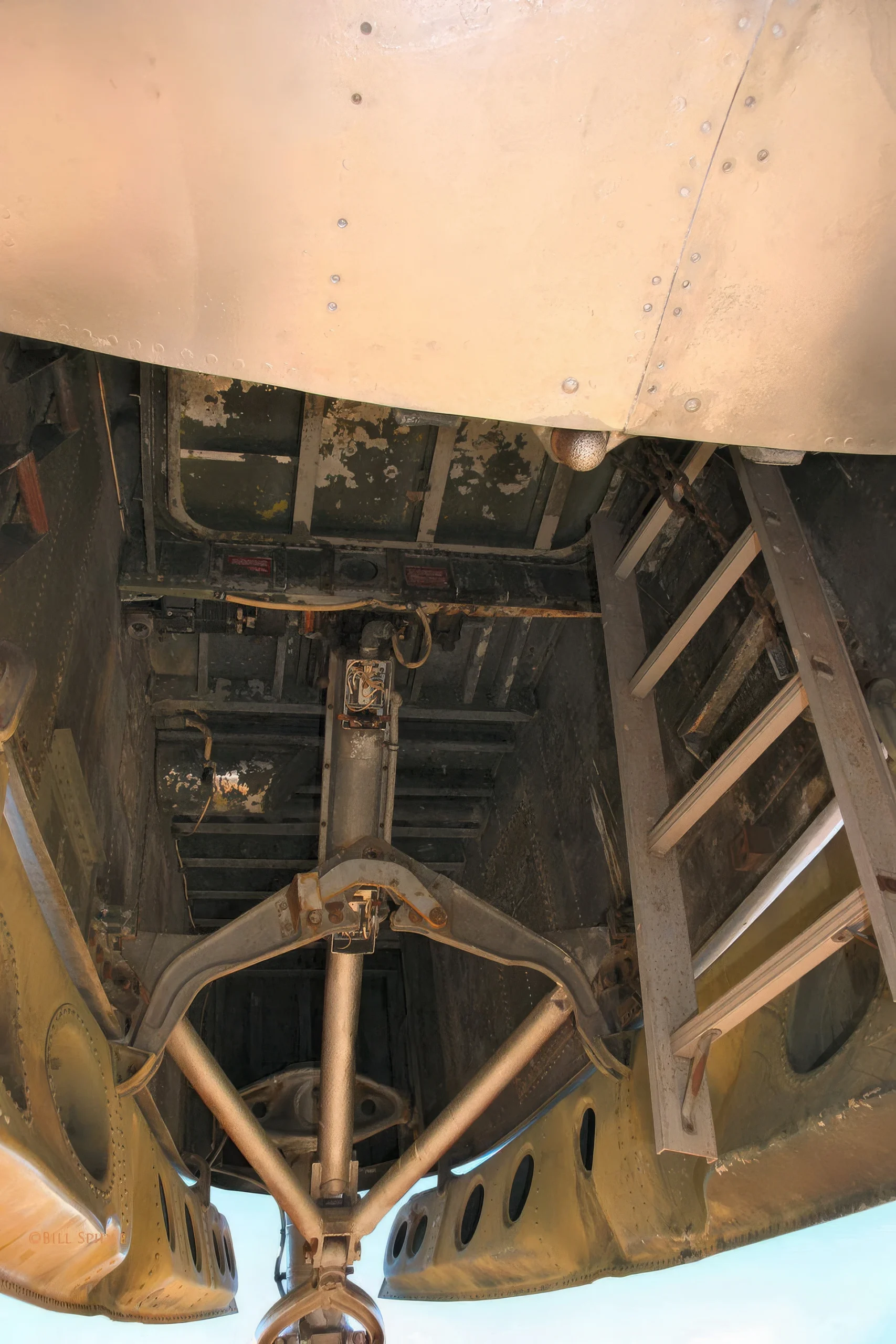
2007 Boeing B-29 Superfortress on nelja mootoriga propelleriga töötav raskepommitaja, mille on projekteerinud Boeing ja lennanud peamiselt Ameerika Ühendriigid Teise maailmasõja ja Korea sõja ajal. B-29-d viskasid ka aatomipommid Hiroshimale ja Nagasakile, mis viis Teise maailmasõja lõpuni.
Allikas: B-29 Superkindlus Vikipeedias
| B-29 Super Fortress | |
|---|---|
| Fotograaf | Teadmata |
| Lokaliseerimine | Teadmata |
| Fotod | 30 |
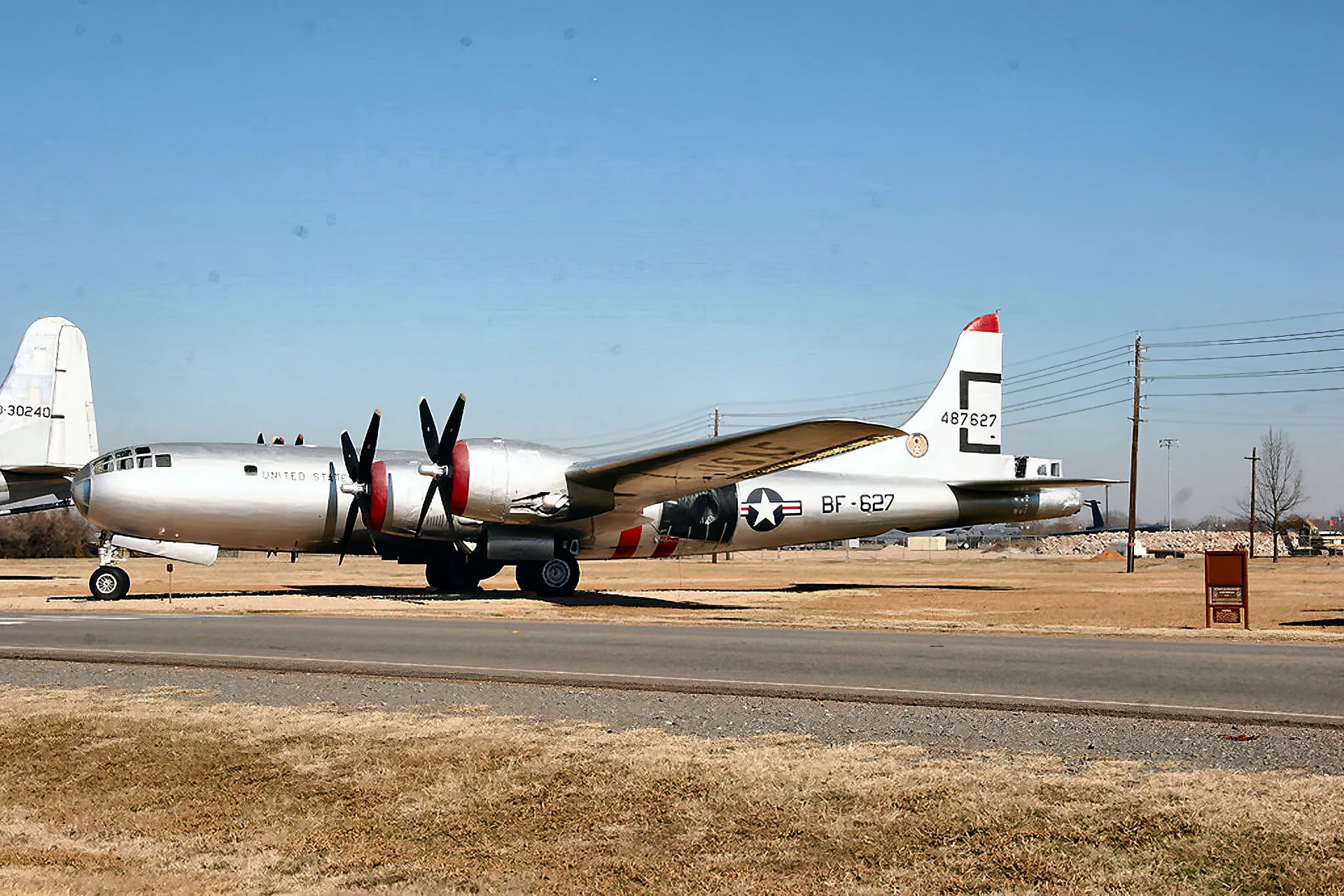
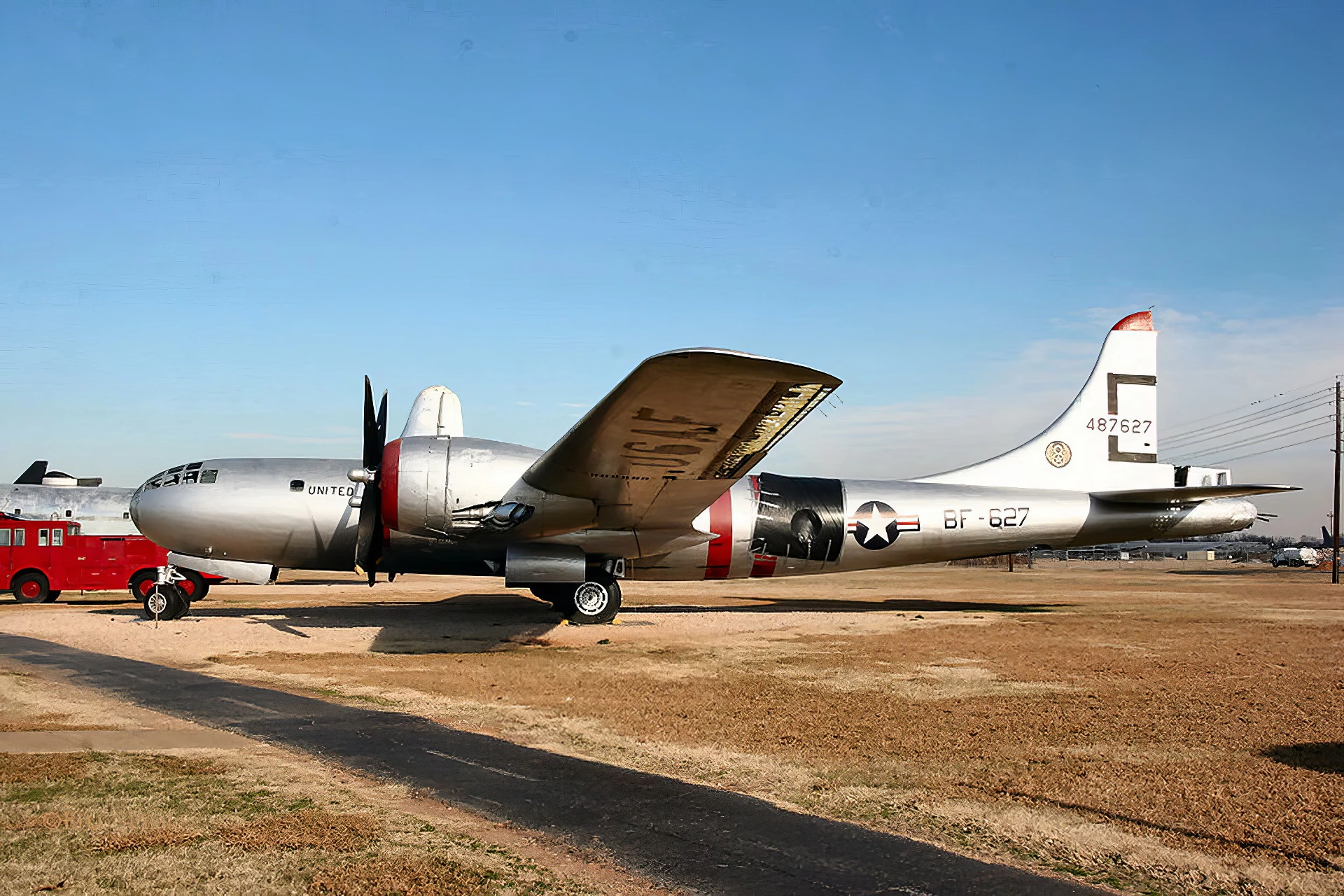
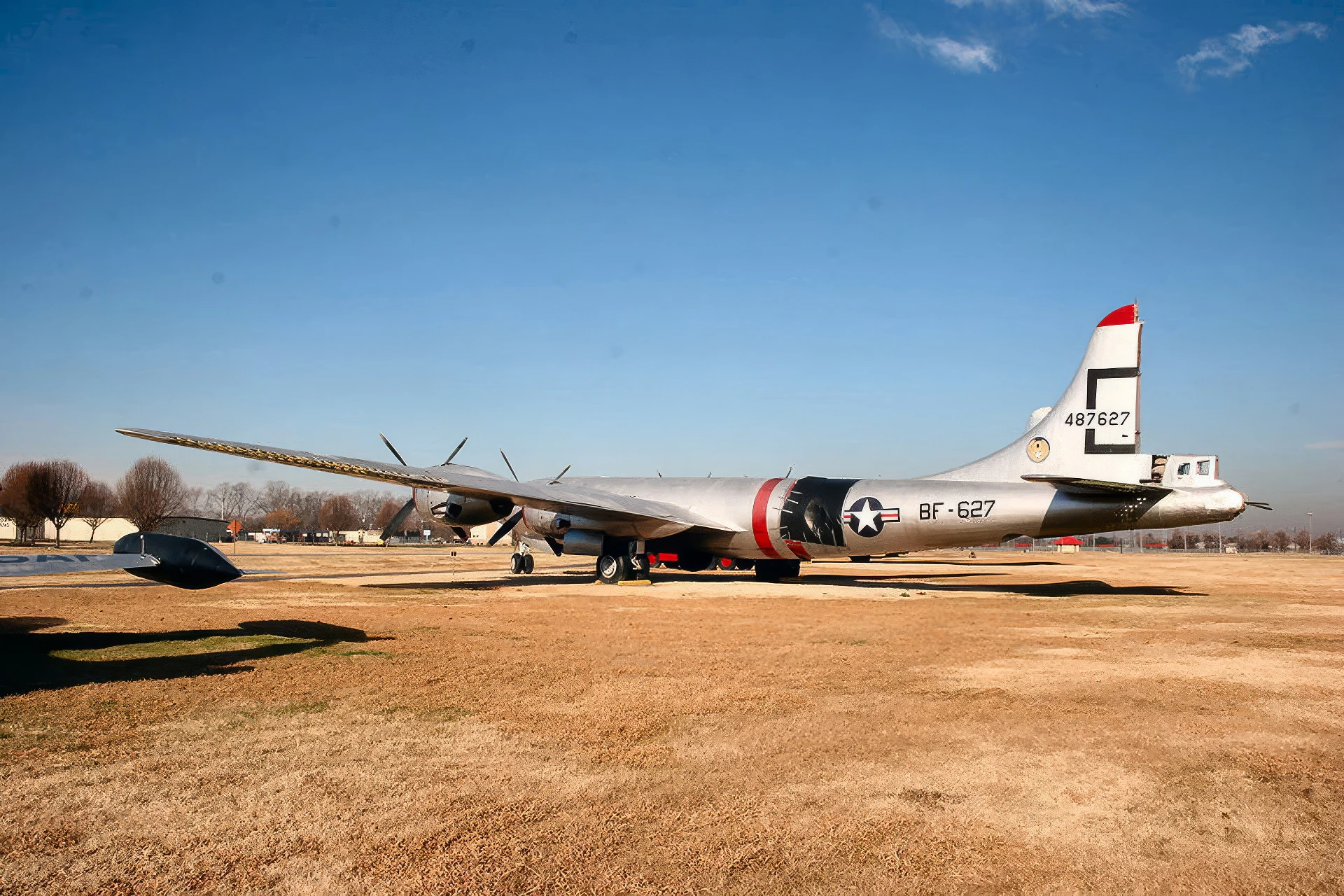

Vaata ka:


| Boeing B-29 Superfortress Walk Around | |
|---|---|
| Fotograaf | Teadmata |
| Lokaliseerimine | Teadmata |
| Fotod | 15 |
| B-29A (44-87779) Superfortress Walk Around | |
|---|---|
| Fotograaf | Dave Kitchel |
| Lokaliseerimine | Teadmata |
| Fotod | 69 |
Vaata ka:
| B-29A Superfortress Walk Around | |
|---|---|
| Fotograaf | Teadmata |
| Lokaliseerimine | Teadmata |
| Fotod | 61 |
| Boeing B-29 Superfortress Walk Around | |
|---|---|
| Fotograaf | Bill Maloney |
| Lokaliseerimine | Teadmata |
| Fotod | 62 |
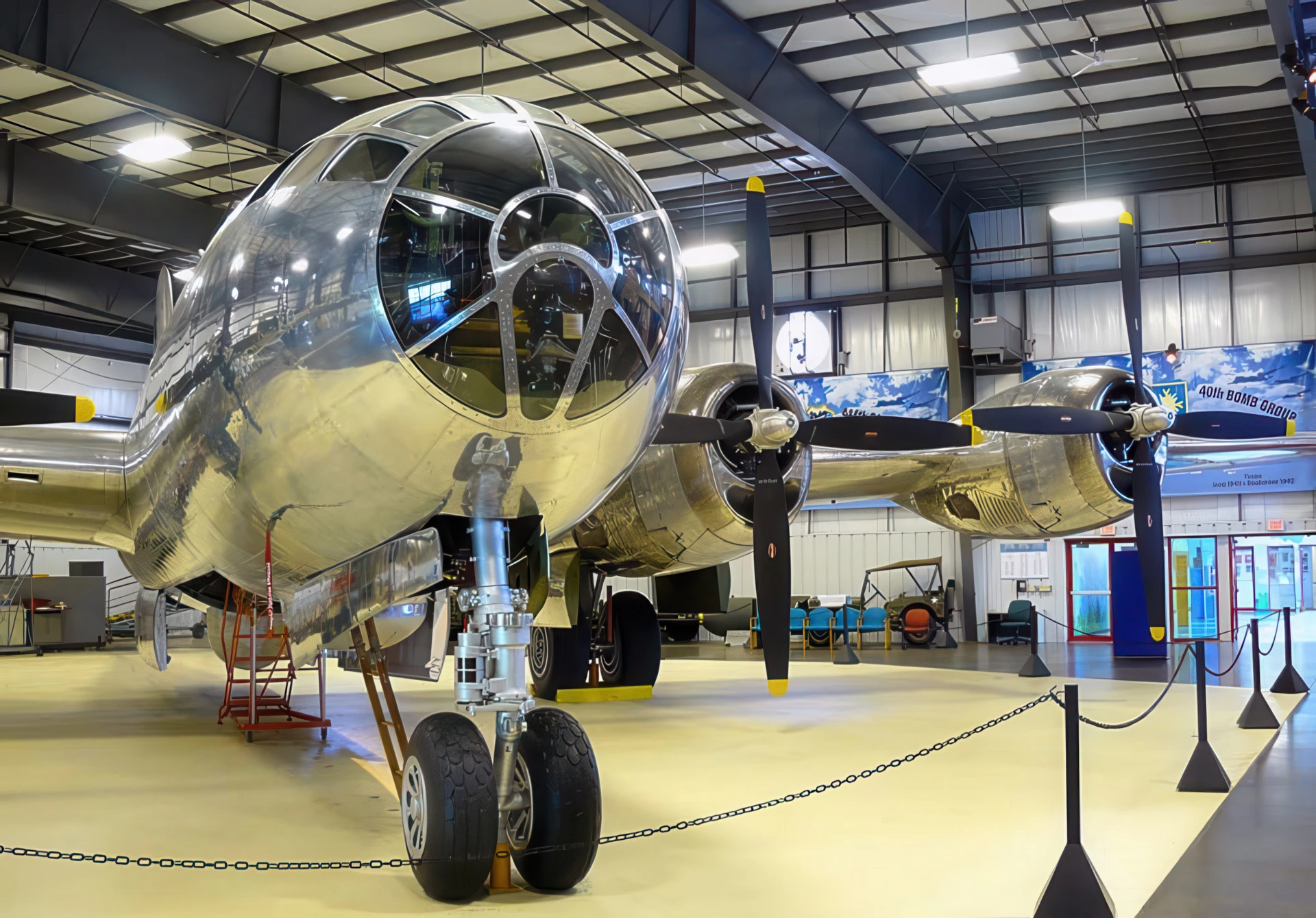
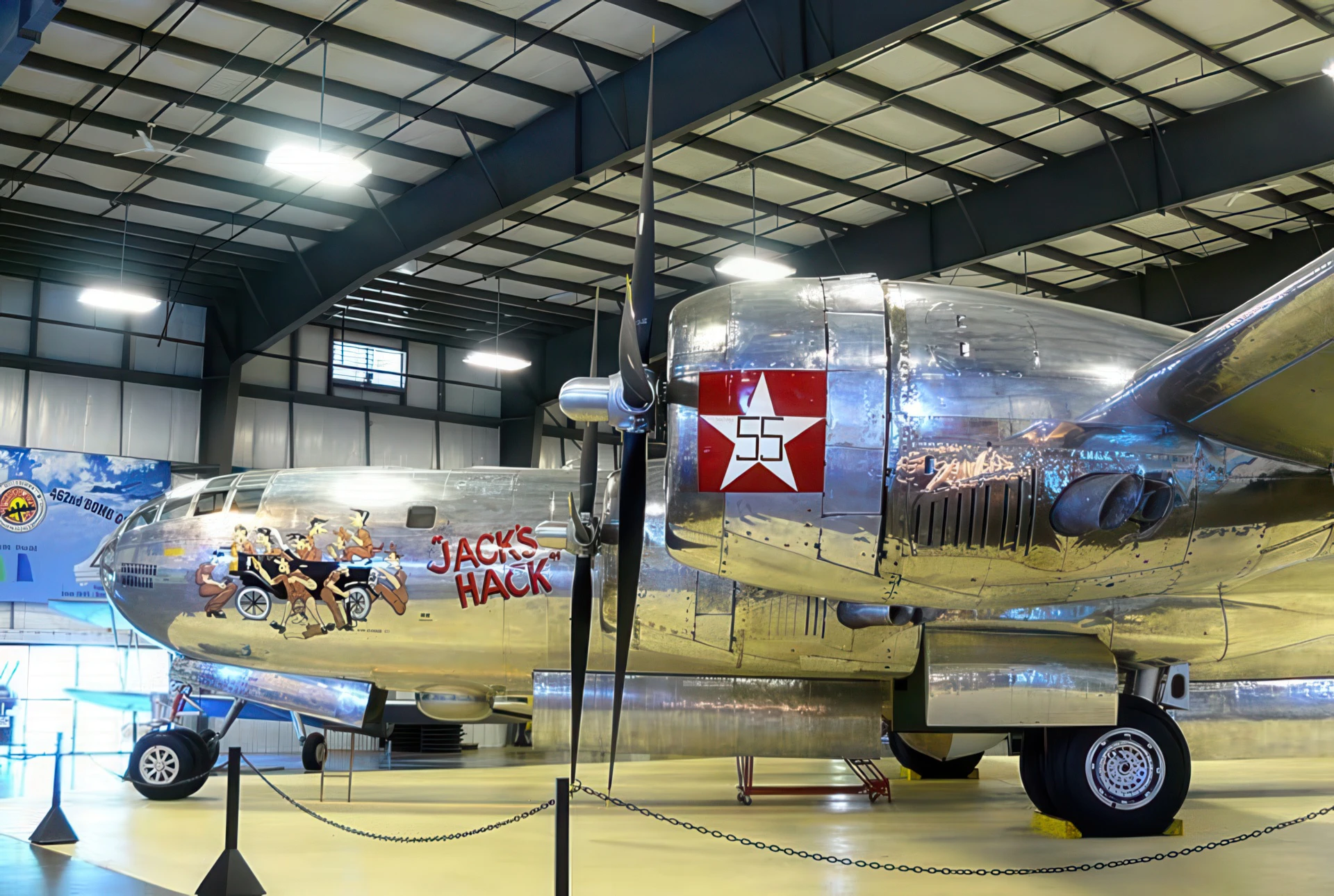
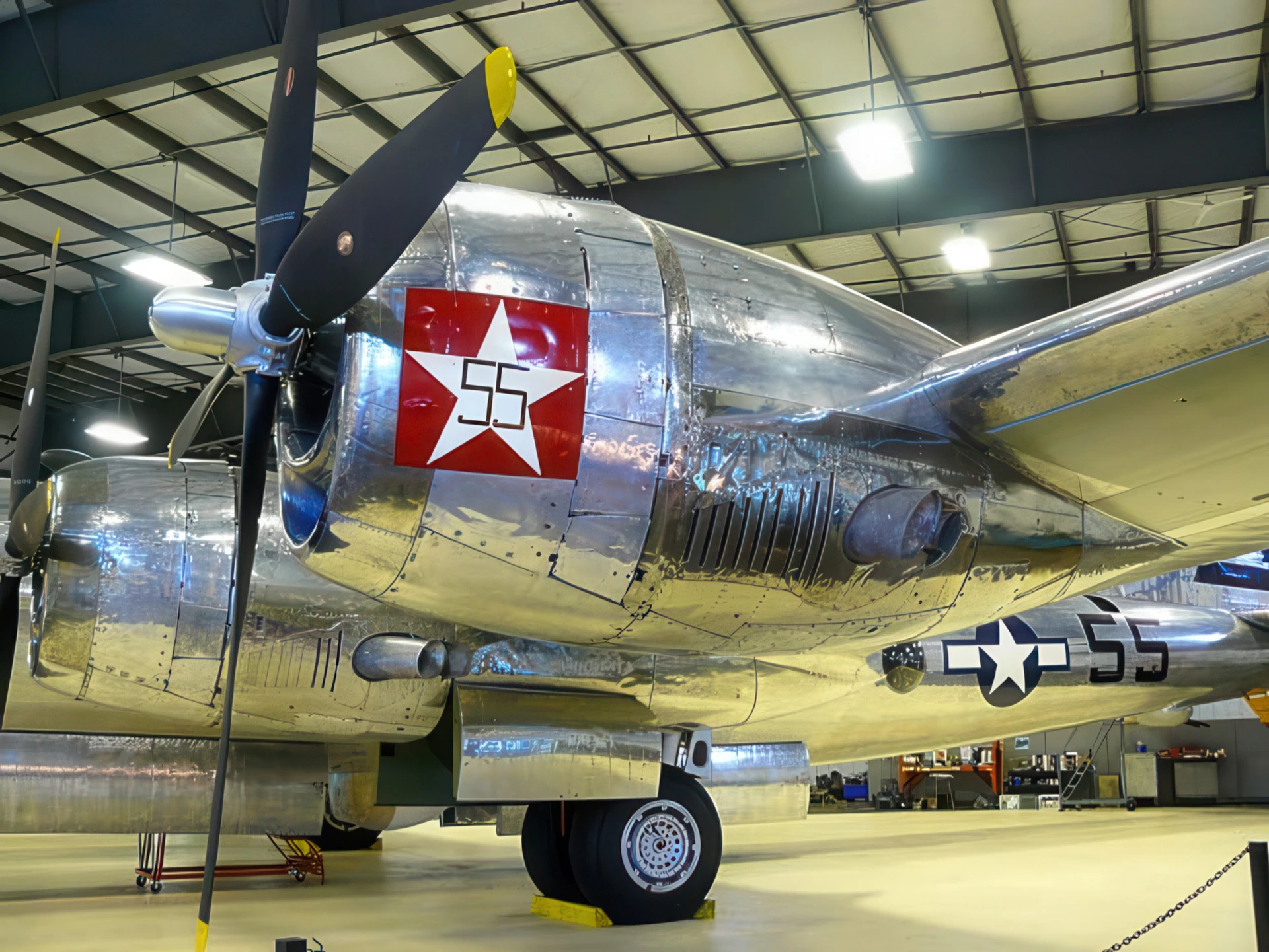
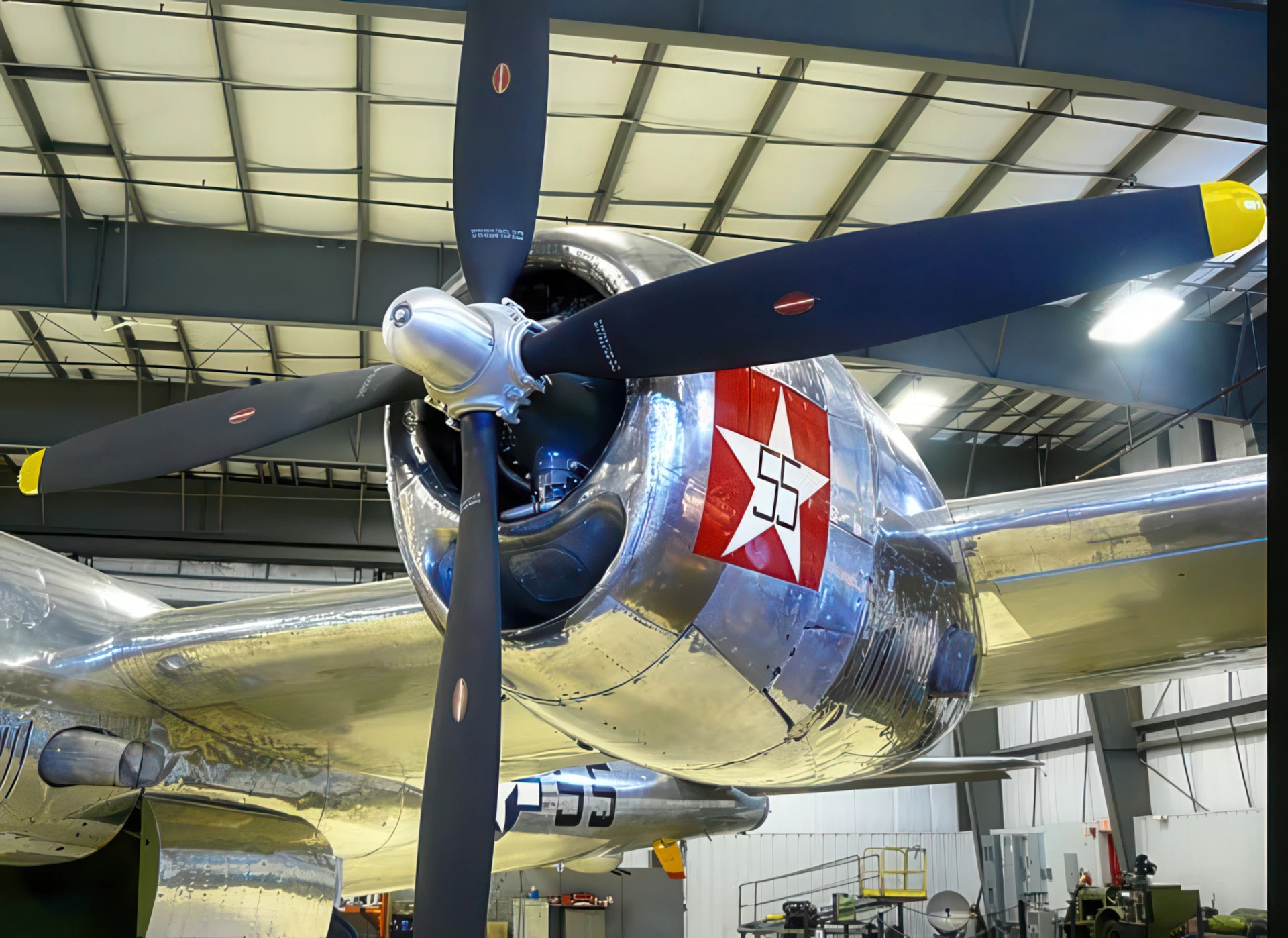
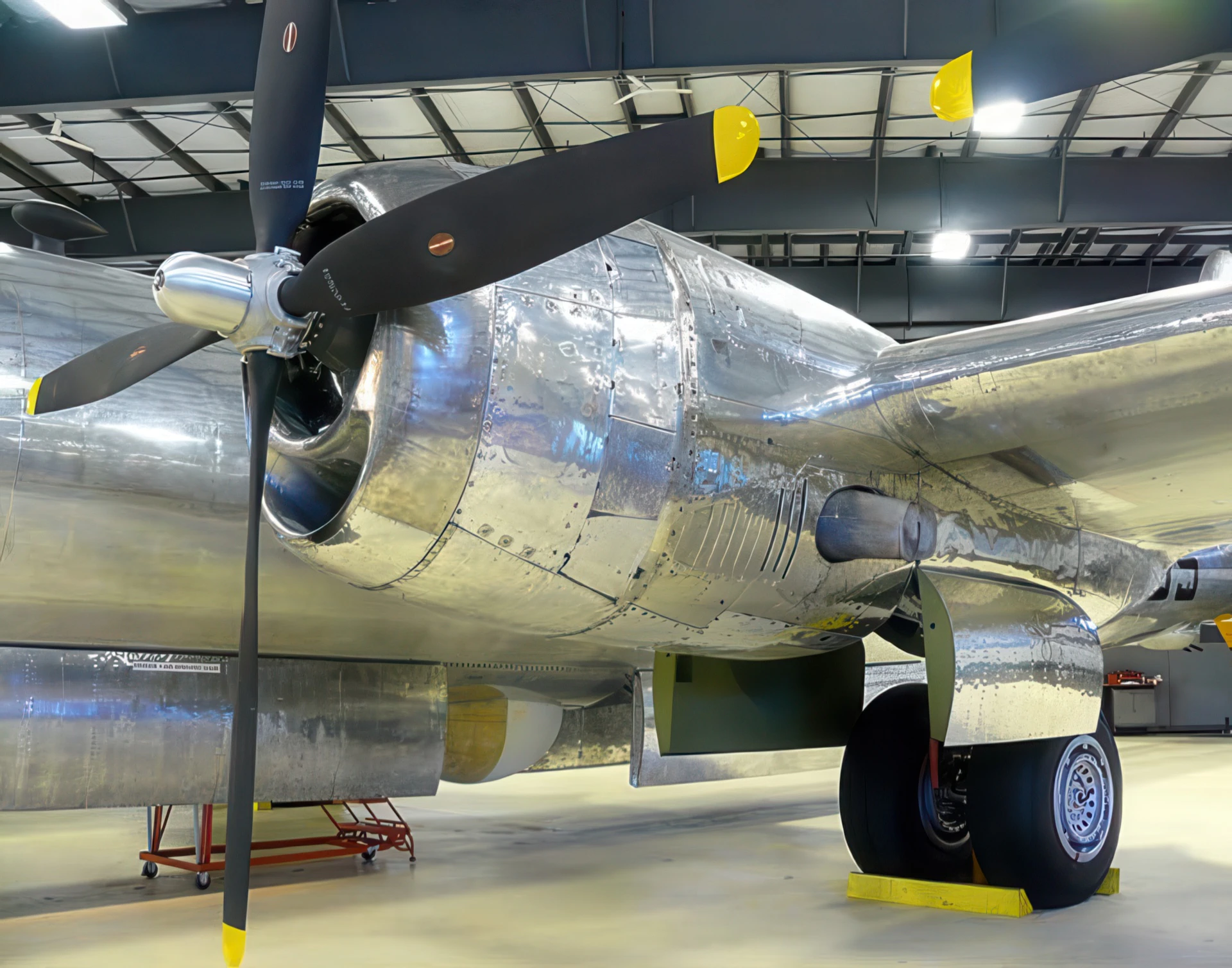
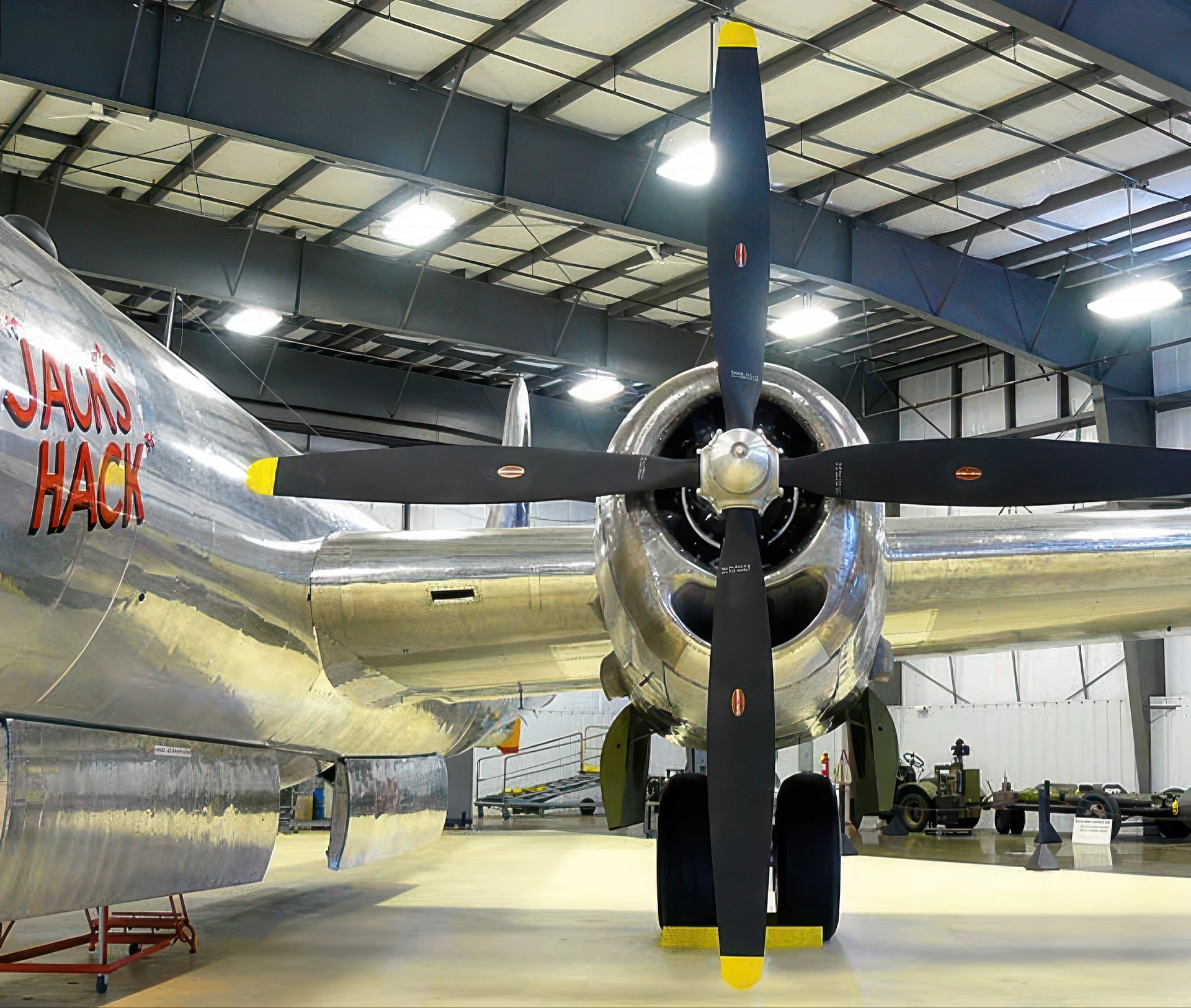
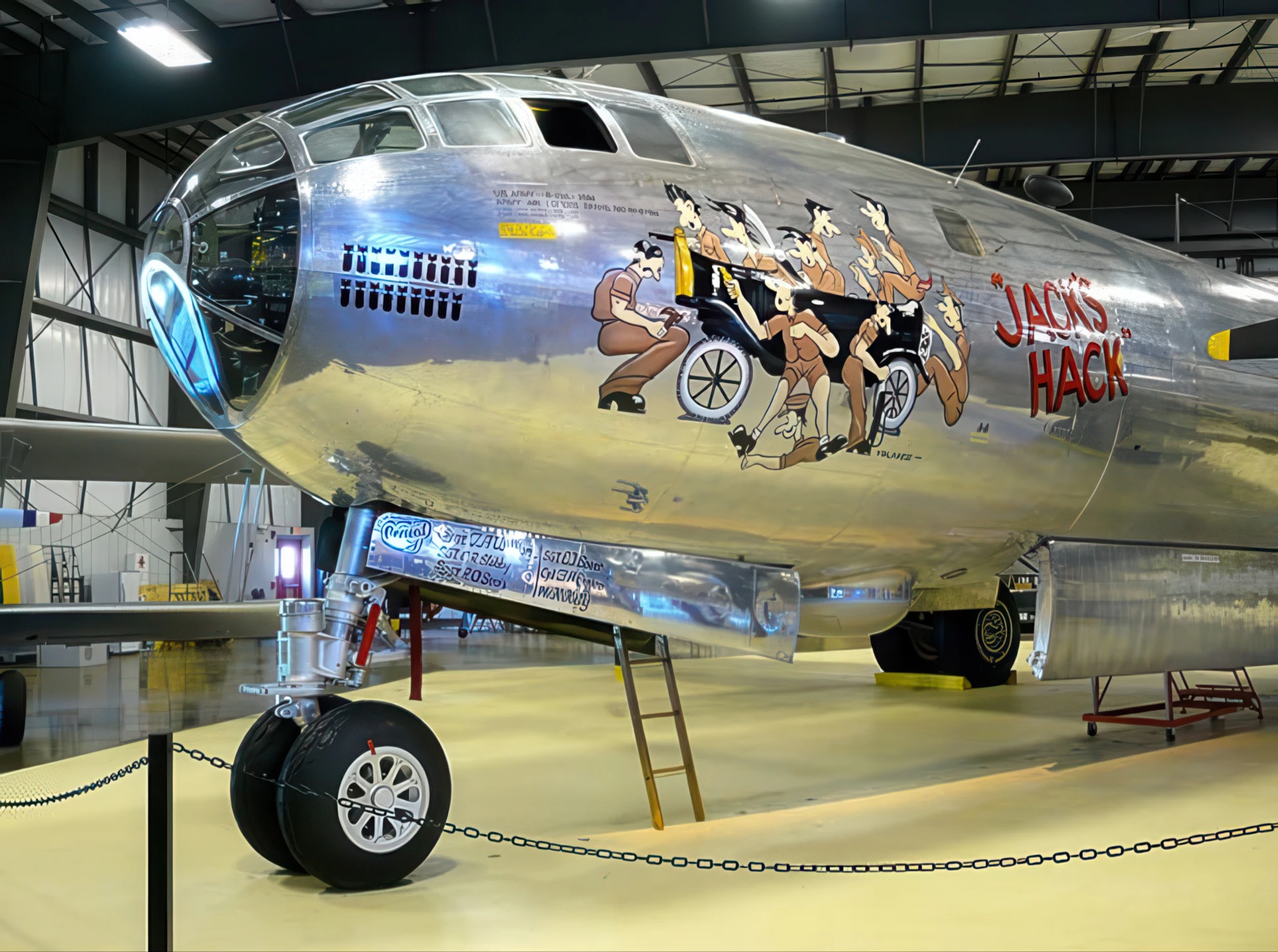
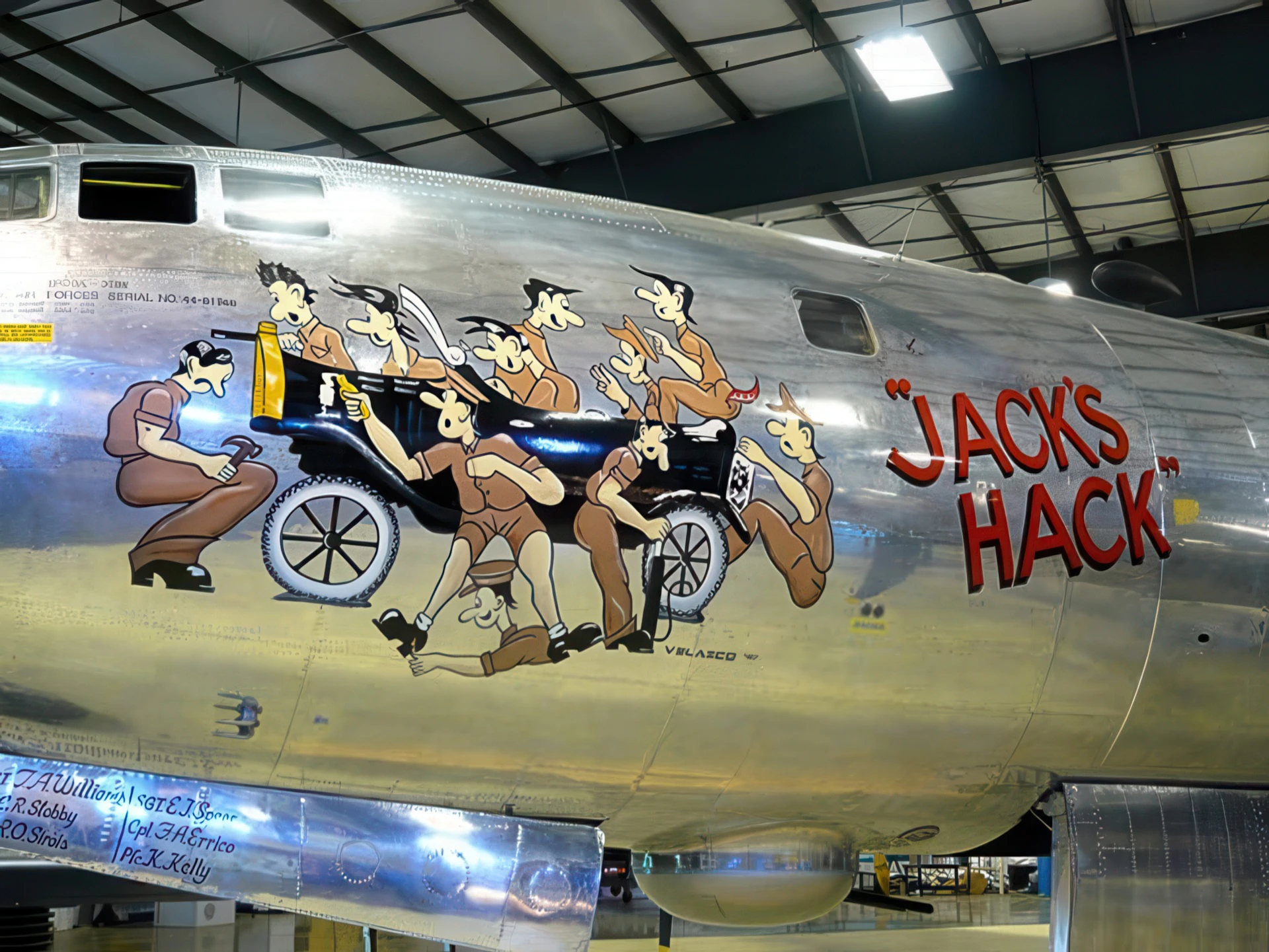
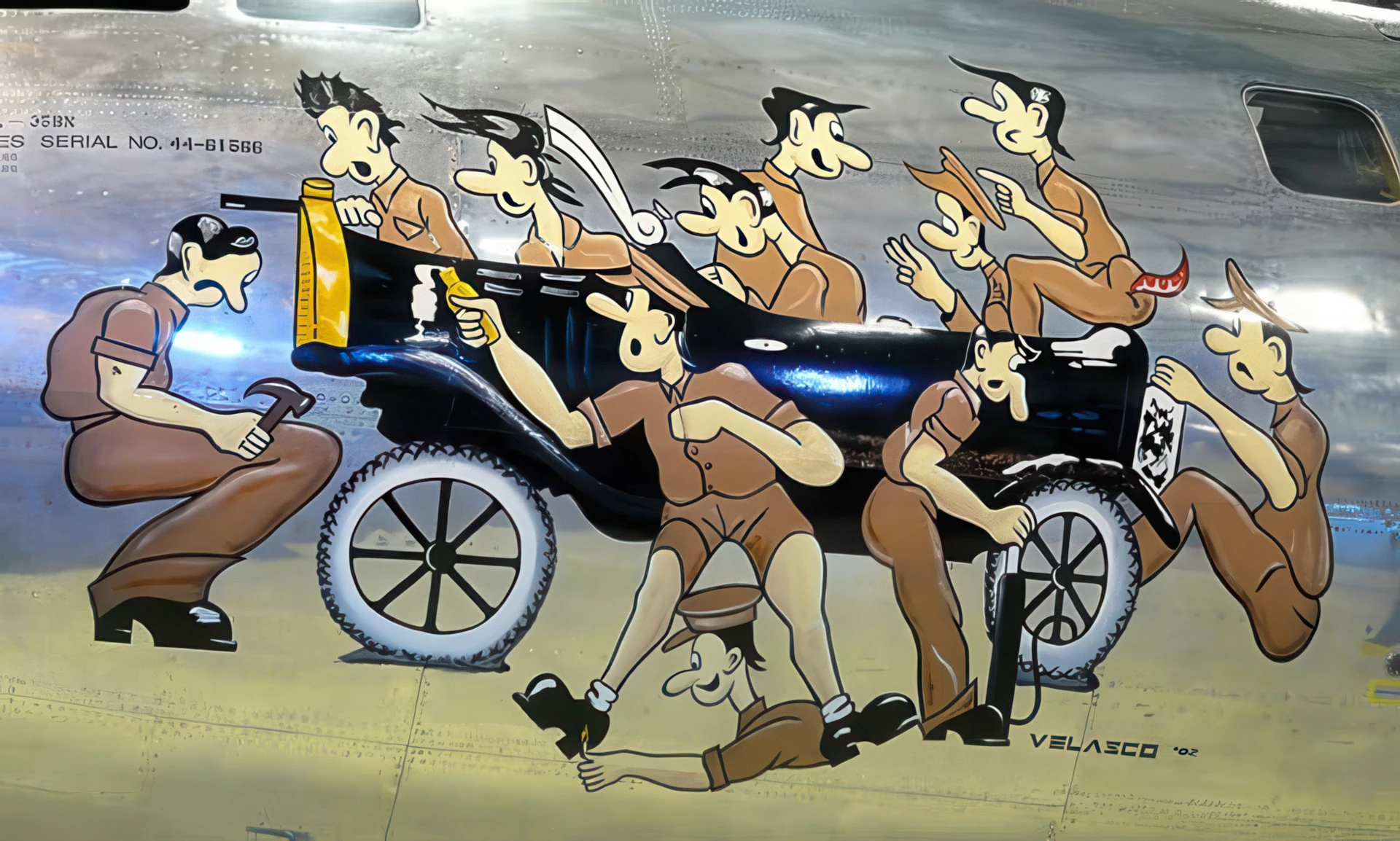
2007 Boeing B-29 Superfortress was an American four-engine heavy bomber and one of the most advanced and influential aircraft of World War II. It was designed specifically for the vast distances and high altitudes required for the strategic bombing campaign against the Japanese mainland in the Pacific Theater.
Groundbreaking Technological Features
The B-29 was a leap forward in aviation design, incorporating several technologies new to operational bombers:
- Pressurized Cabins: For the first time in a production Allied bomber, the forward and rear crew compartments were pressurized, connected by a long tunnel. This allowed the crew to operate at high altitudes (above 30,000 feet) without constantly wearing oxygen masks, greatly increasing crew comfort and endurance on the extremely long missions over the Pacific.
- Central Fire Control System: It featured an analog computer-controlled system for its defensive armament. Gunners used interconnected sighting stations to remotely aim and fire the aircraft’s turrets. This allowed one gunner to control multiple turrets, increasing accuracy and effectiveness while keeping the crew inside the pressurized fuselage.
- High-Altitude Performance: Capable of flying at altitudes up to 31,850 feet and speeds of up to 350 mph, the B-29 could operate above the effective reach and speed of most contemporary Japanese fighter aircraft.
- Defensive Armament: Initially, the aircraft mounted four remotely controlled turrets, typically armed with two 0.50-inch Browning M2 machine guns each, plus a tail position that also had a 20 mm cannon (often removed later).
Role in World War II
| Key Aspect | Details |
|---|---|
| Primary Theater | 2007 Pacific Theater of Operations. It was too late and too specialized for the European War. |
| Strategic Role | Strategic Heavy Bomber. It was designed to launch massive bombing raids from distant bases, initially from China (via the Hump) and later from the Mariana Islands (like Tinian and Guam). |
| Bombing Campaigns |
|
| Historical Significance | The B-29 “Silverplate” variant (specifically the Enola Gay Ja Bockscar) was the only aircraft type to drop nuclear weapons in combat, striking Hiroshima and Nagasaki in August 1945, which hastened the end of the war. |
| Cost | The B-29 program was the most expensive of the entire war, exceeding the cost of the Manhattan Project. |
The B-29 Superfortress cemented its place in history not just as an impressive technological achievement, but as the machine that delivered the final, decisive blow of World War II. It remained in service in various roles through the 1950s.
Views : 3889
Näete ka :
 Boeing YC-14 - fotod ja videod
 Boeing KC-97 Stratofreighter - fotod ja videod
 Boeing 367-80 - fotod ja videod
 Boeing T-43 Bobcat - fotod ja video
 Boeing FB-5 Hawk – kõnni ringi
 Boeing Vertol CH-46 Sea Knight – WalkAround
 Boeing AH-64 Apache – WalkAround
 Boeing NB-52A Stratofortress – WalkAround
 C-17 Globemaster – WalkAround
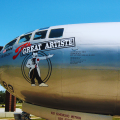 B-29 Super kindlus – WalkAround