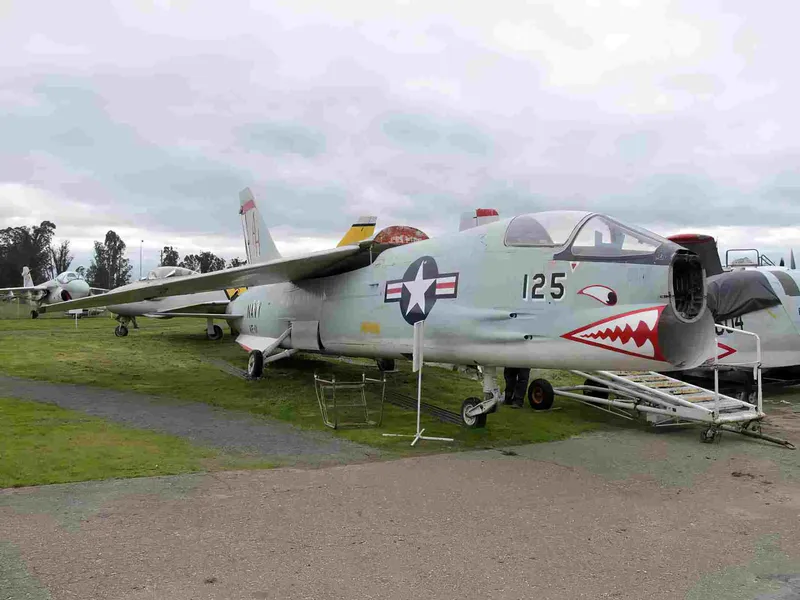
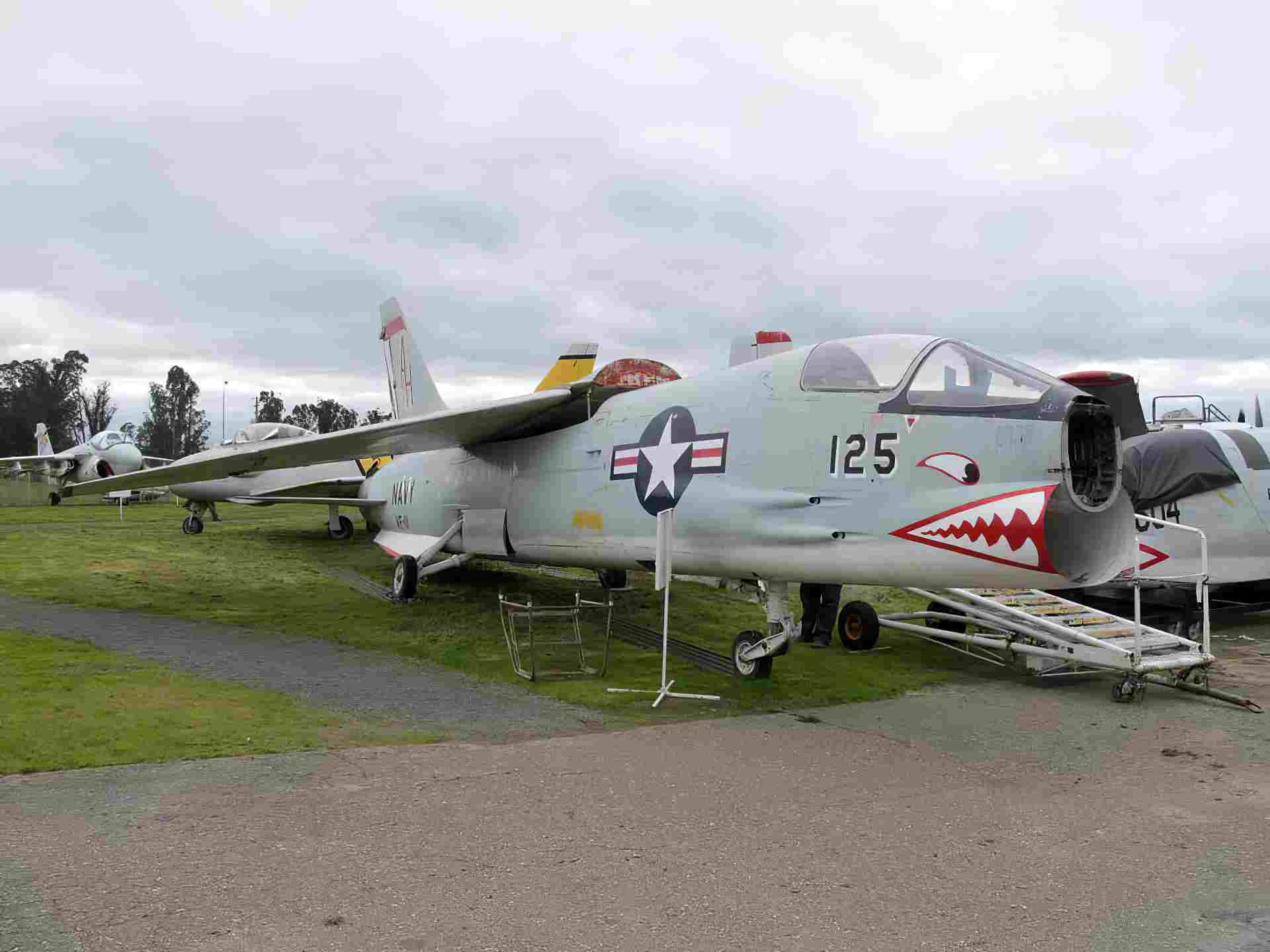
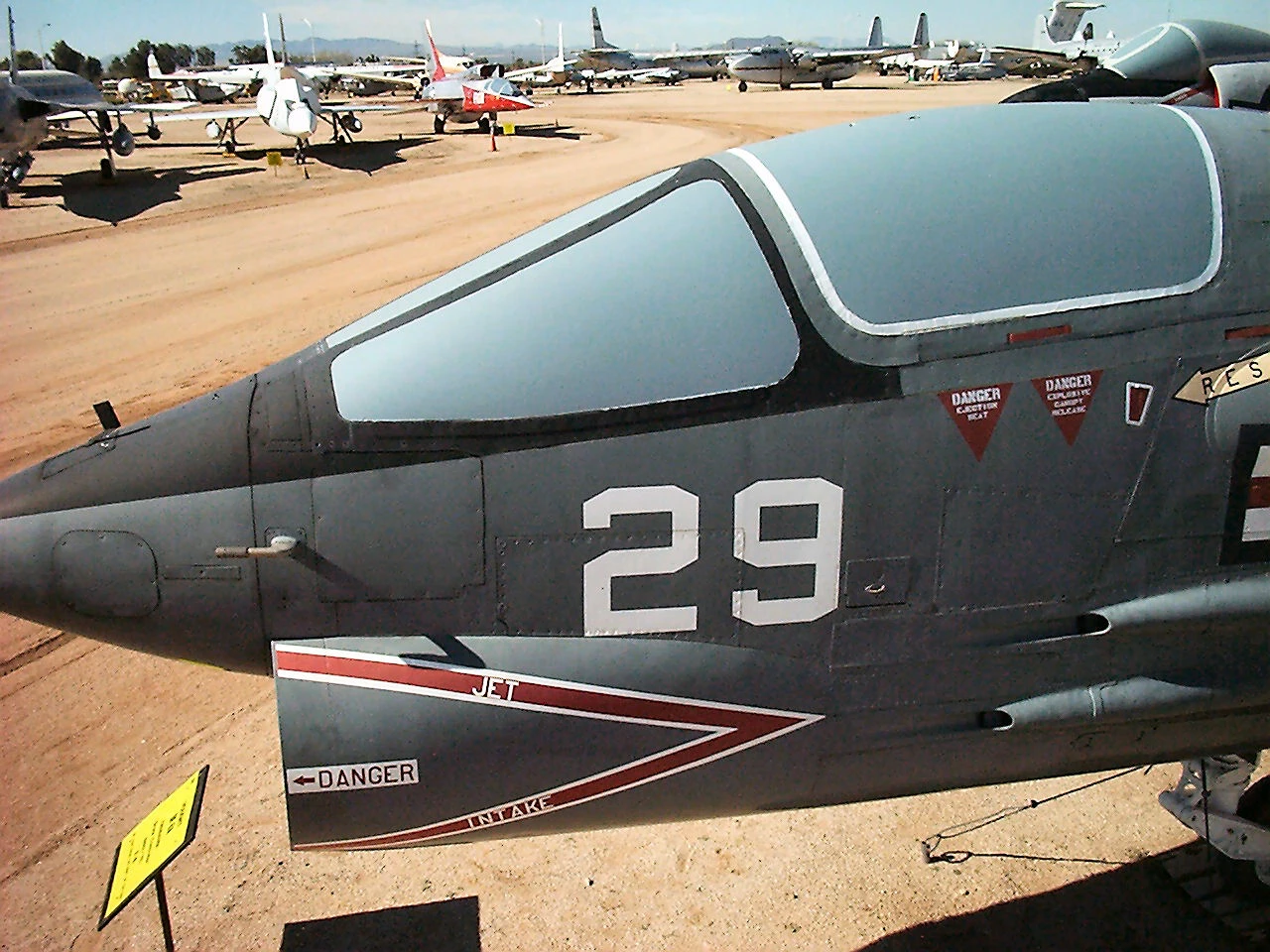
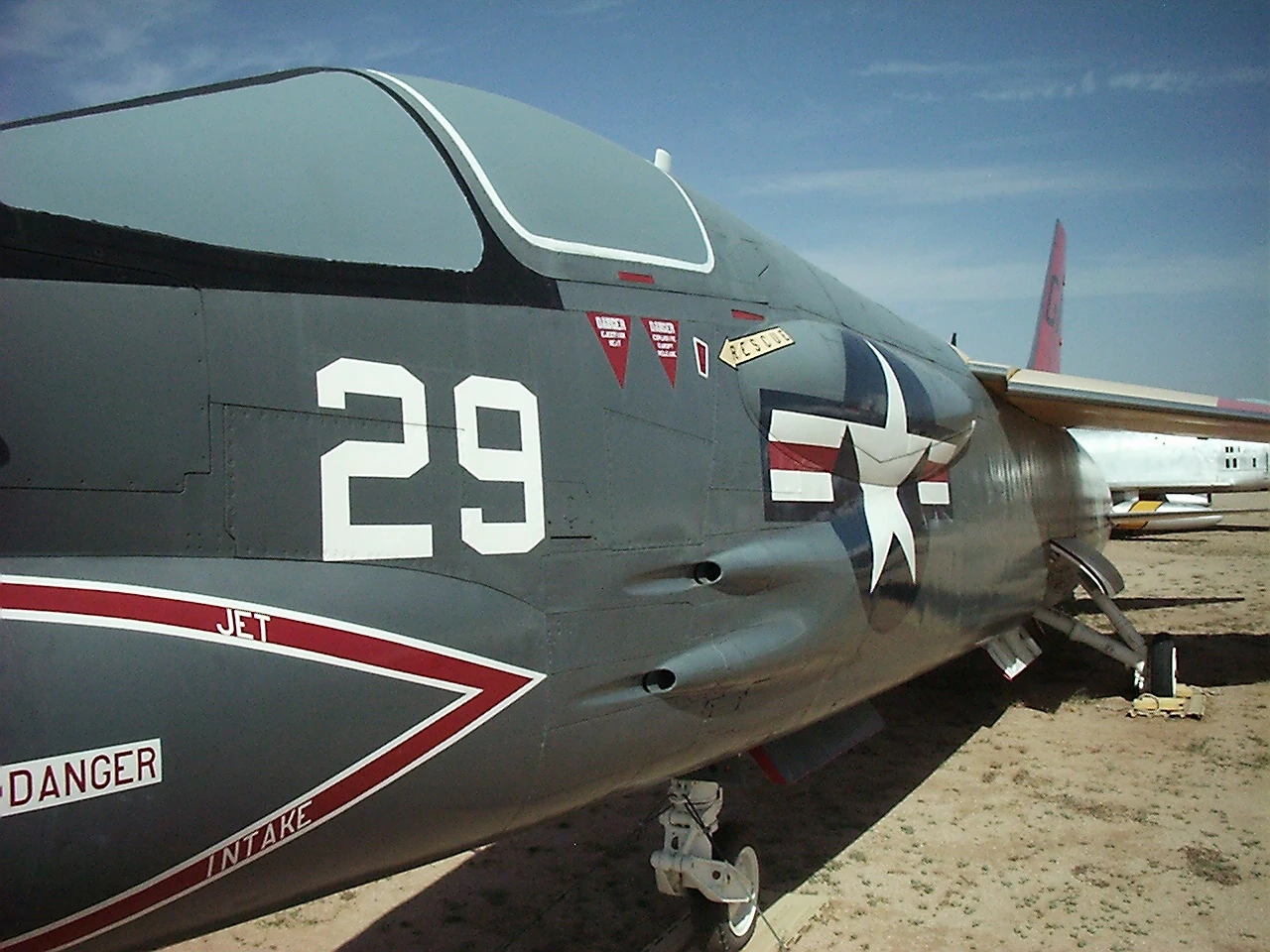
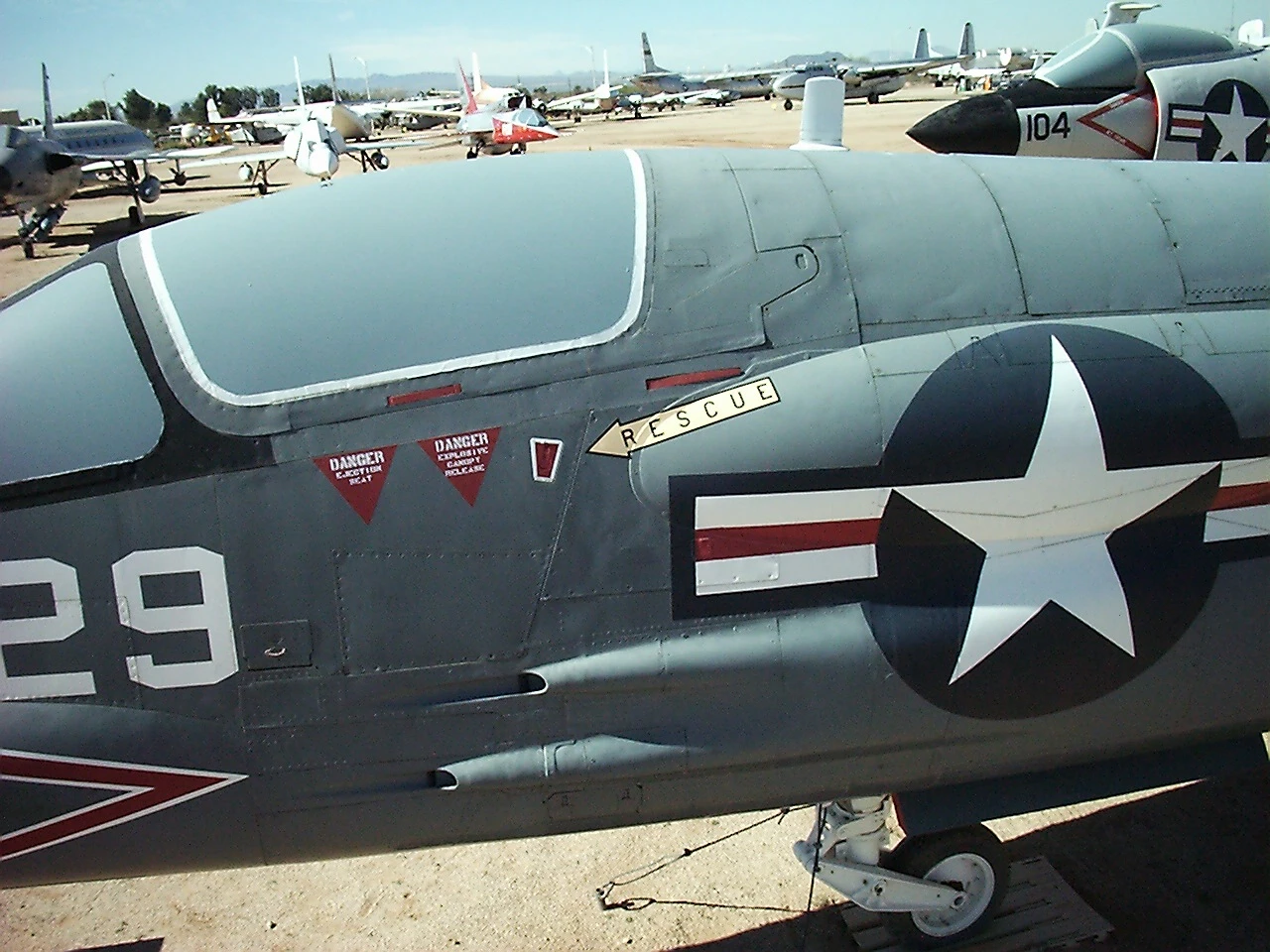
el Vought F-8 Cruzado (originalmente F8U) fue un avión a reacción de superioridad aérea monomotor, supersónico y basado en portaaviones construido por Vought para la Armada y el Cuerpo de Marines de los Estados Unidos, reemplazando al Vought F7U Cutlass, y para la Marina francesa. El primer prototipo F-8 estaba listo para volar en febrero de 1955. El F-8 sirvió principalmente en la guerra de Vietnam. El Cruzado fue el último luchador estadounidense con armas de fuego como arma principal, ganándose el título de "El último de los pistoleros".
Espera, Buscando Vought F-8 Crusader fotos para usted...
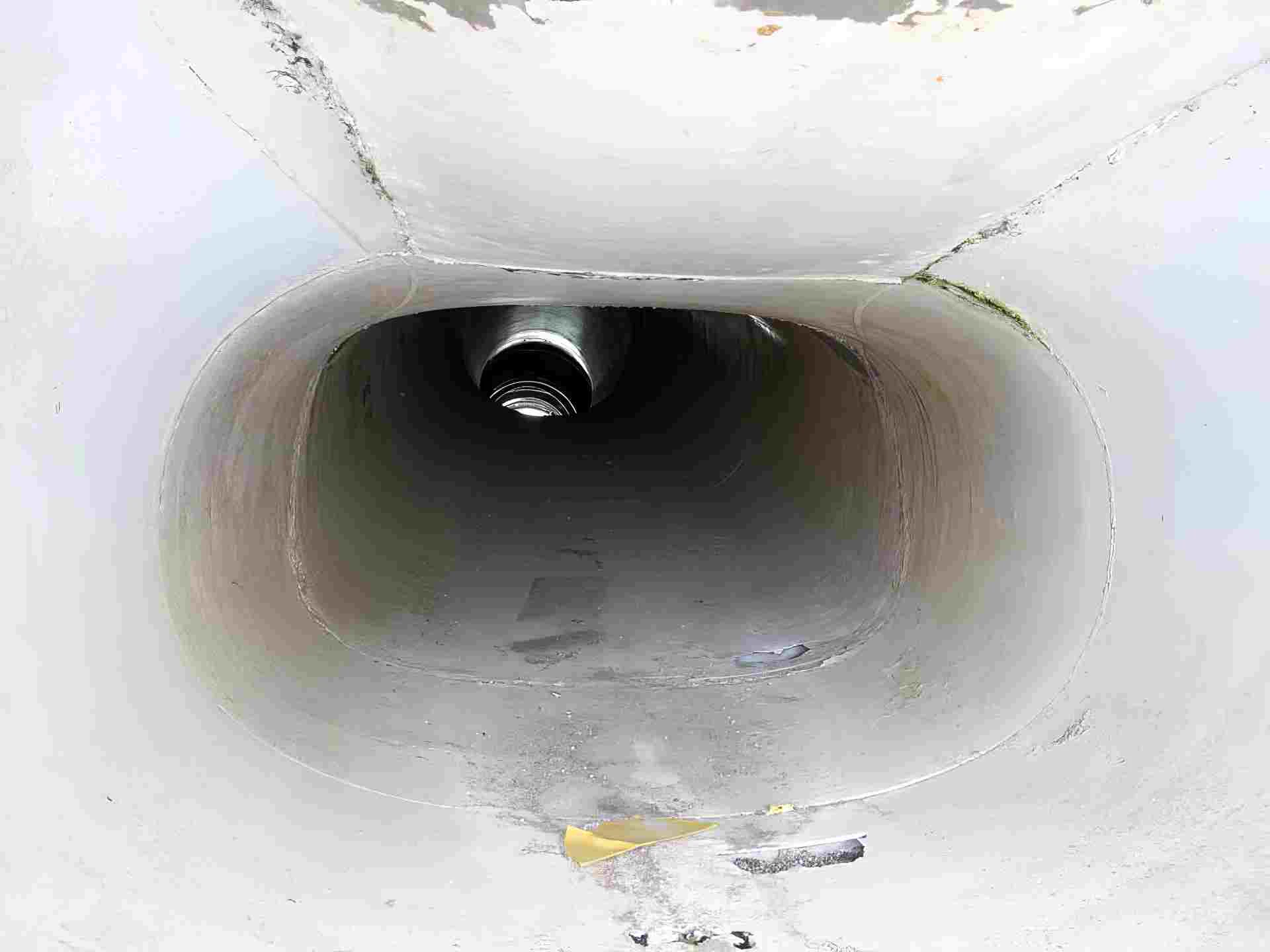
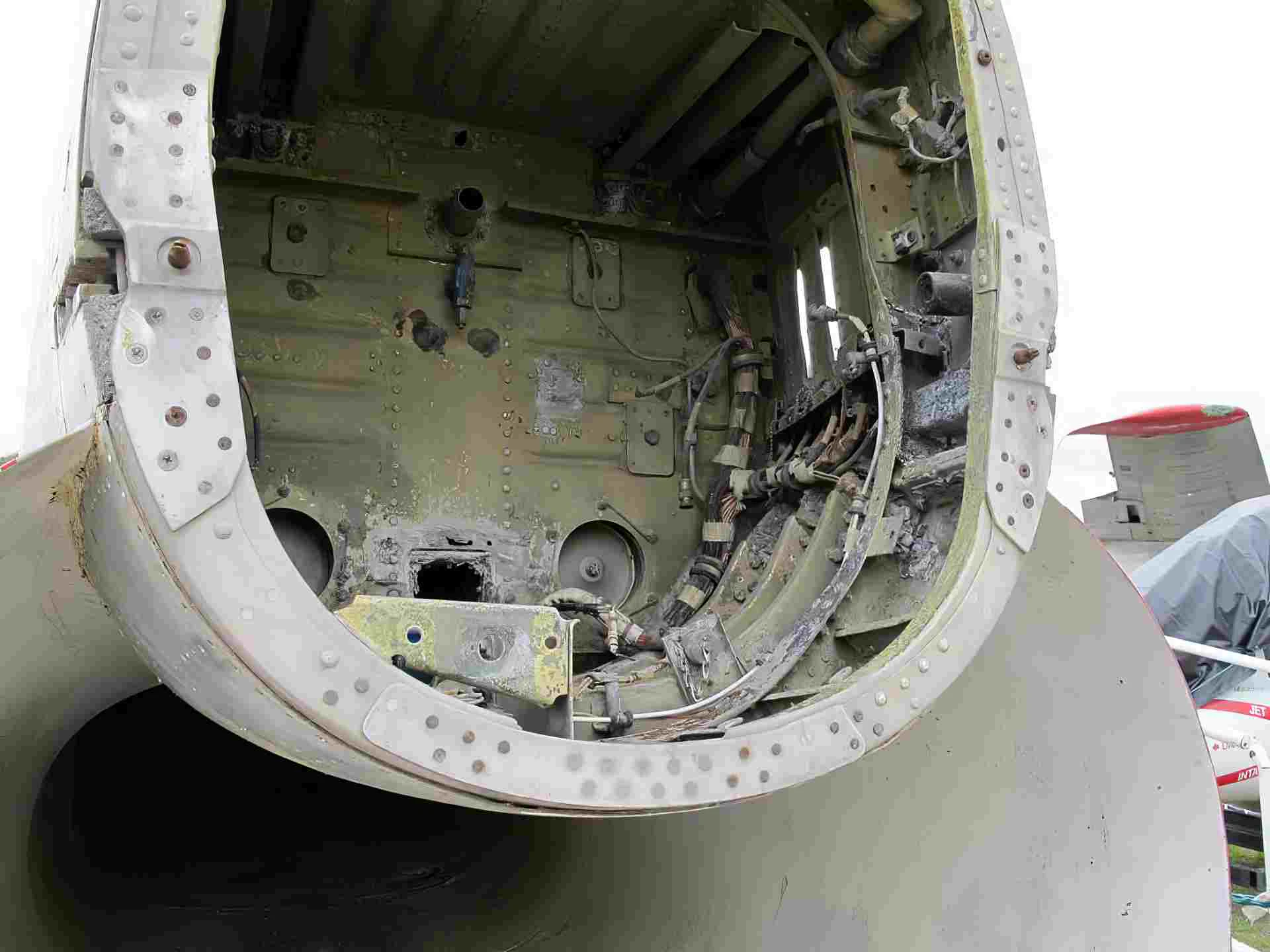
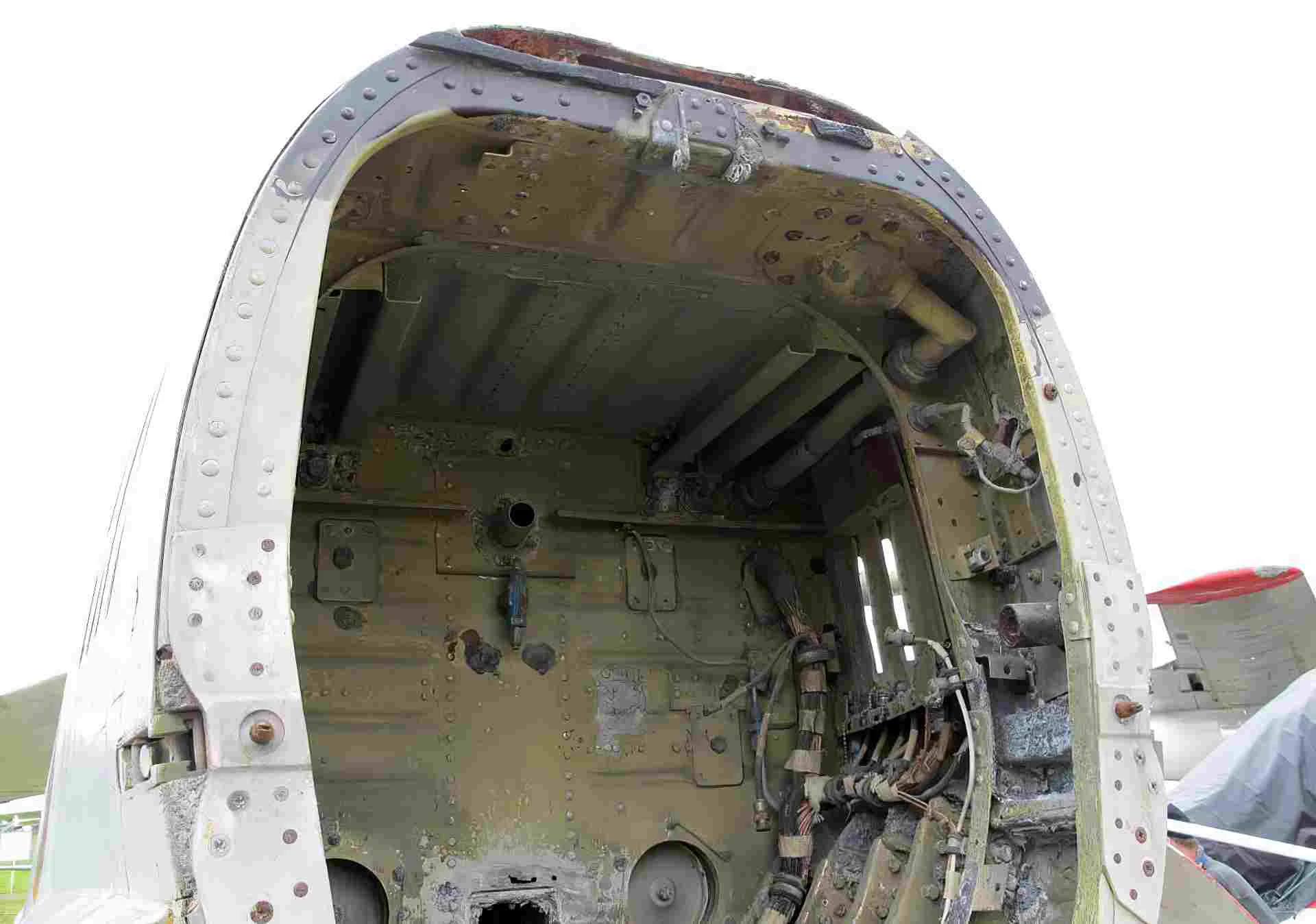
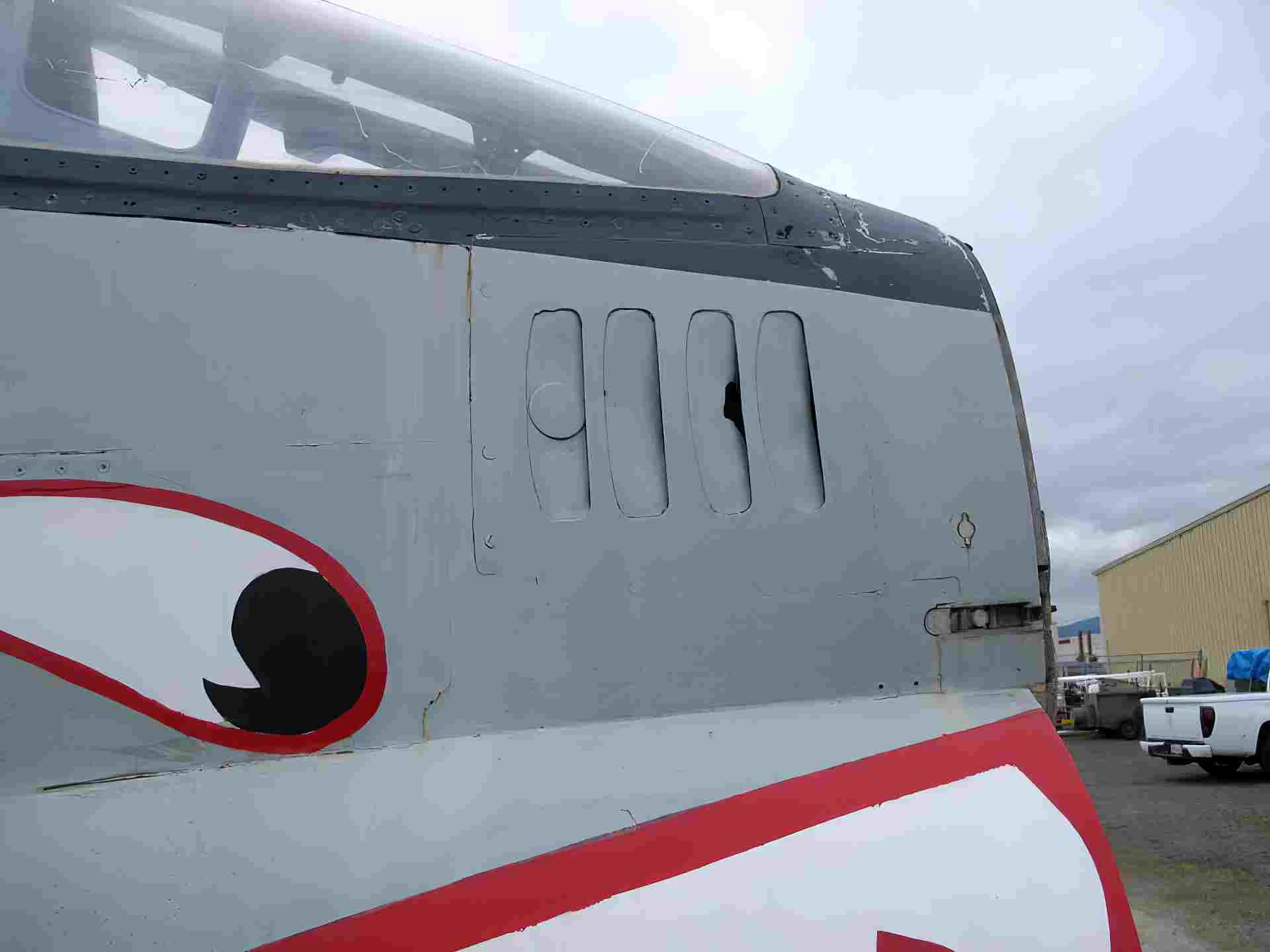
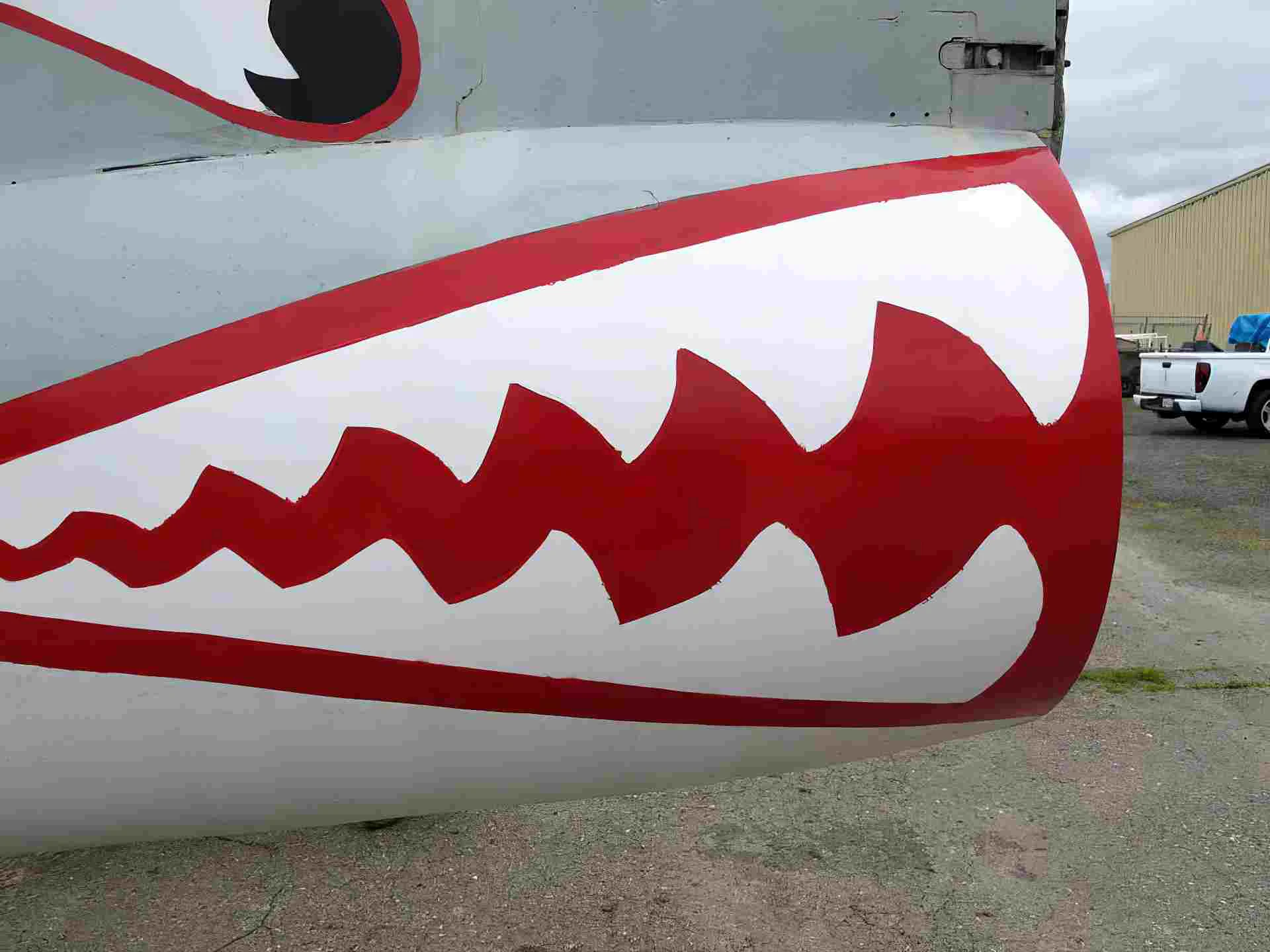
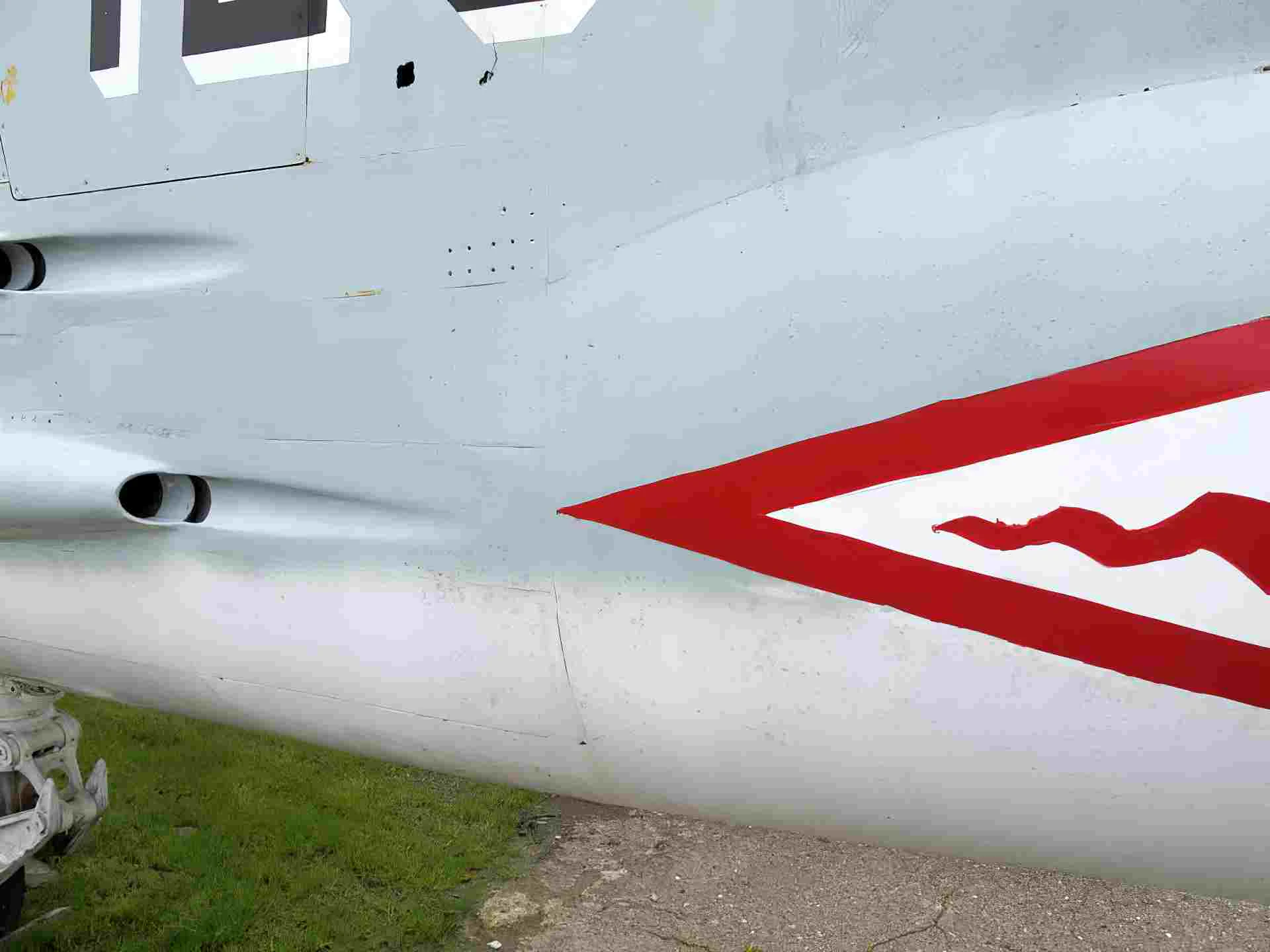
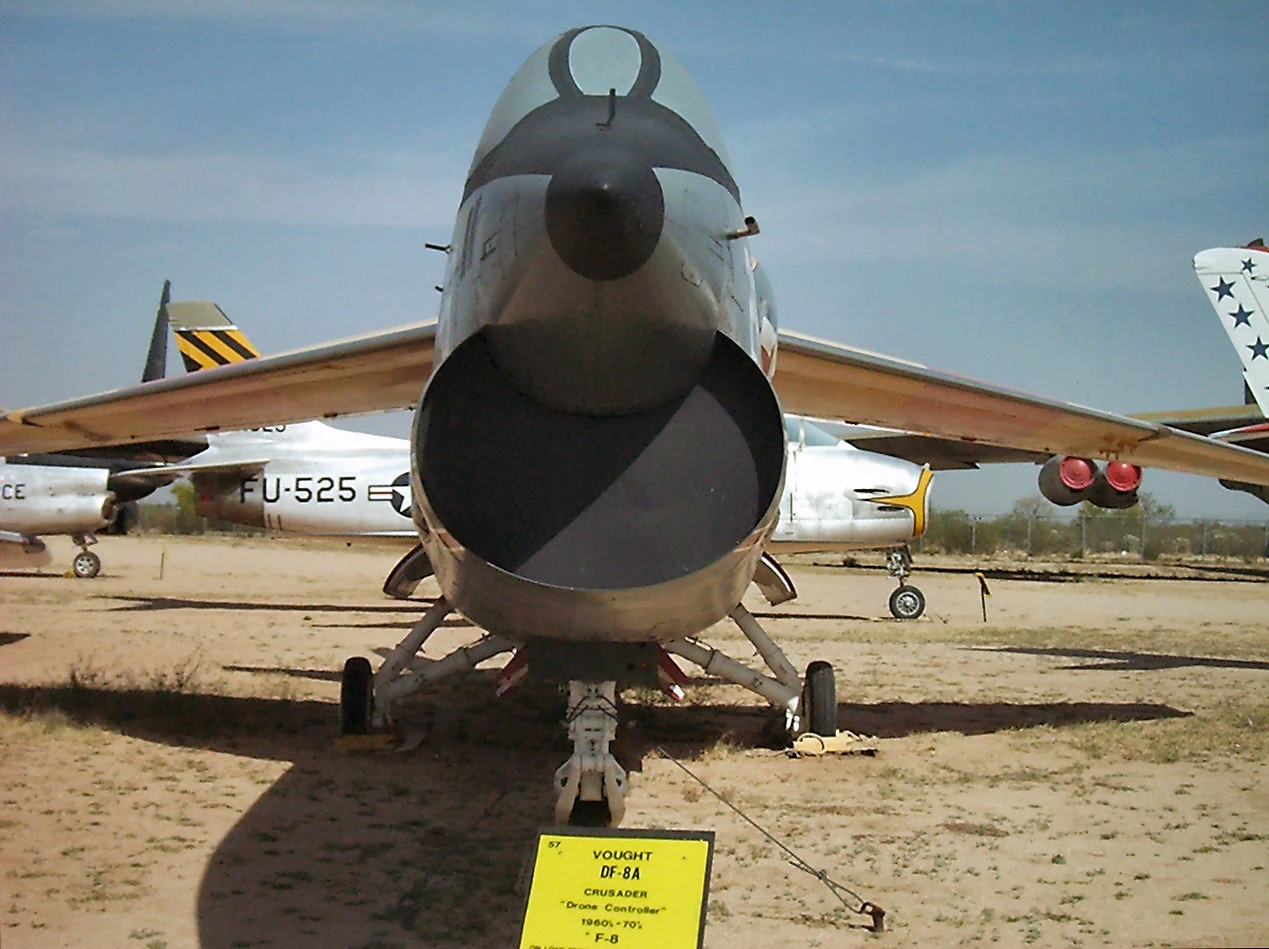
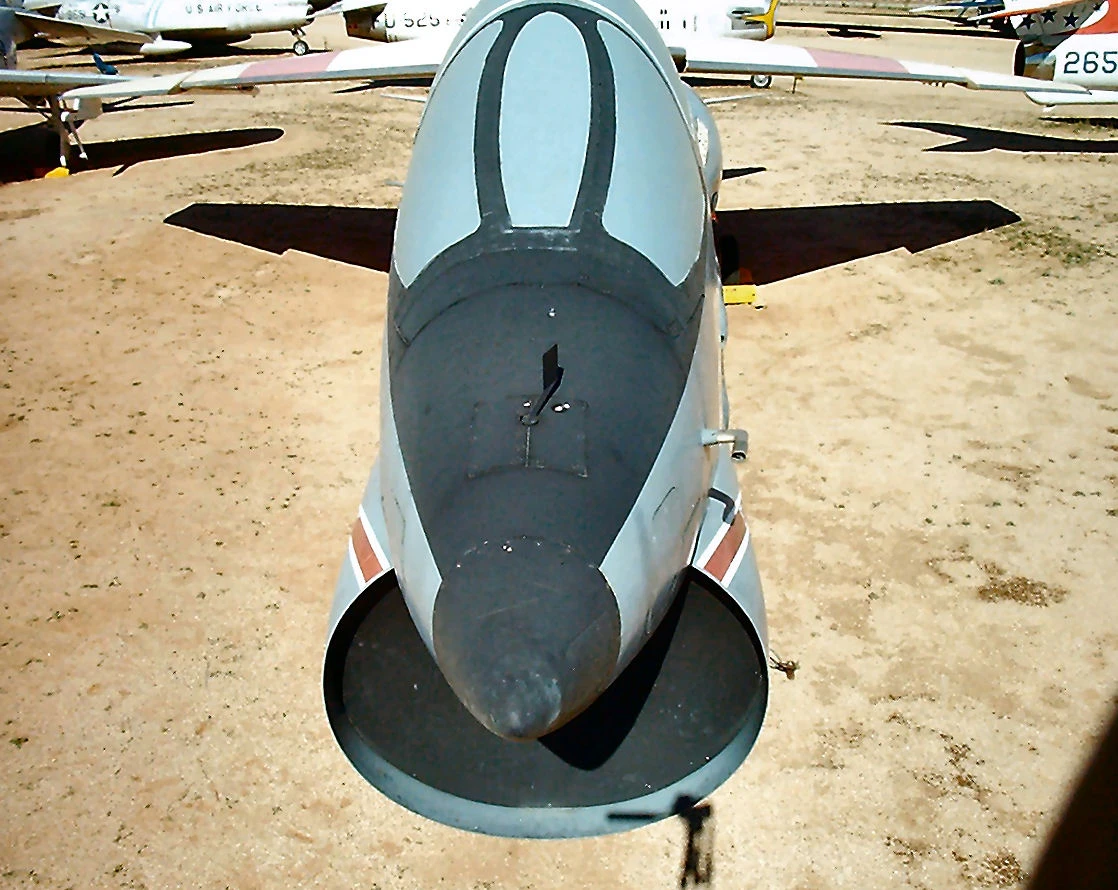
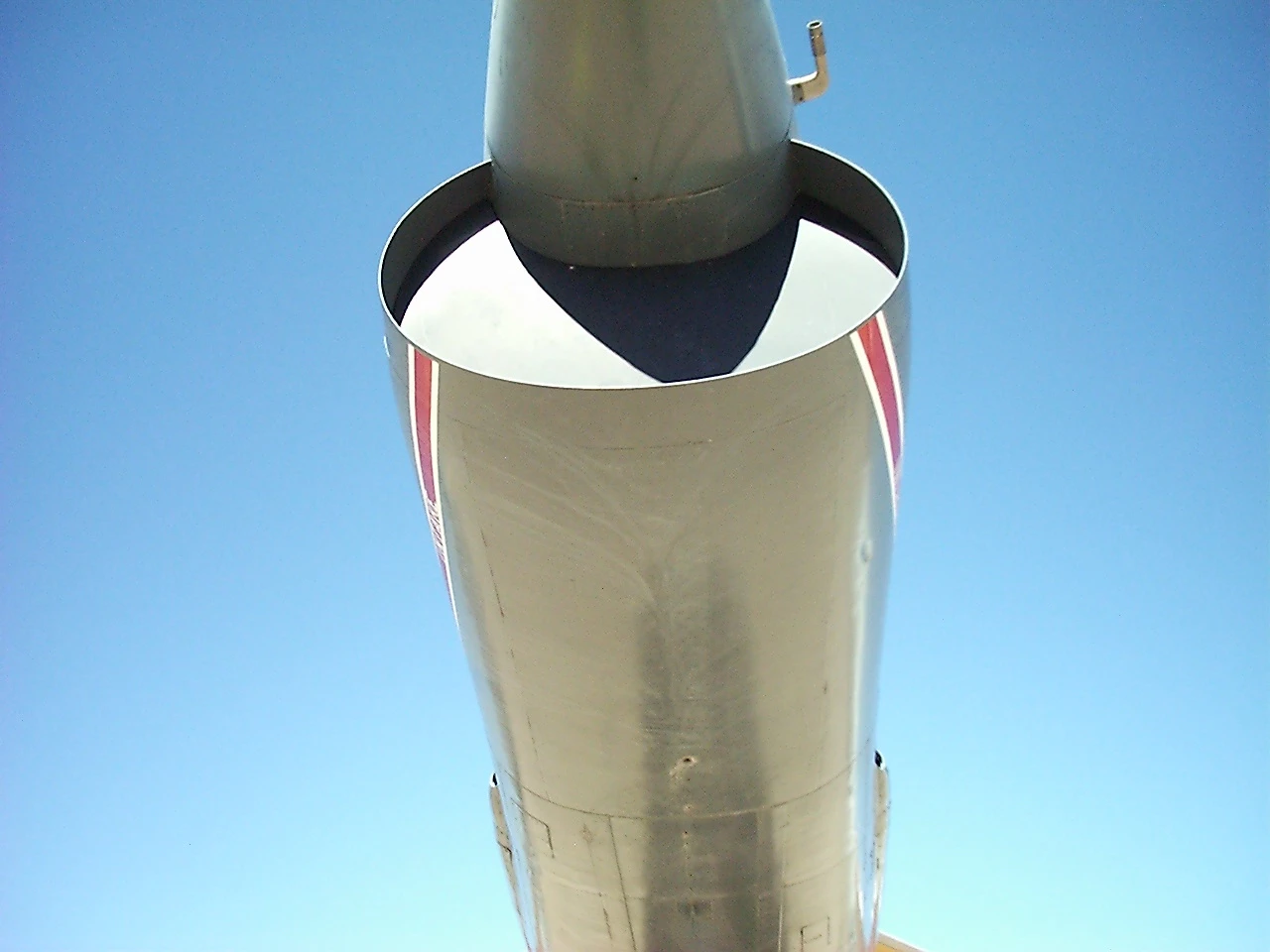
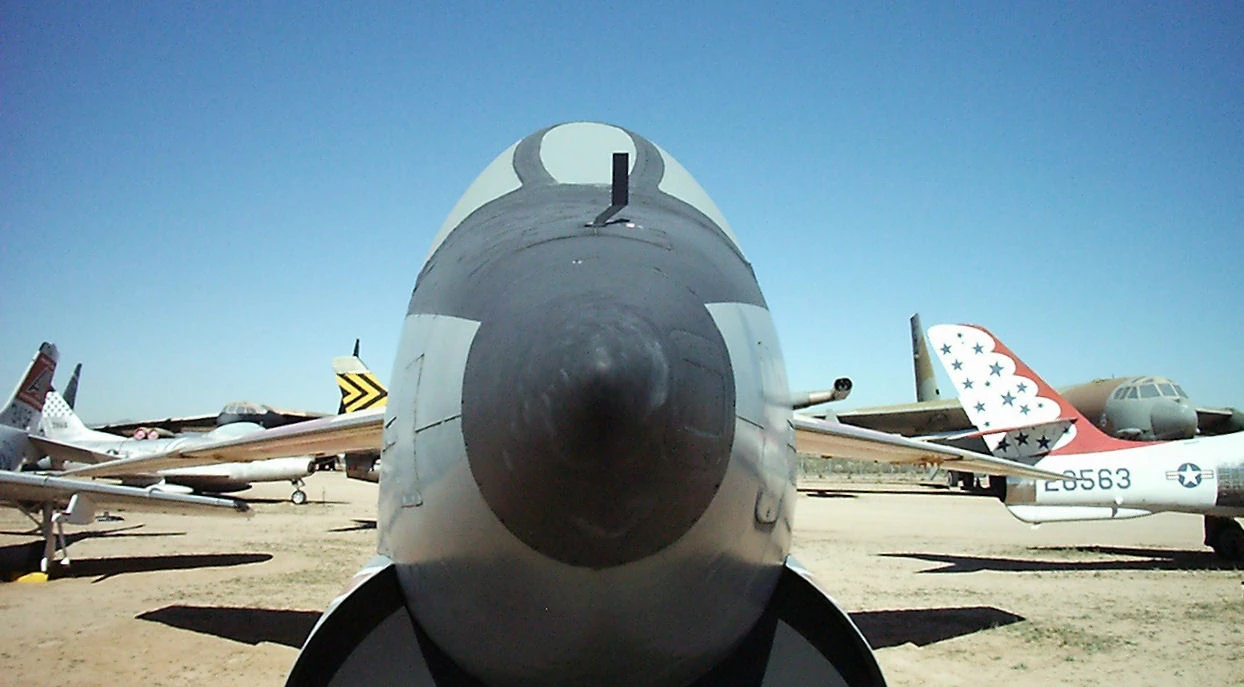
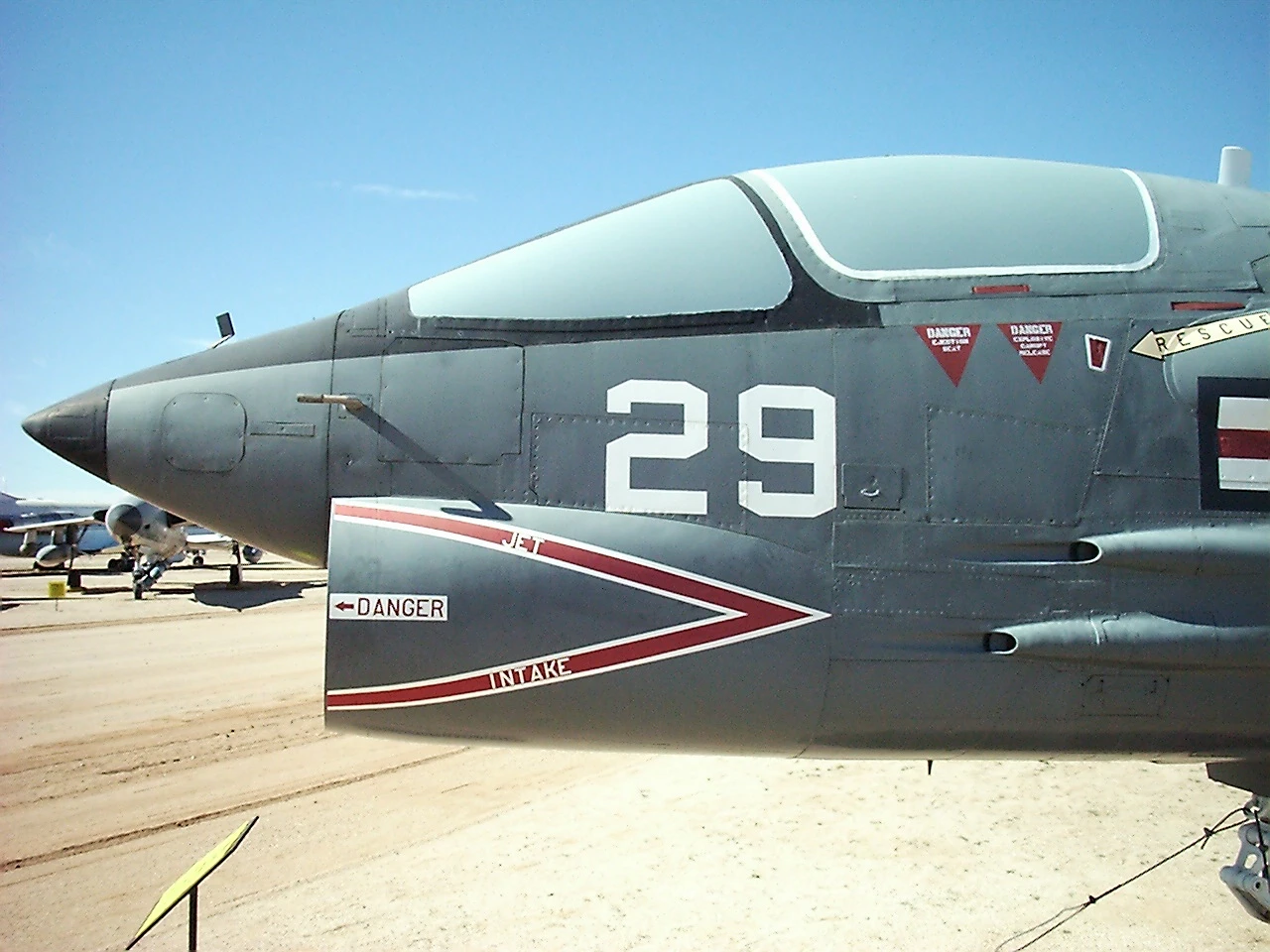
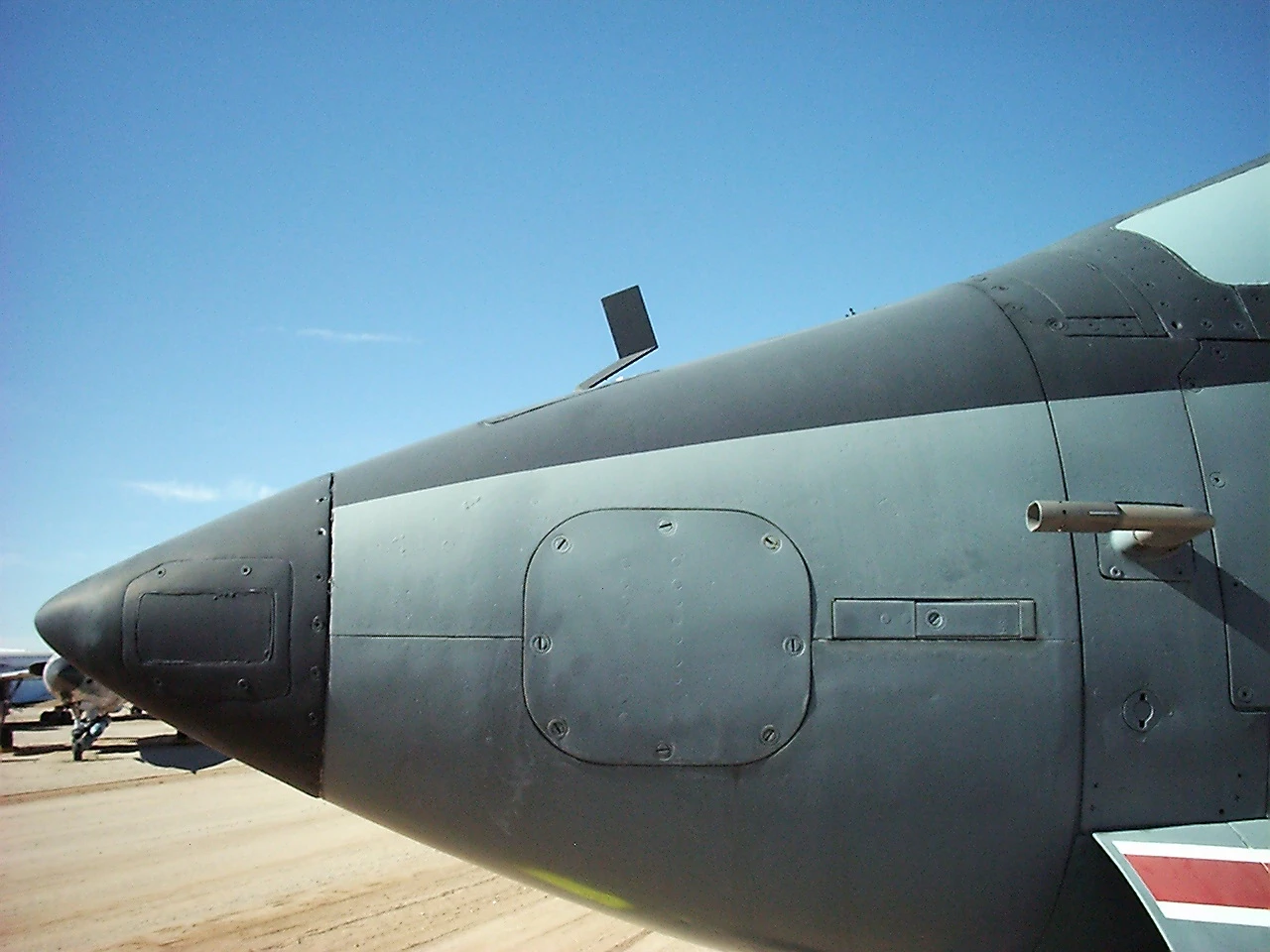
DF-8A Crusader Walk Around
Fotógrafo
Luc Colin
Localización
Unknow
Fotos
16
The Final True Dogfighter
el Vought F-8 Cruzadowas a legend of the early supersonic era. Entering service in 1957, it was the first carrier-based fighter to exceed 1,000 mph. While the later F-4 Phantom II relied entirely on missiles (initially), the Crusader kept its four 20mm cannons, earning it the nickname“The Last of the Gunfighters.”It was a pilot’s airplane—fast, agile, and unforgiving. In the skies over Vietnam, the F-8 achieved the highest kill ratio of any Navy fighter, proving that in a close-in “knife fight,” a maneuverable jet with guns was still king.
4 × AIM-9 Sidewinders (mounted on fuselage Y-pylons)
Special Feature
Variable-Incidence Two-Position Wing
Design Engineering: The Tilting Wing
Variable-Incidence Wing:To solve the problem of landing a high-speed supersonic jet on a short carrier deck, Vought engineers designed a wing that could tilt upward by 7 degrees. This allowed the F-8 to fly at a high angle of attack for lift while the fuselage remained relatively level, giving the pilot much better visibility of the carrier deck during landing.
The “Area Rule” Fuselage:The Crusader was one of the first jets to successfully incorporate the “Area Rule” (a “wasp-waist” narrowing of the fuselage), which significantly reduced transonic drag and allowed it to punch through the sound barrier with ease.
Area-Intercept Radar:Despite its “gunfighter” moniker, the F-8 was technically advanced, carrying an AN/APQ-94 radar that allowed the pilot to find and track targets even in bad weather—a rarity for a single-seat fighter of that generation.
The Folding Wing-Tip:Like most carrier aircraft, the F-8’s outer wing panels folded up. Famously, the Crusader was so powerful that it was capable of taking off with its wings still folded—though it required a very skilled (and terrified) pilot to bring it back down safely.
Operational History: MIG Master
The Mig-Killers:During the Vietnam War, the F-8 established a 19:3 kill ratio against North Vietnamese MiGs. Most of these kills were achieved with the early AIM-9D Sidewinder, but the presence of the 20mm cannons gave pilots the confidence to engage in tight, turning dogfights.
The “Ensign Killer”:The F-8 was notoriously difficult to land. Its high approach speed and the tendency for the nose-gear to fail if slammed down too hard gave it a fearsome reputation among junior pilots. If you could master the “Gator” (another nickname due to its low-slung intake), you were considered the best of the best.
Photo-Recon (RF-8):The unarmed reconnaissance version of the Crusader played a pivotal role during theCrisis de los misiles en Cuba, flying low-level, high-speed missions over Cuba to provide the photographic evidence of Soviet nuclear missiles.
French Service:The Crusader was so effective that the French Navy (Aéronavale) operated a specialized variant (the F-8P) until 1999, making it one of the longest-serving carrier fighters in history.

 Beriev Be-12 – Fotos y Video
 Fiat CR.42 – Fotos y Video
 L-39 Albatros – Fotos y Video
 Fokker C.X – Fotos y Video
 Hawker Siddeley Nimrod – Fotos y Video
 Sukhoi Su-24М Fencer - Fotos y video
 Zlin XII – Fotos y Video
 Sukhoi Su-7 – Fotos y Video
 Lockheed T-33 – Fotos y Video
 Fairey Fulmar Mk.I – Fotos y Video