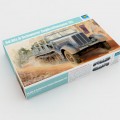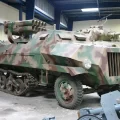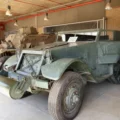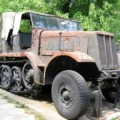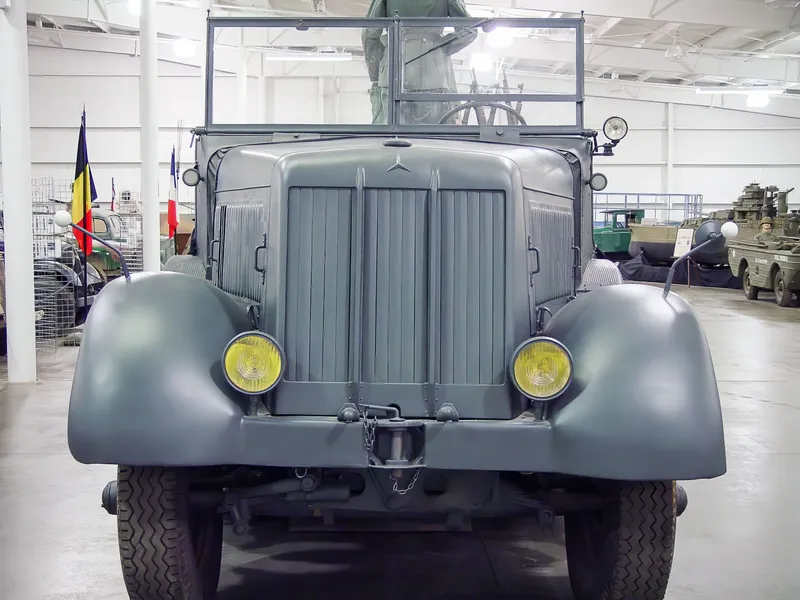
Sdkfz 8 12 Tonelada | |
|---|---|
| País | Alemania |
| Tipo | A medio camino |
| Descripción | Álbum de fotos de 28 fotos walk-around sobre un «SdKfz 8 12 Ton» |
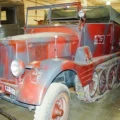
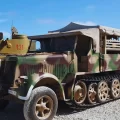
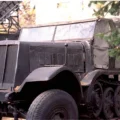
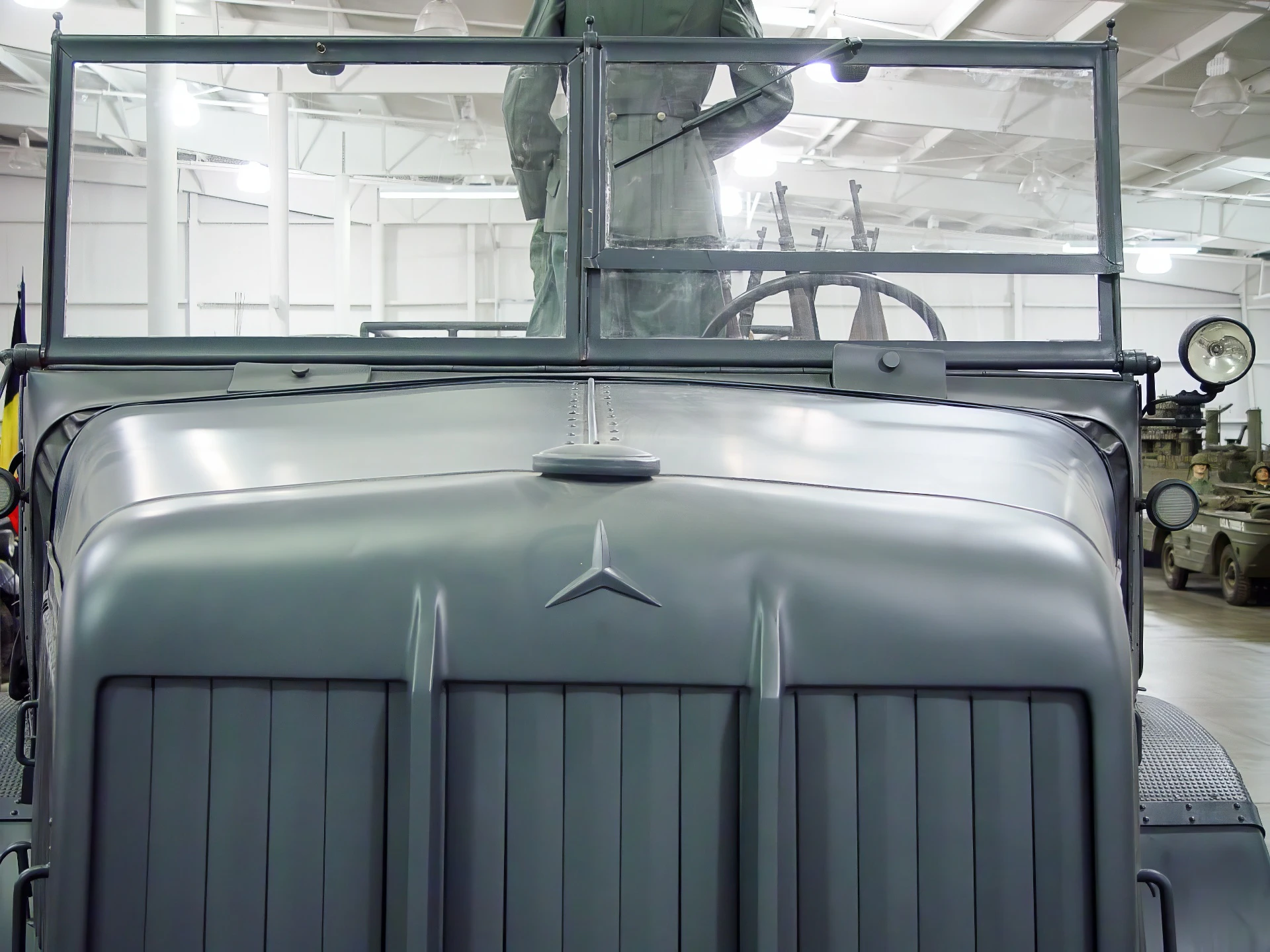
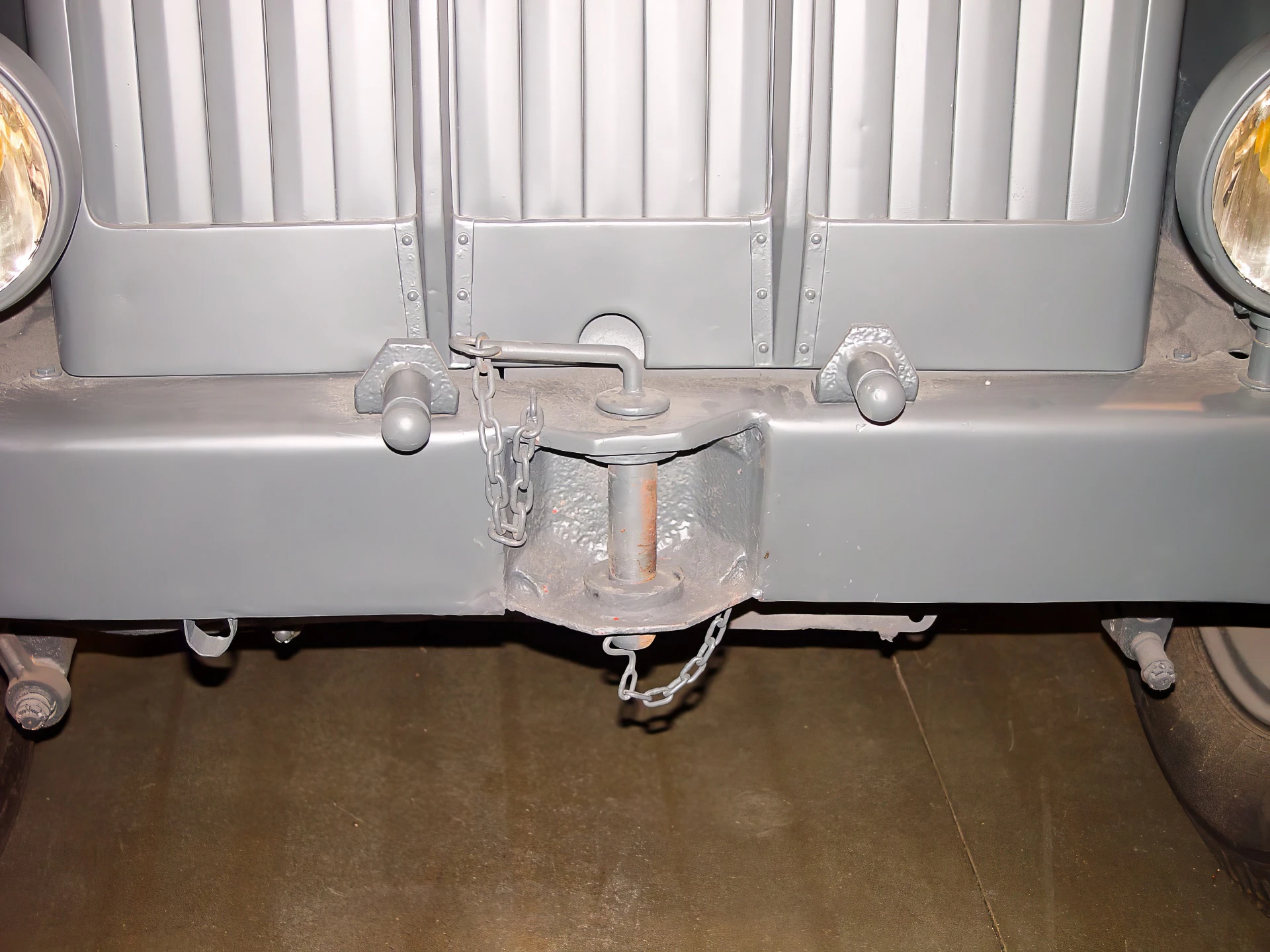
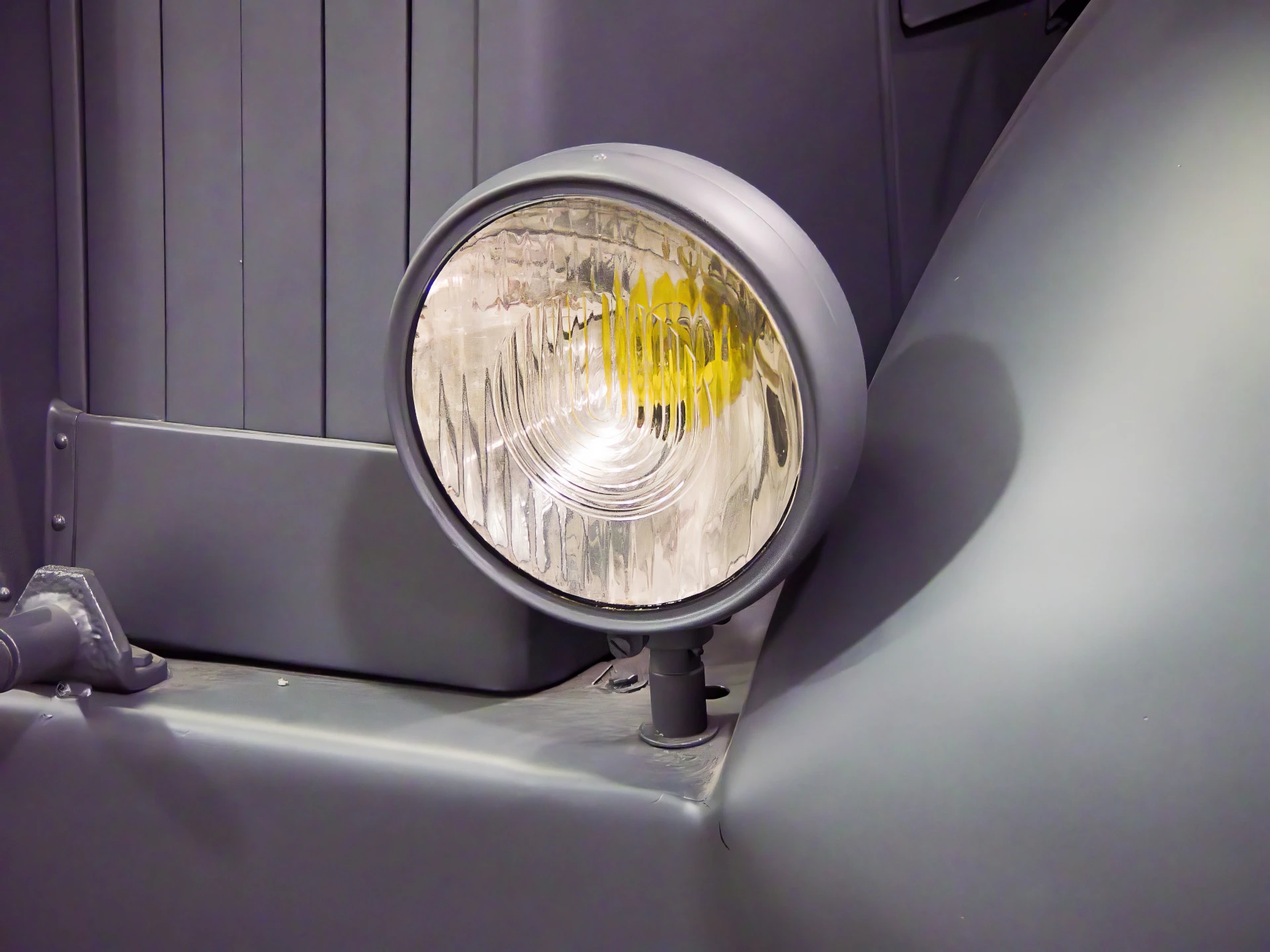
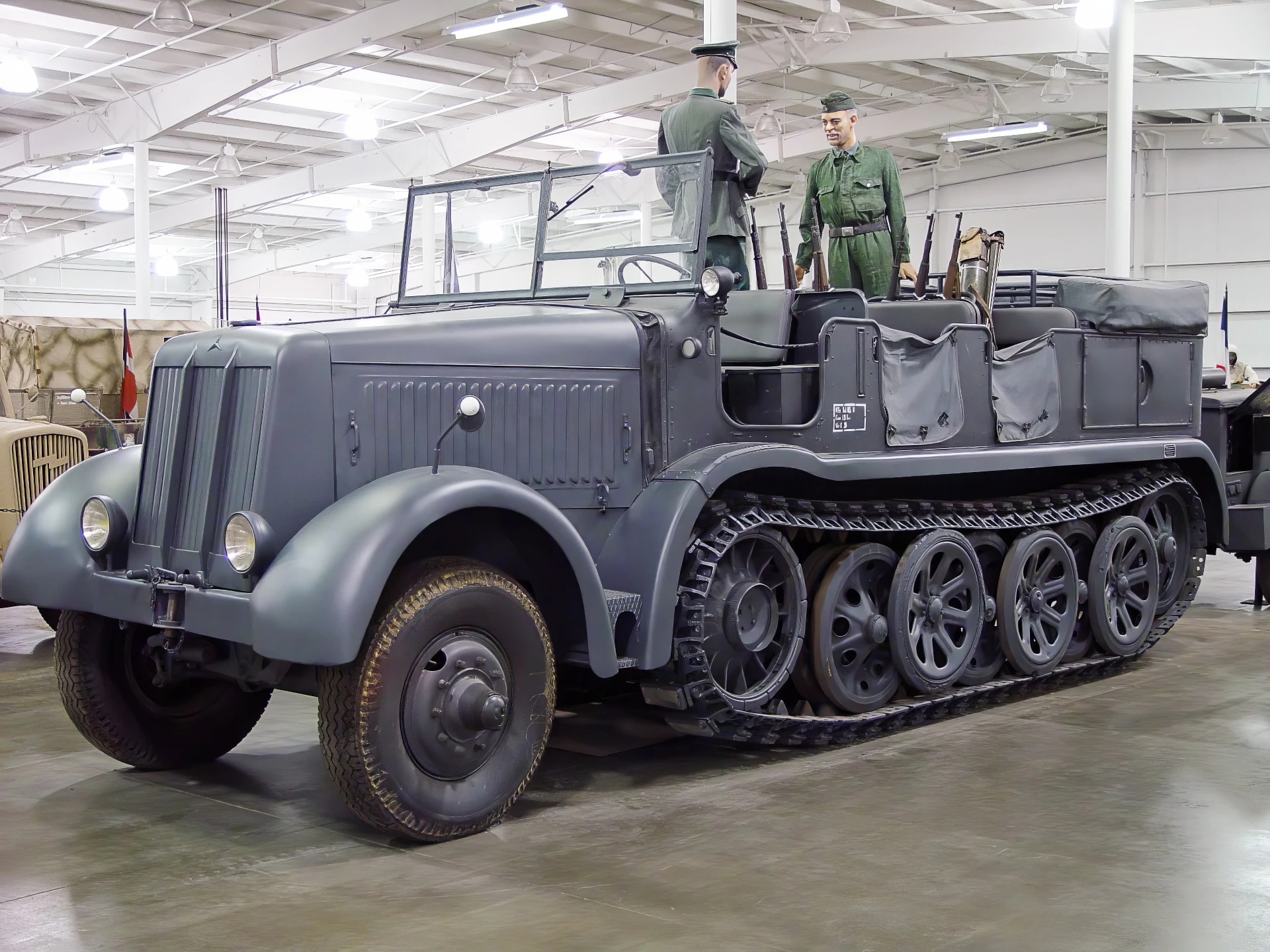
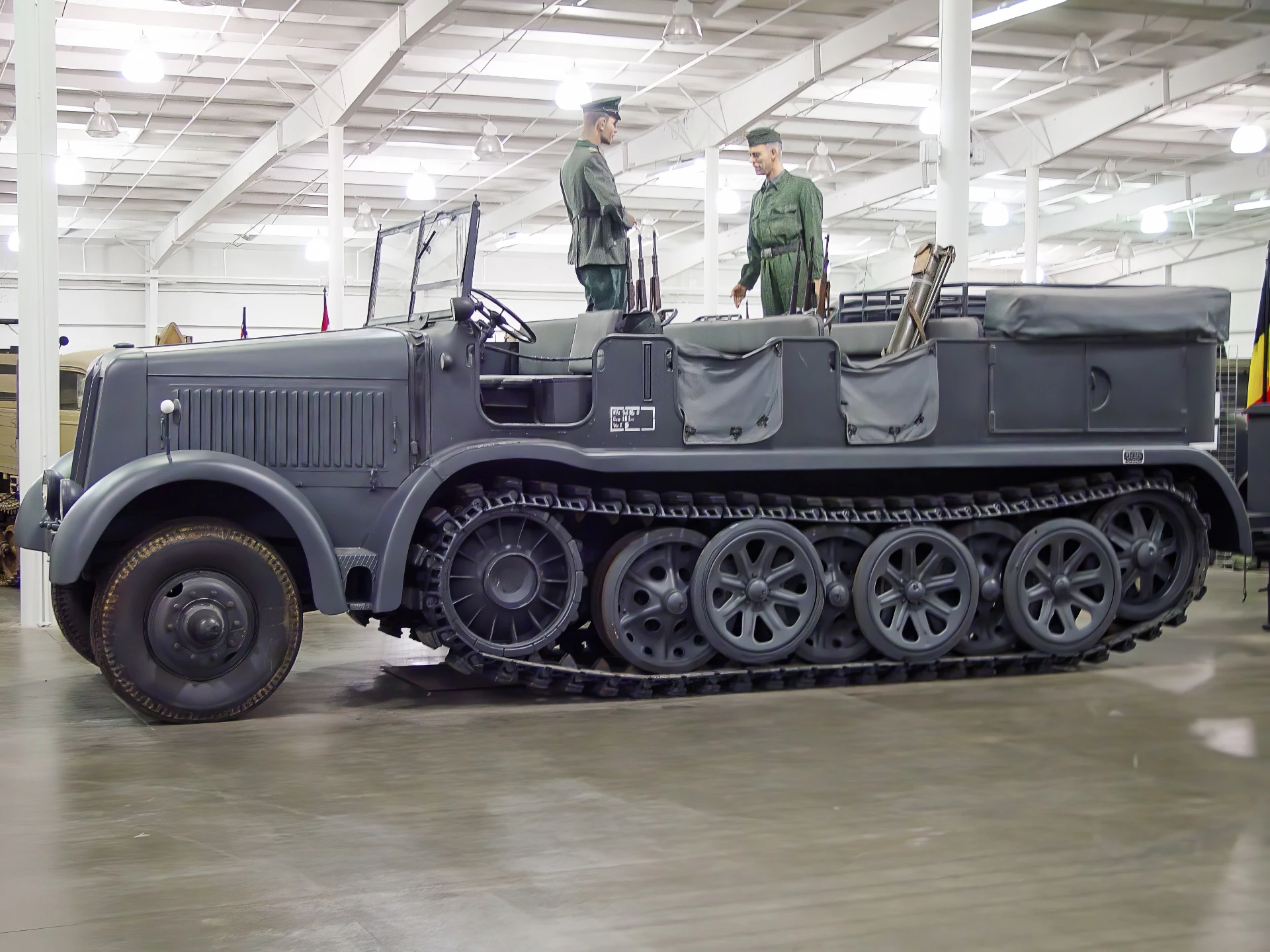
Galería de fotos de un SdKfz 8 12 Ton, The Sonderkraftfahrzeug 8 ("vehículo motorizado especial 8") fue una media pista alemana que vio un uso generalizado en la Segunda Guerra Mundial. Sus papeles principales fueron como un motor principal para cañones pesados remolcados como el Mörser 18 de 21 cm, el Kanone 18 de 15 cm y el FlaK 38 de 10,5 cm. Aproximadamente 4.000 se produjeron entre 1938 y 1945. Fue utilizado en todas las campañas combatidas por los alemanes en la Segunda Guerra Mundial, en particular la Invasión de Polonia, la Batalla de Francia, la Campaña de los Balcanes, el Frente Oriental, la Campaña del Norte de África, la Batalla de Normandía y la Campaña Italiana.
Fuente: SdKfz 8 12 Ton en Wikipedia

Ver también:


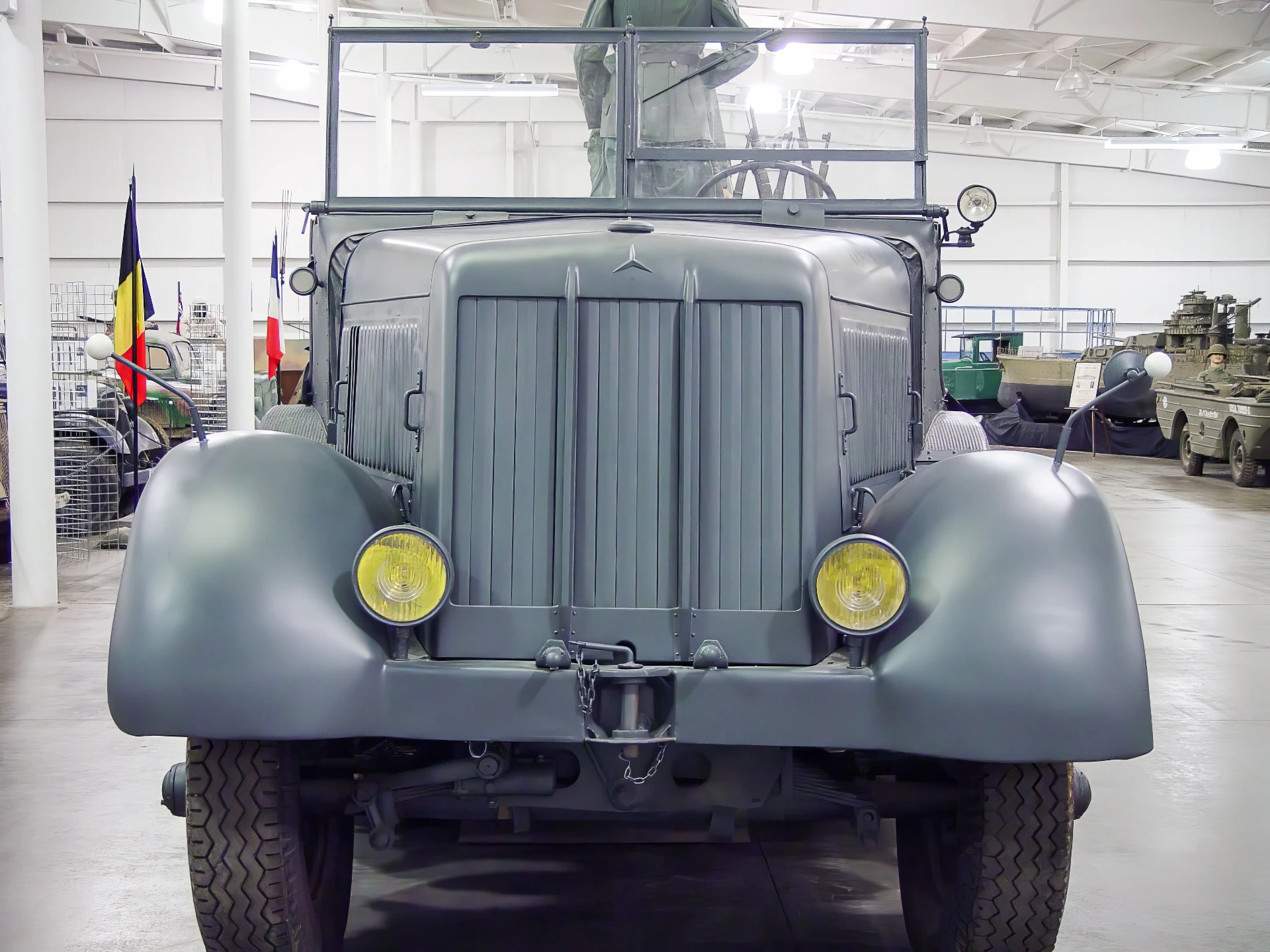
el Sd.Kfz. 8 (Sonderkraftfahrzeug 8 – “Special Motorized Vehicle 8”) was a German heavy half-track designed by Daimler-Benz. It was formally known as the Schwerer Zugkraftwagen 12t (Heavy Towing Vehicle 12-ton), a designation that referred to its intended towing capacity, though later versions could pull up to 14 tonnes. It was one of the largest half-tracks used by the Wehrmacht.
Primary Role and Design
- Main Function: The vehicle’s chief role was as a heavy artillery tractor, essential for moving the largest field guns and howitzers across various terrains.
- Towed Guns: It was commonly used to tow heavy weapons such as the 21 cm Mörser 18 y el 17 cm Kanone 18, as well as the 10.5 cm FlaK 38 anti-aircraft gun.
- Crew Capacity: The open-topped body provided seating for a driver, co-driver, and up to ten gun crew members or infantry soldiers.
- Other Duties: It frequently served as a powerful recovery vehicle for pulling disabled lighter tanks and trucks.
Half-track System
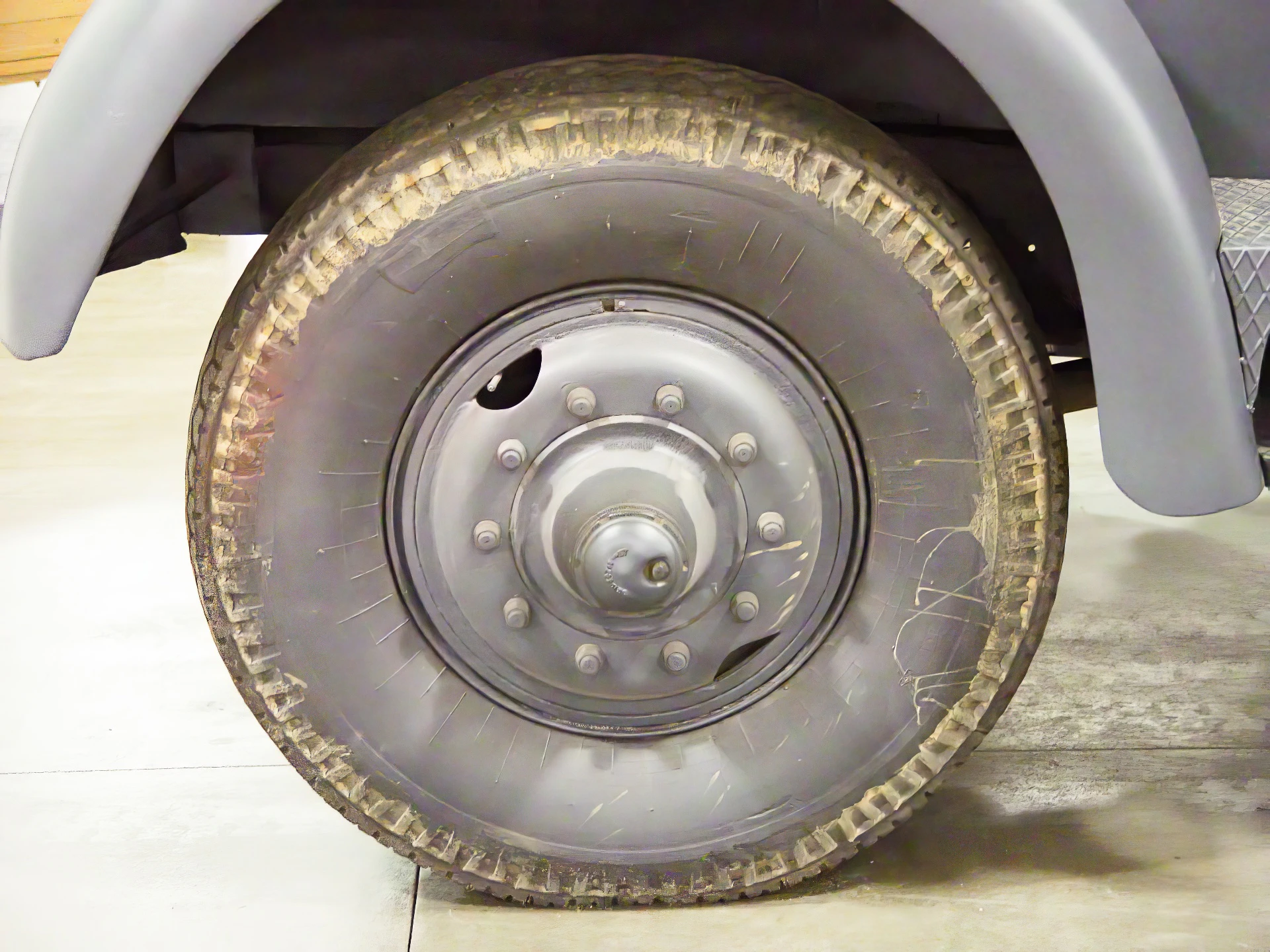
Like all German half-tracks, the Sd.Kfz. 8 utilized a combination of front wheels for steering and a rear track assembly for propulsion and traction.
- Motor: Powered by a liquid-cooled, 12-cylinder Maybach gasoline engine (later versions like the DB 10 used the HL85 TUKRM).
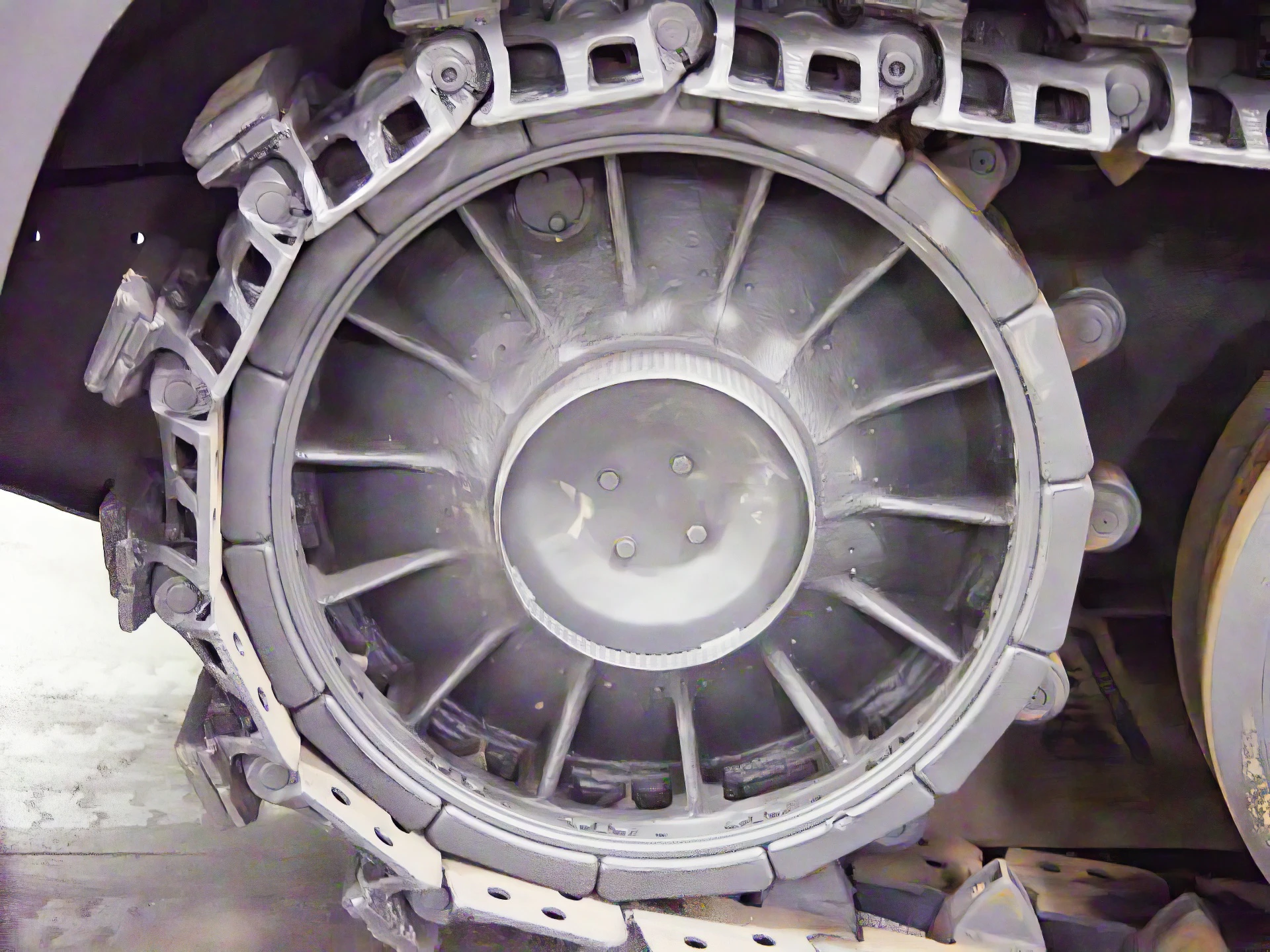
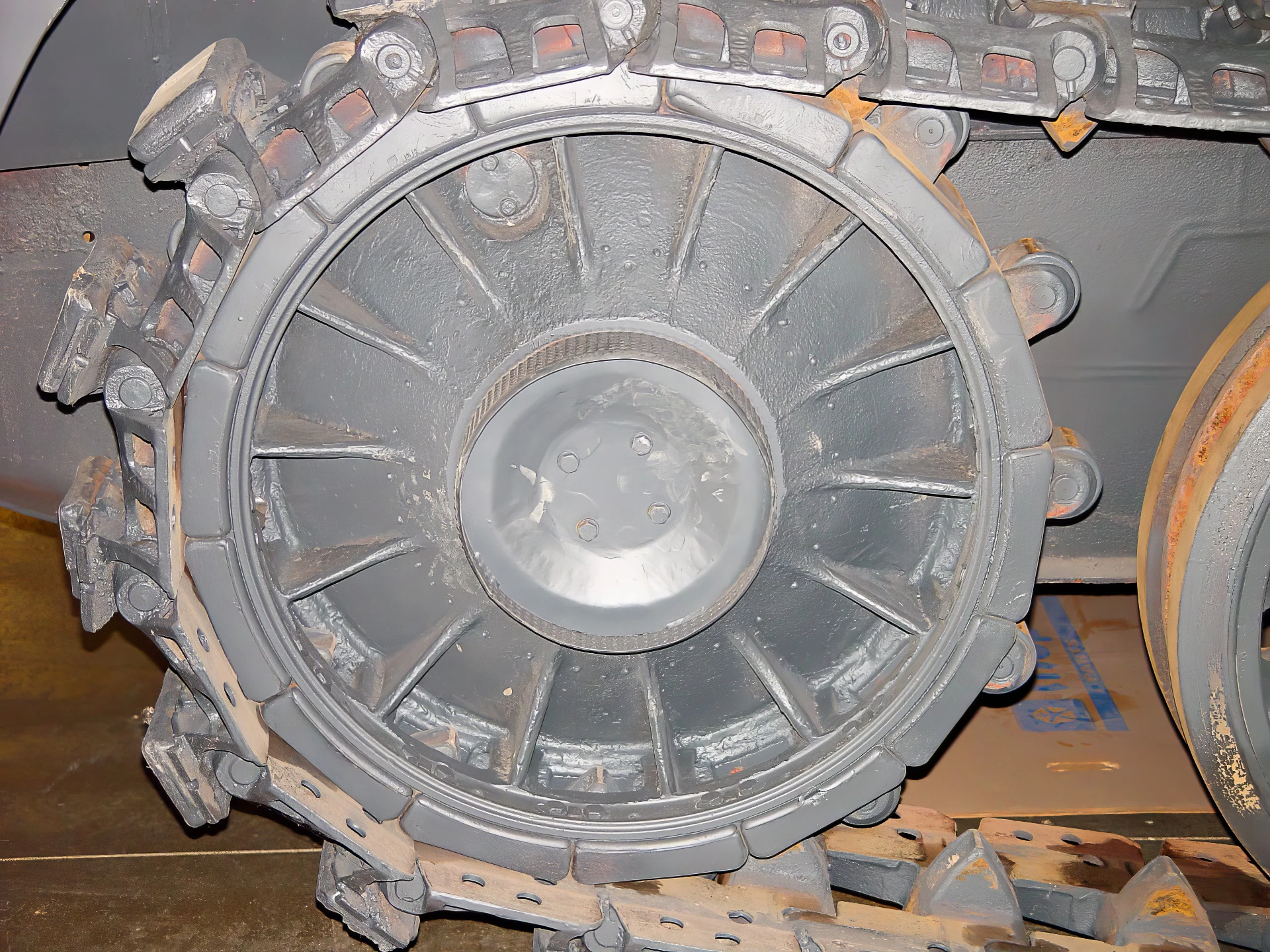
- Suspension: The rear tracks featured the complex, interlocking Schachtellaufwerk roadwheel system, which distributed weight efficiently and provided excellent off-road mobility, but was notoriously complicated and time-consuming to maintain.
- Steering: It employed a dual steering system where the front wheels handled gentle turns, and differential braking was applied to the tracks for sharper turns.
Technical Summary (DB 10 Model)
| Component | Especificación |
|---|---|
| Engine Output | 185 PS (approx. 182 hp) |
| Towing Capacity | 12 to 14 tonnes |
| Weight (Gross) | Approx. 14,700 kg |
| Max Road Speed | Approx. 51 km/h (32 mph) |
| Total Production | Approx. 4,000 units (1938–1945) |
Vistas : 7212