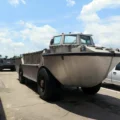
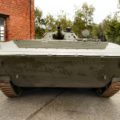
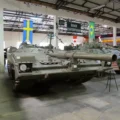
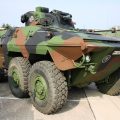
El vehículo de aterrizaje, rastreado (LVT) is an amphibious warfare vehicle and amphibious landing craft, introduced by the United States Navy. The United States Marine Corps, United States Army, and Canadian and British armies used several LVT models during World War II.
Originally intended solely as cargo carriers for ship to shore operations, they evolved into assault troop and fire support vehicles. The types were known as amphtrack, “Amtrak”, “amtrac”, etc. (portmanteaus of “amphibious tractor”), and “alligator” or “gator”.
Espera, buscando vehículo de aterrizaje rastreado para usted...
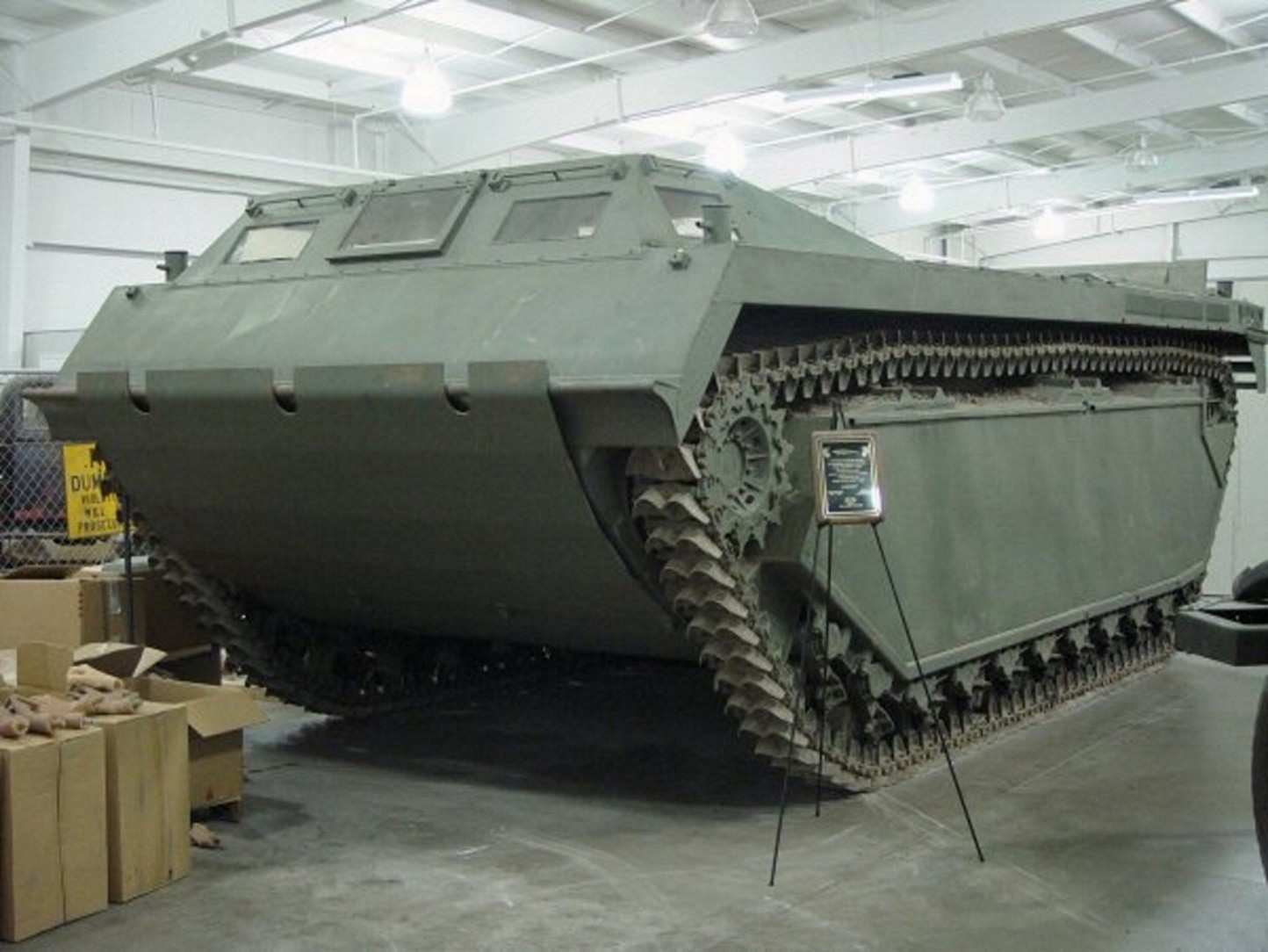
USMC LVT-3 Walk Around
Fotógrafo
Michael Benolkin
Localización
Unknow
Fotos
15
Ver también:
Espera, buscando vehículo de aterrizaje rastreado para usted...
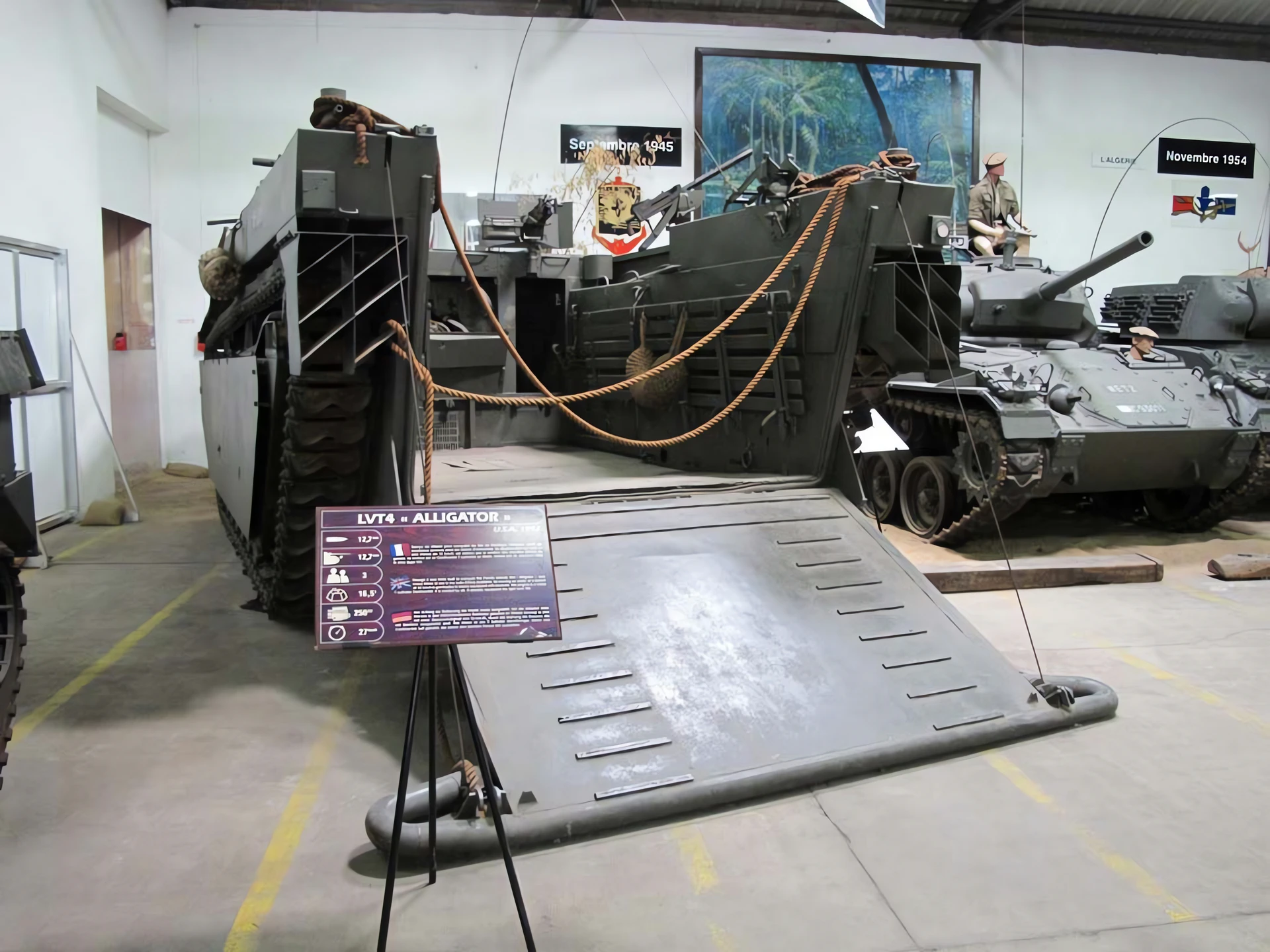
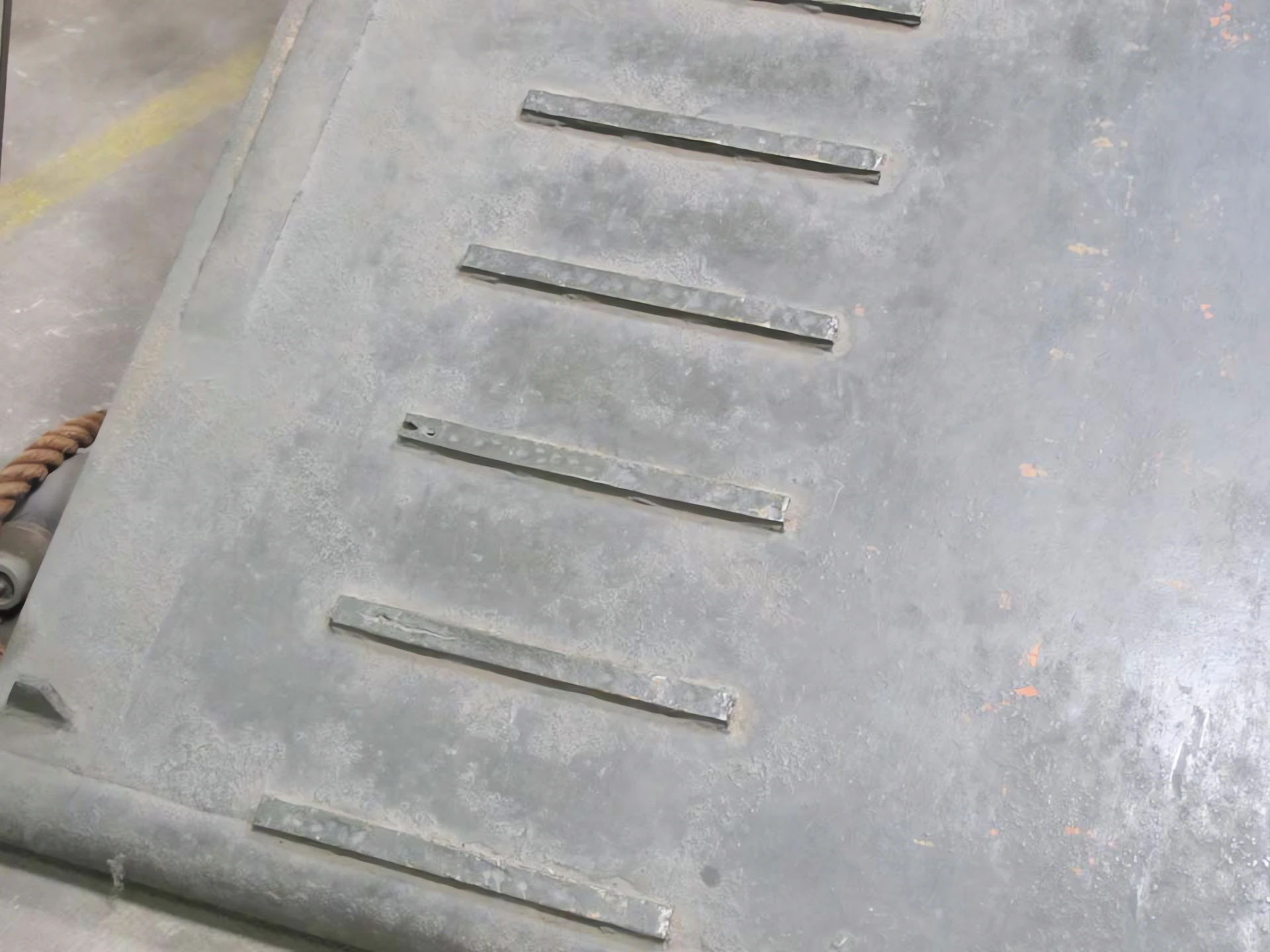
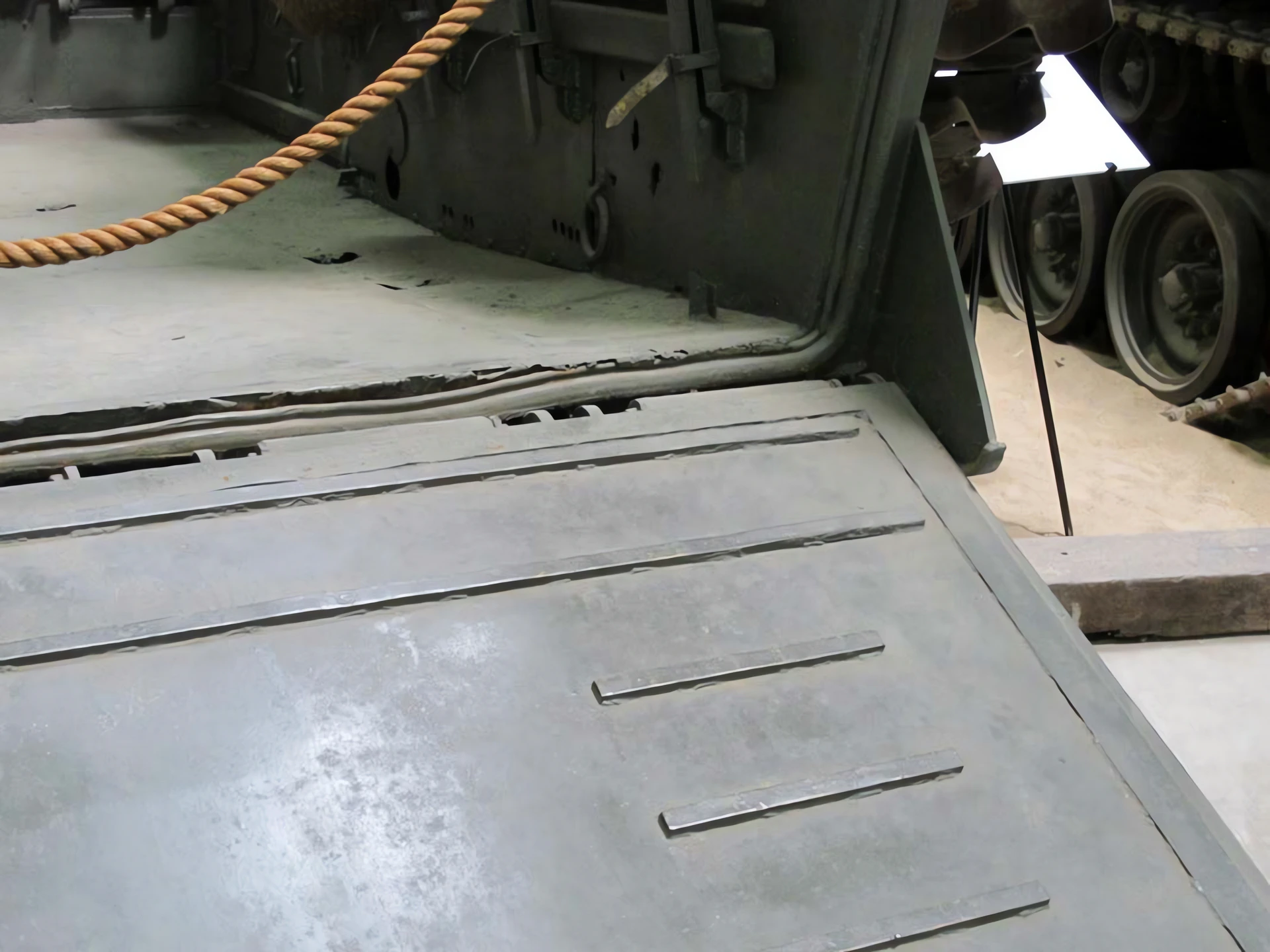
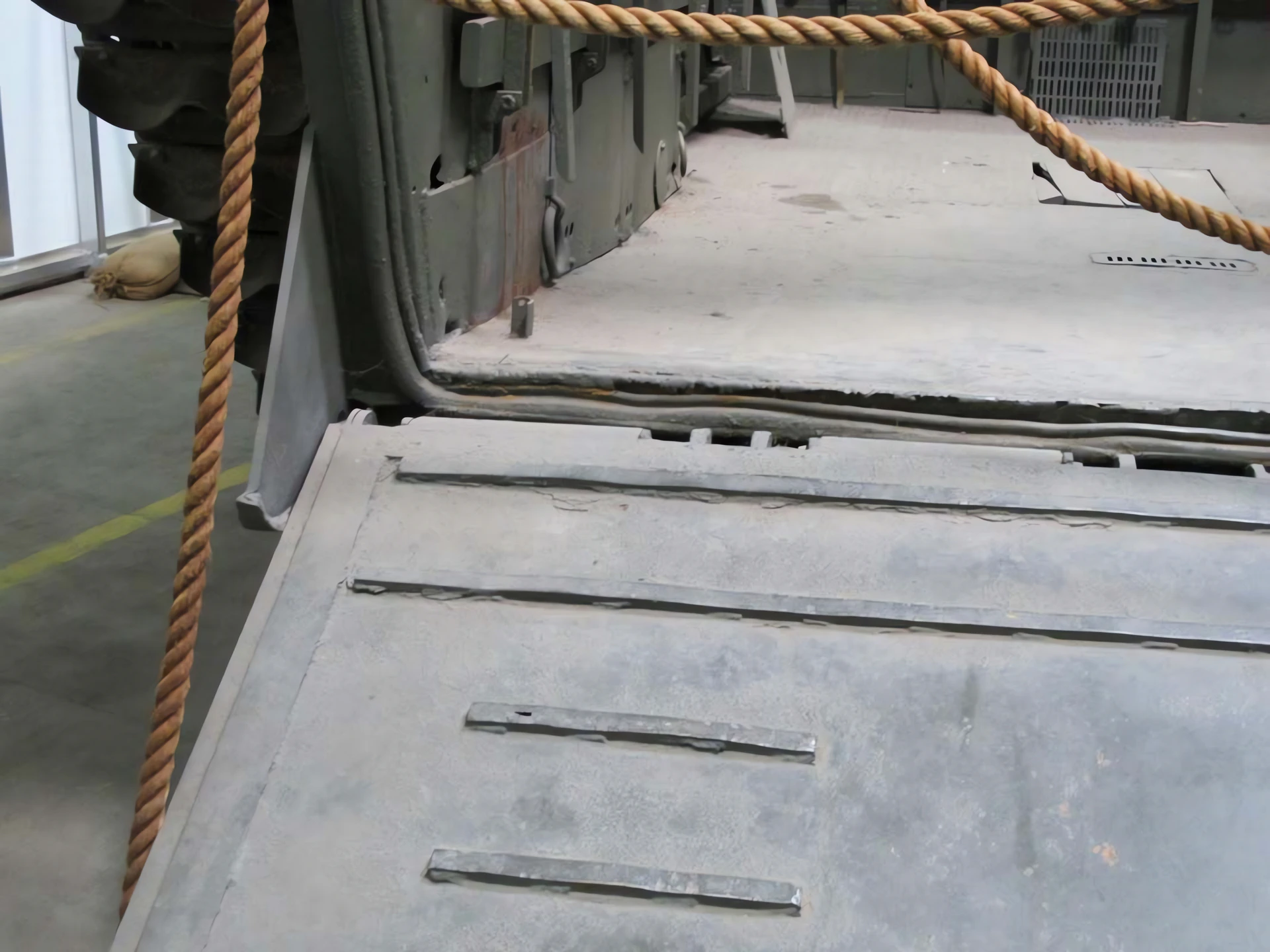
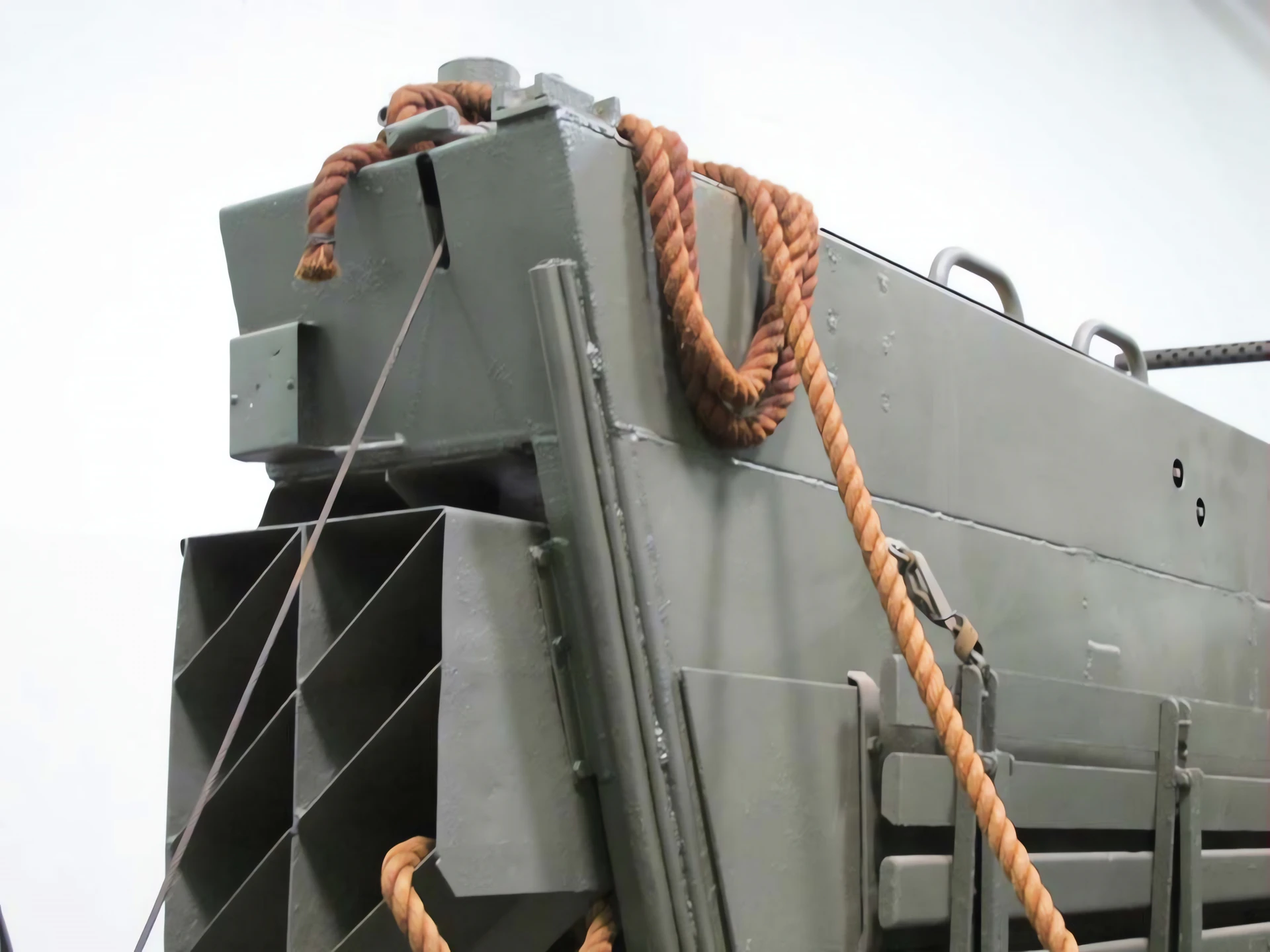
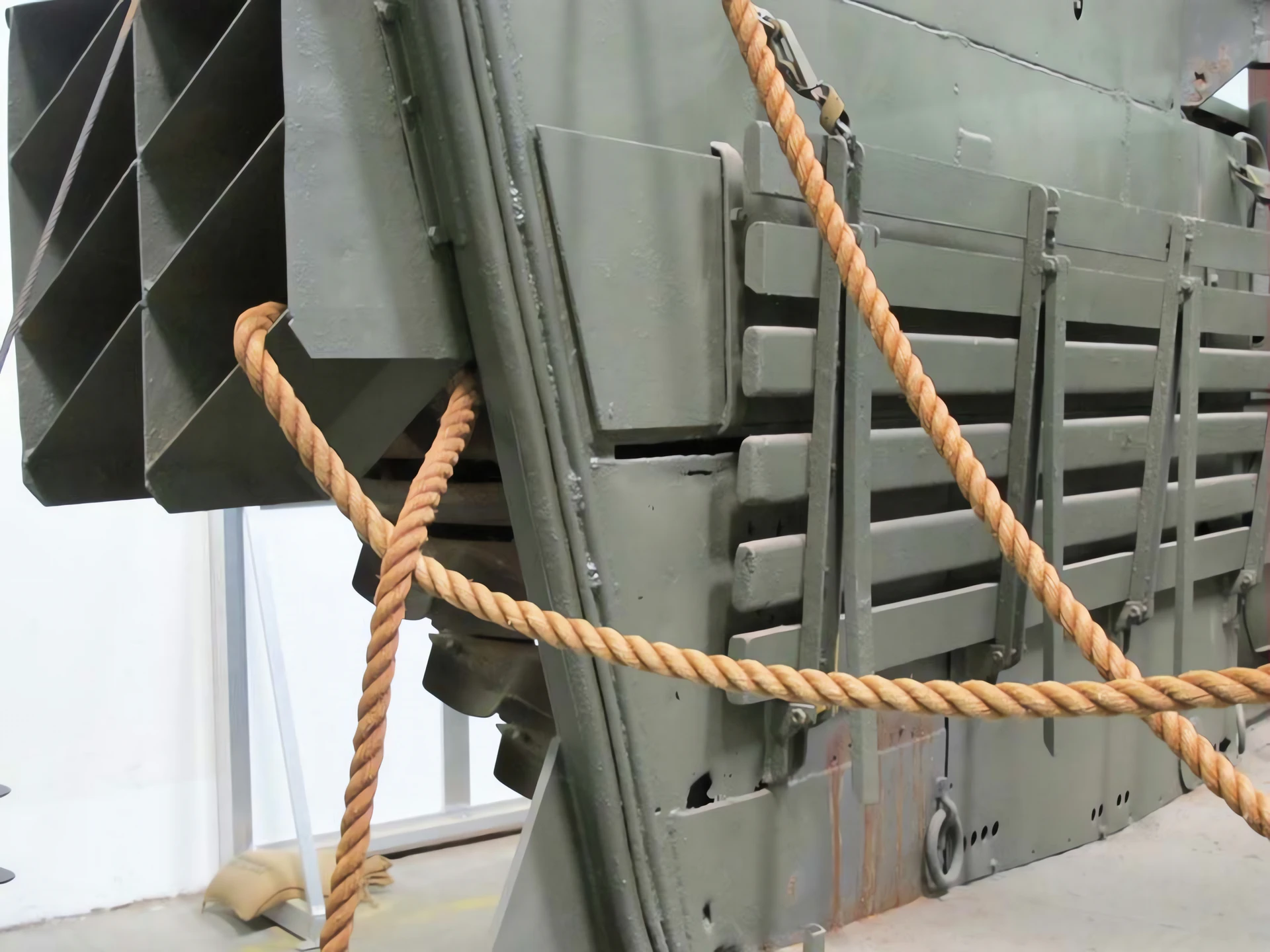
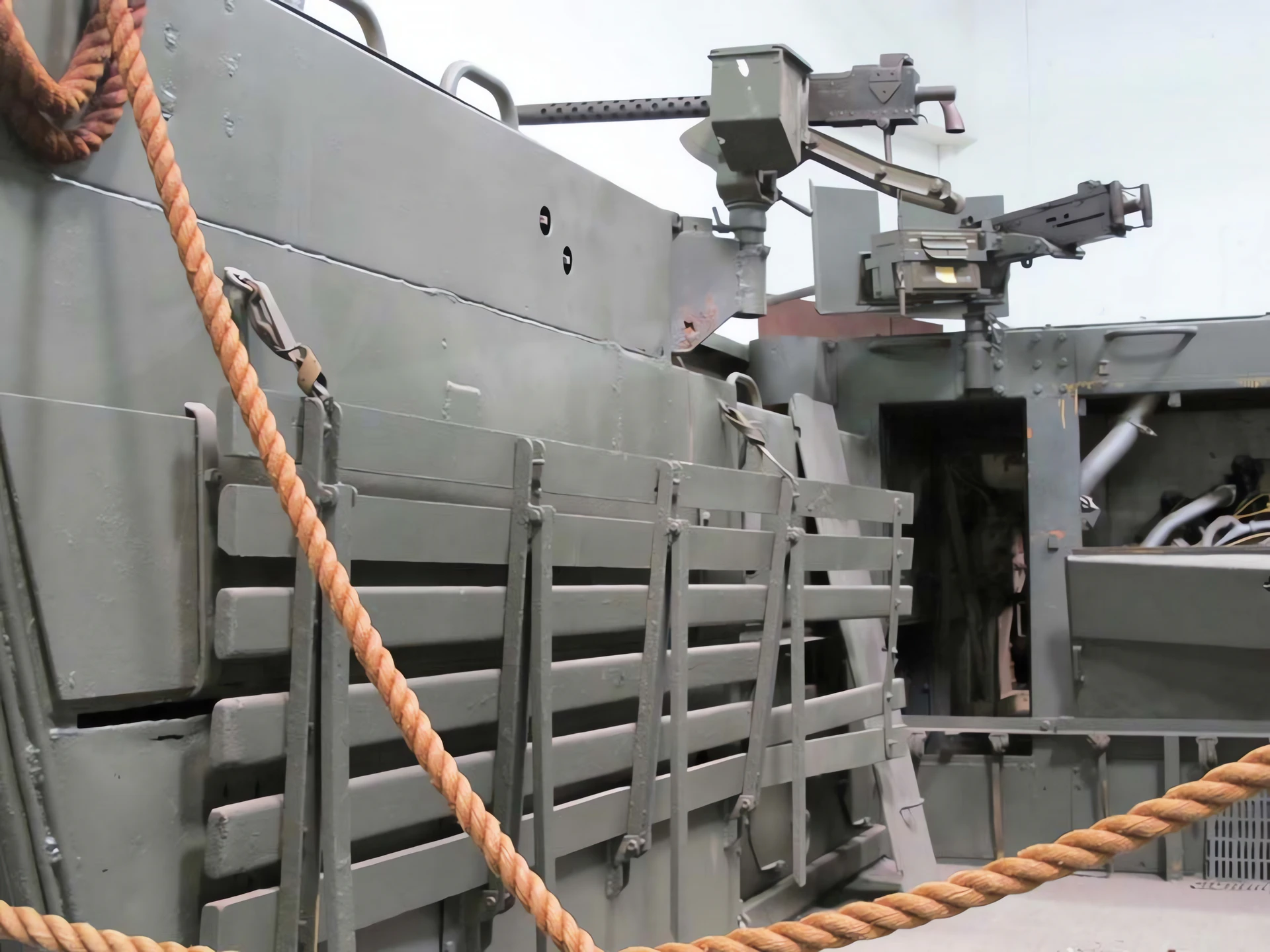
LVT-4 Walk Around
Fotógrafo
Unknow
Localización
Unknow
Fotos
20
The Rear-Ramp Revolution
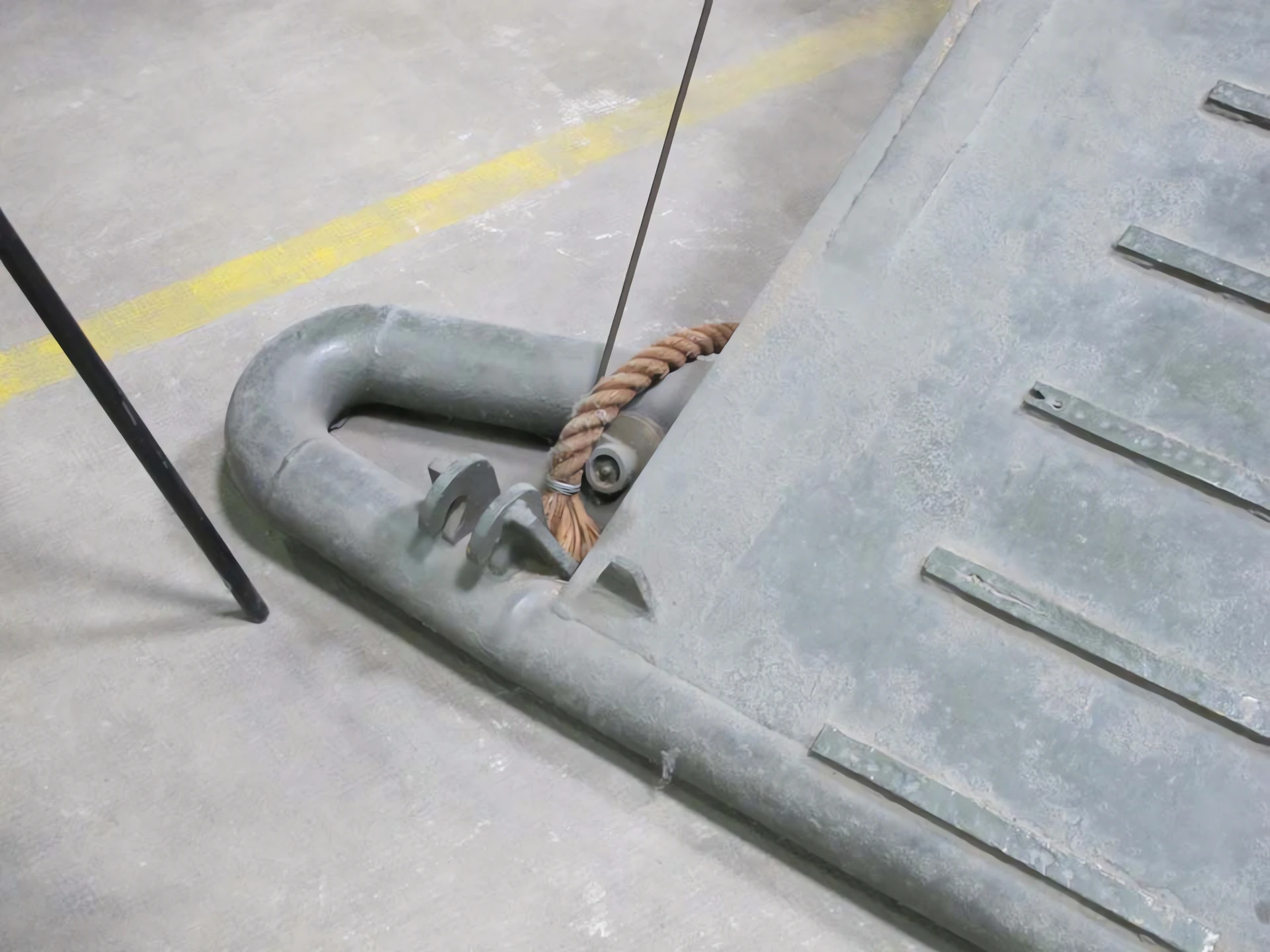
el LVT-4 (Landing Vehicle Tracked), nicknamed the “Water Buffalo,” was the most produced and successful variant of the LVT family during World War II. Its most significant design change over the earlier LVT-2 was the relocation of the engine to the front, which allowed for alarge rear ramp. This enabled troops and small vehicles (like Jeeps or 105mm howitzers) to exit directly onto the beach under cover, rather than climbing over the side into enemy fire.
Attribute
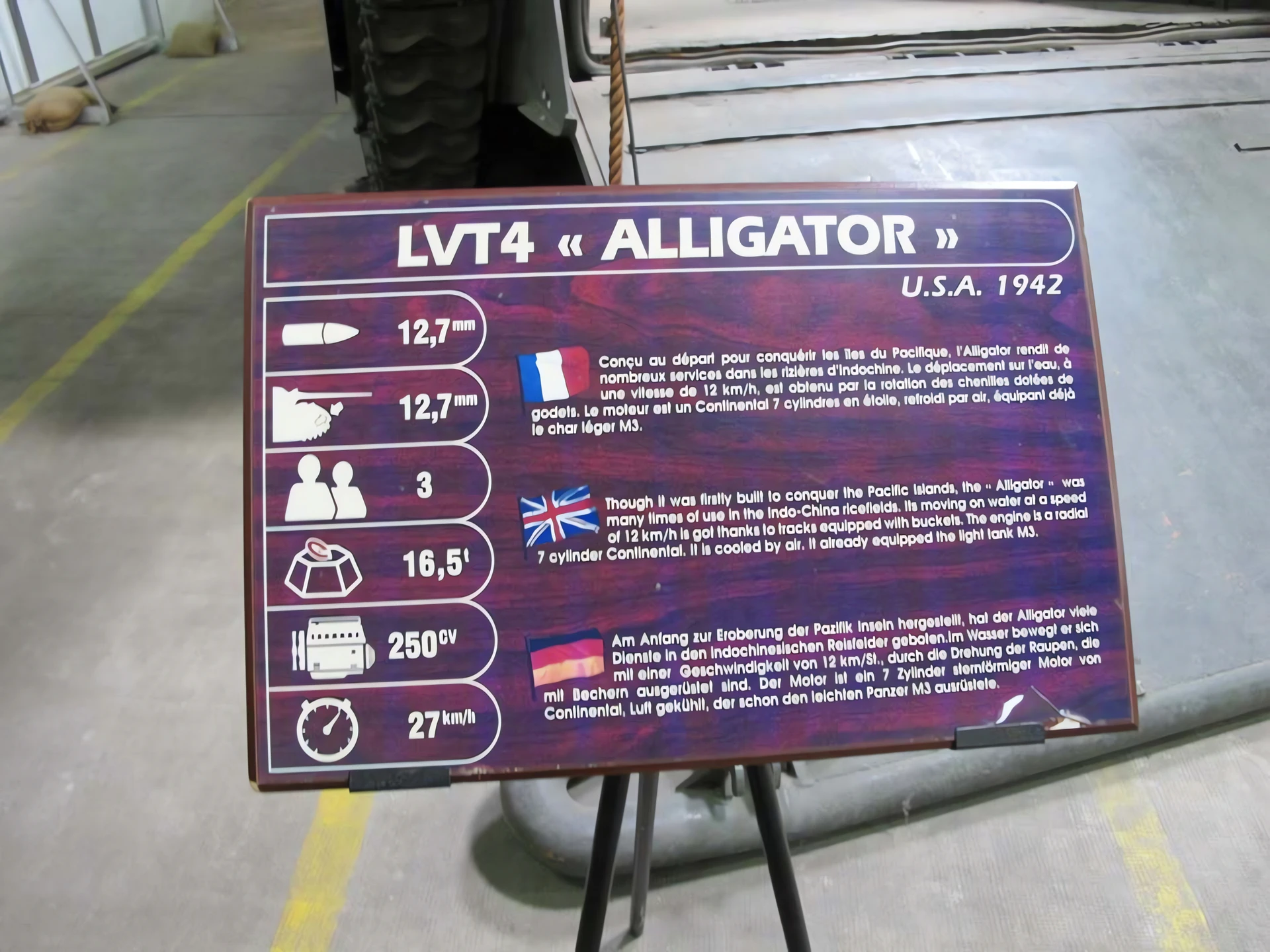
Technical Specification (LVT-4)
Papel
Amphibious Cargo/Troop Transport
Equipo
3 (Driver and 2 Gunners)
First Production
December 1943
Planta motriz
1 × Continental W-670-9A 7-cylinder radial engine
Horsepower
250 hp
Speed (Water)
7.5 mph (12 km/h)
Speed (Land)
20 mph (32 km/h)
Troop Capacity
30 fully equipped Marines
Engineering for Land and Sea
Paddle-Track Propulsion:The LVT-4 did not use a propeller in the water. Instead, it used “grousers” (curved cleats) on its tracks that acted as paddles. These provided enough thrust to cross reefs and move through the surf, then immediately transitioned to land traction.
Floating Hull:The vehicle’s hull was effectively a large, hollow steel box with pontoon-like structures on the sides to provide buoyancy. This allowed it to handle rough seas that would swamp conventional landing craft.
Armament for the Breach:It was typically armed with two .50 caliber Browning machine guns and two .30 caliber machine guns on ring mounts, providing suppressing fire for the troops as they exited the ramp.
The Radial Engine:To save space and use existing supplies, the LVT-4 used an aircraft-style radial engine. Because it was mounted in the front, it required a long driveshaft to reach the rear transmission, but it kept the weight balanced for water travel.
Combat History: From Reef to Rhine
Overcoming the Reefs:Standard Higgins boats often got stuck on coral reefs at islands like Tarawa. The LVT-4 simply “crawled” over the coral, ensuring the invasion force reached the sand.
The European Front:While famous in the Pacific, LVT-4s were vital in Europe duringOperation Plunder, where they ferried Allied troops across the Rhine River under heavy German fire.
Amphibious Artillery:The LVT-4 was often used to carry a 105mm M101 howitzer, which could be fired directly from the cargo hold while the vehicle was still in the water, providing immediate fire support.
Legacy:The LVT-4’s rear-ramp concept set the standard for every amphibious tractor that followed, including the Korean-era LVT-5 and the modern AAV-7.