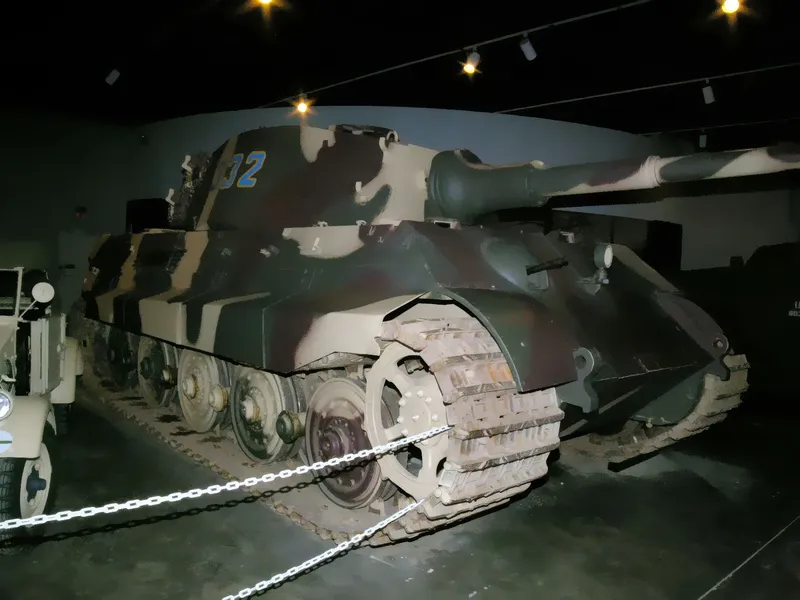
Konigstiger - sdkfz.182 - Tigre II | |
|---|---|
| País | Alemania |
| Tipo | Tanque pesado |
| Unidades producidas | 492 |
El Panzerkampfwagen VI KonigstigerSí Sd.Kfz. Panzer VI ausf B Tiger II es un tanque alemán de la Segunda Guerra Mundial. Producido 50 copias para el modelo de torreta "Porsche", a 439 copias para el modelo de torreta "Henschel" este tanque tenía un gran blindaje, un cañón antitanque que le daba la capacidad de poner fuera de acción todos los tanques aliados en servicio durante los últimos dos años del conflicto, pero tenía el mismo motor que el tanque Panther, su relación peso-potencia era por lo tanto menor, era lento e inmóvil, muy intensivo en combustible, y tenía que cambiar de vía antes y después de cualquier transporte ferroviario.
Fuente: Rey Tigre II en Wikipedia
| King Tiger II | |
|---|---|
| Fotógrafo | Unknow |
| Localización | Unknow |
| Fotos | 37 |
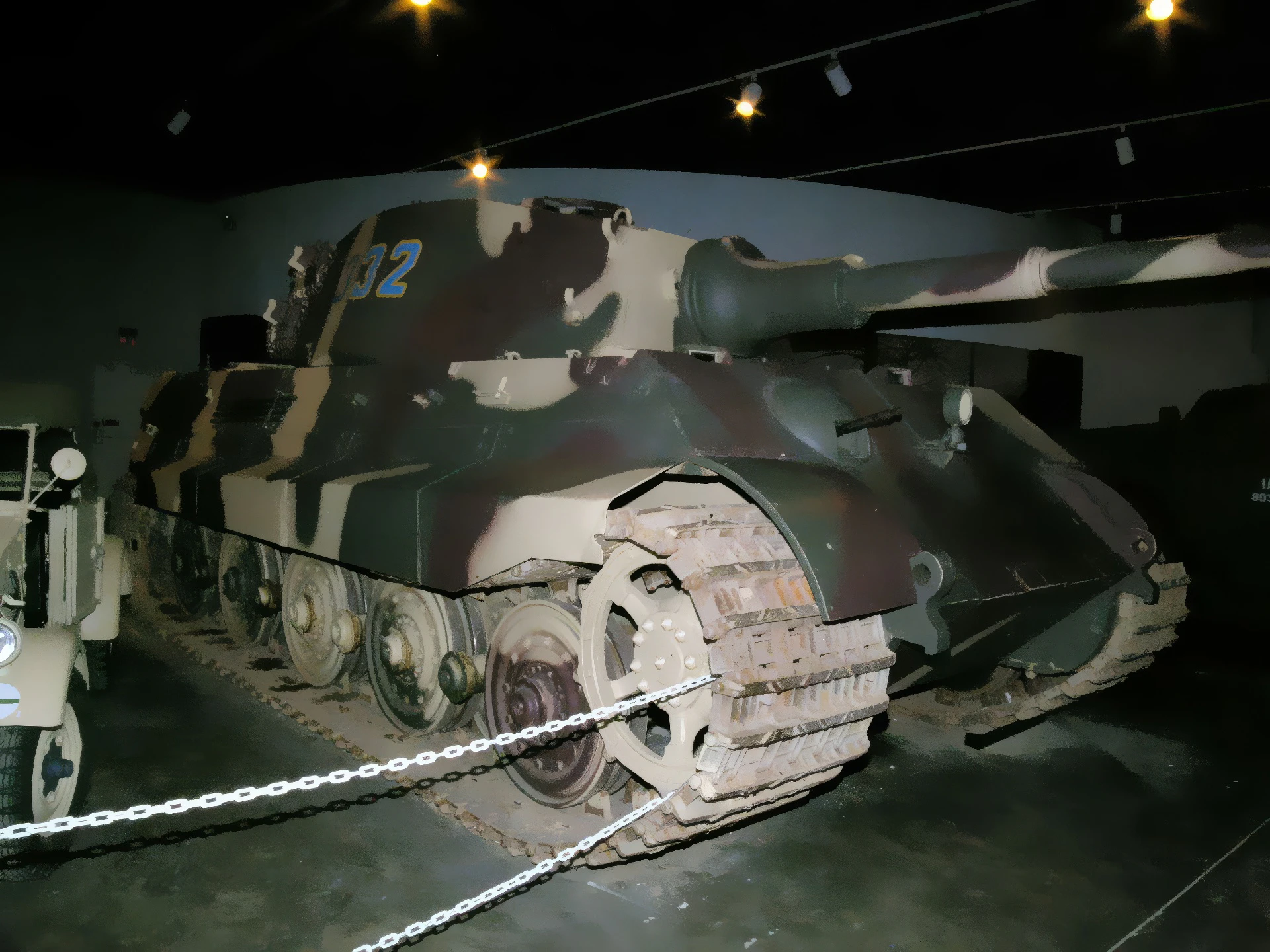
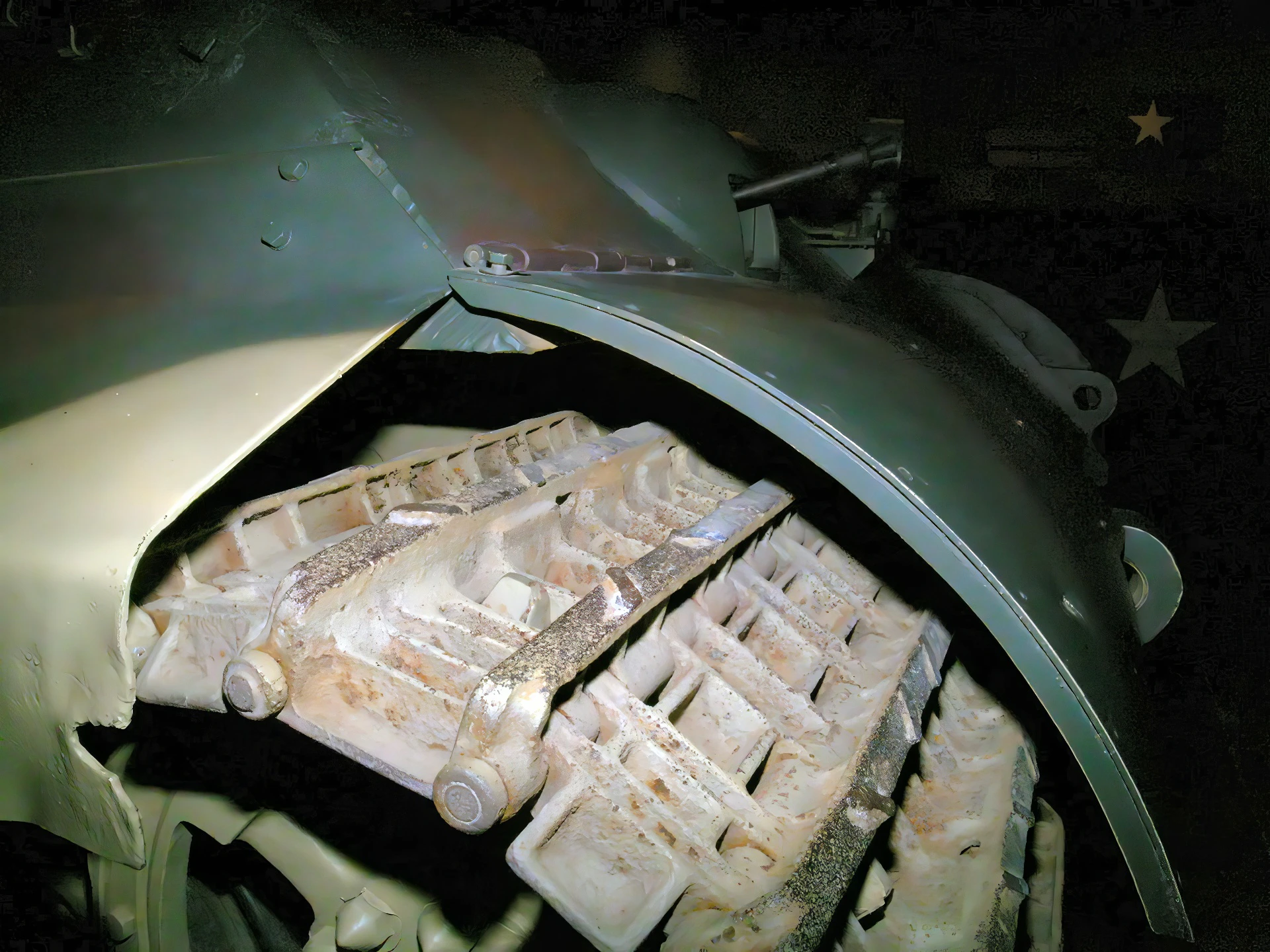
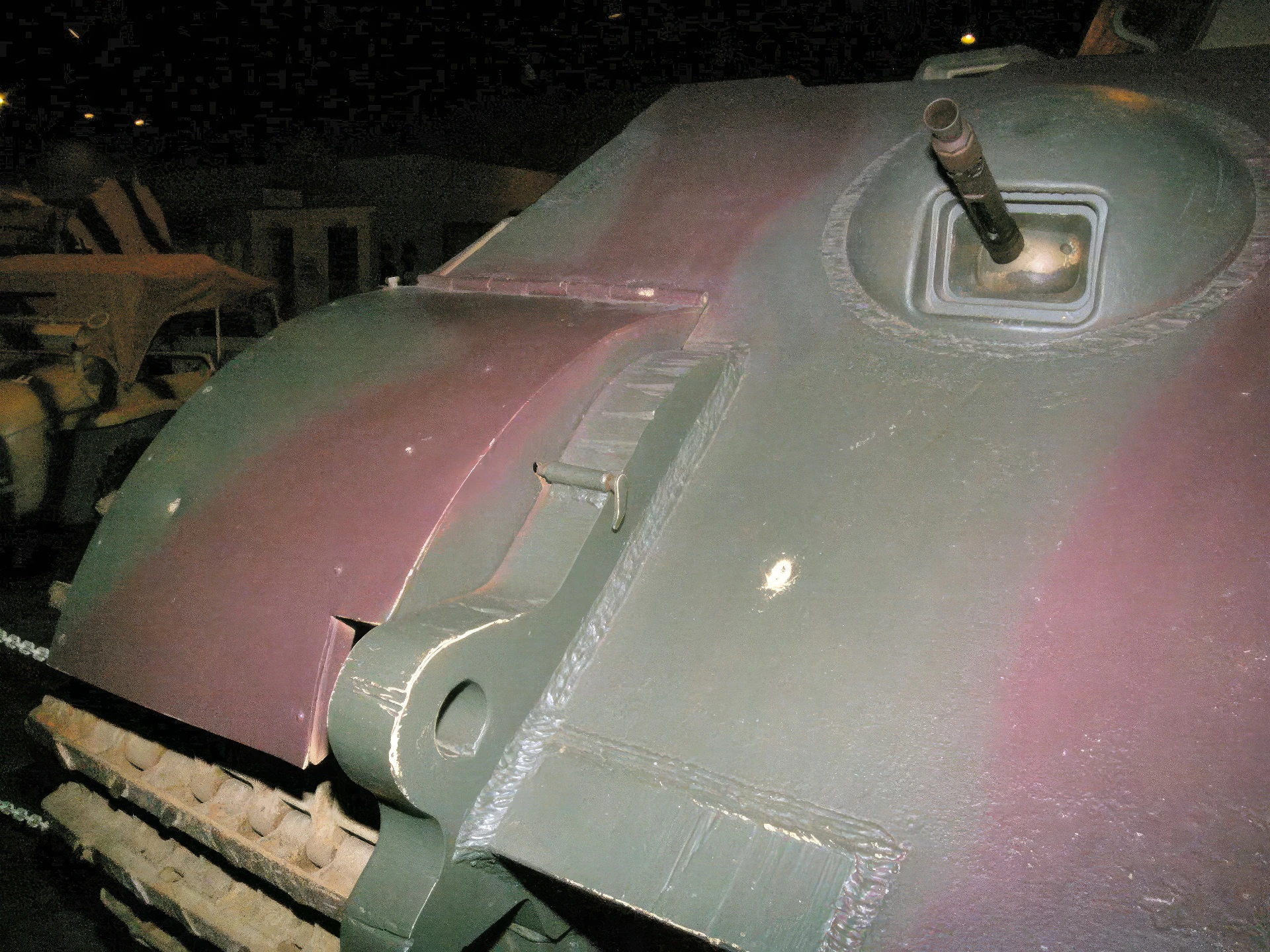
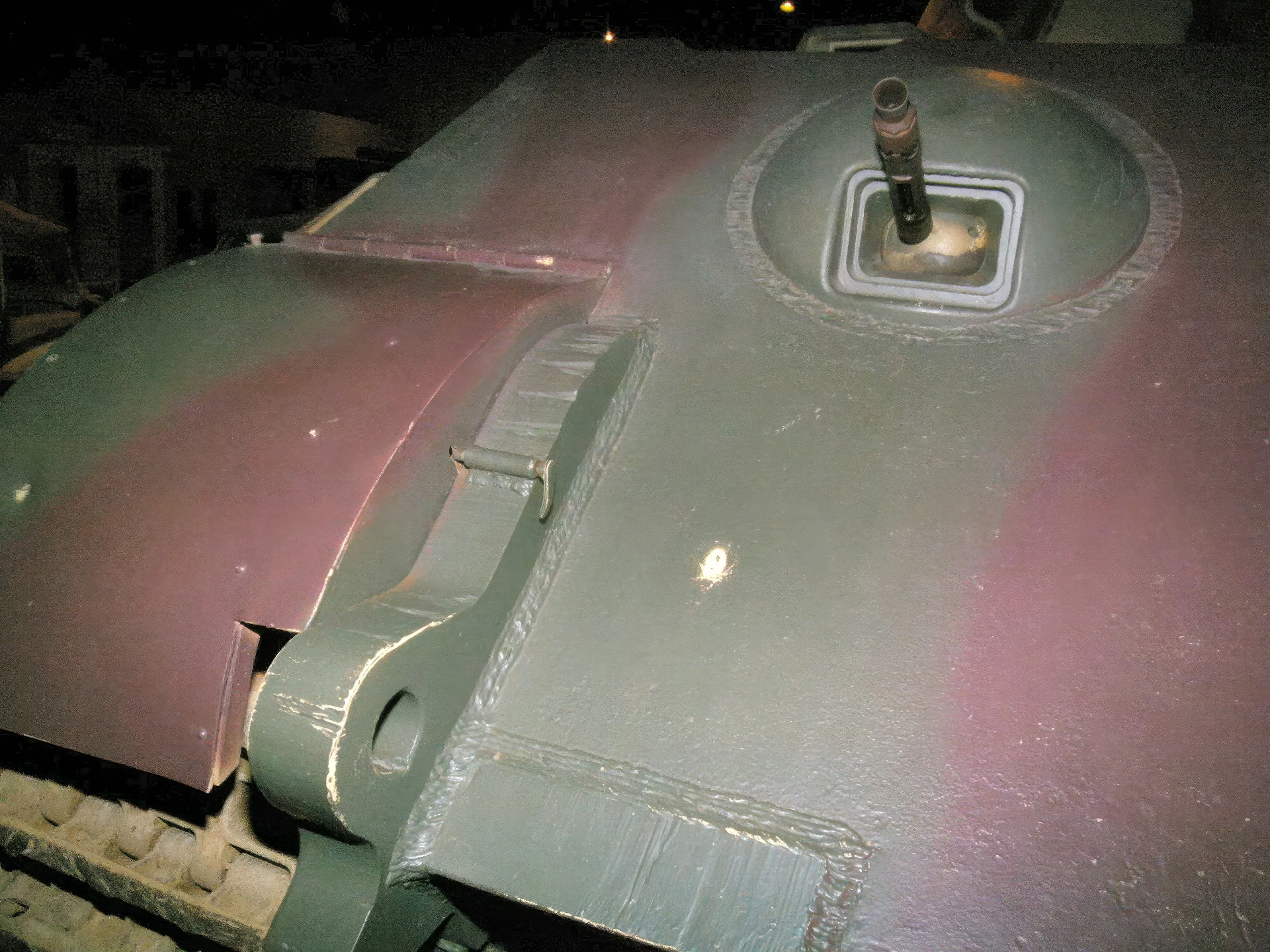
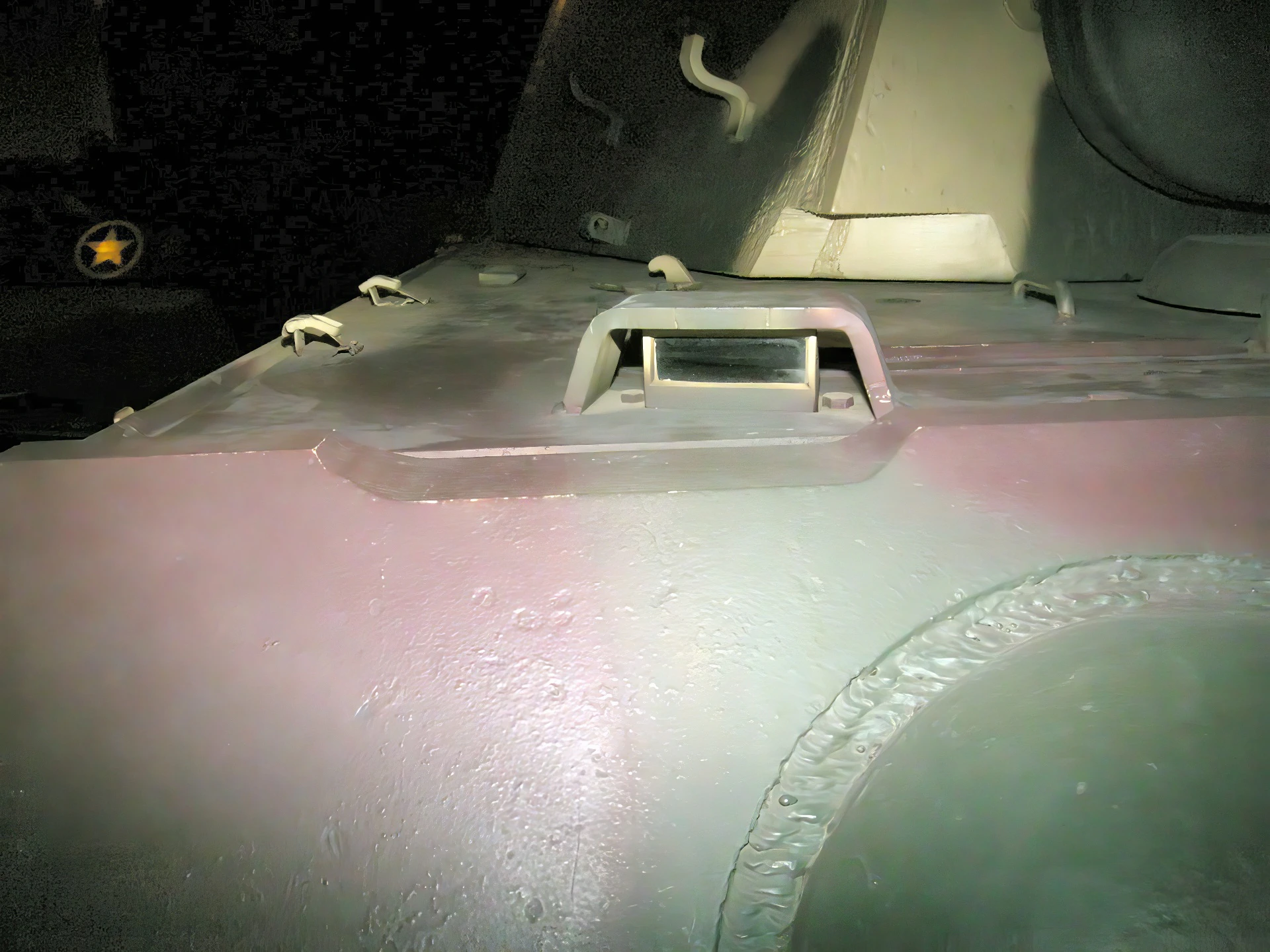
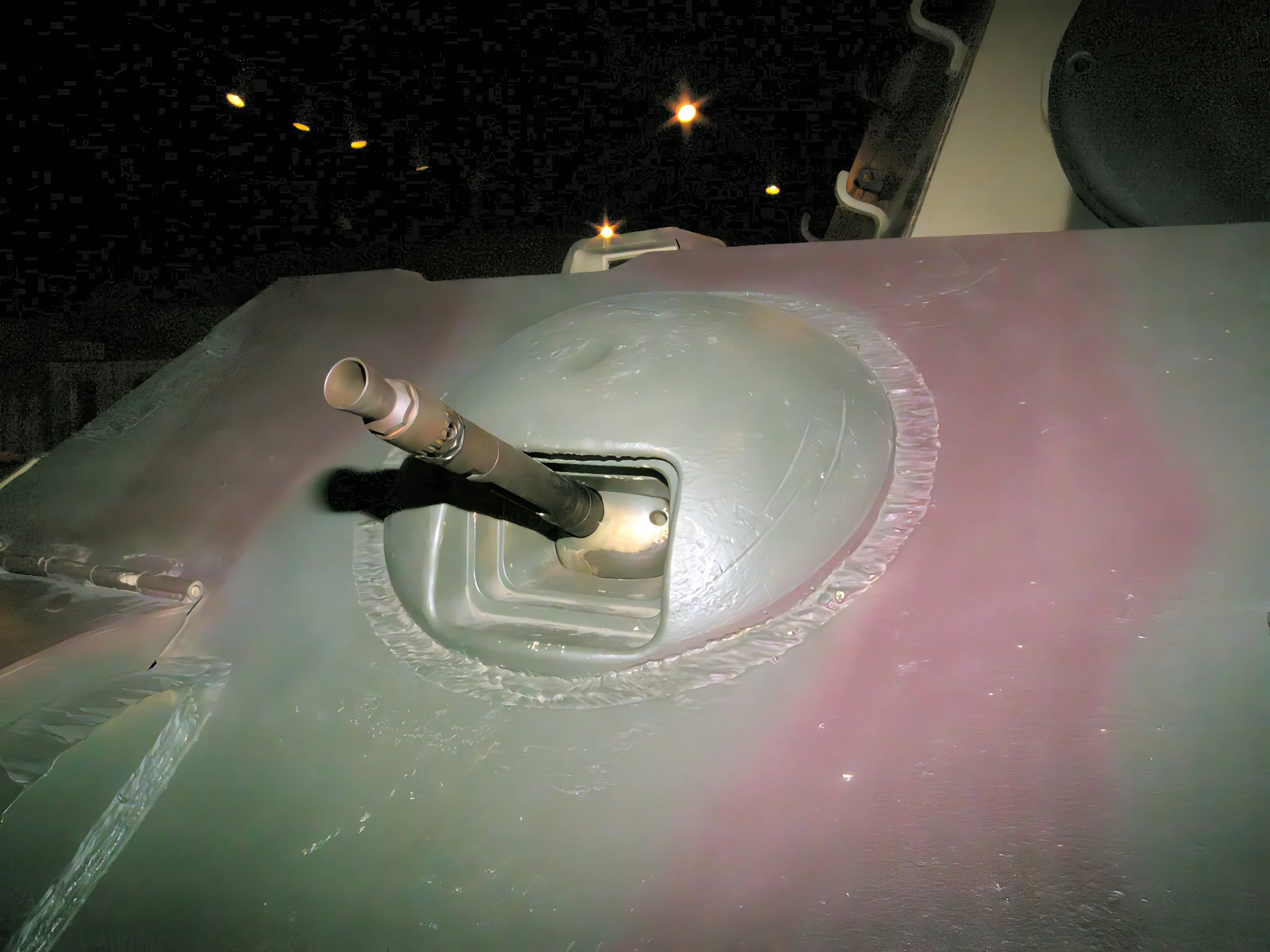
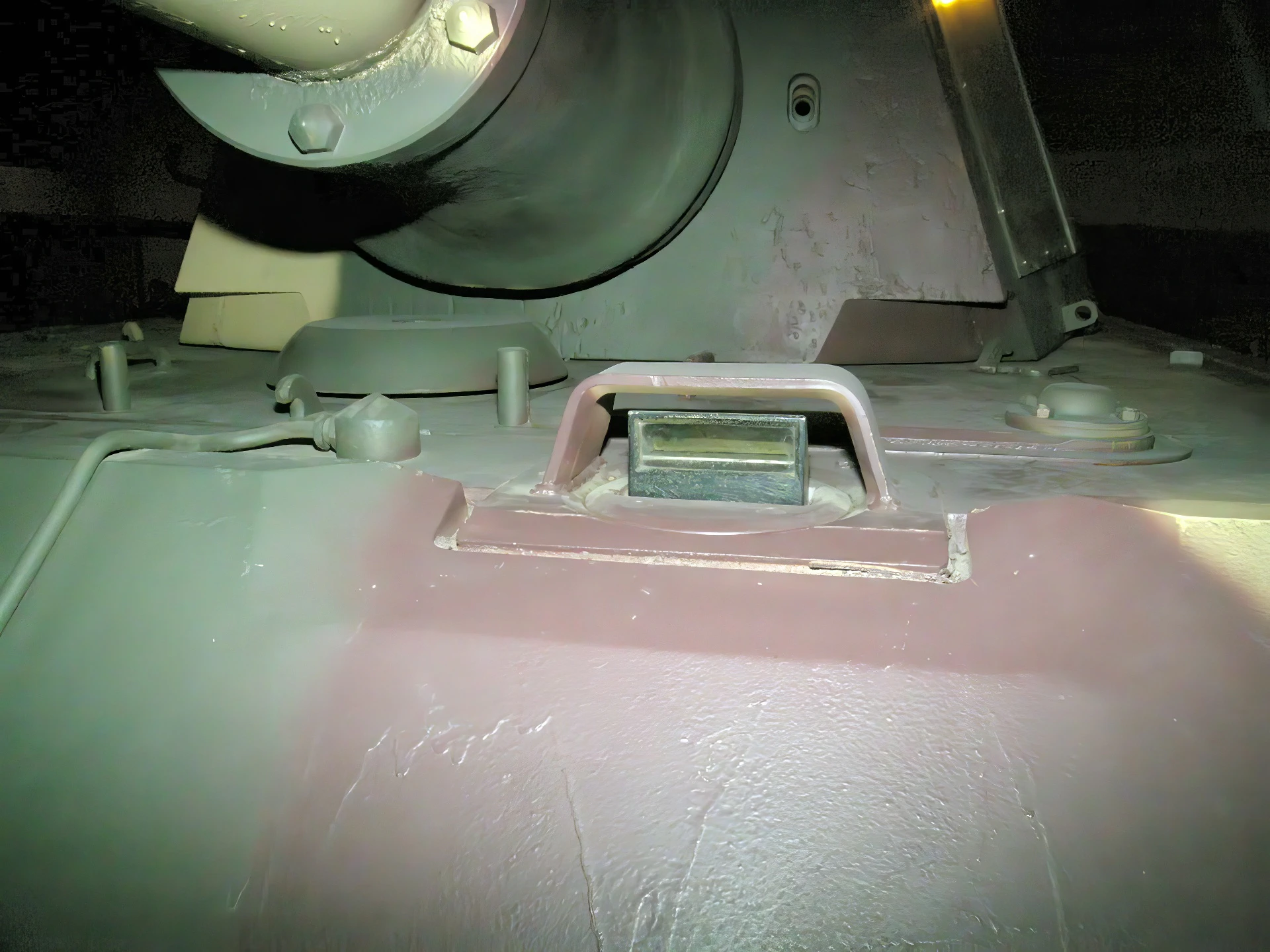
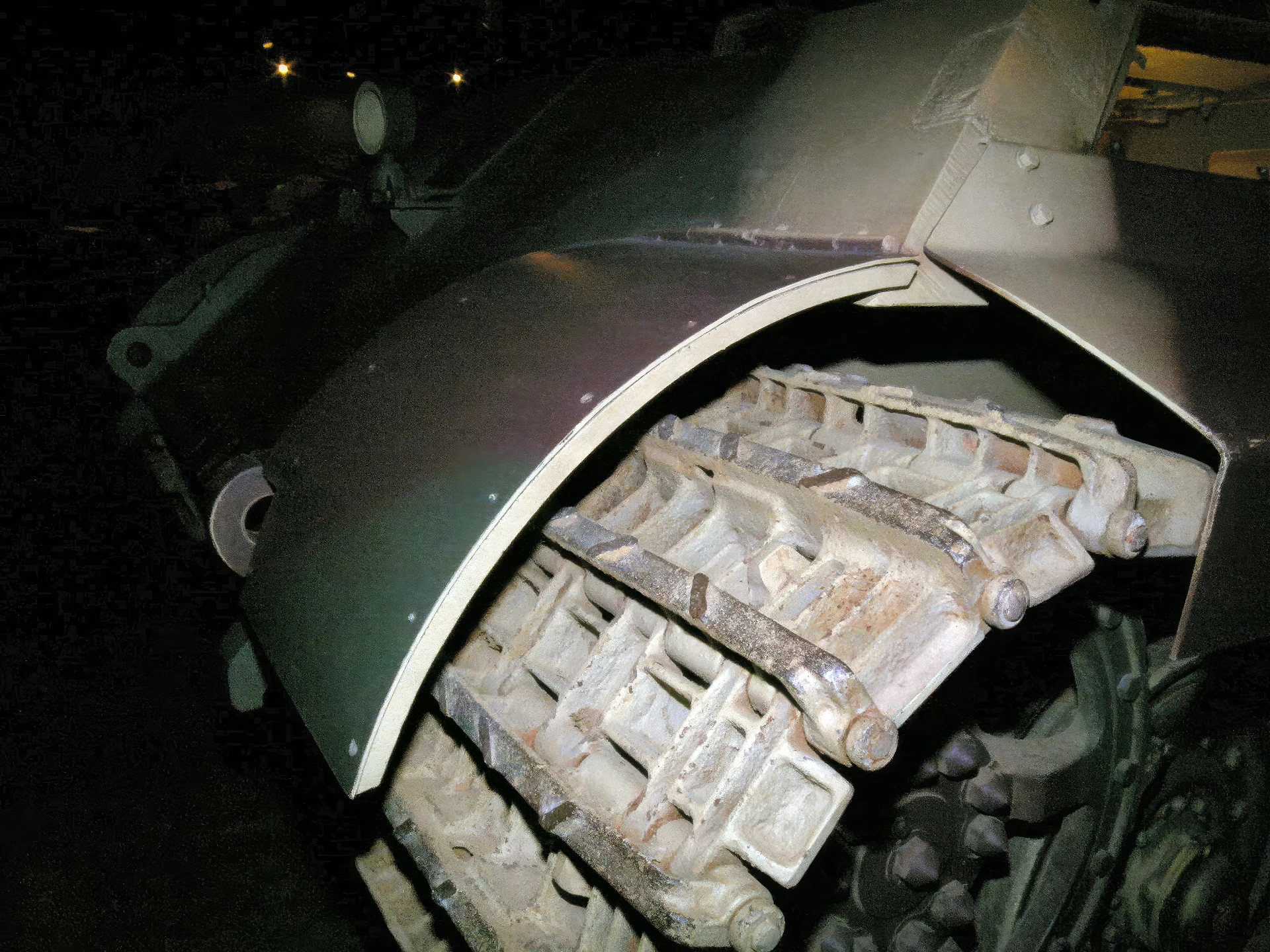
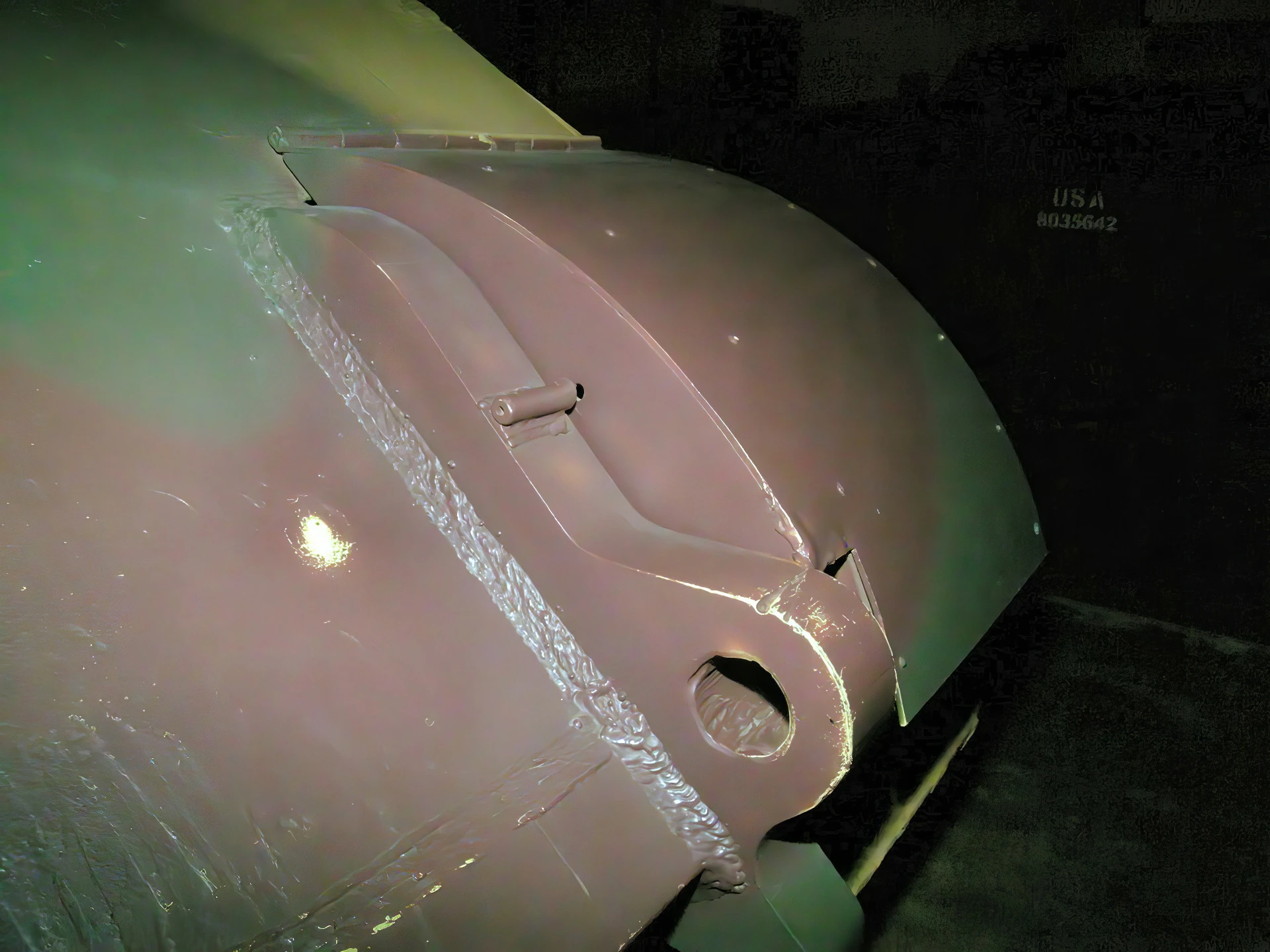

| SdKfz 182 Tiger II Porsche Walk Around | |
|---|---|
| Fotógrafo | Unknow |
| Localización | Unknow |
| Fotos | 24 |
| SdKfz 182 Tiger II Porsche Walk Around | |
|---|---|
| Fotógrafo | Unknow |
| Localización | Unknow |
| Fotos | 52 |
Ver también:


Designation and Role
el Sd.Kfz. was the ordnance inventory designation for the German Panzerkampfwagen Tiger Ausf. B, famously known to both German and Allied troops as the Königstiger (King Tiger or Royal Tiger). It was the heaviest and one of the most powerful production tanks deployed by the Wehrmacht during the later stages of World War II, intended as the successor to the Tiger I.
- Primary Role: Heavy breakthrough tank.
- Manufacturer: Henschel (The two main turret designs are often incorrectly referred to as “Porsche” (early) and “Henschel” (production)).
Firepower and Protection
The King Tiger was designed with superior sloped armor (like the Panther tank) and an even more formidable gun than its predecessor, making it virtually immune to frontal penetration by almost all Allied tank guns at normal combat ranges.
- Armamento principal: The devastating 8.8 cm KwK 43 L/71 gun. This longer-barreled version of the famous 88mm cannon had an extremely high muzzle velocity and was capable of destroying almost any Allied tank from ranges exceeding 3,500 meters.
- Frontal Armor: The glacis plate was 150 mm thick, sloped at 50 degrees, providing an immense effective thickness and contributing to the tank’s 68–70 tonne weight.
Operational History and Challenges
First used in combat during the Allied invasion of Normandy in July 1944, the Tiger II was a terrifying opponent when operational. However, its immense weight placed a massive strain on its drivetrain (using the same Maybach engine as the lighter Panther), leading to frequent mechanical failures. Logistical issues, fuel shortages, and its complexity meant fewer than 500 were produced, and many were abandoned or destroyed by their own crews due to breakdowns, not enemy fire.
- Combat Debut: Battle of Normandy (July 1944) with the 503rd Heavy Panzer Battalion.
- Weight/Mobility: Heavy weight severely limited strategic and tactical mobility.
Views : 10754
También puede ver:
 Pz.Kpfw VI Ausf B – WalkAround
 Tiger II – Königstiger vol3 – Caminar
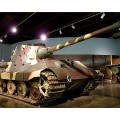 Panzerkampfwagen VI Königstiger – WalkAround
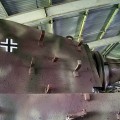 Tiger II – Königstiger – Camina
 Camiones de tracción ligera - Arsenal 129 armas
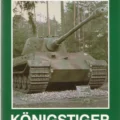 Panzerkampfwagen VI Königstiger – Waffen Arsenal 127
 Panzerkampfwagen VI Königstiger - Armas Arsenal 111
 Panzerkampfwagen VI Königstiger – Waffen Arsenal 025