
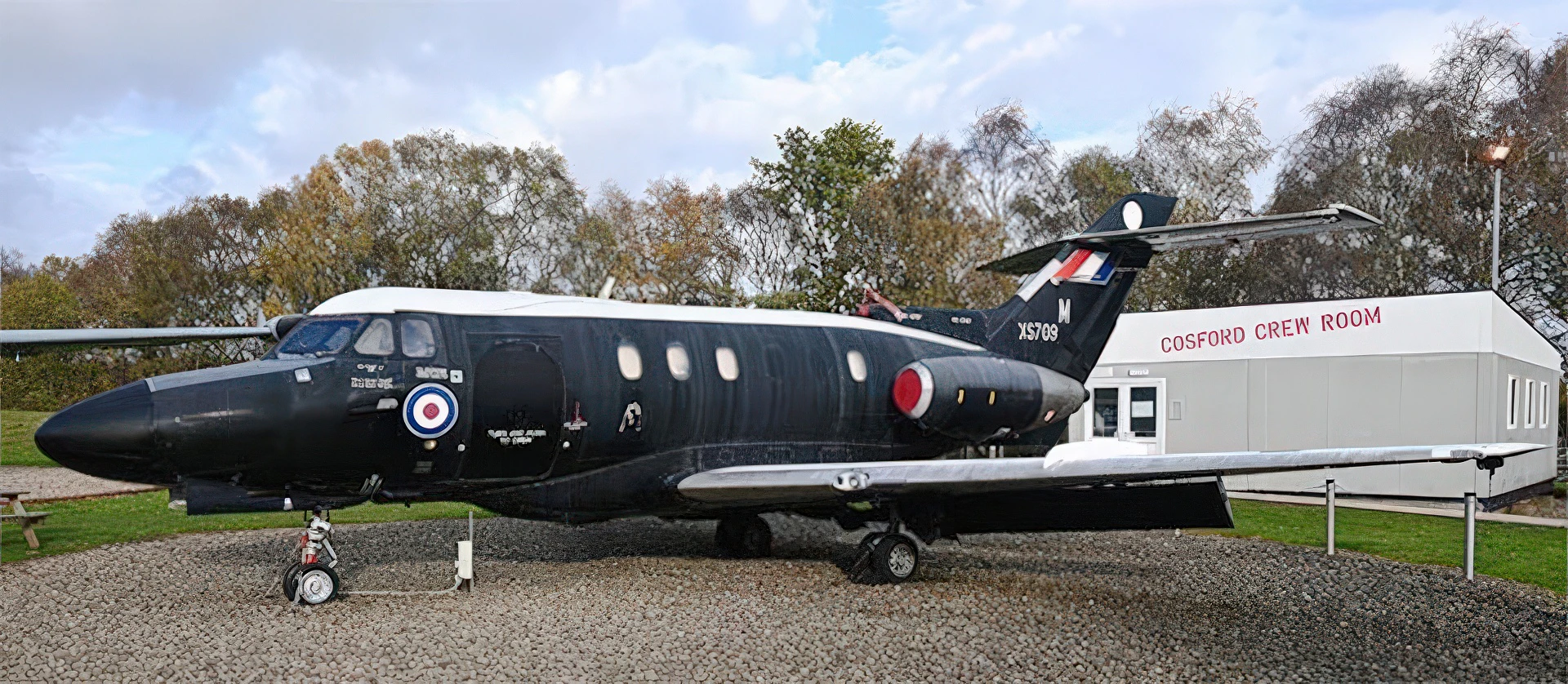
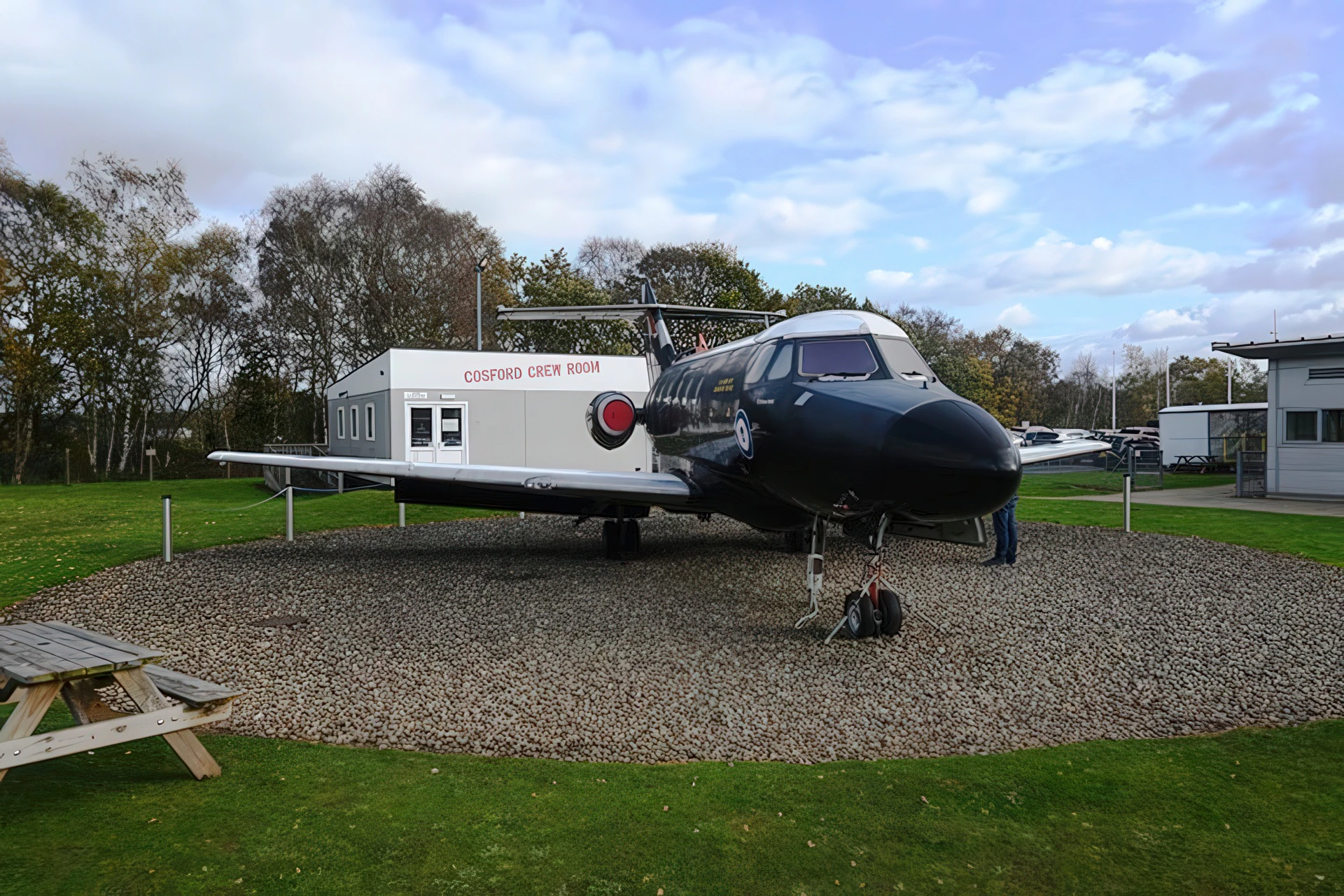
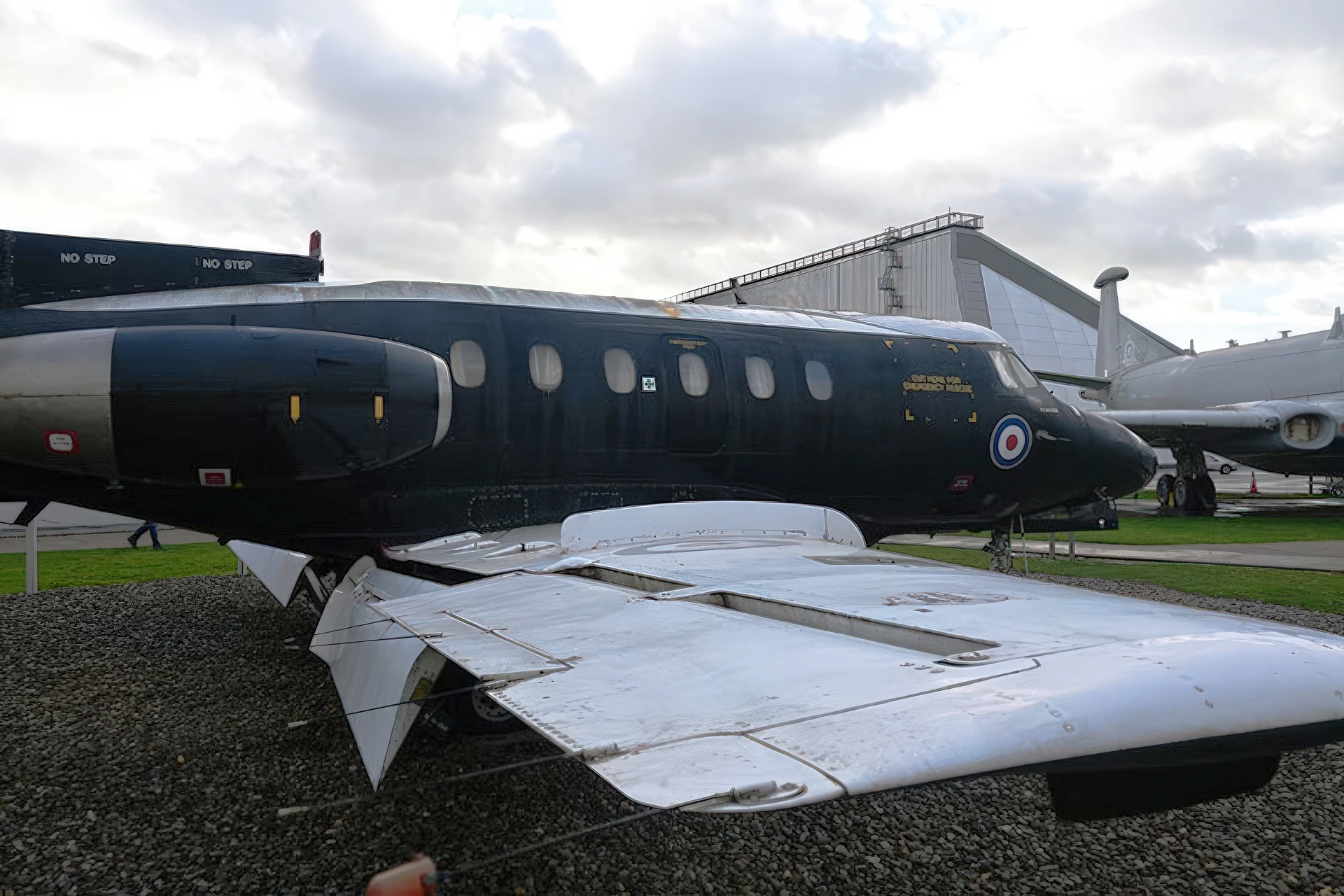
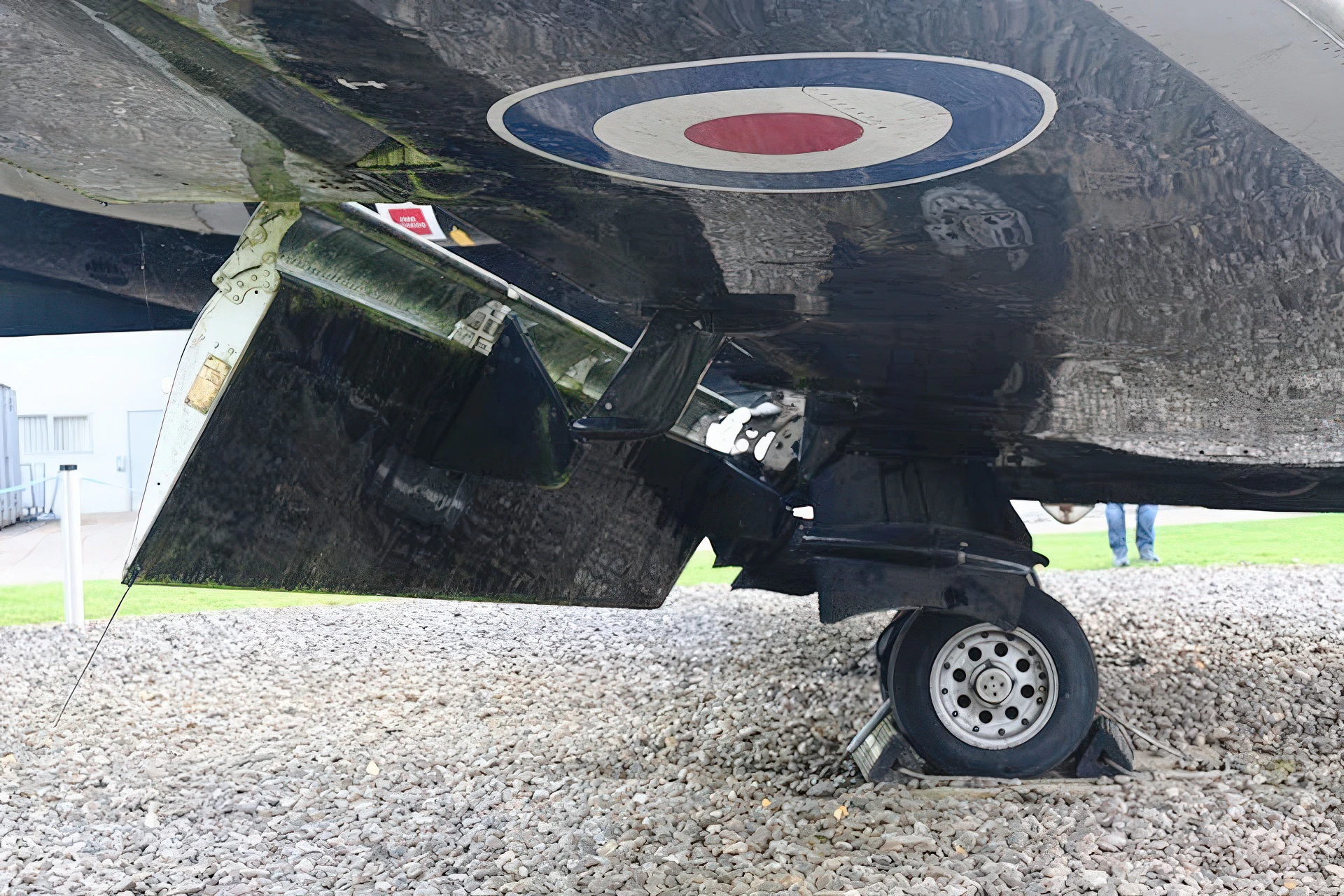
Hawker Siddeley HS-125 Dominie |
|
|---|---|
| País | Uk |
| Tipo | Mid-size business jet |
| Primer vuelo | 13 August 1962 |
| Número construido | 1720 |
Fuente: Hawker Siddeley HS-125 Dominie on Wiki
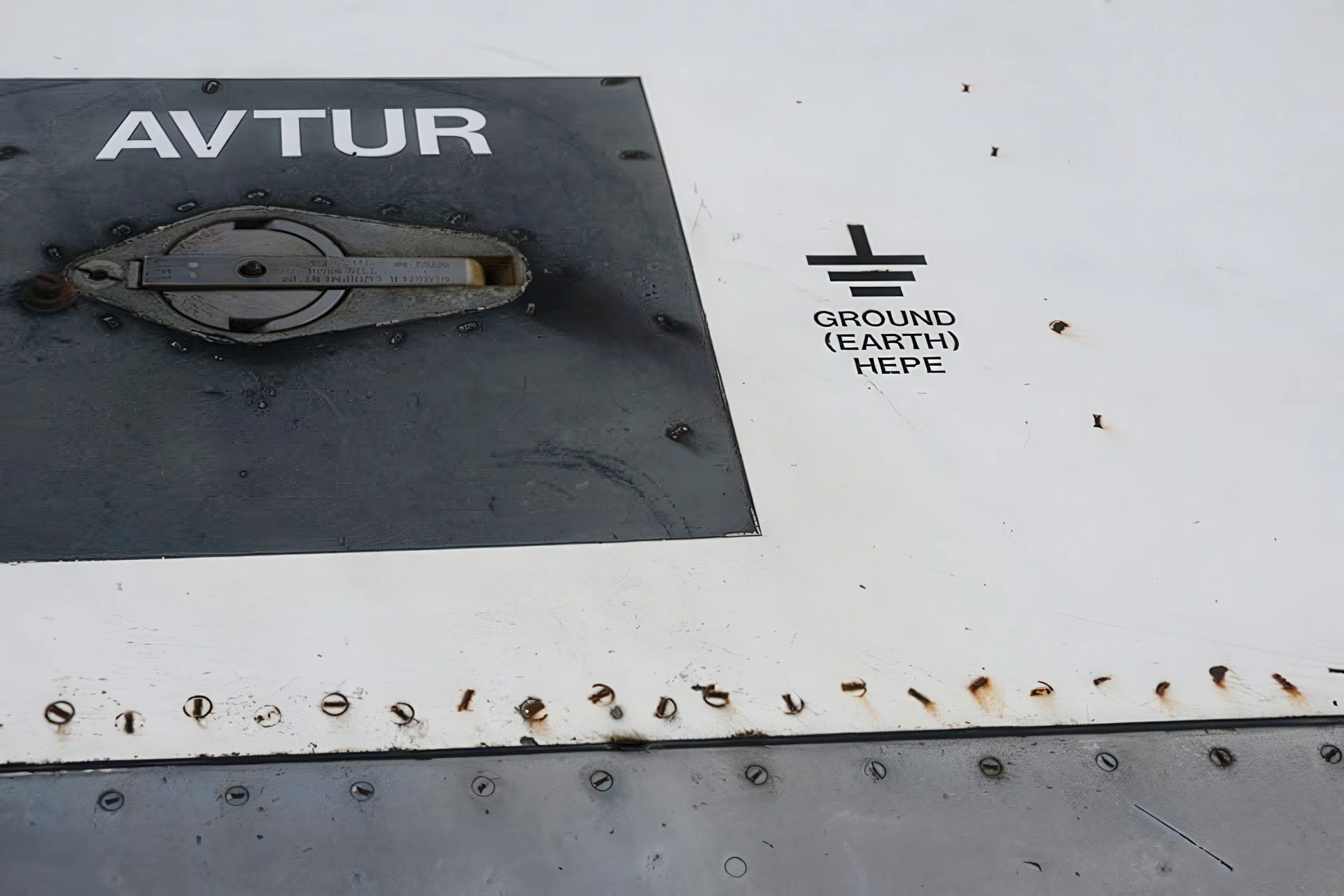
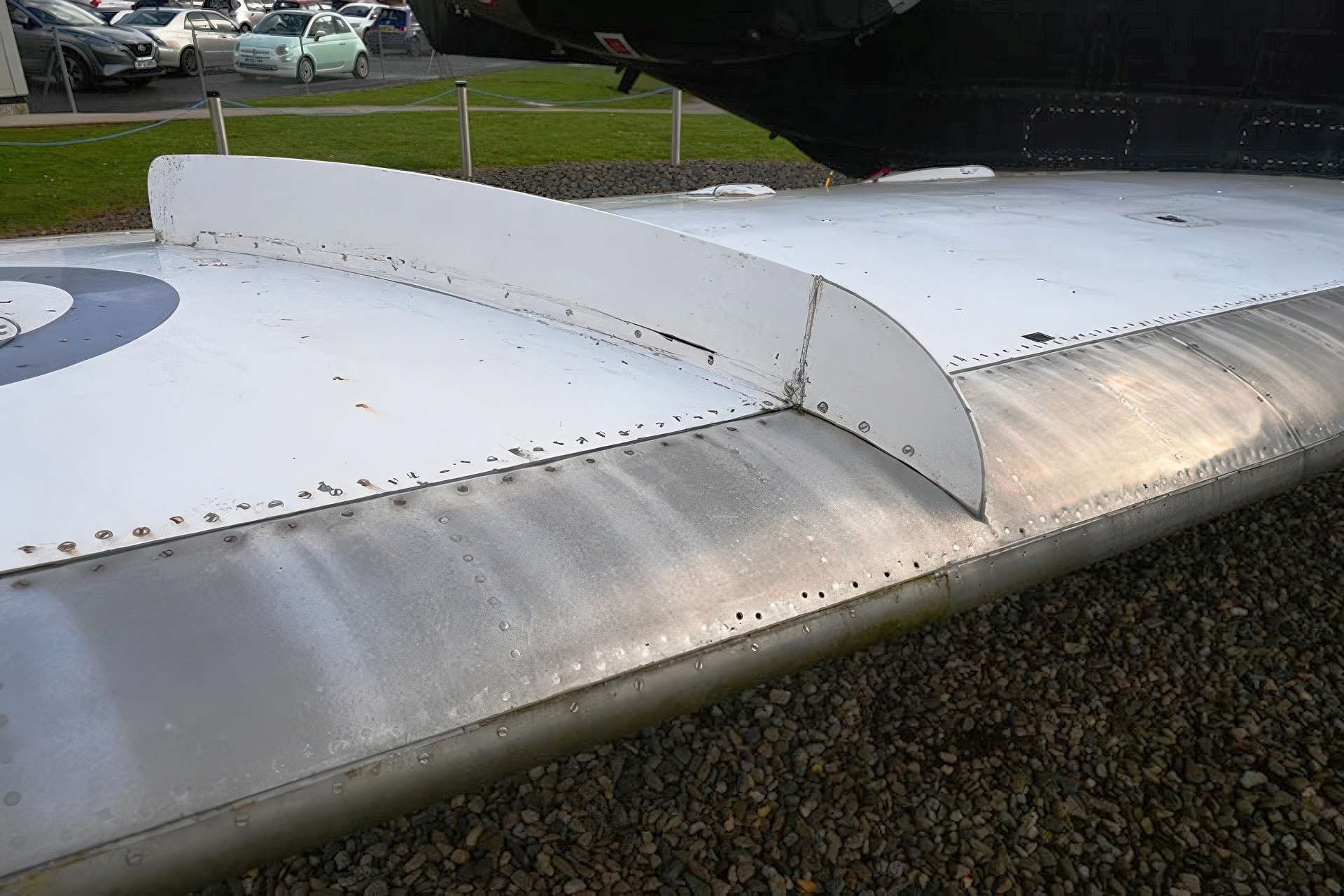
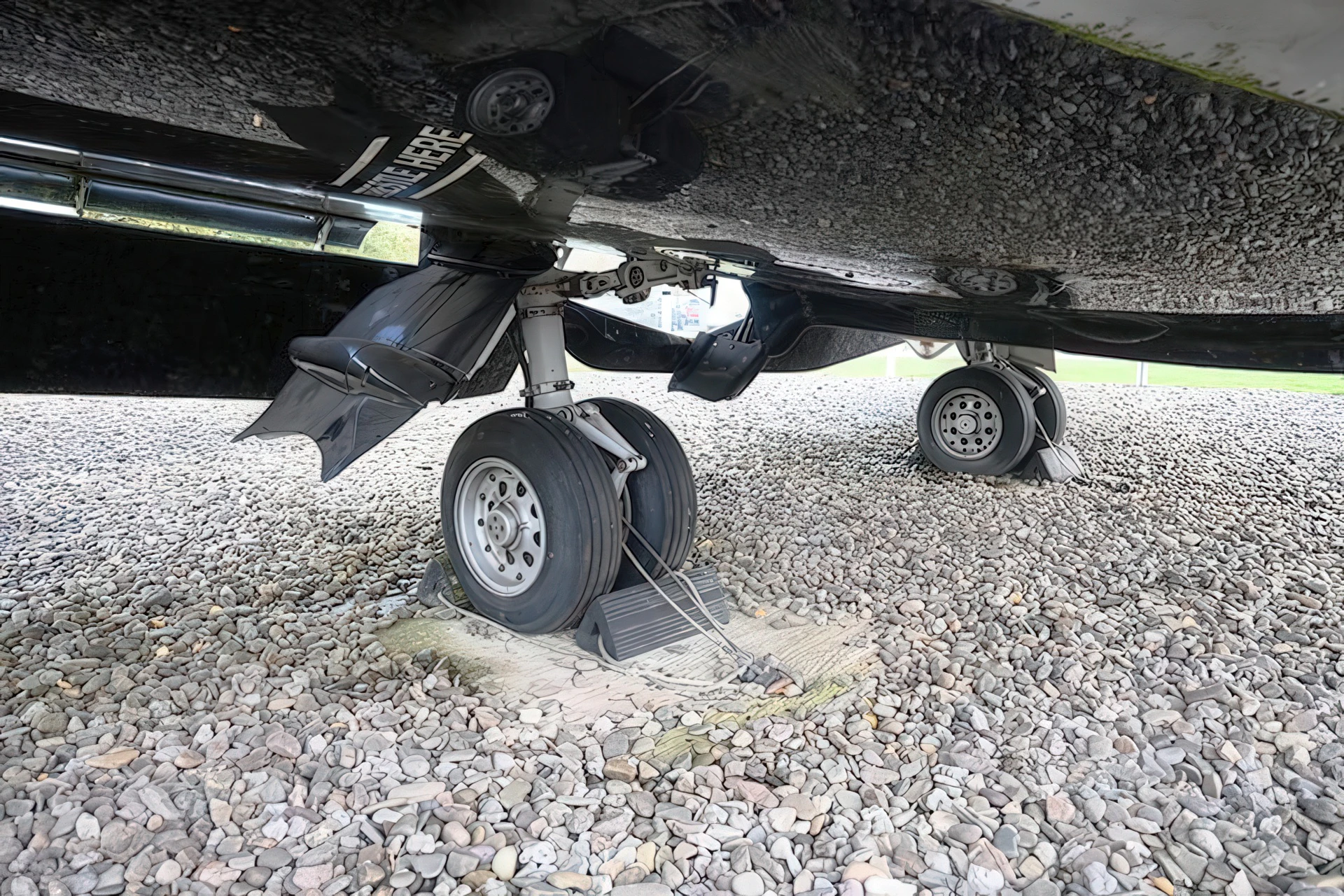
| Hawker Siddeley HS-125 Dominie (BAe 125) Walk Around | |
|---|---|
| Fotógrafo | Meindert de Vreeze |
| Localización | Unknow |
| Fotos | 29 |



Ver también:


A Legacy of Longevity and Evolution
The HS.125 (originally the de Havilland DH.125 Jet Dragon) is one of the world’s most successful first-generation business jets. Designed to replace the piston-engined de Havilland Dove, it first flew in 1962 and remained in production through various mergers—eventually becoming the BAe 125 and the Hawker 800/1000 series—for a staggering 50 years. Its success was built on a “utility-first” philosophy: it offered a spacious, stand-up cabin and rugged short-field performance that made it equally popular with corporate CEOs and global air forces.
| Attribute | Standard Specification (HS.125 Series 400/600) |
|---|---|
| Papel | Business Jet / Military Trainer & Liaison |
| Equipo | 2 (Pilot and Co-pilot) |
| Capacidad | 8 to 14 Passengers (depending on variant) |
| Planta motriz | 2 x Rolls-Royce Viper turbojets (Series 1-600) |
| Max Speed | 840 km/h (approx. 522 mph) |
| gama | approx. 2,900 km (1,560 nmi) |
| Longitud | 14.42 m to 15.39 m (Series dependent) |
| Service Ceiling | 12,500 m (41,000 ft) |
Design Highlights
- Rugged Aerodynamics: The slightly swept wing was inspired by the de Havilland Comet and featured large slotted flaps. This allowed the HS.125 to operate safely from small, poorly prepared airfields or even hardened grass strips.
- The “Stand-Up” Cabin: Unlike many early competitors, the 125 featured a cylindrical fuselage with an unobstructed floor and 5ft 9in of headroom, allowing passengers to move about the cabin with ease.
- Viper Power: Early models used the Bristol Siddeley (later Rolls-Royce) Viper turbojet—a simple, noisy, but incredibly reliable engine originally developed for the Jindivik target drone.
- Continuous Improvement: The aircraft transitioned from “pure” turbojets to more fuel-efficient Garrett TFE731 turbofans starting with the Series 700, which significantly boosted range and quieted the cabin.
The Military “Dominie” T.1
The HS.125 was not just for executives. The Royal Air Force recognized its potential early on, ordering the Series 2 variant as a dedicated navigation trainer.
- Navigation Classroom: Renamed the Dominie T.1, the cabin was modified with multiple student consoles. It trained generations of navigators and weapon systems officers destined for the Vulcan, Nimrod, and Tornado.
- V-Force Heritage: In early models, students sat rear-facing to simulate the seating arrangement of the RAF’s “V-Bomber” fleet.
- Enduring Service: The Dominie T.1 served the RAF for over 45 years, finally retiring in 2011 after a stellar career as a reliable training workhorse.
Global Impact
- US Popularity: Despite being a British design, over 60% of all HS.125 sales were in North America, where it was often marketed as the “Beechcraft Hawker.”
- Special Missions: Beyond training, variants like the U-125A (Japan) and C-29A (USA) were used for Search and Rescue and flight inspection of military navigation aids.
Vistas : 367
También puede ver:
 North American NA-64 Yale – Fotos y Videos
 Sud-Ouest Triton – Fotos y Video
 Culver PQ-14 Cadet – Fotos y Video
 Northrop F-20 Tigershark – Fotos y Video
 Aeronca L-3 – Fotos y Video
 McDonnell F2H Banshee – Fotos y Video
 Macchi MC-202 – WalkAround
 Batalla de Fairey – WalkAround
 Furia marina de Hawker – Camina
 Junkers JU-52 – Caminar