Gepard 1A2 | |
|---|---|
| País | Alemania Occidental |
| Papel | Cañón antiaéreo autopropulsado |
| Construido | Unknow |
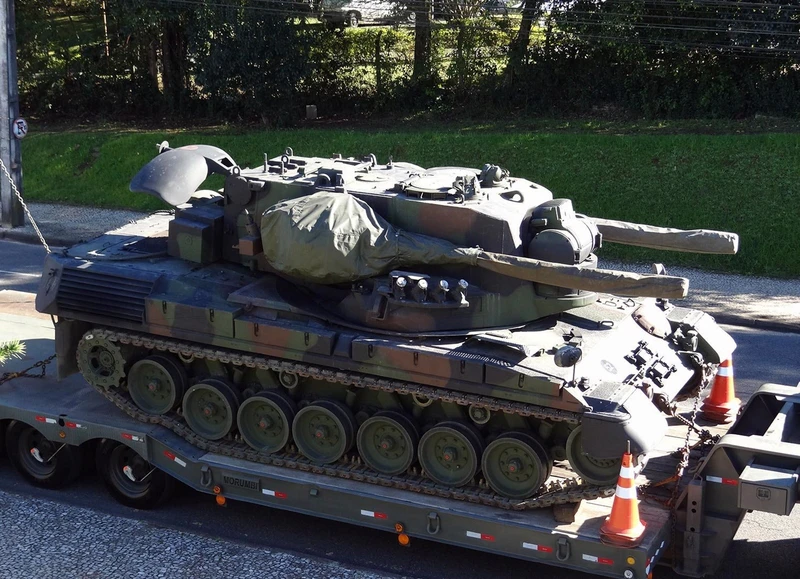
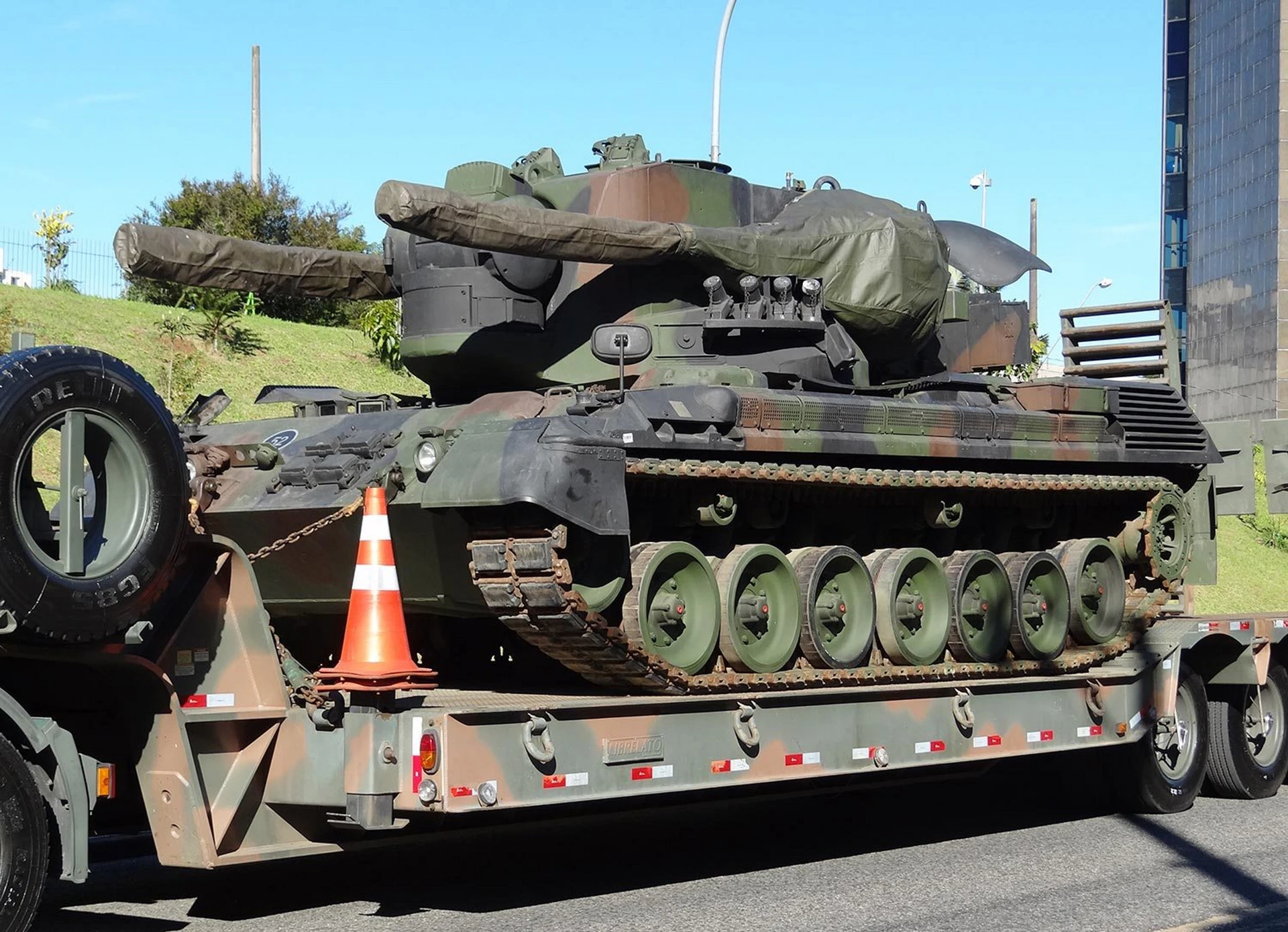
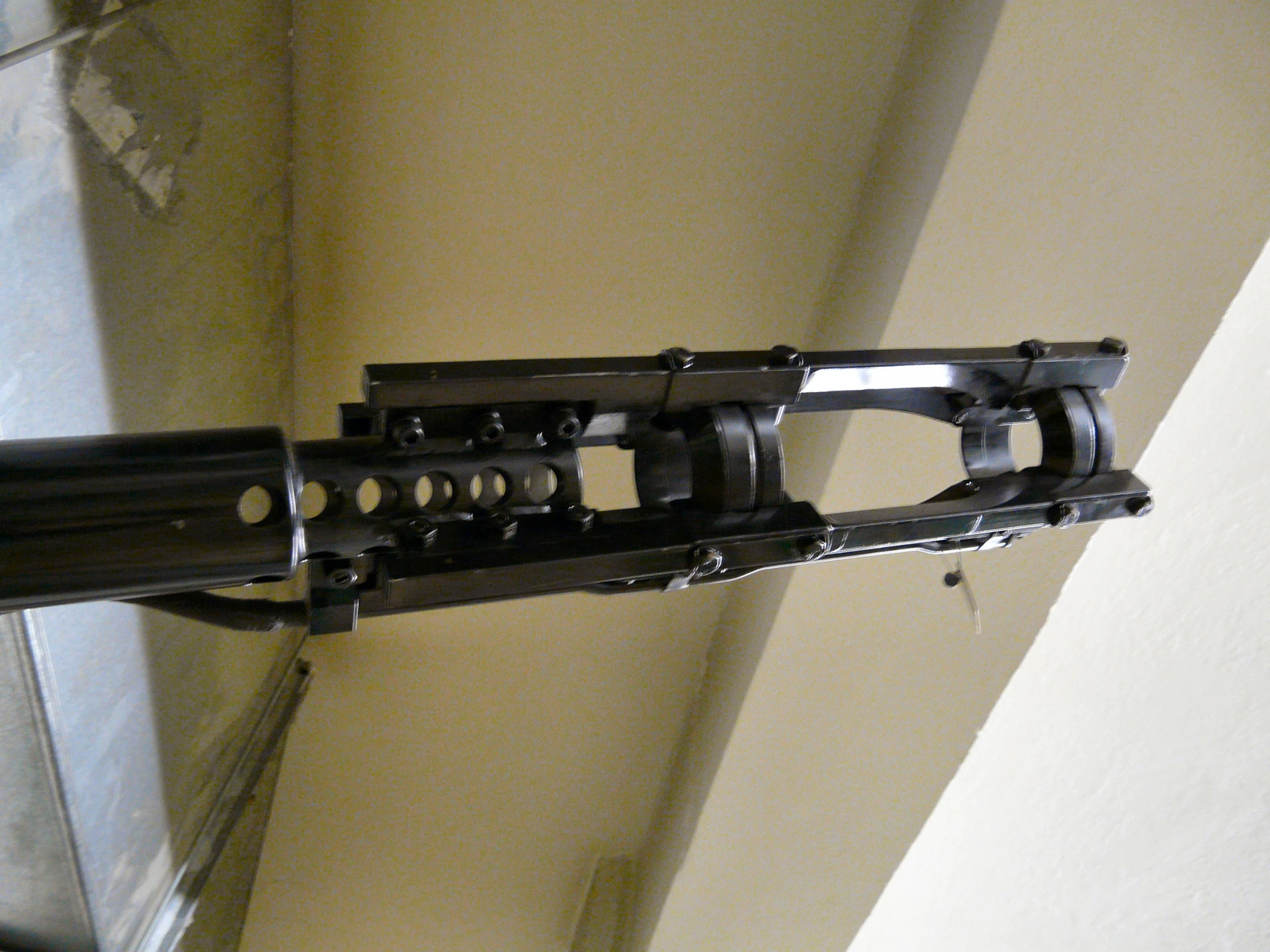
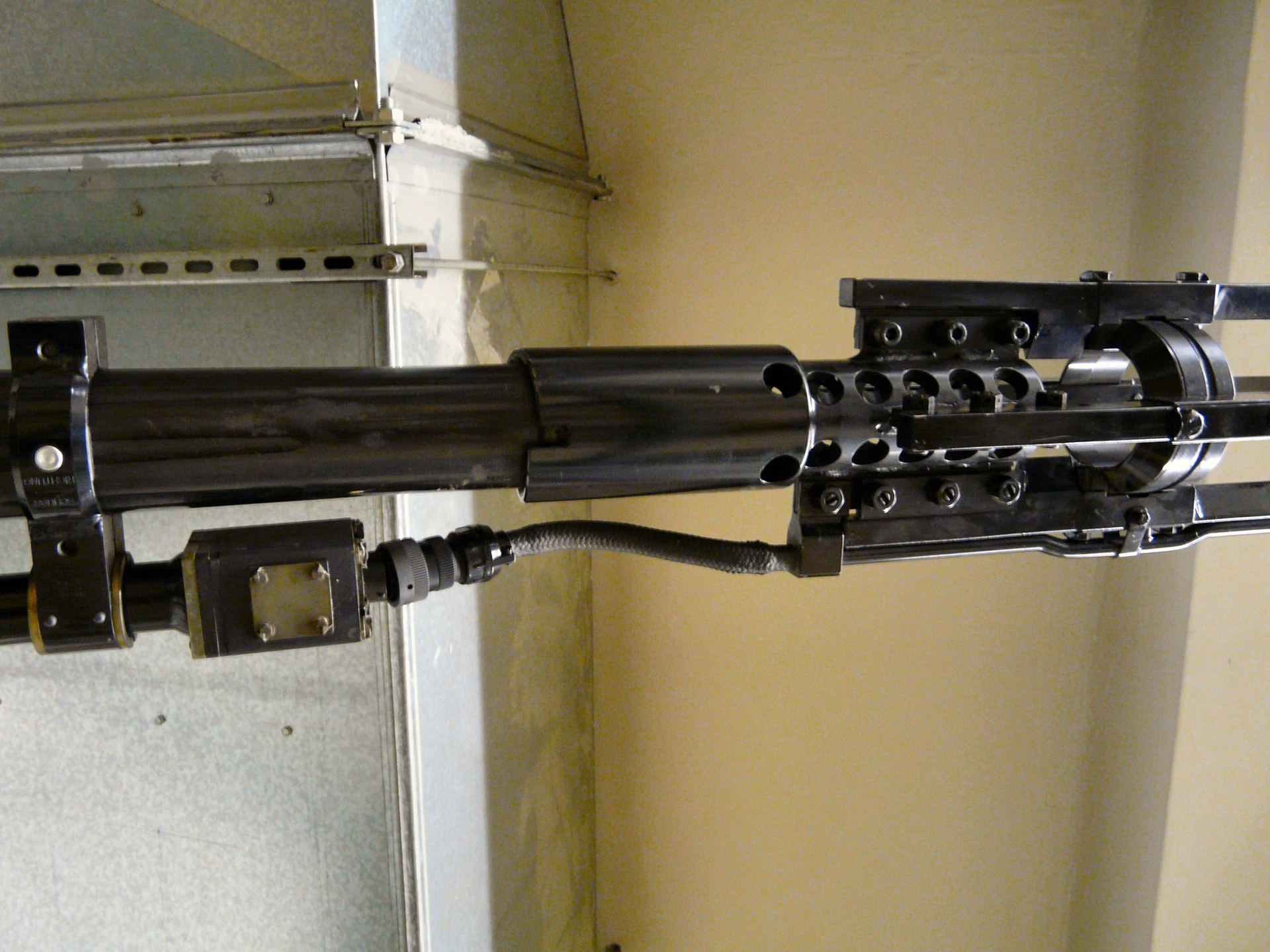
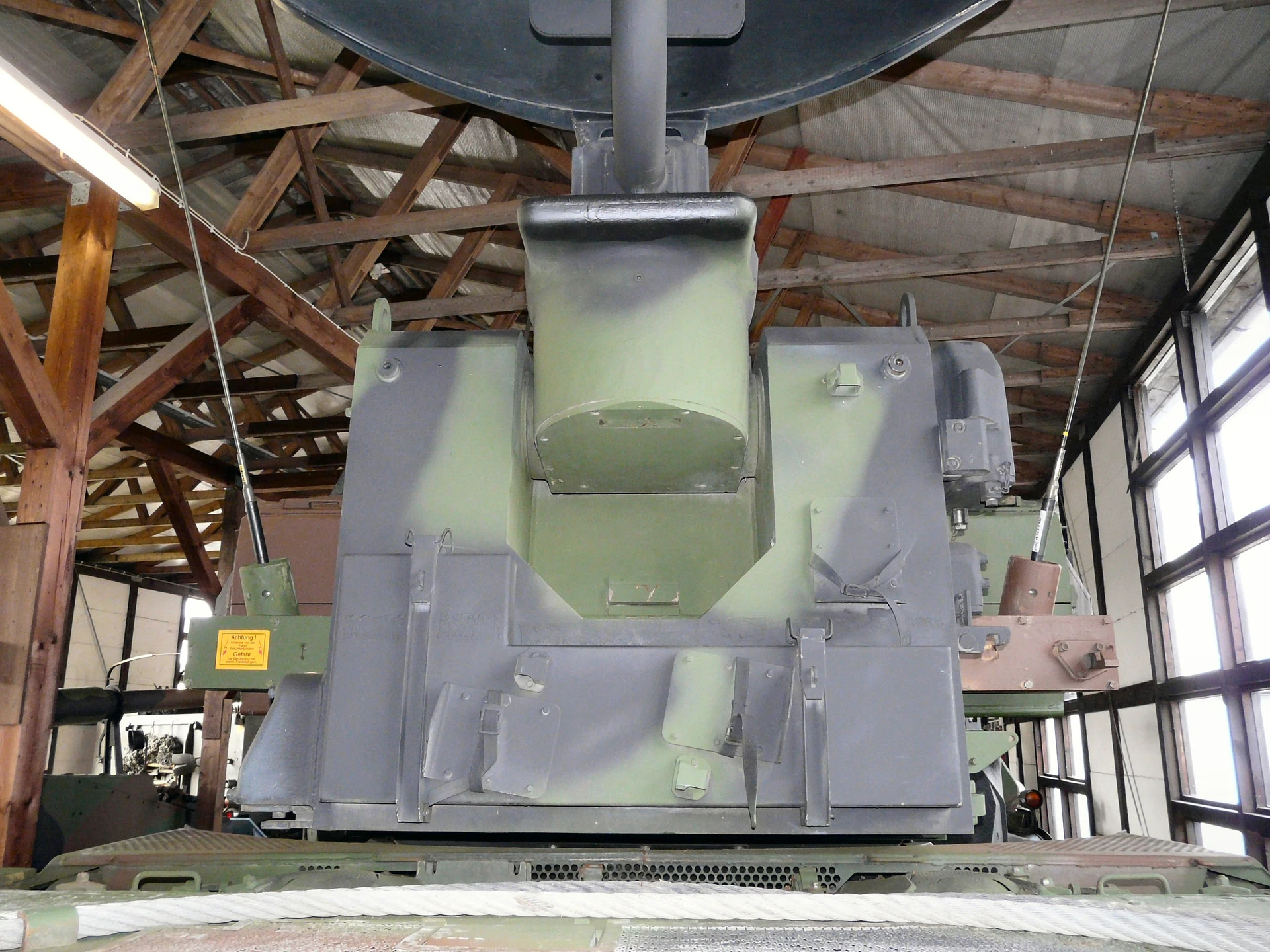
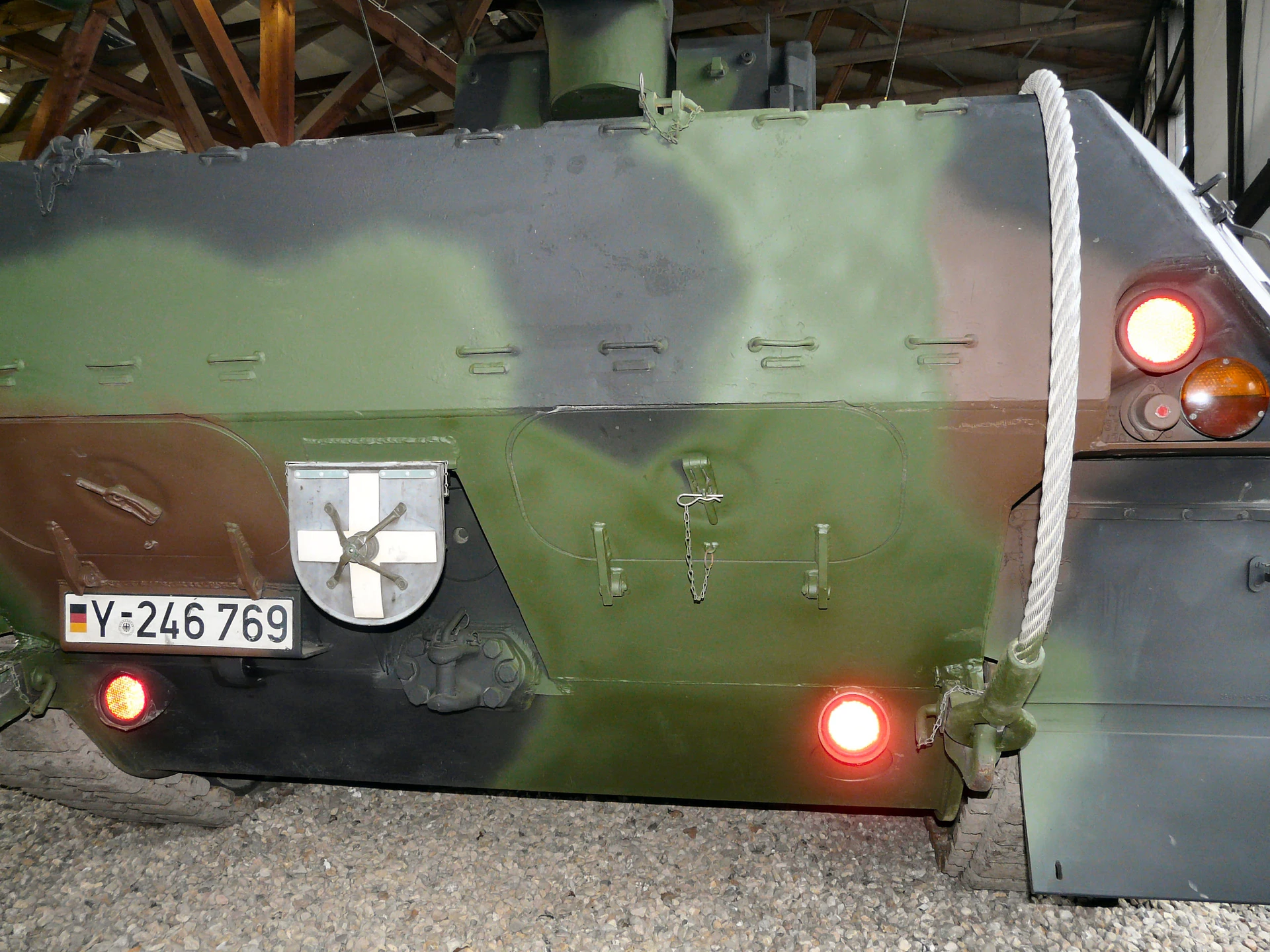
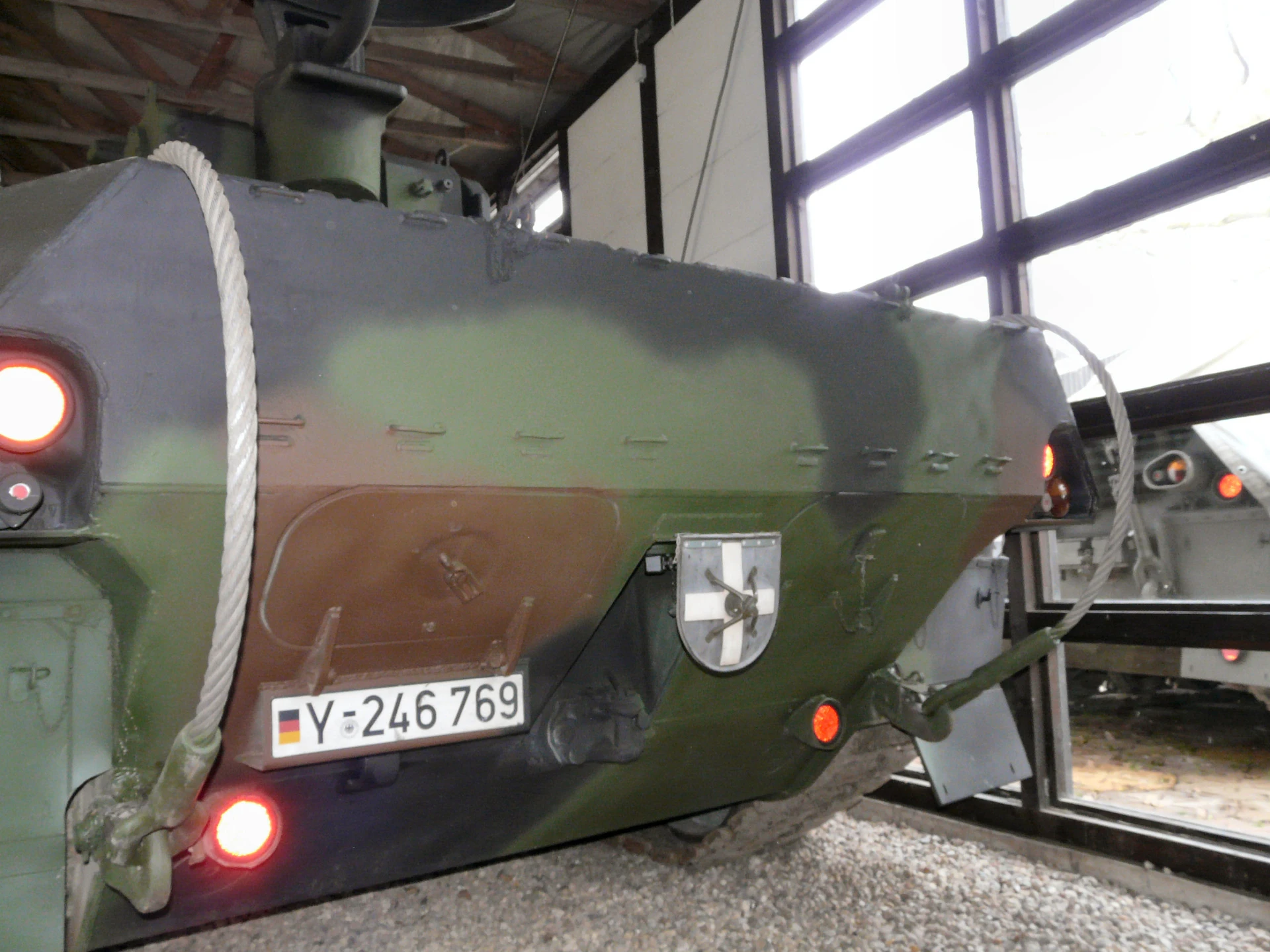
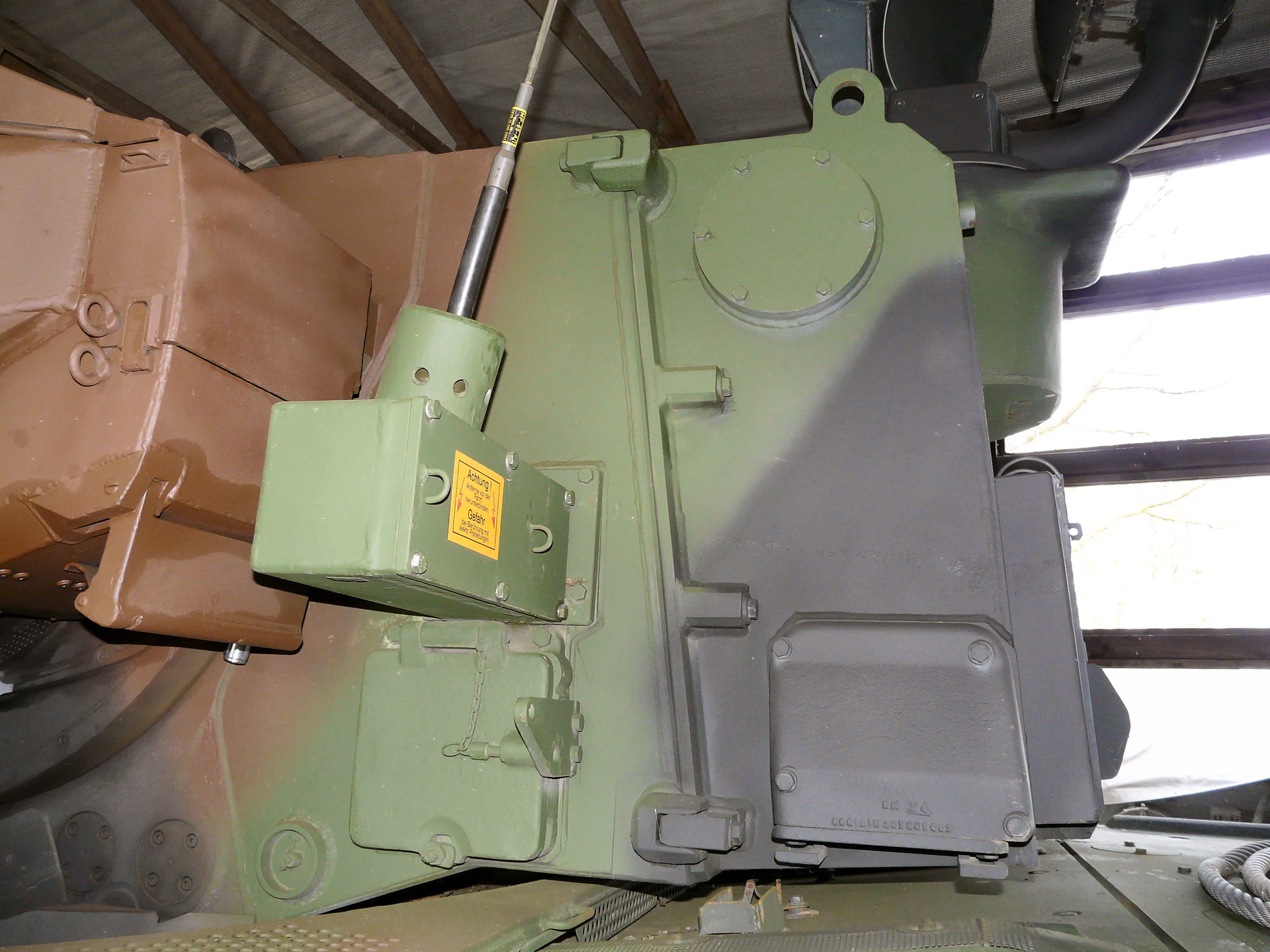
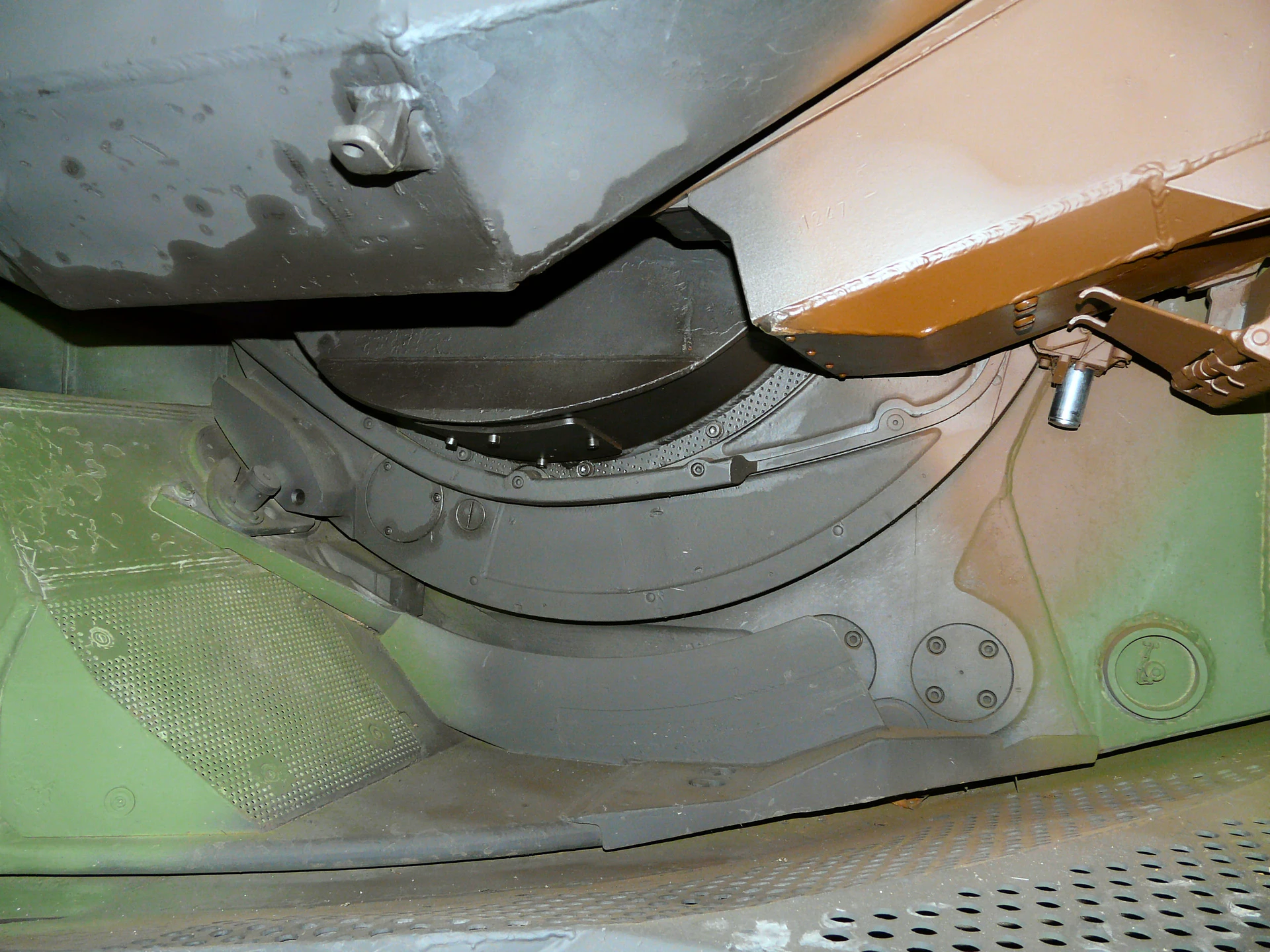
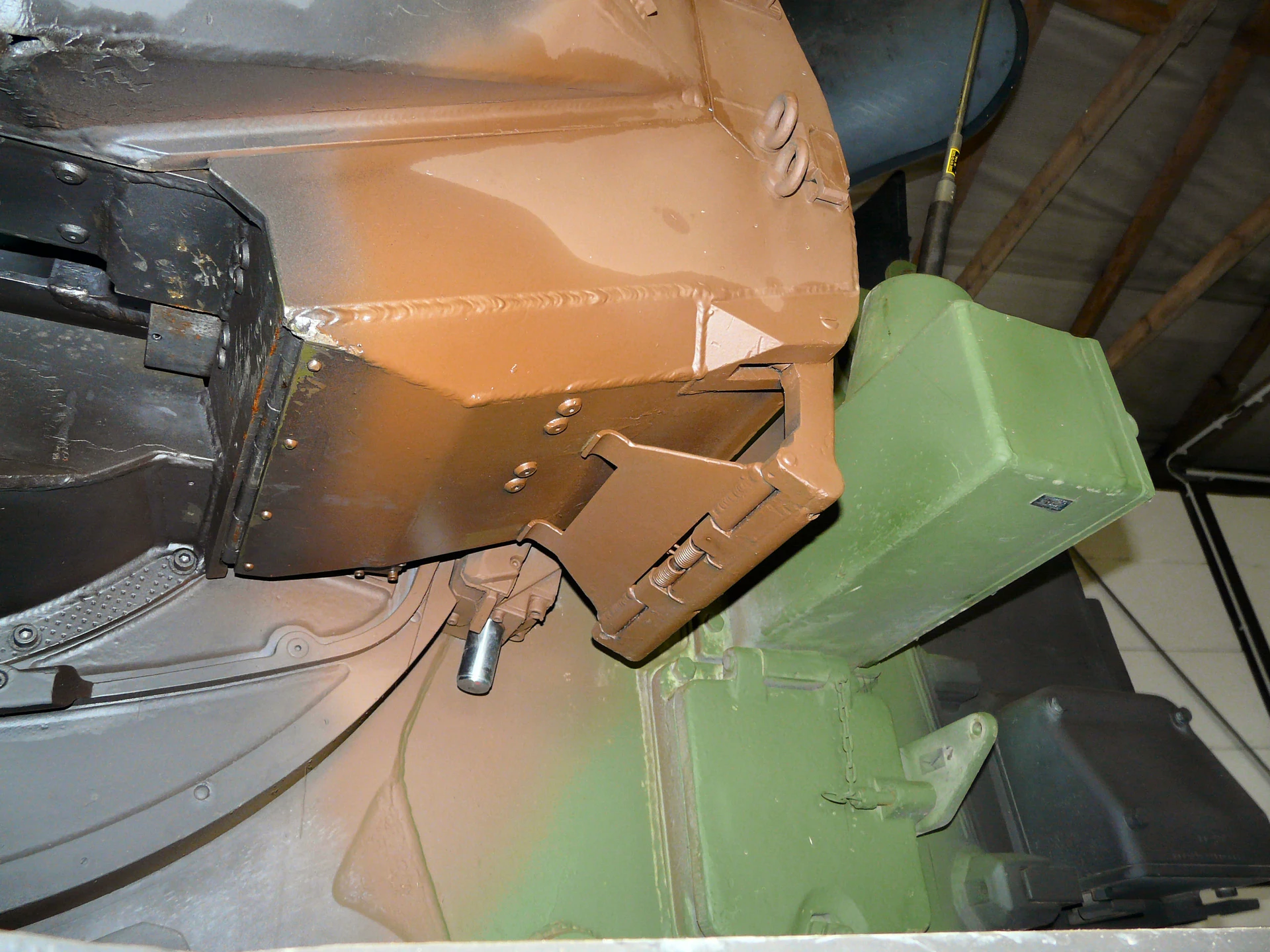
el Flugabwehrkanonenpanzer Gepard ("tanque de cañón antiaéreo Cheetah", más conocido como Flakpanzer Gepard) es un cañón antiaéreo autopropulsado alemán (SPAAG) con capacidad para todo tipo de clima. Fue desarrollado en la década de 1960 y presentado en la década de 1970, y ha sido actualizado varias veces con la última electrónica. Constituyó una piedra angular de la defensa aérea del ejército alemán (Bundeswehr) y de varios otros países de la OTAN. En Alemania, el Gepard fue eliminado a finales de 2010 y reemplazado por Wiesel 2 Ozelot Leichtes Flugabwehrsystem (LeFlaSys) con cuatro lanzadores de misiles FIM-92 Stinger o LFK NG.
Fuente: Gepard 1A2 en Wikipedia
| Gepard 1A2 Walk Around | |
|---|---|
| Fotógrafo | Gino Marcomini |
| Localización | Unknow |
| Fotos | 31 |

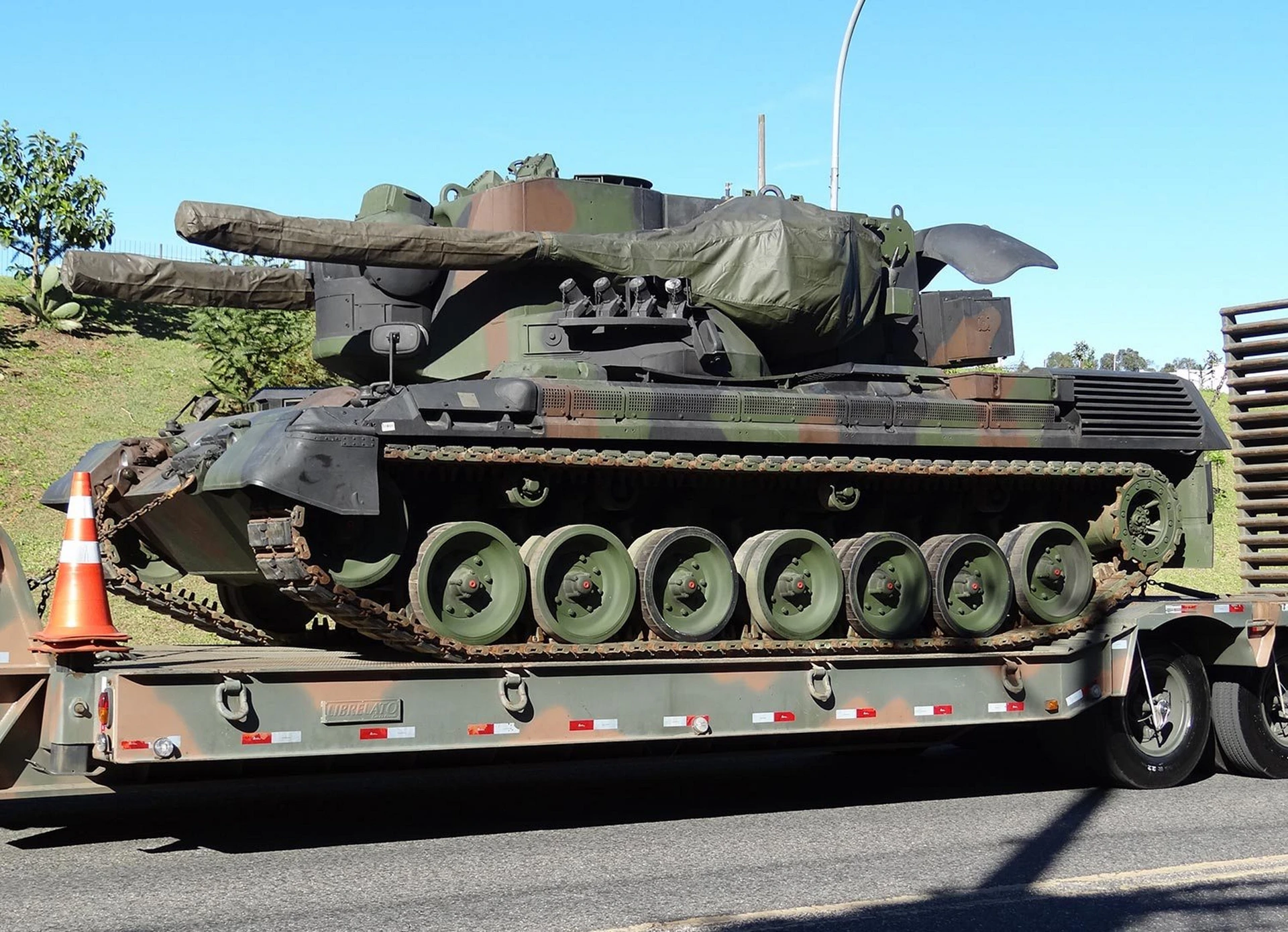
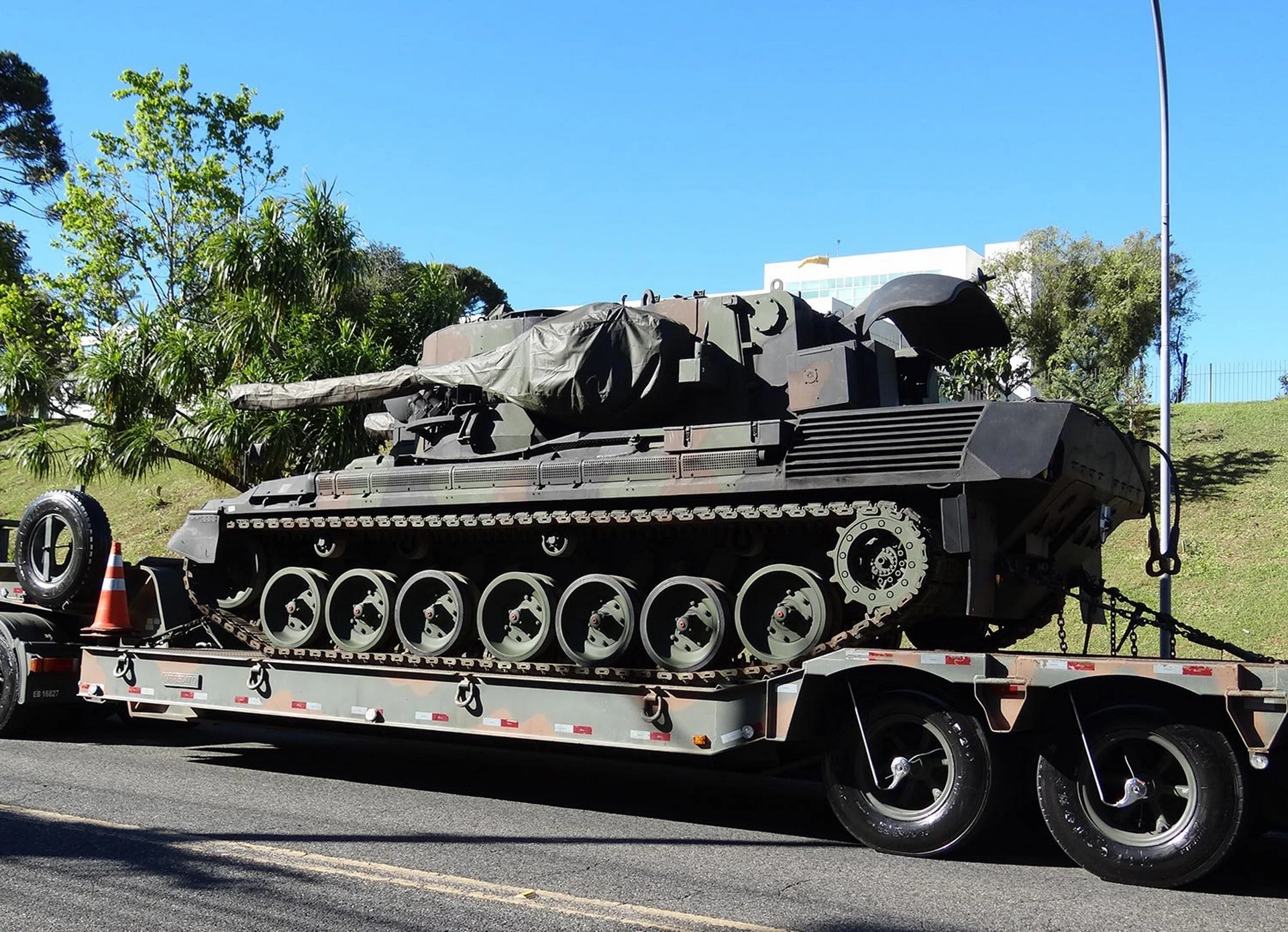
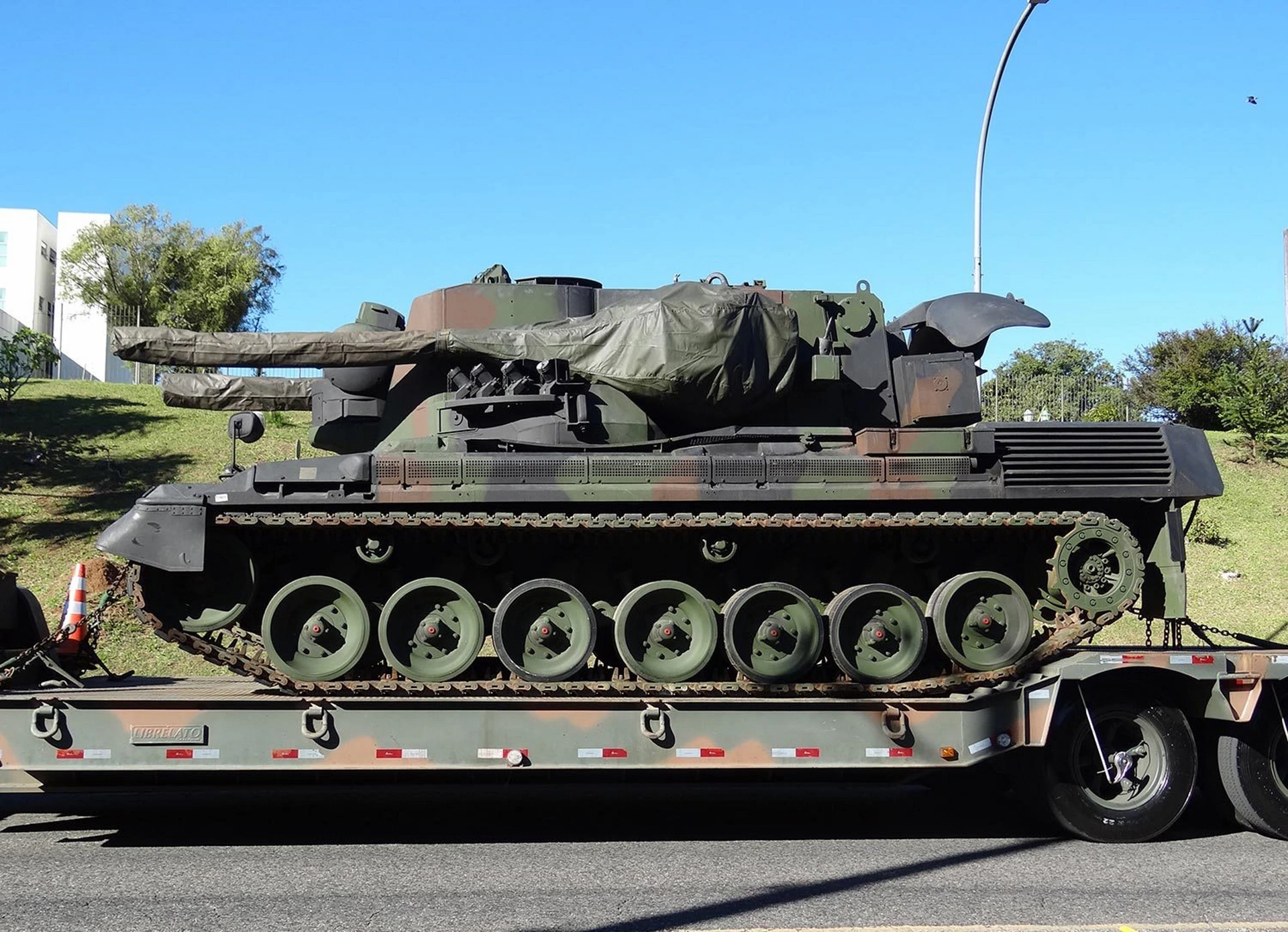
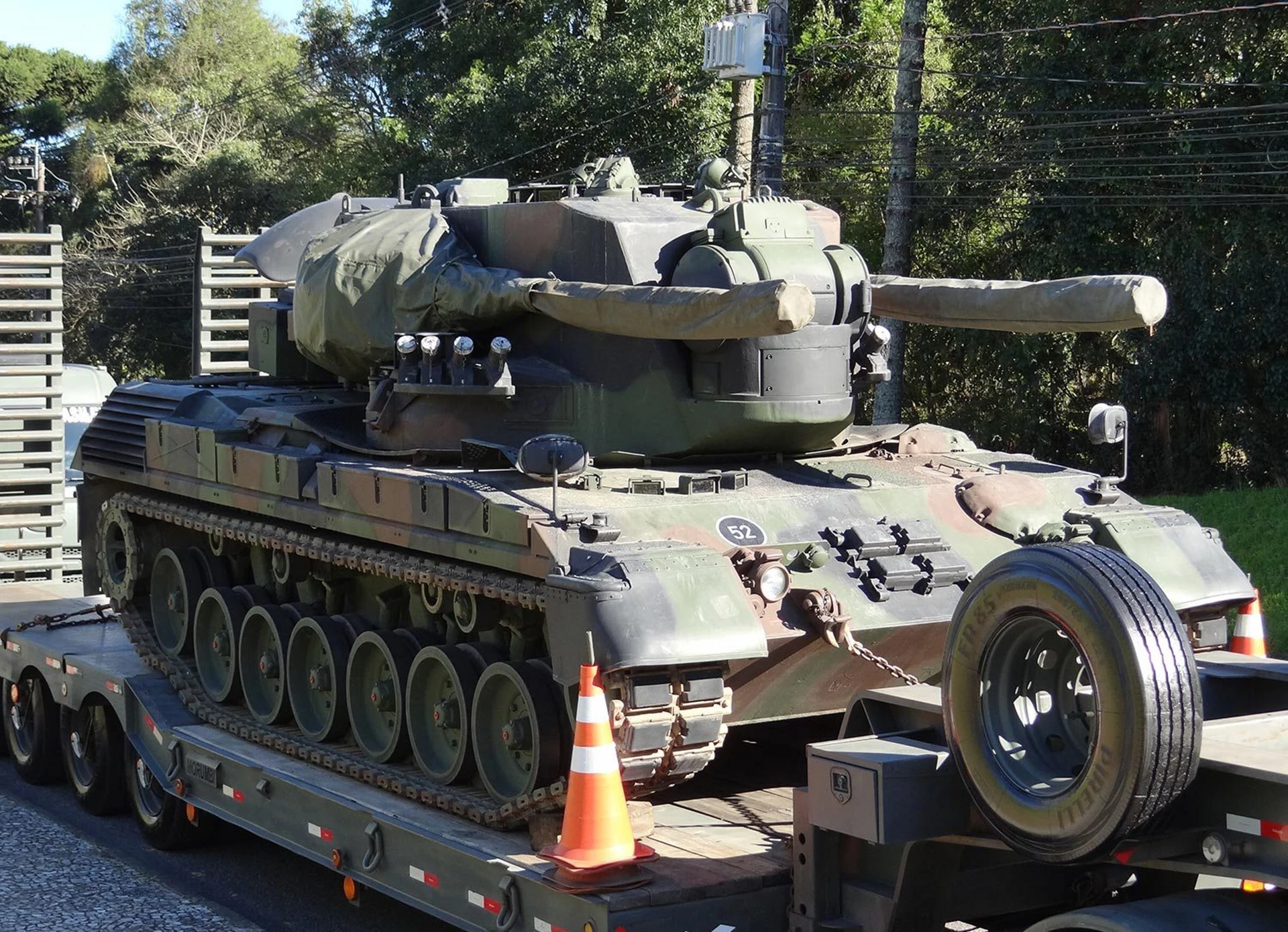
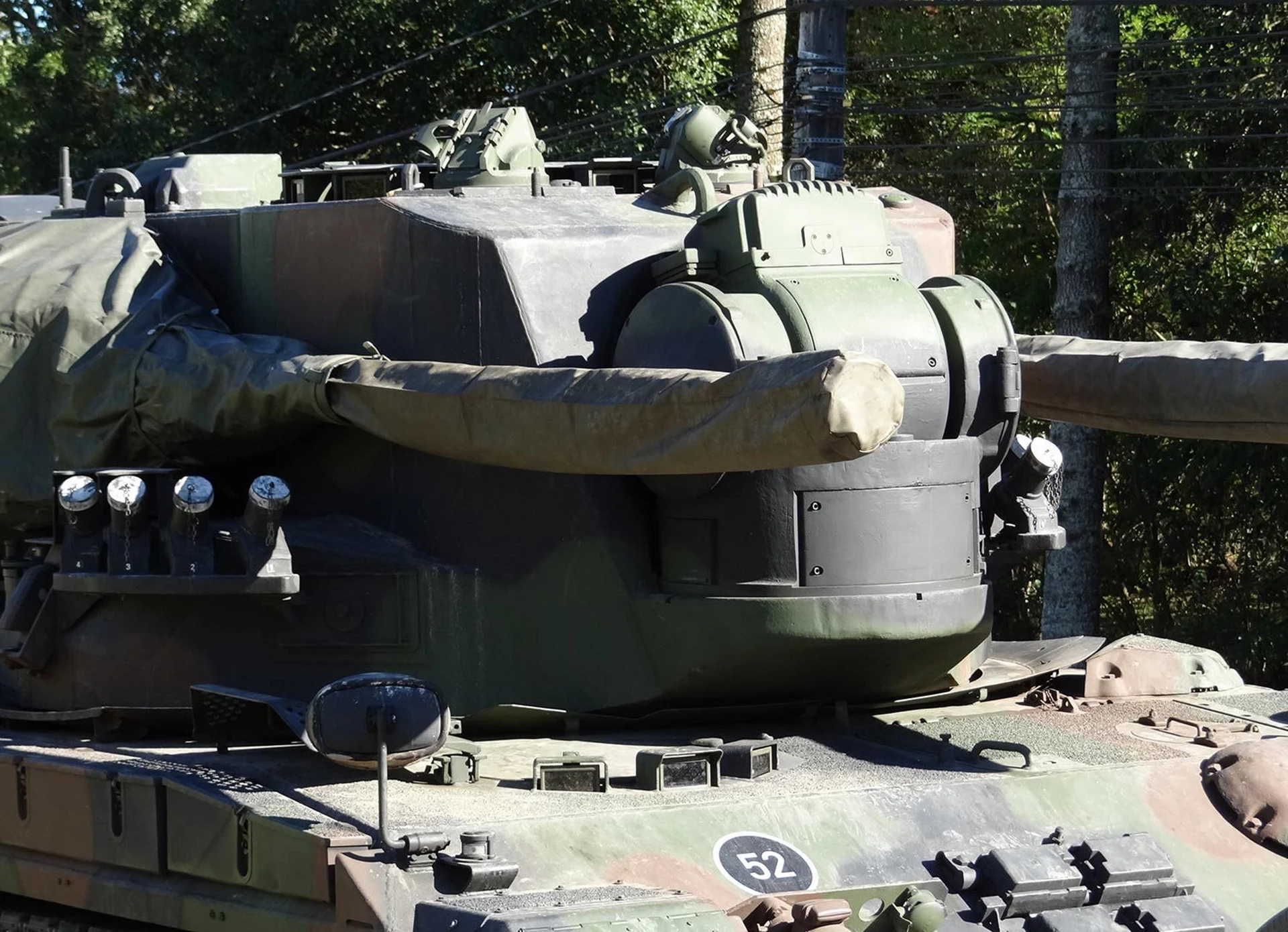
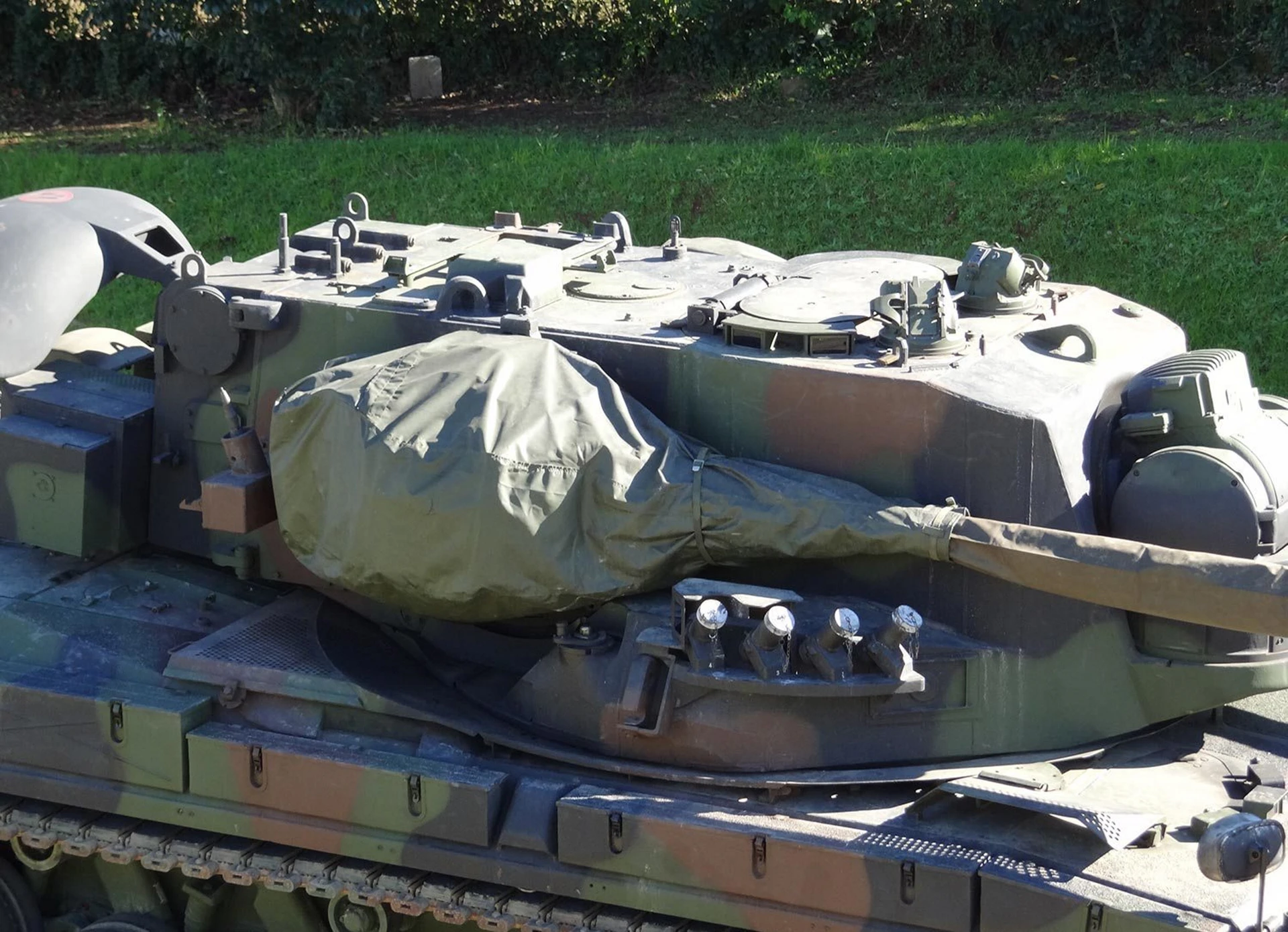
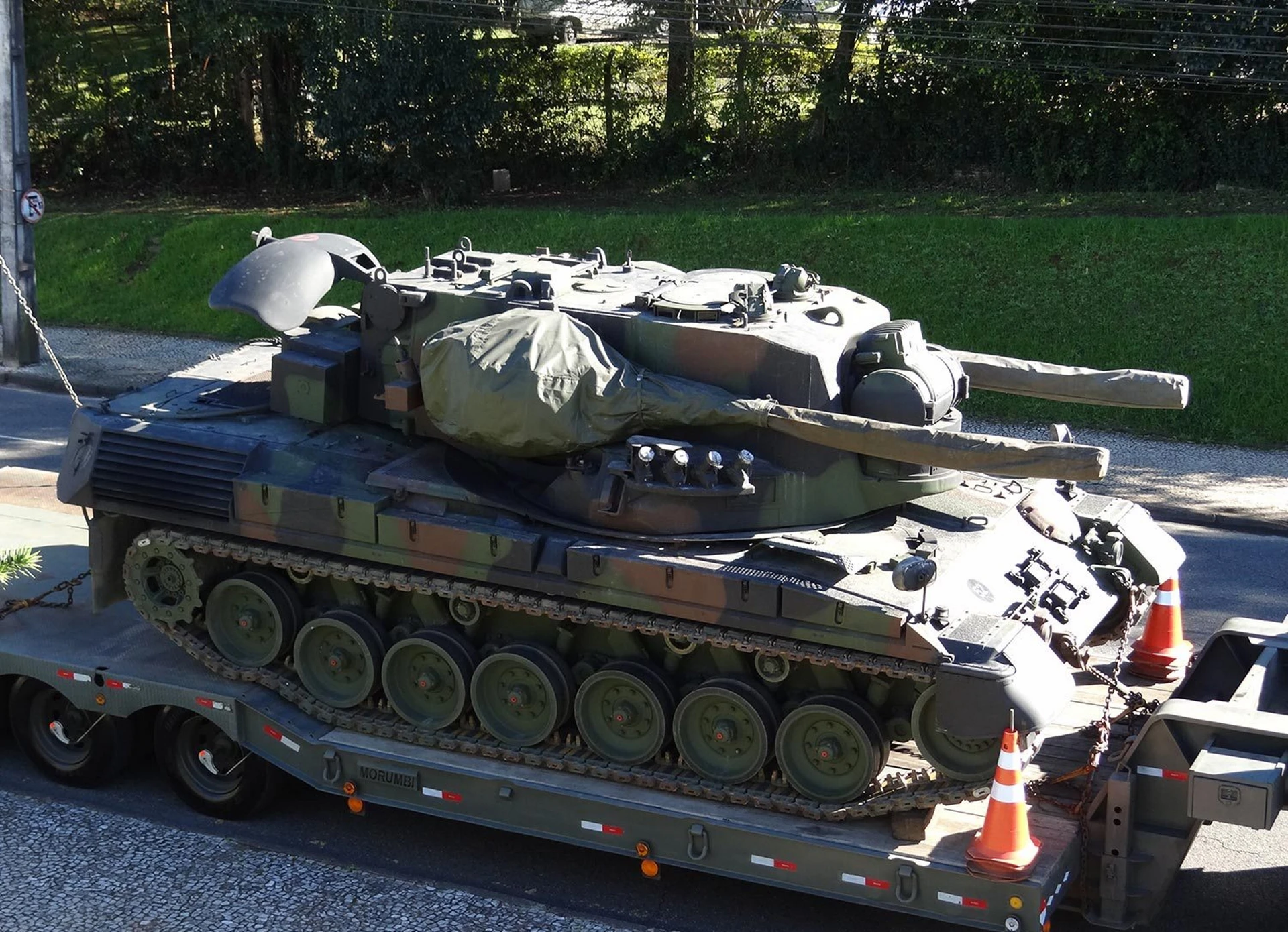


| Flakpanzer Gepard A1-B2L Walk Around | |
|---|---|
| Fotógrafo | Unknow |
| Localización | Unknow |
| Fotos | 27 |
| Gepard B2 Walk Around | |
|---|---|
| Fotógrafo | Unknow |
| Localización | Unknow |
| Fotos | 43 |
Ver también:


| Gepard Walk Around | |
|---|---|
| Fotógrafo | David Lueck |
| Localización | Unknow |
| Fotos | 86 |
General Characteristics
The Polikarpov Po-2, originally designated U-2 (for ‘Uchebnyy’ or ‘Training’), is a Soviet utility and trainer biplane designed by Nikolai Polikarpov. First flying in 1928, it became one of the most produced aircraft in history, with estimates up to 40,000 units built. Its simple, rugged, wood-and-fabric construction made it inexpensive, easy to maintain, and capable of operating from small, unprepared airfields (STOL capability). During World War II, despite being obsolete, it was effectively used as a light night bomber, liaison, medical evacuation, and reconnaissance aircraft. It was famously flown by the all-female 588th Night Bomber Regiment, nicknamed the “Night Witches” by the Germans, who also called the plane the “Nähmaschine” (sewing machine) due to the sound of its engine.
| Property | Typical Value (Trainer/Light Bomber Variant) |
|---|---|
| Papel | Trainer, Utility, Light Night Bomber, Liaison |
| National Origin | Soviet Union (USSR) |
| diseñador | Nikolai Polikarpov |
| First Flight | January 7, 1928 |
| Production Period | 1929 – 1959 (Soviet Union & Poland) |
| No. Built | 20,000 – 40,000 (across all variants, estimated) |
| Equipo | 2 (Pilot, Observer/Gunner) |
| Empty Weight | Approx. 700–770 kg (1,540–1,700 lb) |
| Maximum Takeoff Weight | Approx. 1,350–1,400 kg (2,980–3,090 lb) |
Powerplant and Performance
- Engine: One Shvetsov M-11D / M-11FR 5-cylinder, air-cooled radial engine.
- Power Output: Typically 93–119 kW (125–160 hp) depending on the variant.
- Maximum Speed: Approx. 130–152 km/h (81–94 mph).
- Cruising Speed: Approx. 100–110 km/h (62–68 mph).
- Note: This slow speed was often an advantage against German fighters, whose stall speed was higher than the Po-2’s top speed.
- Range: Approx. 450–630 km (280–390 mi).
- Service Ceiling: Approx. 3,000–4,000 m (9,800–13,100 ft).
- Key Design Feature: All-wood airframe with fabric covering, making it virtually invisible to early radar.
Armament (Light Bomber Variant)
- Defensive Armament: One rear-facing 7.62 mm ShKAS machine gun in the observer’s cockpit (in U-2VS/Po-2 LNB variants).
- Bombload (External): Up to 300–350 kg (660–770 lb) of bombs carried on racks beneath the lower wings and fuselage.
- Typical load: Six FAB-50 (50 kg) bombs.
- Combat Use: Used primarily for “nuisance raids” at night, often gliding silently over targets after cutting the engine.
- Wingspan: 11.40 m (37 ft 5 in).
- Length: 8.17 m (26 ft 10 in).
Vistas : 4064