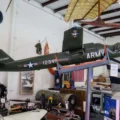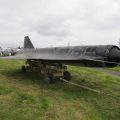
GAF Pika | |
|---|---|
| País | Australia |
| Papel | Drone objetivo |
| Primer vuelo | 28 de agosto de 1952 |
| Construido | 517 |
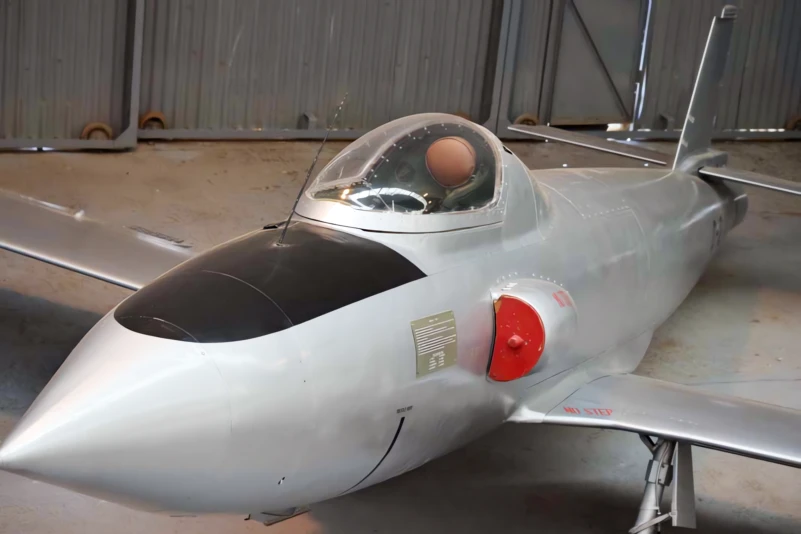
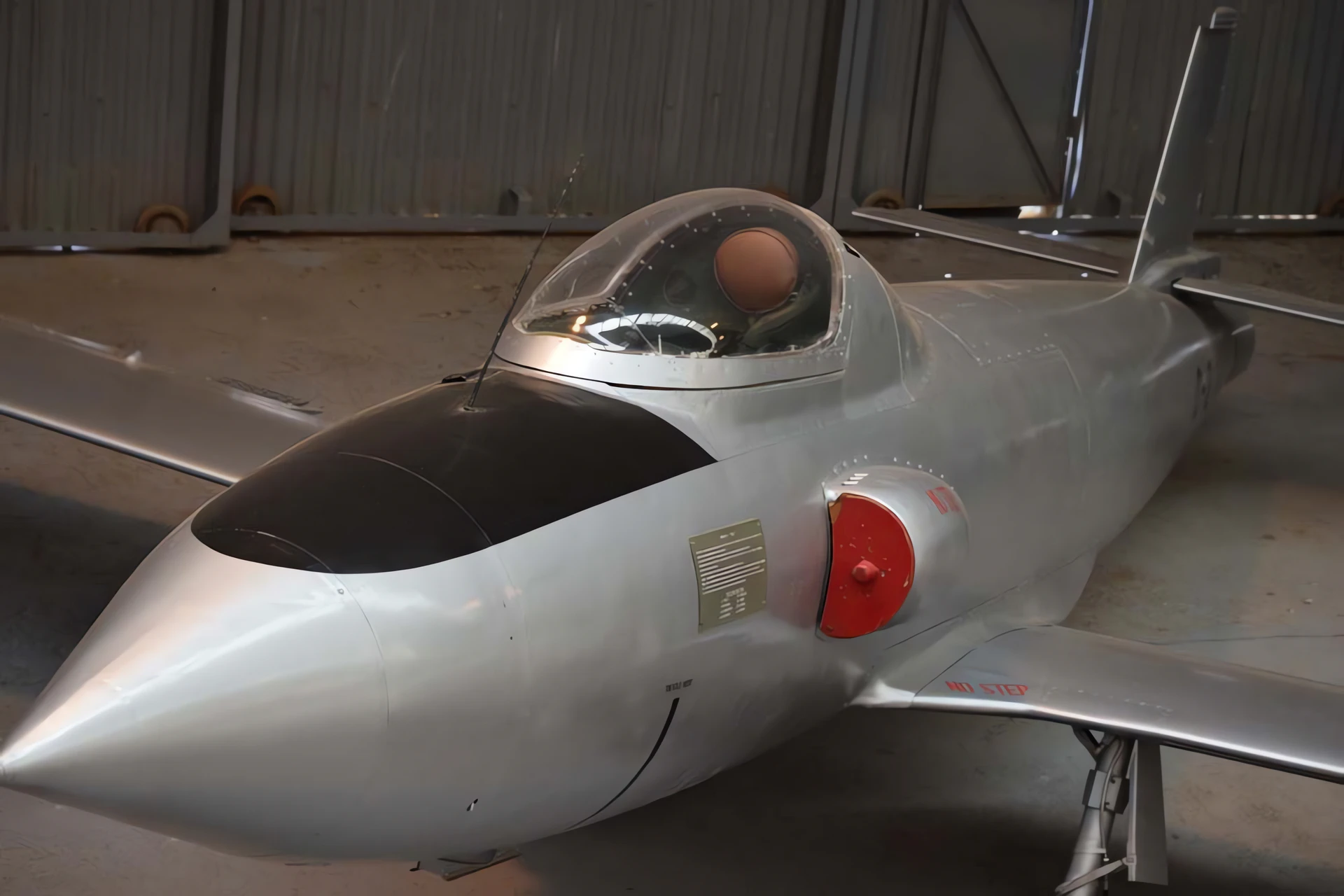
el GAF Jindivik es un dron de tiro controlado por radio producido por las Fábricas de Aviones del Gobierno Australiano (GAF). El nombre proviene de una palabra aborigen australiana que significa "el cazado". Se construyeron dos prototipos de control manual, como el GAF Pika (Proyecto como prueba de concepto para probar la aerodinámica, el motor y los sistemas de radiocontrol, serie A92-1/2, 'B-1/2'. El Jindivik controlado por radio fue inicialmente designado como Proyecto B y recibió seriales en la serie A93. Pika es una palabra aborigen australiana que significa volador
Fuente: GAF Pika en Wikipedia
| GAF Pika | |
|---|---|
| Fotógrafo | Vladimir Yakubov |
| Localización | Museo RAAF, Point Cook |
| Fotos | 47 |
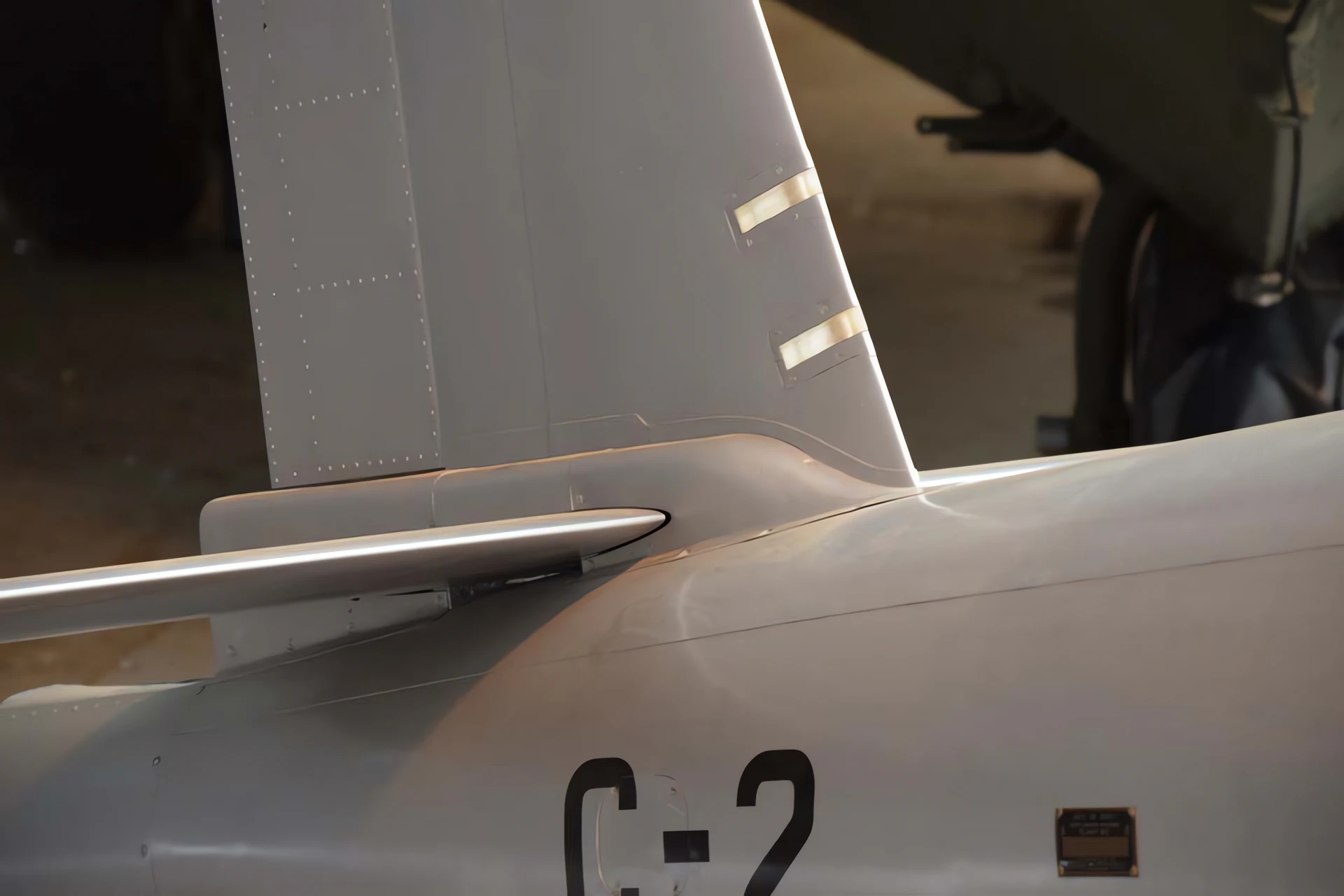
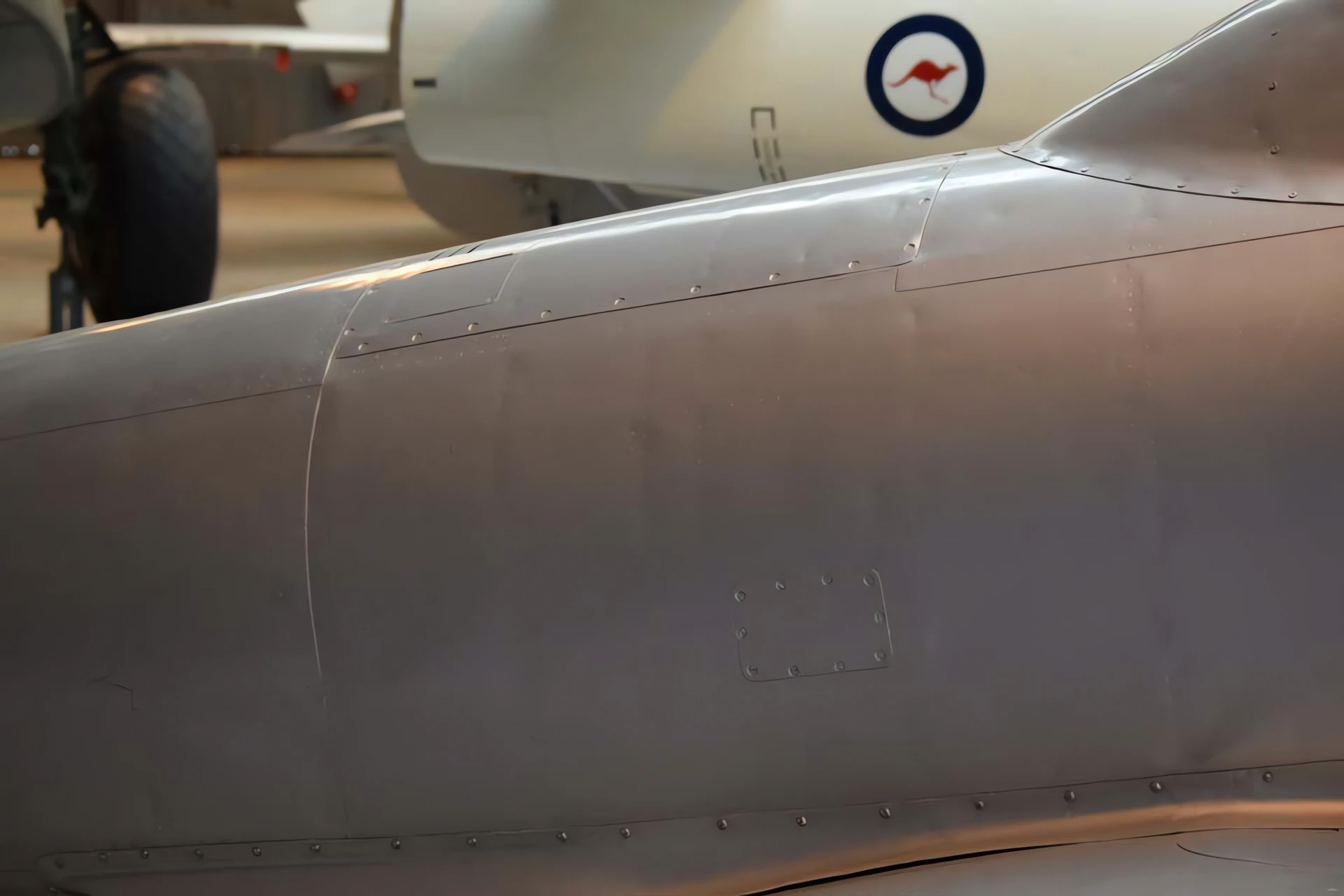
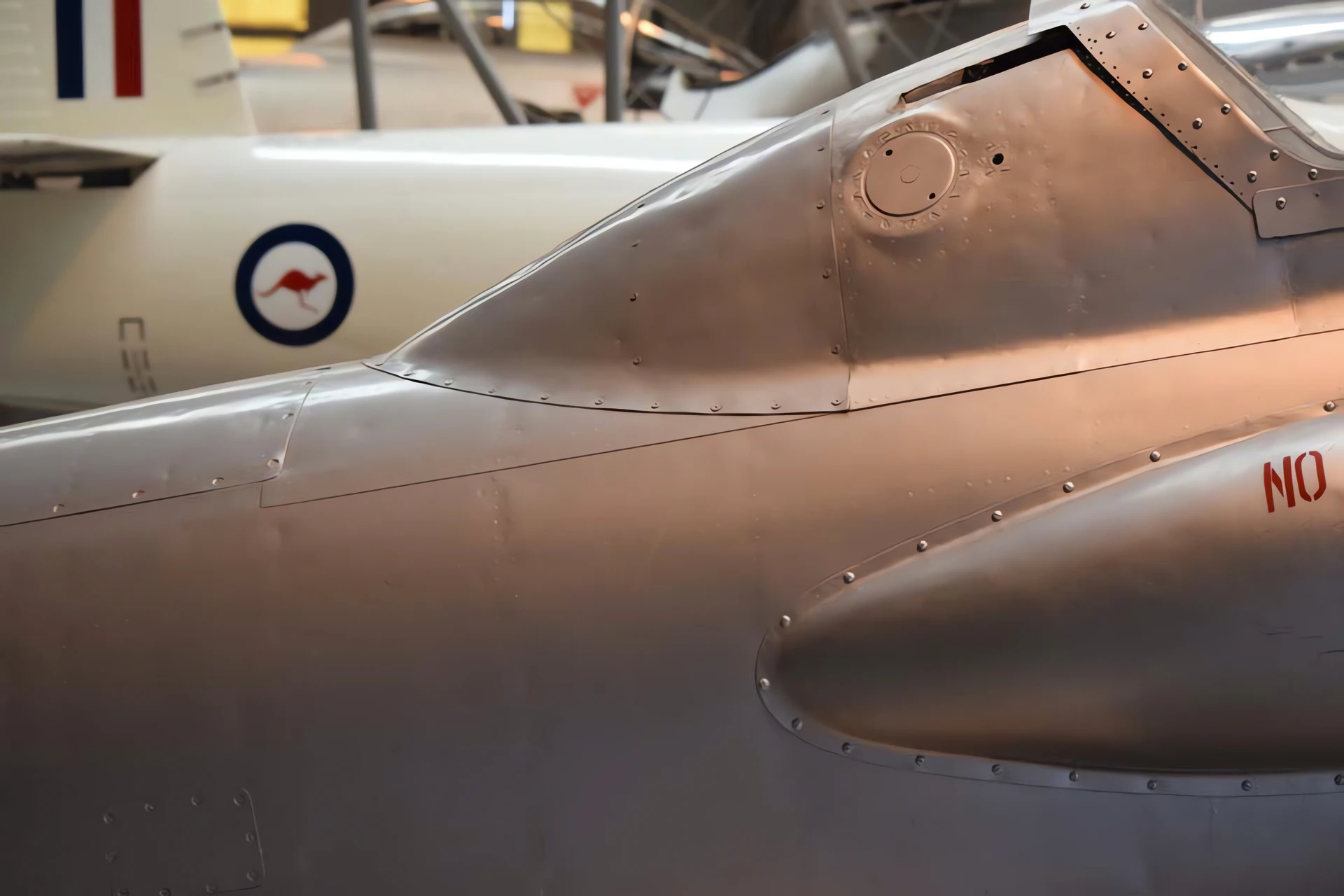

Ver también:


General Characteristics and Role
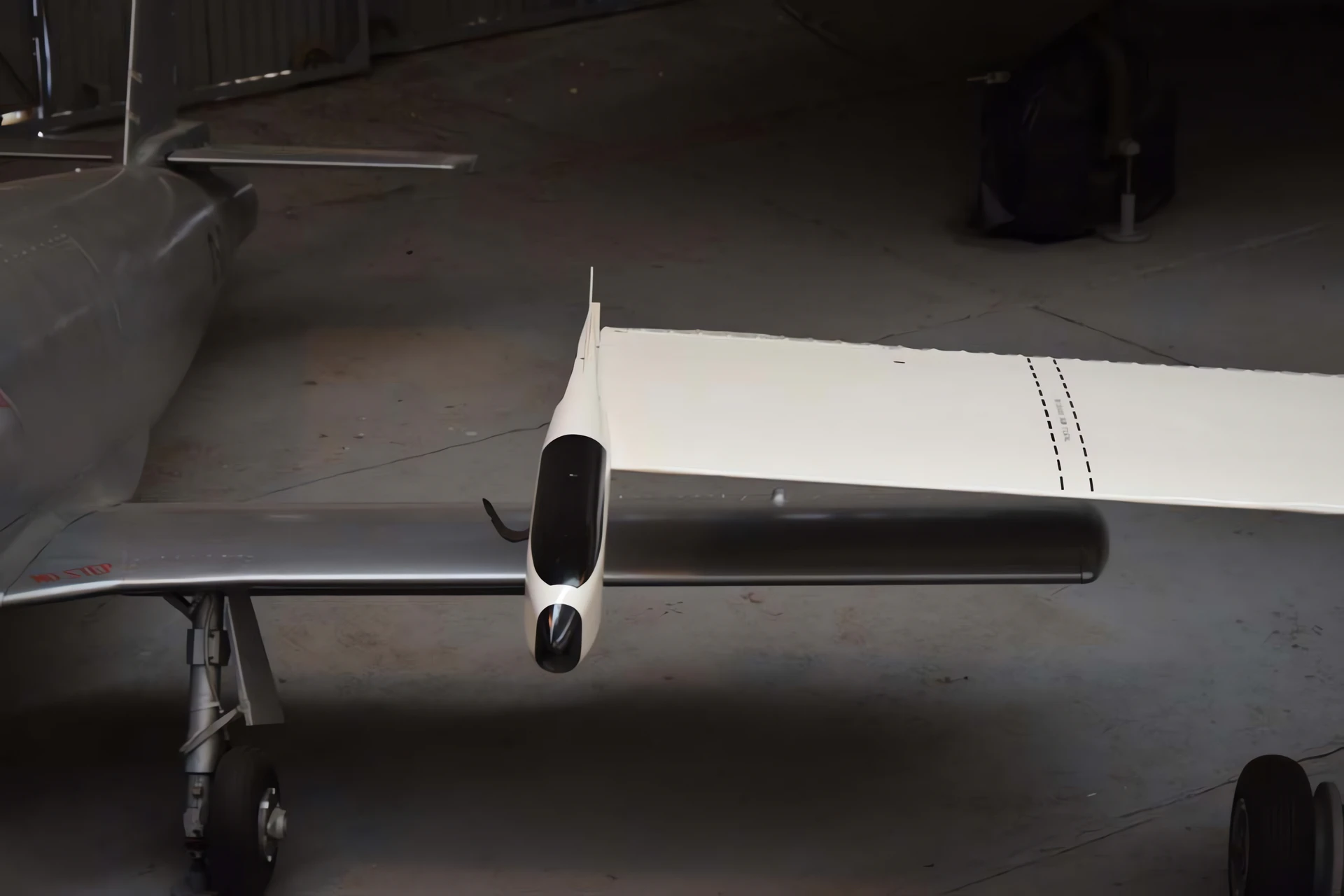
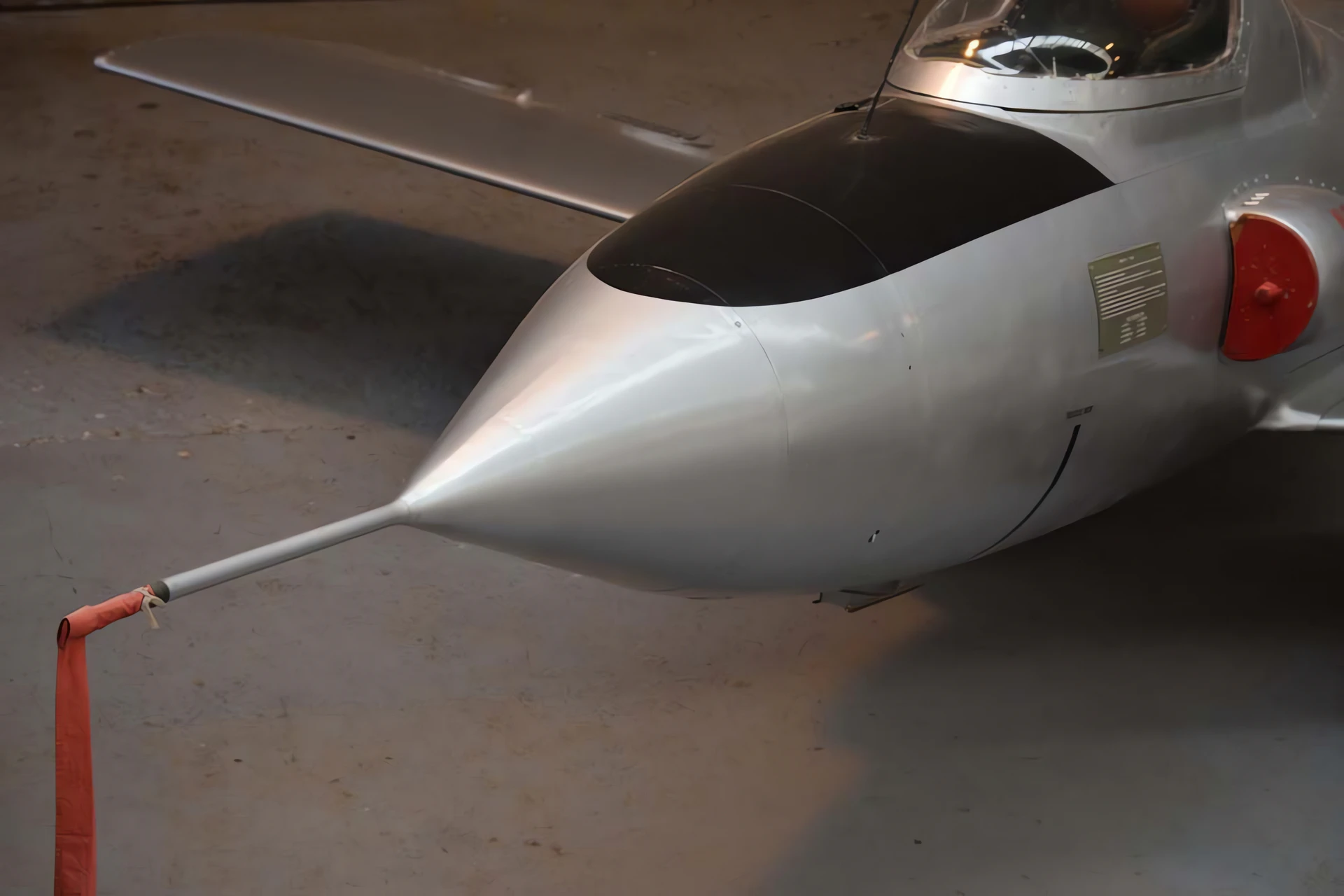
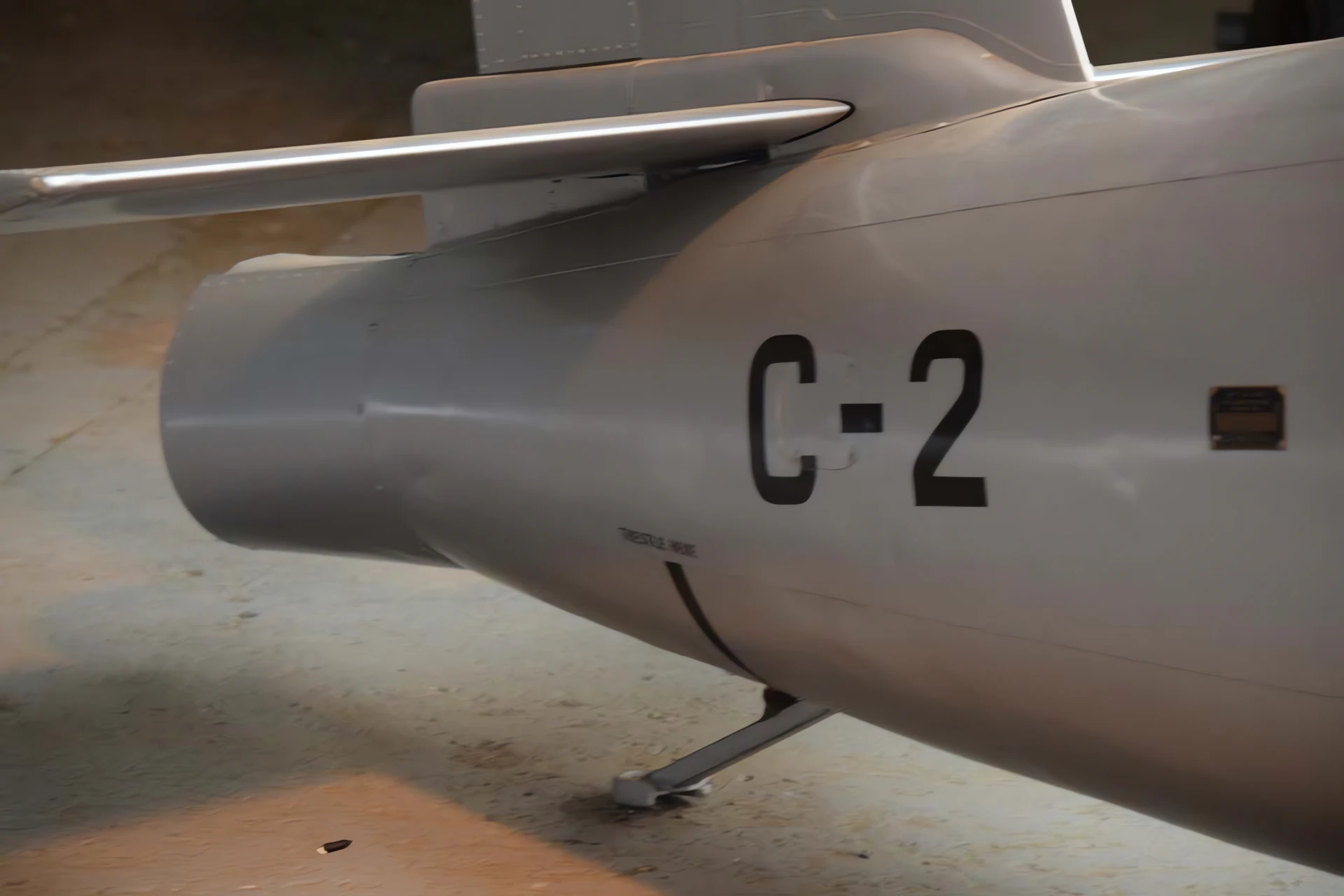
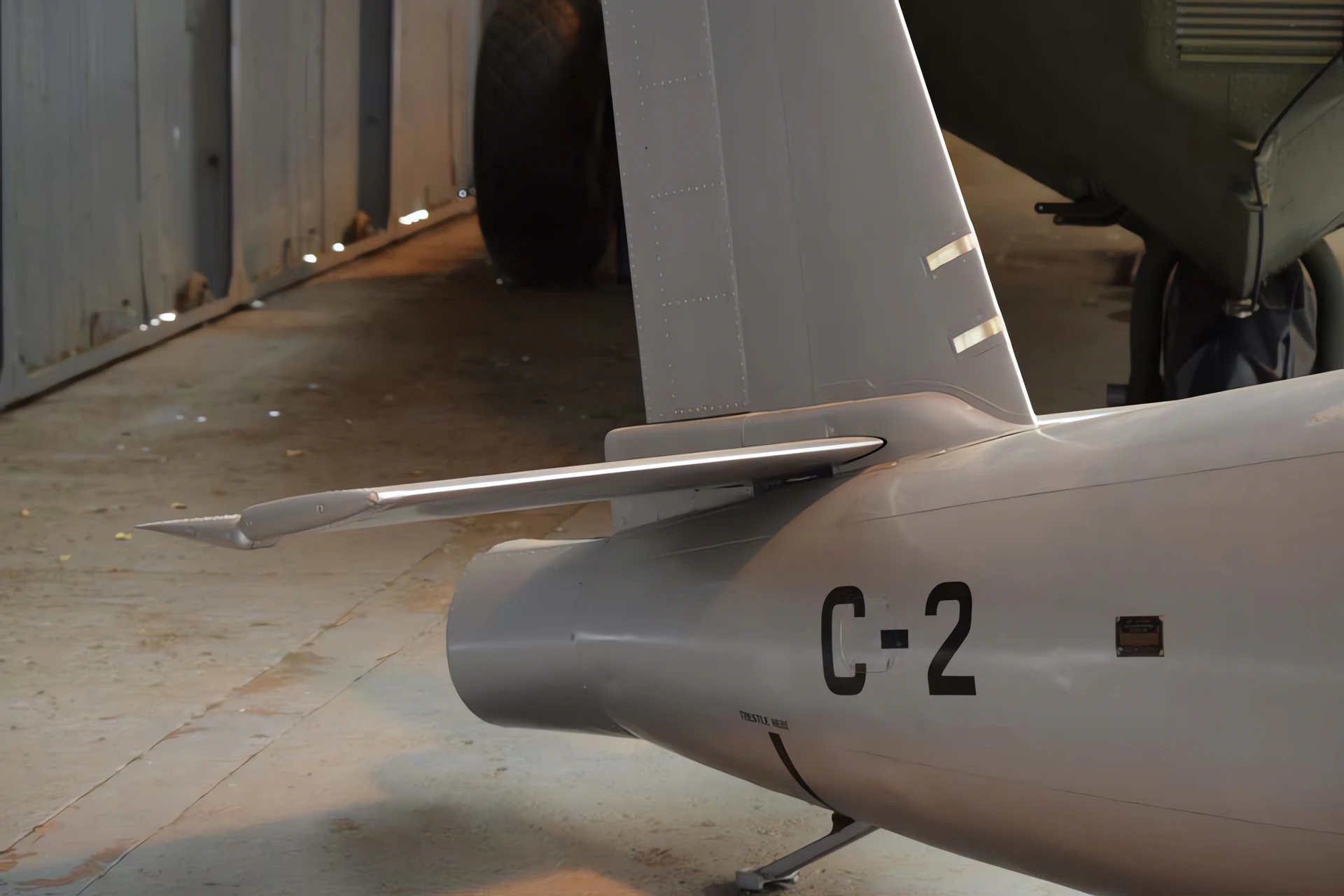
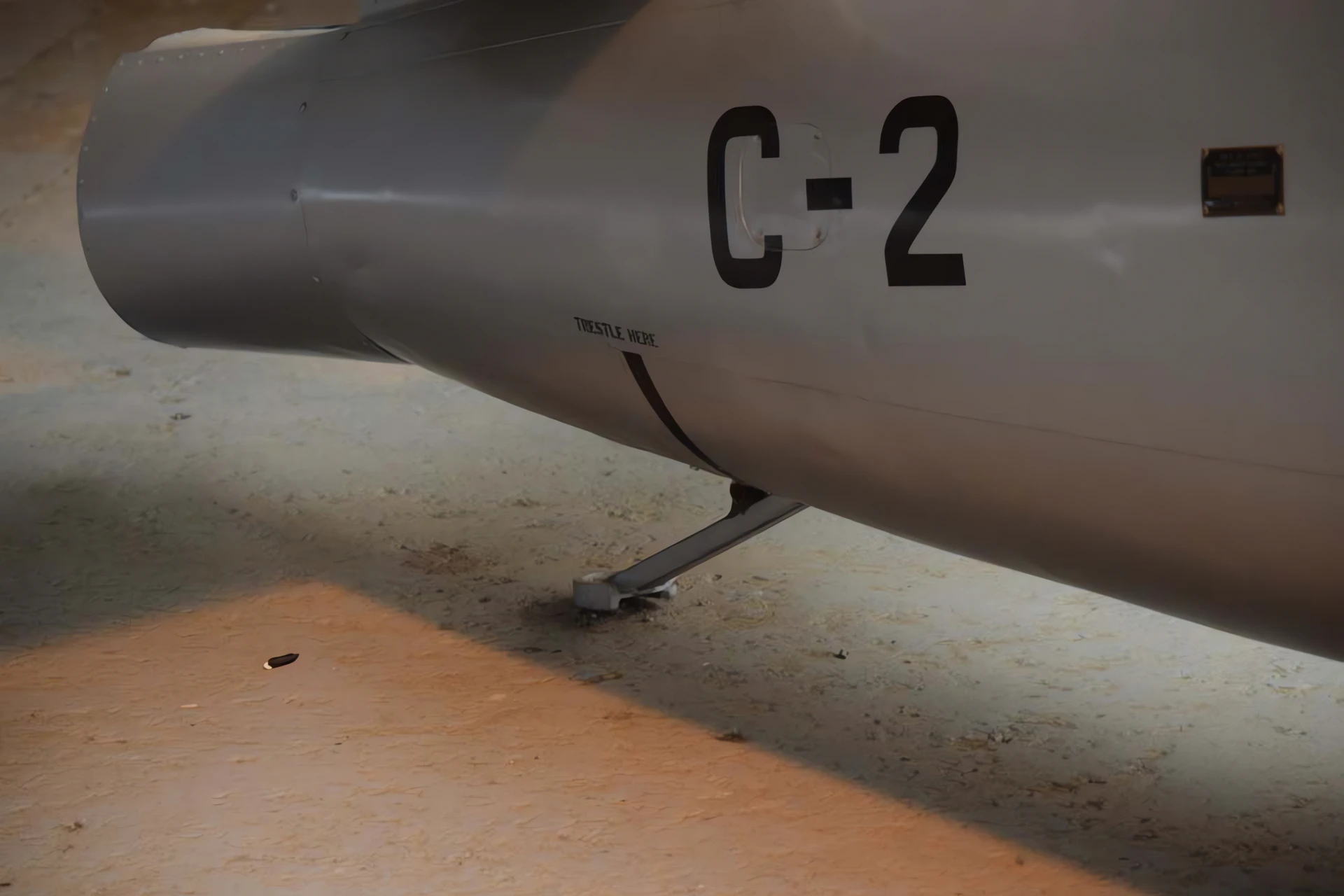
The GAF Pika was a single-seat, manned, experimental jet aircraft developed by the Government Aircraft Factories (GAF) in Australia. Its primary and sole role was to serve as a proof-of-concept testbed for the larger Jindivik pilotless target drone program. The Pika (an Aboriginal Australian word meaning “flier”) was essentially the Jindivik airframe modified with a cockpit, side air intakes (to clear space for the pilot), and a conventional retractable tricycle undercarriage. Only two prototypes were built (A93-1 and A93-2). By flying the Pika first, engineers could safely test the Jindivik’s unique aerodynamics, the performance of its jet engine, and the complex radio control systems before attempting unmanned flight, making it the only Australian-designed and built manned jet aircraft to date.
| Property | Typical Value (GAF Pika) |
|---|---|
| Tipo | Experimental Jet Aircraft / Testbed |
| National Origin | Australia |
| Fabricante | Government Aircraft Factories (GAF) |
| First Flight | October 31, 1951 (or November 4, 1950, sources vary) |
| Equipo | 1 (Pilot) |
| Max Takeoff Weight | Approx. 1,315 kg (2,900 lb) |
| Longitud | 7.08–7.49 m (23 ft 3 in – 24 ft 7 in) |
| Envergadura | 5.79–5.8 m (19 ft 0 in – 19 ft 0 in) |
Powerplant and Performance
- Engine: 1 x Armstrong Siddeley Adder ASA.1 turbojet engine.
- Thrust: Approx. 3.9 kN (1,050 lbf).
- Maximum Speed: Approx. 756 km/h (470 mph).
- Service Ceiling: Approx. 9,754 m (32,000 ft).
- Endurance: Limited to around 30 minutes due to the reduced fuel load necessitated by the pilot’s cockpit and undercarriage.
- Unique Purpose: The Pika could be flown manually by the pilot or controlled remotely by a ground station, providing crucial training for the future Jindivik operators.
- Air Intakes: Unlike the subsequent Jindivik (which had a dorsal intake), the Pika featured two side-mounted air intakes.
Service History and Legacy
- Test Program: The two prototypes logged over one hundred flights during testing at the Woomera Rocket Range in South Australia.
- Key Findings: The trials confirmed the Jindivik’s aerodynamic stability and performance envelope. One significant result was proving that the final Jindivik design did not require a rudder, leading to cost and weight savings.
- Successor: The knowledge gained from the Pika directly led to the successful development and mass production of the GAF Jindivik, which became a globally exported, high-altitude target drone used by Australia, the UK, Sweden, and the US Navy.
- Final Status: The last flying Pika (A93-2) ended its flying career in 1954. The sole surviving prototype is preserved and on public display at the RAAF Museum in Point Cook, Victoria.
Vistas : 1336