FV430 | |
| País | Uk |
| Tipo | Vehículos blindados de combate |
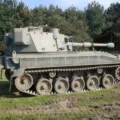
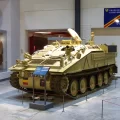
el FV430 series covers a number of armoured fighting vehicles of the British Army, all built on the same chassis. The most common is the FV432 armoured personnel carrier. Although the FV430 series has been in service since the 1960s, and some of the designs have been replaced in whole or part by other vehicles, such as those of the CVR(T) range or the Warrior, many have been retained and are receiving upgrades to the engine and control gear.
Fuente: FV430 en Wiki
| FV430-FV434 ARV Walk Around | |
|---|---|
| Fotógrafos | Unknow |
| Localización | Unknow |
| Fotos | 20 |
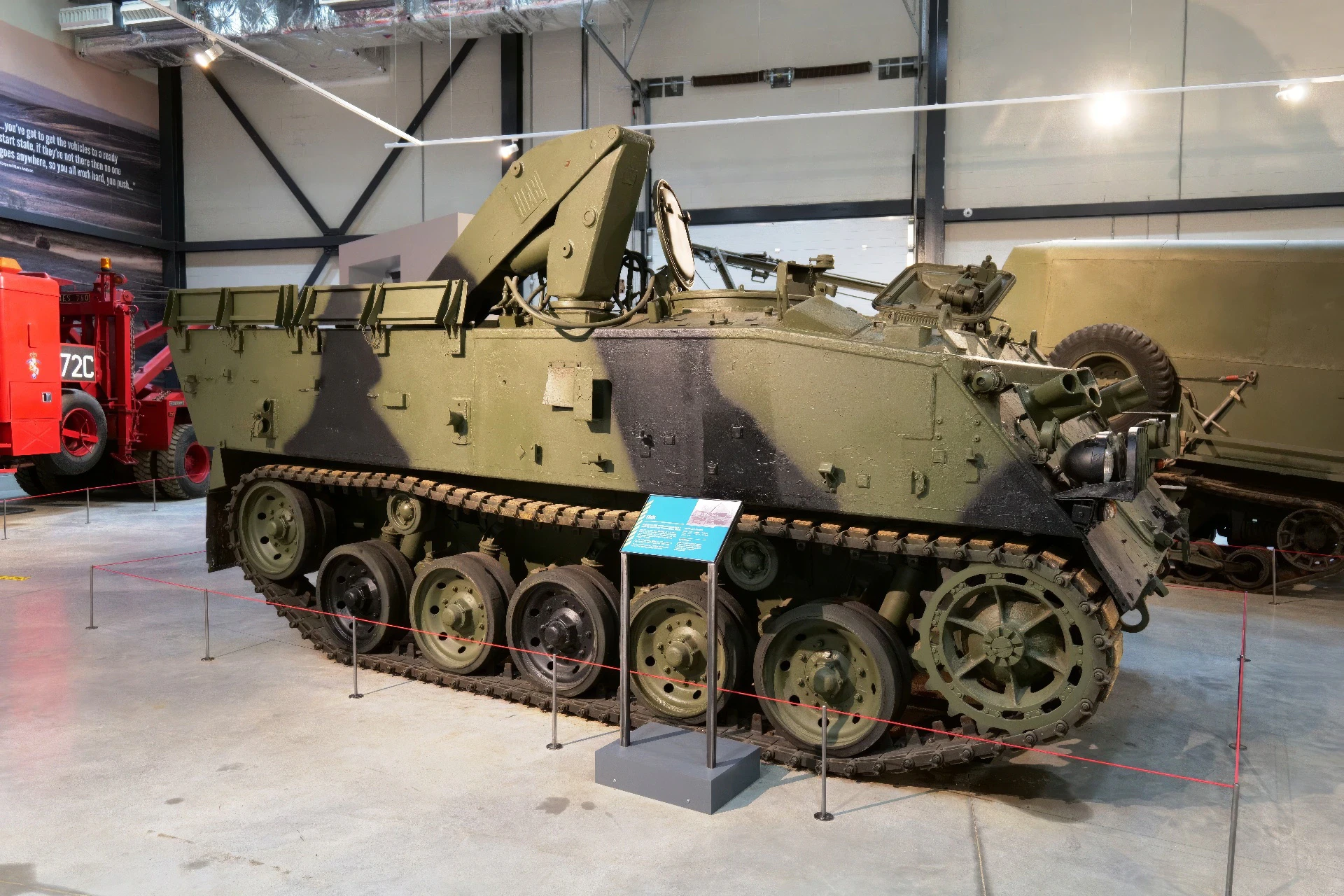
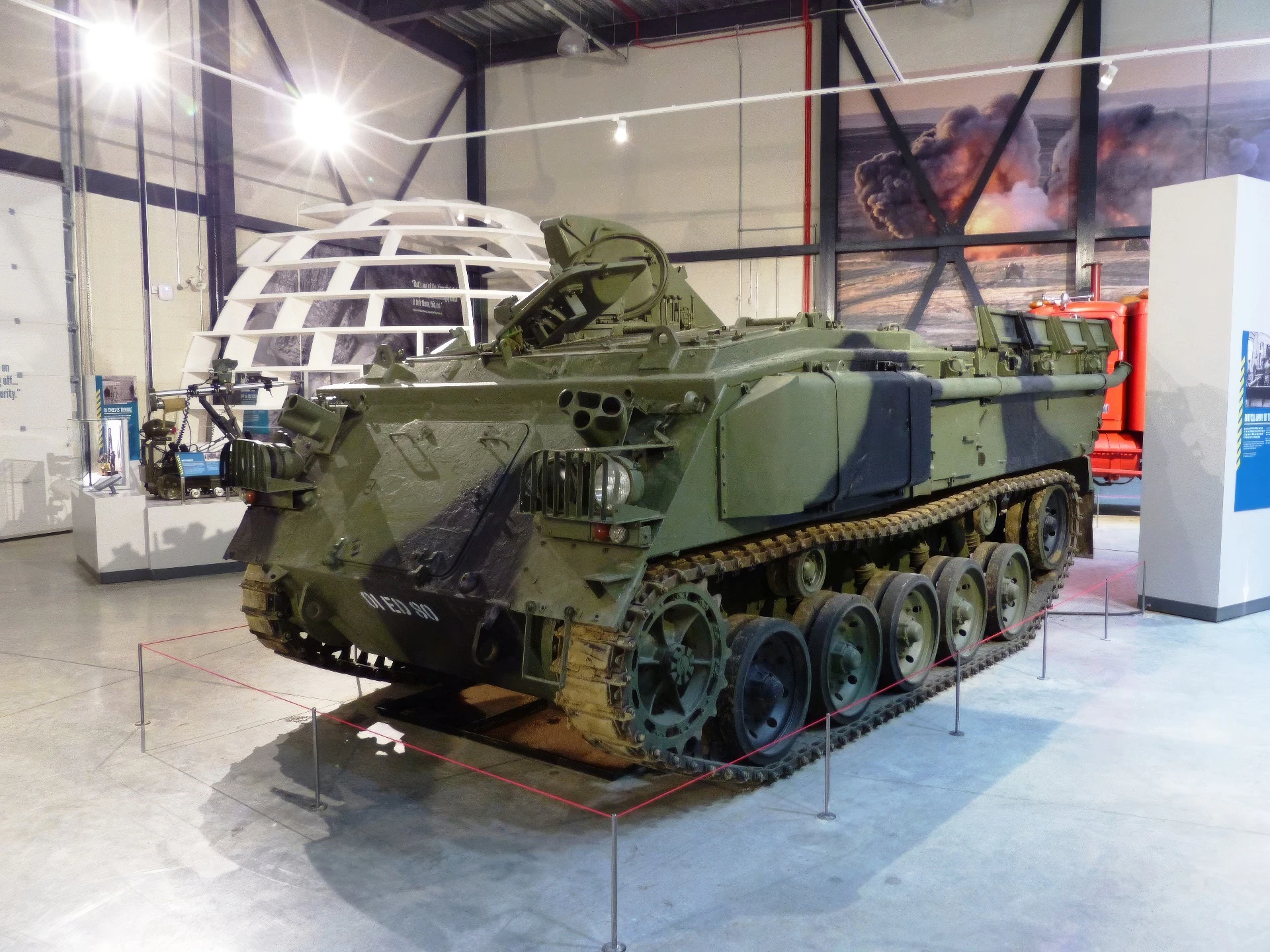
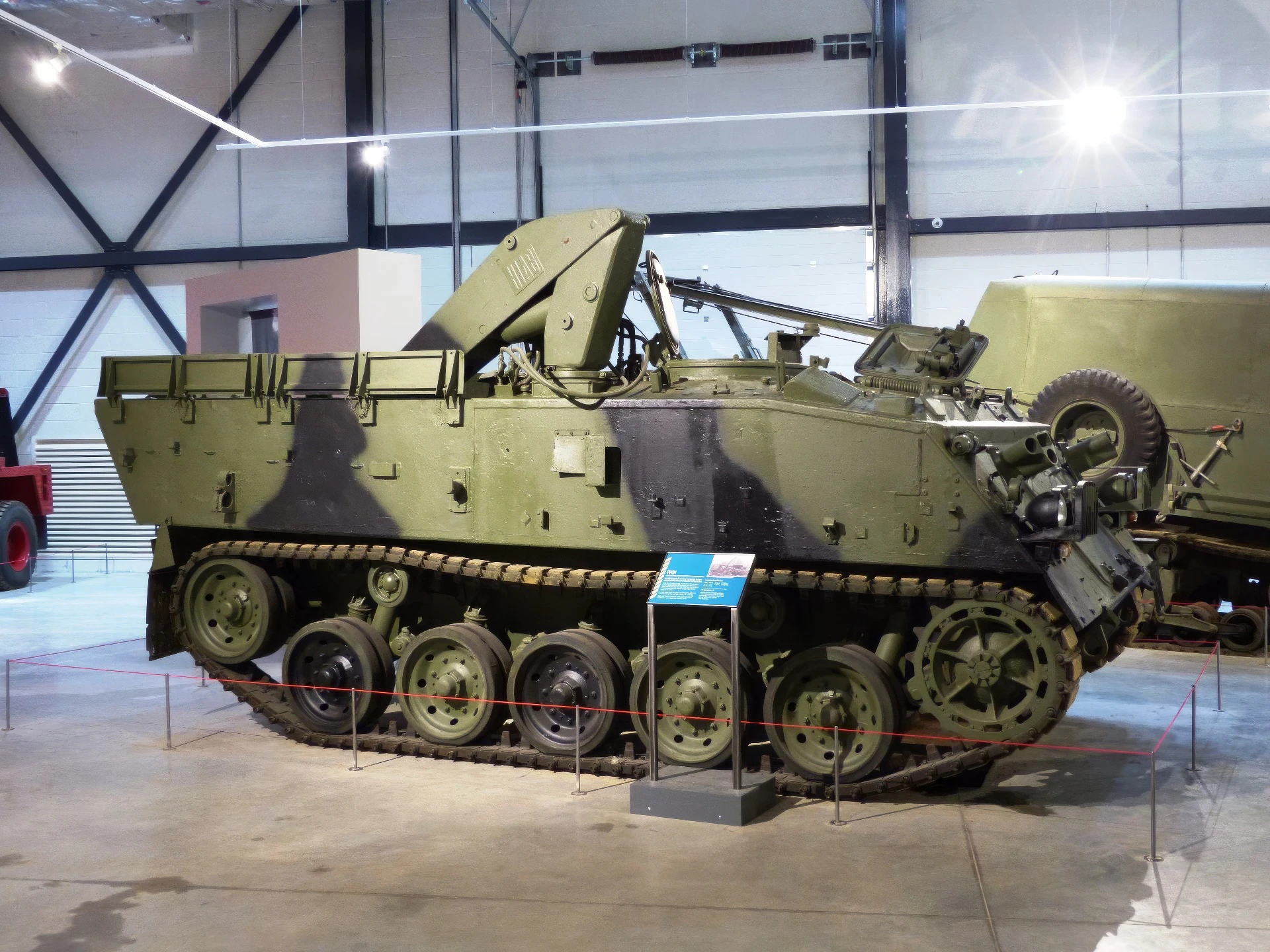
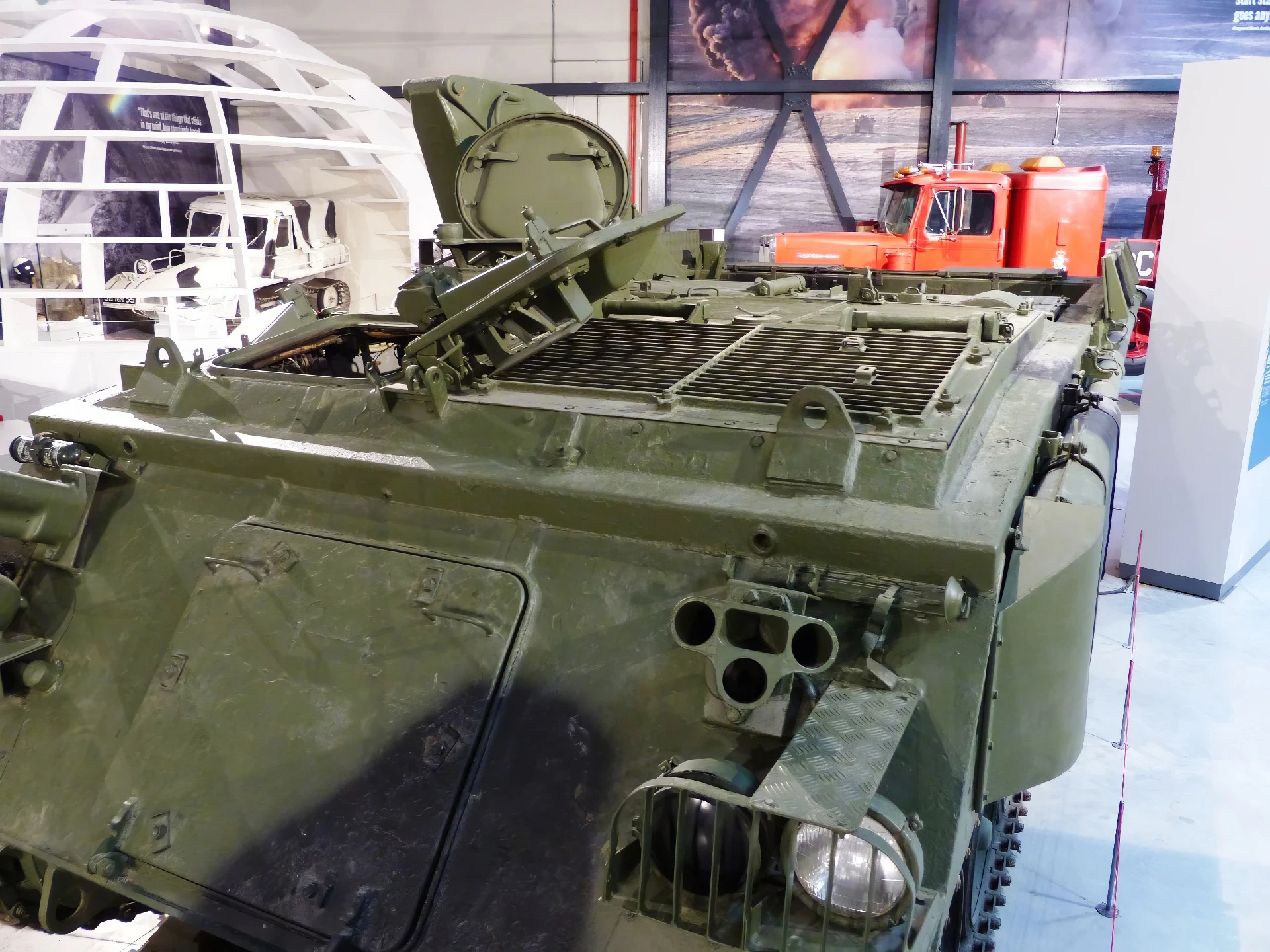
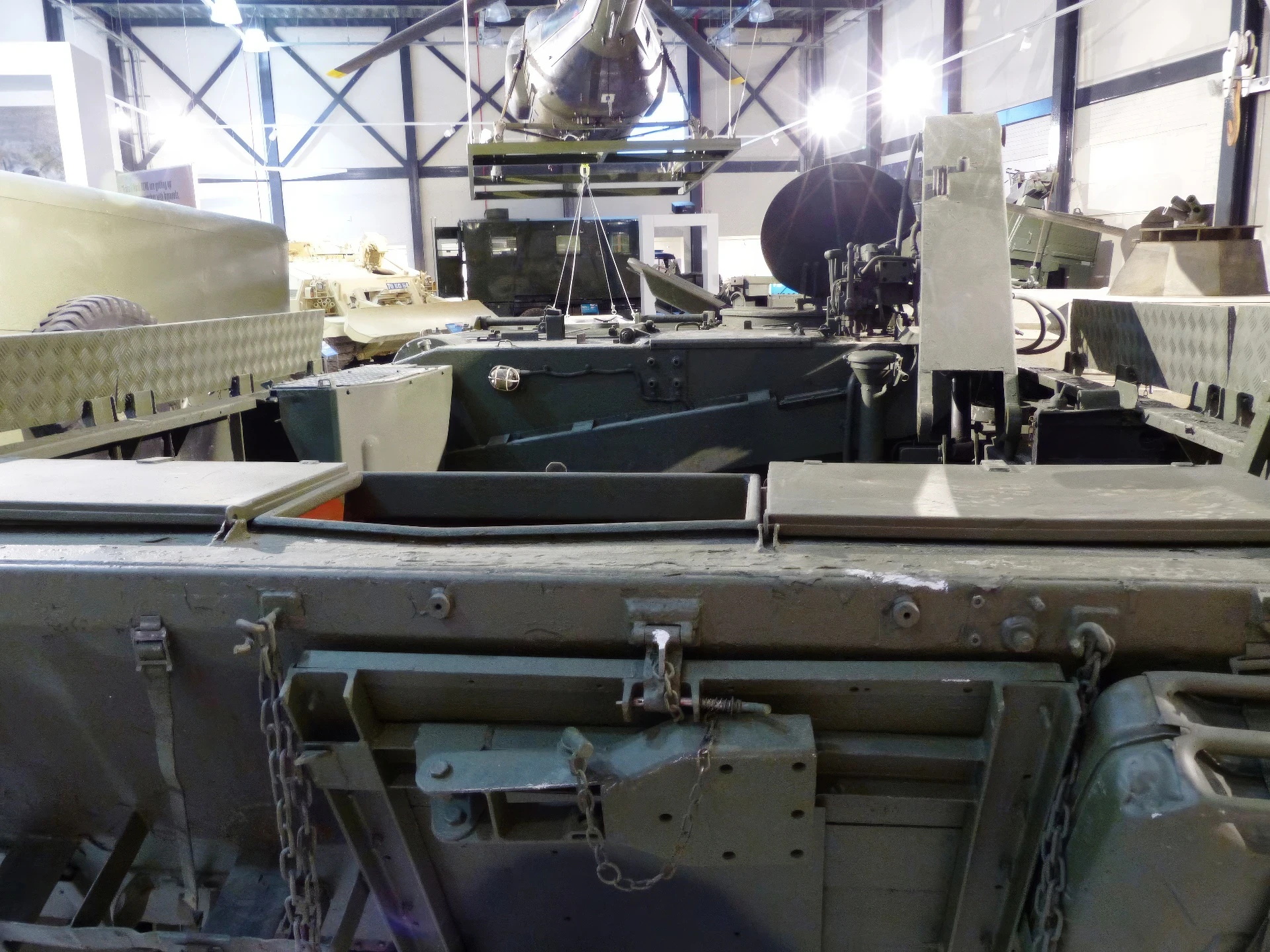
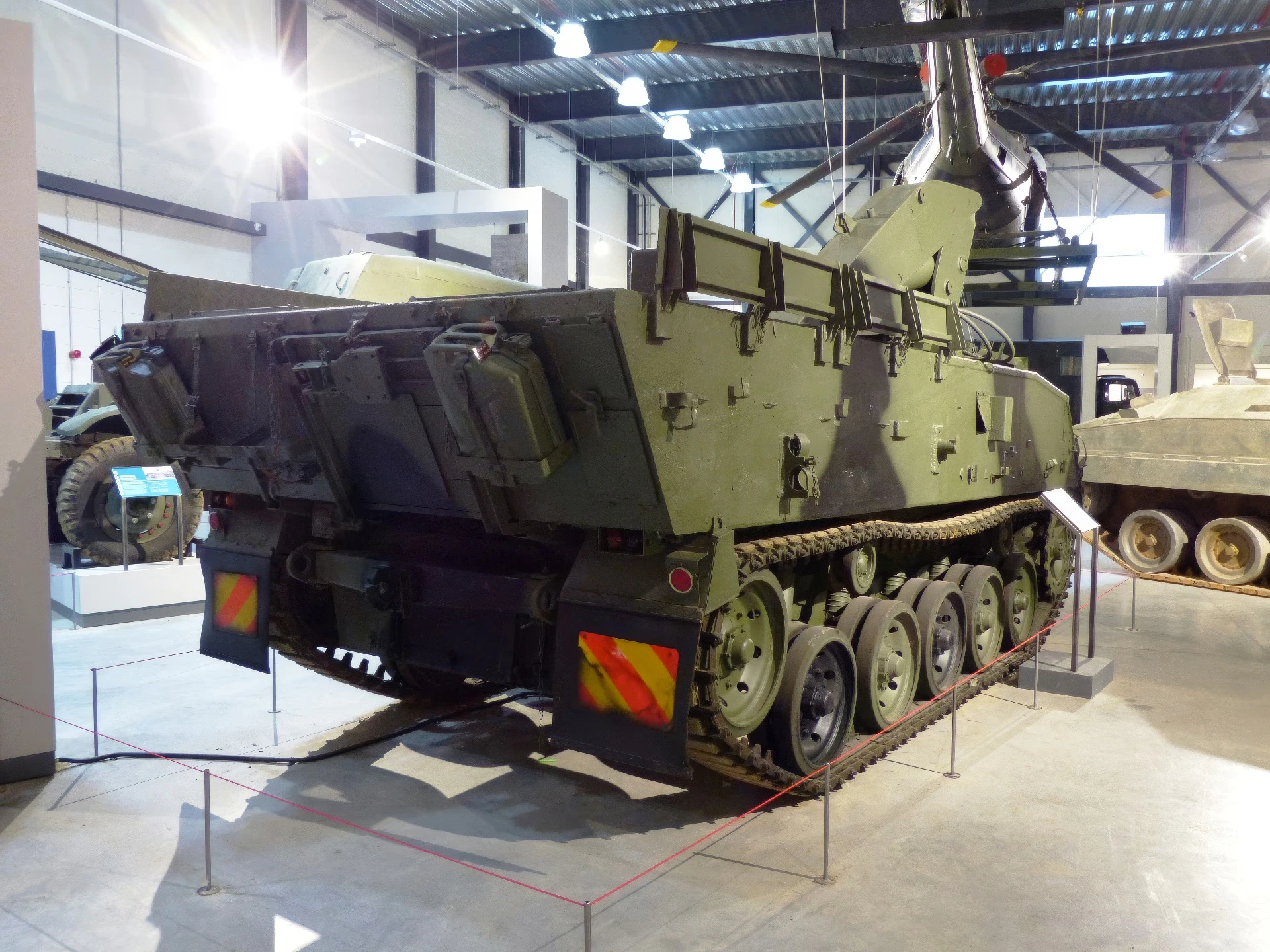
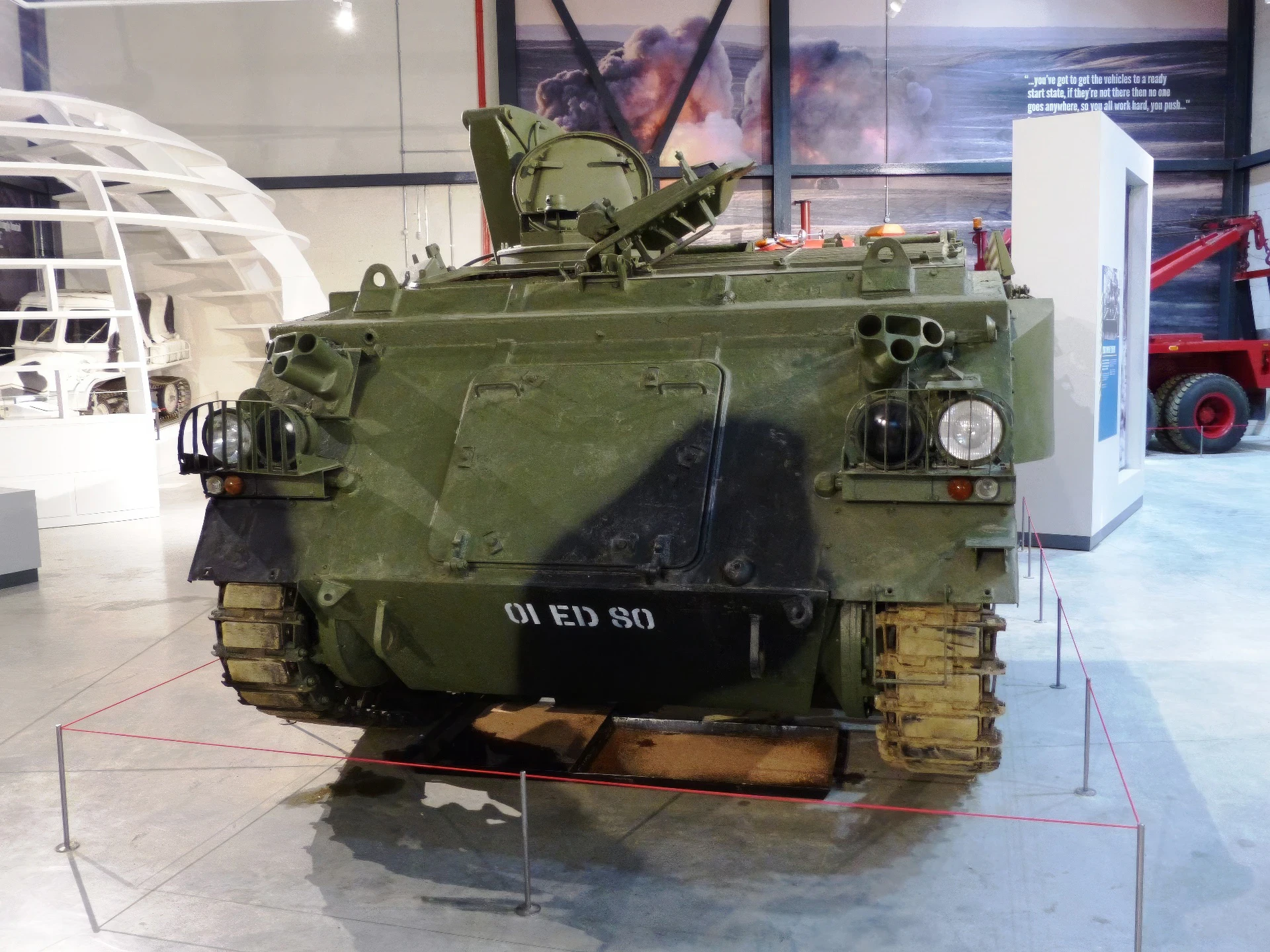
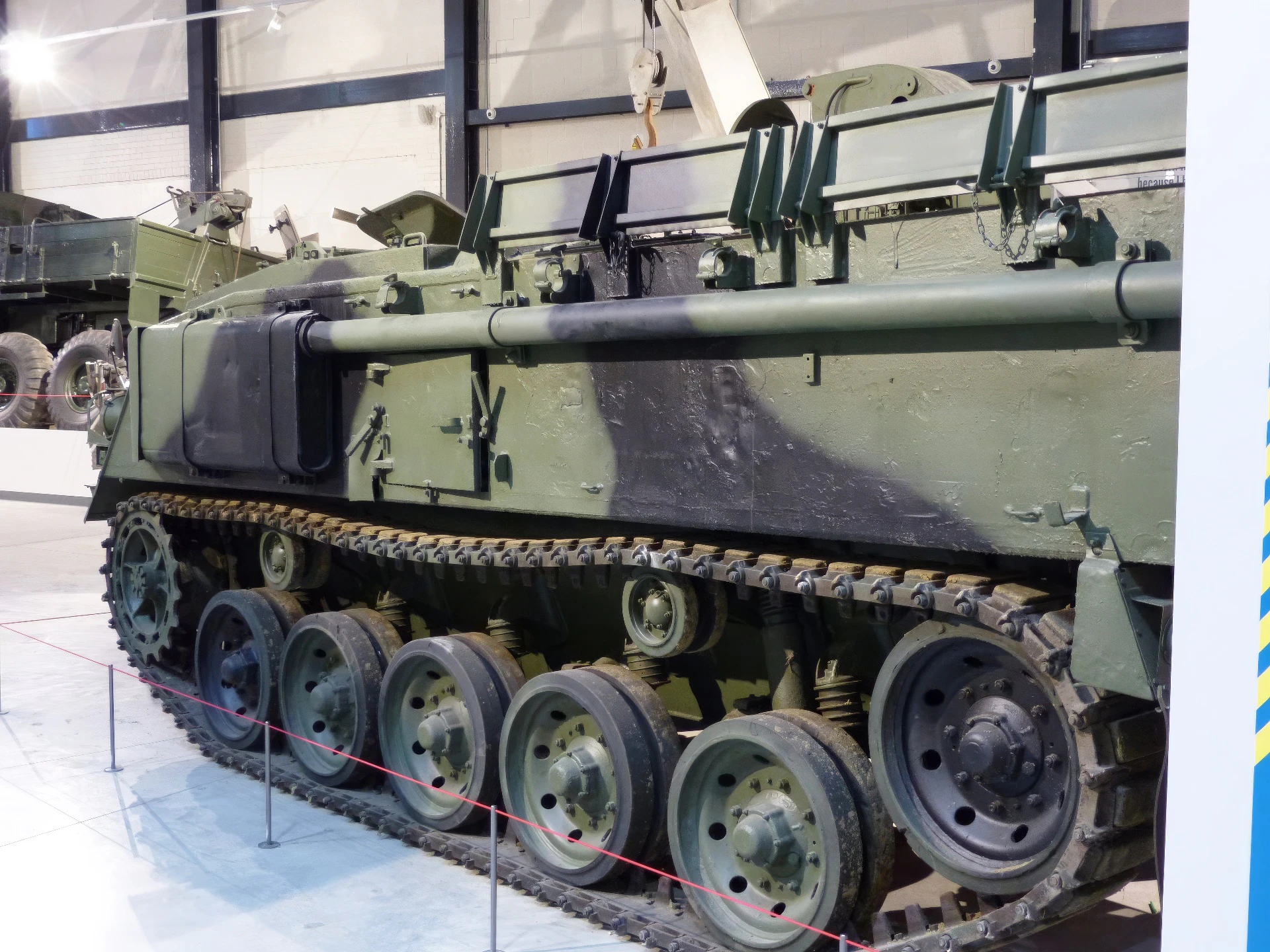
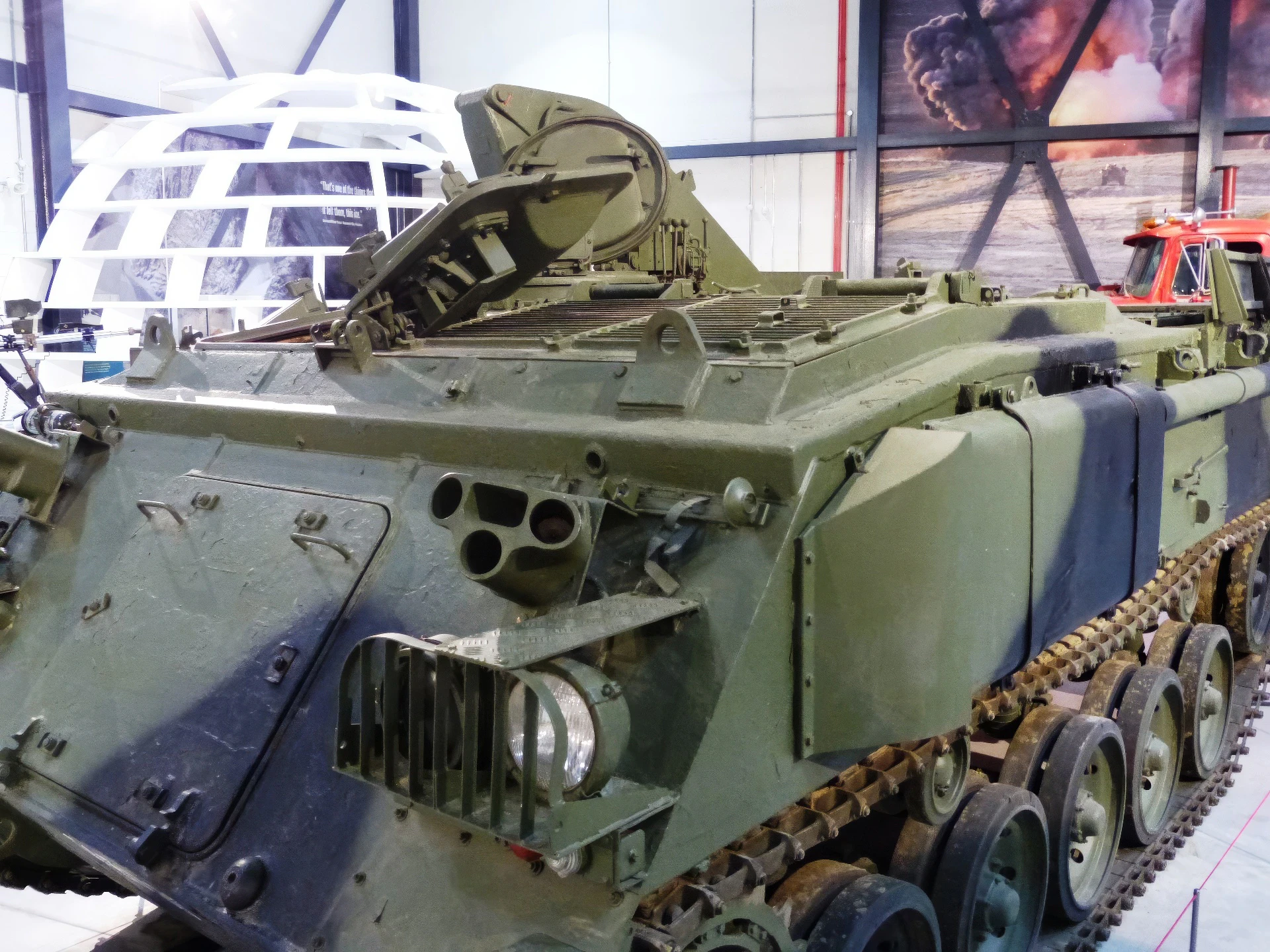

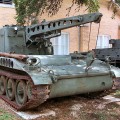
el FV434 es la variante de Vehículo Blindado de Reparación de la serie FV430 de vehículos blindados de combate del Ejército Británico. Introducido en la década de 1960 principalmente como un medio para cambiar rápidamente los paquetes de energía Chieftain MBT en el campo, es operado por los Ingenieros Eléctricos y Mecánicos Reales (REME). Todavía es utilizado por la REME.
Ver también:


General Characteristics
The FV430 series is a family of British tracked armored vehicles that entered service in the 1960s. The most common variant, the FV432 Armoured Personnel Carrier (APC), has served as the backbone of the British Army’s mechanized infantry for decades. It is valued for its robust, reliable design and extensive versatility.
| Property | Typical Value (FV432 APC / Mk 2) |
|---|---|
| Papel | Armoured Personnel Carrier (APC), Multi-role Chassis |
| Fabricante | GKN Sankey |
| Entered Service | 1963 |
| Equipo | 2 (Driver, Commander) |
| Capacidad | 10 fully-equipped infantry troops |
| Mass (Combat Loaded) | 15.3 t (15.1 long tons) |
| Longitud | 5.25 m (17 ft 3 in) |
Design and Powerplant
- Engine: Rolls-Royce K60 multi-fuel engine (two-stroke, horizontally opposed 6-cylinder).
- Power Output: 179 kW (240 hp).
- Suspension: Torsion-bar suspension system with five road wheels on each side.
- Construction: All-welded steel hull, providing protection against small arms fire and shell fragments. Maximum armor thickness is generally around 12.7 mm.
- Amphibious Capability: The vehicle is capable of wading and can be fitted with a flotation screen for crossing deep water obstacles, achieving a water speed of about 6 km/h (4 mph).
- NBC Protection: Original versions were fitted with an NBC (Nuclear, Biological, Chemical) warfare protection system.
Performance and Key Variants
- Maximum Road Speed (FV432): 52 km/h (32 mph).
- Operational Range: Approximately 580 km (360 miles).
- Main Armament (APC): Typically a pintle-mounted 7.62 mm L7 General Purpose Machine Gun (GPMG) over the commander’s hatch.
- FV430 Mk3 “Bulldog”: A major upgrade package introduced in 2006 for operations in Iraq and Afghanistan, featuring:
- Increased protection via appliqué and reactive armor (matching the Warrior IFV’s protection level).
- Upgraded diesel engine and steering gear.
- Higher top speed of up to 72 km/h (45 mph).
- Air conditioning.
- Other Key Variants:
- FV433 Abbot: Self-Propelled 105 mm gun (separate vehicle series but often associated).
- FV434: Royal Electrical and Mechanical Engineers (REME) Maintenance carrier with a hydraulically driven crane.
- FV438: Swingfire guided anti-tank missile launcher.
Vistas : 854