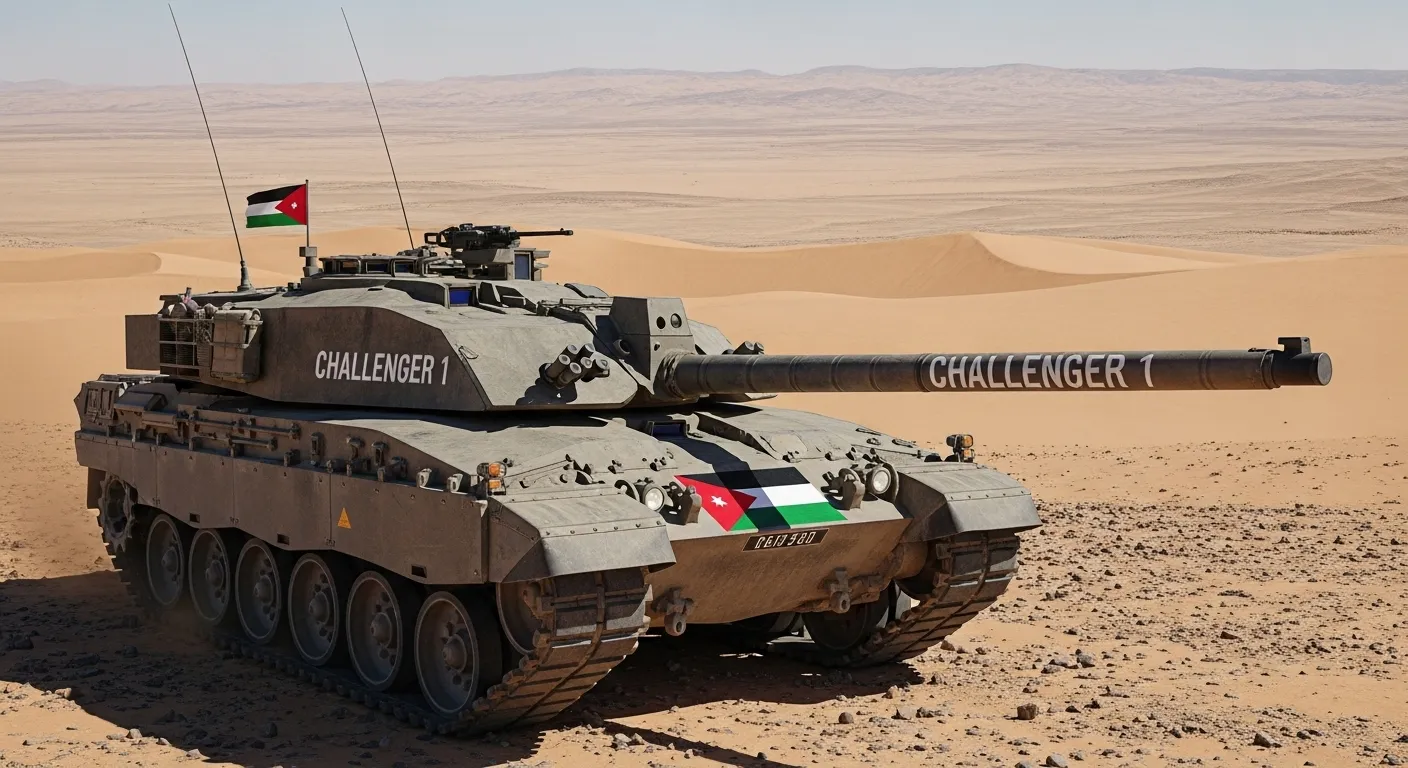
Challenger 1 | |
| País | Uk |
| Tipo | Tanque de batalla principal |
| En servicio | 1983–2001 |
| Construido | 420 |
el FV4030/4 Challenger 1 es un tanque de batalla principal británico (MBT) utilizado por el ejército británico desde 1983 hasta 2001, cuando fue reemplazado por el Challenger 2. La mayoría de la flota Challenger 1 se vendió posteriormente a Jordania, donde permaneció en servicio con el Ejército Real de Jordania hasta que se anunciaron las retiradas en 2018. Conocidos localmente como Al-Hussein, estos vehículos recibieron varias modificaciones jordanas antes de ser reemplazados por tanques Leclerc de fabricación francesa de los Emiratos Árabes Unidos y ex cazacarros de ruedas B1 Centauro 8×8 italianos. La flota jordana del Challenger 1 se había retirado en enero de 2023.
Fuente: Challenger 1 I en Wikipedia
| Challenger 1 Walk Around | |
|---|---|
| Fotógrafo | Darren Baker |
| Localización | Unknow |
| Fotos | 32 |
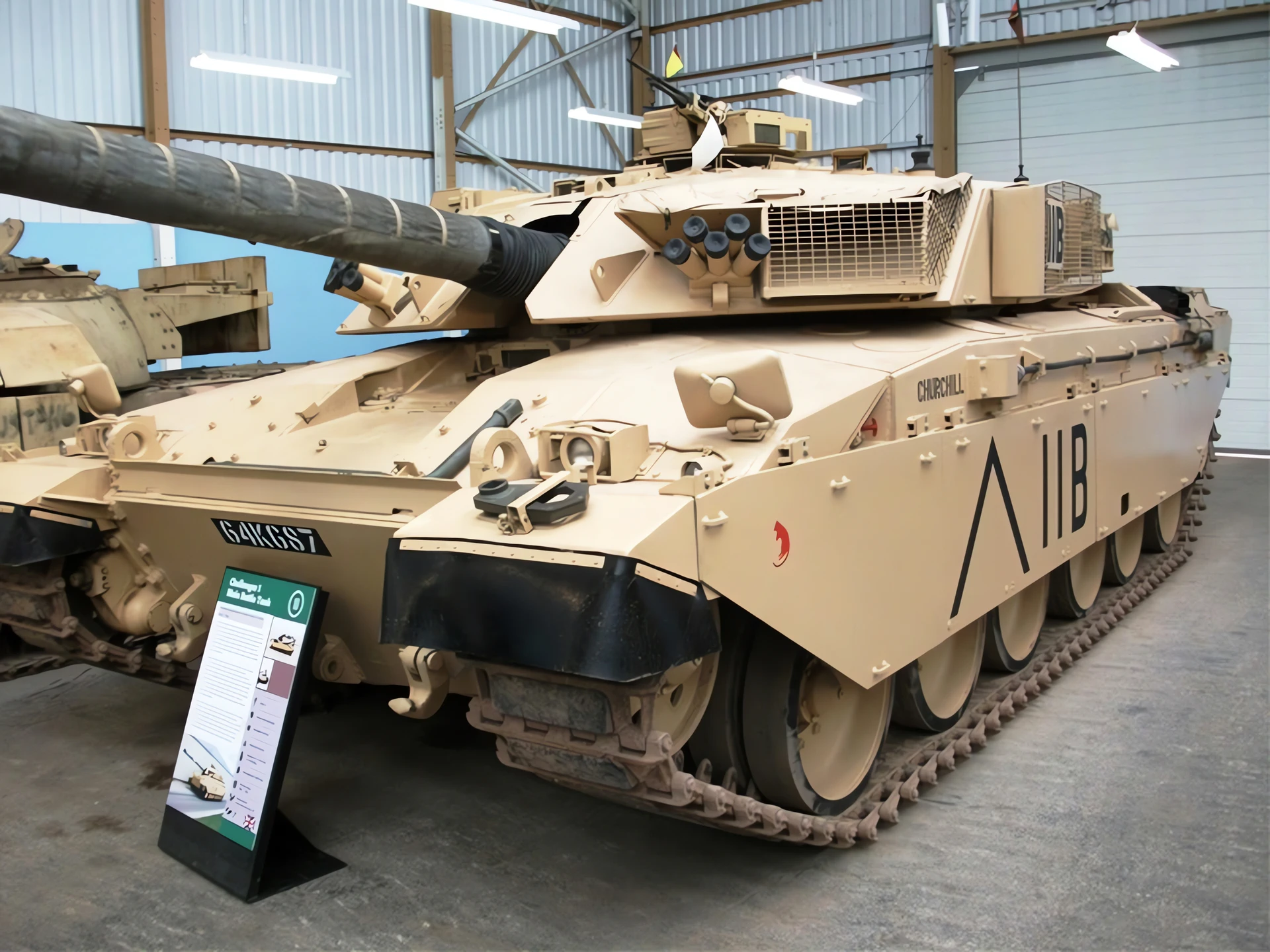
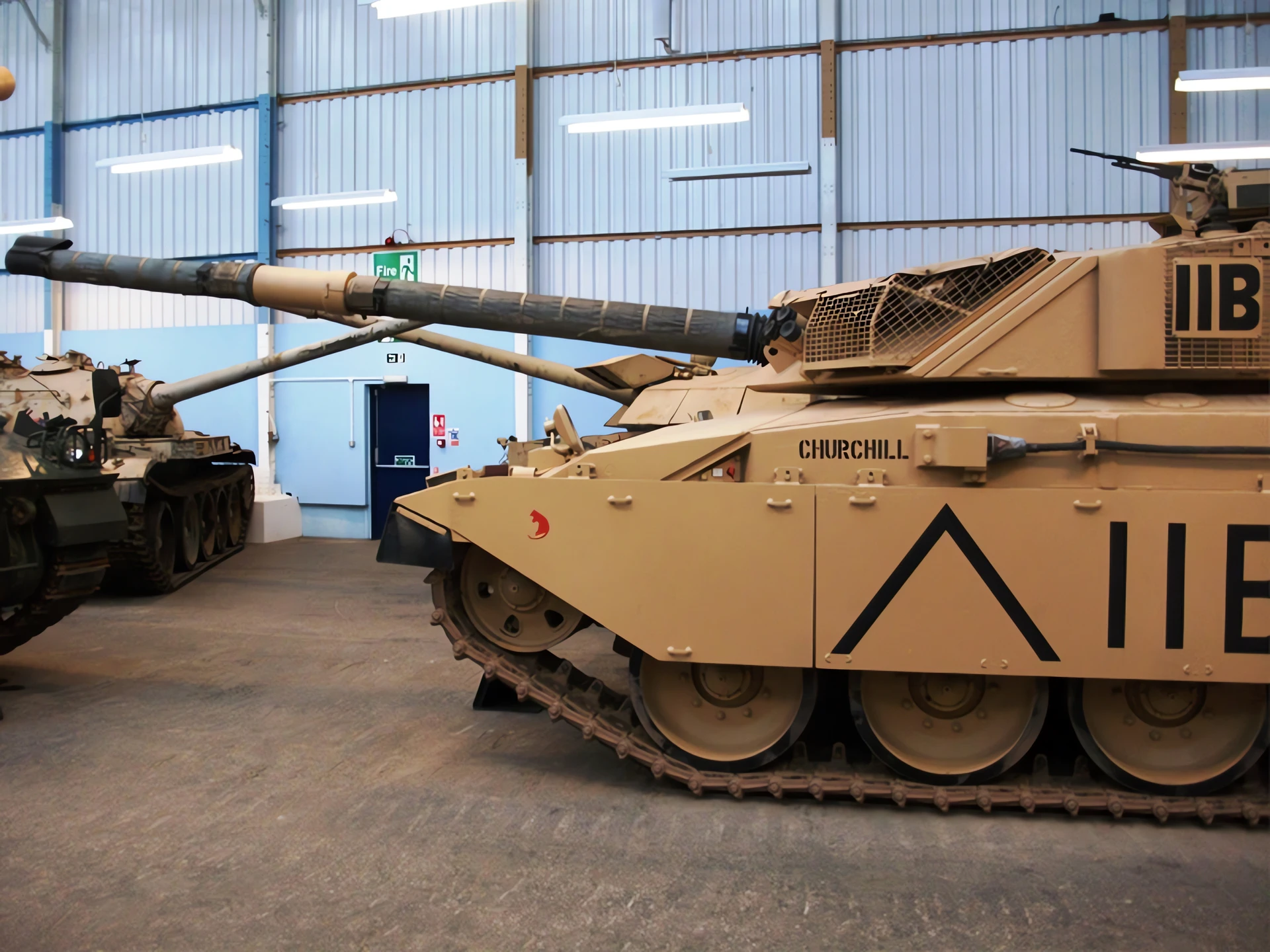
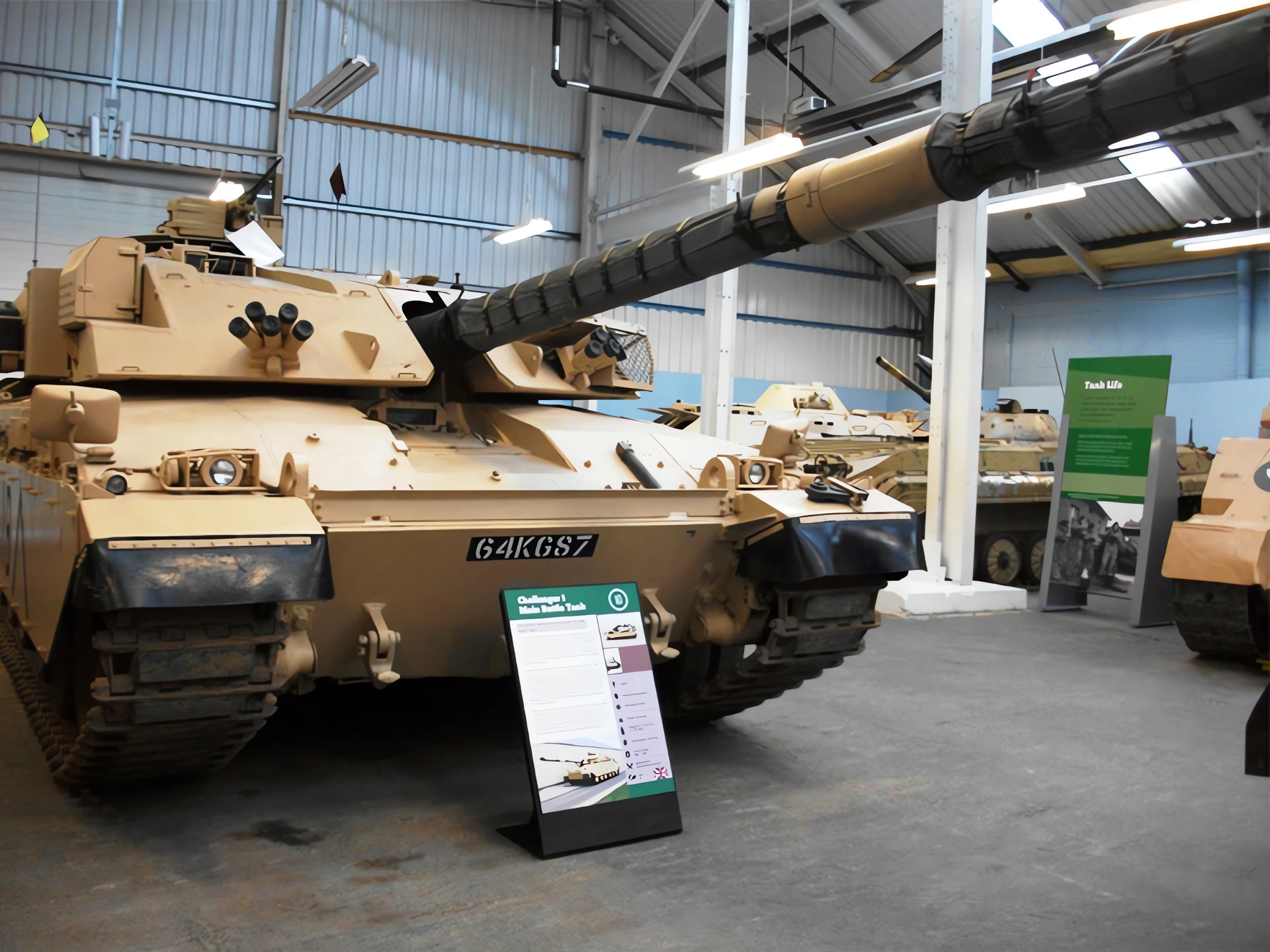
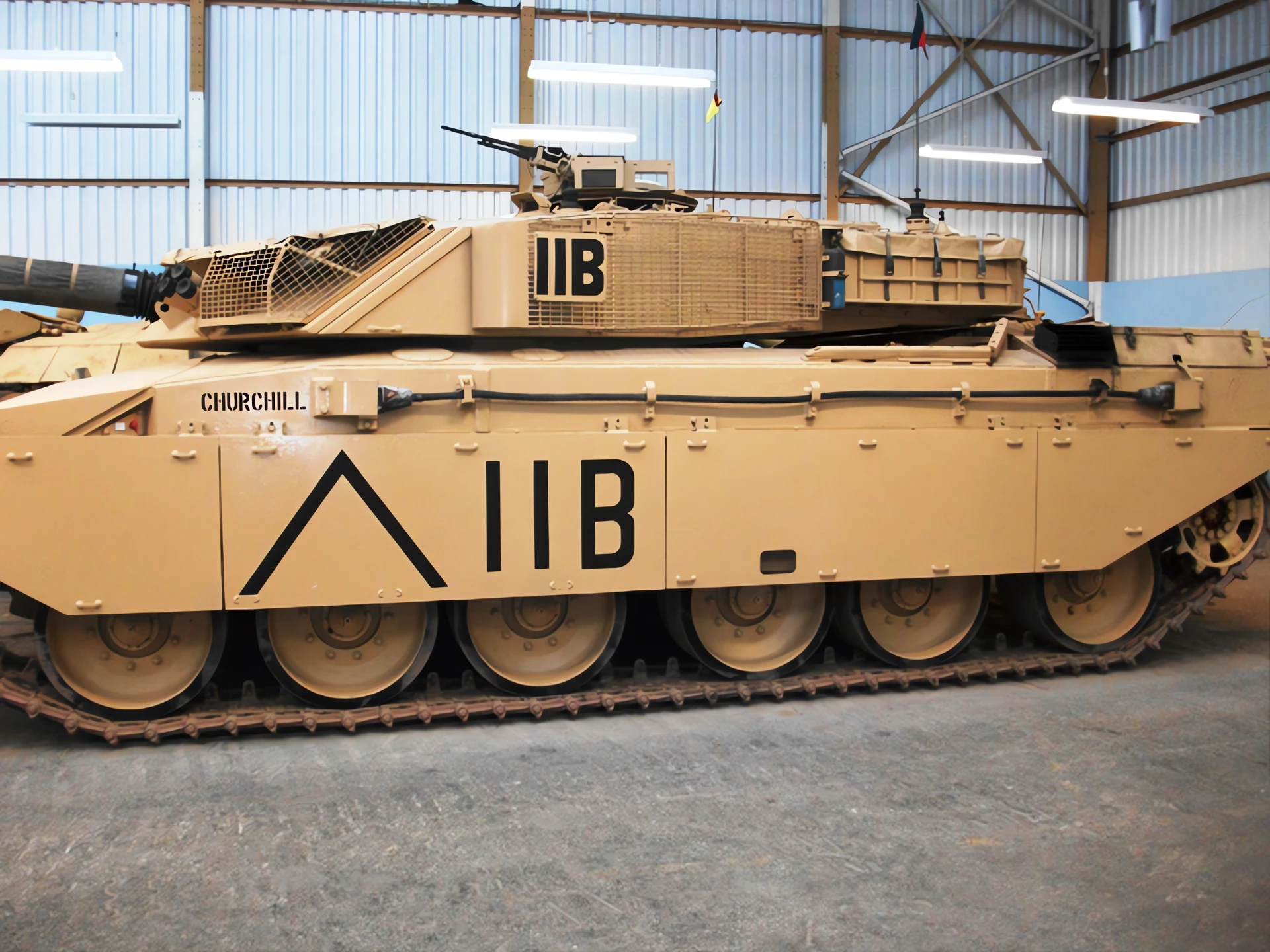
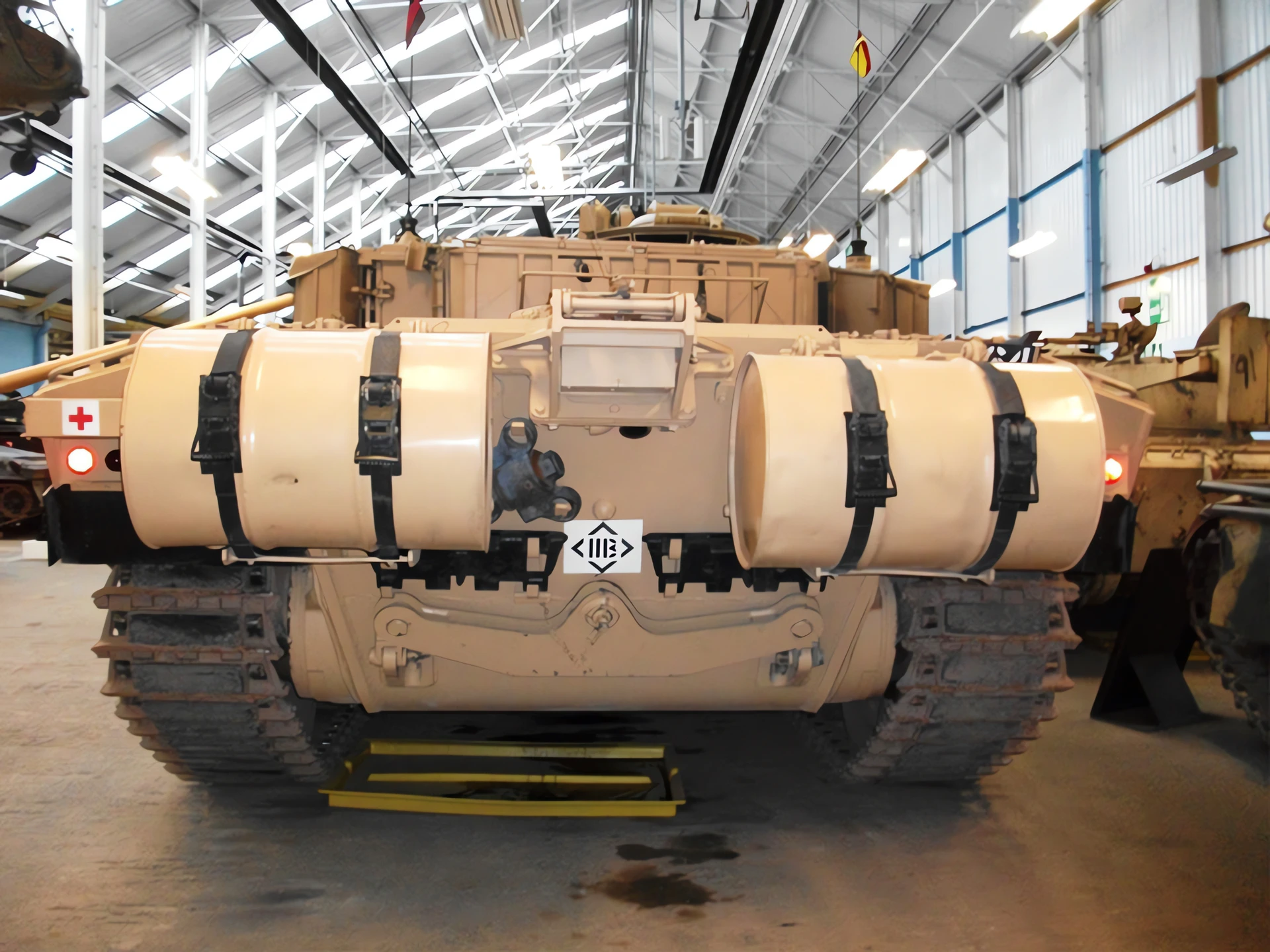
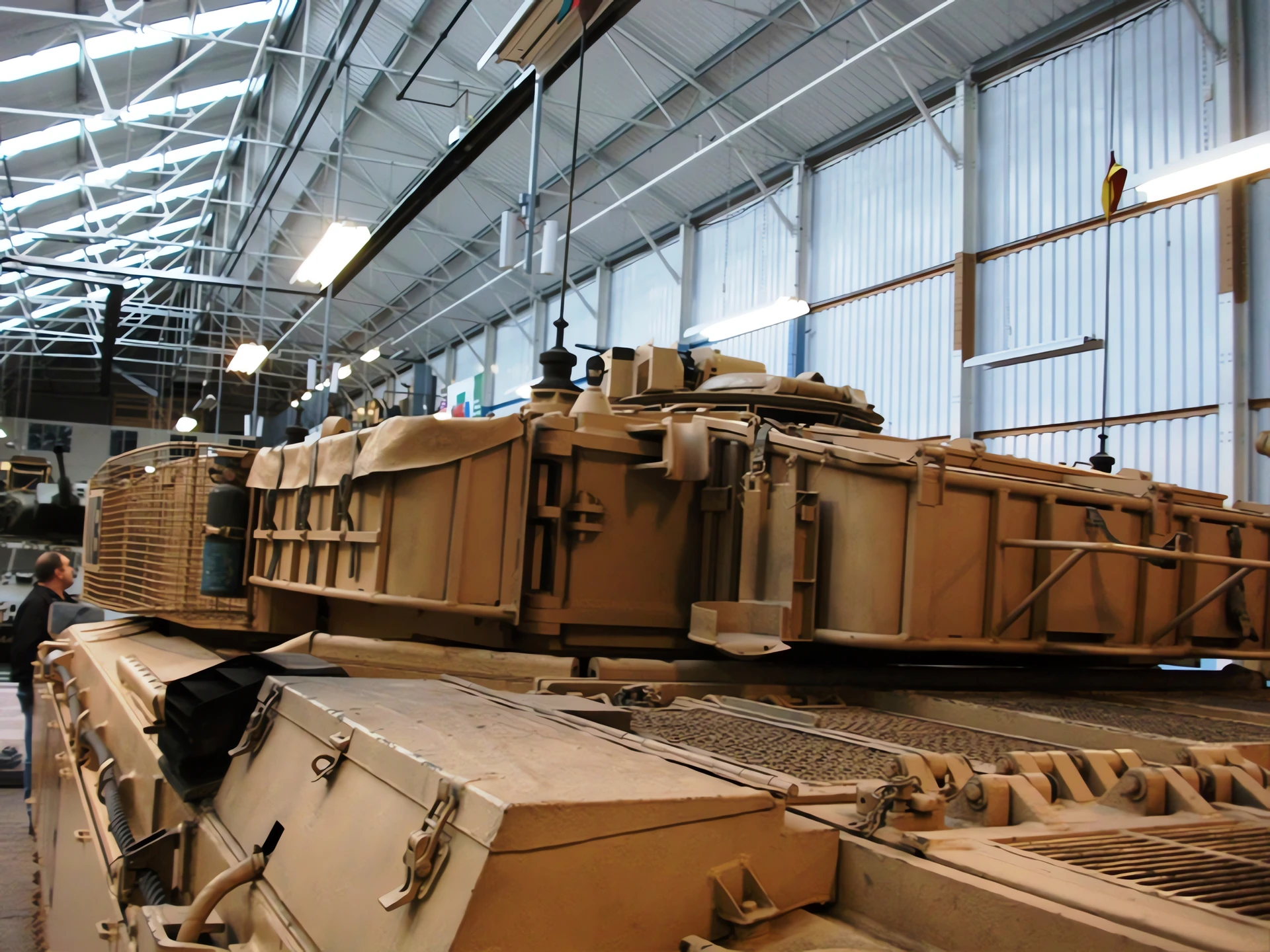
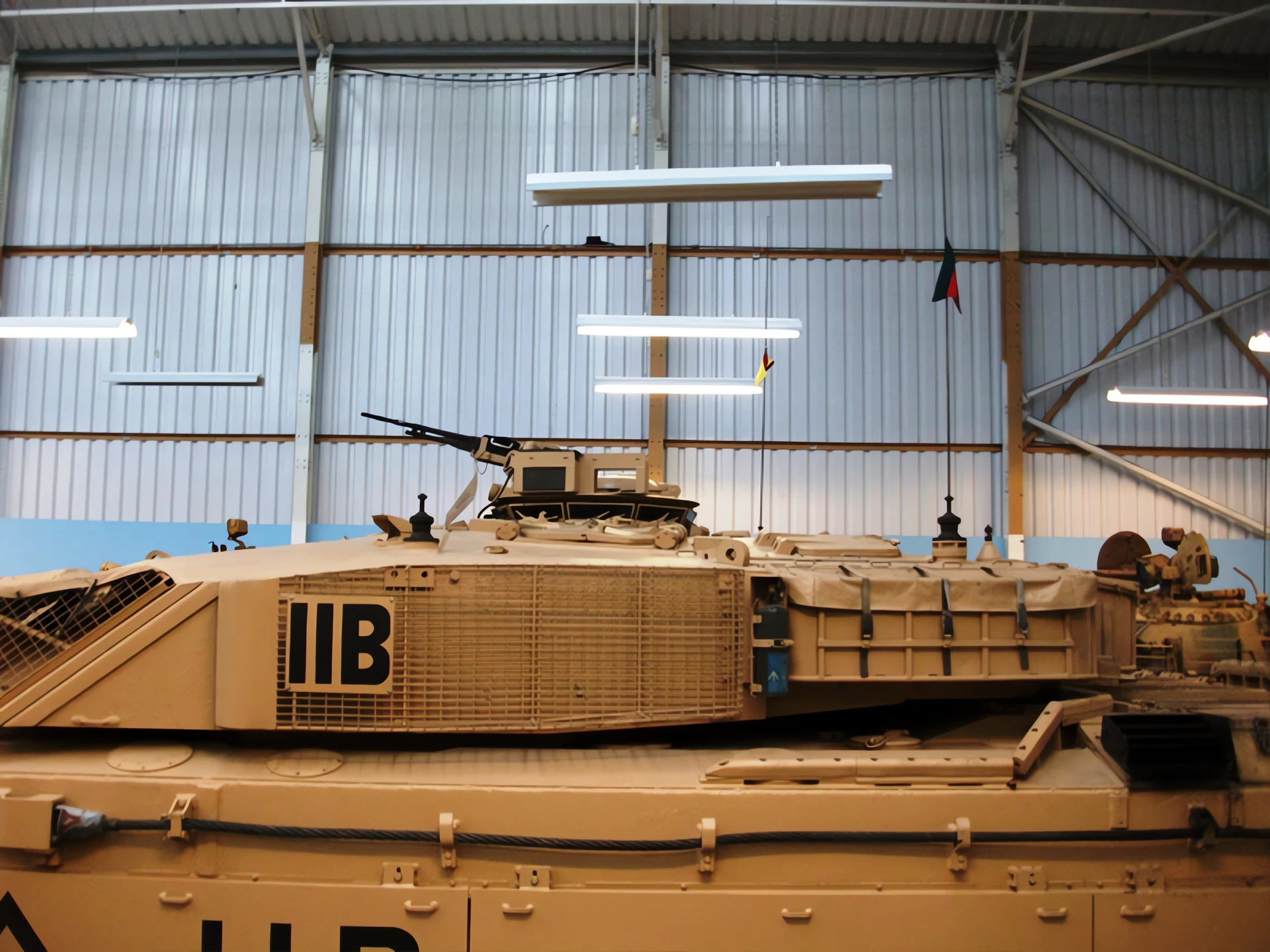


| Challenger CRARRV Walk Around | |
|---|---|
| Fotógrafo | Unknow |
| Localización | Unknow |
| Fotos | 30 |
From Persian Order to British Service
el Challenger 1 began its life as the “Shir 2,” a tank intended for the Imperial Iranian Armoured Forces. Following the 1979 Iranian Revolution, the project was taken over by the British Ministry of Defence to replace the aging Chieftain. While it shared the Chieftain’s lethal 120mm rifled gun, the Challenger 1 introduced a revolutionary leap in protection: Chobham Armour. It served as the UK’s primary Main Battle Tank throughout the late Cold War and cemented its legendary status during the Gulf War.
| Attribute | Technical Specification (Challenger 1) |
|---|---|
| Papel | Main Battle Tank (MBT) |
| Equipo | 4 (Commander, Gunner, Loader, Driver) |
| Armamento principal | L11A5 120 mm Rifled Gun |
| Armamento secundario | 2 x 7.62 mm L8A2 & L37A2 Machine Guns |
| Protección | Chobham Armour (Ceramic/Steel Composite) |
| Planta motriz | Perkins CV12 26-litre V12 Diesel (1,200 hp) |
| Suspensión | Hydrogas (Hydropneumatic) |
| Max Road Speed | 56 km/h (35 mph) |
The Chobham Revolution
- Composite Matrix: Unlike previous tanks made of solid steel, the Challenger 1 used Chobham armour, a classified “sandwich” of ceramics and metals. This provided world-leading protection against both Kinetic Energy (KE) rounds and High-Explosive Anti-Tank (HEAT) shaped charges.
- Sloped Turret Design: The turret was characterized by sharp, flat-sloped cheeks designed to maximize the thickness of the Chobham matrix that an incoming shell would have to penetrate.
- Hydrogas Suspension: The Challenger 1 replaced traditional torsion bars with a nitrogen-filled hydropneumatic system. This allowed the 62-ton tank to maintain high speeds over rough terrain while providing a stable platform for the gunner.
The Gulf War Performance
- World Record Sniper: During Operation Granby (1991), a Challenger 1 achieved the longest confirmed tank-to-tank kill in history, destroying an Iraqi T-55 from a distance of 5.1 kilometers (over 3 miles) using an L15 APFSDS round.
- Combat Readiness: Despite early concerns regarding its Fire Control System (FCS) during NATO’s “Canadian Army Trophy” competitions, the Challenger 1 proved exceptionally reliable in the harsh desert, achieving zero losses to enemy fire during the conflict.
- Rifled vs. Smoothbore: British tanks remained unique by sticking with rifled guns. This allowed the use of the HESH (High-Explosive Squash Head) round, which is devastating against bunkers and light structures, though it required two-part ammunition (projectile and charge).
Retirement and Succession
The Challenger 1 was replaced by the Retador 2 in the late 1990s. While they look similar, the Challenger 2 is almost entirely new, with only 5% part commonality. Most retired Challenger 1 tanks were sold to Jordan, where they served as the “Al-Hussein” MBT until their recent retirement.
Vistas : 2602