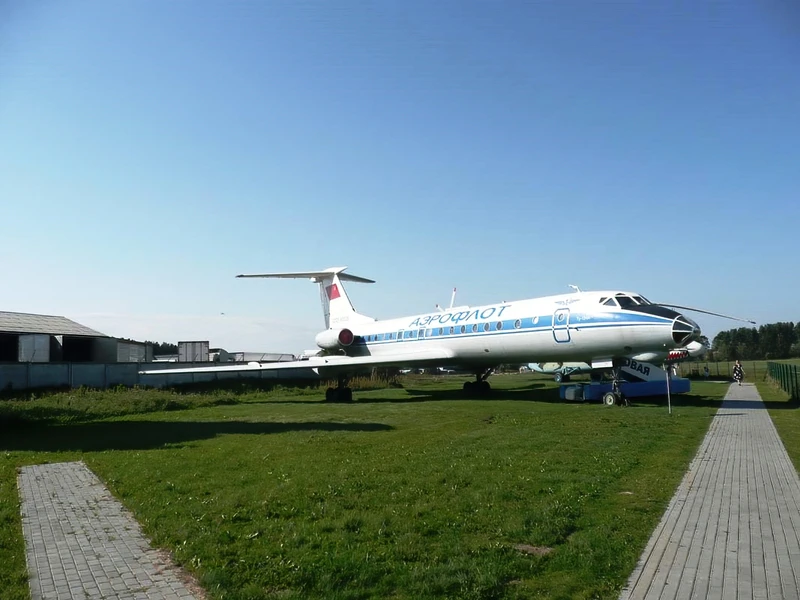
Tupolev Tu-134 | |
|---|---|
| Χώρα | Σοβιετική Ένωση – Ρωσία |
| Ρόλο | Αεροσκάφος |
| Πρώτη μύγα | 29 Ιουλίου 1963 |
| Χτισμένο | 854 |
Teh Tupolev Tu-134 (όνομα αναφοράς ΝΑΤΟ: Crusty) είναι ένα δικινητήριο, στενής ατράκτου αεριωθούμενο αεροσκάφος που κατασκευάστηκε στη Σοβιετική Ένωση για δρομολόγια μικρών και μεσαίων αποστάσεων από το 1966 έως το 1989. Η αρχική έκδοση διέθετε σχεδιασμό με γυάλινη μύτη και, όπως και ορισμένα άλλα ρωσικά αεροσκάφη (συμπεριλαμβανομένου του αδελφού μοντέλου Tu-154), μπορεί να λειτουργήσει από μη ασφαλτοστρωμένα αεροδρόμια.
| Tupolev Tu-134A με τα πόδια γύρω από | |
|---|---|
| Φωτογράφος | Βλαντιμίρ Γιακούμποφ |
| Εντοπισμού | Αεροπορικό Μουσείο Μινσκ-Μποροβάγια, Λευκορωσία |
| Φωτογραφίες | 149 |
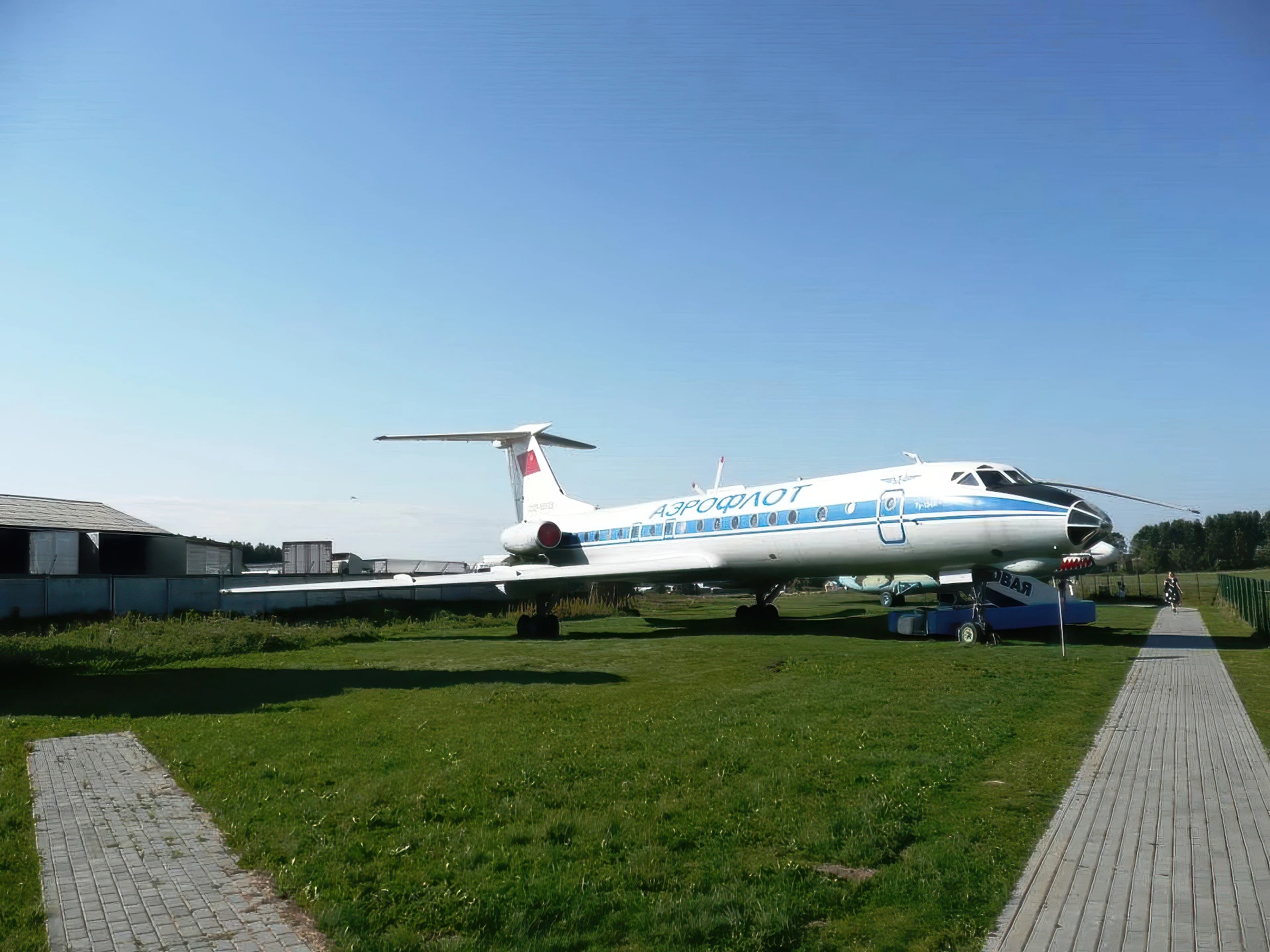
Tupolev Tu-134A 01
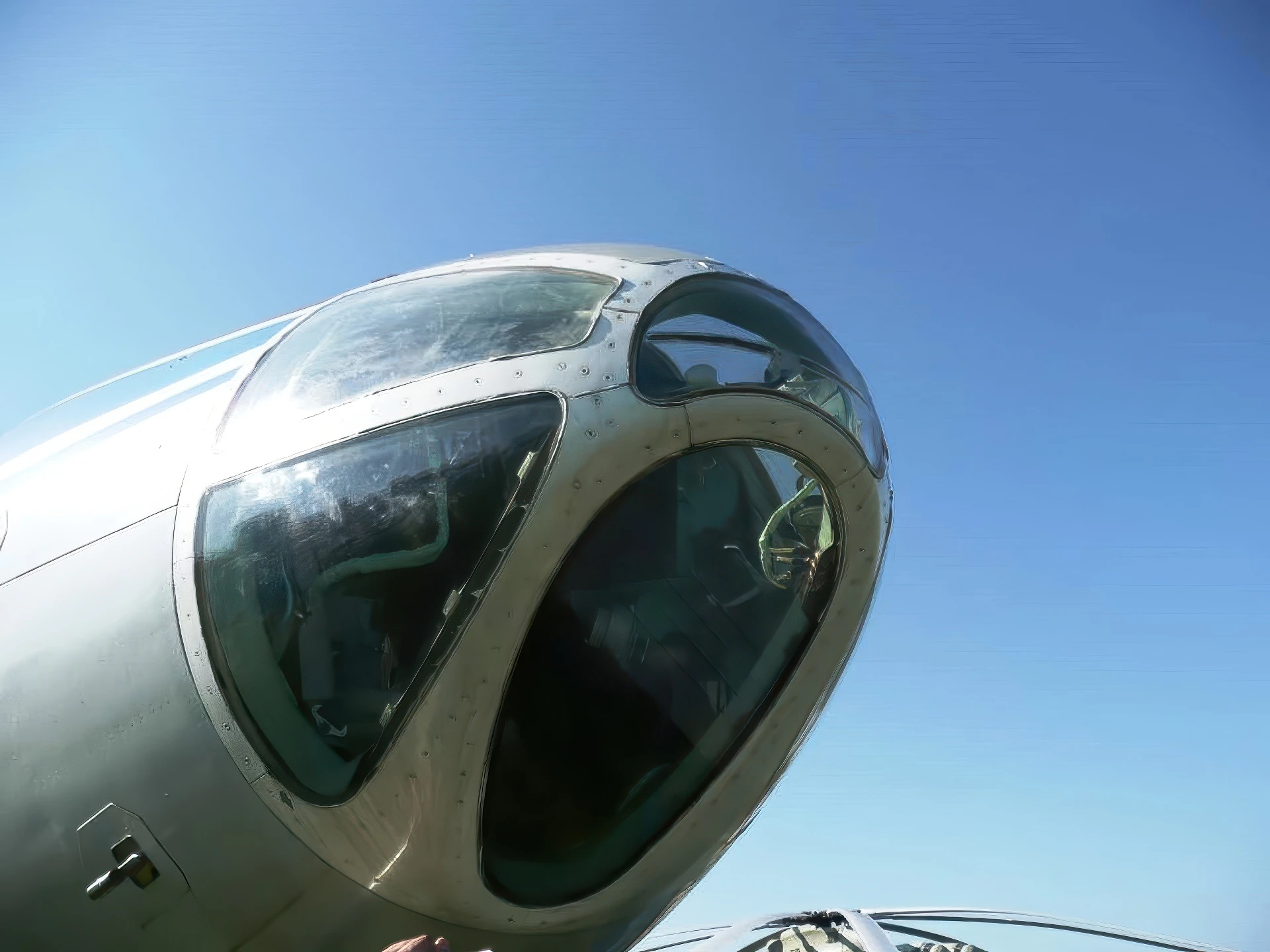
Tupolev Tu-134A 02
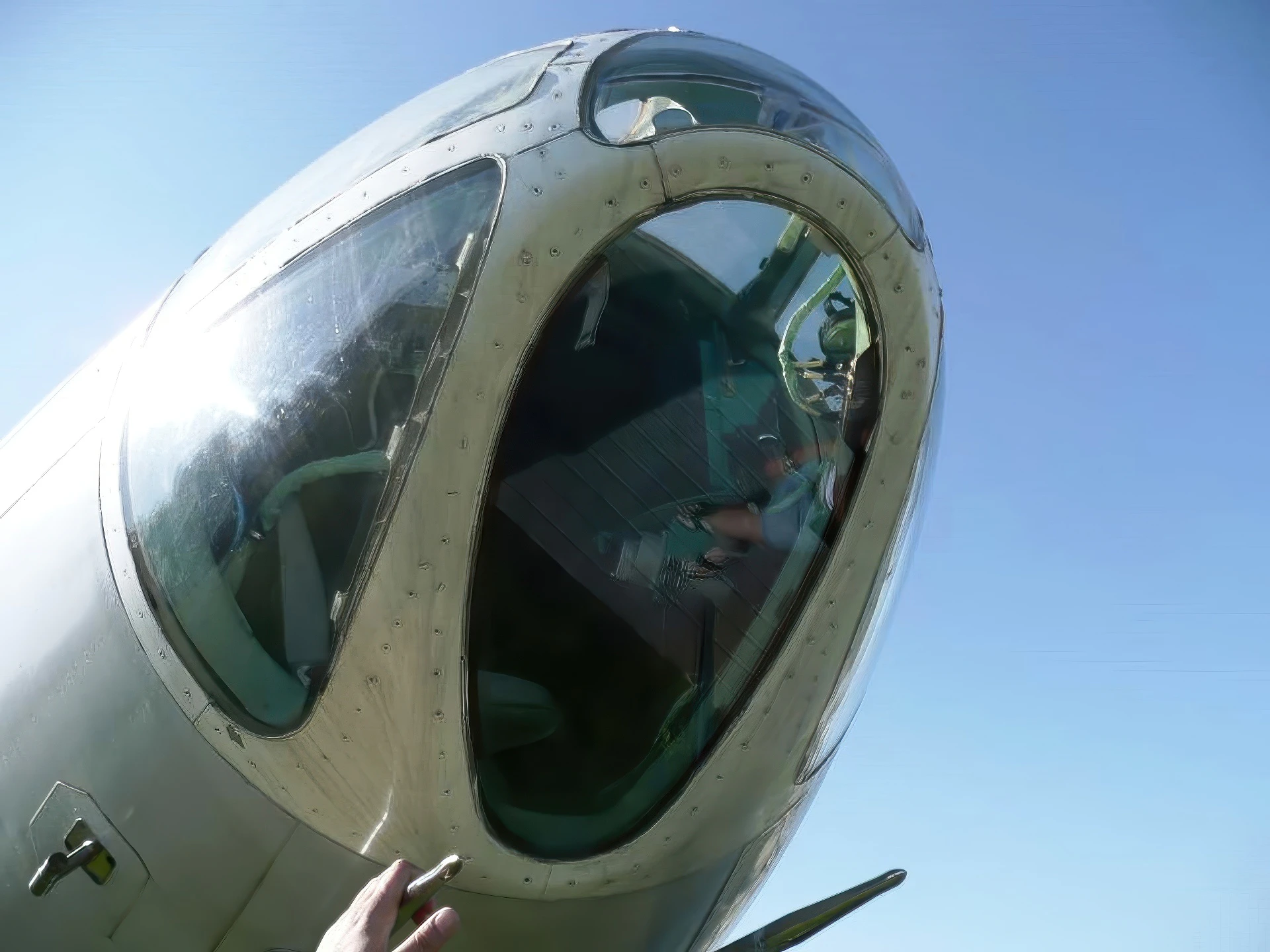
Tupolev Tu-134A 03
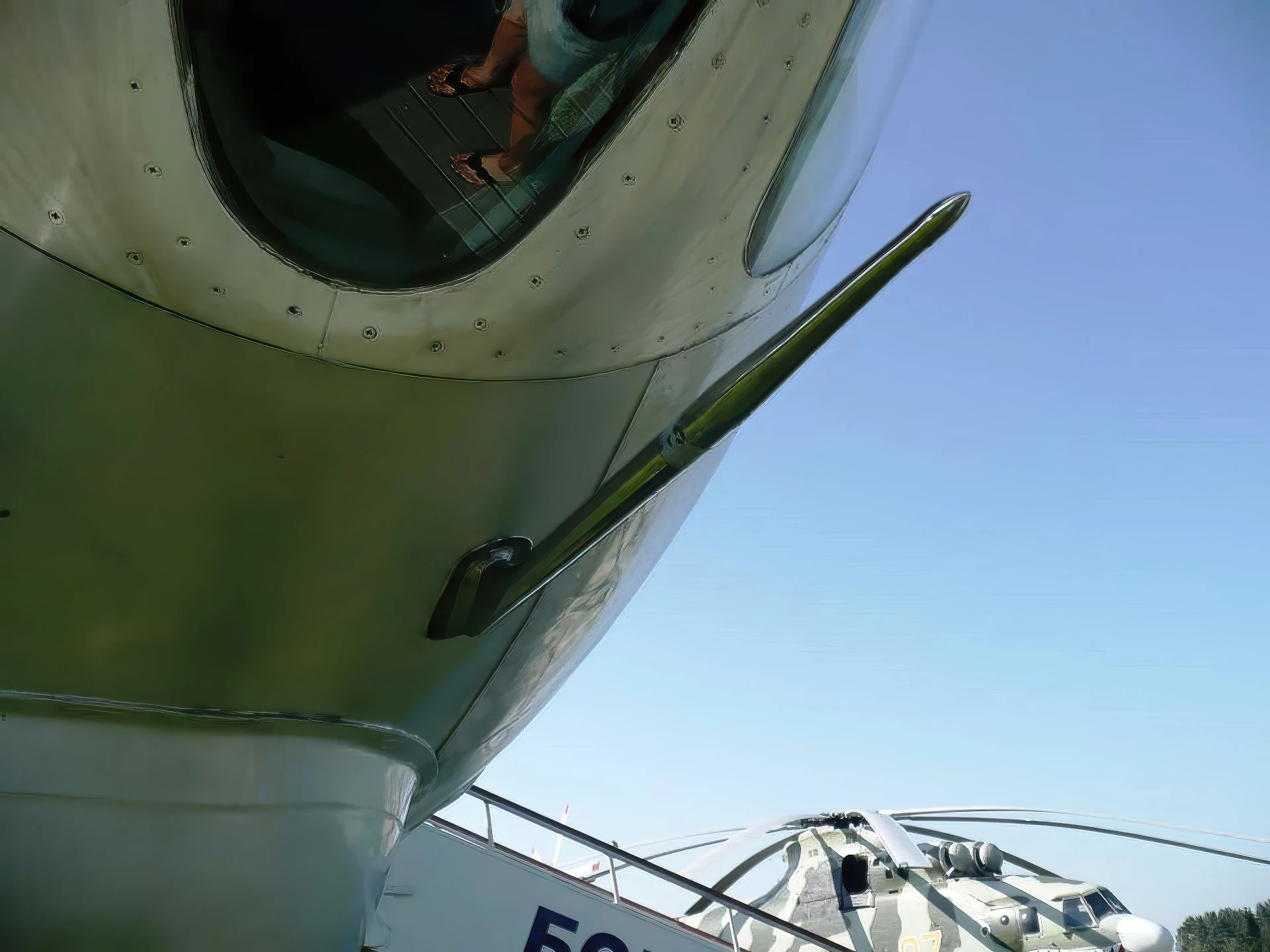
Tupolev Tu-134A 04
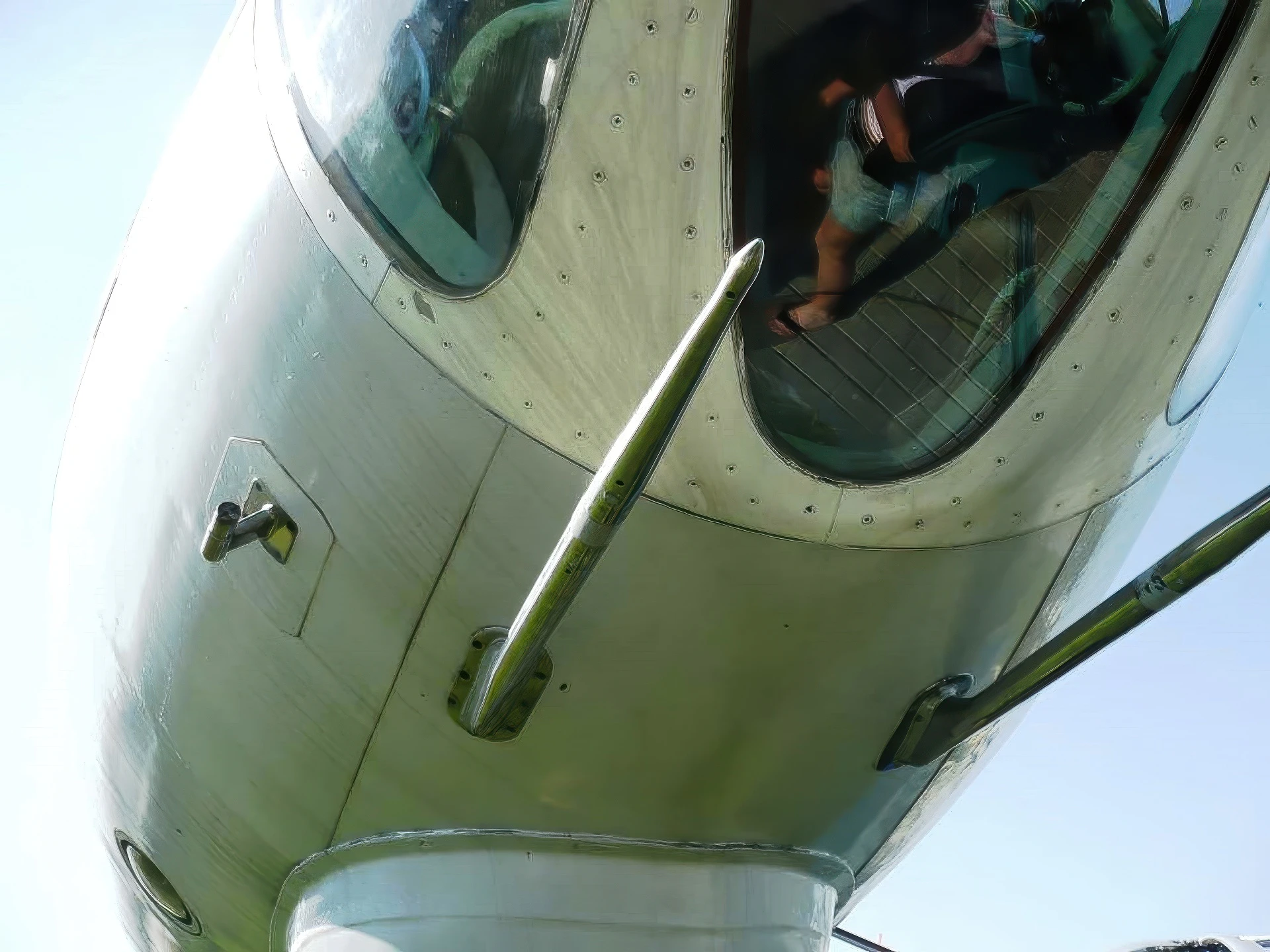
Tupolev Tu-134A 05
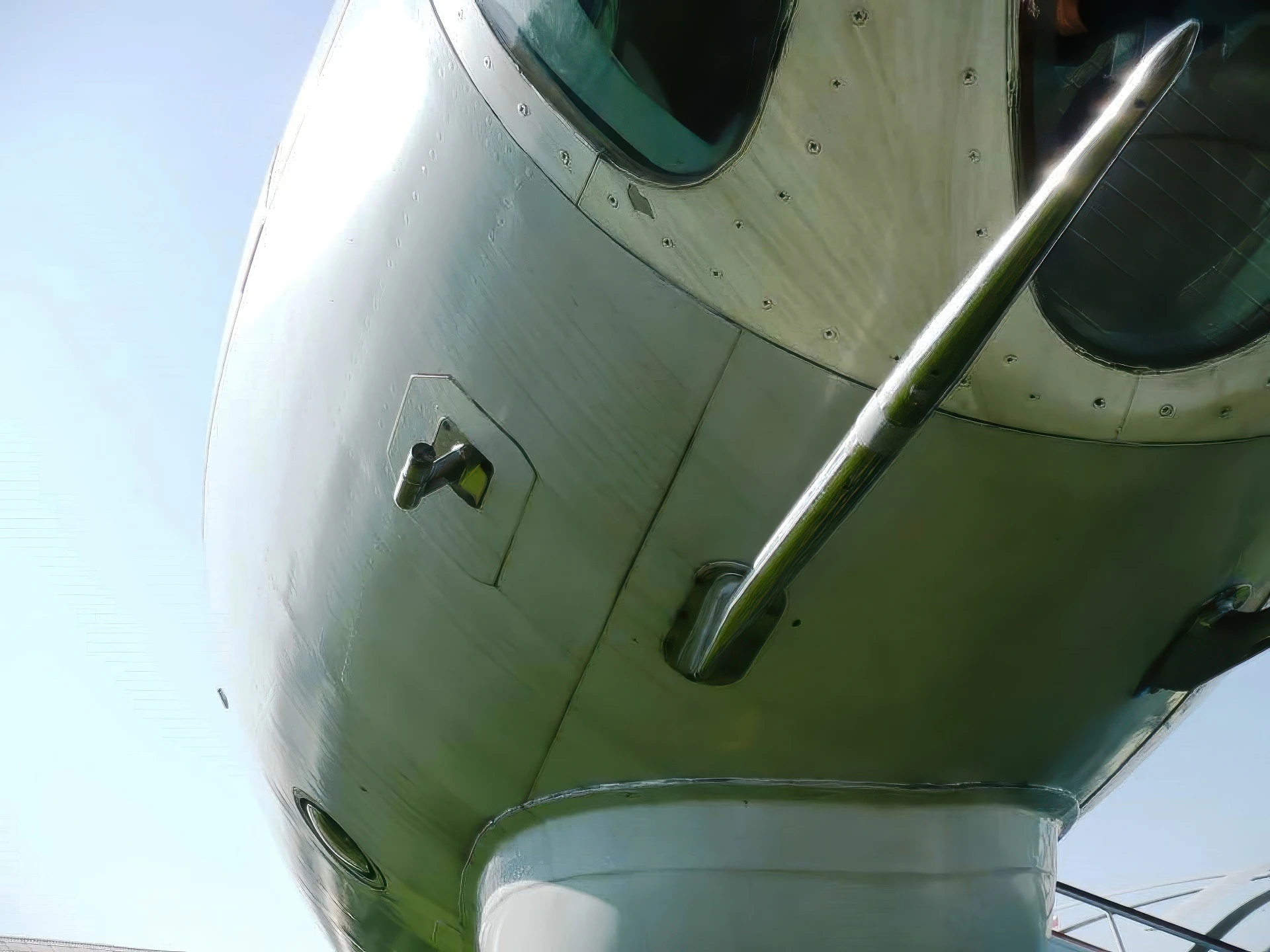
Tupolev Tu-134A 06
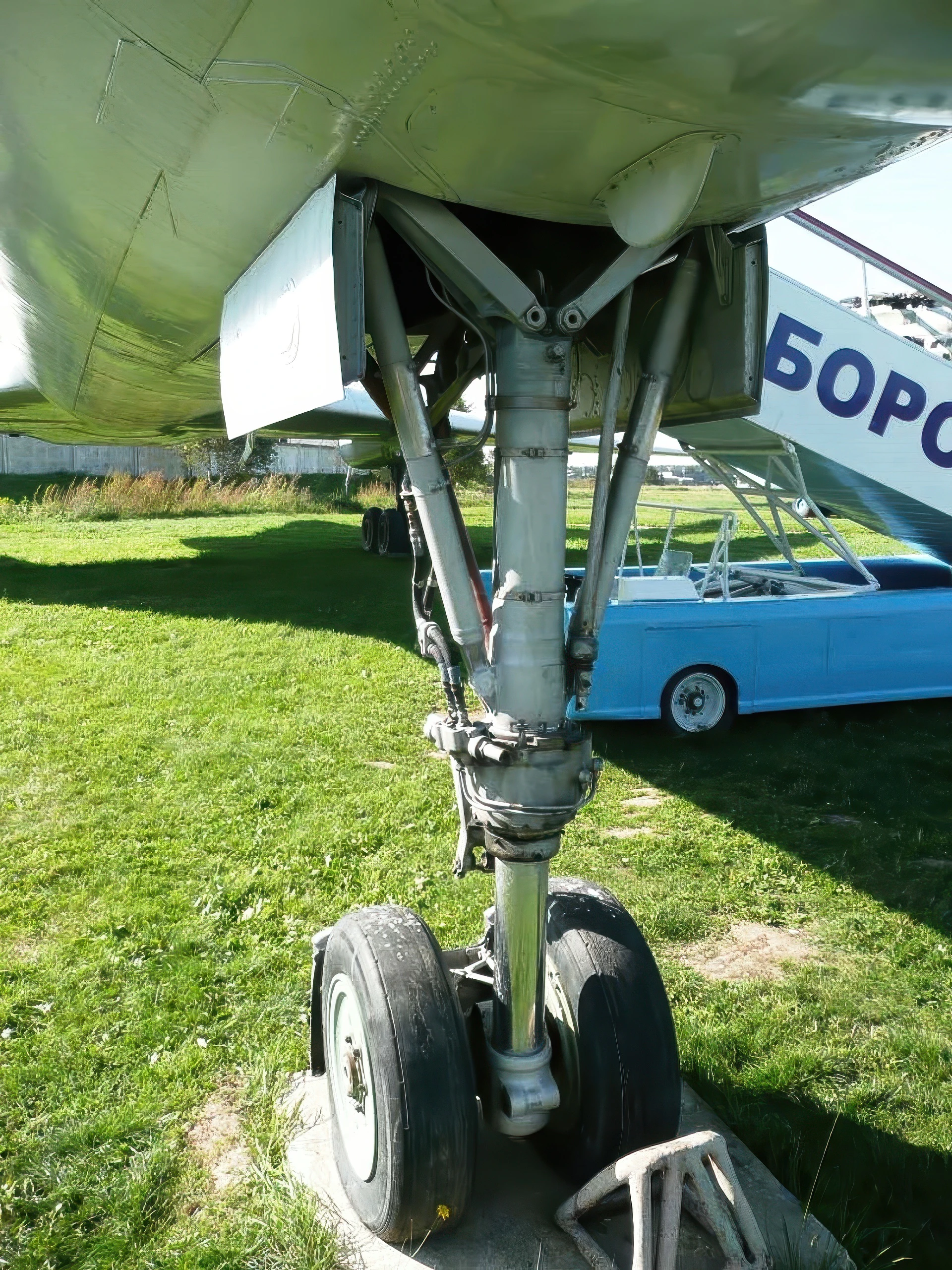
Tupolev Tu-134A 08
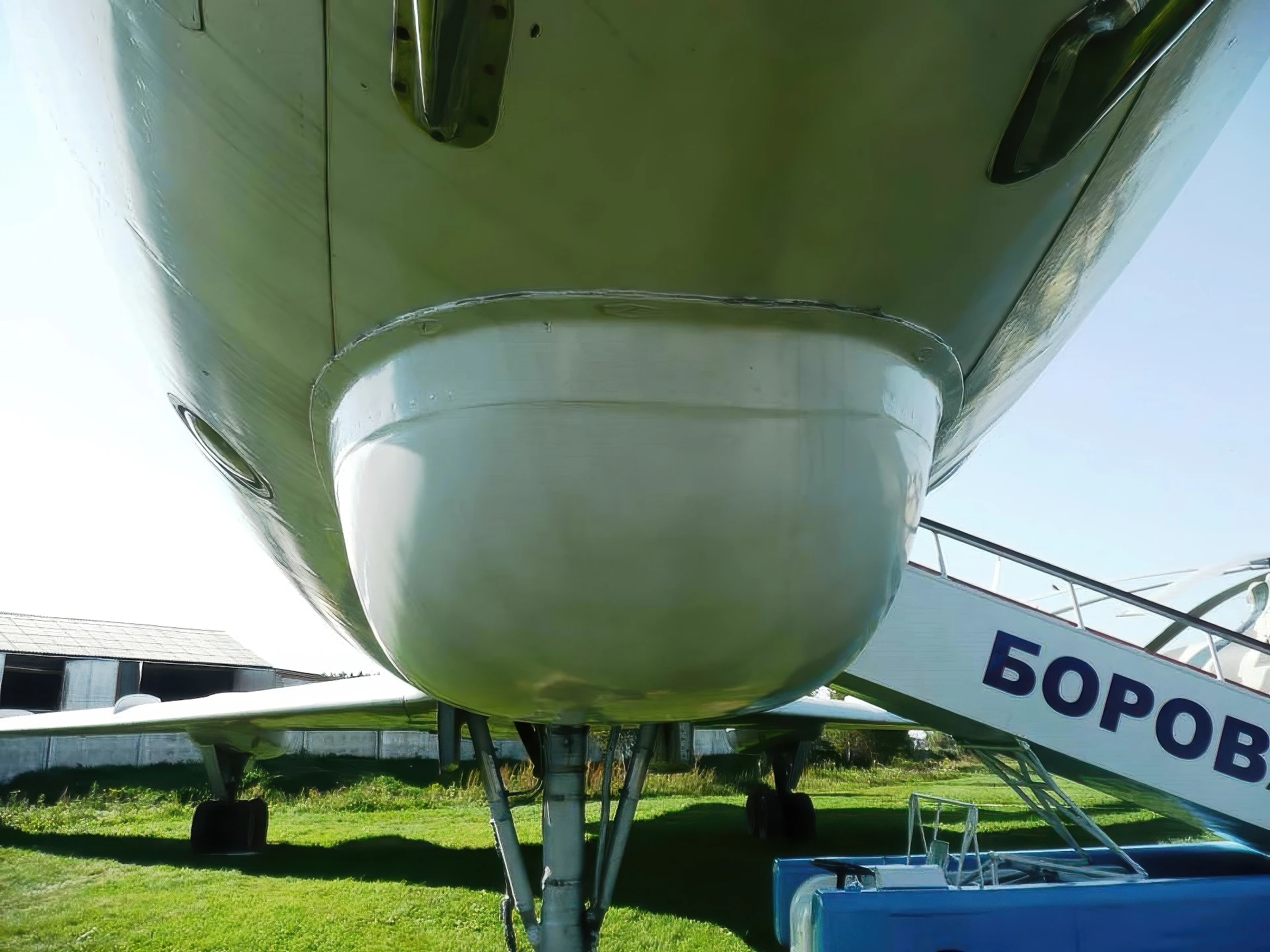
Tupolev Tu-134A 07
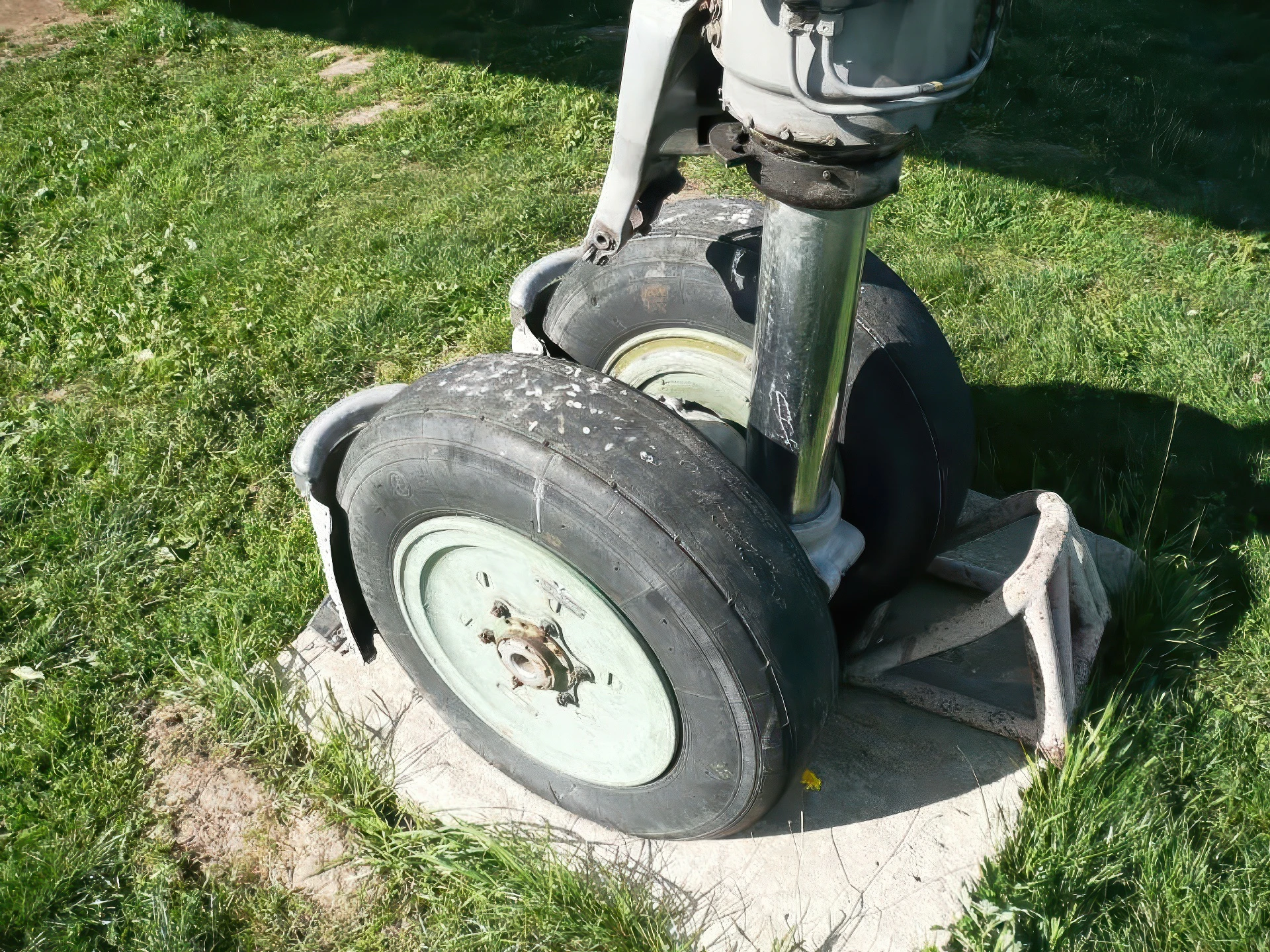
Tupolev Tu-134A 09
Περίμενε, ψάχνοντας τον Τουπόλεφ Του-142 για σένα...

Δείτε επίσης:


General Characteristics (Soviet Era)
The Tupolev Tu-134 is a twin-engine, short-to-medium-range jet airliner developed in the Soviet Union, originally conceived to replace the Ilyushin Il-14. The ‘A’ variant was the first major production modification, introducing improved engines and increased passenger capacity.
| Property | Value (Tu-134A Variant) |
|---|---|
| Ρόλο | Short/Medium-Haul Airliner |
| Κατασκευαστής | Kharkov State Aircraft Plant / Tupolev Design Bureau |
| Entered Service (Tu-134A) | 1970 |
| Πλήρωμα | 3 or 4 (Pilot, Co-pilot, Flight Engineer/Navigator) |
| Χωρητικότητα | 72 to 84 passengers |
| Μήκος | 37.10 m (121 ft 8 in) |
| Εκπέτασμα | 29.0 m (95 ft 2 in) |
Design and Powerplant
- Engines: Two Soloviev D-30-II or D-30-III turbofan engines.
- Engine Placement: A distinctive feature, the engines are mounted in two nacelles on the sides of the rear fuselage (similar to the BAC One-Eleven or Douglas DC-9).
- Thrust (D-30-II): Approx. 66.7 kN (15,000 lbf) per engine.
- Cockpit: Features a glazed nose, originally intended for a navigator, a hallmark of early Soviet jet transport design (though sometimes phased out on later A models).
- Wing Design: Features a swept wing with noticeable dihedral and leading-edge slats for improved low-speed handling.
- Landing Gear: Equipped with low-pressure tires for operation from unprepared airfields, a common Soviet design requirement.
Performance and Variants
- Maximum Cruise Speed: 900 km/h (560 mph, 486 knots).
- Operational Range: Approximately 1,800 to 2,000 km (1,100 to 1,240 miles).
- Service Ceiling: 12,100 m (39,700 ft).
- Key Improvement (Tu-134A): Compared to the original Tu-134, the ‘A’ variant has a stretched fuselage for more seating and an improved turbofan engine. It also replaced the rear braking parachute with reverse thrust on the engines.
- Noise Issues: Due to the high exhaust velocity of its early turbofan engines, the Tu-134 family was known to be extremely loud and was one of the first Soviet types to be banned from many European airports due to noise restrictions in the 1990s and 2000s.
Views : 342
Μπορείτε επίσης να δείτε:
 McDonnell Douglas F-15 Eagle – Φώτο & Βίντεο
 Custer CCW-5 – Φωτογραφίες & Βίντεο
 Tupolev Tu-142 – Φώτο &; Βίντεο
 Tupolev Tu-22M – Φώτο & Βίντεο
 Tupolev TU-2 – Φώτο & Βίντεο
 Tupolev Tu-95MS Bear – Φώτο &; Βίντεο
 Tupolev Tu-4 Bull – Φώτο & Βίντεο
 Tupolev Tu-16 Badger – Φώτο & Βίντεο
 KFIR C-1 – Περίπατος
 Μιγκ-29 – Περίπατος