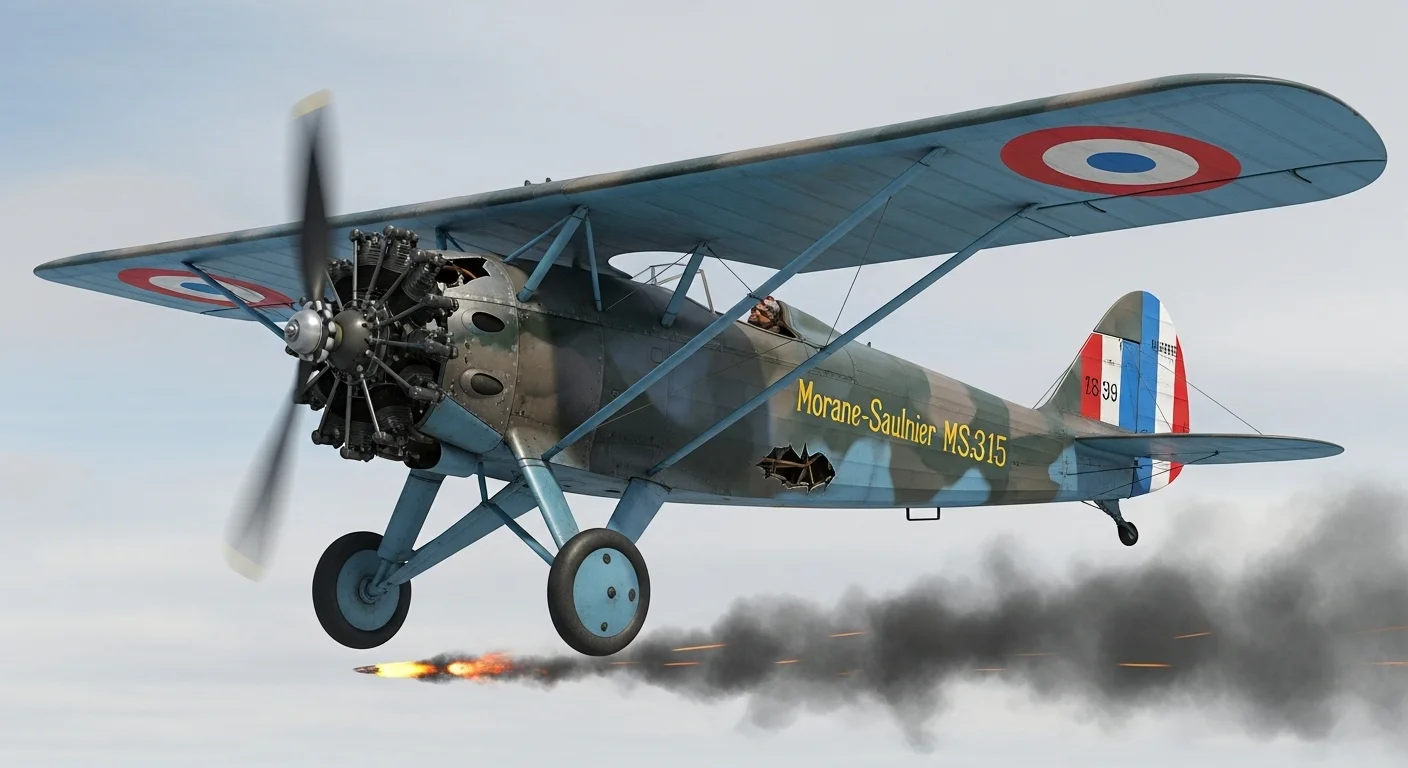
Μορέιν-Σαουλνιέ MS.315 | |
|---|---|
| Χώρα | Γαλλία |
| Πληκτρολογήστε | Κύριος εκπαιδευτής |
| Πρώτη πτήση | 1932 |
| Χτισμένο | 356 |
Teh Μορέιν-Σαουλνιέ MS.315 ήταν ένα μονοπλάνο πρωτοβάθμιας εκπαίδευσης σχεδιασμένο και κατασκευασμένο στη Γαλλία από τον Morane-Saulnier.
| Morane-Saulnier MS.315 Walk Around | |
|---|---|
| Φωτογράφος | Αγνοώ |
| Εντοπισμού | Αγνοώ |
| Φωτογραφίες | 12 |
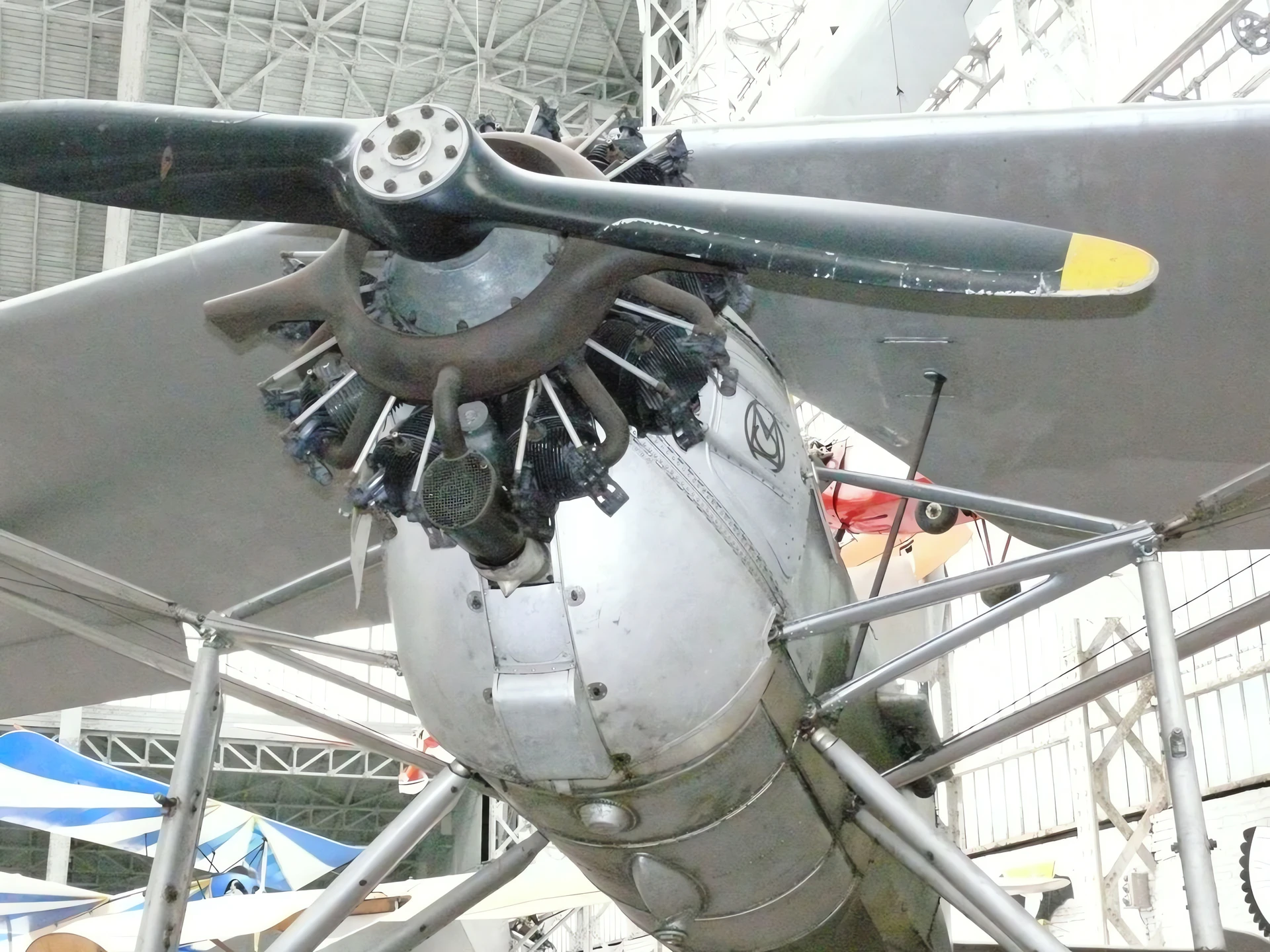
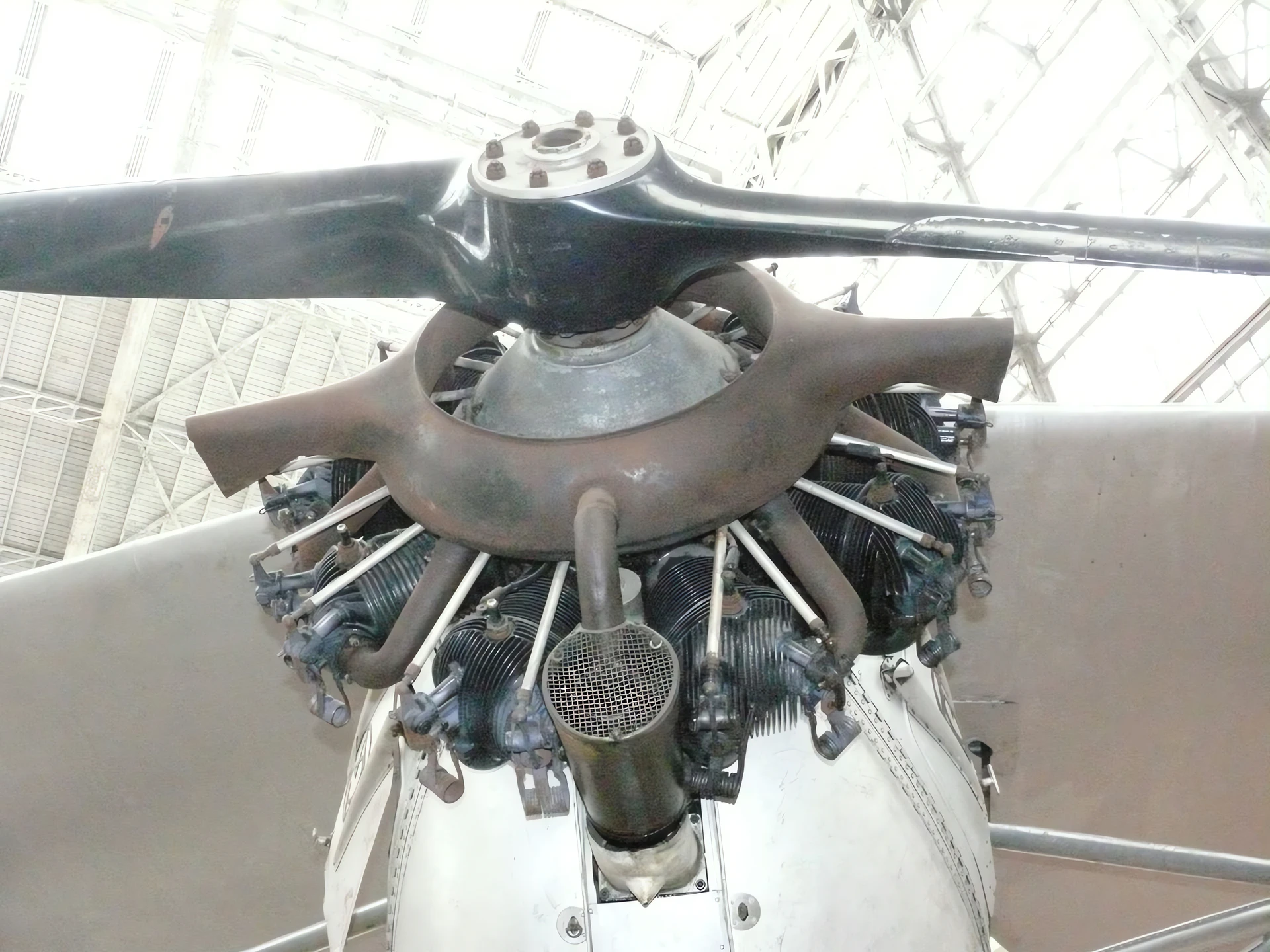
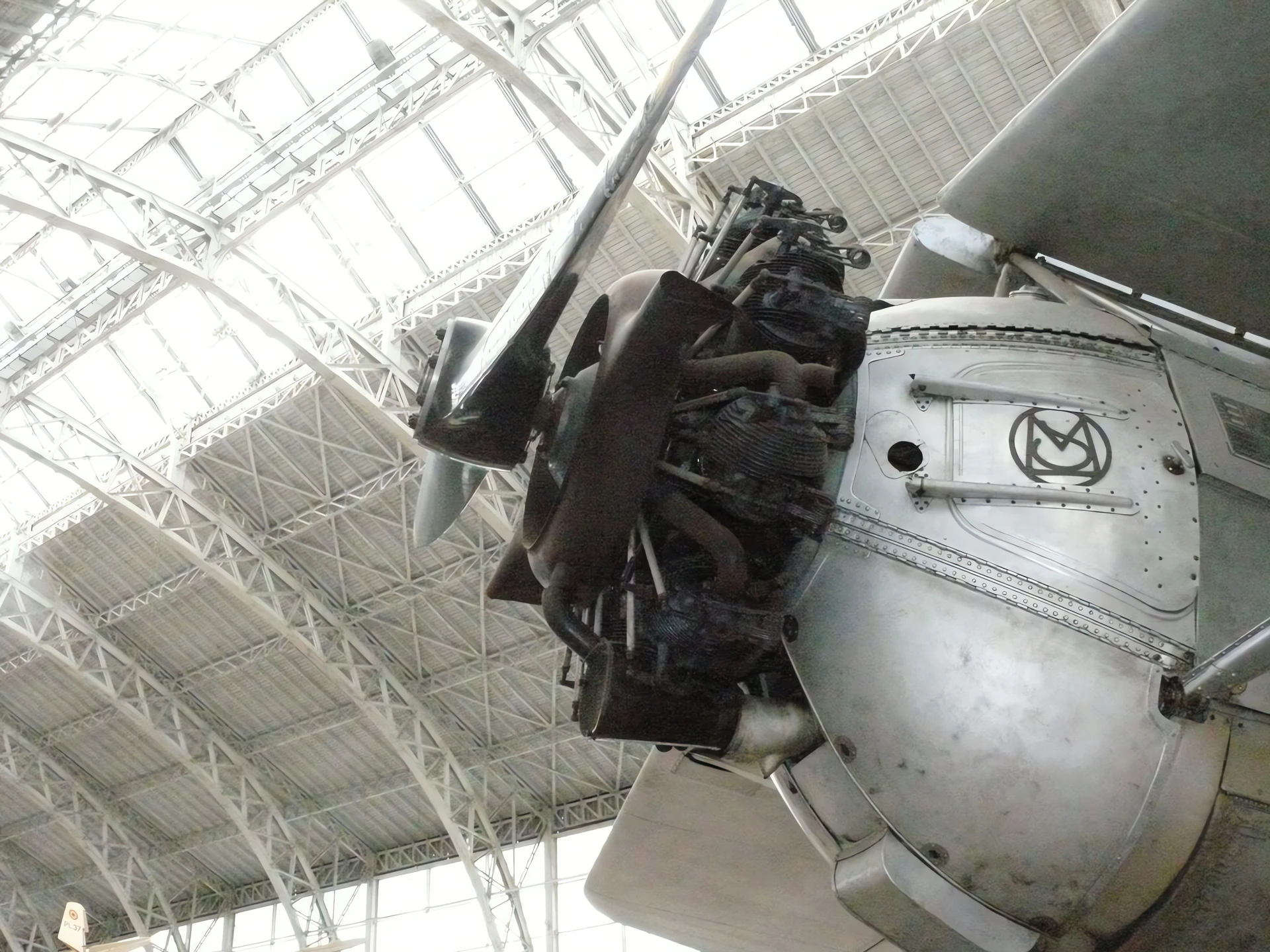
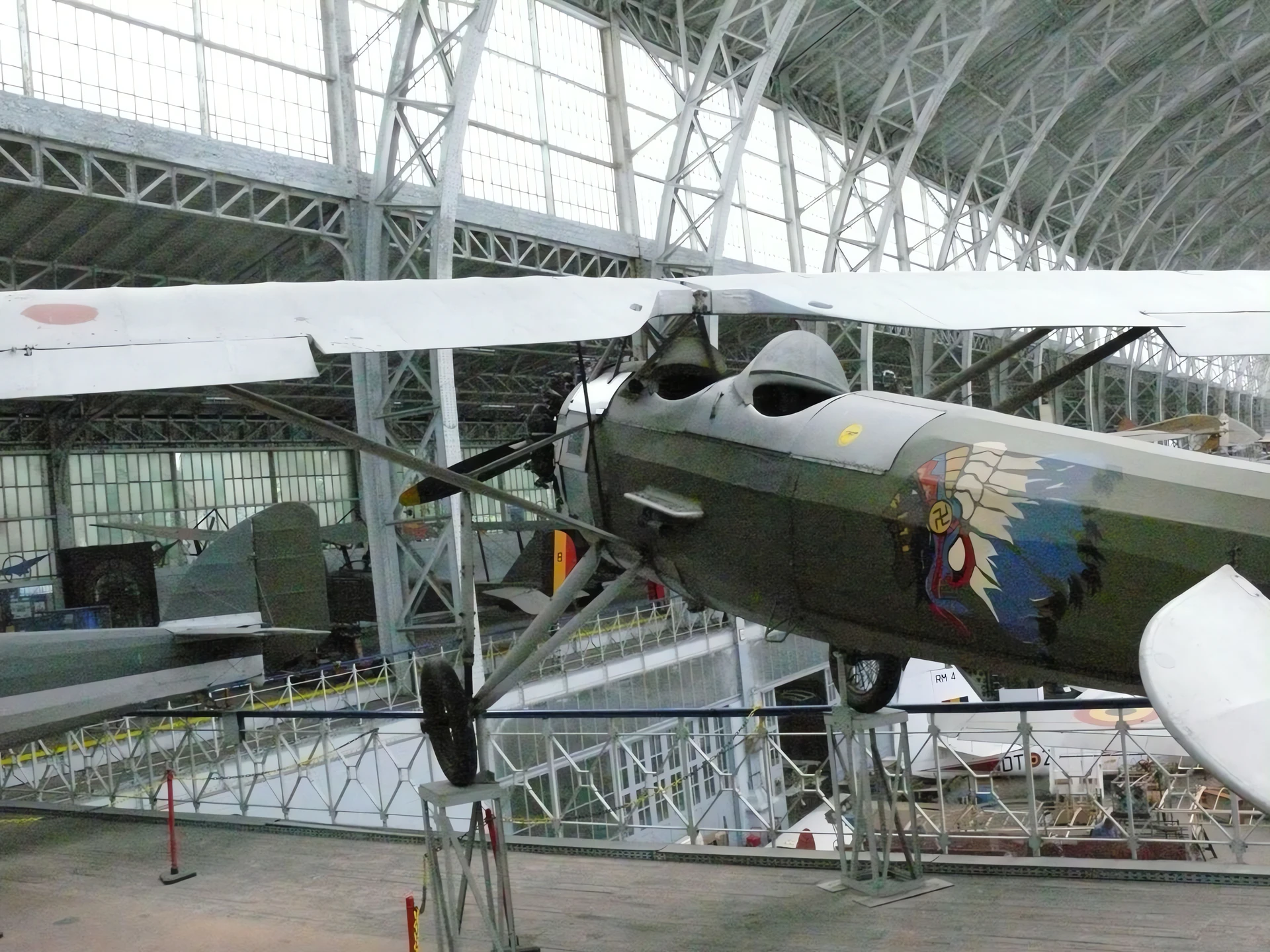
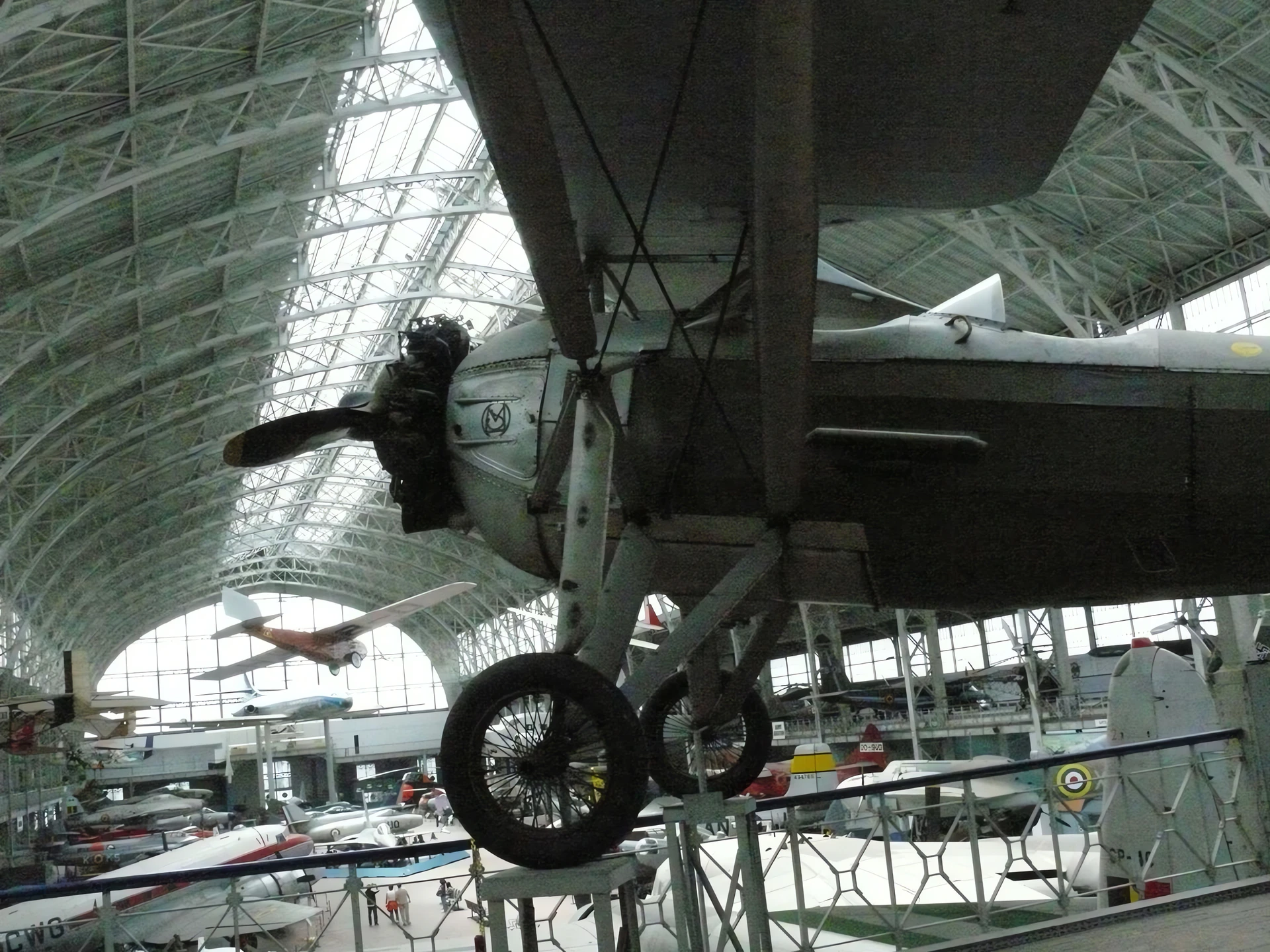
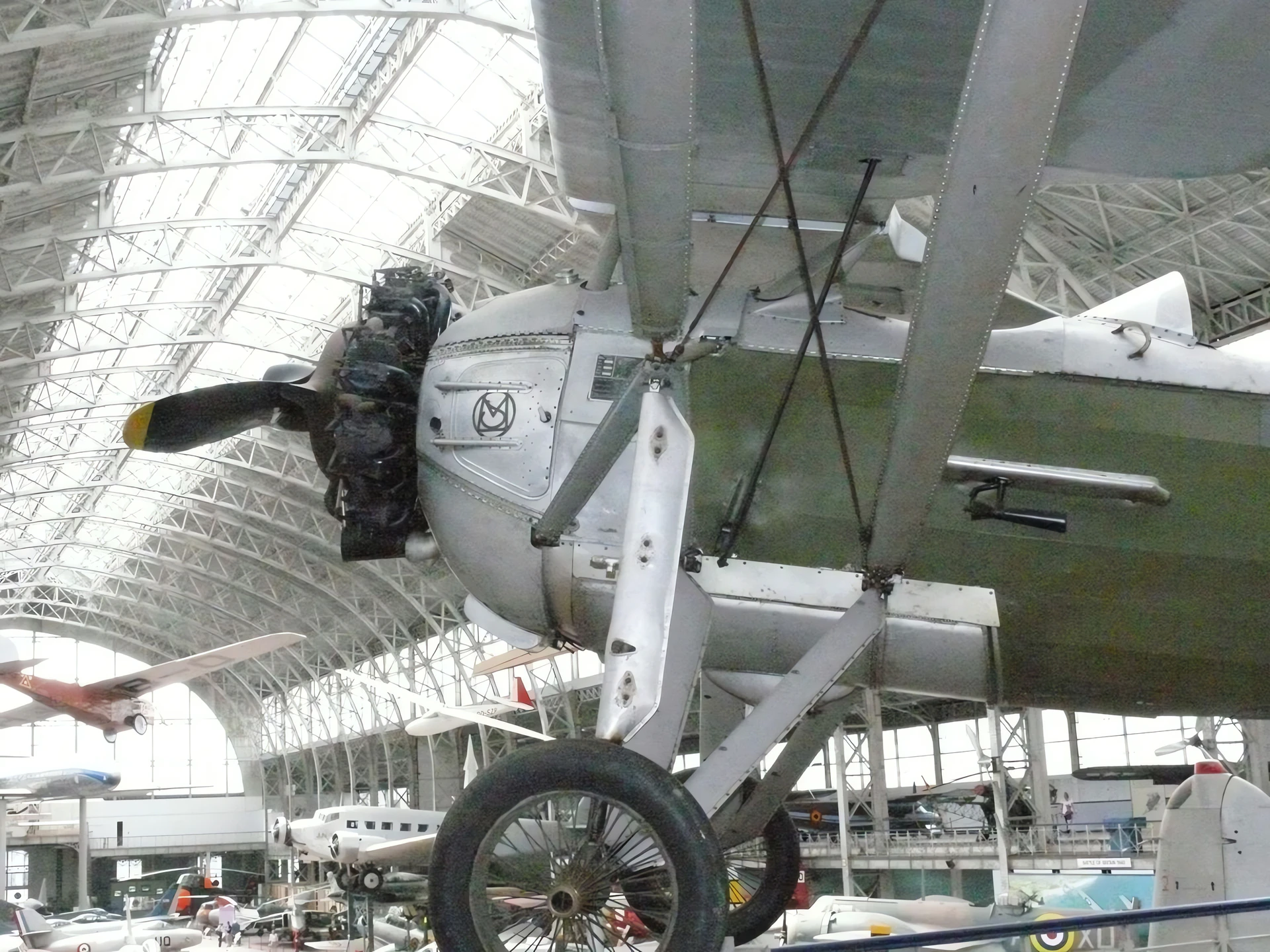
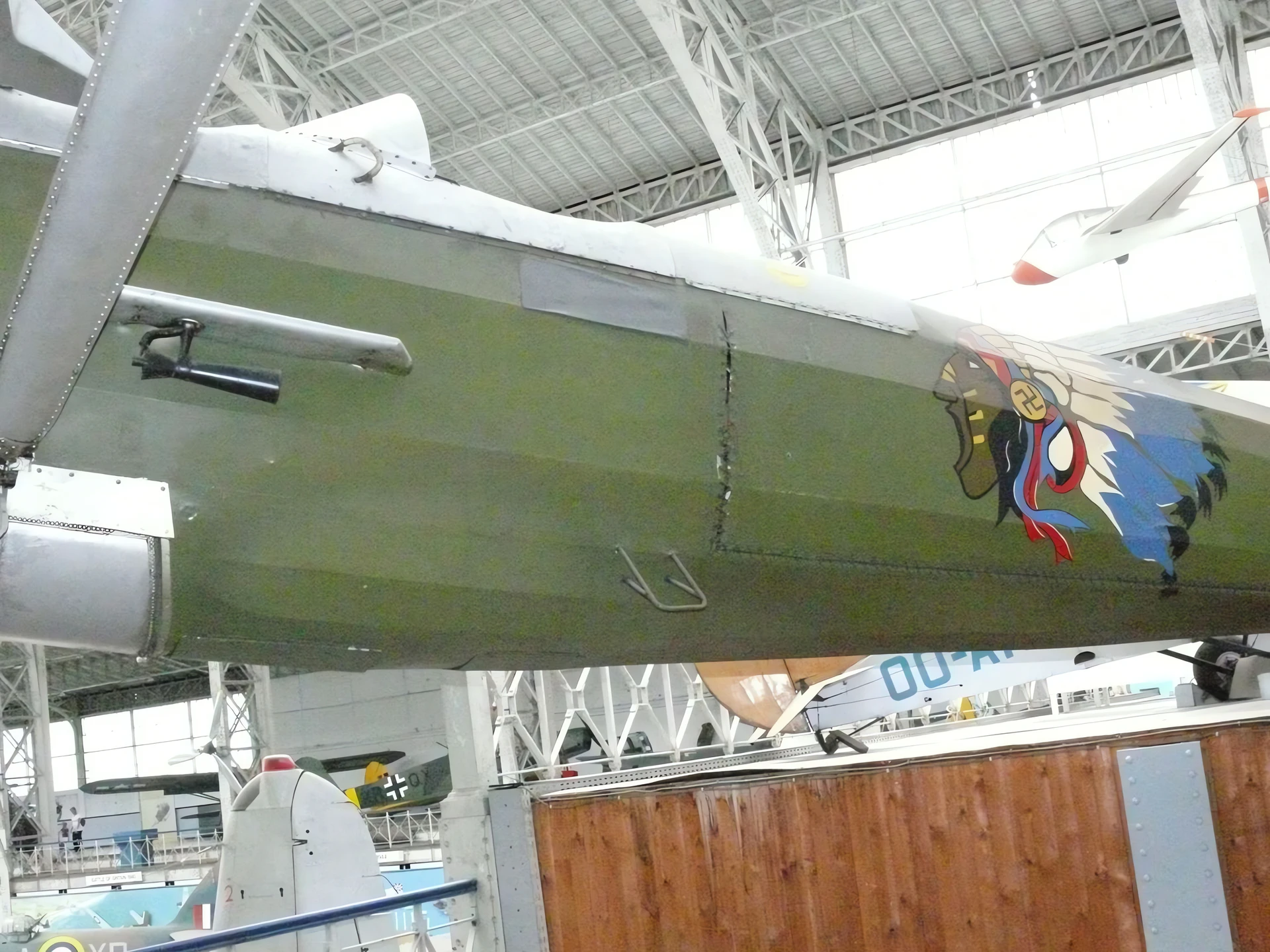
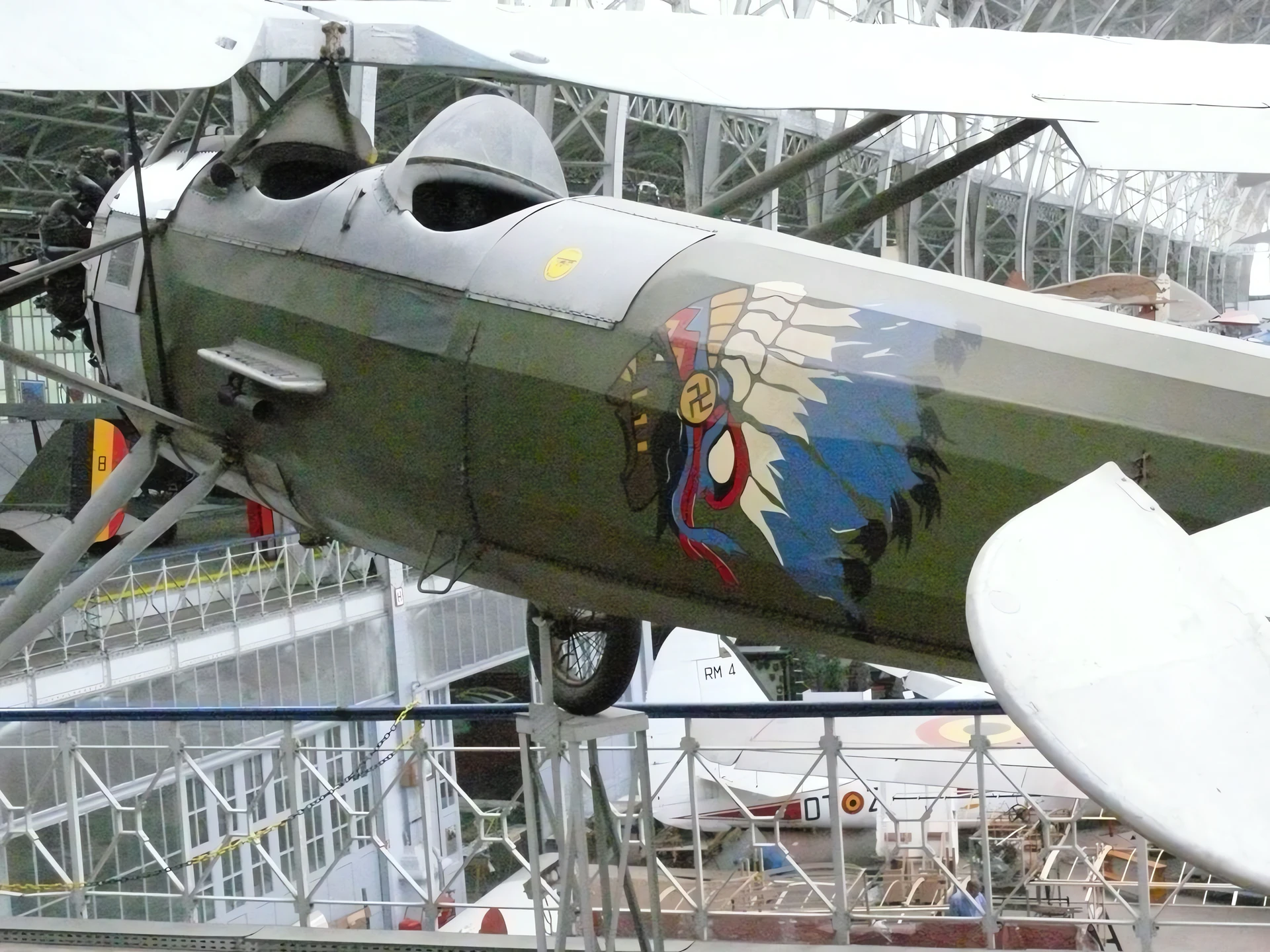
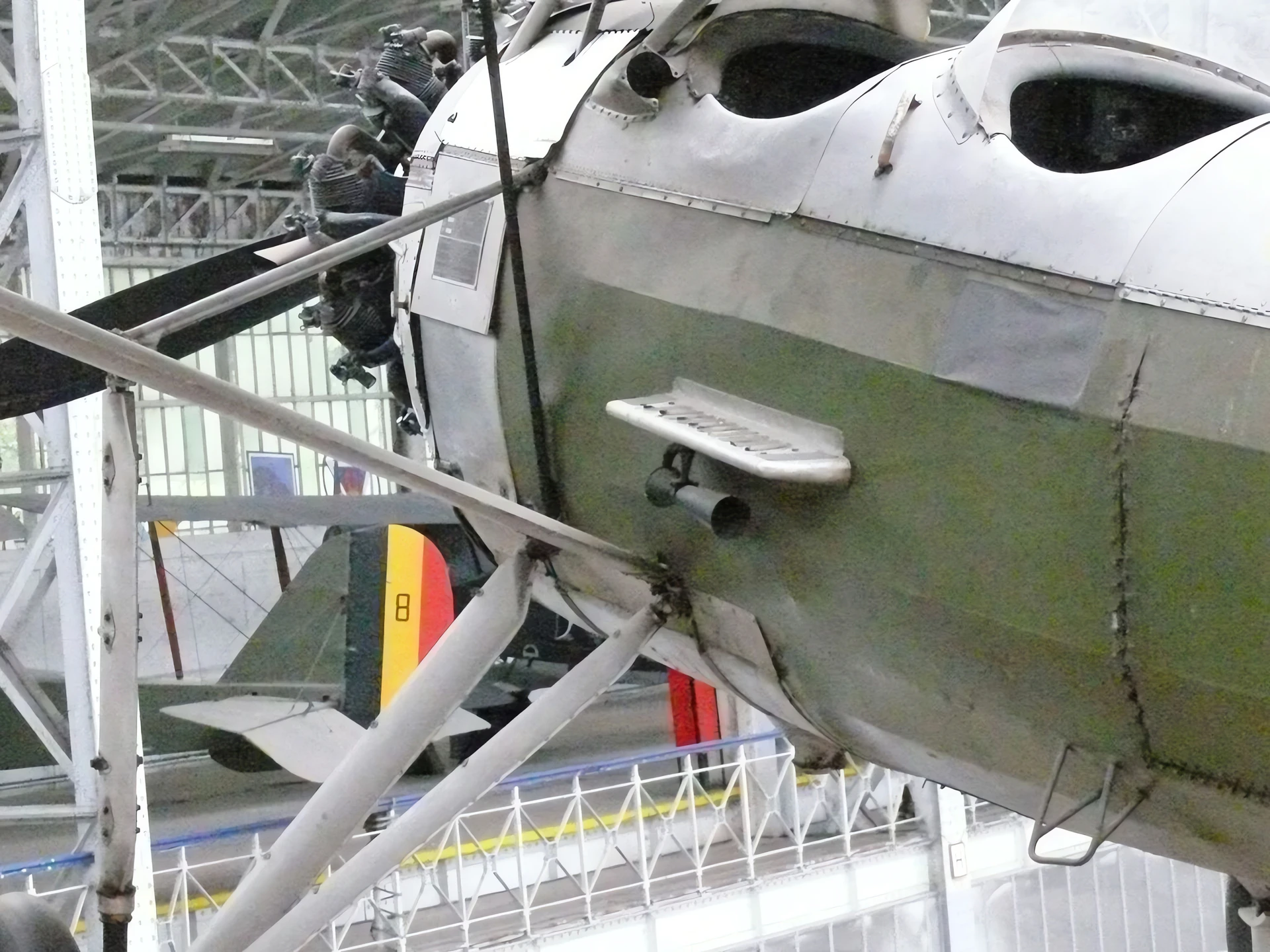
Περιμένετε, ψάχνοντας το Morane-Saulnier MS.315 για εσάς...


Δείτε επίσης:


The “Gentle” Parasol
Teh Μορέιν-Σαουλνιέ MS.315 was a primary trainer developed in the early 1930s for the French Αρμέ ντε Ι'Αιρ. While it looked very similar to its more powerful cousin, the MS.230, the MS.315 was specifically designed for novice pilots. It featured a lighter airframe and a less powerful engine, making it incredibly forgiving to fly. Its parasol-wing design provided the high stability and excellent downward visibility required for teaching basic maneuvers and landings to thousands of French cadets.
| Attribute | Standard Specification (MS.315) |
|---|---|
| Ρόλο | Primary Trainer |
| Πλήρωμα | 2 (Student and Instructor in tandem) |
| First Flight | October 1932 |
| Πλάστης ισχύος | 1 × Salmson 9Nc 9-cylinder air-cooled radial |
| Horsepower | 135 hp (101 kW) |
| Maximum Speed | 170 km/h (106 mph) |
| Εκπέτασμα | 12 meters (39 ft 4 in) |
| Empty Weight | 690 kg (1,521 lb) |
Design and Engineering Philosophy
- Parasol Configuration: Like many Morane-Saulnier designs of the interwar period, the wing was mounted high above the fuselage. This lowered the center of gravity relative to the wing’s lift, creating a “pendulum” effect that made the plane naturally want to return to level flight.
- The Salmson 9Nc Engine: The engine was chosen for its smoothness and lower power output compared to the MS.230. This prevented student pilots from being overwhelmed by torque during takeoff, a common cause of accidents in that era.
- Robust Undercarriage: The MS.315 featured long-stroke oleo-pneumatic shock absorbers. These were designed to soak up the “heavy” landings typical of students without bouncing the aircraft back into the air.
- Simplicity of Control: The control surfaces were light but effective, allowing students to feel the “aerodynamic feedback” of the plane without requiring significant physical strength.
Service and Post-War Utility
- Massive Training Programs: Over 350 units were produced, serving as the standard entry-level trainer until the outbreak of WWII.
- Glider Tug Duties: Because of its high lift and stable low-speed handling, many MS.315s were converted into glider tugs. They were used to pull heavy military gliders during exercises in the late 1930s.
- Post-War Rebirth: After 1945, many surviving MS.315s were re-engined with more powerful 220 hp Continental engines and redesignated as the MS.317. These served in civilian flying clubs for decades as robust tow-planes for sailplanes.
- Civilian Popularity: Its “easy-to-fly” nature made it a favorite for civilian touring and aerobatics long after its military usefulness had ended.
Θεάσεις : 1232
Μπορείτε επίσης να δείτε:
 Messerschmitt Me-108 Taifun – Φώτο & Βίντεο
 Ryan Navion – Φώτο & Βίντεο
 Stinson L-5 Sentinel – Φώτο & Βίντεο
 Piper L-4 Ακρίδα – Φώτο & Βίντεο
 Lockheed U-2 – Φώτο & Βίντεο
 P-47G Κεραυνός – Περίπατος
 Μανία θάλασσας Hawker FBII vol2 - Περίπατος γύρω
 P-51D Μάστανγκ vol2 – Περπατήστε γύρω
 B-17G Ιπτάμενο Φρούριο – Περίπατος
 Μέσερσμιτ Bf 109G-2 – Περίπατος