JS-7 tank | |
|---|---|
| Χώρα | Σοβιετική Ένωση |
| Ρόλο | Βαριά δεξαμενή |
| Παράγεται | 1945 |
| Χτισμένο | 6 πρωτότυπα |
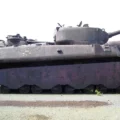
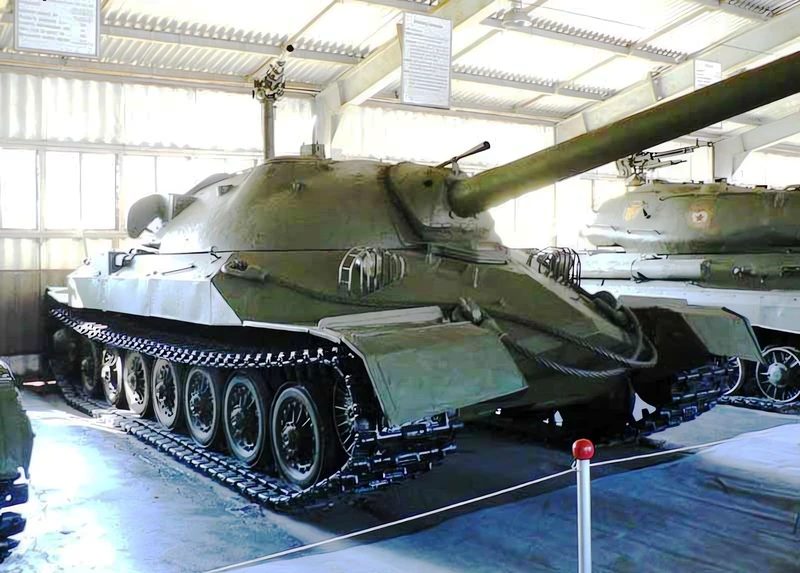
Teh Is-7 βαρύ ρεζερβουάρ, γνωστό και με το όνομα του έργου Αντικείμενο 260, είναι ένα σοβιετικό άρμα μάχης που άρχισε να αναπτύσσεται το 1945. Το όχημα υπήρχε μόνο σε πρωτότυπη μορφή και ακυρώθηκε υπέρ της δεξαμενής T-10.
| JS-7 Walk Around | |
|---|---|
| Φωτογράφους | Αγνοώ |
| Εντοπισμού | Αγνοώ |
| Φωτογραφίες | 14 |
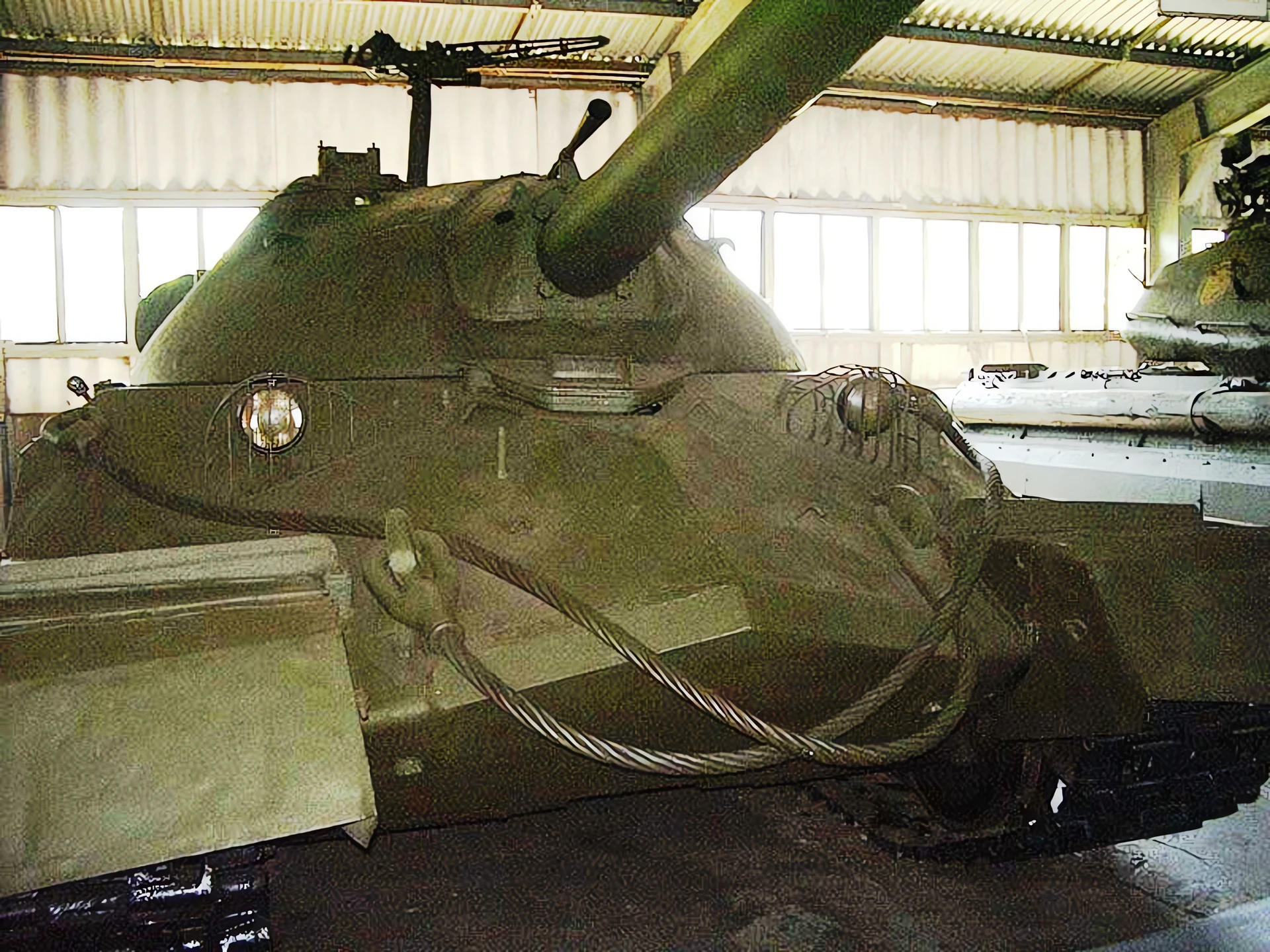
JS-7 1
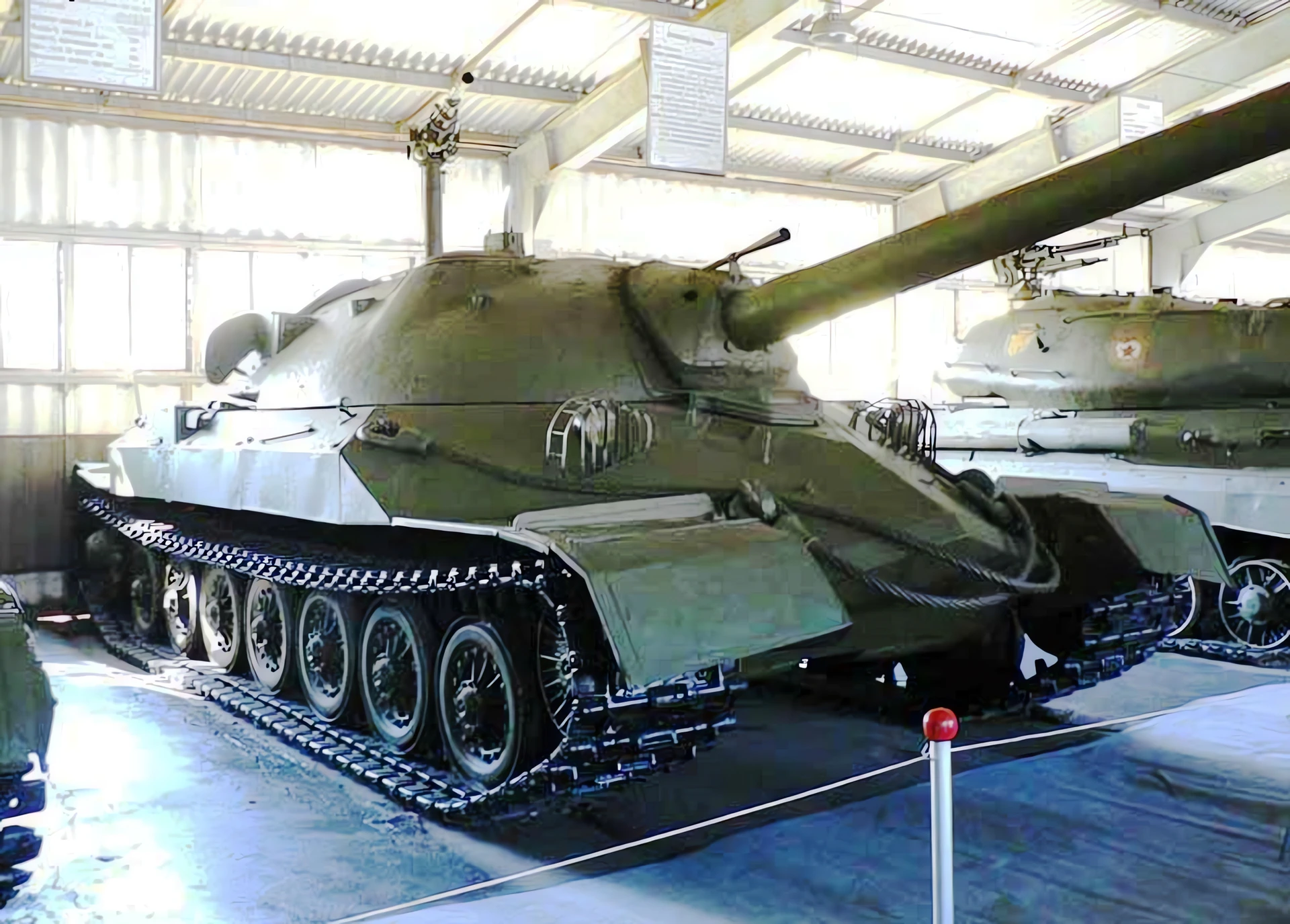
JS-7 2
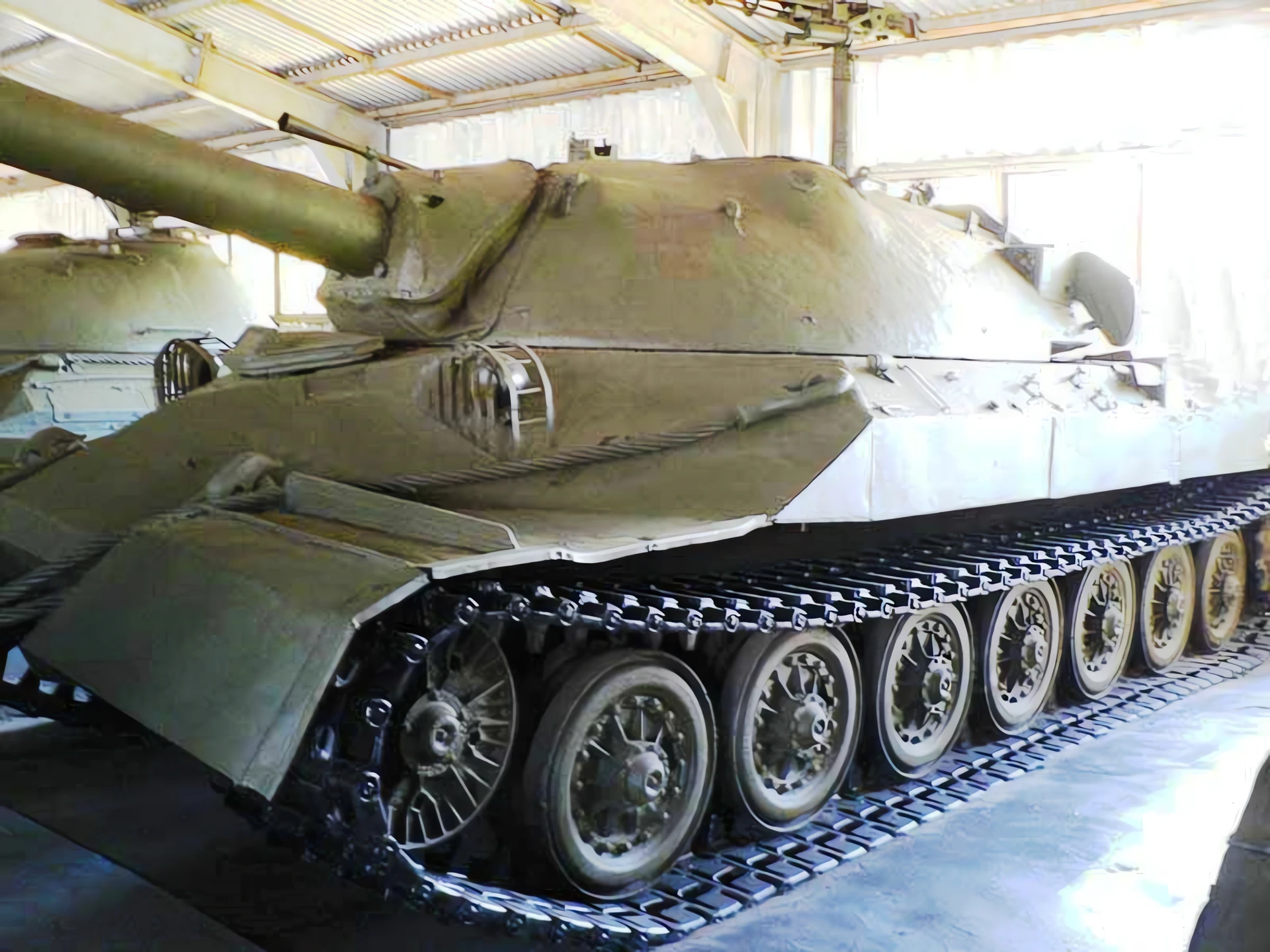
JS-7 4
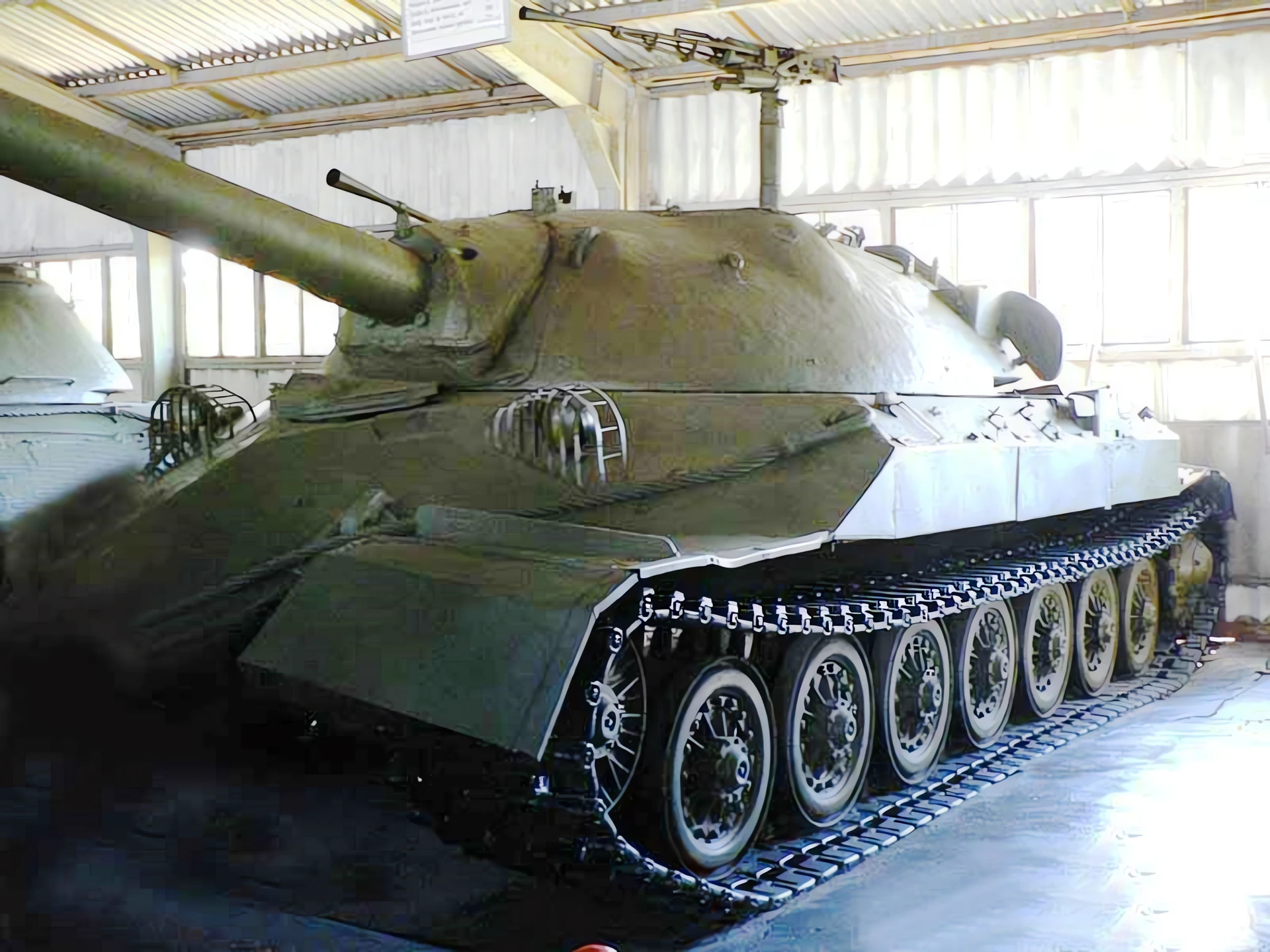
JS-7 3
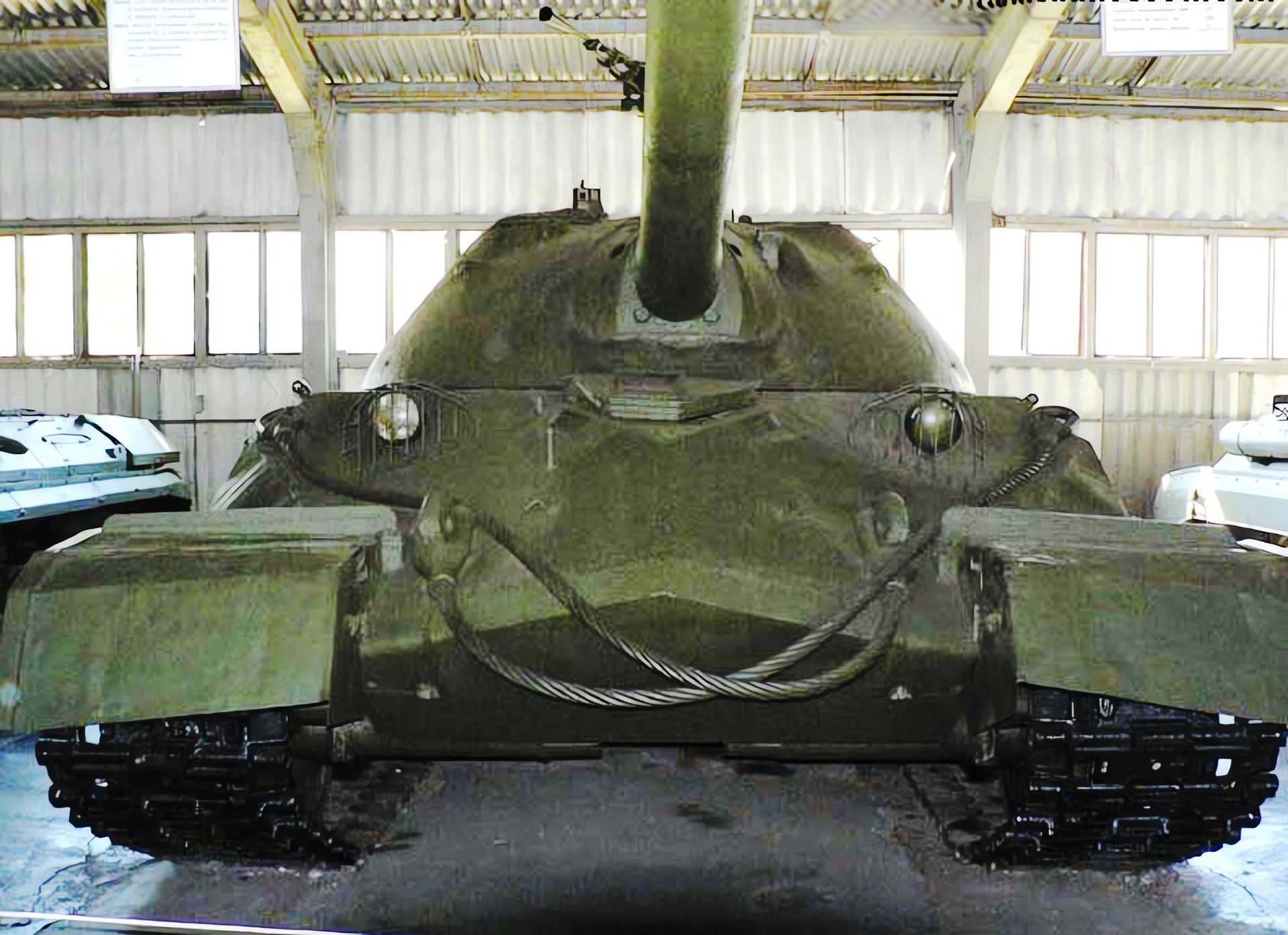
JS-7 5
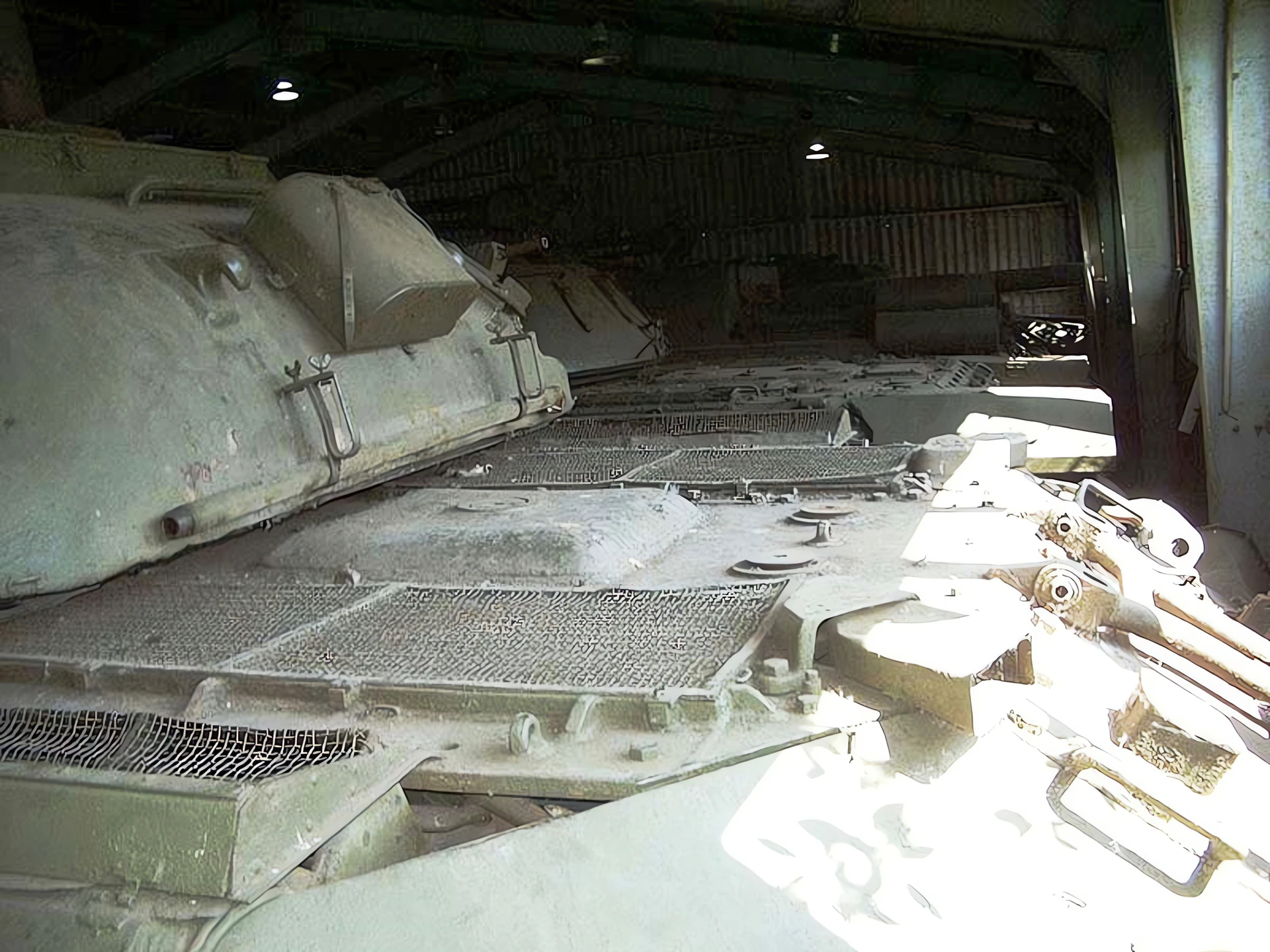
JS-7 6
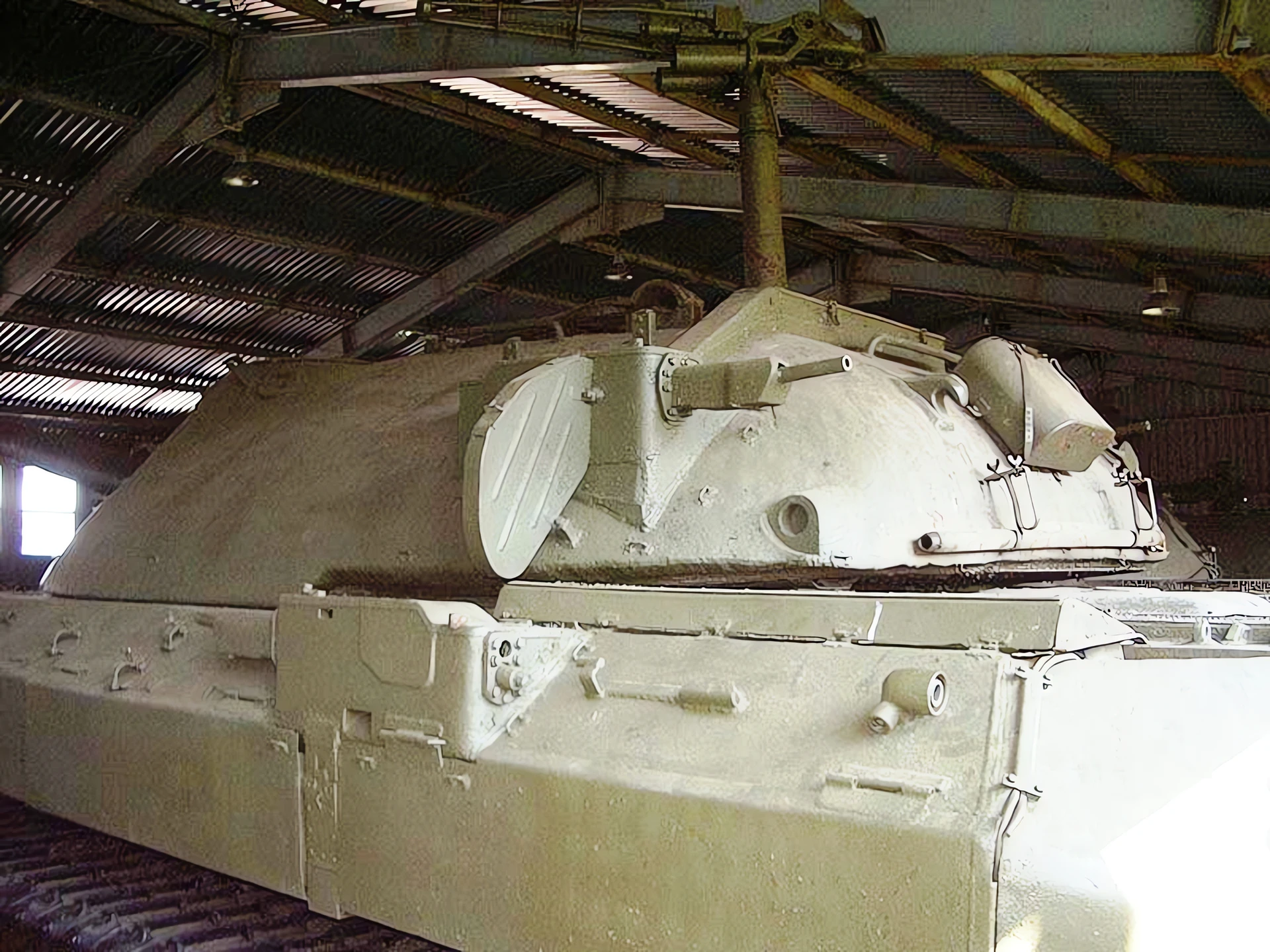
JS-7 8
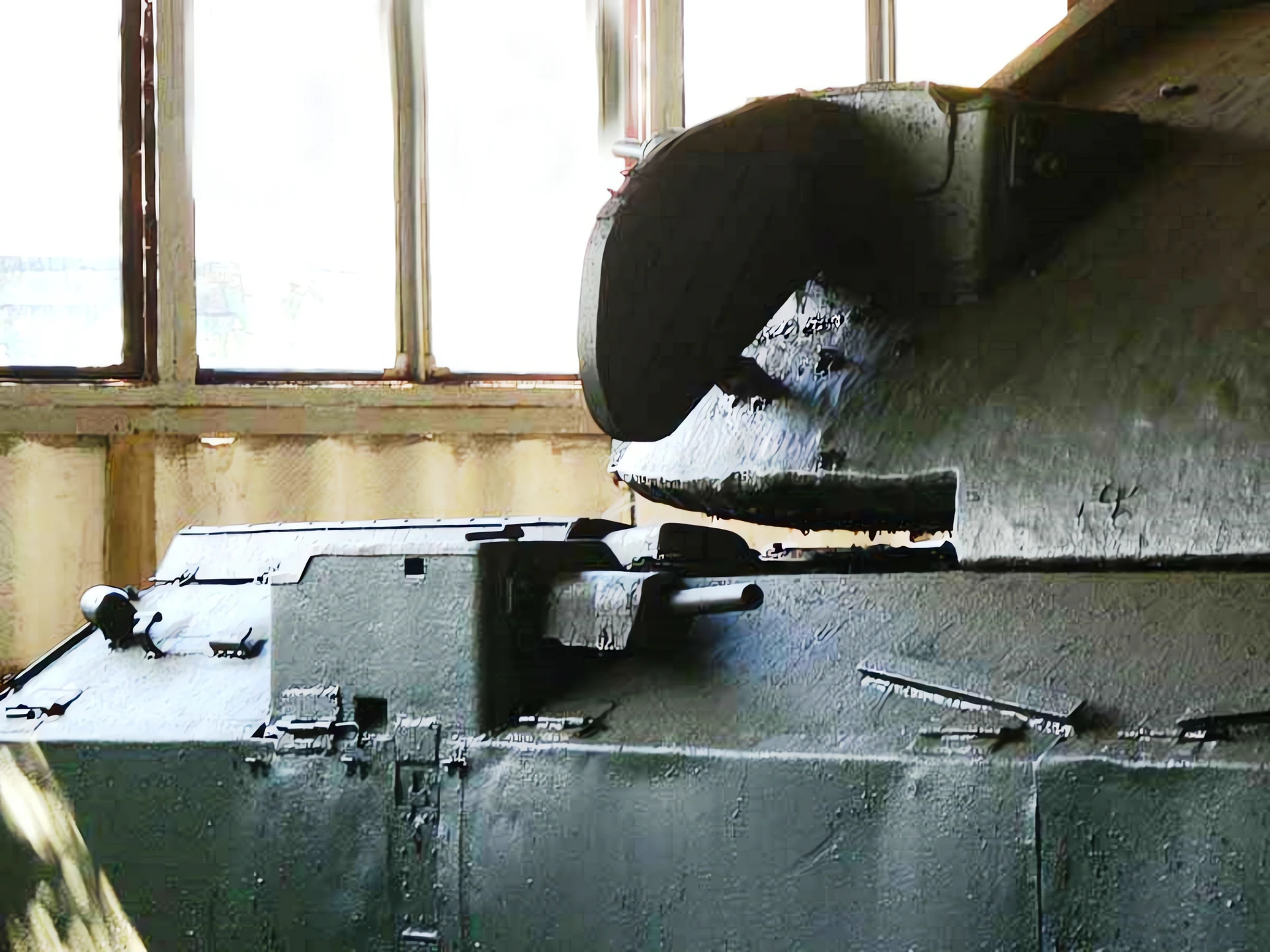
JS-7 7
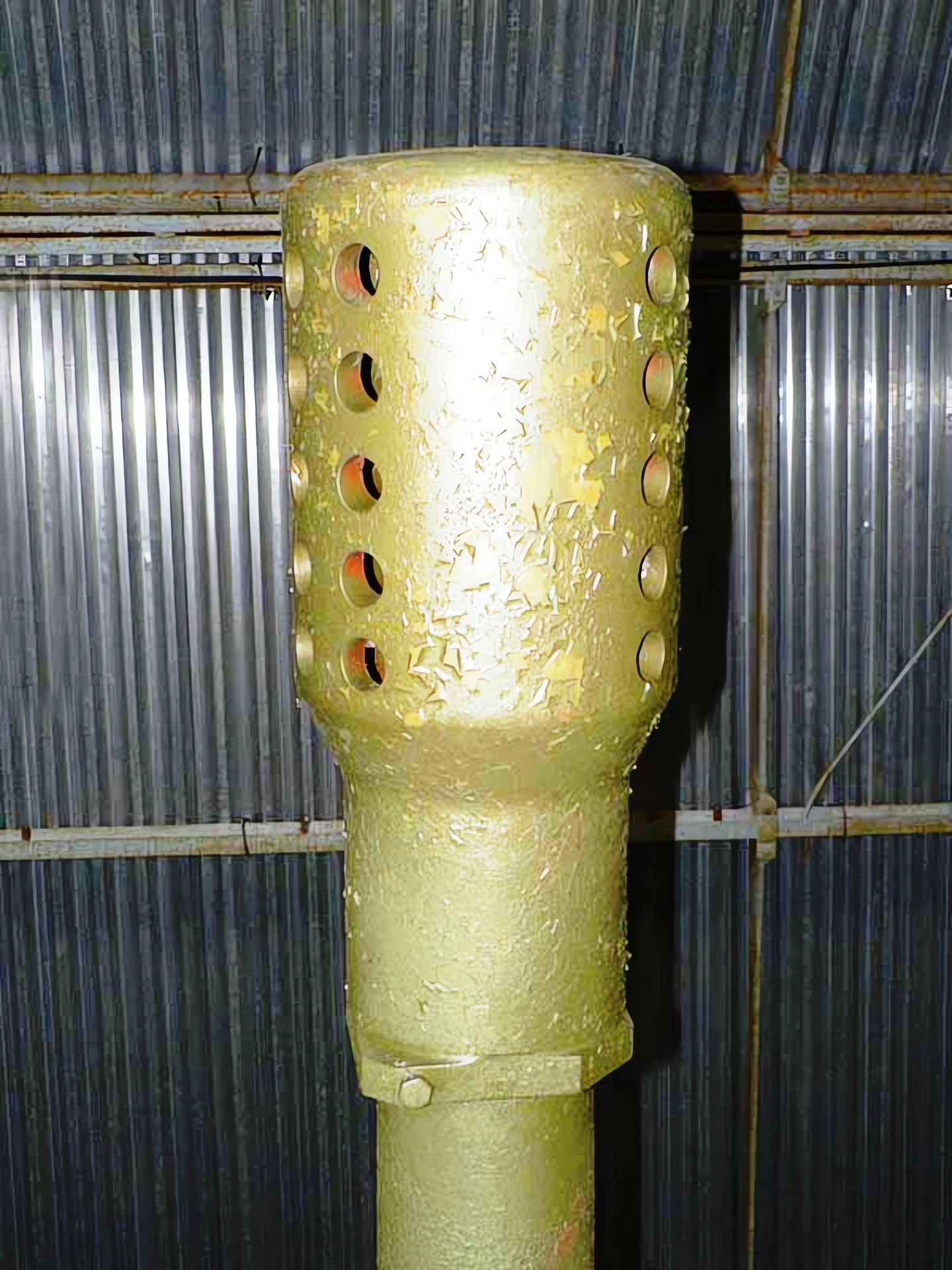
JS-7 10
Περιμένετε, ψάχνοντας JS-7 δεξαμενή για σας ...

Δείτε επίσης:


General Characteristics (Post-WWII Prototype)
The IS-7 (Iosif Stalin) was a highly advanced Soviet heavy tank developed in the immediate post-World War II period. It was the largest and heaviest of the IS tank family, featuring radical armor design and impressive mobility, though it never entered mass production.
| Property | Value (Object 260 Prototype) |
|---|---|
| Ρόλο | Heavy Tank, Breakthrough Vehicle |
| Σχεδιαστής | Nikolai Fedorovich Shashmurin |
| Σχεδιαστεί | 1945–1948 |
| Πλήρωμα | 5 (Commander, Gunner, Driver, 2 Loaders) |
| Combat Weight | 68 tonnes (68,000 kg) |
| Αριθμός που χτίστηκε | 6 (Prototypes only) |
Armament and Protection
- Main Armament: One 130 mm S-70 L/50 rifled tank gun (a conversion of a naval gun).
- Loading System: Features an assisted loading mechanism (autoloader) using a conveyor belt, allowing for a high rate of fire (6–8 rounds per minute).
- Secondary Armament: An exceptionally heavy battery, including two 14.5 mm KPVT heavy machine guns (one coaxial, one roof-mounted AA) and six 7.62 mm RP-46 machine guns (various forward and rear mountings).
- Frontal Armor (Hull): 150 mm, steeply sloped at 65 degrees in the “pike nose” configuration, designed to defeat German 12.8 cm guns.
- Frontal Armor (Turret): Up to 250 mm on the turret face and 350 mm on the mantlet, with heavy angling.
Powerplant and Mobility
- Engine: M-50T V12 water-cooled diesel engine (based on a naval engine).
- Power Output: 1,050 hp (780 kW).
- Maximum Road Speed: Up to 60 km/h (37 mph), which was exceptionally fast for a heavy tank of its size.
- Power-to-Weight Ratio: Approximately 15.4 hp/tonne, giving it superior mobility compared to many contemporary heavy tanks.
- Suspension: Advanced torsion bar suspension with hydraulic shock absorbers for a smooth ride.
- Cancellation Reason: Despite successful trials, the tank was deemed too large, complex, and heavy for rail transport and mass production in the post-war environment, leading to the adoption of the lighter T-10 (IS-8).
Views : 1481