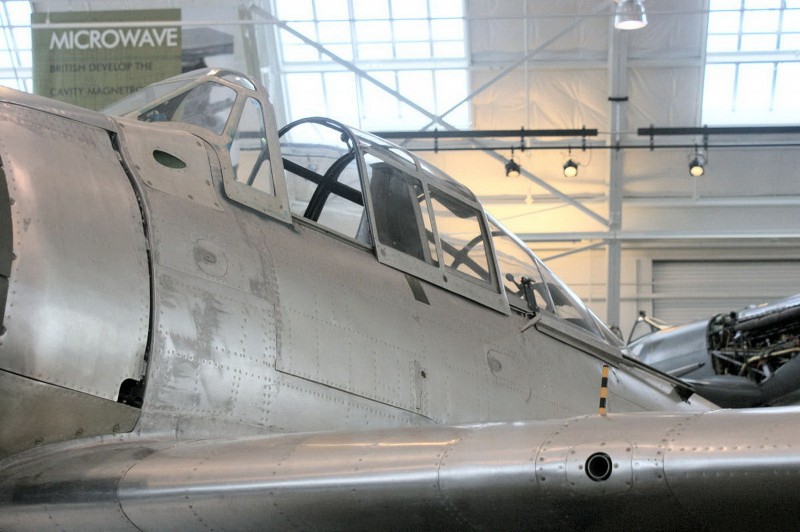
Mitsubishi A6M Zero | |
|---|---|
| Χώρα | Ιαπωνία |
| Ρόλο | Μαχητής |
| Πρώτη μύγα | 1η Απριλίου 1939 |
| Χτισμένο | 10939 |
Το Mitsubishi A6M "Zero" είναι ένα μαχητικό αεροσκάφος μεγάλου βεληνεκούς που κατασκευάστηκε στο παρελθόν από την Mitsubishi Aircraft Company, μέρος της Mitsubishi Heavy Industries, και λειτουργούσε από το Αυτοκρατορικό Ιαπωνικό Ναυτικό από το 1940 έως το 1945. Το A6M ορίστηκε ως το μαχητικό αεροπλανοφόρο τύπου 0 του Πολεμικού Ναυτικού της Mitsubishi (零式艦上戦闘機 rei-shiki-kanjō-sentōki), ή το Mitsubishi A6M Rei-sen. Το A6M αναφερόταν συνήθως από τους πιλότους του ως Reisen (零戦, μηδενικό μαχητικό), το "0" ήταν το τελευταίο ψηφίο του αυτοκρατορικού έτους 2600 (1940) όταν μπήκε σε υπηρεσία με το Αυτοκρατορικό Ναυτικό. Το επίσημο συμμαχικό όνομα αναφοράς ήταν "Zeke", αν και η χρήση του ονόματος "Zero" (από τον Τύπο 0) χρησιμοποιήθηκε στην καθομιλουμένη και από τους Συμμάχους
| Μηδέν A6M3 | |
|---|---|
| Φωτογράφος | Αγνοώ |
| Εντοπισμού | Αγνοώ |
| Φωτογραφίες | 20 |
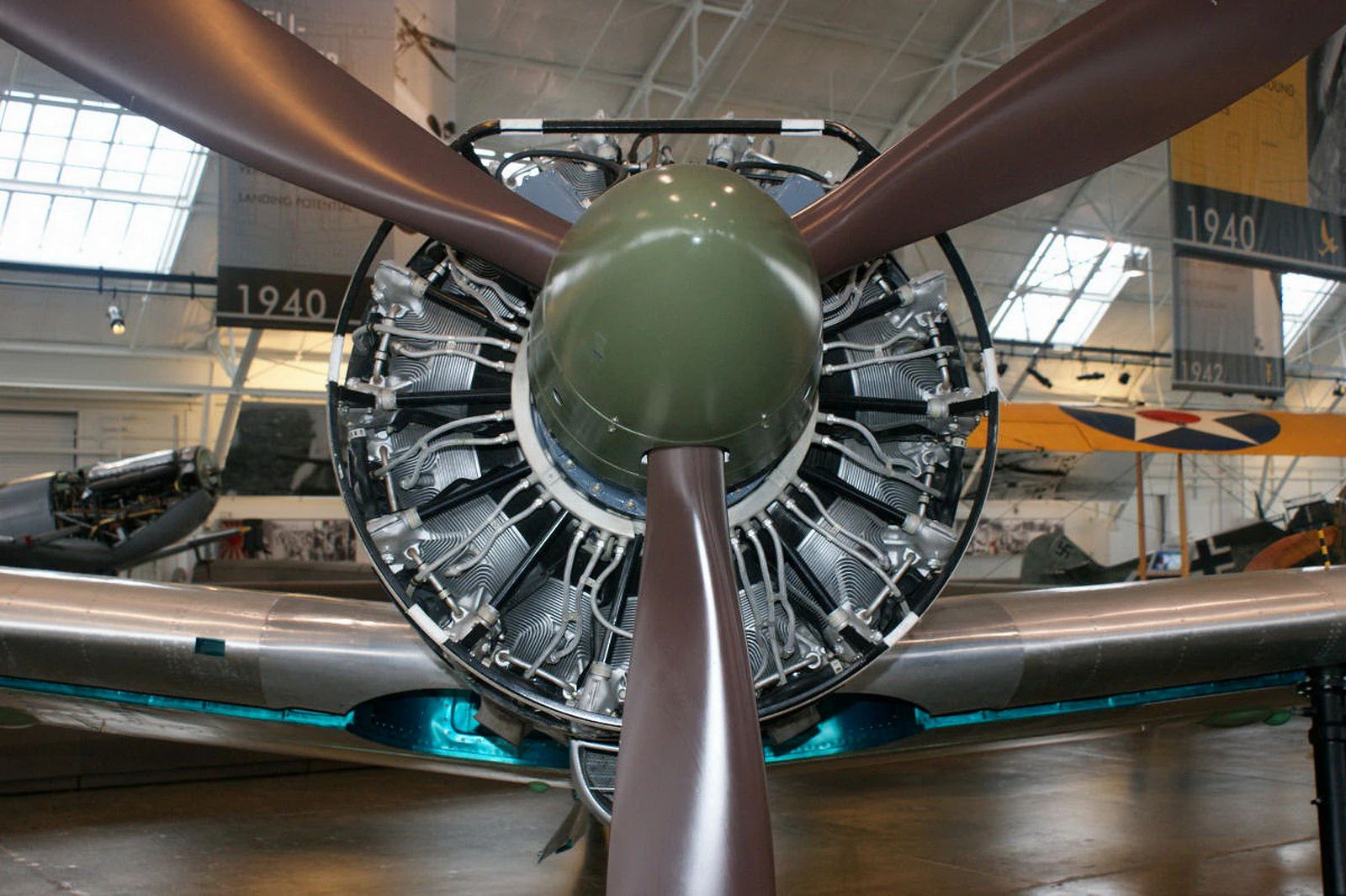
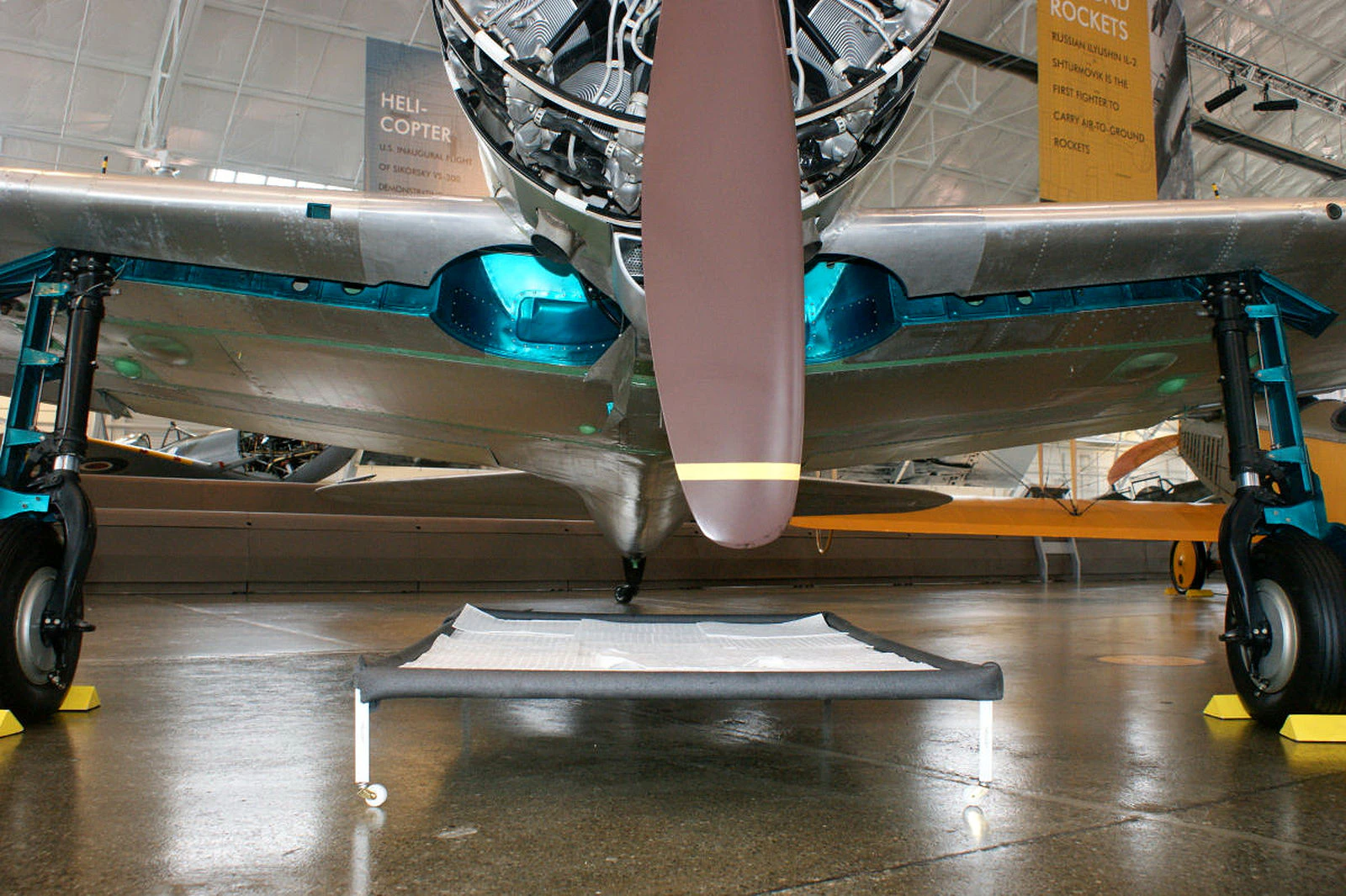
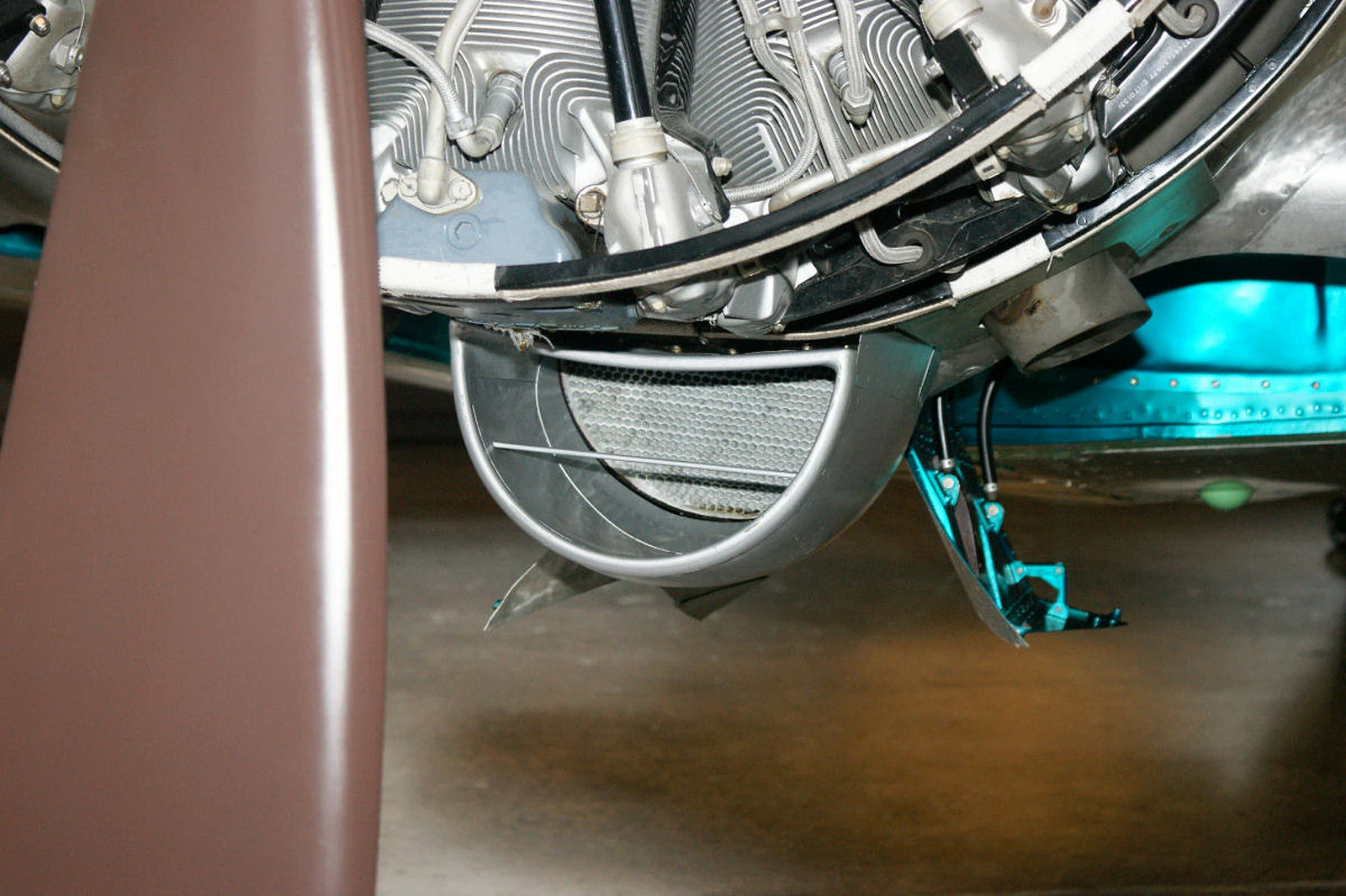
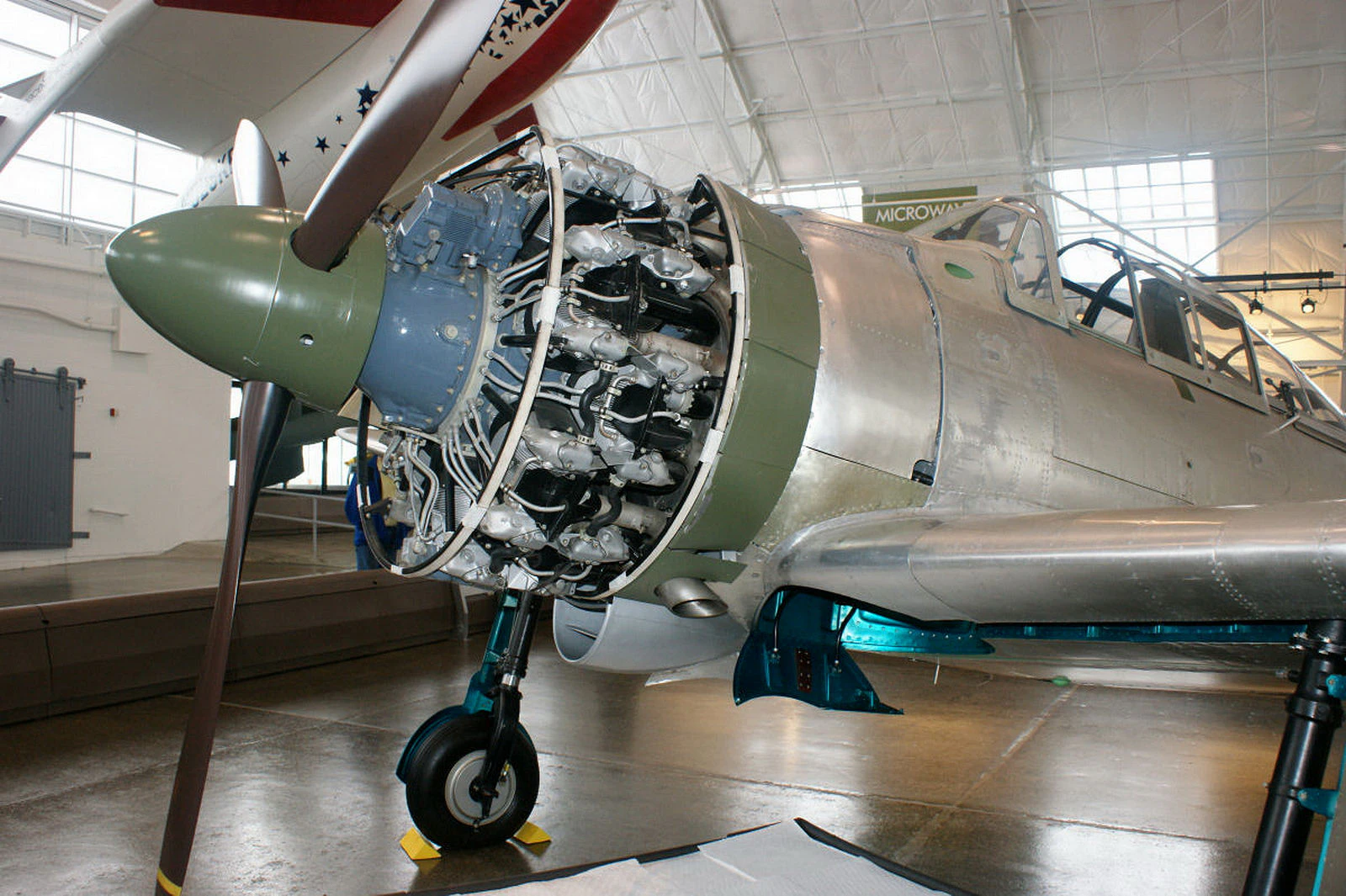
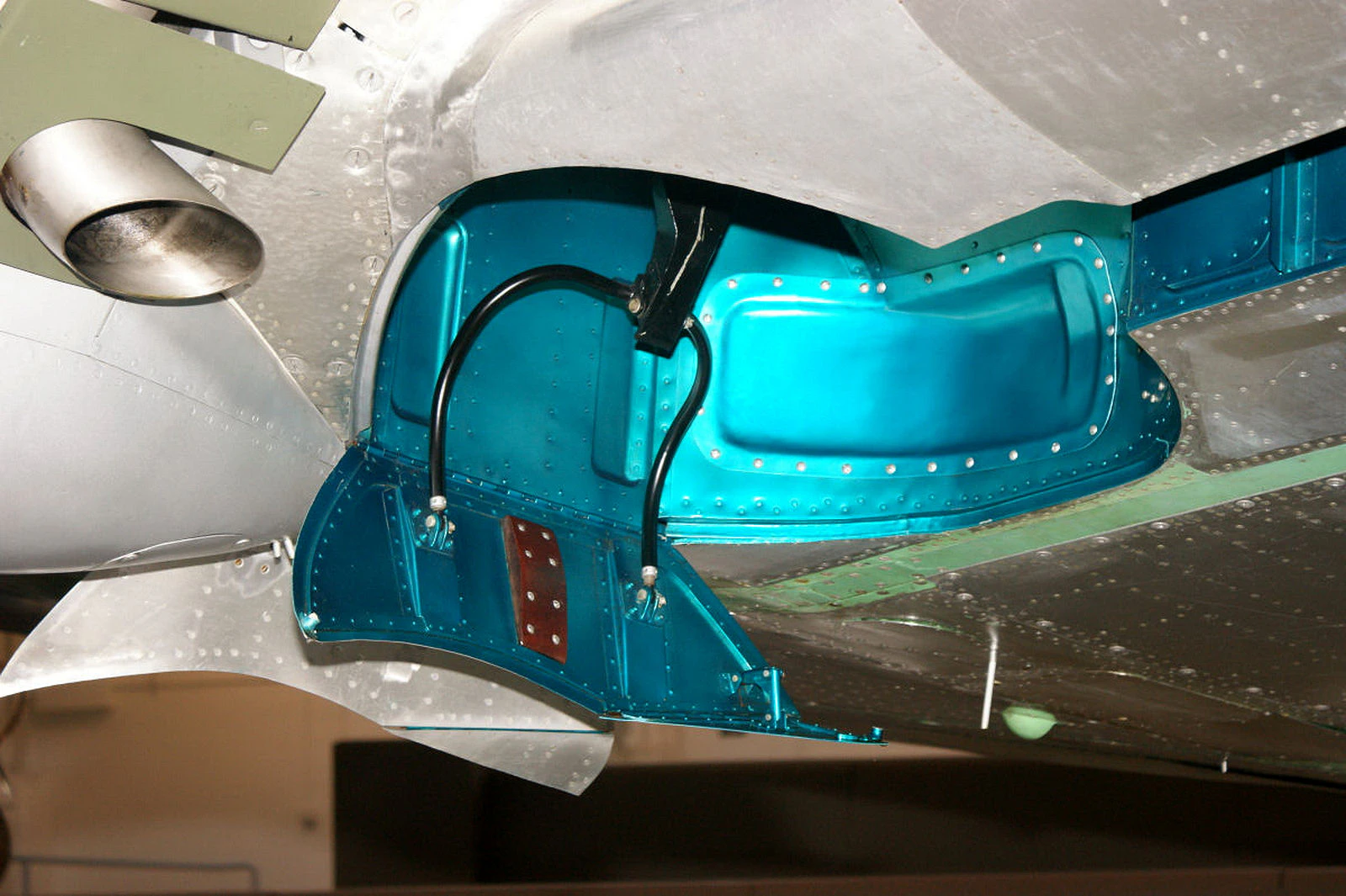
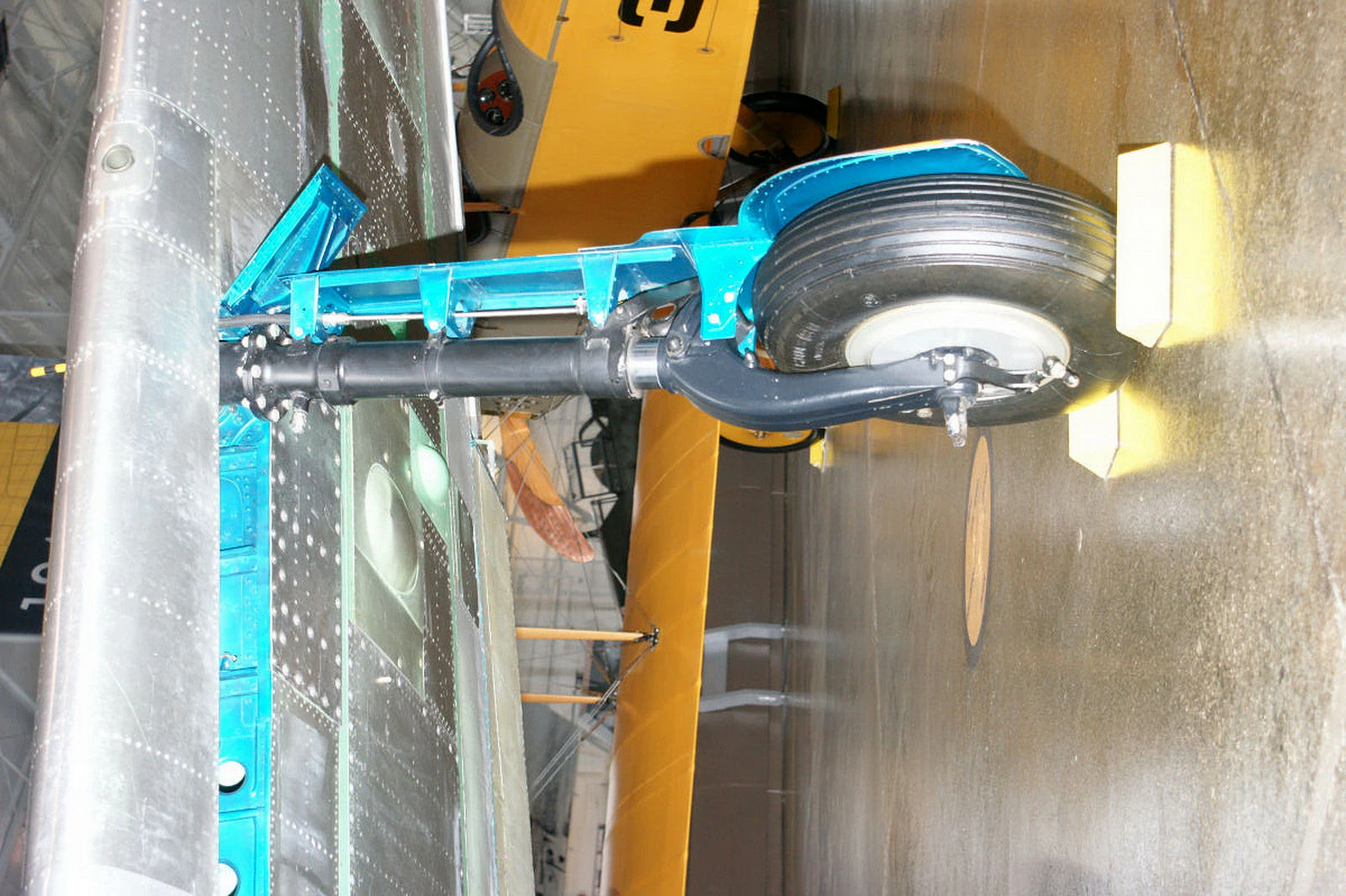
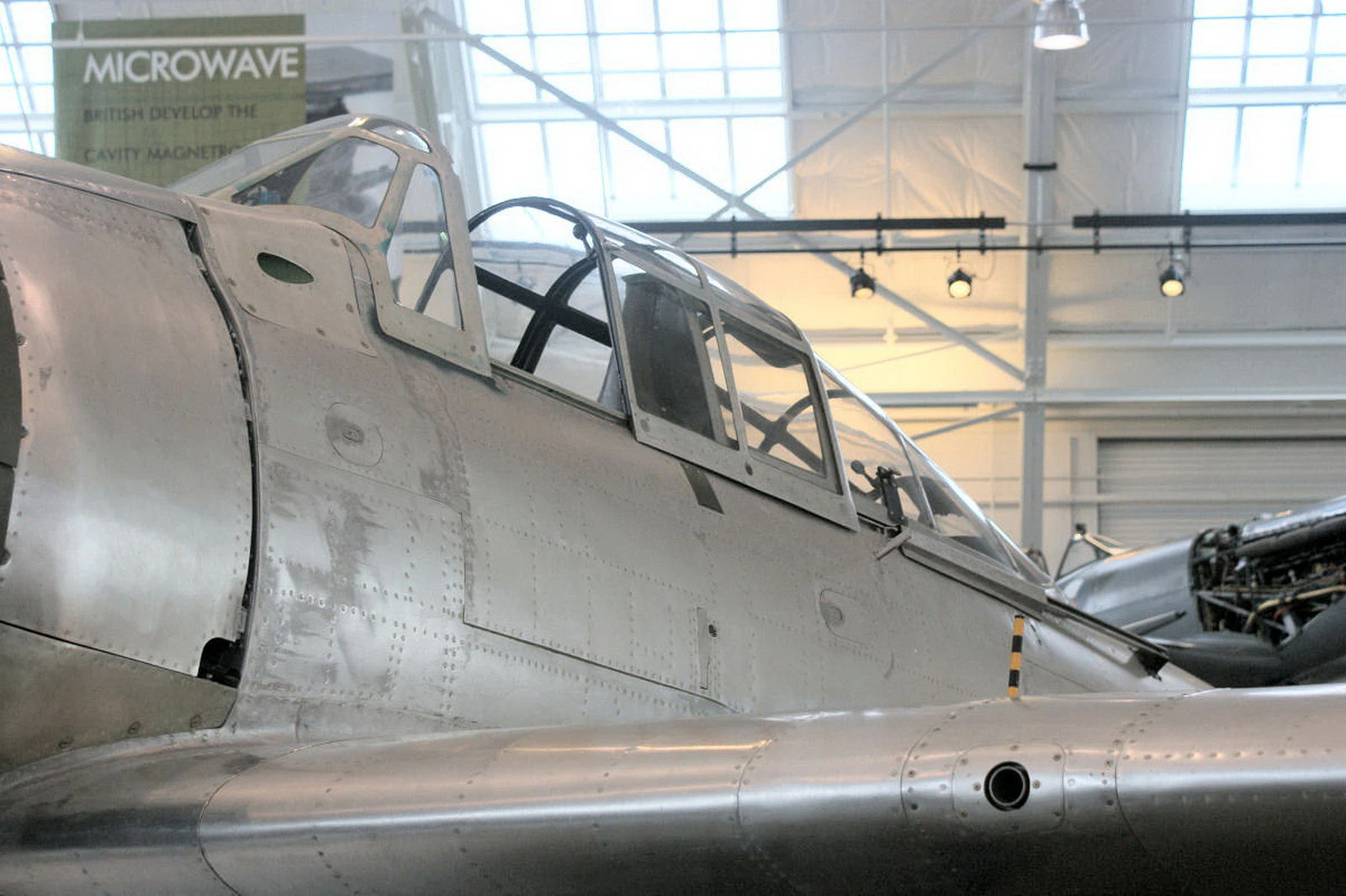
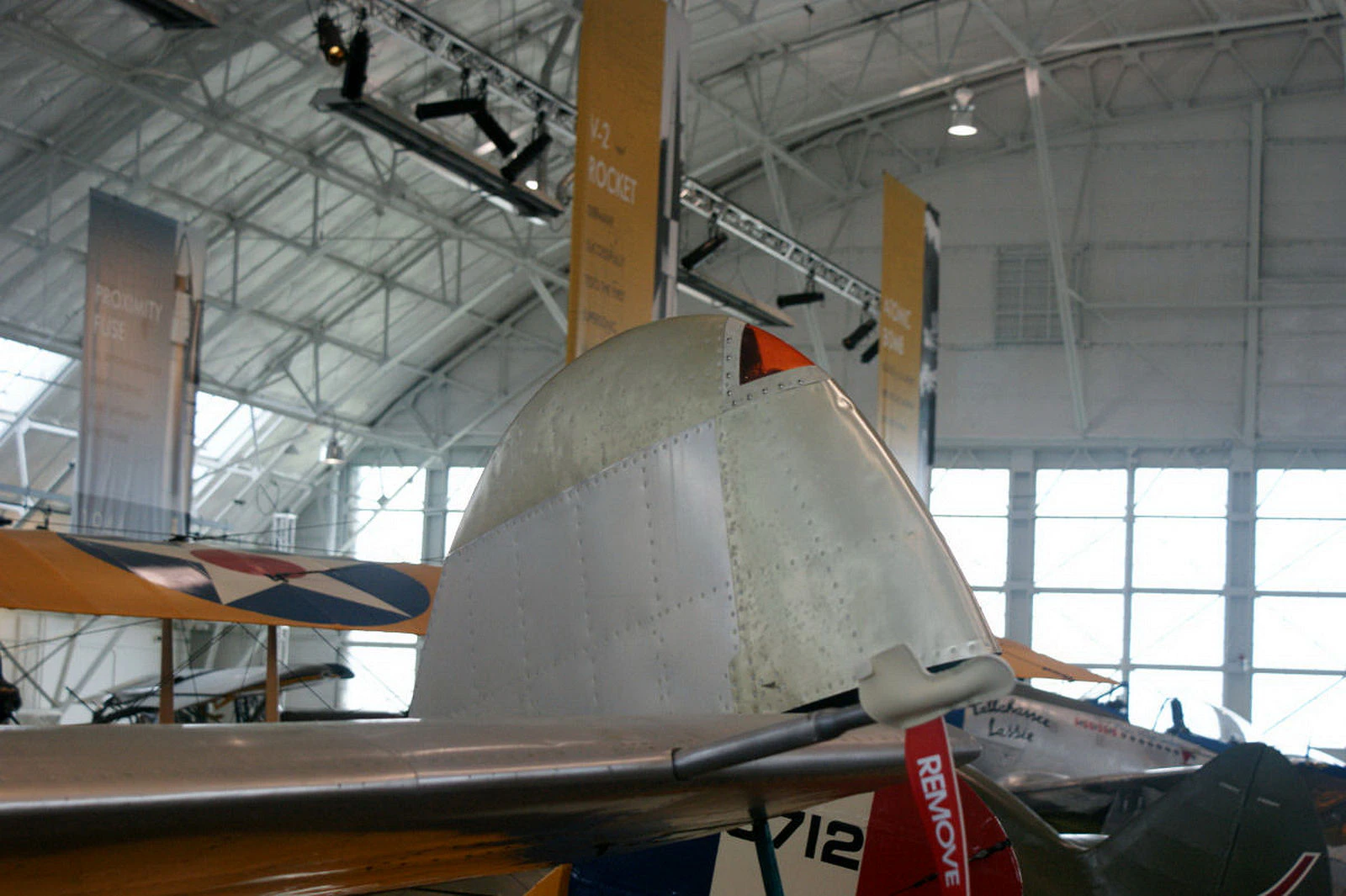
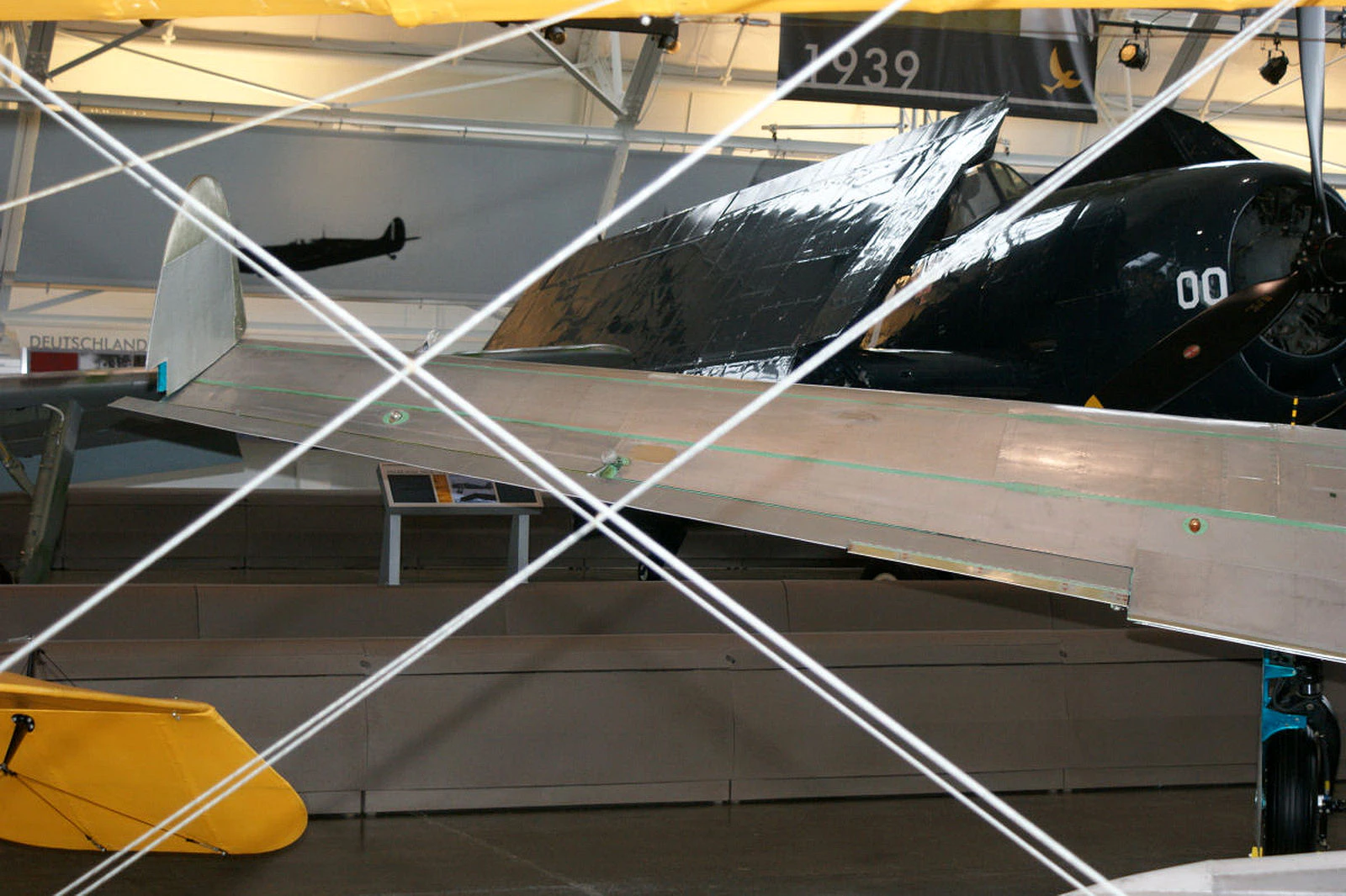

| Mitsubishi A6M Μηδέν (Zeke) Περπατήστε γύρω | |
|---|---|
| Φωτογράφος | Σίες Χέντρικς |
| Εντοπισμού | Αγνοώ |
| Φωτογραφίες | 22 |
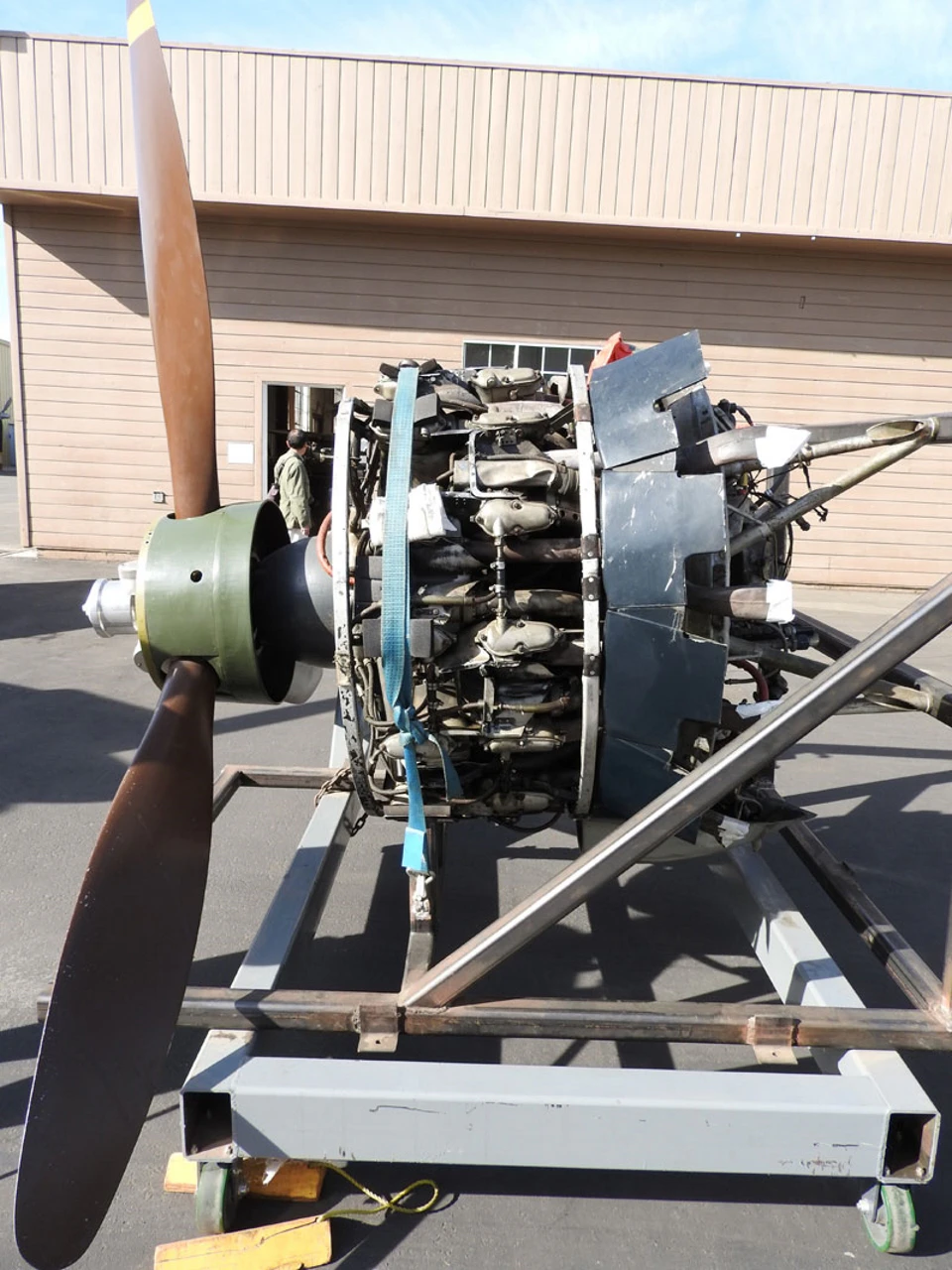
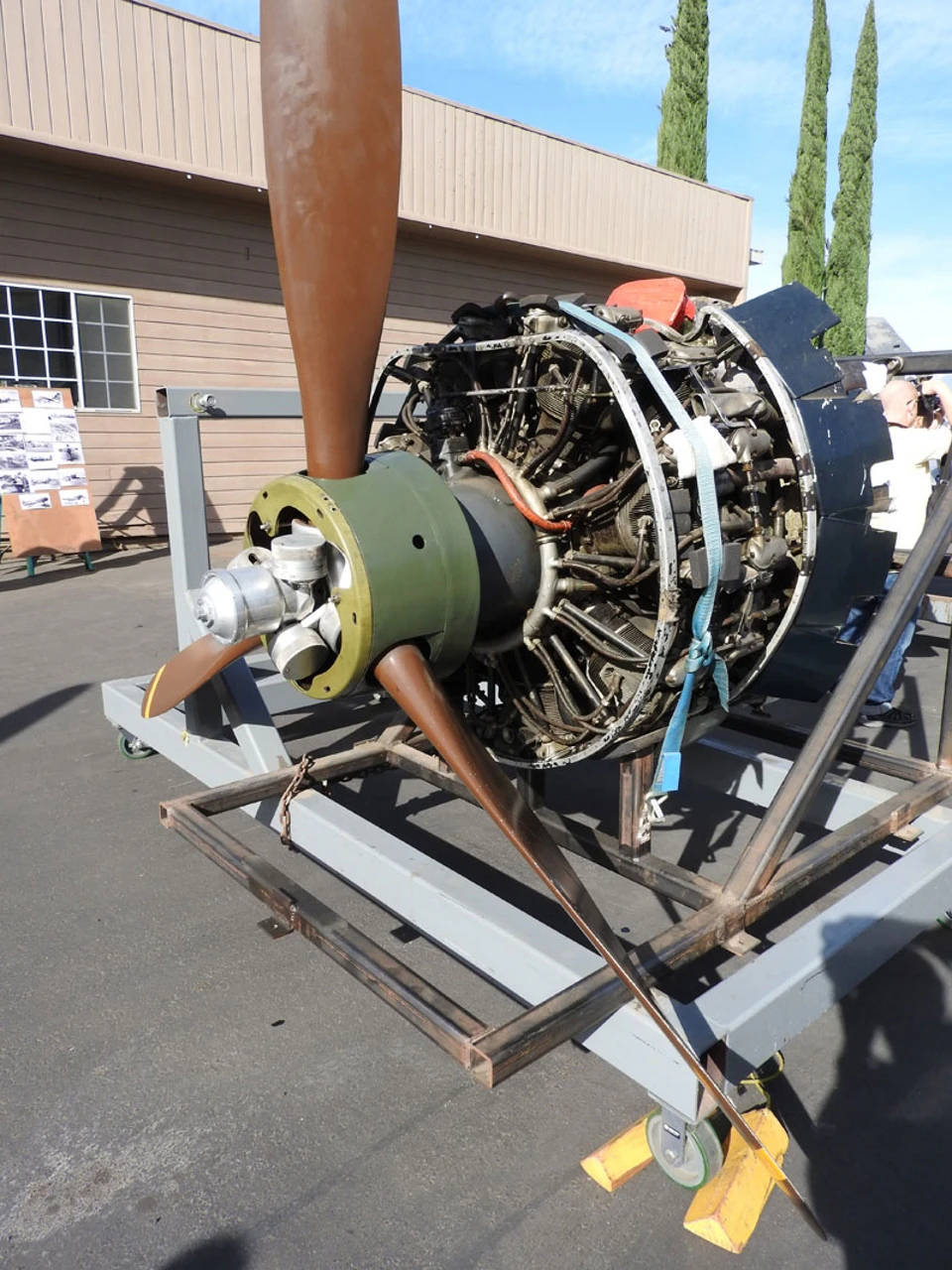
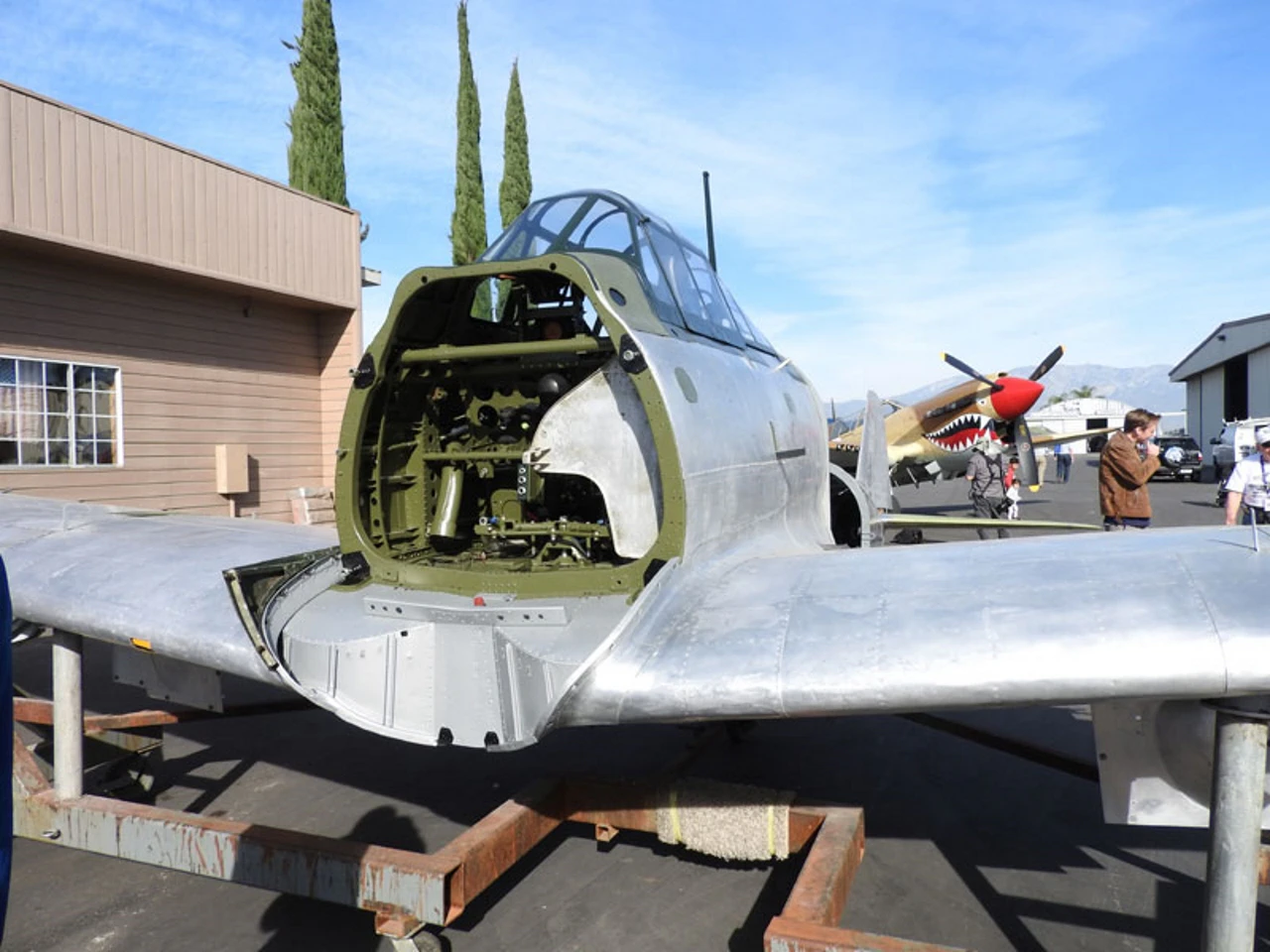
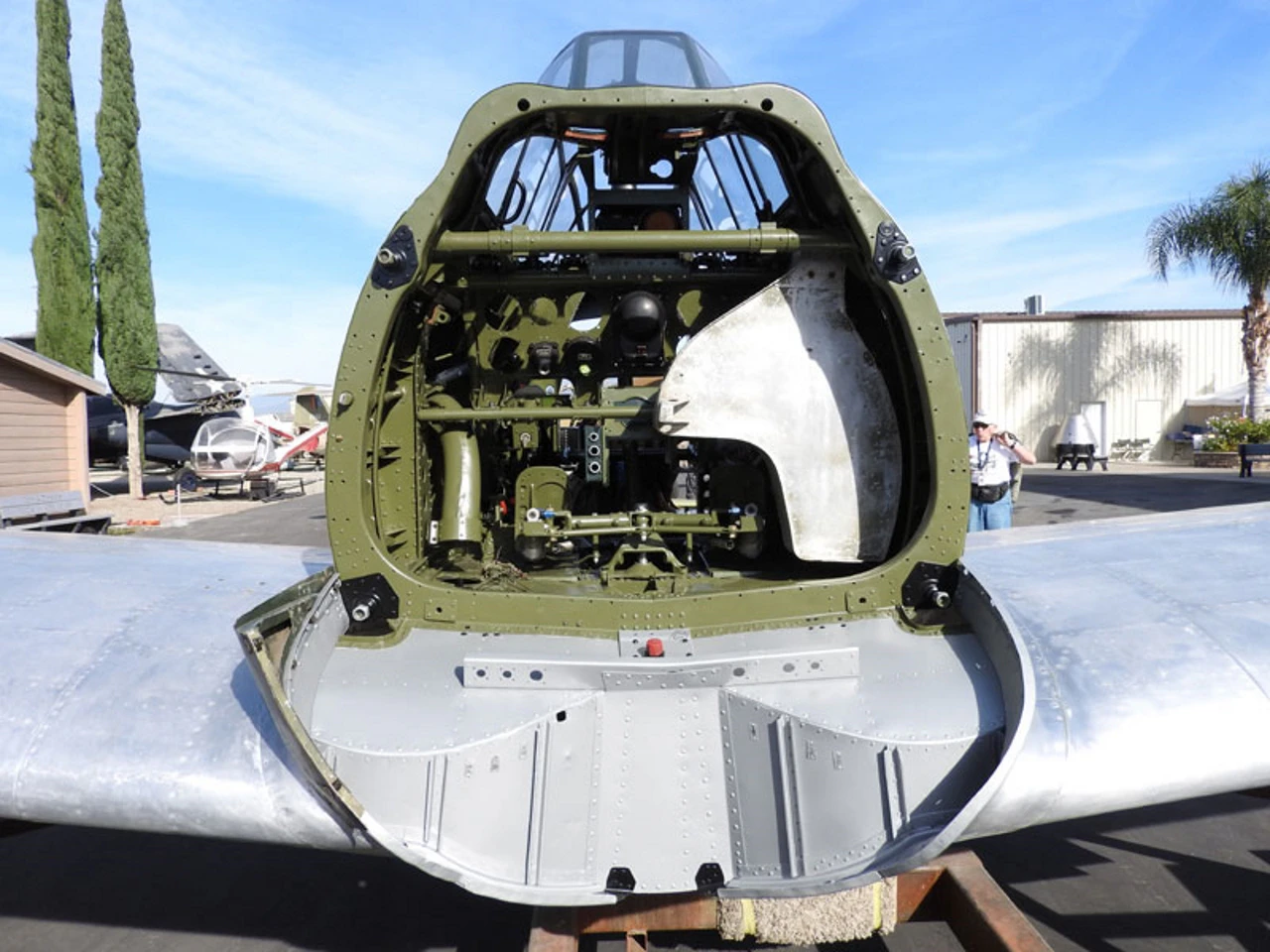
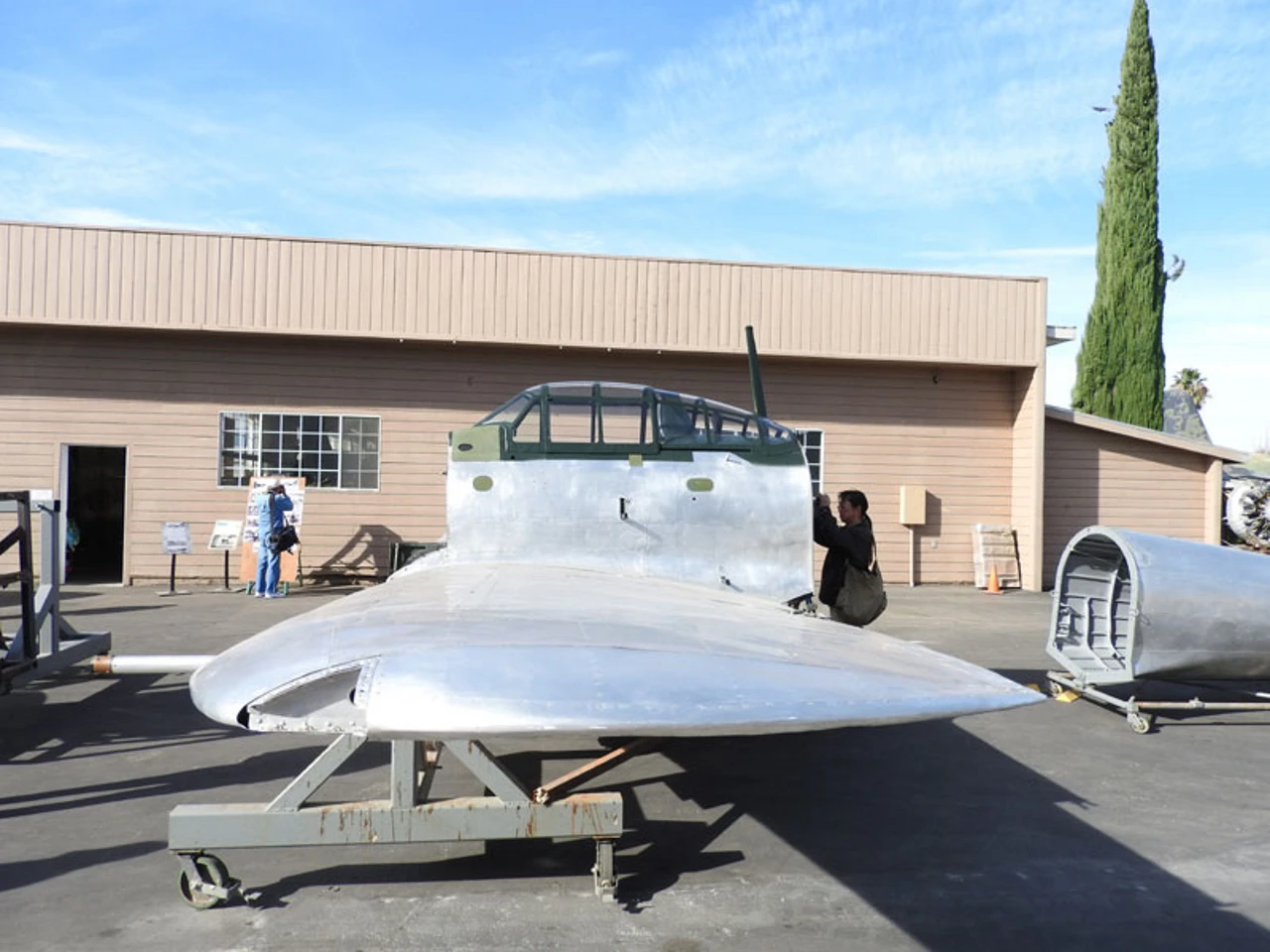
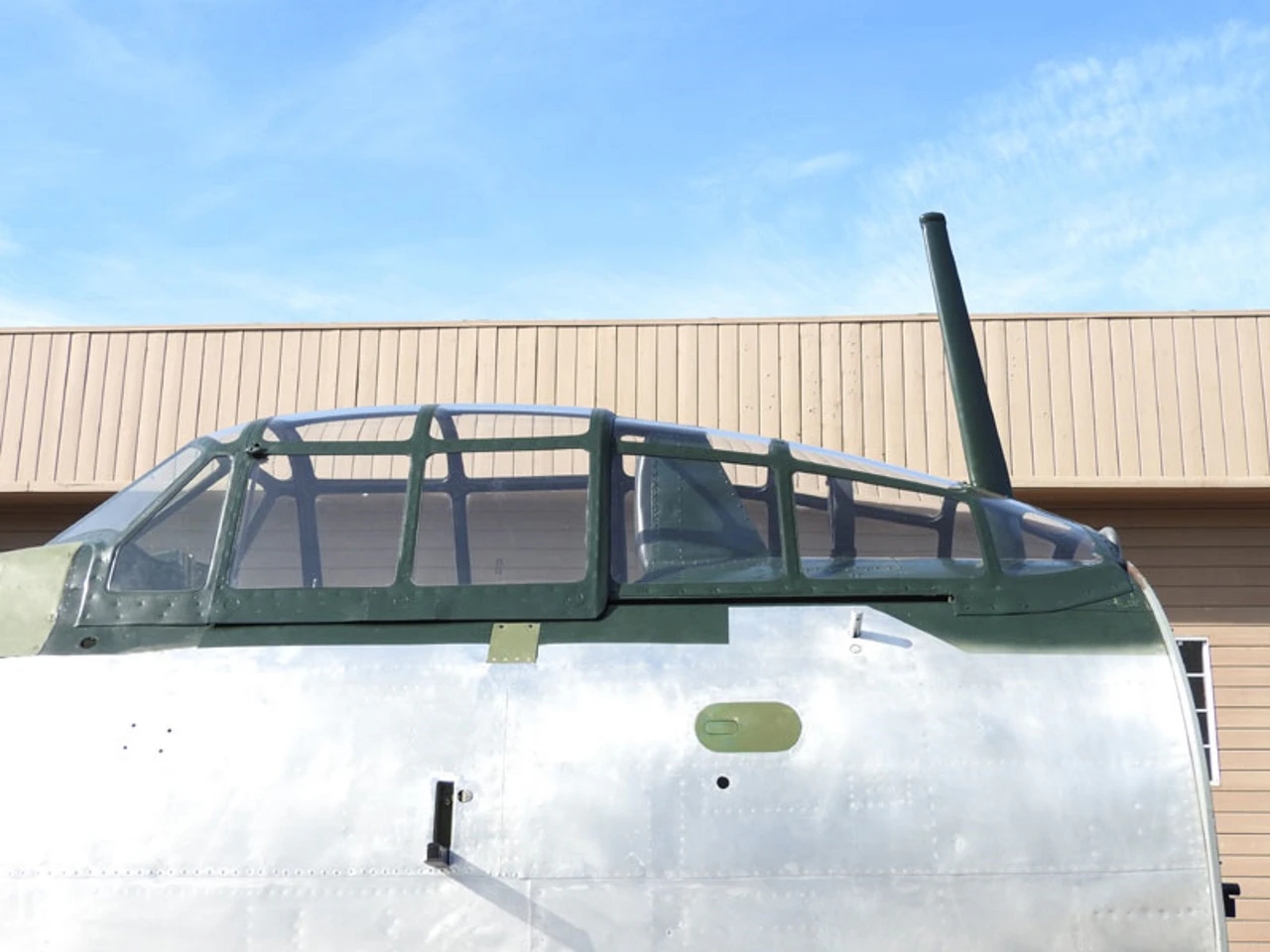
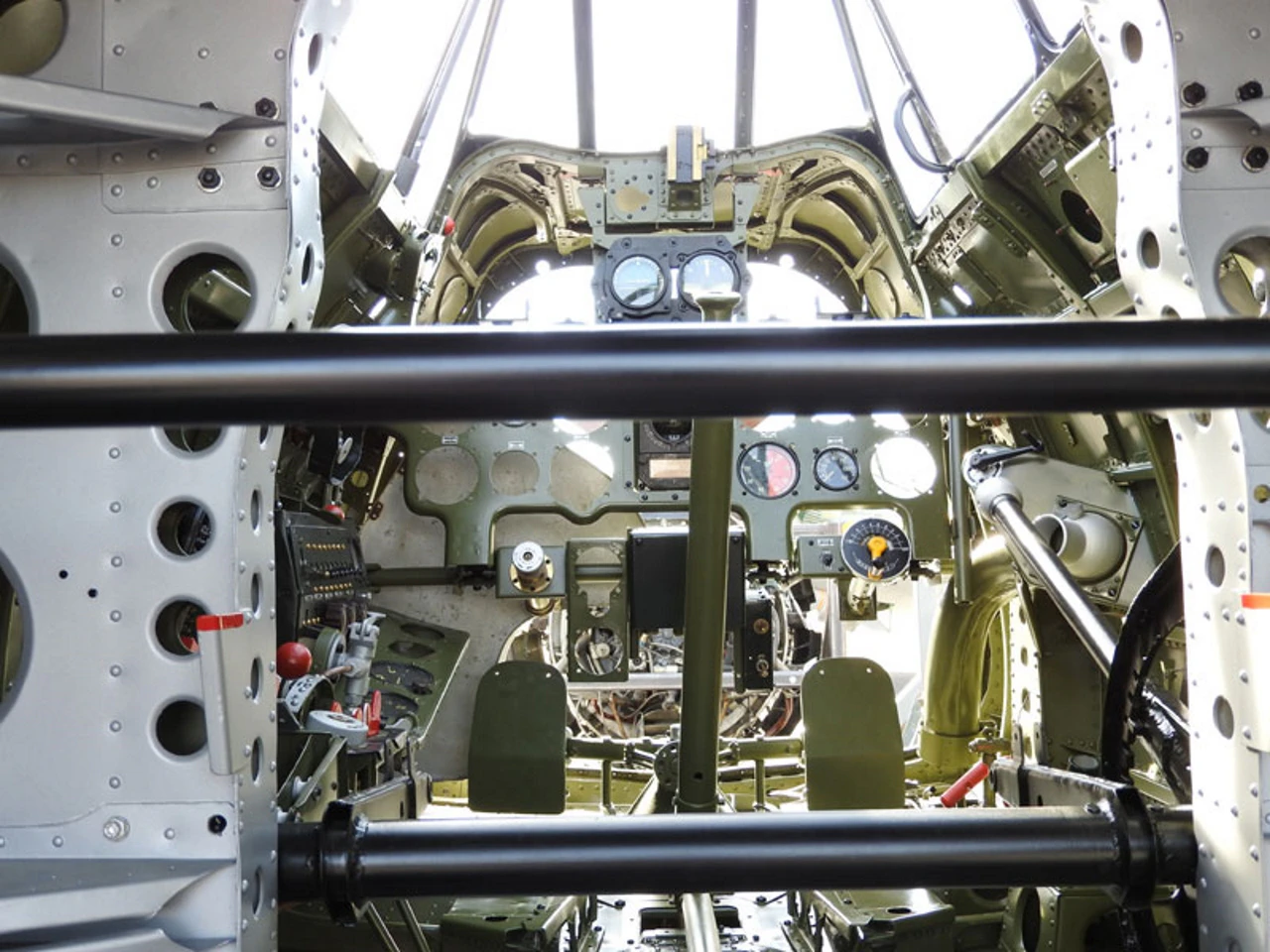
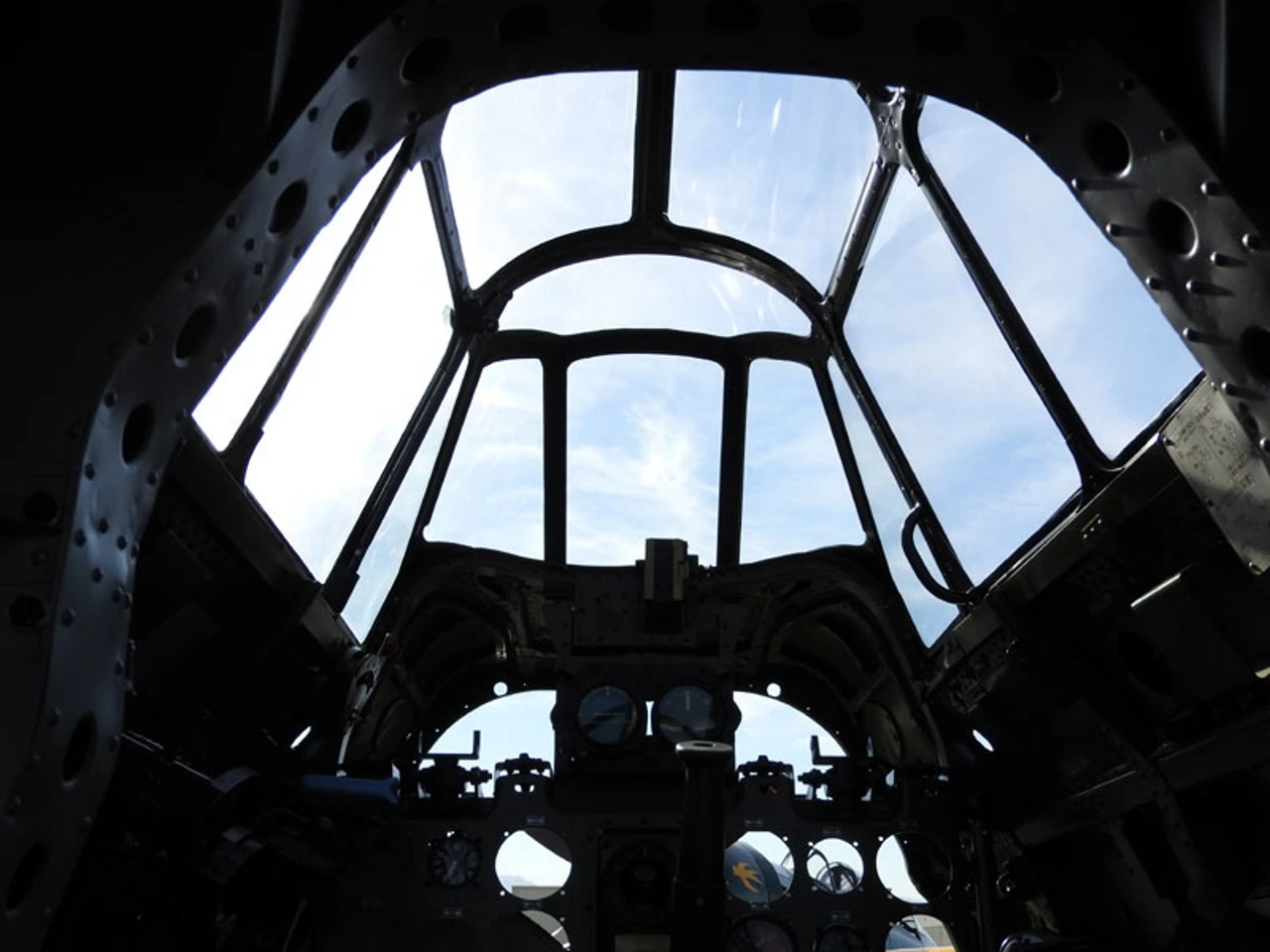
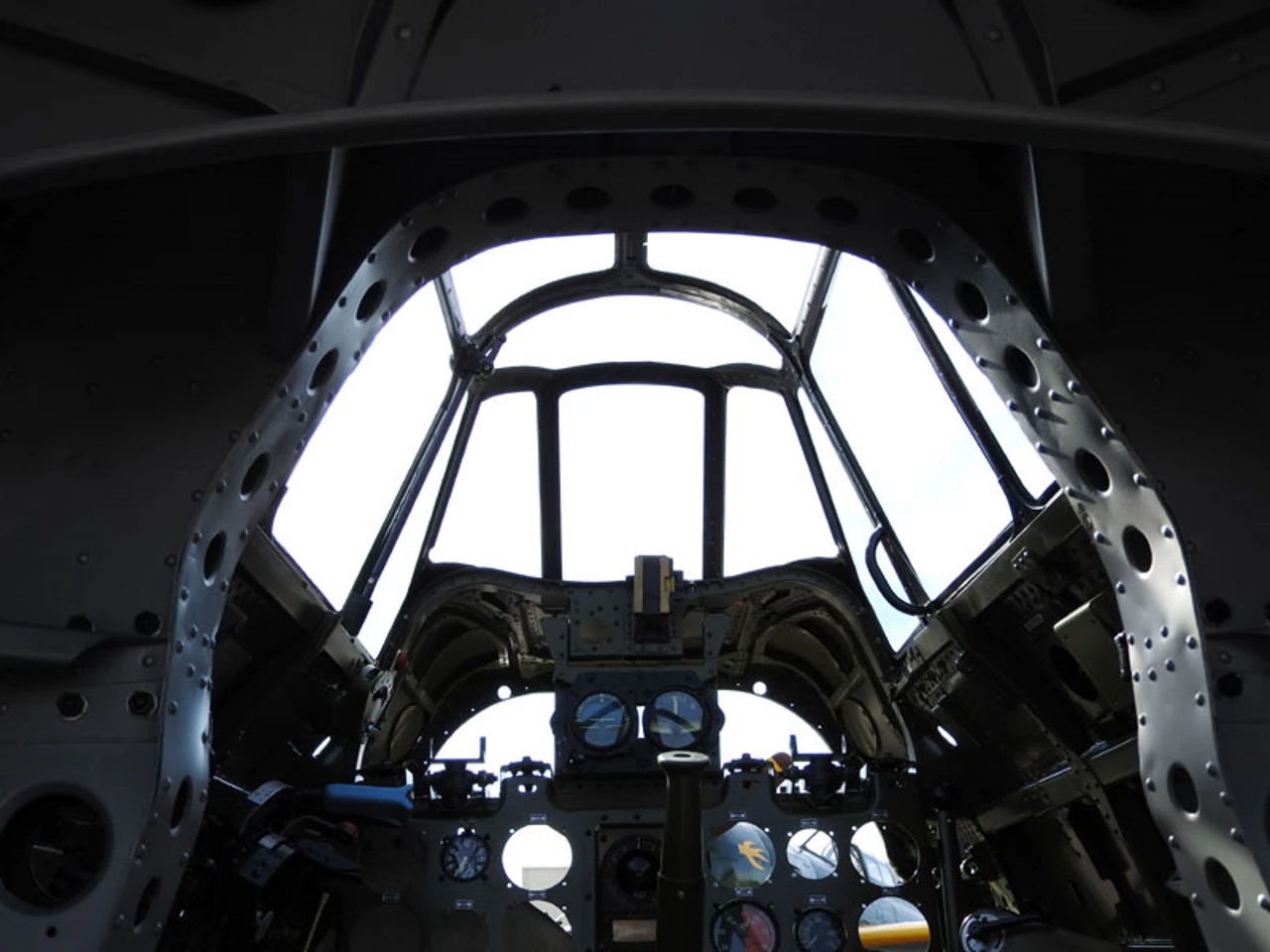
| Mitsubishi A6M3 Model 22 Zero Walk Around | |
|---|---|
| Φωτογράφος | Βλαντιμίρ Γιακούμποφ |
| Εντοπισμού | Μουσείο Πολεμικού Μνημείου του Ώκλαντ< |
| Φωτογραφίες | 100 |
Δείτε επίσης:


The Clipped-Wing Ocean Raider
Teh Mitsubishi A6M3 Zero (Type 0 Model 32 and 22) represented a pivotal mid-war evolution of Japan’s legendary carrier-borne fighter. Introduced to counter increasingly aggressive Allied air tactics, the A6M3 sacrificed a fraction of the original Zero’s legendary extreme range in exchange for greater speed, a faster roll rate, and better high-altitude performance. When Allied pilots first encountered the square-winged Model 32 variant over the Solomon Islands, its distinct silhouette initially fooled them into thinking they were fighting an entirely new aircraft type, which they designated with the code name “Hamp.”
| Attribute | Technical Specification (A6M3 Model 32) |
|---|---|
| Ρόλο | Carrier-Based Fighter Aircraft |
| Πλήρωμα | 1 (Pilot) |
| Μηχανή | 1 × Nakajima Sakae 21 14-cylinder radial engine (1,130 hp) |
| Maximum Speed | 544 km/h (338 mph) at 6,000 m |
| Έκταση | ~2,380 km (1,478 miles) with drop tank |
| Service Ceiling | 11,050 m (36,250 ft) |
| Οπλισμός | 2 × 20mm Type 99-1 cannons (wings), 2 × 7.7mm Type 97 machine guns (cowl) |
| Ammunition Load | Upgraded to 100 rounds per 20mm cannon (drum-fed) |
Design Engineering: Squared Wings and Supercharged Power
- The “Clipped” Wingtips: The most drastic visual shift on the A6M3 Model 32 was the removal of the folding wingtips. By squaring off the wings and shortening the wingspan by one meter, designers intentionally traded a bit of lift for an increased roll rate, allowing the plane to dive and bank sharply in dogfights.
- The Sakae 21 Engine: To unlock better performance, the A6M3 upgraded to the supercharged Sakae 21 engine. This engine was heavier and longer than the previous model, forcing engineers to shift the firewall rearward and redesign the forward fuselage cowling.
- Upgraded Cannon Punch: The signature 20mm wing cannons received a massive ammunition upgrade. The older 60-round drums were replaced with larger 100-round drums, significantly expanding the pilot’s sustained heavy firepower during extended air-to-air engagements.
- Aerodynamic Supercharging: The air intake for the engine’s two-speed supercharger was integrated neatly into the top lip of the engine cowling, ensuring a high-volume ram-air intake that optimized oxygen mixing at thin, high-altitude operational bands.
Operational History: The Battles of Guadalcanal and Rabaul
- The “Hamp” Identity Crisis: When the clipped-wing Model 32 first arrived in combat zones in 1942, US Intelligence misidentified it as a brand-new fighter type, assigning it the separate code name “Hamp.” Only after examining crashed specimens did they realize it was a modified Zero.
- The Price of Range: The structural shifts of the Model 32 required shrinking the main internal fuel tank. Flying out of the massive Japanese bastion at Rabaul, pilots found the reduced range made the grueling long-distance return trips from Guadalcanal incredibly risky.
- The Model 22 Correction: Recognizing the strategic need for range in the vast Pacific, Mitsubishi quickly introduced the Model 22 variation of the A6M3. This hybrid model kept the powerful Sakae 21 engine but re-installed the longer, traditional rounded wings and added fuel bladders.
- Clash with the New Wave: The A6M3 fought through the heaviest attrition phases of the Solomon Islands campaign. While it still easily outmaneuvered early Allied aircraft, it faced structural limits when attempting to catch heavy diving attacks from newer, heavily armored US fighters like the F4U Corsair.
Views : 9384