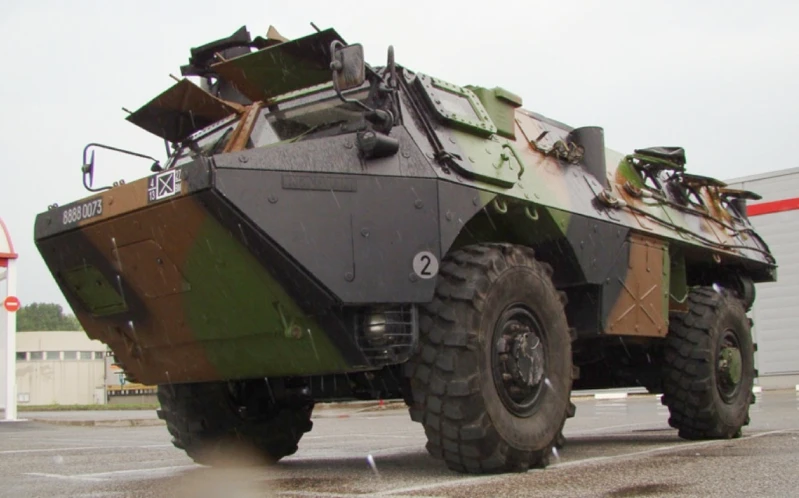
Französisch VAB | |
| Land | Frankreich |
| Typ | Gepanzertes Bergungsfahrzeug |
| Foto | Laurent Tabib |
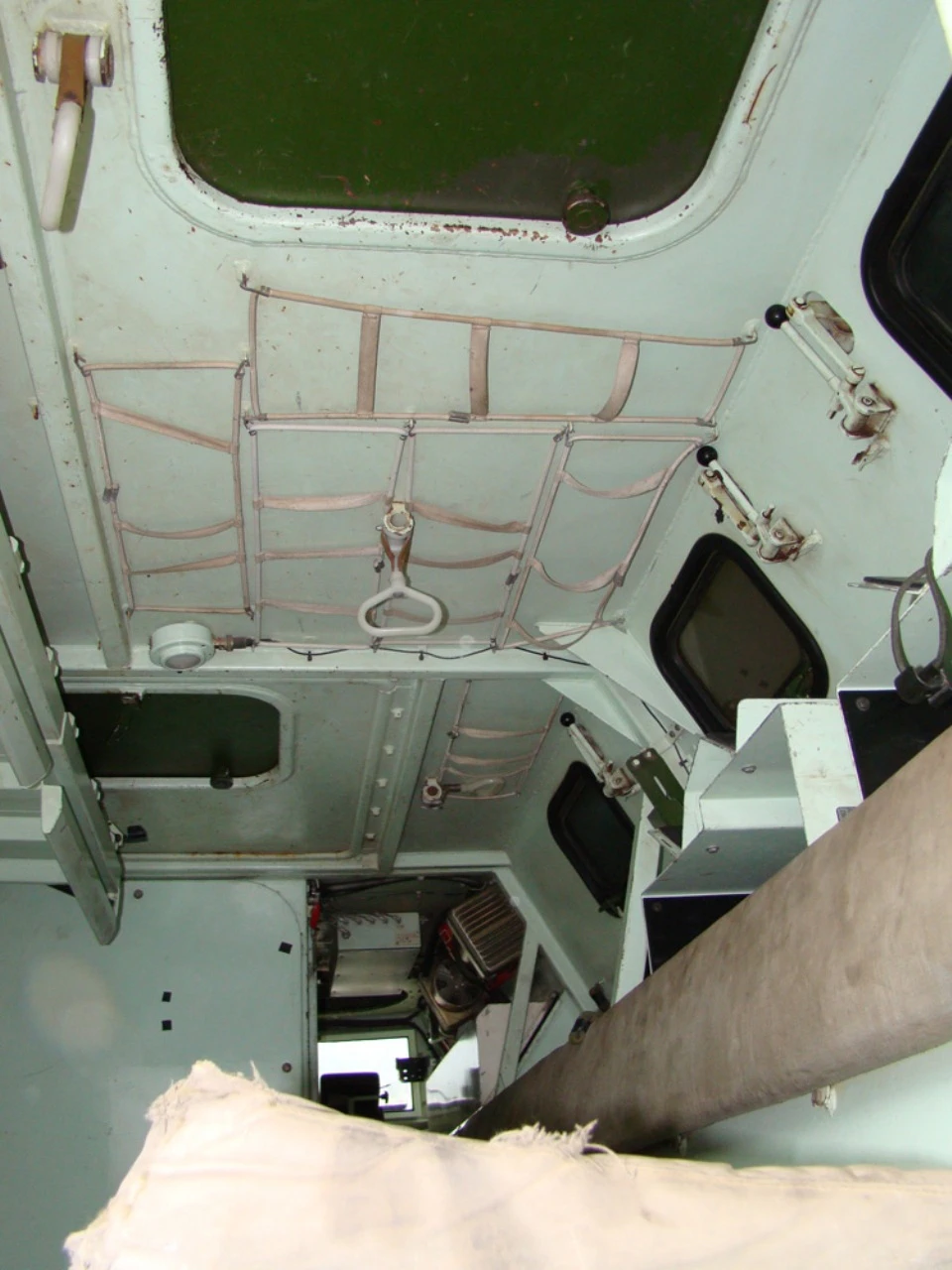
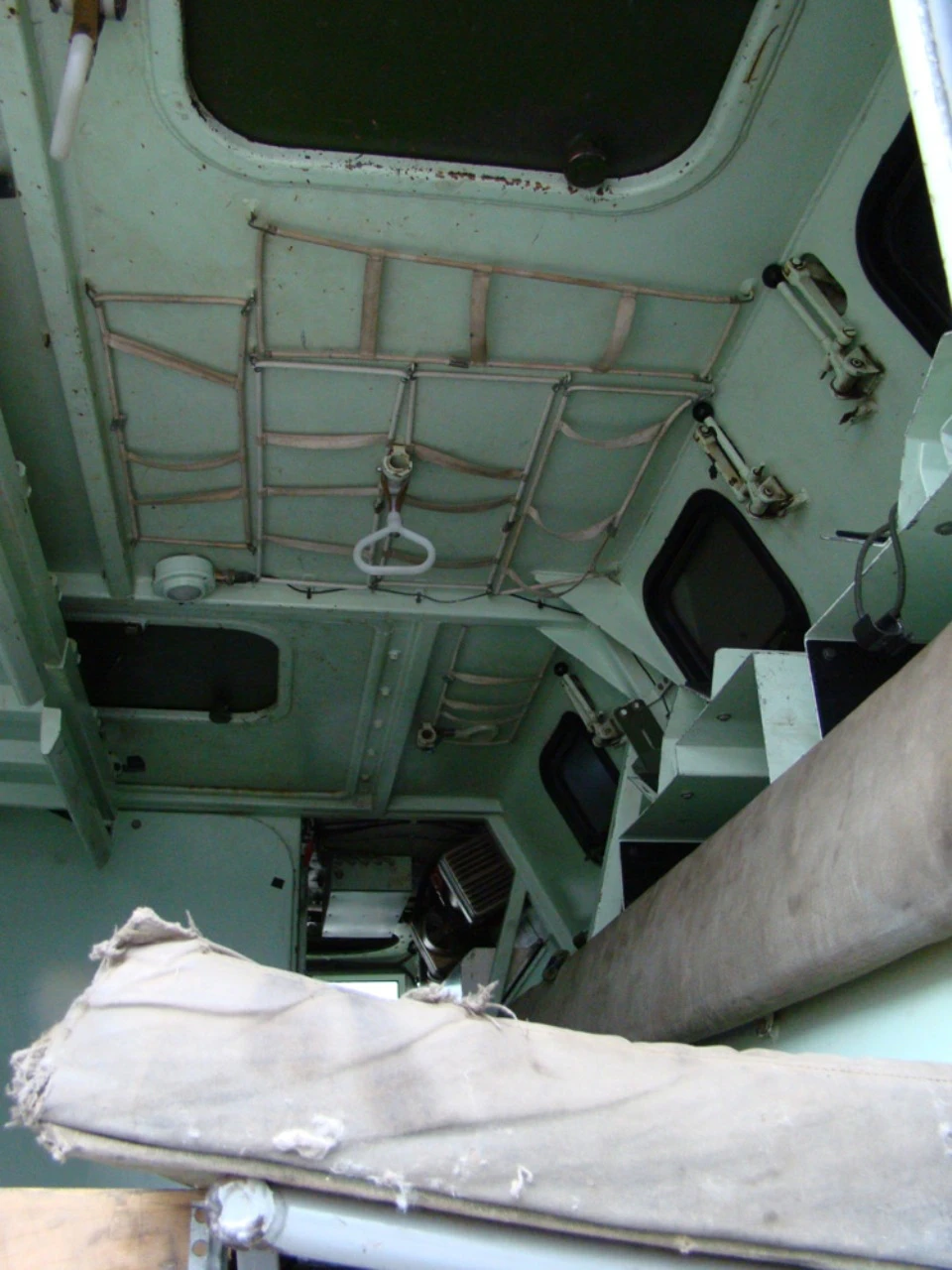
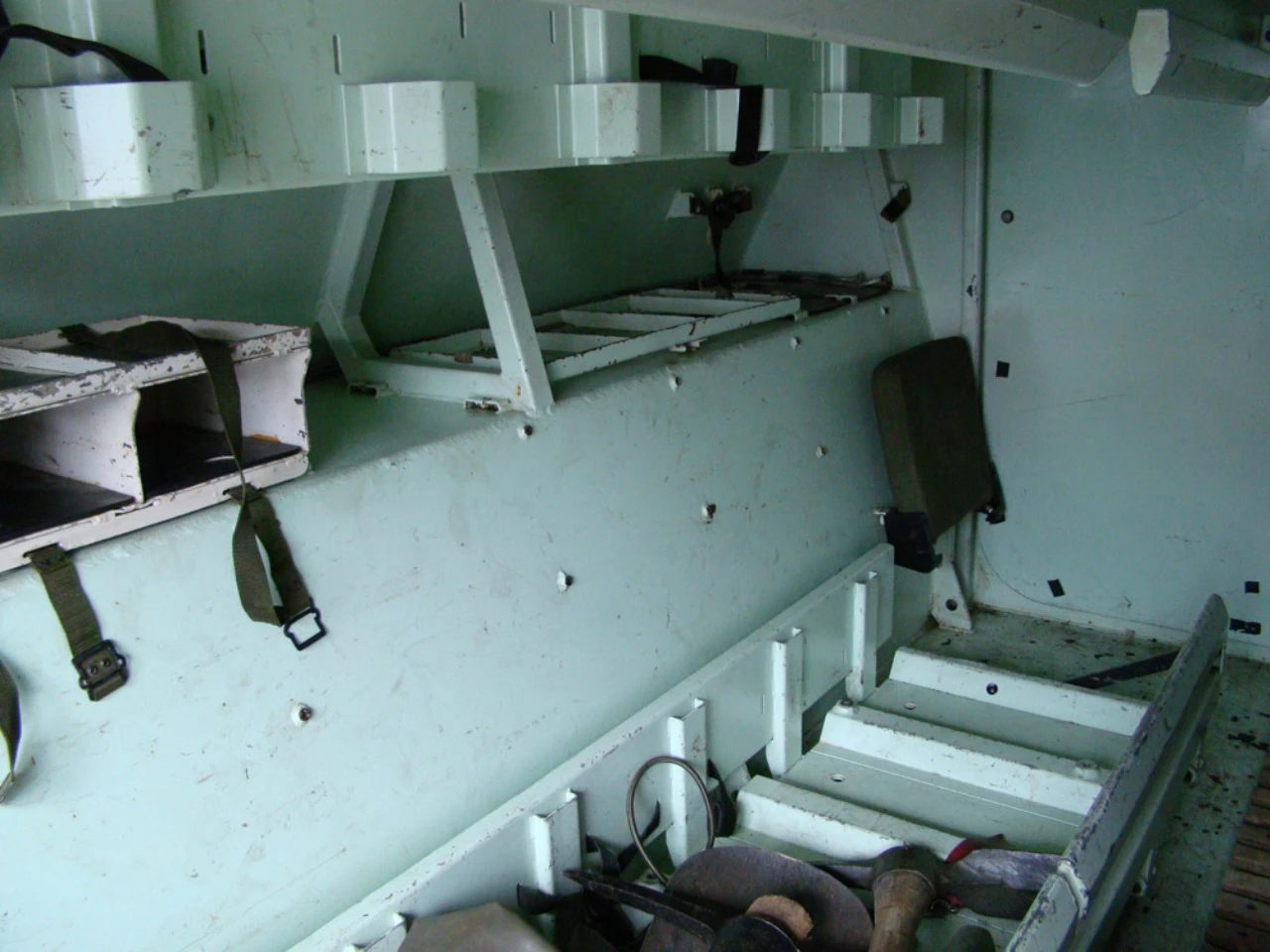
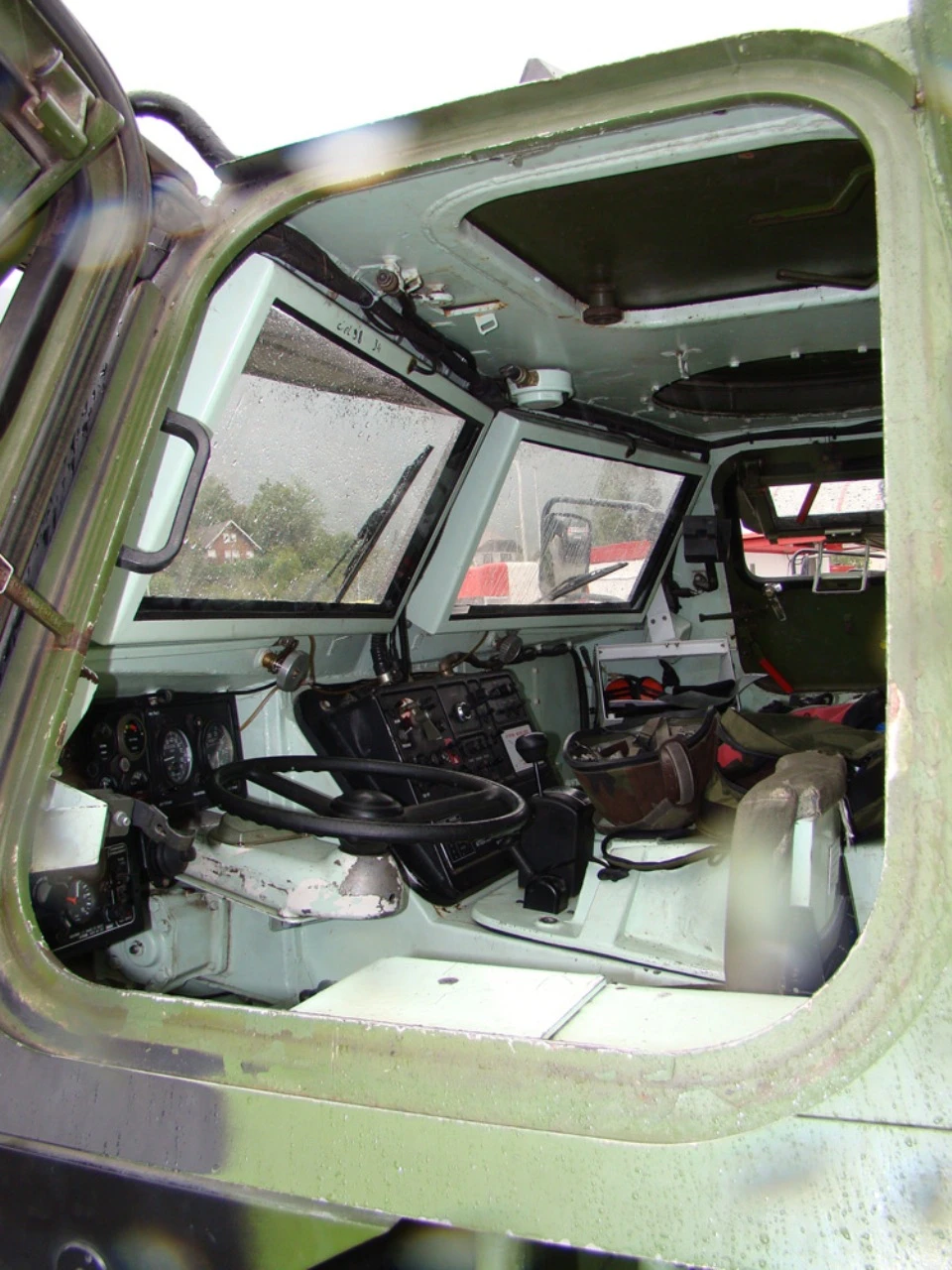
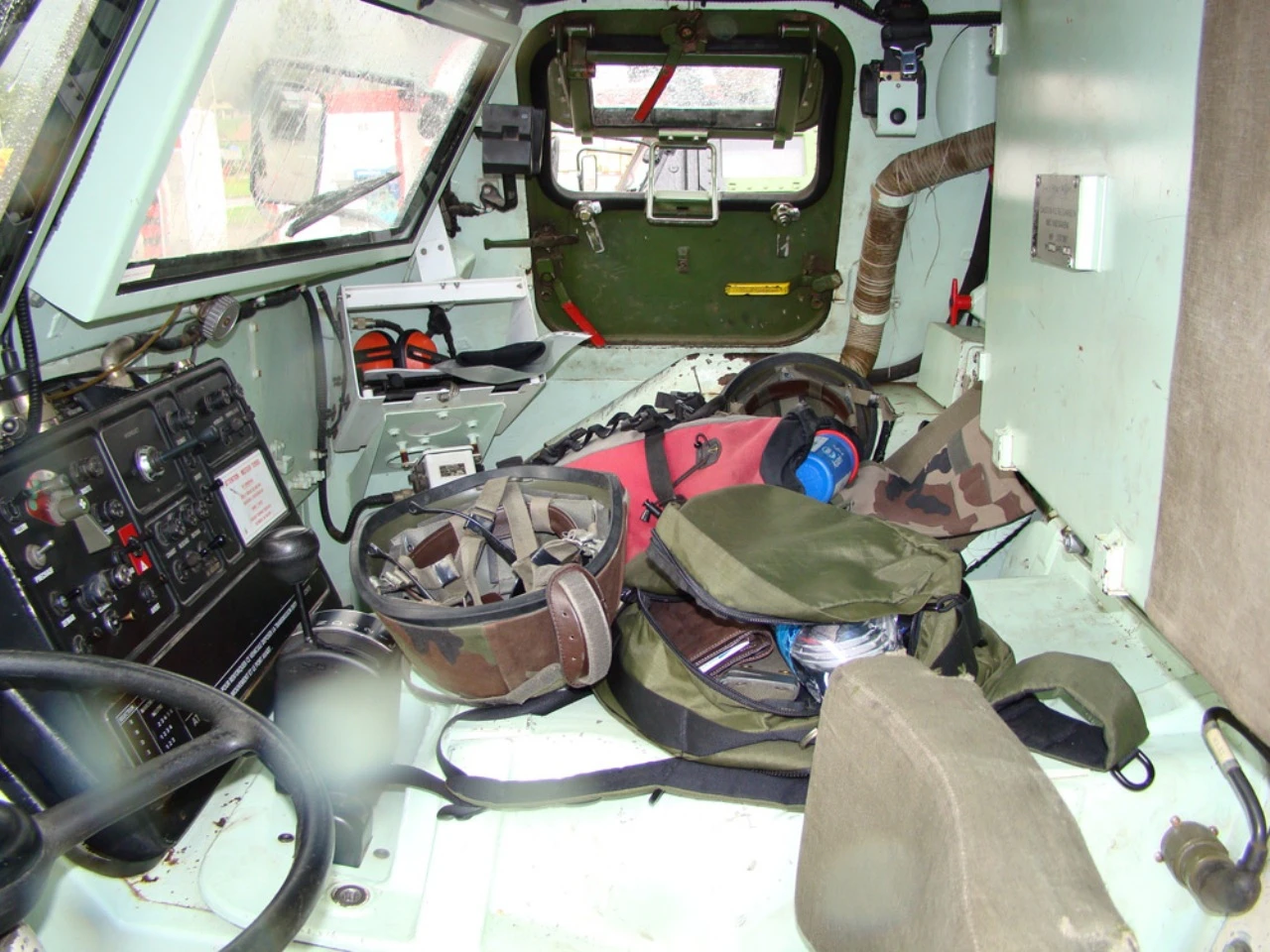
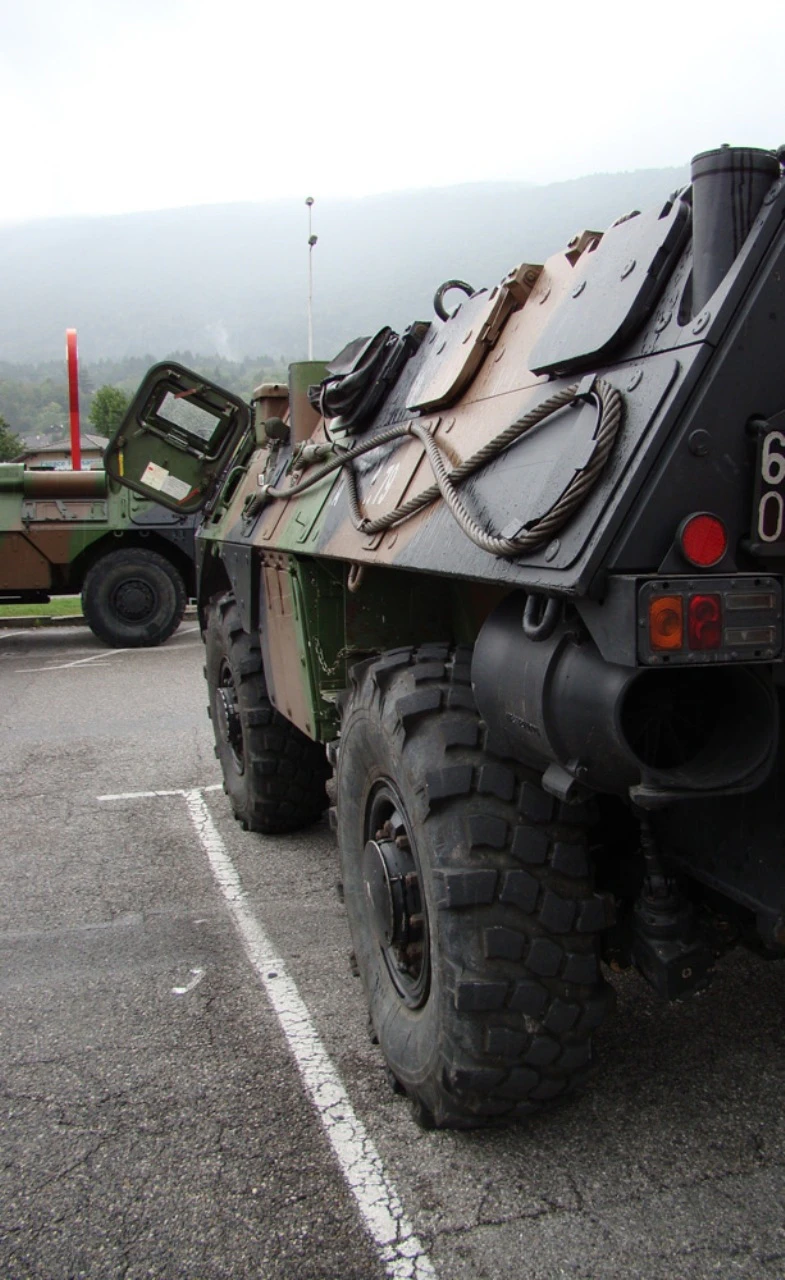
| Beschreibung | Album von 53 Fotos walk-around von einem »französischen VAB» |
Fotogalerie eines Französisch VAB, The Véhicule de l’avant blindé or VAB (“Armoured vanguard vehicle” in French) is an armoured personnel carrier and support vehicle designed by the Euro Mobilité Division of GIAT Industries of France. It entered service in 1976; around 5,000 were produced.
Quelle: Französische VAB auf Wiki

| Infos | ||
|---|---|---|
| Typ | Gepanzerter Personalträger | |
| Im Dienst | 1976 – heute | |
| Designer | GIAT Industries | |
| Gewicht | 13,8 Tonnen | |
| Länge | 5,98 m | |
| Höhe | 2,06 m | |
| Breite | 2,49 m | |
| Crew | 2 | |
| Passagiere | 10 | |
| Einsatzbereich | 1.200 km | |
| Geschwindigkeit | 110 km/h |
 Kaufen Sie mir einen Kaffee
Siehe auch:


The Multipurpose Workhorse
das VAB (Véhicule de l’Avant Blindé) is the iconic face of French mechanized infantry. Entering service in 1976, it was designed to be a versatile, amphibious, and rapidly deployable armored personnel carrier. While the world moved toward heavy tracked vehicles, the French Army prioritized the speed and strategic mobility of a wheeled platform. With over 5,000 units produced in more than 30 different configurations—ranging from anti-tank missile carriers to electronic warfare labs—the VAB has served in nearly every French military operation for the last half-century.
| Attribute | Technical Specification (VAB 4×4) |
|---|---|
| Rolle | Armored Personnel Carrier (APC) / Multi-role |
| Crew | 2 (Driver and Gunner) + 10 Infantry |
| Drive Train | 4×4 (standard) or 6×6 (export/heavy) |
| Triebwerk | 1 × Renault MIDS 06.20.45 Diesel |
| Horsepower | 220 hp to 320 hp (depending on model) |
| Höchstgeschwindigkeit | 92 km/h (57 mph) / Water: 7 km/h |
| Amphibious? | Yes (Propelled by rear hydrojets) |
| Rüstung | All-welded steel (7.62mm protection) |
Design Engineering: Speed and Versatility
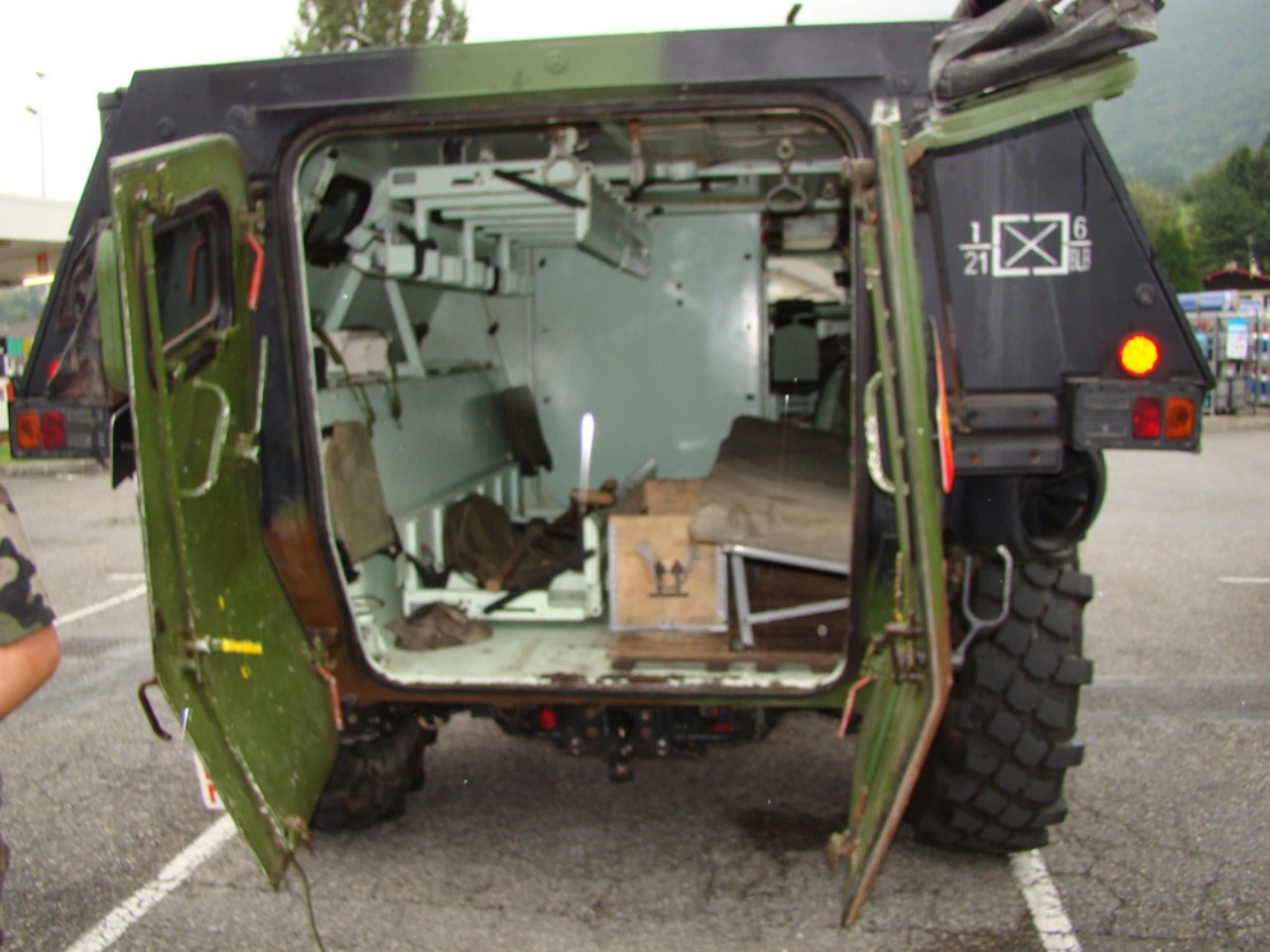
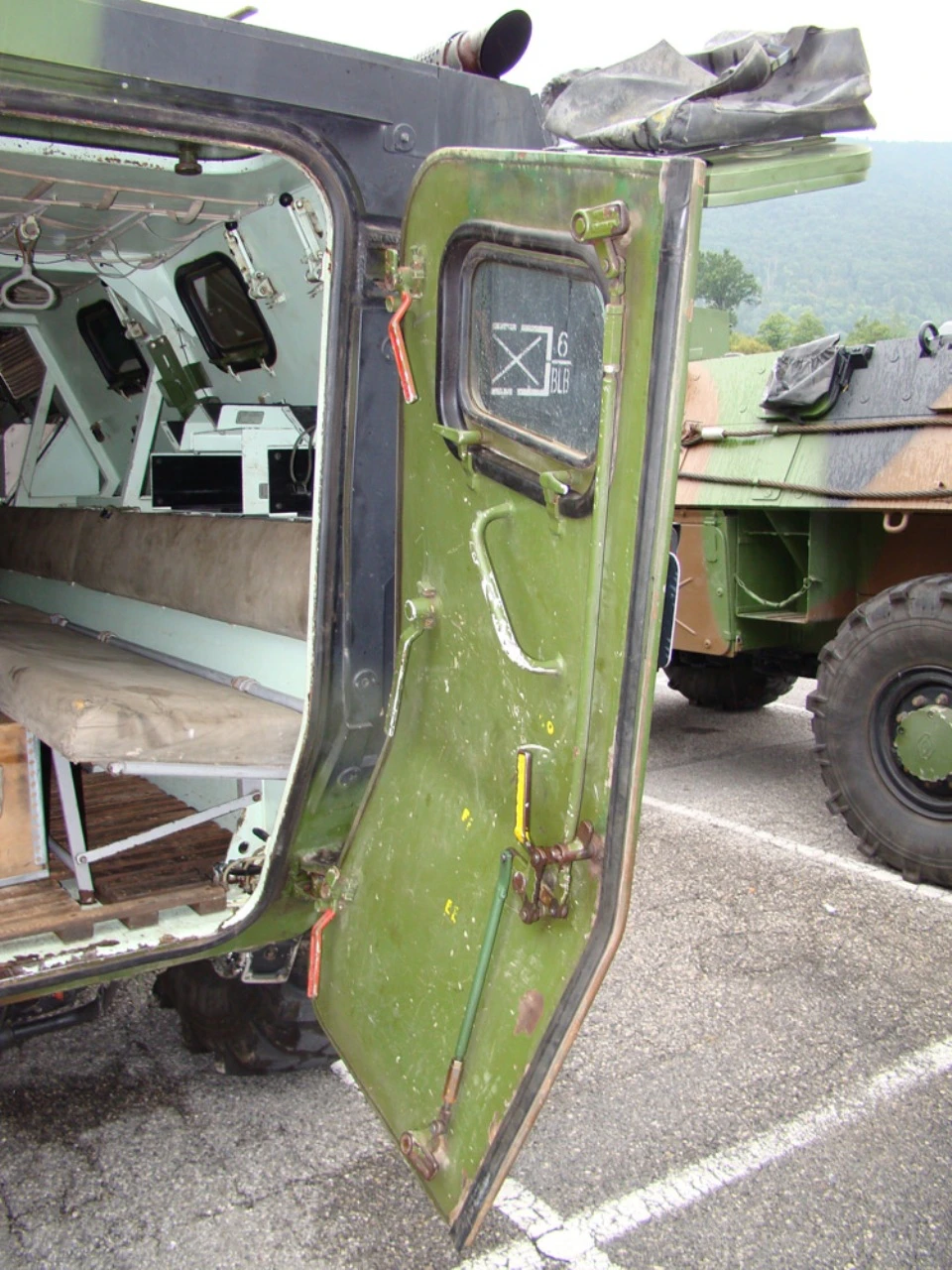
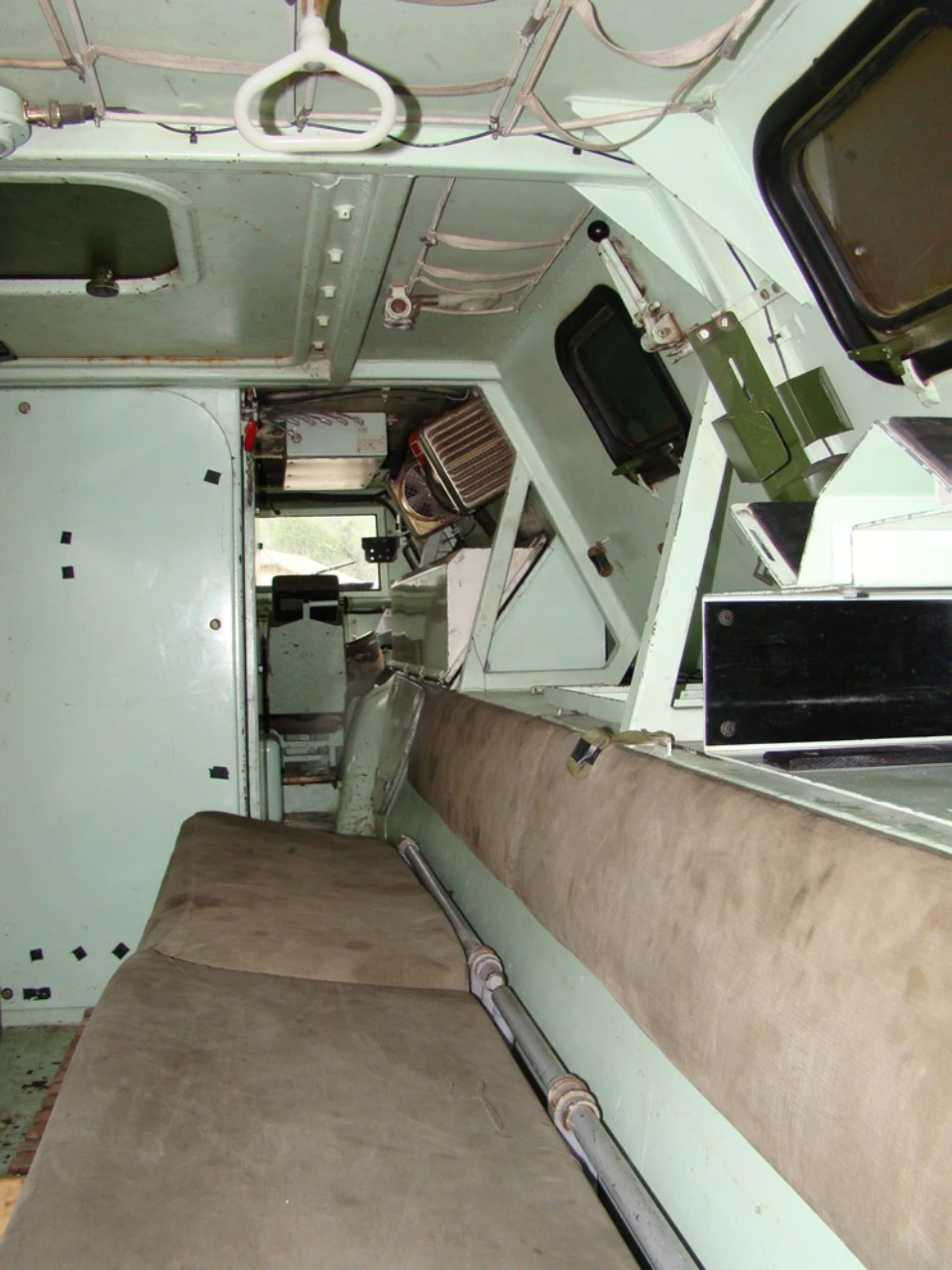
- The “V” Profile: The VAB features a distinctively sloped nose and flat sides. The front engine placement (to the right of the driver) allows for a large, unobstructed troop compartment in the rear, accessible via two large swinging doors.
- Amphibious Capability: Most VAB models are fully amphibious. They require minimal preparation to enter water, utilizing two steerable hydrojets mounted at the rear to cross rivers and lakes.
- The 4×4 vs 6×6 Choice: While the French Army primarily utilized the 4×4 version for its simplicity and agility, Renault produced a 6×6 variant for export markets that required higher payloads and better off-road stability.
- Modularity: The VAB’s “empty box” rear design made it easy to convert into a mortar carrier, an ambulance, a command post, or the VAB Mephisto—which carries a retractable turret for HOT anti-tank missiles.
Combat History: From the Sahel to Ukraine
- Desert Operations: The VAB proved its worth in the vast expanses of Africa (Operation Serval and Barkhane). Its wheeled nature made it much more efficient than tracked vehicles for covering thousands of miles of desert terrain with minimal maintenance.
- The “Vénus” Upgrade: After decades of service, the VAB was modernized with the VAB Ultima package, adding mine protection (V-shaped hull inserts), remote weapon stations (RWS), and air conditioning—vital for modern asymmetric warfare.
- International Presence: Over 15 nations operate the VAB. In 2022 and 2023, France donated hundreds of VABs to Ukraine, where they have been used extensively for rapid troop movements and medical evacuations in the conflict with Russia.
- Retirement in Progress: After 50 years, the VAB is finally being phased out of French service in favor of the VBMR Griffon, a much larger and more heavily armored 6×6 vehicle part of the “Scorpion” modernization program.
Ansichten : 5671
Sie können auch sehen:
 BTR-60 – Fotos & Video
 TPz 1 Fuchs Pioniergruppen – Fotos & Video
 PSzH-IV – Fotos & Video
 Stryker ICV – Fotos & Video
 SKP M-42 – Fotos & Video
 Pansarbandvagn 401 – Fotos & Video
 M901 ITV (Verbessertes Abschleppfahrzeug) – Fotos & Video
 M113 – Fotos & Video
 M75 APC – Fotos und Videos
 BTR-4 – WalkAround