Douglas C-47 Skytrain | |
|---|---|
| Land | Usa |
| Typ | Transportflugzeug |
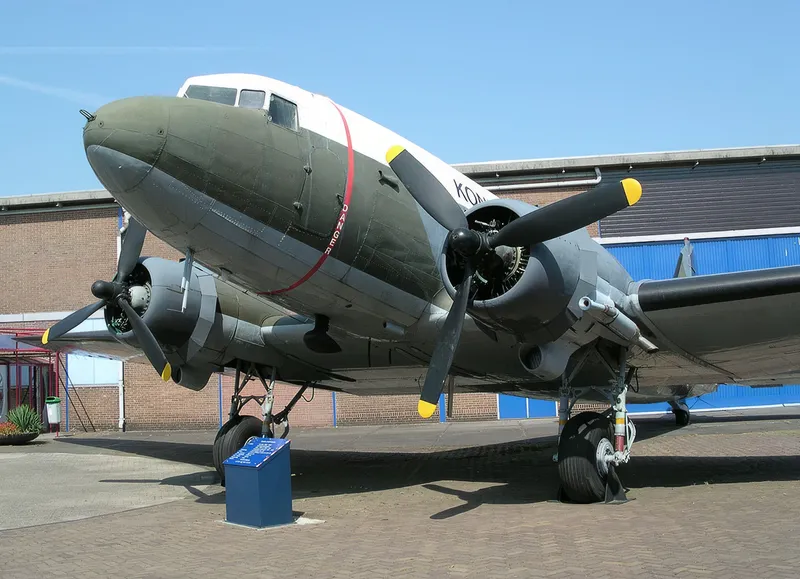
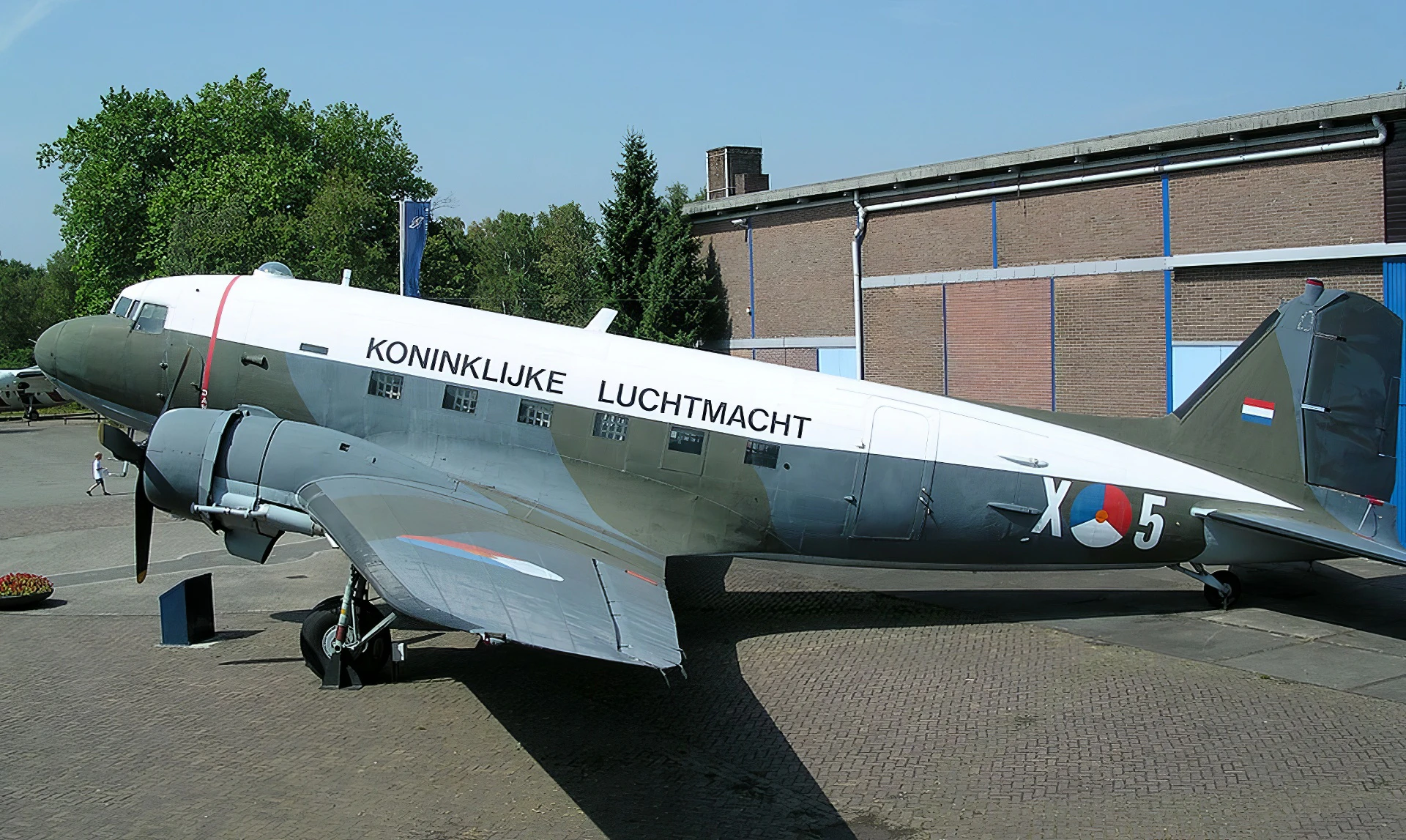
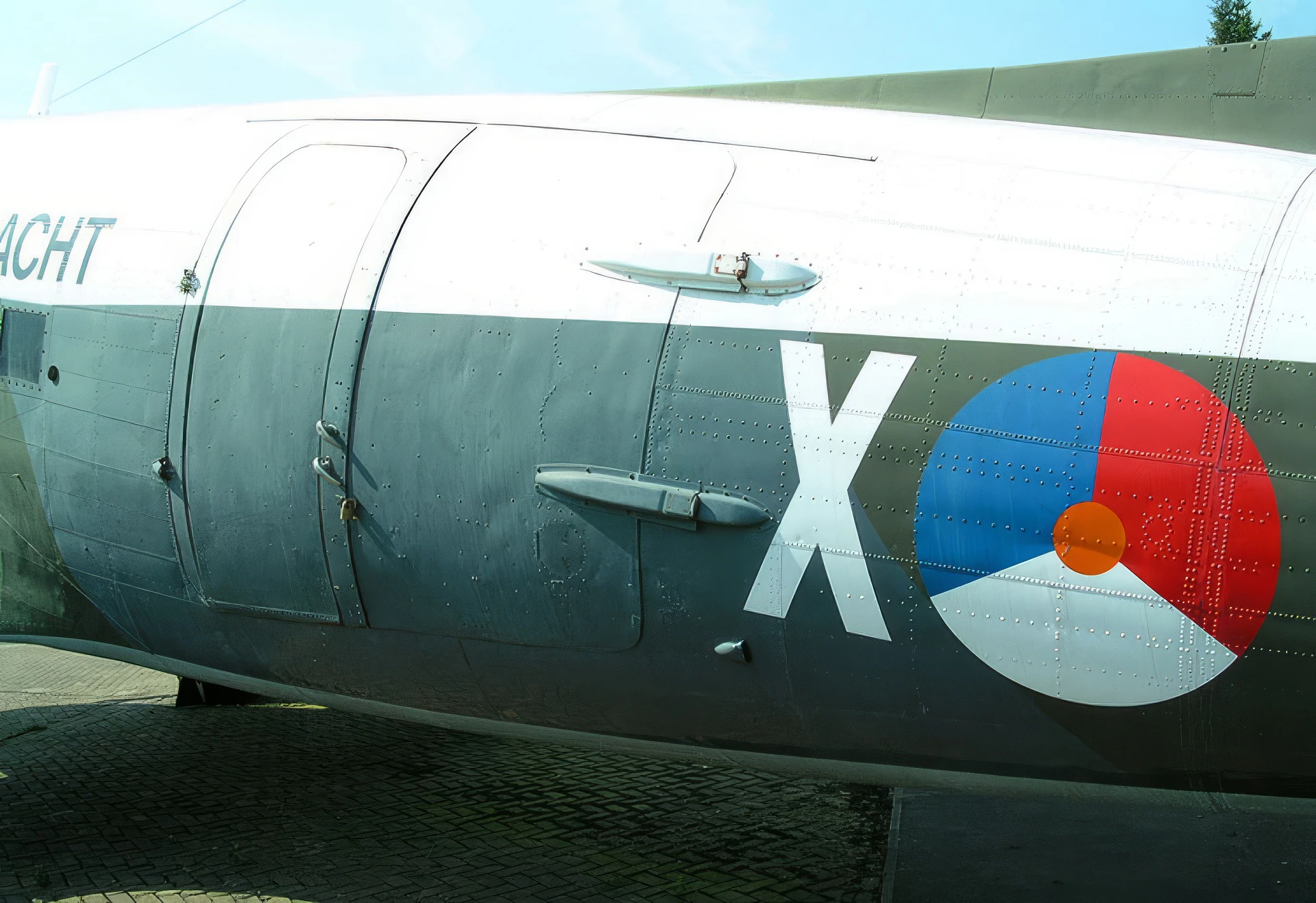
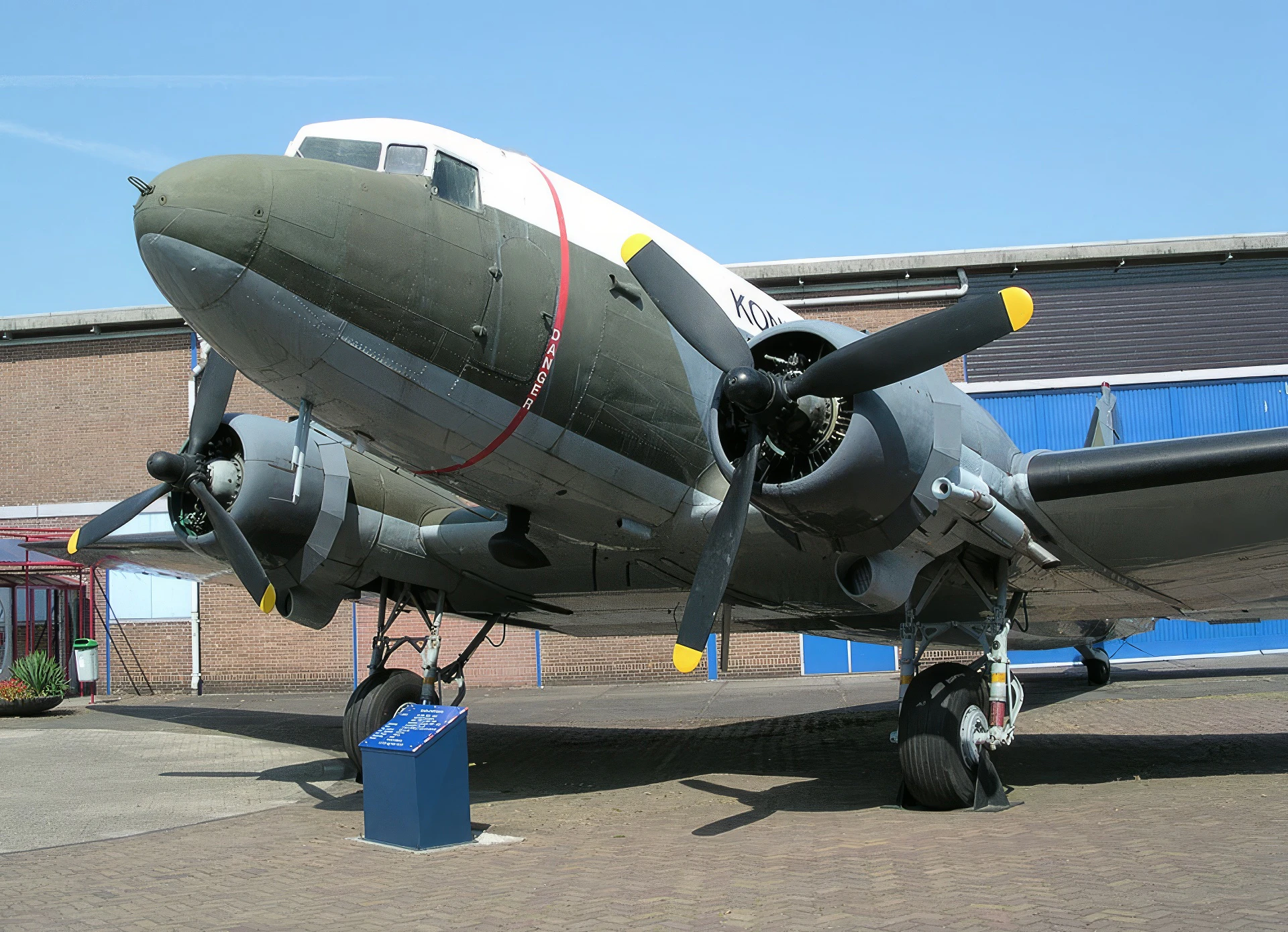
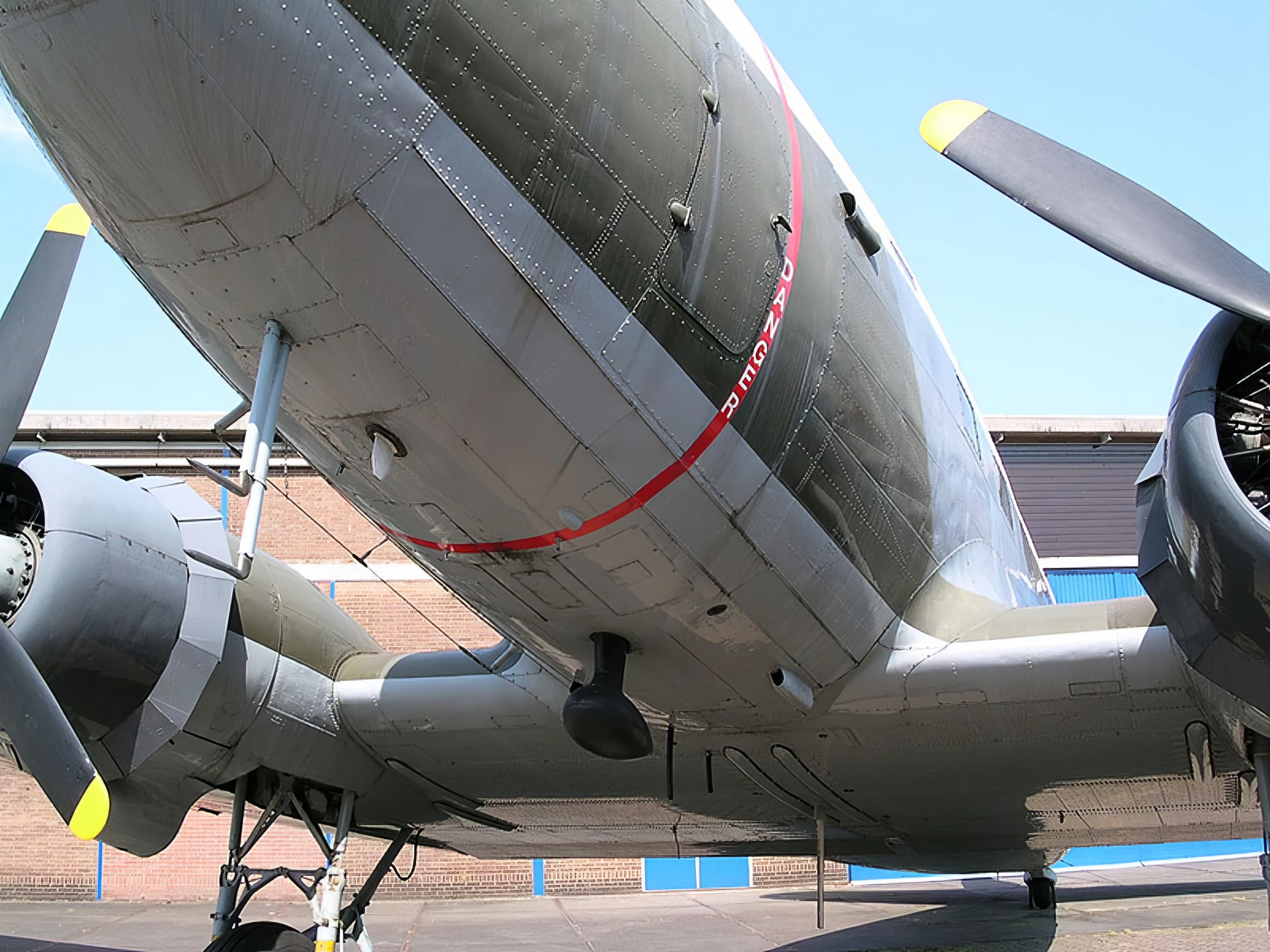
Fotogalerie auf einer Douglas C-47 Skytrain, Douglas C-47 Skytrain ist die offizielle Bezeichnung, die die United States Army Air Force einer der militärischen Versionen der DC-3 gegeben hat. Es war das am meisten gebaute Modell. Als vielseitiges, robustes und wartungsfreundliches Transportflugzeug wurde es während des Zweiten Weltkriegs an allen Fronten eingesetzt. Getauft Dakota von der Royal Air Force, die vor den ersten US-Militärbefehlen DC-3 eingesetzt hatte, wurde er liebevoll genannt. Gooney Vogel von seinen amerikanischen Besatzungen. Die C-47 wurde in zwei speziell für die Produktion geschaffenen Werken in Long Beach, Kalifornien, und Oklahoma City, Oklahoma, gebaut, wobei die Produktionslinie in der vollständigen Bezeichnung des Flugzeugs mit den Buchstaben "DL" (Long Beach) und "DK" (Oklahoma City) angegeben wurde.
| Douglas C-47 Skytrain – WalkAround | |
|---|---|
| Fotograf | Unbekannter |
| Lokalisierung | Unbekannter |
| Fotos | 45 |
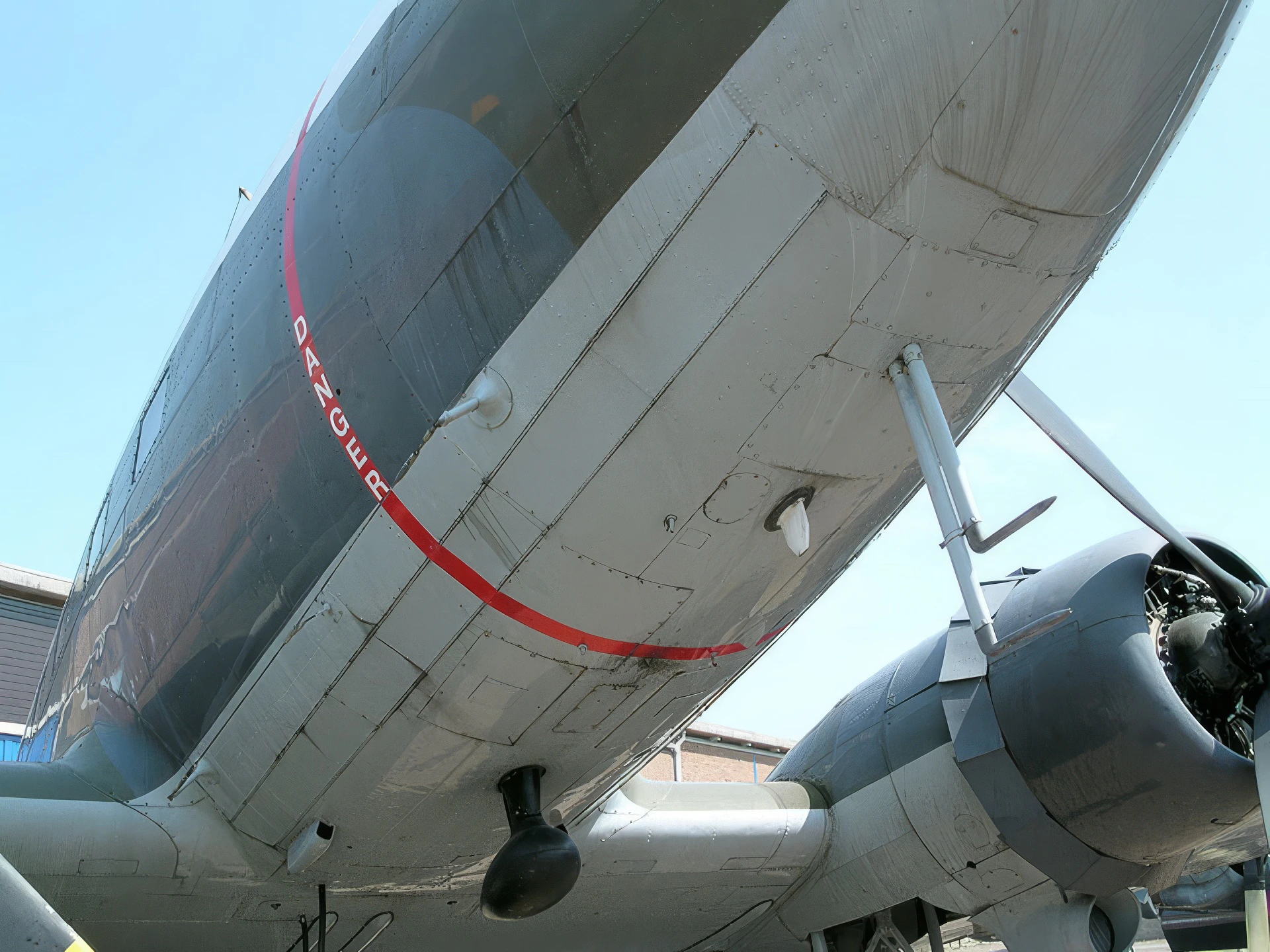
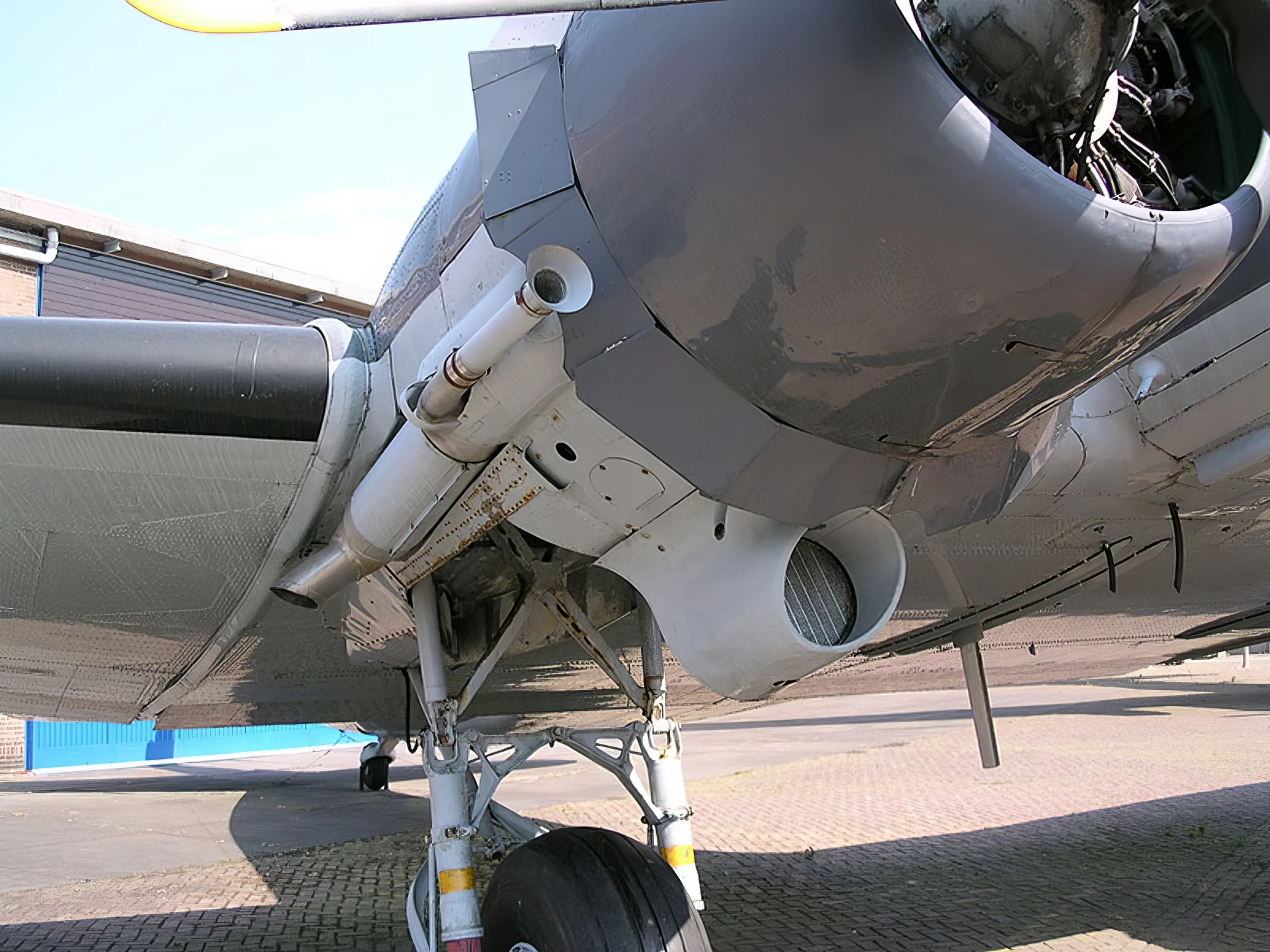
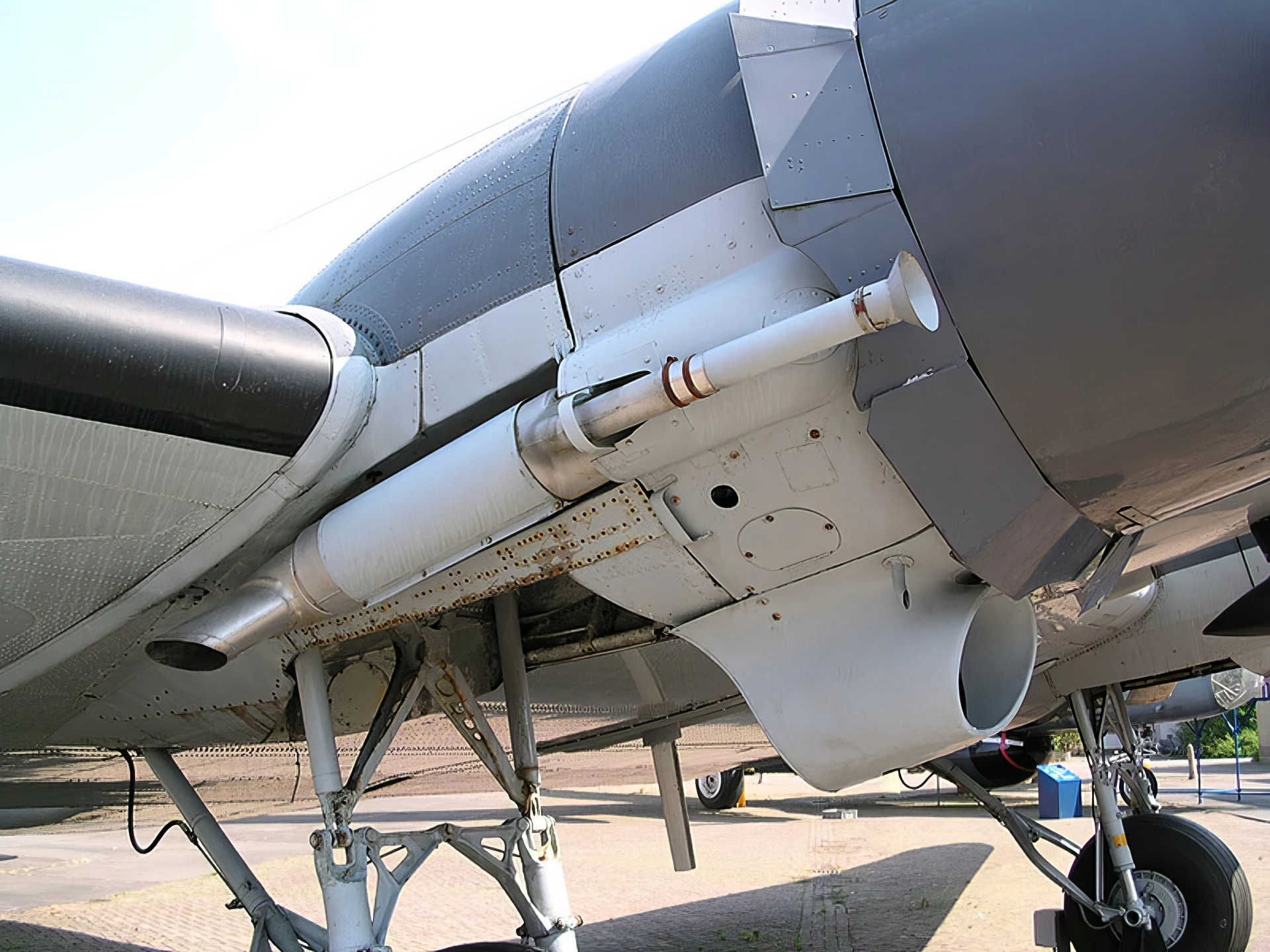

Siehe auch:


Siehe auch:
Origins and Design
The C-47 Skytrain was a military adaptation of the highly successful Douglas DC-3 civilian airliner, which had revolutionized commercial air travel in the mid-1930s. The military variant required several modifications to handle the harsh demands of wartime logistics.
- Key Modifications: The C-47 was fitted with a large cargo door on the left side of the rear fuselage, a reinforced cabin floor for heavy loads, a hoist attachment, and a shortened tail cone for towing gliders.
- Role Versatility: It was designed for a multitude of roles, including transporting troops and cargo, dropping paratroopers, evacuating casualties (as an “Aerial Ambulance” carrying 18 stretchers), and towing large military gliders like the Waco CG-4A.
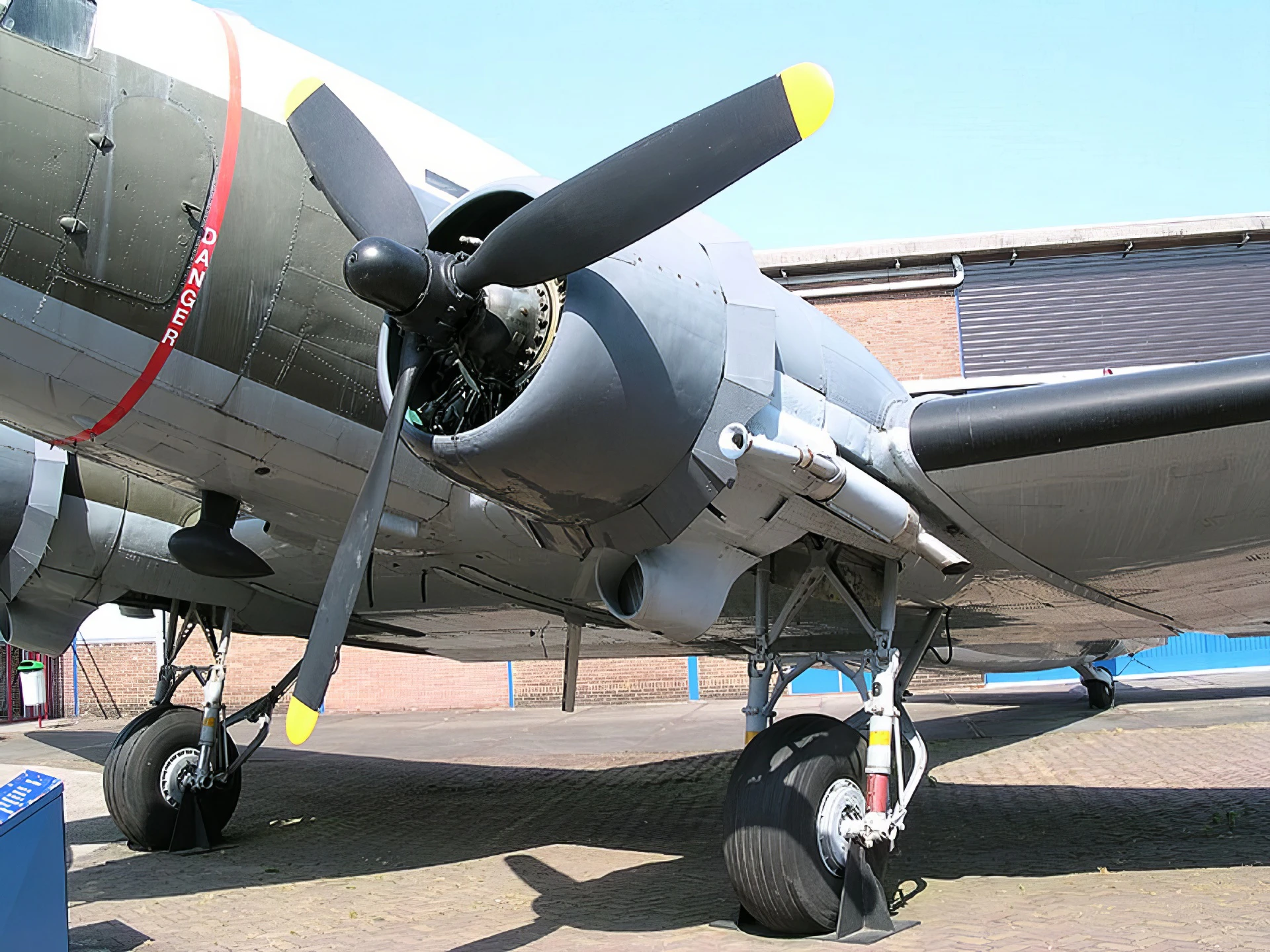
- Powerplant: The aircraft was powered by two reliable Pratt & Whitney R-1830 Twin Wasp radial engines, each producing 1,200 horsepower.
Wartime Service and Legacy
The C-47 served in every major theater of the war, quickly becoming the backbone of Allied air transport. Over 10,000 C-47s and its naval equivalent, the R4D, were produced for the US military and its allies, along with thousands of license-built copies.
- D-Day (Operation Overlord): Its most famous role was in the invasion of Normandy on June 6, 1944. Over 1,000 C-47s dropped thousands of American and British paratroopers (from the 82nd and 101st Airborne Divisions, among others) and towed gliders behind German lines.
- The Hump: In the China-Burma-India Theater, C-47s flew the dangerous route over the Himalayan Mountains—known as “The Hump”—to supply the Nationalist Chinese forces, demonstrating incredible range and endurance under adverse conditions.
- Enduring Service: After World War II, the C-47 played a crucial part in the Berlin Airlift (1948–1949). Later versions, like the heavily armed AC-47 “Spooky” gunship (nicknamed “Puff the Magic Dragon”) and electronic warfare variants, served extensively in the Vietnam War.
Specifications (C-47A Skytrain)
| Characteristic | Spezifikation |
|---|---|
| Country of Origin | USA |
| Typ | Military Transport Aircraft |
| Crew | 3 (Pilot, Co-pilot, Navigator/Radio Operator) |
| Capacity (Troops) | 28 fully equipped paratroopers/troops |
| Max Cargo Payload | 6,000 lbs (2,700 kg) |
| Flügelspannweite | 29.1 m (95 ft 6 in) |
| Triebwerk | 2 x Pratt & Whitney R-1830-92 Twin Wasp radial engines, 1,200 hp each |
| Max Speed | 360 km/h (224 mph) at 10,000 ft |
| Range | 2,575 km (1,600 miles) with full payload |
Ansichten : 2663