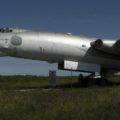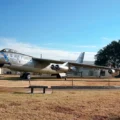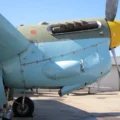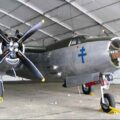
Vickers Wellington | |
|---|---|
| Land | Uk |
| Emne | Long range medium bomber |
| Kodeks | vickers wellington |
| Beskrivelse | Foto gallery of 42 photos walk-around of an aircraft «Vickers Wellington» |
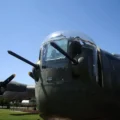
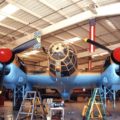
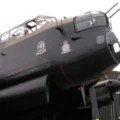
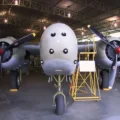
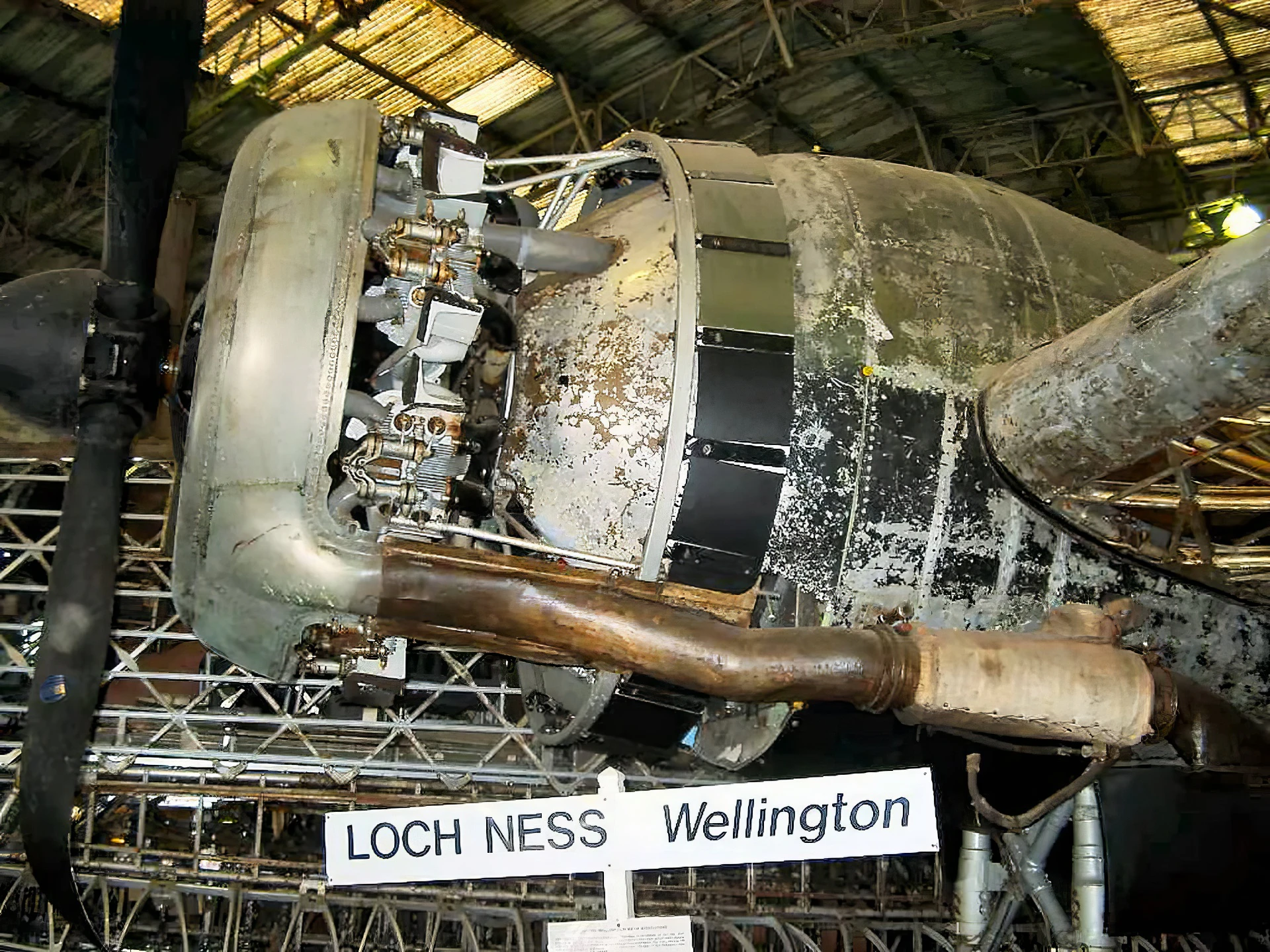
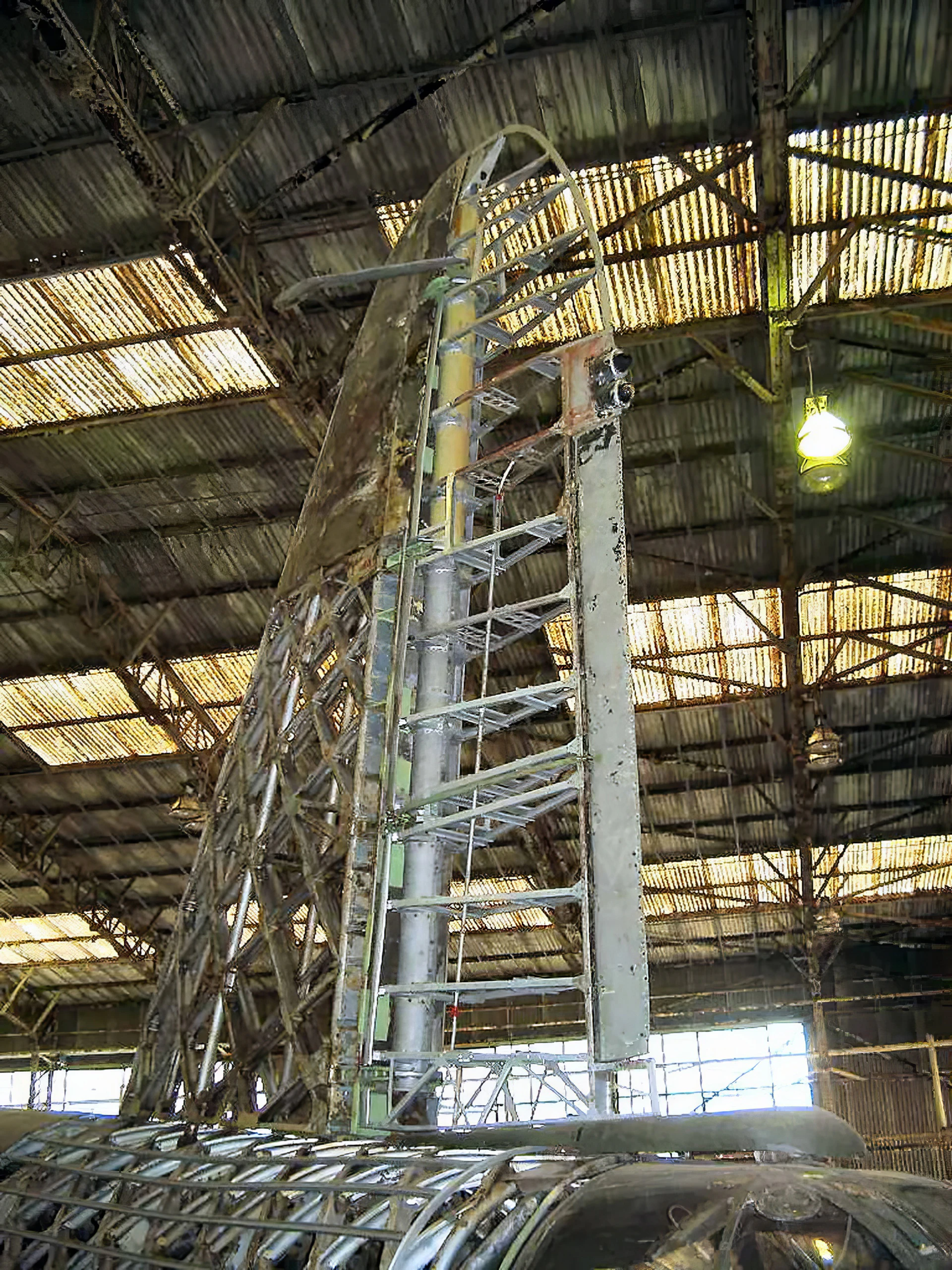
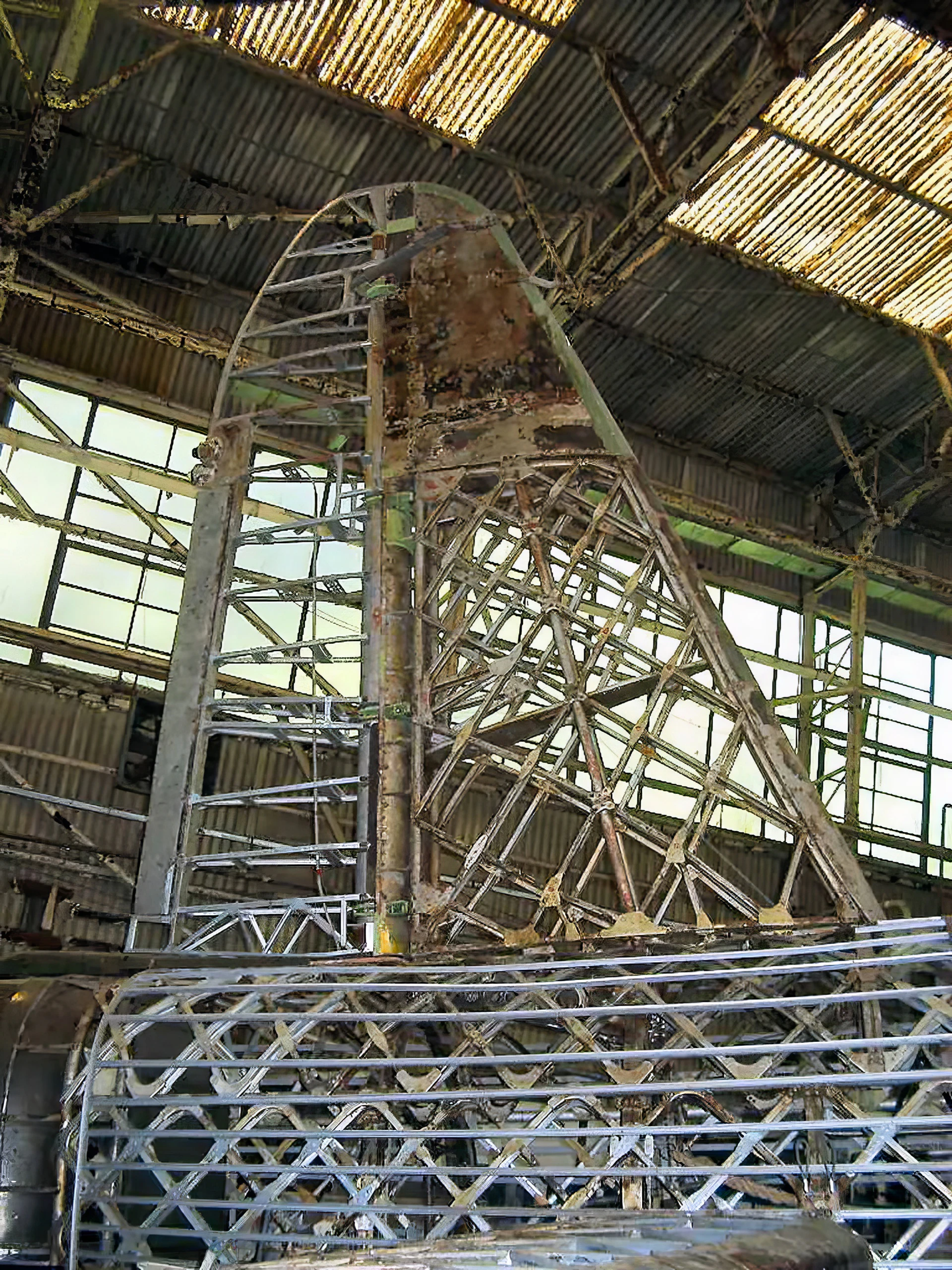
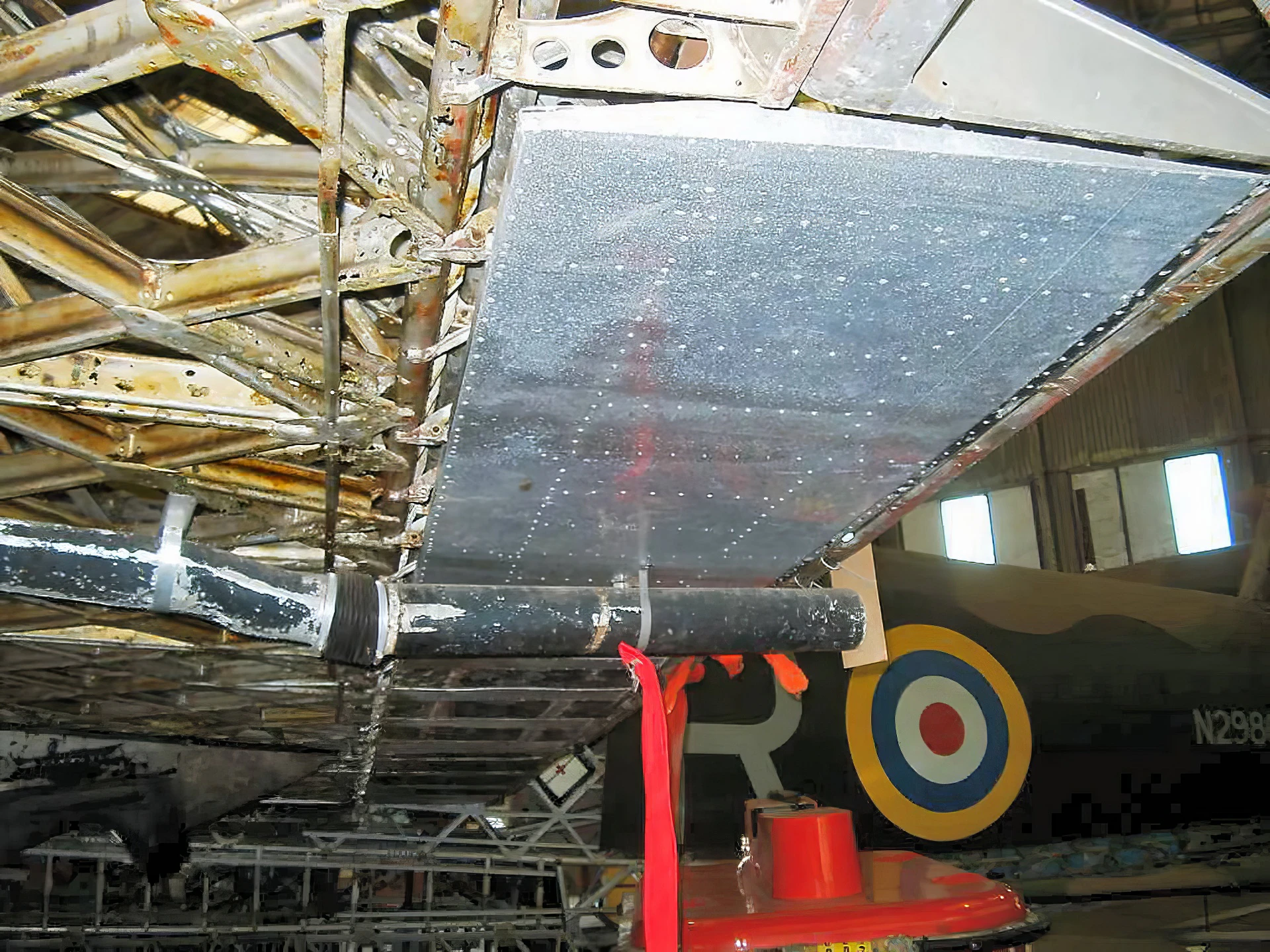
Gallery Photo of a Vickers Wellington, The Vickers Wellington was a British aircraft twin-engine, long range medium bomber designed in the mid-1930s at Brooklands in Weybridge, Surrey, by Vickers-Armstrongs’ Chief Designer, R. K. Pierson.

Se også:


The Vickers Wellington was a highly significant British twin-engine medium bomber that formed the backbone of RAF Bomber Command during the early years of World War II. It was famously nicknamed the “Wimpy” by its crews, after the character J. Wellington Wimpy from the Popeye cartoons. The aircraft was renowned for its immense strength and ability to absorb battle damage.
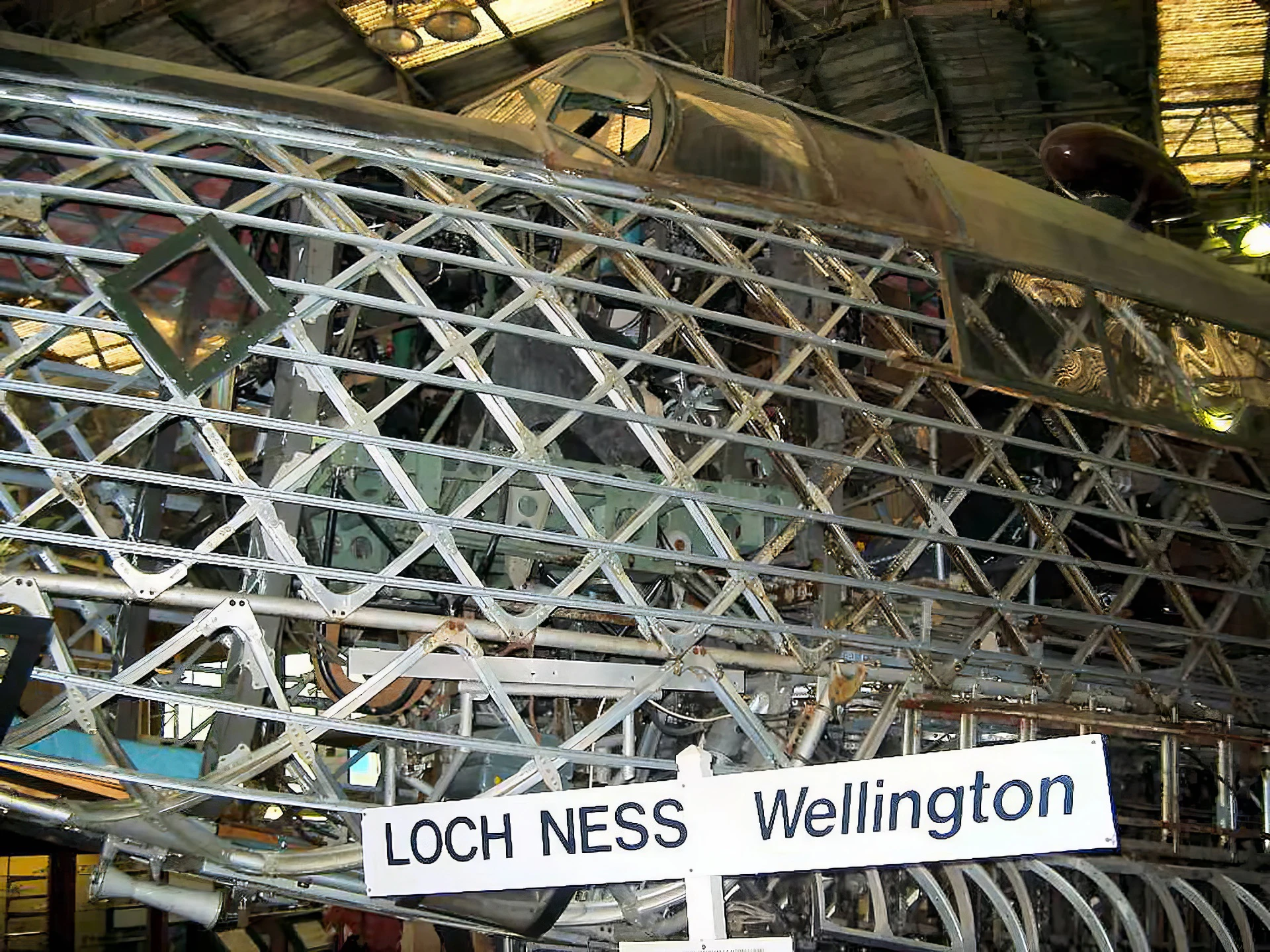
The Geodetic Airframe
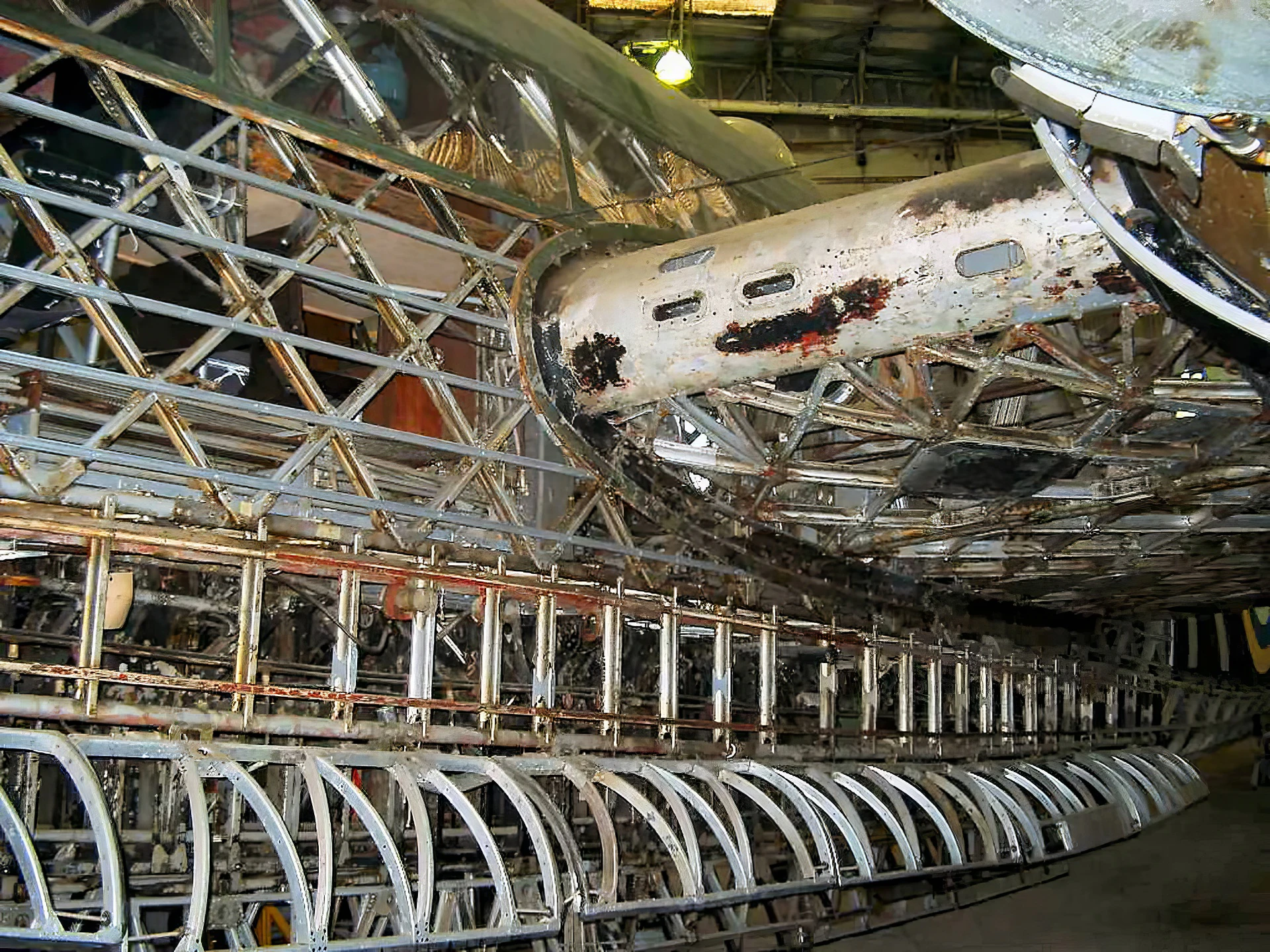
The Wellington’s most defining and vital characteristic was its unique geodetic construction, a design concept pioneered by Vickers’ chief designer, Barnes Wallis. This method gave the aircraft its legendary resilience.
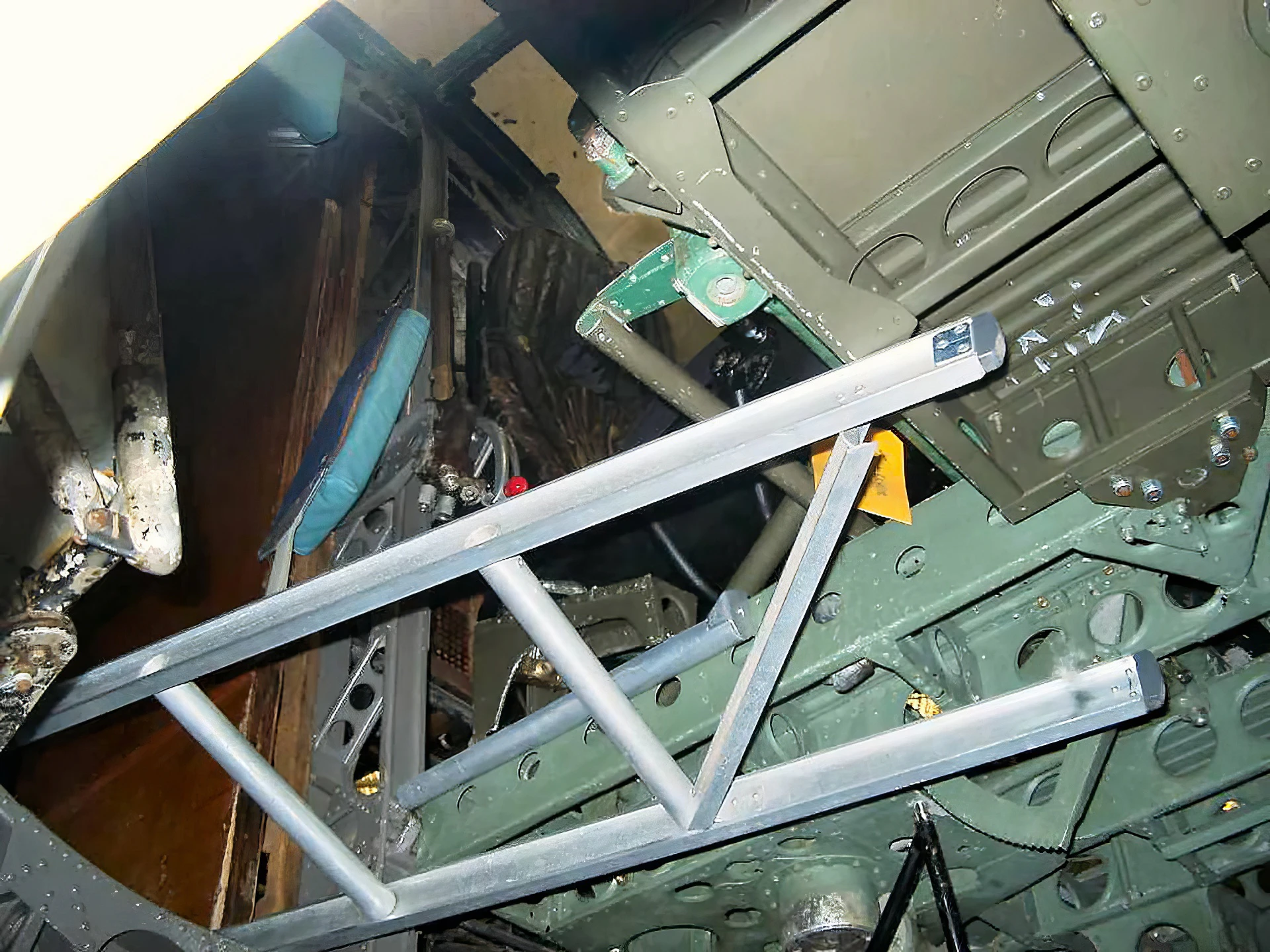
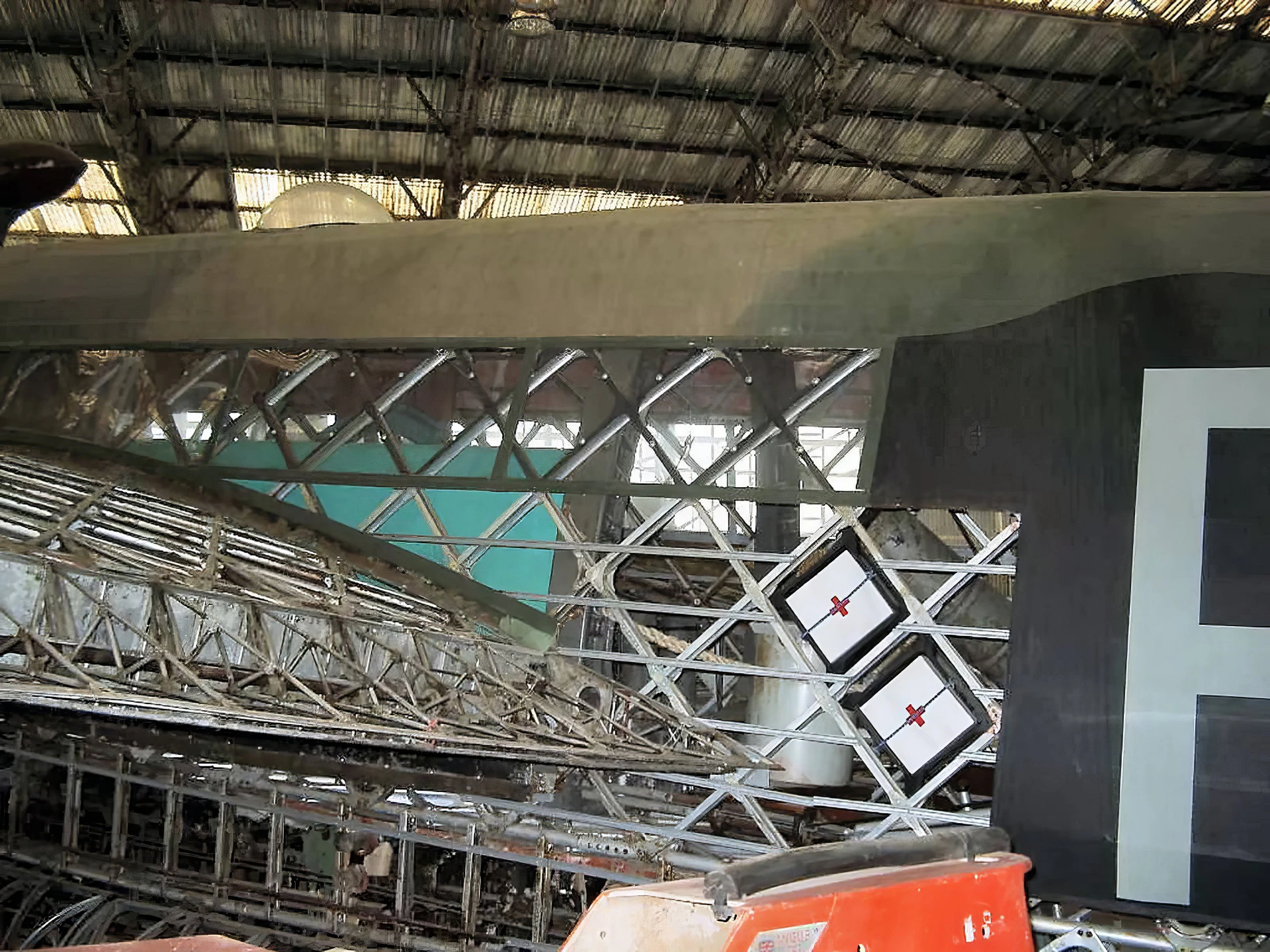
- Structural Lattice: The airframe consisted of a basket-weave lattice of duralumin (aluminium alloy) beams. This intricate metal framework distributed stresses efficiently across the entire structure.
- Outer Skin: Unlike other aircraft using stressed metal skin, the geodetic frame was covered in doped fabric (linen).
- Battle Resilience: Because the load was carried by the internal lattice rather than the skin, Wellingtons could often return to base after sustaining severe combat damage that would have destroyed conventionally built aircraft.
Armament and Power
The Wellington evolved significantly throughout its service life, employing various engines and defensive layouts.
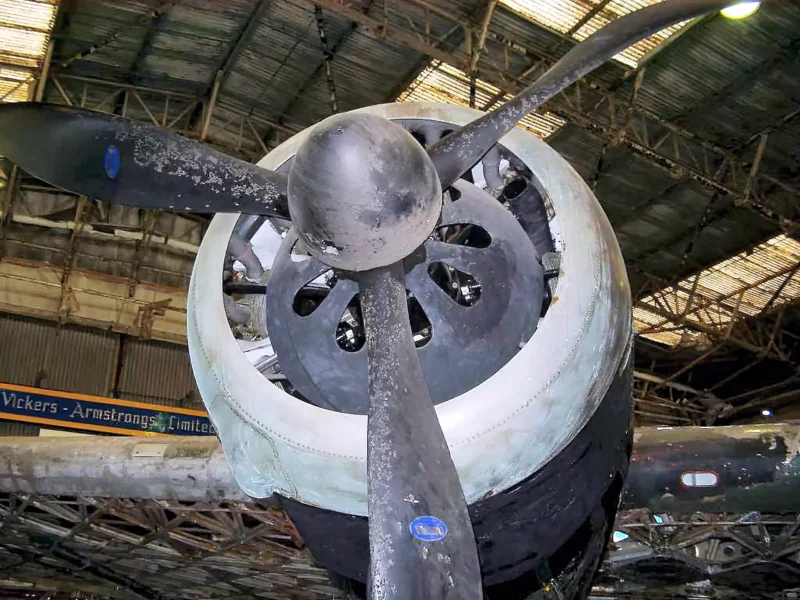
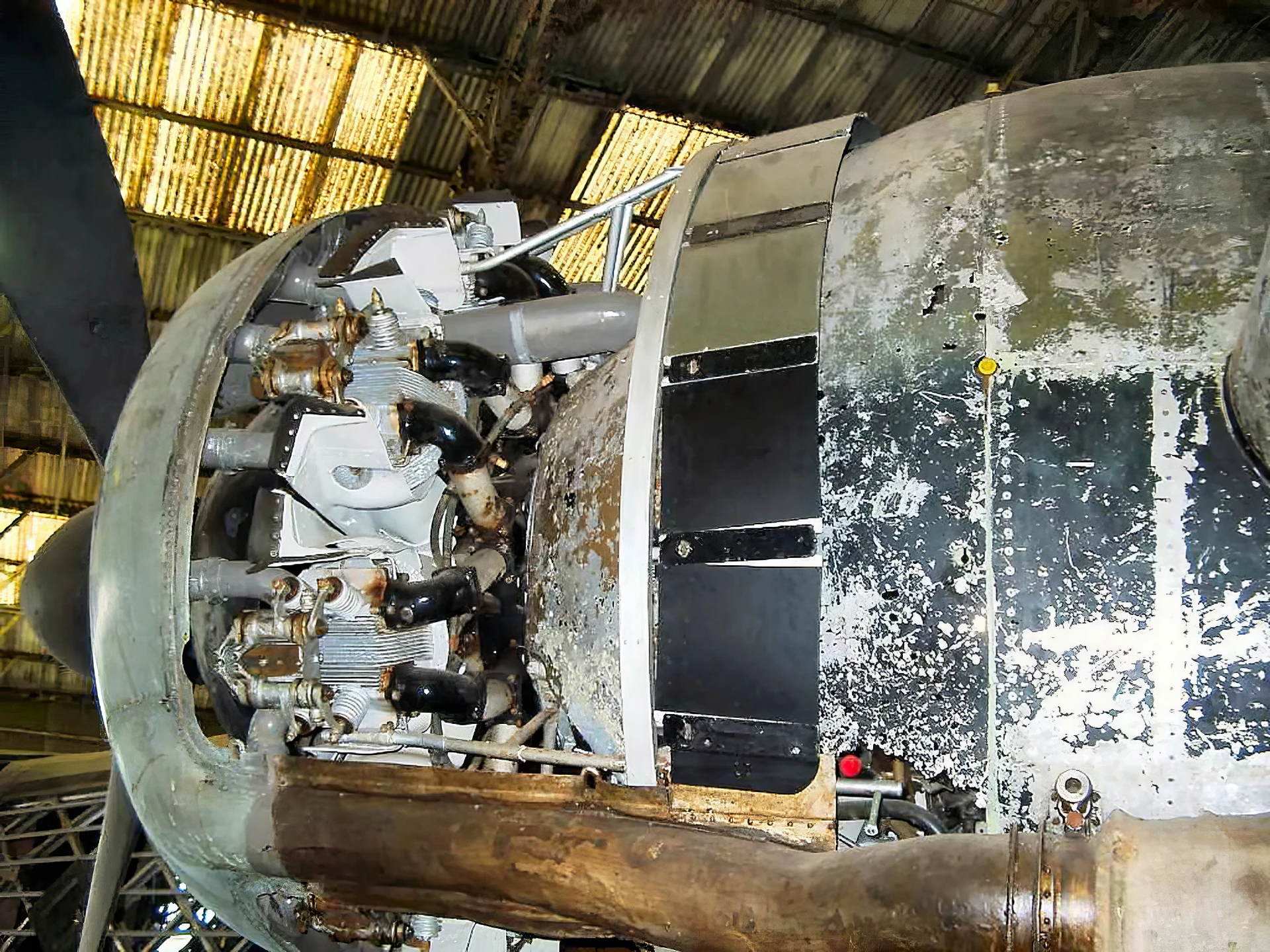
- Powerplants: Early models were powered by Bristol Pegasus radial engines, but later and more numerous versions used more powerful engines like the Bristol Hercules radial or the Rolls-Royce Merlin in-line engines.
- Hovedbevæbning: Its offensive capability included a bomb load of up to 4,500 lbs.
- Defensive Turrets: Protection was primarily provided by powered turrets, most commonly featuring a twin-gun nose turret and a powerful four-gun tail turret. An early retractable ventral “dustbin” turret proved impractical and was quickly abandoned in favour of manually operated beam guns.
Wartime Roles and Legacy
With over 11,400 aircraft built, the Wellington was the most-produced British multi-engined aircraft of World War II, showing its adaptability and longevity.
- Bomber Command: It was the workhorse of the RAF’s night bombing campaign until it was eventually superseded by heavier, four-engine bombers like the Lancaster and Halifax, which had greater range and bomb loads.
- Coastal Command: Post-1942, the Wellington found a new, crucial role in Coastal Command for maritime patrol and anti-submarine warfare. These versions were equipped with Air-to-Surface Vessel (ASV) radar and the powerful Leigh Light searchlight for hunting U-boats at night.
- Training: The aircraft also saw extensive use as a training platform for bomber crews until the 1950s, continuing its service long after its front-line combat role ended.
Views : 6817