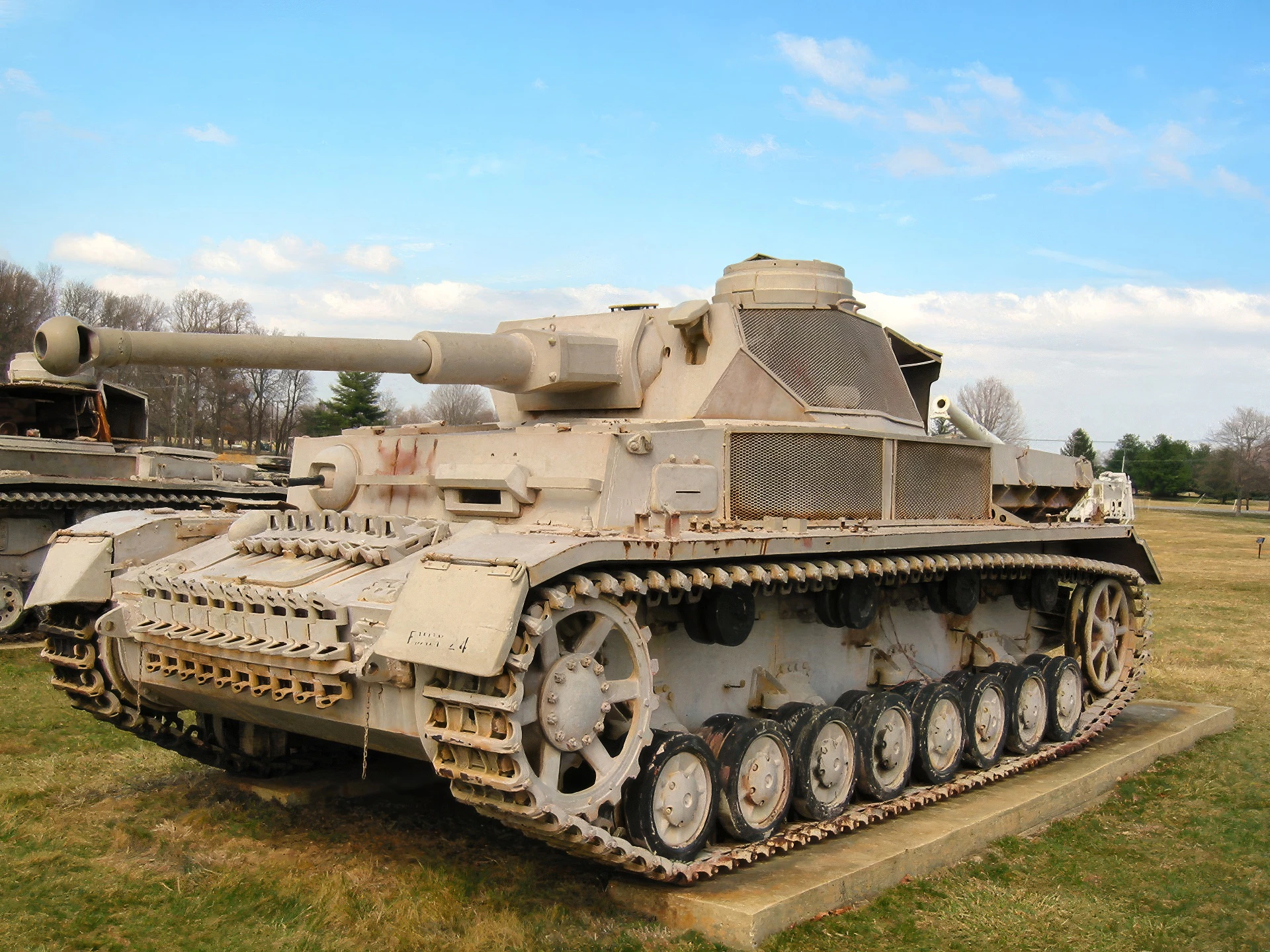
Panzer IV | |
|---|---|
| Land | Nazityskland |
| Rolle | Mellemstor tank |
| I brug | 1939–1945 |
| Bygget | 8550+ |
Den Panzerkampfwagen IV (PzKpfw IV), commonly known as the Panzer IV, was a German medium tank developed in the late 1930s and used extensively during the Second World War. Its ordnance inventory designation was Sd.Kfz. 161. The Panzer IV was the most widely manufactured German tank of the Second World War, with some 8,500 built. The Panzer IV chassis was used as the base for many other fighting vehicles, including the Sturmgeschütz IV assault gun, Jagdpanzer IV tank destroyer, the Wirbelwind self-propelled anti-aircraft gun, and the Brummbär self-propelled gun.
Kilde: Panzer IV på Wikipedia
| Panzer IV | |
|---|---|
| Fotograf | Unknow |
| Lokalisering | Unknow |
| Billeder | 97 |
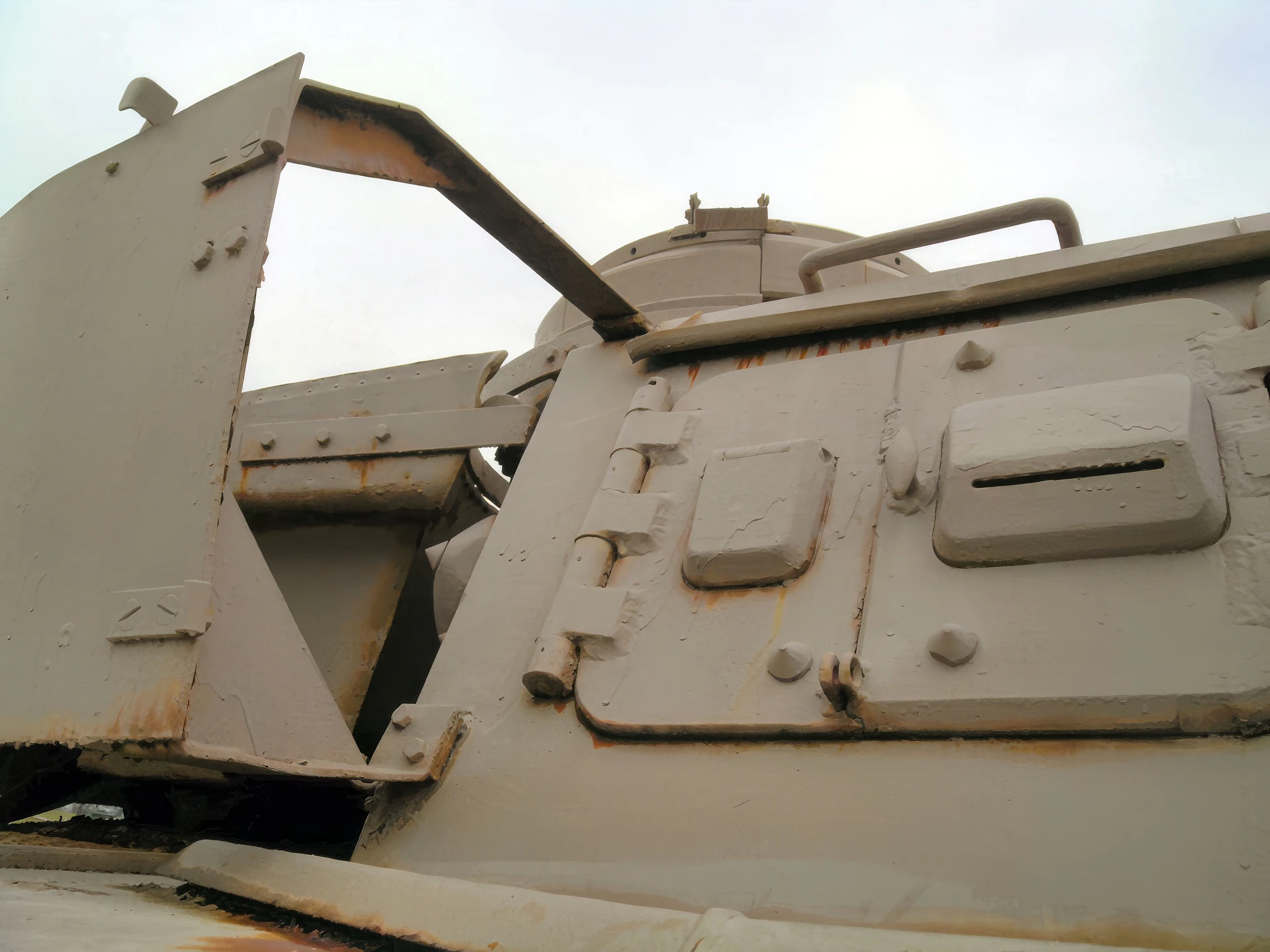
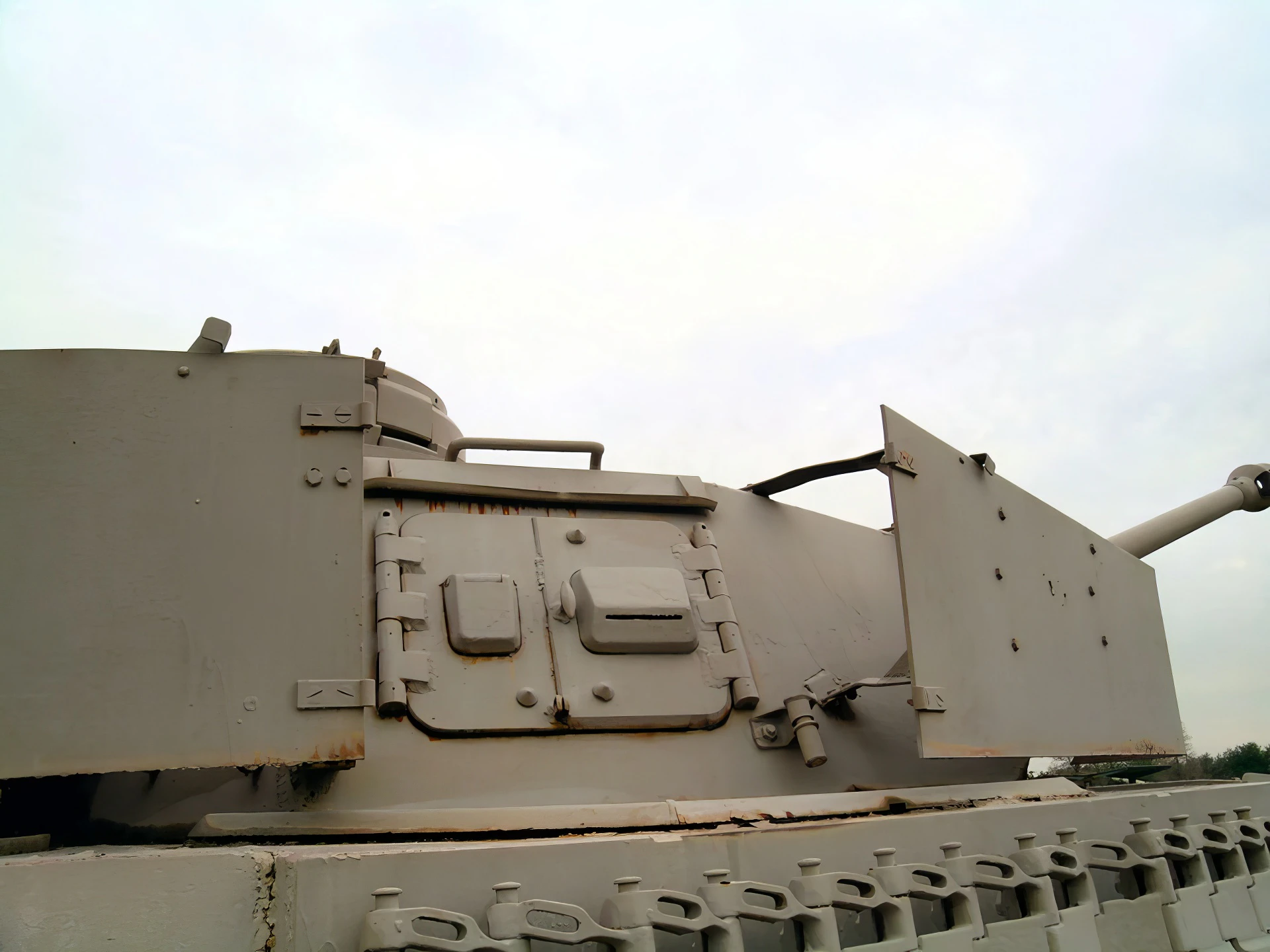
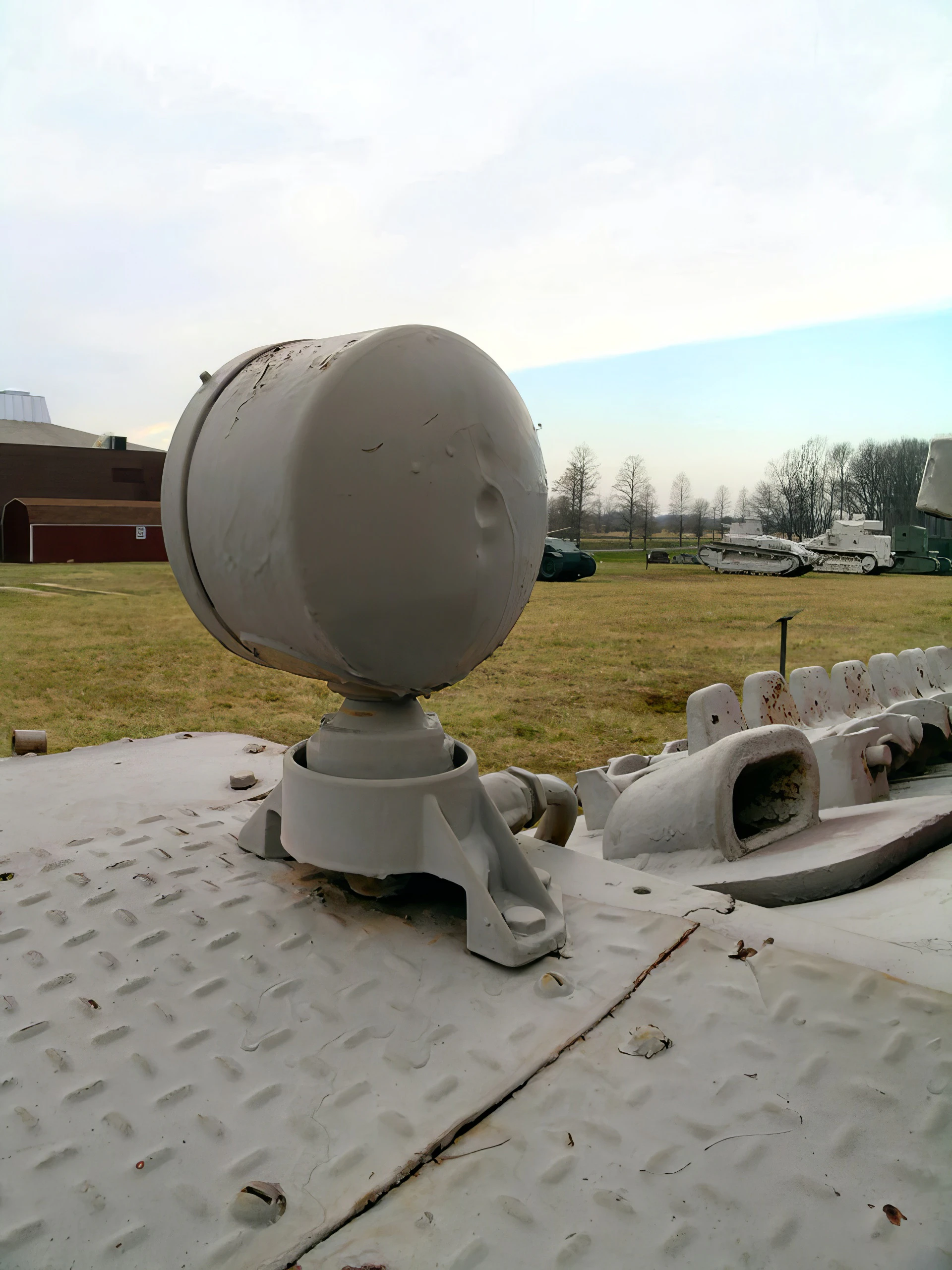
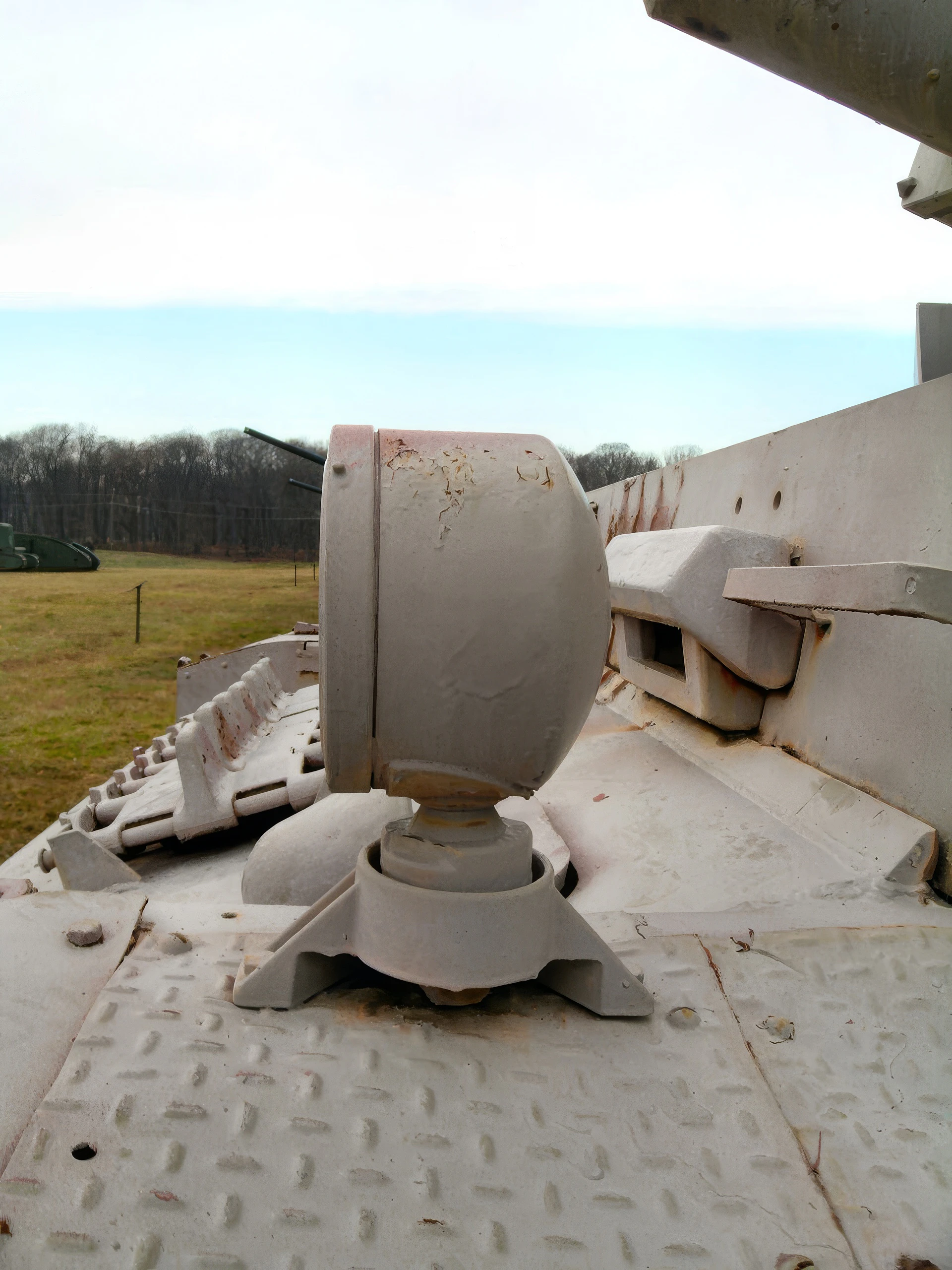
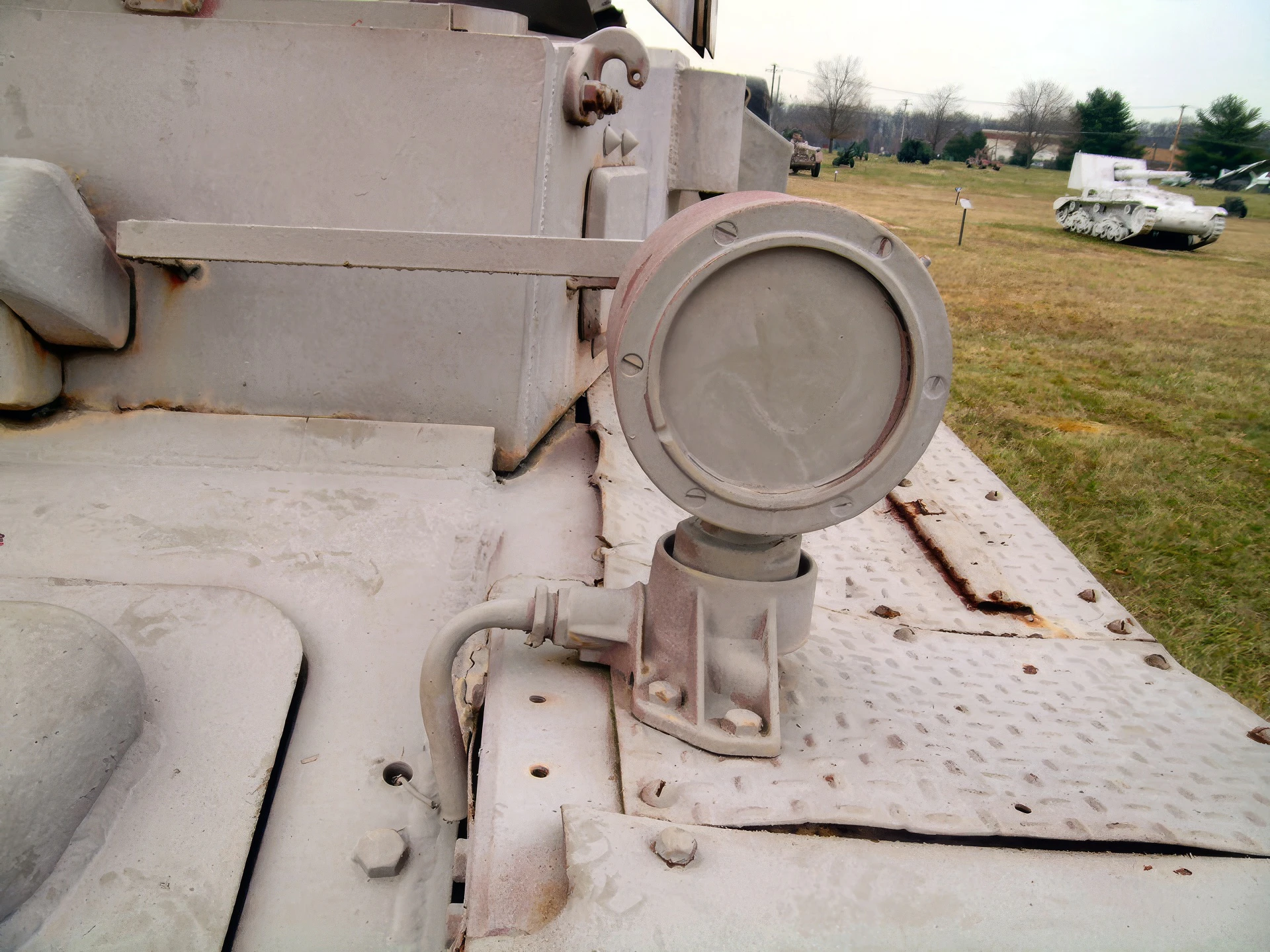
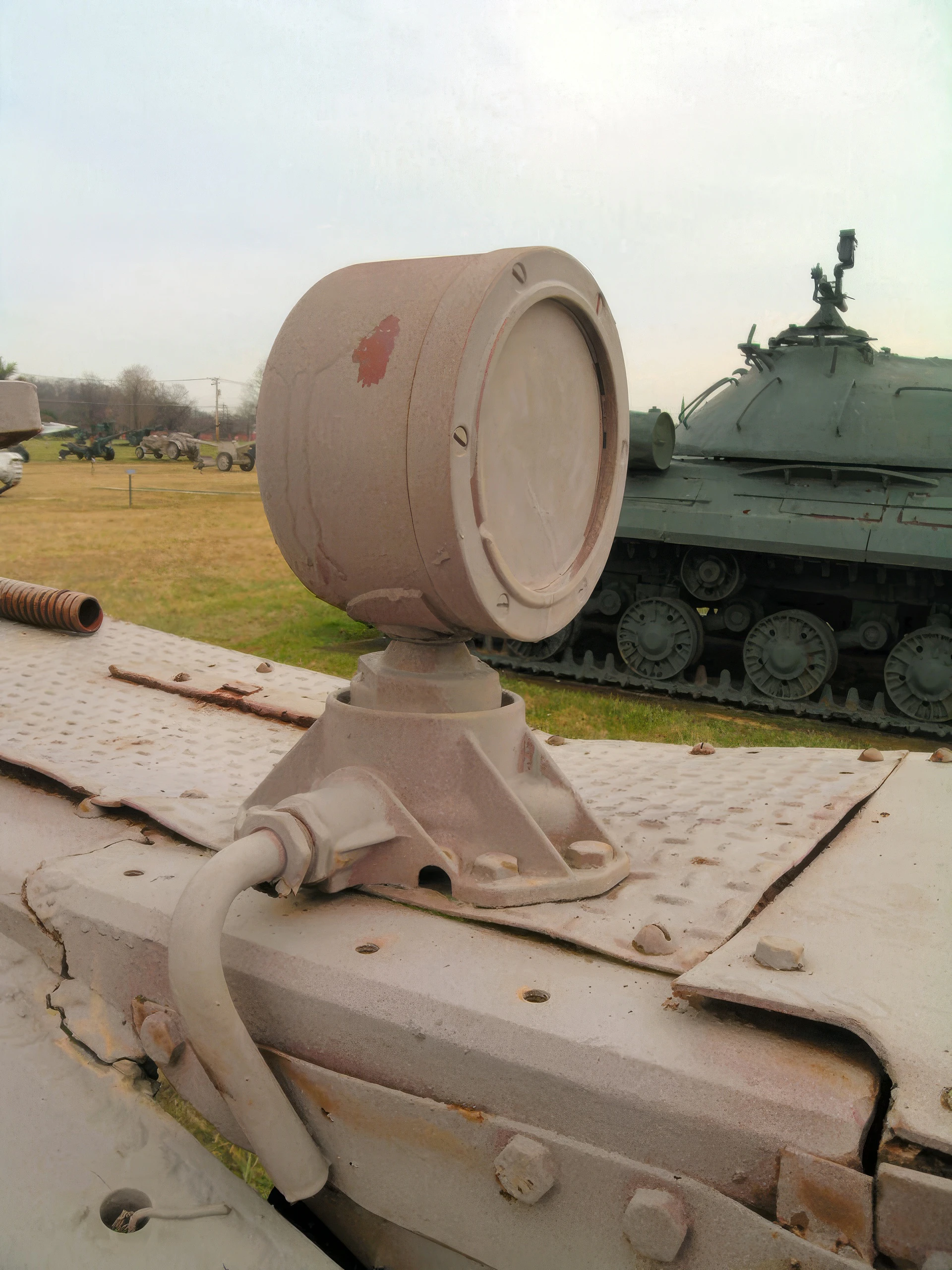
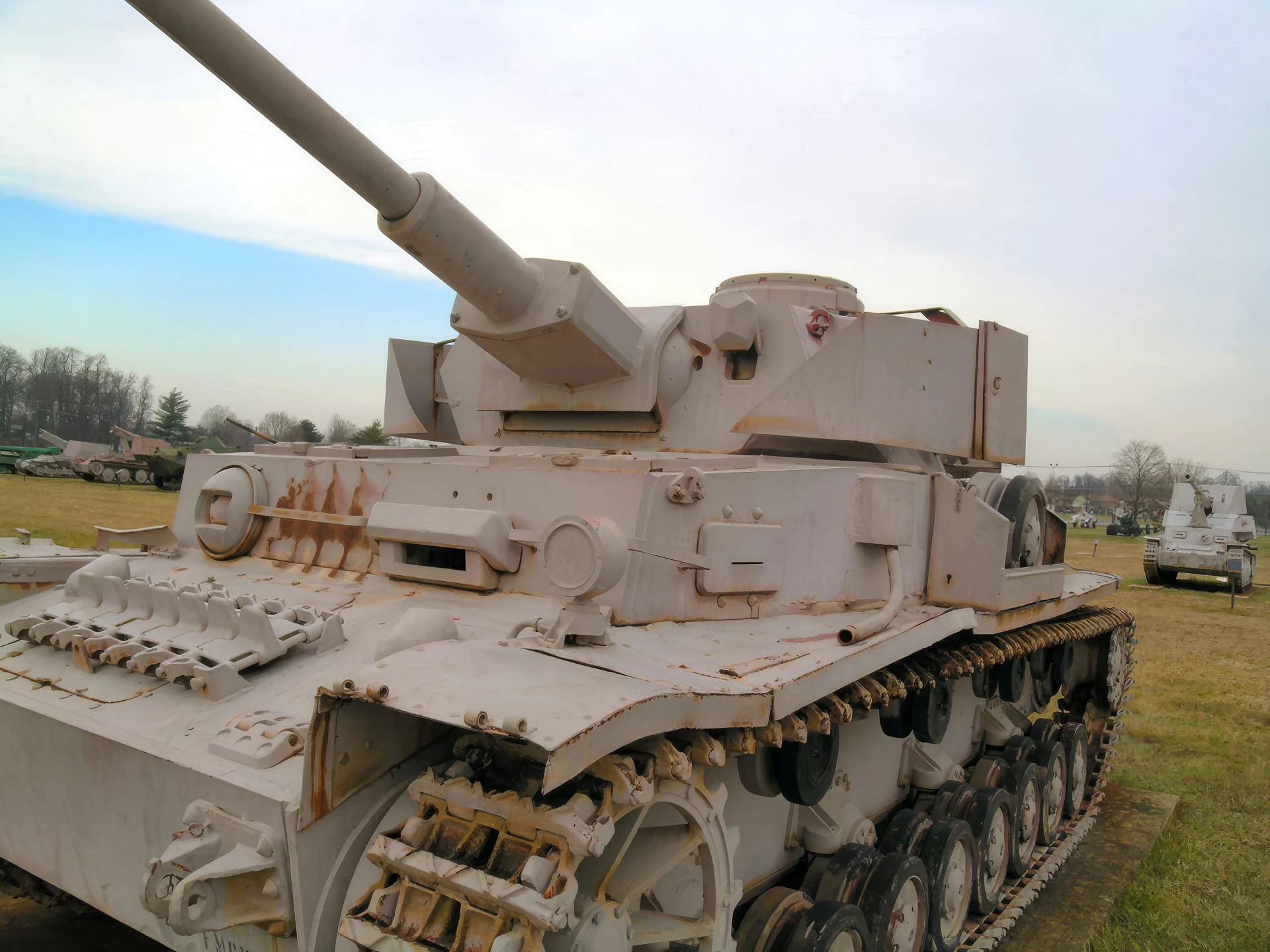
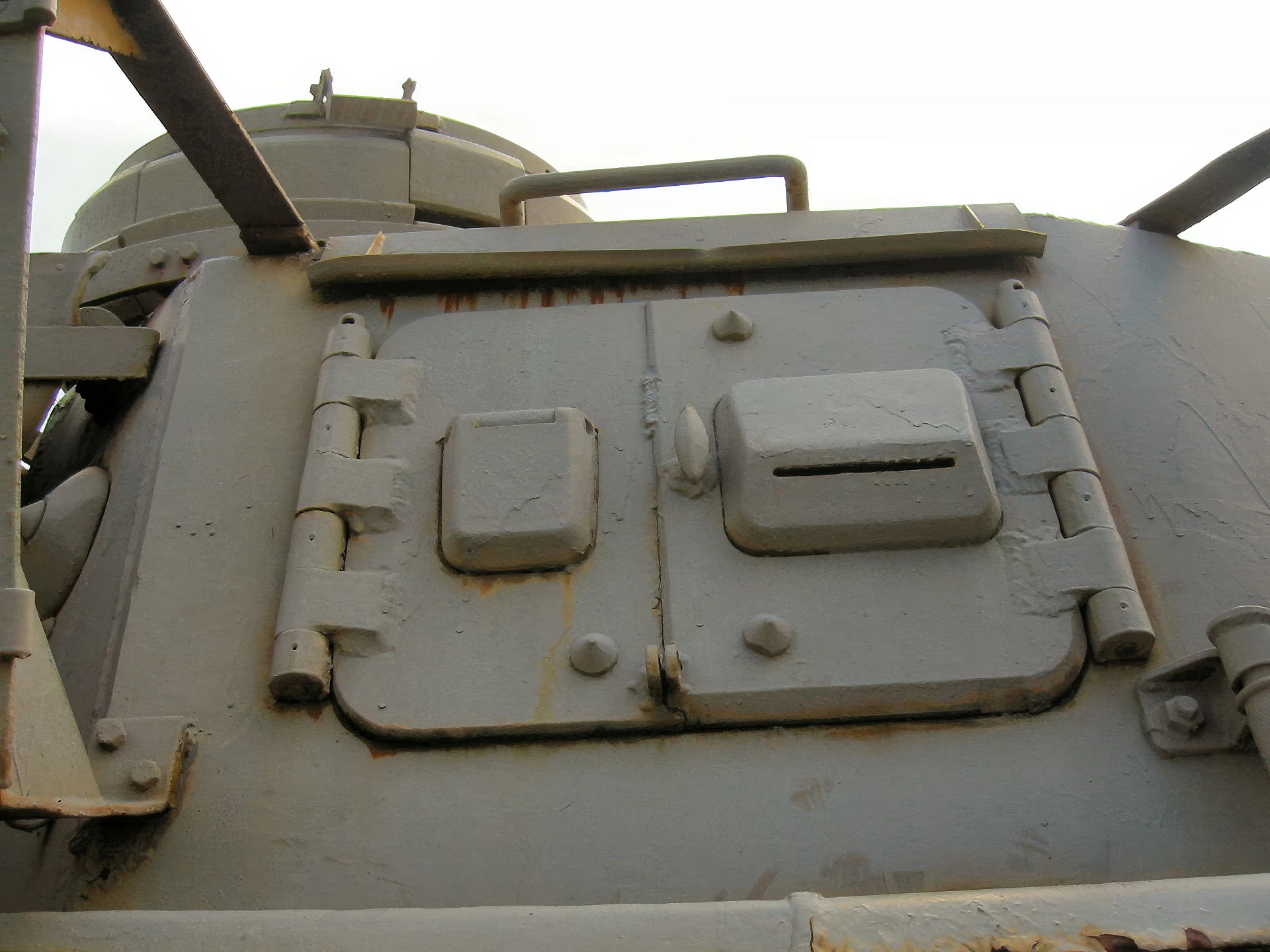
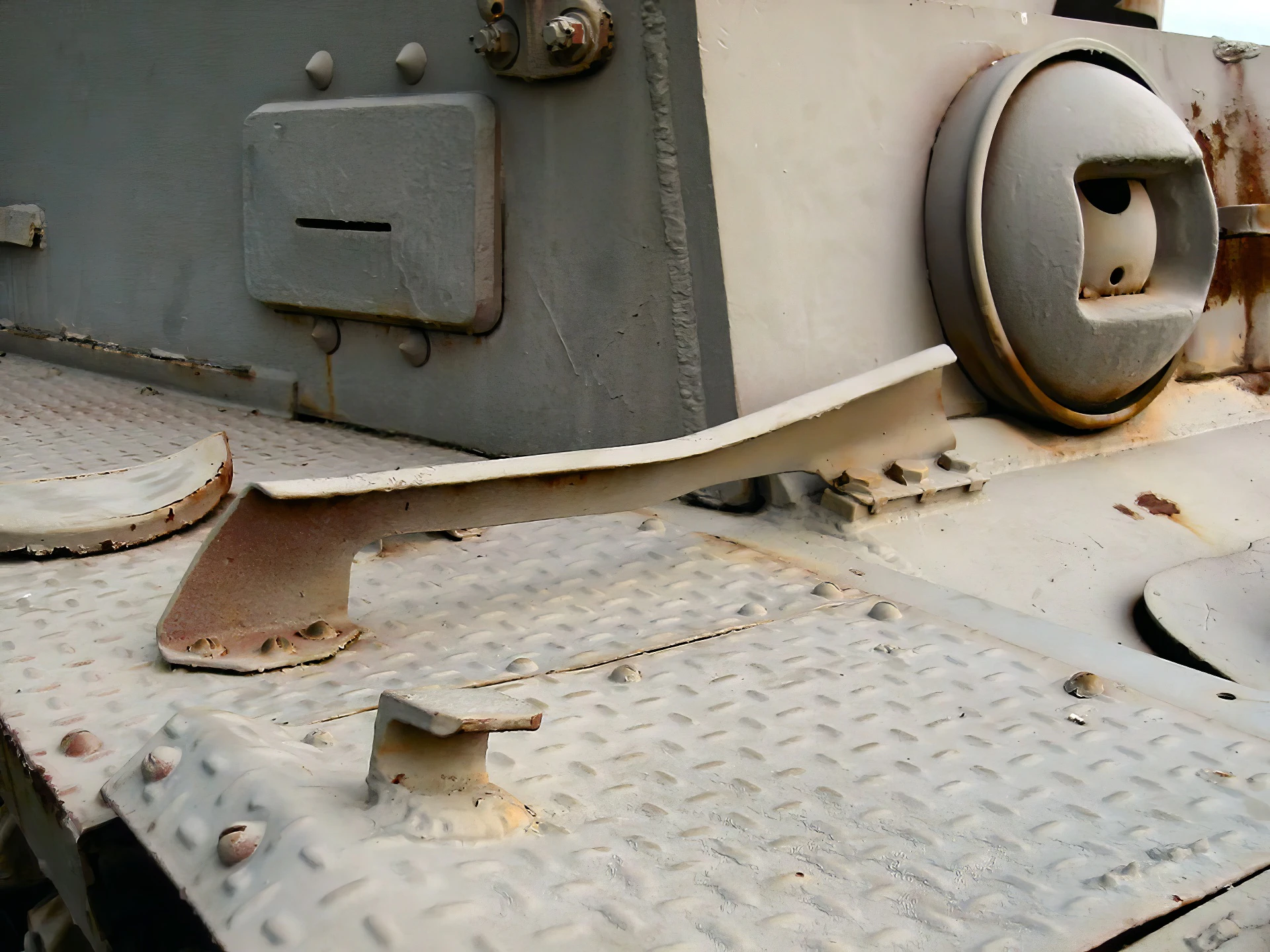

| Panzer IV Ausf.B Walk Around | |
|---|---|
| Fotograf | Michael Benolkin |
| Lokalisering | Unknow |
| Billeder | 18 |
| Panzer Mk IV Ausf H Walk Around | |
|---|---|
| Fotograf | Bill Maloney |
| Lokalisering | Unknow |
| Billeder | 15 |
Se også:


| PzKpfw IV with hydrostatic drive Walk Around | |
|---|---|
| Fotograf | Unknow |
| Lokalisering | Unknow |
| Billeder | 26 |
Panzer IV: The Workhorse of the German Panzer Divisions
Den Panzerkampfwagen IV (Pz.Kpfw. IV), often simply called the Panzer IV, was the backbone and workhorse of the German armored forces (Panzerwaffe) throughout World War II. It holds the distinction of being the only German tank to remain in continuous production from the beginning (1939) to the end (1945) of the war, with over 8,500 units of all variants built.
Key Characteristics and Role
| Characteristic | Early Variants (Ausf. A-F1) | Later Variants (Ausf. F2-J) |
|---|---|---|
| Original Role | Infantry-support tank | Primary medium battle tank |
| Main Armament | Short-barreled 75 mm KwK 37 L/24 gun | Long-barreled 75 mm KwK 40 L/43 or L/48 gun |
| Weight (Approx.) | 18-22 tonnes | 23-25 tonnes |
| Frontal Armor | Up to 30 mm (with some add-on plates) | Up to 80 mm (welded) |
| Besætning | 5 (Commander, Gunner, Loader, Driver, Radio Operator/Bow Machine Gunner) | 5 (Same) |
Development and Evolution
The Panzer IV was initially designed in the mid-1930s for a supporting role, intended to fire high-explosive (HE) rounds against enemy anti-tank guns and fortifications.
- Early War (1939–1941): Varianter Ausf. A through F1 were equipped with the short 75 mm KwK 37 L/24 gun. The armor was relatively light, in the 15 mm to 30 mm range.
- The Turning Point (Late 1941–1942): Encountering the Soviet T-34 tanks necessitated a major upgrade. The Panzer IV, having a larger turret ring than the Panzer III, was chosen for this role.
- The Upgrade (1942–1945): The tank was radically up-gunned with the high-velocity, long-barreled 75 mm KwK 40 L/43 (Ausf. F2/G) and later the L/48 (Ausf. H/J). The frontal armor was also increased to 80 mm on later versions, and side skirts (Schürzen) were added for protection.
Arv
The Panzer IV, in its final up-gunned and up-armored versions, became a highly effective and reliable medium tank. Its versatile chassis was also used as the basis for various other vital combat vehicles, including:
- StuG IV (Assault Gun)
- Jagdpanzer IV (Tank Destroyer)
- Wirbelwind Og Østevind (Self-Propelled Anti-Aircraft Guns)
Views : 20503
Du kan også se:
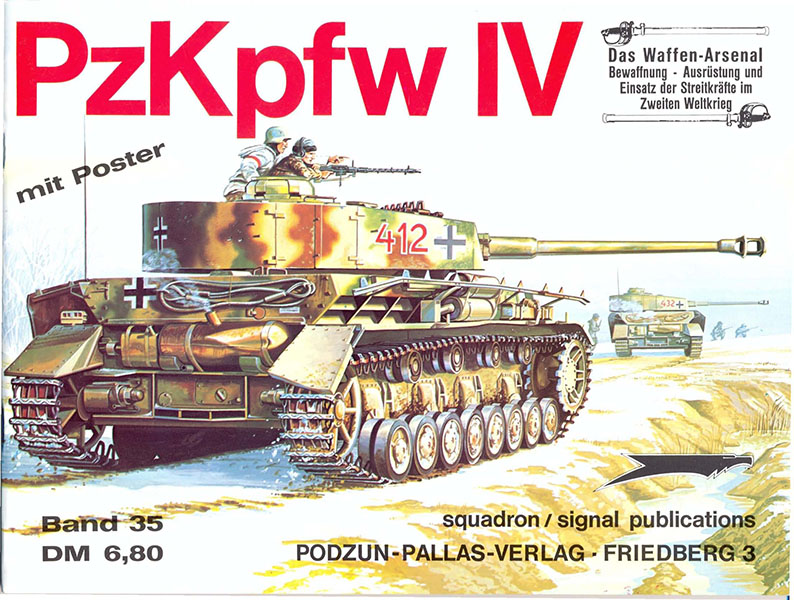 PzKpfW IV – Waffen Arsenal 035
 Panzer IV – Wydawnictwo Militaria 147
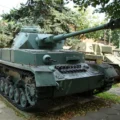 Panzer IV – WalkAround
 PzKpfw IV Ausf.J – WalkAround
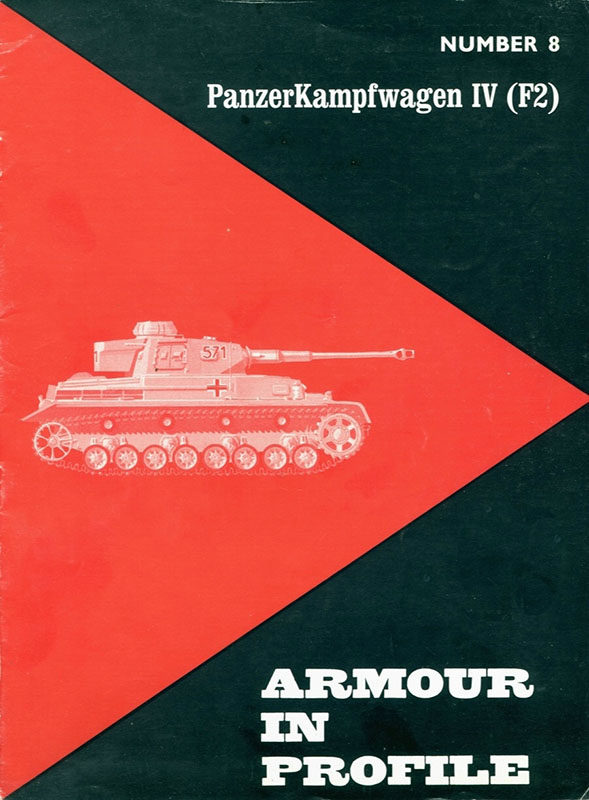 PanzerKampfwagen IV (F2) – Panser i profil 008
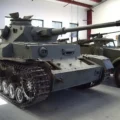 Panzer IV Ausf.H – Gå rundt
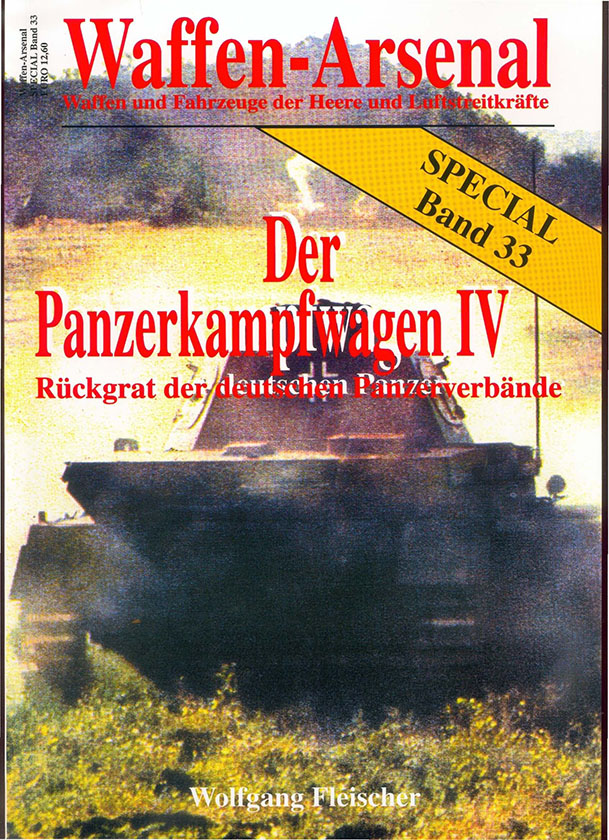 Panzer IV - Waffen Arsenal Special 33
 Panzer IV - Waffen Arsenal 014
 Panzer IV i aktion – Eskadrillesignal SS2012
 Panzer IV – Wydawnictwo Militaria 141