
Lockheed Model 10 Electra | |
|---|---|
| Land | Usa |
| Rolle | Let passagerfly |
| Første flyvning | 23. februar 1934 |
| Bygget | 149 |
Den Lockheed Model 10 Electra er et amerikansk tomotoret, monoplanfly i metal udviklet af Lockheed Aircraft Corporation i 1930'erne for at konkurrere med Boeing 247 og Douglas DC-2. Typen fik betydelig berømmelse, da man blev fløjet af Amelia Earhart på hendes skæbnesvangre ekspedition rundt om i verden i 1937.
| Lockheed 10-A Electra Walk Around | |
|---|---|
| Photographers | Mike Burton |
| Localisation | Western Aerospace Museum, Oakland CA |
| Photos | 85 |
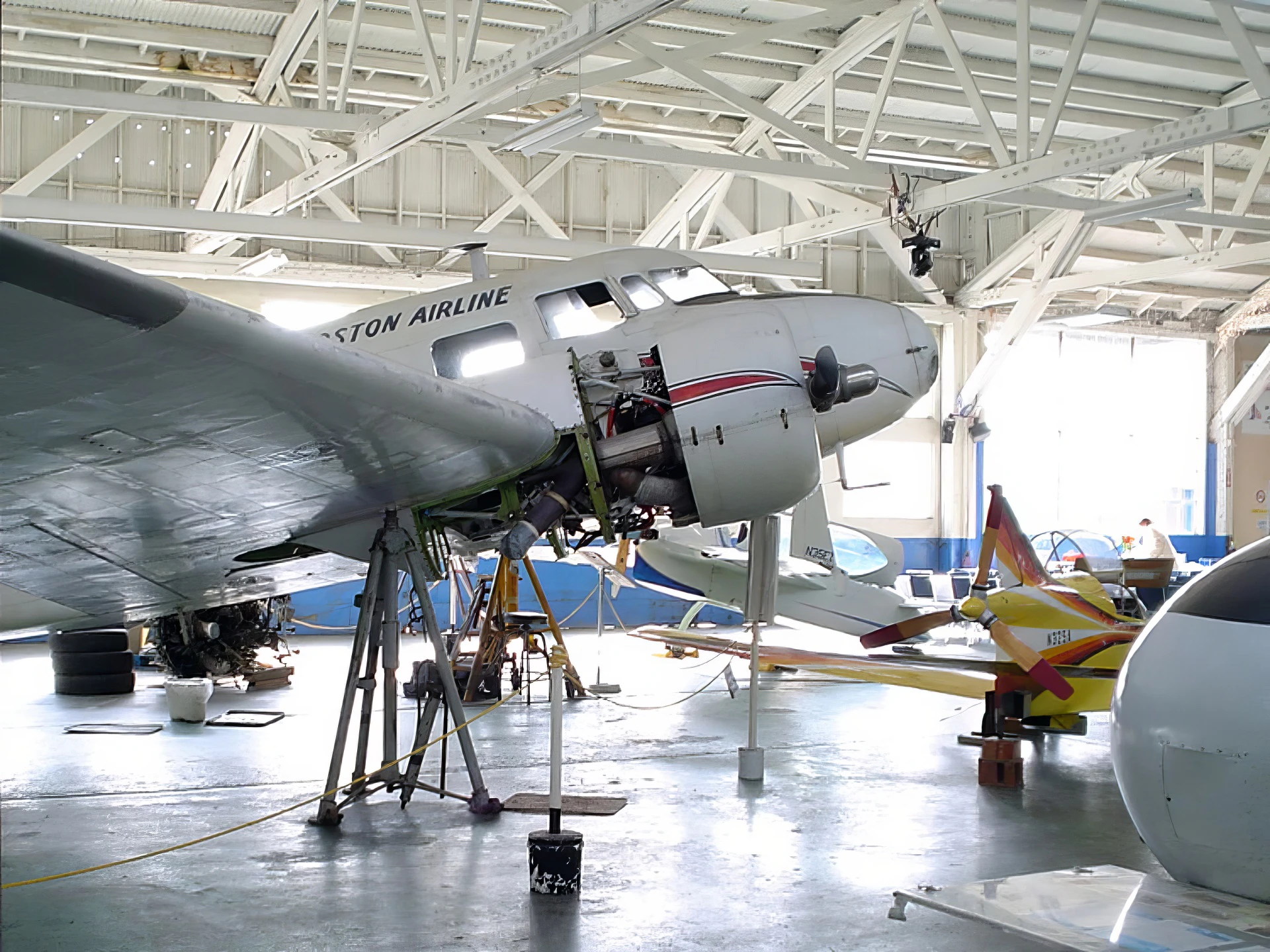
Lockheed 10-A Electra 01
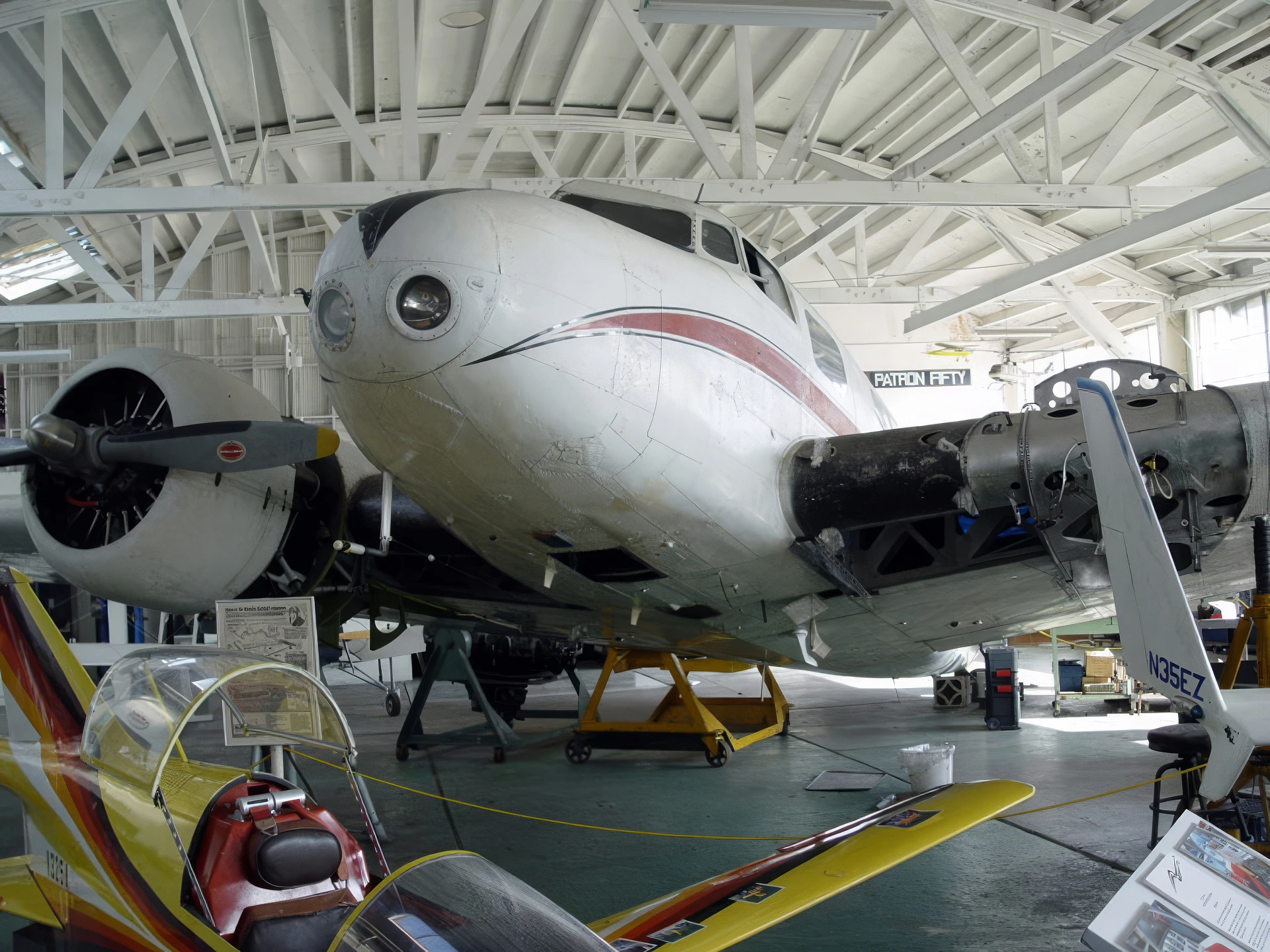
Lockheed 10-A Electra 02
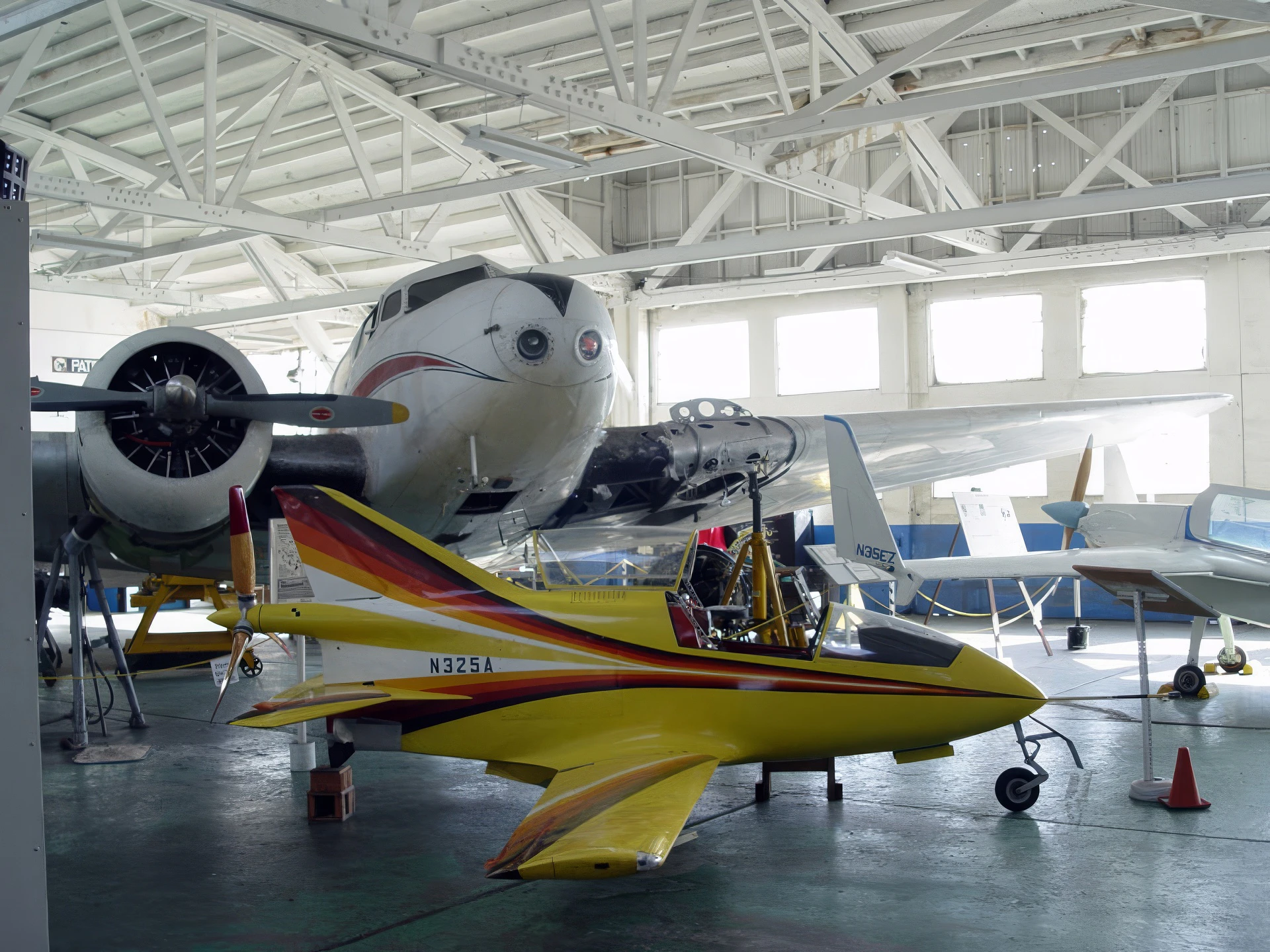
Lockheed 10-A Electra 03
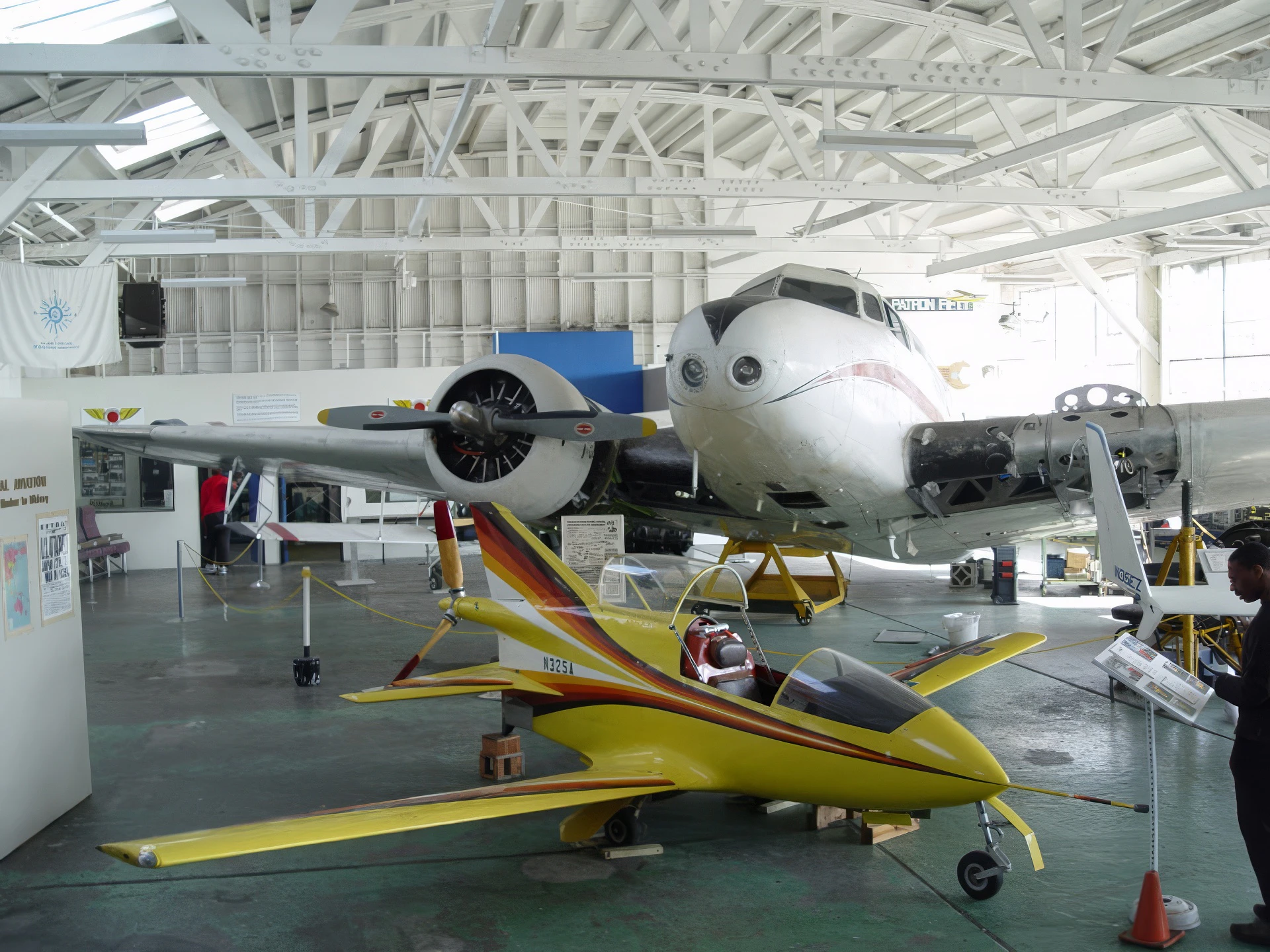
Lockheed 10-A Electra 04
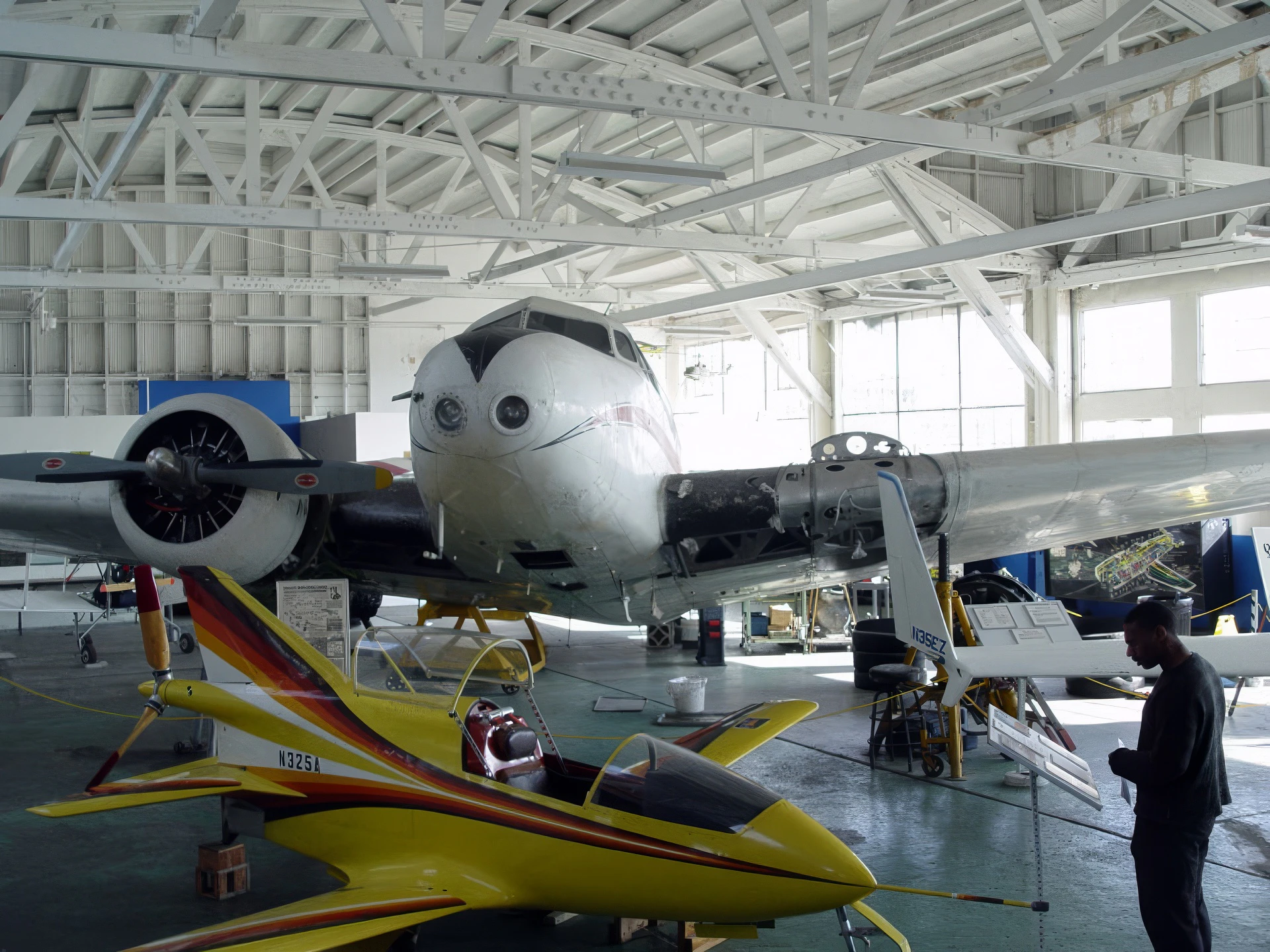
Lockheed 10-A Electra 05
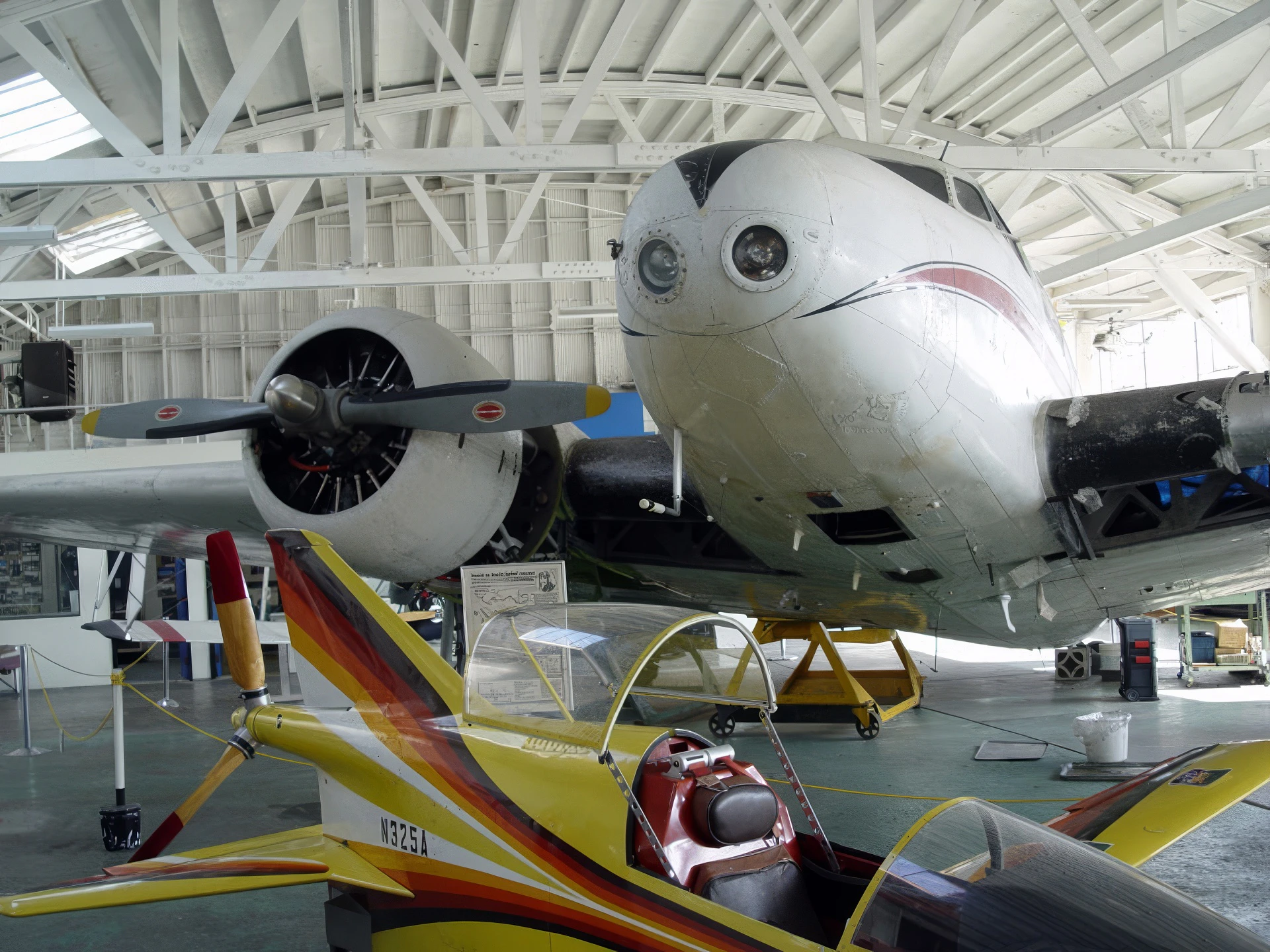
Lockheed 10-A Electra 06
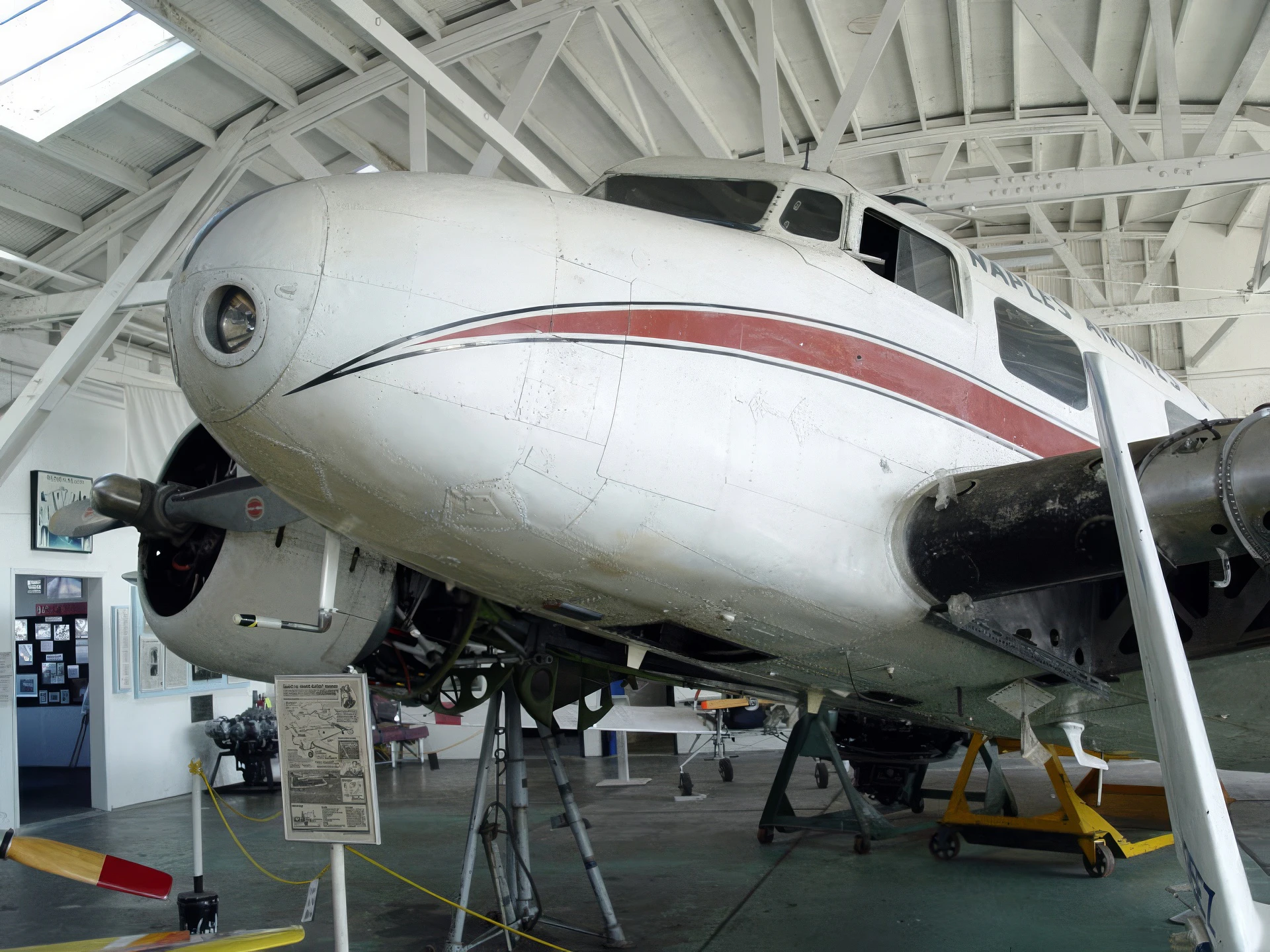
Lockheed 10-A Electra 07
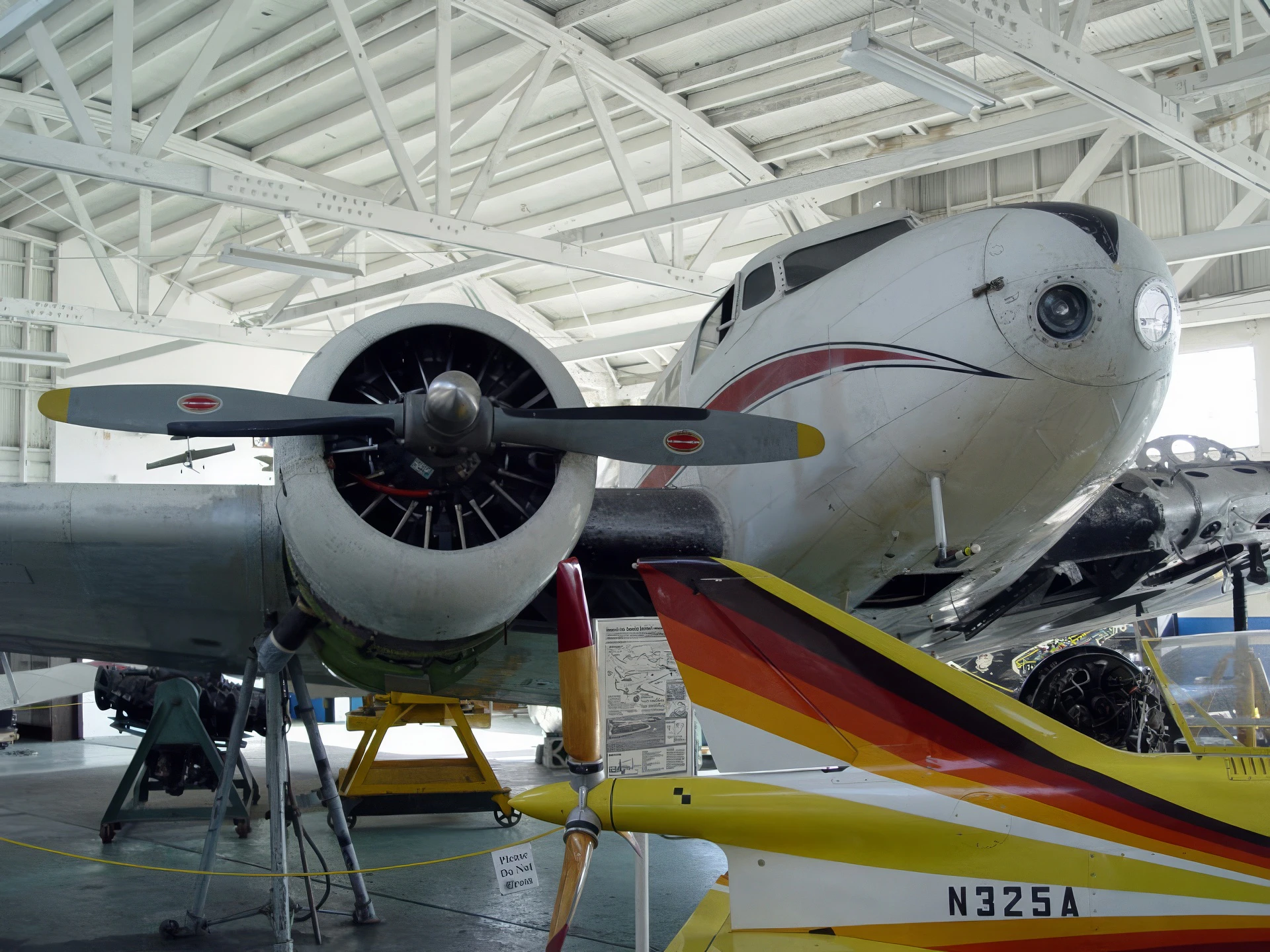
Lockheed 10-A Electra 08
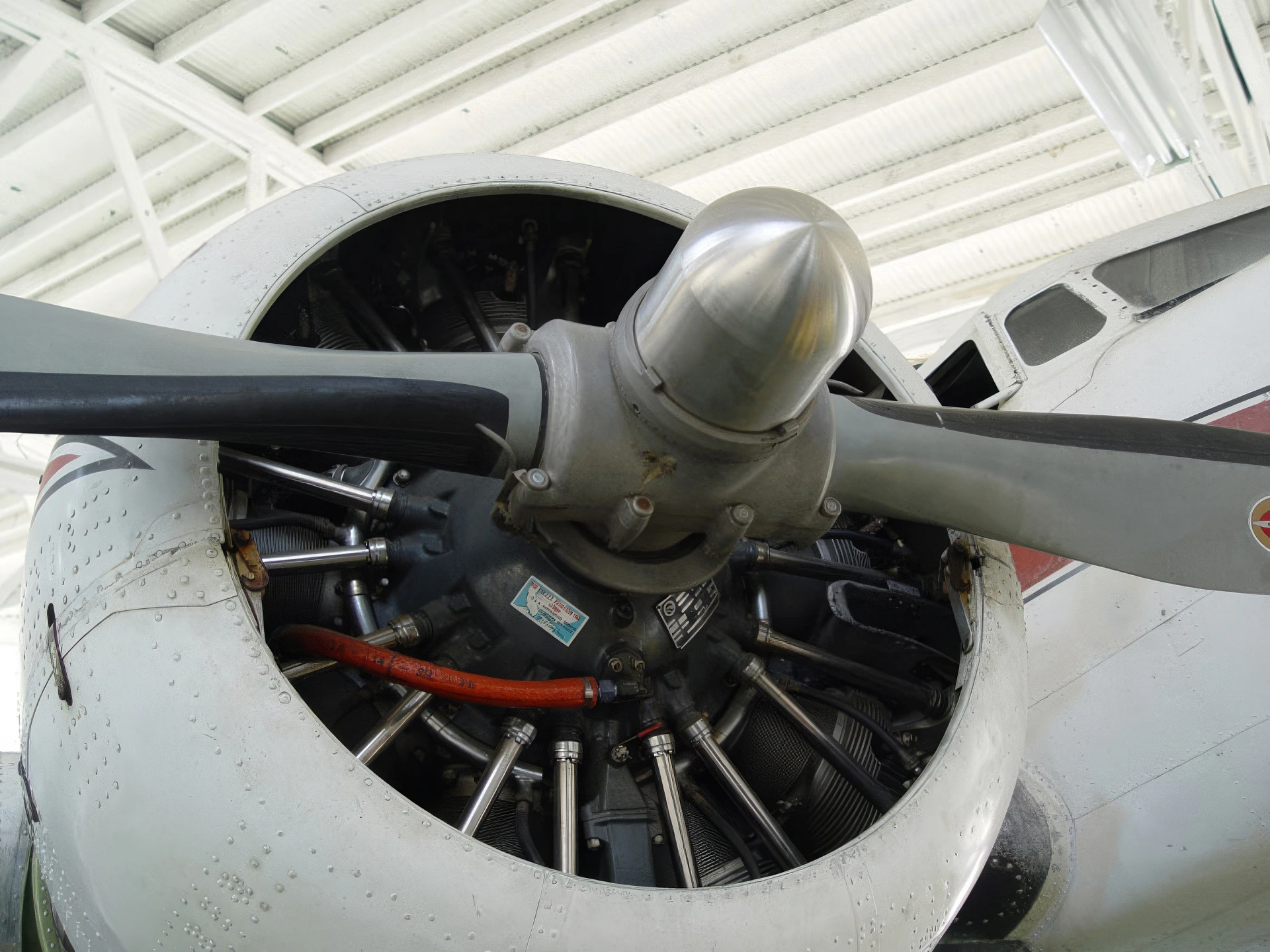
Lockheed 10-A Electra 09
Vent, søger Lockheed Electra 10 for dig ...


Se også:


General Characteristics (Model 10A)
The Lockheed Model 10 Electra was a revolutionary, twin-engine, all-metal monoplane airliner of the mid-1930s, designed to compete with the Boeing 247 and Douglas DC-2. It was Lockheed’s first all-metal design and the first project assigned to future “Skunk Works” leader Clarence “Kelly” Johnson, who famously suggested the aircraft’s distinctive twin tail configuration to fix stability issues.
| Property | Typical Value (Model 10A) |
|---|---|
| Rolle | Light Airliner / VIP Transport |
| Producent | Lockheed Aircraft Corporation |
| First Flight | 23. februar 1934 |
| Besætning | 2 pilots |
| Kapacitet | 10 passengers |
| Vingefang | 16.76 m (55 ft 0 in) |
| Længde | 11.76 m (38 ft 7 in) |
| Max Takeoff Weight | 4,760 kg (10,500 lb) |
| Units Built | 149 (All variants) |
Design and Powerplant
- Engines (10A): Two Pratt & Whitney R-985 Wasp Junior SB air-cooled radial engines.
- Power Output (10A): 336 kW (450 hp) each.
- Fuselage: All-metal monocoque construction, a departure from Lockheed’s earlier wooden designs.
- Landing Gear: Fully retractable conventional (tailwheel) landing gear.
- Tail Design: The iconic twin vertical stabilizers and rudders, which became a signature feature of many subsequent Lockheed aircraft, were incorporated after stability concerns were raised during wind tunnel testing.
Performance and Legacy
- Maximum Speed: 325 km/h (202 mph) at 1,524 m (5,000 ft).
- Cruise Speed: 306 km/h (190 mph).
- Range: Approximately 1,150 km (713 miles).
- Service Ceiling: 5,910 m (19,400 ft).
- Key Role: The Electra was an ideal mid-range transport, popular with airlines like Northwest, Eastern, and Pan American for short to medium-haul routes.
- Model 10E: This high-powered variant (using 600 hp Pratt & Whitney R-1340 engines) is most famous as the aircraft flown by Amelia Earhart on her ill-fated around-the-world flight attempt in 1937.
- Military Service: Many Electras were impressed into military service during World War II, serving as light transports under designations like the C-36 and UC-36 with the USAAF.
Visninger : 595
Du kan også se:
 Lockheed P-80 Shooting Star – Billeder & Videoer
 Lockheed LC-130 – Billeder og videoer
 Lockheed P-3 Orion – Billeder & Video
 Lockheed U-2 – Billeder & Video
 Lockheed S-3 Viking – Billeder & Video
 Lockheed A-12 – Billeder & Video
 Lockheed Hudson Mk.III – Billeder & Video
 Lockheed SR-71 Blackbird – Billeder & Video
 Lockheed F-22A Raptor – Billeder & Video
 P-38L Mandarin – WalkAround