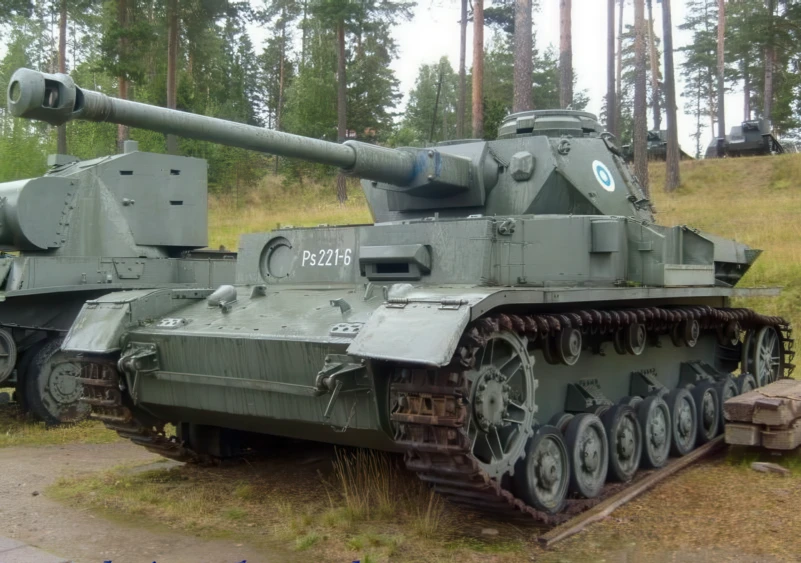
Panzer IV Ausf.J | |
|---|---|
| Typ | Nádrže |
| Země | Zárodečné |
| Popis | Album 60 fotografie "Panzer IV Ausf.J" |
Tá SdKfz 161 PzKpfW IV - Panzerkampfwagen IV, běžně známý jako "Panzer IV", byl tank střední třídy používaný v německé armádě během druhé světové války. Původně byl navržen jako palebná podpůrná nádrž a vyzbrojen 75 mm krátkým dělem KwK 37 L/24 pro Panzer IV Ausf. A, B, C, D, E, F mais à la fin du mois de mars 1942 son canon a été changé par un canon long 75 mm KwK 40 L/43 antichar pour les séries Ausf. F2, G,H et J. Le Panzer IV a été le tank le plus utilisé par la Panzerwaffe (on compte un nombre supérieur à 9 000 d’unités produites) de plus il a été à la base à de nombreuses versions. Version PzKpfW IV Ausf.JJe to podobné Ausf. H s výjimkou objemné výfukové trubky v zadní části, která je odstraněna, jdou nosiče oblázků na tři v nejnovějších modelech.
Zdroj: PzKpfw IV na Wikipedii
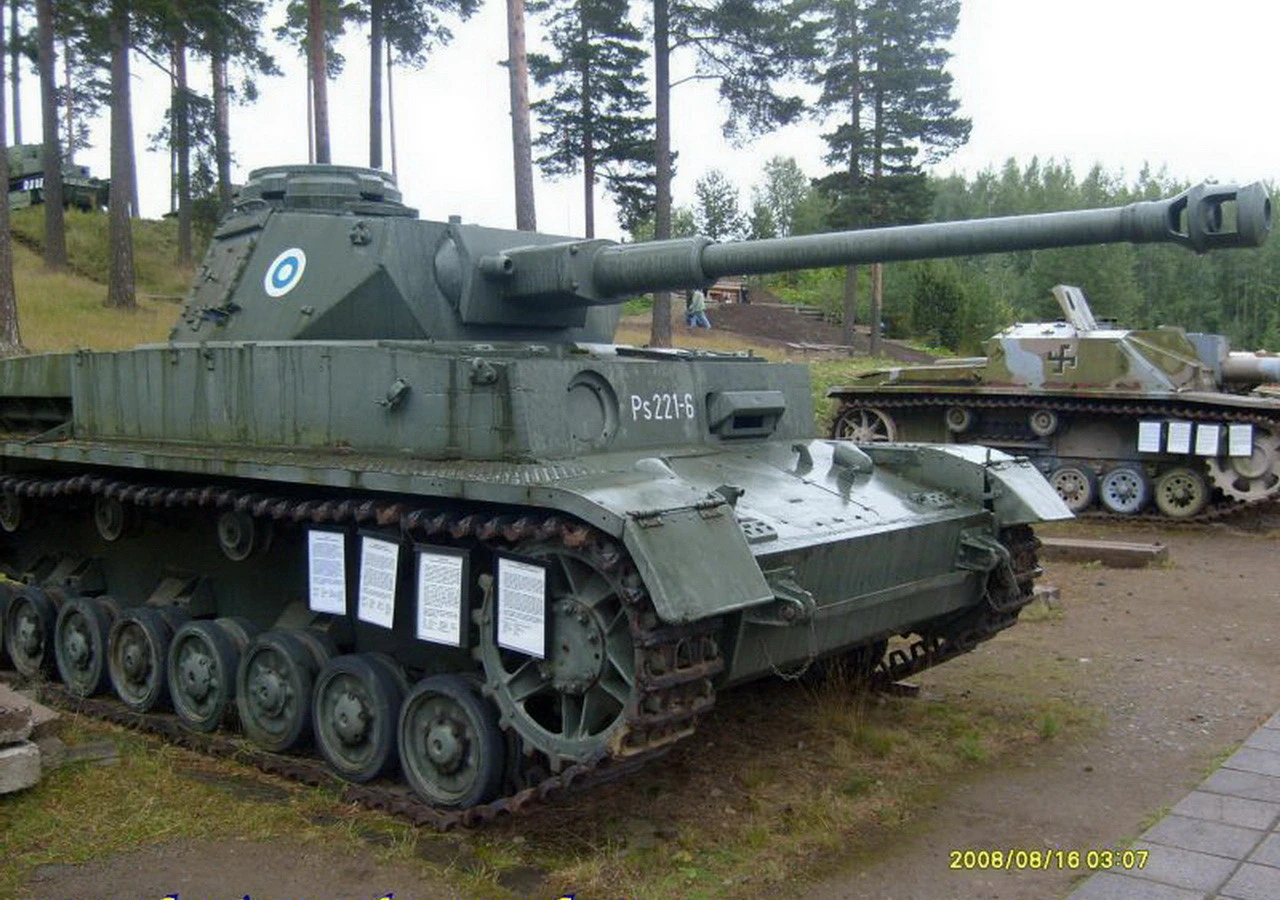
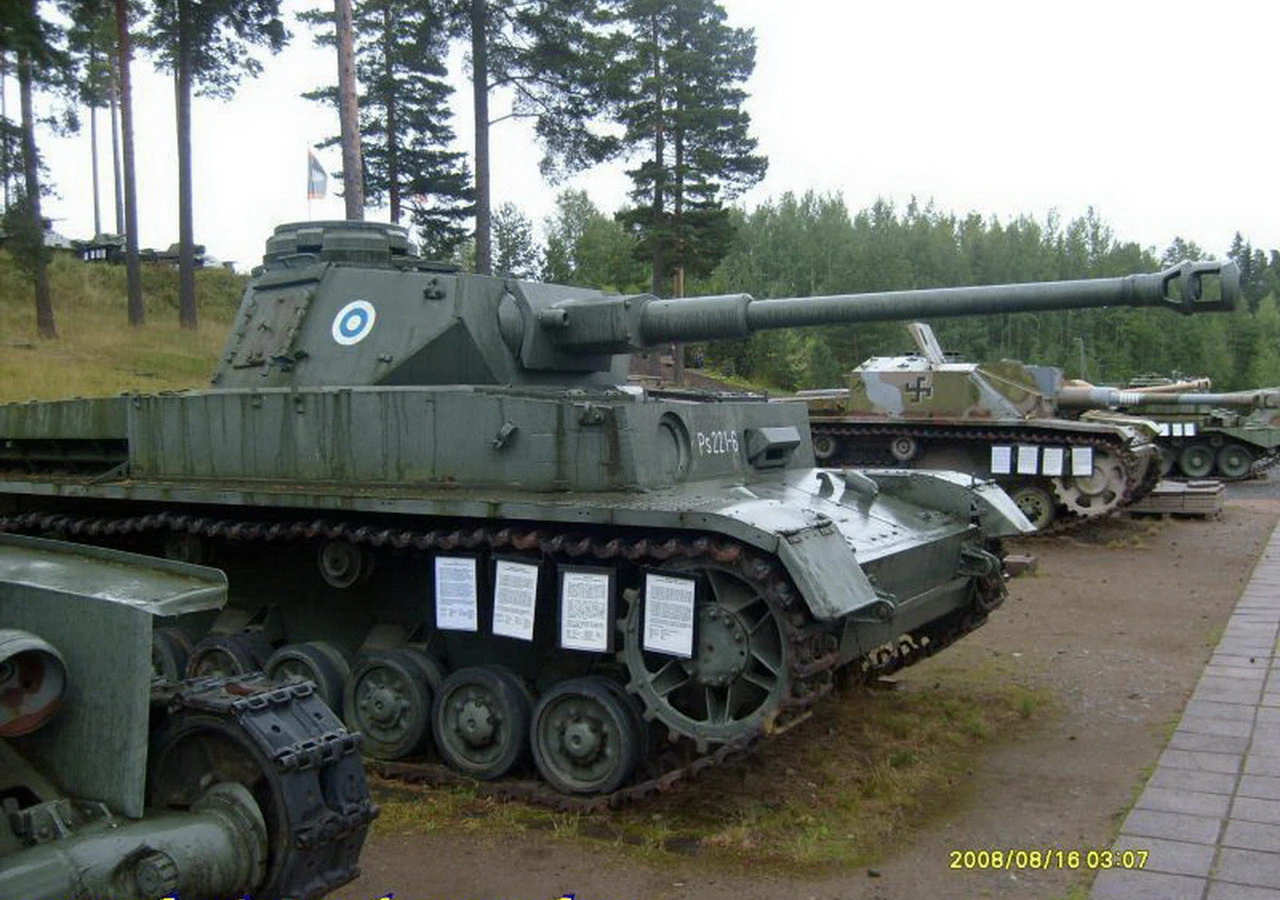
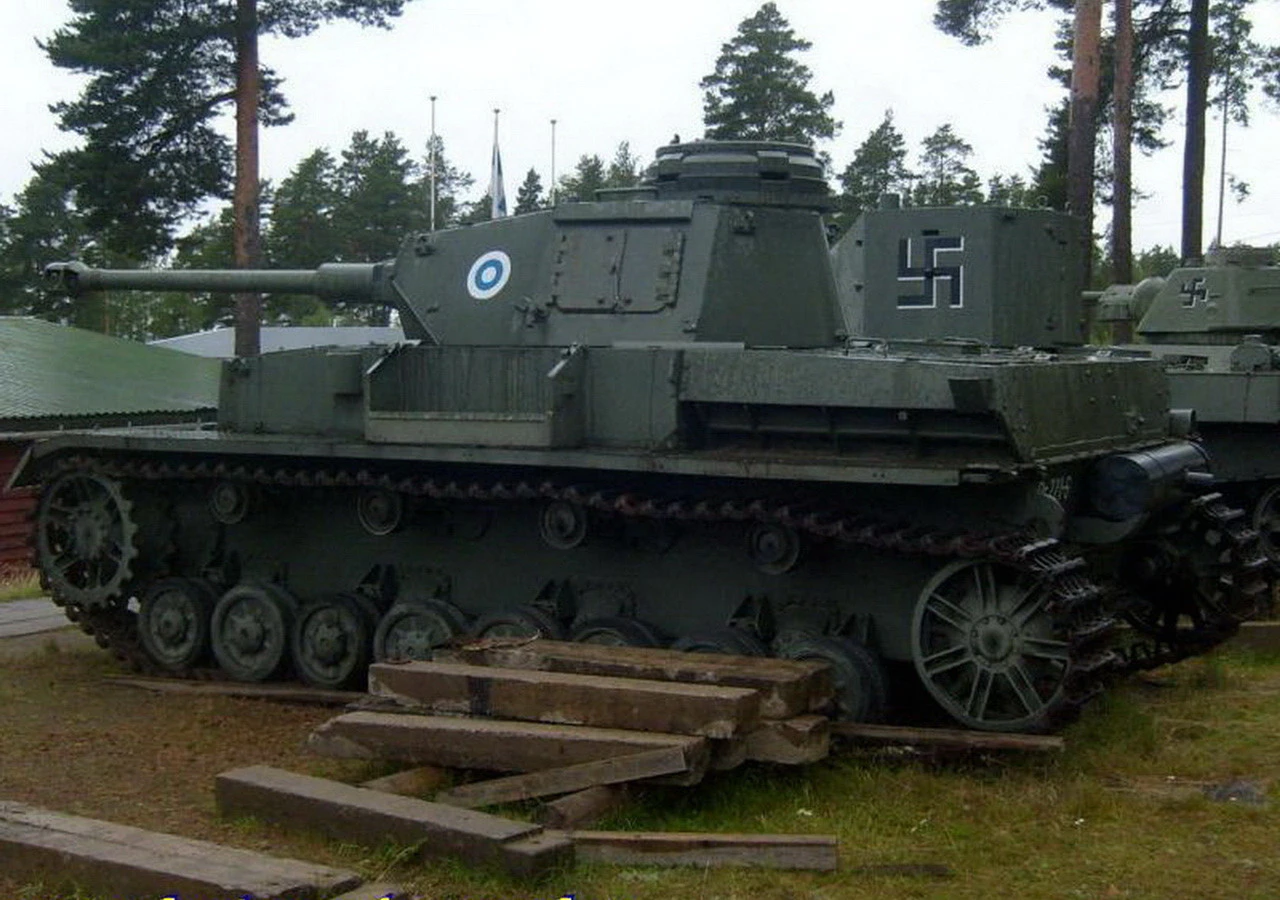
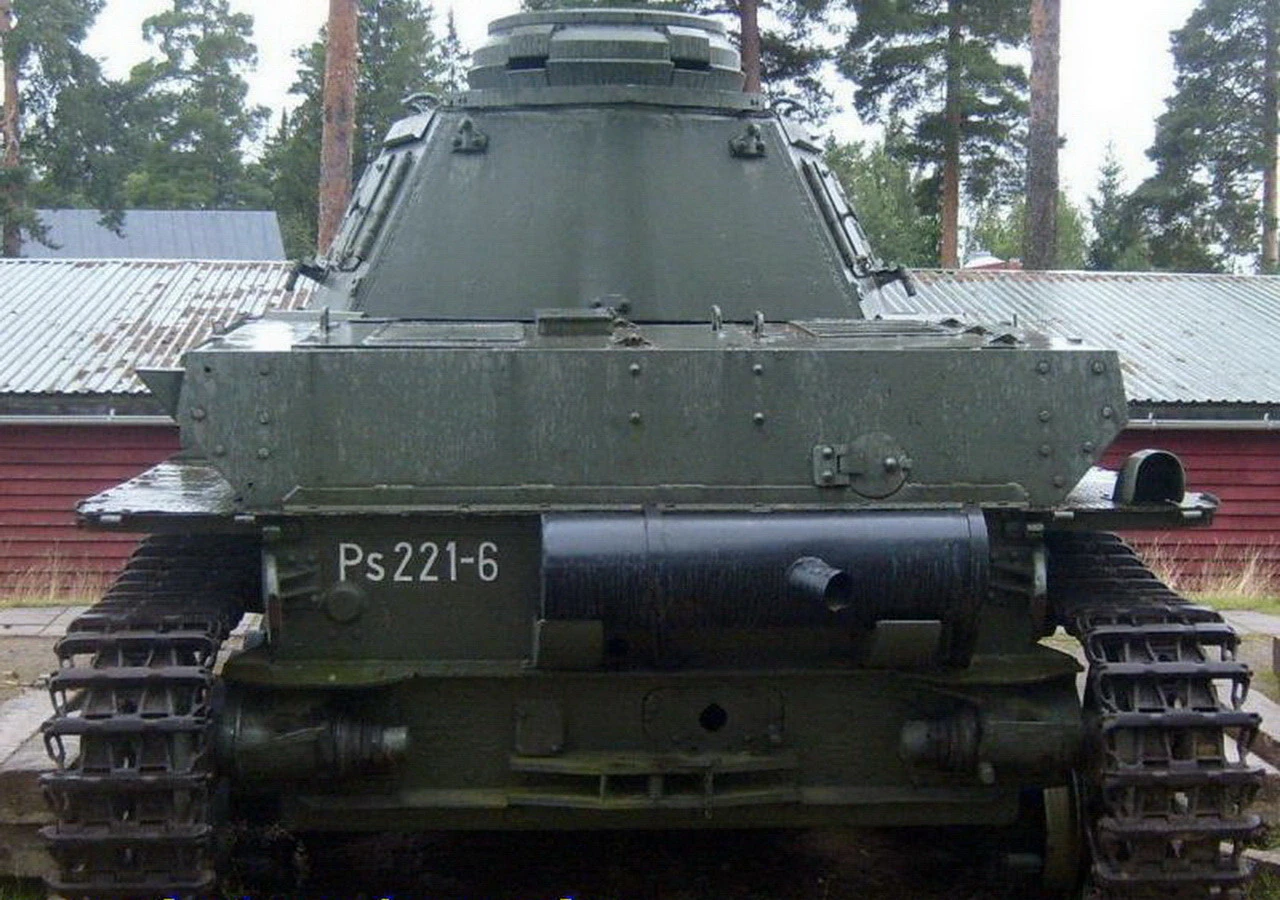
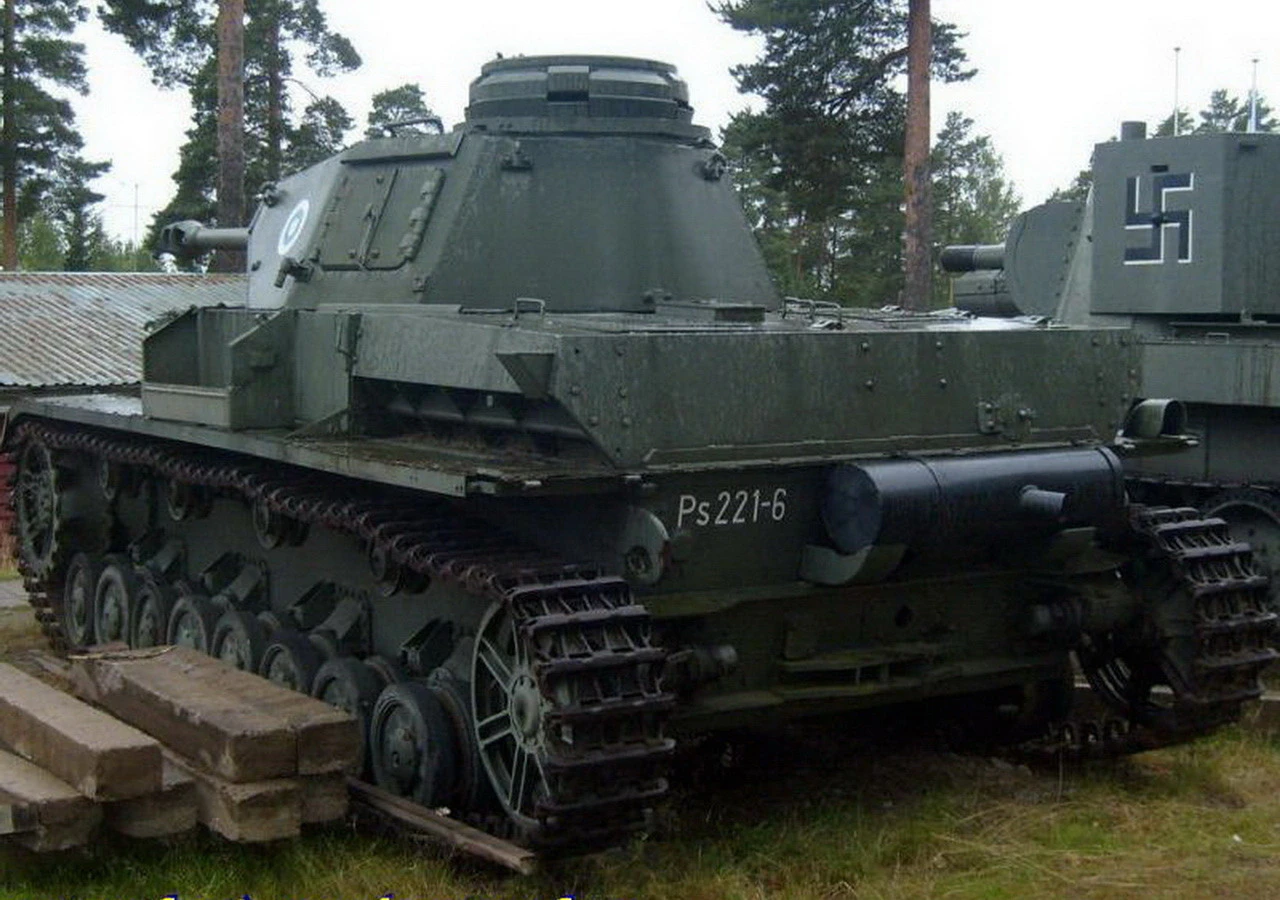
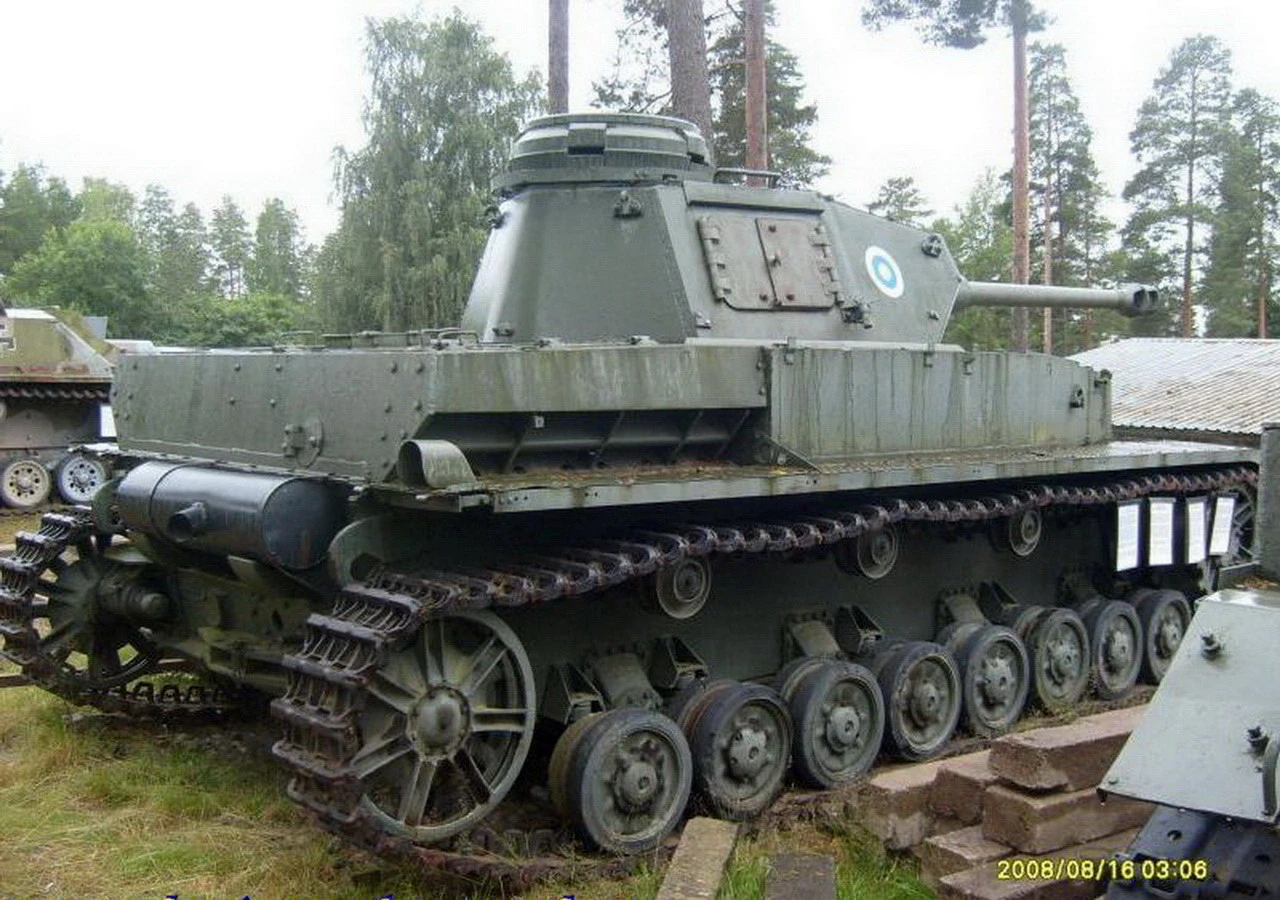

Viz také:


The Desperate Evolution
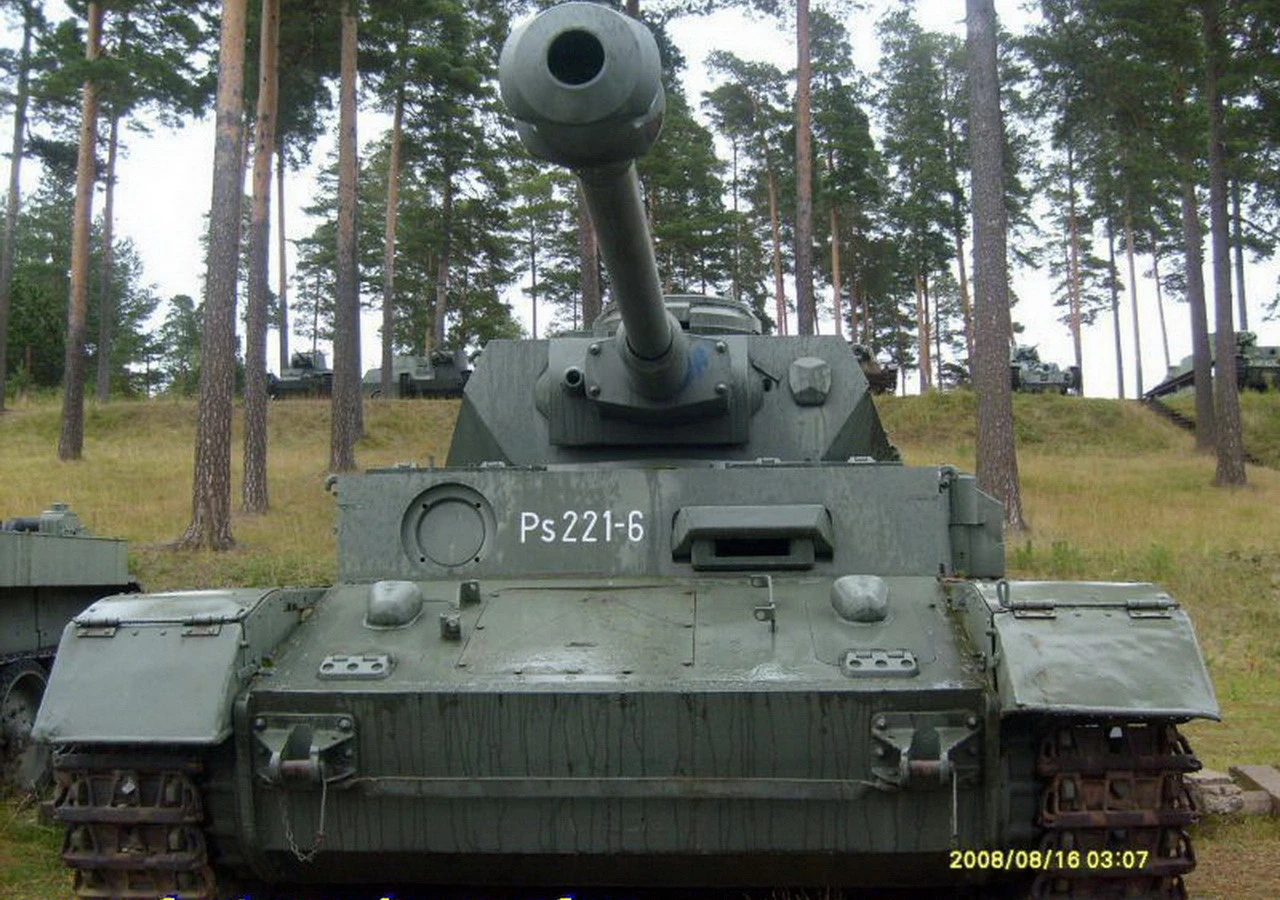
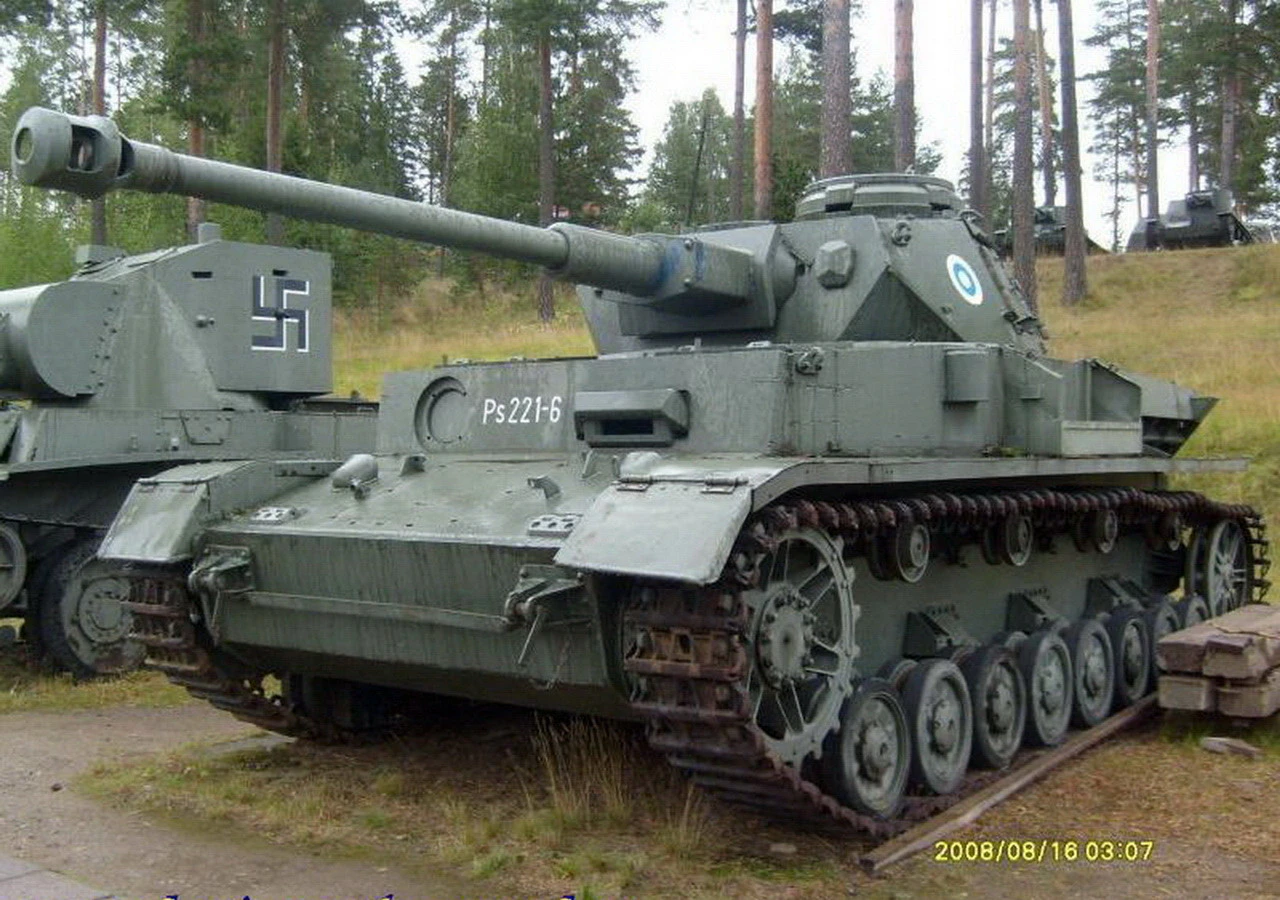
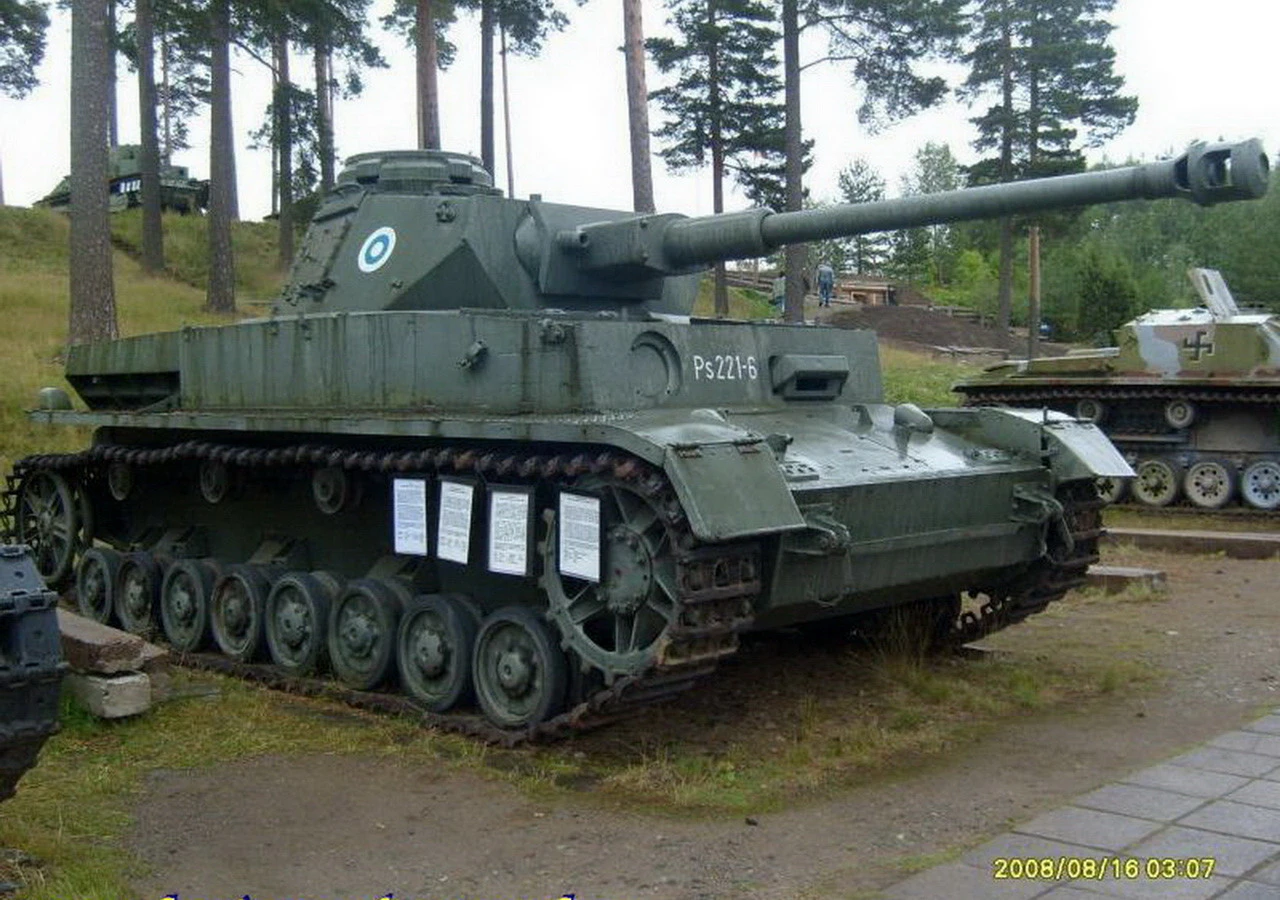
Tá Panzer IV Ausf. J was the final production model of Germany’s most important tank. While the Panther and Tiger grabbed the headlines, the Panzer IV was the actual backbone of the Panzerwaffe. By 1944, German industry was under constant bombardment and resources were scarce. The Ausf. J was a “simplified” version of the previous Ausf. H—designed to be faster to build and easier to maintain. However, “simplified” in this case meant removing luxuries that crews relied on, such as the electric turret drive, turning the most reliable tank in the German arsenal into a hand-cranked defender of the Fatherland.
| Attribute | Technical Specification (Ausf. J) |
|---|---|
| Roli | Střední nádrž |
| Posádky | 5 (Commander, Gunner, Loader, Driver, Radio Op) |
| Main Armament | 7.5 cm KwK 40 L/48 (87 rounds) |
| Secondary Armament | 2 × 7.92 mm MG34 machine guns |
| Brnění | 80 mm (Front) / 30 mm (Sides) |
| motor | Maybach HL 120 TRM V12 (300 hp) |
| Maximum Speed | 38 km/h (24 mph) on road |
| Key Identification | Mesh “Thoma” side skirts & Dual exhaust pipes |
Design Engineering: Austerity and Adaptations
- Hand-Cranked Turret: To save fuel and electric motors, the electric turret traverse was removed. The gunner had to manually crank the turret into position. While a two-speed gear was added to help, it made engaging moving targets at close range extremely difficult.
- Thoma-Schürzen: Late Ausf. J models replaced the heavy steel side plates with wire mesh screens (Thoma-Schürzen). These were just as effective at pre-detonating Soviet anti-tank rifle rounds or bazookas but were much lighter and used less strategic steel.
- Extra Fuel vs. Speed: The space formerly occupied by the electric turret motor was used to install an extra 200-liter fuel tank. This increased the Panzer IV’s operational range to 320 km, which was vital as German supply lines collapsed.
- Simplified Exhaust: The complex mufflers of earlier models were replaced by two simple “flame-suppressing” vertical pipes (Flampf-Dämpfer) to speed up production.
Operational History: Holding the Line
- The Reliable Veteran: Even though it was outclassed by the Panther in armor and firepower, crews often preferred the Panzer IV because it was mechanically reliable and didn’t break its transmission every 100 kilometers.
- The Long 75: Its 7.5cm L/48 gun remained a threat until the very end. It could still reliably knock out T-34s and M4 Shermans at standard combat ranges, making the Panzer IV a dangerous opponent when used in hull-down defensive positions.
- Anti-Zimmerit: By late 1944, the German army stopped applying Zimmerit (the anti-magnetic mine paste) to the Ausf. J. It saved time in the factory, and they realized the Allies weren’t really using magnetic mines anyway.
- Syrian Service: Like the StuG, the Panzer IV lived on. In the 1950s and 60s, Syria purchased surplus Panzer IV Ausf. Js from France, Czechoslovakia, and Spain. They were used against Israel in the Water War and the Six-Day War, nearly 25 years after they left German factories.
Zobrazení: 8149
Můžete také vidět:
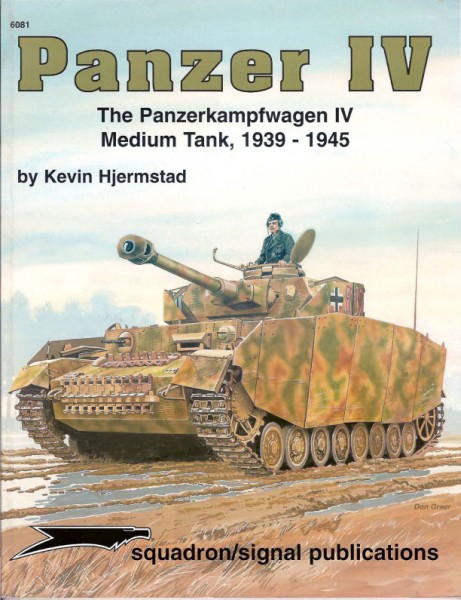 Panzerkampfwagen-IV-Střední tank-1939-1945 – Concord 6081
 Panzer IV – Procházka
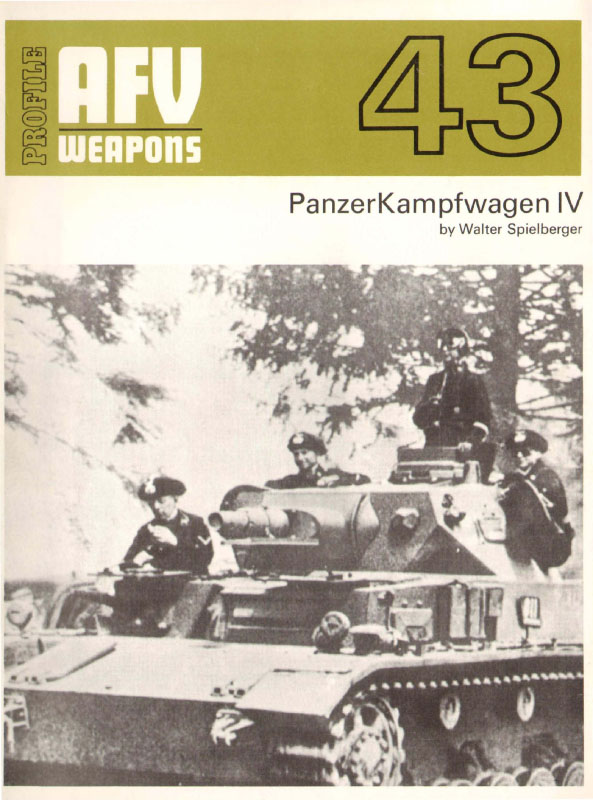 PanzerKampfwagen IV – Zbraně AFV 43
 PzKpfw IV Ausf.J - Procházka
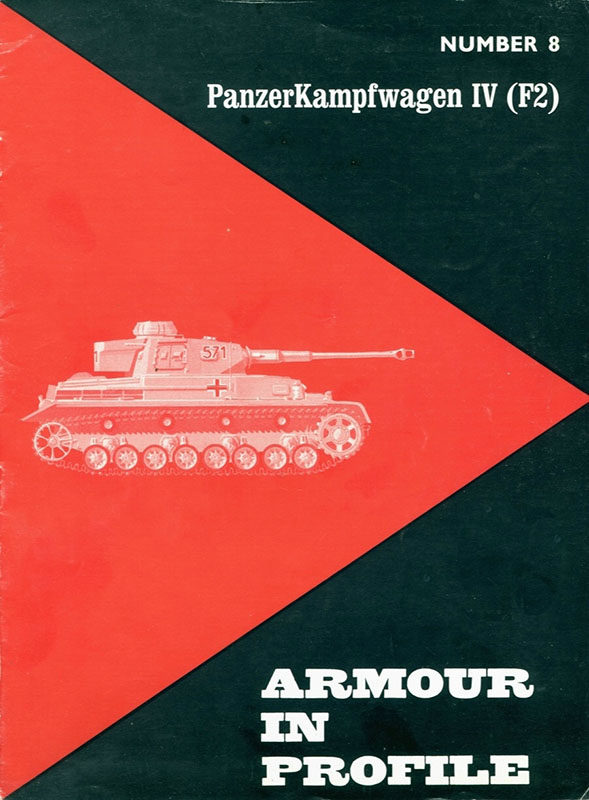 PanzerKampfwagen IV (F2) – Pancíř v profilu 008
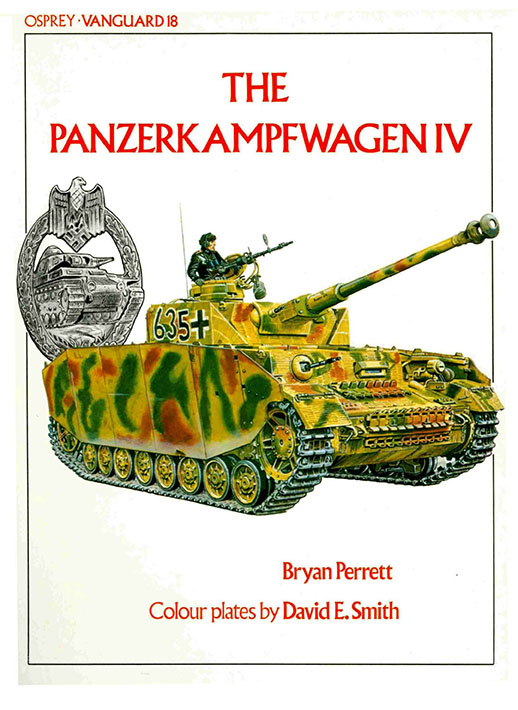 Panzerkampfwagen IV – VANGUARD 18
 Panzer IV – Waffen Arsenal Speciál 33
 Panzer IV – Procházka Kolem
 Panzer IV v akci – Signál letky SS2012
 Panzer IV – Wydawnictwo Militaria 004