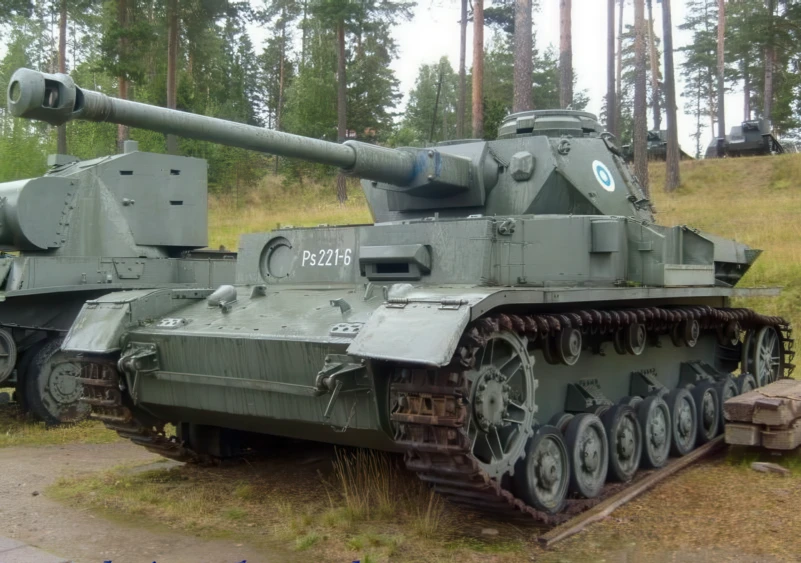
Panzer IV Ausf.J | |
|---|---|
| Тип | Танки |
| Платить | Гермней |
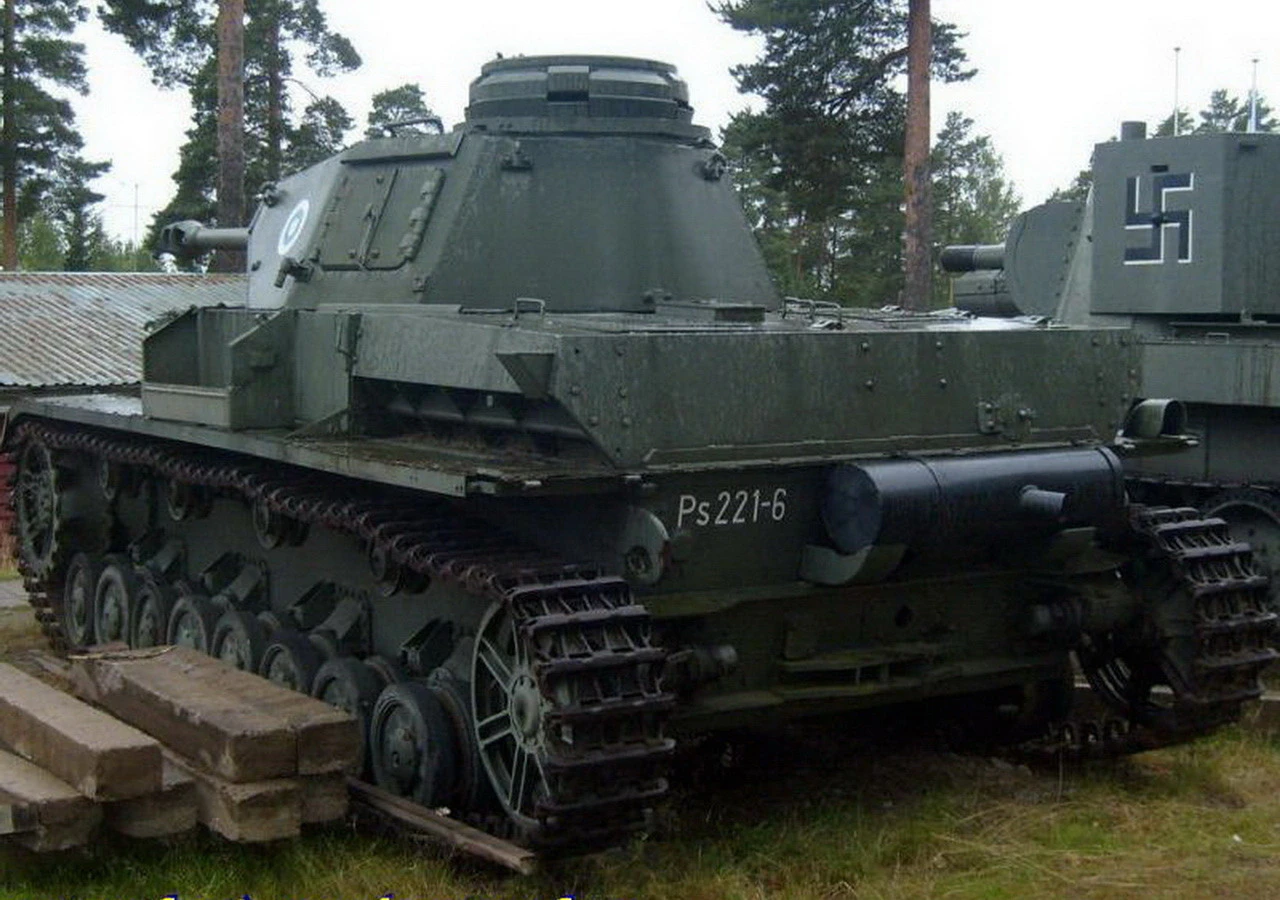
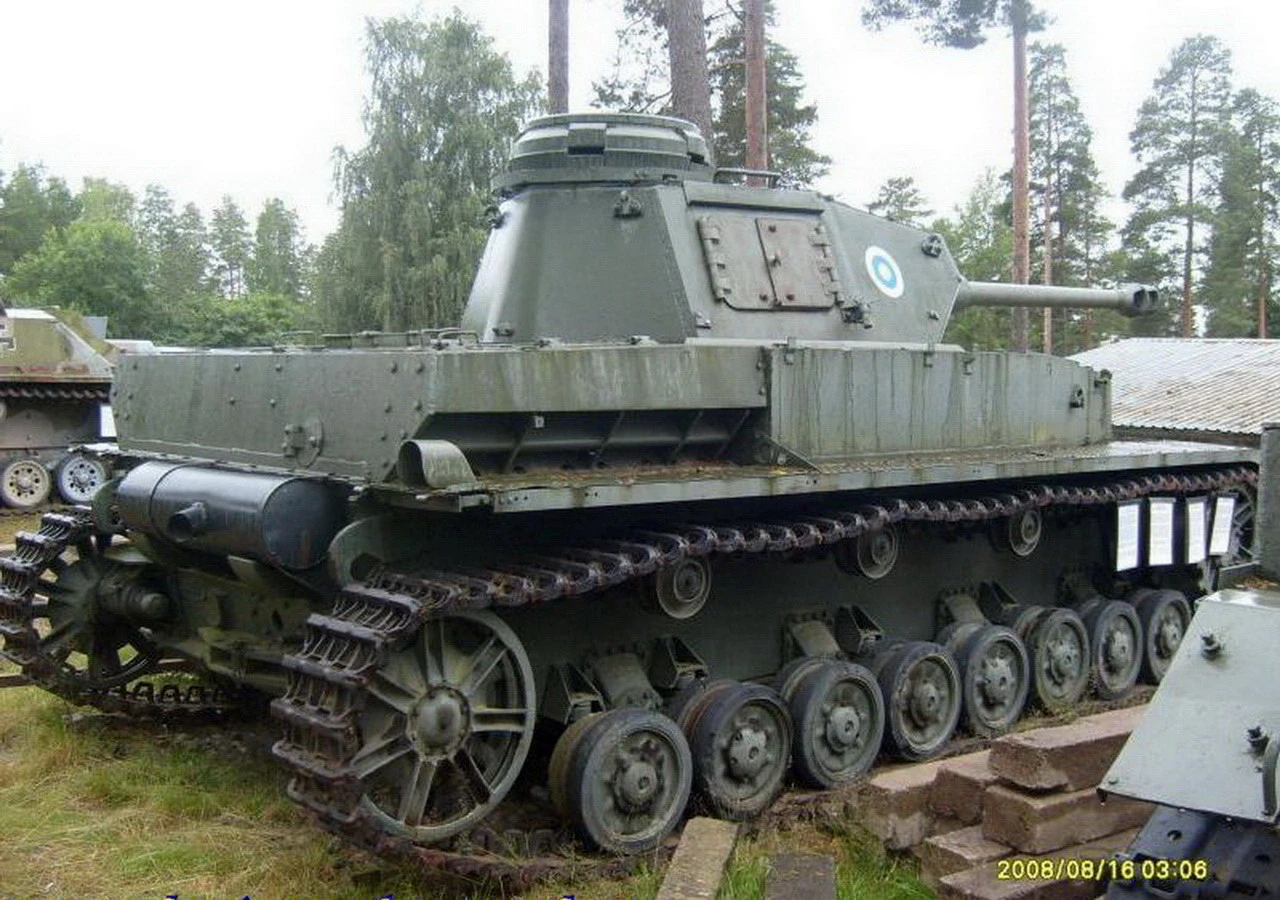
| Опис | Альбом 60 обхідні фото "Panzer IV Ausf.J" |
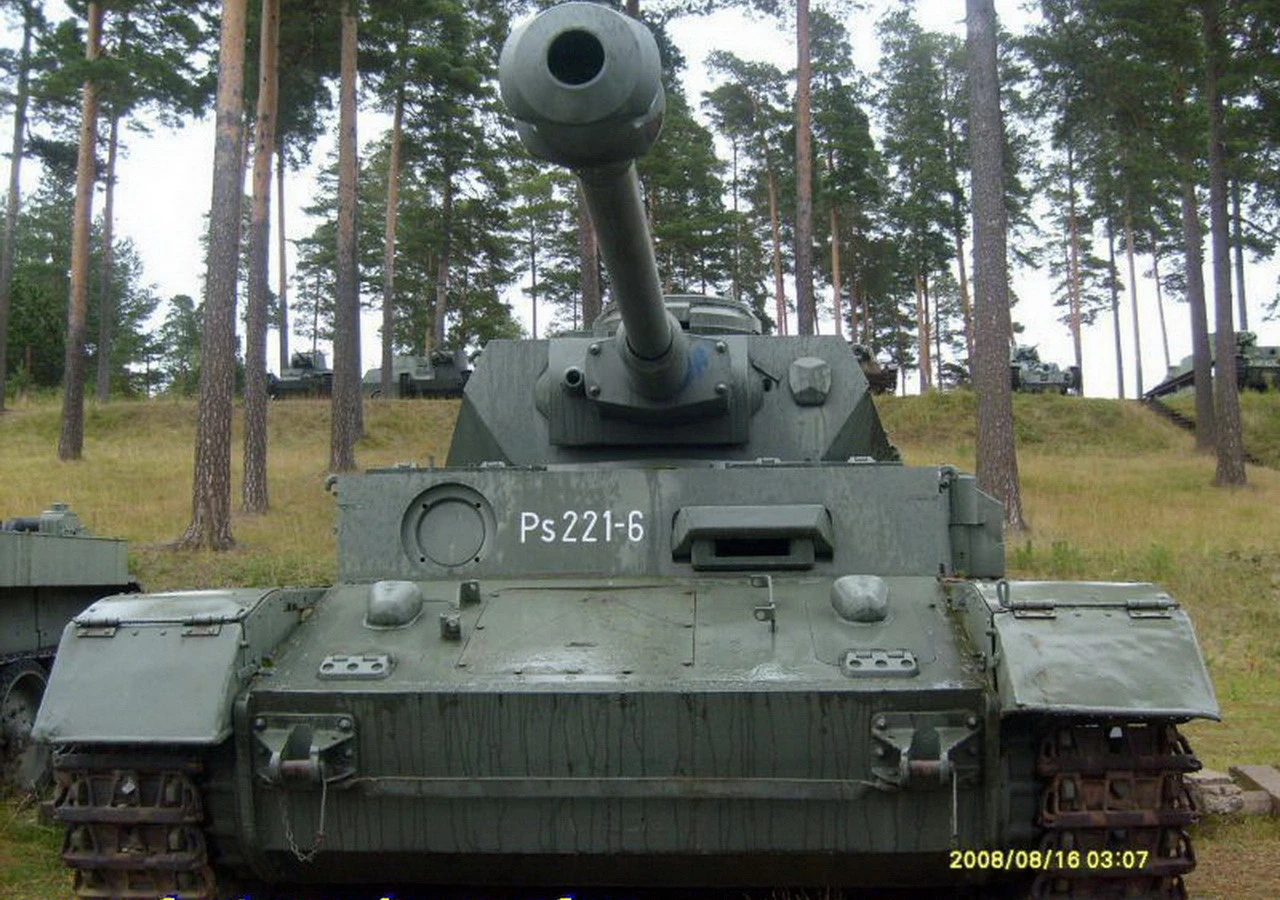
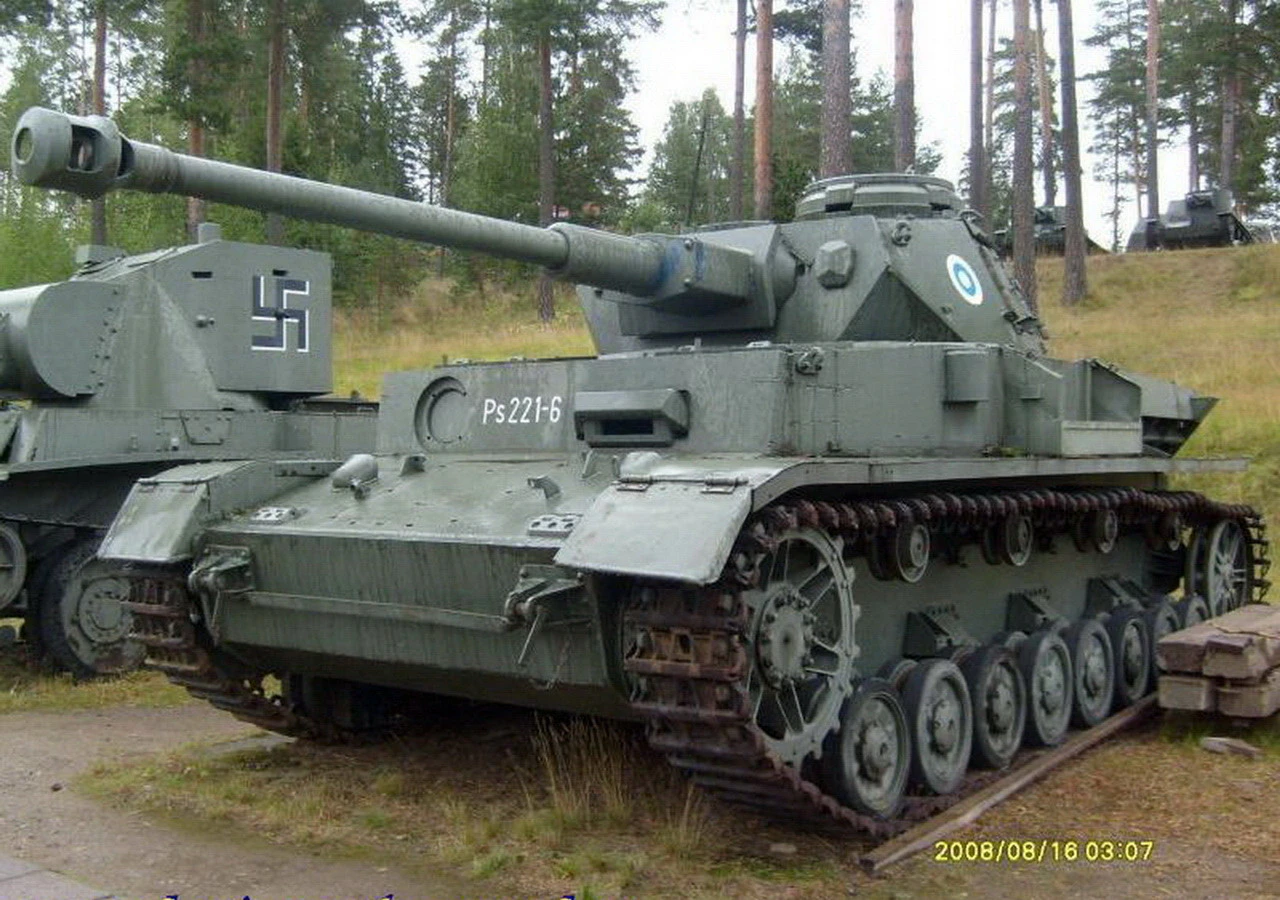
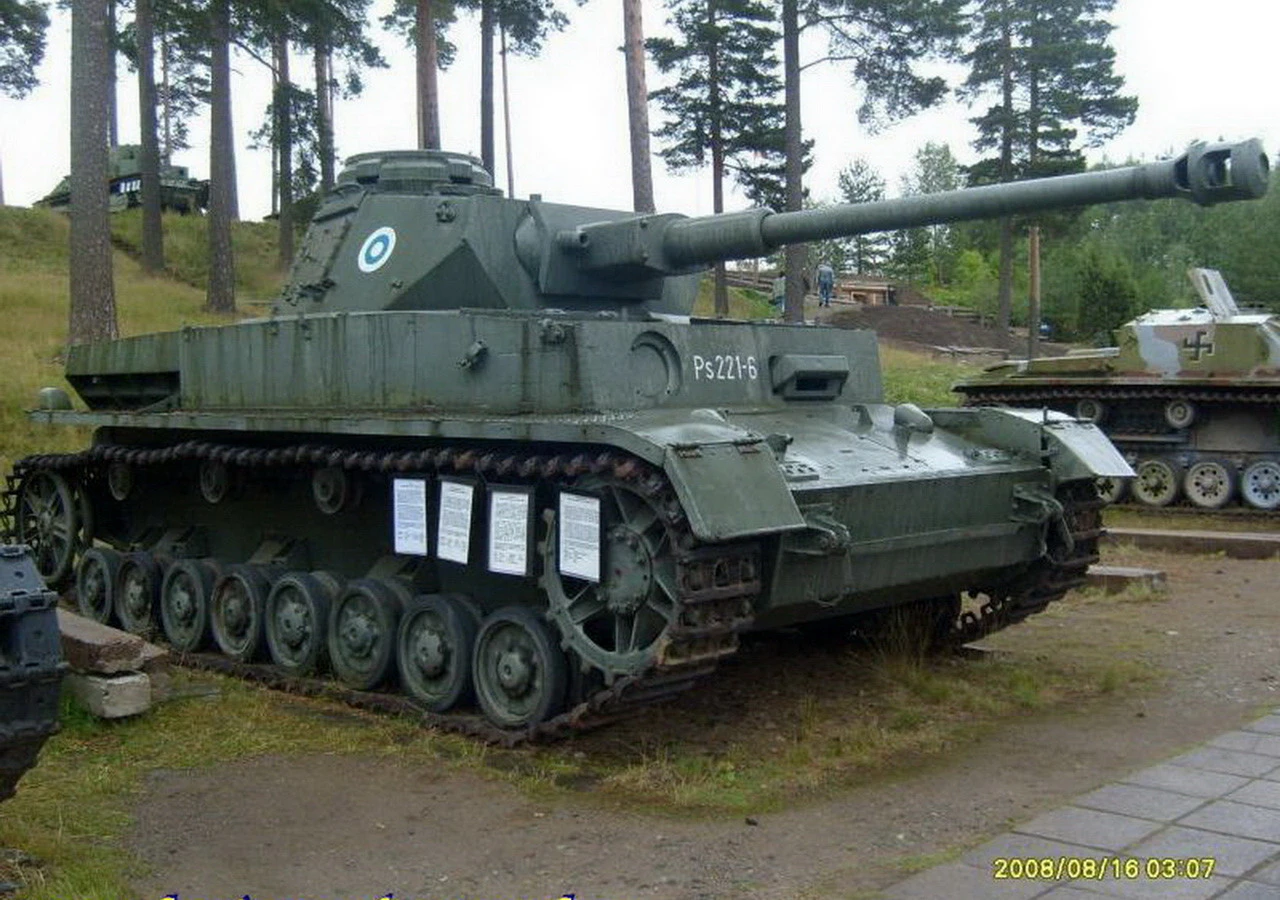
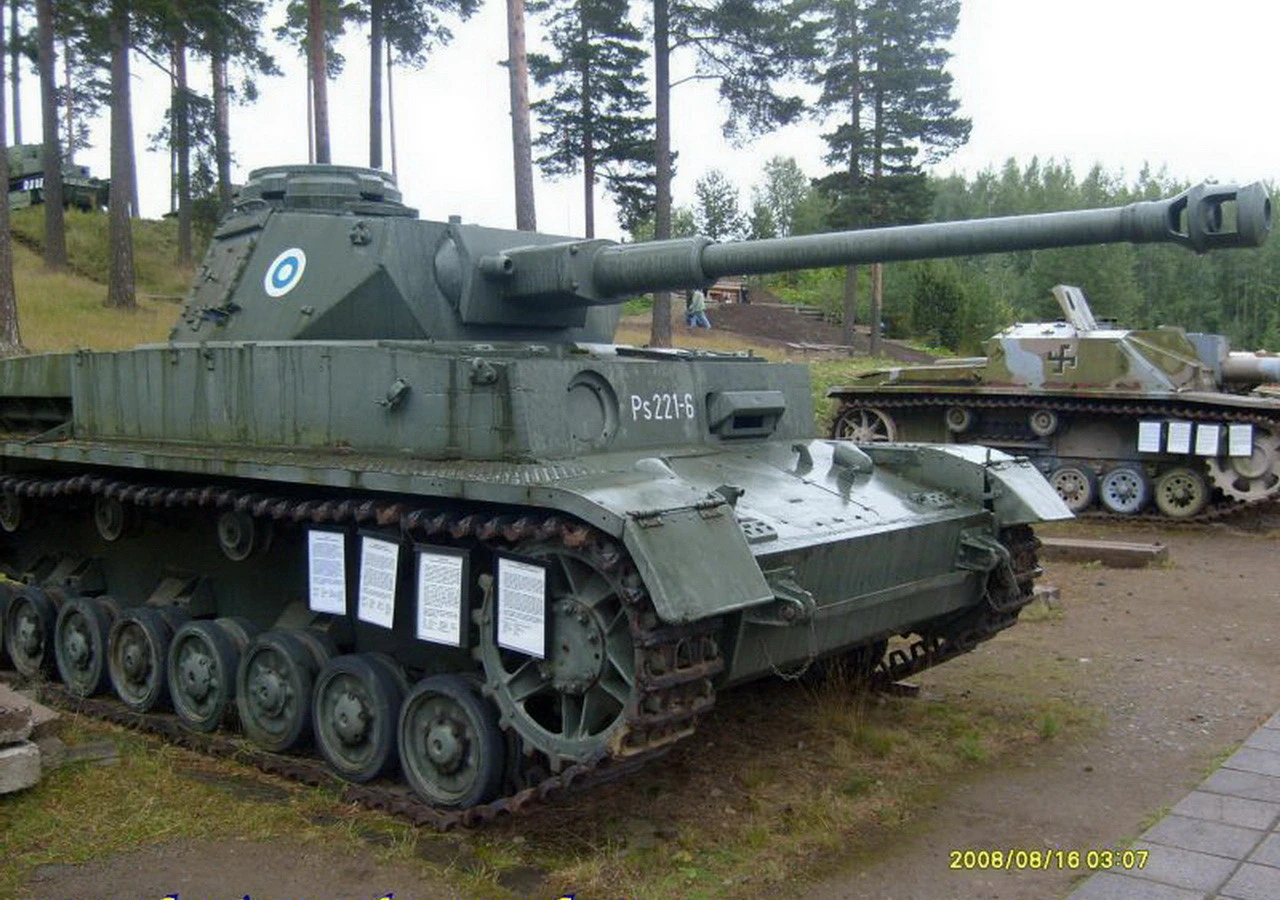
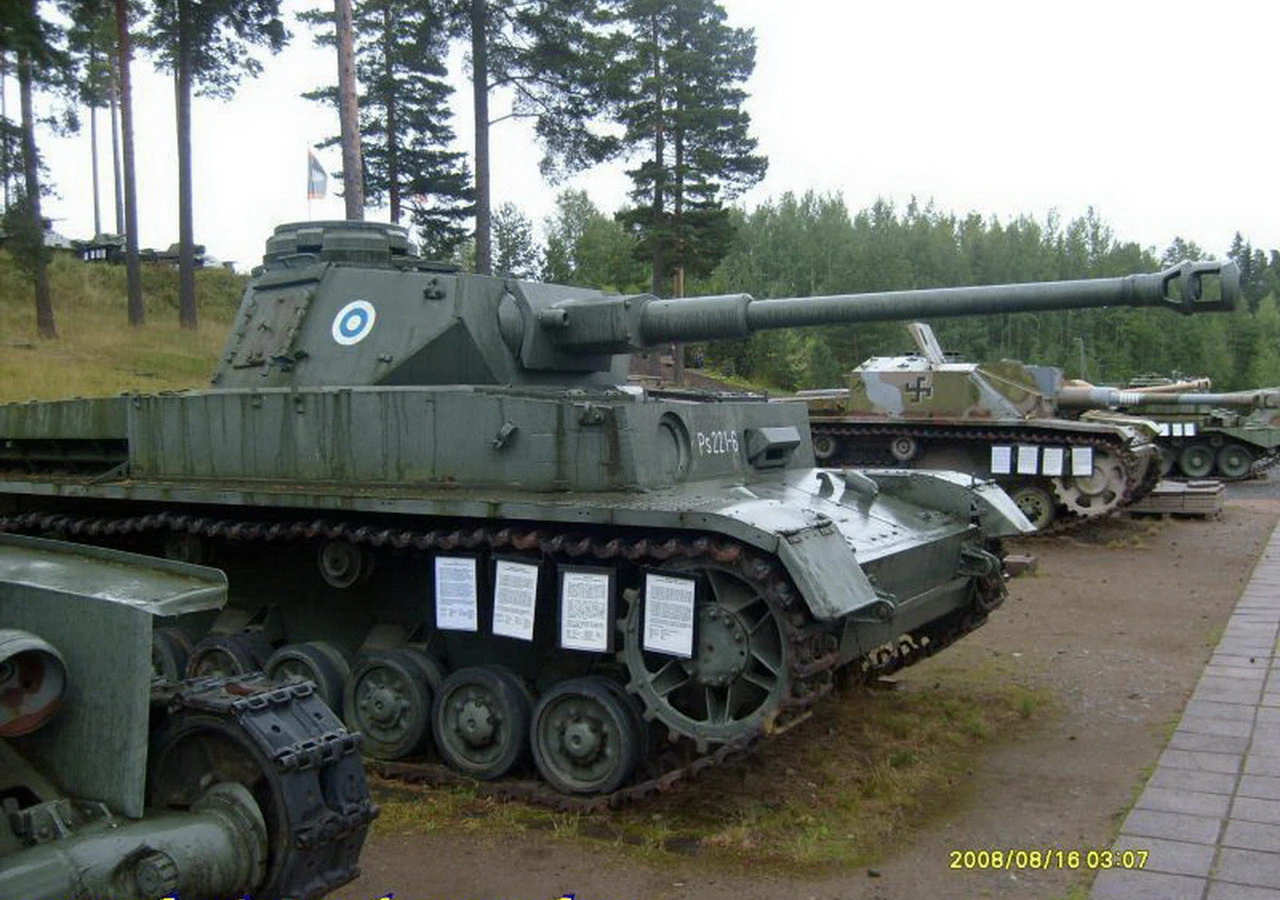
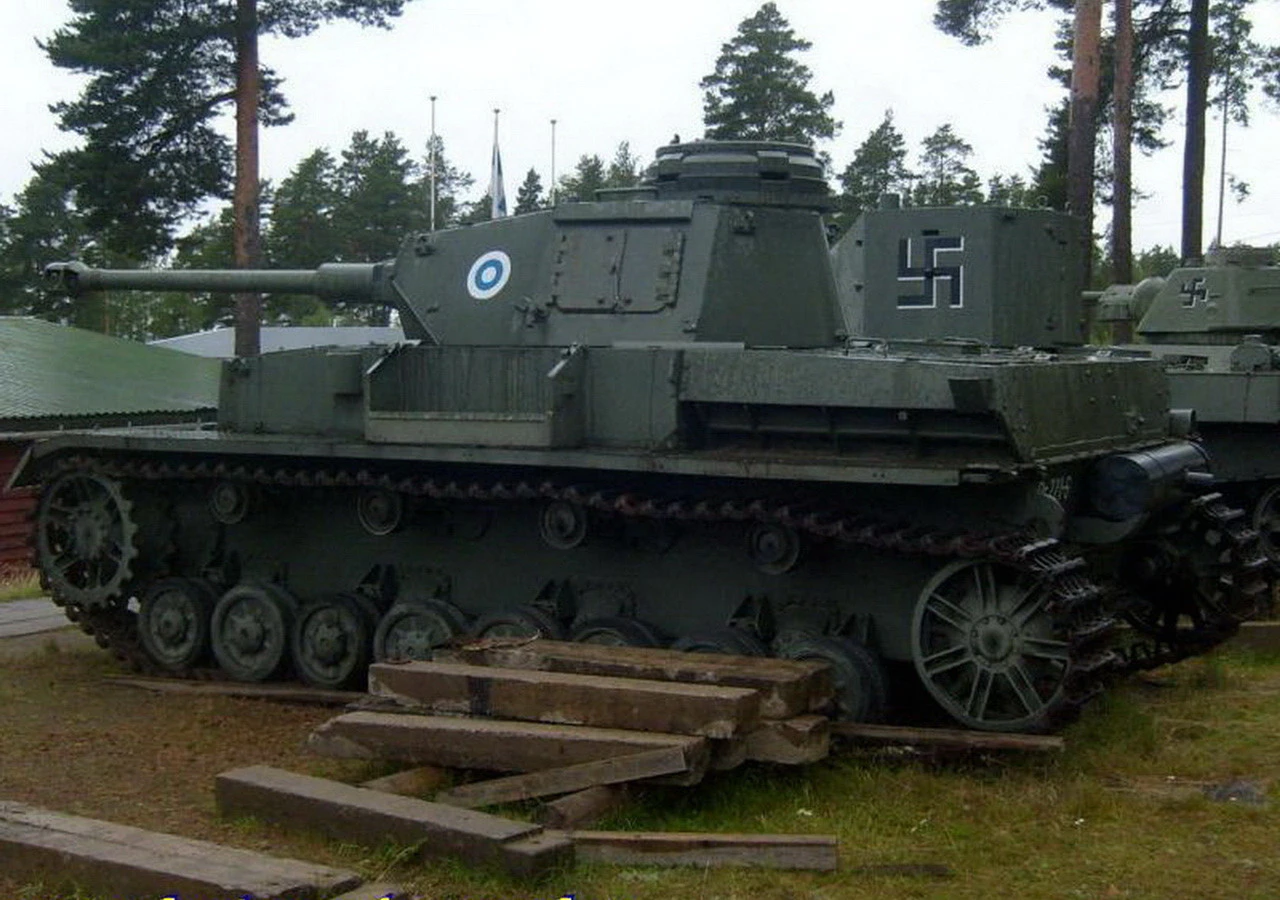
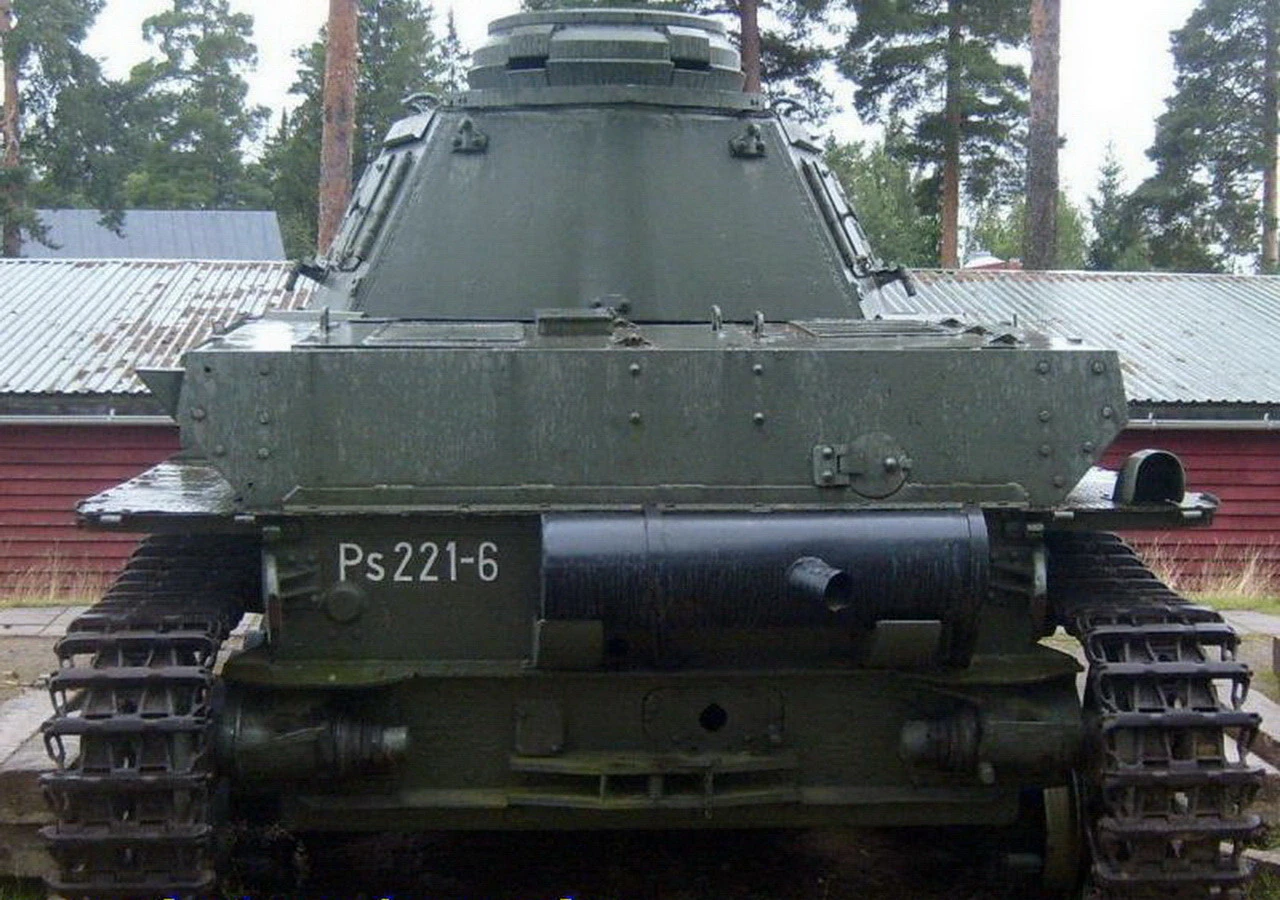
У 201 SdKfz 161 PzKpfW IV – Panzerkampfwagen IV, широко відомий як «Panzer IV», був танком середнього класу, який використовувався в німецькій армії під час Другої світової війни. Спочатку він був розроблений як танк вогневої підтримки і озброєний 75-мм короткою гарматою KwK 37 L/24 для Танкова IV Ausf. A, B, C, D, E, F mais à la fin du mois de mars 1942 son canon a été changé par un canon long 75 mm KwK 40 L/43 antichar pour les séries Ausf. F2, G,H et J. Le Panzer IV a été le tank le plus utilisé par la Panzerwaffe (on compte un nombre supérieur à 9 000 d’unités produites) de plus il a été à la base à de nombreuses versions. Version PzKpfW IV Ausf.J: він схожий на Ausf. H за винятком громіздкої вихлопної коробки ззаду, яка знімається, ролики збільшуються до трьох в останніх моделях.
Джерело: PzKpfw IV у Вікіпедії

Читайте також:


The Desperate Evolution
У 201 Panzer IV Ausf. J was the final production model of Germany’s most important tank. While the Panther and Tiger grabbed the headlines, the Panzer IV was the actual backbone of the Panzerwaffe. By 1944, German industry was under constant bombardment and resources were scarce. The Ausf. J was a “simplified” version of the previous Ausf. H—designed to be faster to build and easier to maintain. However, “simplified” in this case meant removing luxuries that crews relied on, such as the electric turret drive, turning the most reliable tank in the German arsenal into a hand-cranked defender of the Fatherland.
| Attribute | Technical Specification (Ausf. J) |
|---|---|
| Роль | Середній танк |
| команда | 5 (Commander, Gunner, Loader, Driver, Radio Op) |
| Основне озброєння | 7.5 cm KwK 40 L/48 (87 rounds) |
| Другорядне озброєння | 2 × 7.92 mm MG34 machine guns |
| Armor | 80 mm (Front) / 30 mm (Sides) |
| Двигун | Maybach HL 120 TRM V12 (300 hp) |
| Максимальна швидкість | 38 km/h (24 mph) on road |
| Key Identification | Mesh “Thoma” side skirts & Dual exhaust pipes |
Design Engineering: Austerity and Adaptations
- Hand-Cranked Turret: To save fuel and electric motors, the electric turret traverse was removed. The gunner had to manually crank the turret into position. While a two-speed gear was added to help, it made engaging moving targets at close range extremely difficult.
- Thoma-Schürzen: Late Ausf. J models replaced the heavy steel side plates with wire mesh screens (Thoma-Schürzen). These were just as effective at pre-detonating Soviet anti-tank rifle rounds or bazookas but were much lighter and used less strategic steel.
- Extra Fuel vs. Speed: The space formerly occupied by the electric turret motor was used to install an extra 200-liter fuel tank. This increased the Panzer IV’s operational range to 320 km, which was vital as German supply lines collapsed.
- Simplified Exhaust: The complex mufflers of earlier models were replaced by two simple “flame-suppressing” vertical pipes (Flampf-Dämpfer) to speed up production.
Operational History: Holding the Line
- The Reliable Veteran: Even though it was outclassed by the Panther in armor and firepower, crews often preferred the Panzer IV because it was mechanically reliable and didn’t break its transmission every 100 kilometers.
- The Long 75: Its 7.5cm L/48 gun remained a threat until the very end. It could still reliably knock out T-34s and M4 Shermans at standard combat ranges, making the Panzer IV a dangerous opponent when used in hull-down defensive positions.
- Anti-Zimmerit: By late 1944, the German army stopped applying Zimmerit (the anti-magnetic mine paste) to the Ausf. J. It saved time in the factory, and they realized the Allies weren’t really using magnetic mines anyway.
- Syrian Service: Like the StuG, the Panzer IV lived on. In the 1950s and 60s, Syria purchased surplus Panzer IV Ausf. Js from France, Czechoslovakia, and Spain. They were used against Israel in the Water War and the Six-Day War, nearly 25 years after they left German factories.
Views : 8136
Ви також можете побачити:
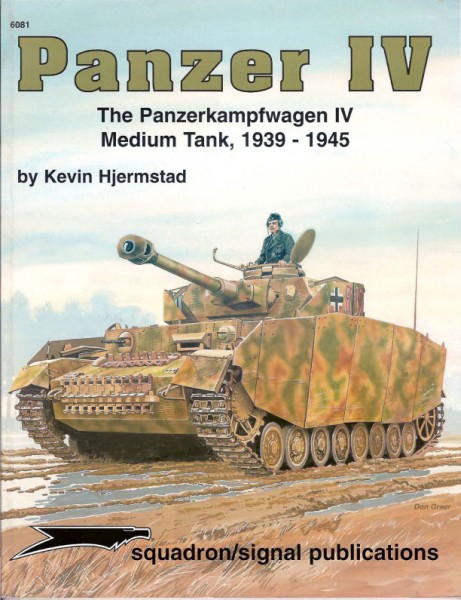 Panzerkampfwagen-IV-Medium-Tank-1939-1945 – Concord 6081
 Танкова IV – Обхідний шлях
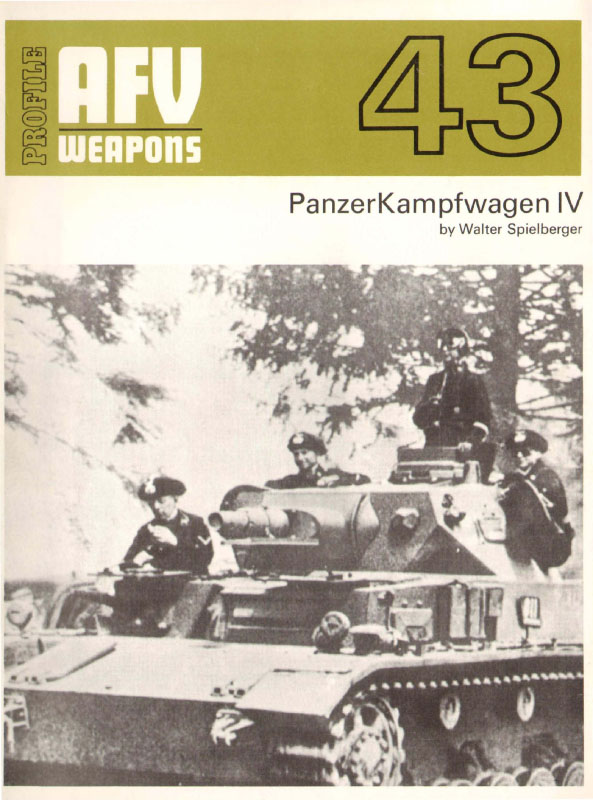 PanzerKampfwagen IV – зброя AFV 43
 PzKpfw IV Ausf.J – Прогулянка
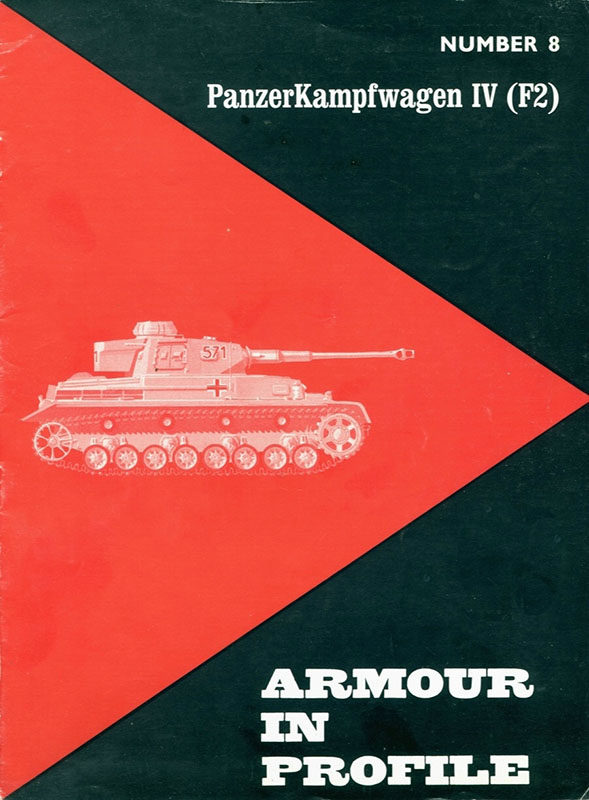 PanzerKampfwagen IV (F2) – Броня в профілі 008
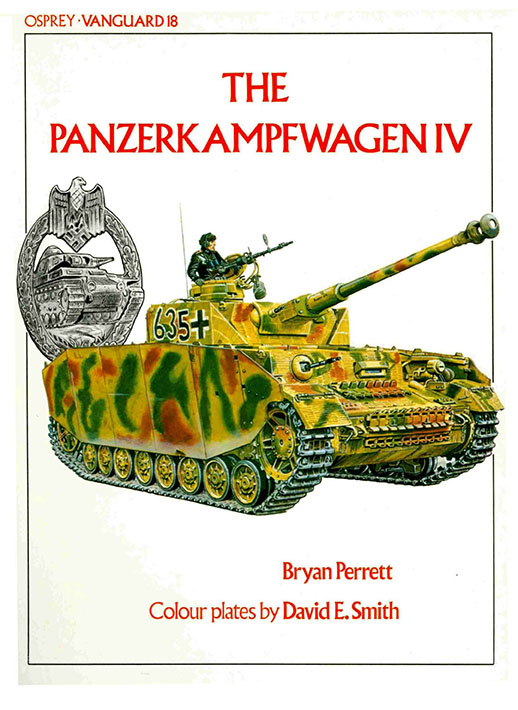 Panzerkampfwagen IV – АВАНГАРД 18
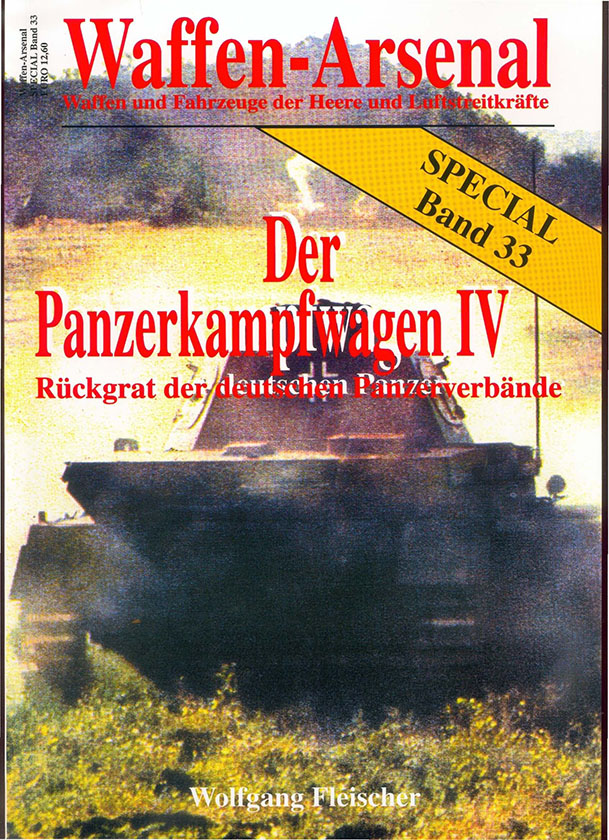 Танкова IV - Ваффен Арсенал Спеціальний 33
 Танк IV – Прогулянка Навколо
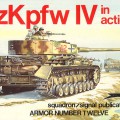 Танк IV в дії - Ескадрилья сигналу SS2012
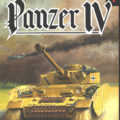 Танкова IV – Wydawnictwo Militaria 004