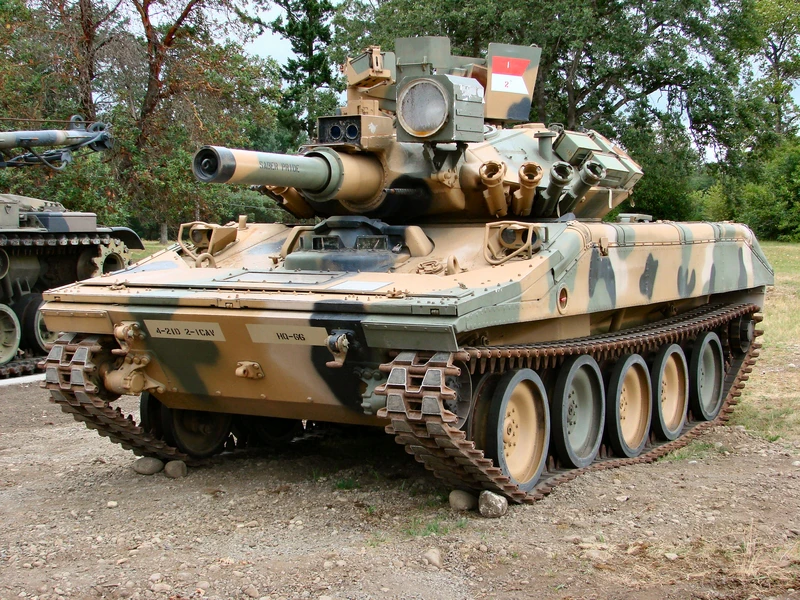
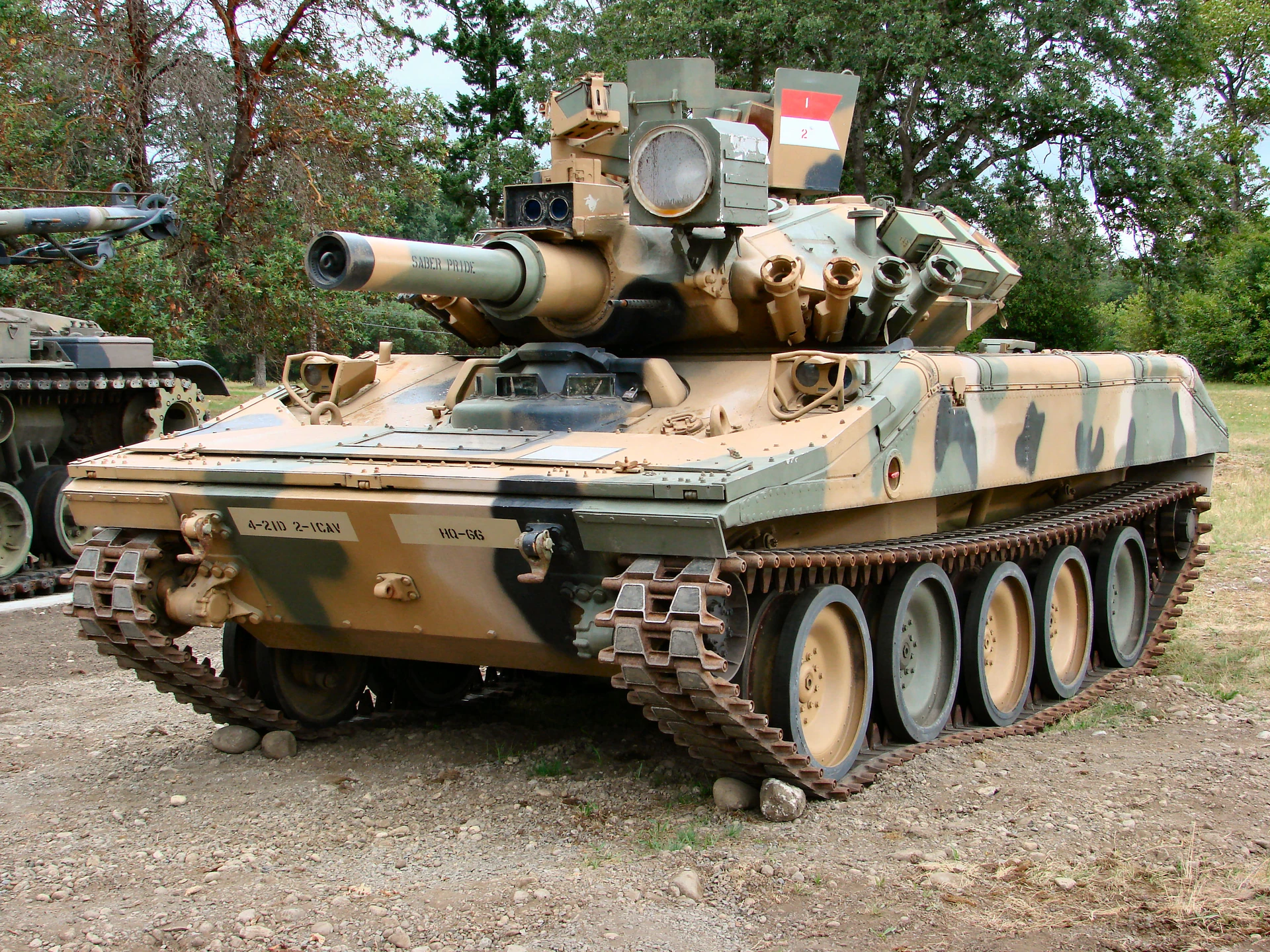
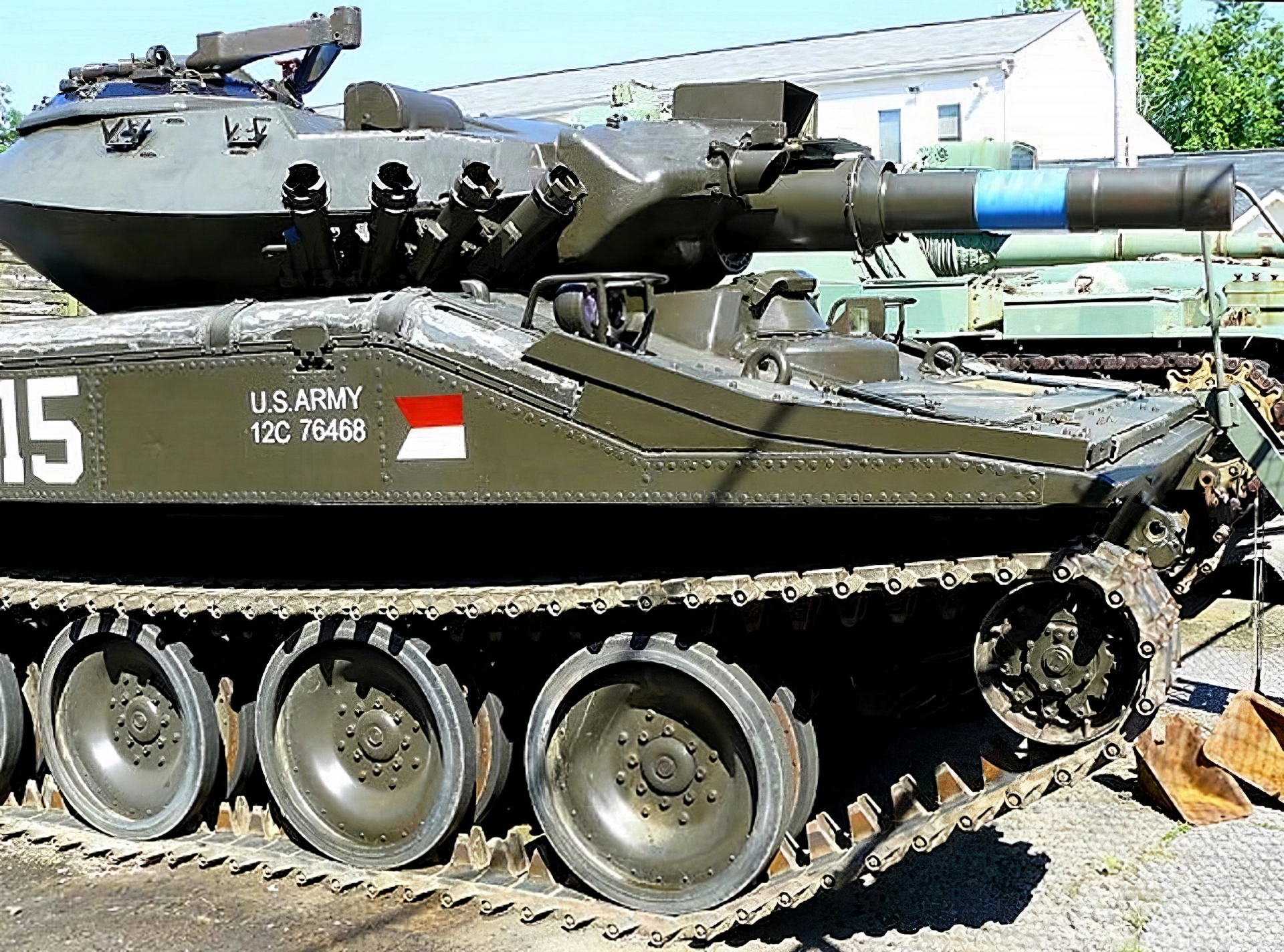
Tá M551 "Sheridan" AR/AAV (Armored Reconnaissance/Airborne Assault Vehicle) byl lehký tank vyvinutý Spojenými státy a pojmenovaný po generálovi armády Philipu Sheridanovi, který se proslavil americkou občanskou válkou. Byl navržen tak, aby mohl přistávat padákem a plavat přes řeky. Byl vyzbrojen technicky vyspělým, ale problematickým 152mm kanónem M81/M81 Modified/M81E1, který odpaloval jak konvenční munici, tak řízenou protitankovou střelu MGM-51 Shillelagh.
The M551 Sheridan was a unique American light tank designed to fulfill the roles of armored reconnaissance and airborne assault. Its primary operational requirement was to be light enough to be air-dropped by parachute (using the Low Altitude Parachute Extraction System, or LAPES) or transported by helicopter, yet possess the heavy firepower needed to destroy enemy tanks. The Sheridan achieved this by pioneering the use of a large-caliber gun/launcher system capable of firing both conventional high-explosive ammunition and the highly advanced MGM-51 Shillelagh anti-tank guided missile (ATGM). Despite issues with its complex main gun system, the Sheridan served the U.S. Army from the late 1960s through the early 1990s and saw combat in Vietnam, Panama, and the Gulf War.
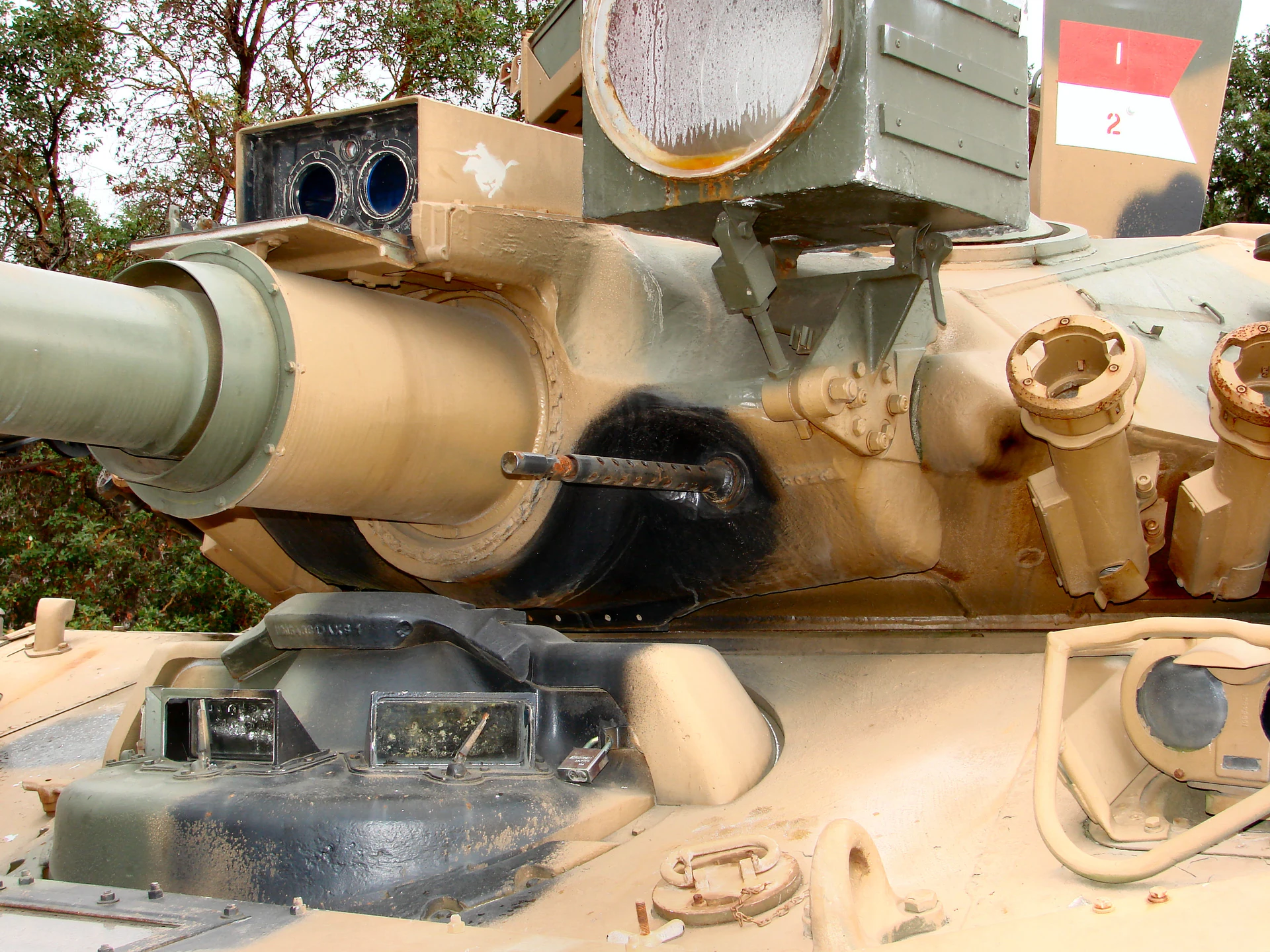
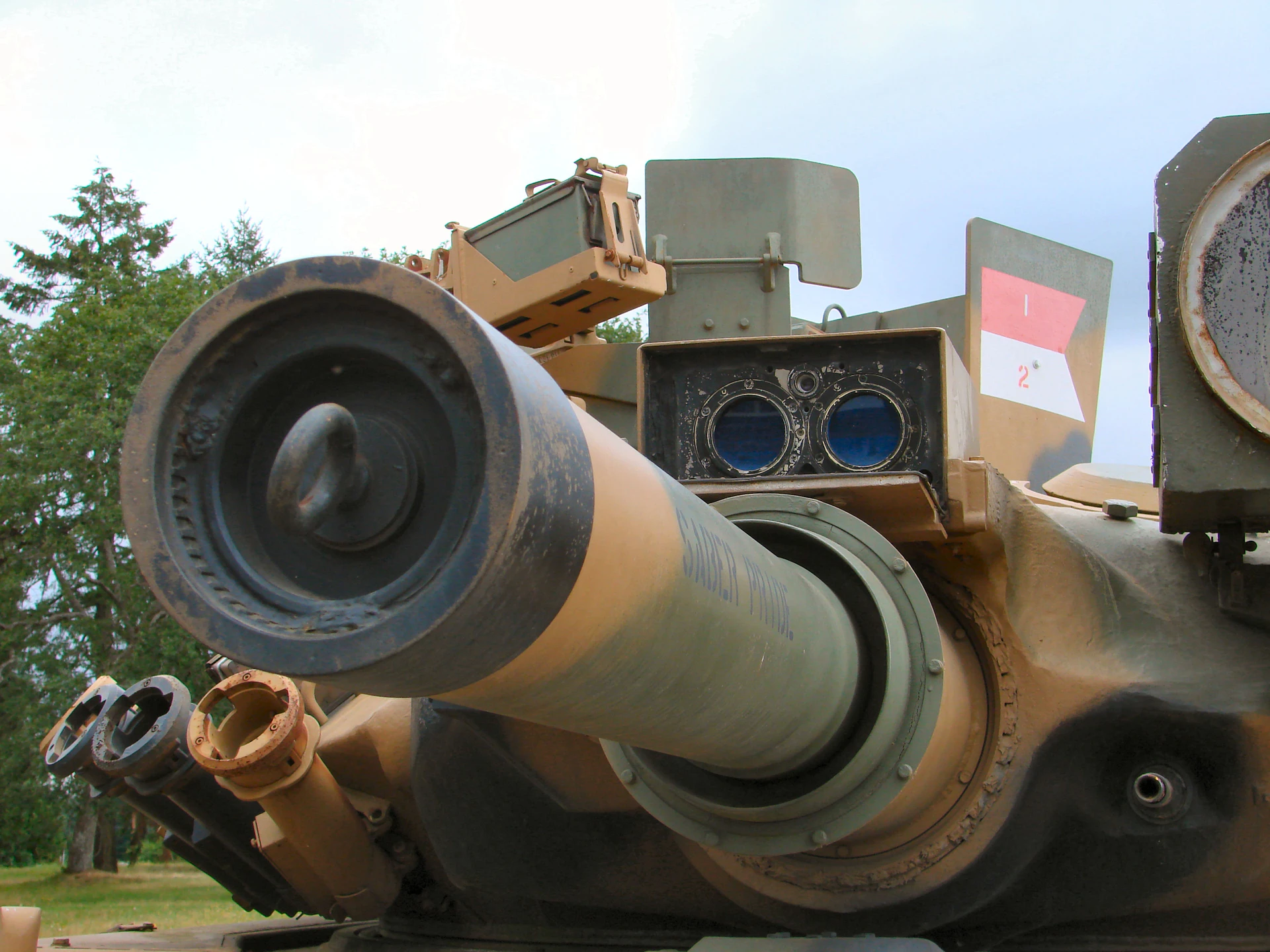
152 mm M81 Gun/Launcher (fires shells and Shillelagh missiles)
Secondary Armament
1 x 7.62 mm coaxial machine gun, 1 x 12.7 mm commander’s machine gun
Length (Gun Forward)
6.33 m (20 ft 9 in)
Šířka
2.82 m (9 ft 3 in)
Výška
2.27 m (7 ft 5 in)
Combat Weight
15,200 kg (33,500 lb)
Powerplant and Performance
Engine: Detroit Diesel 6V-53T 6-cylinder, turbocharged diesel engine.
Power Output: 224 kW (300 hp).
Maximum Speed (Road): 72 km/h (45 mph).
Range (Road): 560 km (350 mi).
Amphibious Capability: Fully amphibious using a flotation screen (swimming barrier).
Air Mobility: Can be paradropped using the LAPES system from cargo aircraft like the C-130 Hercules.
Design and Firepower Challenges
Armour: Aluminium hull construction for light weight, providing protection primarily against small arms fire and shell fragments, but highly vulnerable to rocket-propelled grenades (RPGs).
Main Gun Issues: The 152 mm gun used combustible shell casings, which posed a high fire risk in the cramped turret and degraded rapidly in the heat and humidity of Vietnam.
Shillelagh Missile: The wire-guided Shillelagh was highly advanced for its time, providing long-range anti-tank capability, but it was complex, expensive, and rarely fired in combat due to tactical circumstances.
Retirement: The M551 was officially retired from active service in the U.S. Army in 1996, though many were retained for use as simulated enemy forces (OPFOR) training vehicles.


 Type 63 – Fotografie a videa
 T-60 tank – Fotografie a videa
 SK-105 Kurassier – Fotografie & Video
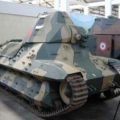 FCM36 – Fotografie a video
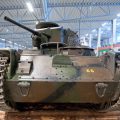 Stridsvagn m-38 – Fotografie & Video
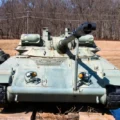 T-92 Light Tank – Fotografie a video
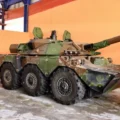 AMX-10RC – Fotografie & Video
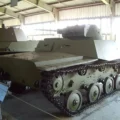 T-40S tank – Fotografie & Video
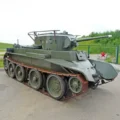 Sovětský jezdectvá nádrž BT-7 – Procházka Kolem
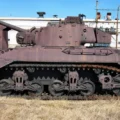 Lehký tank M7 – WalkAround