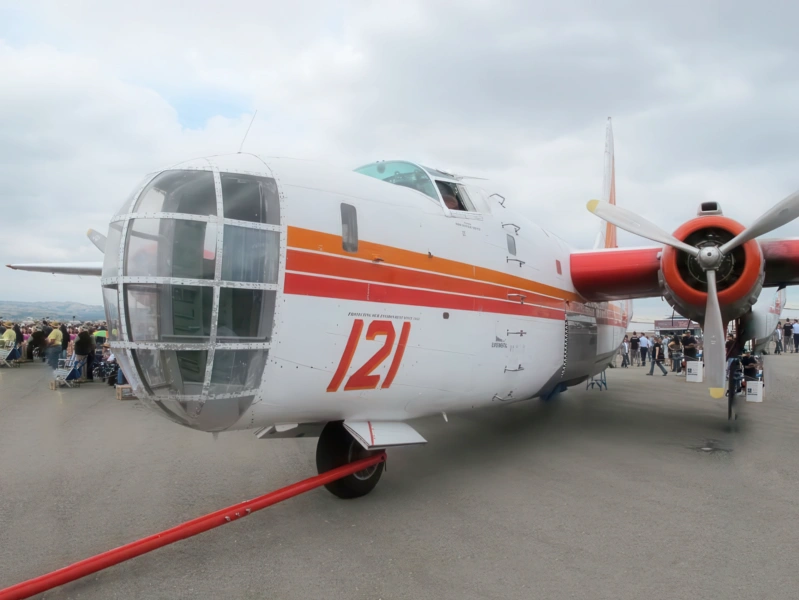
Konsolidovaný Sousoší PB4Y-2 | |
|---|---|
| Země | SPOJENÉ STÁTY |
| Téma | Hlídkový bombardér |
| Vyrobené | 1943–1945 |
| Postaven | 739 |
Tá Konsolidovaný Sousoší PB4Y-2 je hlídkový bombardér námořnictva Spojených států amerických z druhé světové války a korejské války odvozený od Consolidated B-24 Liberator. Námořnictvo používalo neupravené B-24 jako osvoboditele PB4Y-1 a tento typ byl považován za velmi úspěšný. Byl požadován plně námořní design a Consolidated vyvinula v roce 1943 speciální hlídkový bombardér dlouhého doletu, označený PB4Y-2 Privateer. V roce 1951 byla série přepracována na P4Y-2 Privateer. K další změně označení došlo v září 1962, kdy byli zbývající navy privateers (všichni dříve převedeni na konfiguraci dronu jako P4Y-2K) přepracováni QP-4B.
| Konsolidovaný Sousoší PB4Y-2 | |
|---|---|
| Fotograf | Neznámé |
| Lokalizace | Neznámé |
| Fotografie | 147 |
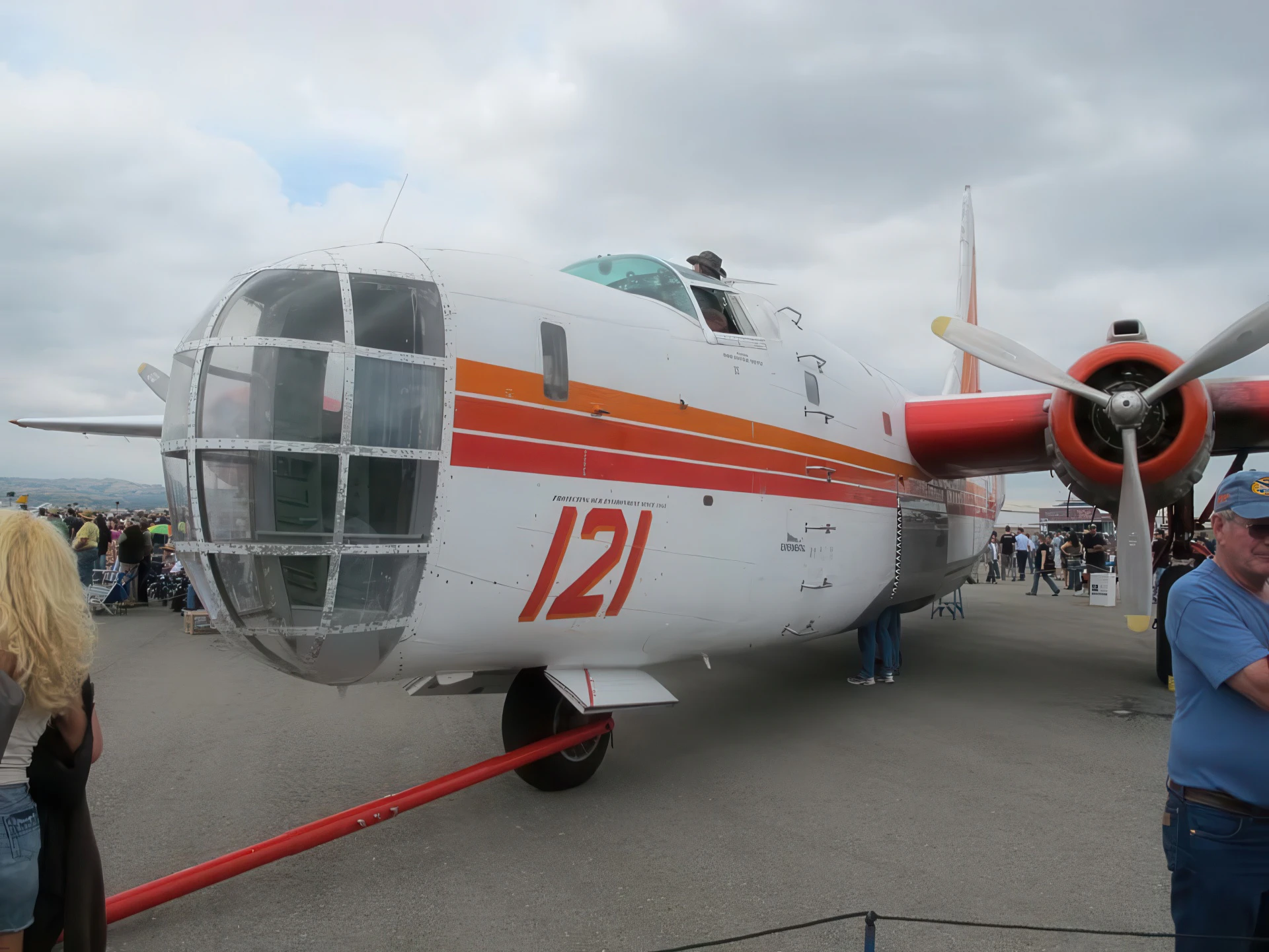
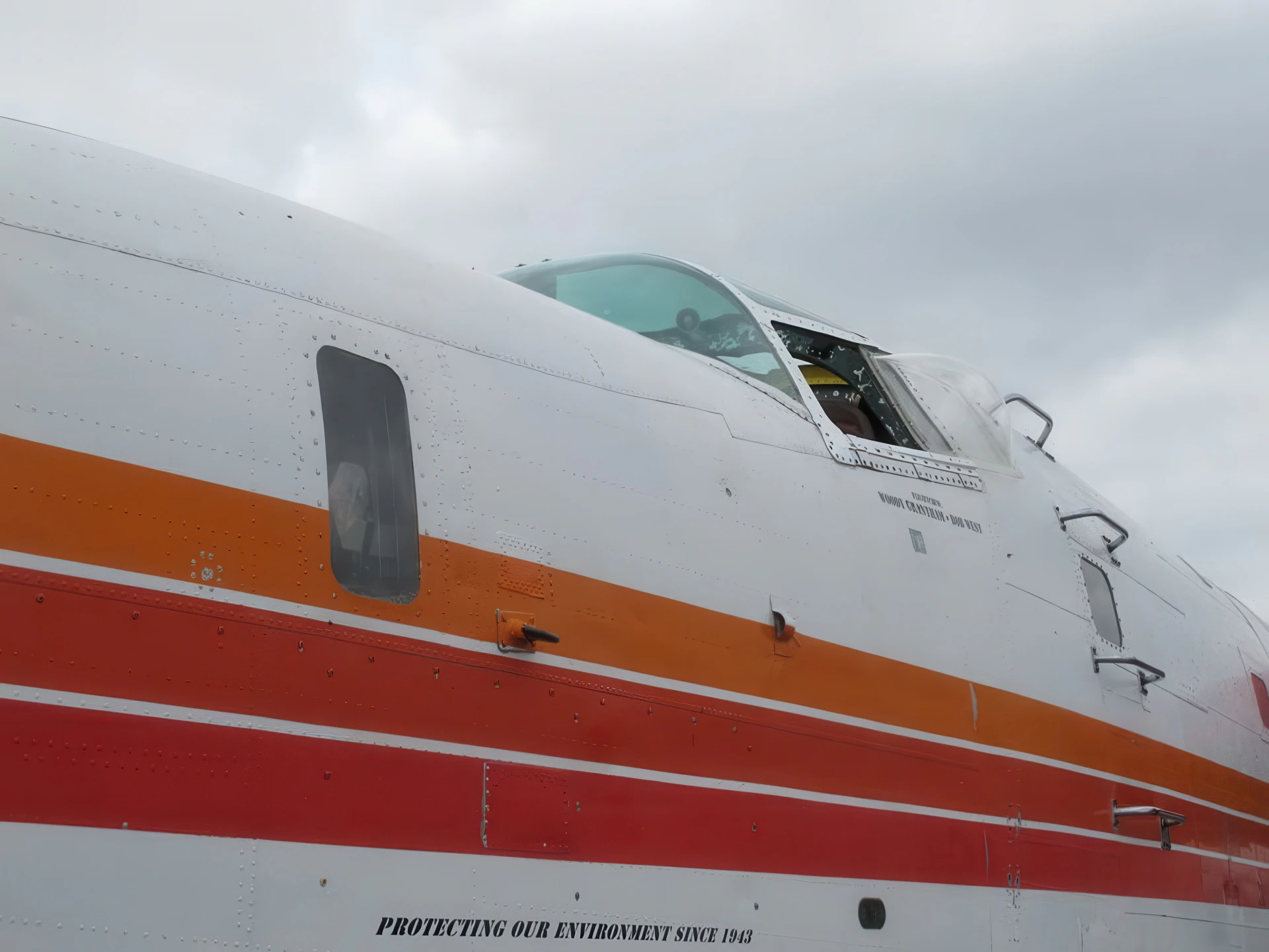
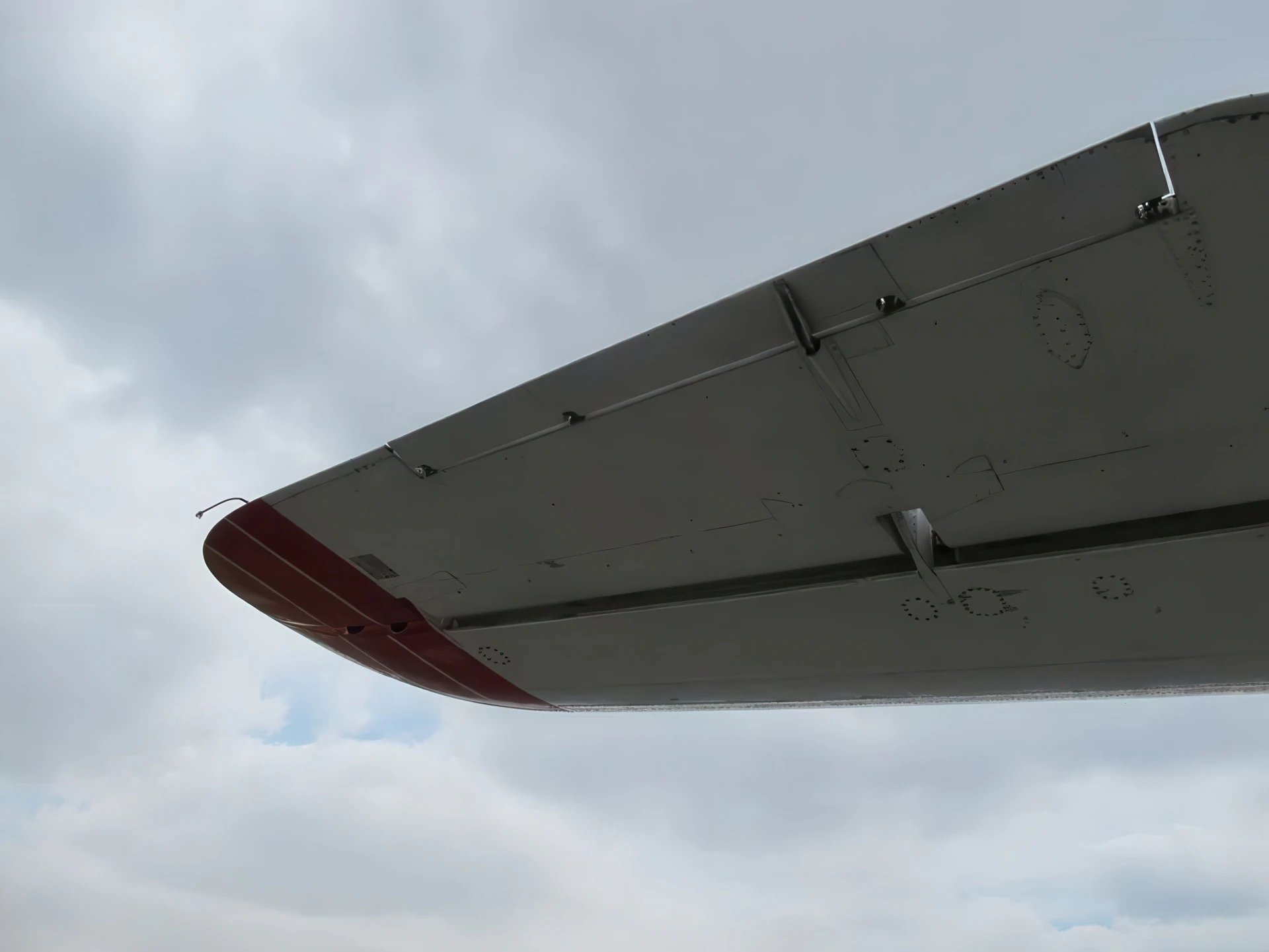
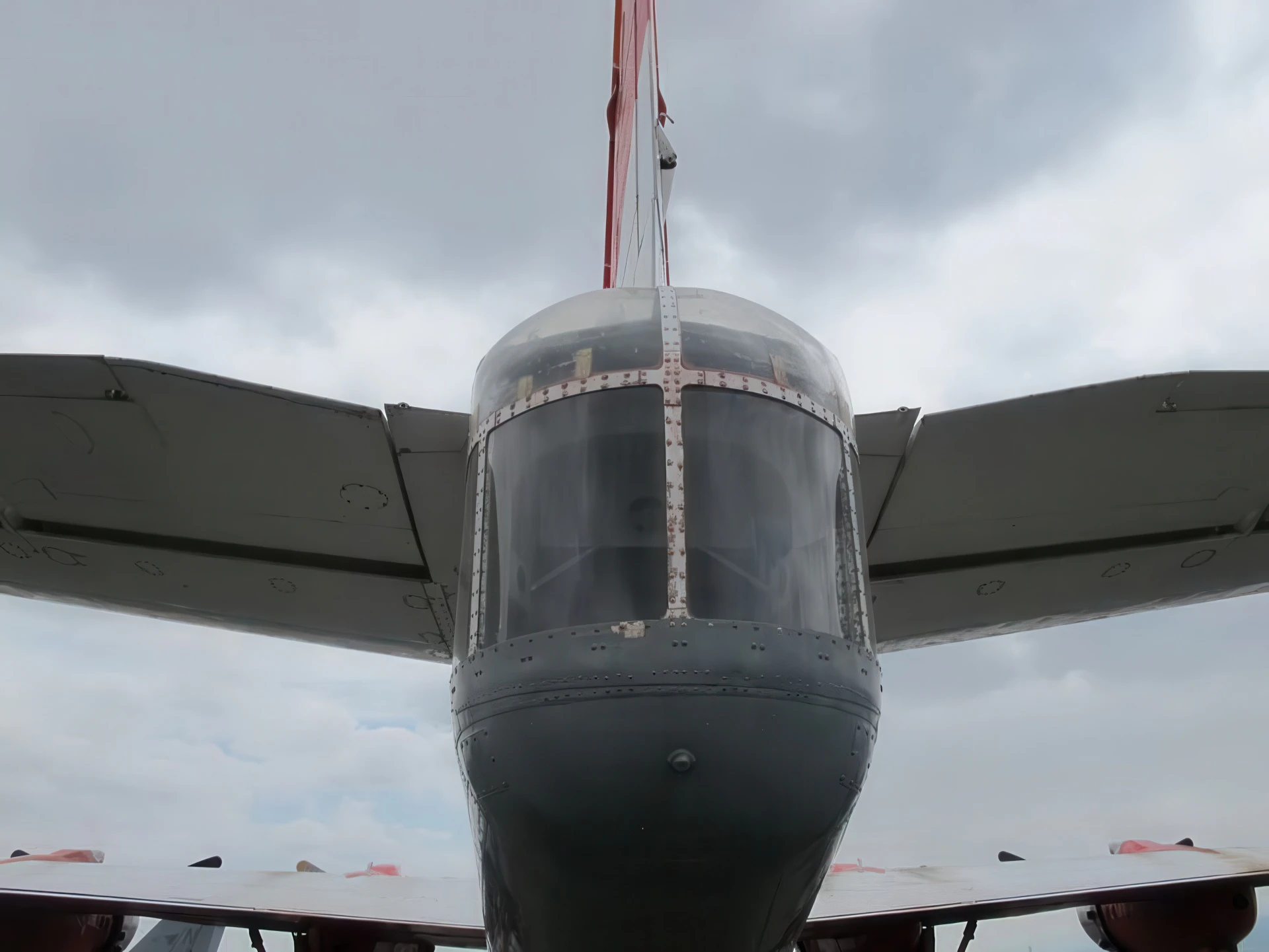
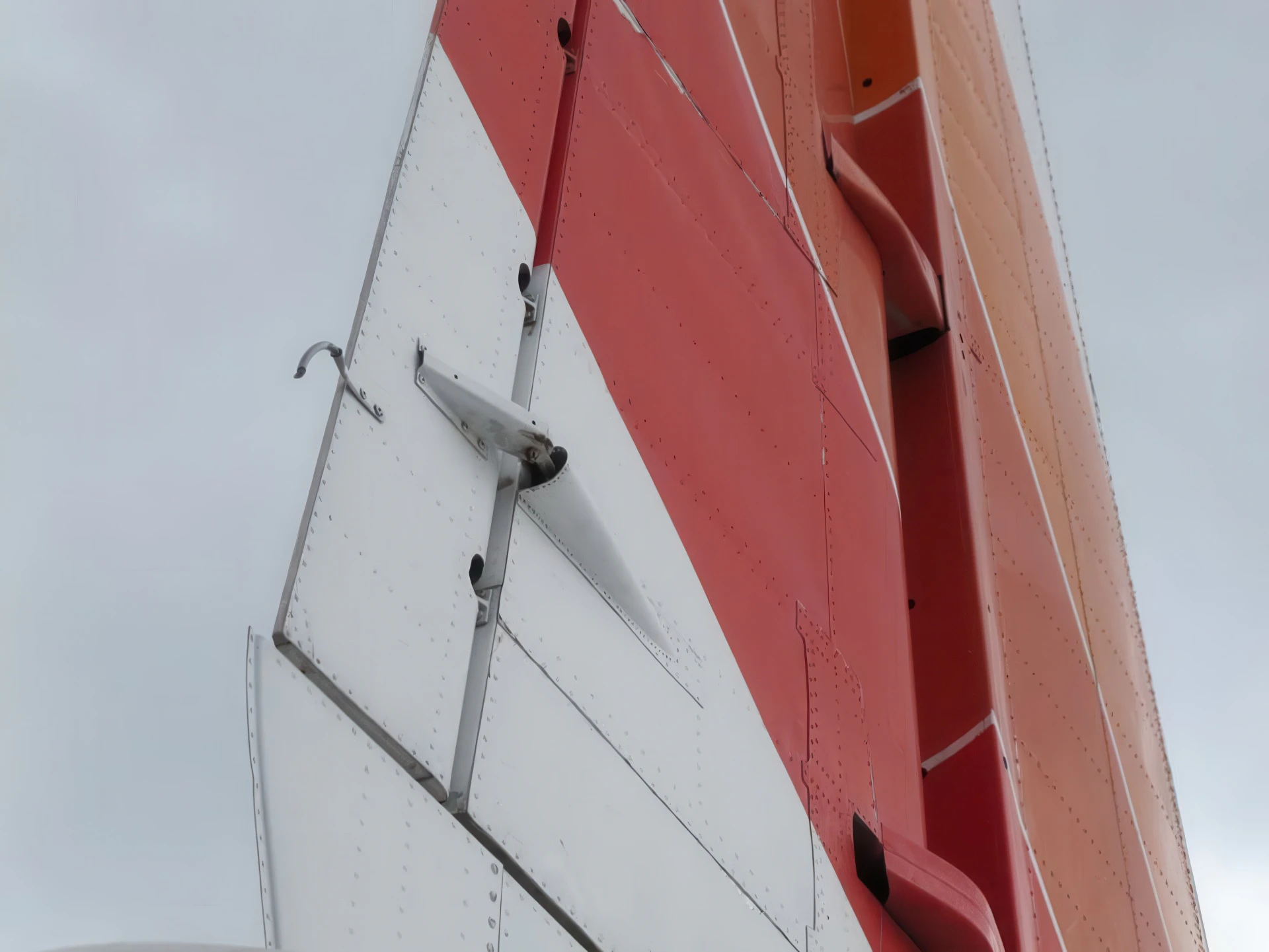
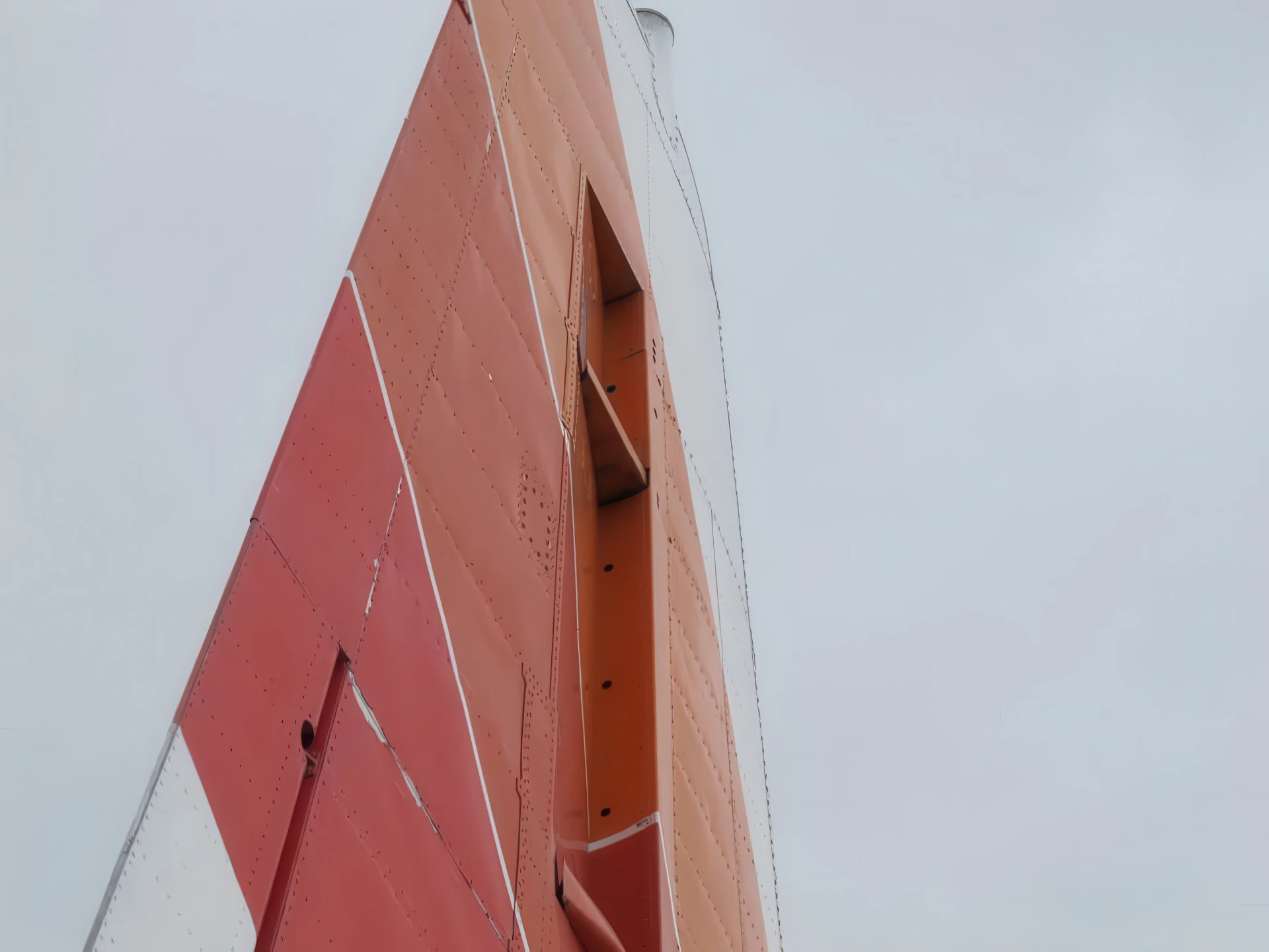
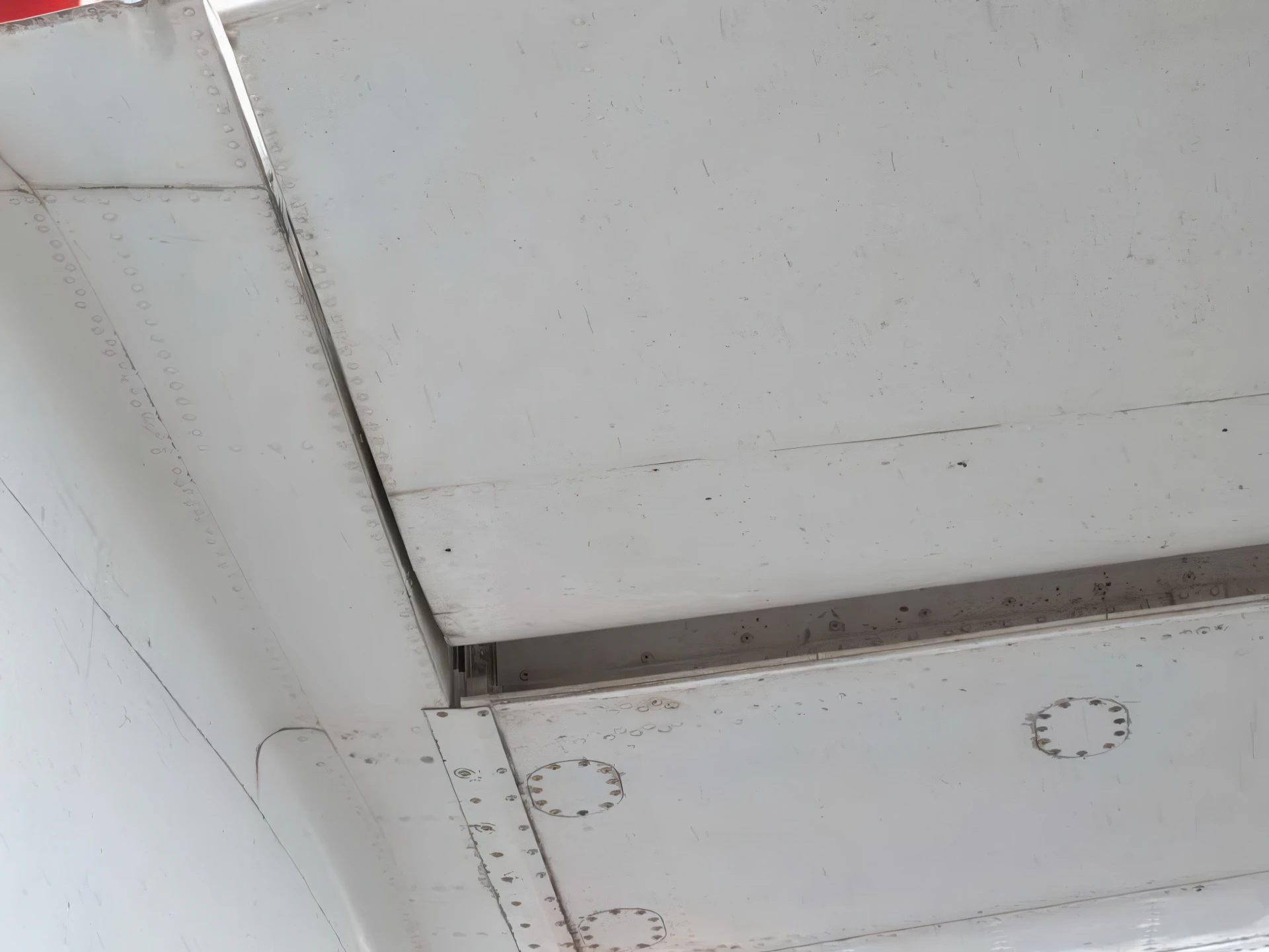
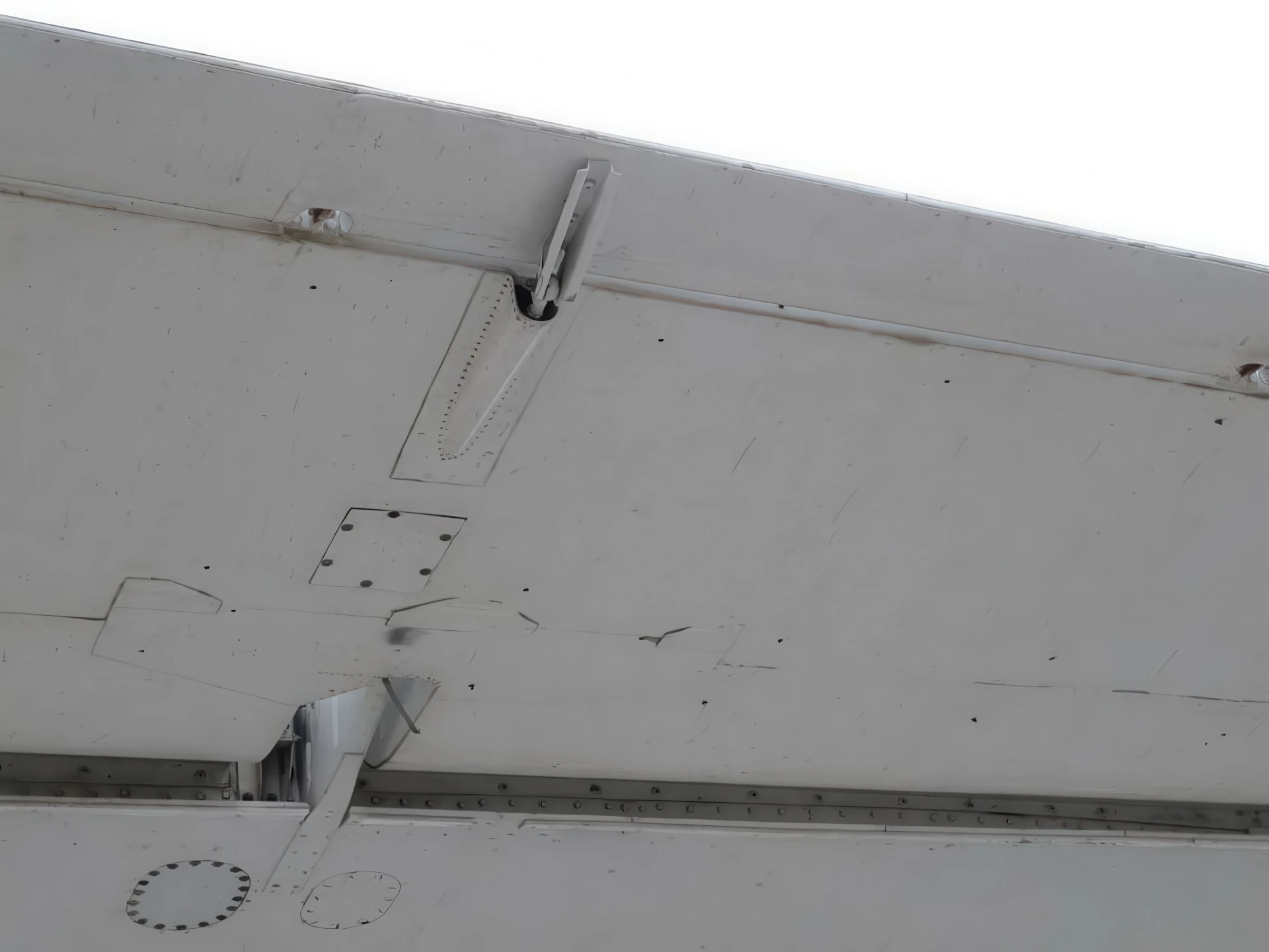
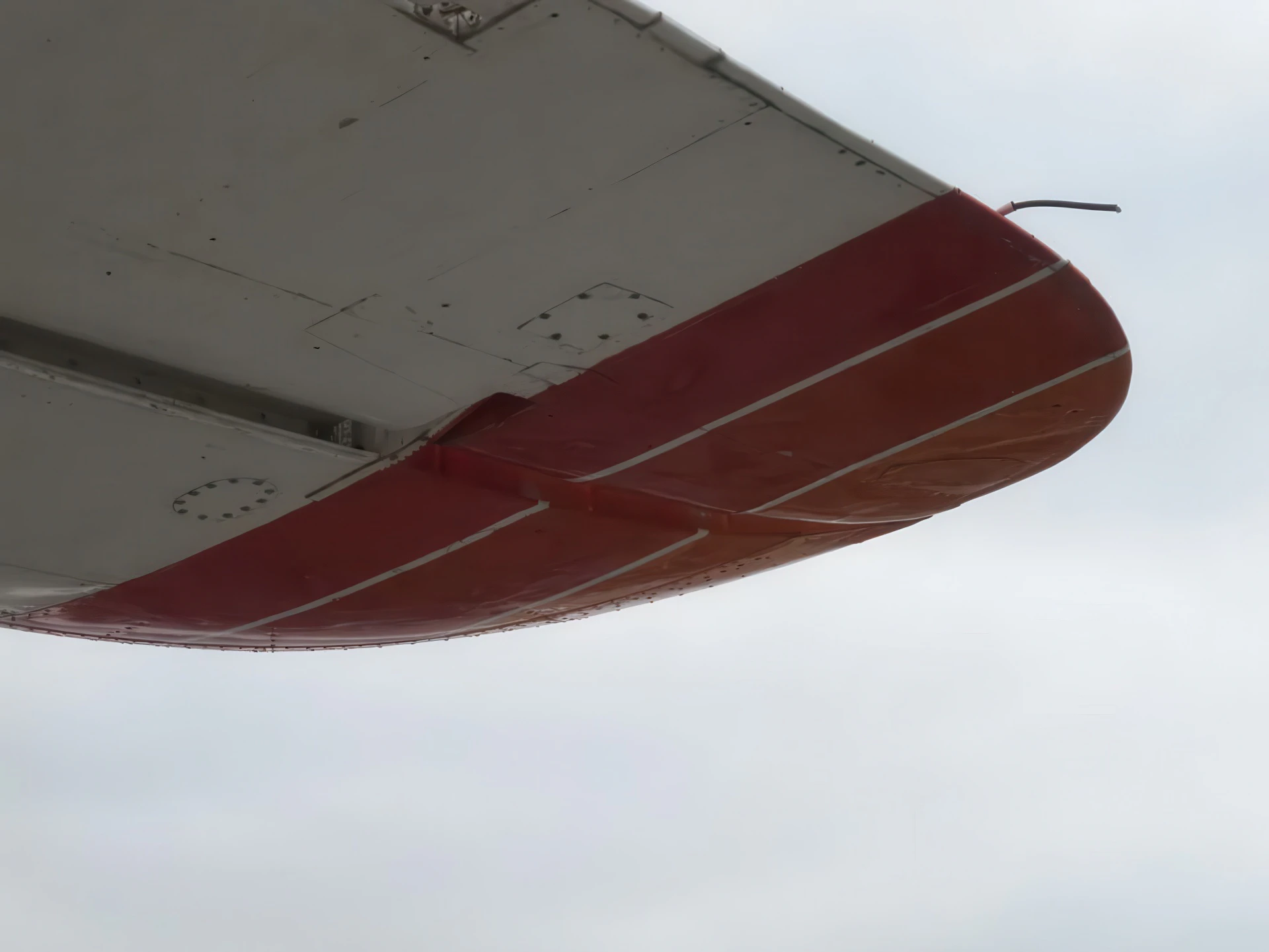

| Konsolidovaný soukromý počítač PB4Y-2S | |
|---|---|
| Fotograf | Cees Hendriks |
| Lokalizace | Neznámé |
| Fotografie | 69 |
Viz také:


The Consolidated PB4Y-2 Privateer was a **long-range maritime patrol bomber** developed for the U.S. Navy during World War II. It was a substantially modified derivative of the successful **B-24 Liberator** heavy bomber, tailored specifically for over-water reconnaissance and anti-shipping missions.
Key Design Features
The Privateer incorporated several major changes from its B-24 predecessor:
- Single Vertical Stabilizer: The most distinguishing feature was the replacement of the B-24’s characteristic twin tails with a single, tall vertical fin. This modification improved the aircraft’s stability and handling characteristics at the low-to-medium altitudes typical of naval patrol missions.
- Lengthened Fuselage: The fuselage was extended by approximately seven feet. This allowed for the inclusion of a dedicated flight engineer’s station and additional space for more advanced radar and electronic countermeasures (ECM) equipment, necessary for long, unescorted missions.
- Heavy Defensive Armament: Defensive firepower was significantly increased. The Privateer was typically armed with **twelve .50 caliber M2 Browning machine guns** housed in six power-operated turrets (nose, tail, two dorsal, and two waist). The ventral ball turret of the B-24 was omitted.
- Low-Altitude Engines: The four Pratt & Whitney R-1830-94 Twin Wasp radial engines were de-rated by removing the turbo-superchargers. This was because high-altitude performance was not required for its maritime role, simplifying maintenance and saving weight while optimizing power for lower operating altitudes.
Operational Role and History
The PB4Y-2 entered service late in World War II, seeing action in the **Pacific Theater** performing long-range reconnaissance, search and rescue, and anti-shipping missions. Some aircraft were even modified to carry the **ASM-N-2 Bat** radar-guided glide bomb. Following the war, the Privateer continued to serve the Navy and U.S. Coast Guard, performing missions such as weather reconnaissance and signals intelligence (SIGINT) throughout the Cold War era until its retirement from military service in the mid-1950s.
After military retirement, many Privateers were converted for civilian use as **air tankers** (fire-bombers) to drop fire retardant on wildfires, extending the aircraft’s operational life by several decades.
Zobrazení: 6963
Nová sada 69 fotografií konsolidovaného soukromého sektoru PB4Y-2S