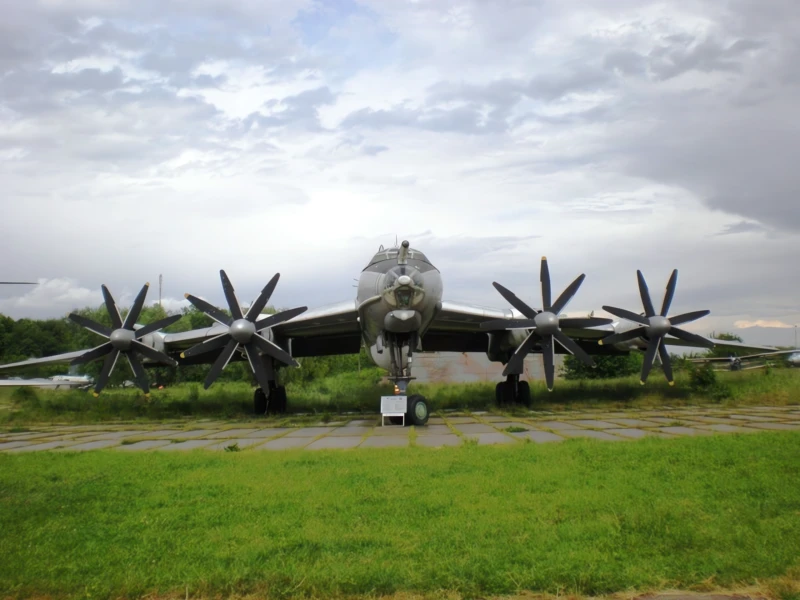
Туполев Ту-142 | |
|---|---|
| Страна | Съветски съюз – Русия |
| Роля | Морски патрулни самолети и самолети за борба с подводници |
| Първа лети | 18 юли 1968 |
| Построен | 100 |
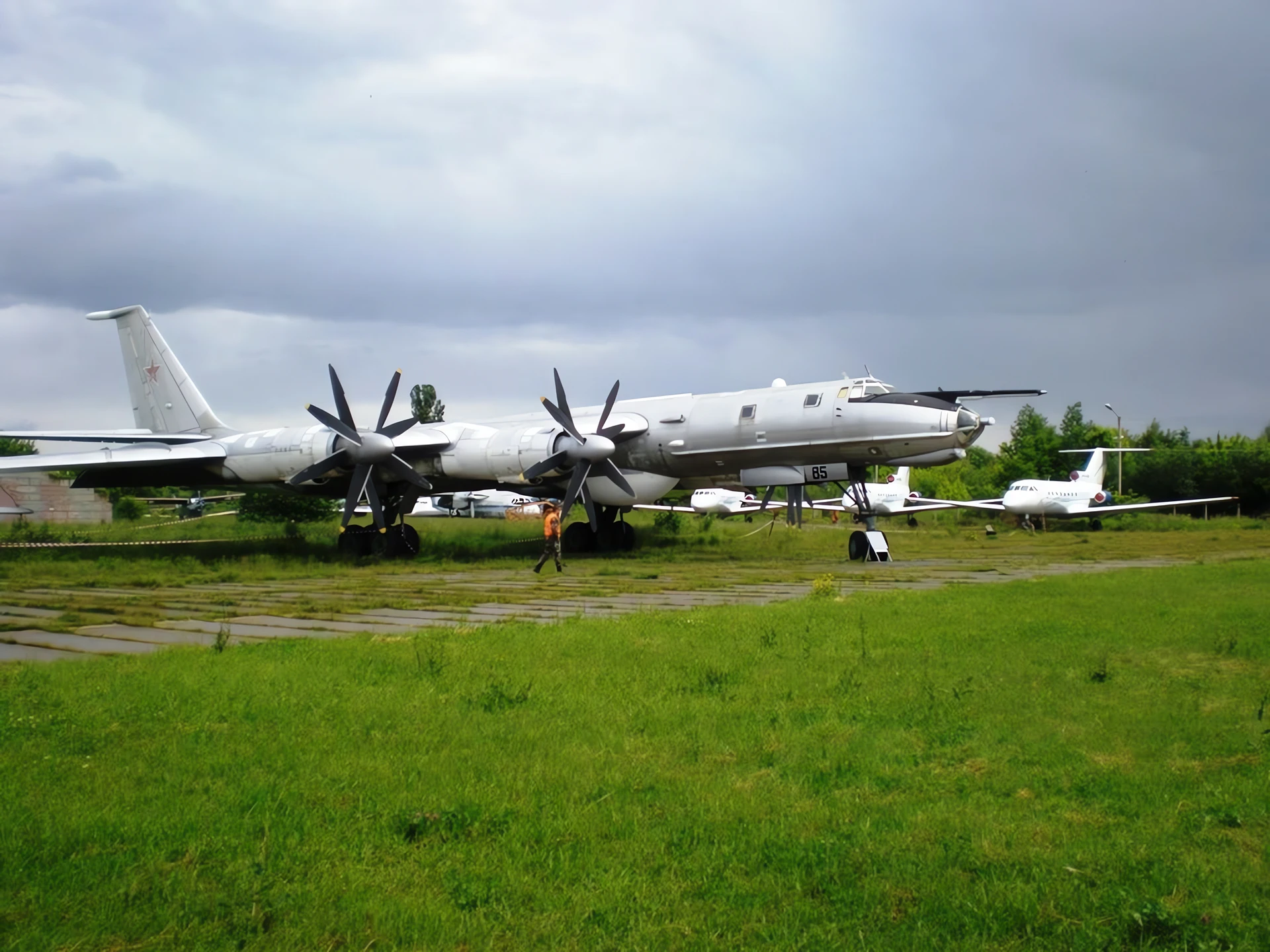
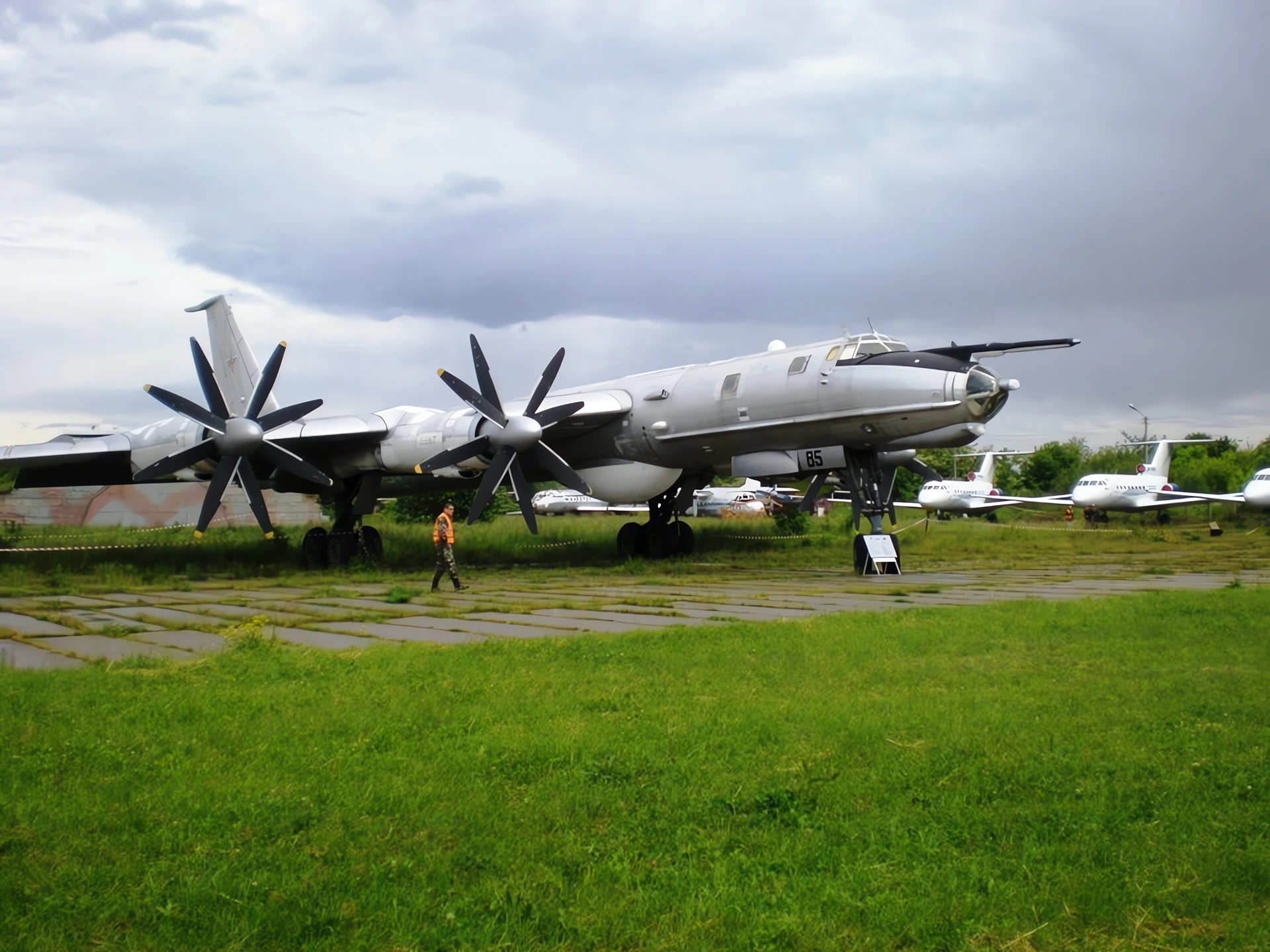
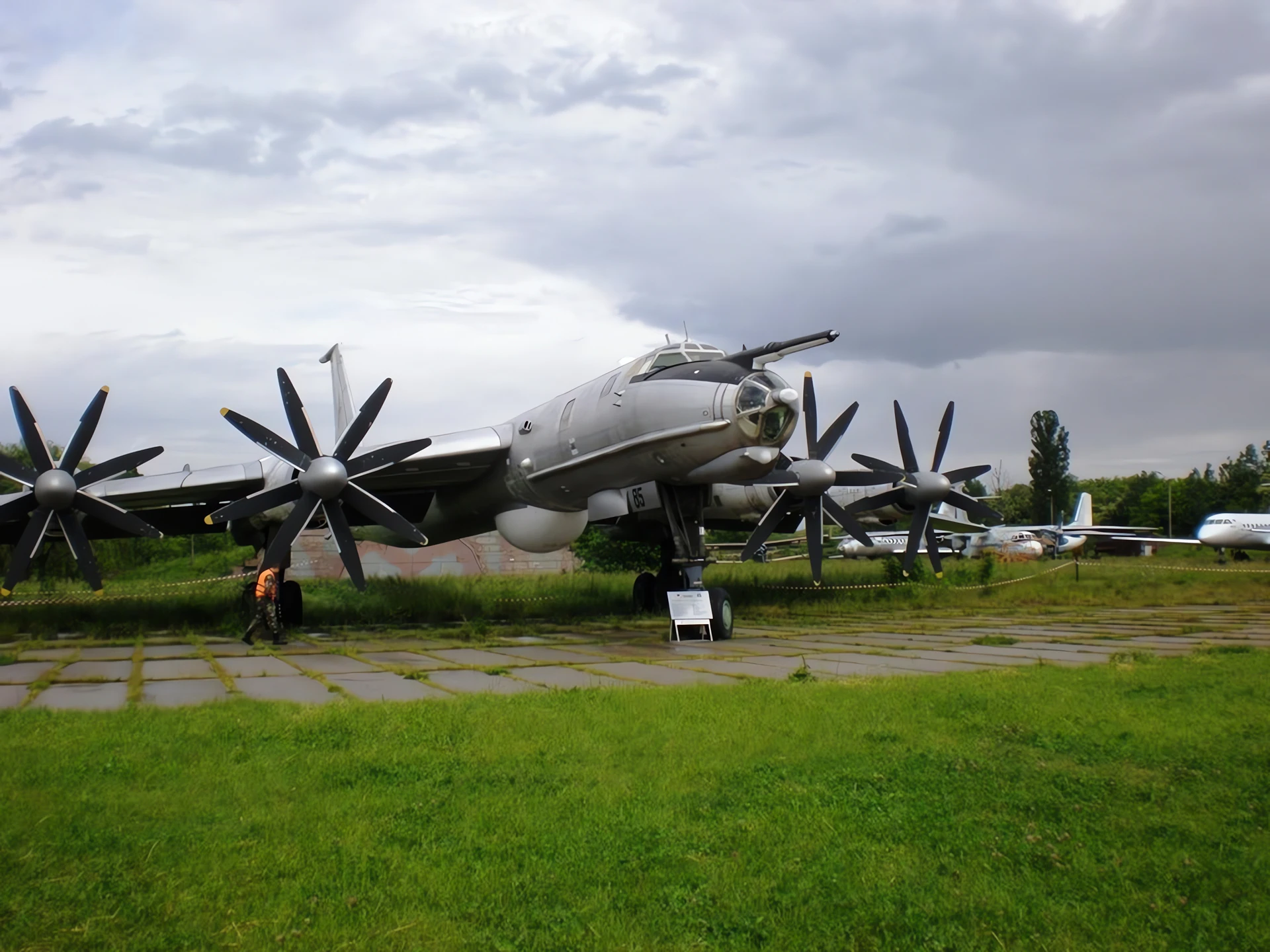
1. Туполев Ту-142 (на руски: Туполев Ту-142; Bear F/J) е самолет за морско разузнаване и борба с подводници (ASW), получен от турбовитловия стратегически бомбардировач Ту-95. Специализиран комуникационен вариант, обозначен като Ту-142МР, е натоварен със задълженията за комуникация на далечни разстояния със съветските подводници с балистични ракети. Ту-142 е проектиран от конструкторското бюро на Туполев и произведен от Куйбишевския авиационен и Таганрогски машиностроителен завод от 1968 до 1994 г. Преди това експлоатиран от ВМФ на СССР и ВВС на Украйна, Ту-142 в момента служи във ВМФ на Русия.
Източник: Туполев Ту-142 в Уикипедия
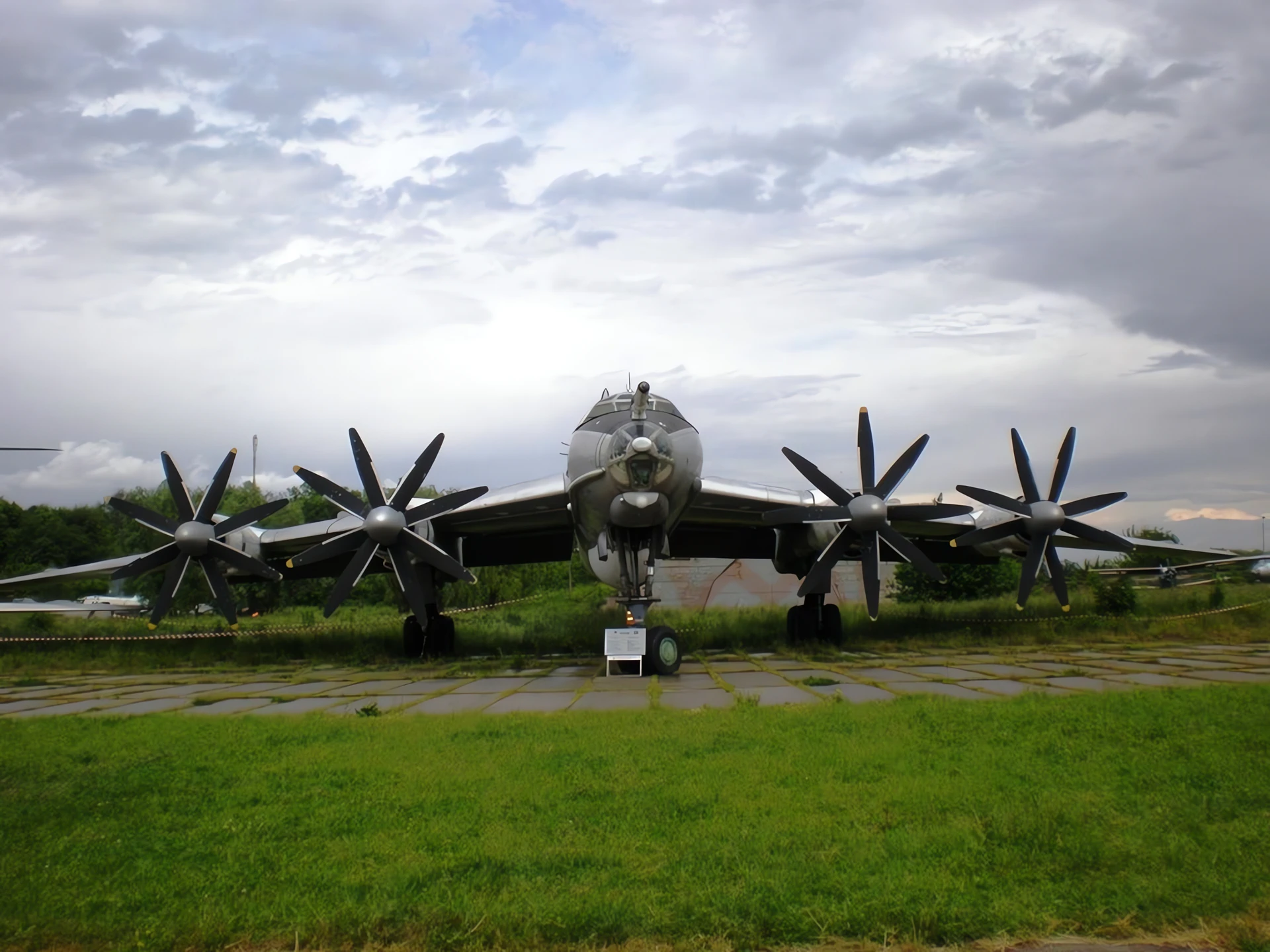
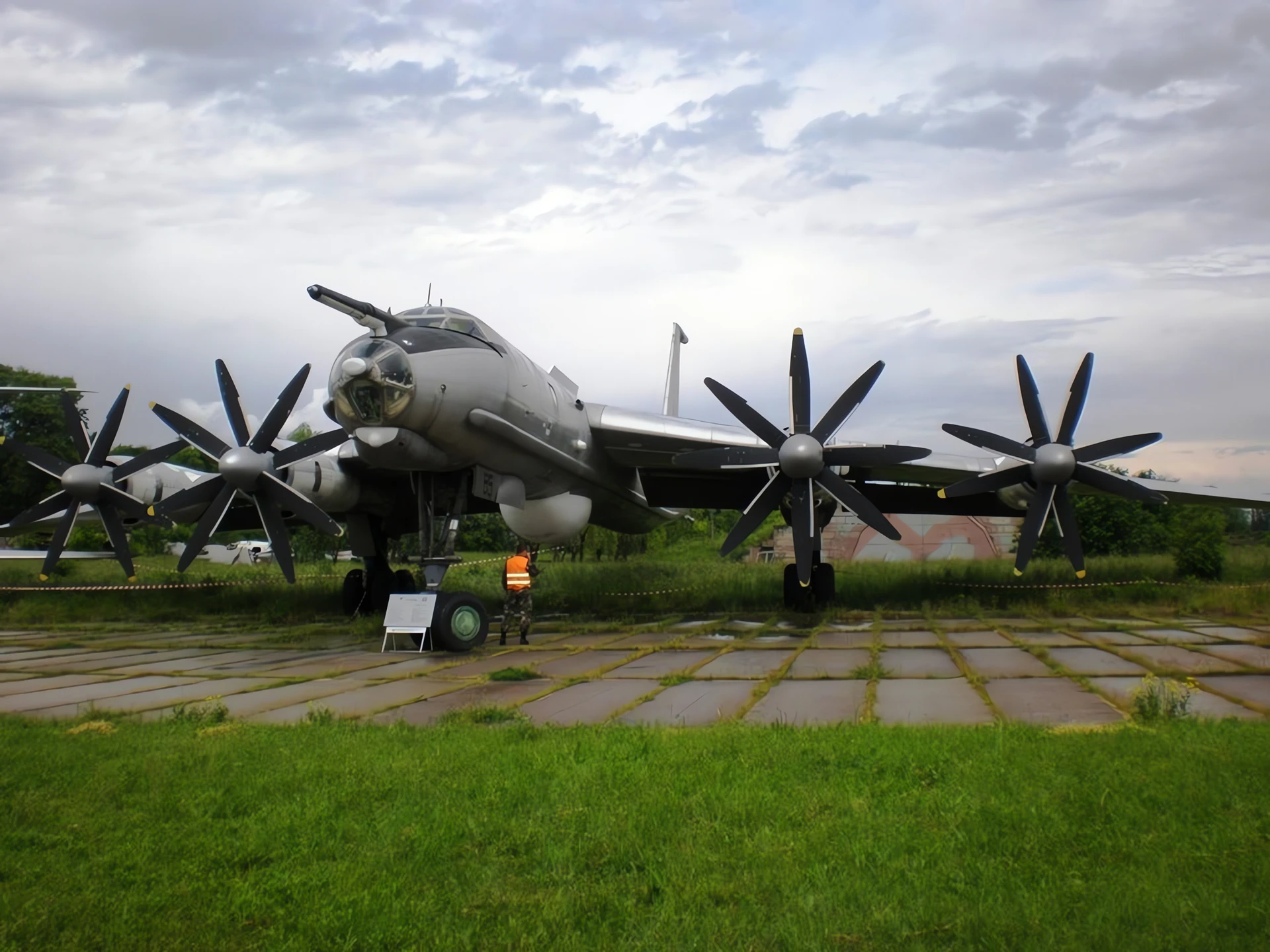
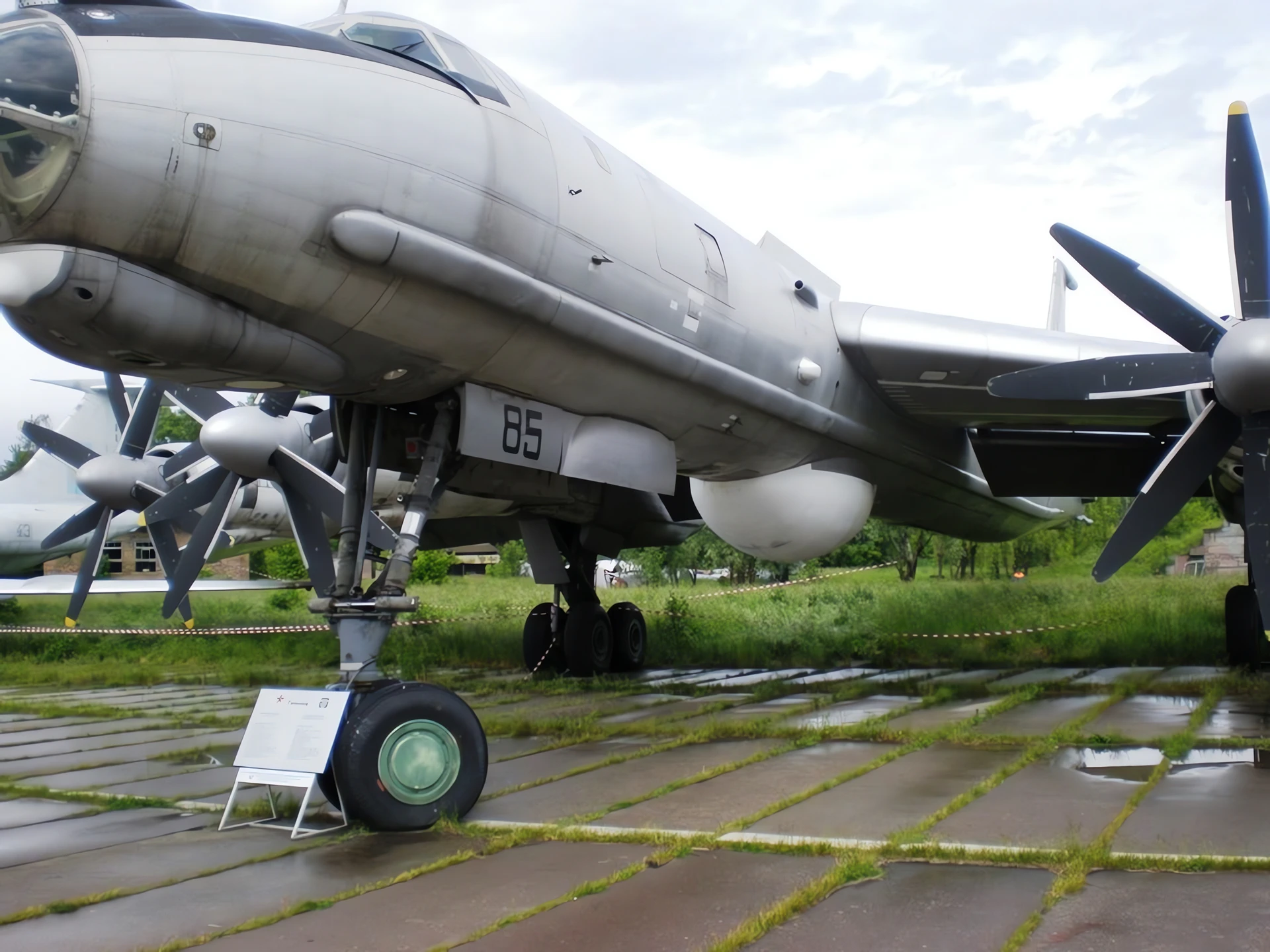
| Ту-142М3 Разходка наоколо | |
|---|---|
| Фотограф | Не знам |
| Локализация | Не знам |
| Снимки | 29 |
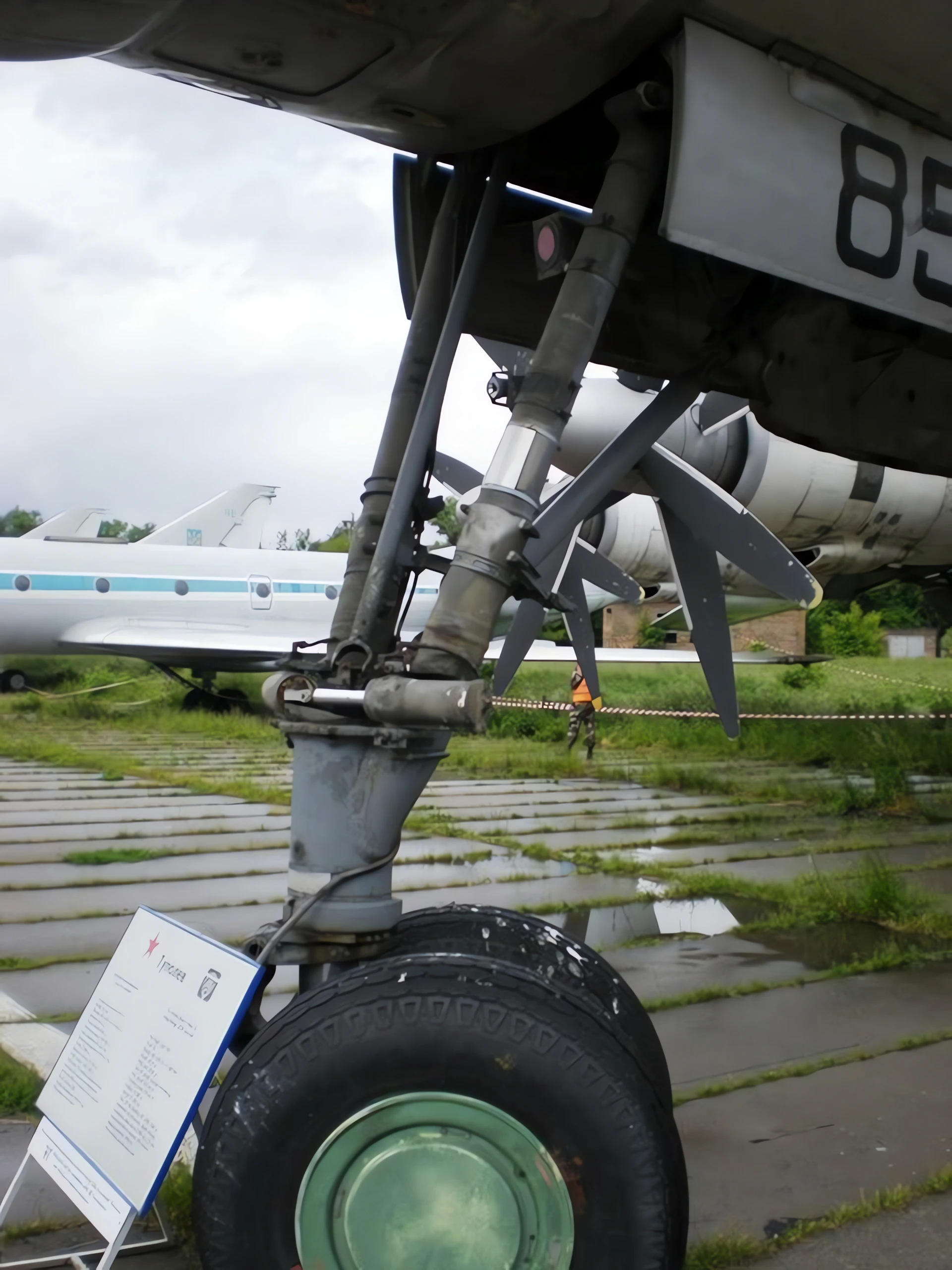
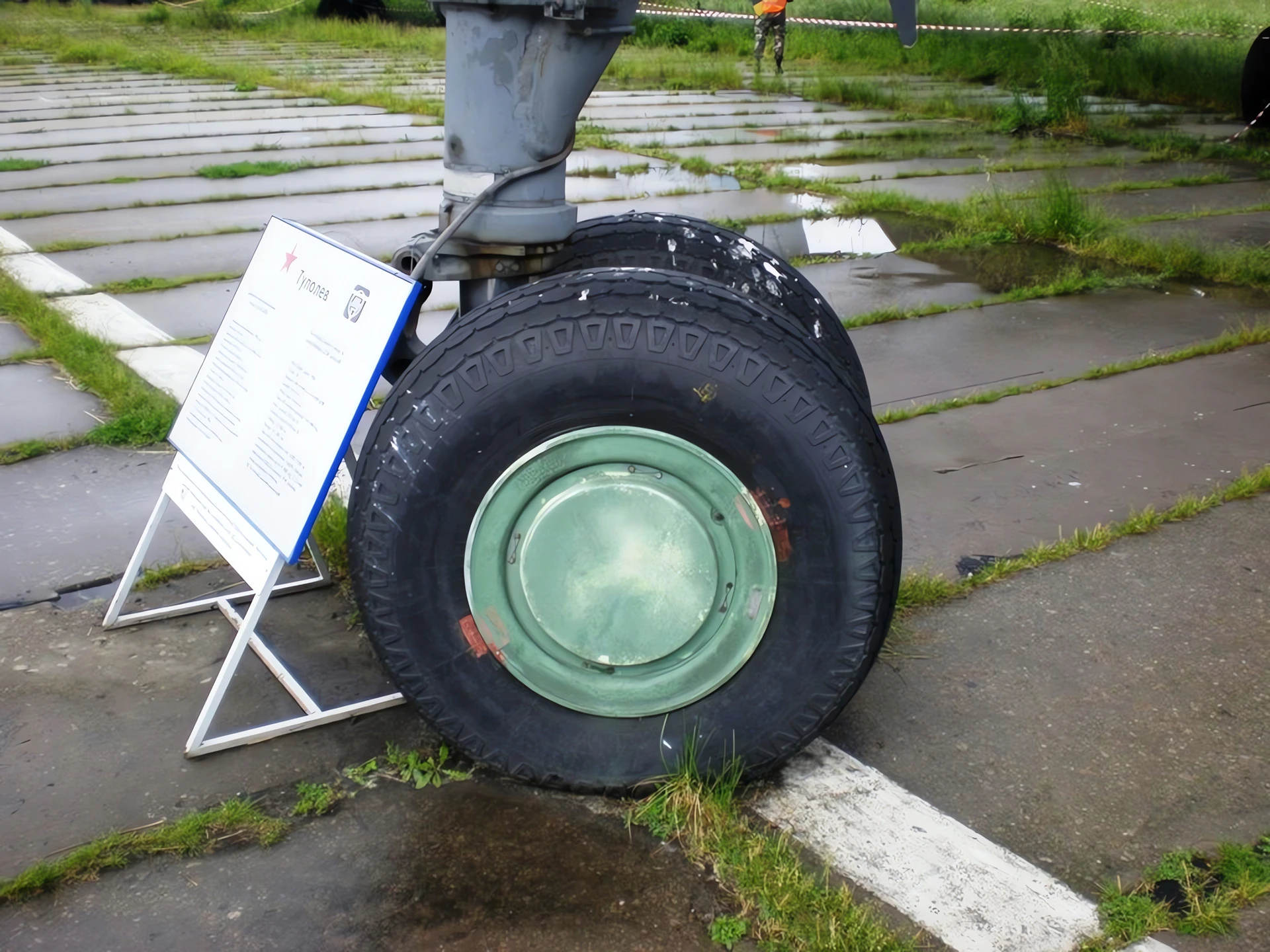

Вижте също:


A Cold War Giant
1. Туполев Ту-142 is the specialized maritime reconnaissance and anti-submarine warfare (ASW) derivative of the iconic Tu-95 “Bear” strategic bomber. Developed during the 1960s to counter the growing threat of American Polaris-equipped submarines, the Tu-142 was designed for extreme endurance. It is capable of patrolling the vast expanses of the Atlantic, Pacific, and Arctic oceans for over 12 hours at a time, listening for the faint acoustic signatures of submerged targets.
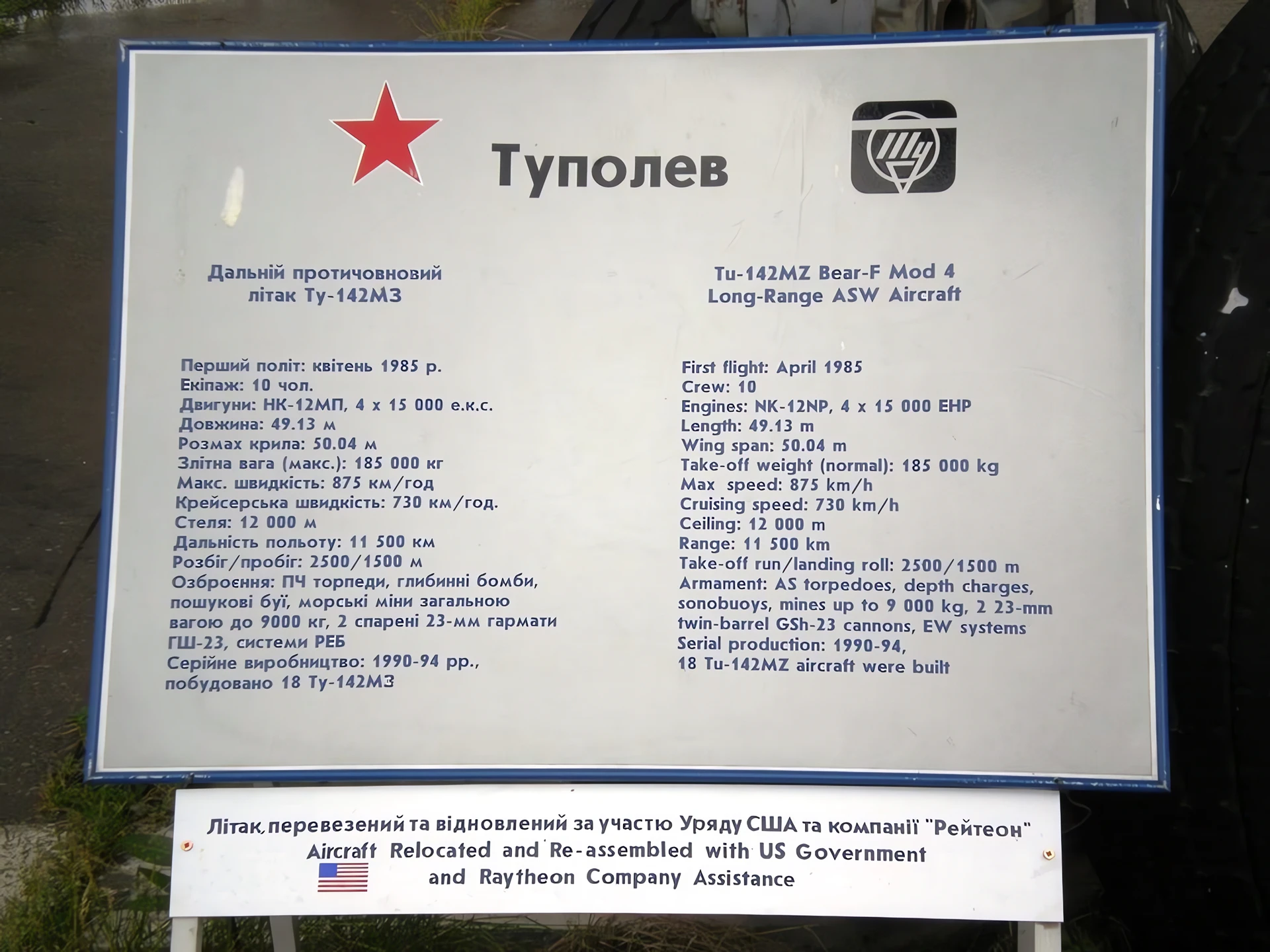
| Attribute | Technical Specification (Tu-142MZ) |
|---|---|
| Роля | Anti-Submarine Warfare (ASW) / Maritime Patrol |
| Екипажа | 11–13 (Including Pilots, Navigators, and Sensor Operators) |
| First Flight | June 18, 1968 |
| Силова установка | 4 × Kuznetsov NK-12MP turboprops |
| Propellers | 8-bladed contra-rotating propellers |
| Maximum Speed | 925 km/h (575 mph) |
| Ferry Range | 12,000 km (7,500 miles) |
| Въоръжение | 2 × 23mm AM-23 tail cannons; torpedoes, depth charges, and sonobuoys |
Specialized Hunting Gear
- Contra-Rotating Propellers: The Tu-142 uses the world’s most powerful turboprop engines, driving two sets of blades spinning in opposite directions. This provides immense efficiency and thrust but creates a sound so loud it can be heard by submarine sonars even when the plane is high above the water.
- The “MAD” Boom: A long, thin stinger extends from the tip of the vertical stabilizer. This is the Magnetic Anomaly Detector, which detects the slight distortion in the Earth’s magnetic field caused by the steel hull of a submerged submarine.
- Sonobuoy Bays: Unlike the bomber version, the Tu-142 features specialized bays that can carry and drop hundreds of sonobuoys (floating microphones) into the ocean to create an acoustic net.
- The “Bear-J” Variant (Tu-142MR): This specialized version serves as a VLF (Very Low Frequency) communications relay. It features a massive 5-mile-long trailing wire antenna used to transmit launch orders to Russian nuclear submarines while they are deep underwater.
Operational History & Service
- The Indian Connection: For nearly 30 years, the Indian Navy operated a fleet of Tu-142MKE aircraft (nicknamed “Albatross”). They were the primary long-range guardians of the Indian Ocean until their retirement in 2017.
- Low-Level Hunting: Despite its massive size (wingspan of 50 meters), Tu-142 pilots are trained to fly at altitudes as low as 100 meters over the sea to deploy weapons and visual sensors.
- Modernization: The Russian Navy continues to operate the Tu-142MZ, which has been upgraded with the “Novella” mission system, allowing it to track up to 32 targets simultaneously above and below the water.
- Endurance King: The Tu-142 holds several world records for turboprop distance and endurance, proving that the 1950s airframe design remains one of the most efficient ways to carry heavy sensors over long distances.
Views : 2473
Можете да видите също :
 Туполев Ту-134 – снимки и видео
 Туполев Ту-22М – снимки и видео
 Туполев ТУ-2 – Снимки и видео
 Туполев Ту-95МС Мечка – Снимки & Видео
 Туполев Ту-4 Бул – снимки и видео
 Туполев Ту-16 Язовец – Снимки &; Видео
 Консолидиран Б-24м освободител – мобилна
 P-47D гръмотевица – мобилна
 А-20 Хаос – Мобилна
 TBM-3E Avenger – Разходка наоколо