
Dodge WC3 | |
|---|---|
| Državi | Zda |
| Vrsta | Lahki vojaški tovornjak |
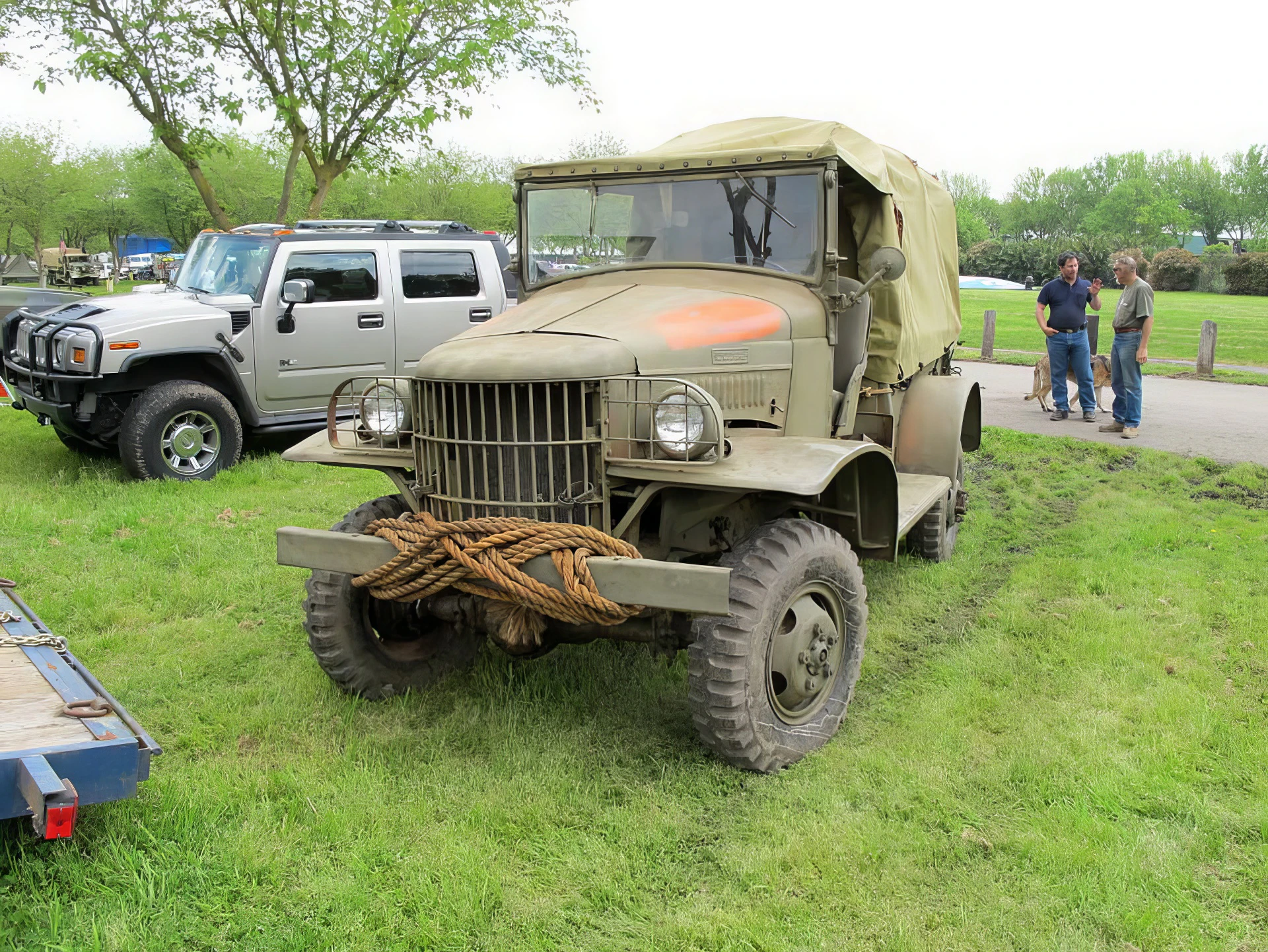
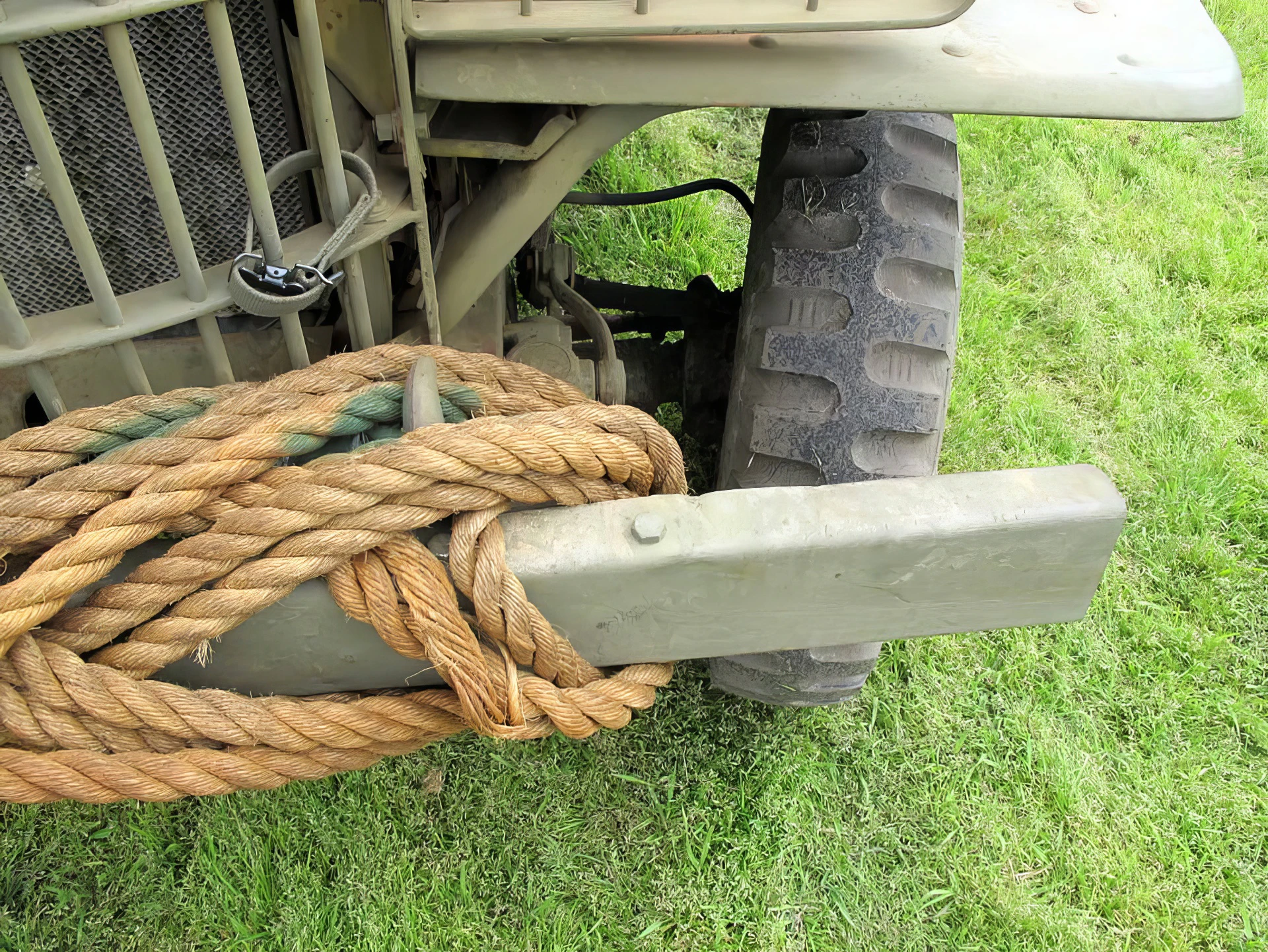
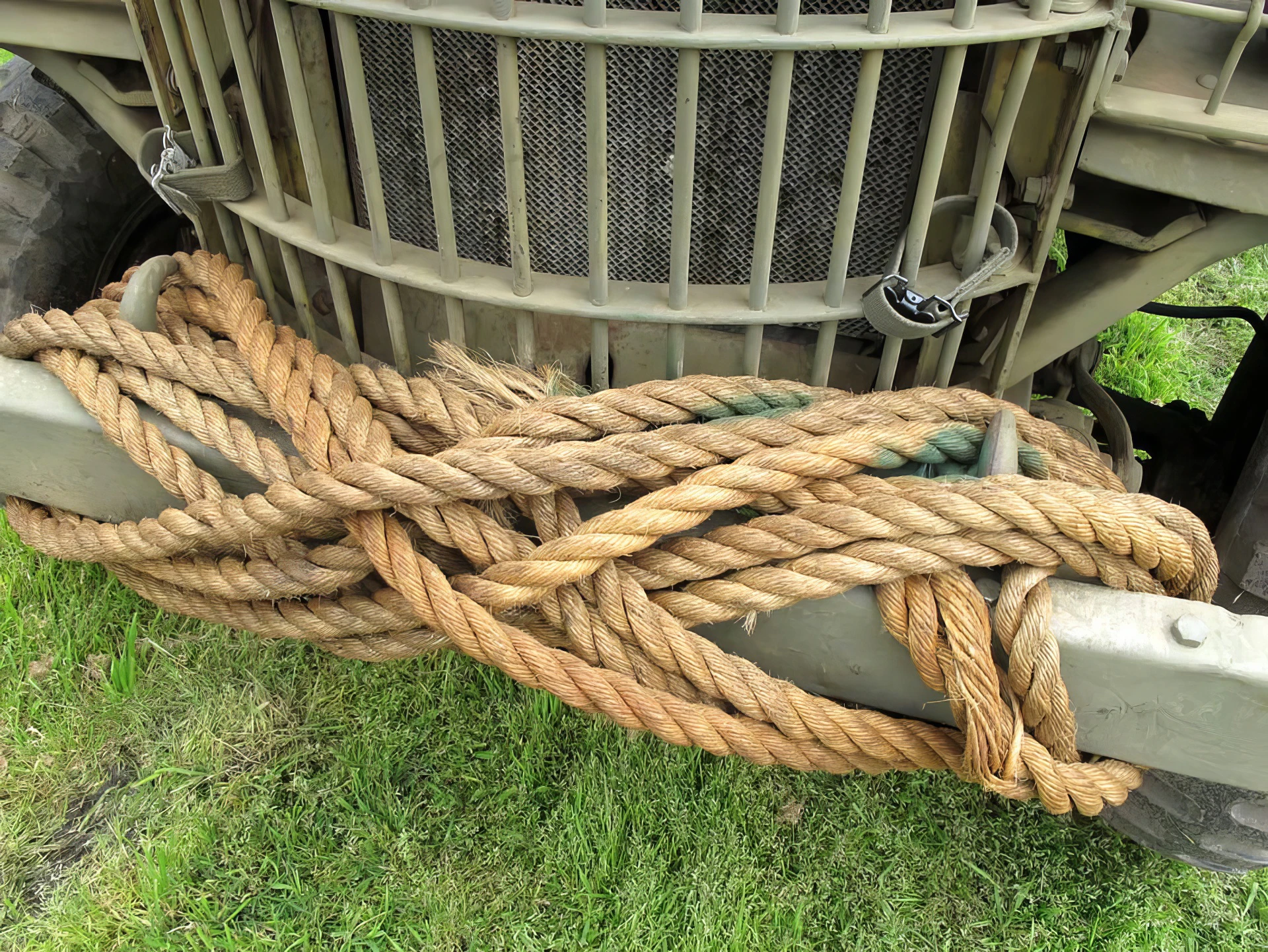
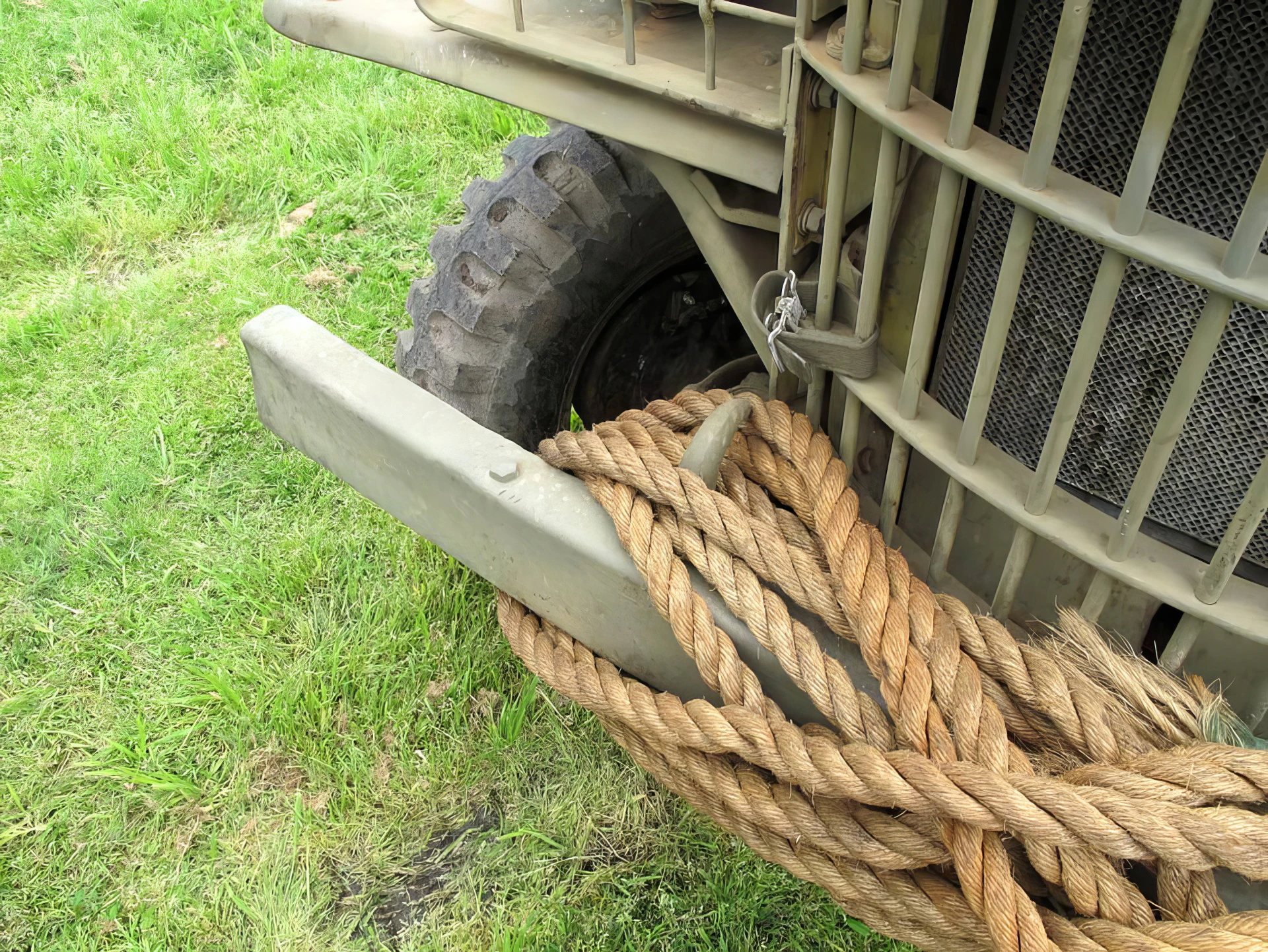
V Dodge WC serija je bila vrsta lahkih vojaških tovornjakov, ki jih je Dodge izdelal med drugo svetovno vojno. Serija je vključevala nosilce orožja, tovornjake za telefonsko namestitev, reševalna vozila, izvidniška vozila, mobilne delavnice in poveljniške avtomobile. Po vojni so jih nadomestila vozila serije Dodge M. WC je bila koda modela Dodge: W za leto 1941 in C za poltonsko moč. Koda C je bila ohranjena za 3/4 tone in 11/2 tone 6×6 Dodge.
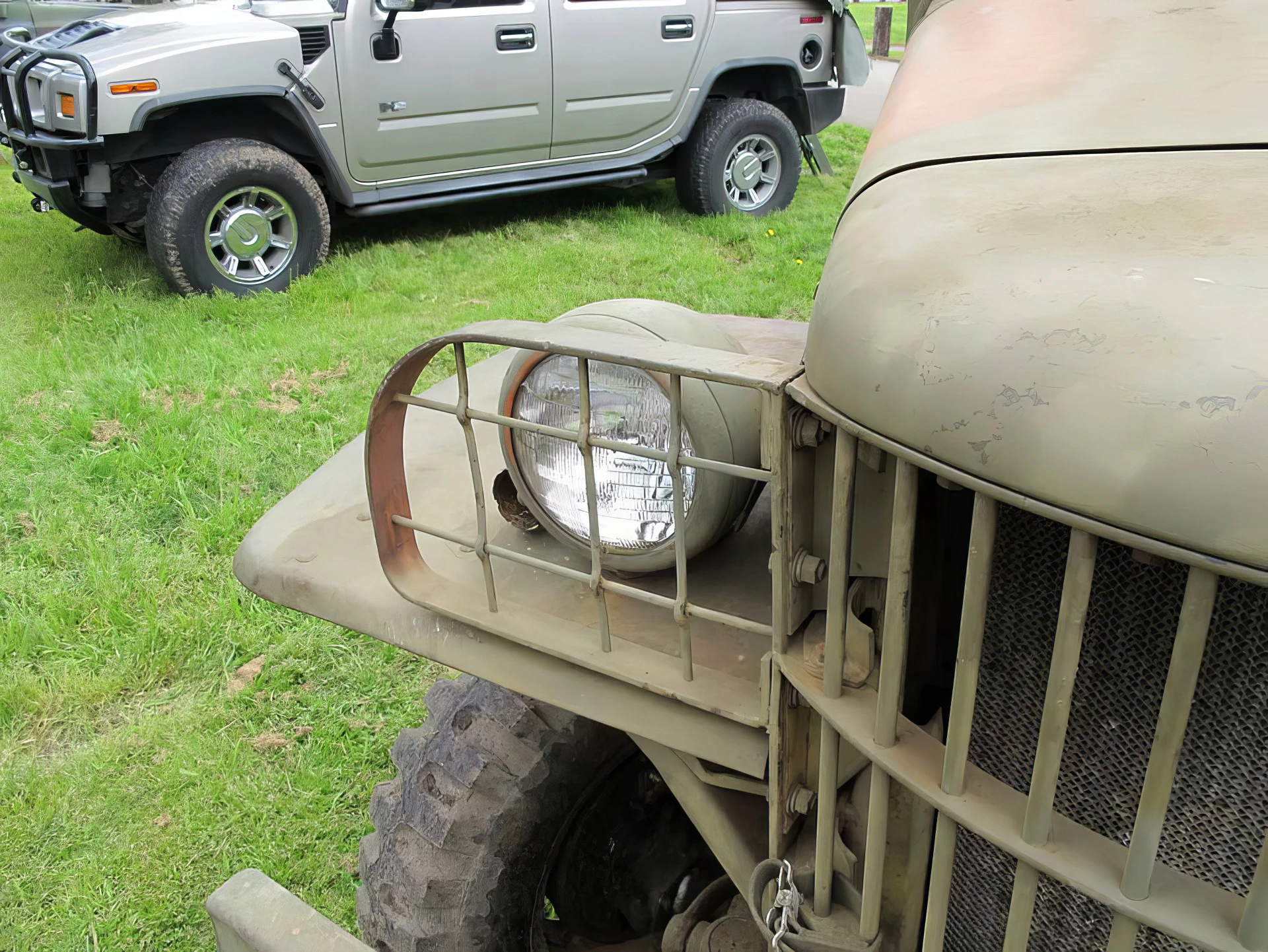
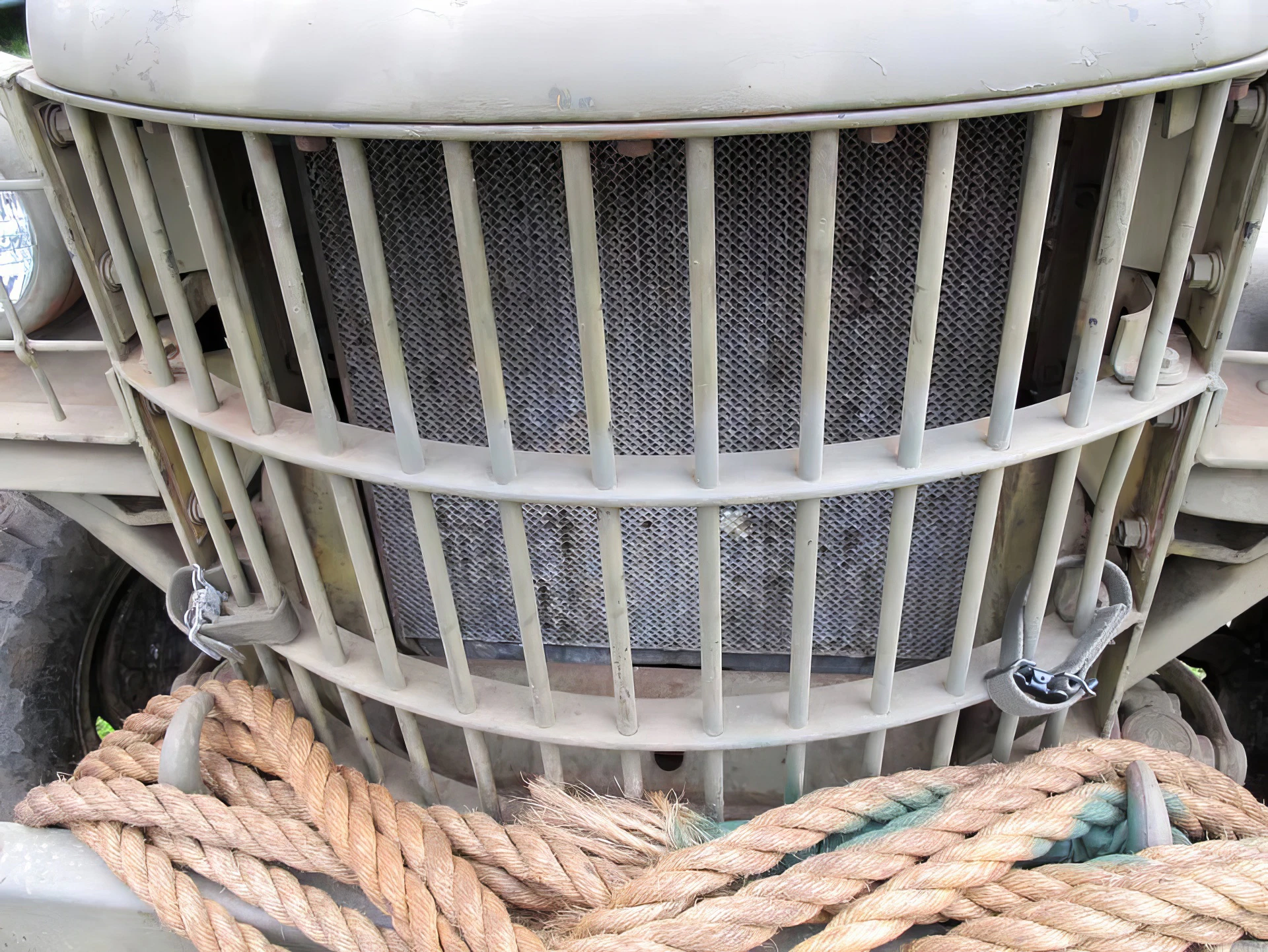
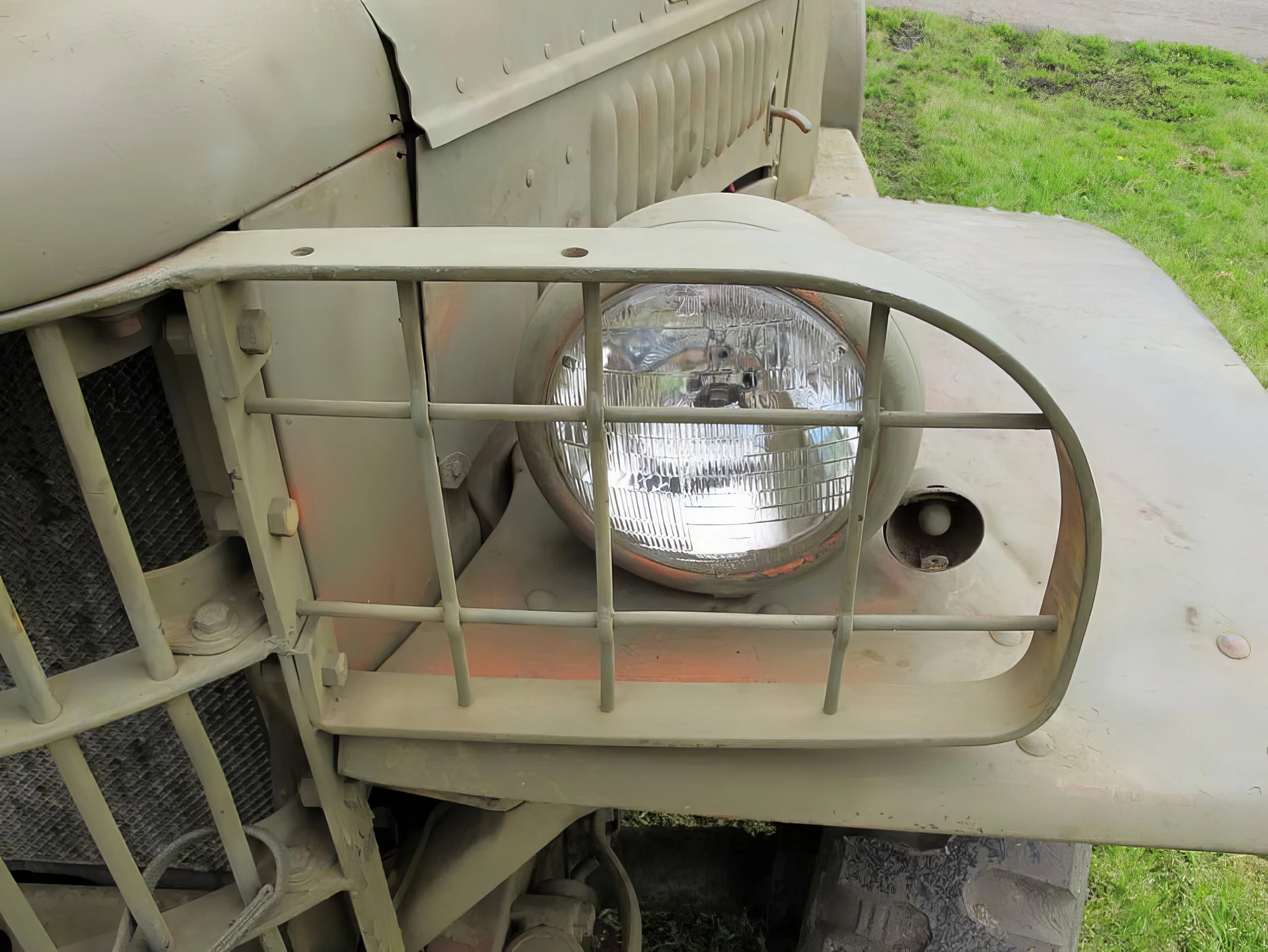
| Dodge WC3 – Walk Around | |
|---|---|
| Fotograf | Neznano |
| Lokalizacijo | Neznano |
| Fotografije | 84 |



Glej tudi:


The Dodge WC-3 was a specific model within the prolific Dodge WC (Weapons Carrier) series of light utility trucks produced by Chrysler for the U.S. military during World War II. The “WC” designation was a Dodge internal model code, not an abbreviation for “Weapons Carrier,” though that was the most common role for the series.
The WC-3 was a 1/2-ton 4×4 closed-cab pickup truck, primarily used for light cargo transport, general utility duties, and officer/staff movement, functioning as a sturdy link between the smaller 1/4-ton Jeeps and the larger 3/4-ton WC models.
Key Features and Specifications
- Chassis: Part of the G-505 1/2-ton 4×4 series, it used a light-duty chassis that evolved from pre-war civilian designs but was adapted for military off-road use.
- Capacity: It was rated for a nominal 1/2-ton payload (approximately 1,000 lbs or 450 kg).
- Body Type: It featured a closed cab for the driver and passenger and an open cargo bed with transverse seating (folding benches) for carrying troops or light supplies.
- Engine: Typically powered by the reliable Dodge L-head inline six-cylinder gasoline engine, providing adequate power for its size and payload.
- Drivetrain: Featured a rugged 4-speed manual transmission and a part-time 4-wheel drive (4×4) system, giving it better off-road capability than standard 2WD trucks.
- Production: The 1/2-ton WC series, which included the WC-3, was an early production run (starting in 1941), with about 80,000 units built across 30 different 1/2-ton models before the shift to the heavier 3/4-ton WC series in 1942.
Role and Impact
The WC-3 and its 1/2-ton siblings were foundational to the early U.S. Army motor pool.
Operational Highlights
- Rear Echelon Utility: While not designed for frontline combat like armored vehicles, the WC-3 was an indispensable utility vehicle, transporting supplies, parts, and personnel behind the forward lines.
- Early War Service: Due to its early production (1941-1942), the WC-3 was one of the primary light military trucks used by U.S. forces in the initial stages of WWII, including stateside training and early overseas deployments.
- Maintenance Advantage: A critical feature of the entire WC series was parts standardization. Approximately 80% of components were interchangeable between the 1/2-ton and later 3/4-ton models, greatly simplifying field maintenance and logistics.
- Evolution: The WC-3 represented a step in the evolution of U.S. military light trucks. Its design principles and the need for greater payload eventually led to the widely produced and more robust 3/4-ton WC models (like the WC-51/52), which became the definitive medium utility truck of the war.
Views : 3567
Prav tako si lahko ogledate:
 Dodge WC16 - Fotografije in video
 M923 Guntruck – fotografije in video posnetki
 Dodge WC-57 - Fotografije in video
 M35 21/2-ton tovorni tovornjak – Fotografije & Video
 Dodge M37B1 – Sprehod Okoli
 Gaz MM – Sprehod Okoli
 Studebaker US6 vol2 – WalkAround
 WC-57 3-4 Ton 4X4 - Sprehod Okoli
 Studebaker US6 – WalkAround – Camion
 Gaz AA – Sprehod Okoli