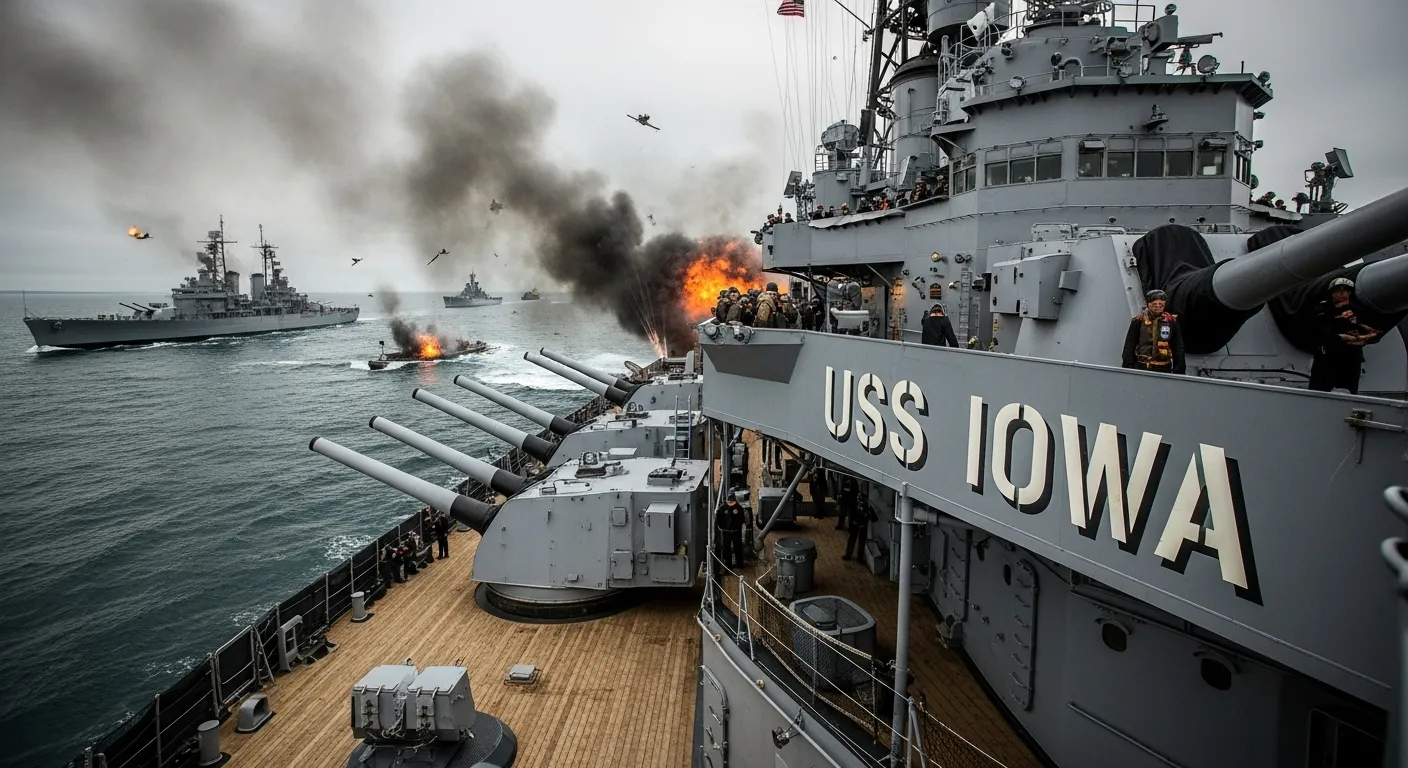
爱荷华州 | |
|---|---|
| 国家 | 美国 |
| 类型 | 战舰 |
| 主题 | 专辑 308 照片绕道而行的战舰美国爱荷华州 |
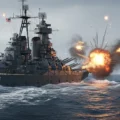
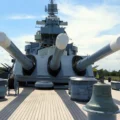
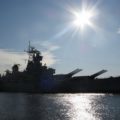
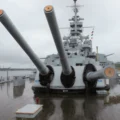
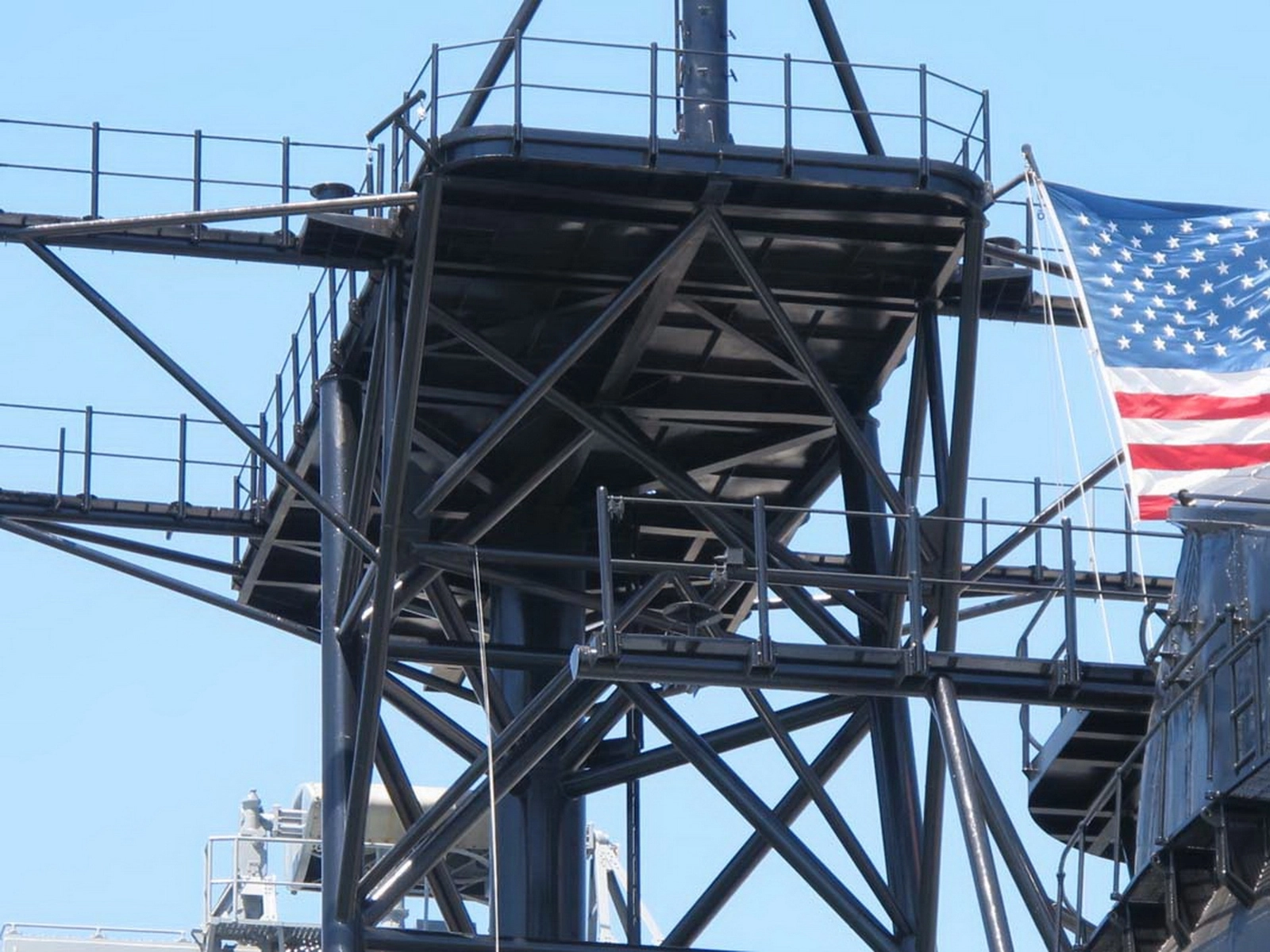
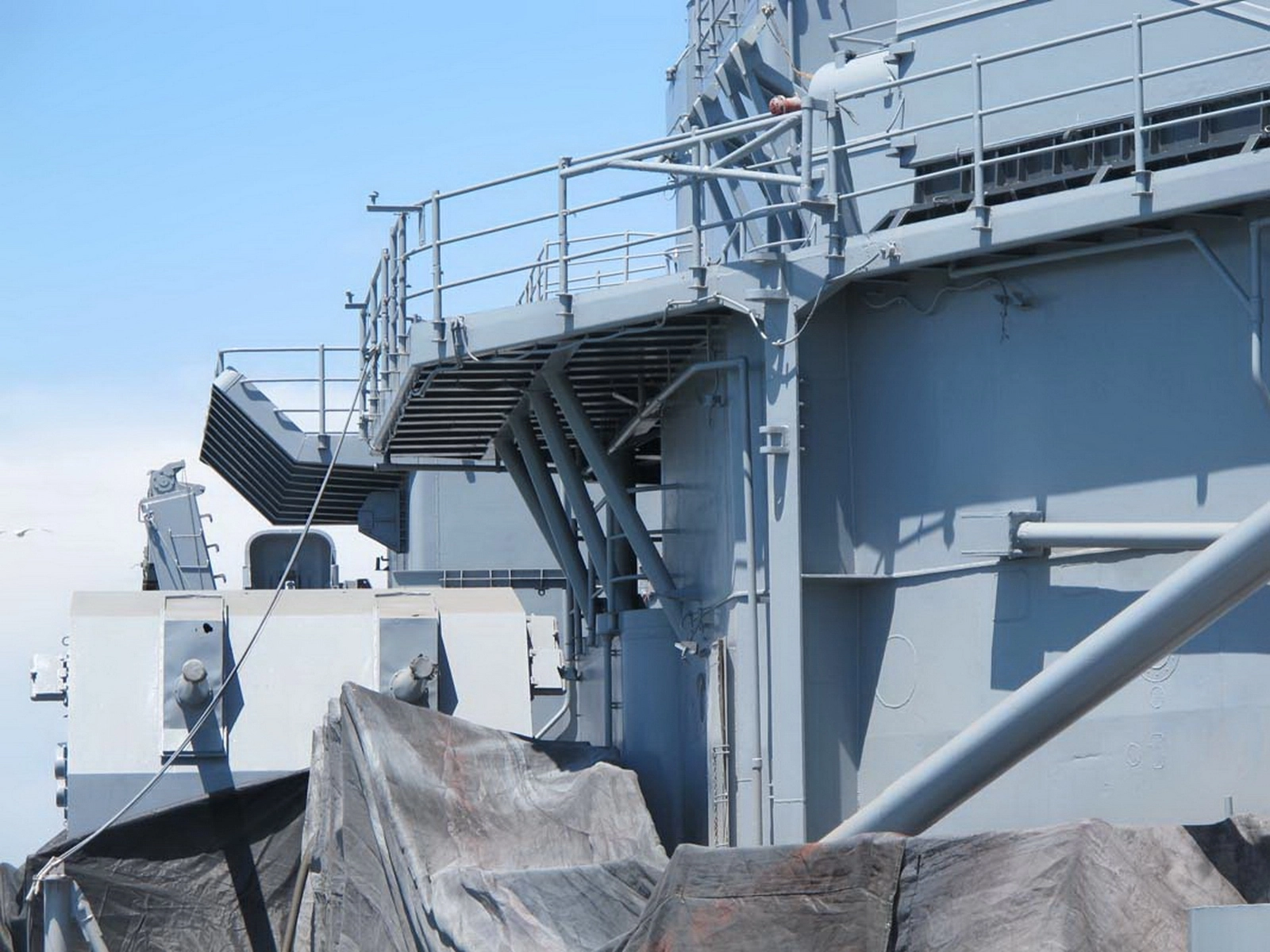
爱荷华州 (BB-61)是她的战舰级的领航舰,也是美国海军第4艘被命名为29个州的战舰。由于蒙大拿级战舰的取消,爱荷华州是美国战舰中最后一艘主力战舰,也是二战期间唯一在大西洋服役的战舰。
源: 维基 百科
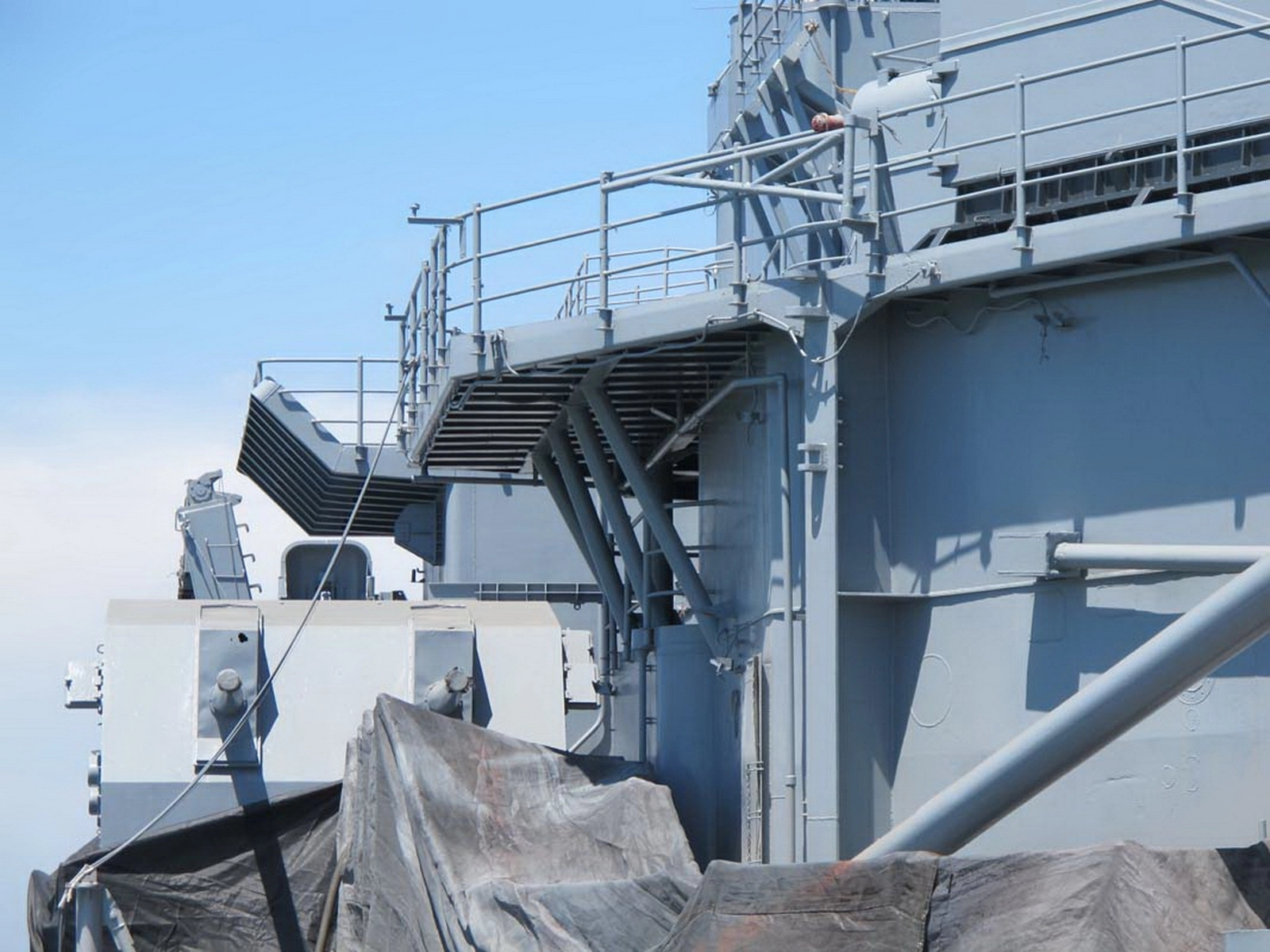
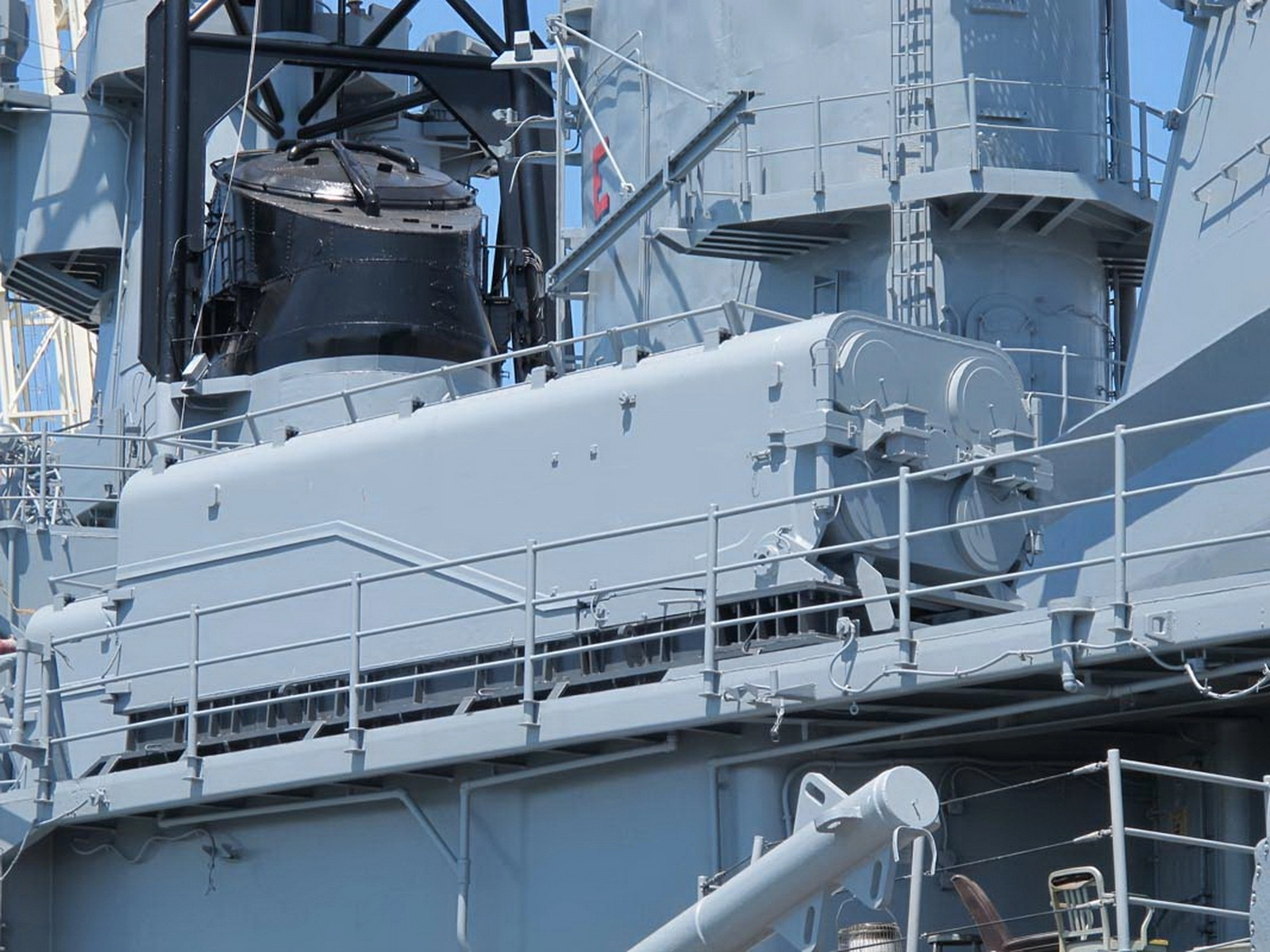
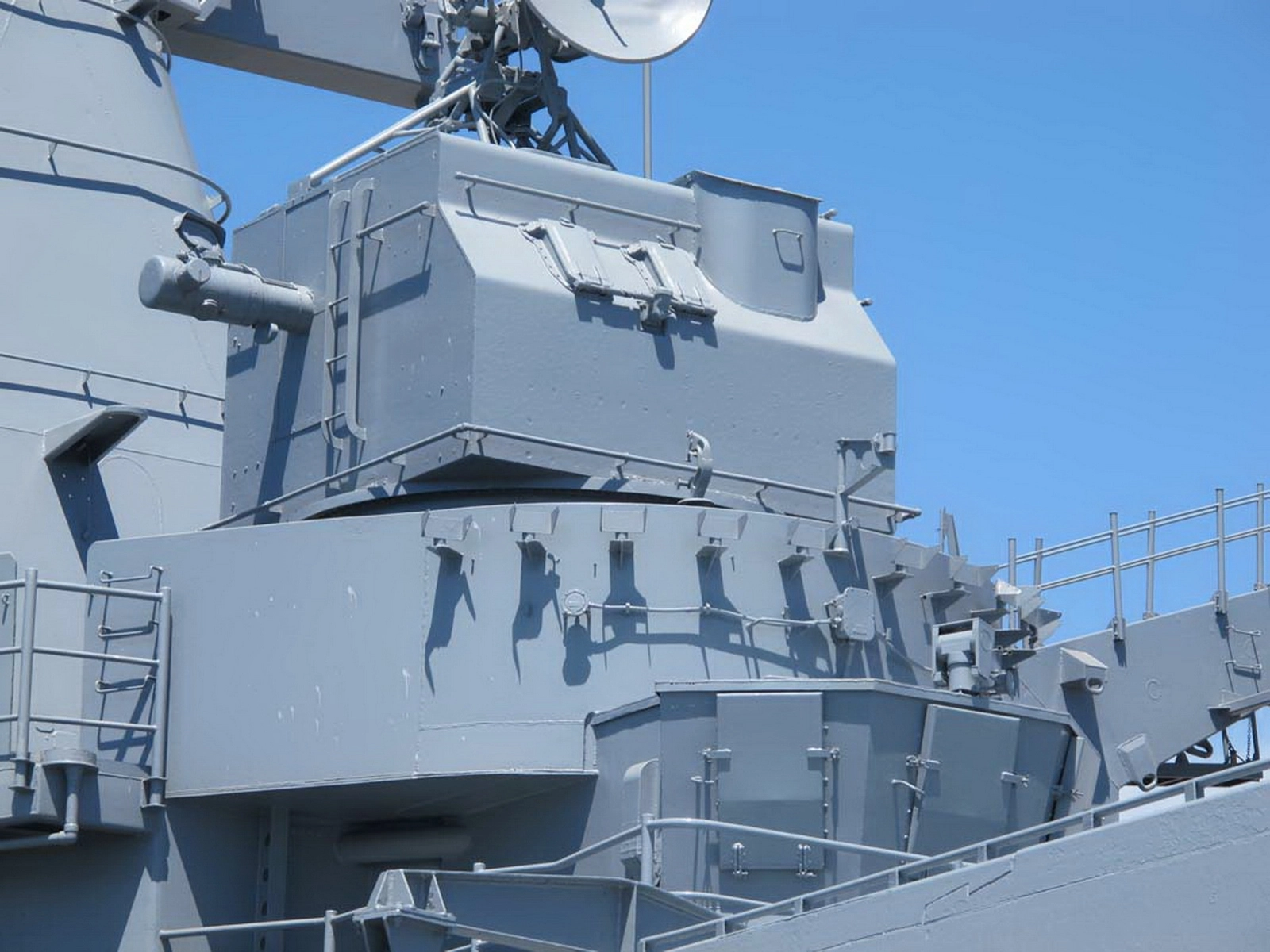
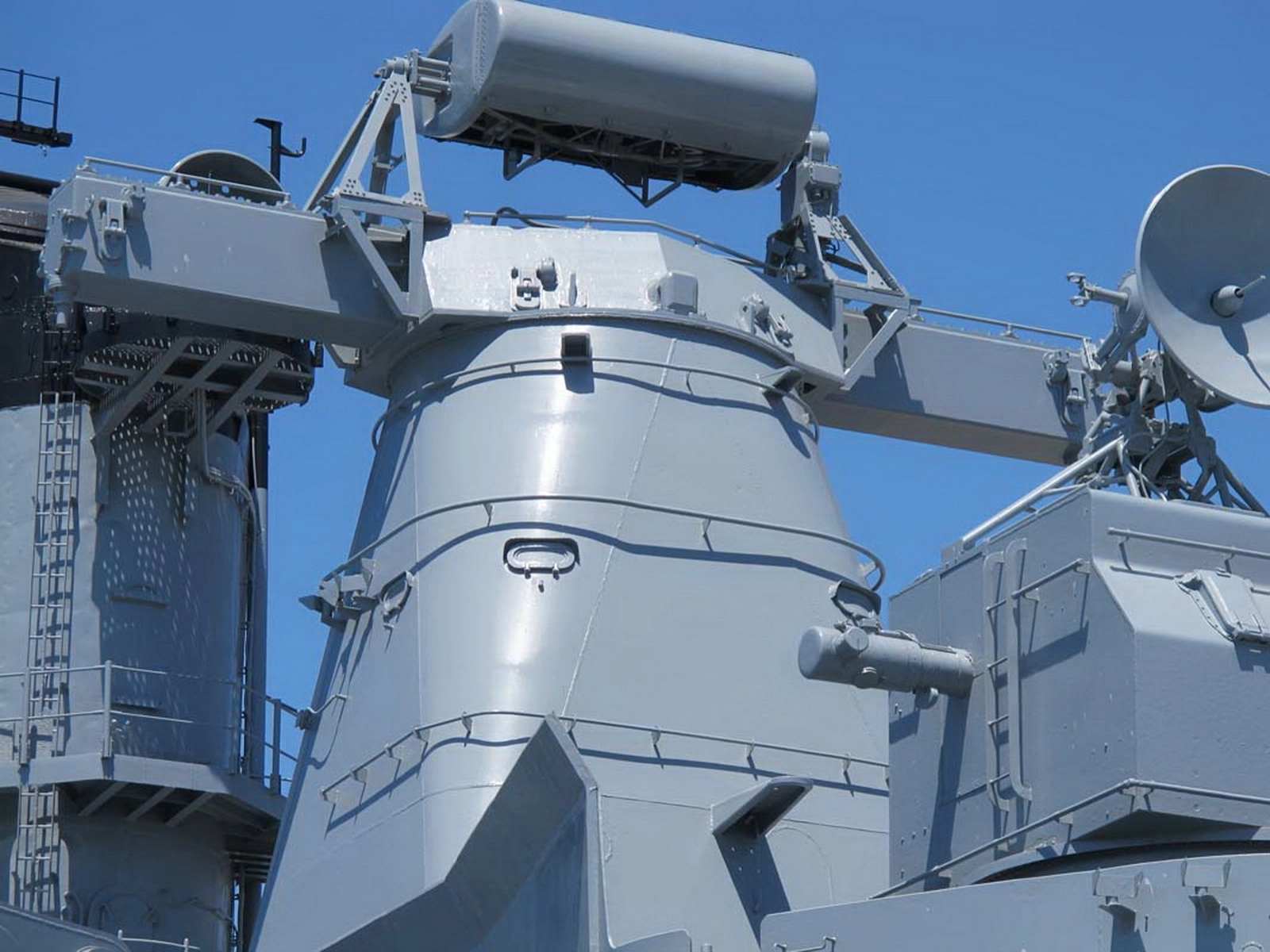
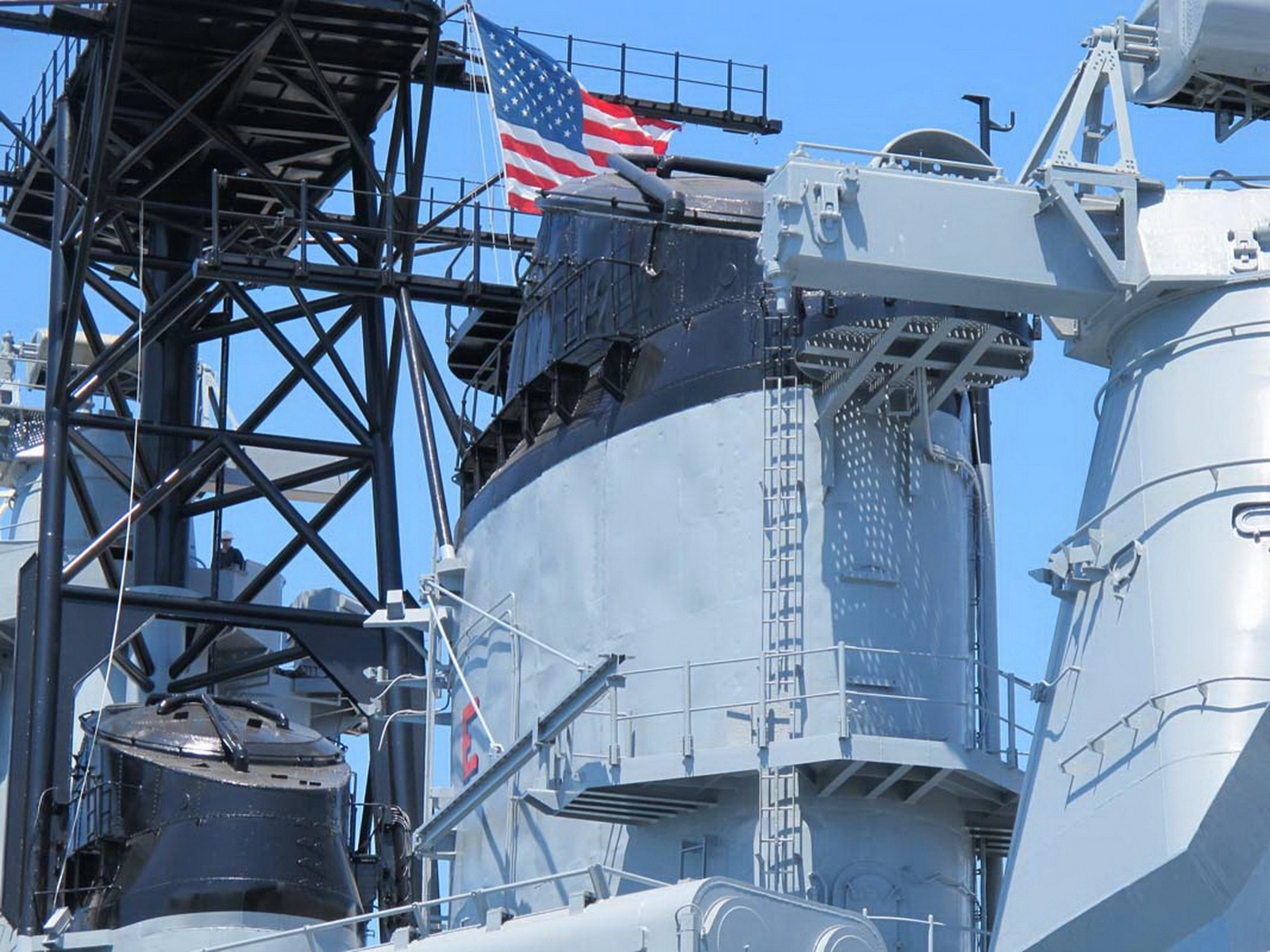
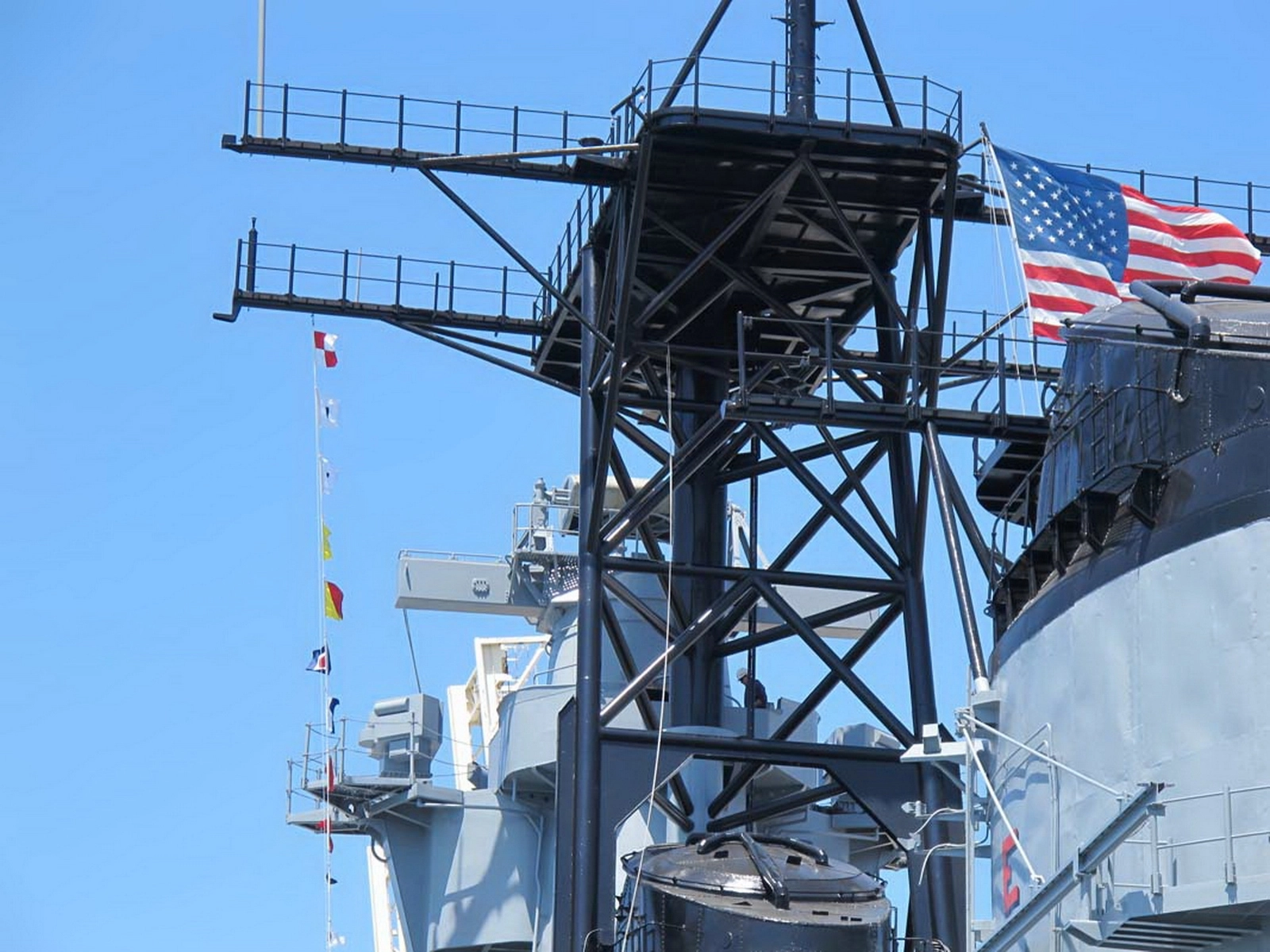
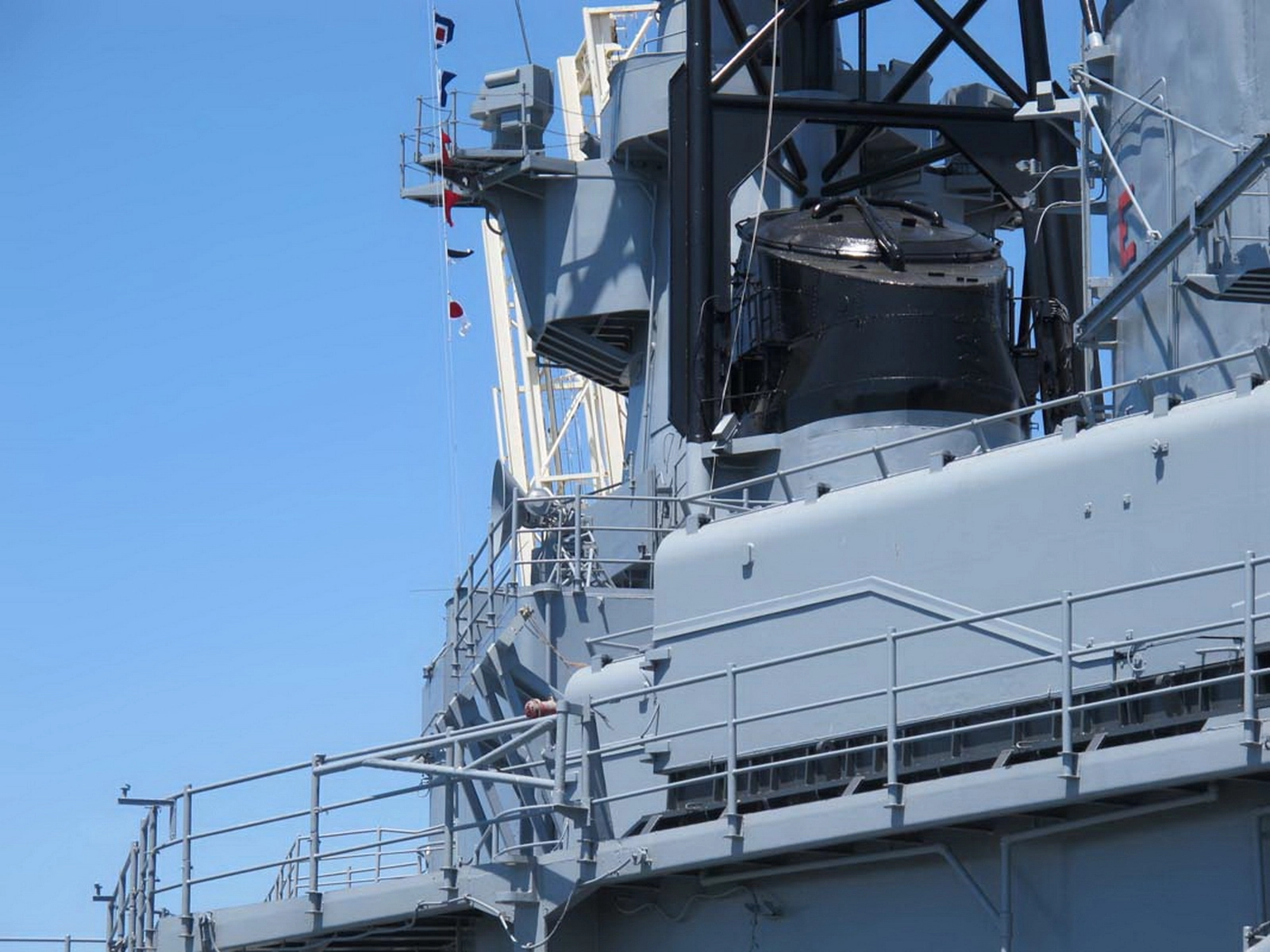

另请参阅:


Overview and Historical Significance
The USS Iowa (BB-61) was the lead ship of the last and most powerful class of battleships built by the United States. Commissioned in 1943, she was designed for “fast carrier” operations, combining heavy armor and devastating firepower with a top speed that could keep pace with the fleet’s carriers. The Iowa famously transported President Franklin D. Roosevelt to the Tehran Conference and served as the flagship in Tokyo Bay during the Japanese surrender. She is the only ship of her class to have served in the Atlantic, Pacific, Korean, and Cold War eras.
| Attribute | Specification (1943/1980s Modernization) |
|---|---|
| 类 | Iowa-class Battleship |
| Displacement | 45,000 tons (Standard) / 58,000 tons (Full Load) |
| 长度 | 270.4 meters (887 ft 3 in) |
| Beam | 33 meters (108 ft 2 in) — Designed to fit the Panama Canal |
| 主要武器装备 | 9 x 16-inch (406mm) / 50 cal Mark 7 guns (3 turrets) |
| 次要武器 | 20 x 5-inch (127mm) / 38 cal dual-purpose guns |
| Top Speed | 33 knots (approx. 38 mph / 61 km/h) |
| Armor (Belt) | 307 mm (12.1 in) inclined at 19 degrees |
The Main Battery and Fire Control
- 16-Inch Mark 7 Guns: These guns could fire a 2,700-pound (1,225 kg) armor-piercing shell over 23 miles (37 km). At maximum range, the shell spent nearly 90 seconds in flight.
- Analog Fire Control: During WWII, the Iowa used the Mark 1A Fire Control Computer, an incredible electromechanical analog computer that accounted for wind, humidity, the Earth’s rotation (Coriolis effect), and ship movement.
- Broadside Weight: A single full broadside from the main guns weighed nearly 25,000 pounds, enough to level multiple city blocks or penetrate the thickest ship armor in existence.
Modernization and Cold War Service
After being decommissioned and reactivated multiple times, the Iowa underwent a massive modernization in the 1980s as part of the “600-ship Navy” plan.
- Missile Capability: She was fitted with 32 BGM-109 Tomahawk cruise missiles and 16 RGM-84 Harpoon anti-ship missiles, transforming her from a traditional gunboat into a long-range strike platform.
- Defense Upgrades: Four Phalanx CIWS (Close-In Weapon Systems) were added for point defense against incoming anti-ship missiles.
- Electronic Warfare: State-of-the-art radar and the SLQ-32 electronic warfare suite were installed to modernize her 1940s-era detection capabilities.
Legacy and Current Status
- The 1989 Turret Explosion: A tragic explosion in Turret II during a training exercise led to the loss of 47 crewmen and hastened the ship’s final decommissioning.
- Museum Ship: Since 2012, the “Battleship of Presidents” has been permanently berthed at the Port of Los Angeles in San Pedro, California, serving as a floating museum.
- Panama Canal Design: Her long, narrow hull was specifically designed to have just inches of clearance when passing through the Panama Canal locks, allowing her to transition between oceans rapidly.
Views : 8980