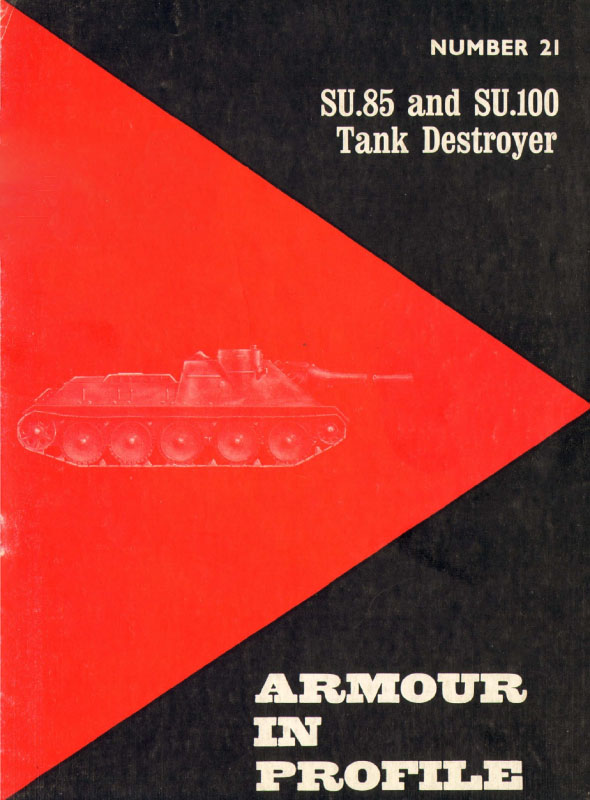
苏-100 | |
|---|---|
| 国家 | 乌尔斯 |
| 类型 | 自行火炮 |
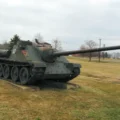
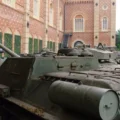
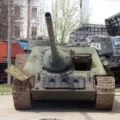
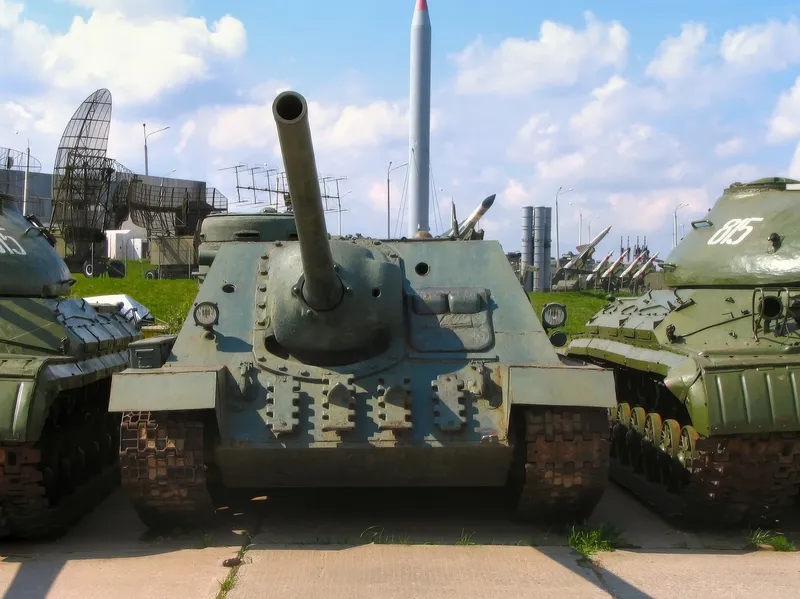
SU-100上的照片库, 苏-100 是T-34基地的坦克驱逐舰,前上层建筑有100毫米D-10S部分。
苏联人已经试验过在卡车和坦克的基础上制造自行火炮,在战争初期,他们根据安装在拖拉机底盘上的57毫米Zis-2枪生产了一些Komsomoletz。1943年,他们生产了SU-85,1944年底,SU-100,它结合了强大的大炮在现代底盘上提供全装甲。它的优势是生产成本相对便宜,而且大炮比它嘲笑的坦克的装备更强大一点,这给了俄罗斯人很大的灵活性。
源: 维基 百科
| SU-100卷3–四处走动 | |
|---|---|
| 摄影师 | 未知 |
| 本地化 | 未知 |
| 照片 | 68 |
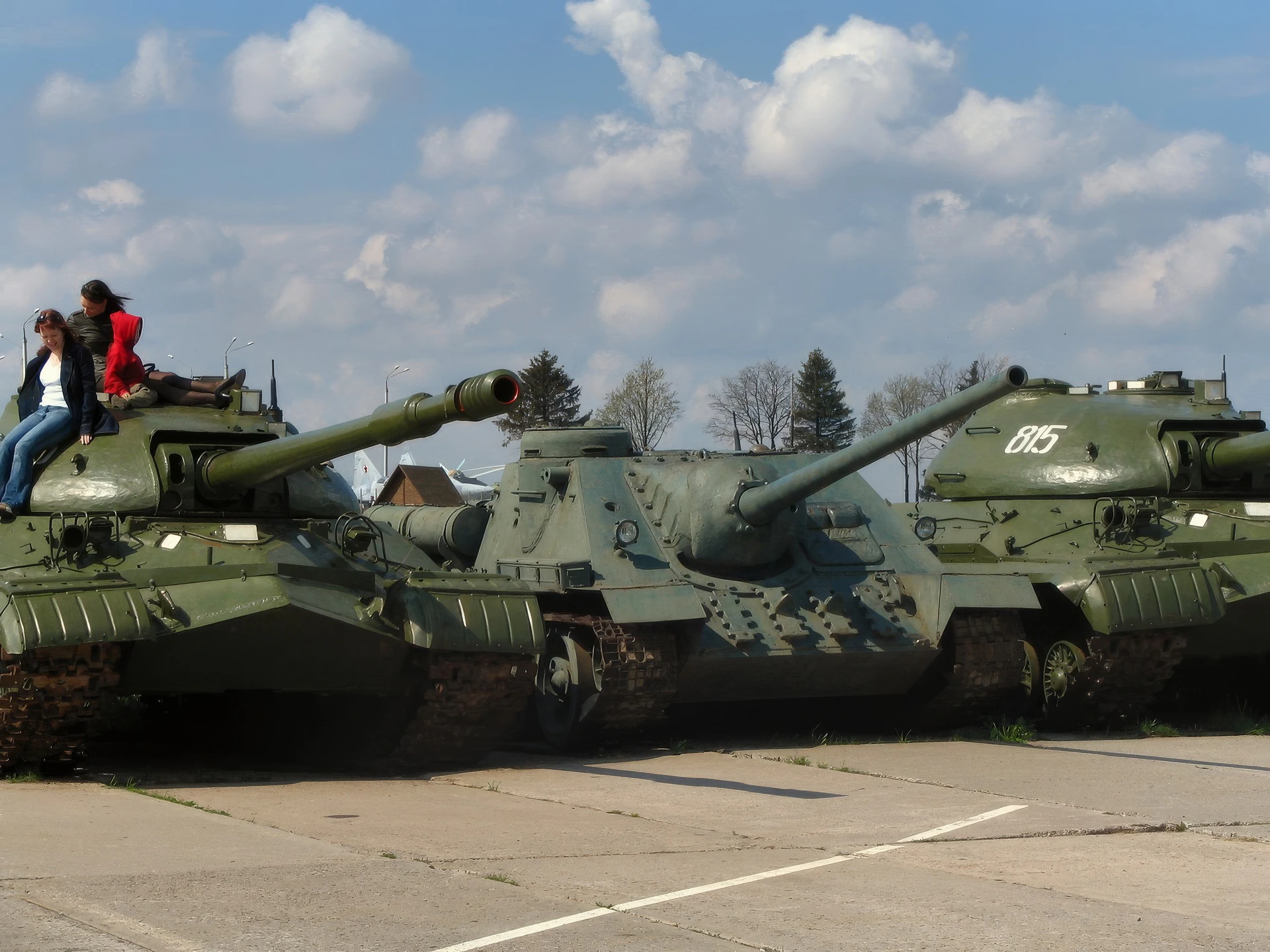
SU-100 01 型
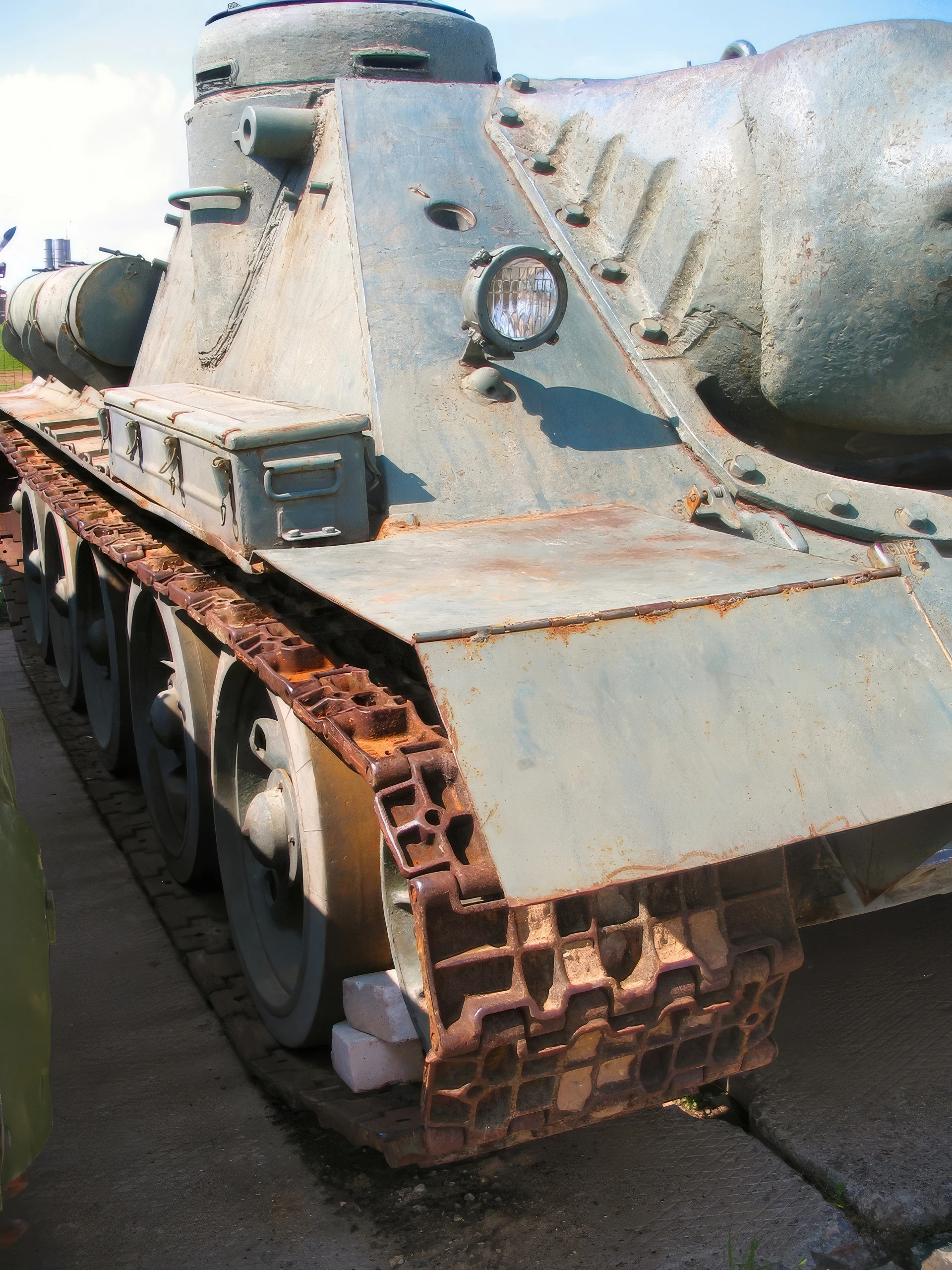
苏-100 03
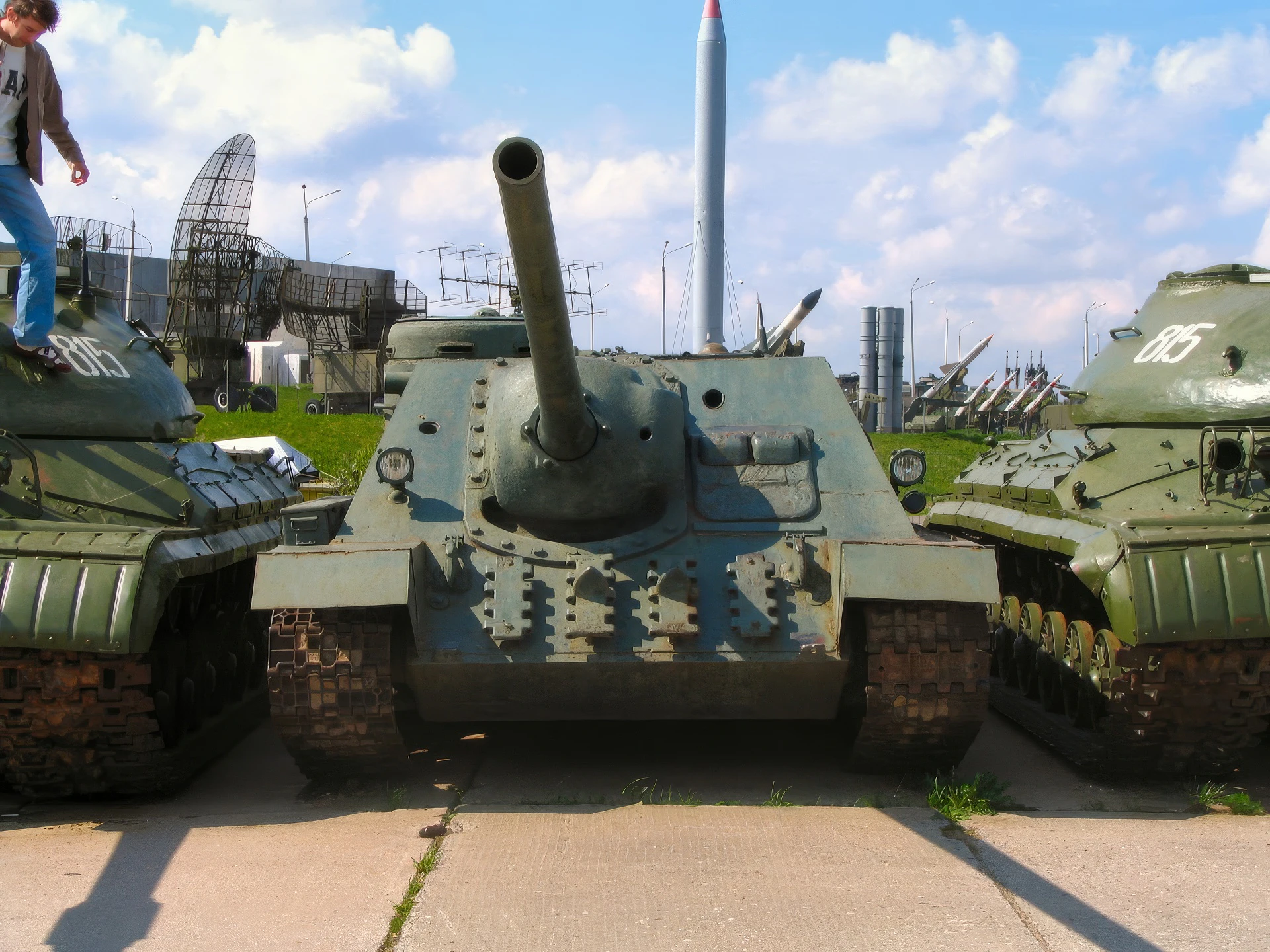
SU-100 02
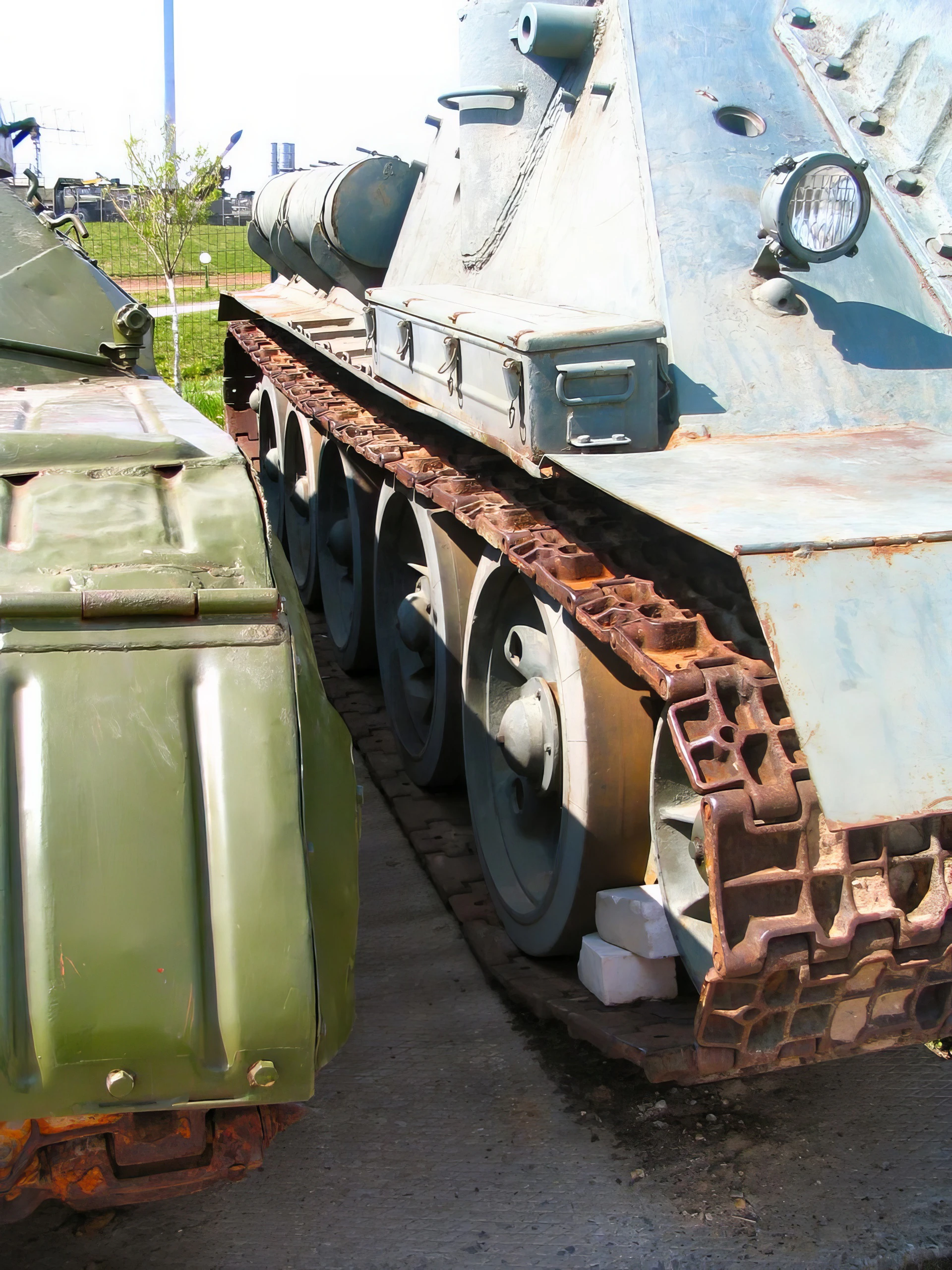
苏-100 04
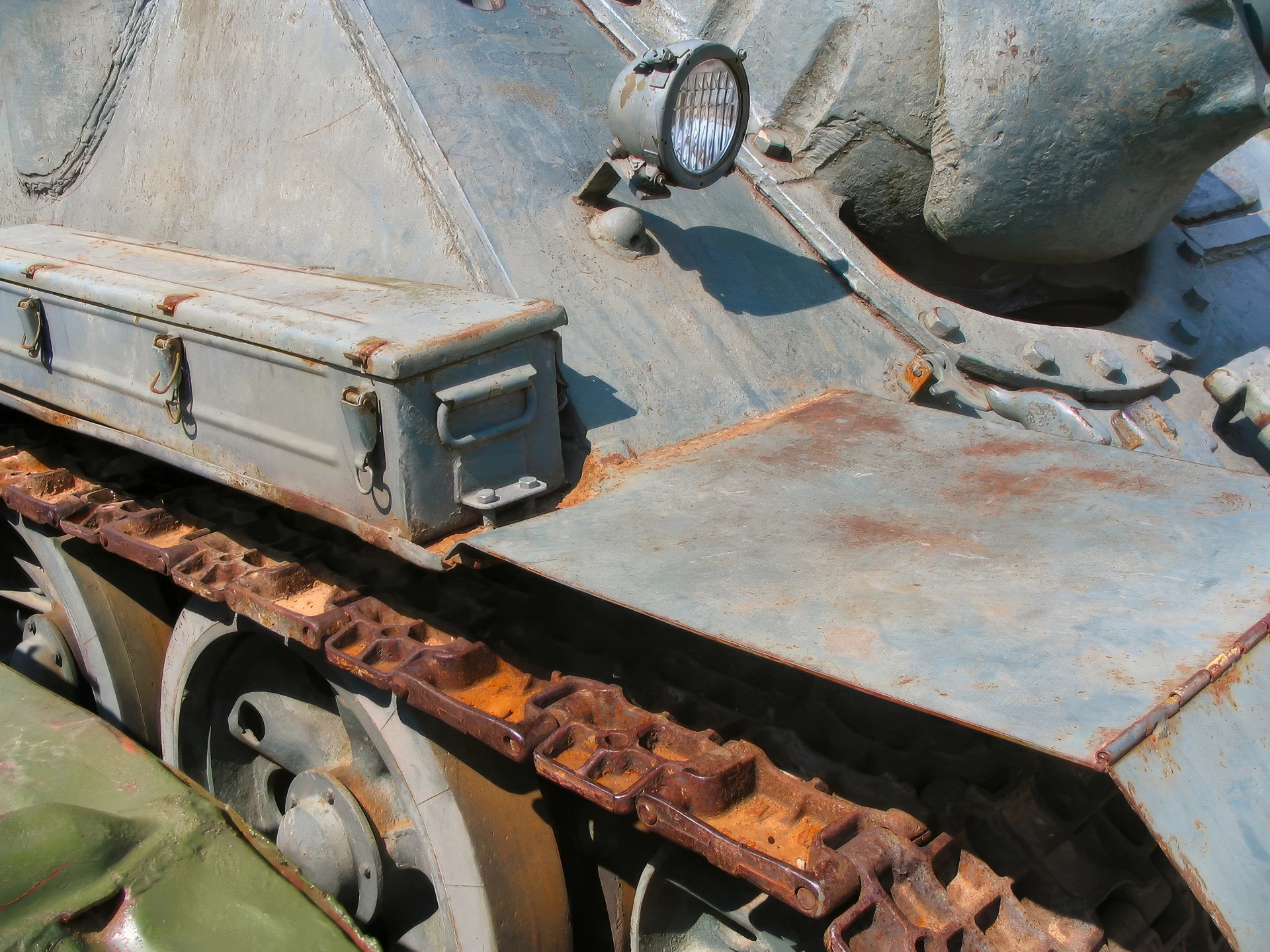
SU-100 05
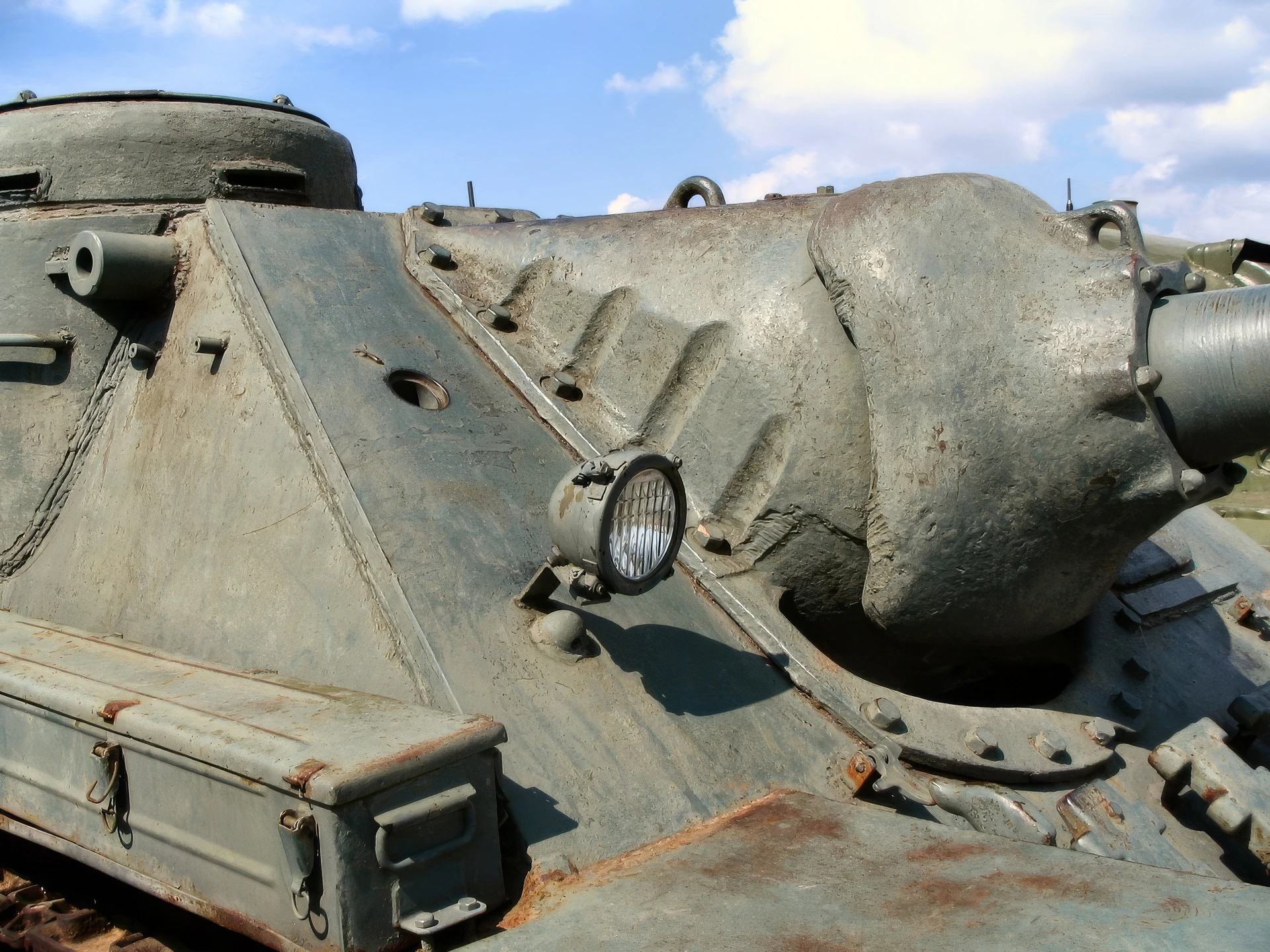
SU-100 06
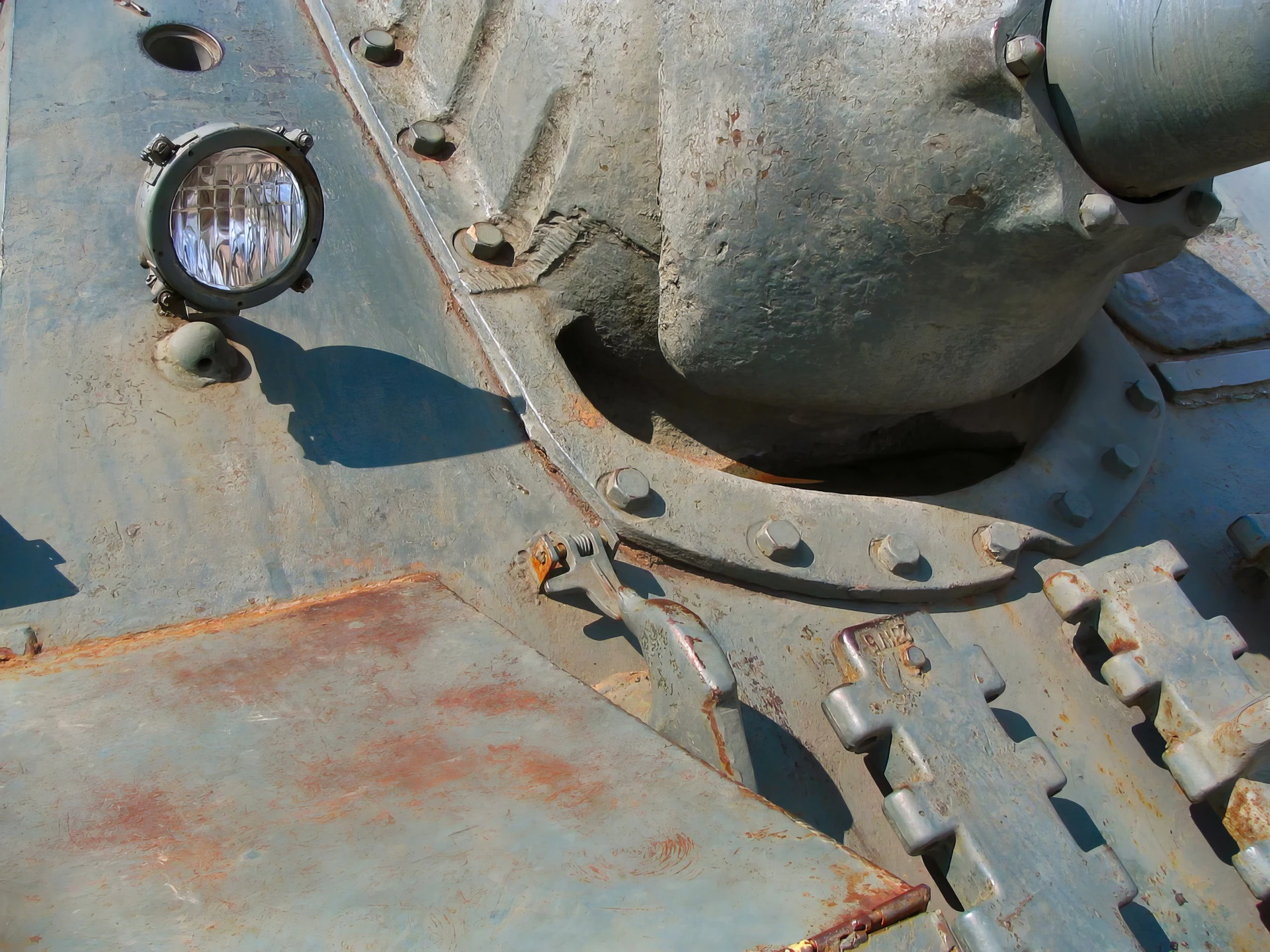
苏-100 07
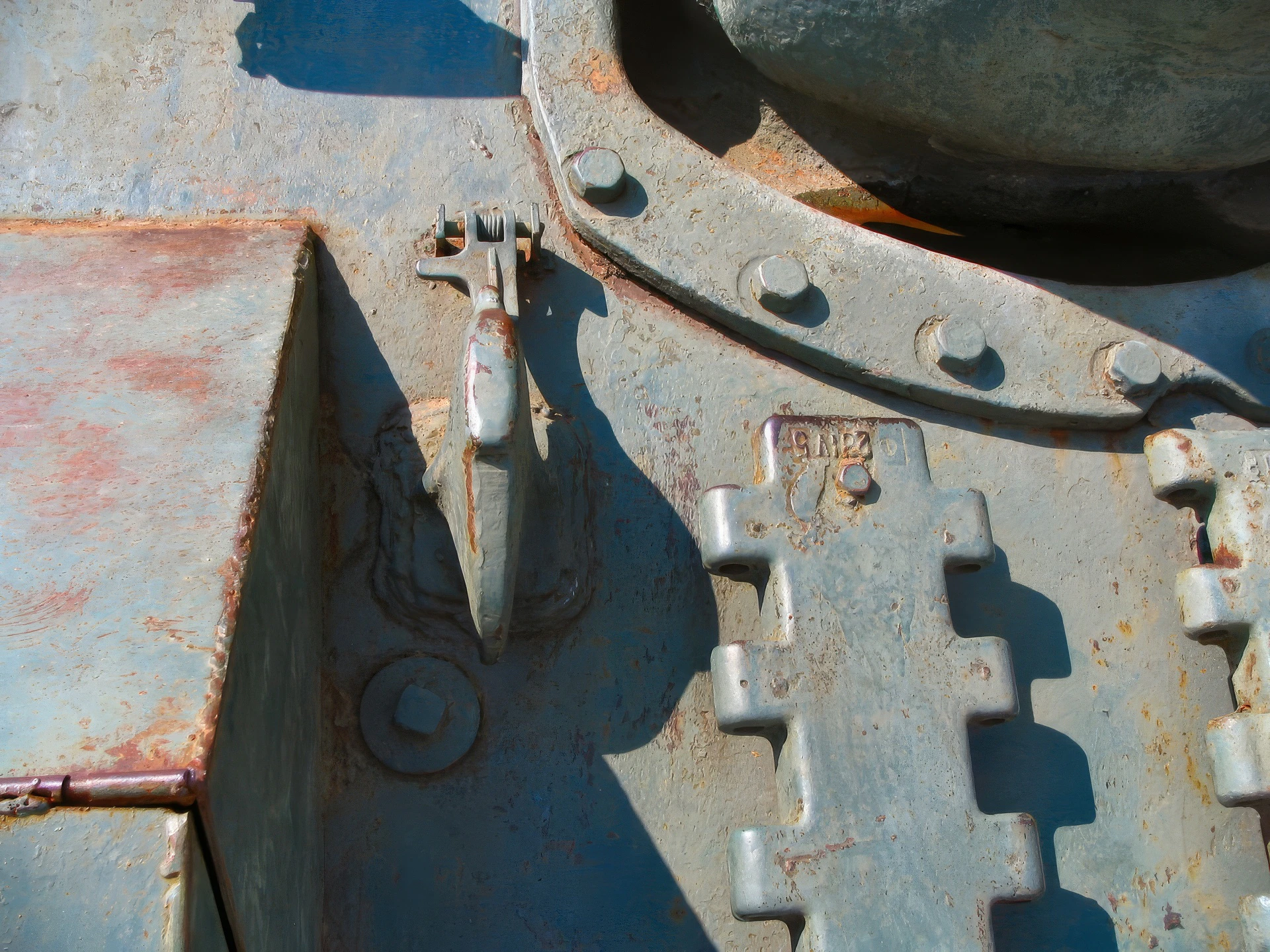
SU-100 08
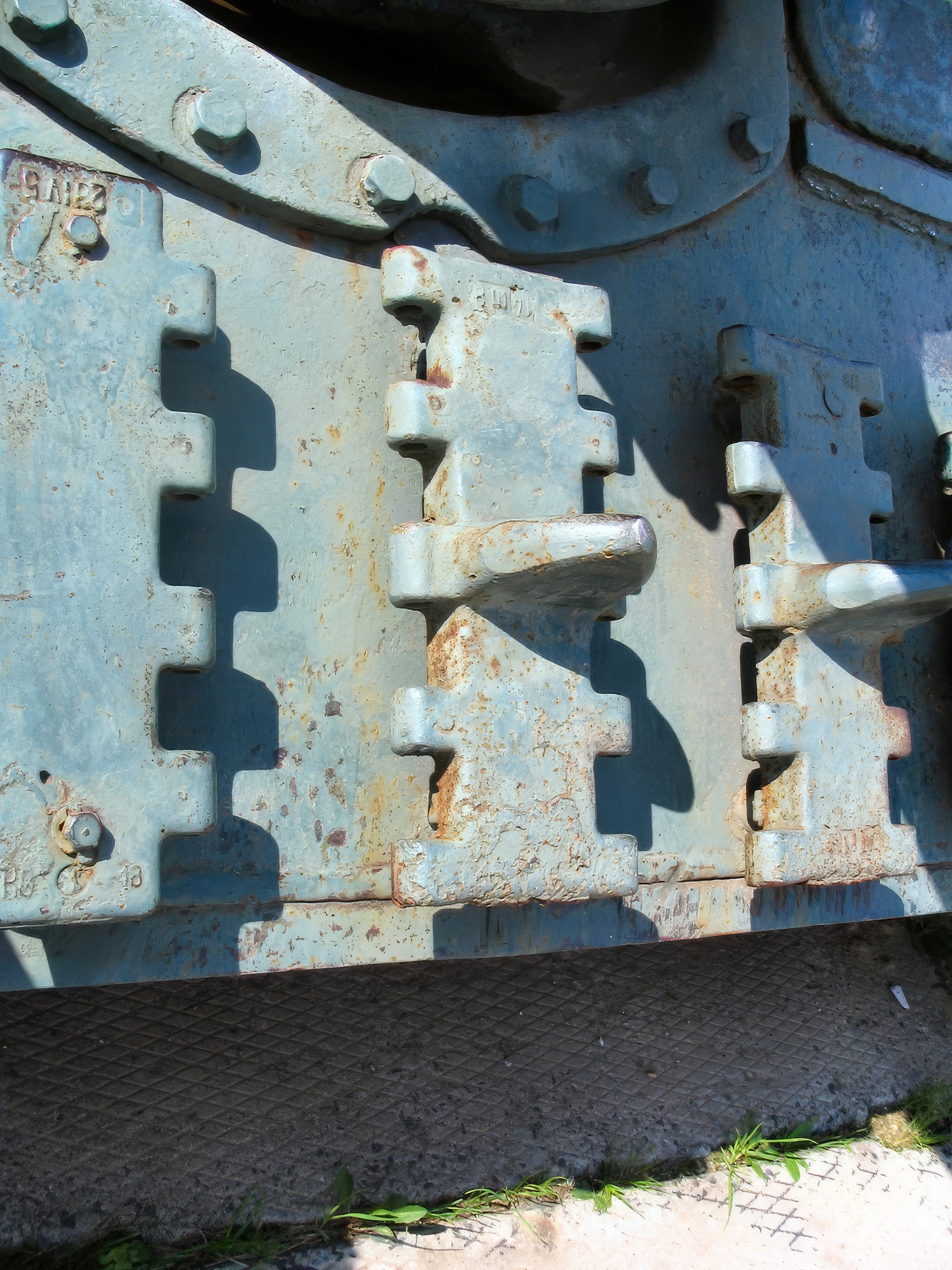
SU-100 09
等等,为您搜索SU-100.。。

| SU-100 四处走动 | |
|---|---|
| 摄影师 | 维克多·克雷斯蒂宁 |
| 本地化 | 巴蒂哈奥塞夫博物馆 |
| 照片 | 65 |
另请参阅:


这 苏-100 (Samokhodnaya Ustanovka-100) was a Soviet 自行式反坦克炮 developed in 1944. Based on the successful T-34-85 tank chassis, it was designed to counter the superior armor of late-war German heavy tanks, such as the Panther and Tiger I. It quickly earned a reputation as one of the most formidable tank killers on the Eastern Front.
Key Features and Design
- 主要武器: The vehicle’s power came from the 100 mm D-10S anti-tank gun, a potent weapon capable of penetrating the frontal armor of most German tanks at combat ranges. This gun was later used on the post-war T-54/T-55 main battle tanks.
- 底盘: It utilized the reliable and mobile chassis of the T-34 medium tank, retaining good off-road mobility.
- Design Type: It employed a casemate (turretless) superstructure, which provided a lower profile and allowed for mounting a much larger gun than the standard T-34 turret could accommodate. However, this design limited the gun’s traverse to a narrow arc ($\pm 8^{\circ}$).
- 装甲: The frontal armor of the casemate was significantly upgraded from its predecessor (the SU-85) to 75 mm at a 55-degree slope, giving it an effective thickness superior to many German tank guns.
- 船员: Operated by a crew of four (Commander/Radio Operator, Gunner, Loader, Driver).
Operational Role in WWII
The SU-100 entered service in late 1944 and saw extensive combat during the final year of the war, particularly in massive engagements:
- Tank Killer: Its primary role was as a mobile anti-tank asset attached to tank and motorized corps, intended to ambush and destroy heavy German armor at long ranges.
- Major Engagements: It was notably used in large numbers during the final Soviet offensives, including the heavy fighting in Hungary (e.g., the Battle of Lake Balaton) in March 1945.
- Weakness: The design lacked any secondary machine gun, making it vulnerable to close-range infantry attacks and necessitating infantry support during urban combat, such as the Battle of Berlin.
Legacy: Production of the SU-100 continued until 1947 in the USSR and into the 1950s in Czechoslovakia. It was widely exported to Soviet allies and saw service in numerous post-WWII conflicts, including the Suez Crisis and the Yom Kippur War.
视图: 3642