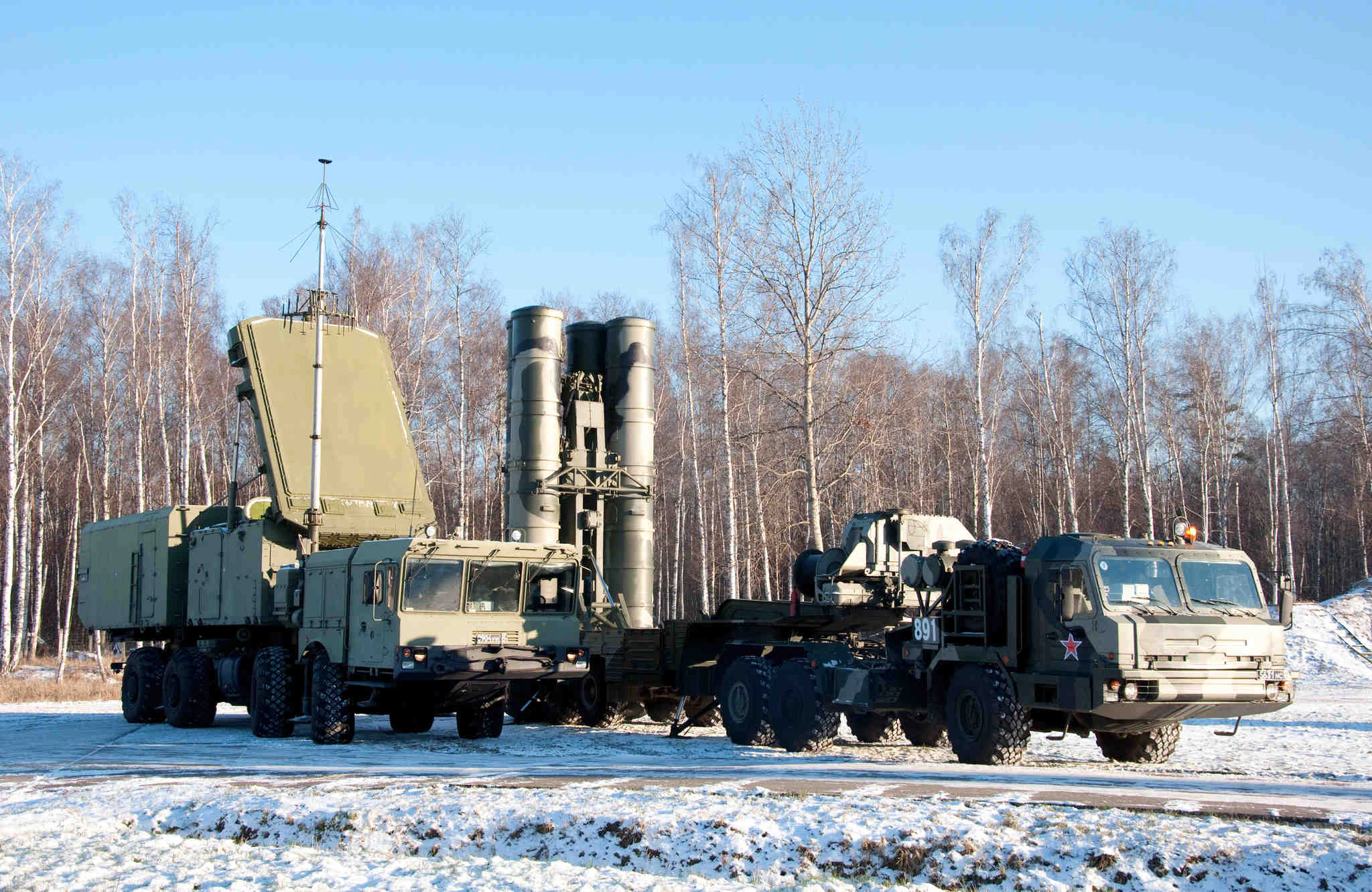
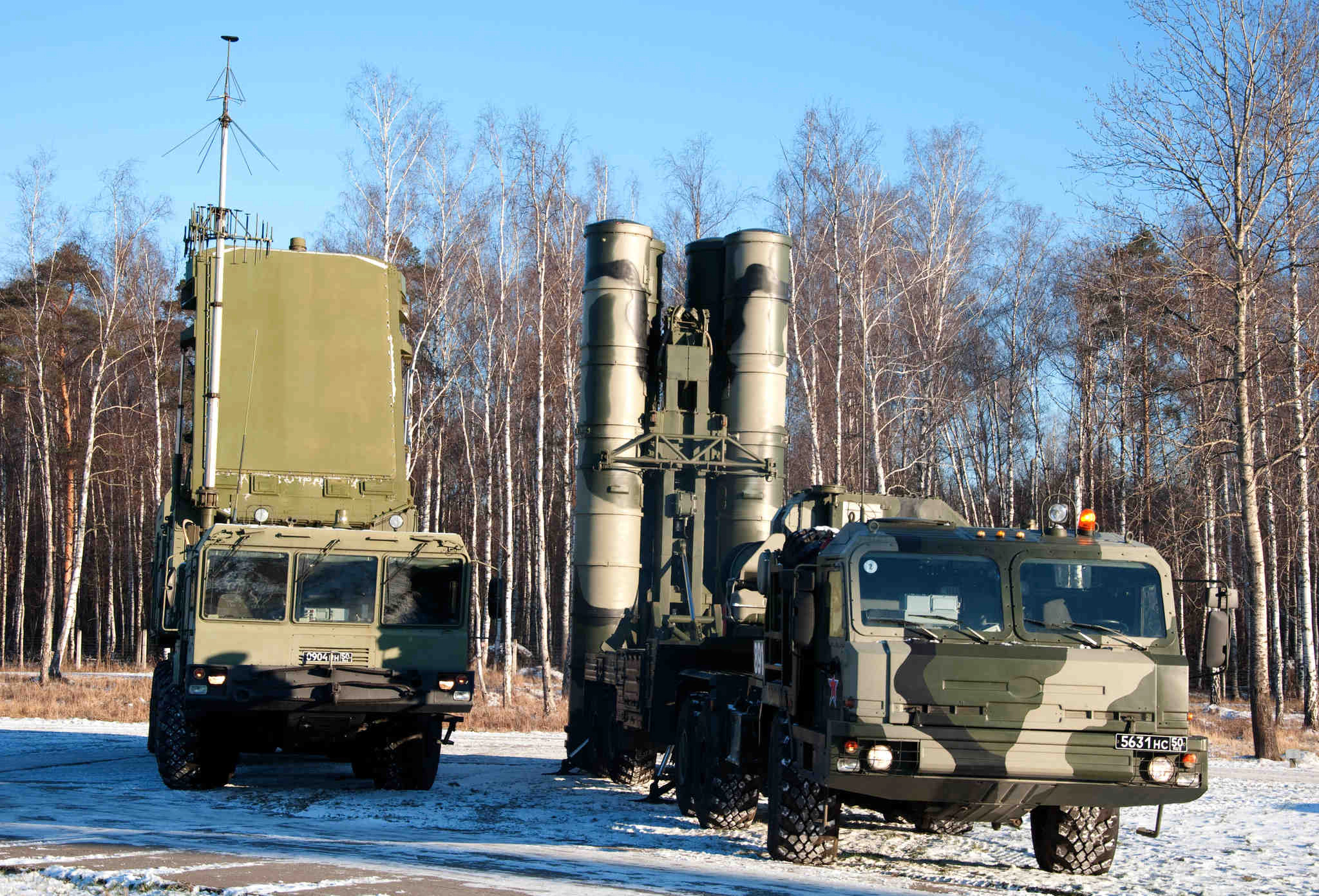
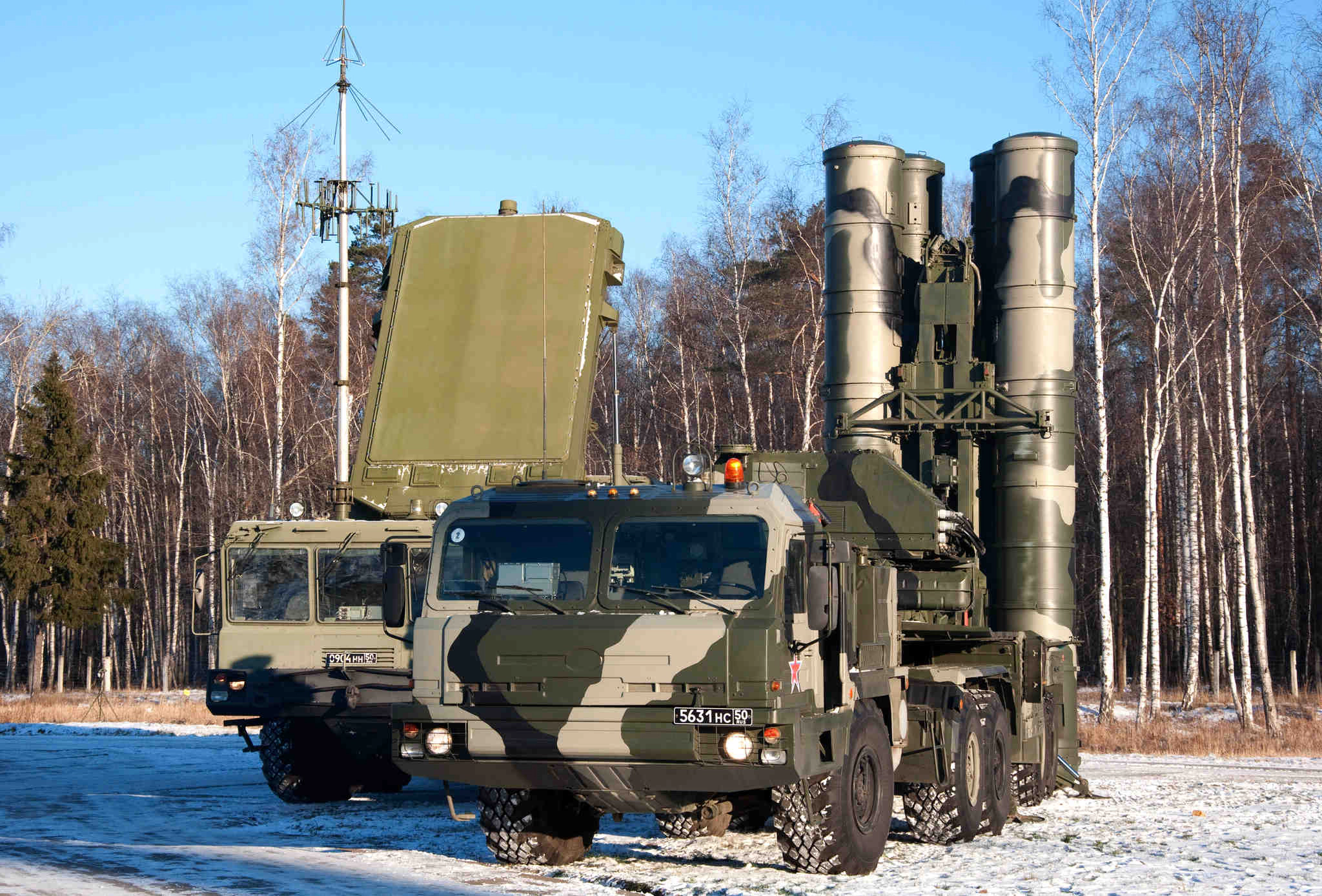
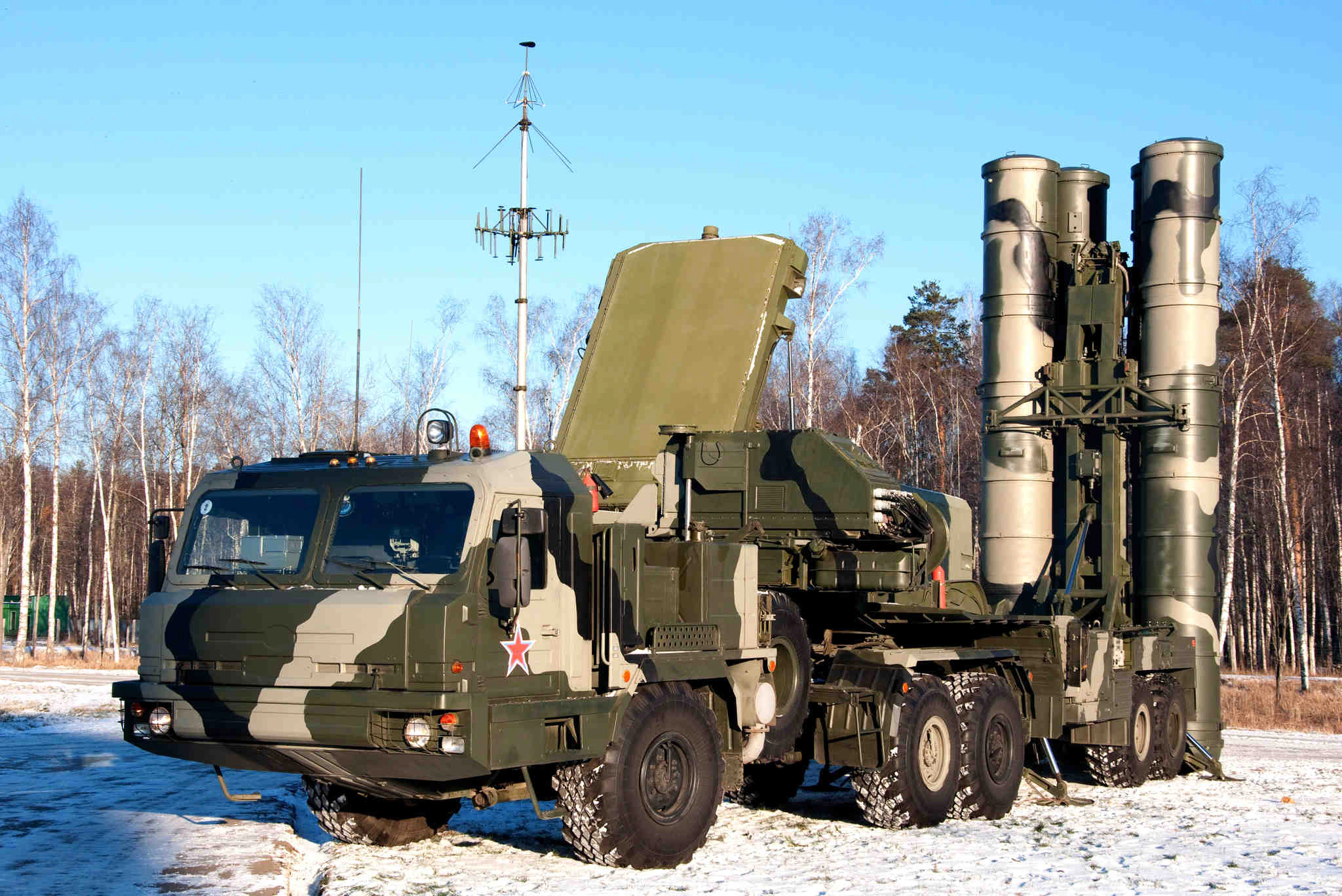
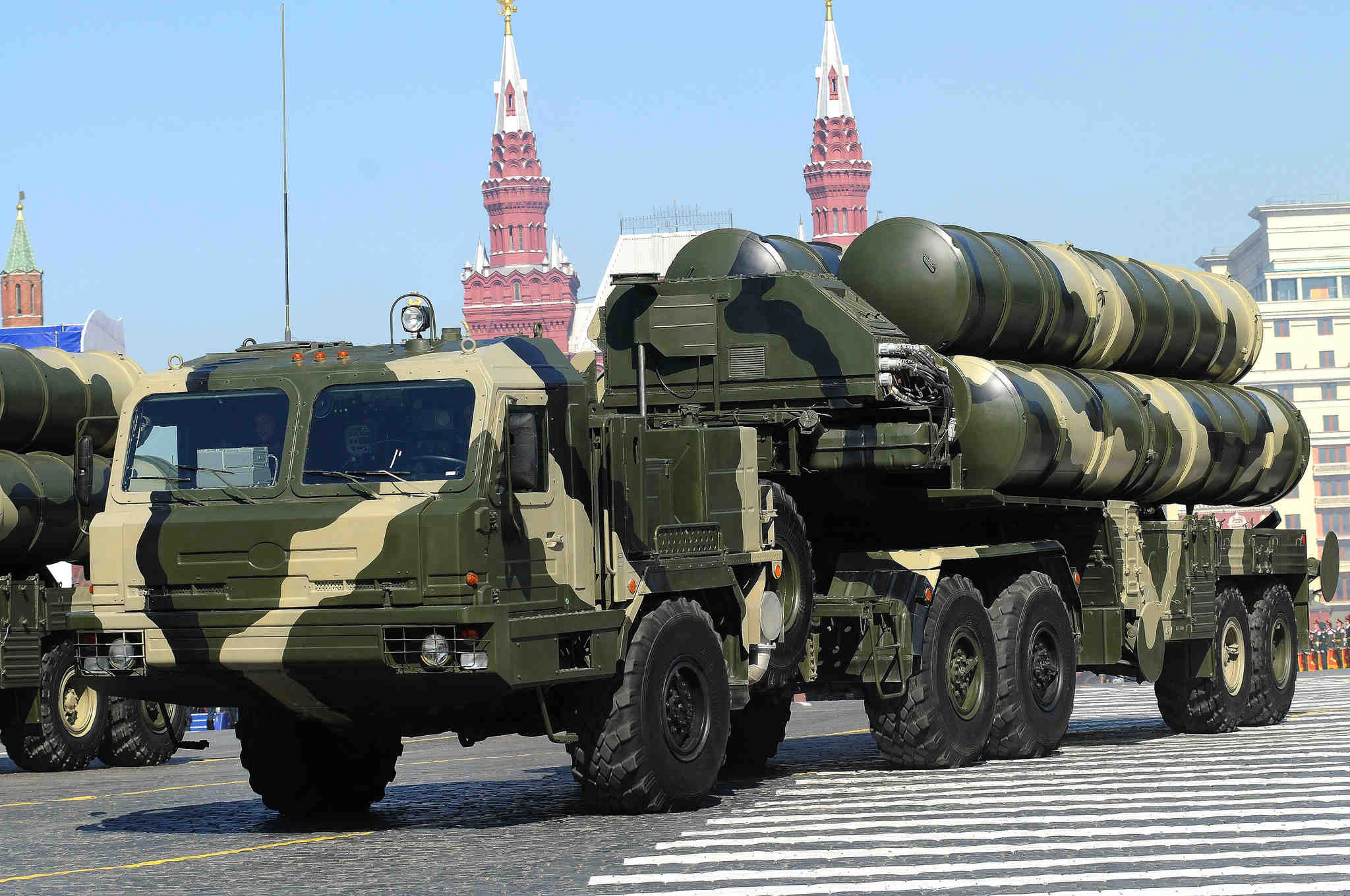
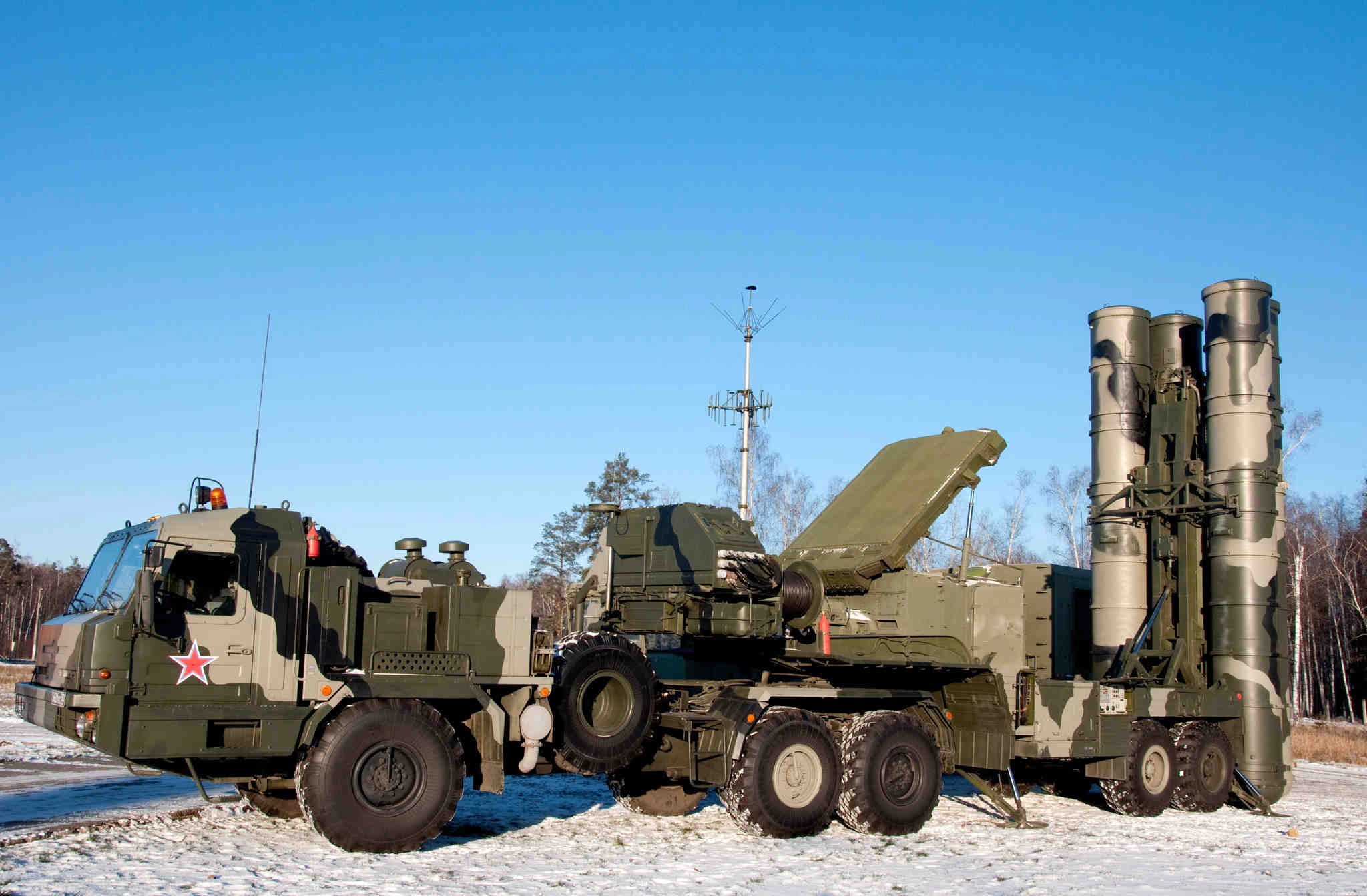
S-400 三联萨姆 | |
|---|---|
| 国家 | 俄罗斯 |
| 类型 | 导弹防空 |
| 描述 | 专辑 17 照片走动的一个 S-400 三联萨姆 |
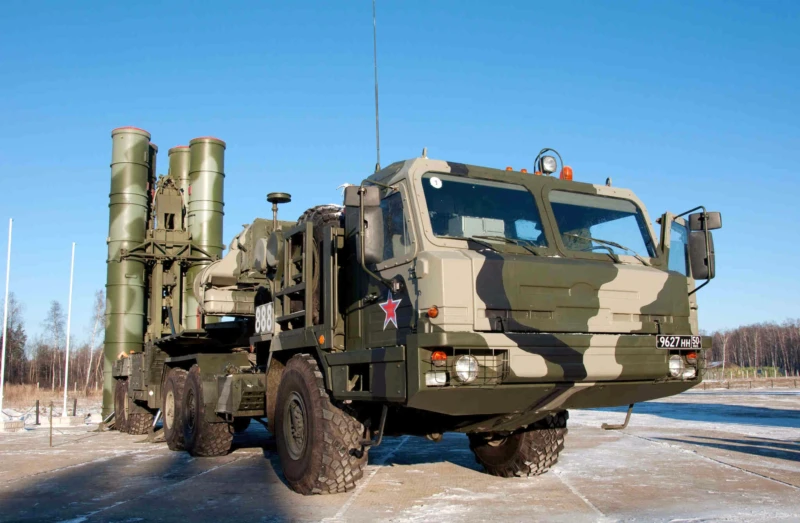
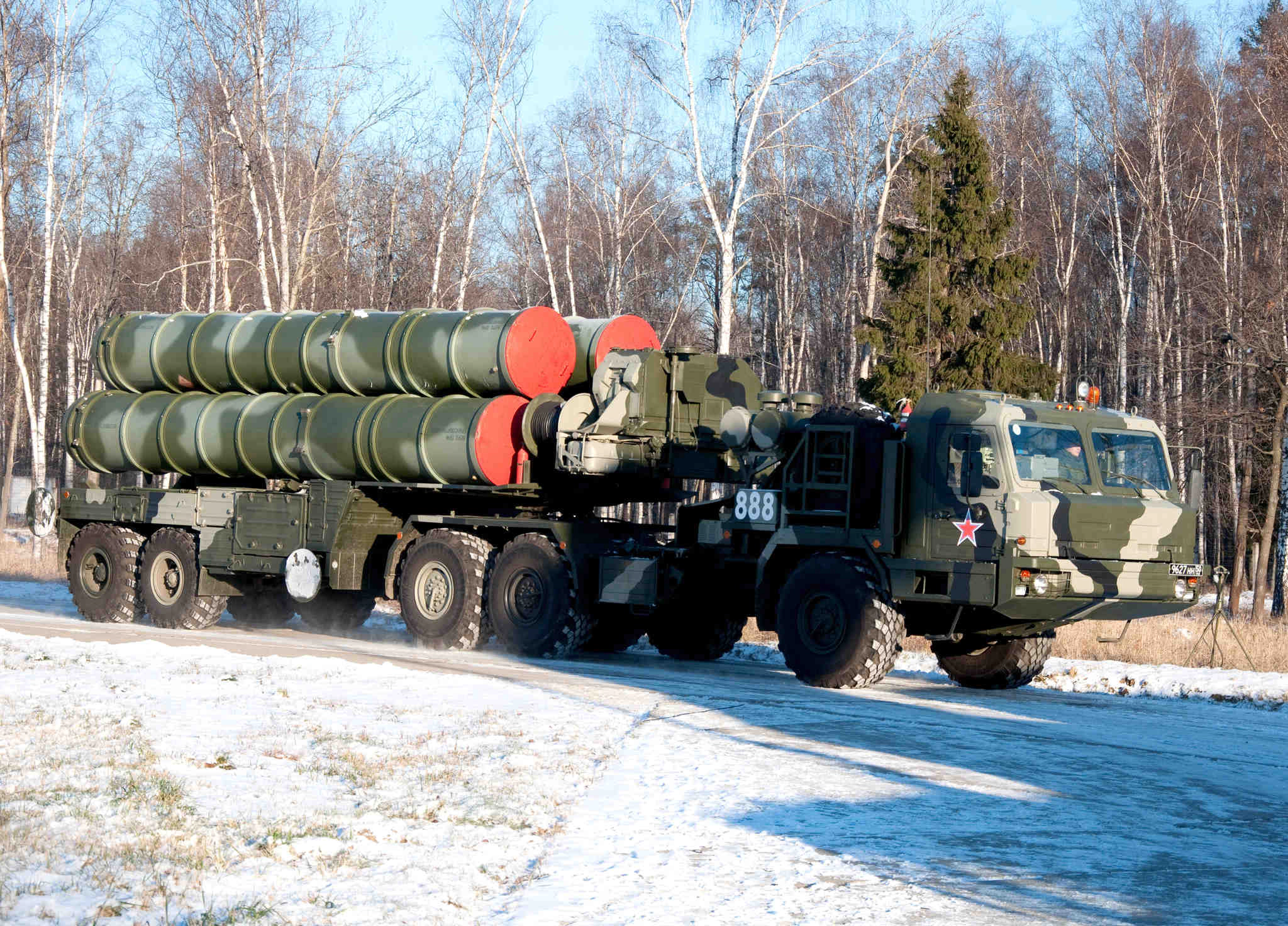
这 S-400 三联 is a new generation anti-aircraft weapon system developed by Russia’s Almaz Central Design Bureau as an upgrade of the S-300 family. It is currently in limited service with the Russian Armed Forces. The S-400’s NATO reporting name is SA-21 Growler, and the system was previously known as S-300PMU-3. Its range is at least twice that of the MIM-104 Patriot. The S-400 uses 3 different missiles to cover its entire performance envelope. These are the extremely long range 40N6, long range 48N6 and medium range 9M96 missile. Each one has different capabilities.
源: 维基上的S400

另请参阅:


这 S-400 三联 (NATO reporting name: **SA-21 Growler**) is a cutting-edge, long-range surface-to-air missile (SAM) system developed by Russia. It is considered one of the most advanced and formidable air defense systems currently in existence, designed to engage and destroy a wide spectrum of aerial threats, including aircraft, cruise missiles, and ballistic missiles.
Core Capabilities and Role
- Long-Range, Multi-Layer Defense: The S-400 is designed for layered air defense, capable of engaging targets across long, medium, and short ranges using a family of different missiles.
- Target Spectrum: It can effectively engage all modern and future air attack assets, including stealth aircraft, drones, tactical and strategic aircraft, and highly maneuverable cruise and tactical ballistic missiles.
- High Performance: The system is reputed to be able to detect targets at ranges up to **600 km** and engage them at ranges up to **400 km** (with its longest-range missile). It can track up to 300 targets simultaneously and engage up to 36 targets concurrently.
- Strategic Deterrent: The S-400 is a highly mobile, fully automated system intended to defend large, high-value strategic areas, military bases, and critical infrastructure.
Key Components
A standard S-400 battery is a highly networked system consisting of several key mobile elements:
- Command and Control (C2) Post: Processes information from its own radars and external sources, assigning targets to launch vehicles.
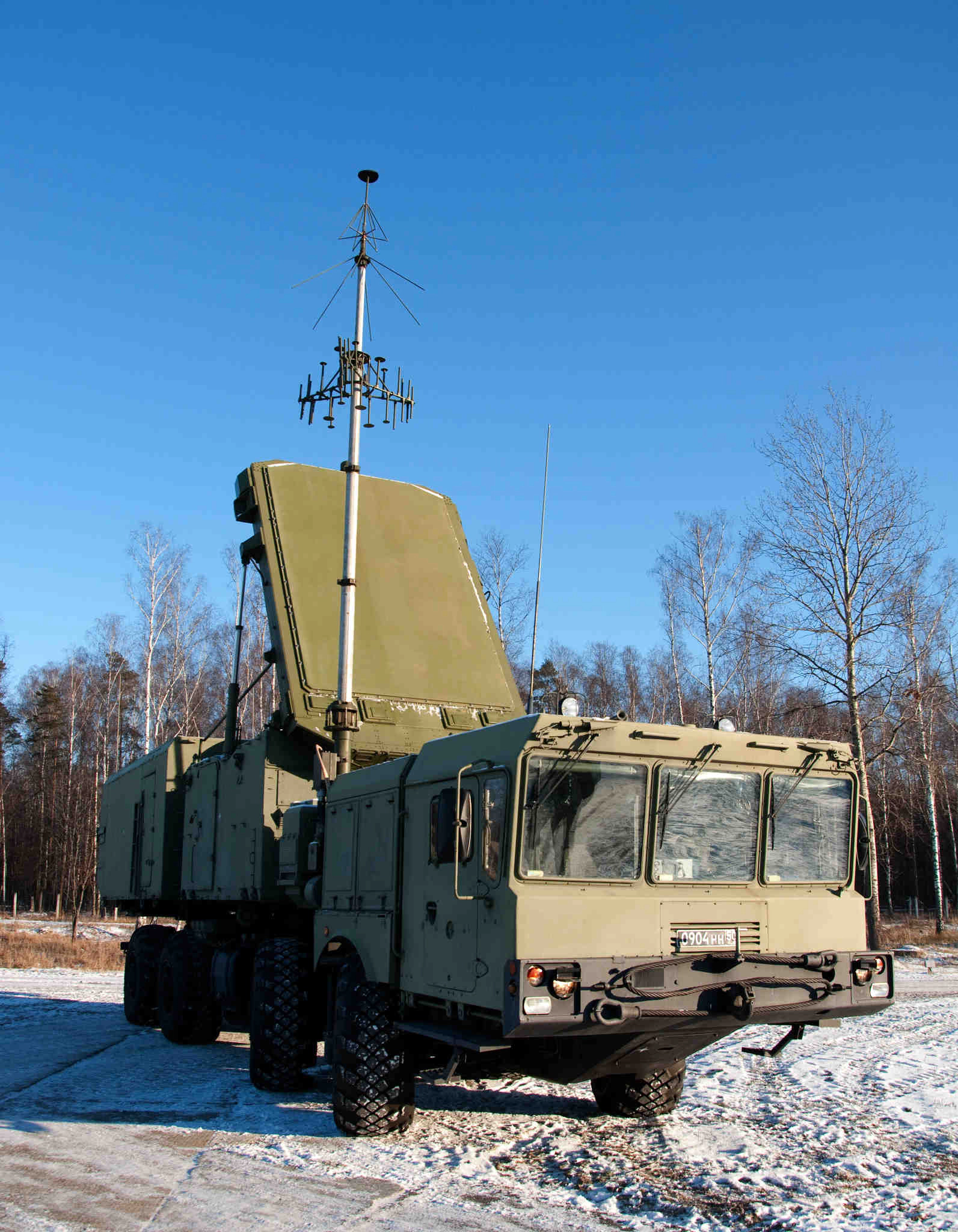
- Surveillance Radar: Provides long-range detection and tracking of airborne targets, including ballistic missiles.
- Engagement Radar: A multi-function fire control radar that guides the missiles to their targets.
- Launch Vehicles: Various mobile transporters/erector/launchers (TELs) that carry the different missile types.
Missile Family
The S-400 uses a variety of missiles, each optimized for a specific range and target:
- Standard Long-Range: Effective up to **250 km**. The standard workhorse of the system.
- Medium-Range: A highly maneuverable missile designed for engaging precision targets and high-speed threats up to **120 km**.
- Ultra-Long-Range: Capable of engaging targets up to **400 km** away, including those at extremely high altitudes (such as AWACS aircraft).
Global Impact
The S-400 is one of Russia’s most successful military exports, highly sought after by nations looking to acquire top-tier air defense capabilities. Its acquisition by countries like China, Turkey, and India has led to significant geopolitical friction and has raised concerns in Western military and political circles about its potential to degrade the effectiveness of modern combat aircraft, including stealth fighters.
意见 : 2282