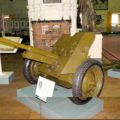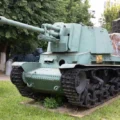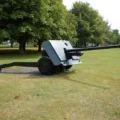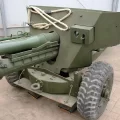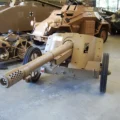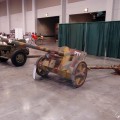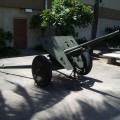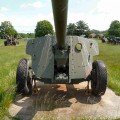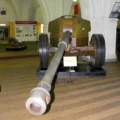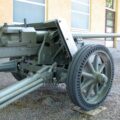
37毫米帕克35-36 | |
|---|---|
| 国家 | 德国 |
| 类型 | 反坦克枪 |
| 时期 | 二战 |
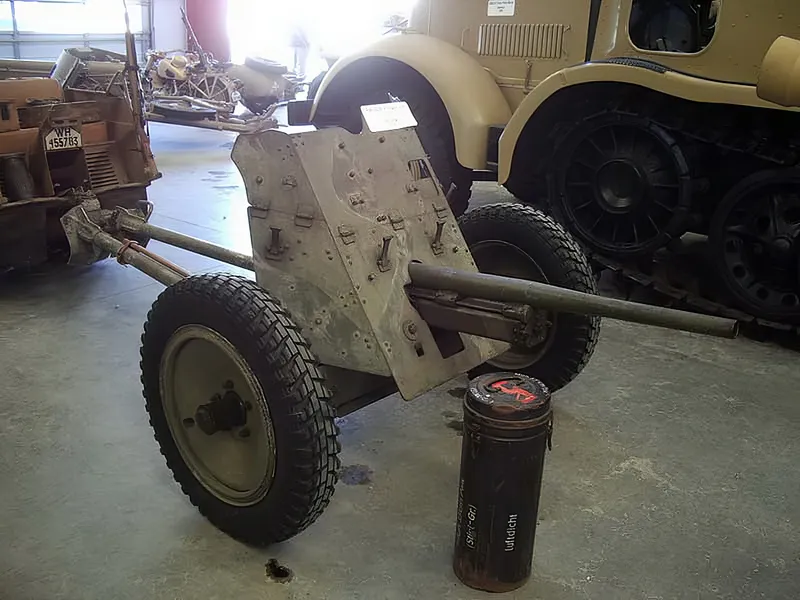
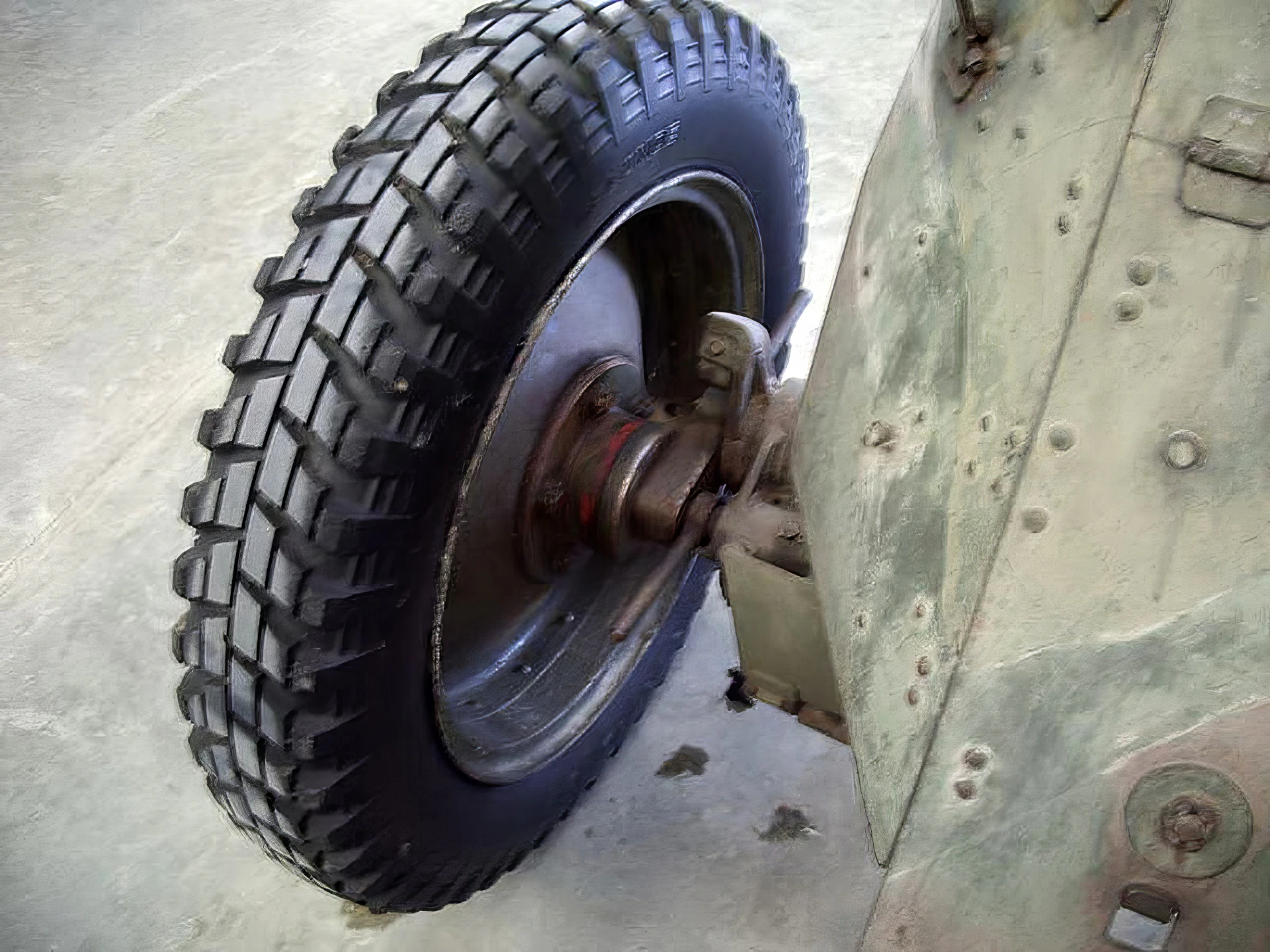
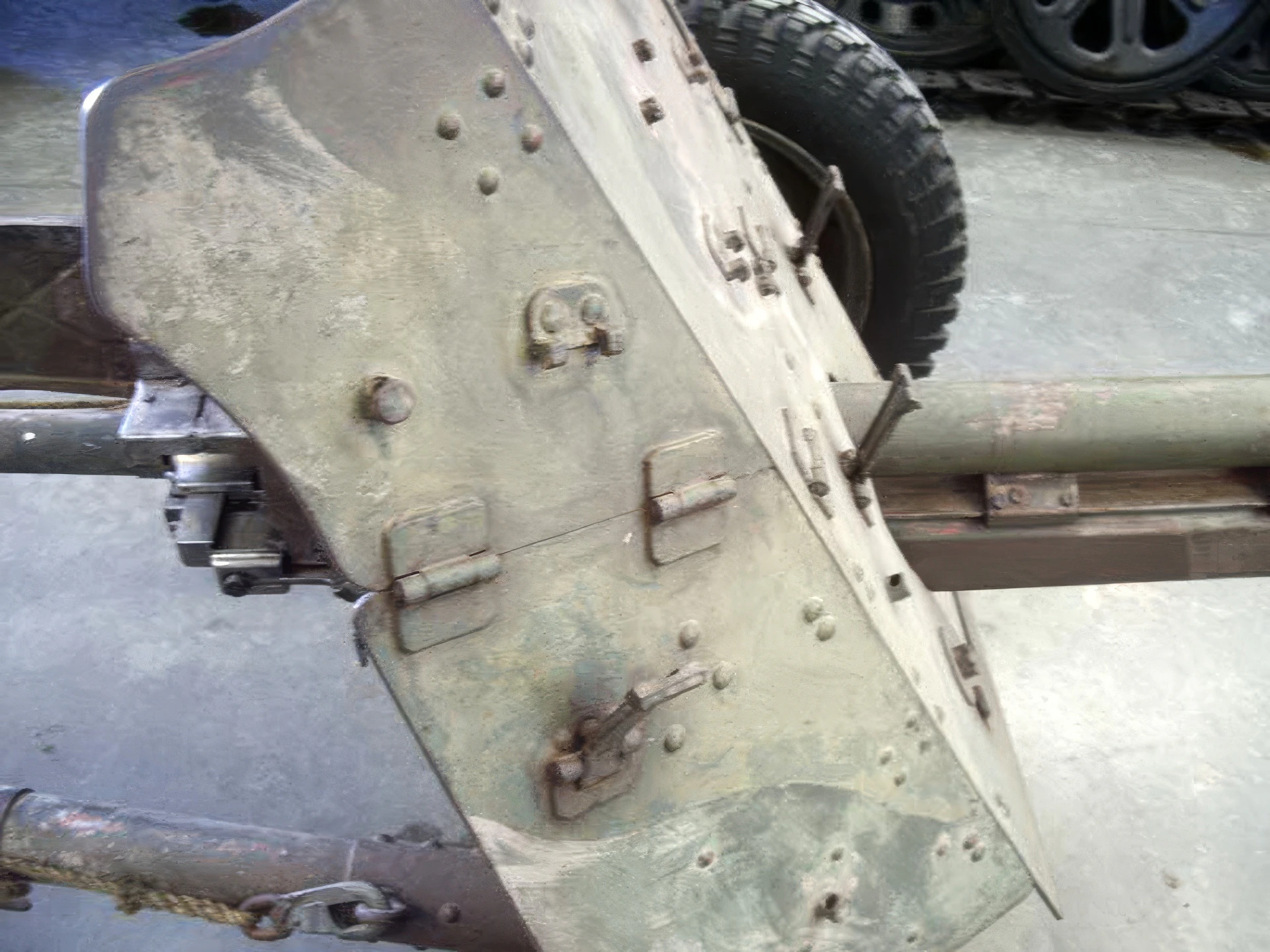
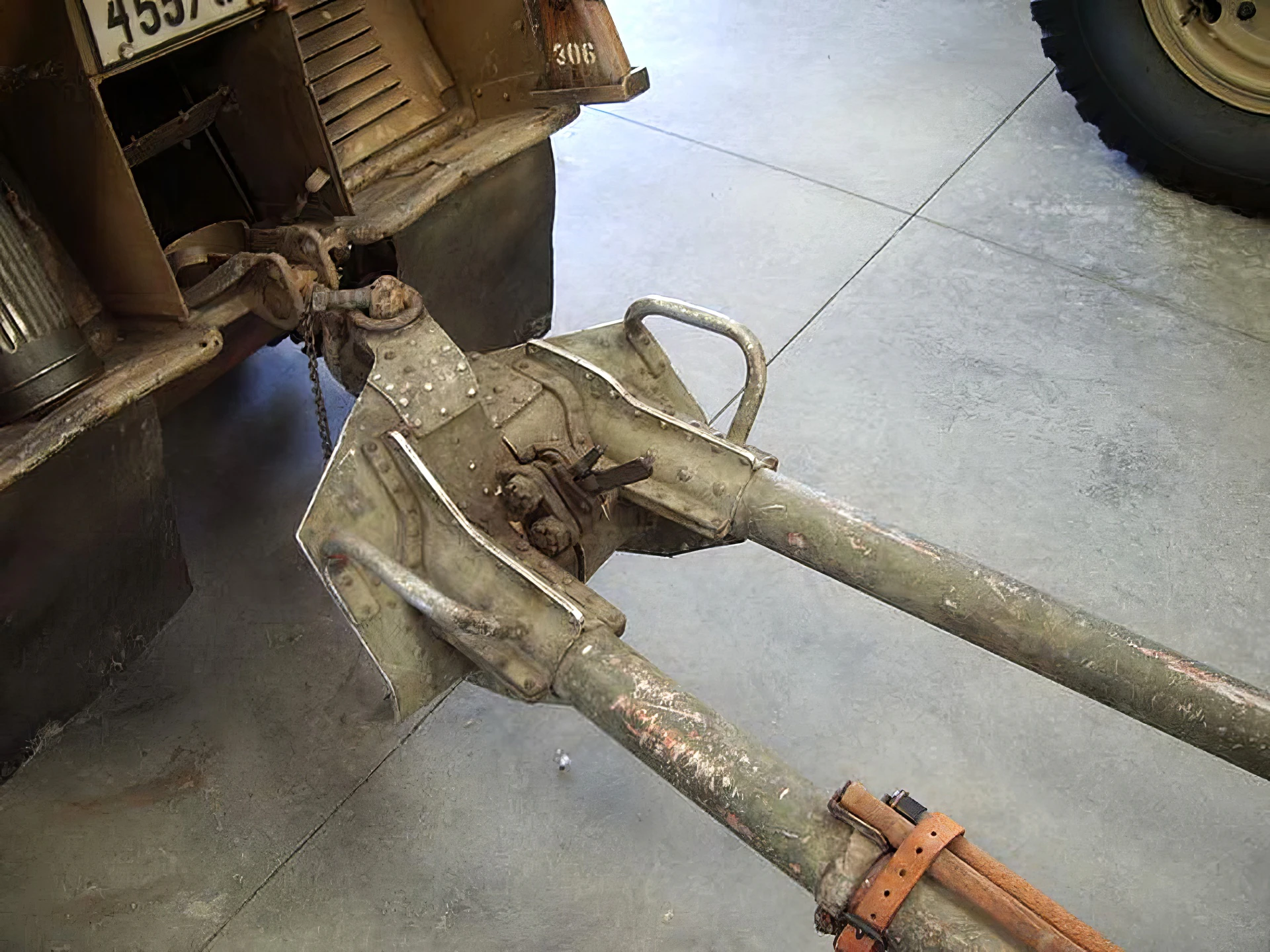
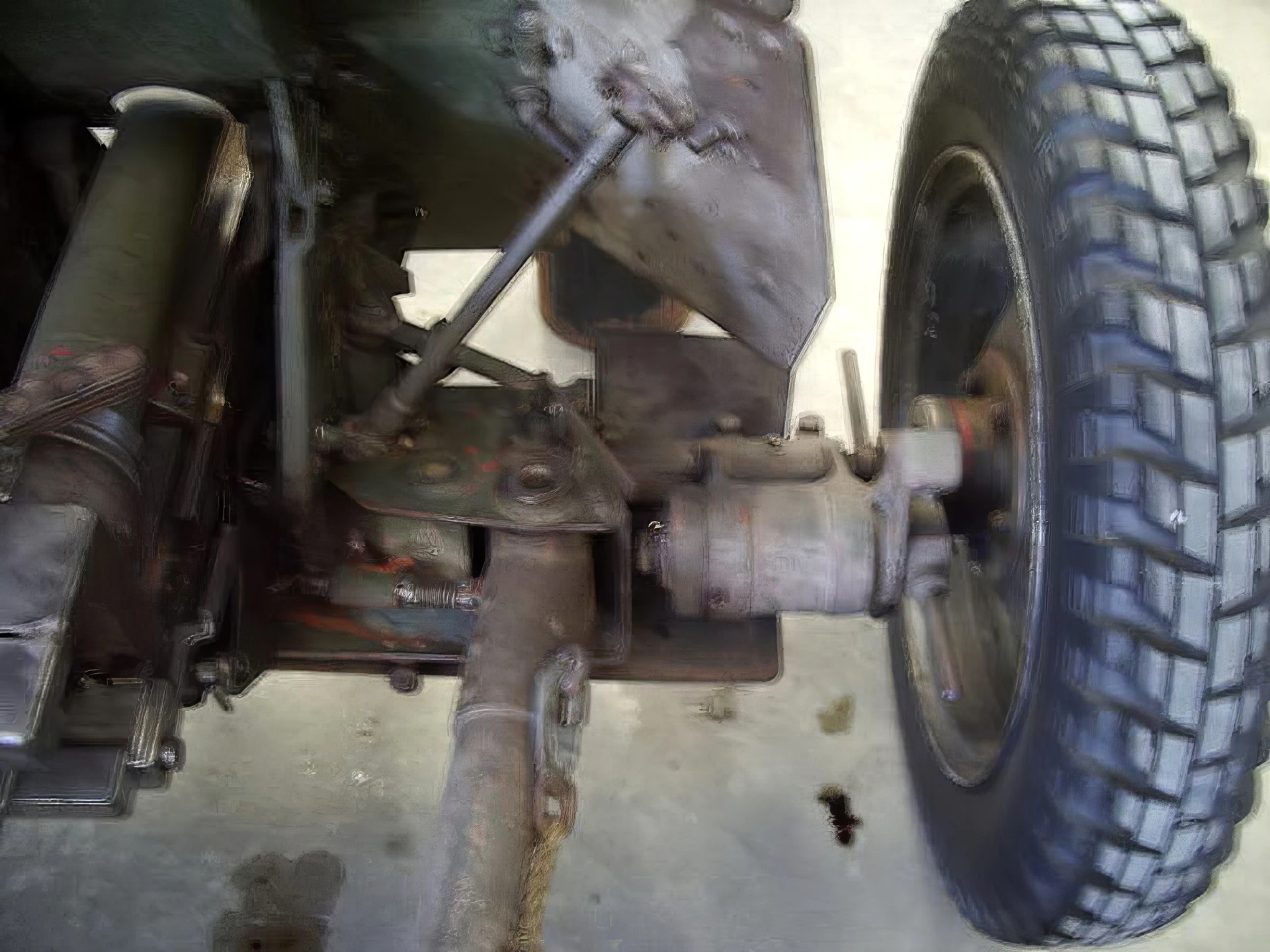
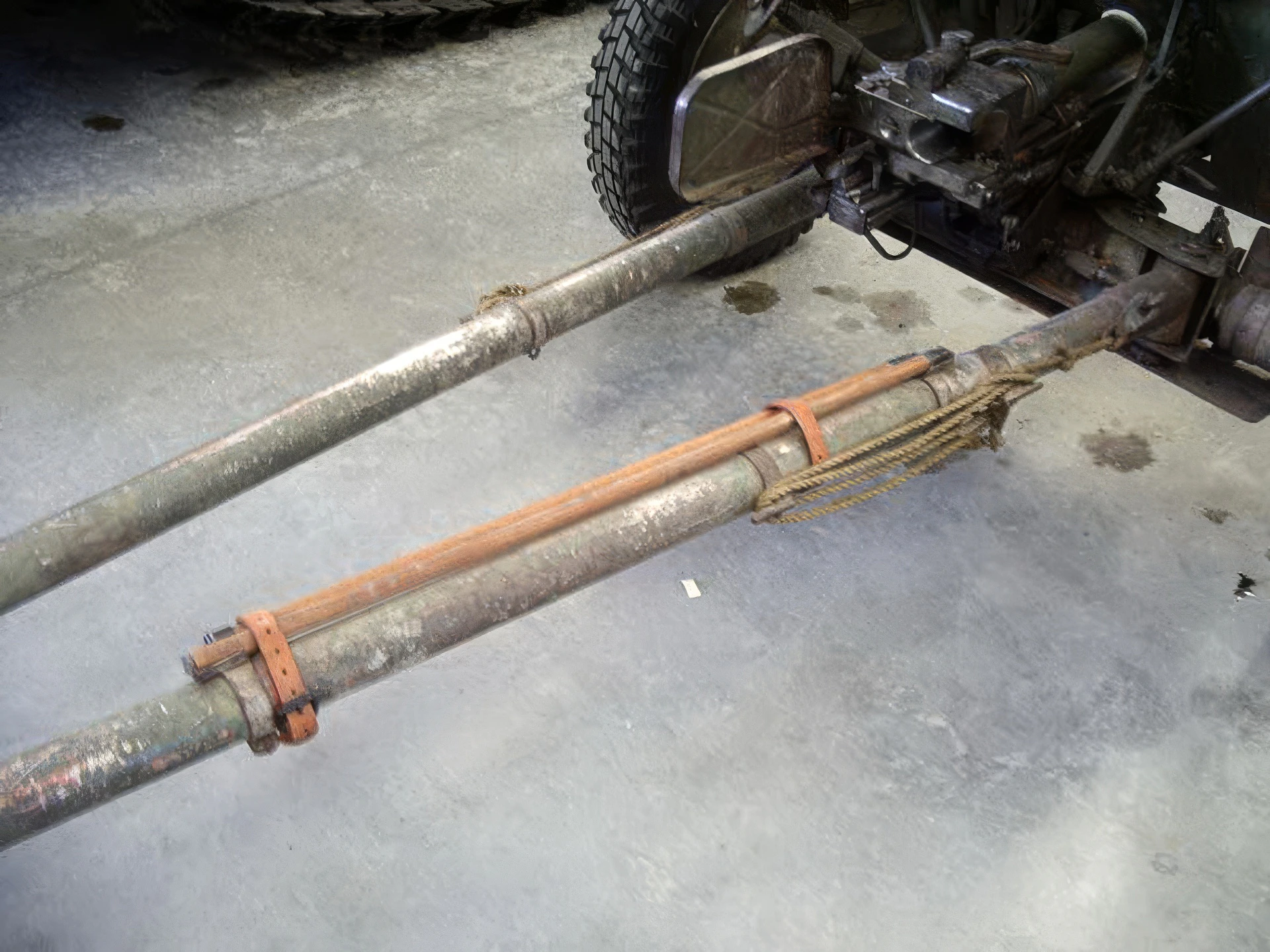
帕克35-36大炮上的照片库, 帕克 36 (潘泽拉布韦尔卡诺内36)是一支德国反坦克枪,能够发射37毫米口径的炮弹。Pak 36由莱茵金属公司于1936年开发,同年在西班牙内战期间出现。在第二次世界大战初期,它成为许多国家反坦克枪的基地。KwK 36 L45是同一支枪,但在几辆主战坦克上担任军备,包括早期战争模型,如装甲三型。
| 37mm Pak35-36 Anti-Tank Gun | |
|---|---|
| 摄影师 | 未知 |
| 本地化 | 未知 |
| 照片 | 36 |
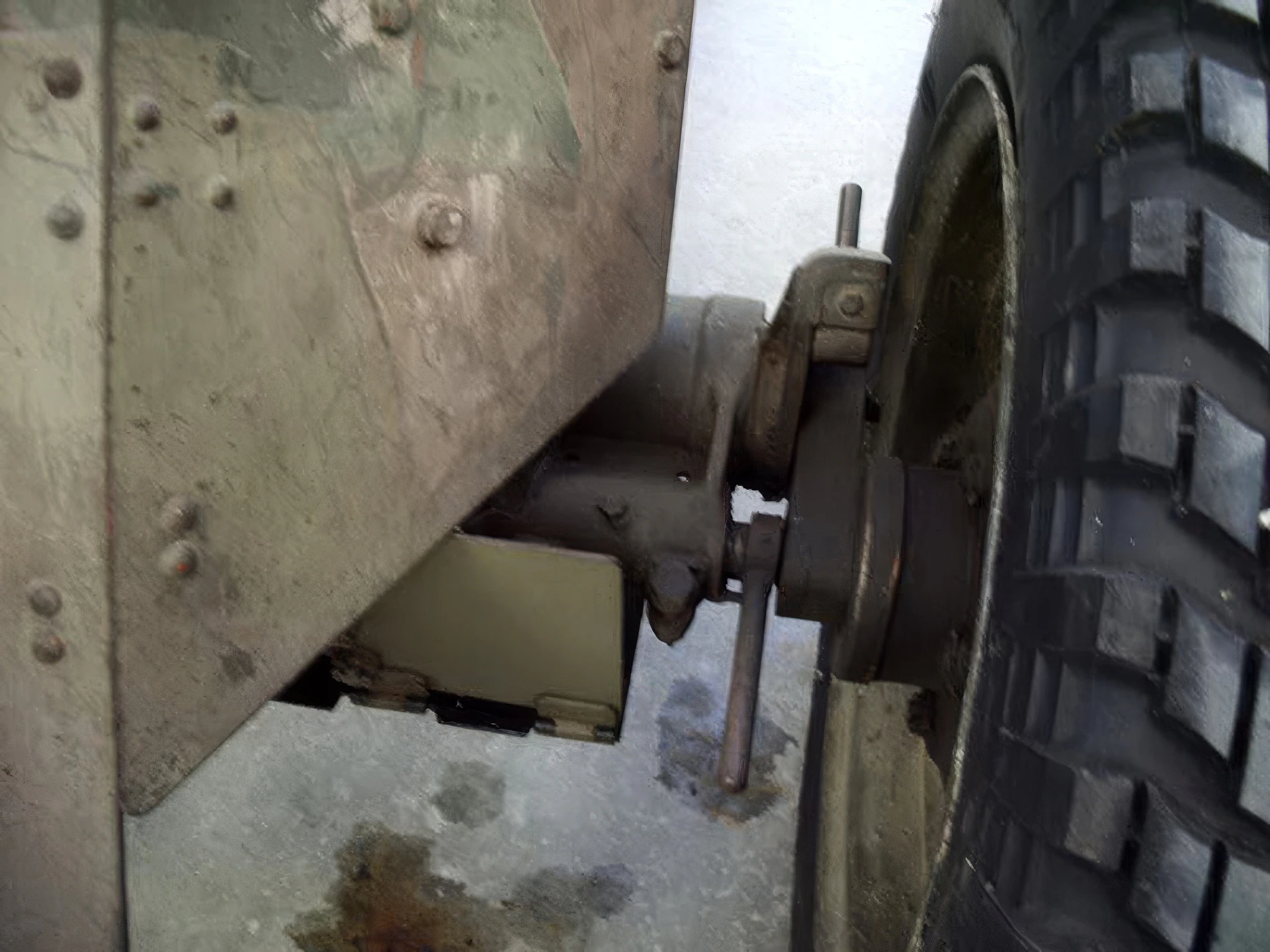
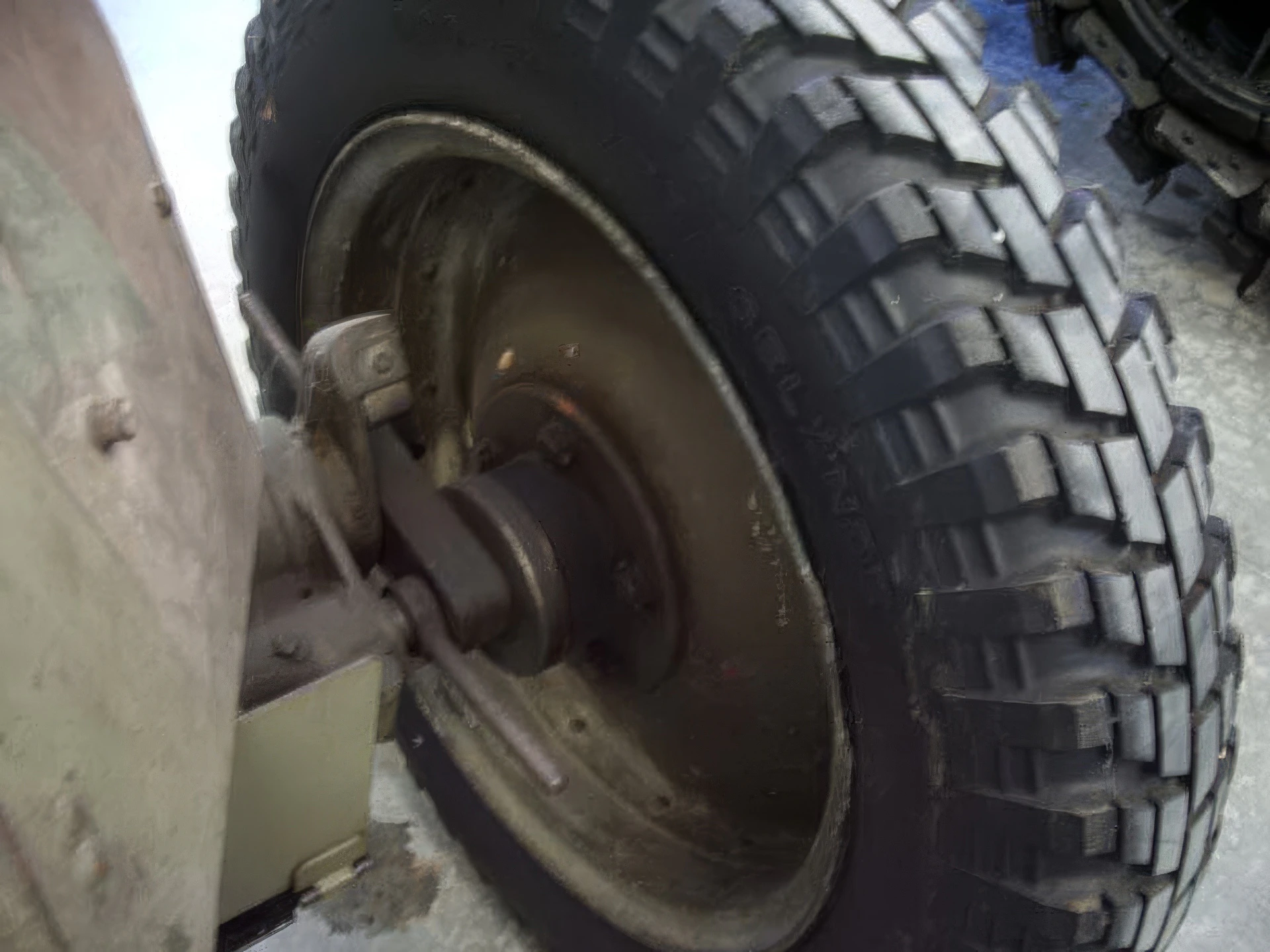
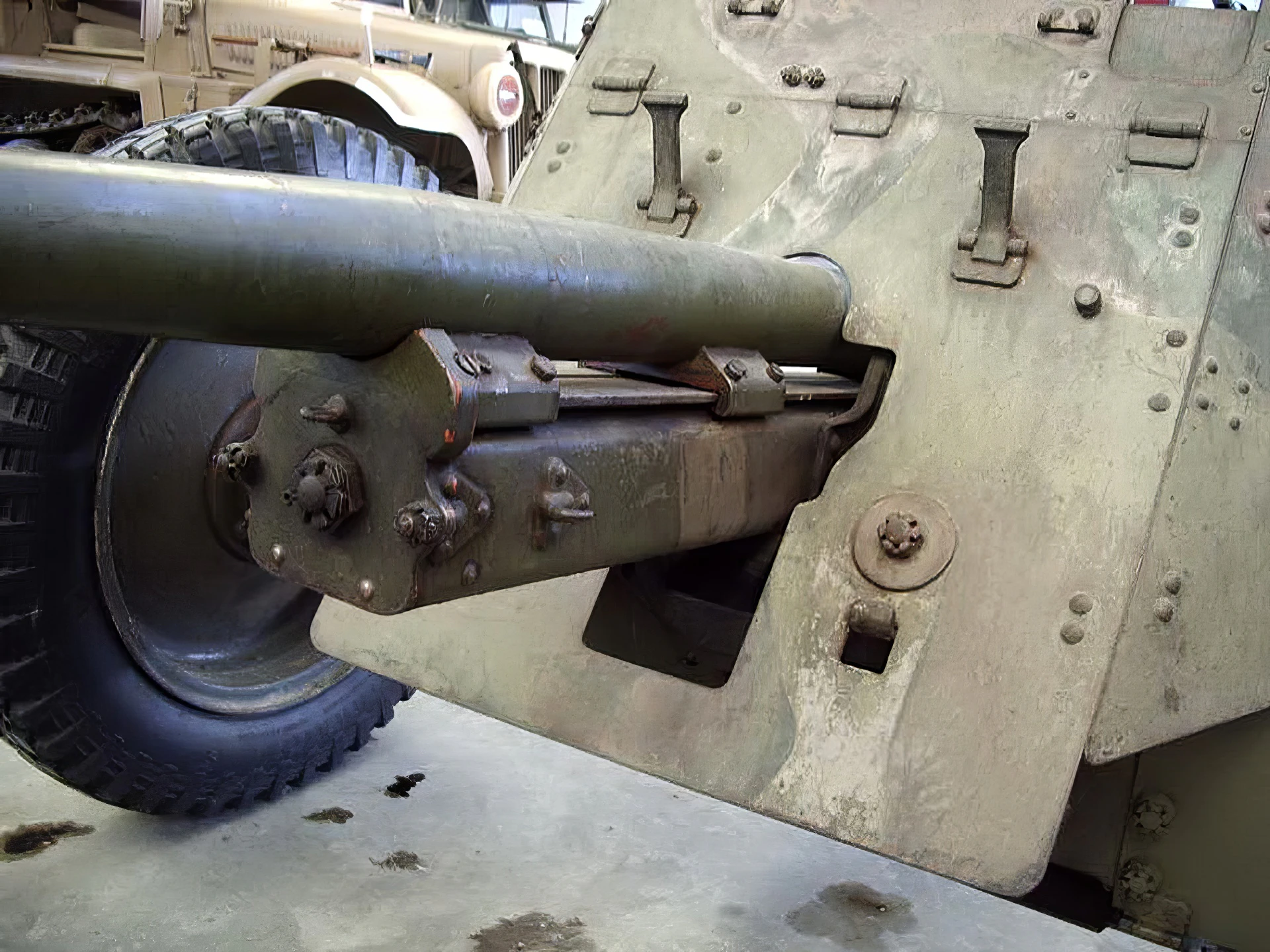


另请参阅:


这 3.7 cm Panzerabwehrkanone 35/36 (PaK 35/36) was the standard German anti-tank gun at the outbreak of World War II. Developed by Rheinmetall in the late 1920s and issued in the mid-1930s, it was an advanced weapon for its time, designed to be highly mobile and effective against the lightly armored tanks of the interwar period.
Key Features and Specifications
- 角色: Light towed anti-tank gun, standard issue for German infantry and *Panzerjäger* units in the early war years.
- 口径: 37 mm.
- 重量: Extremely light, with a combat weight of only around 432 kg (950 lbs), allowing it to be easily maneuvered by its small crew (typically 5 men) or even pulled by hand.
- Barrel Length: L/45 (45 calibers long).
- Performance (Early War): The gun performed well in the Spanish Civil War and the invasion of Poland (1939), successfully engaging most light tanks encountered.
- Rate of Fire: High, around 13 rounds per minute.
Impact, Obsolescence, and Nickname
The PaK 35/36’s combat performance took a sharp downturn during the Battle of France in 1940. German crews discovered that its small, 37mm armor-piercing rounds were incapable of reliably penetrating the frontal armor of heavier Allied tanks, such as the French Char B1 和 英国玛蒂尔达二世.
This inadequacy against better-armored vehicles led to the gun earning the famous, derisive nickname among German soldiers:
“Heeresanklopfgerät” (Army Door-Knocking Device)或者干脆 “Door Knocker”, suggesting that its shells merely alerted the enemy crew to its presence without causing damage.
The final nail in its coffin came during the invasion of the Soviet Union in 1941, where it proved utterly useless against the formidable armor of the new Soviet T-34 medium and KV-1 heavy tanks.
Extended Service Life
Despite being largely obsolete by 1941, its sheer numbers (over 15,000 produced) meant the PaK 35/36 remained in service until the end of the war, often fulfilling secondary roles like coastal defense, training, or anti-infantry support. Its utility was temporarily extended by the introduction of:
- PzGr 40: A limited-production, high-velocity, tungsten-core ammunition that offered improved penetration at close range.
- Stielgranate 41: A large, fin-stabilized, shaped-charge projectile that was launched from the muzzle. This gave the gun the ability to defeat any tank armor at the time, but the projectile’s low velocity limited its effective range to only a few hundred meters, requiring the crew to operate dangerously close to the target.
浏览数: 5871