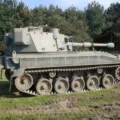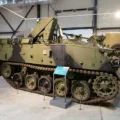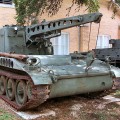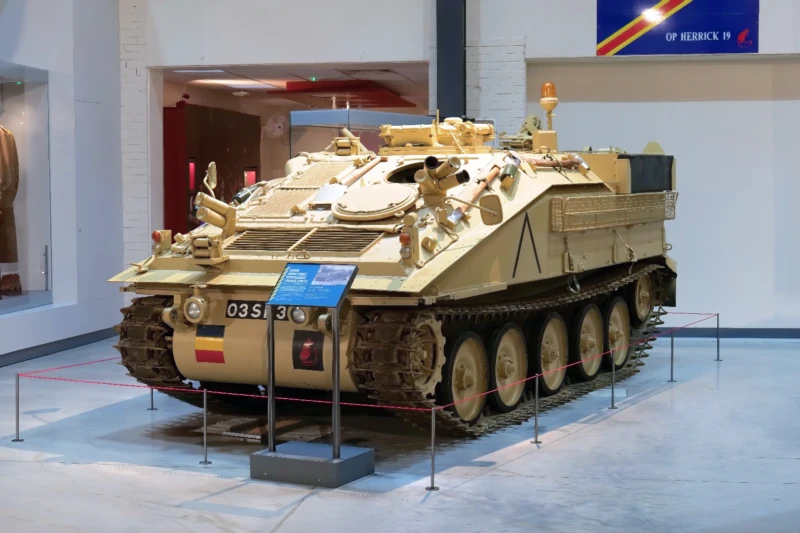
FV106 萨姆森 | |
| 国家 | 英国 |
| 类型 | 装甲回收车 |
| 照片 | 弗拉基米尔·亚库博夫 |
| 找到 | 军车技术基金会 |
| 描述 | 专辑 57 照片走动的«FV106萨姆森» |
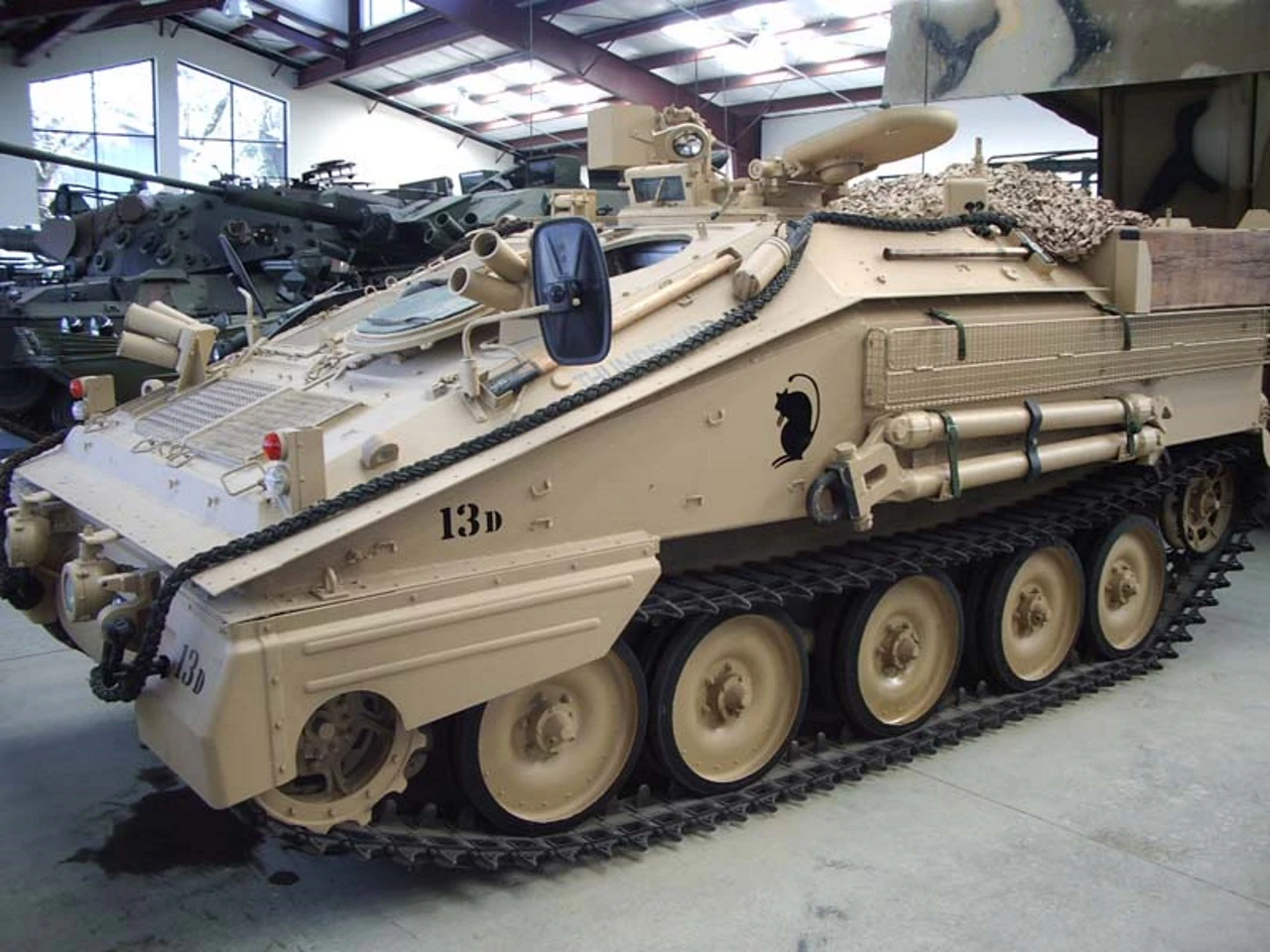
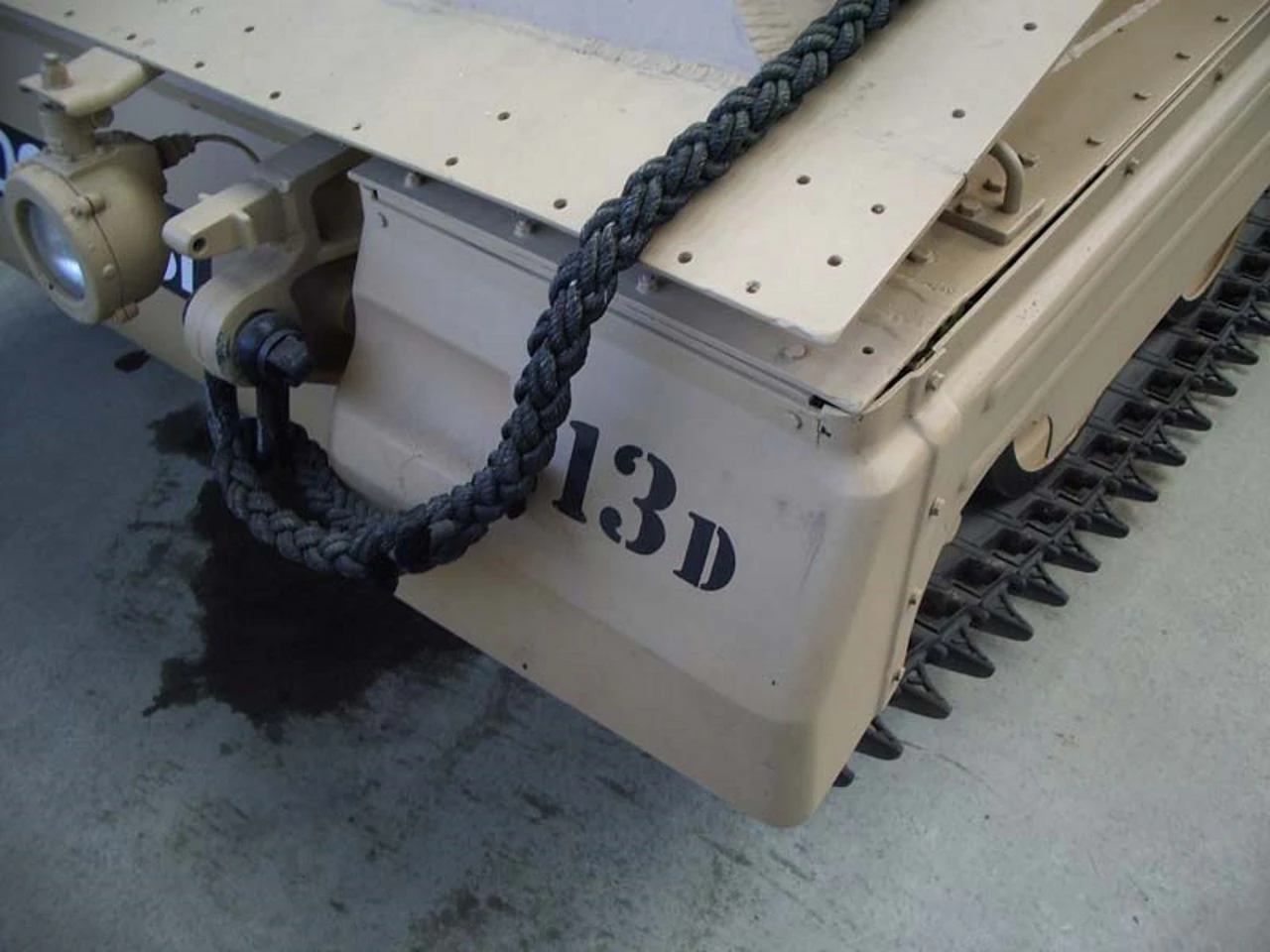
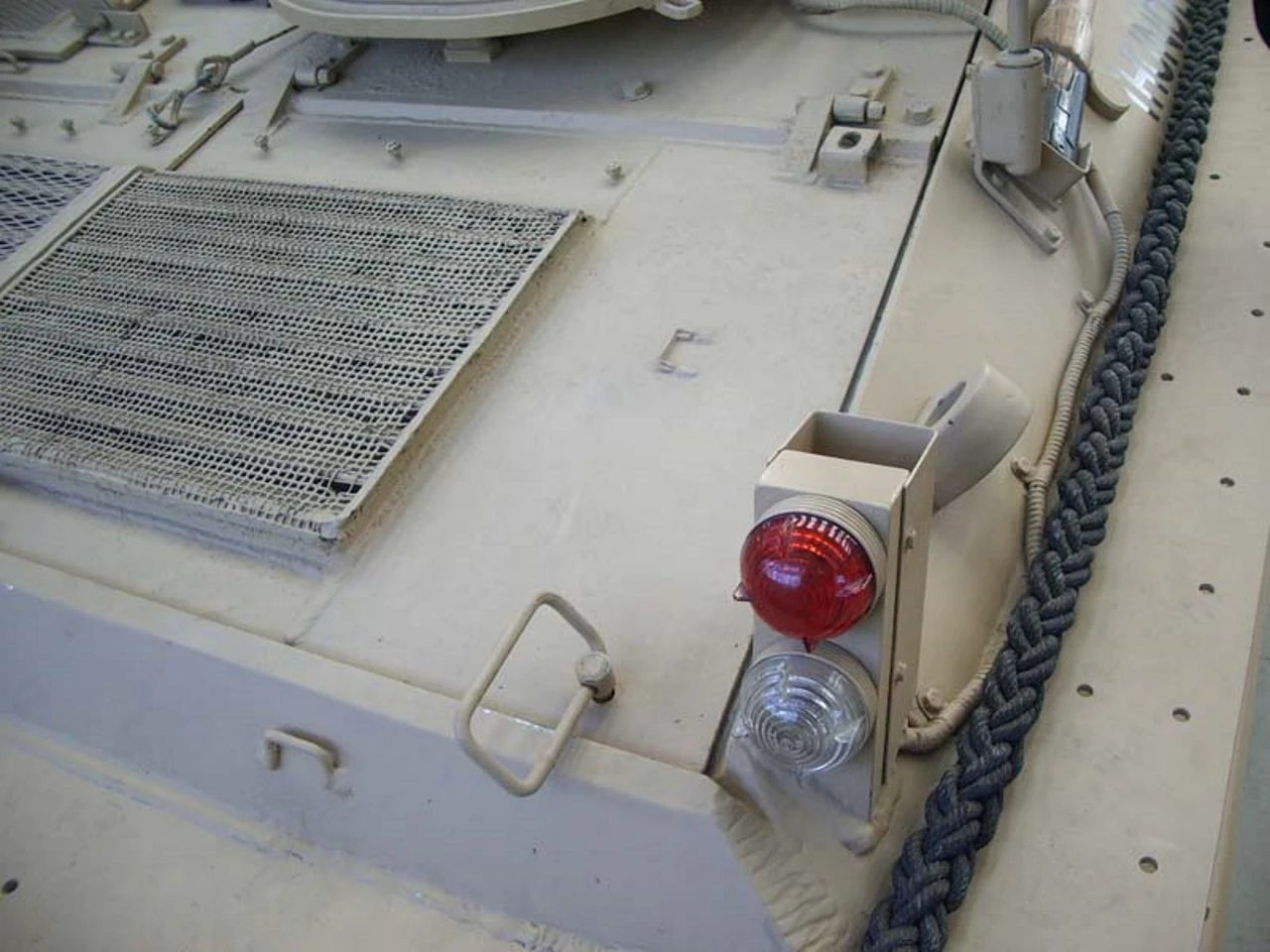
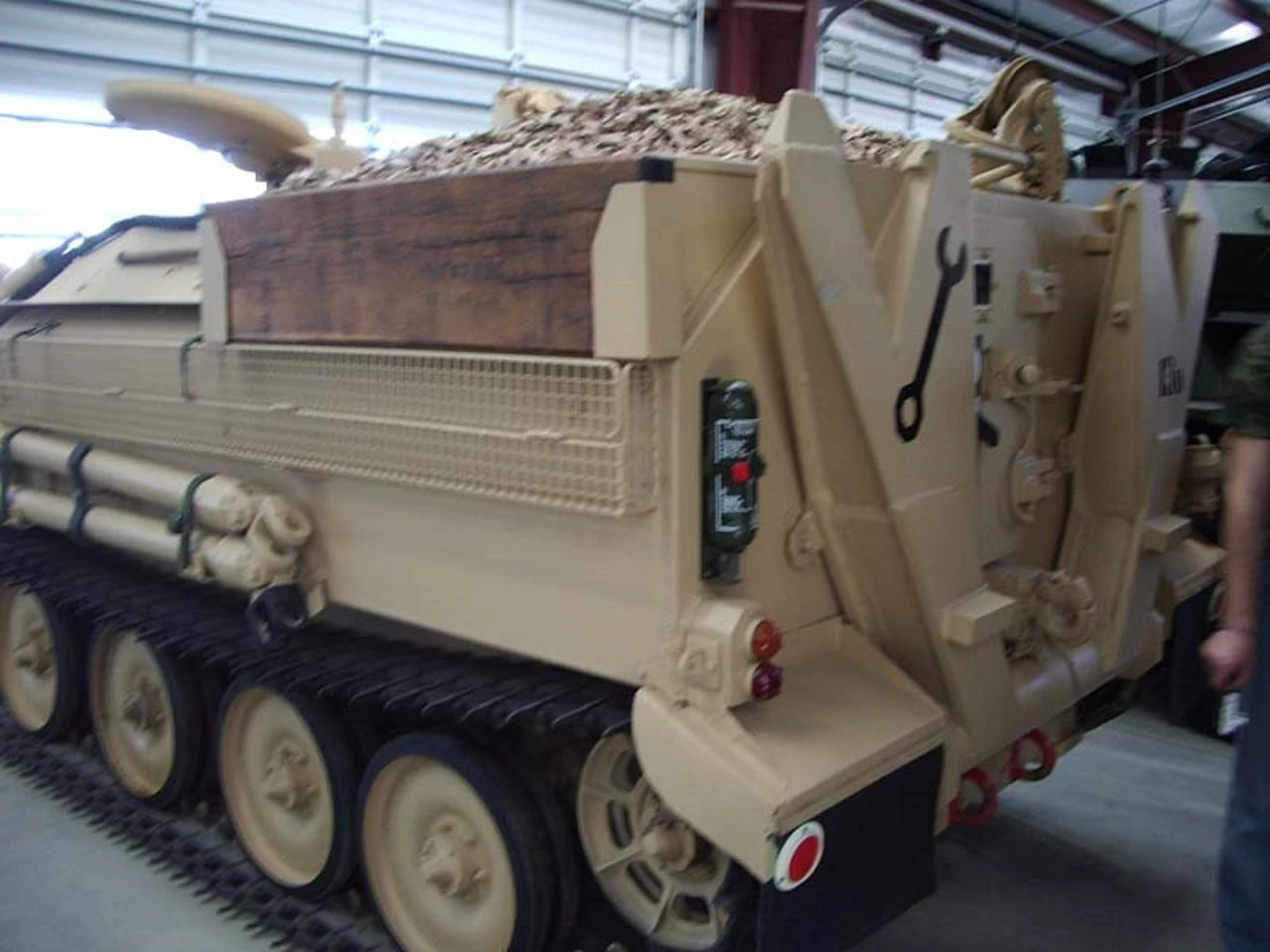
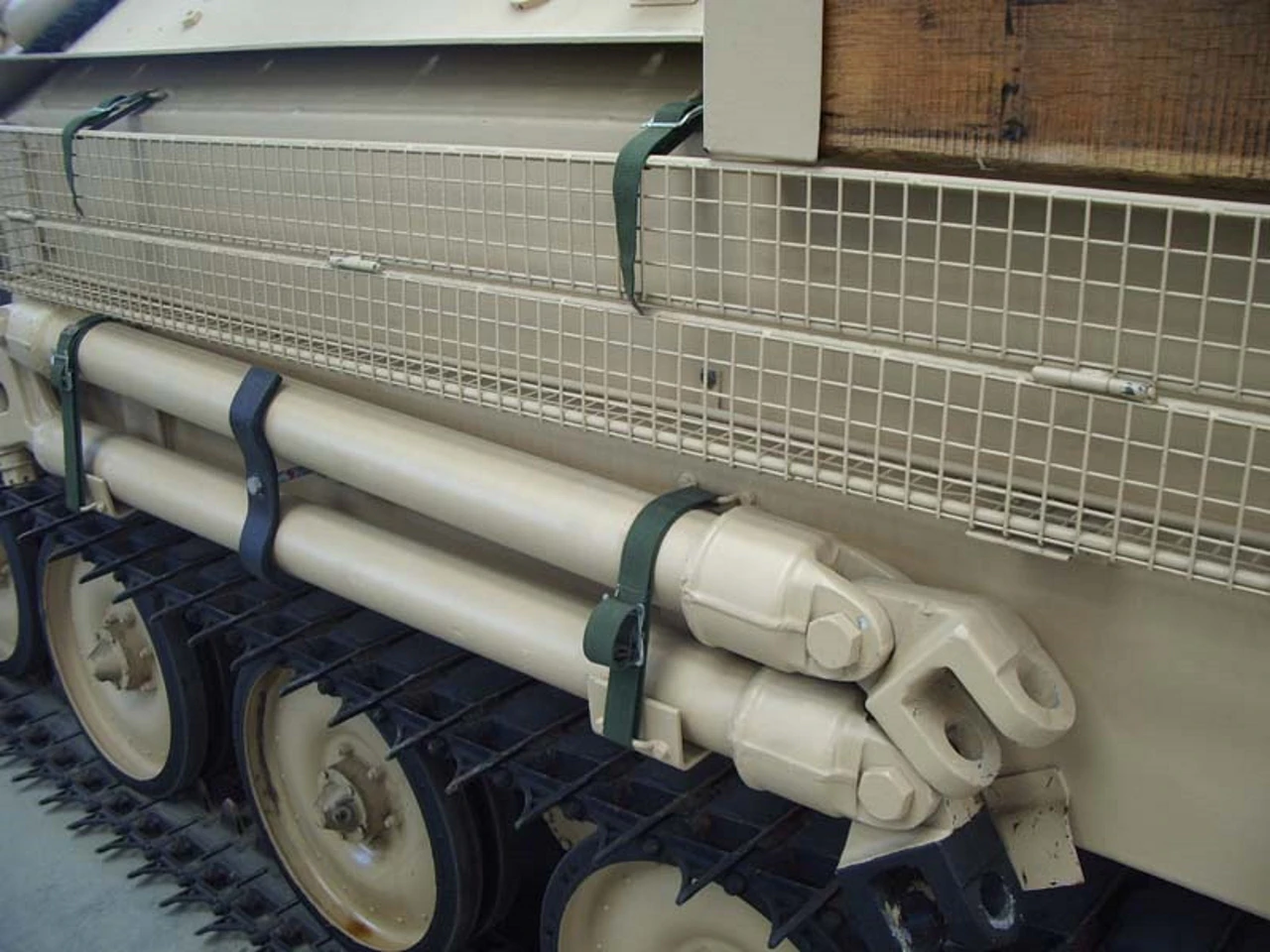
照片库的 FV106 萨姆森, FV106 Samson is a British Army armoured recovery vehicle, one of the CVR(T) family. The main role of this vehicle is to recover the CVR(T) family of vehicles, but can recover other light tracked vehicles such as the FV430 series.
源: FV106 萨姆森在维基
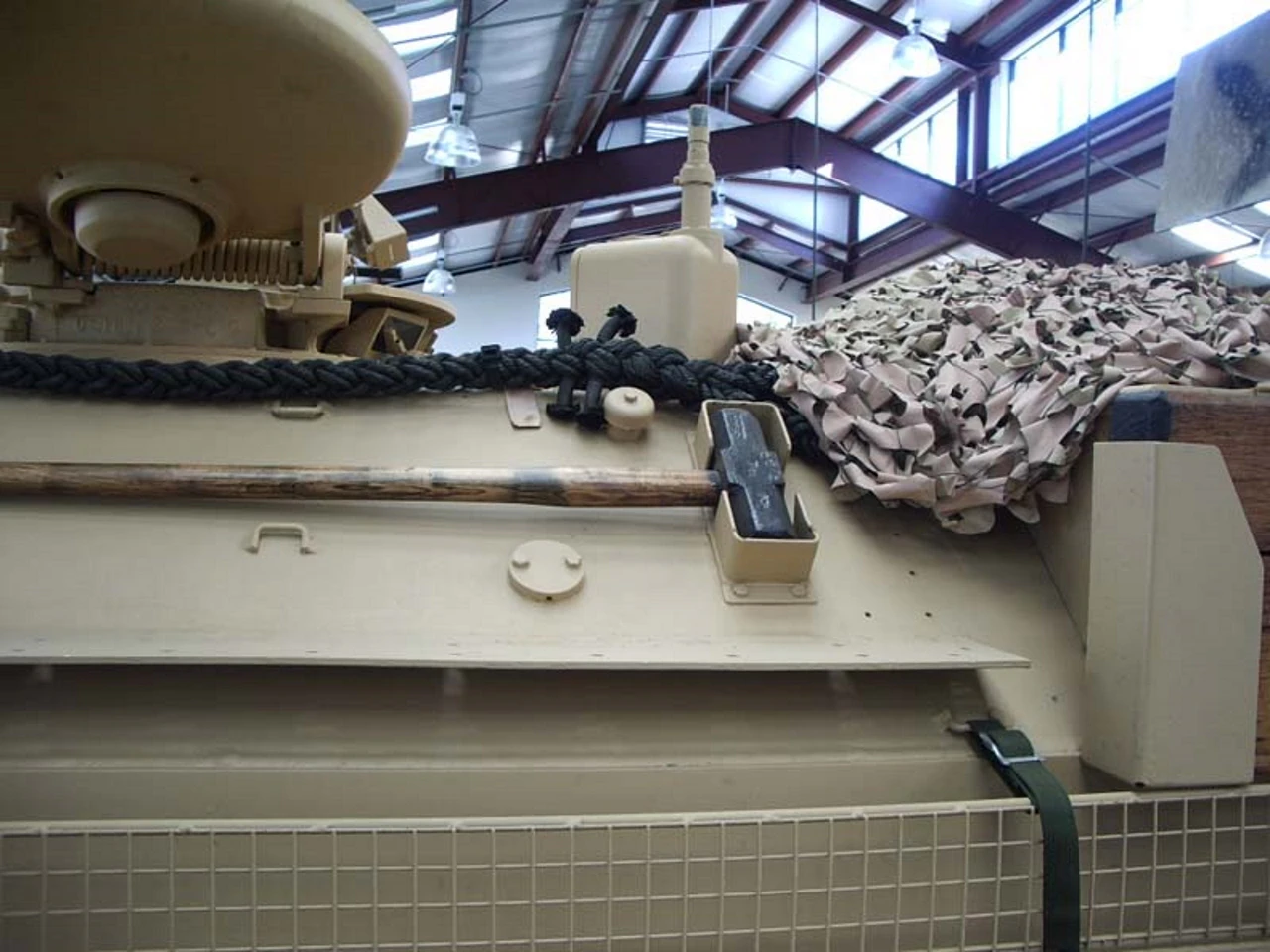
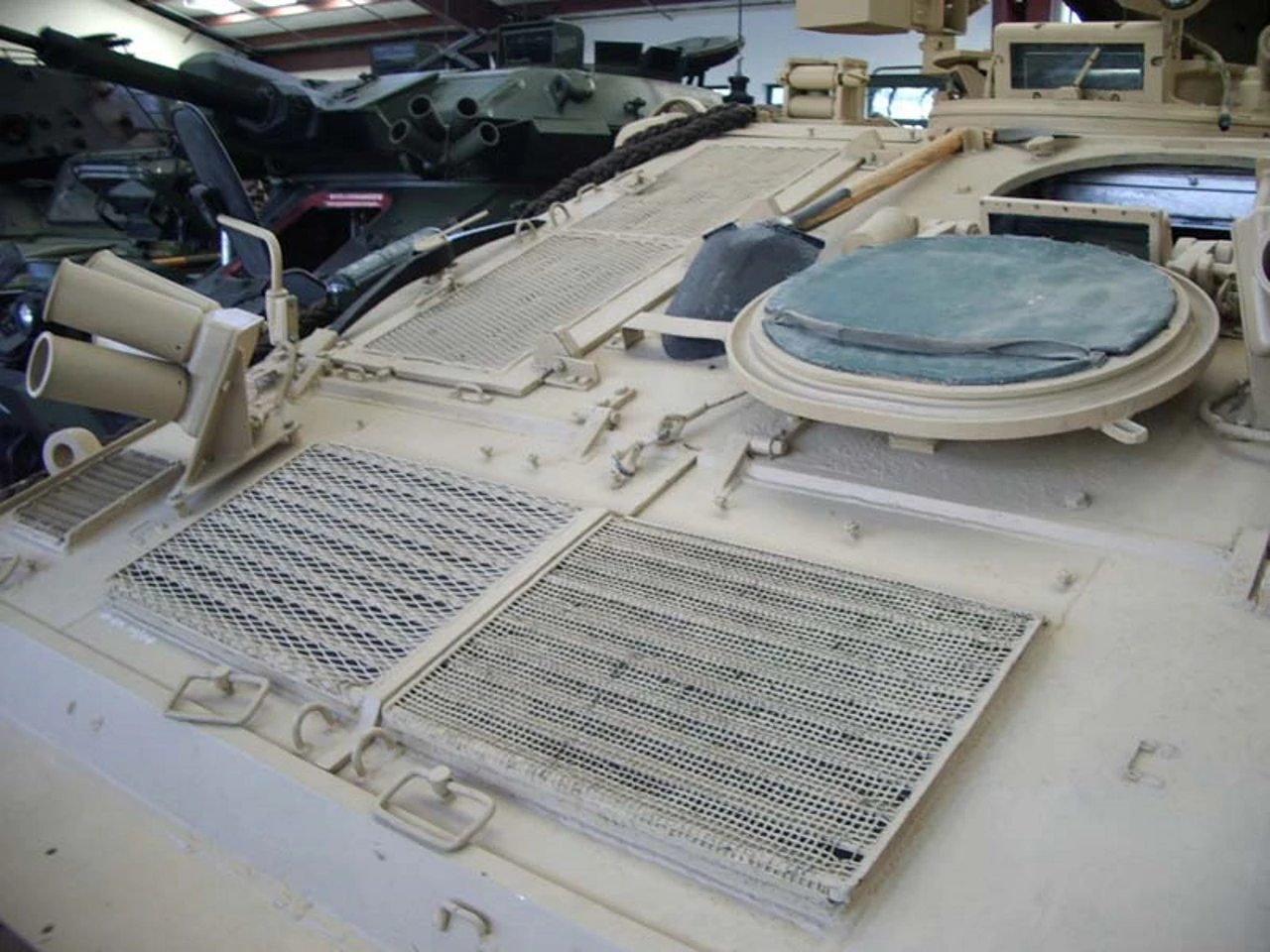
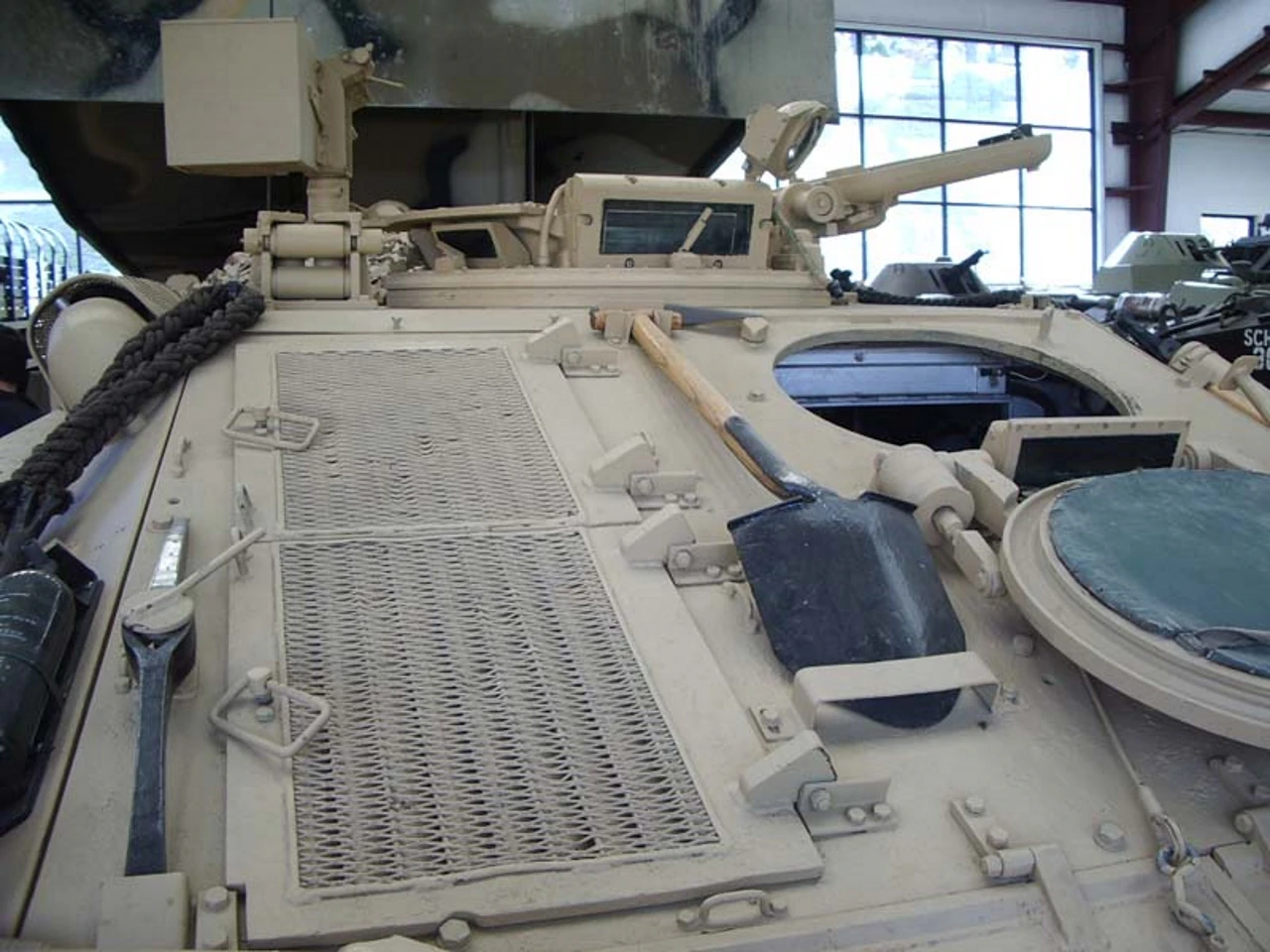
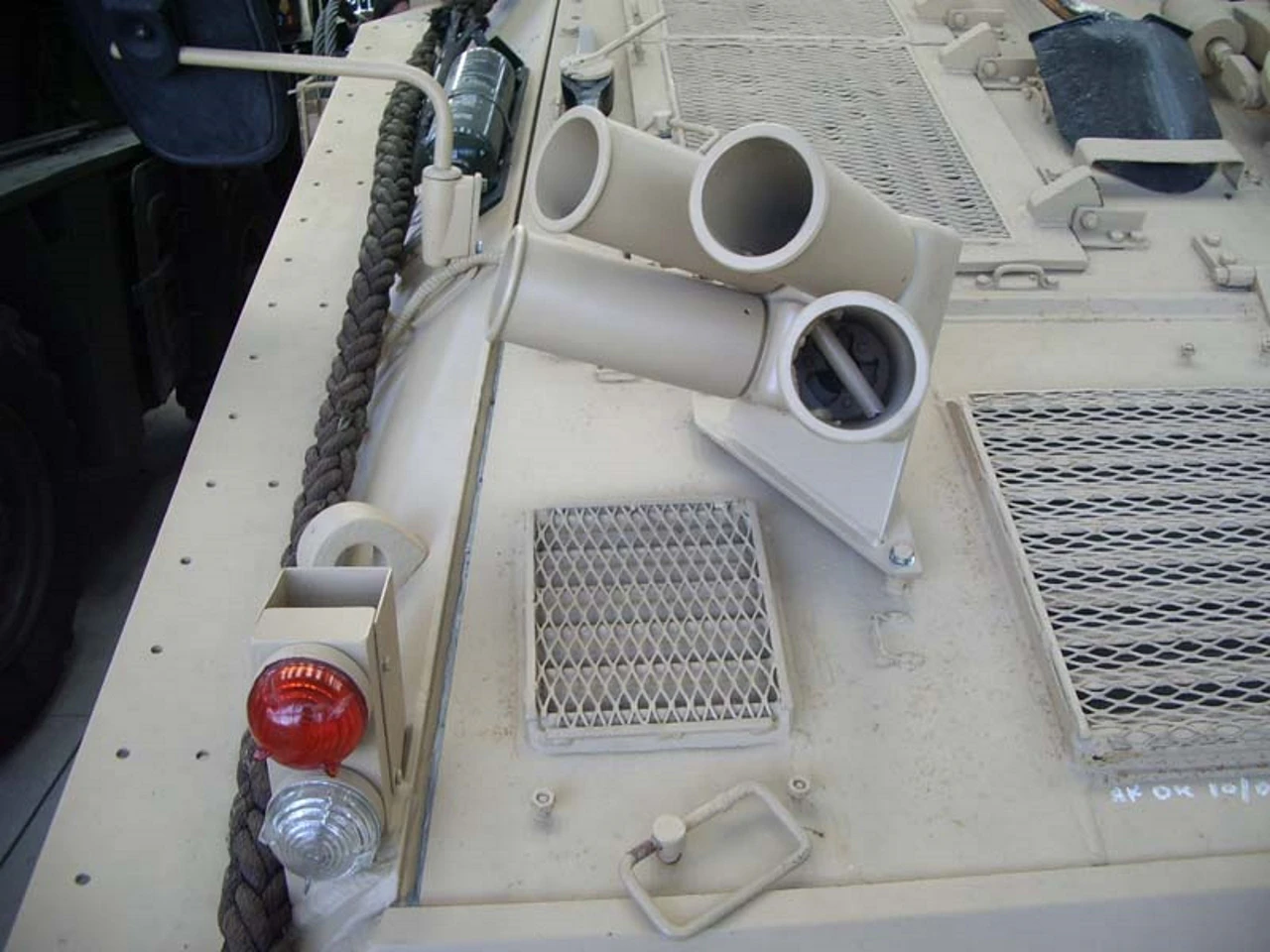

| 信息 | ||
|---|---|---|
| 类型 | 装甲回收车 | |
| 重量 | 8,7吨 | |
| 长度 | 5米 | |
| 宽度 | 2.40 米 | |
| 高度 | 2.80 米 | |
| 船员 | 指挥官、司机和机组人员 | |
| 业务范围 | 483公里 | |
| 速度 | 72公里/小时 |
 给我买杯咖啡
另请参阅:


| FV106 Samson CVR(T) Walk Around | |
|---|---|
| 摄影师 | 未知 |
| 本地化 | 未知 |
| 照片 | 26 |
The Lightweight Heavy-Lifter
这 FV106 萨姆森 is the dedicated Armoured Recovery Vehicle (ARV) member of the British CVR(T) (Combat Vehicle Reconnaissance – Tracked) family. While vehicles like the M88 or M31 were designed to tow massive tanks, the Samson was built for agility and speed. Its job was to keep the fast-moving Scorpions and Scimitars of the reconnaissance regiments in the fight. Despite its small size, it is a powerhouse, equipped with a heavy-duty winch and an earth anchor that allows it to pull vehicles many times its own weight out of the mud.
| Attribute | Technical Specification (FV106) |
|---|---|
| 作用 | Armoured Recovery Vehicle (ARV) |
| 船员 | 3 (Commander, Driver, Mechanic) |
| Chassis | CVR(T) (Aluminum Alloy Hull) |
| 动力装置 | Originally: Jaguar 4.2L Petrol / Later: Cummins BTA 5.9 Diesel |
| Winch Capacity | 3,500 kg (Standard) / 12,000 kg (with 4:1 block) |
| 最高速度 | 72 km/h (45 mph) |
| 装甲 | 7017 Aluminum Alloy (Small arms and splinter protection) |
| Defensive Armament | 1 × 7.62mm L7 GPMG (Pintle mounted) |
Design Engineering: Aluminum Strength and Hydraulic Anchors
- The Aluminum Hull: Like all CVR(T) vehicles, the Samson is built from a specialized aluminum-zinc-magnesium alloy. This keeps the vehicle light enough to be transported by C-130 Hercules aircraft or even lifted by heavy helicopters, while still providing protection from battlefield debris.
- The Heavy Winch: The Samson carries a high-capacity winch inside the hull. By using a series of pulleys and snatch blocks (a “4-to-1” mechanical advantage), this tiny vehicle can generate over 12 tonnes of pulling force—more than enough to recover a bogged-down Scimitar or Spartan.
- The Earth Anchor: To prevent the Samson from simply sliding toward the vehicle it is trying to pull, it features a large, hinged spade at the rear. When lowered, the spade digs into the ground, turning the entire vehicle into a static “deadman” anchor.
- Internal Workshop: The rear of the hull is packed with specialist tools, a portable workbench with a vice, and stowage for spare track links and tow bars, allowing the crew to perform significant mechanical repairs under armor.
Combat History: Speed and Survival
- The Falklands War (1982): The Samson proved invaluable during the Falklands conflict. Its low ground pressure allowed it to traverse the treacherous “stone runs” and soft peat bogs of the islands that would have swallowed heavier recovery vehicles.
- Desert Storm and the Balkans: During the 1990s, the Samson supported British light armor across the deserts of Iraq and the mountainous terrain of Bosnia. Its high speed allowed it to keep up with fast-moving scouting screens.
- Diesel Upgrade: In the late 1990s, the original Jaguar petrol engines (which were prone to fire risk and high fuel consumption) were replaced with rugged Cummins turbo-diesels, increasing the vehicle’s torque and operational range.
- The End of an Era: After over 40 years of service, the Samson is being phased out as the CVR(T) family is retired from the British Army. It is being replaced by the recovery variants of the Ajax 和 拳击手 programs.
意见:2685