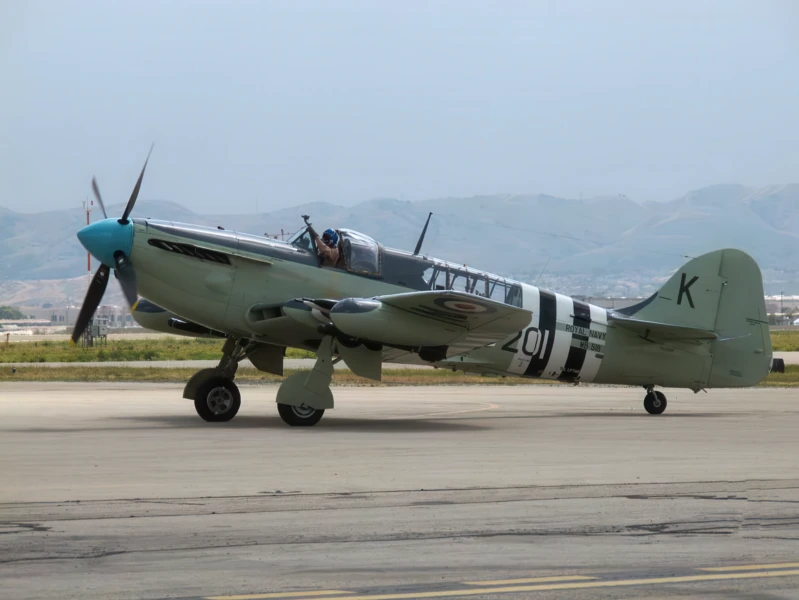
仙女萤火飞作为 Mk 6 | |
|---|---|
| 国家 | 英国 |
| 作用 | 战斗机轰炸机 |
| 首次飞行 | 1941年12月22日 |
| 建立 | 1702 |
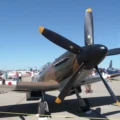
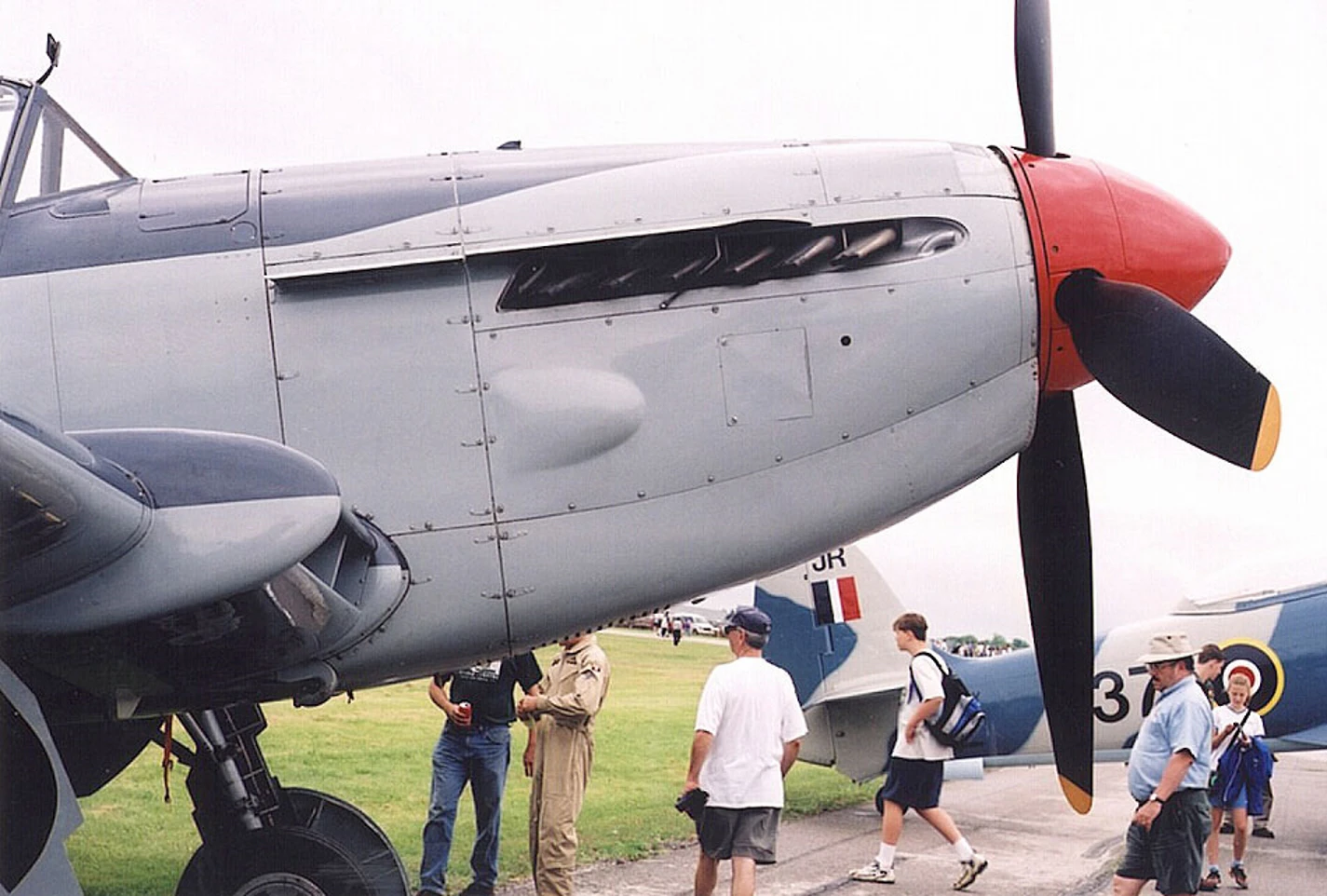
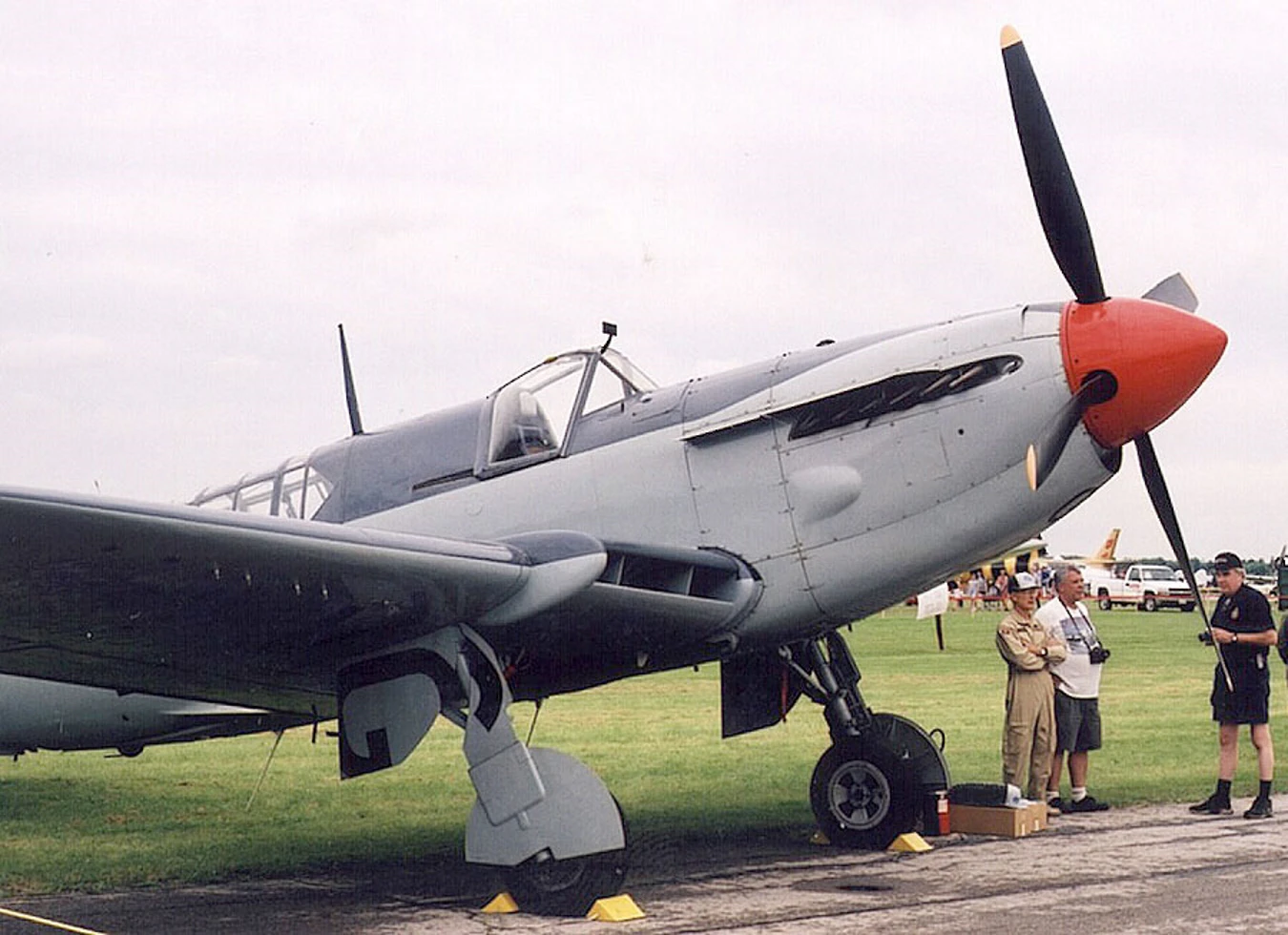
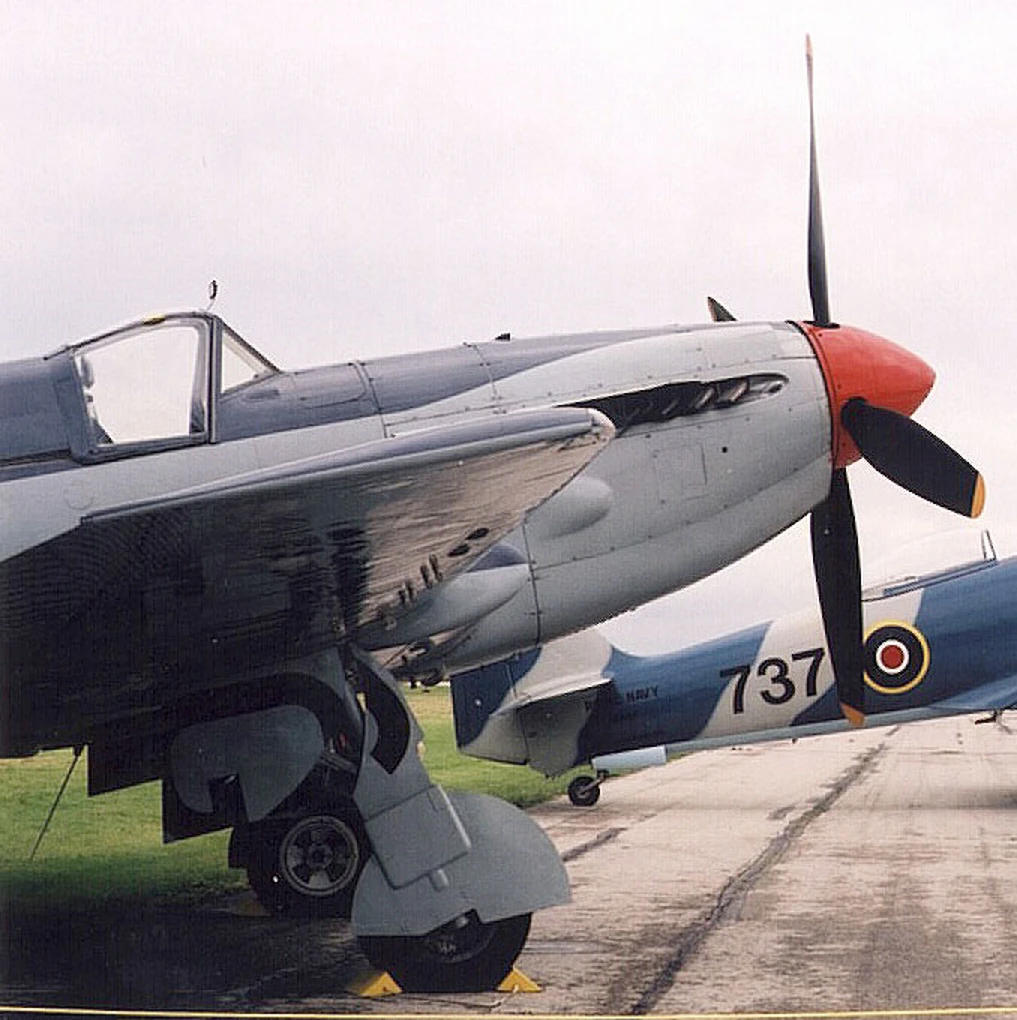
这 仙女萤火飞 是英国二战时期的航母式战斗机和舰队航空兵(FAA)的反潜机。飞行员和领航员/武器官员按照美国联邦航空局的双座机队侦察/战斗机概念设计,被安置在不同的站。它在性能和火力上优于其前身富尔玛,但直到战争接近尾声时才进入作战部门,当时它不再具有作为战斗机的竞争力。重型机身中单个发动机的局限性降低了其性能,但事实证明,该发动机在载重机操作中坚固、远程和温顺。
源: 维基百科上的仙女萤火飞
| Fairey Firefly AS Mk 6 | |
|---|---|
| 摄影师 | 未知 |
| 本地化 | 未知 |
| 照片 | 36 |
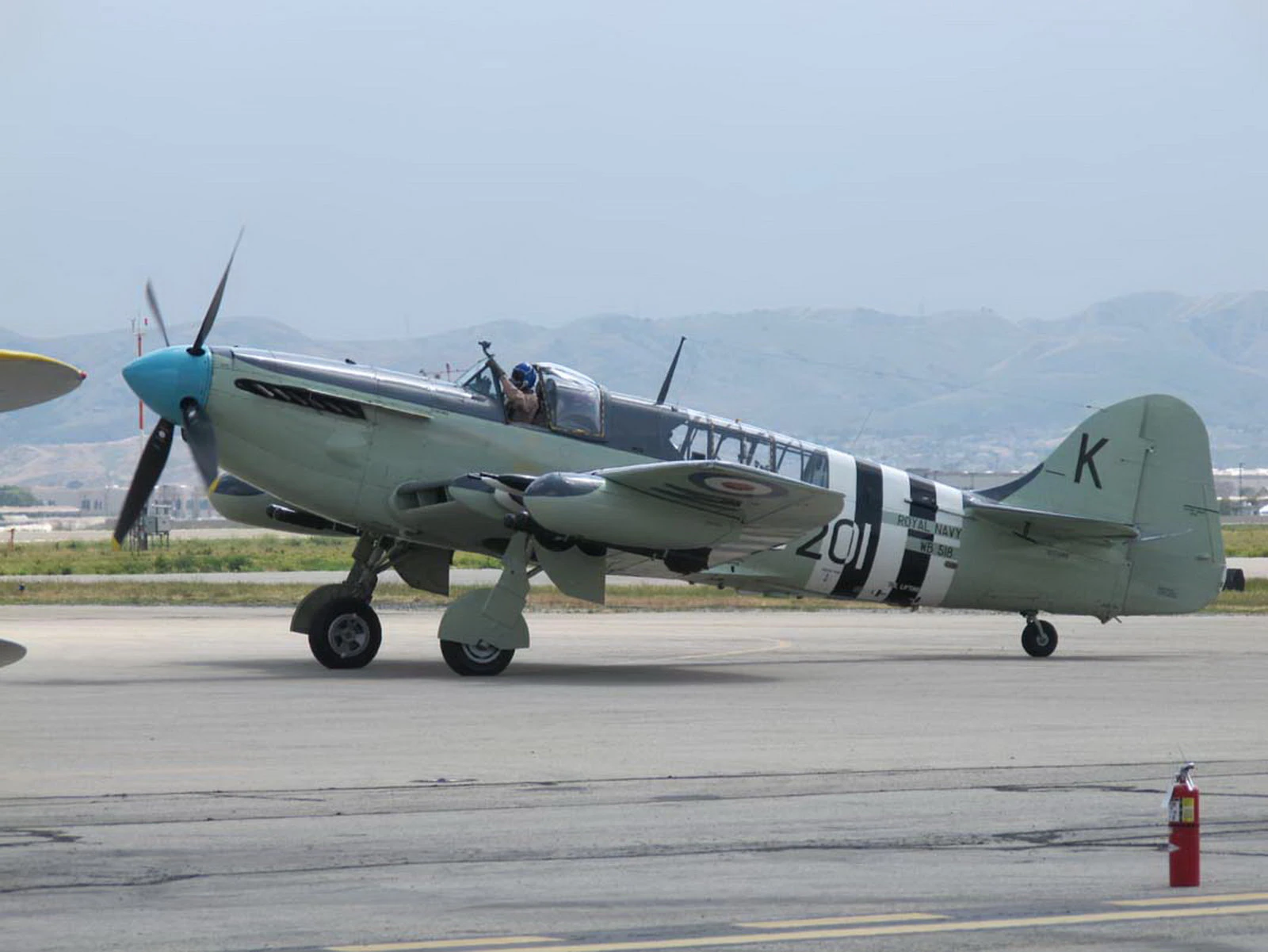
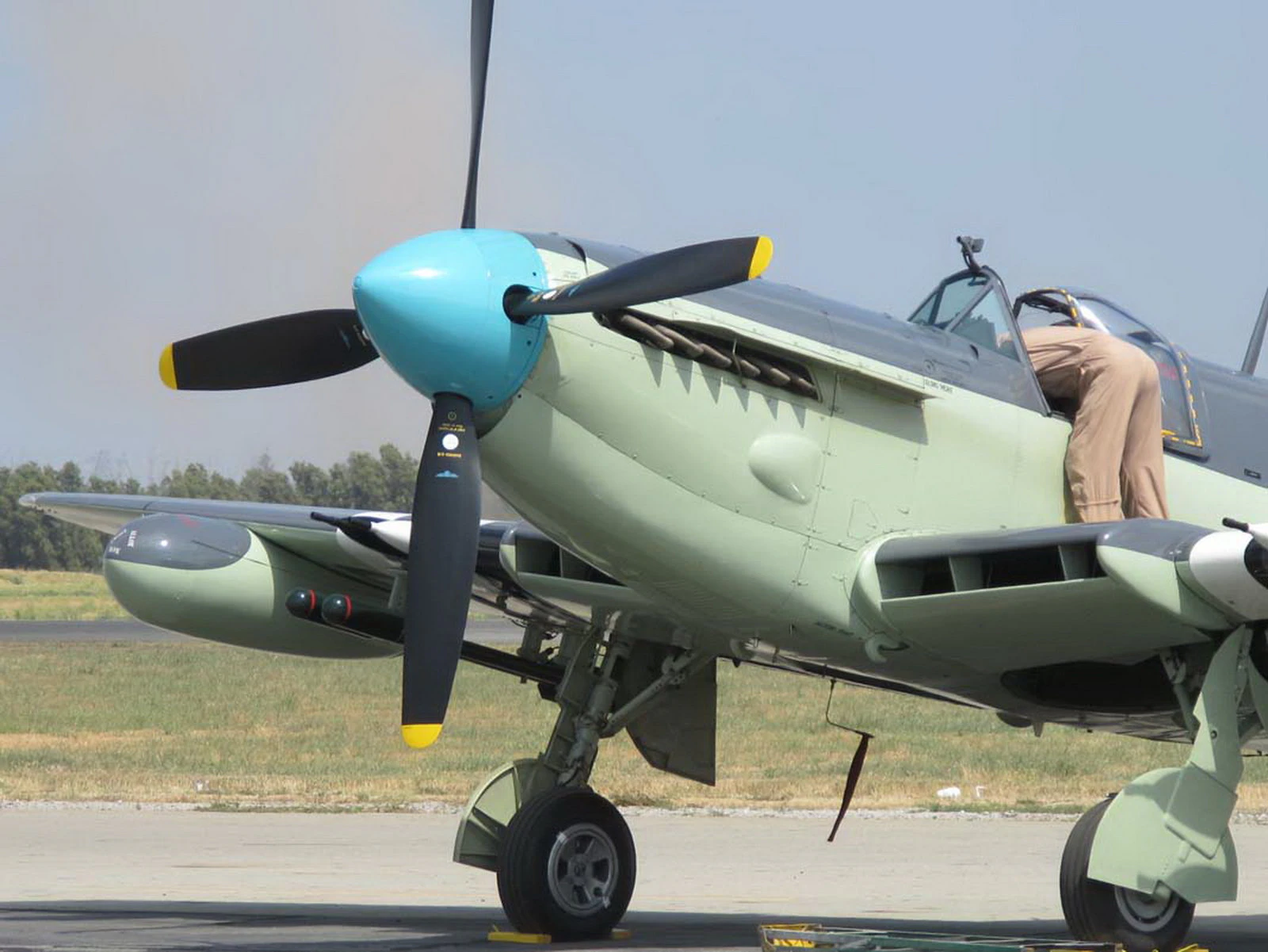
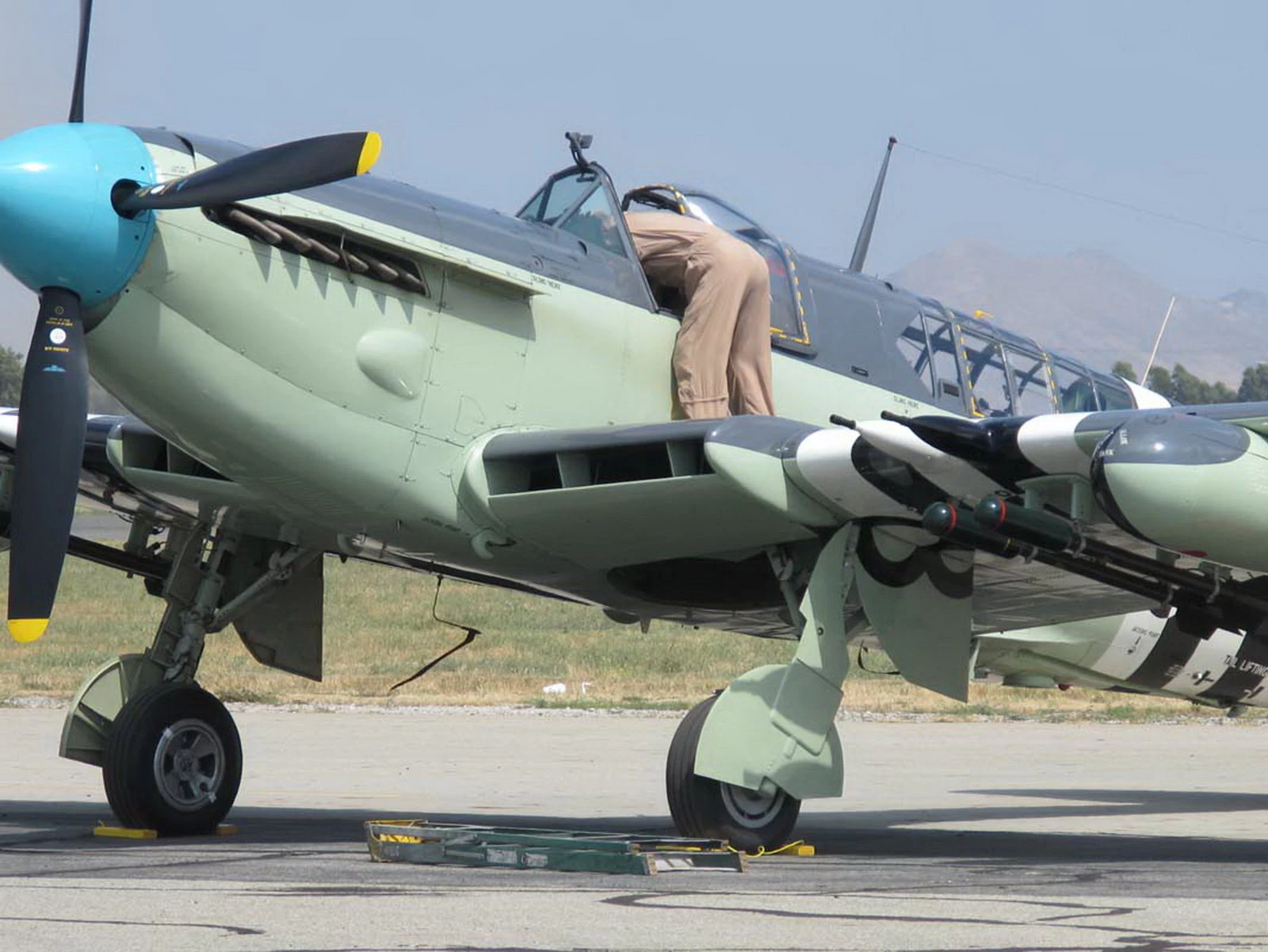
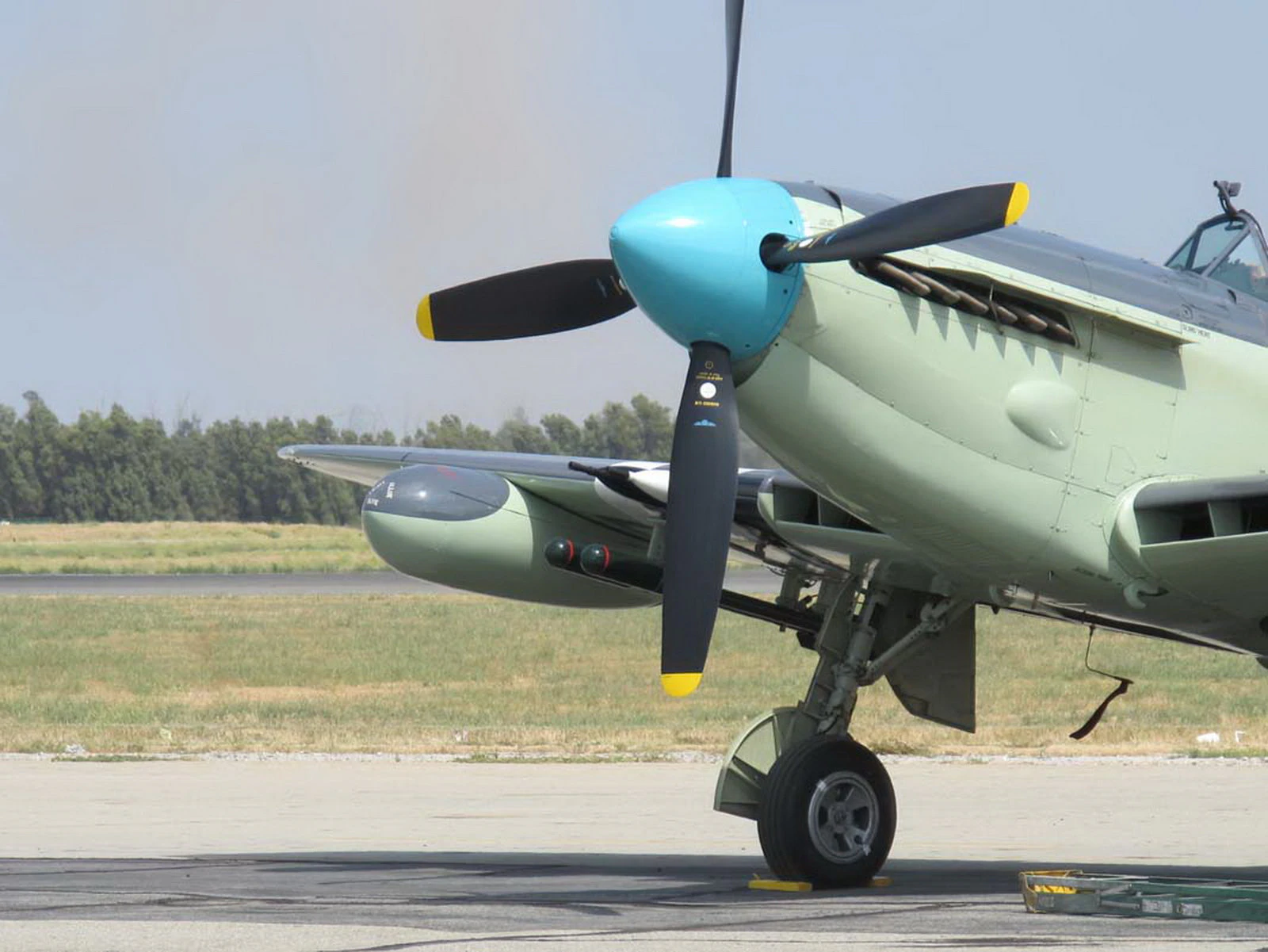
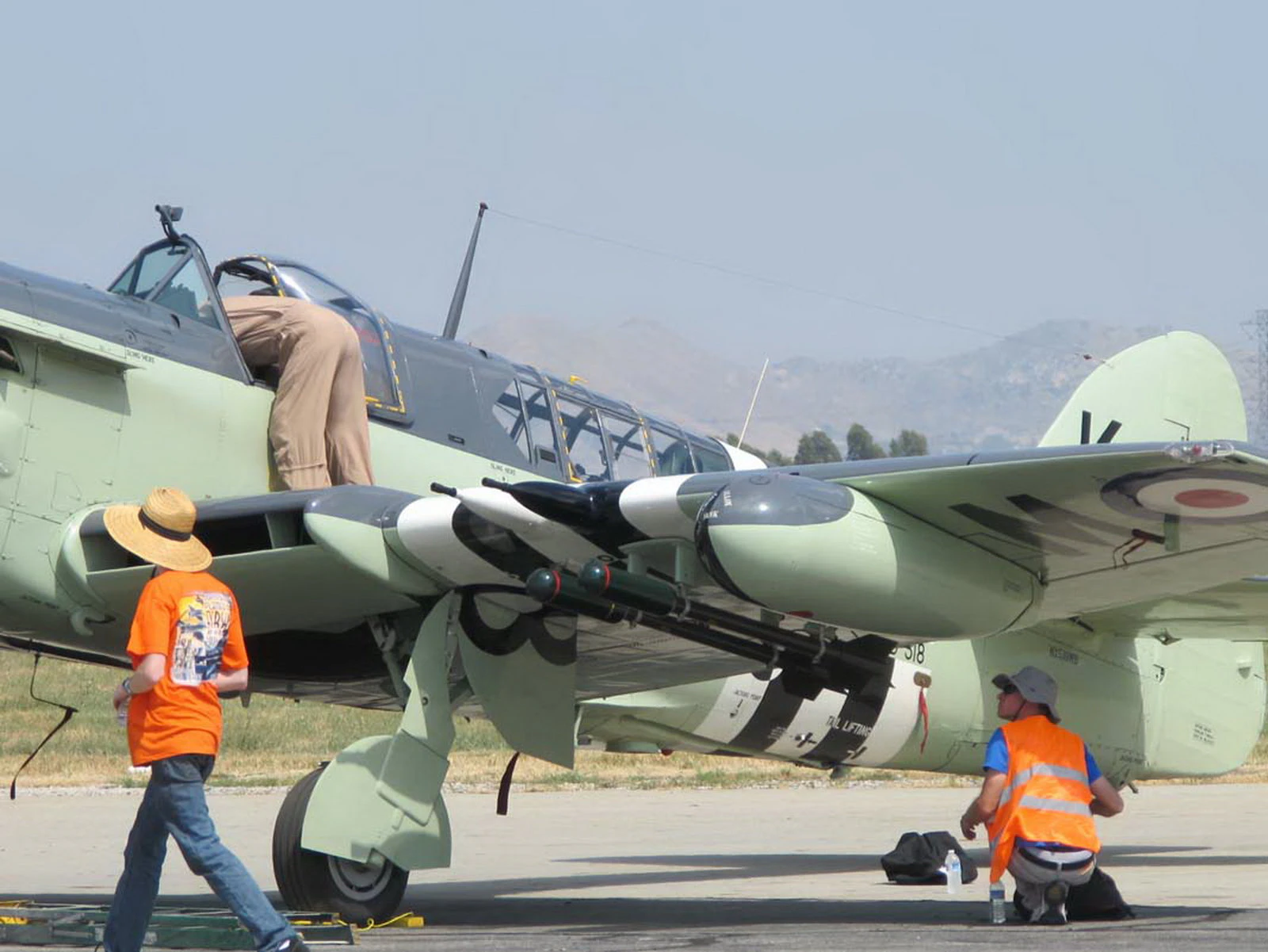
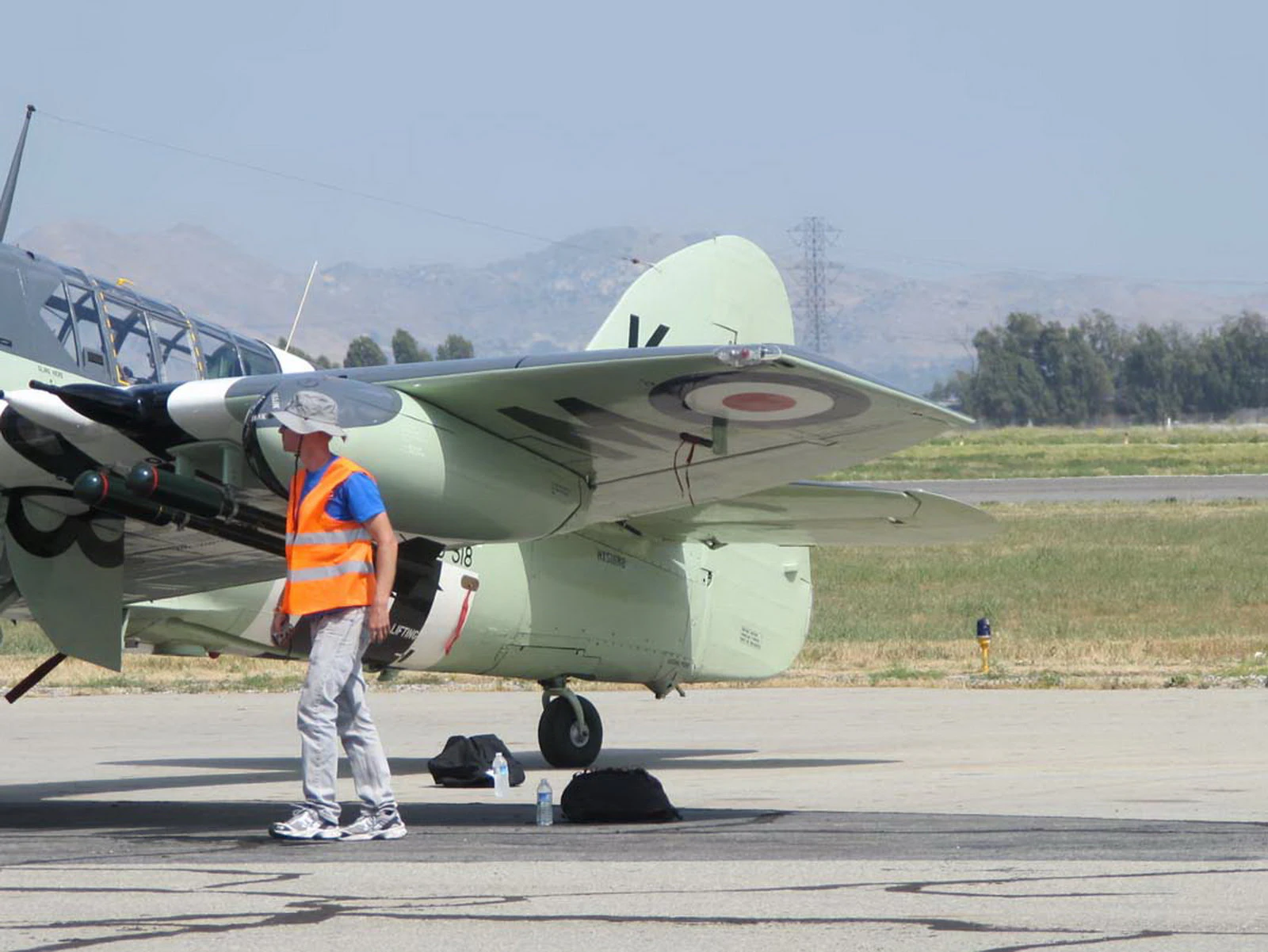
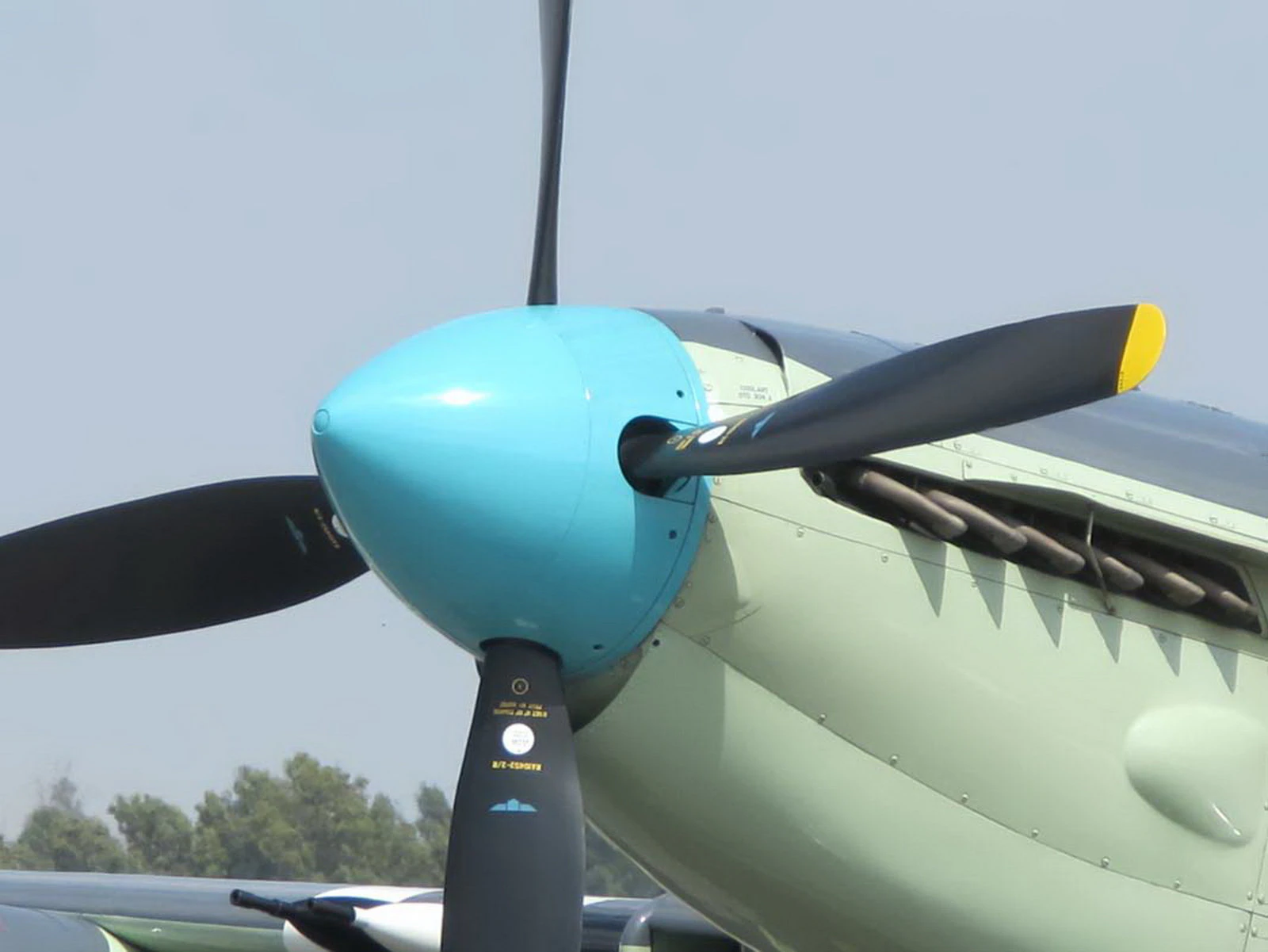
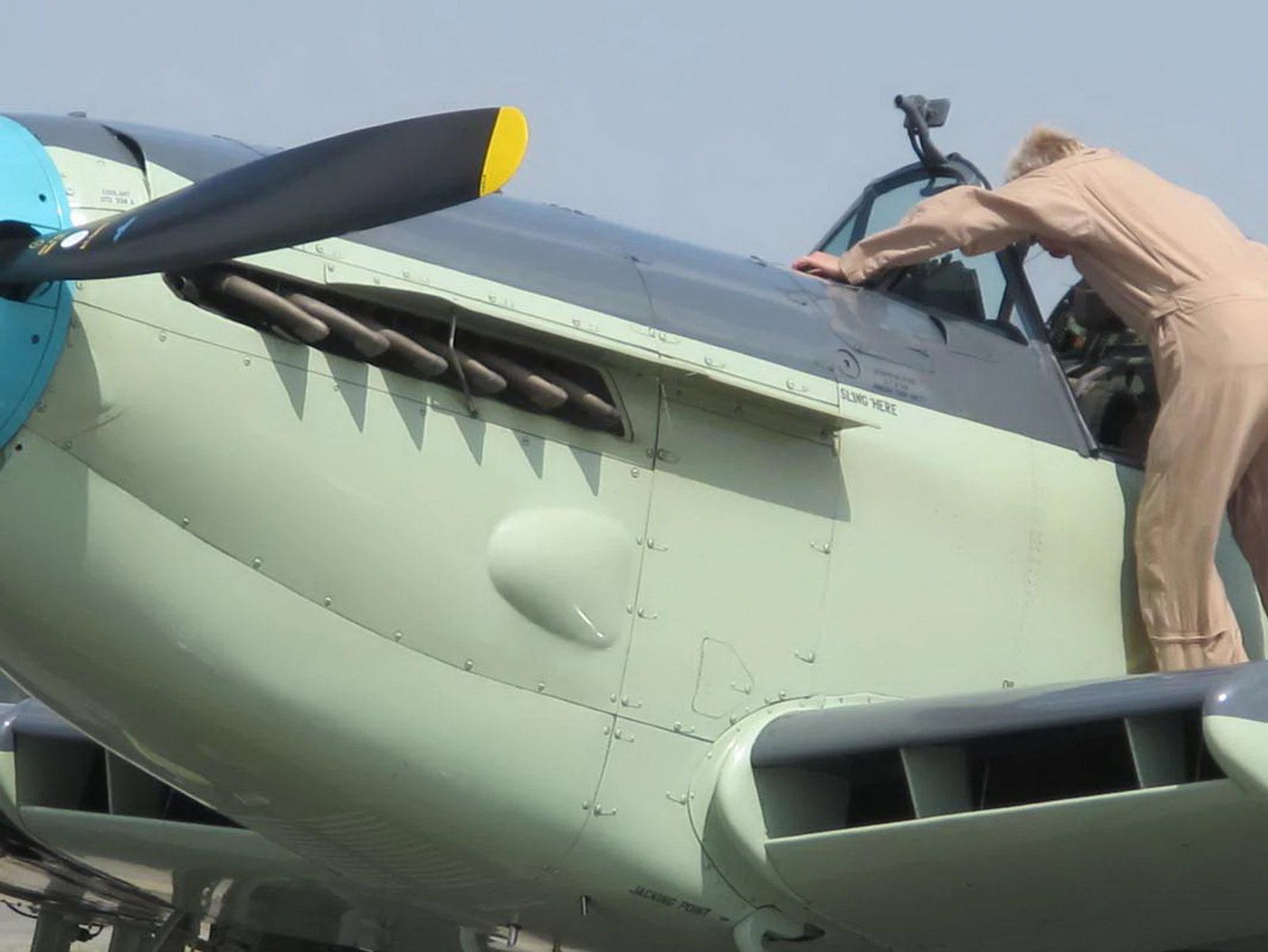
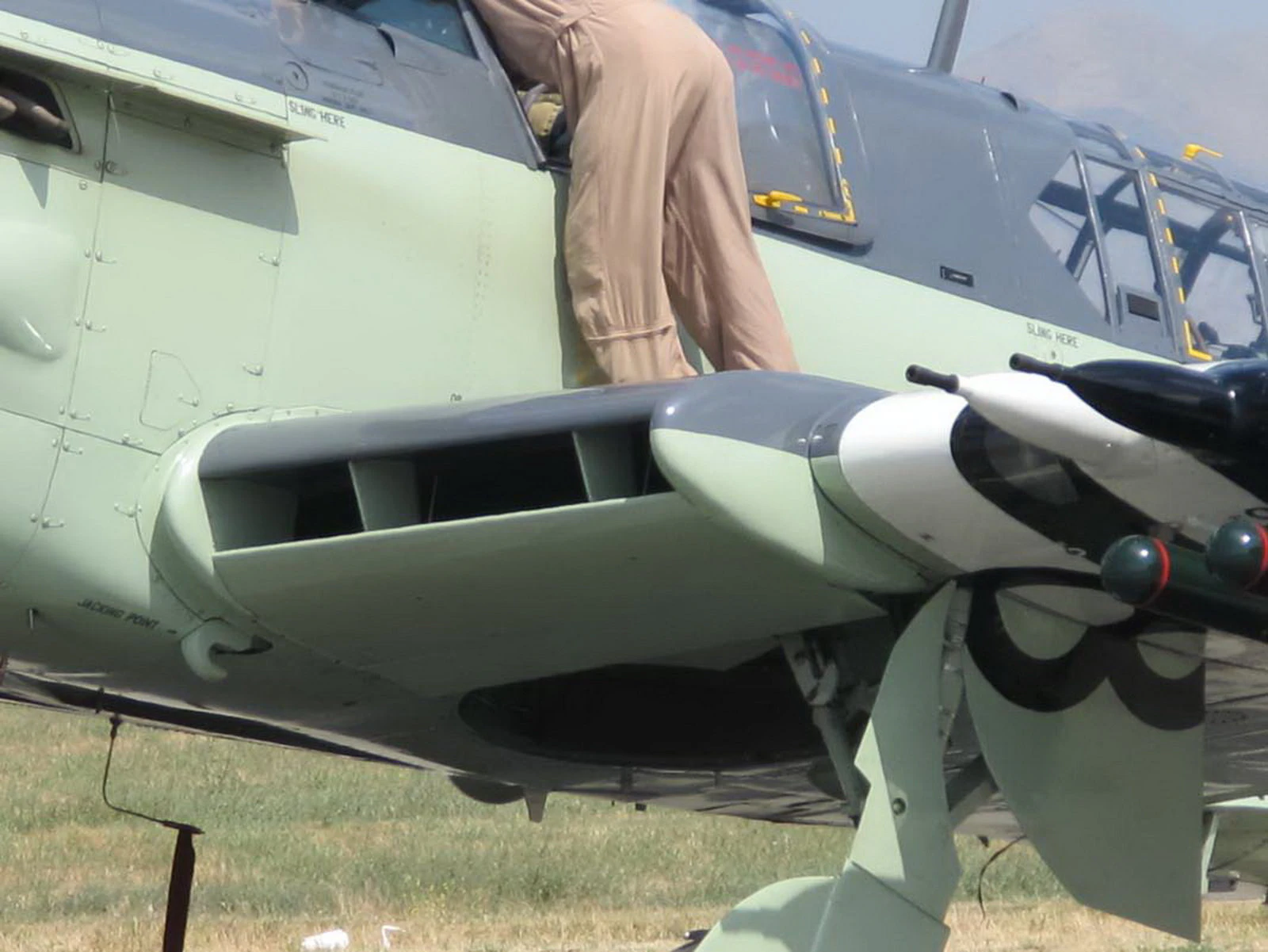

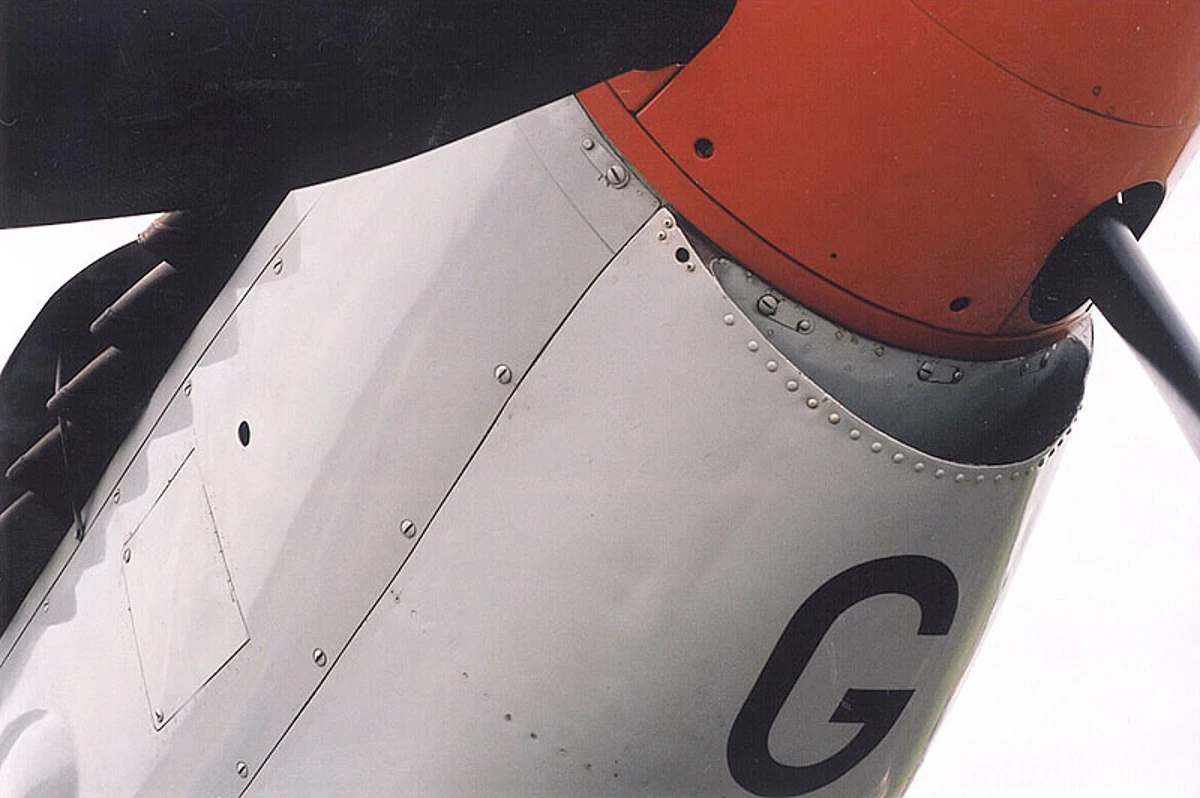
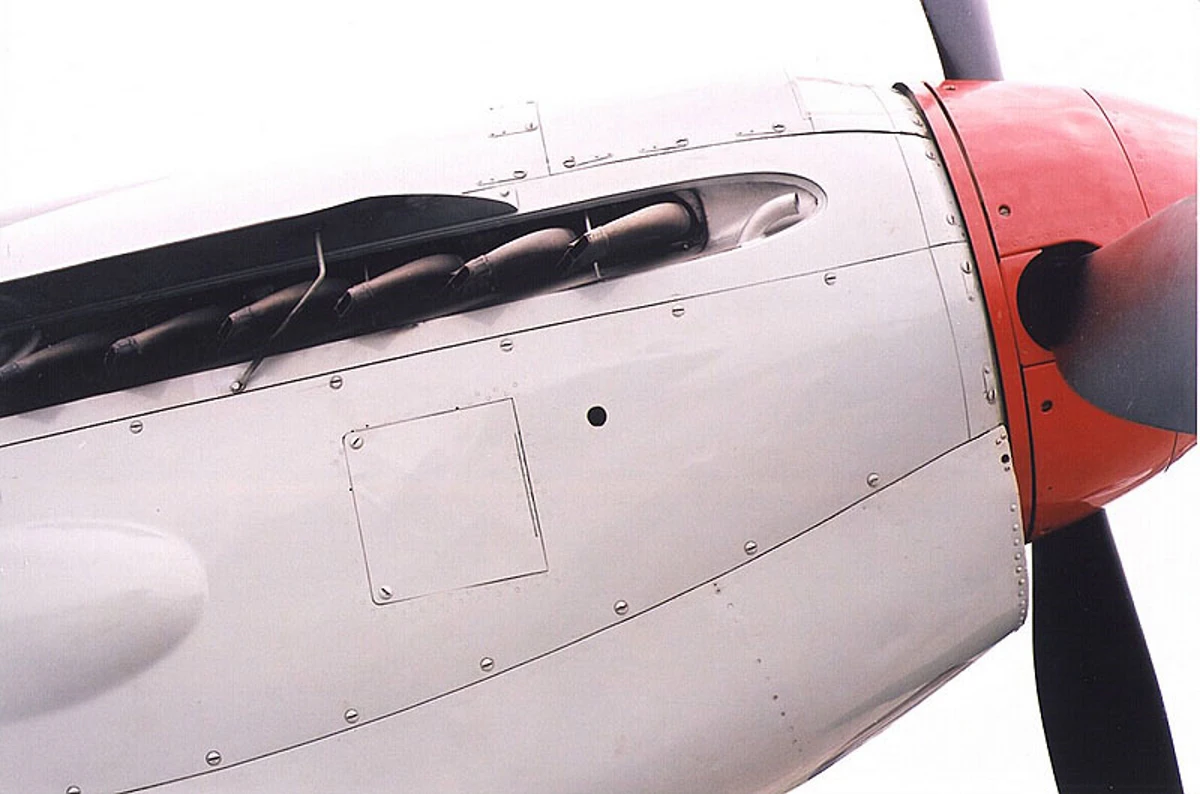
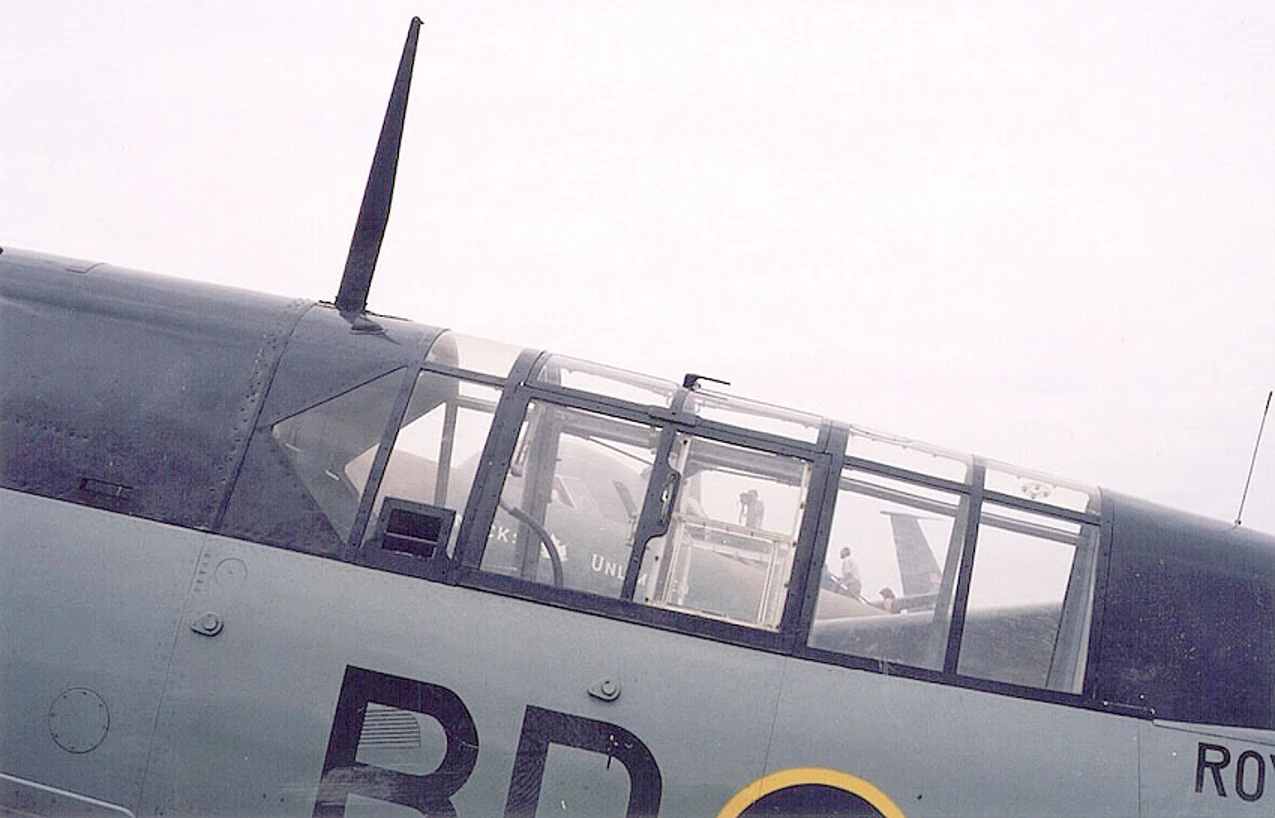
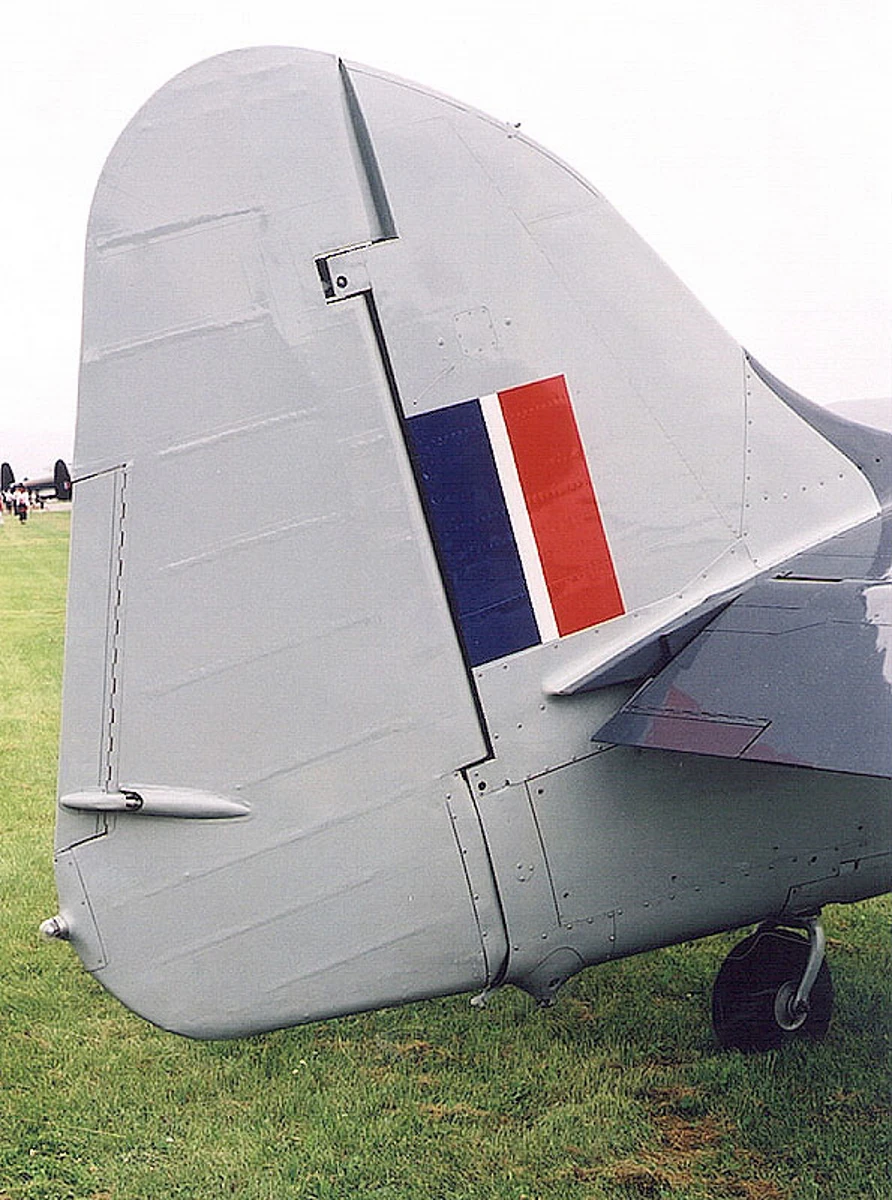
| Fairey Firefly Walk Around | |
|---|---|
| 摄影师 | 德里克·彭宁顿 |
| 本地化 | 未知 |
| 照片 | 30 |
另请参阅:


Evolution of a Naval Thoroughbred
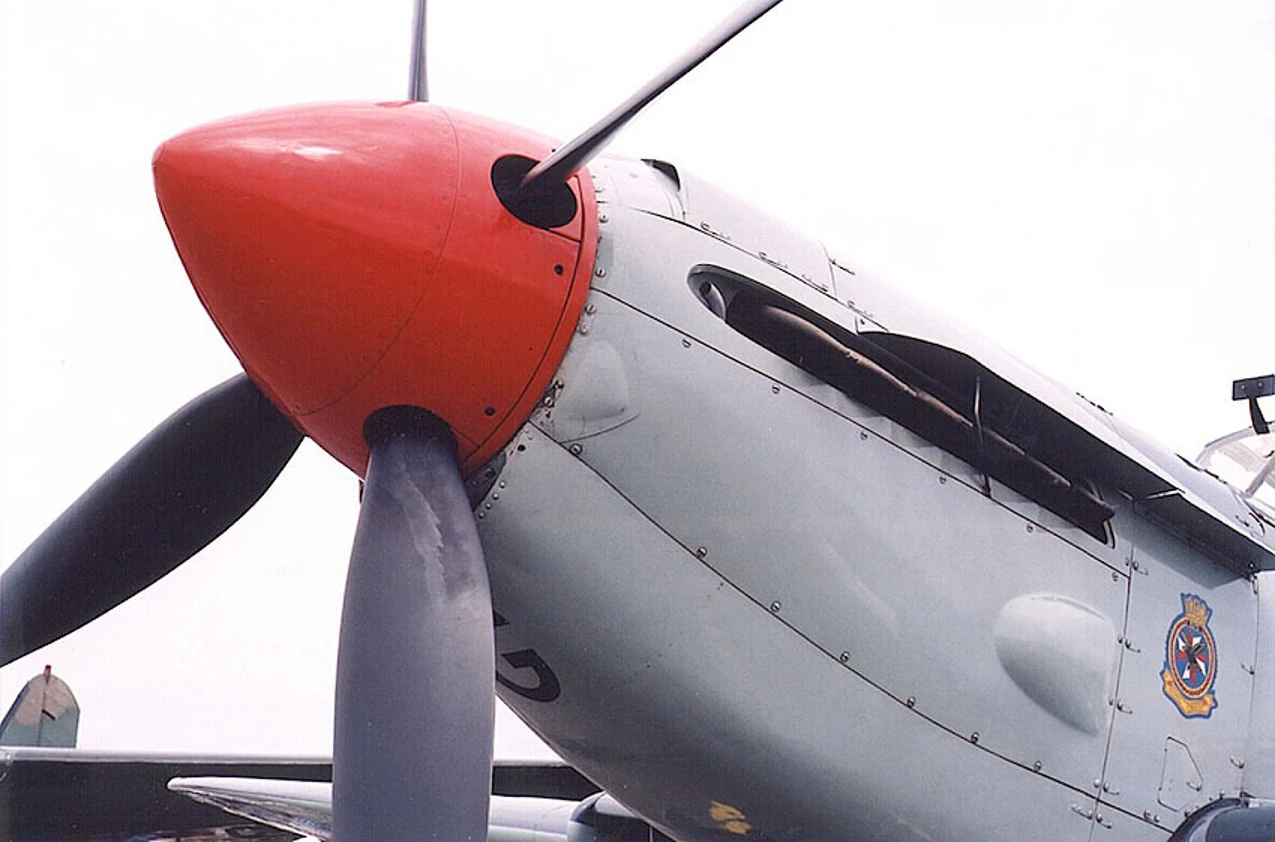
这 仙女萤火飞作为 Mk 6 represents the peak of the Firefly’s evolution as a specialized Anti-Submarine (AS) platform. Originally designed during WWII as a two-seat fighter-reconnaissance aircraft, the post-war variants traded their cannons for sensors. By the time the Mk 6 arrived in the early 1950s, the threat had shifted from Axis ships to Soviet submarines. This version was the first to be entirely “gunless,” dedicated solely to the detection and destruction of sub-surface threats using an array of sonobuoys, radar, and depth charges.
| Attribute | Technical Specification (AS Mk 6) |
|---|---|
| 作用 | Anti-Submarine Warfare (ASW) |
| 船员 | 2 (Pilot and Observer/Radar Operator) |
| 发动机 | 1 × Rolls-Royce Griffon 74 V12 (2,100 hp) |
| 最高速度 | 526 km/h (327 mph) at 14,000 ft |
| Cruise Speed | 336 km/h (209 mph) |
| 装备 | None (Internal cannons removed for equipment/fuel) |
| Underwing Stores | Sonobuoys, 2 × 1,000 lb bombs, or Depth Charges |
| Special Equipment | ASH Radar in starboard wing pod |
Design Engineering: The Griffon and the “Youngman” Flaps
- The Griffon Engine: Replacing the older Merlins, the massive Rolls-Royce Griffon drove a four-blade propeller. The Griffon gave the Firefly the low-end torque required to lift heavy anti-submarine gear off the short decks of British Light Fleet Carriers.
- Youngman Flaps: These were the Firefly’s secret weapon. These complex flaps could be extended below the wing not just for landing, but for cruising and combat. In the “cruise” position, they increased lift and allowed the plane to fly very slowly while loitering over a suspected submarine contact.
- The “Gunless” Mk 6: Unlike the Mk 5 which retained four 20mm cannons, the Mk 6 removed them entirely. This allowed for more internal fuel and specialized radio gear, turning the aircraft from a hybrid fighter into a dedicated, long-endurance hunter.
- Tandem Cockpits: The pilot sat forward, while the observer sat in a separate, secluded cockpit behind the trailing edge of the wing. From there, the observer managed the “ASH” radar and monitored the sonobuoy drops, essentially acting as the brains of the hunt.
Operational History: The Korean War and Beyond
- The Korean War: Fireflies (mostly Mk 5s and 6s) were workhorses in Korea, flying from carriers like HMS Theseus 和 Ocean. While the Mk 6 was specialized for ASW, they were often used for “armed reconnaissance,” spotting targets for the fleet’s big guns and hunting North Korean coastal traffic.
- International Hunter: The AS Mk 6 was exported to several allies, most notably 澳大利亚. The Royal Australian Navy (RAN) operated them from HMAS 悉尼, where they were highly regarded for their reliability in the harsh Pacific environment.
- The Transition to Jet Power: The Firefly AS Mk 6 served as the vital bridge for the Fleet Air Arm, holding the line until the turboprop-powered Fairey Gannet could take over the specialized anti-submarine role in the mid-1950s.
- The Blue Hen: Because of the observer’s cramped, window-heavy cockpit in the rear, the aircraft was sometimes jokingly compared to a “flying greenhouse.”
观点 : 3314