巡洋舰Mk三号 | |
|---|---|
| 国家 | 英国 |
| 类型 | 巡洋舰坦克 |
| 在服务中 | 1938-1941 |
| 描述 | 专辑 23 照片走动的«巡洋舰Mk我» |
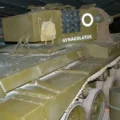
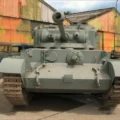
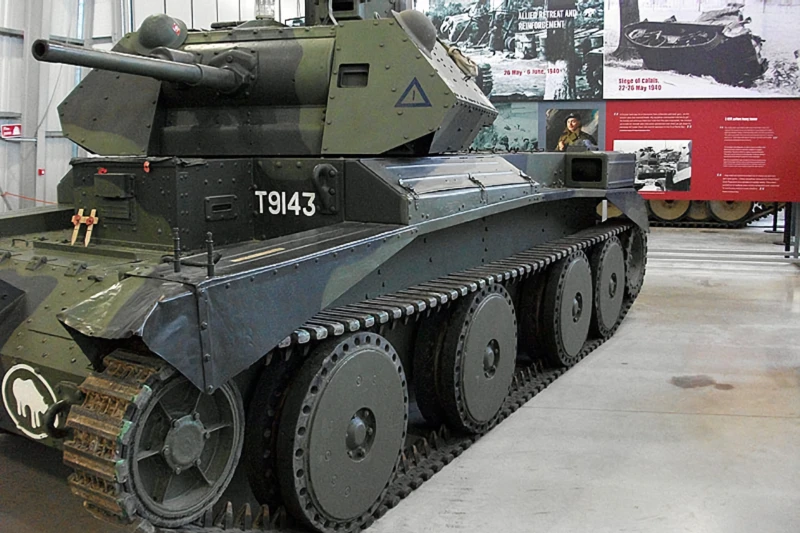
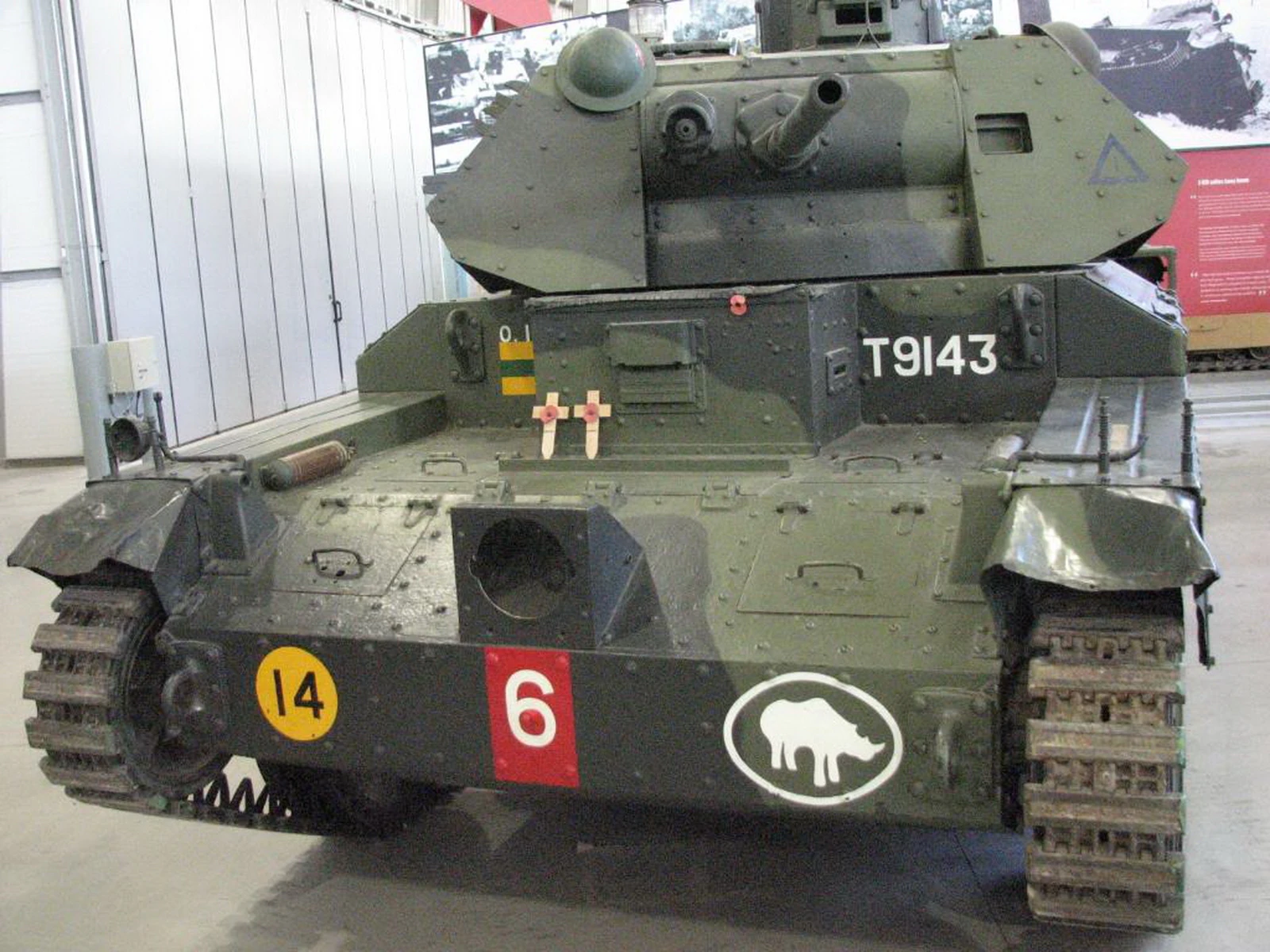
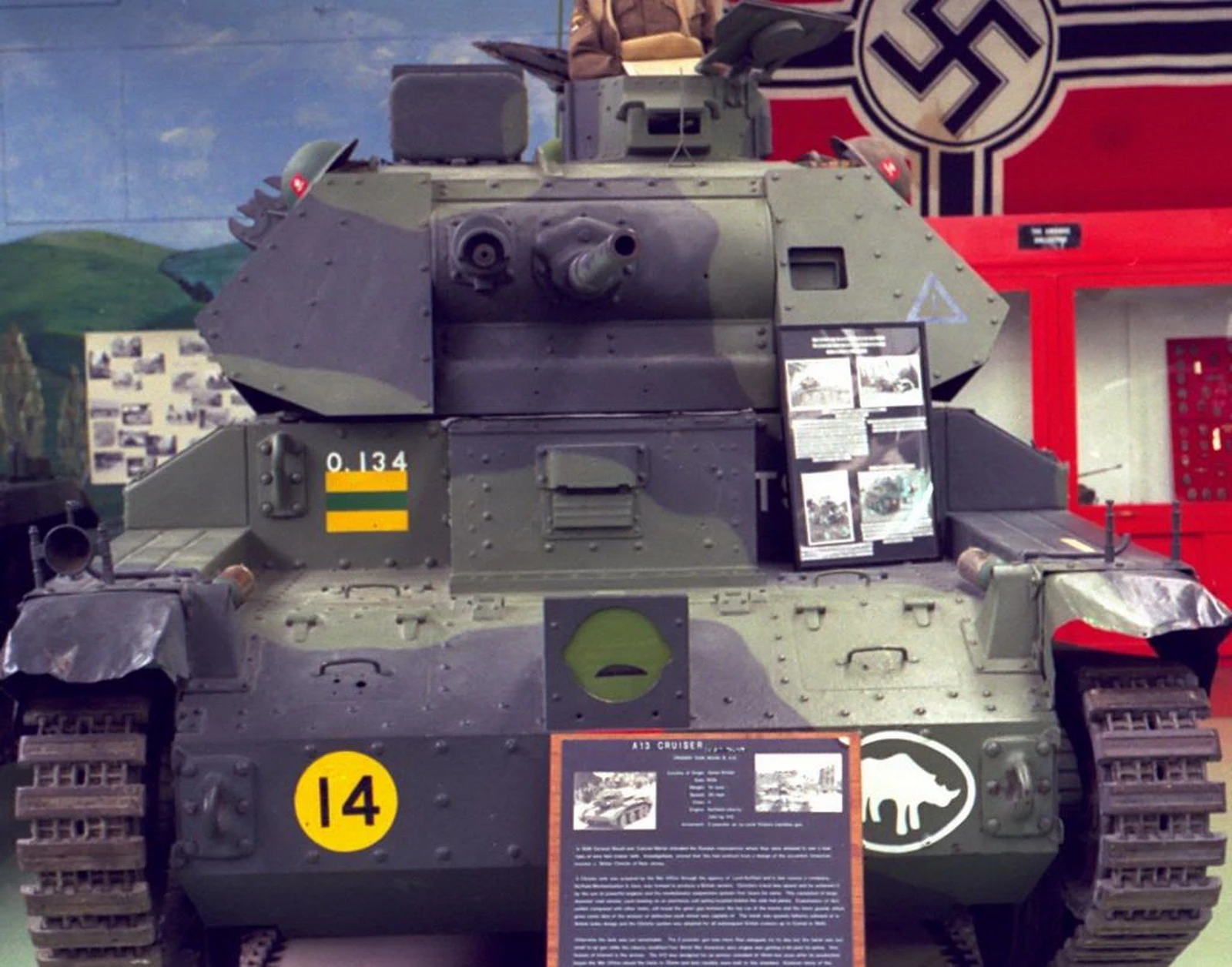
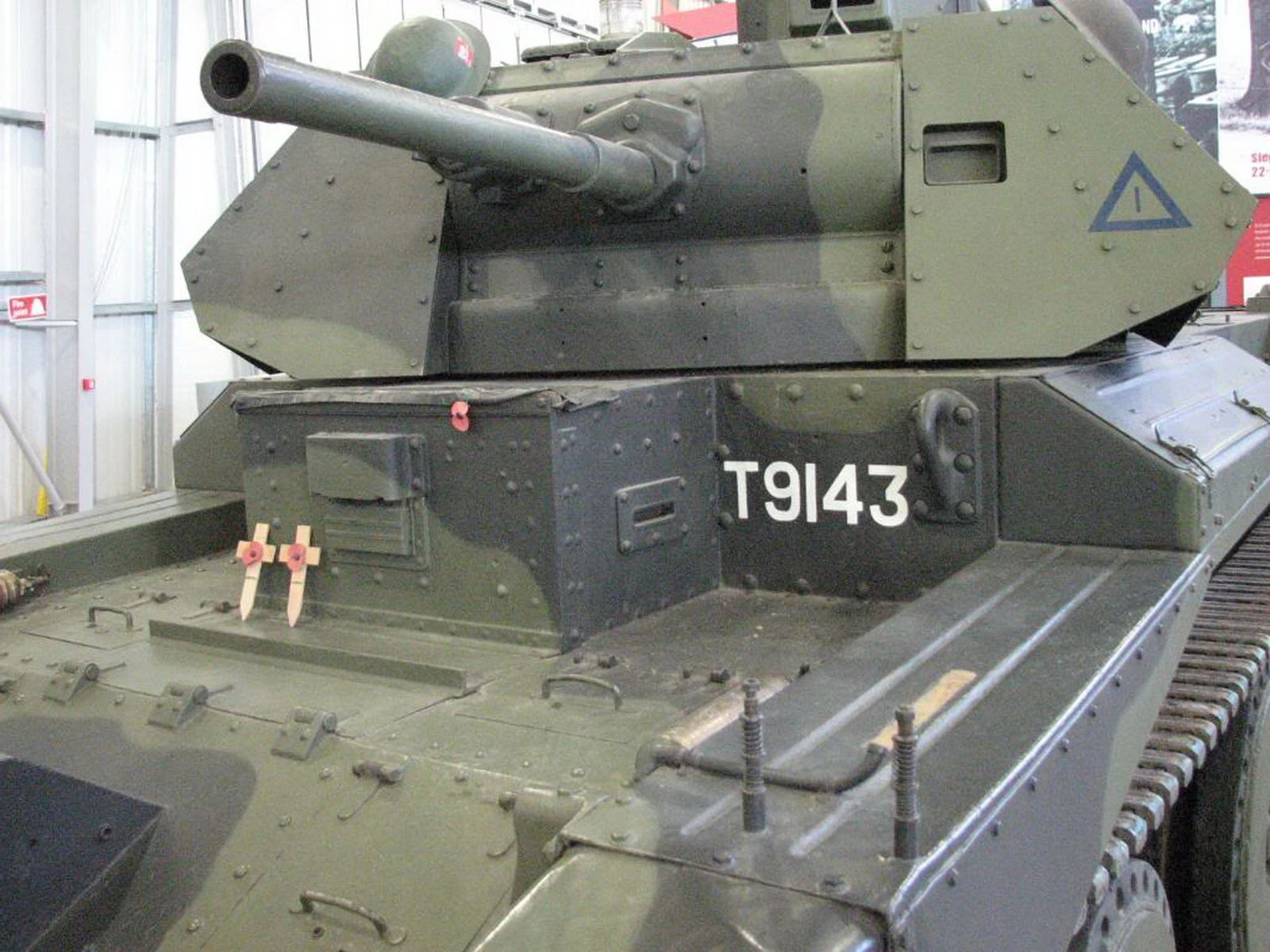
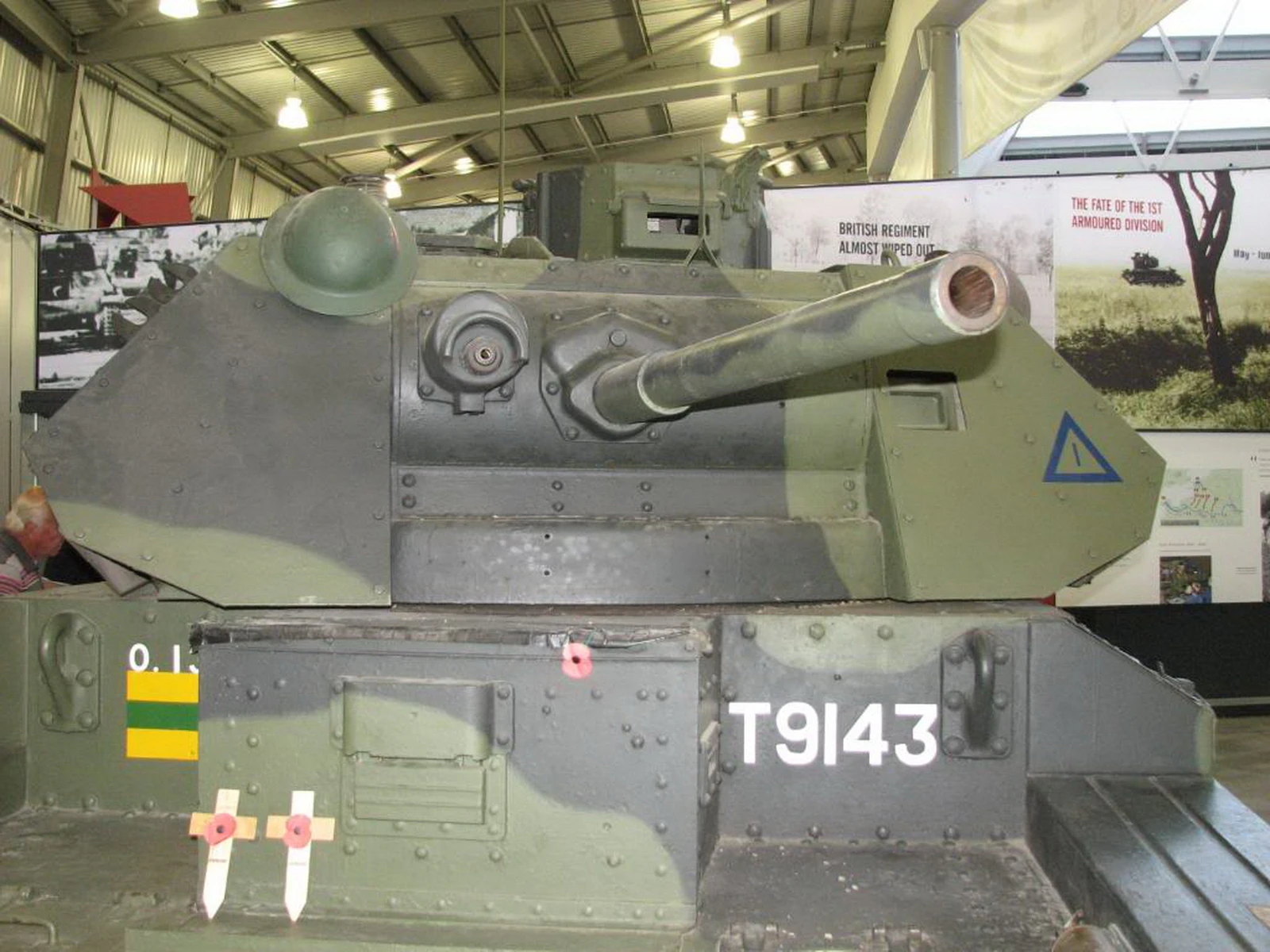
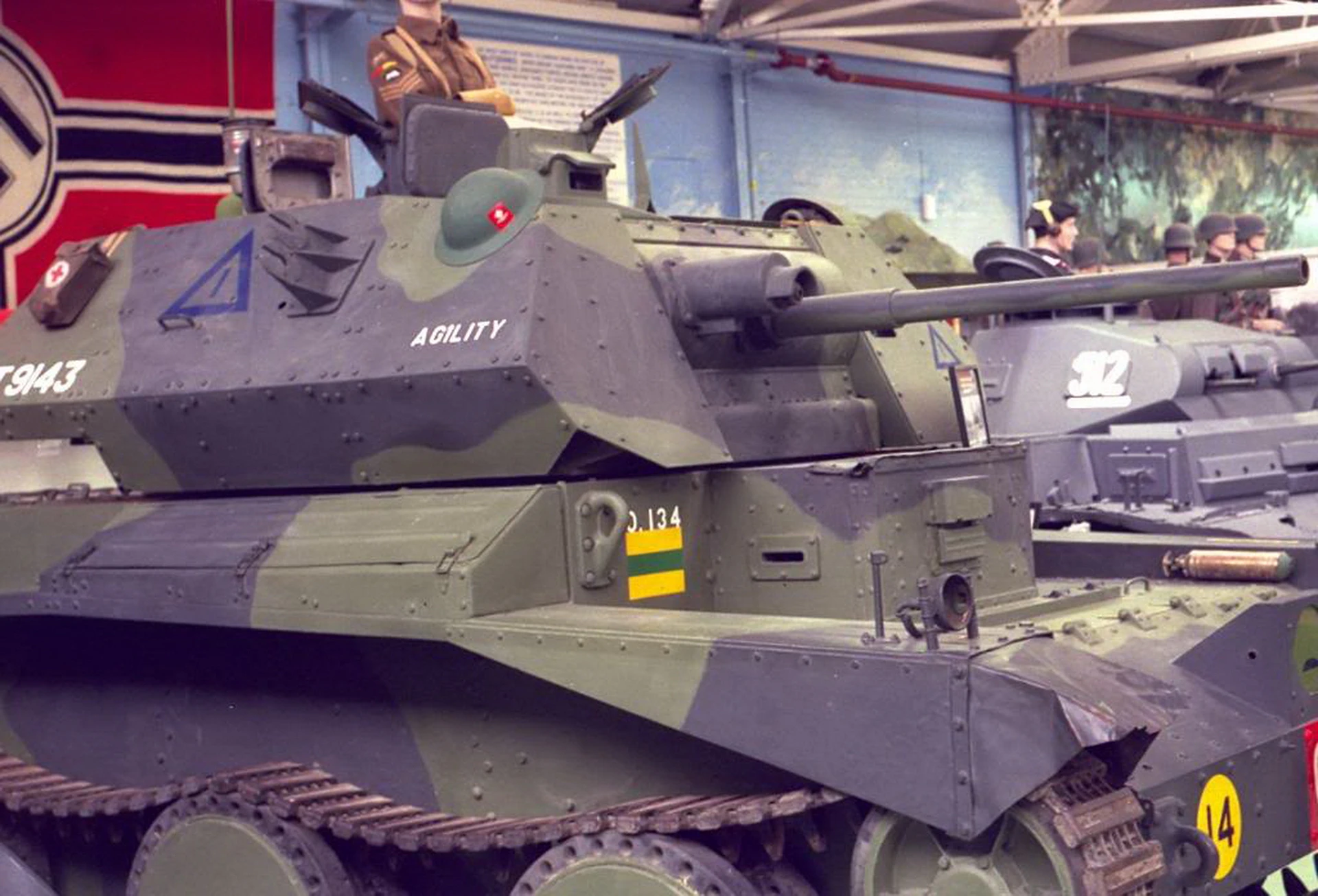
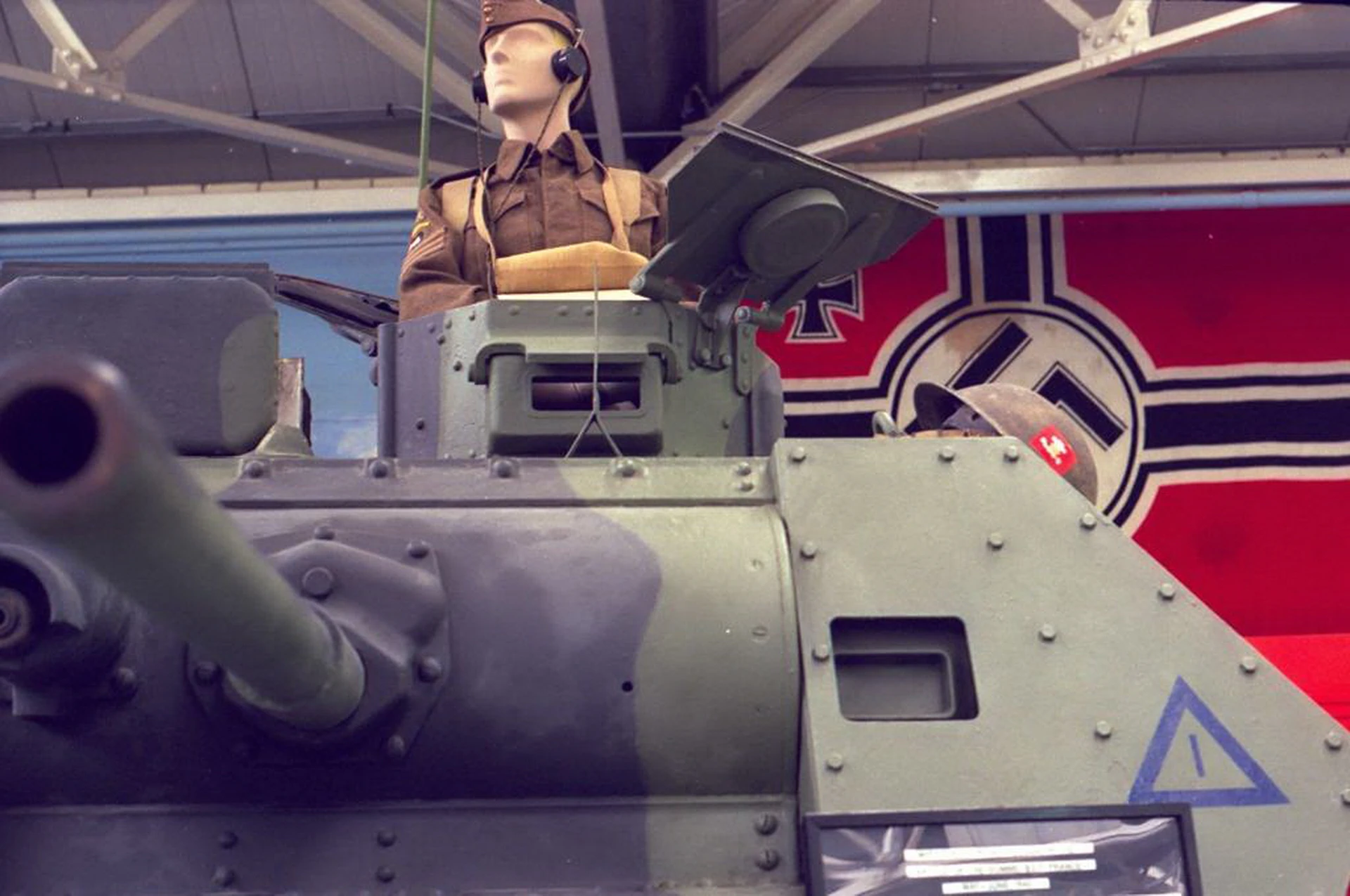
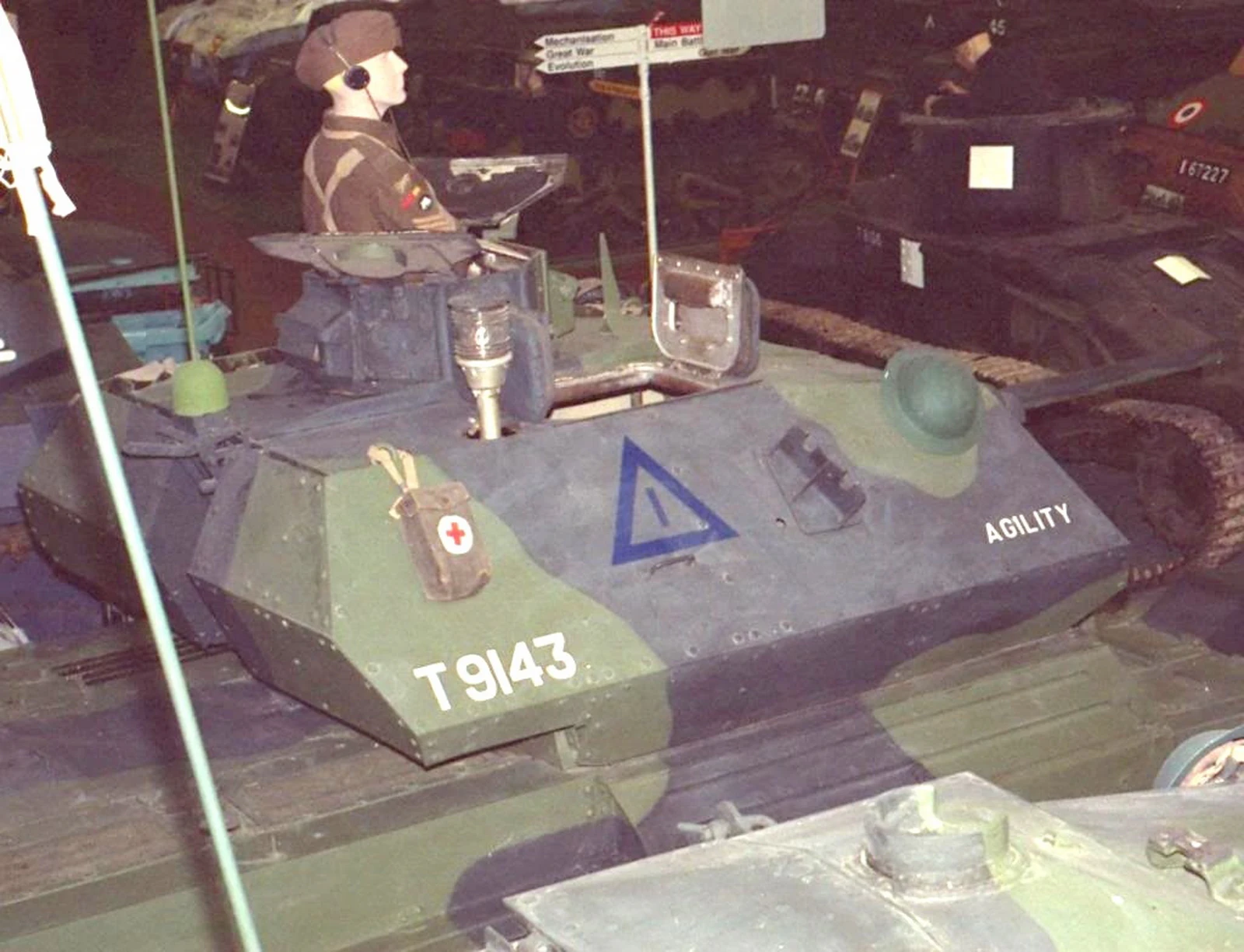
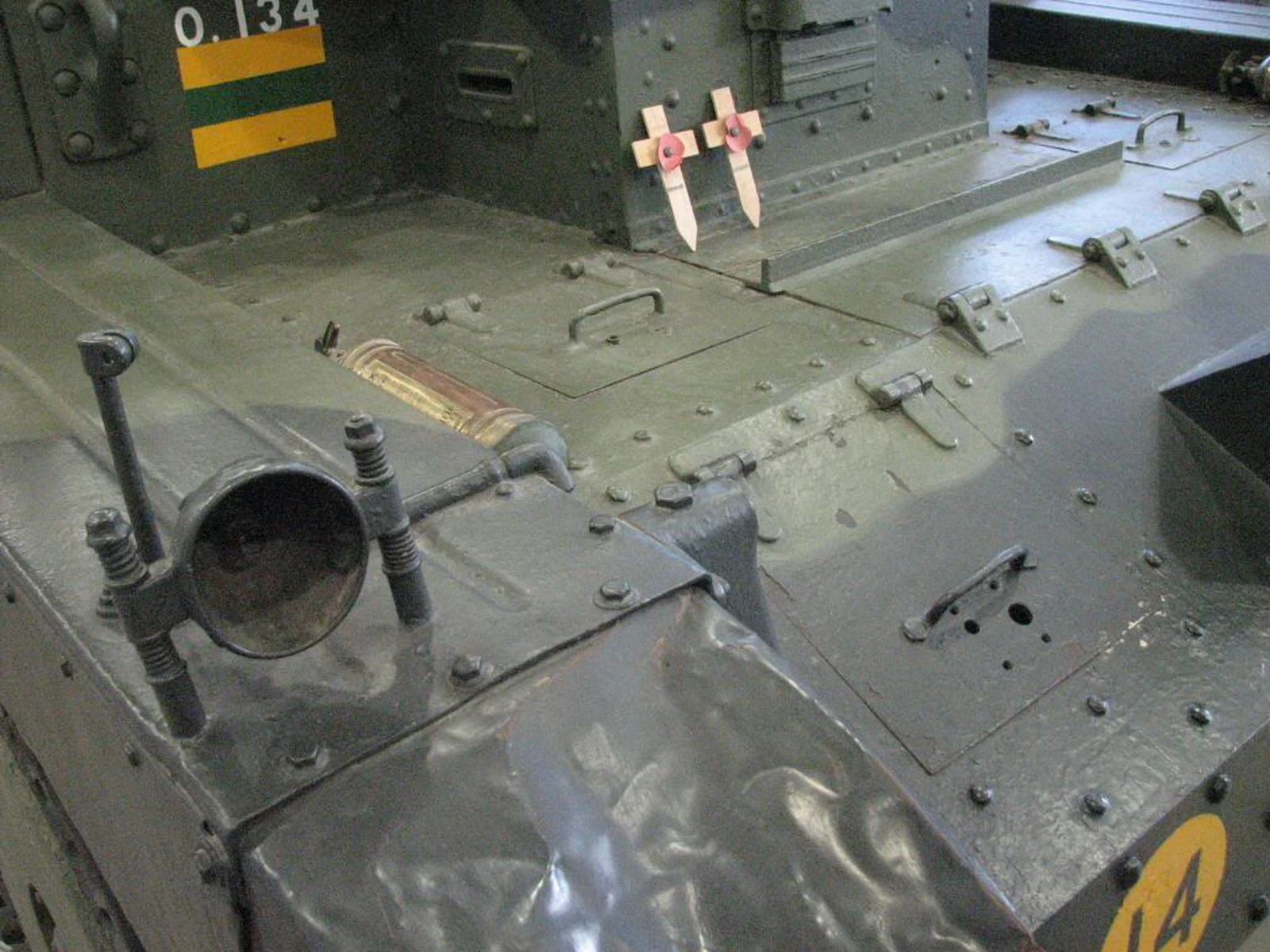
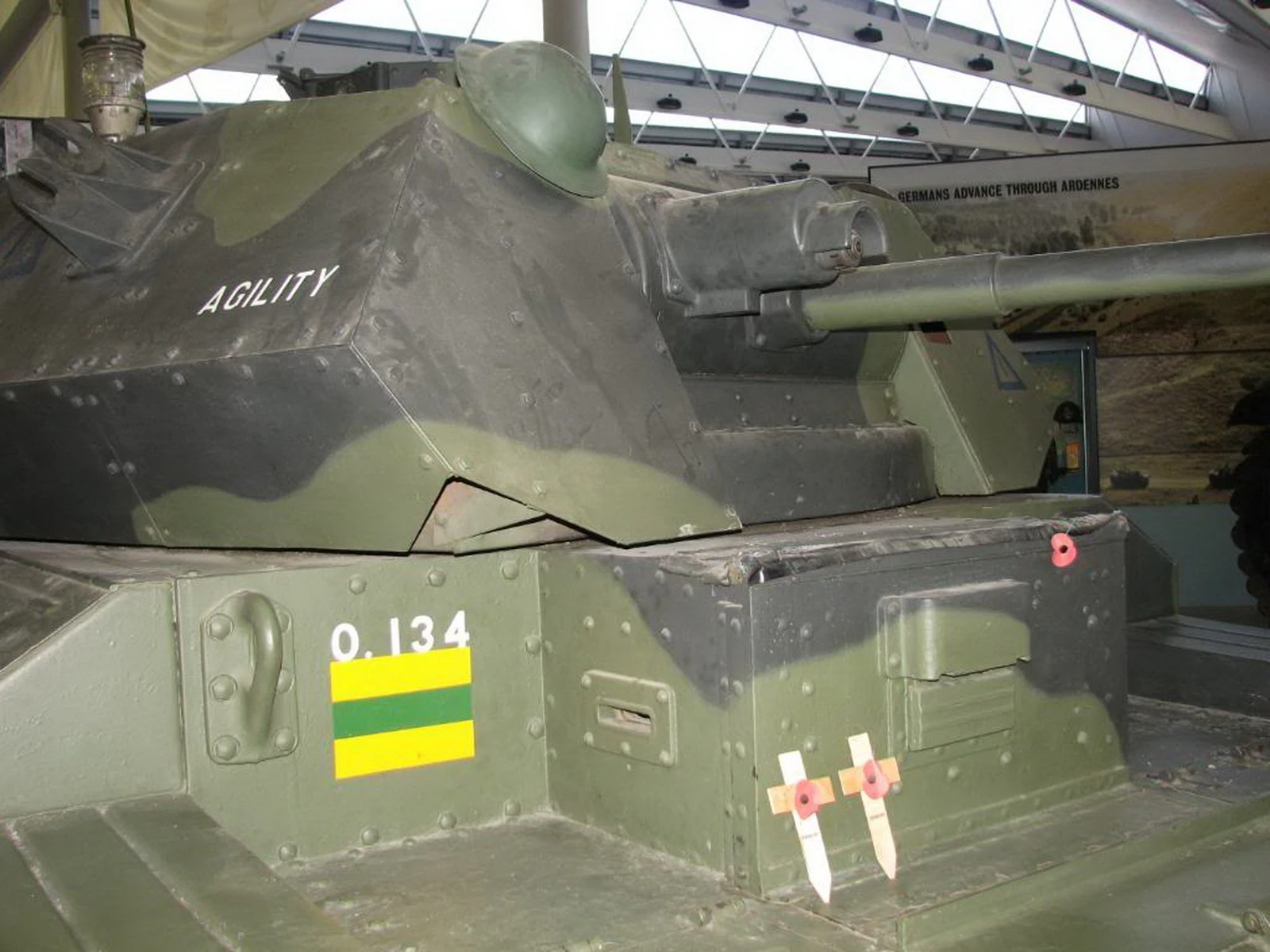
巡洋舰Mk III的照片库, 巡洋舰Mk三号 是第二次世界大战的英国巡洋舰坦克。
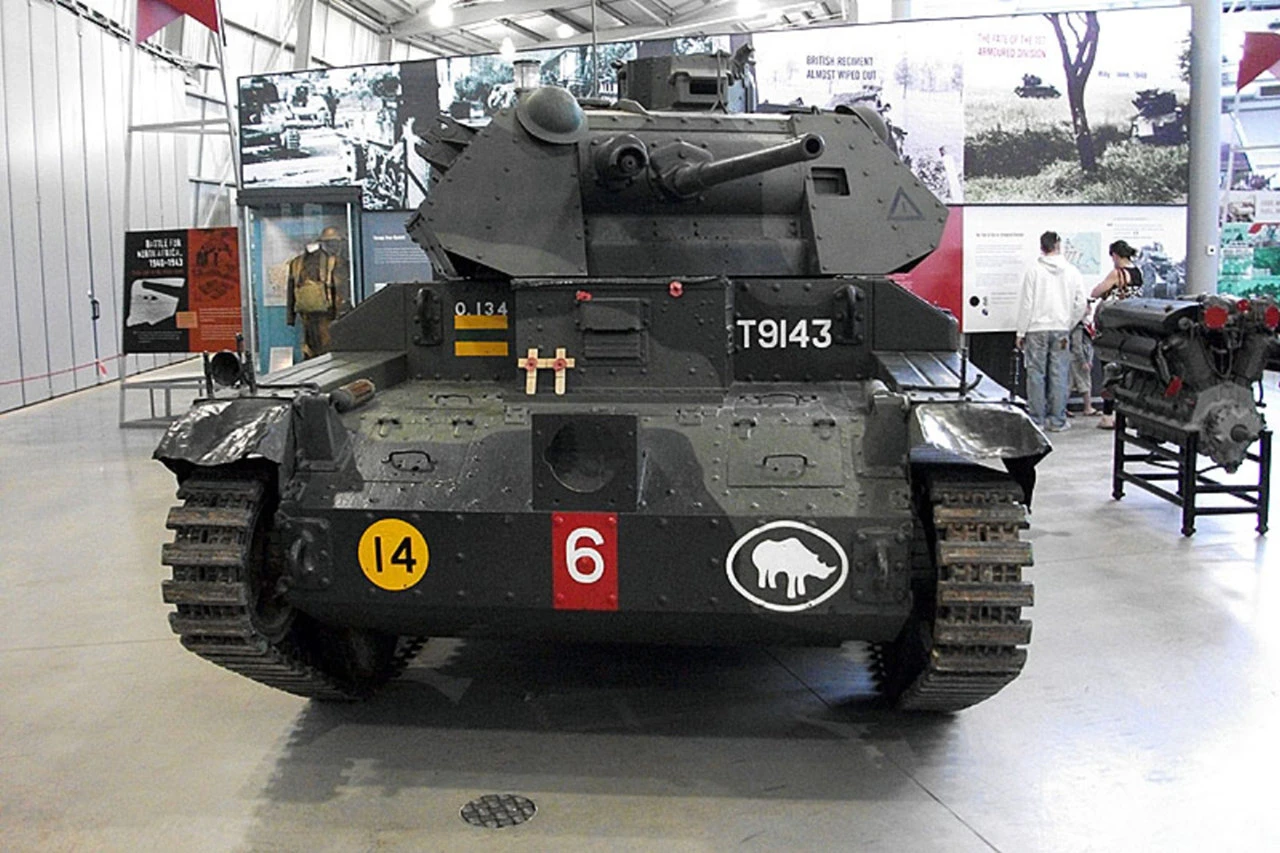
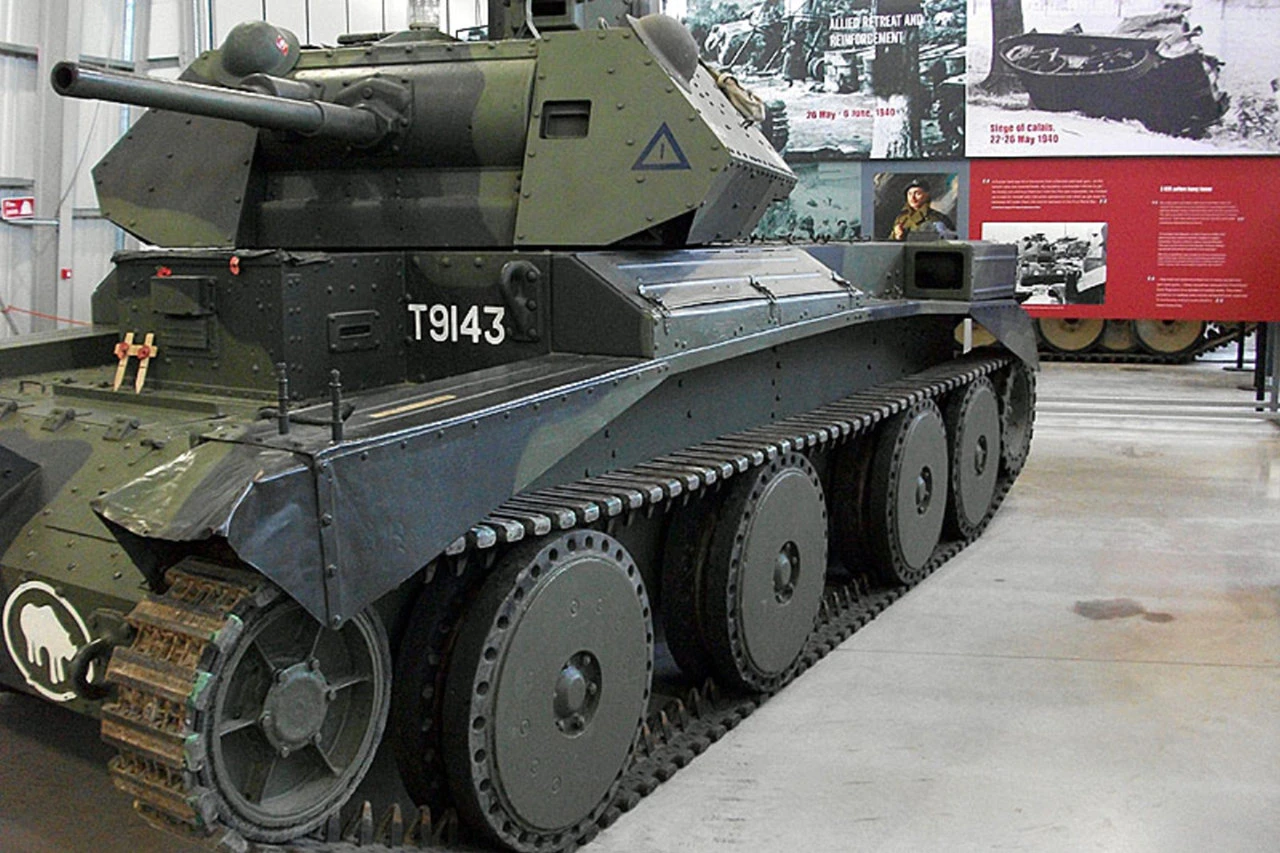
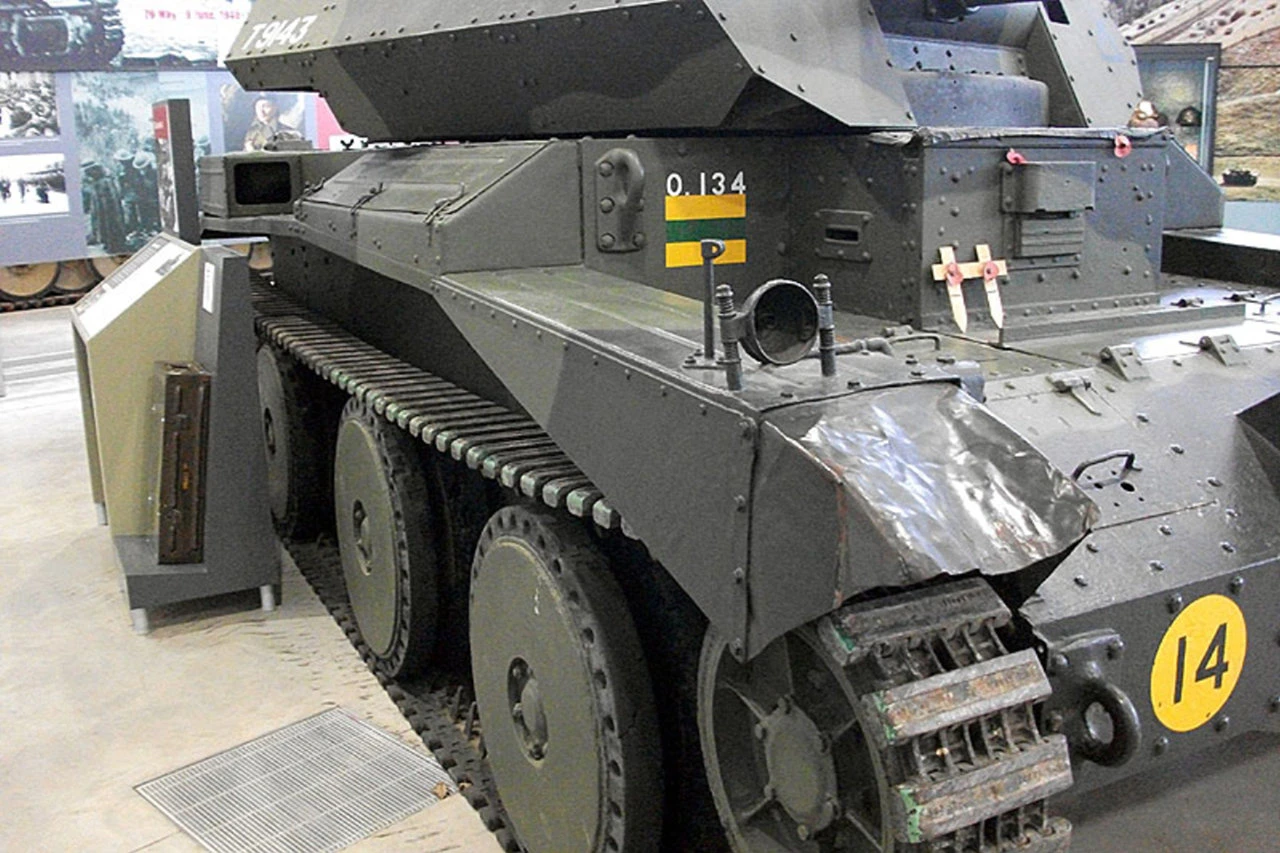
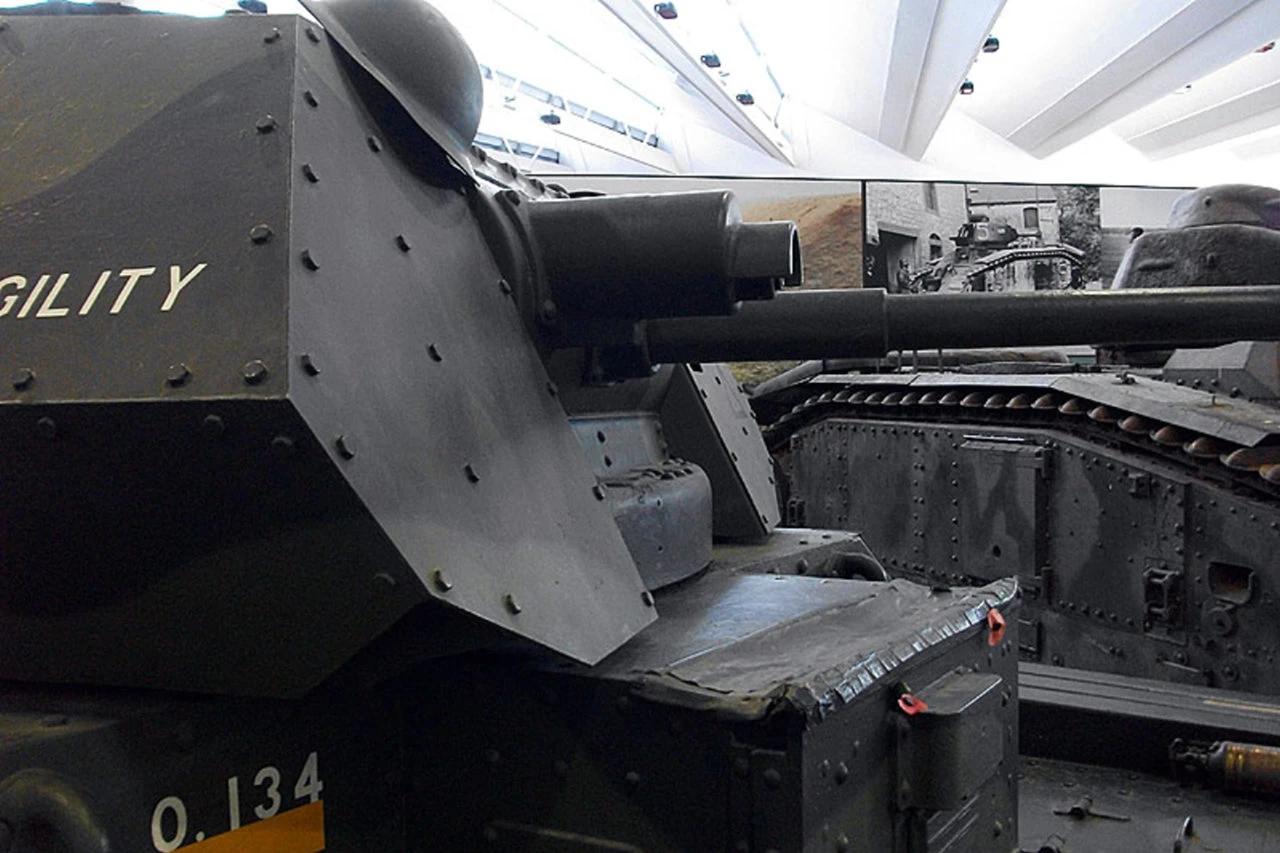
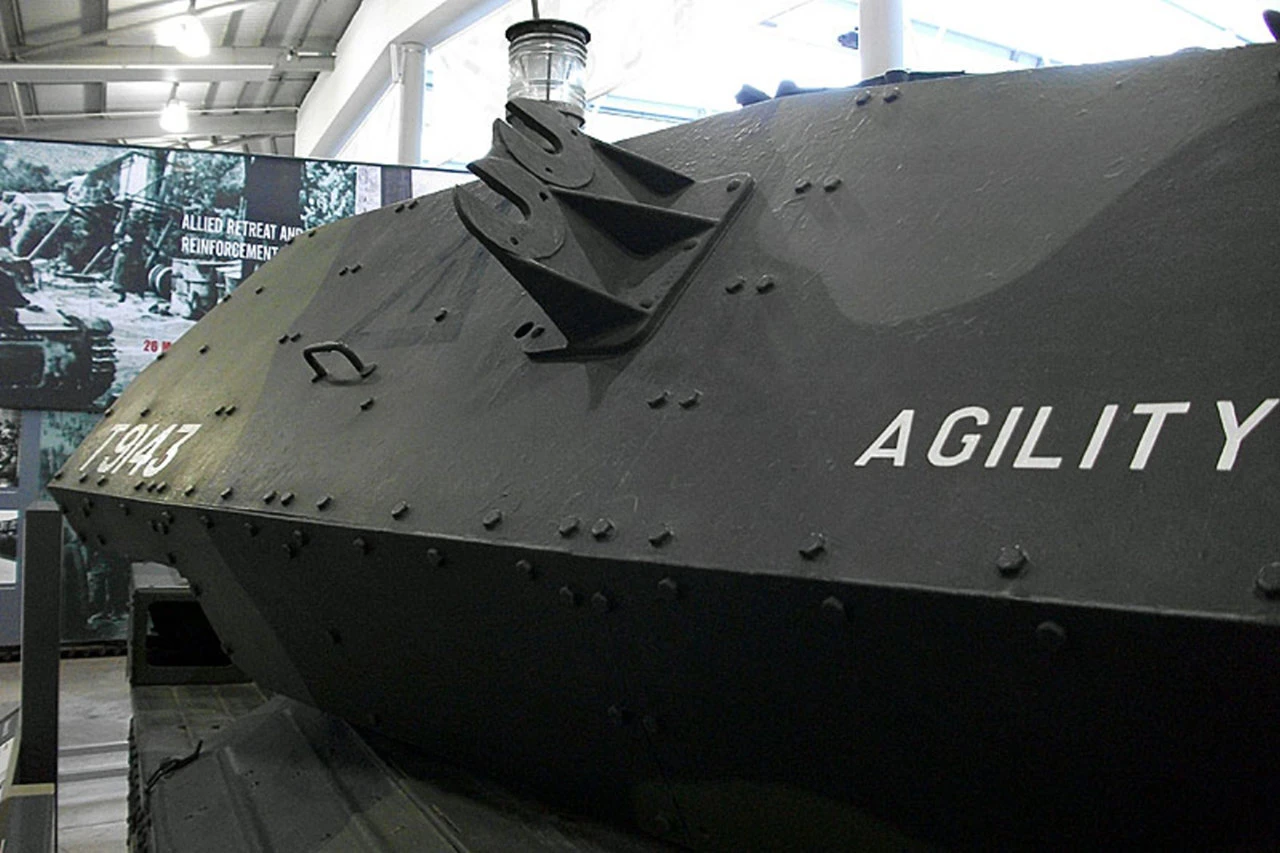
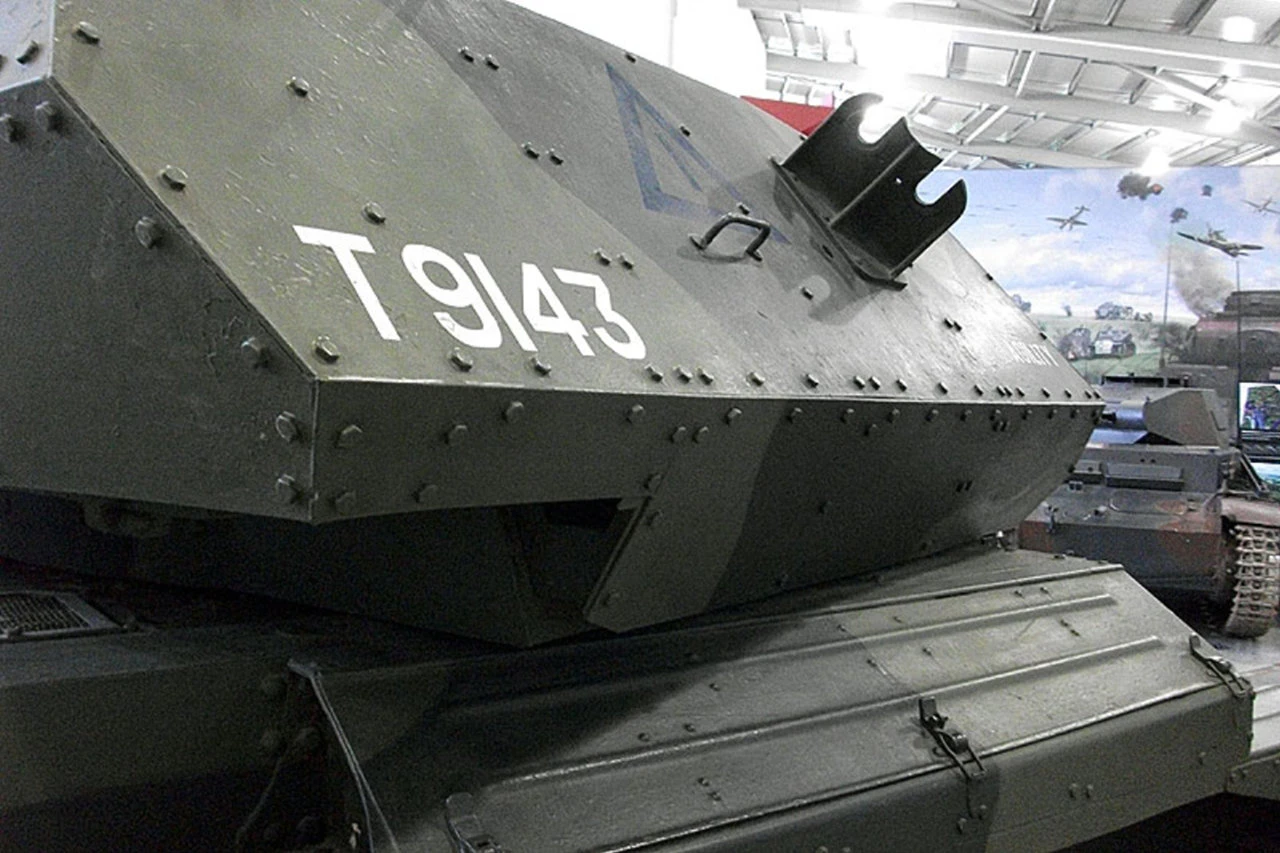
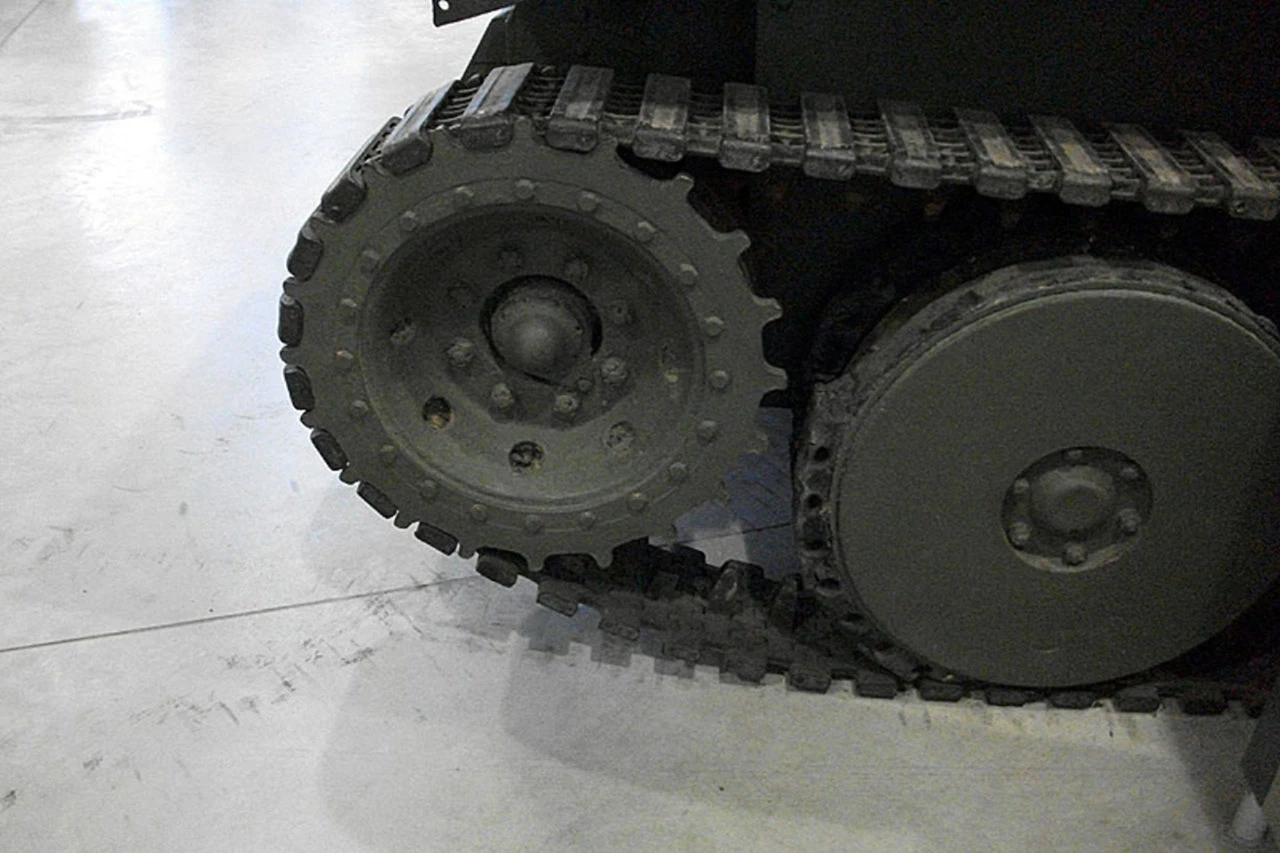
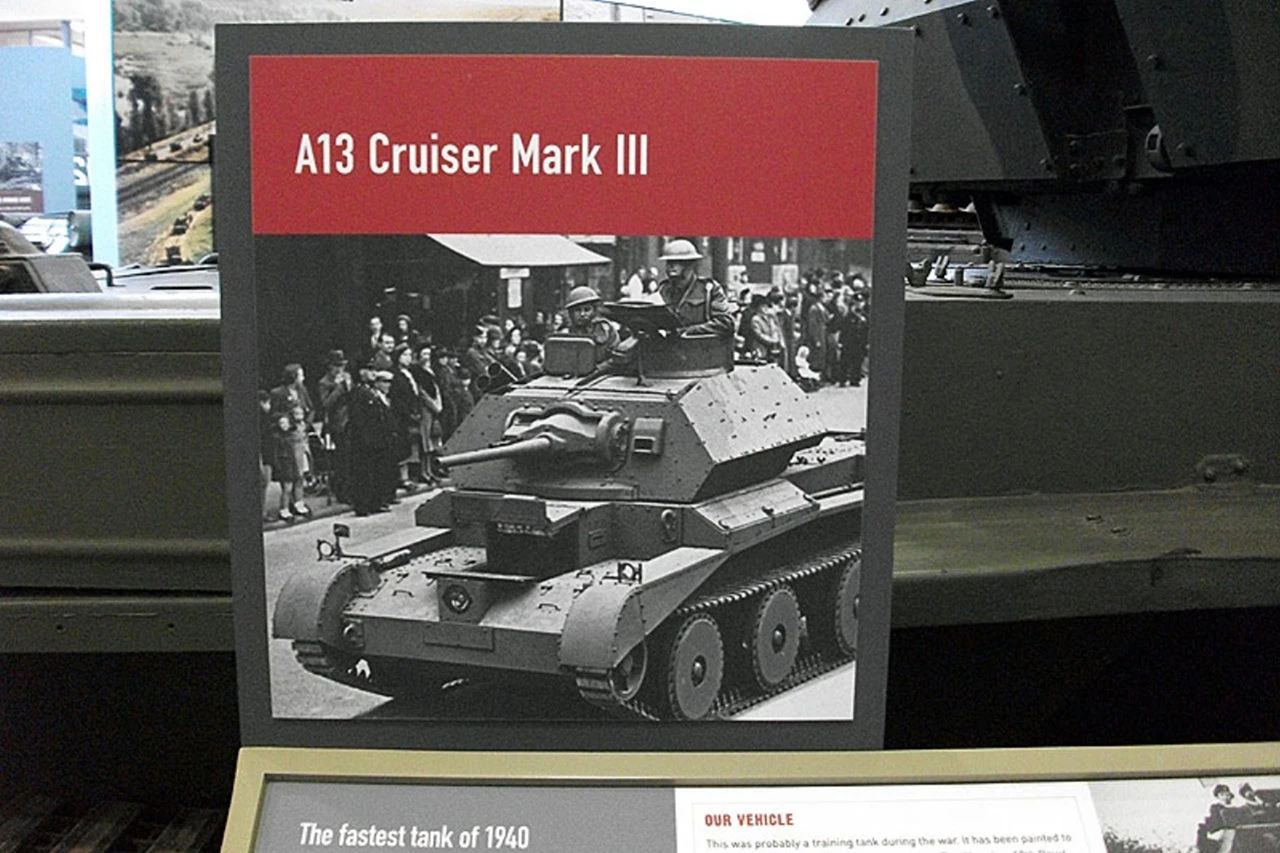
等等,为你搜索巡洋舰MkI的照片。。。
| Cruiser Mk.III (A13) Walk Around | |
|---|---|
| 摄影师 | Dean |
| 本地化 | 未知 |
| 照片 | 39 |
另请参阅:


The “Racehorse” of the Interwar British Army
这 巡洋舰Mk三号 was a revolutionary departure for British tank design. After witnessing the incredible cross-country performance of J. Walter Christie’s experimental tanks in the US, the British purchased two chassis and used the suspension technology to create the A13. It was the first British tank to feature the iconic large-diameter road wheels and long-travel springs that allowed for high speeds over rough terrain. While fast and agile, it followed the “Cruiser” doctrine of the time: prioritize speed and firepower over armor protection.
| Attribute | Technical Specification (Cruiser Mk III) |
|---|---|
| 作用 | Cruiser Tank (Cavalry / Breakthrough) |
| 船员 | 4 (Commander, Gunner, Loader, Driver) |
| 发动机 | Nuffield Liberty V12 petrol (340 hp) |
| 最高速度 | 48 km/h (30 mph) on road / 40 km/h (25 mph) off-road |
| 主要武器装备 | QF 2-pounder (40 mm) gun |
| 次要武器 | 1 × .303 Vickers machine gun (coaxial) |
| 装甲 | 6 mm to 14 mm (Extremely thin) |
| 重量 | 14.2 tonnes |
Design Engineering: The Christie Revolution
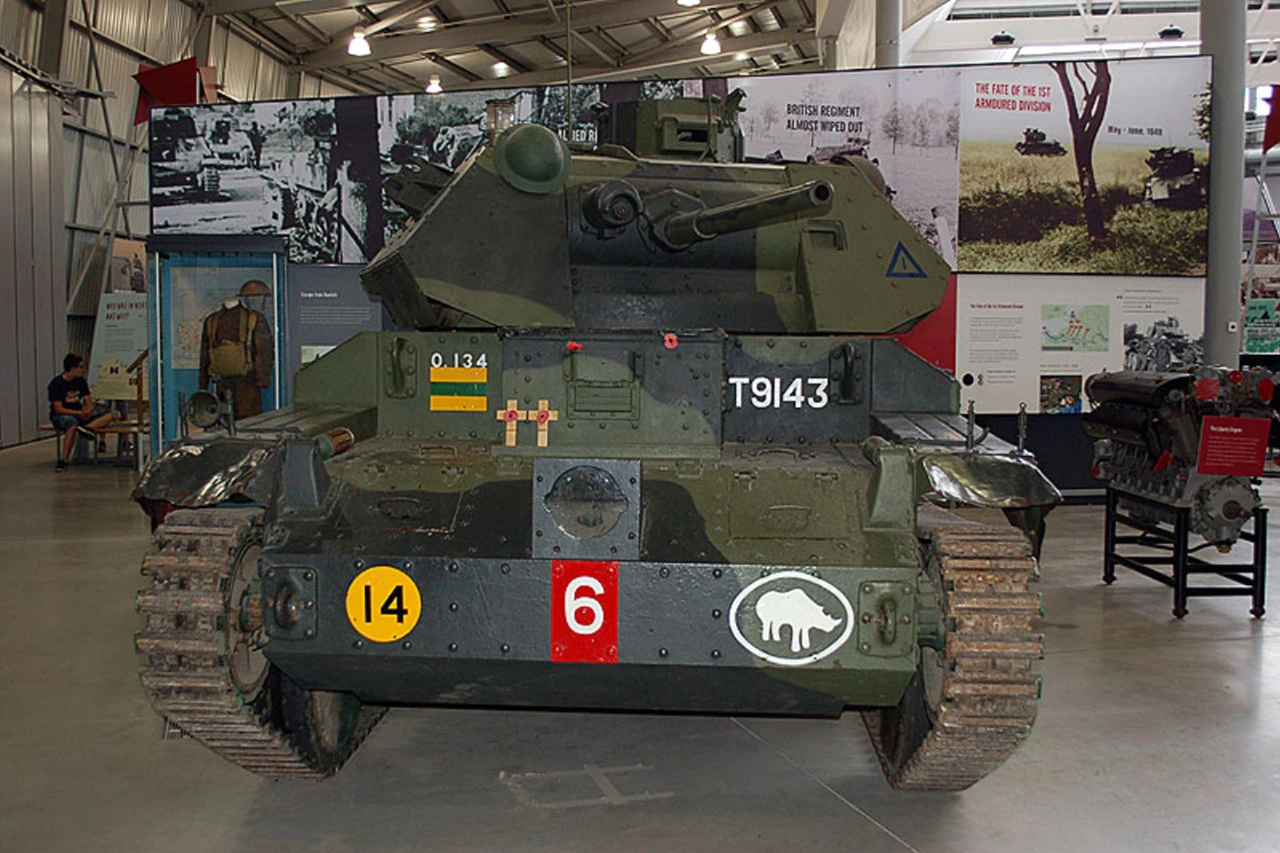
- The Christie Suspension: Unlike the bogie-style suspension of the earlier Mk I and II Cruisers, the Mk III used four large road wheels on each side, mounted on long vertical coil springs. This allowed the wheels to travel much further over bumps, maintaining track contact at high speeds.
- The Liberty V12: To achieve high speeds, Nuffield used a modified version of the WWI Liberty aero engine. It provided a massive power-to-weight ratio for the 1930s, though it was notoriously unreliable and prone to overheating in the early years of service.
- Boxy Turret Construction: The turret was made of flat plates bolted to a frame. This was easier to manufacture than cast or welded turrets but created “shot traps” and was highly vulnerable to even light anti-tank rifles.
- The 2-Pounder Gun: At the time of its introduction, the 40mm 2-pounder was an excellent anti-tank gun, capable of penetrating any contemporary tank. However, it famously lacked an effective high-explosive (HE) shell, meaning the crew had to use the machine gun for soft targets.
Operational History: Trial by Fire
- The Battle of France (1940): The Cruiser Mk III saw its first major action with the 1st Armoured Division in France. While they were faster than the German Panzers, their thin armor (only 14mm at the thickest point) meant that even the German 20mm autocannons and 37mm “door-knocker” guns could easily destroy them.
- Western Desert Campaign: Many surviving Mk IIIs were sent to North Africa. Their speed was an asset in the vast open desert, but the fine sand played havoc with the Liberty engines and the unprotected Christie suspension.
- Evolutionary Foundation: The A13 (Mk III) was quickly upgraded with thicker, sloped armor to become the Cruiser Mk IV. The lessons learned from the Mk III’s suspension and engine failures led directly to the development of the 公约, 十字 军, and eventually the highly successful 克伦威尔.
- Rarity: Because they were so lightly armored and mechanically temperamental, few Cruiser Mk IIIs survived the early years of WWII. Most were lost in the retreat to Dunkirk or scuttled in the desert.
意见:3105