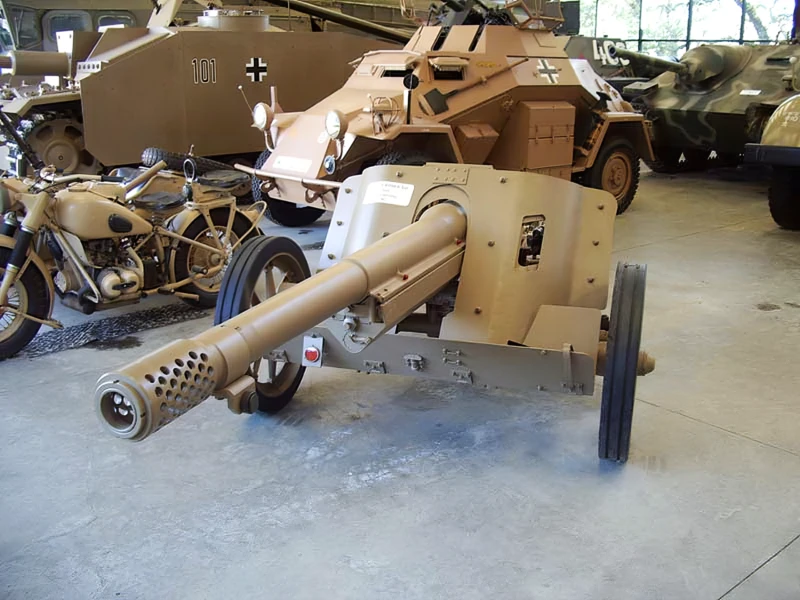
7.5 厘米帕克 97/38 | |
|---|---|
| 国家 | 德国 |
| 类型 | 反坦克枪 |
| 时期 | ww2 |
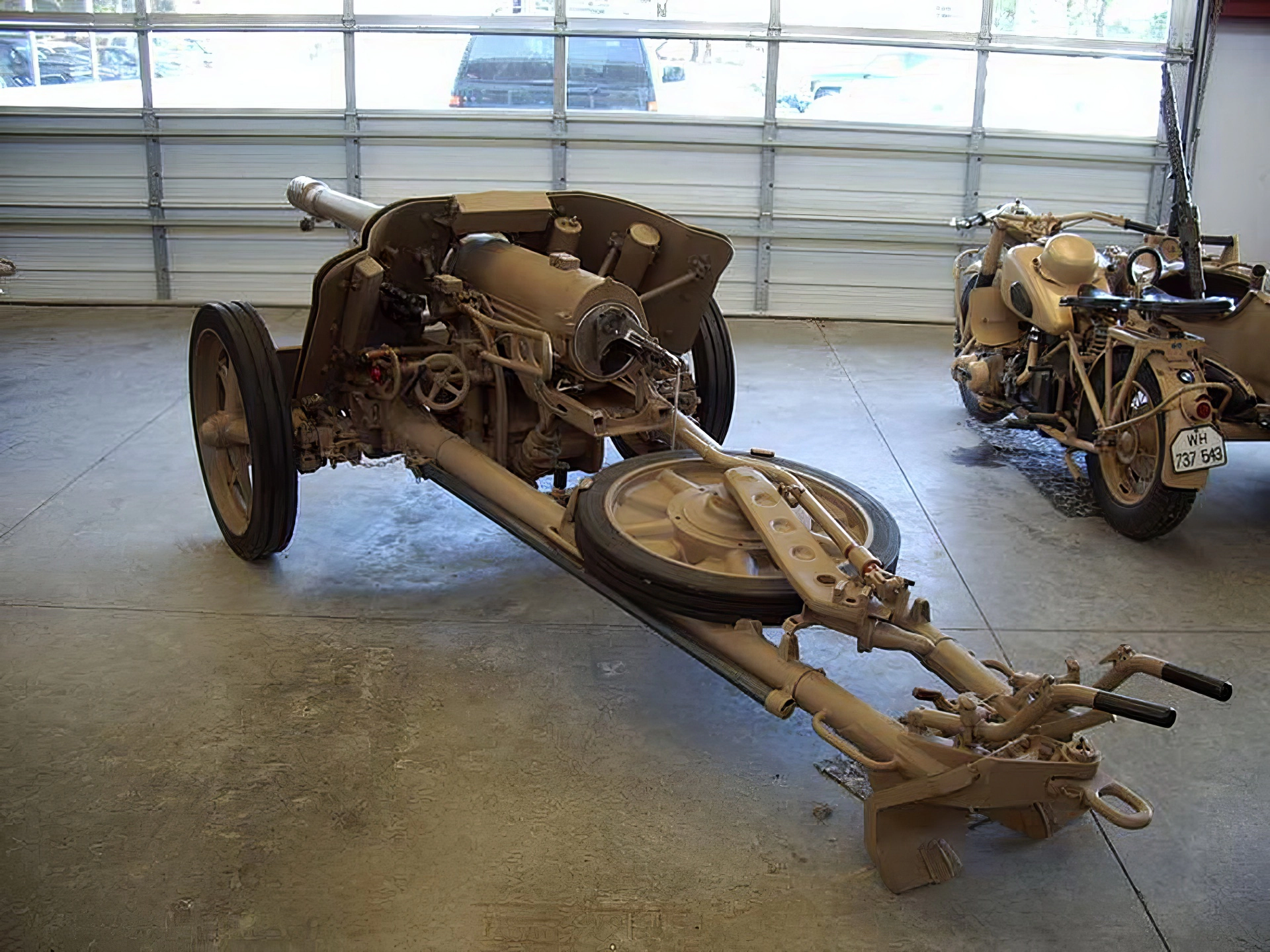
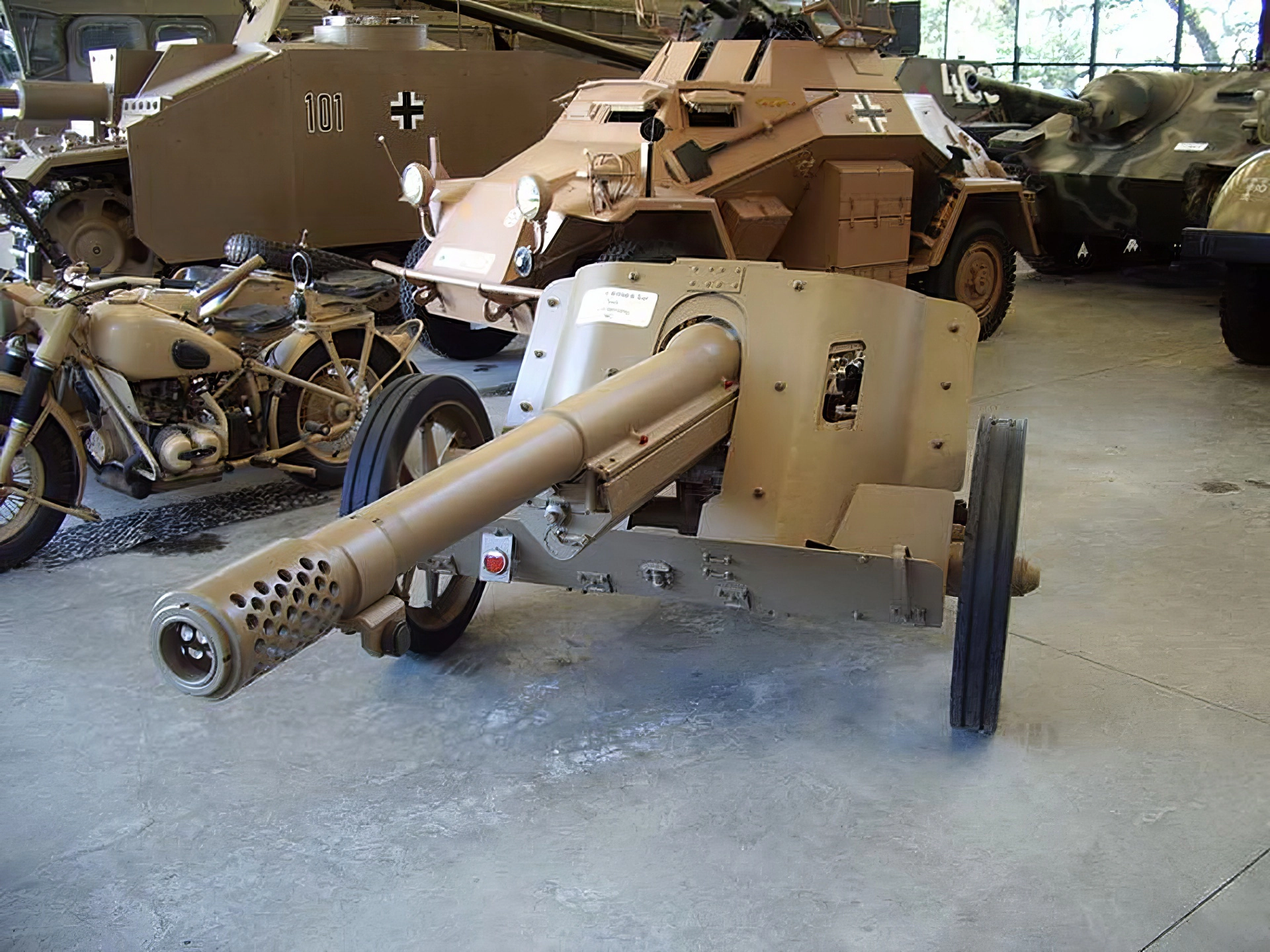
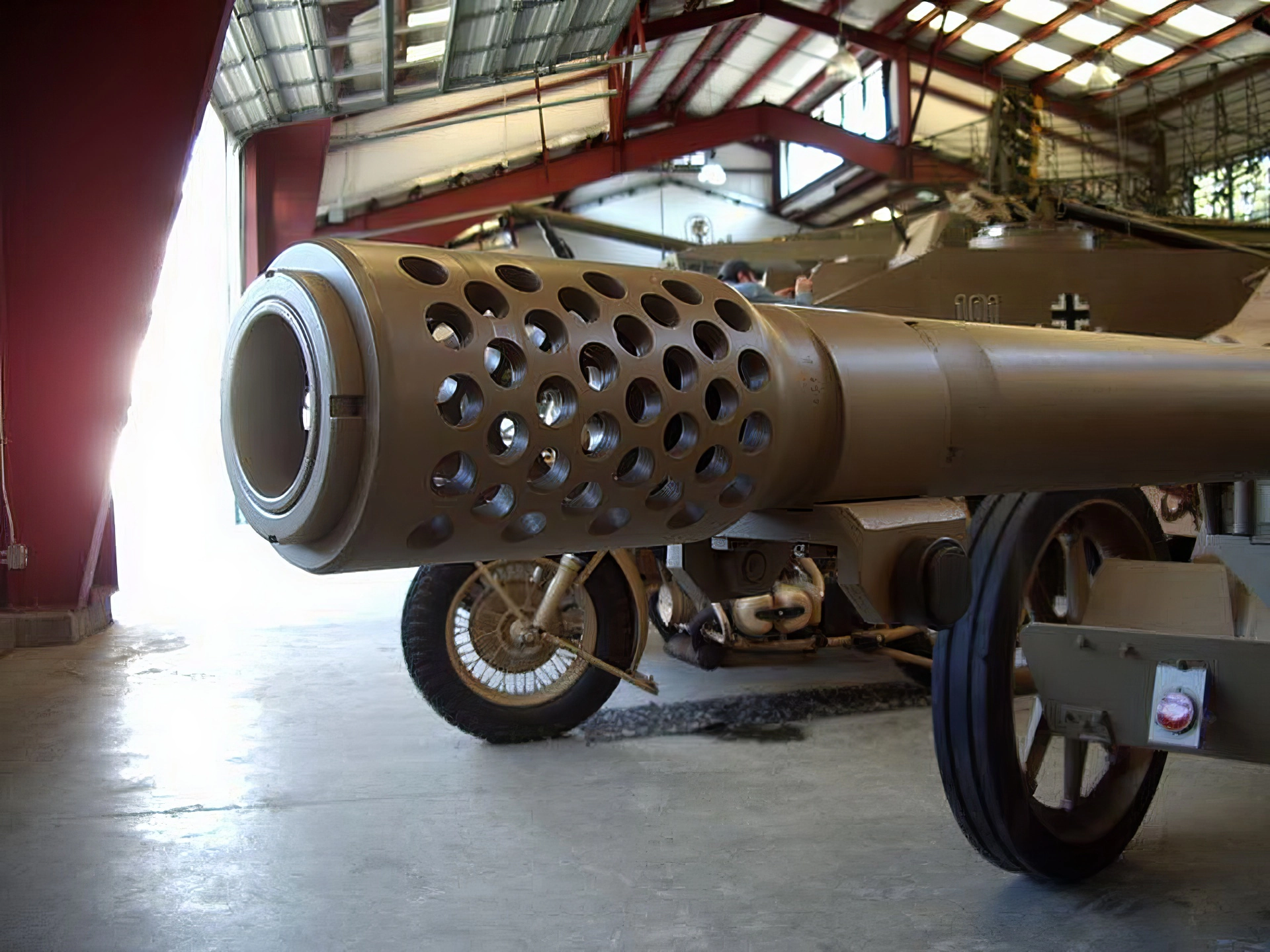
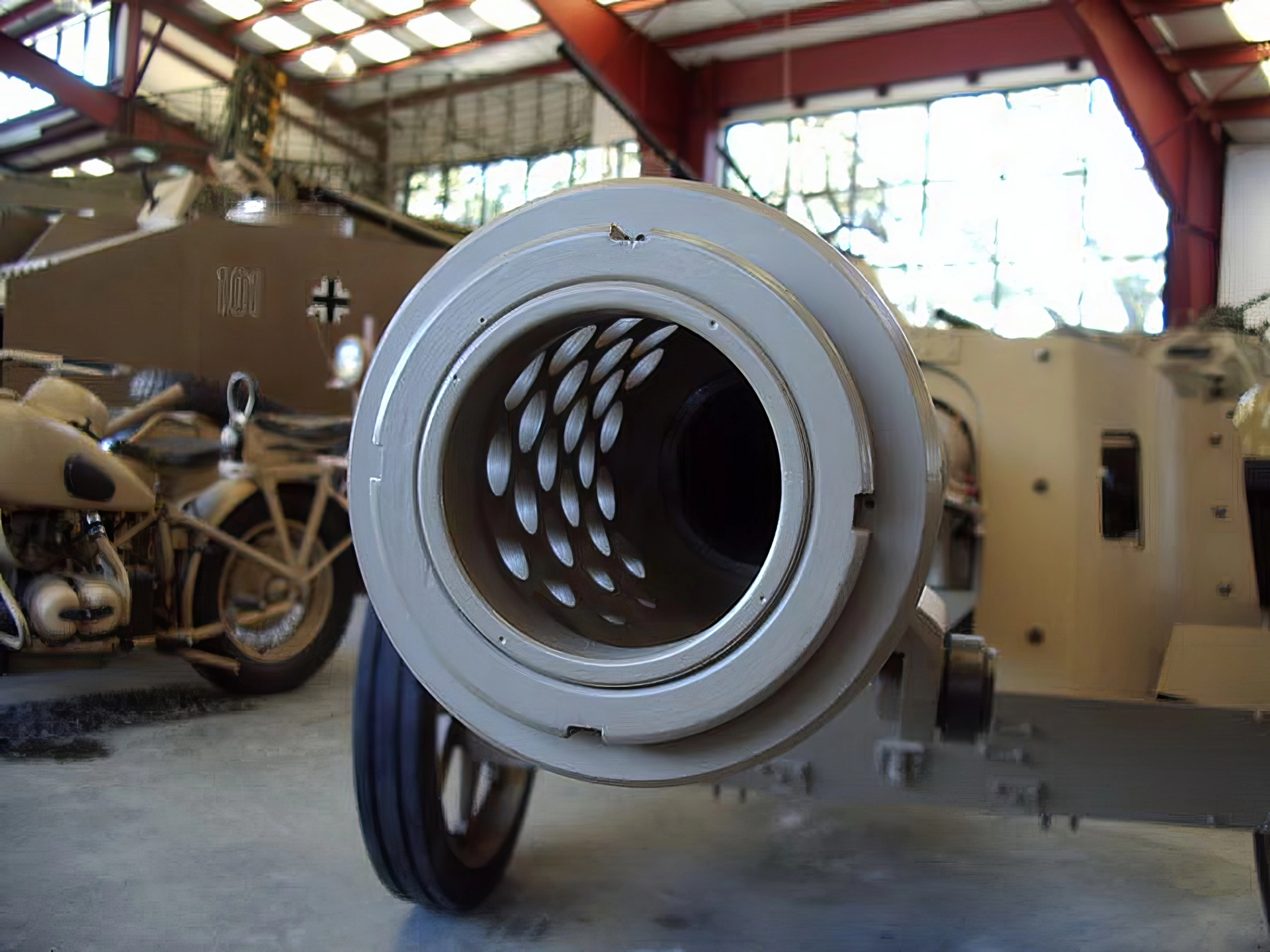
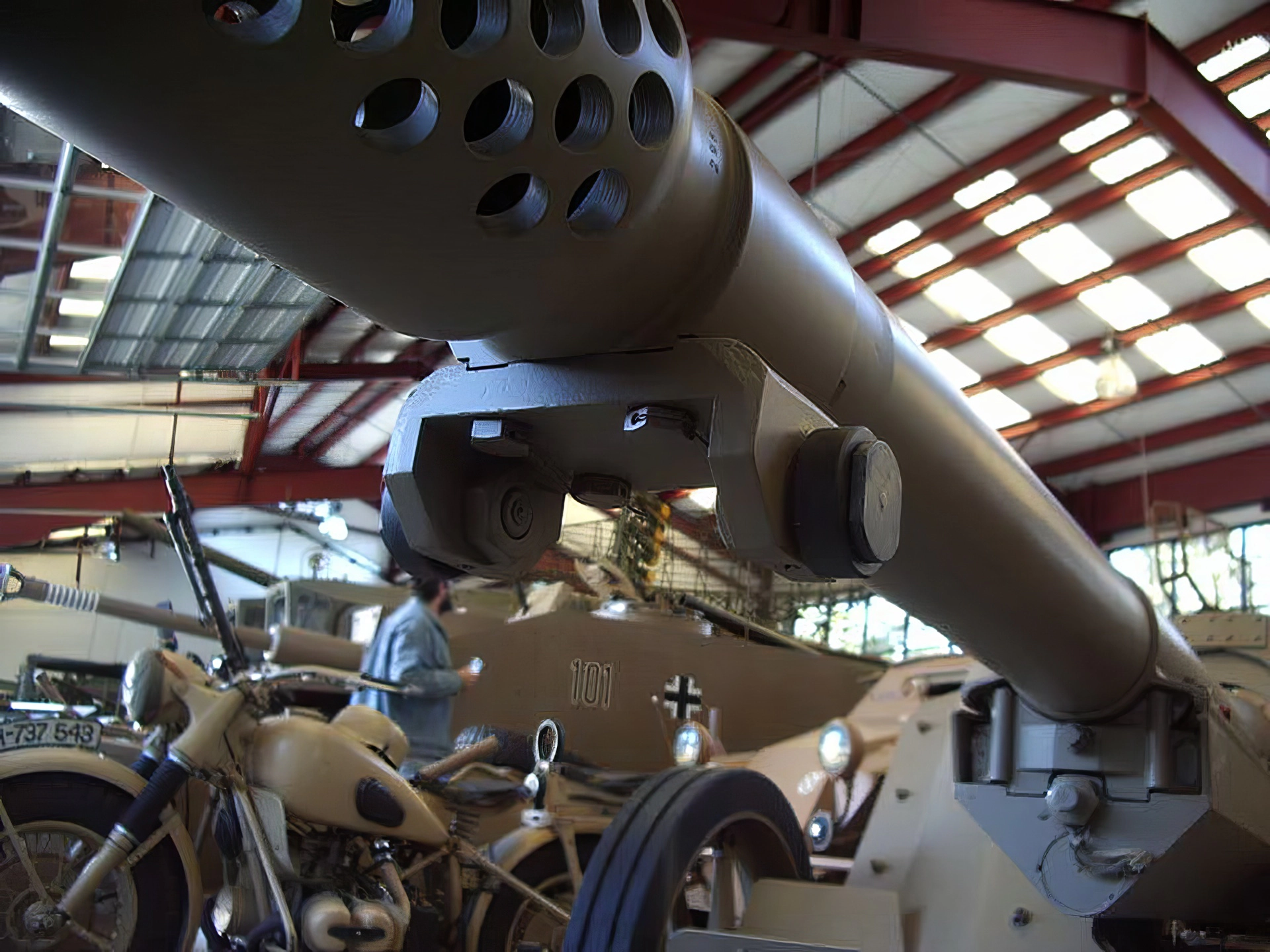
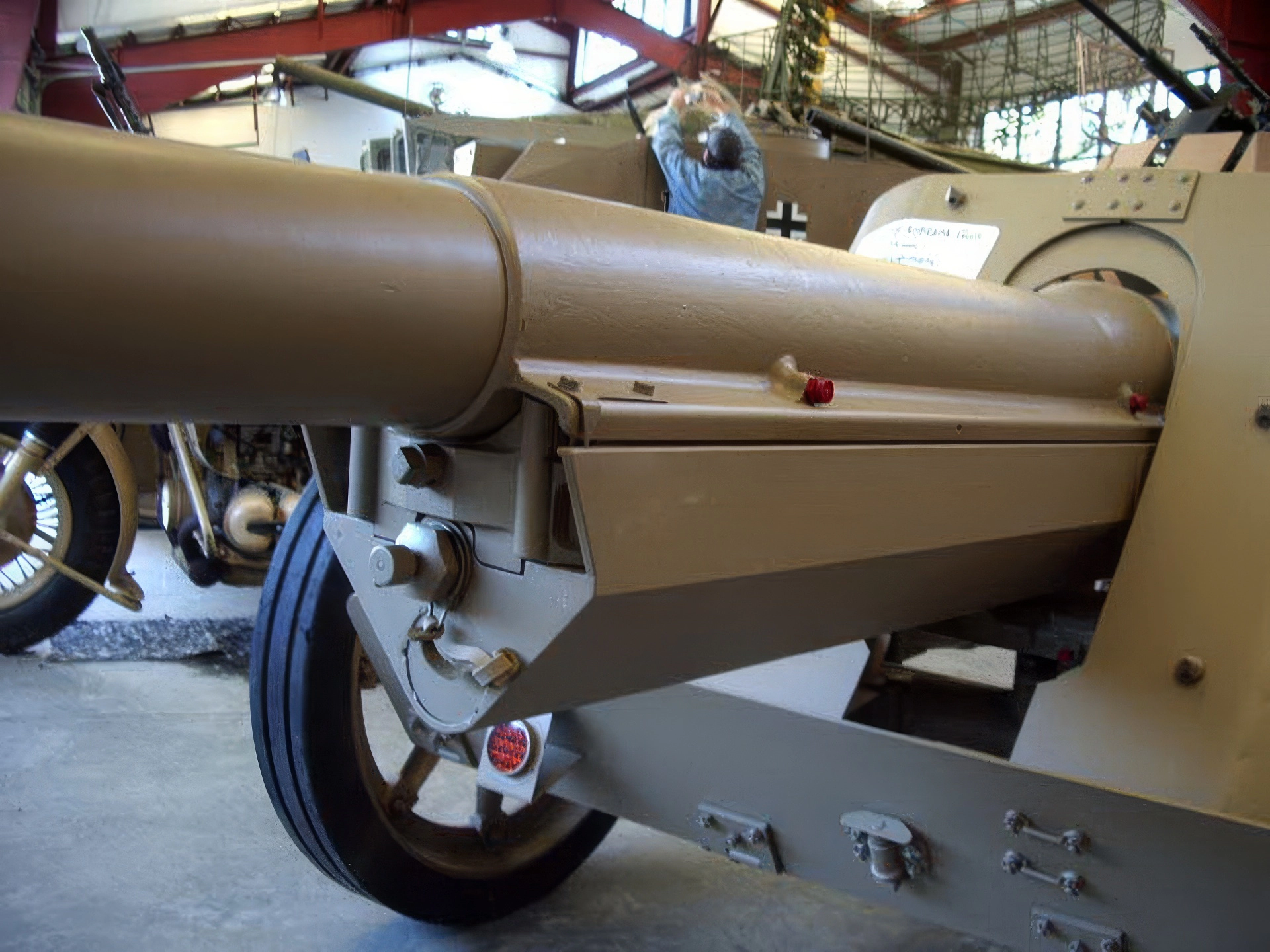
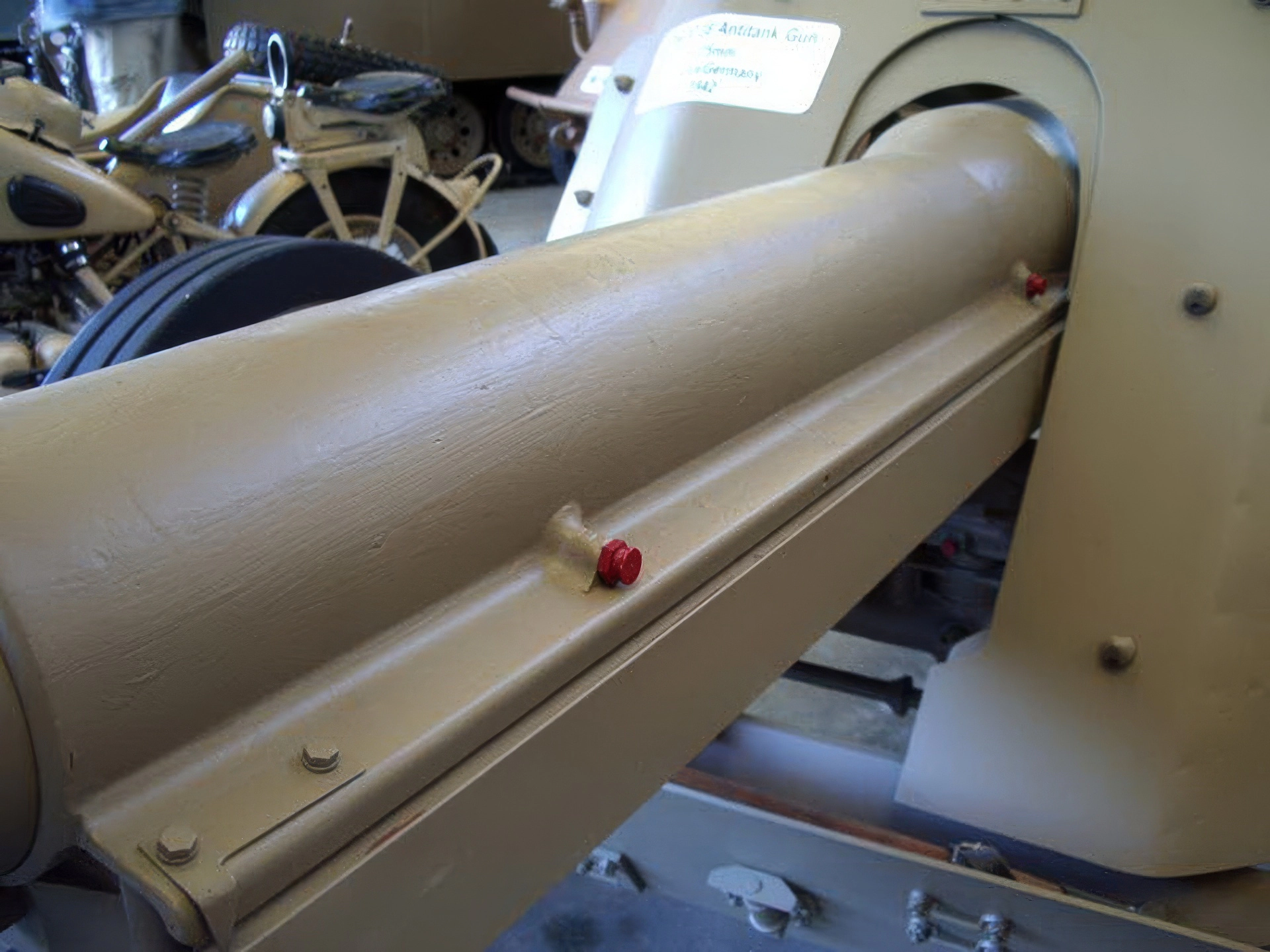
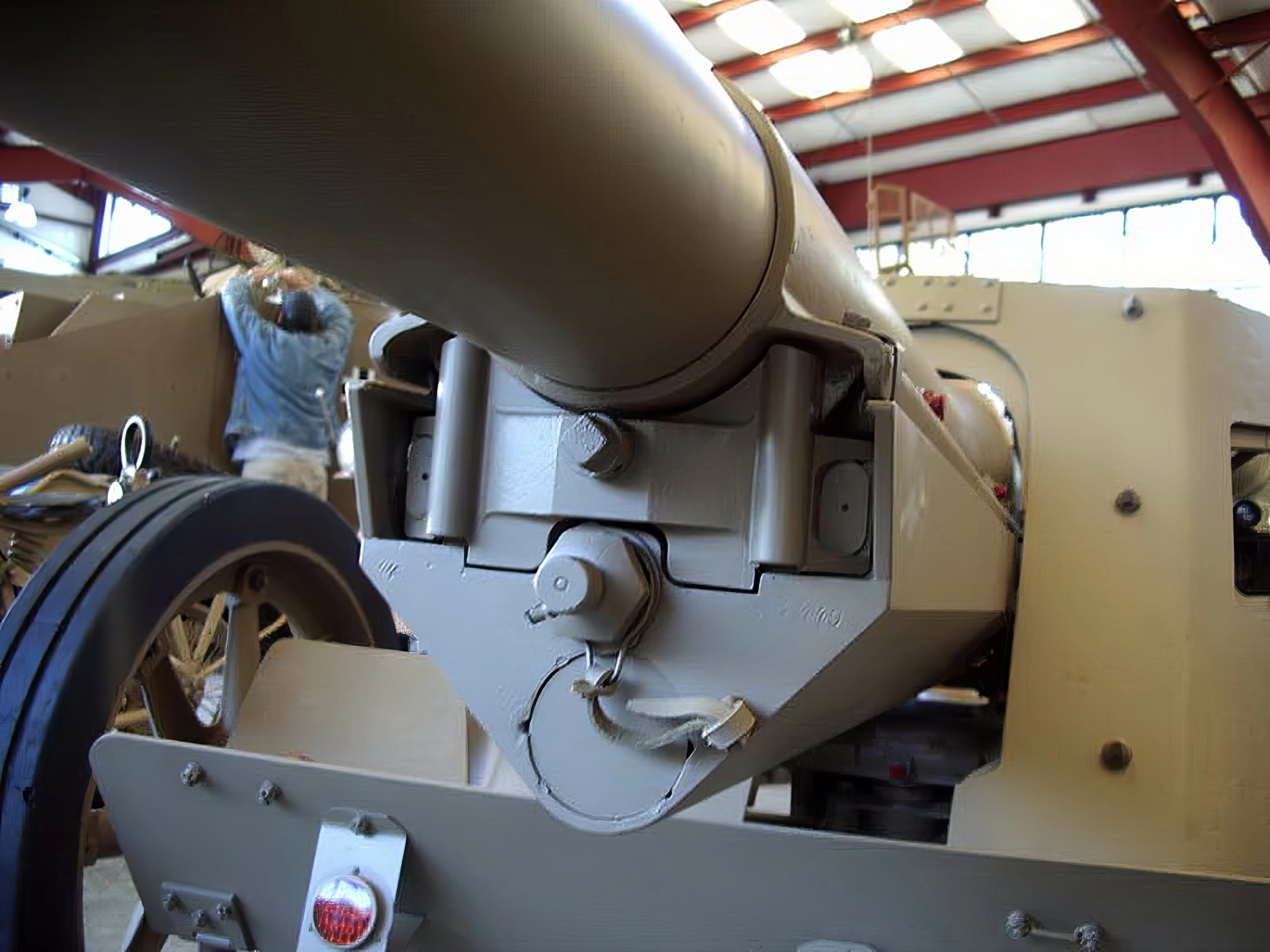
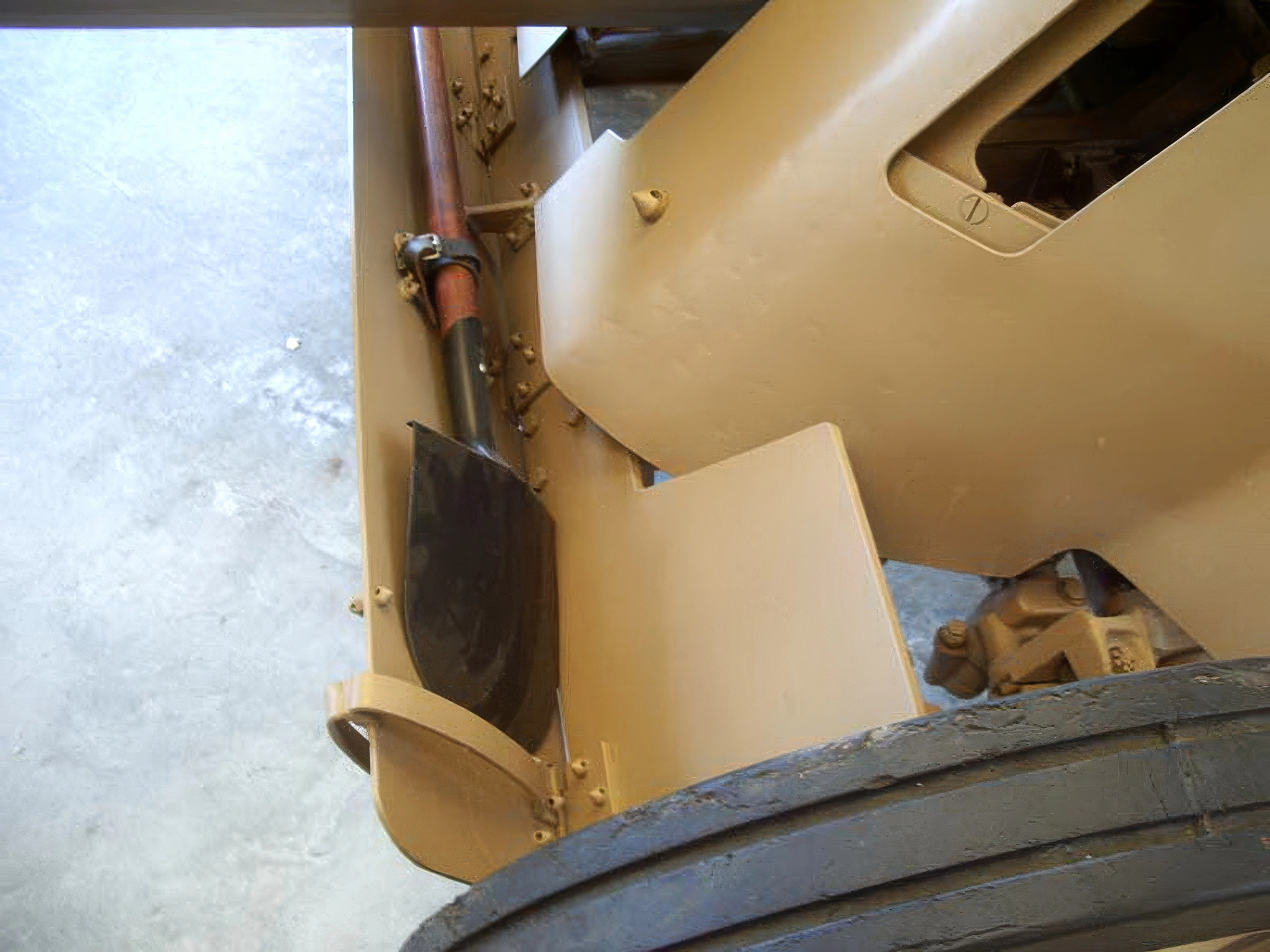
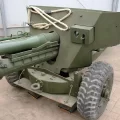
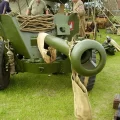
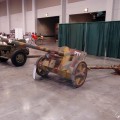
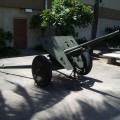
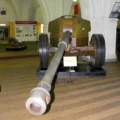
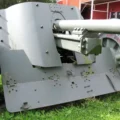
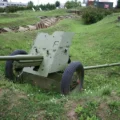
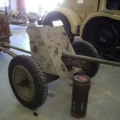
枪的照片库 7.5 厘米帕克 97/38, 帕克 97/38 (7.5厘米潘泽拉布韦尔卡诺内97/38)是德国的反坦克枪使用的韦尔马赫特在第二次世界大战。该枪是法国佳能德75 modéle 1897的枪管的组合,装有瑞士索洛图恩枪口制动器,并安装在德国5厘米Pak 38的车厢上。
源: 维基 百科
| 7.5 cm Pak 97/38 | |
|---|---|
| 摄影师 | Unknow |
| 本地化 | 未知 |
| 照片 | 44 |

另请参阅:


这 7.5 厘米帕克 97/38 was an improvised German anti-tank gun created during World War II. It was a notable example of the Wehrmacht adapting captured foreign weaponry to address its own critical shortages of effective anti-tank weapons, particularly in the face of heavily armored Soviet tanks like the T-34 and KV-1.
Development and Purpose
- 起源: The gun was a hybrid design combining two primary components:
- The barrel and breech of the **French 75 mm Mle 1897 field gun** (the famous ‘French 75’), large quantities of which were captured after the Battle of France in 1940.
- The carriage, shield, and muzzle brake of the German **5 cm Pak 38** anti-tank gun.
- Motivation: The German standard light anti-tank guns were rapidly becoming obsolete. The French Mle 1897 gun was plentiful and fired a decent-sized shell, but its original high-angle field carriage was unsuitable for the low profile and high velocity needed in an anti-tank role. The 5 cm Pak 38 carriage offered the necessary low silhouette and stability.
- Design Solution: The French barrel was mounted onto the German carriage, and a large, distinctive **muzzle brake** was added to tame the powerful recoil of the French gun, which was necessary to prevent damage to the lighter German carriage.
Characteristics
- 口径: 75 mm.
- Ammunition: It primarily fired captured French 75 mm ammunition. Crucially, the Germans developed a specialized **7.5 cm Gr. 39 HL/A shaped-charge (HEAT) round**. This projectile did not rely on velocity for penetration and was highly effective against the thick, sloped armor of the T-34.
- Performance: While effective with HEAT rounds, its low muzzle velocity with standard armor-piercing rounds was poor, and the HEAT rounds had lower accuracy and velocity than contemporary German dedicated anti-tank rounds. The recoil force, even with the muzzle brake, was considerable.
- 部署: Approximately 3,712 units were produced, starting in 1942. They were quickly put into service, particularly on the Eastern Front, where the need for effective anti-tank weapons was most acute.
运营历史
The 7.5 cm Pak 97/38 served as an interim solution, plugging the gap between the obsolete light anti-tank guns and the later, highly effective 7.5 cm Pak 40. Its use demonstrated the German logistical skill in standardizing and repurposing captured equipment.
It was valued by the troops for its HEAT capability, which gave light units a chance against heavy Soviet armor, but it was generally phased out as soon as the more capable, purpose-built German anti-tank weapons became widely available.
视图 : 7118
感谢您的精彩图片和视频。
由于这一点,我们非常了解我们以前不知道的细节和发射装置。
毕竟,我确认有两个系统发射装置。
接下来,我想看看IG37步兵炮的细节。