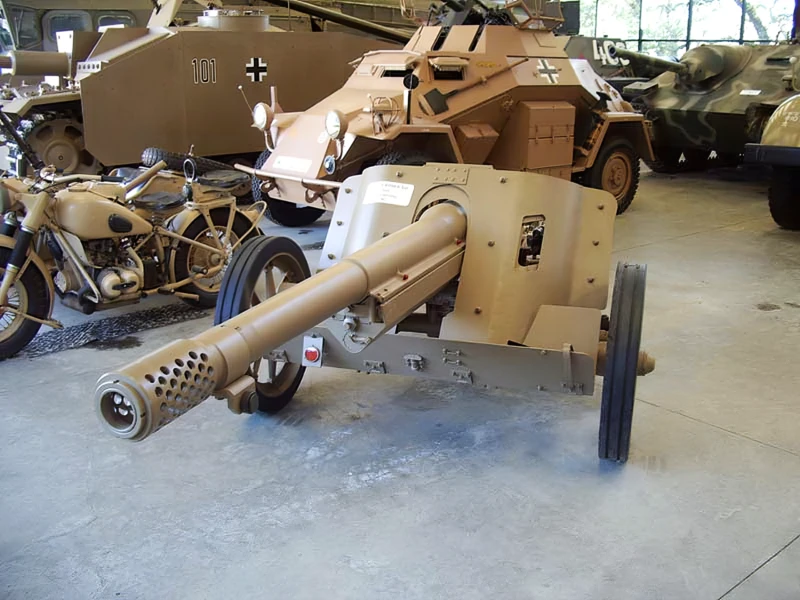
7,5 εκ Pak 97/38 | |
|---|---|
| Χώρα | Γερμανία |
| Πληκτρολογήστε | Αντιαρματικό όπλο |
| Περίοδο | WW2 |
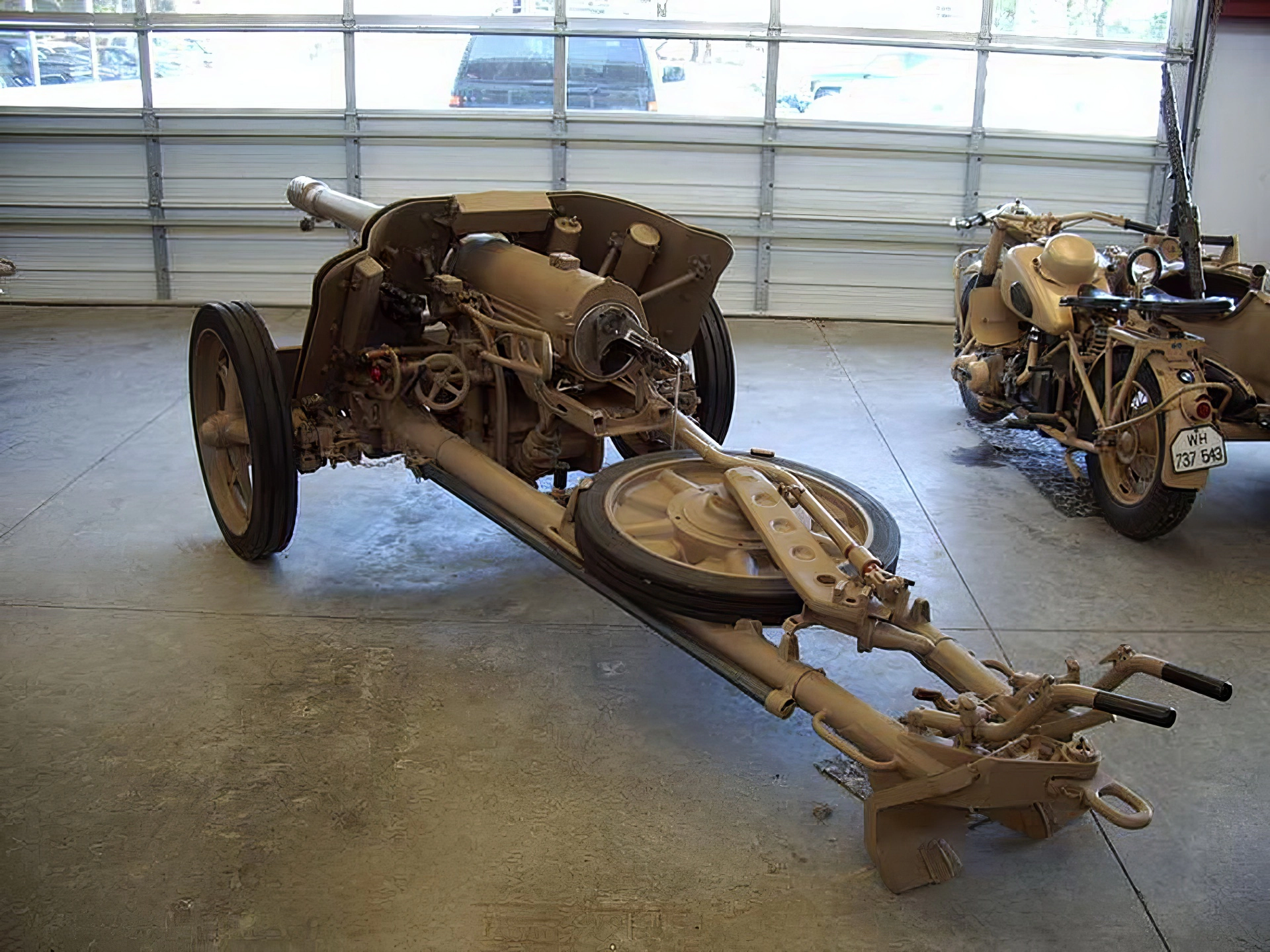
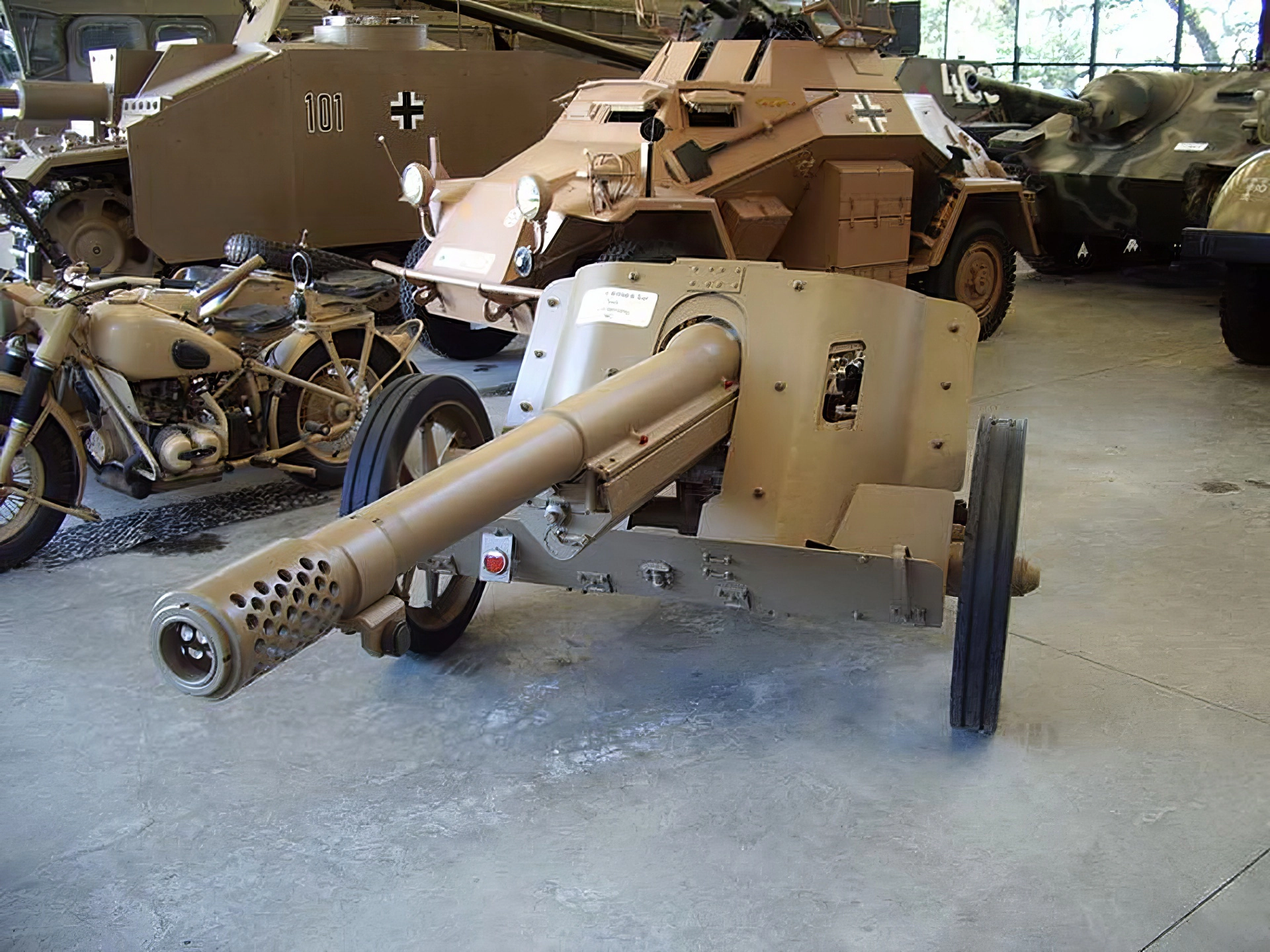
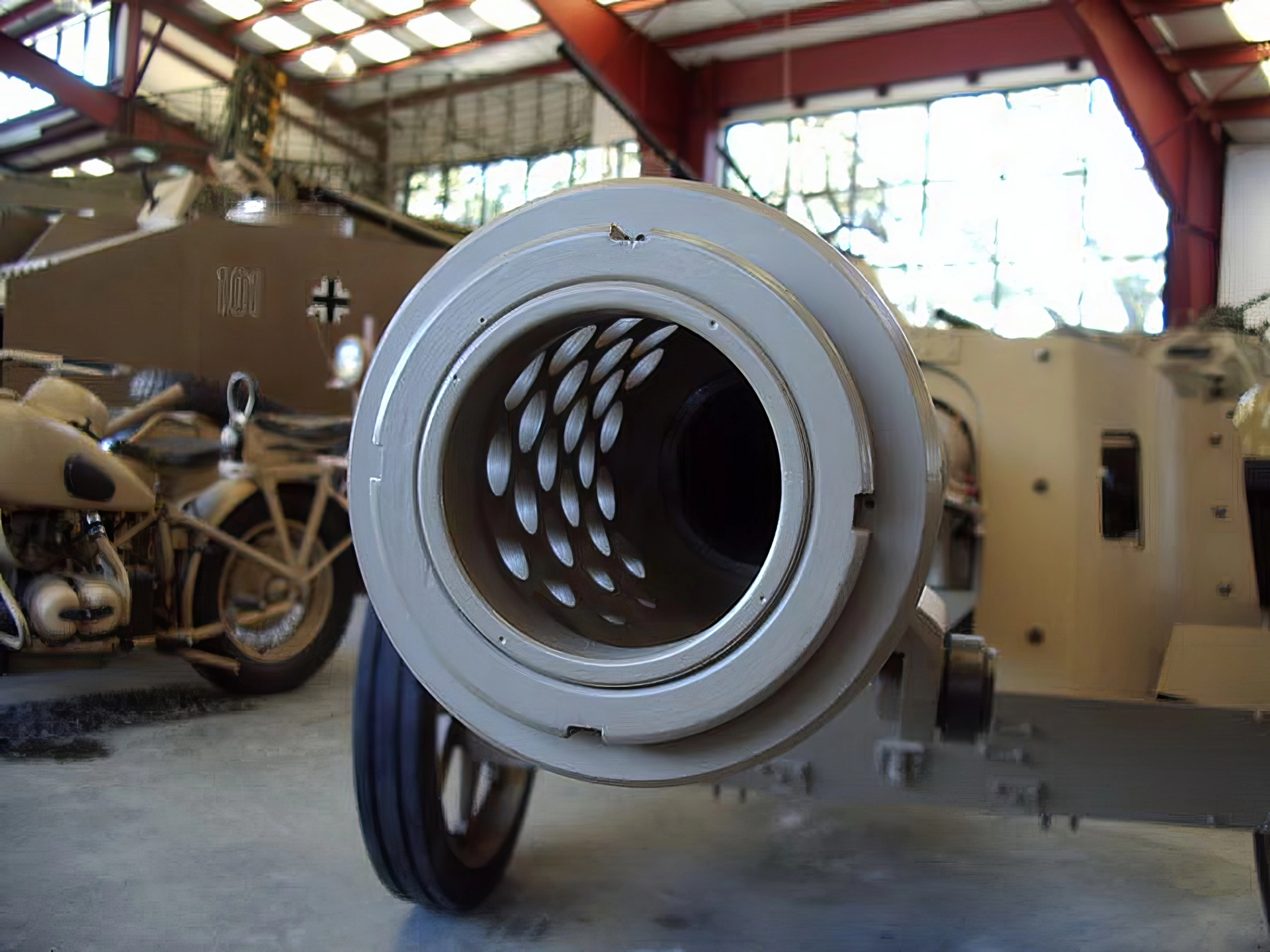
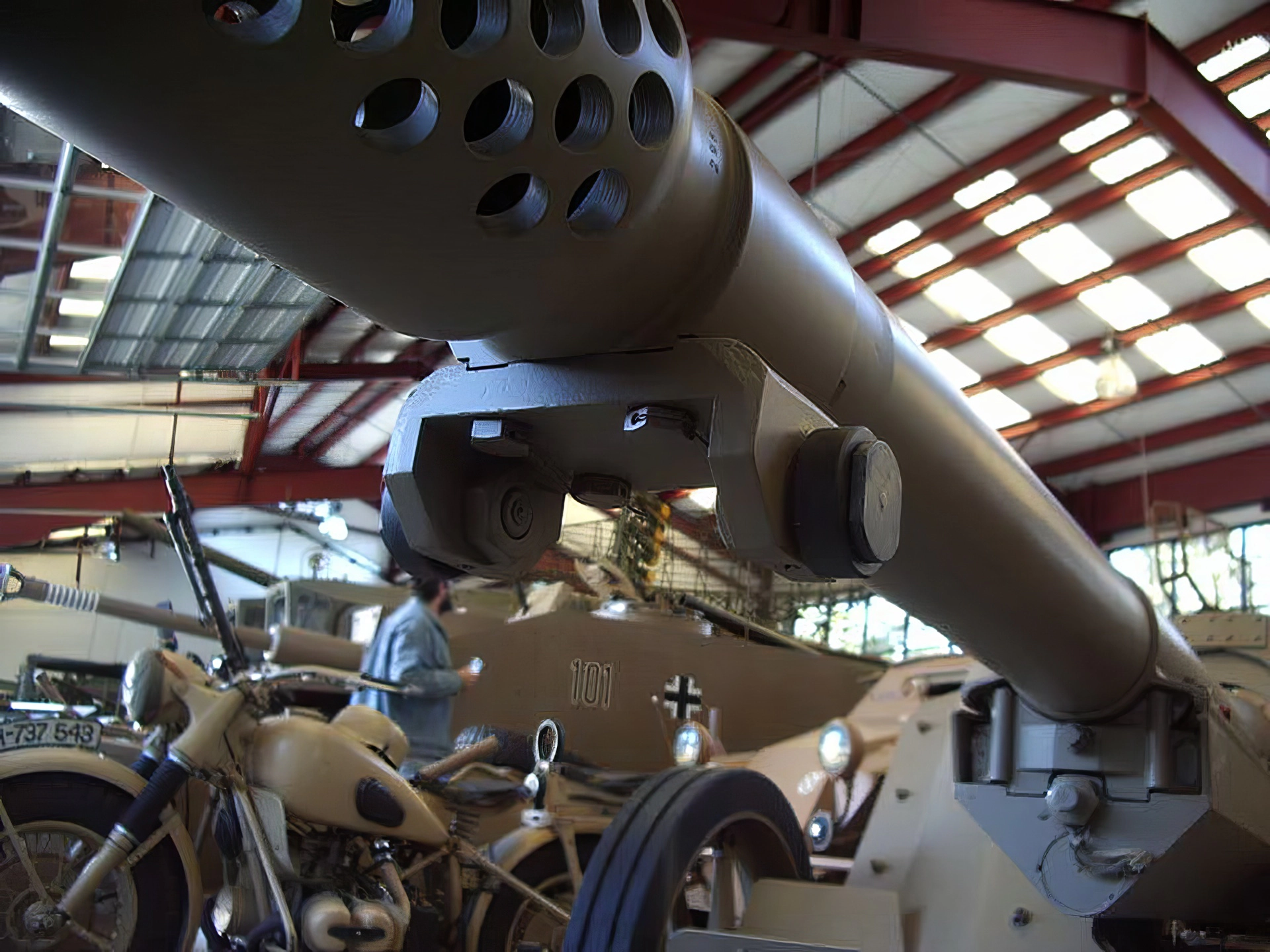
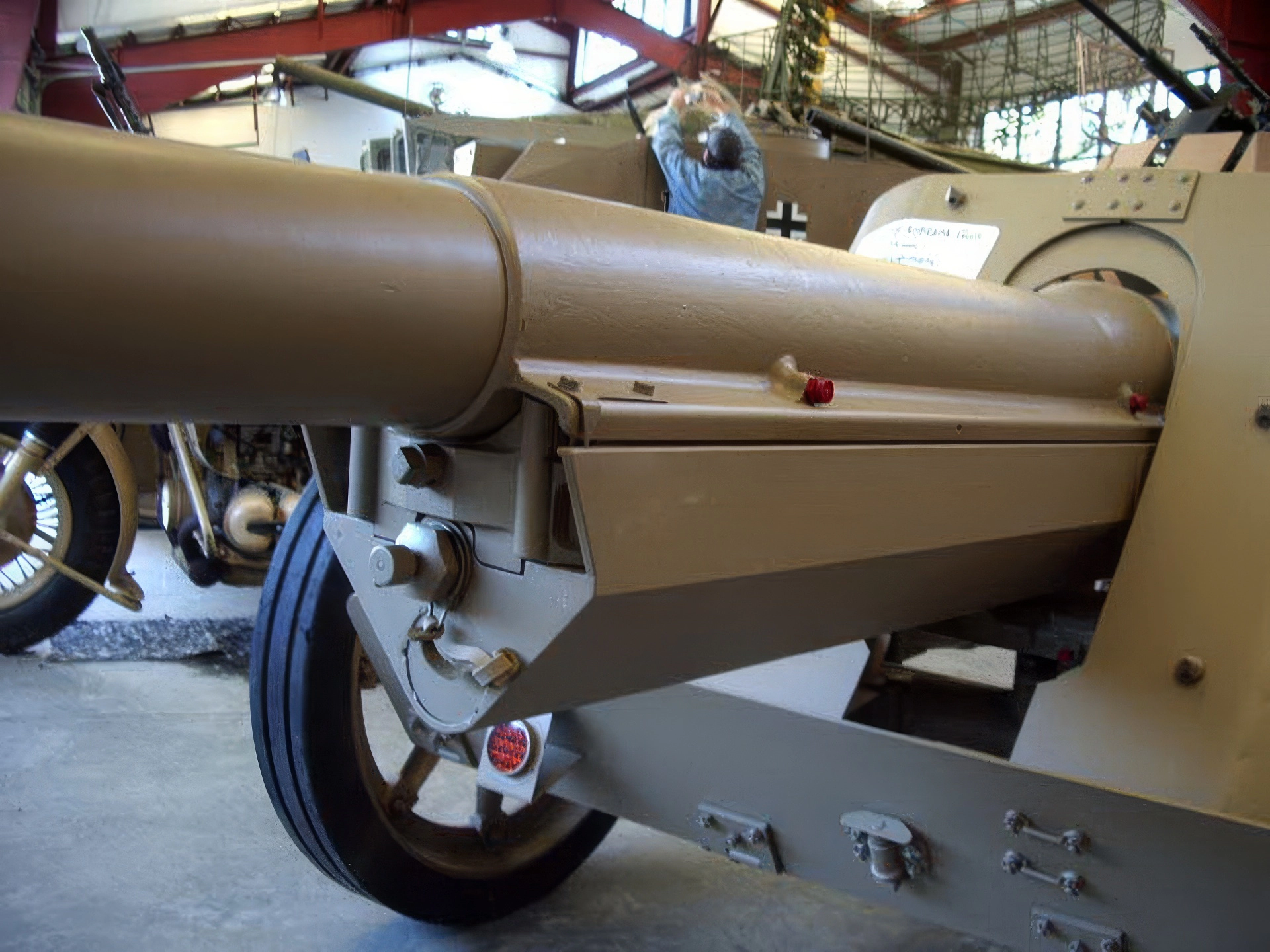
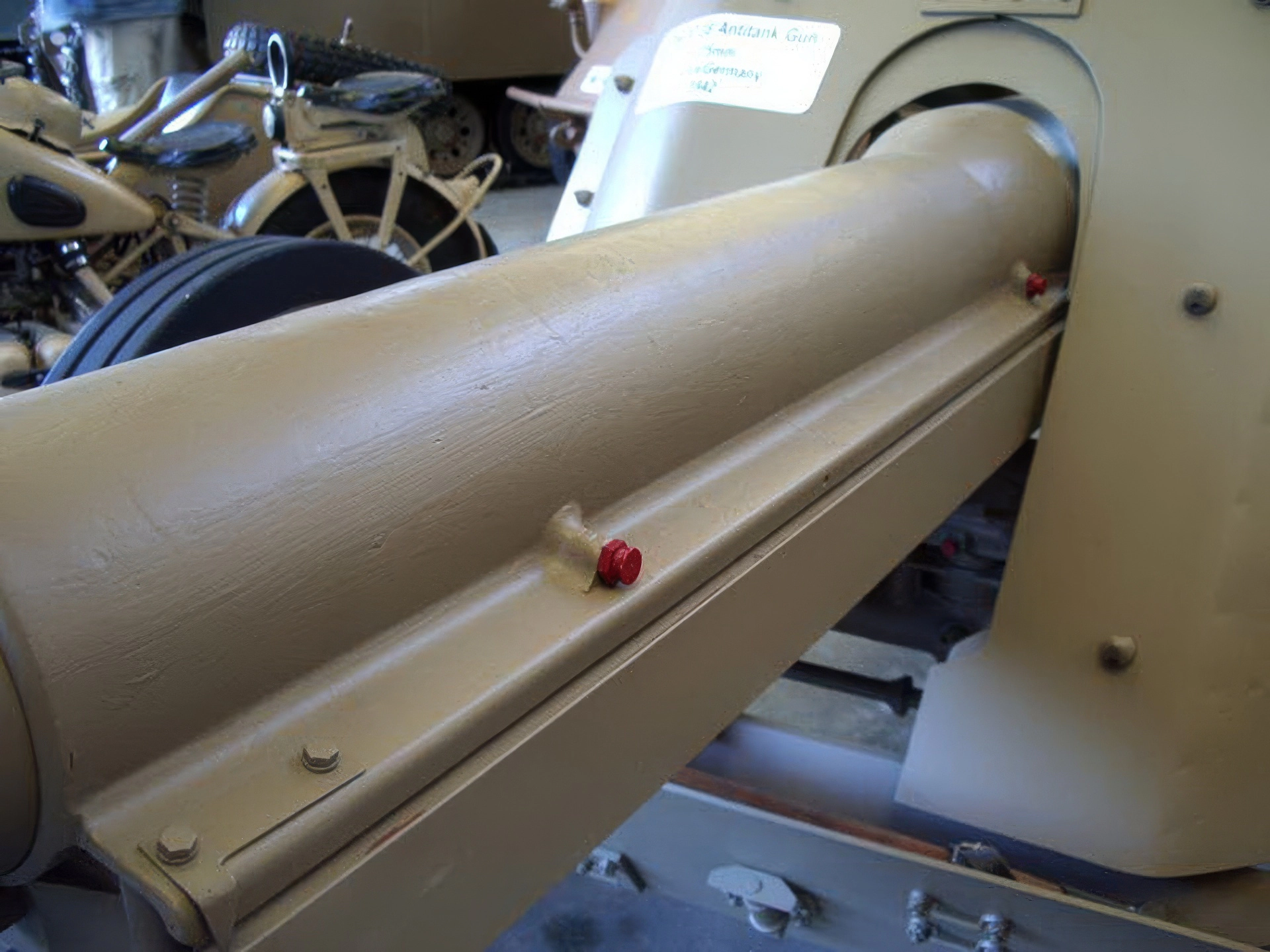
Φωτογραφίες ενός όπλου 7,5 cm Pak 97/38, Το Πακ 97/38 (7,5 εκ. Panzerabwehrkanone 97/38) ήταν γερμανικό αντιαρματικό πυροβόλο που χρησιμοποιήθηκε από τη Βέρμαχτ στον Β' Παγκόσμιο Πόλεμο. Το όπλο ήταν ένας συνδυασμός της κάννης από το γαλλικό Canon de 75 modèle 1897 εξοπλισμένο με ένα ελβετικό φρένο ρύγχους Solothurn και τοποθετημένο στο φορείο του γερμανικού Pak 38 5 cm.
Πηγή: Wikipedia
| 7.5 cm Pak 97/38 | |
|---|---|
| Φωτογράφος | Unknow |
| Εντοπισμού | Αγνοώ |
| Φωτογραφίες | 44 |
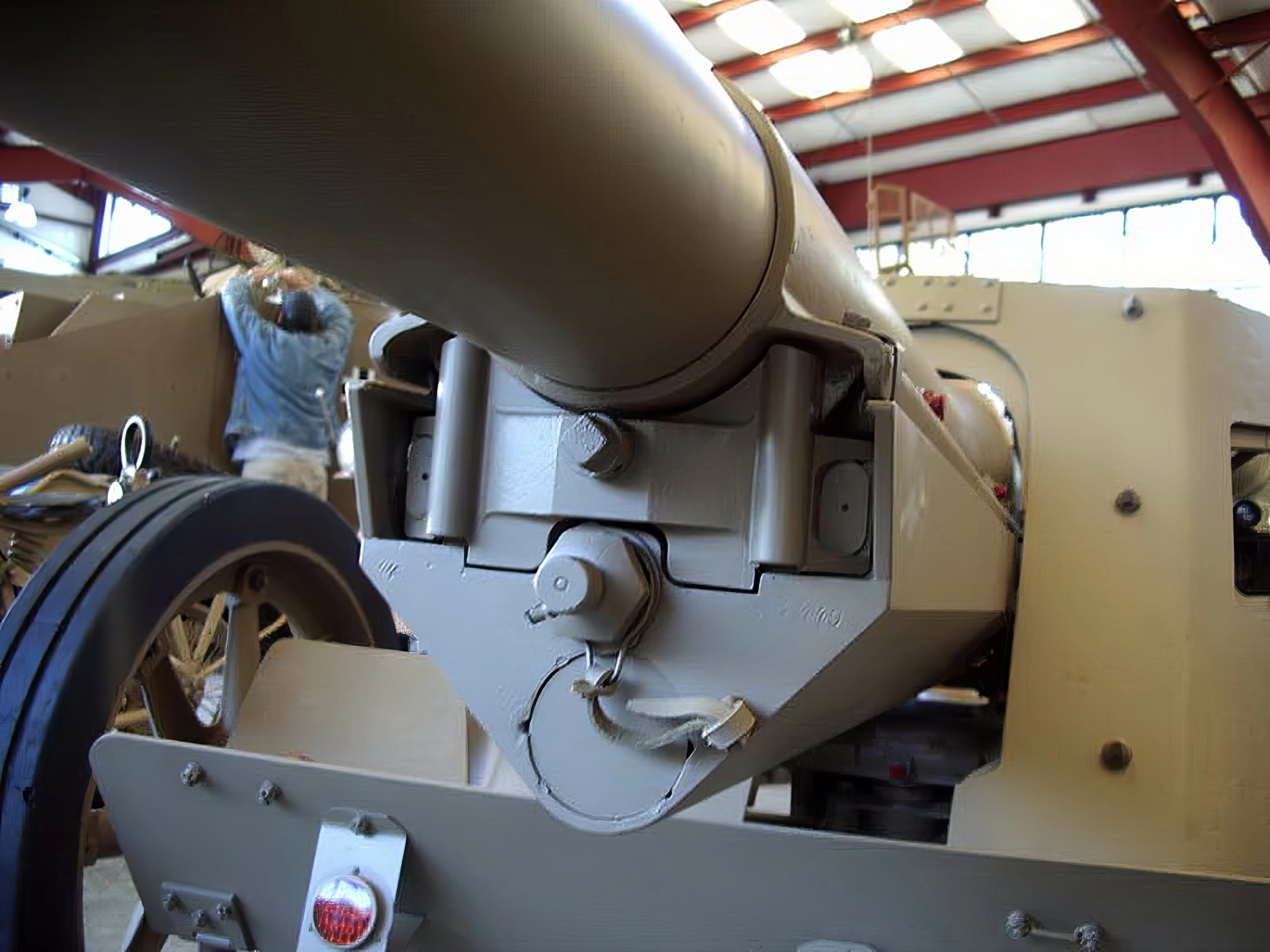
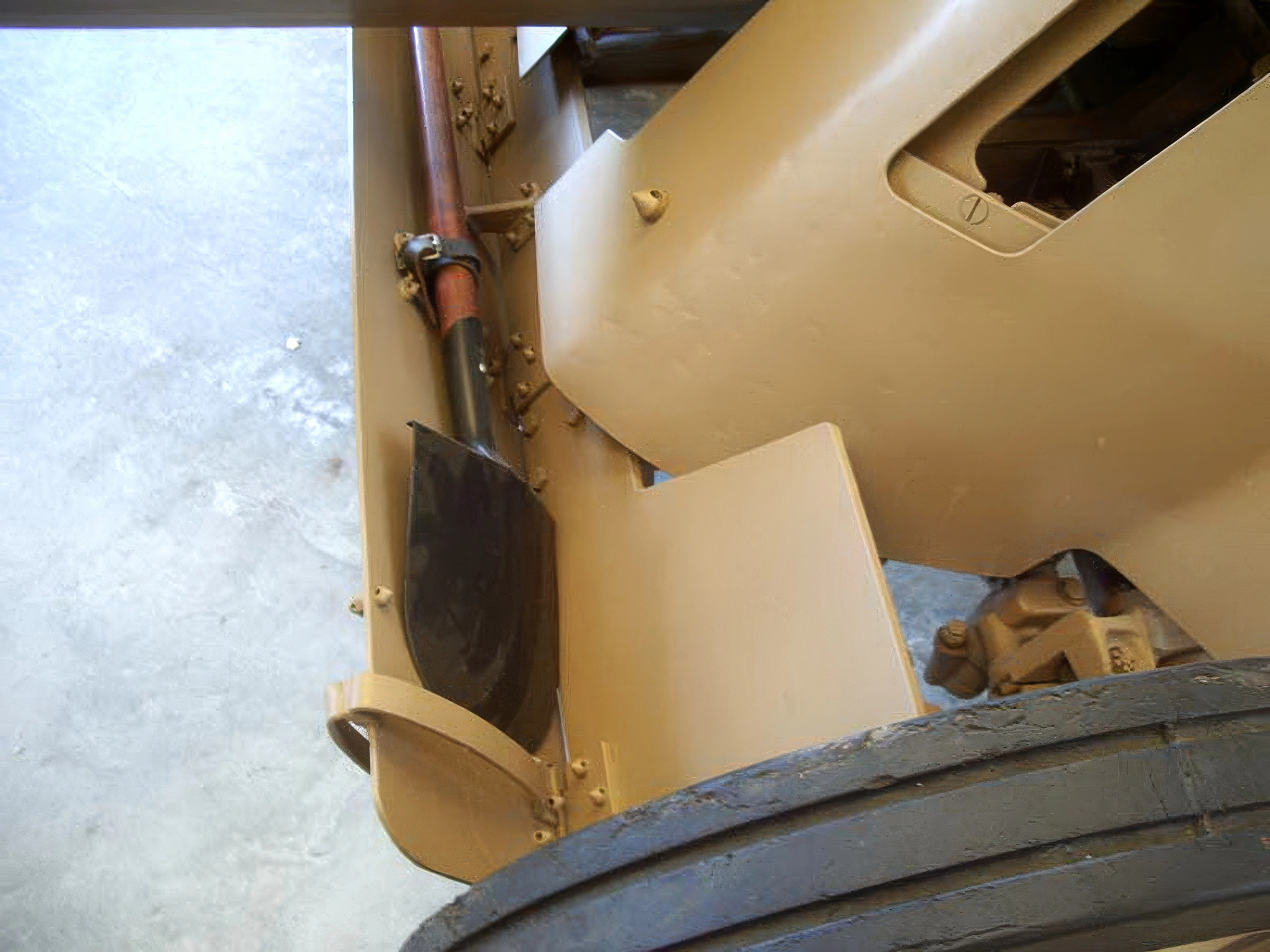

Δείτε επίσης:


Teh 7,5 εκ Pak 97/38 was an improvised German anti-tank gun created during World War II. It was a notable example of the Wehrmacht adapting captured foreign weaponry to address its own critical shortages of effective anti-tank weapons, particularly in the face of heavily armored Soviet tanks like the T-34 and KV-1.
Development and Purpose
- Προέλευση: The gun was a hybrid design combining two primary components:
- The barrel and breech of the **French 75 mm Mle 1897 field gun** (the famous ‘French 75’), large quantities of which were captured after the Battle of France in 1940.
- The carriage, shield, and muzzle brake of the German **5 cm Pak 38** anti-tank gun.
- Motivation: The German standard light anti-tank guns were rapidly becoming obsolete. The French Mle 1897 gun was plentiful and fired a decent-sized shell, but its original high-angle field carriage was unsuitable for the low profile and high velocity needed in an anti-tank role. The 5 cm Pak 38 carriage offered the necessary low silhouette and stability.
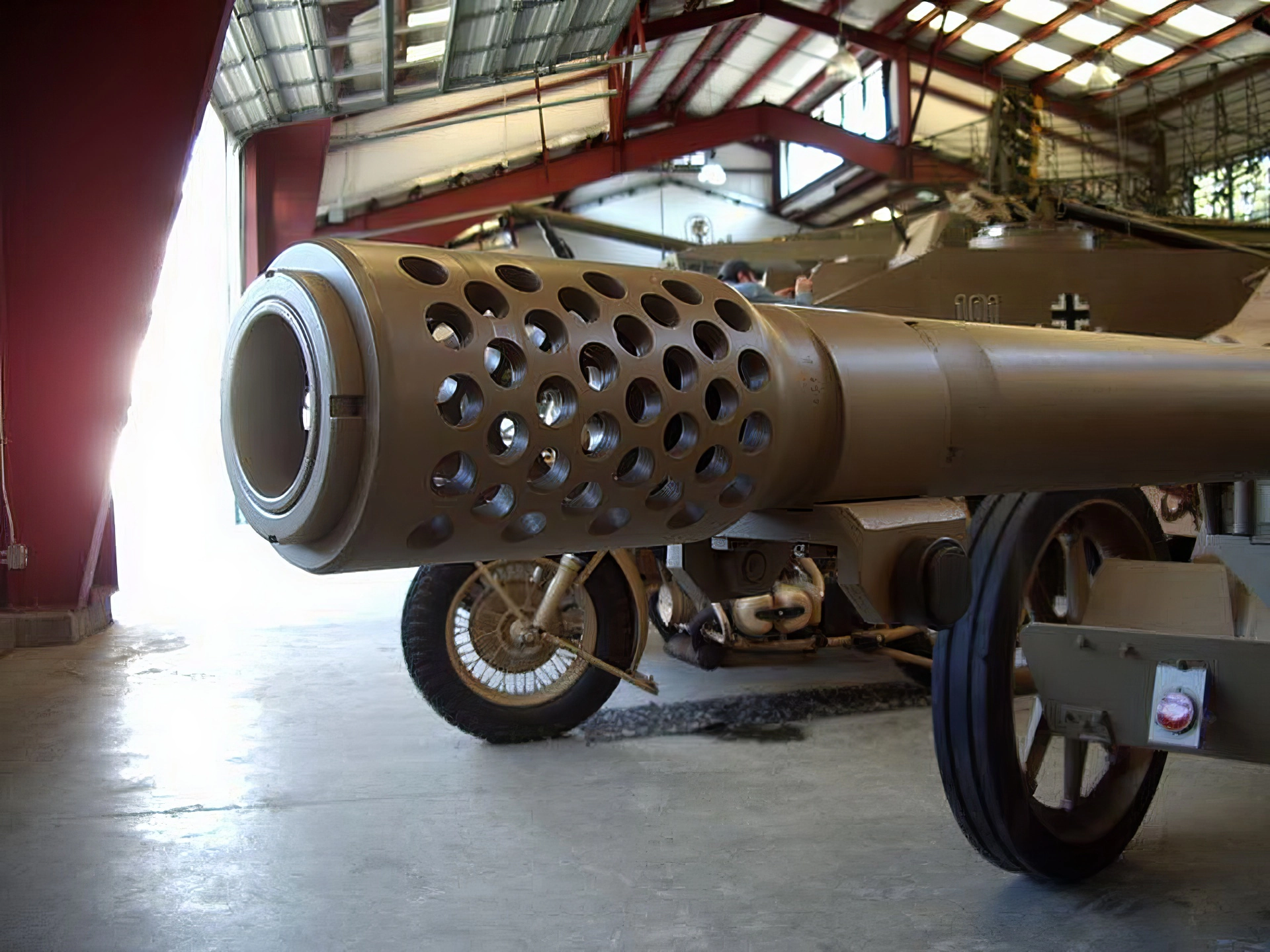
- Design Solution: The French barrel was mounted onto the German carriage, and a large, distinctive **muzzle brake** was added to tame the powerful recoil of the French gun, which was necessary to prevent damage to the lighter German carriage.
Characteristics
- Caliber: 75 mm.
- Ammunition: It primarily fired captured French 75 mm ammunition. Crucially, the Germans developed a specialized **7.5 cm Gr. 39 HL/A shaped-charge (HEAT) round**. This projectile did not rely on velocity for penetration and was highly effective against the thick, sloped armor of the T-34.
- Performance: While effective with HEAT rounds, its low muzzle velocity with standard armor-piercing rounds was poor, and the HEAT rounds had lower accuracy and velocity than contemporary German dedicated anti-tank rounds. The recoil force, even with the muzzle brake, was considerable.
- Deployment: Approximately 3,712 units were produced, starting in 1942. They were quickly put into service, particularly on the Eastern Front, where the need for effective anti-tank weapons was most acute.
Ιστορικό λειτουργίας
The 7.5 cm Pak 97/38 served as an interim solution, plugging the gap between the obsolete light anti-tank guns and the later, highly effective 7.5 cm Pak 40. Its use demonstrated the German logistical skill in standardizing and repurposing captured equipment.
It was valued by the troops for its HEAT capability, which gave light units a chance against heavy Soviet armor, but it was generally phased out as soon as the more capable, purpose-built German anti-tank weapons became widely available.
Views : 7118
Μπορείτε επίσης να δείτε:
 TACAM R-2 – Φώτο & Βίντεο
 QF 17 pdr Mk I-II – Περπατήστε γύρω
 Αερομεταφερόμενο αντιαρματικό όπλο 6pdr - Περπατήστε γύρω
 Πυρομαχικά QF 6-λιβρών - Περπατήστε γύρω
 50mm Πακ 38 – WalkAround
 37mm Τύπου 1 – WalkAround
 8.8cm Πακ 43-41 – Περπατήστε
 Στη συνέχεια, 38 - WalkAround
 Μοντέλο 45mm 1934 – WalkAround
 Γερμανικό αντιαρματικό όπλο Pak35-36 37mm - Περπατήστε γύρω
Σας ευχαριστώ πολύ για τις υπέροχες εικόνες και τα πλάνα.
Χάρη σε εσάς, μπόρεσα να καταλάβω τις λεπτομέρειες και τις συσκευές πυροδότησης που δεν καταλάβαινα καλά μέχρι τώρα.
やっぱり撃発装置は2系統あるのが確認できました。
次はIG37歩兵砲の細部を見て見たいと思います。