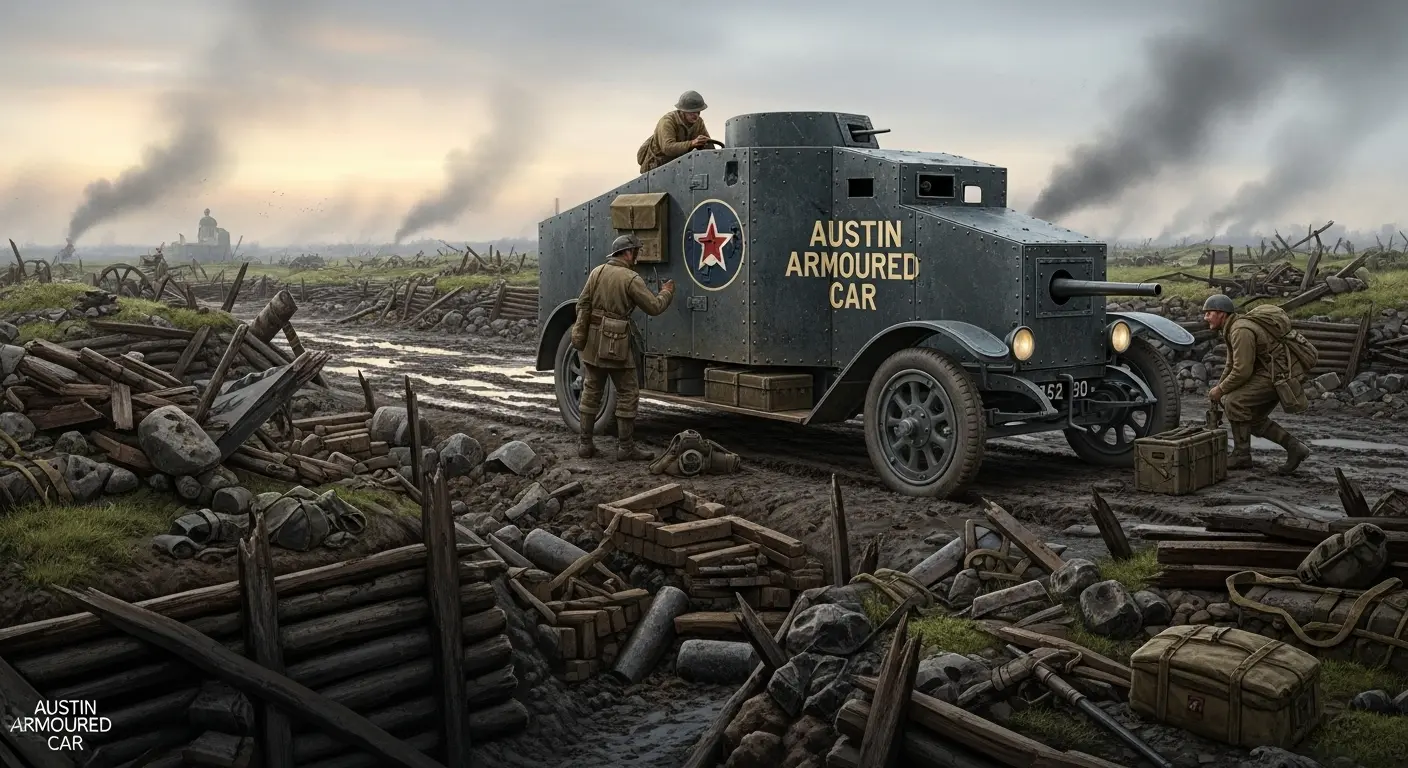
Austin Armoured Car | |
|---|---|
| Državi | Uk |
| Vlogo | Oklepni avto |
| Uporablja ga | Združeno kraljestvo in ruski imperij |
| Zgrajena | Neznano |
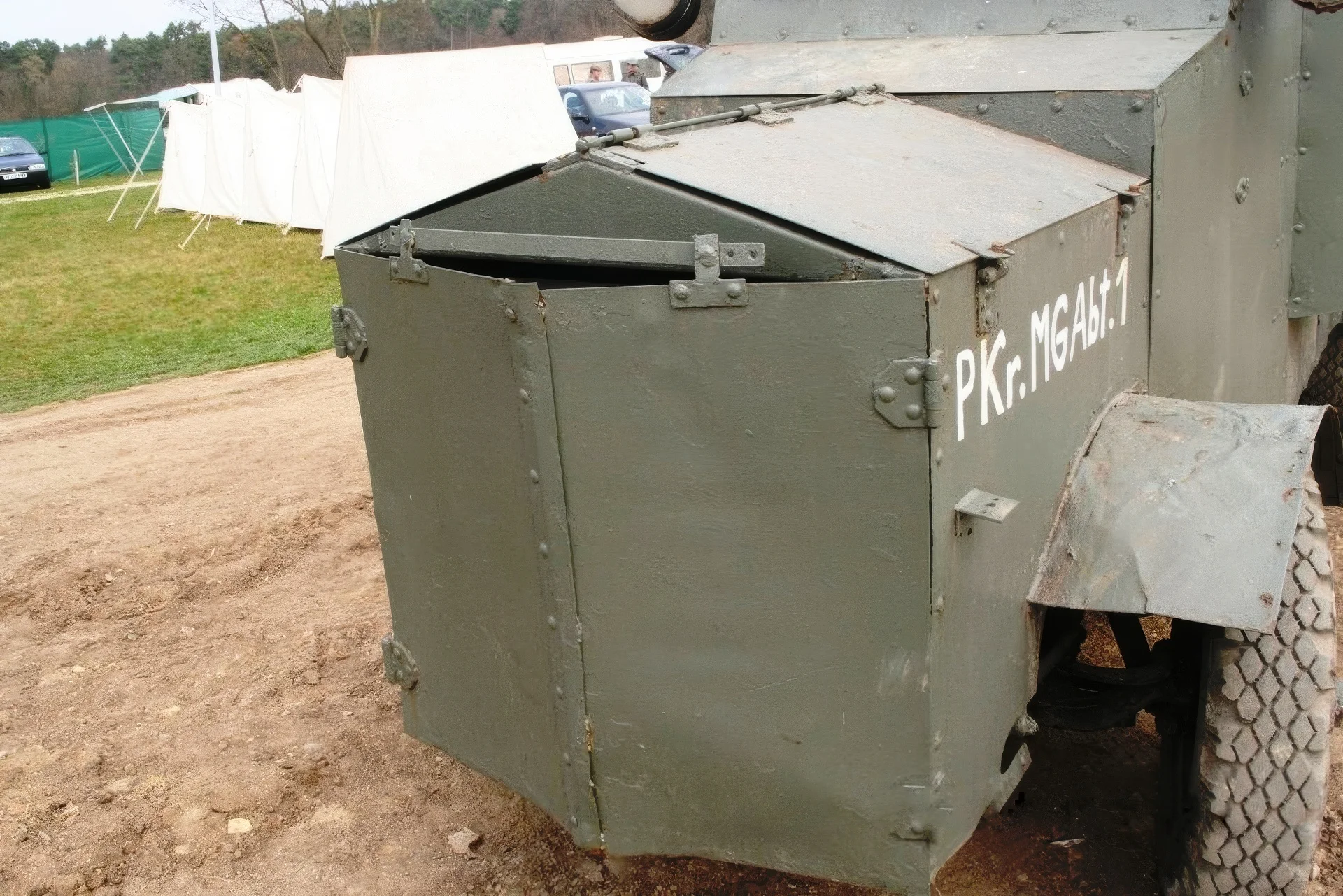
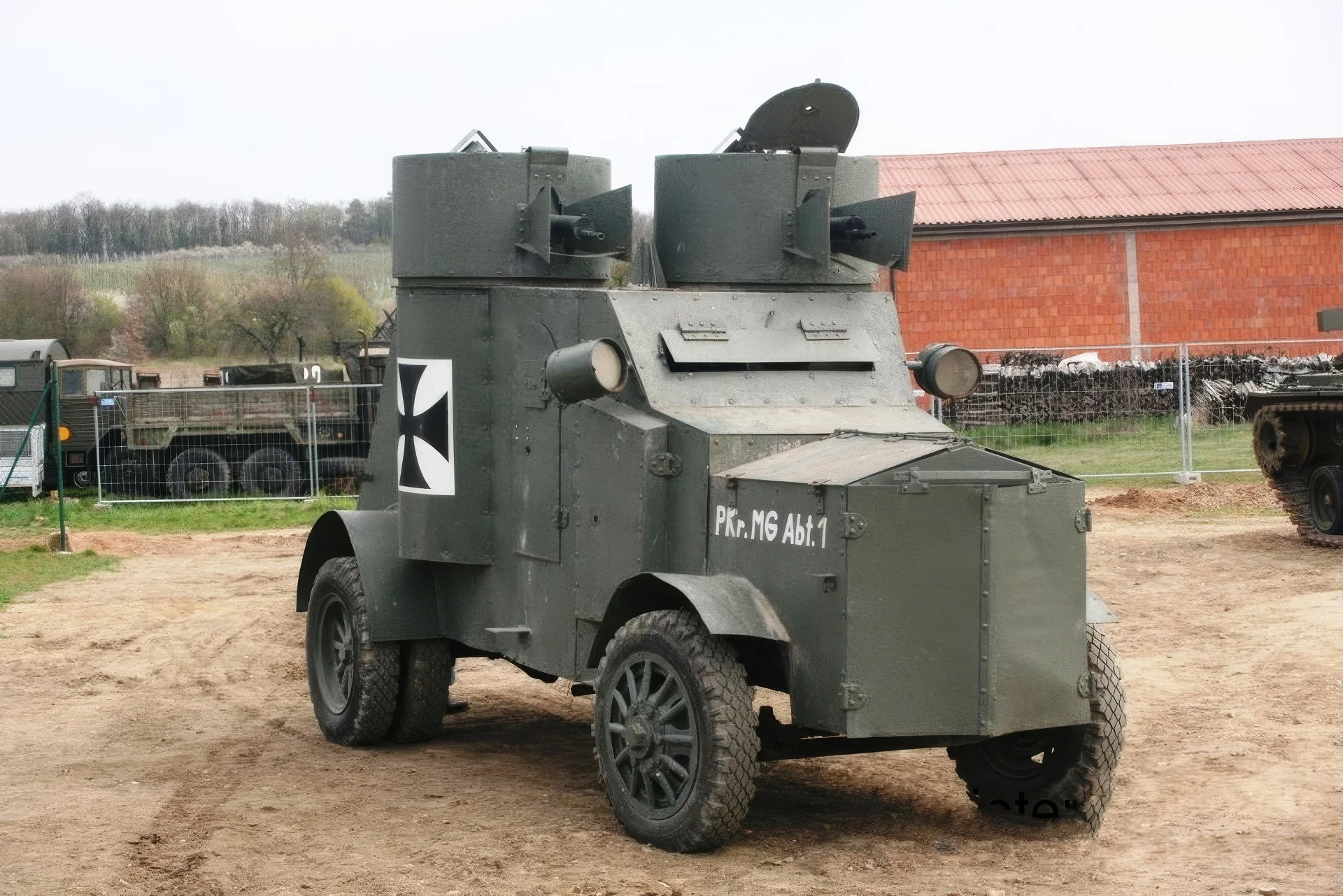
V Austin Armoured Car je bil britanski oklepni avtomobil, izdelan med prvo svetovno vojno. Vozilo je najbolj znano po uporabi v ruski carski vojski v prvi svetovni vojni in pri različnih silah v ruski državljanski vojni.
| Austin-Putilov Sprehod Okoli | |
|---|---|
| Fotograf | Dieter Krause |
| Lokalizacijo | Neznano |
| Fotografije | 24 |
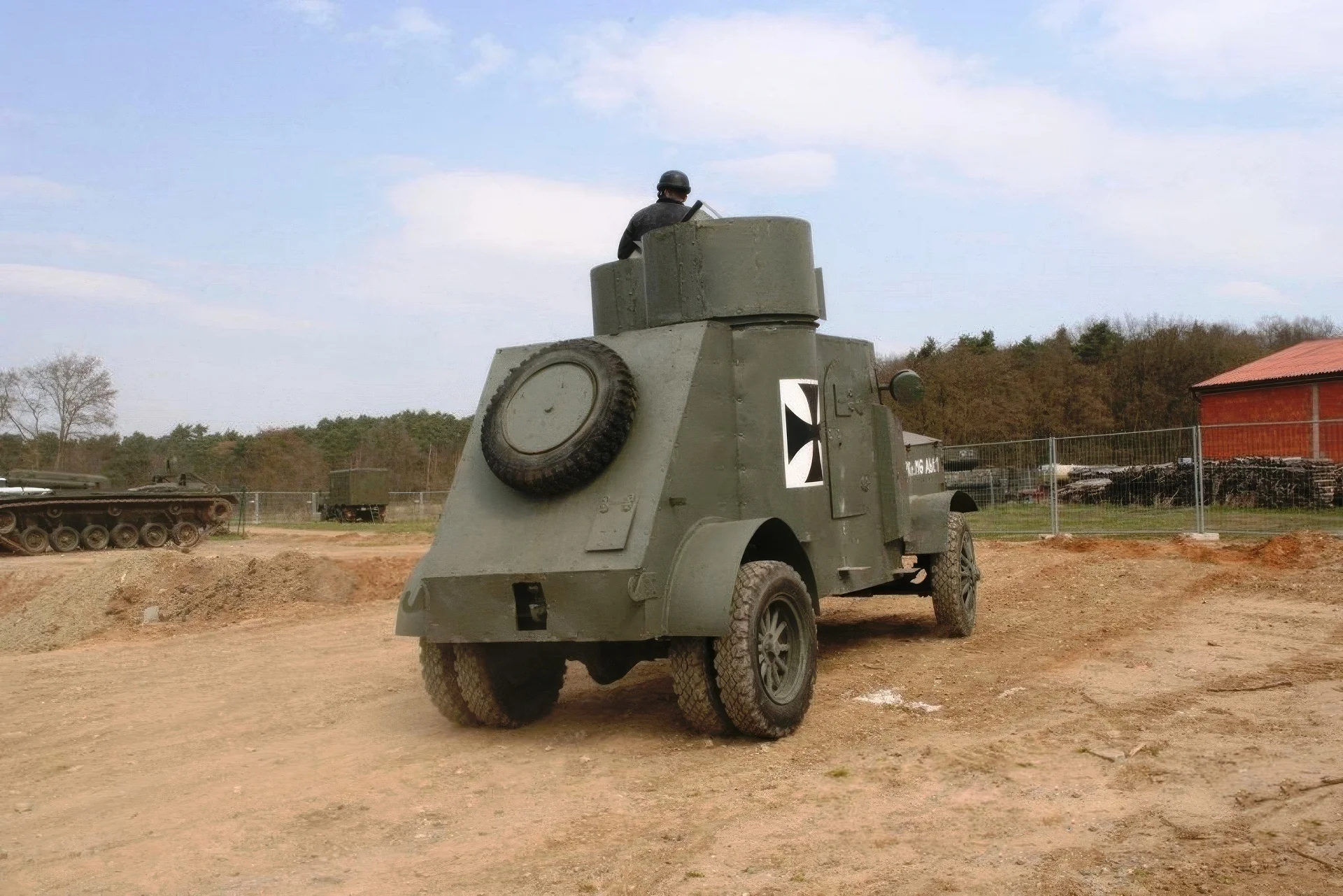
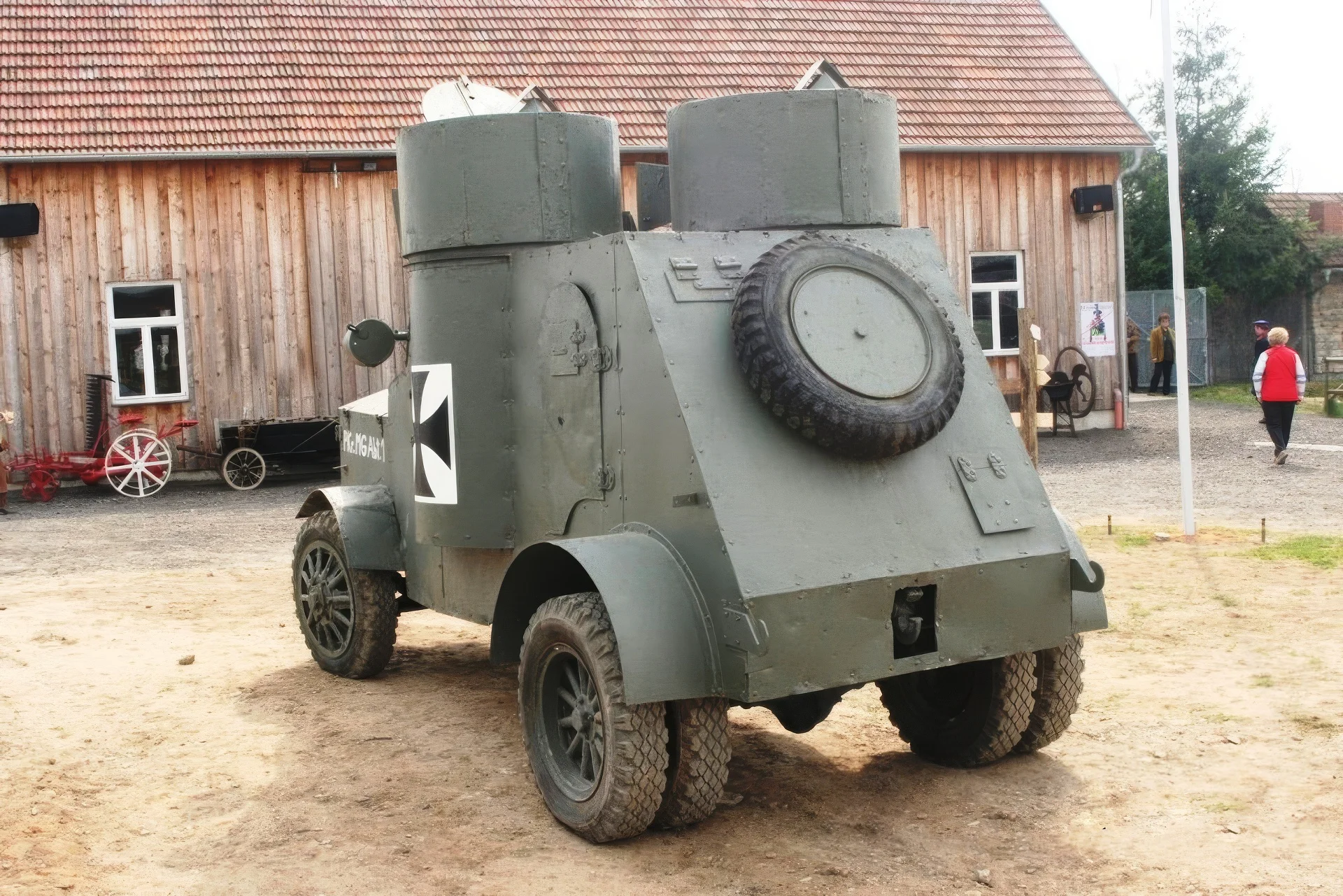
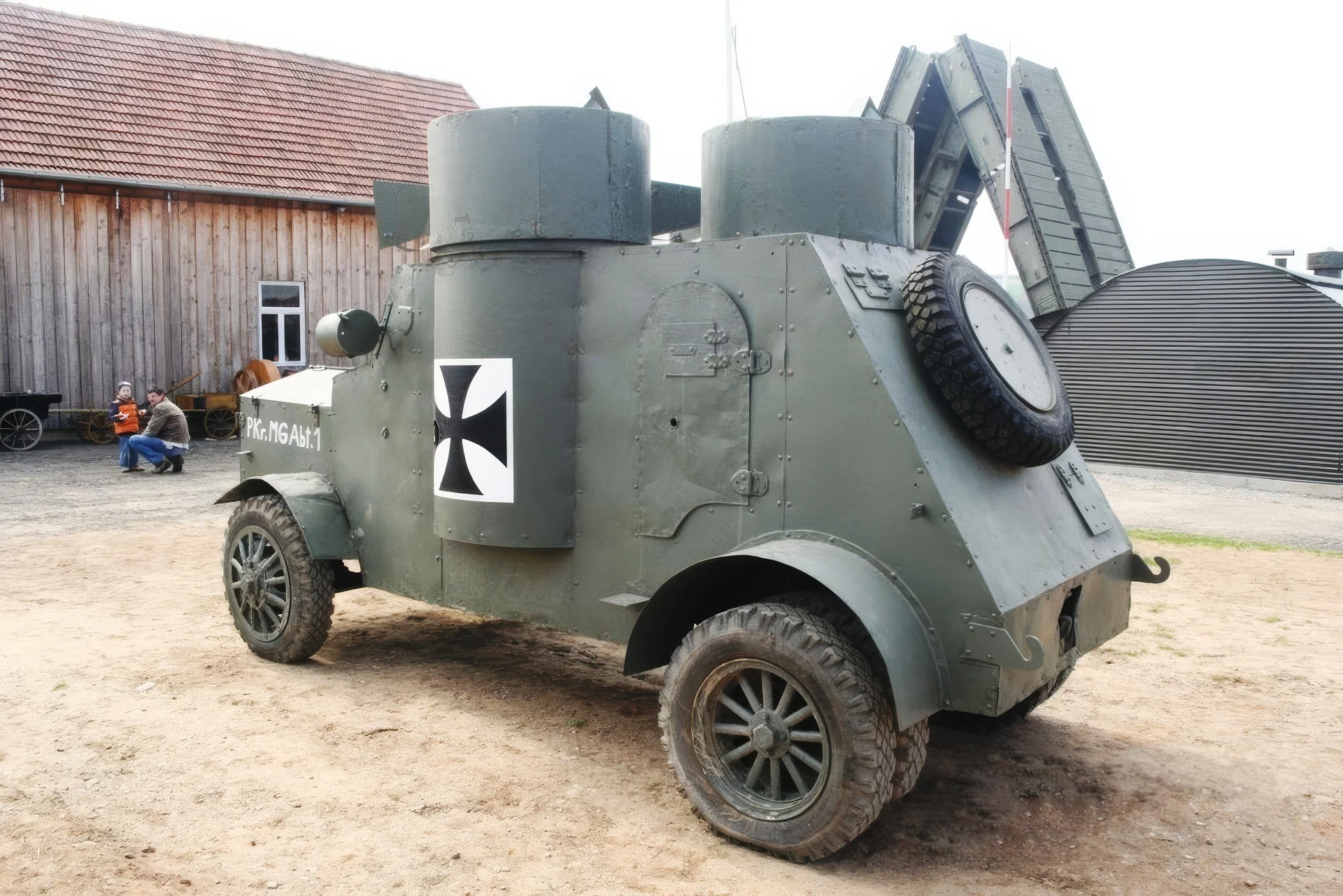
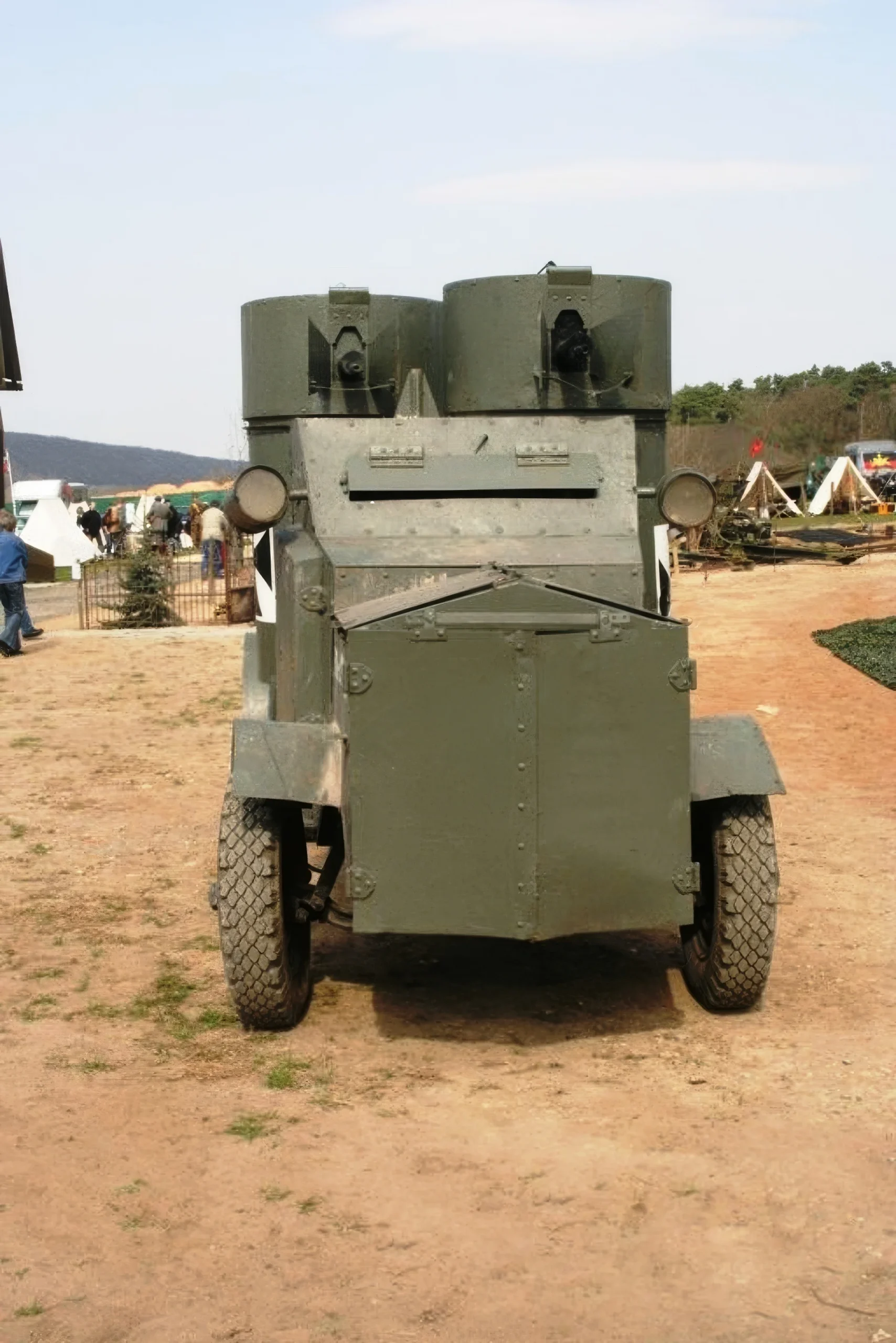
Glej tudi:


Design History and Production
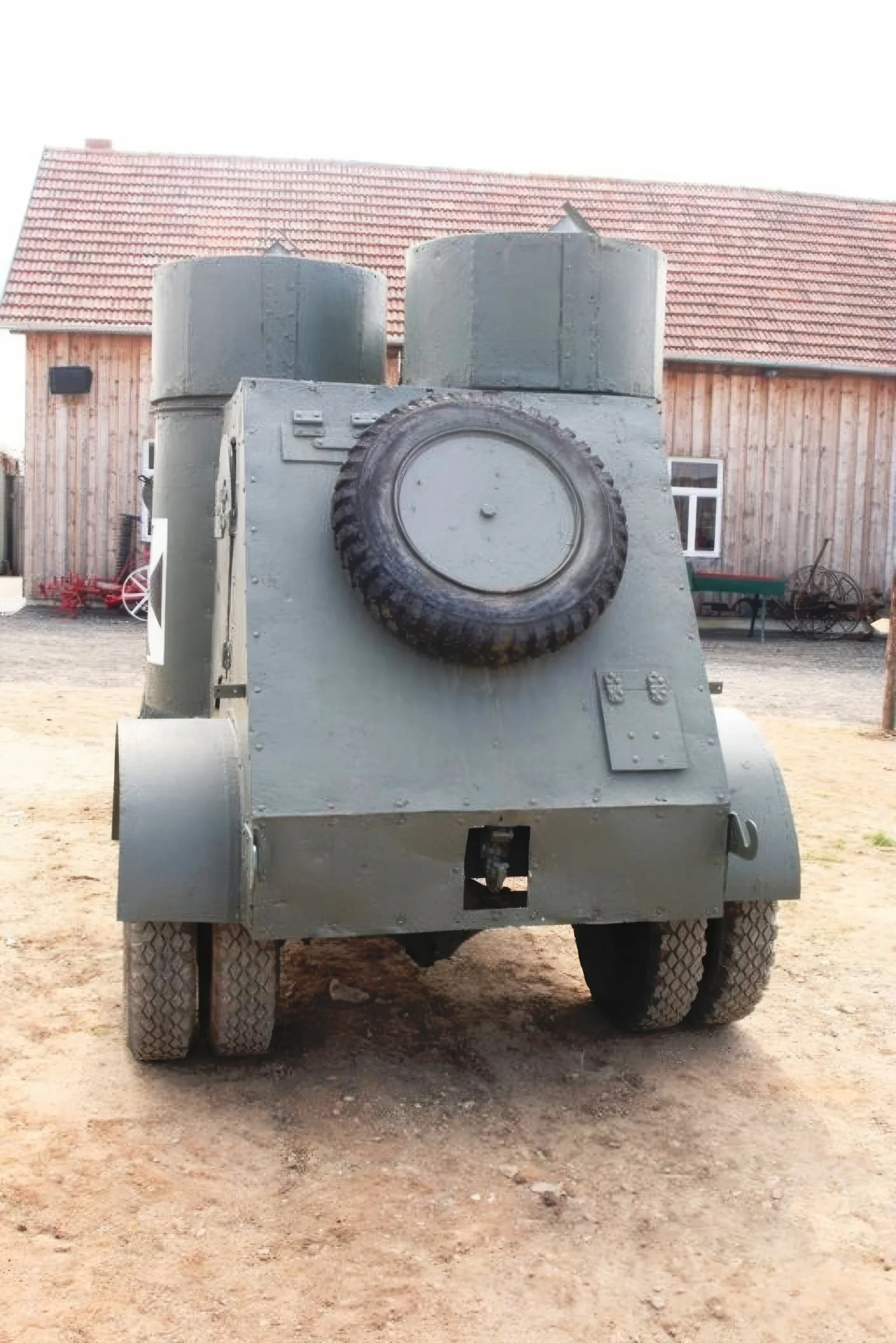
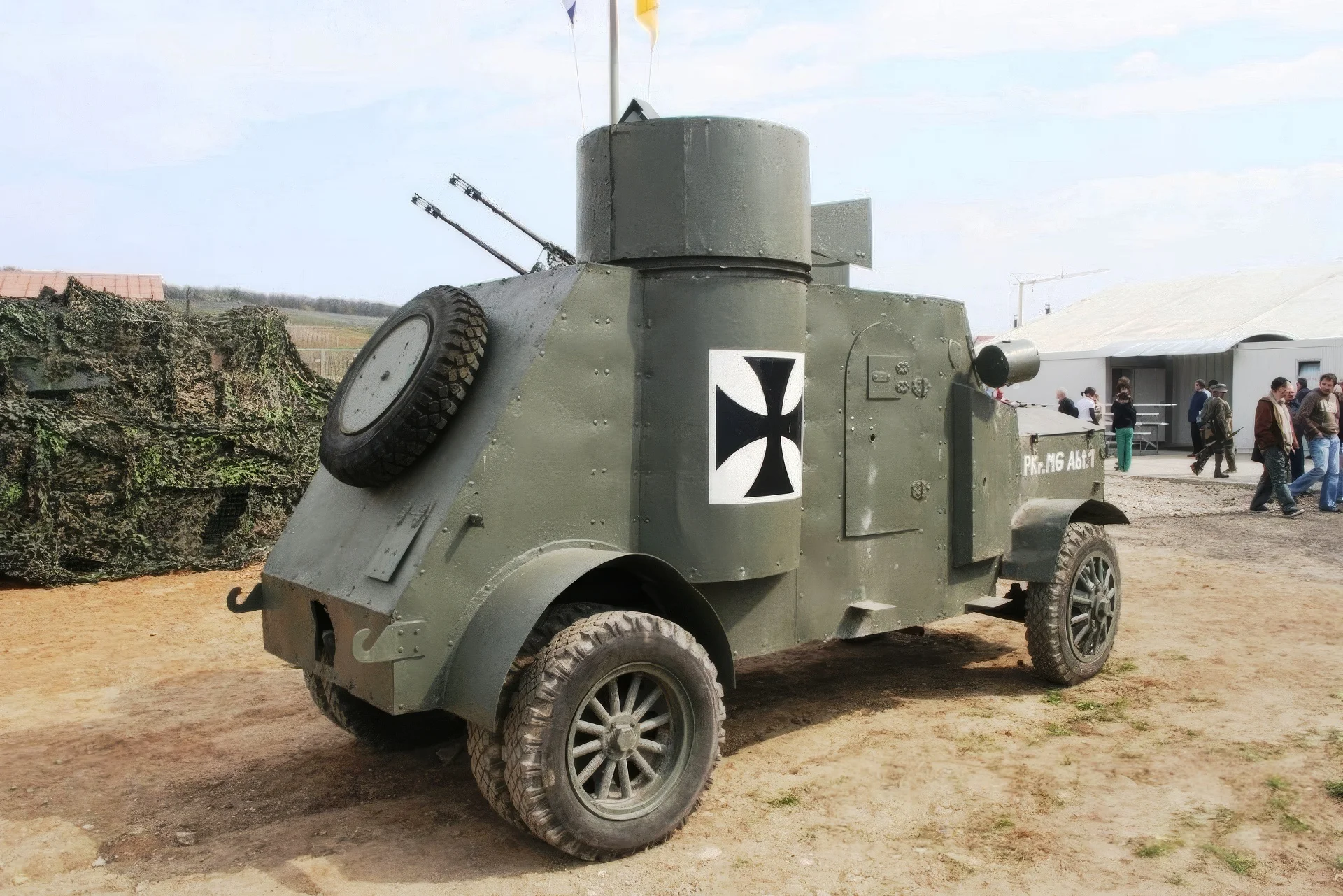
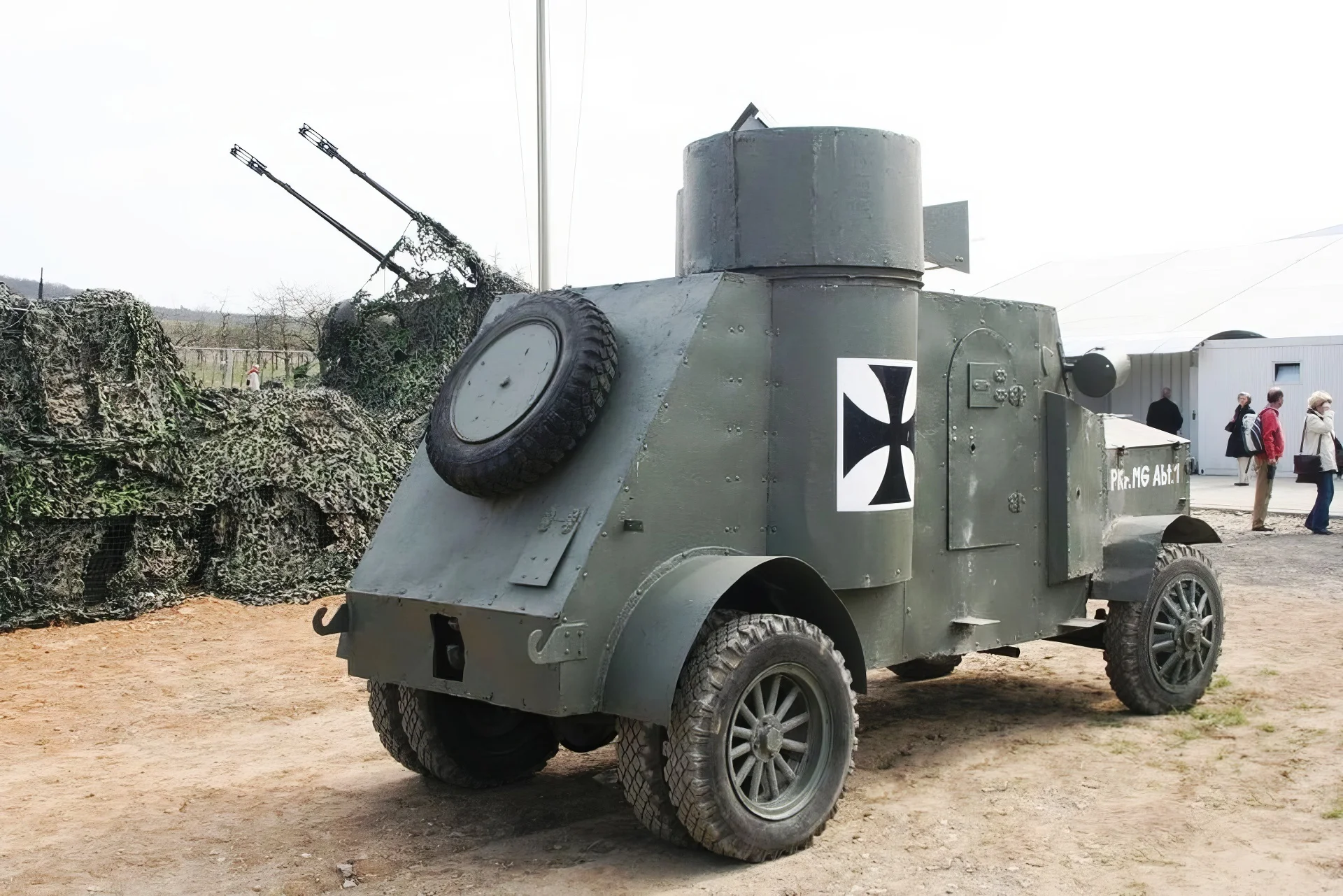
V Austin-Putilov represents a hybrid of British automotive engineering and Russian tactical requirements. During WWI, Russia imported chassis from the Austin Motor Company in the UK. However, the Russian military found the original armor and layout insufficient. In 1916, the Putilov Works in Saint Petersburg designed a new armored body featuring diagonally offset turrets. While production was delayed by the 1917 Revolution, the vehicle became one of the most significant armored assets used by both the Red and White Armies during the Russian Civil War.
| Attribute | Technical Specification (Austin-Putilov) |
|---|---|
| Vlogo | Armored Reconnaissance / Infantry Support |
| Posadke | 4 (Commander, Driver, 2 Gunners) |
| Chassis | Austin 1.5-ton (1916-17 model) |
| Oborožitev | 2 x 7.62 mm Maxim M1910 machine guns |
| Armor Thickness | 4 mm to 7.5 mm (Chrome-Nickel steel) |
| Powerplant | Austin 4-cylinder petrol (30–50 hp) |
| Transmission | 4 forward gears, 1 reverse |
| Max Road Speed | 50–55 km/h (approx. 31–34 mph) |
The Offset Turret Concept
- Optimized Fire Arcs: Unlike the standard British Austin armored cars where turrets were side-by-side, the Putilov design placed the turrets diagonally. This allowed both machine guns to fire simultaneously at the same target on either side of the vehicle, doubling its concentrated firepower.
- Vertical Elevation: The turrets were designed with increased vertical elevation to allow the machine guns to engage targets in high windows or on hillsides, a lesson learned from early urban combat.
- Internal Controls: The driver’s cabin featured armored shutters with narrow vision slits. Communication between the driver and the gunners in the cramped, non-powered turrets was done via shouting or hand signals.
Chassis and Armor Details
- Double Rear Wheels: To handle the weight of the Putilov-designed armor, the chassis utilized dual rear wheels to reduce ground pressure and prevent the vehicle from sinking into soft Russian soil.
- Armor Quality: The Putilov Works used high-quality chrome-nickel steel. While thin by modern standards, it was sufficient to deflect 7.62 mm rifle fire and shell splinters at most ranges.
- The “Lenin” Connection: The vehicle gained legendary status when Vladimir Lenin allegedly gave his famous speech from the top of an Austin-Putilov (the “Enemy of Capital”) upon his return to Petrograd in April 1917.
Wartime Evolution: The Kegresse Half-track
The most radical evolution of the Austin-Putilov was the Austin-Kegresse. To solve the problem of mobility in heavy snow and mud, Russian engineer Adolphe Kégresse replaced the rear wheels with a rubber track assembly. This made it the world’s first operational armored half-track, significantly outperforming wheeled armored cars on the winter battlefields of the Civil War.
Ogledi : 321
Prav tako si lahko ogledate:
 BRDM-1 – Fotografije in video
 BRDM-2 – Fotografije & Video
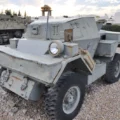 Skavtski avto Ford Mk.1 - fotografije in video
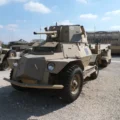 Marmon-Herrington Mk 4f - Fotografije in video
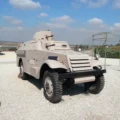 M3 Scout, predelan v oklepni avto - fotografije in video
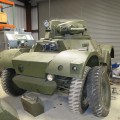 Daimler oklepni avto Mk II - fotografije in video
 FV721 Fox CVR - fotografije in video
 Beli dihur Mk 2 – fotografije in video
 Panhard EBR armoured car – Sprehod Okoli
 Humber Mk I – Sprehod Okoli