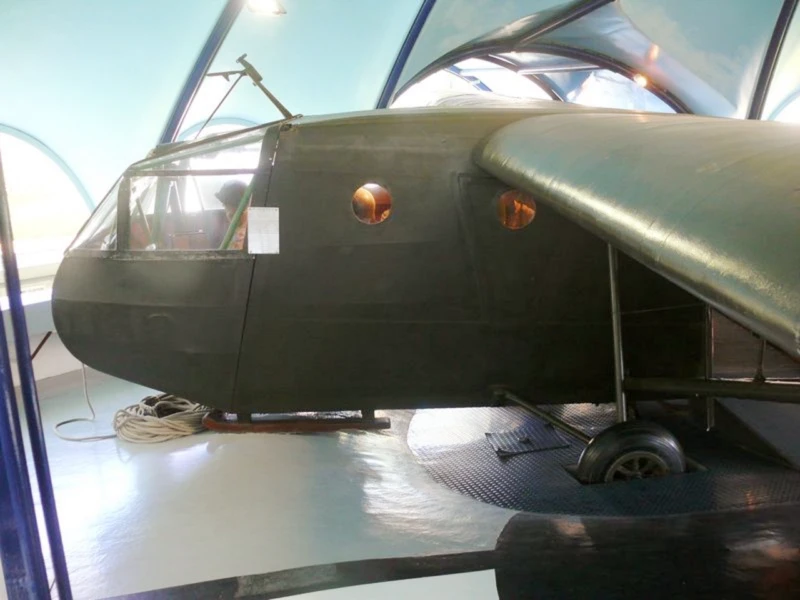
Waco CG-4 | |
|---|---|
| Krajiny | Spojené štáty americké |
| Úlohu | Vojenský klzák |
| Prvý let | 1942 |
| Postavený | 13900+ |
Komisia Waco CG-4A was the most widely used American troop/cargo military glider of World War II. It was designated the CG-4A by the United States Army Air Forces, and named Hadrian (after the Roman emperor) in British military service. Designed by the Waco Aircraft Company, flight testing began in May 1942, and eventually more than 13,900 CG-4As were delivered.
Zdrojový: Waco CG-4 na Wikipédii
| WACO CG-4A Haig chodiť okolo | |
|---|---|
| Fotograf | Vladimír Jakubov |
| Lokalizácia | Národné múzeum USAF, Dayton |
| Fotografie | 48 |
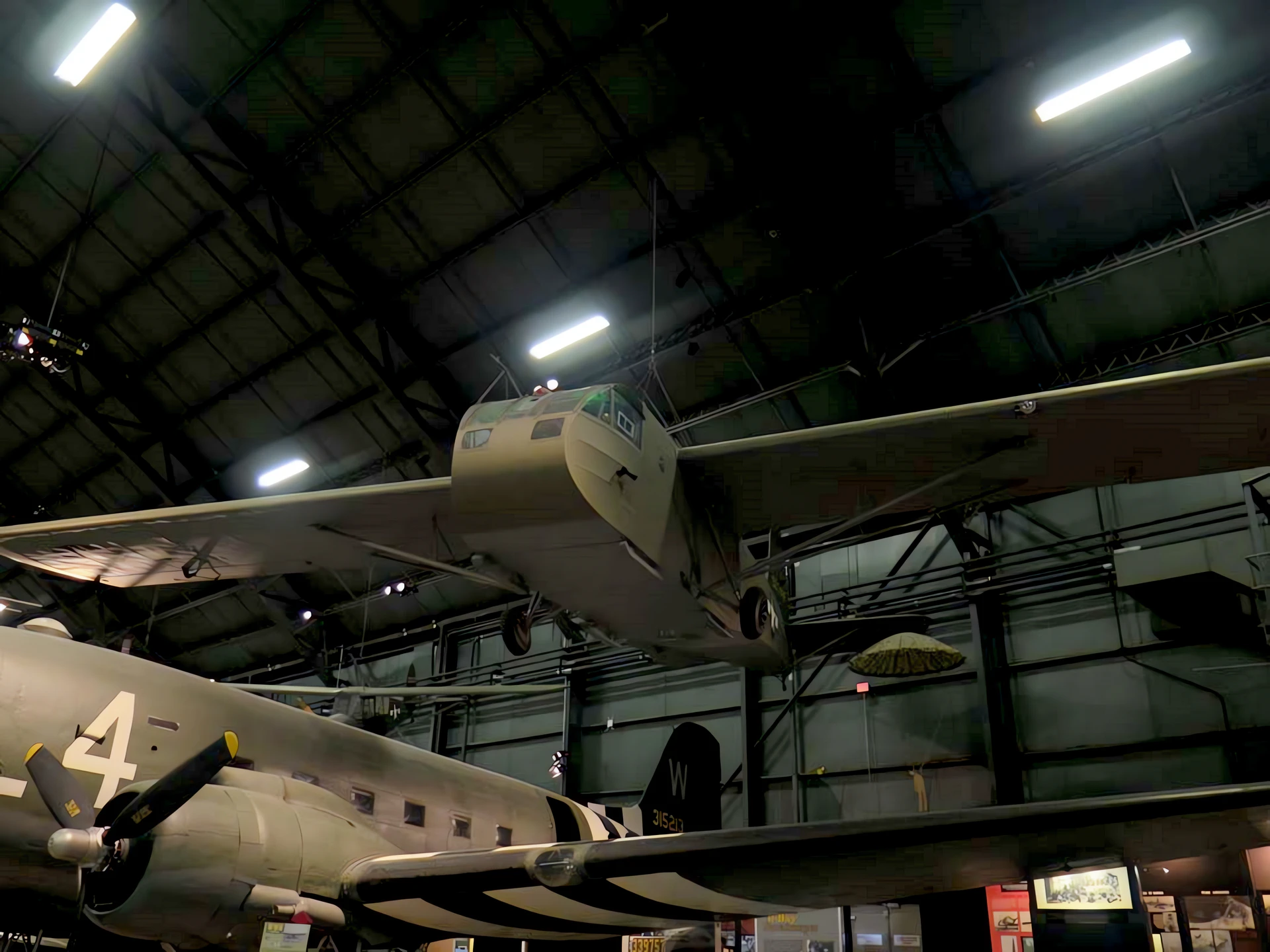
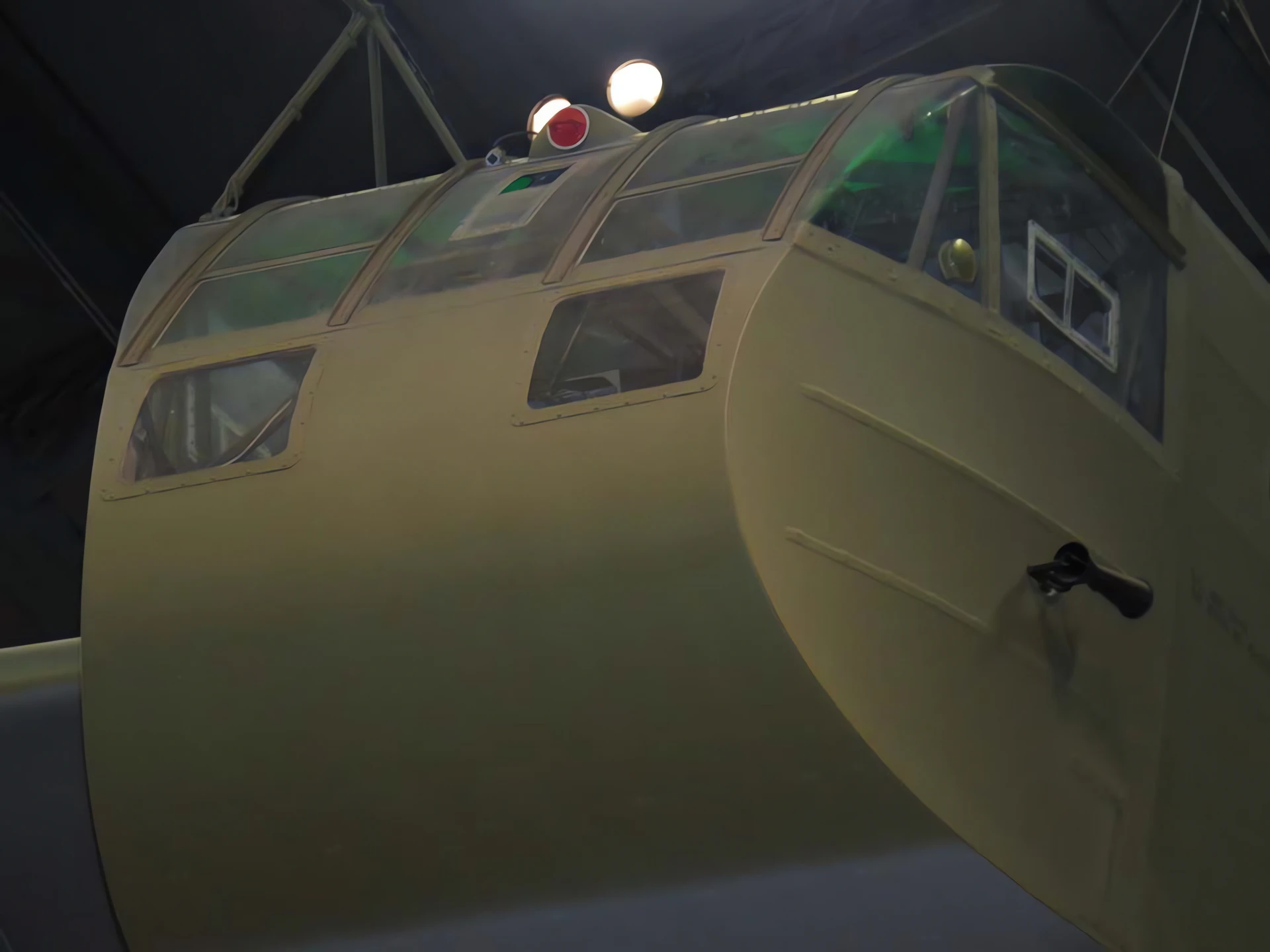
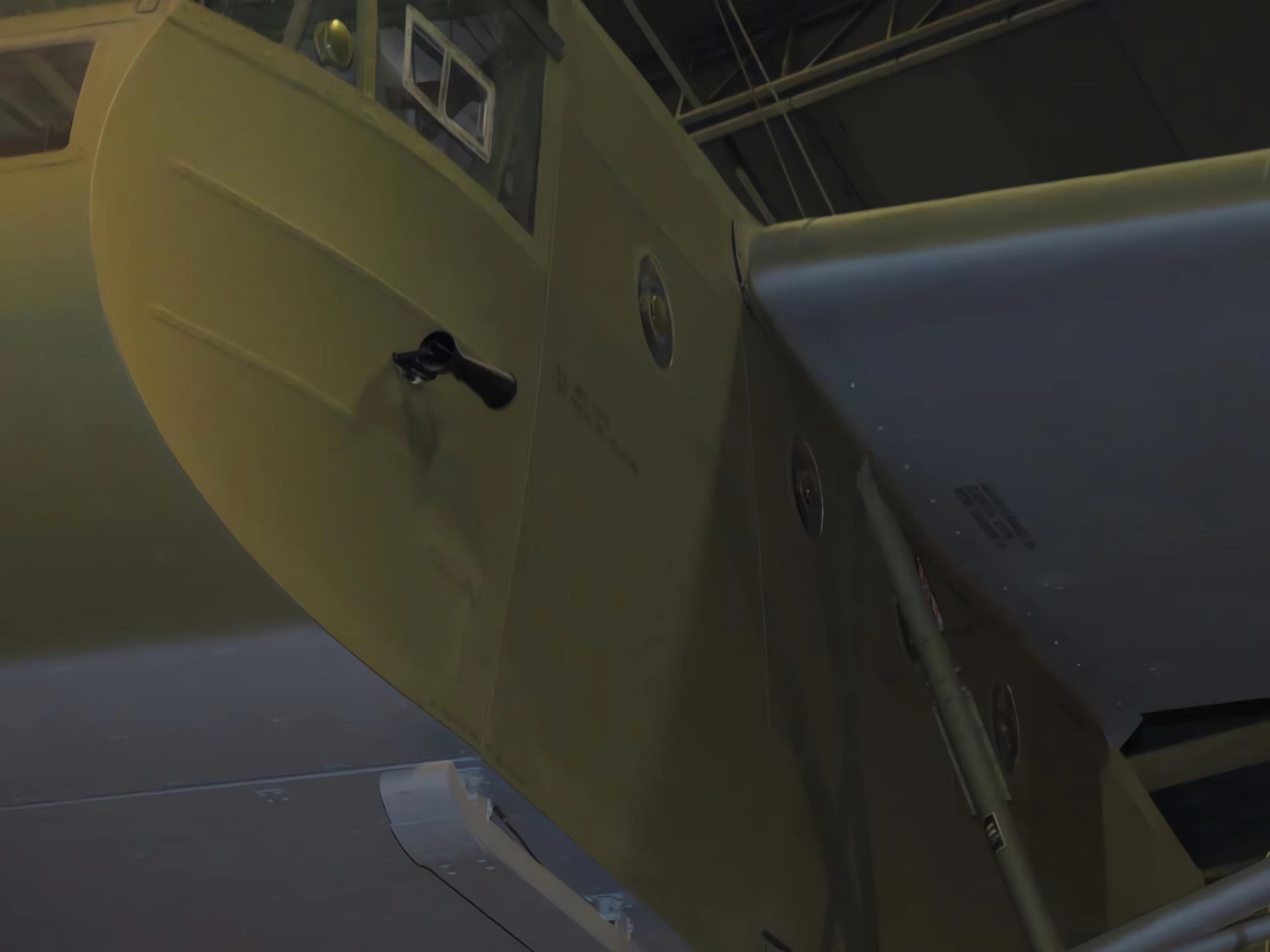
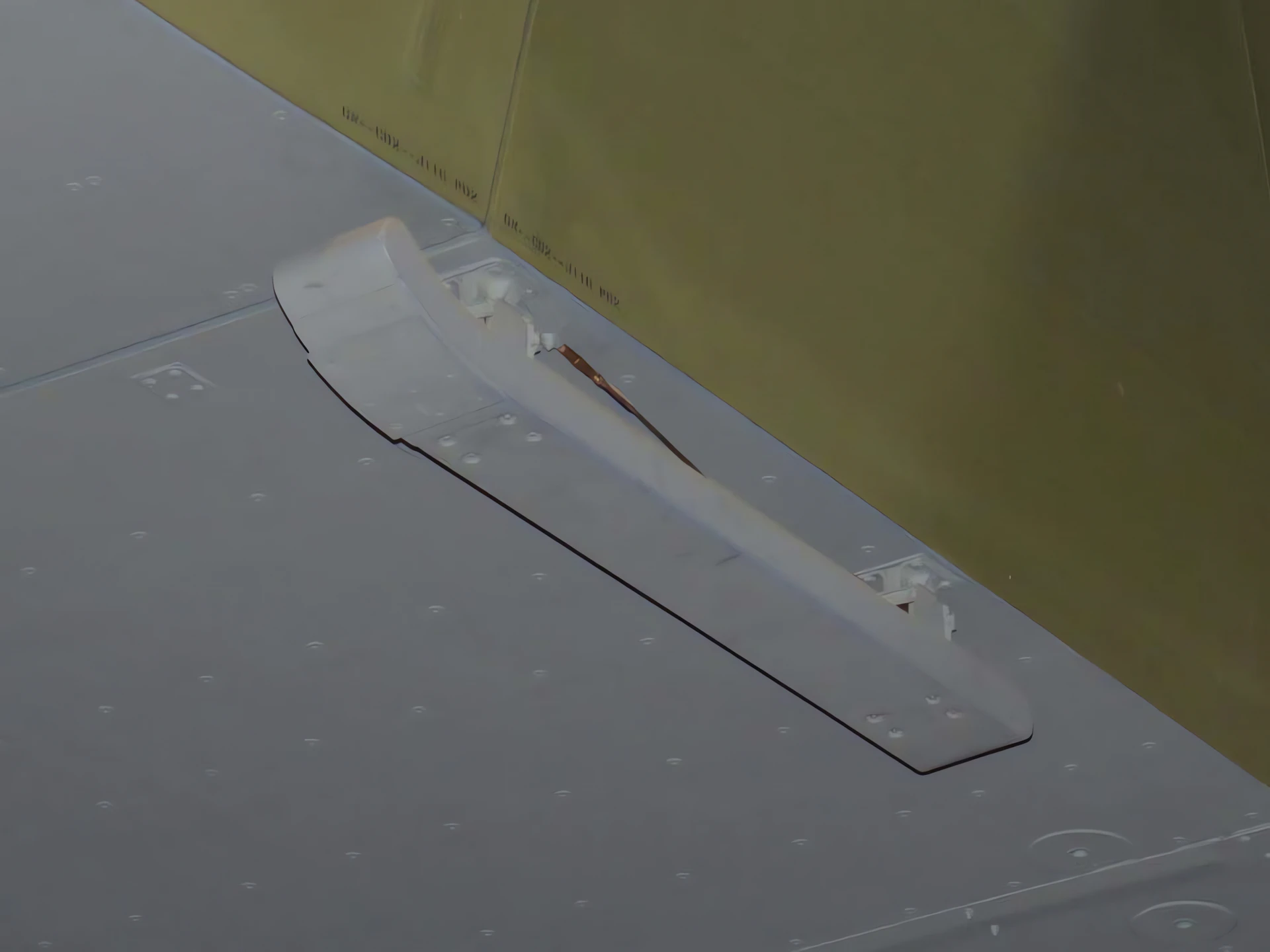
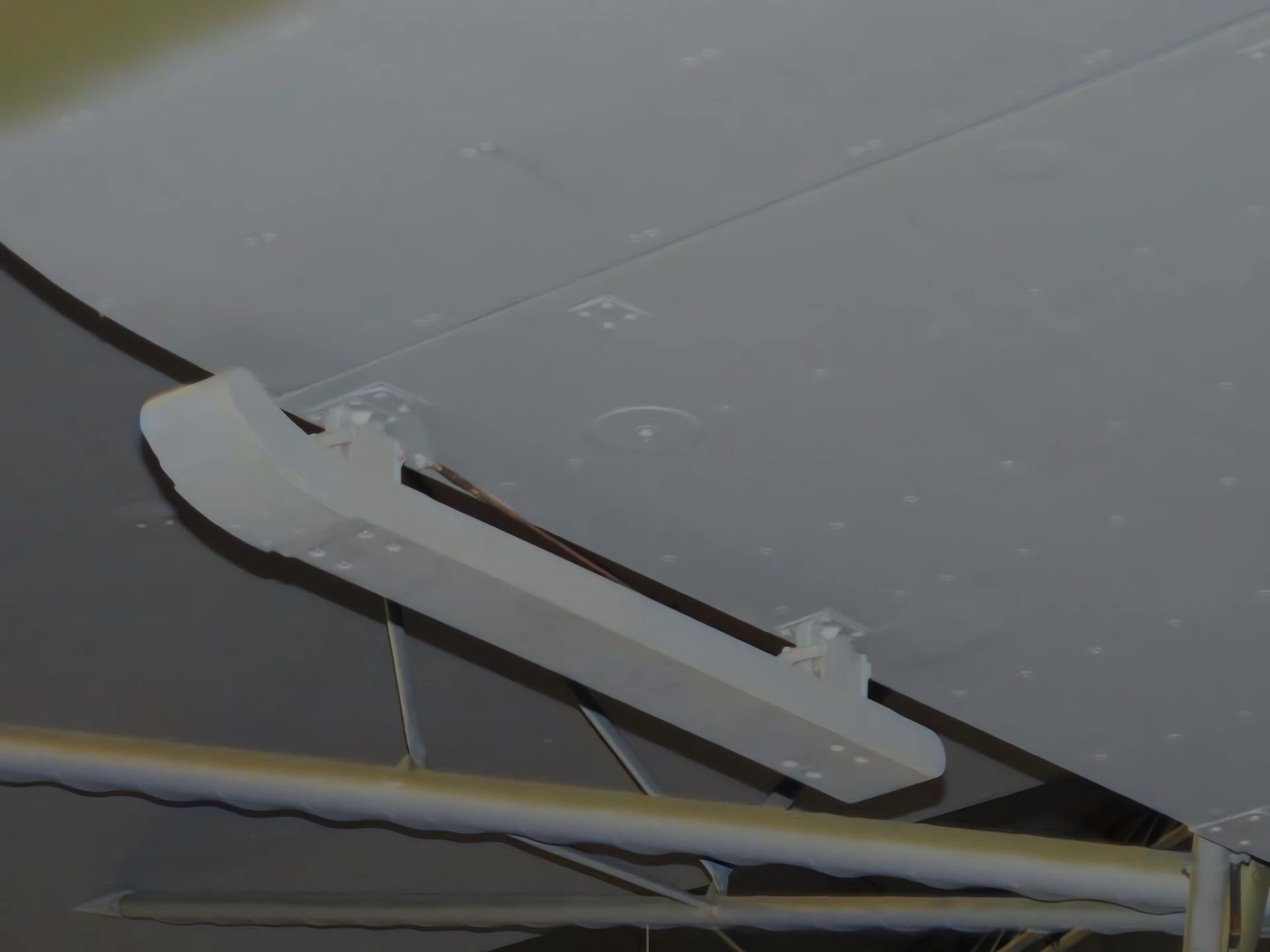
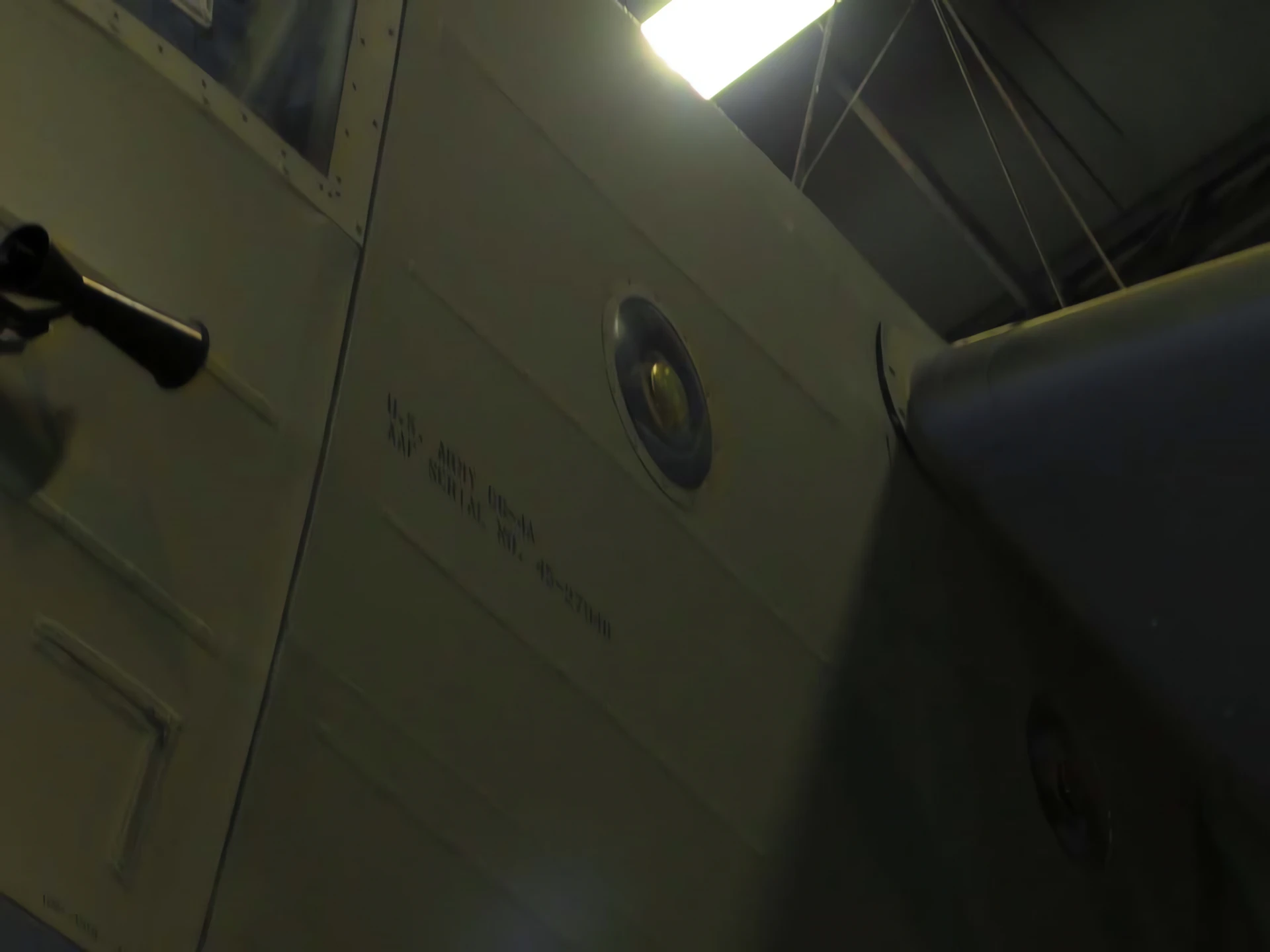
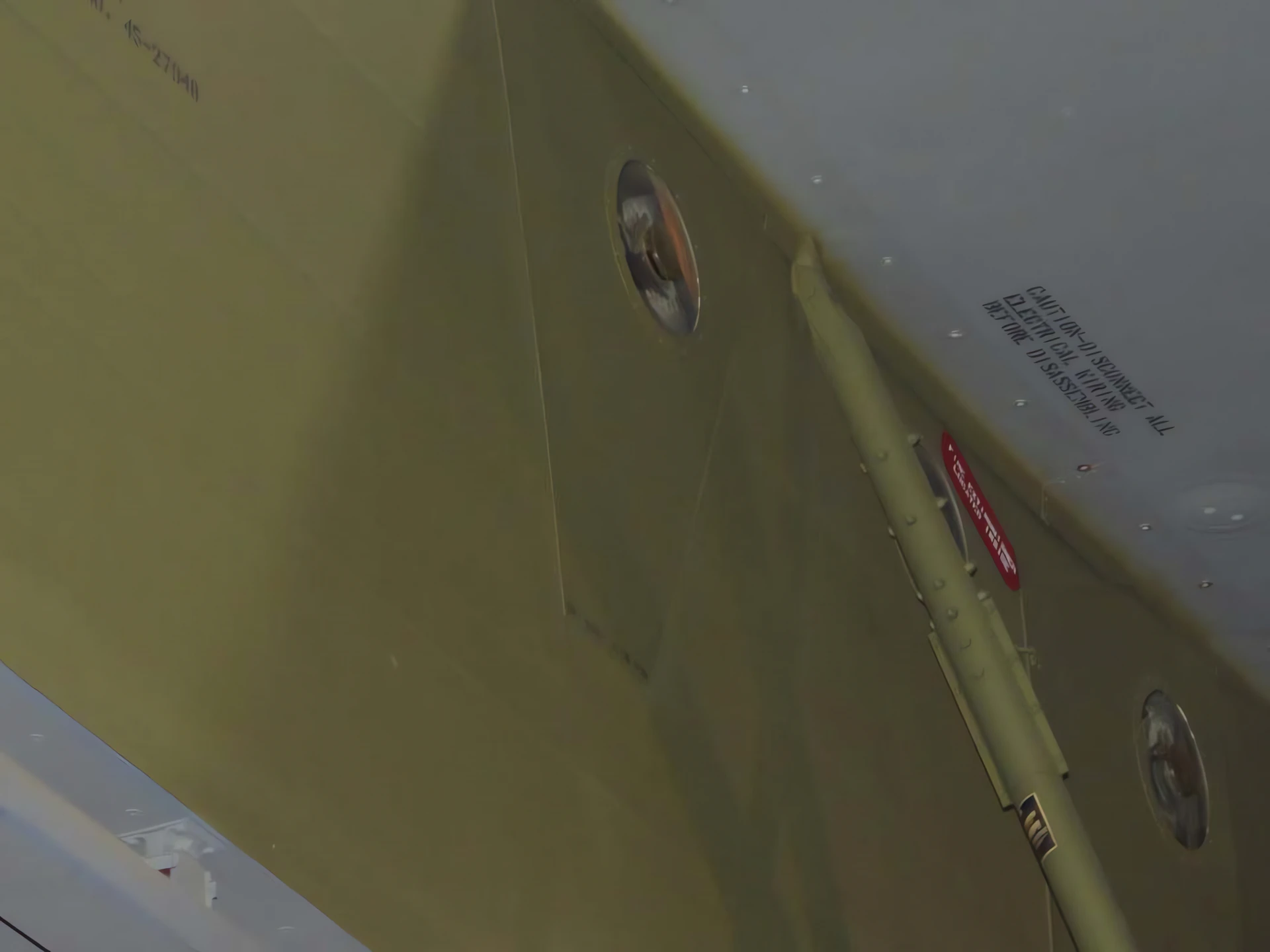
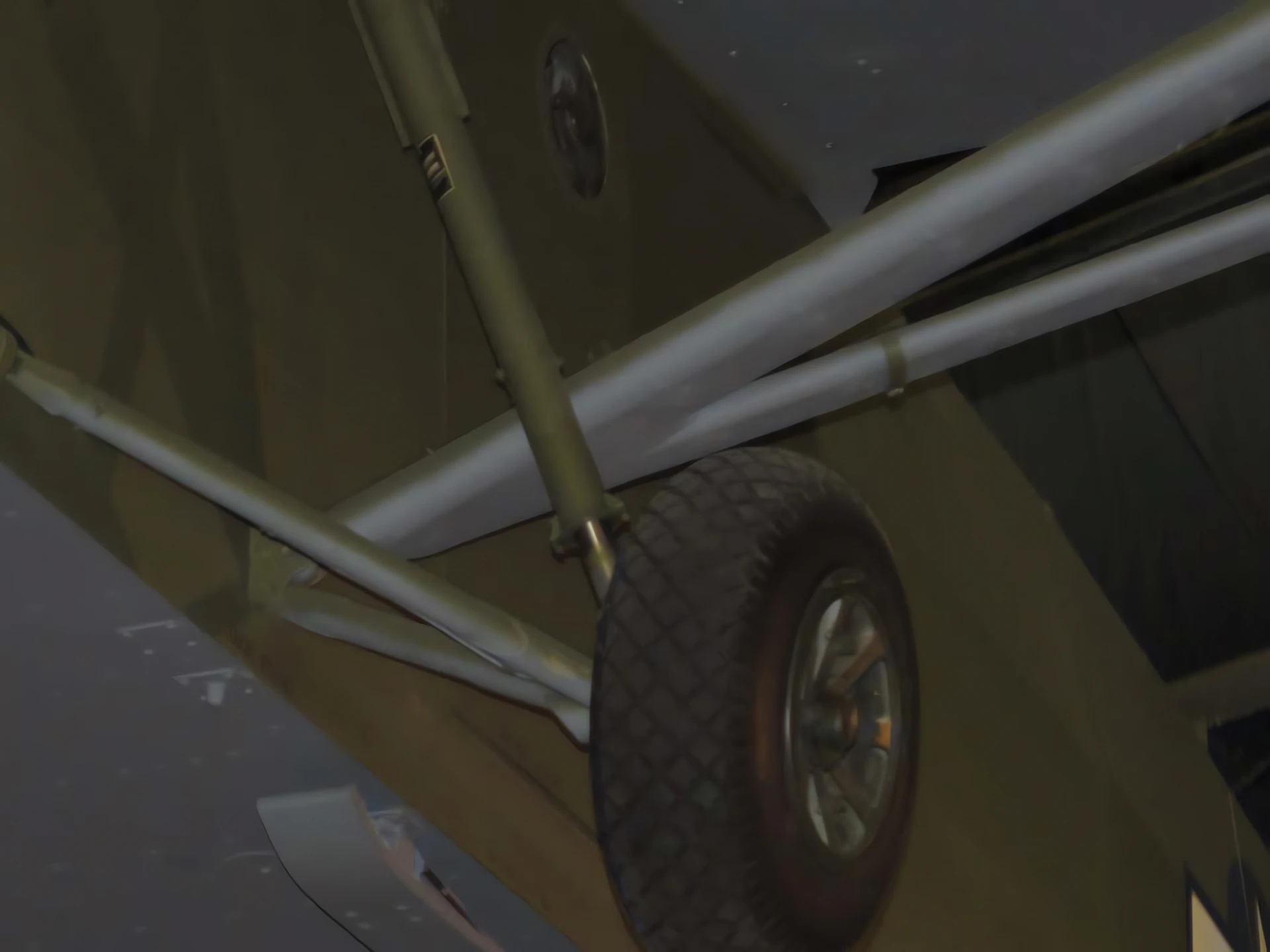
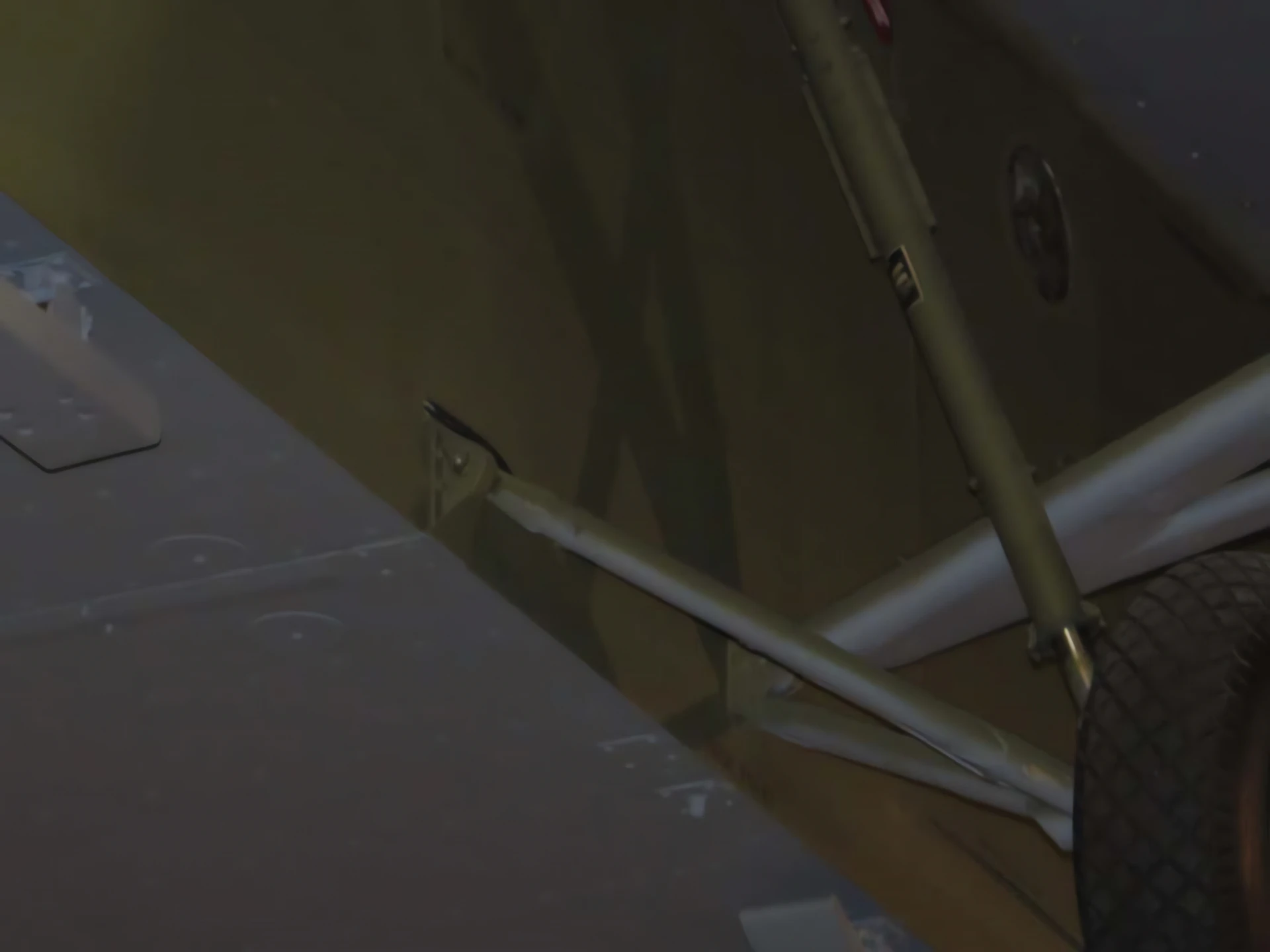

| CG-4A Waco Chodiť okolo | |
|---|---|
| Fotograf | Neznáme |
| Lokalizácia | Neznáme |
| Fotografie | 50 |
Pozri tiež:


General Characteristics and Role
The WACO CG-4A “Haig” was the most widely used American military glider during World War II, playing a crucial role in airborne and offensive operations. Its designation stands for Cargo Glider, 4th model, A-variant. It was a high-wing monoplane constructed of a steel tube frame covered in fabric, designed to be towed by aircraft like the C-47 Skytrain and released near the landing zone. Its primary function was to deliver troops, light vehicles (such as Jeeps or small field artillery pieces), and supplies directly onto the battlefield. A unique feature was the hinged nose section which swung up, allowing quick loading and unloading of cargo directly onto the ground.
| Property | Typical Value (CG-4A) |
|---|---|
| Typ | Troop and Cargo Glider (Unpowered) |
| National Origin | Spojené štáty americké |
| Výrobca | WACO Aircraft Company (and 15 licensees) |
| Entered Service | 1942 |
| Posádky | 2 (Pilot and Co-Pilot) |
| Passenger/Cargo Capacity | 13 troops or 1,700 kg (3,800 lb) of cargo (e.g., 1/4-ton Jeep, 75mm Howitzer) |
| Dĺžka | 14.8 m (48 ft 8 in) |
| Rozpätie krídel | 25.5 m (83 ft 8 in) |
Design and Performance
- Structure: Steel tube fuselage and wooden wing spars, all covered in fabric. This cheap and light construction allowed for mass production.
- Towing Speed: Approx. 190 km/h (118 mph).
- Glide Speed: Approx. 117 km/h (73 mph).
- Lack of Power: Being unpowered, gliders were silent on their final approach, offering an element of surprise compared to paradropping.
- Recovery: After landing, the gliders were often abandoned, but a few were recovered using the specialized Snatch pickup system, although this was dangerous and rarely done.
- Landing Characteristics: Due to lack of braking power, pilots were trained to execute hard landings, often deliberately destroying the glider to stop quickly in confined spaces.
Service History and Key Operations
- Mass Production: An astonishing 13,909 units were built, making it the most numerous glider in American history.
- Major Operations: The CG-4A was central to every major Allied airborne assault of WWII:
- Sicily (Operation Husky, 1943): Early, difficult use.
- Normandy (Operation Overlord/D-Day, 1944): Crucial for bringing in anti-tank guns and medical supplies.
- Southern France (Operation Dragoon, 1944).
- Netherlands (Operation Market Garden, 1944): Used extensively, suffering high losses.
- Germany (Operation Varsity, 1945): The largest single-day glider operation in history.
- Legacy: The CG-4A, despite its fragile appearance and high pilot casualty rates, was indispensable for rapidly deploying heavy, crew-served weapons where they were most needed, cementing the concept of the airborne assault.
Prezretí: 2291