Панцер 35 (т) | |
|---|---|
| Страны | Германия |
| Тип | Средний танк |
| Производства | 1936–1940 |
| Построен | 434 |
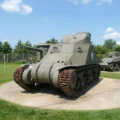
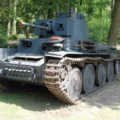
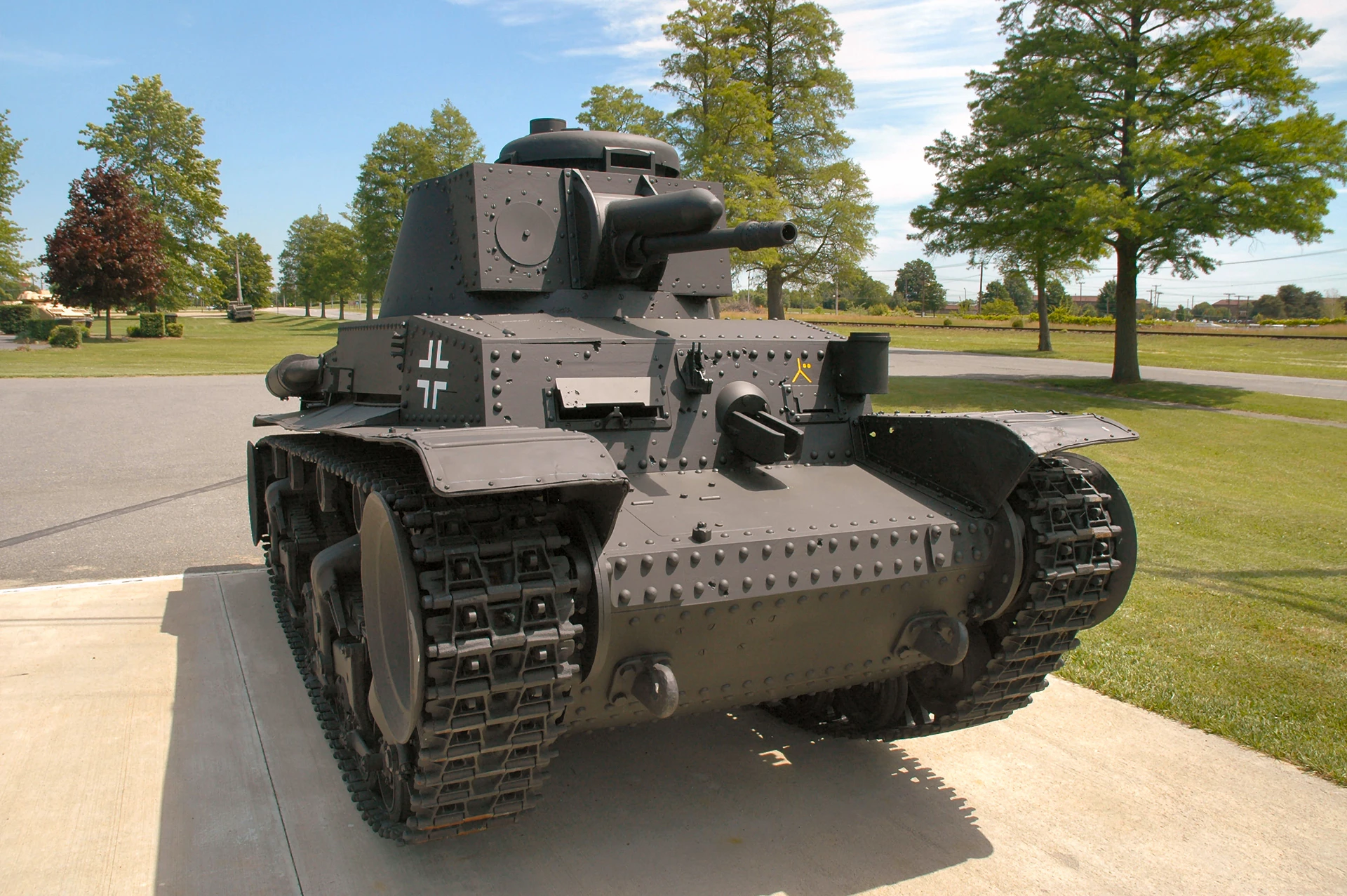
Panzerkampfwagen 35(t), обычно укороченный до Panzer 35 (t) или сокращенный как Pz.Kpfw. 35 (t), был чехословацким легким танком, используемым в основном нацистской Германией во время Второй мировой войны. Письмо (t) стояло для tschechisch (немец: «Чехия»). В чехословацкой службе он имел официальное обозначение Lehk' tank vzor 35 (Light Tank Model 35), но обычно назывался LT vz. 35 или LT-35. Четыреста тридцать четыре были построены; из них немцы захватили двести сорок четыре, когда они оккупировали Богемия-Моравия в марте 1939 года и словаки приобрели пятьдесят два, когда они провозгласили независимость от Чехословакии в то же время. Другие были экспортированы в Болгарию и Румынию. На немецкой службе, он видел бой в первые годы Второй мировой войны, в частности, вторжение в Польшу, Битва за Францию и вторжение в Советский Союз, прежде чем ушел в отставку или проданы в 1942 году. Он использовался на оставшуюся часть войны другими странами и в качестве учебного танка в Болгарии в 1950-х годах.
Источник: Панцер 38 (т) в Википедии
| Panzer 35(t) | |
|---|---|
| Фотограф | Дмитрий Кияткин |
| Локализации | Неизвестная |
| Фотографии | 15 |
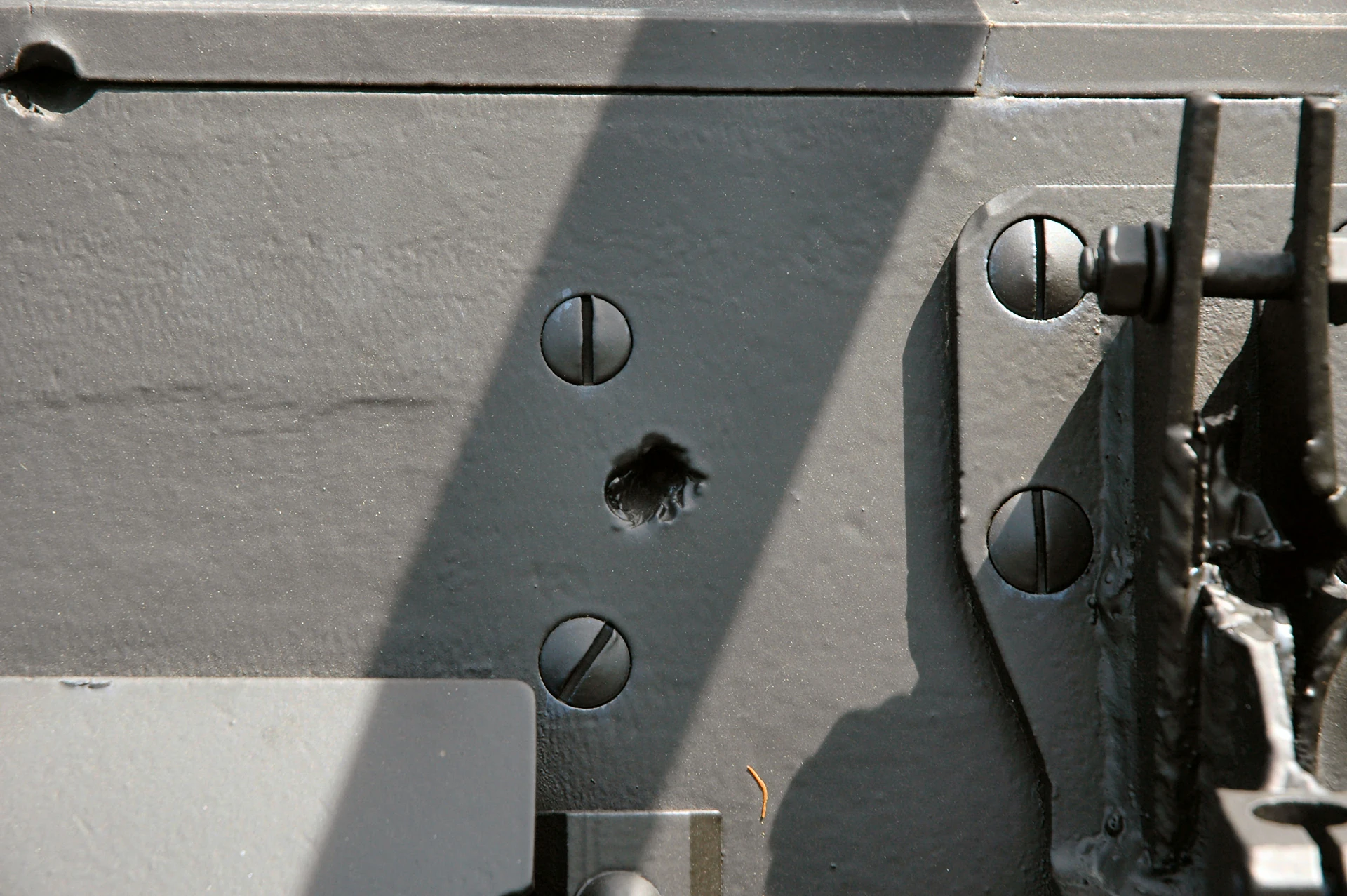
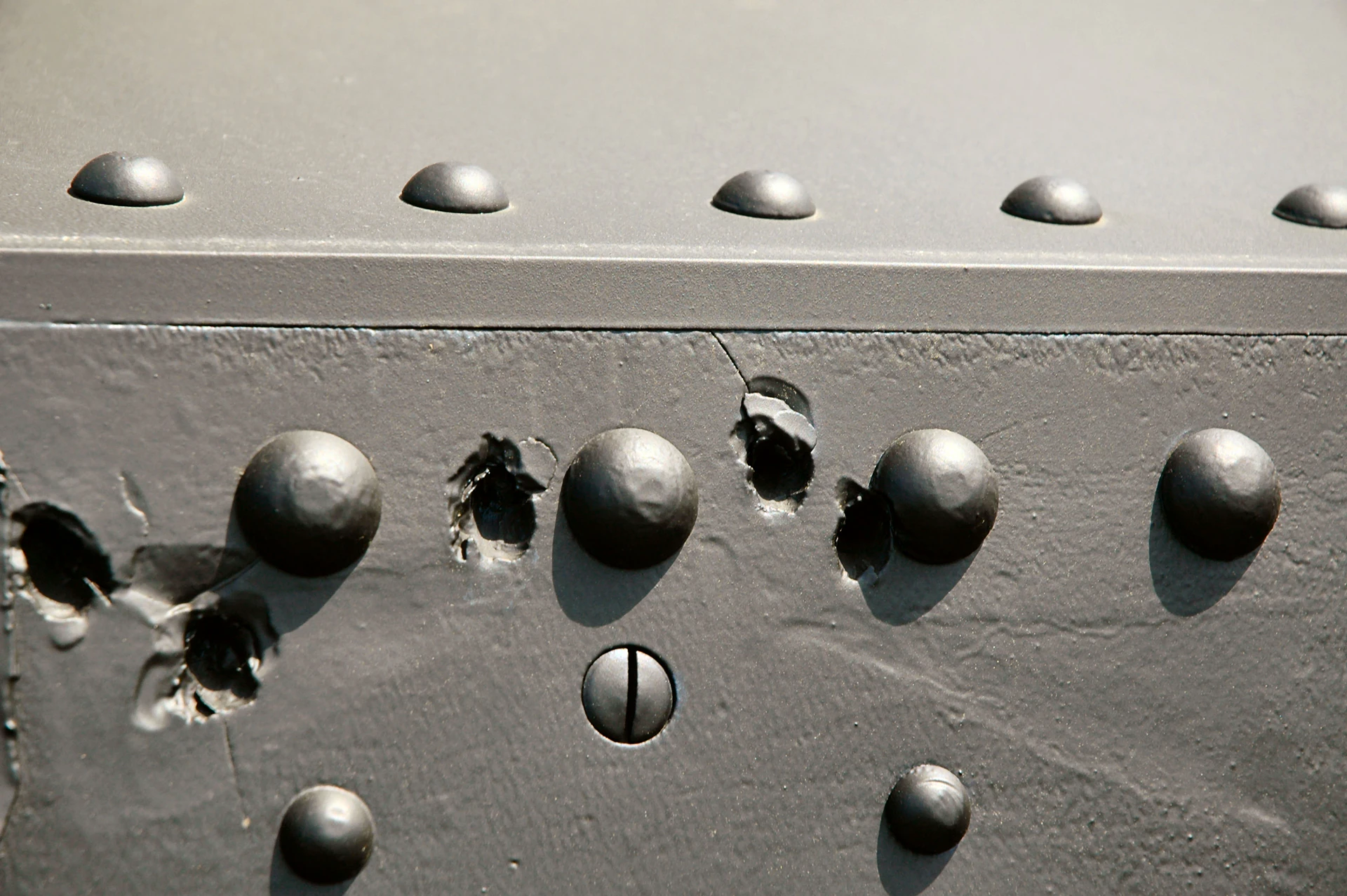
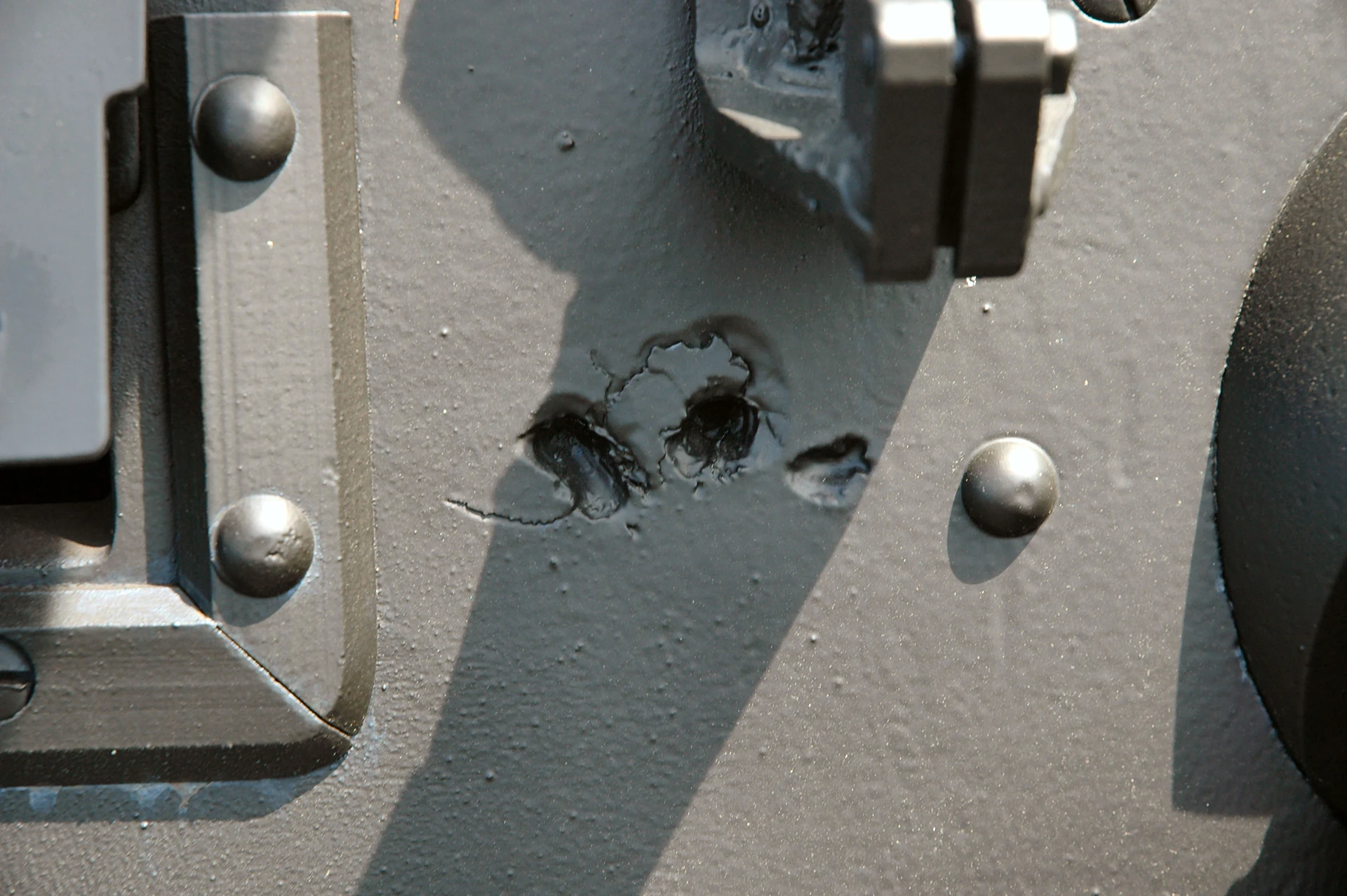
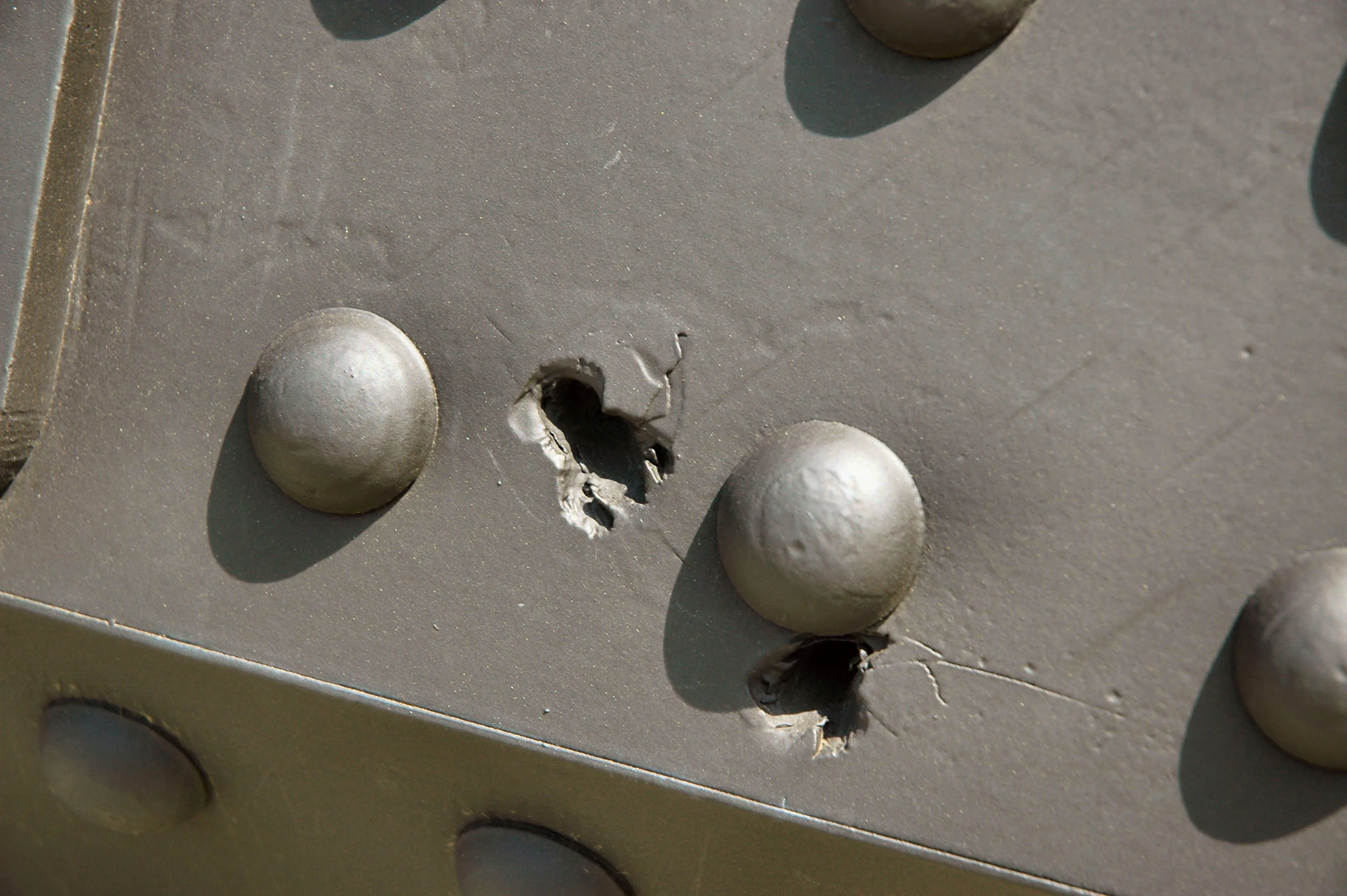

 Купить мне кофе
Читайте также:


The “Acquired” Light Tank
Teh Панцер 35 (т) was not originally a German design. It was the LT vz. 35, the backbone of the Czechoslovakian Army’s armored forces before the 1939 occupation. The “(t)” in its name stands for tschechisch (German for Czech). When Germany annexed Czechoslovakia, they inherited nearly 250 of these tanks. Impressed by their reliability and advanced features, the Wehrmacht integrated them into their Panzer Divisions. It was a sophisticated machine for the mid-1930s, featuring revolutionary (if complex) pneumatic systems that made it surprisingly easy to drive.
| Attribute | Technical Specification [Panzer 35(t)] |
|---|---|
| Роль | Легкий танк |
| Экипажа | 4 (Commander/Gunner, Loader, Driver, Radio Op) |
| Двигателя | Škoda T-11/0 6-cylinder petrol (120 hp) |
| Максимальная скорость | 34 km/h (21 mph) |
| Основное вооружение | 3.7 cm KwK 34(t) L/40 (Škoda vz. 34) |
| Вспомогательное вооружение | 2 × 7.92 mm MG 37(t) machine guns |
| Armor Thickness | 8mm to 25mm (riveted) |
| Суспензия | Leaf spring with 8 small road wheels per side |
Design Engineering: The Pneumatic Pioneer
- Pneumatic Steering and Shifting: The LT vz. 35 was ahead of its time, using compressed air to assist the steering and gear shifting. This reduced driver fatigue significantly, allowing the tank to travel long distances without exhausting the crew. However, these systems were prone to freezing in the harsh Russian winter.
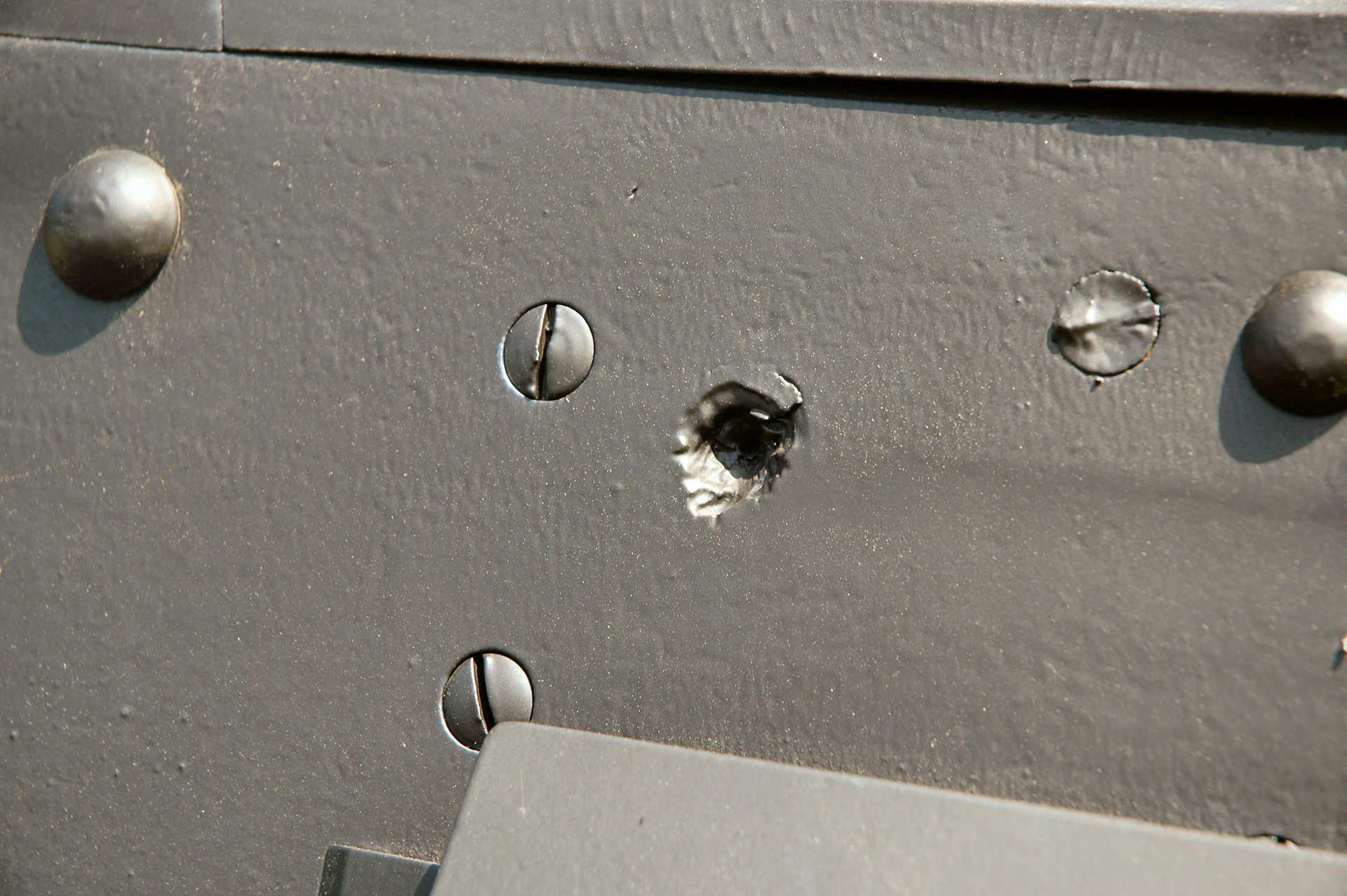
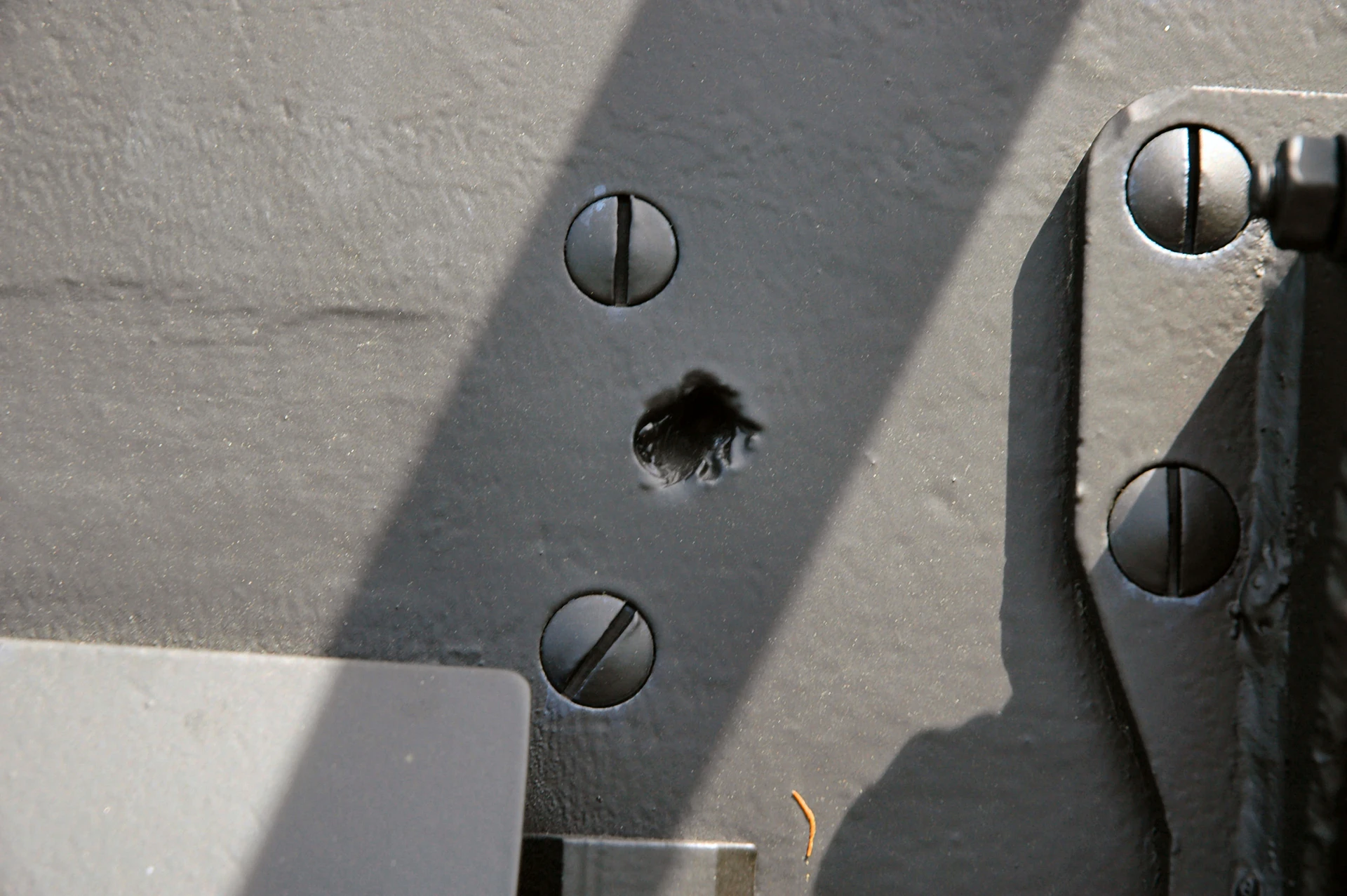
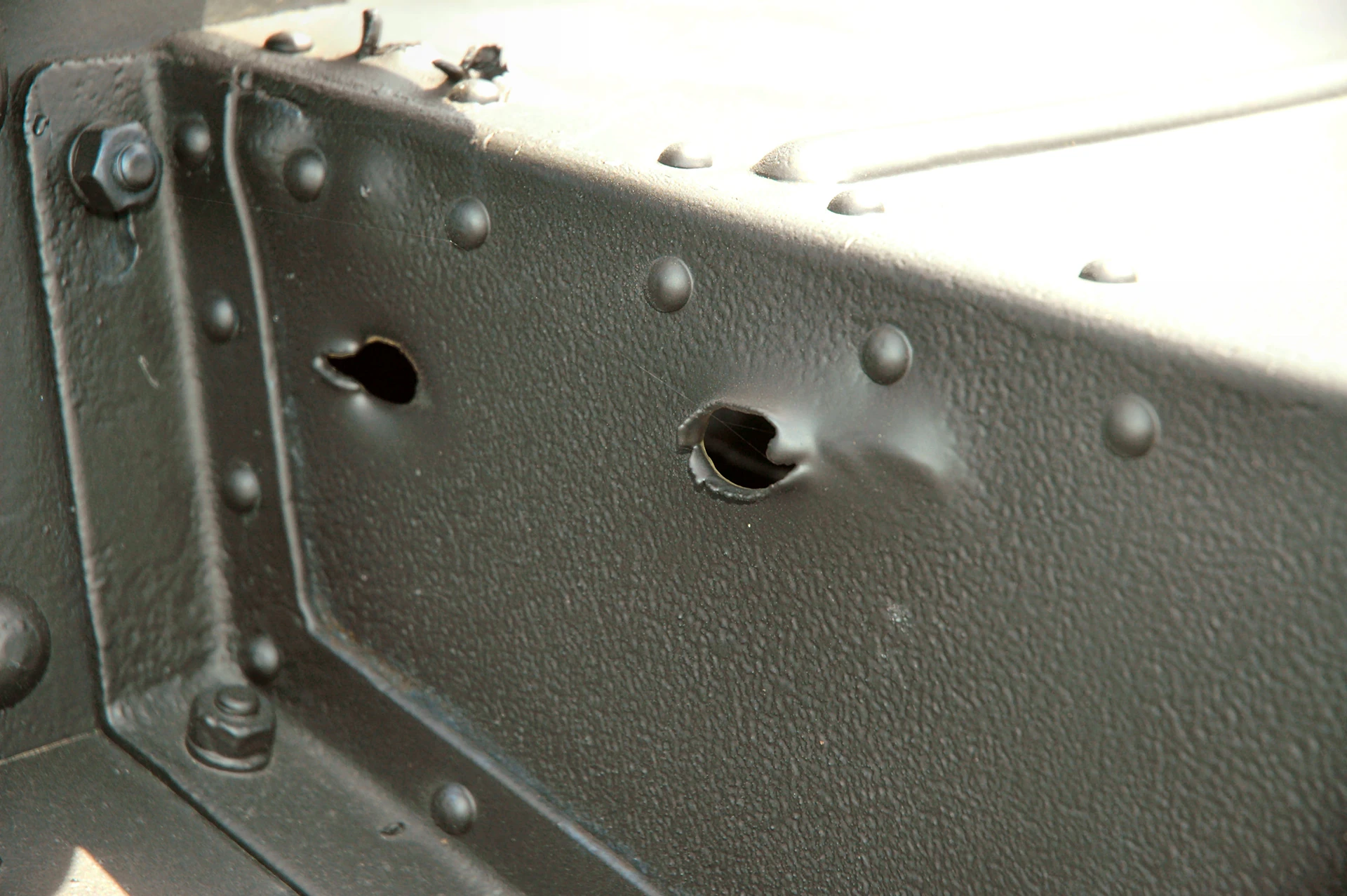
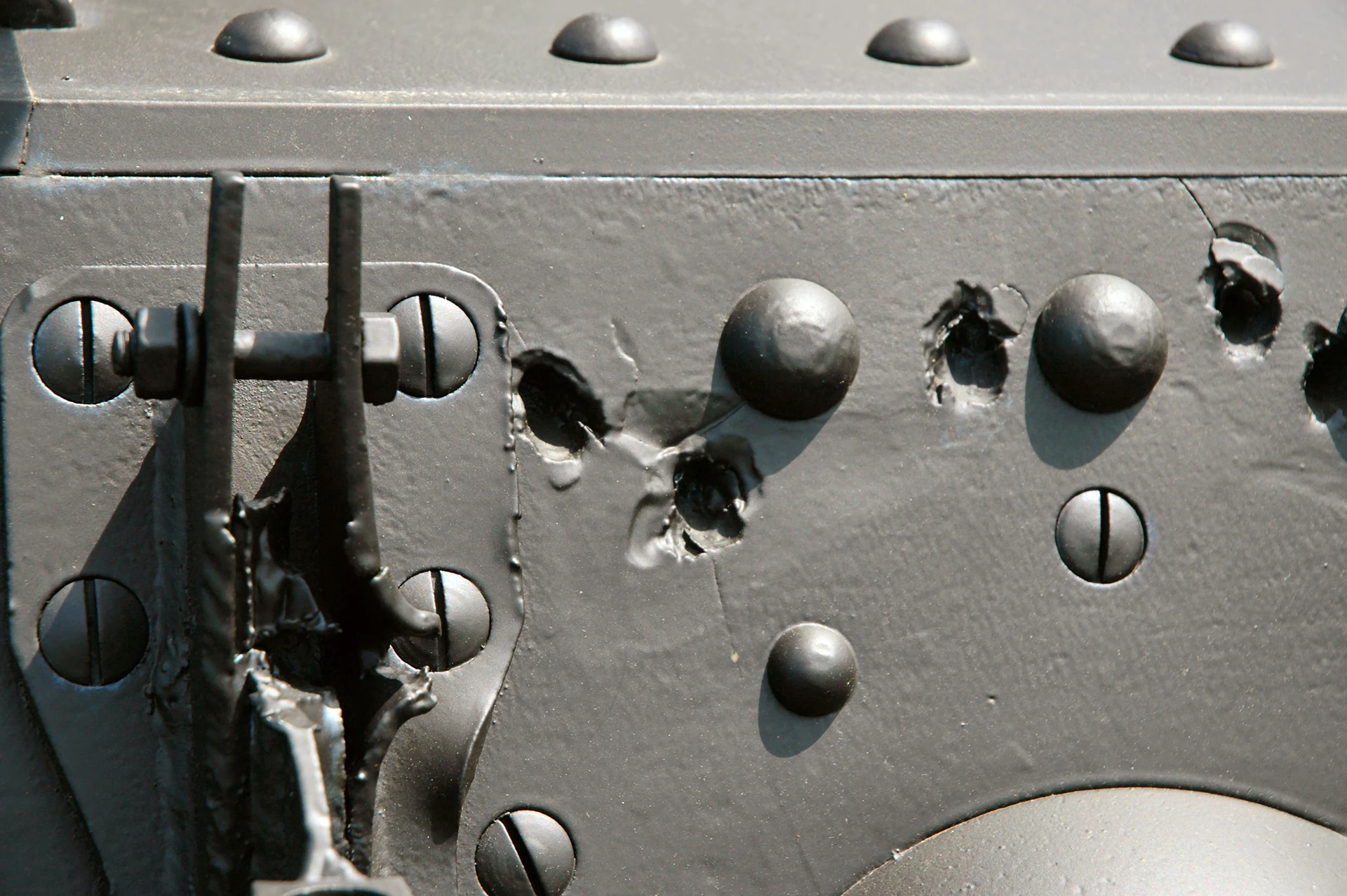
- Riveted Construction: Unlike later tanks that were welded, the 35(t) was held together by rivets. While easier to manufacture at the time, this was a hazard; a non-penetrating hit from a large shell could cause the rivets to pop off inside the tank like shrapnel, injuring the crew.
- Dual-Purpose Machine Gun: The bow-mounted machine gun could be operated by the radio operator or locked in place for the driver to fire via a cable, a quirky design feature typical of pre-war Czech engineering.
- Superior Optics: The Czech optics were considered some of the best in the world at the time, giving 35(t) commanders a distinct advantage in spotting and engaging targets at distance compared to early Soviet tanks.
Combat History: From Paris to the Gates of Moscow
- Blitzkrieg Workhorse: The 35(t) was a vital part of the 6th Panzer Division during the invasion of Poland (1939) and the Fall of France (1940). Its 37mm gun was effective against most light and medium tanks of that period.
- Operation Barbarossa: By June 1941, the 35(t) was becoming obsolete. While it performed well in the initial stages of the invasion of the USSR, it struggled against the T-34. More importantly, the extreme cold caused its pneumatic lines to brittle and crack, rendering the tanks immobile.
- Retirement and Conversion: By 1942, most 35(t) tanks were withdrawn from front-line service. Many were converted into Mörserzugmittel 35(t) (artillery tractors) or used for security duties in occupied territories.
- The Romanian “R-2”: Romania was a major user of the type, designating it the R-2. They used them extensively during the Battle of Stalingrad, where the tanks suffered heavy losses against Soviet heavy armor.
Views : 3903