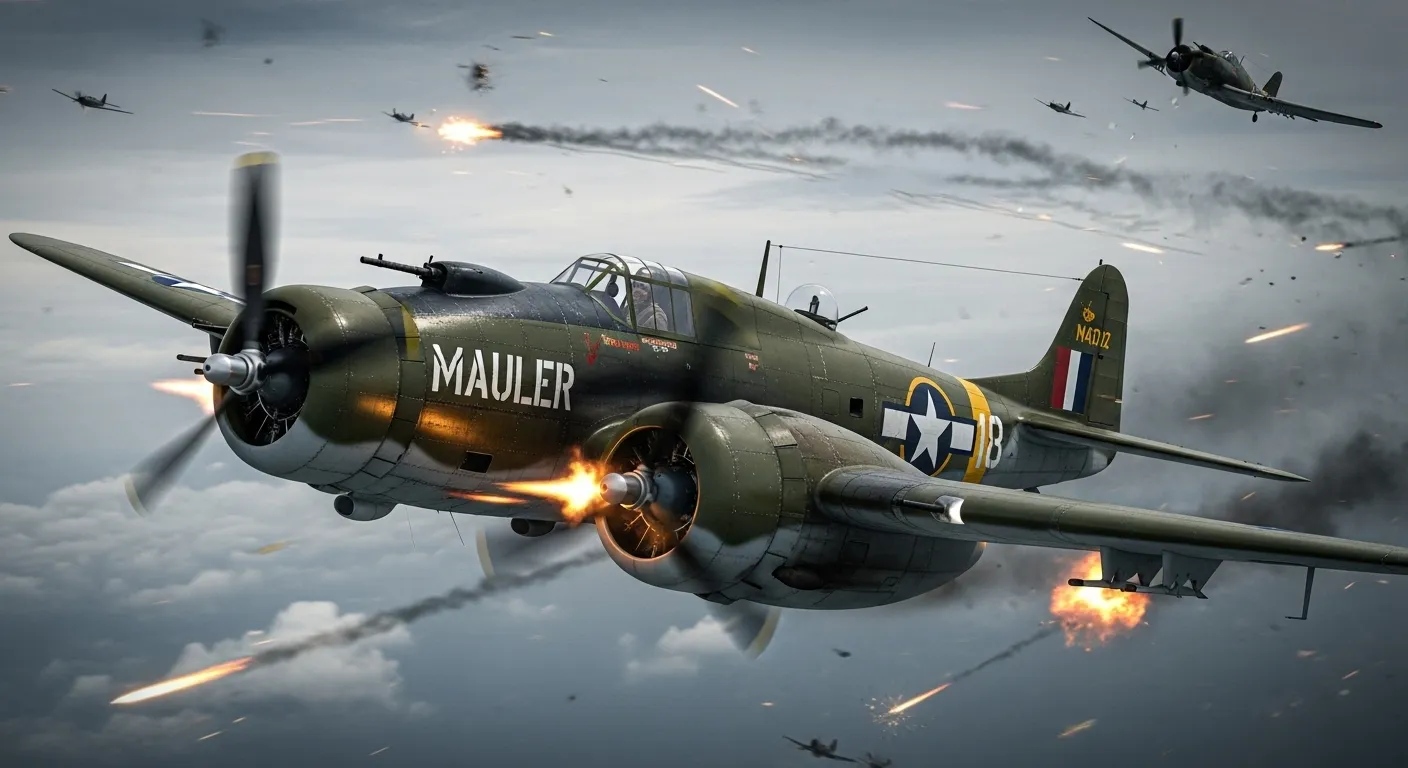
Martin AM Mauler | |
|---|---|
| Страны | США |
| Роль | Ударная авиация |
| Первый полет | 26 August 1944 |
| Построен | 151 |
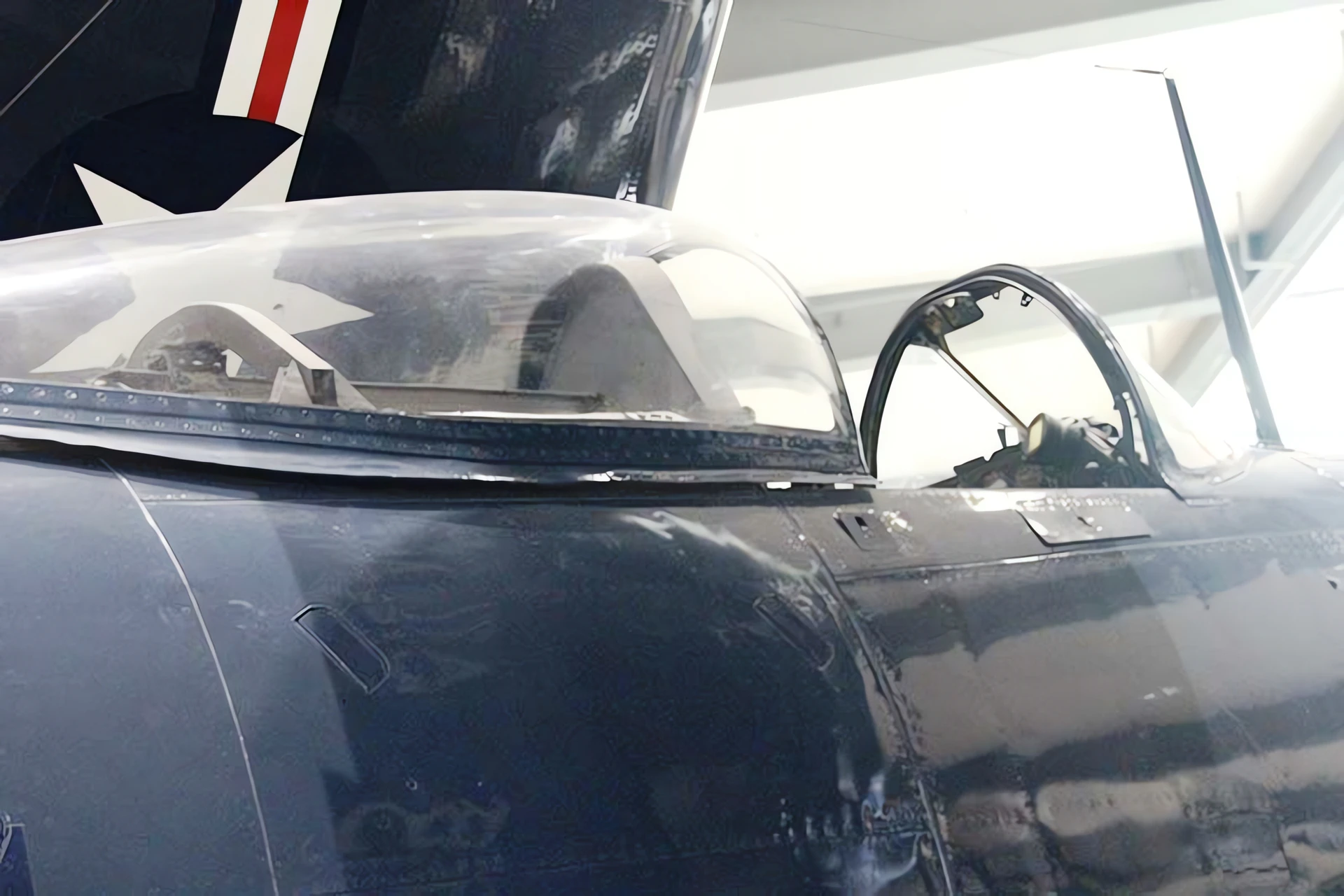
The Martin AM Mauler (originally XBTM) is a single-seat carrier-based attack aircraft built for the United States Navy. Designed during World War II, the Mauler encountered development delays and did not enter service until 1948 in small numbers. The aircraft proved troublesome and remained in frontline service only until 1950, when the Navy switched to the smaller and simpler Douglas AD Skyraider. Maulers remained in reserve squadrons until 1953. A few were built as AM-1Q electronic-warfare aircraft with an additional crewman in the fuselage.
Источник: Martin AM Mauler on Wikipedia
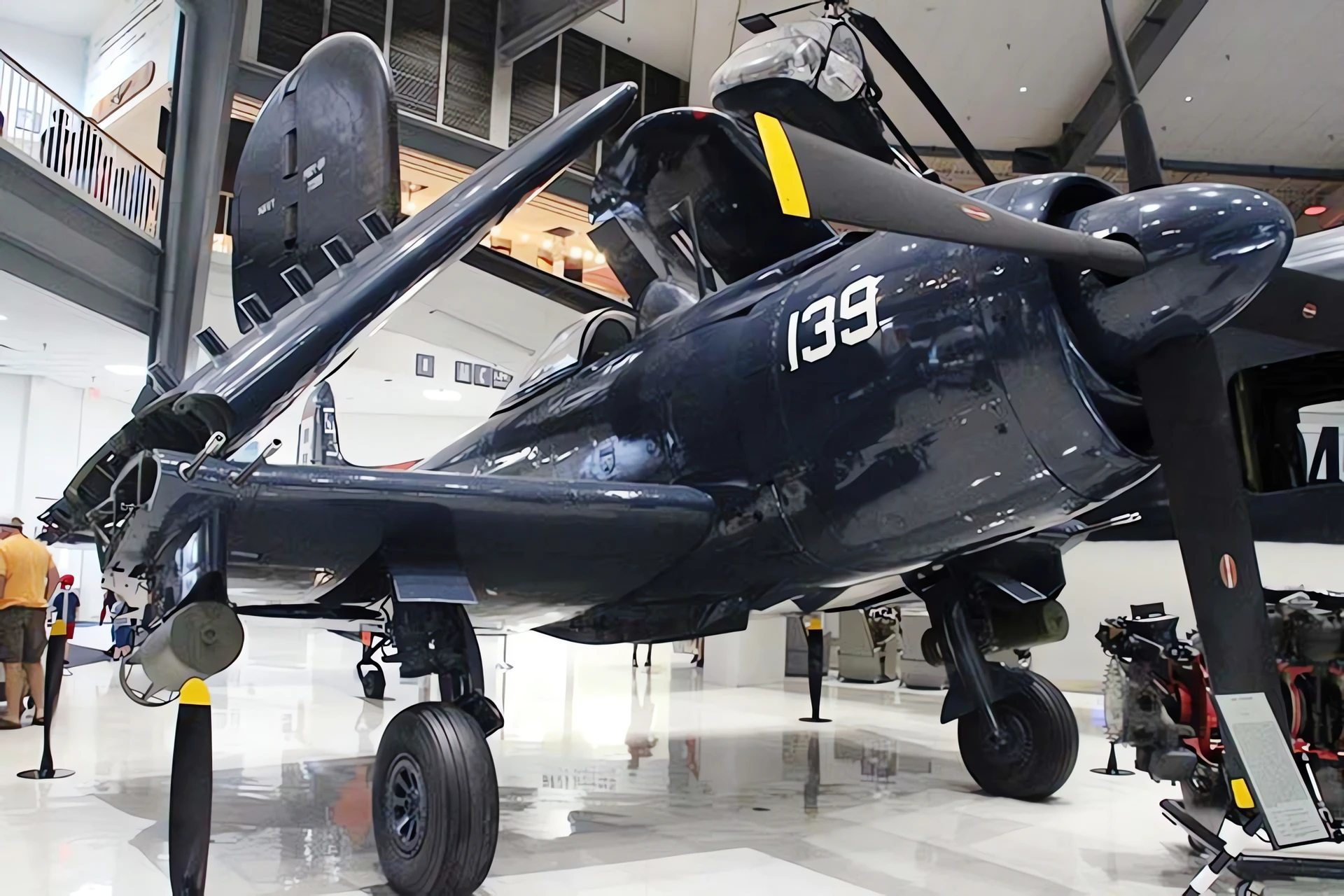
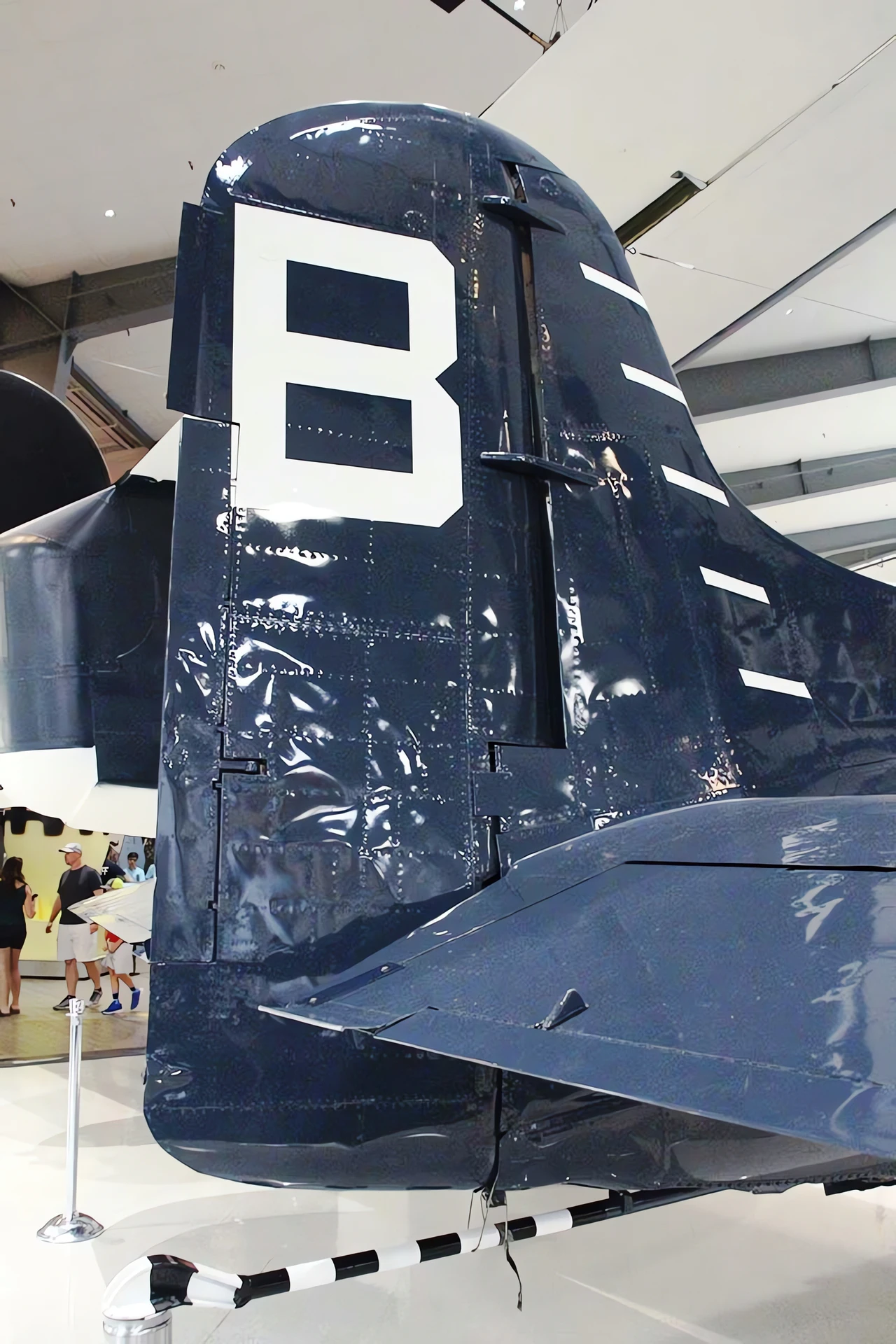
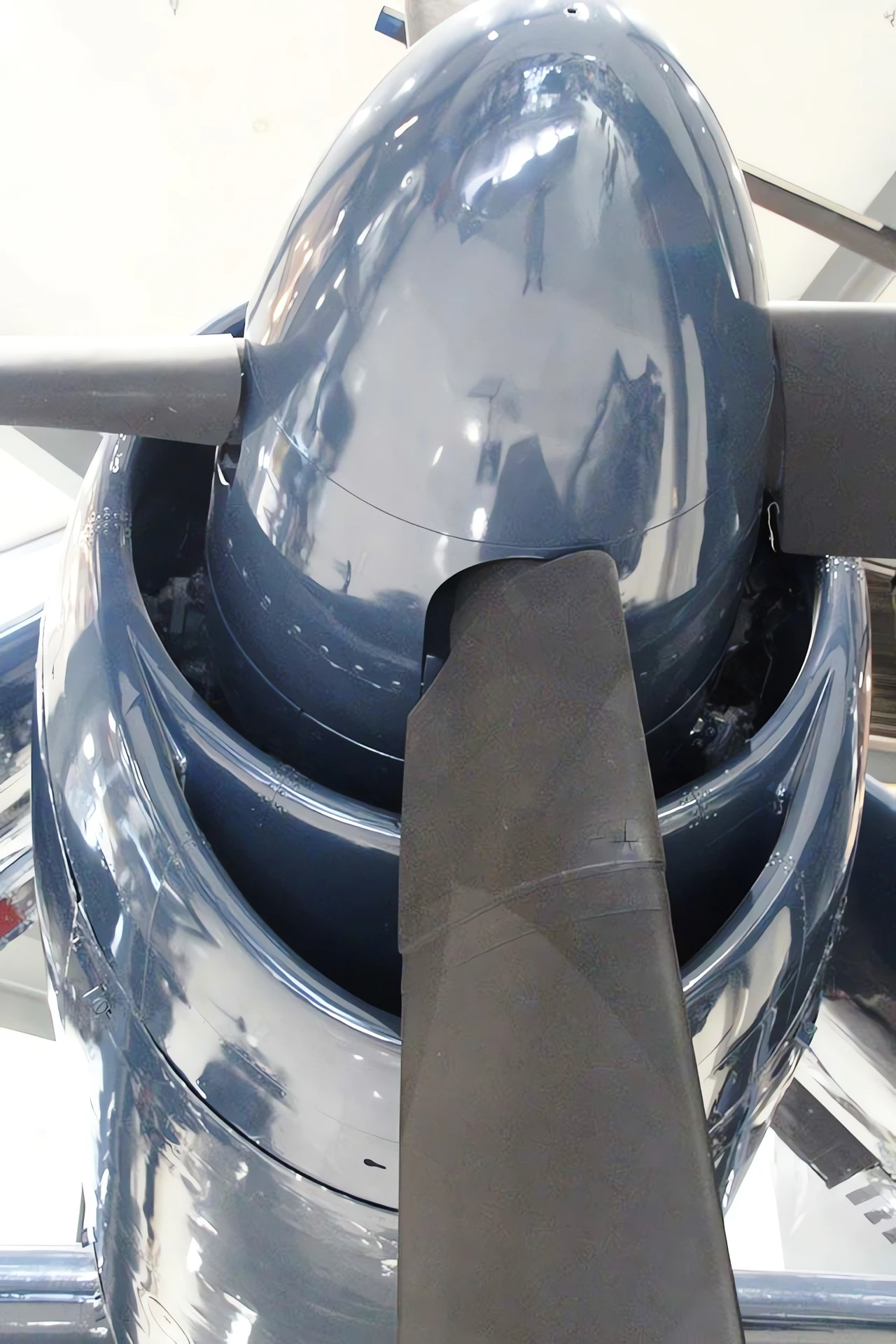
| Martin Mauler AM-1 Walk Around | |
|---|---|
| Photographer | Ronald van Voorst |
| Localisation | Unknow |
| Photos | 29 |


Читайте также:


A Record-Breaking Beast
The Martin AM-1 Mauler was a single-seat carrier-based attack aircraft designed for the U.S. Navy toward the end of World War II. It was built around the massive Pratt & Whitney R-4360 “Wasp Major” engine, the largest and most powerful piston engine ever to enter aircraft service. The Mauler is most famous for its incredible lifting capacity; in 1949, it set an unofficial record by taking off with a payload of 10,689 lbs—a staggering amount of ordnance for a single-engine aircraft that remains a point of legend in naval aviation history.
| Attribute | Standard Specification (AM-1 Mauler) |
|---|---|
| Роль | Carrier-based Attack Aircraft |
| Экипажа | 1 (Pilot) / AM-1Q variant: 2 (Pilot and ECM Operator) |
| Силовая установка | 1 x Pratt & Whitney R-4360-4 Wasp Major (3,000 hp) |
| Максимальная скорость | 591 km/h (367 mph) |
| Размах крыла | 15.24 meters (50 ft 0 in) |
| Max Takeoff Weight | 11,674 kg (25,737 lb) |
| Вооружение | 4 x 20mm T-31 Autocannons (800 rounds total) |
| External Load | Up to 15 hardpoints for bombs, rockets, or torpedoes |
Performance and Payload
- Engine Torque: The Wasp Major was so powerful that the engine had to be offset by two degrees to the right to help counteract the massive torque during takeoff and flight.
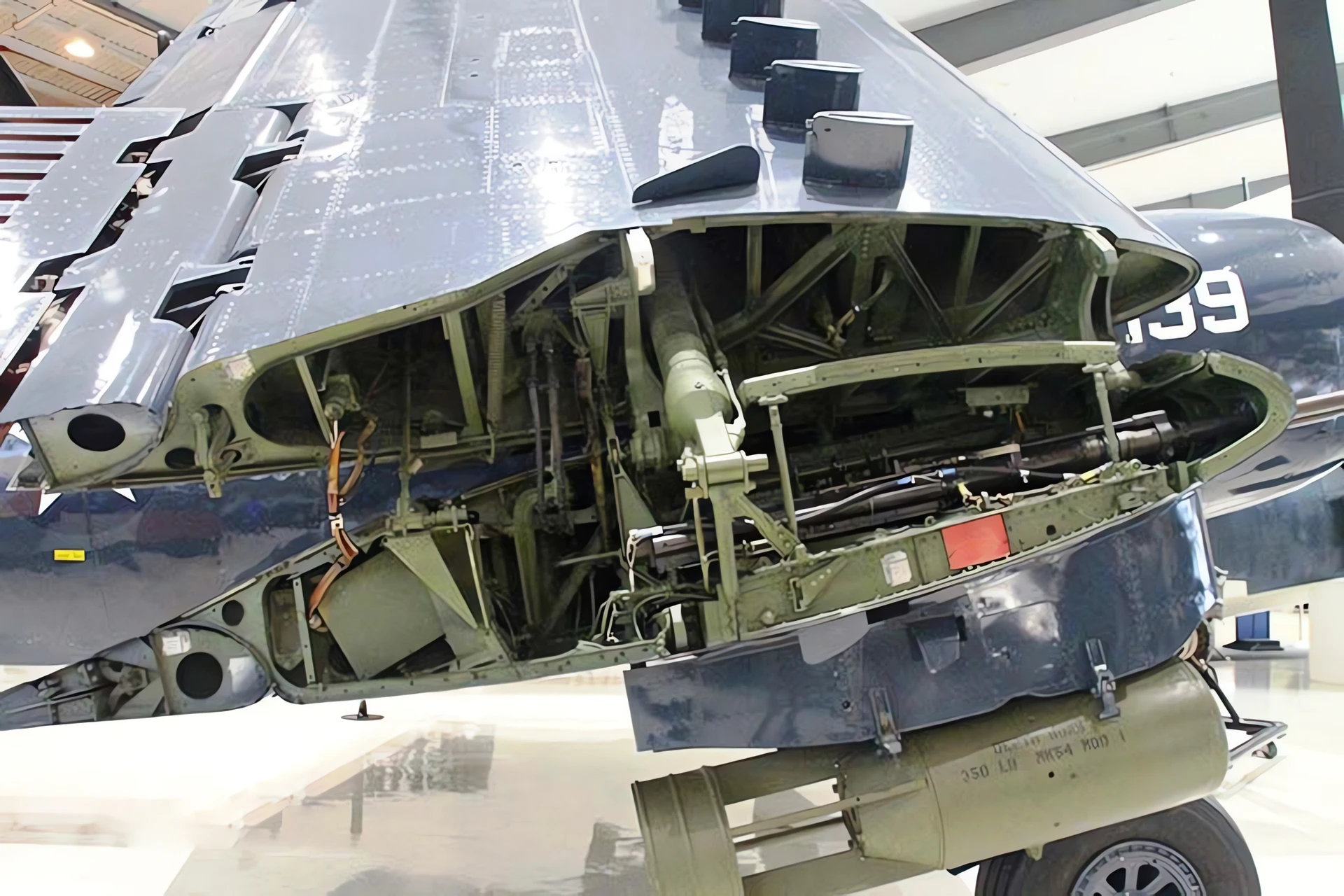
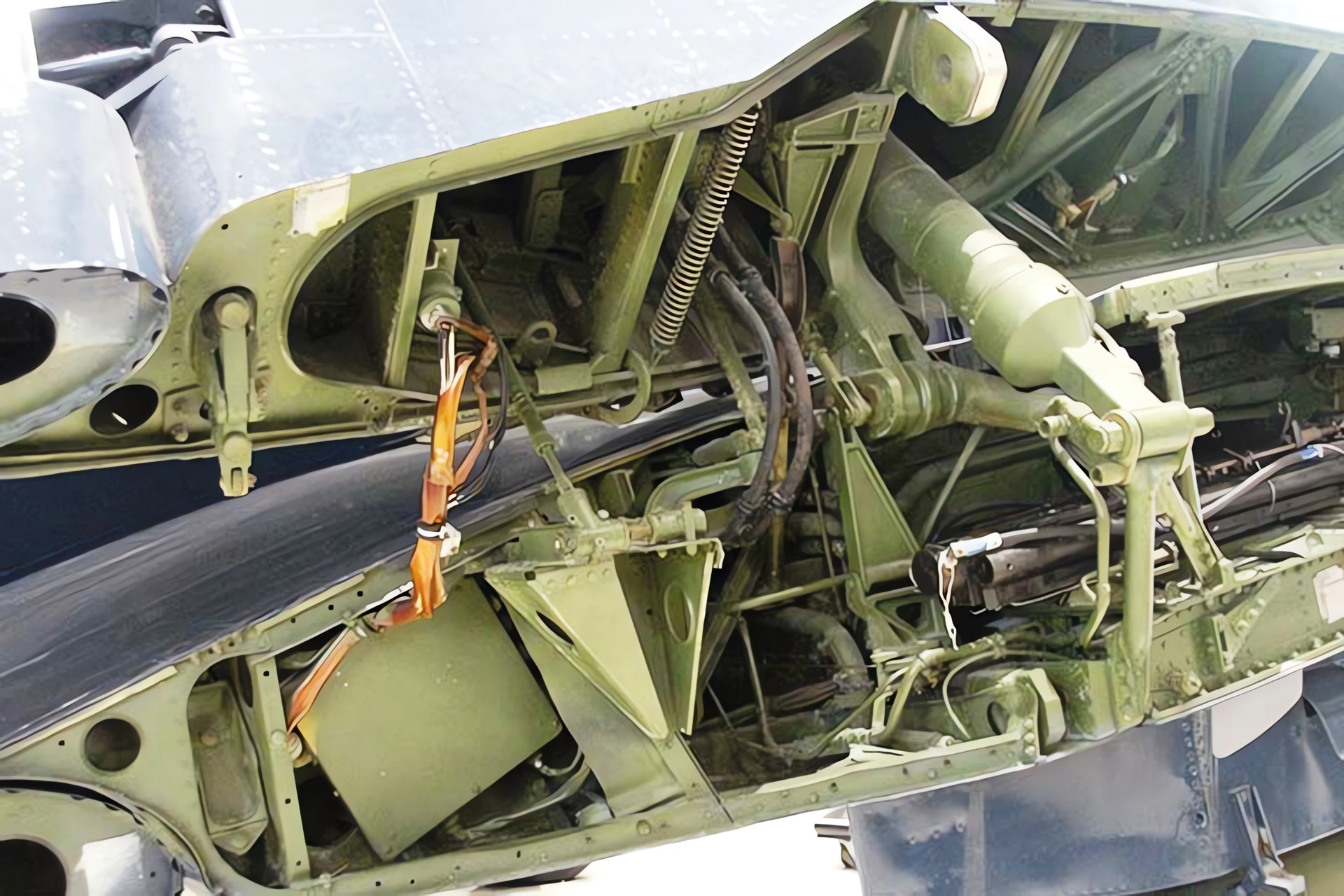
- Versatile Hardpoints: The Mauler featured a centerline hardpoint and two heavy inner wing pylons, each capable of carrying a 2,000 lb bomb or a Mark 13 torpedo. Twelve smaller outer hardpoints carried rockets or 250 lb bombs.
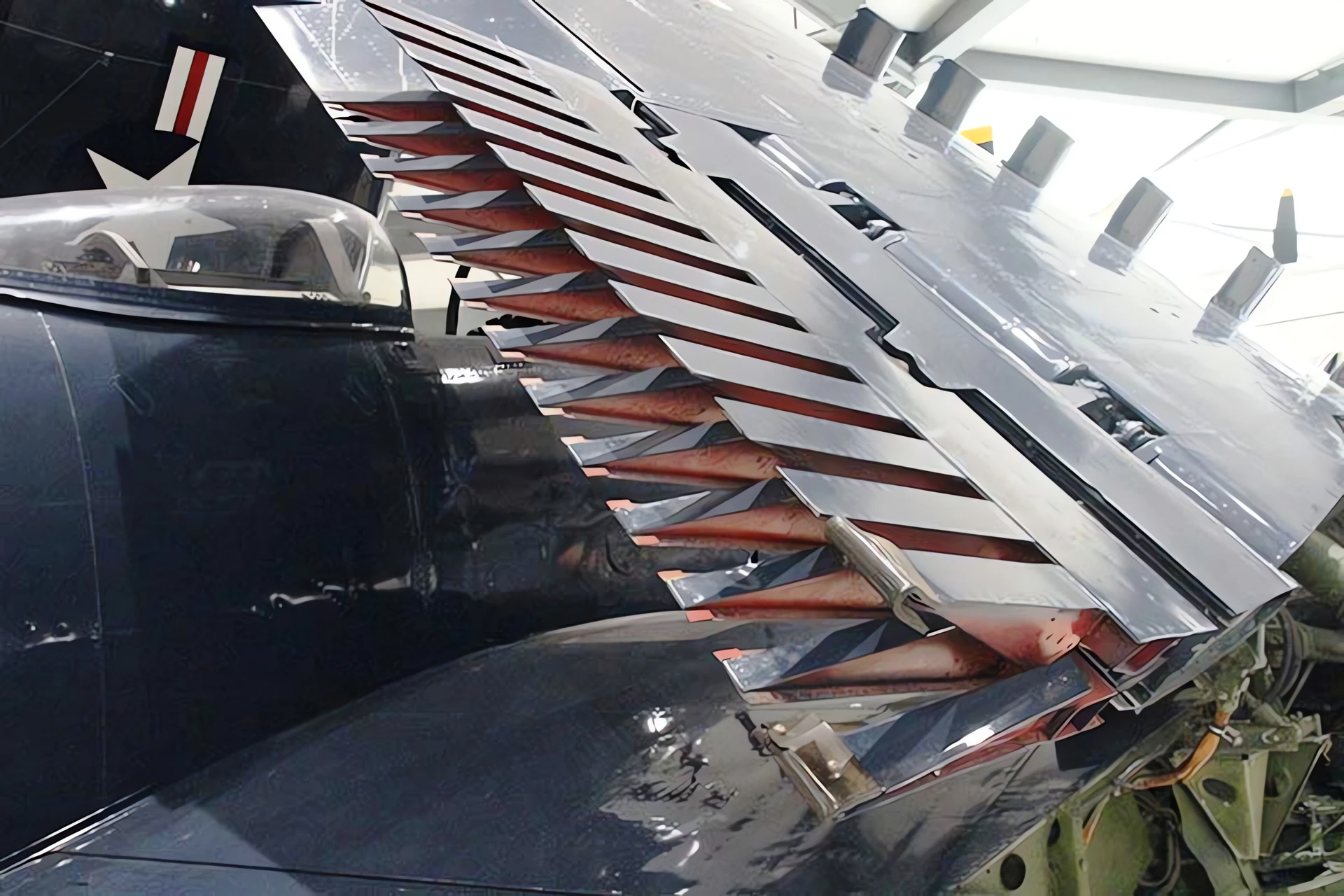
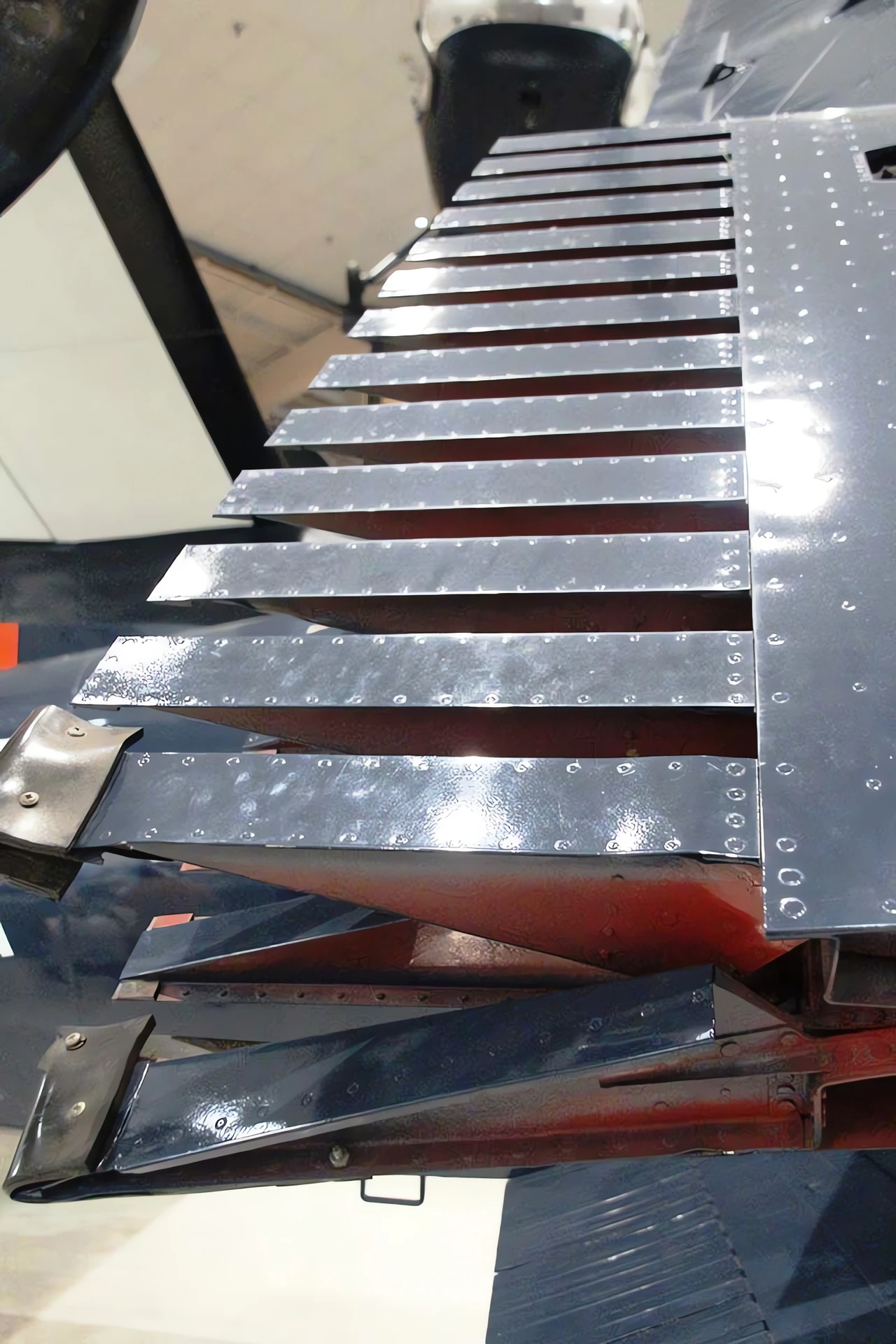
- Air Brakes: To manage its weight and speed during dive-bombing, the Mauler was equipped with unique interlocking “finger” air brakes on the trailing edges of the wings.
- Heavyweight Champion: While its design payload was 4,500 lbs, it routinely flew with double that amount during record-setting demonstration flights.
“Able Mable” vs. “Awful Monster”
- Nicknames: While its lifting ability earned it the affectionate name “Able Mable,” its difficult handling and maintenance-heavy nature led frustrated crews to call it the “Awful Monster.”
- Carrier Challenges: The Mauler was notoriously difficult to land on a carrier deck. It was heavy, sluggish at low speeds, and its long nose made visibility during the final approach extremely poor.
- The Skyraider Rivalry: The Mauler’s career was ultimately cut short by its rival, the Douglas AD Skyraider. Although the Mauler could carry more weight, the Skyraider was more reliable, easier to fly, and better suited for carrier operations.
- Short Service Life: Production ended in 1949 after only 151 aircraft were built. By 1950, most were transferred to reserve units, and they were retired entirely by 1953.
Просмотров : 539
Вы также можете увидеть:
 McDonnell F3H Demon — Фото и Видео
 McDonnell Douglas KC-10 Extender – Фото и видео
 McDonnell FH Phantom — Фото и видео
 C-130J Hercules – фото и видео
 Макки MC-200 - WalkAround
 ПЗЛ P.11 - WalkAround
 P-51 Мустанг vol2 - Прогулка вокруг
 Колокол P-63E КингКобра – Прогулка
 Vought F4U Корсар - WalkAround
 F4U-7 Корсар - WalkAround