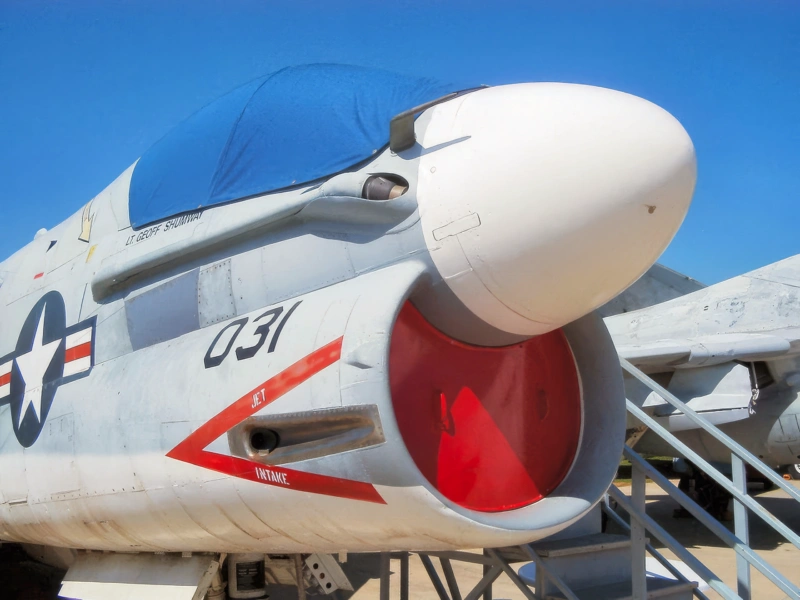
A-7B Корсар II | |
|---|---|
| Страны | США |
| Роль | Дозвуковой легкий ударный самолет |
| Первый полет | 26 сентября 1965 года |
| Построен | 1569 |
Фотогалерея A-7B Corsair II, Линг-Темко-Вот А-7 Корсар II is a carrier-capable subsonic light attack aircraft introduced to replace the Douglas A-4 Skyhawk. The A-7 airframe design was based on the successful supersonic Vought F-8 Crusader. It was one of the first combat aircraft to feature a head-up display (HUD), an inertial navigation system (INS), and a turbofan engine. The Corsair II initially entered service with the United States Navy during the Vietnam War. It was later adopted by the United States Air Force, including the Air National Guard, to replace the Douglas A-1 Skyraider, North American F-100 Super Sabre and Republic F-105 Thunderchief. The aircraft was also exported to Greece in the 1970s, and Portugal in the late 1980s.
Источник: Википедии
| A-7B Corsair II | |
|---|---|
| Фотограф | Неизвестная |
| Локализации | Неизвестная |
| Фотографии | 48 |
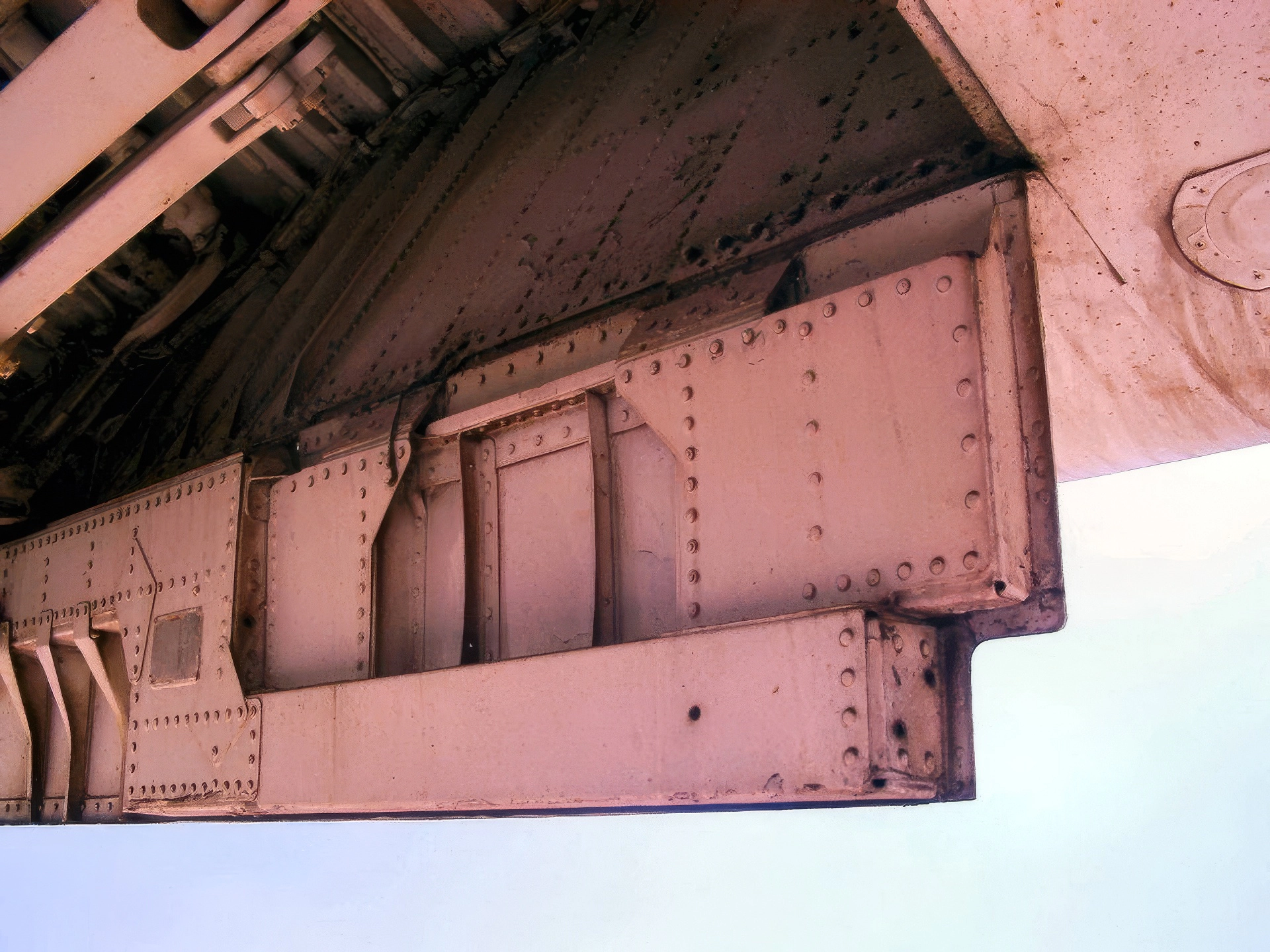
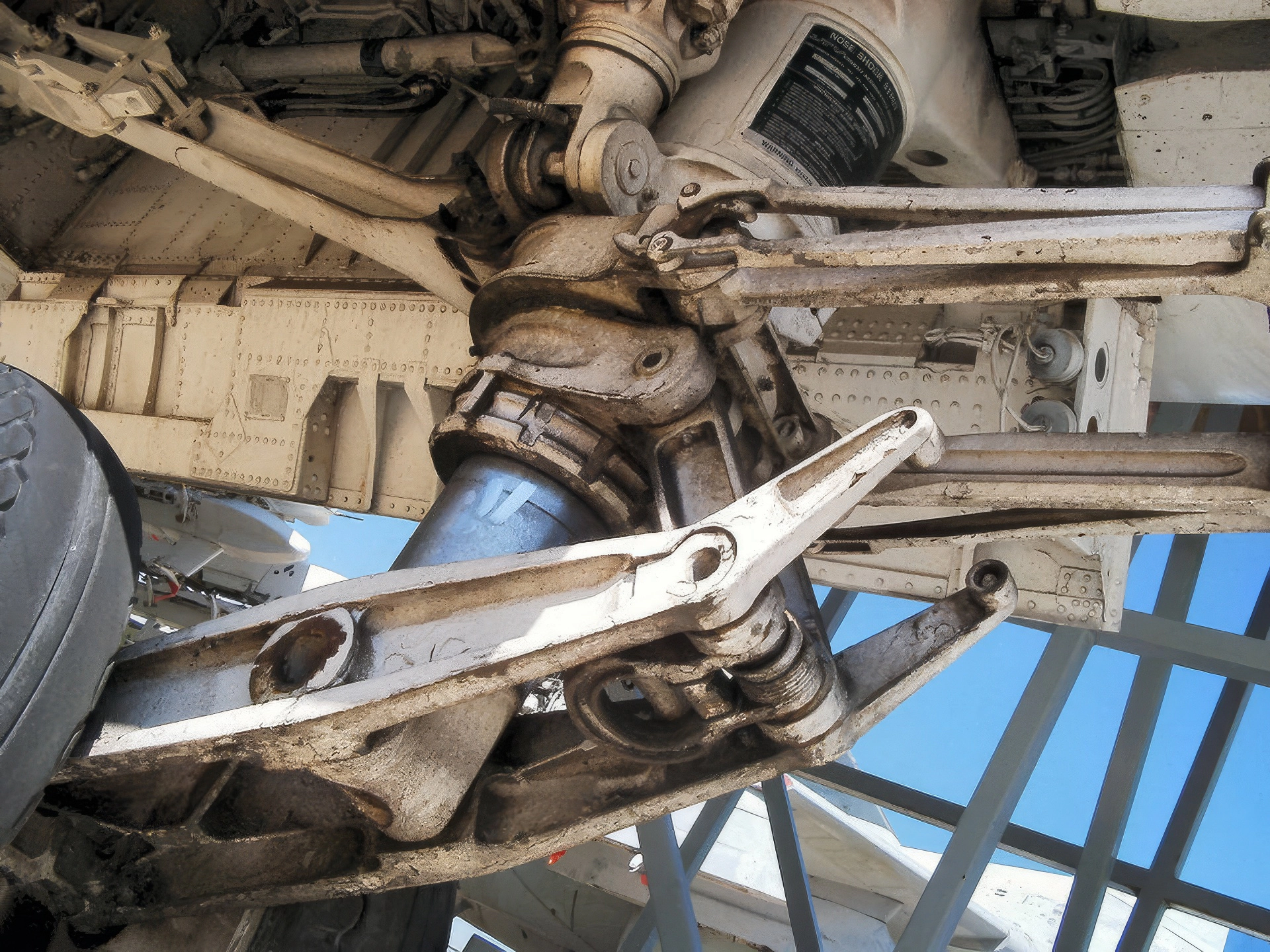
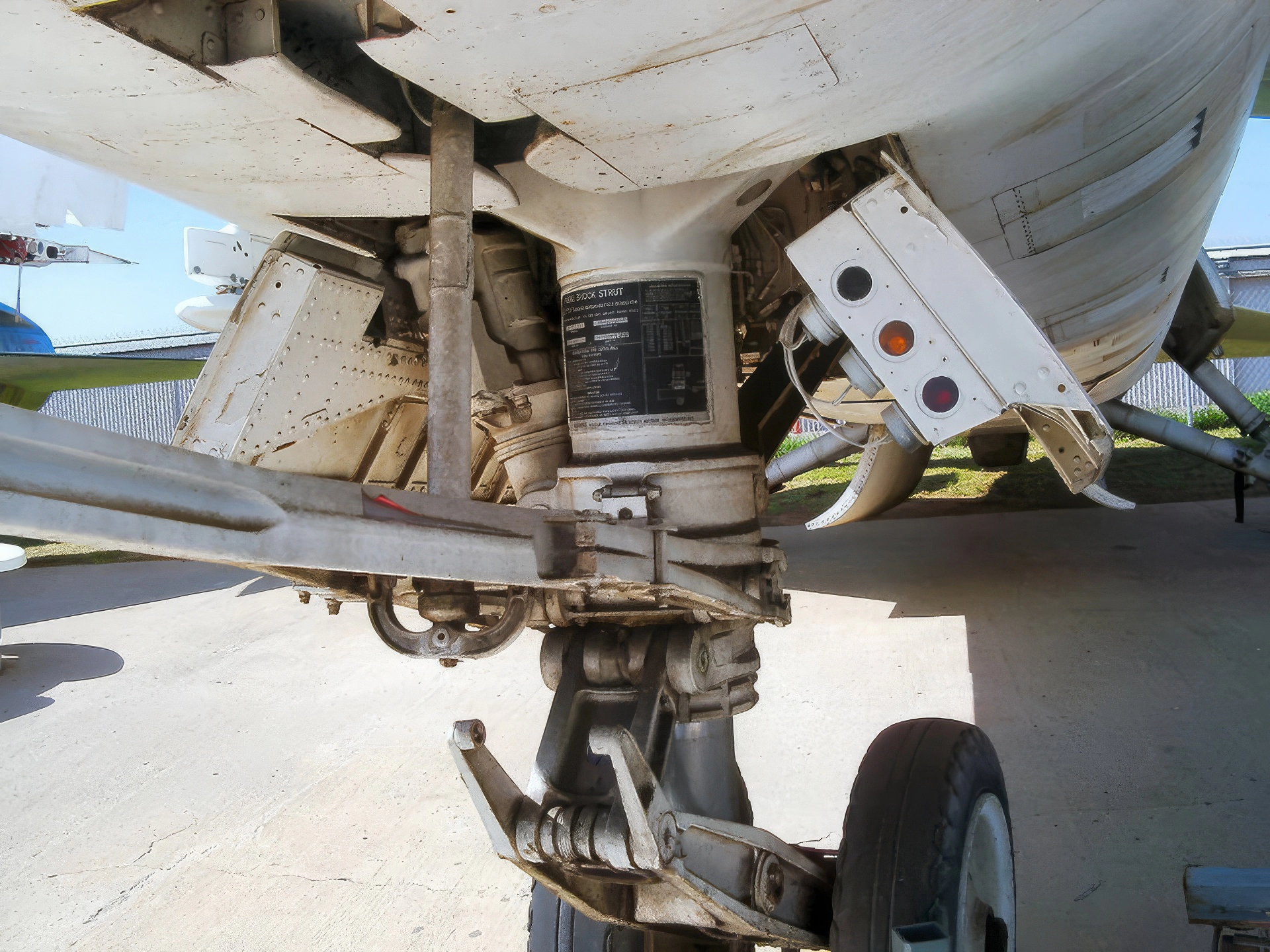
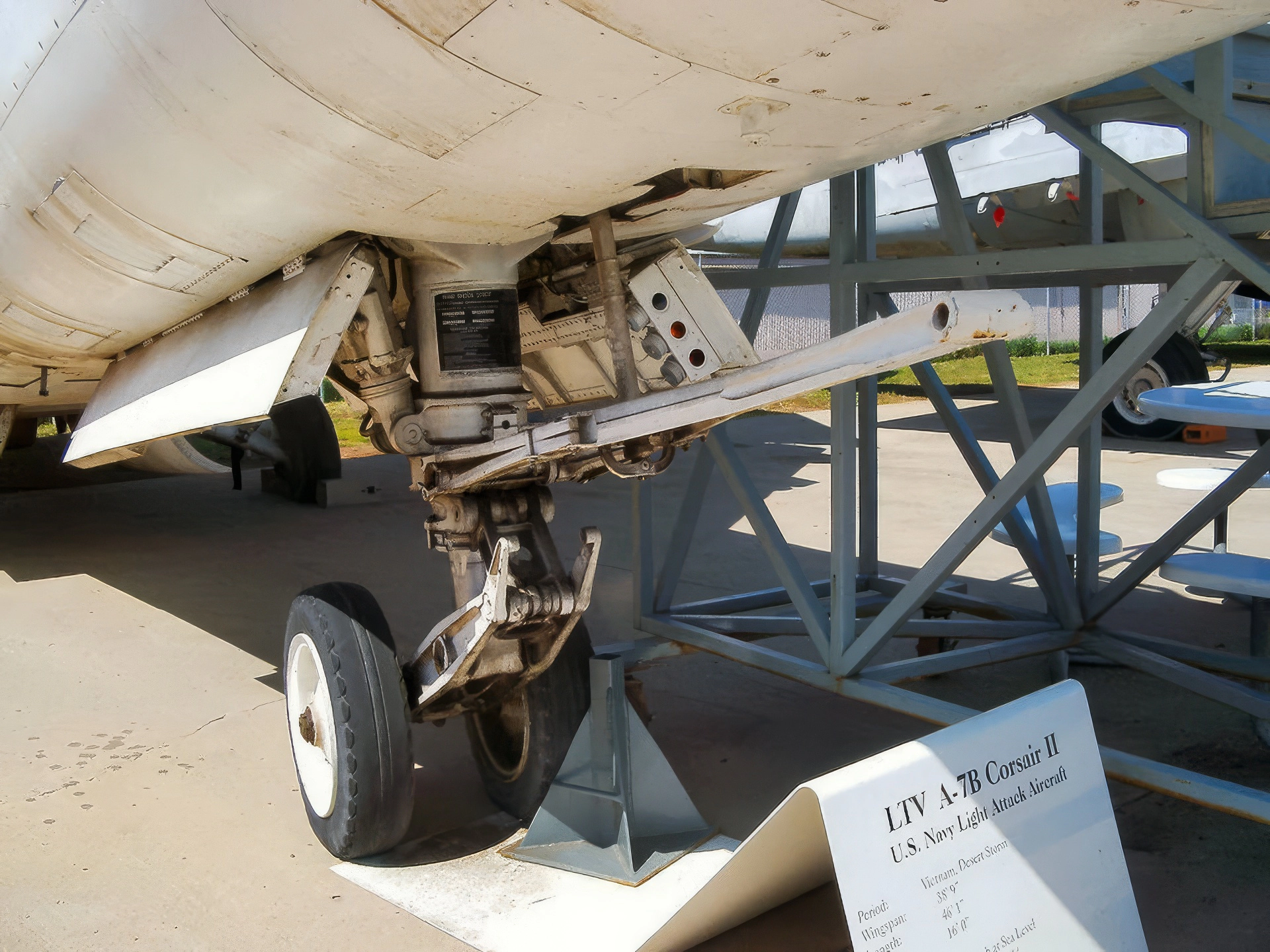
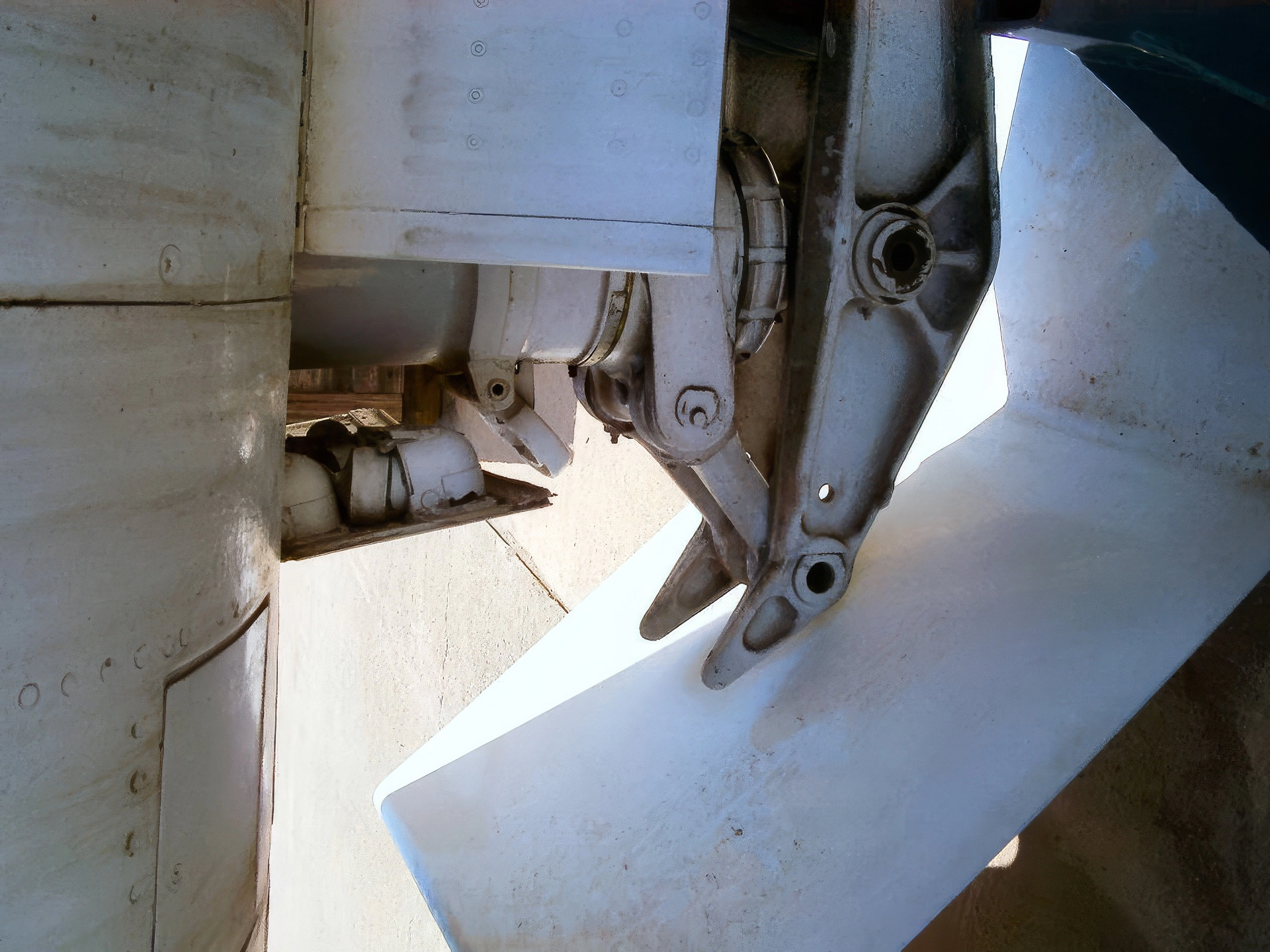
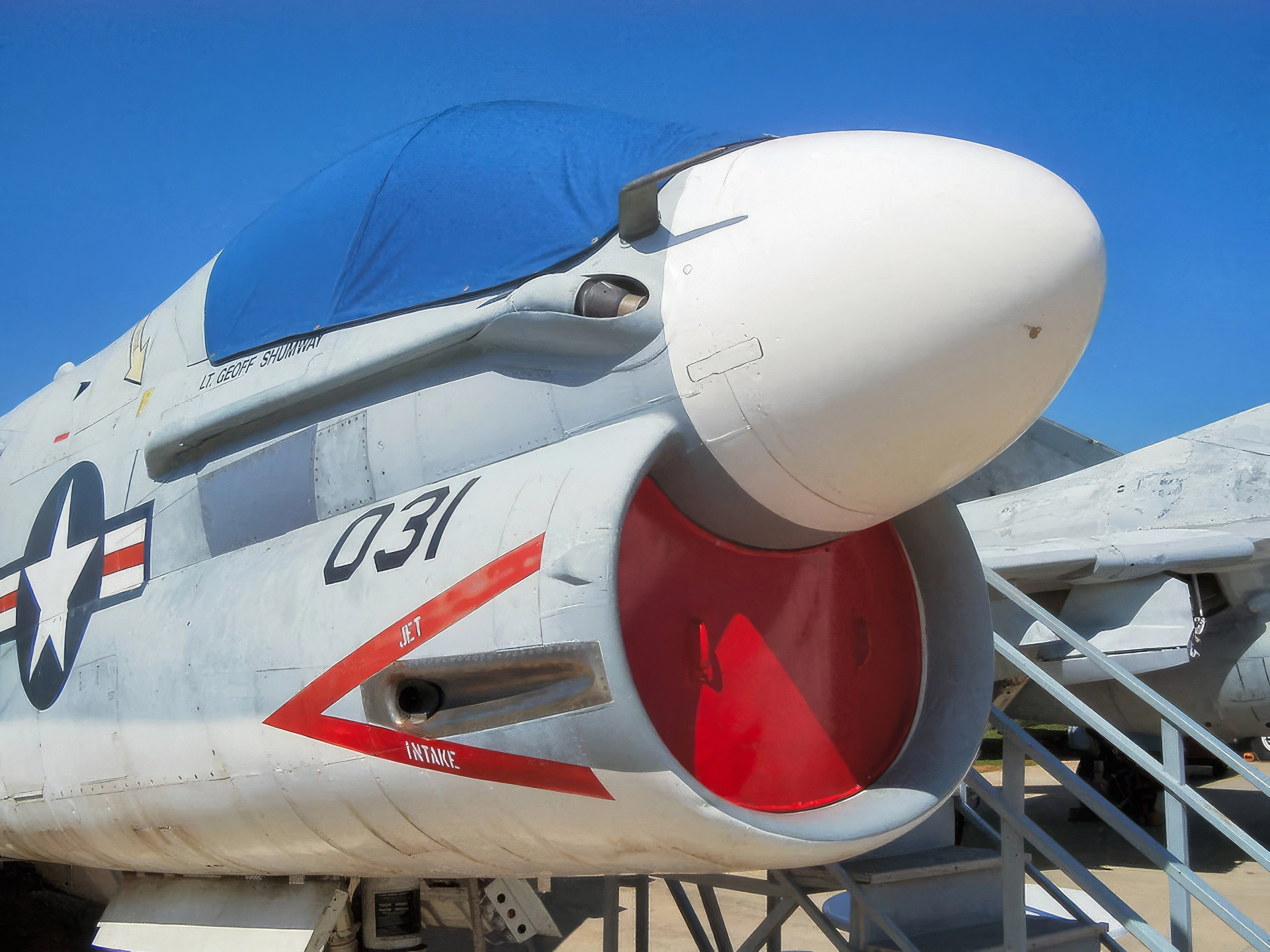
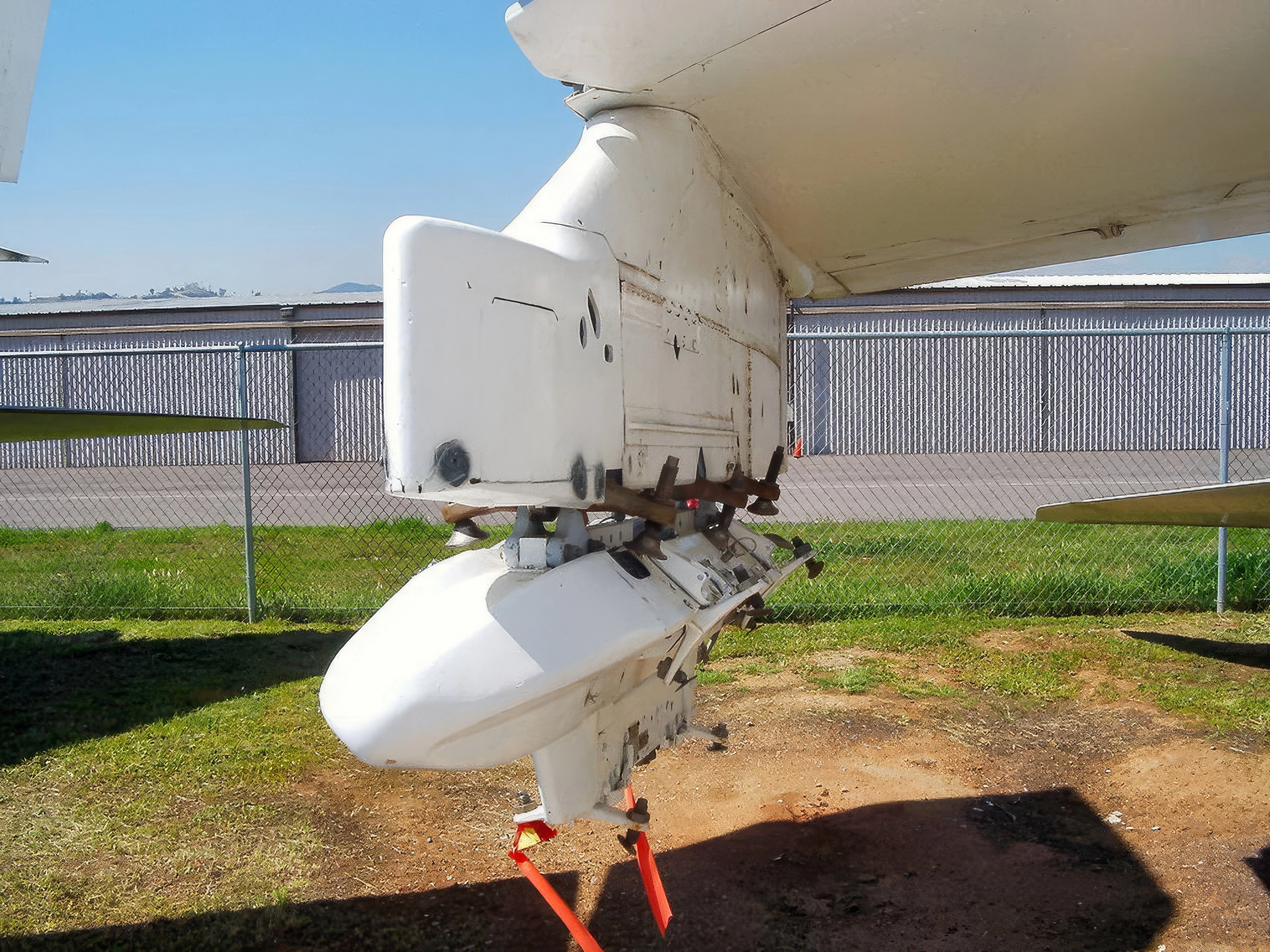
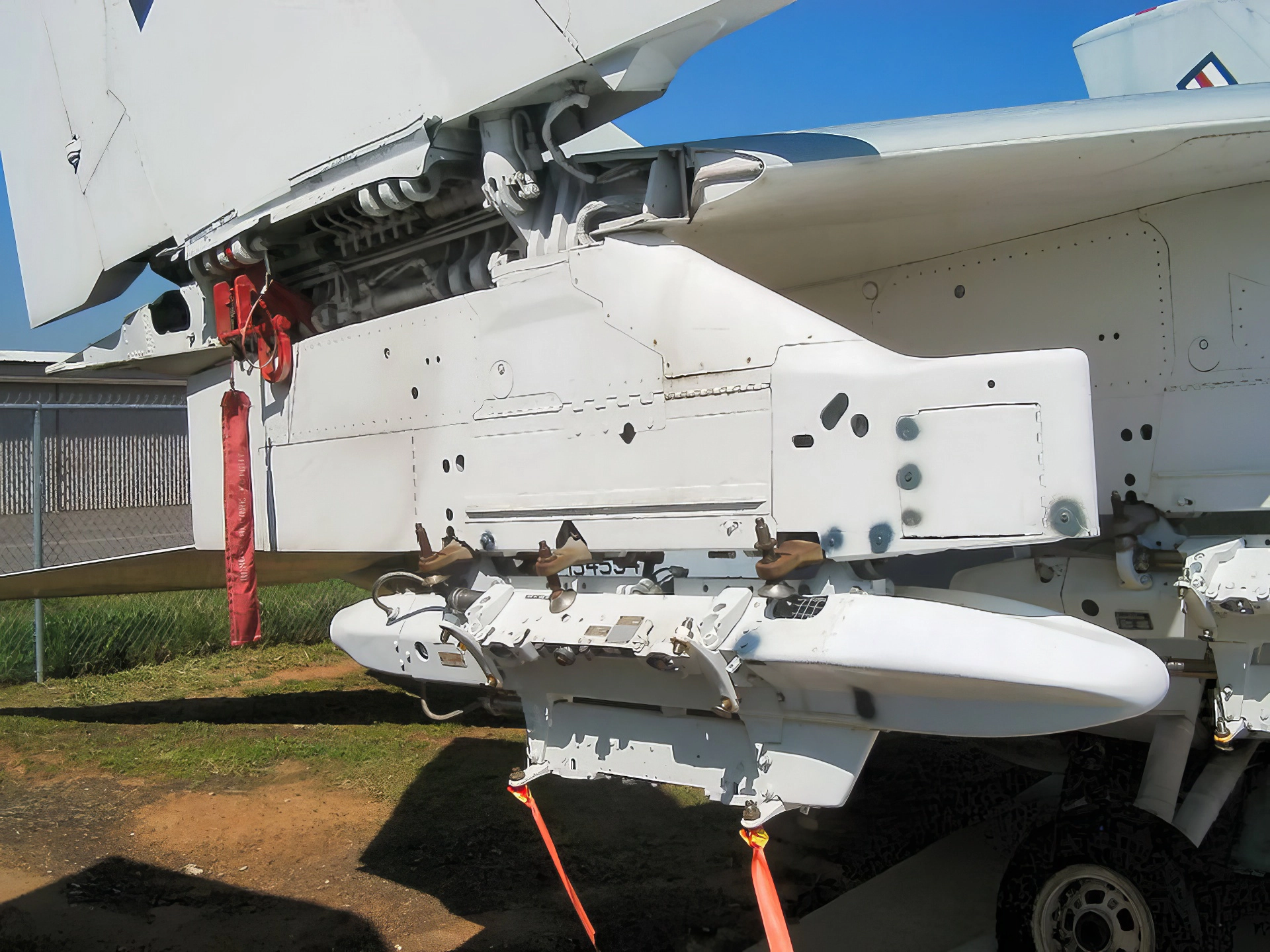
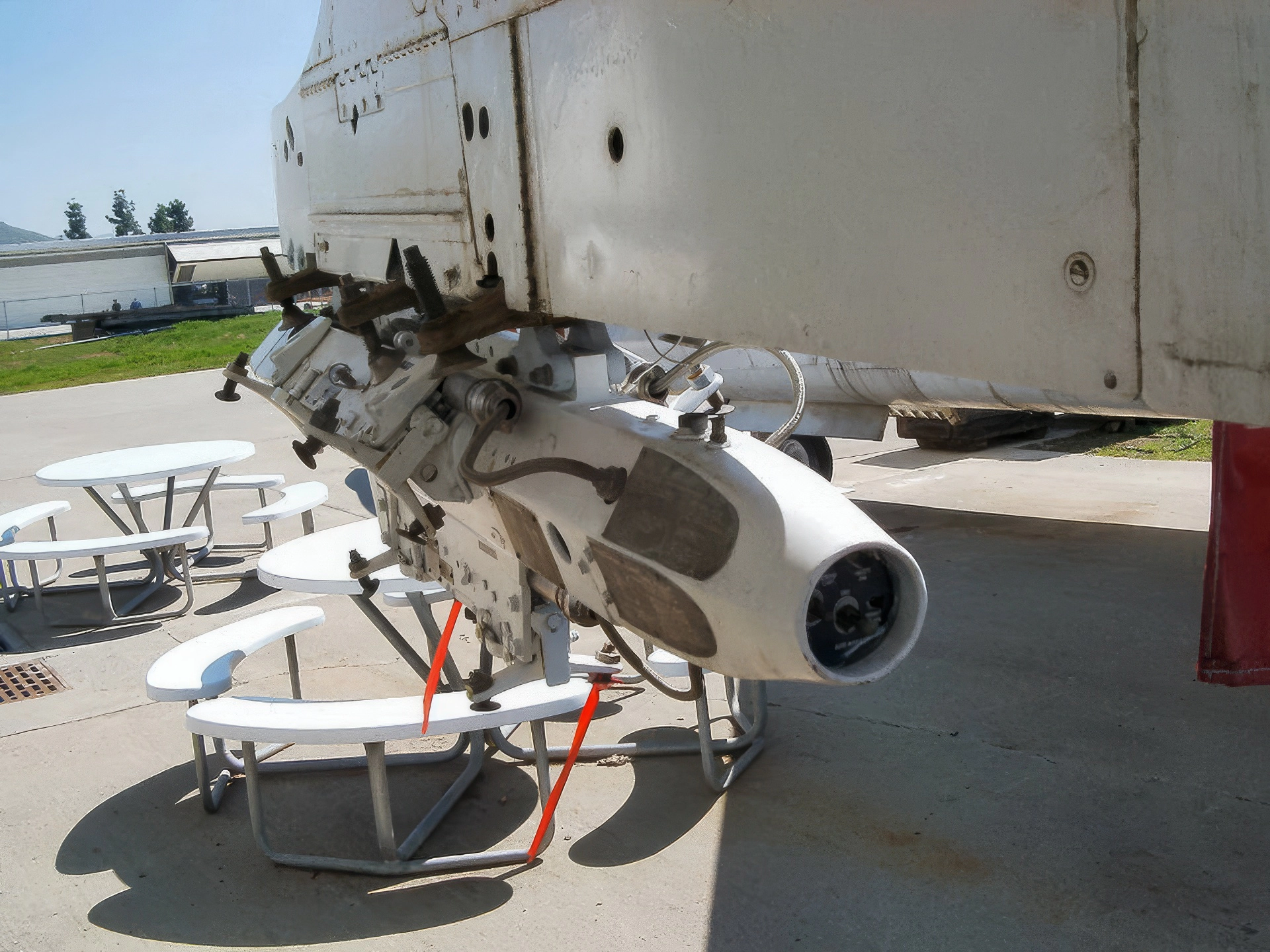

| A-7B Corsair II Walk Around | |
|---|---|
| Фотограф | Билл Мэлони |
| Локализации | Неизвестная |
| Фотографии | 35 |
A 7B Corsair II — самолёт — HD
Читайте также:


Teh Vought A-7B Corsair II was the second production variant of the A-7 Corsair II, a subsonic, carrier-capable light attack aircraft designed for the U.S. Navy. Developed in the early 1960s, the A-7 series was intended to replace the Douglas A-4 Skyhawk, offering significantly improved payload and range performance.
Design and Technological Features
- Design Heritage: The A-7 was developed by LTV (Ling-Temco-Vought) and was a derivative of their supersonic **F-8 Crusader** fighter, retaining the Crusader’s distinct high-wing, nose-inlet configuration. Its design was optimized for carrying heavy ordnance rather than achieving high speeds.
- Technological Pioneer: The A-7 was one of the first combat aircraft to integrate modern avionics, featuring an advanced **Head-Up Display (HUD)**, a sophisticated **Inertial Navigation System (INS)**, and being one of the first production aircraft to use a **turbofan engine** for better fuel efficiency and range.
- Двигатель: The A-7B was powered by the **Pratt & Whitney TF30-P-8 turbofan engine**, offering increased thrust (around 12,200 pounds) over the initial A-7A model. This non-afterburning engine was key to its operational endurance.
Armament and Role
- Primary Armament: The A-7B typically carried **two internal 20 mm cannons** for air-to-air and strafing purposes.
- Payload Capacity: The aircraft’s strength lay in its exceptional payload capacity. It featured six under-wing and two fuselage pylons capable of carrying up to **15,000 pounds** of ordnance.
- Ordnance: This massive load could include a wide array of weapons, such as unguided bombs, air-to-ground missiles (like the AGM-62 Walleye), and AIM-9 Sidewinder missiles for self-defense.
Operational Service
- Vietnam War: The A-7B began entering operational service around 1968 and saw heavy combat during the Vietnam War. It quickly earned a reputation for being a **robust, reliable, and highly accurate strike platform**, especially in the close air support role.
- Durability: Its sturdy construction and comprehensive armor protection contributed to a high survivability rate despite the intense ground fire encountered over Southeast Asia.
- Legacy: The A-7 series formed the backbone of U.S. light attack squadrons for over two decades, remaining in U.S. Navy service until the early 1990s.
Просмотры : 6420
Вы также можете увидеть:
 Дуглас DC-3 – Фото и Видео
 McDonnell Douglas KC-10 Extender – Фото и видео
 Douglas D-558-2 Skyrocket – Фото и Видео
 Douglas F4D Skyray – фото и видео
 Douglas A-3 Skywarrior – фото и видео
 Лисунов Ли-2 - WalkAround
 Vought F4U Корсар - WalkAround
 F4U-4 Корсар - WalkAround
 F4U-7 Корсар - WalkAround
 Дуглас A-26 Захватчик - WalkAround