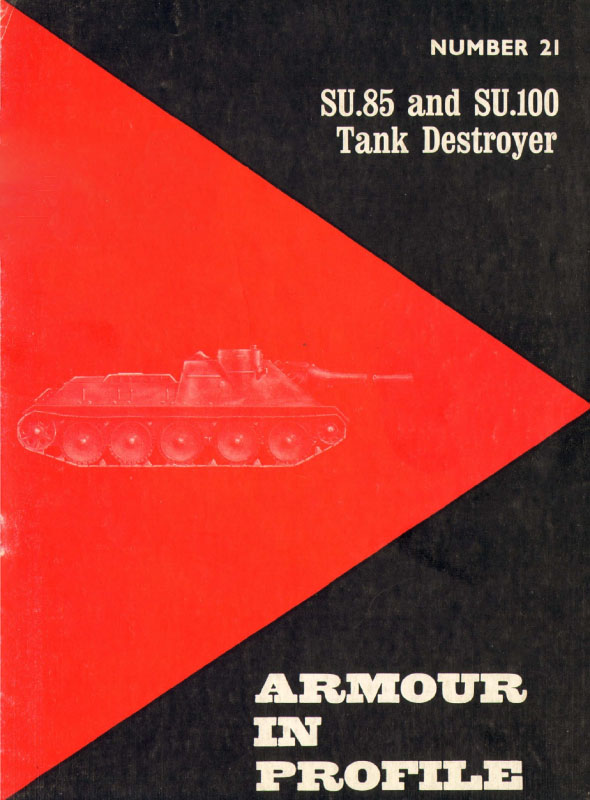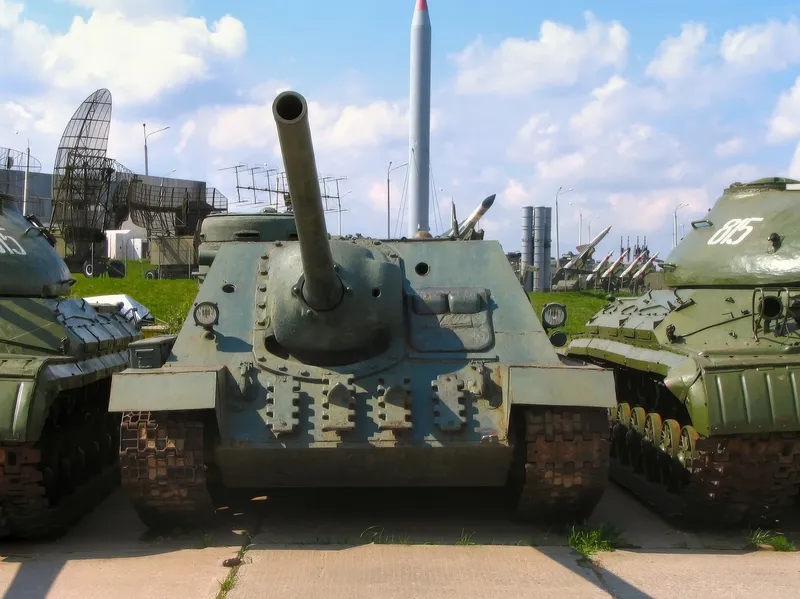
SU-100 | |
|---|---|
| País | URSS |
| Tipo | Arma auto-propulsionada |
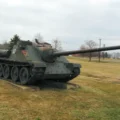
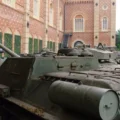
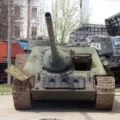
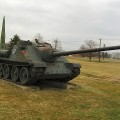
Galeria de fotos em um SU-100, O SU-100 é um destroier de tanques em uma base T-34 com uma peça D-10S de 100 mm em uma superestrutura dianteira.
Os soviéticos, que já haviam experimentado a construção de canhões autopropulsados, tanto em bases de caminhões quanto de tanques, produziram no início da guerra alguns Komsomoletz, baseados em um canhão Zis-2 de 57 mm montado no chassi do trator. Em 1943, eles produziram o SU-85 e, no final de 1944, o SU-100, que combinou uma arma poderosa em um chassi moderno, fornecendo blindagem completa. Tinha a vantagem de ser relativamente barato de produzir e ter uma arma um pouco mais poderosa do que a que equipava o tanque do qual era derivada, o que dava aos russos grande flexibilidade.
Fonte: Wikipédia
| SU-100 vol.3 – WalkAround | |
|---|---|
| Fotógrafo | Desconhecido |
| Localização | Desconhecido |
| Fotos | 68 |
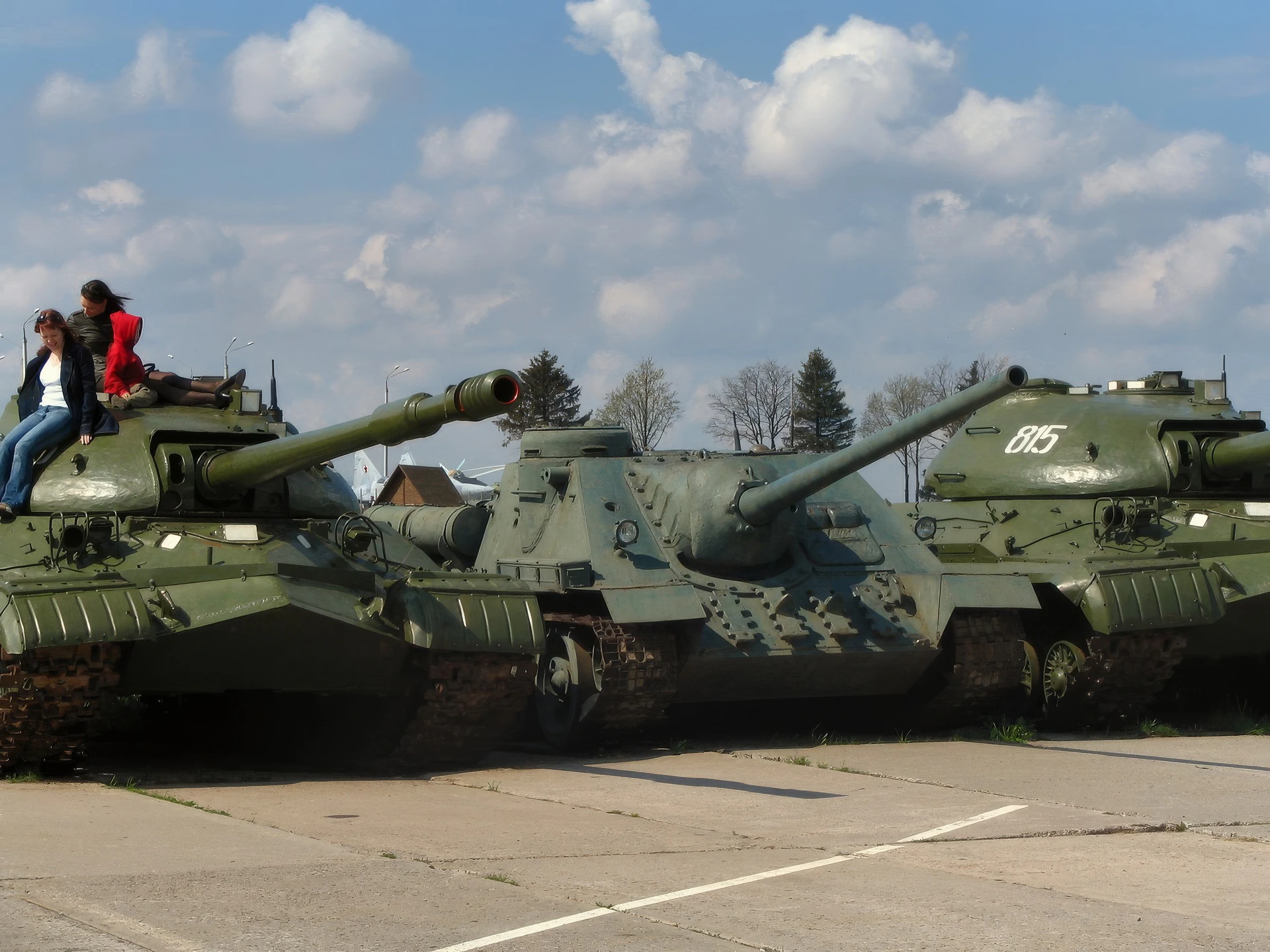
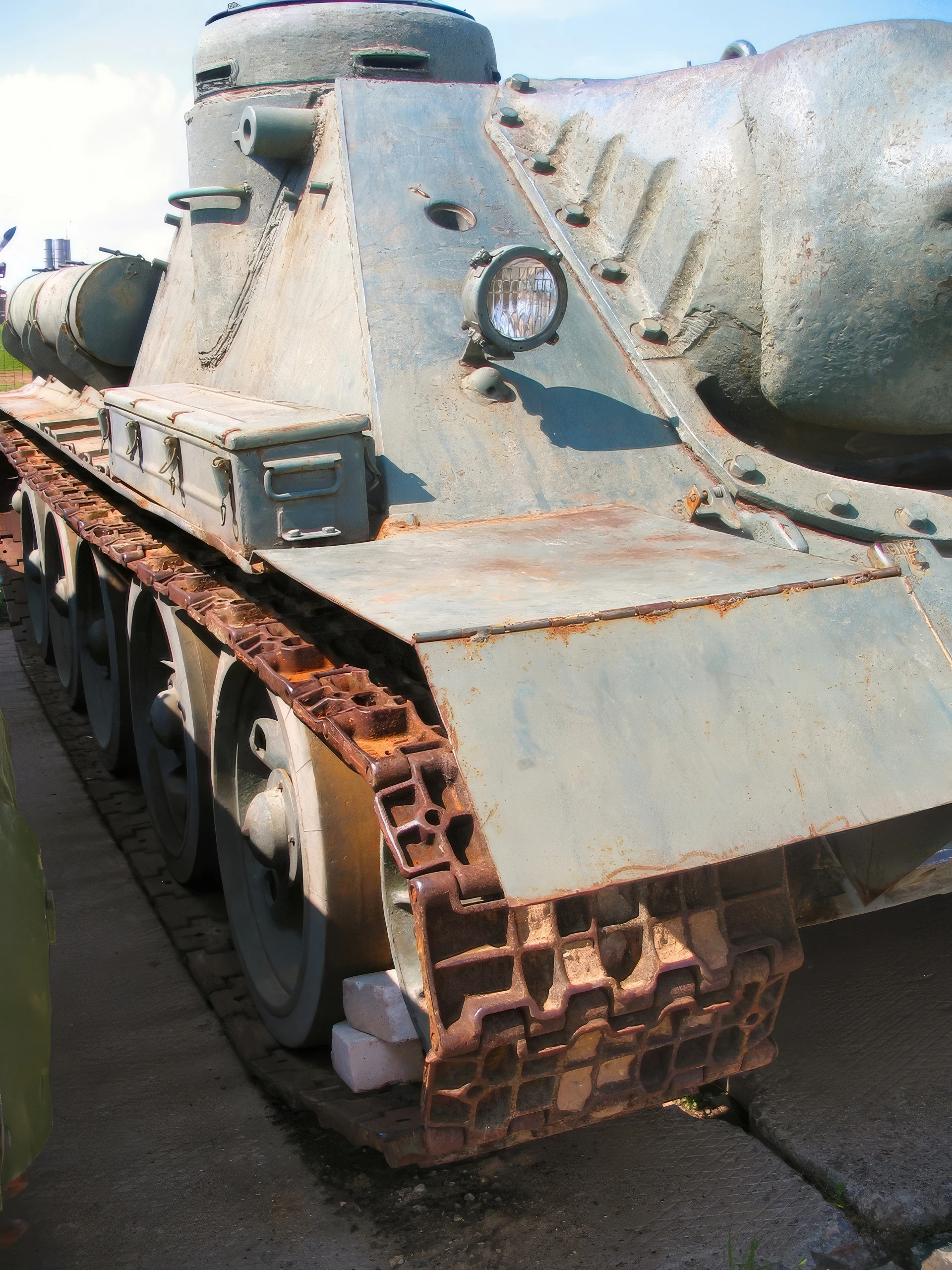
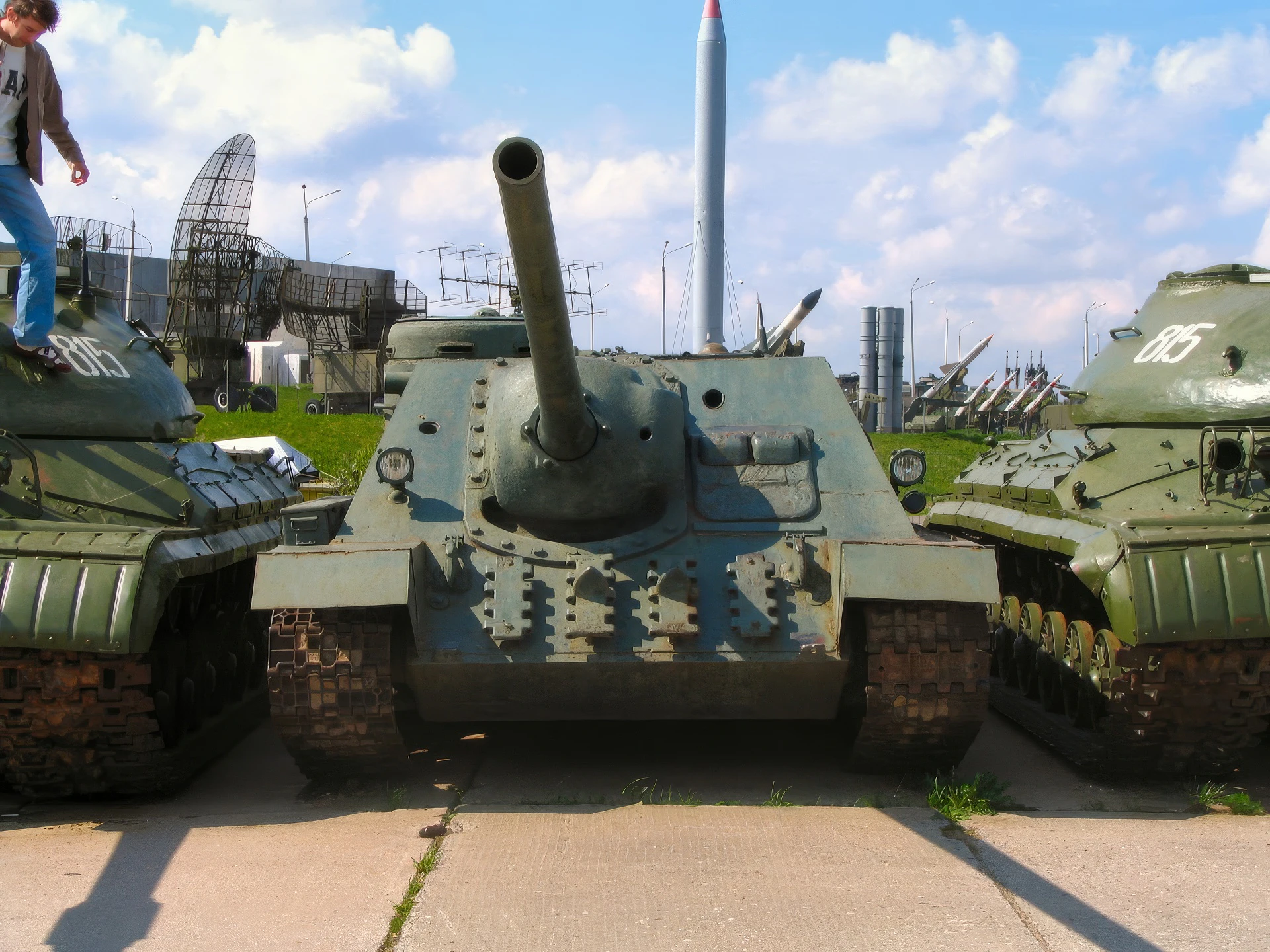
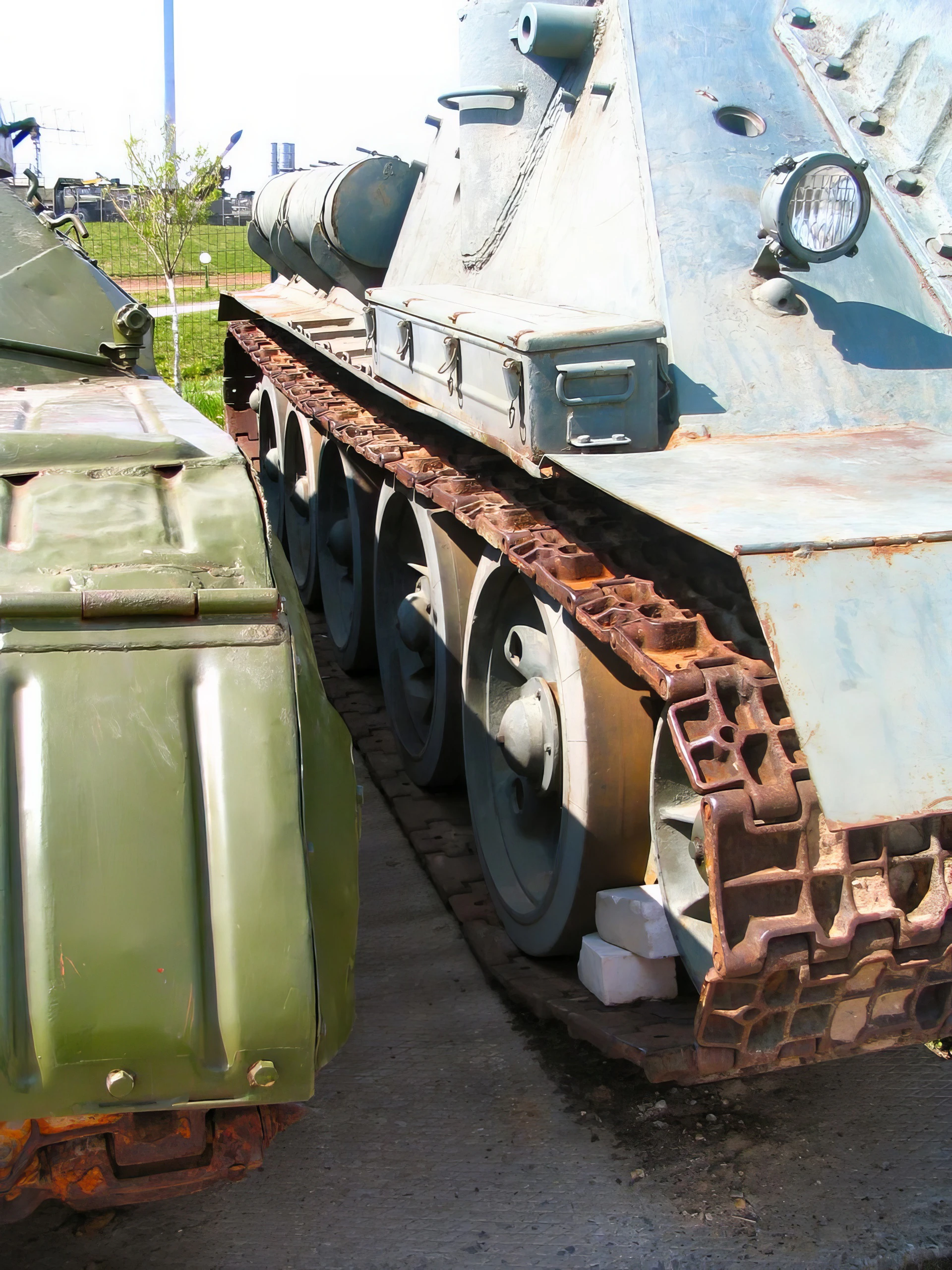
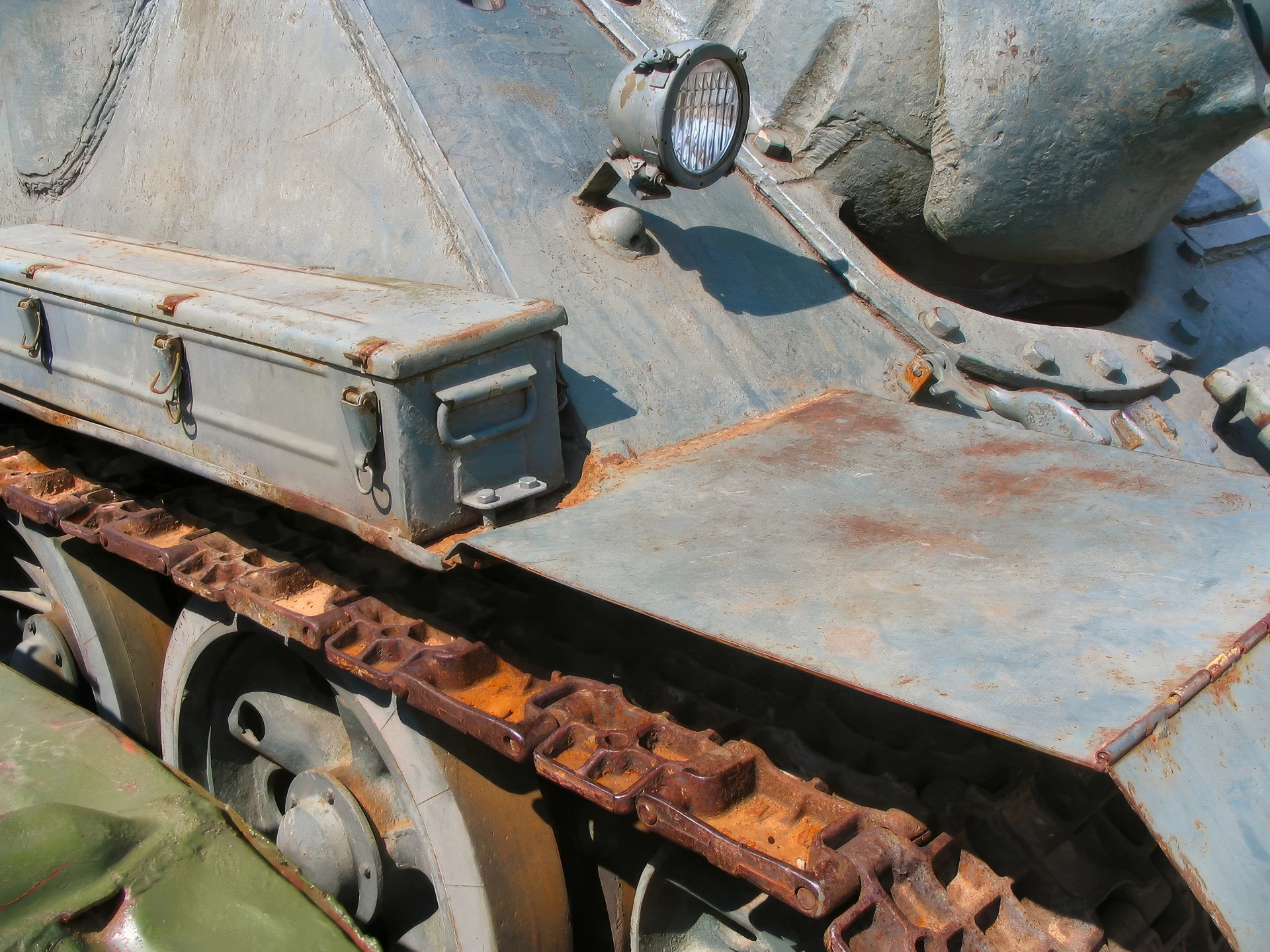
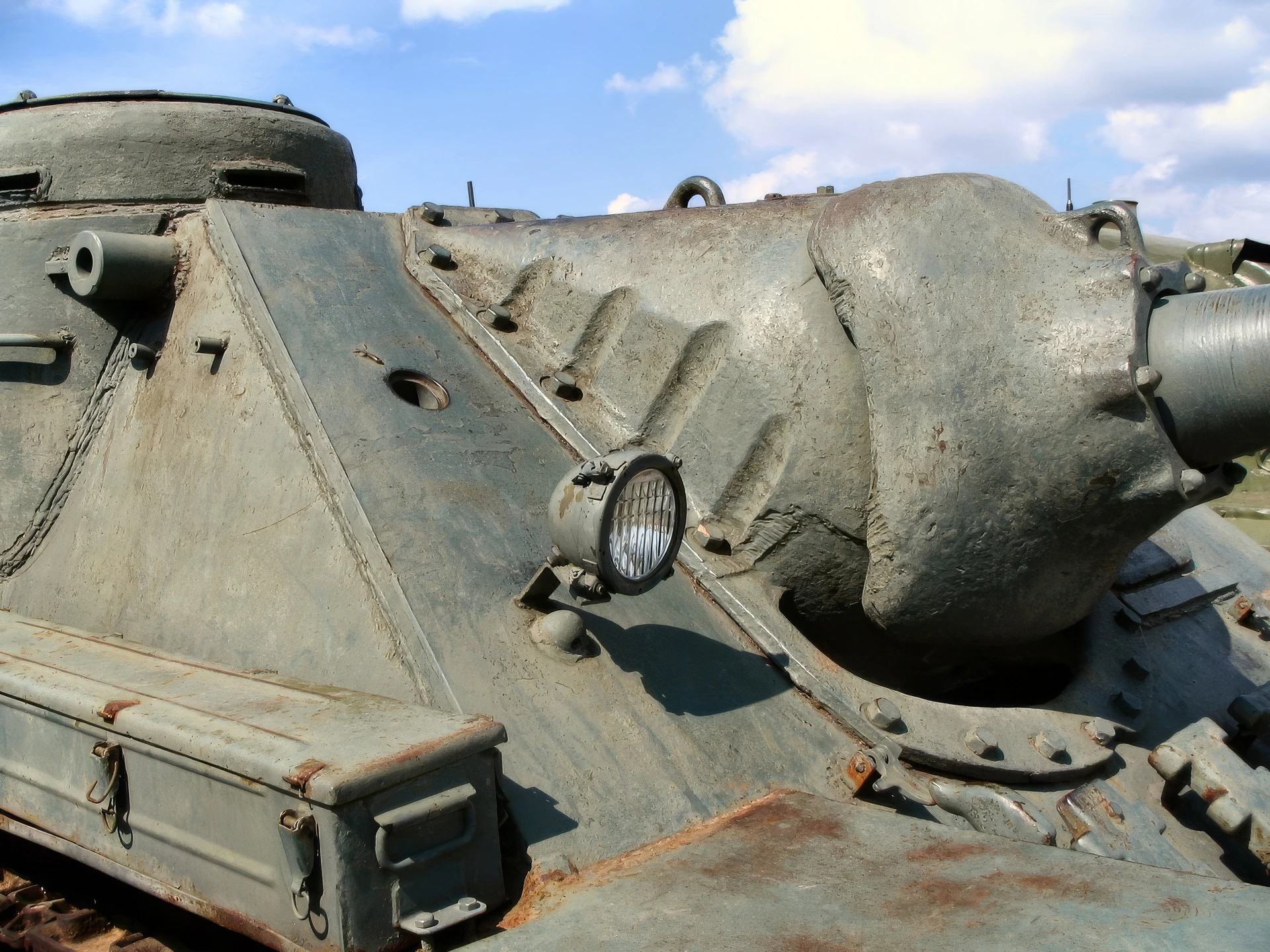
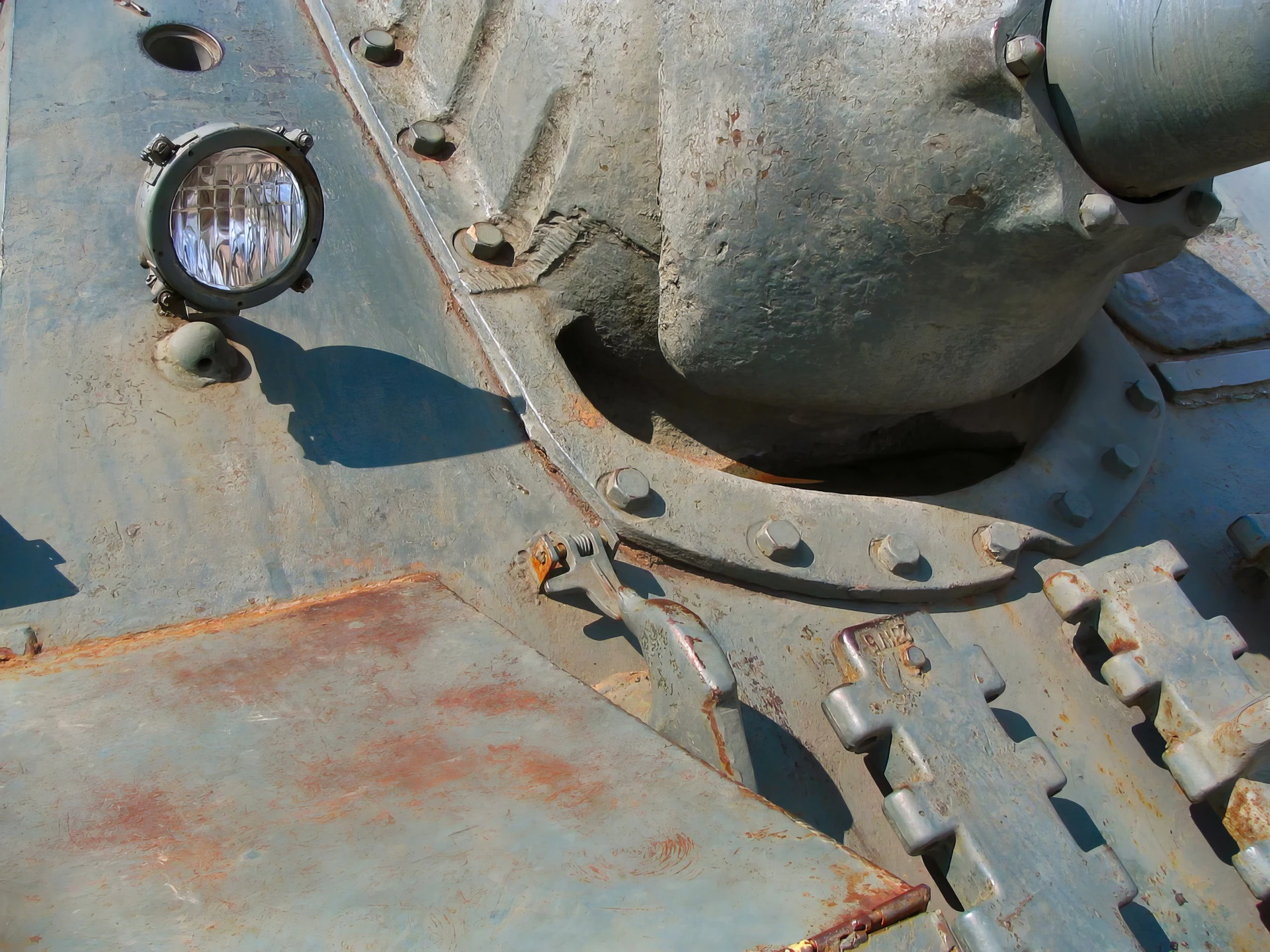
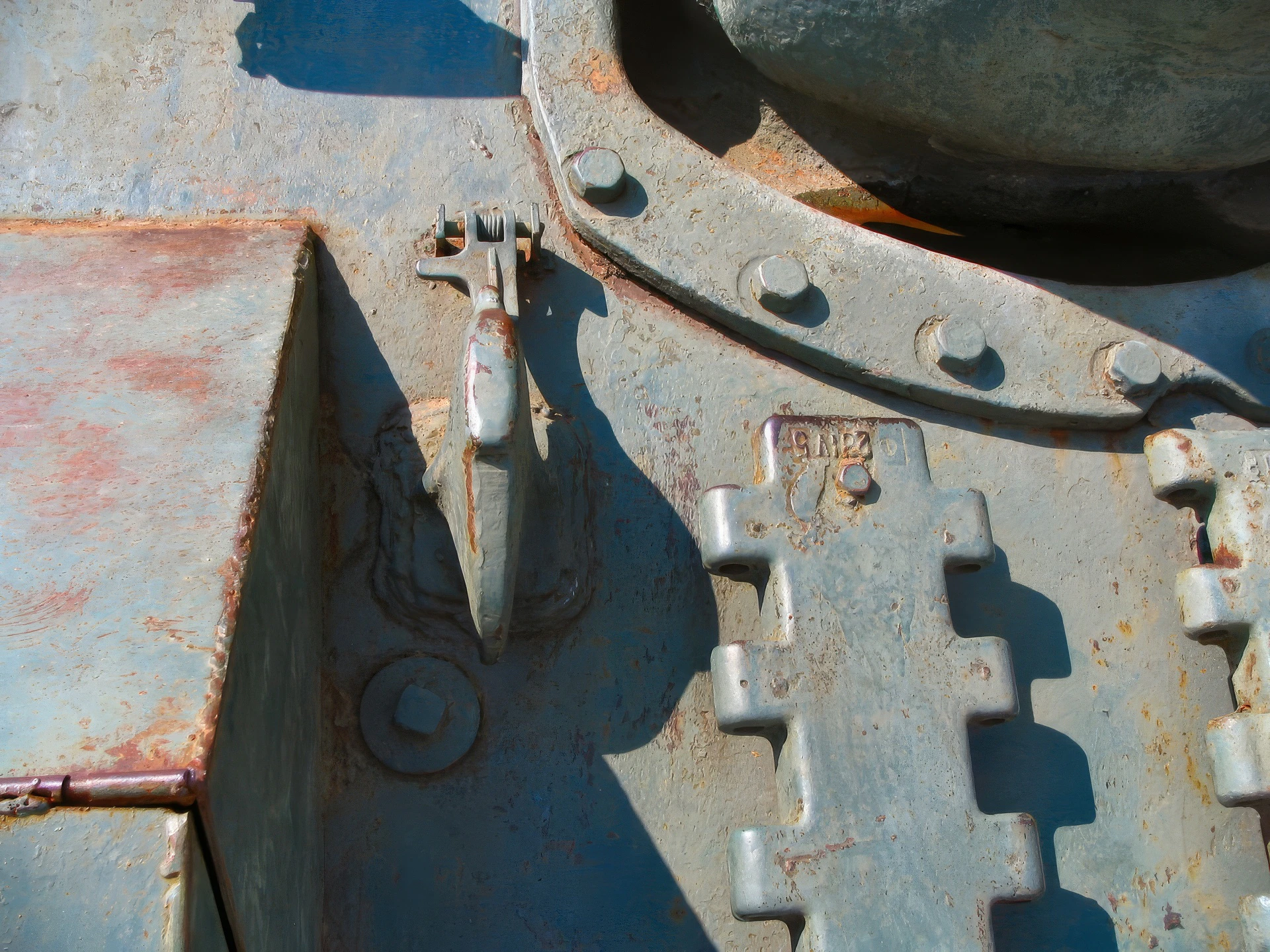
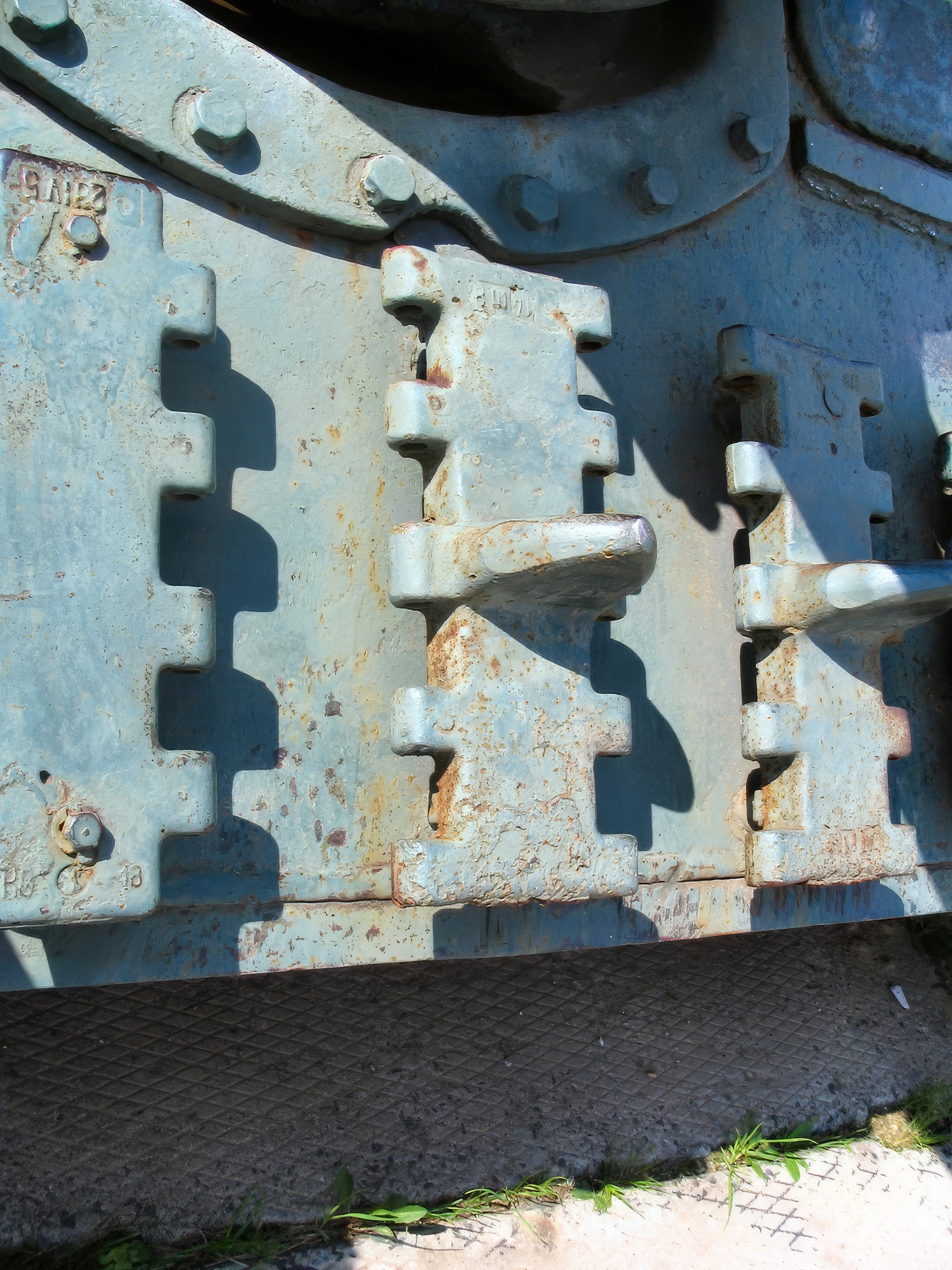

| SU-100 Andar por aí | |
|---|---|
| Fotógrafo | Victor Krestinin |
| Localização | Museu Batey ha-Osef |
| Fotos | 65 |
Veja também:


O SU-100 (Samokhodnaya Ustanovka-100) was a Soviet Canhão antitanque autopropulsado developed in 1944. Based on the successful T-34-85 tank chassis, it was designed to counter the superior armor of late-war German heavy tanks, such as the Panther and Tiger I. It quickly earned a reputation as one of the most formidable tank killers on the Eastern Front.
Key Features and Design
- Armamento principal: The vehicle’s power came from the 100 mm D-10S anti-tank gun, a potent weapon capable of penetrating the frontal armor of most German tanks at combat ranges. This gun was later used on the post-war T-54/T-55 main battle tanks.
- Chassi: It utilized the reliable and mobile chassis of the T-34 medium tank, retaining good off-road mobility.
- Design Type: It employed a casemate (turretless) superstructure, which provided a lower profile and allowed for mounting a much larger gun than the standard T-34 turret could accommodate. However, this design limited the gun’s traverse to a narrow arc ($\pm 8^{\circ}$).
- Armadura: The frontal armor of the casemate was significantly upgraded from its predecessor (the SU-85) to 75 mm at a 55-degree slope, giving it an effective thickness superior to many German tank guns.
- Crew: Operated by a crew of four (Commander/Radio Operator, Gunner, Loader, Driver).
Operational Role in WWII
The SU-100 entered service in late 1944 and saw extensive combat during the final year of the war, particularly in massive engagements:
- Tank Killer: Its primary role was as a mobile anti-tank asset attached to tank and motorized corps, intended to ambush and destroy heavy German armor at long ranges.
- Major Engagements: It was notably used in large numbers during the final Soviet offensives, including the heavy fighting in Hungary (e.g., the Battle of Lake Balaton) in March 1945.
- Weakness: The design lacked any secondary machine gun, making it vulnerable to close-range infantry attacks and necessitating infantry support during urban combat, such as the Battle of Berlin.
Visualizações : 3644