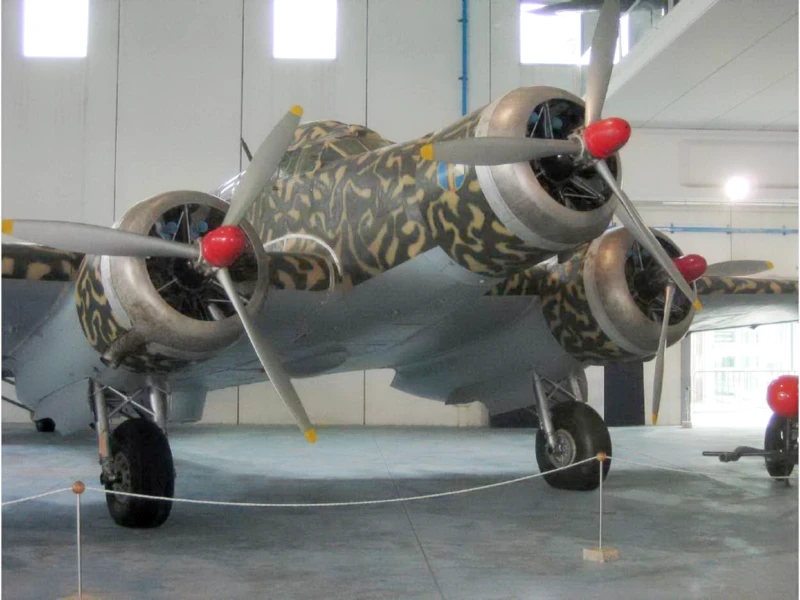
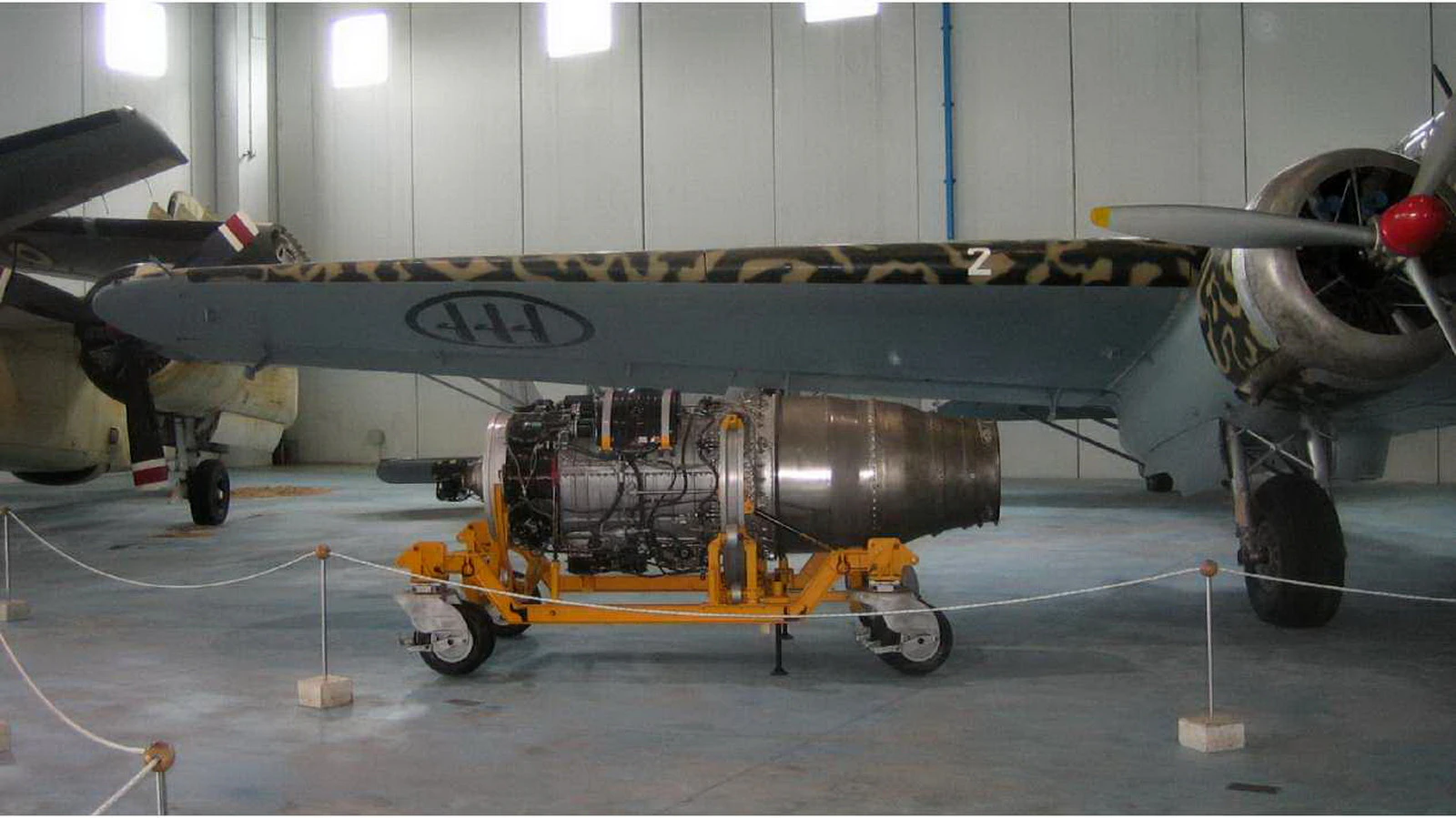
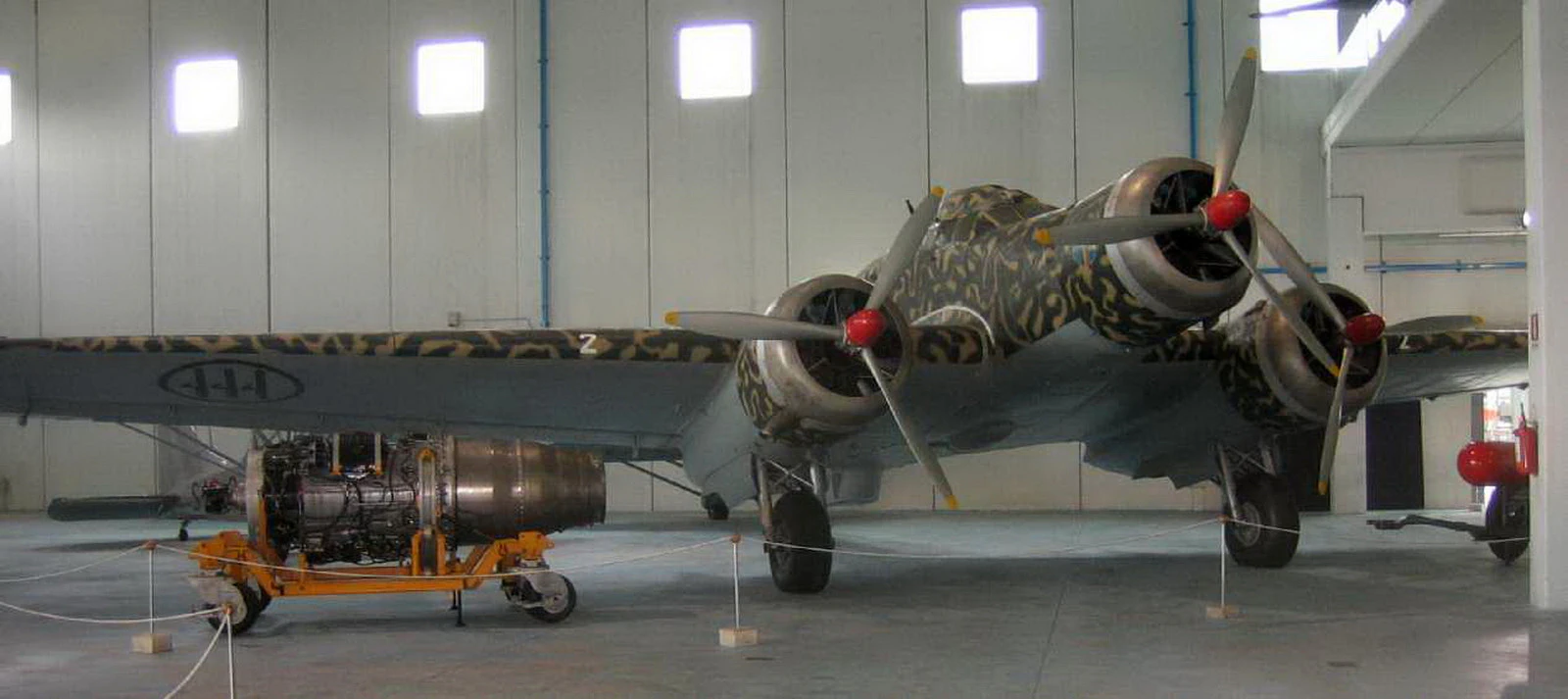
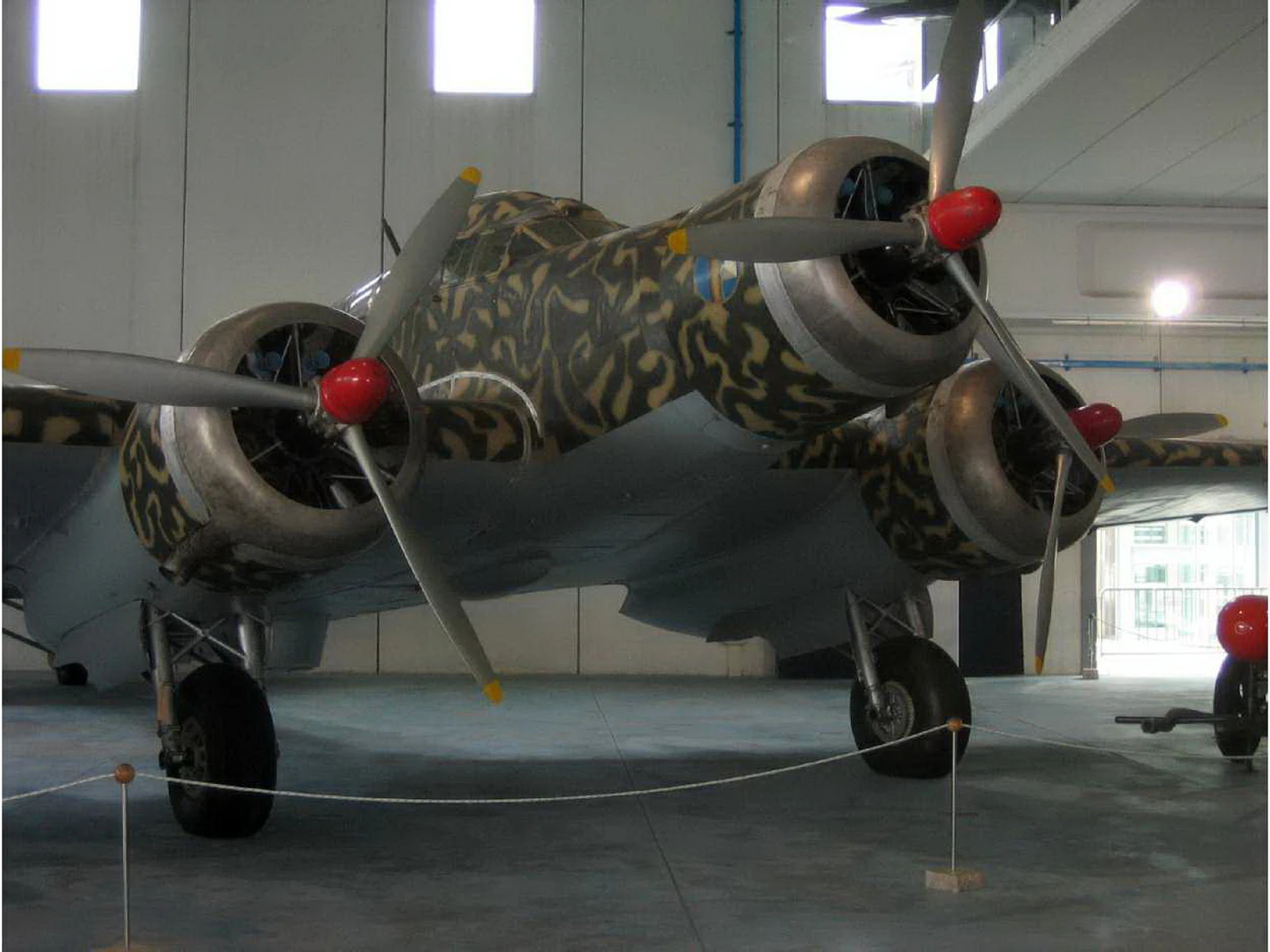
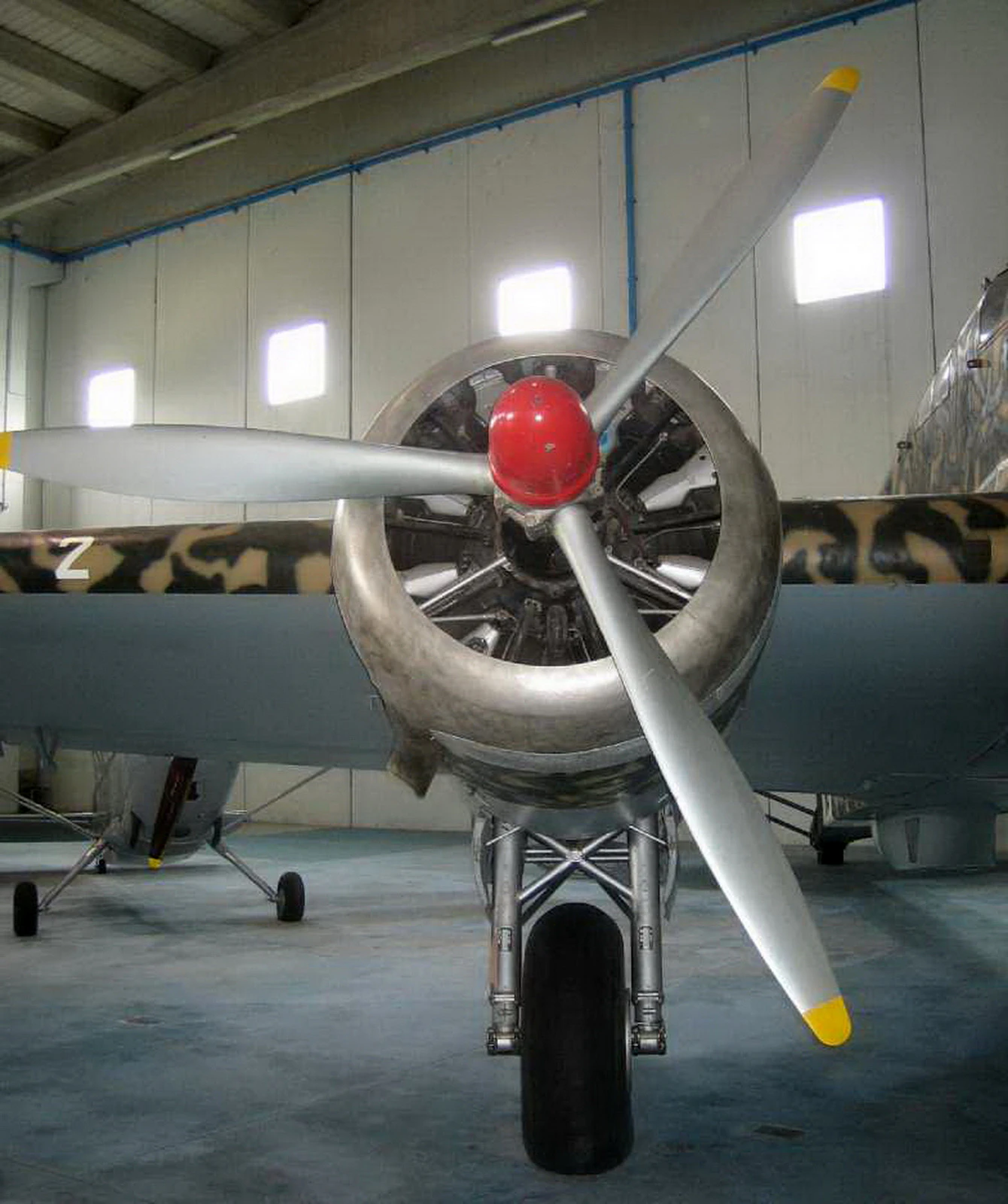
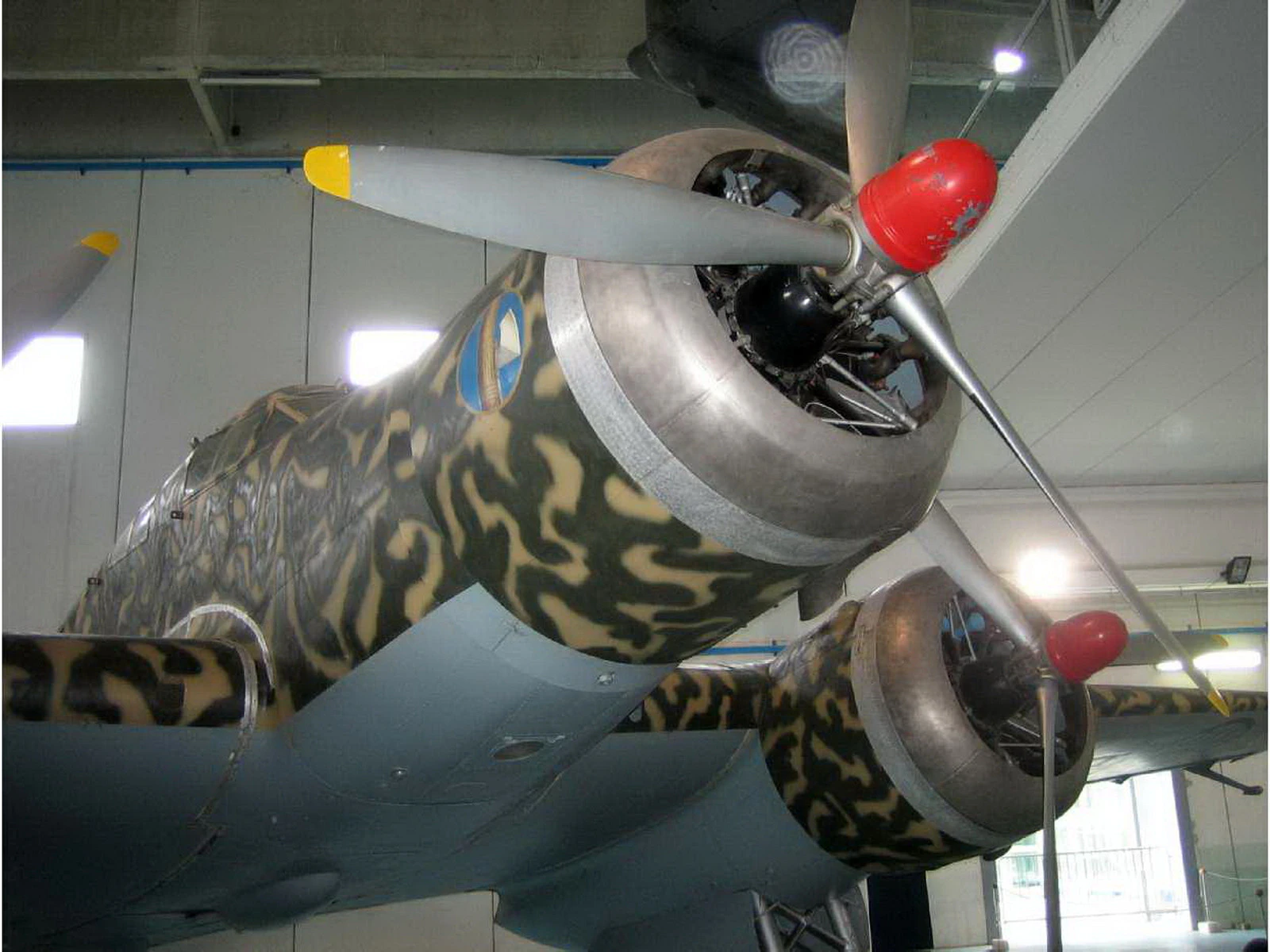
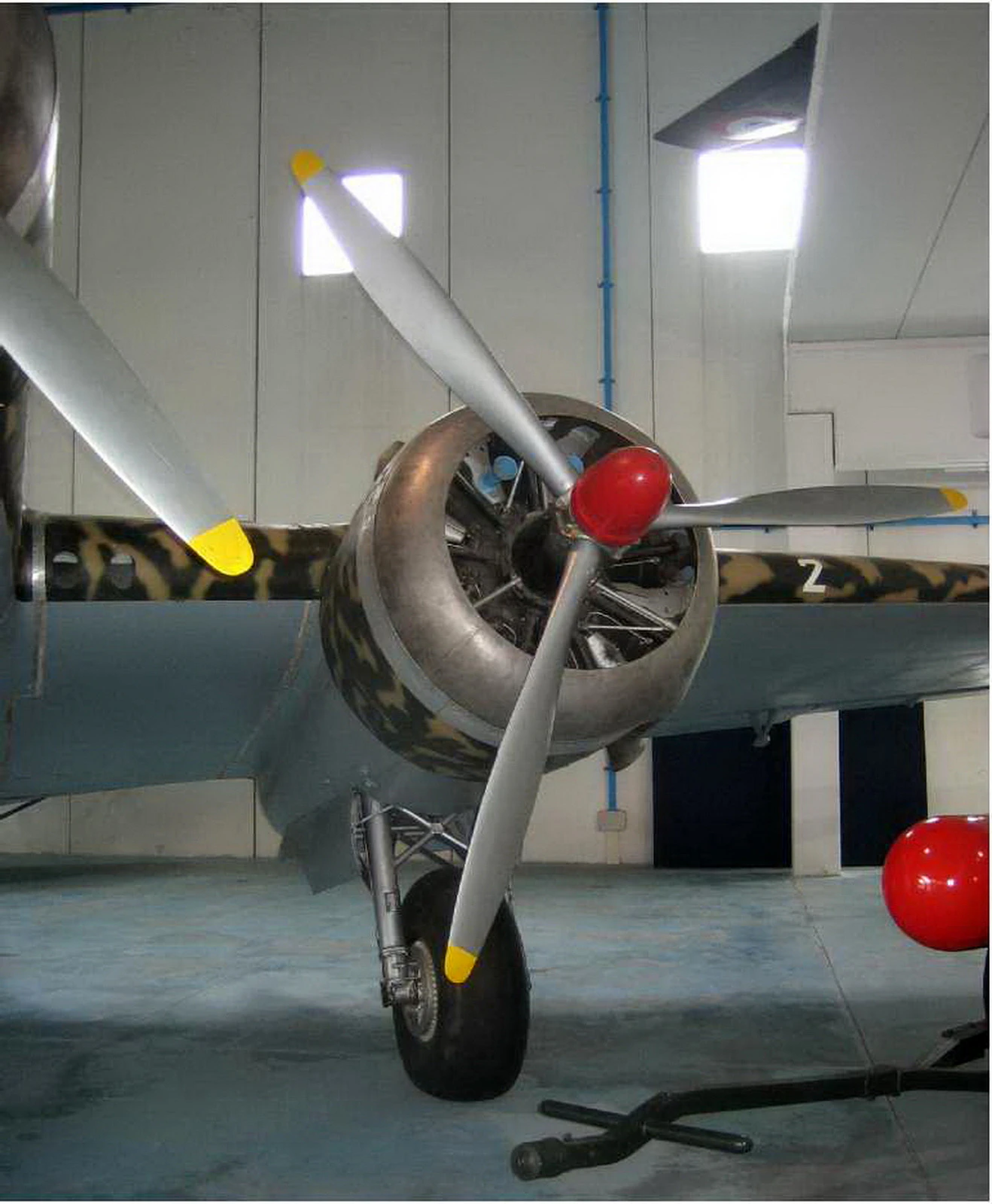
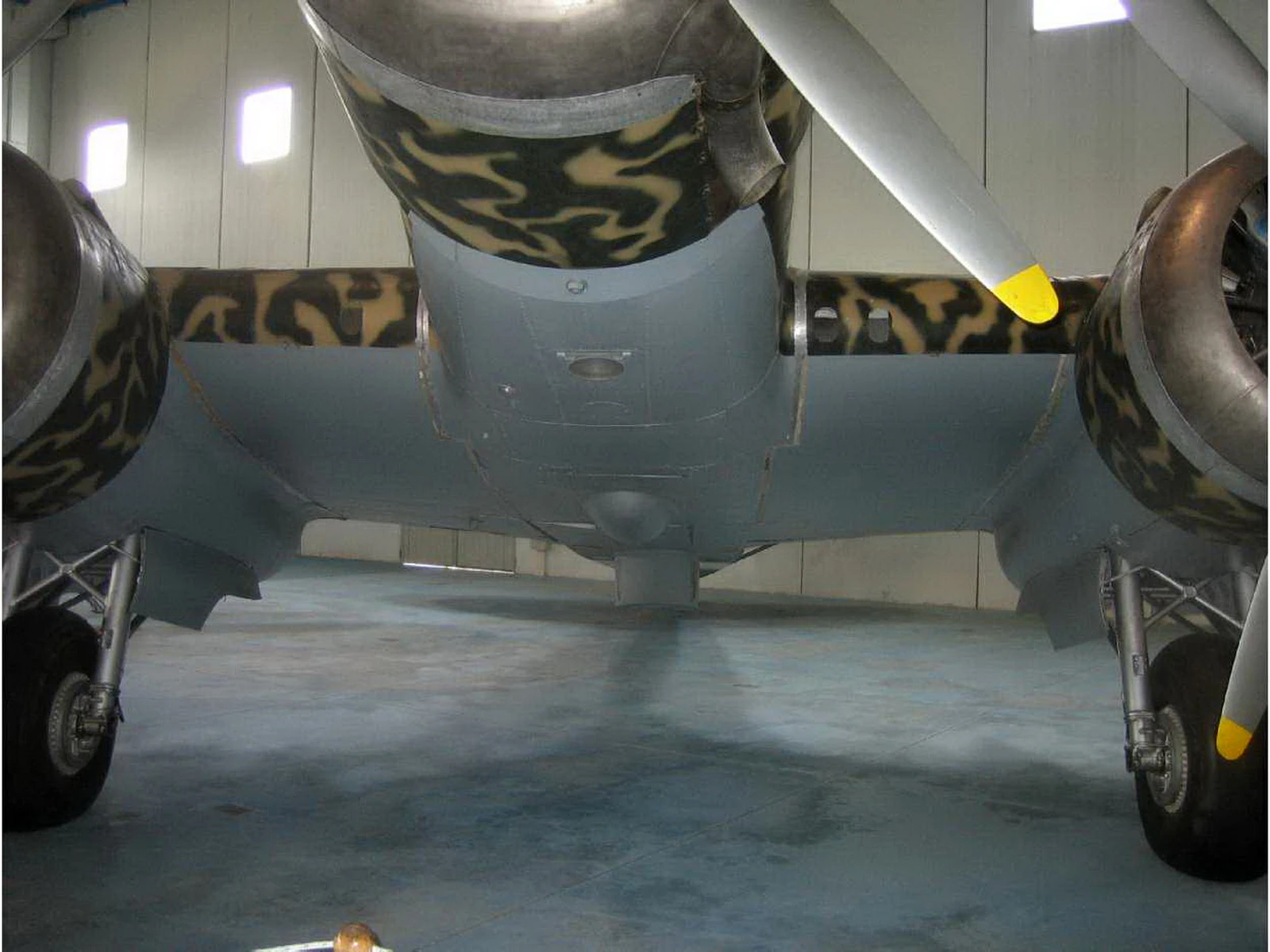
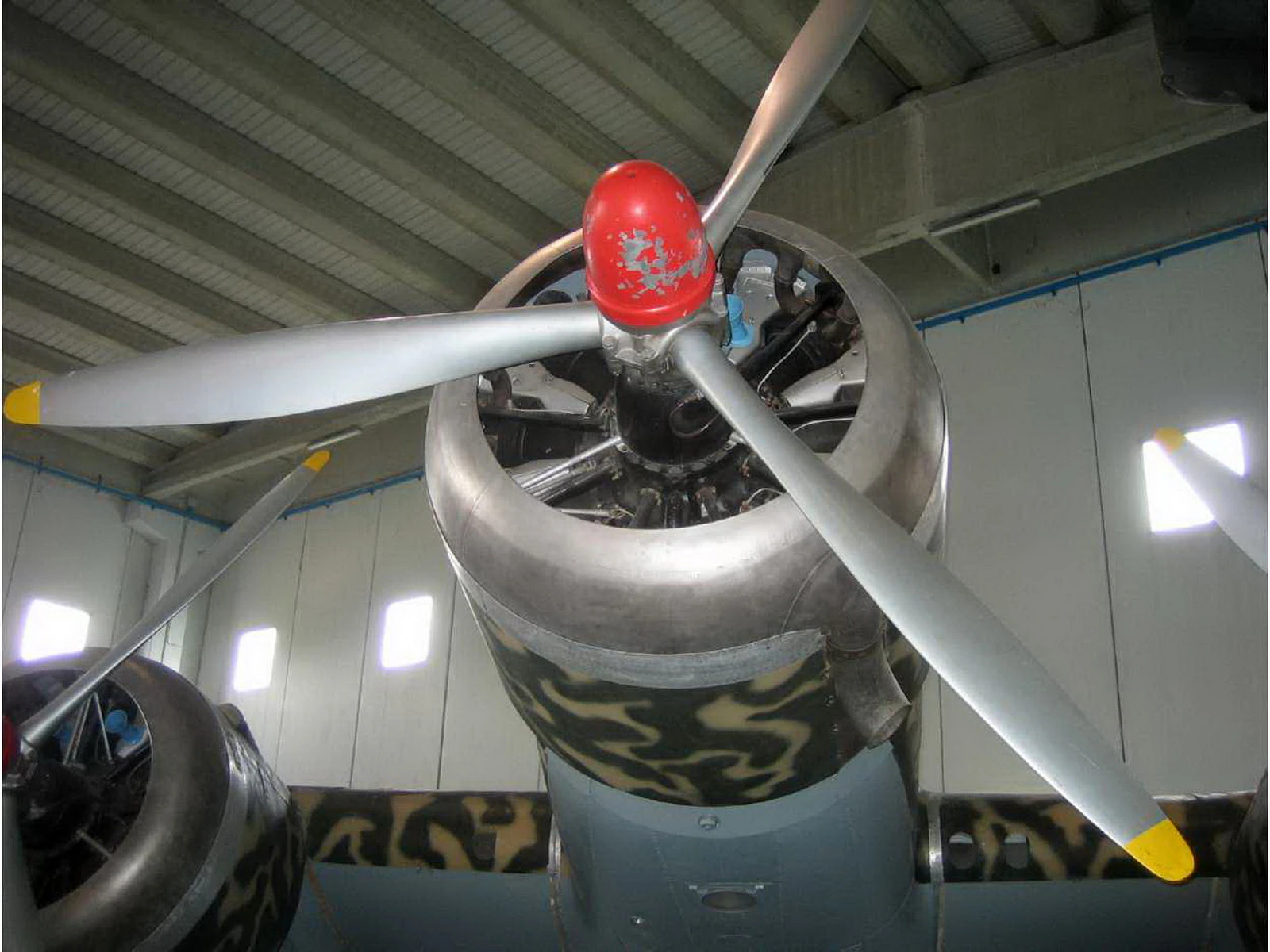
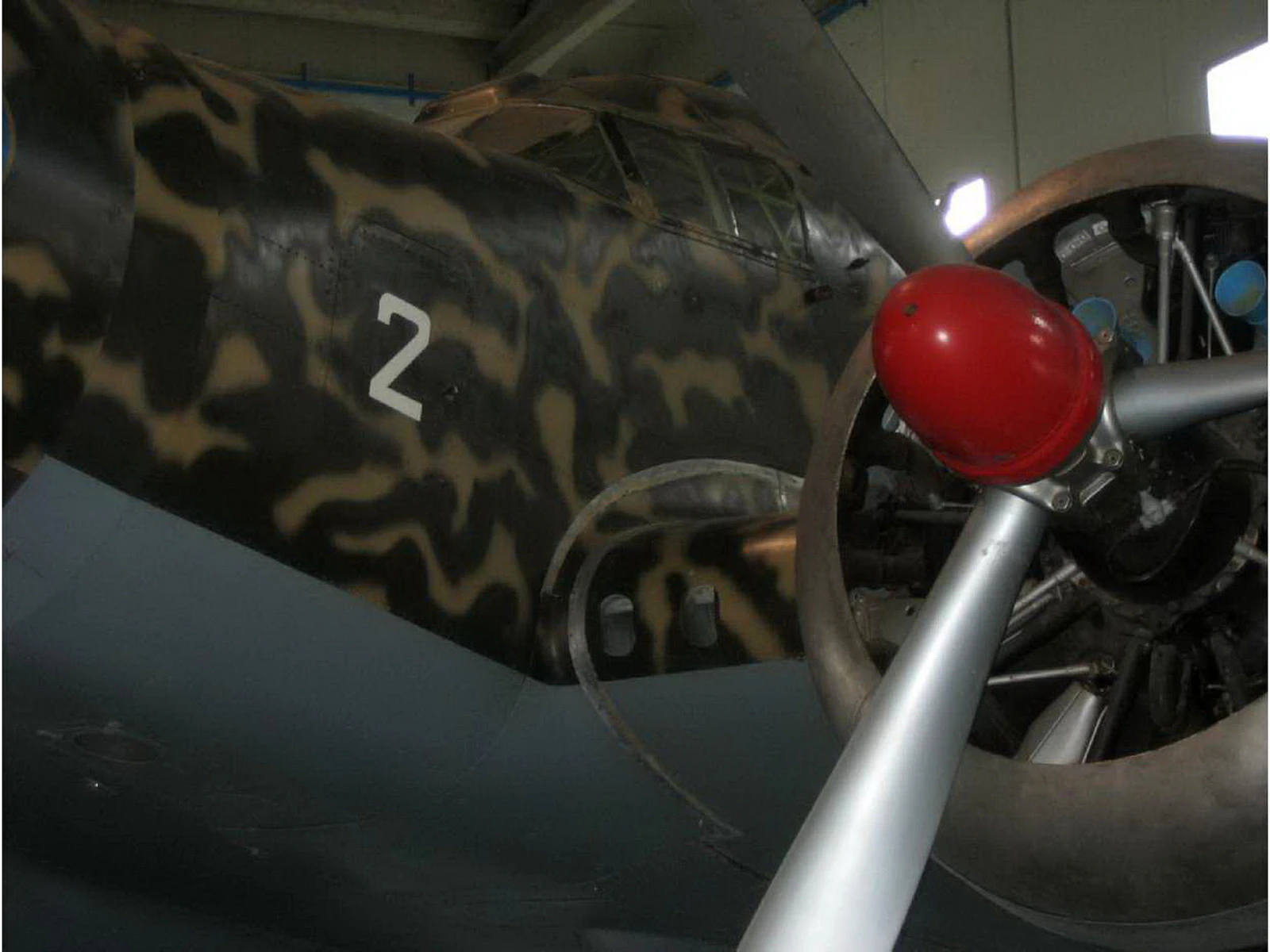
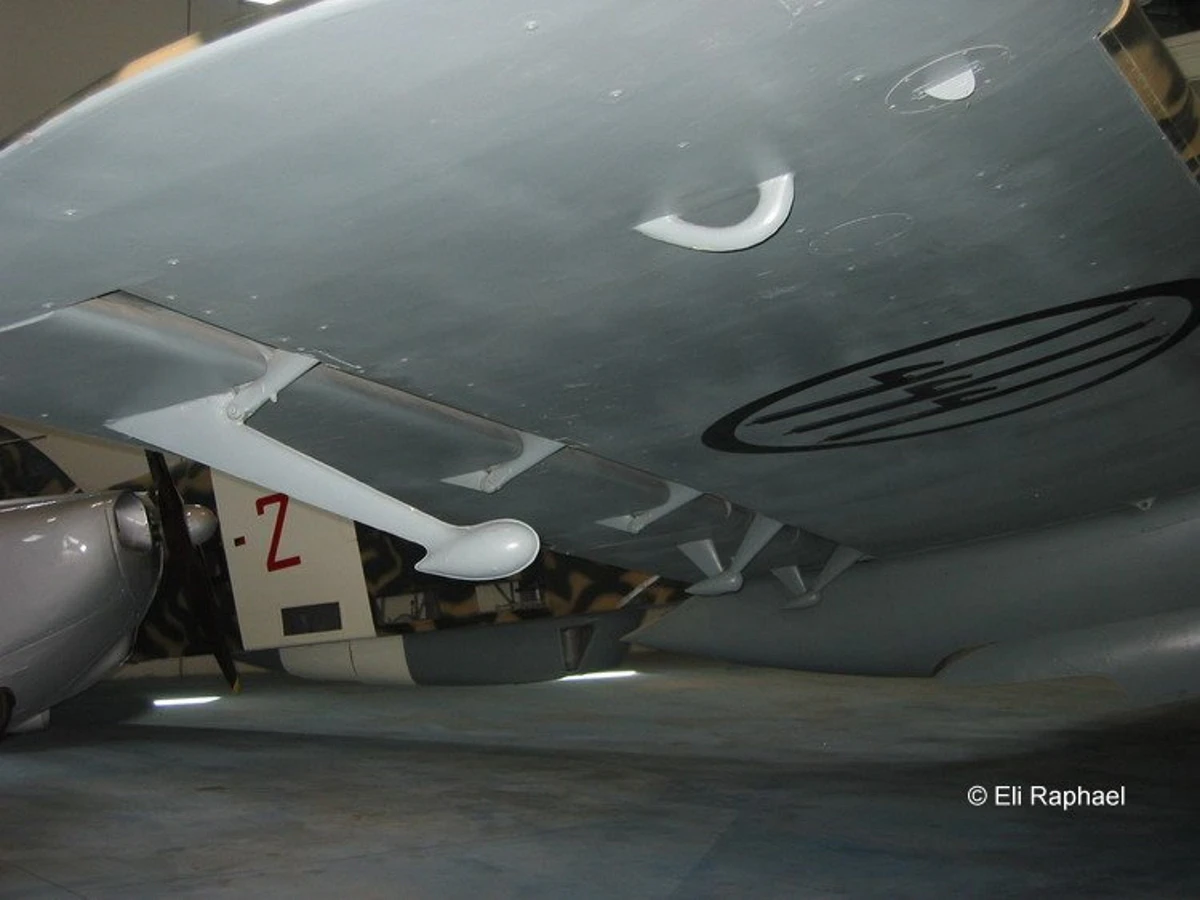
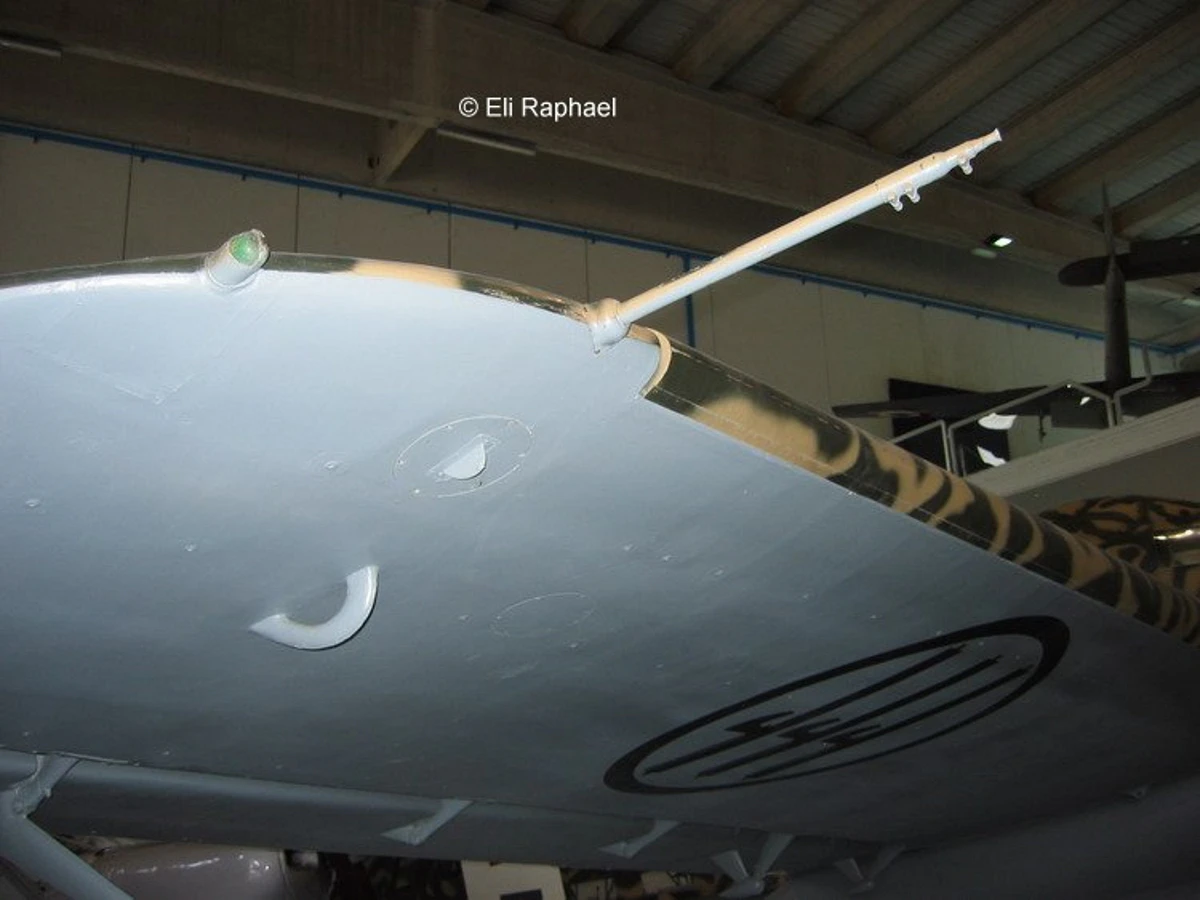
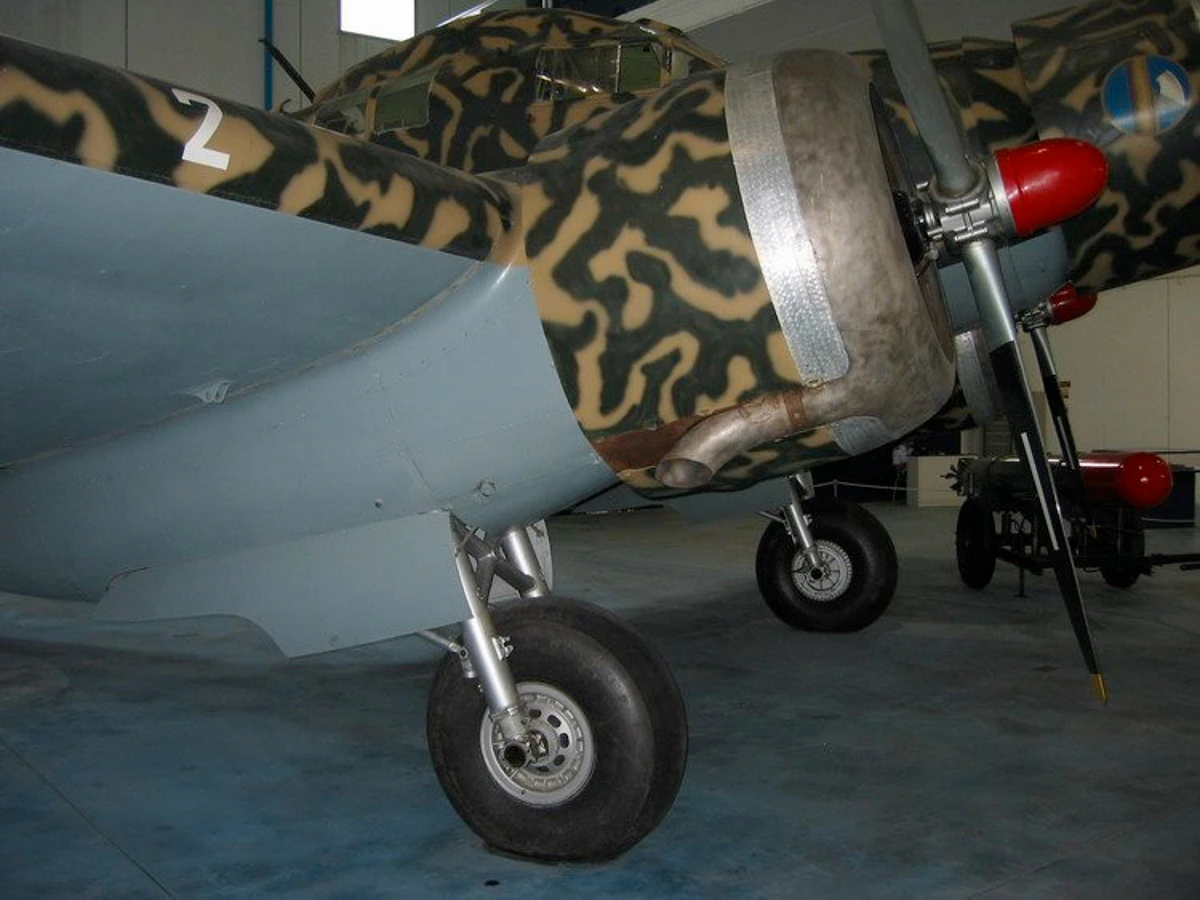
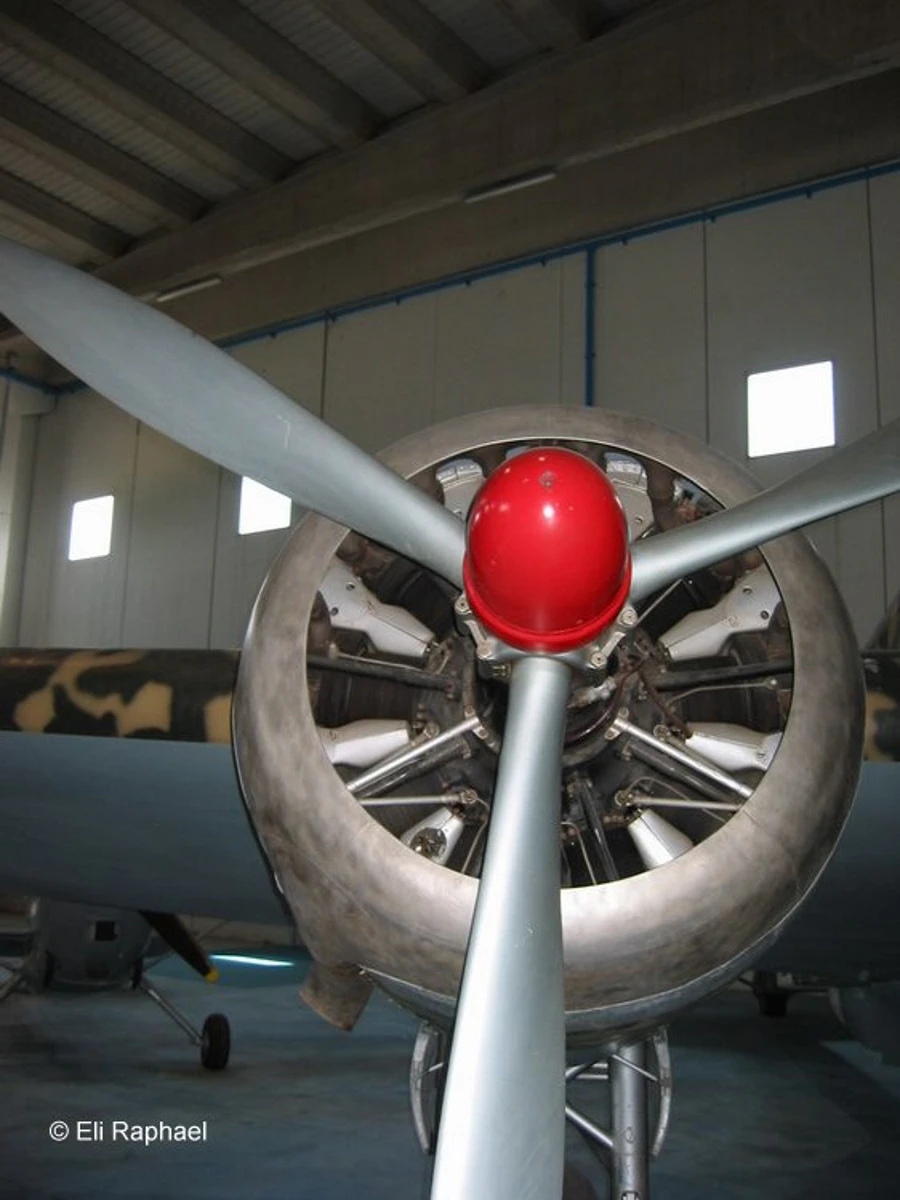
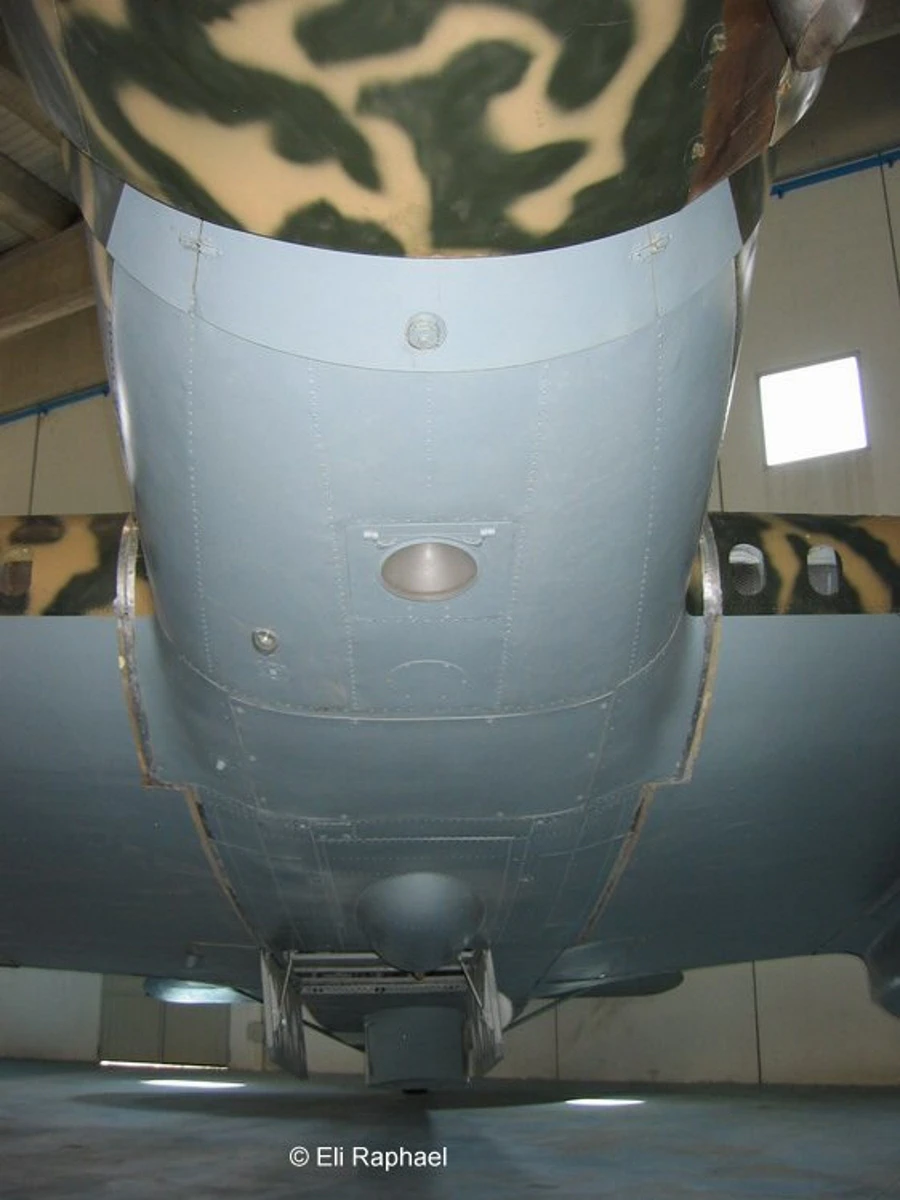
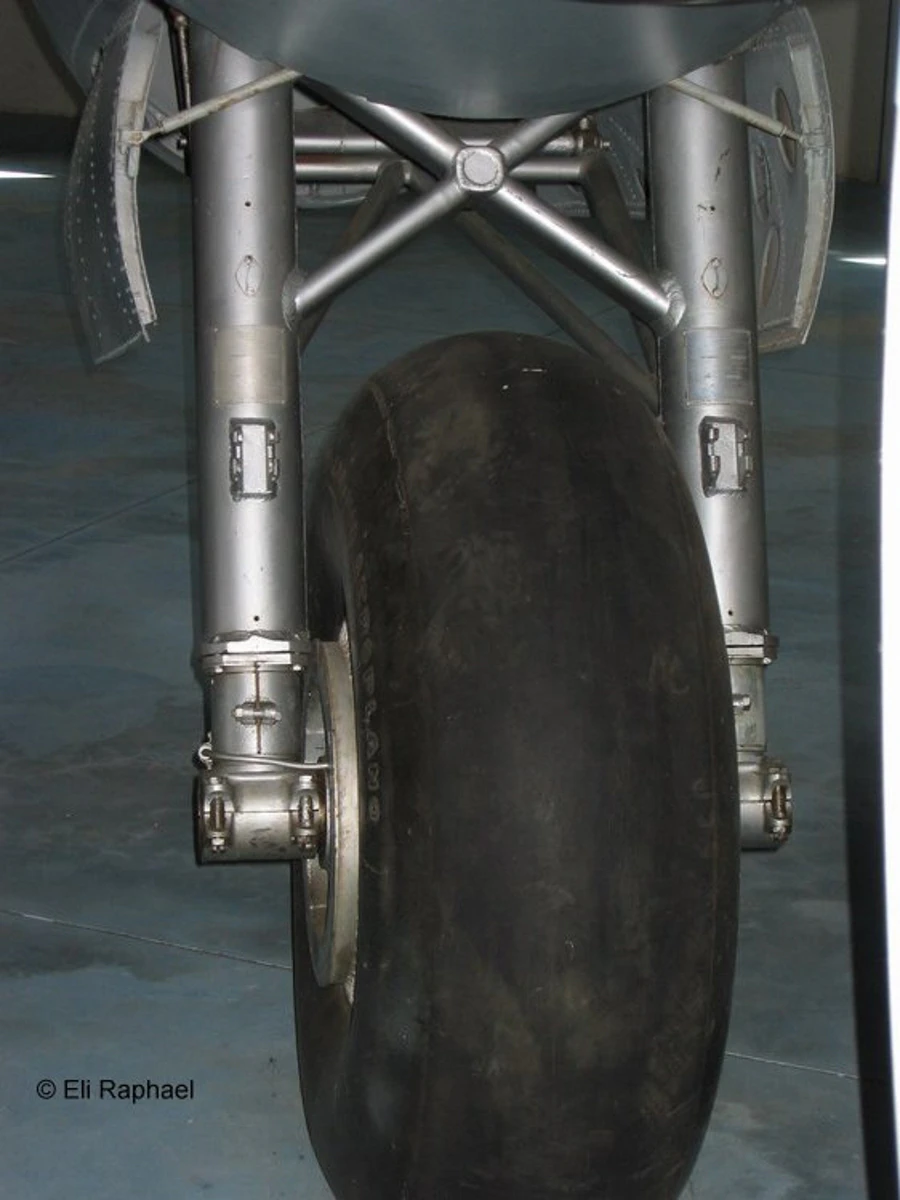
O Savoia-Marchetti SM.79 Sparviero (Italiano para gavião-pardal) foi um bombardeiro médio italiano de três motores com uma estrutura de madeira e metal. Originalmente projetado como uma aeronave de passageiros rápido, entre 1937 e 1939 este monoplano de asa baixa estabeleceu 26 recordes mundiais, qualificando-o por algum tempo como o bombardeiro médio mais rápido do mundo. Ele viu pela primeira vez a ação durante a Guerra Civil Espanhola e voou em todas as frentes em que a Itália esteve envolvida durante a Segunda Guerra Mundial.
O Savoia-Marchetti SM.79 Sparviero(Sparrowhawk) was Italy’s most famous and effective multi-mission bomber of World War II. Originally designed in the mid-1930s as a fast, civilian commercial transport, its sleek lines and impressive speed records quickly caught the attention of the Regia Aeronautica. Despite its unusual three-engine configuration and mixed-material construction—which earned it the affectionate nickname“Gobbo Maledetto”(Damned Hunchback)—the SM.79 evolved into one of the finest land-based torpedo bombers of the entire war, inflicting heavy losses on Allied shipping and naval fleets across the Mediterranean.
Attribute
Technical Specification (SM.79-II Variant)
Papel
Medium Bomber / Torpedo Bomber
tripulação
5–6 (Pilot, Co-Pilot, Flight Engineer, Radio Operator, 1-2 Gunners)
3 × 12.7mm Breda-SAFAT machine guns (forward hump, dorsal, and ventral positions); 1 × 7.7mm Lewis gun
Torpedo/Bomb Load
Up to 2 × 450mm (17.7 in) aerial torpedoes externally, or 1,250 kg (2,750 lbs) of internal bombs
Design Engineering: Mixed Material Airframe and Trimotor Thrust
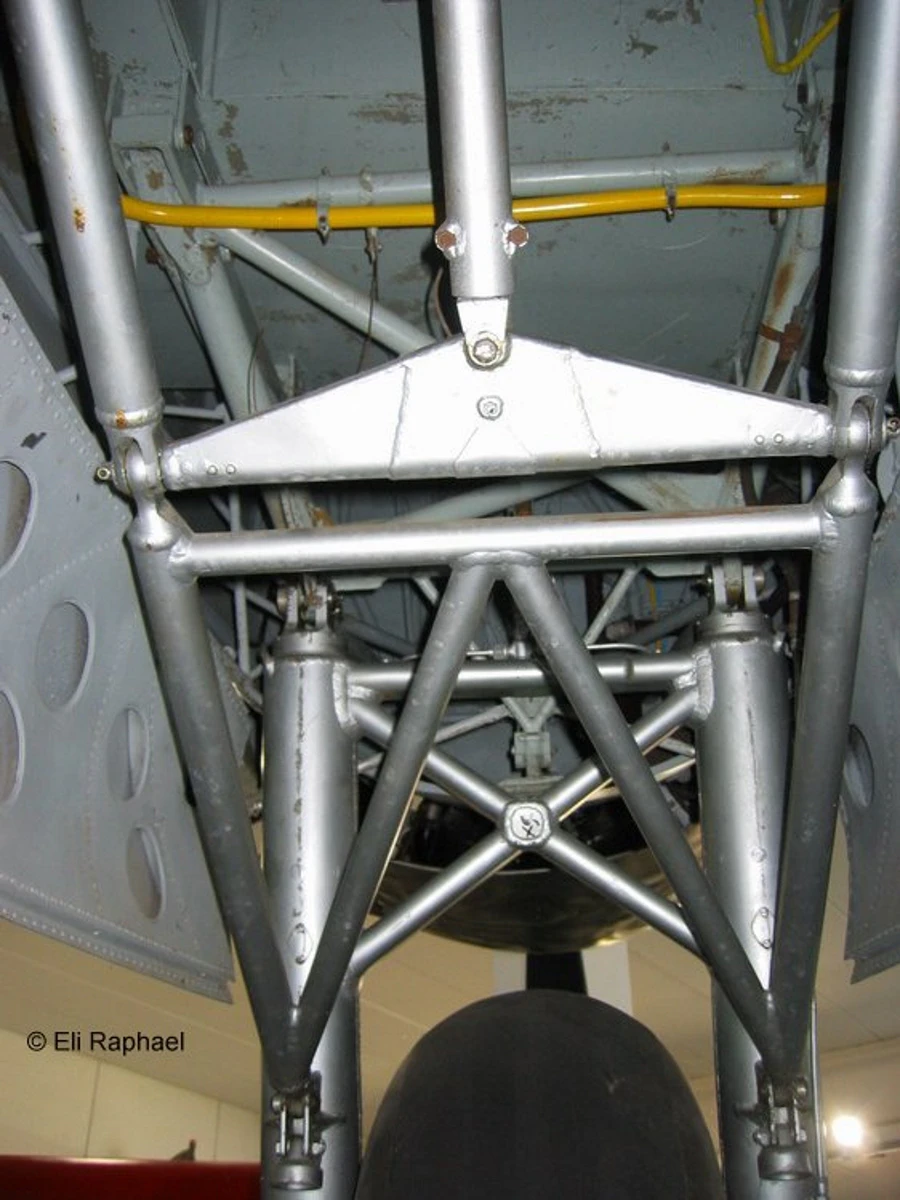
The “Wood and Fabric” Core:While contemporaries like the Boeing B-17 moved toward all-metal monocoque shells, designer Alessandro Marchetti built the SM.79 using a traditional framework of welded steel tubing, wrapped in a combination of duralumin skinning, lightweight plywood, and doped fabric. Remarkably, this mixed-material approach made the Sparviero incredibly rugged, flexible under stress, and able to float for long periods if forced to ditch at sea.
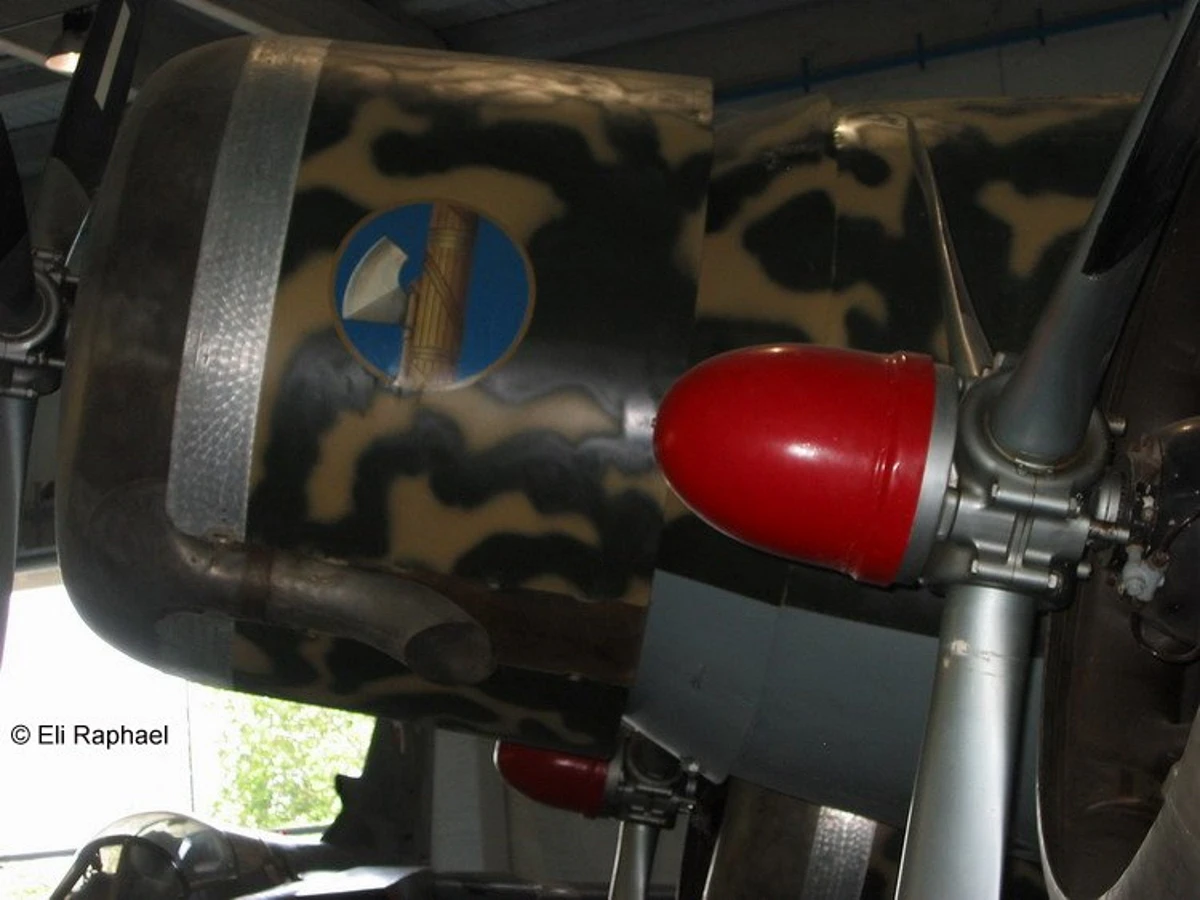
The Trimotor Configuration:The three-engine layout was a classic Italian aviation choice. It guaranteed immense safety over water; if one engine failed or was shot out by enemy fighters, the remaining two powerplants produced enough combined horsepower to keep the heavy bomber flying and get the crew safely back to base.
The Defiant Hump:The prominent “hump” directly behind the cockpit was not a structural accident—it served an aggressive aerodynamic and tactical purpose. It housed the heavy 12.7mm forward-firing machine gun used by the pilot to strafe surface targets and enemy anti-aircraft nests, while providing an elevated, protected greenhouse for the rear dorsal gunner to defend the tail arc.
The Vertical Internal Bomb Bay:Because of the aircraft’s original design as a passenger transport, the internal bomb bay was forced to carry its payload vertically rather than horizontally. This meant bombs had to be dropped tail-first, a quirk that severely hampered bombing accuracy during high-altitude level attacks and eventually pushed the aircraft into its legendary low-level torpedo-bombing role.
Operational History: Racing Champions to Scourge of the Royal Navy
Pre-War Racing Dominance:Before firing a shot in anger, modified civilian variants (SM.79CS) swept international aviation races. In 1937, a squadron of these planes finished first, second, and third in the prestigious Istres-Damascus-Paris race, proving to the world that Italy possessed some of the fastest long-range aircraft in existence.
The Crucible of the Spanish Civil War:Operating under the *Aviazione Legionaria*, the SM.79 saw intensive combat over Spain supporting Nationalist forces. Its raw speed meant that early Republican biplane fighters often could not catch it in a level chase, solidifying its reputation and giving Italian commanders a false sense of security regarding its defensive layout.
The Torpedo Terror:When World War II erupted, the Sparviero found its true calling. Elite specialized units known as the *Aerosiluranti* took the SM.79 into daring, skimming, low-altitude runs directly into the teeth of Allied naval radar and anti-aircraft fire. They successfully sank or heavily damaged numerous high-profile British warships, including the aircraft carriers HMS *Argus* and HMS *Indomitable*.
The Agony of the Air Crews:Despite its legendary toughness, by 1942 the SM.79 was showing its age. Without armor protection or self-sealing fuel tanks, and lacking modern defensive turrets, it became increasingly vulnerable to heavy Allied fighters like the Bristol Beaufighter and modern Spitfires, leading to high casualty rates among Italy’s finest and most courageous aviators.



 SPAD S.XIII – Fotos e Vídeos
 Short Solent – Fotos e Vídeos
 Grumman G-73 Mallard – Fotos e Vídeos
 Lockheed LC-130 – Fotos e Vídeos
 Northrop YF-23 – Fotos & Vídeo
 Lockheed P-38 Lightning – Fotos e Vídeo
 A-7B Corsair II – WalkAround
 Lockheed F-22A Raptor – Fotos e Vídeo
 Sukhoi Su-27 - WalkAround
 Savoia Marchetti SM-79 vol2 – Ande por aí