São Chamond | |
|---|---|
| País | França |
| Tipo | Tanque Médio |
| Missa | 23 toneladas |
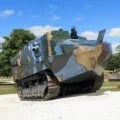
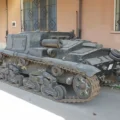
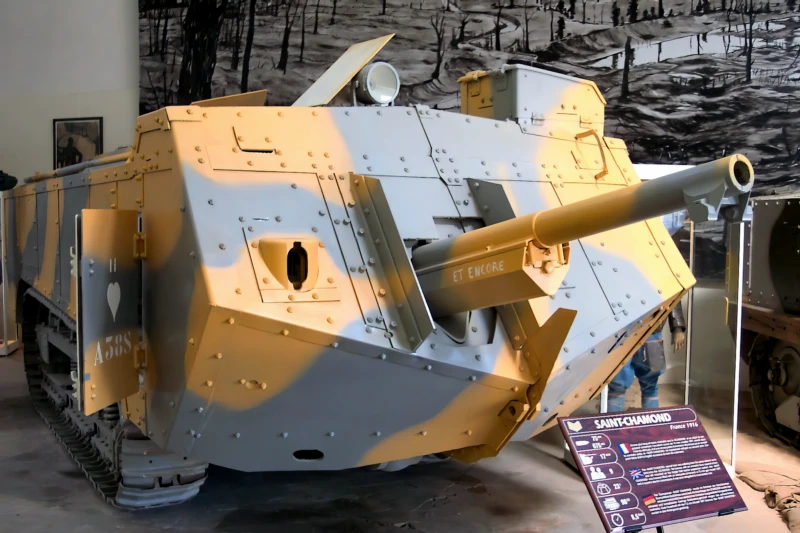
O Saint-Chamond foi o segundo tanque pesado francês da Primeira Guerra Mundial, com 400 fabricados de abril de 1917 a julho de 1918. Embora não seja um tanque pela definição atual, é geralmente aceito e descrito como tal em relatos do desenvolvimento inicial do tanque. Nascido da rivalidade comercial existente com os fabricantes do tanque Schneider CA1, o Saint-Chamond era um design de baixa potência e fundamentalmente inadequado. Sua principal fraqueza eram os rastros de "lagarta" Holt. Eles eram muito curtos em relação ao comprimento e peso pesado do veículo (23 toneladas). Modelos posteriores, no entanto, tentaram corrigir algumas das falhas originais do tanque instalando sapatos de pista mais largos e mais fortes, armadura frontal mais grossa e o canhão de campo Mle 1897 de 75 mm mais eficaz. Ao todo, 400 tanques Saint-Chamond foram construídos, incluindo 48 tanques Caisson desarmados. Os tanques Saint-Chamond permaneceram envolvidos em várias ações até o final do verão de 1918, tornando-se tardiamente mais eficazes desde que o combate saiu das trincheiras e entrou em terreno aberto. Eventualmente, no entanto, os tanques Saint-Chamond foram programados para serem inteiramente substituídos por tanques pesados britânicos importados.
Fonte: Saint Chamond em Wkipedia
| Saint Chamond – WalkAround | |
|---|---|
| Fotógrafo | Unknow |
| Localização | Desconhecido |
| Fotos | 68 |
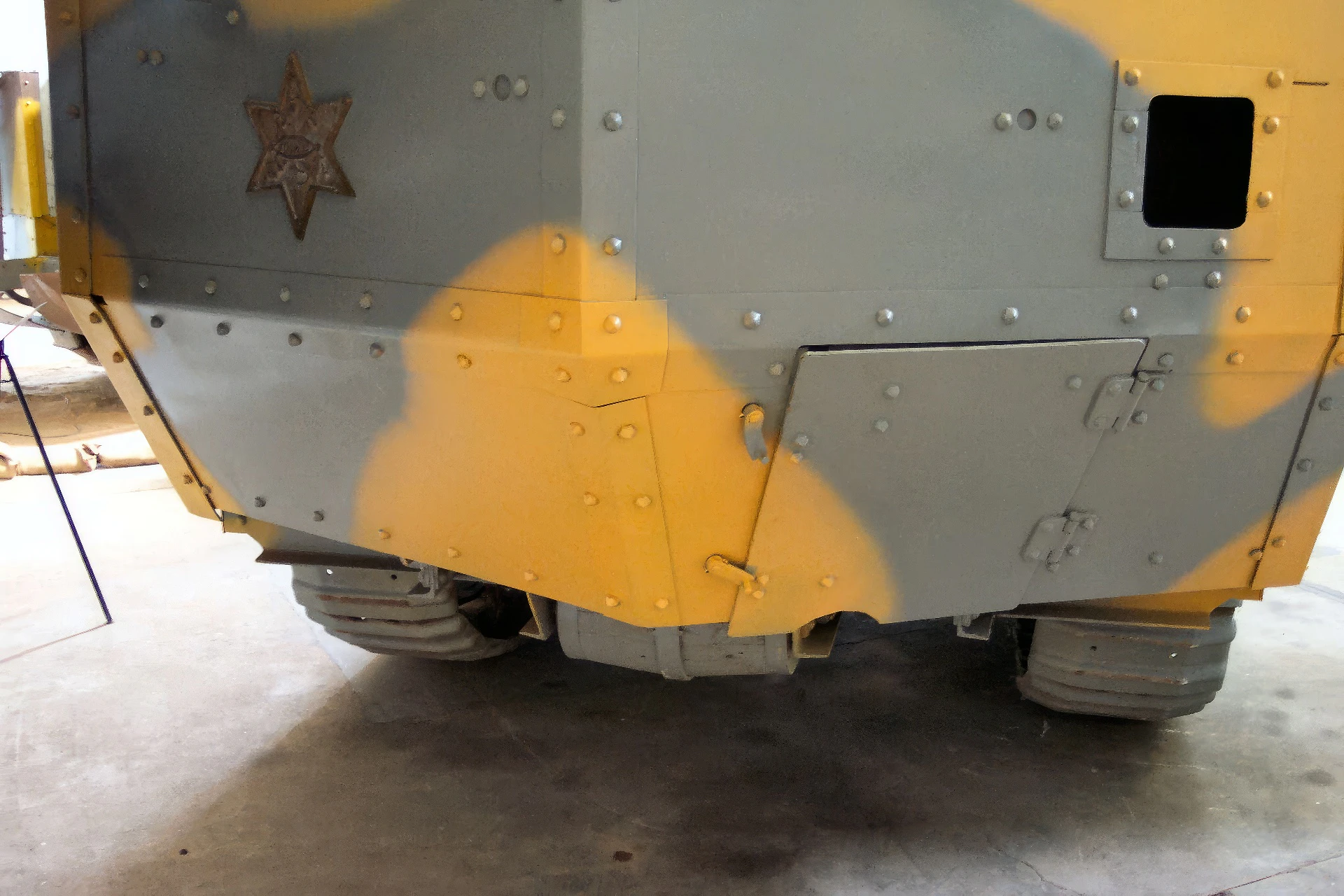
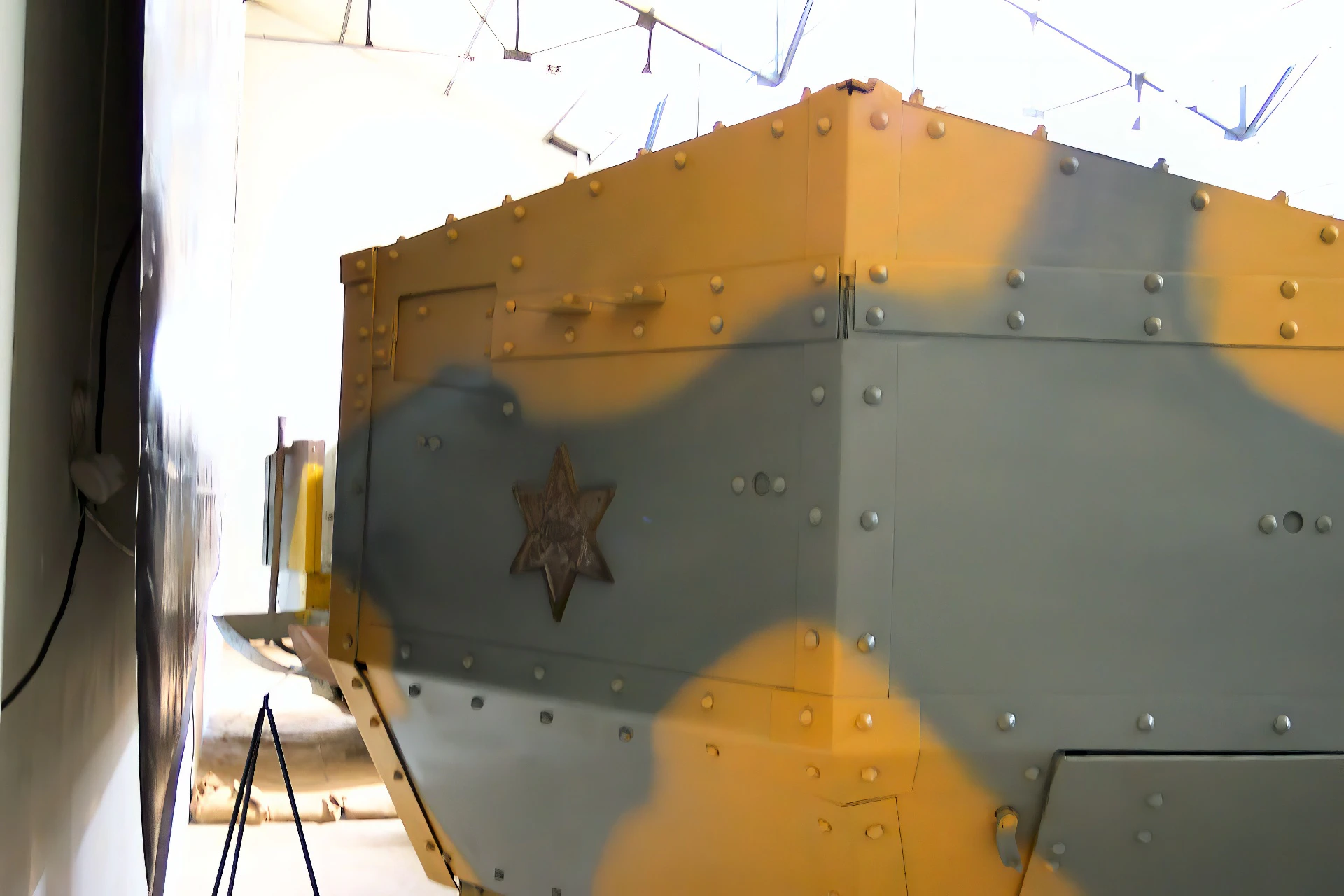
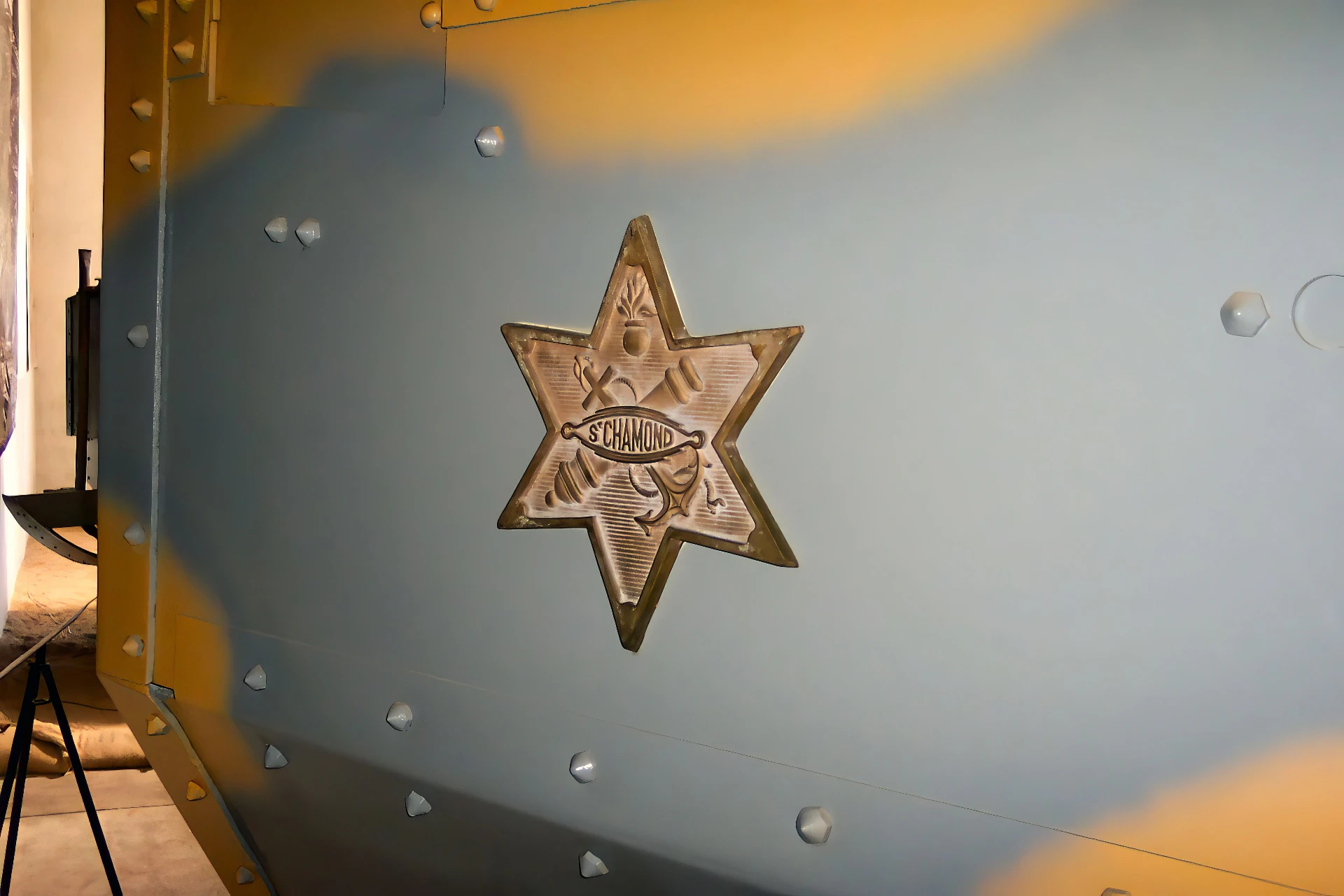
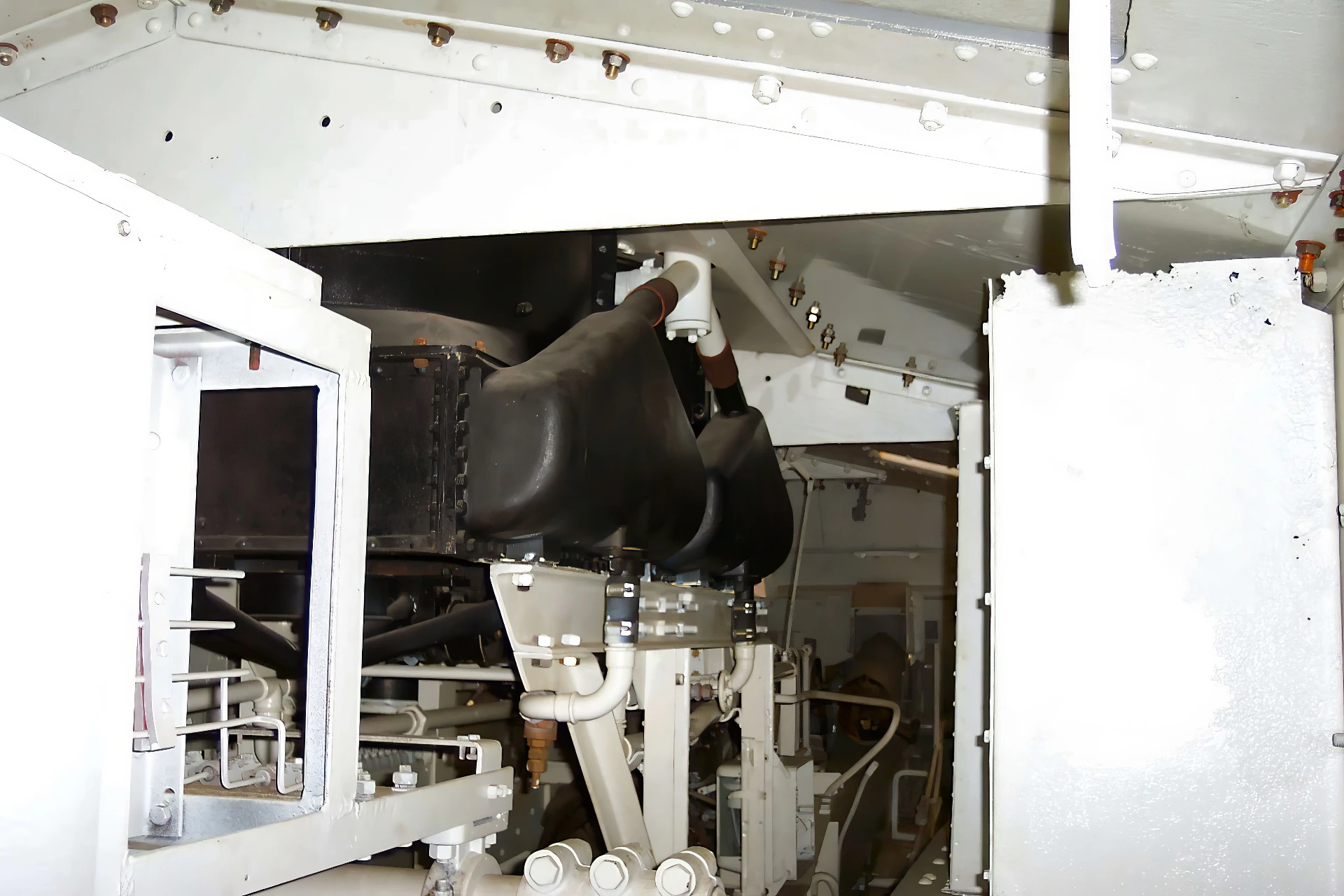
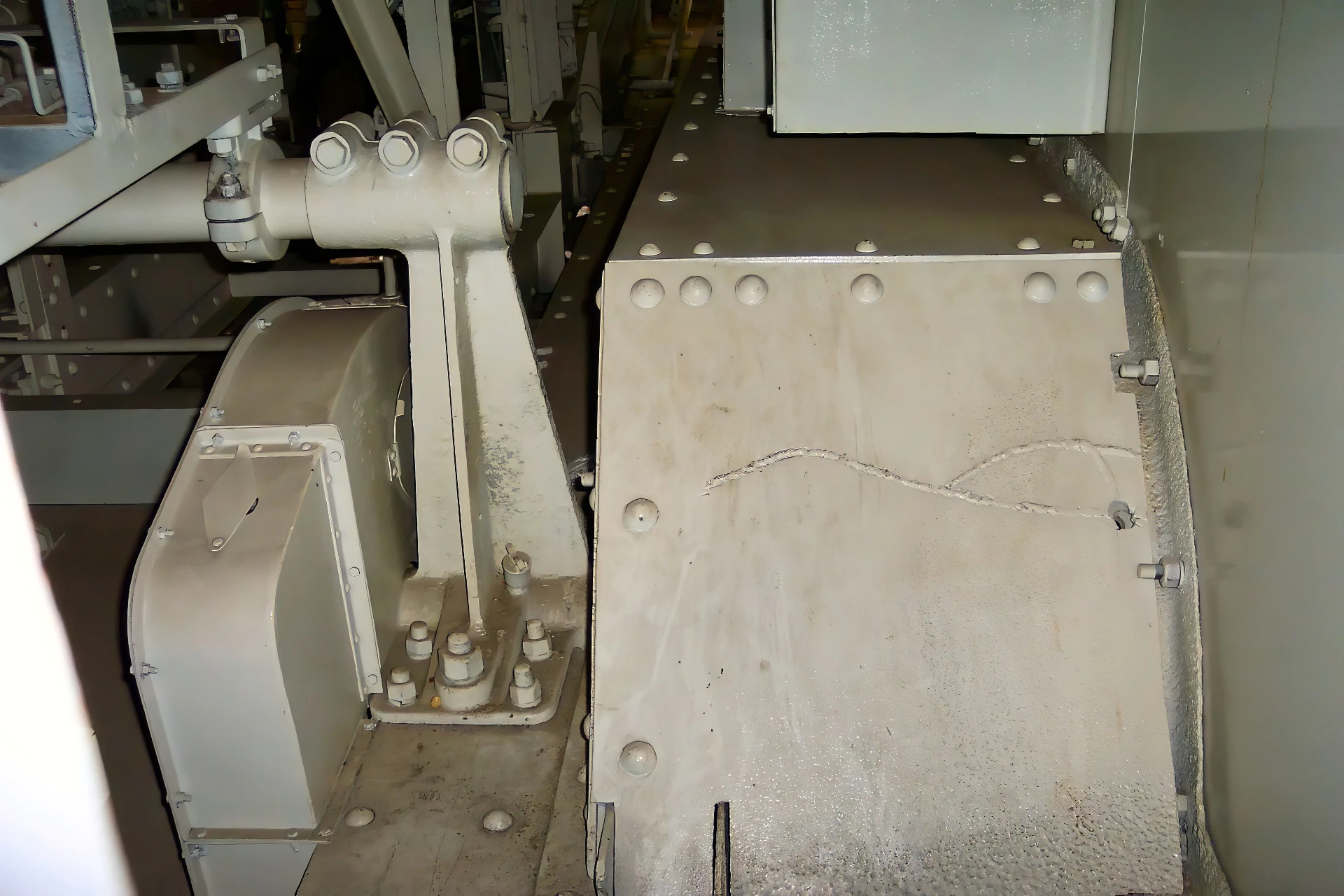
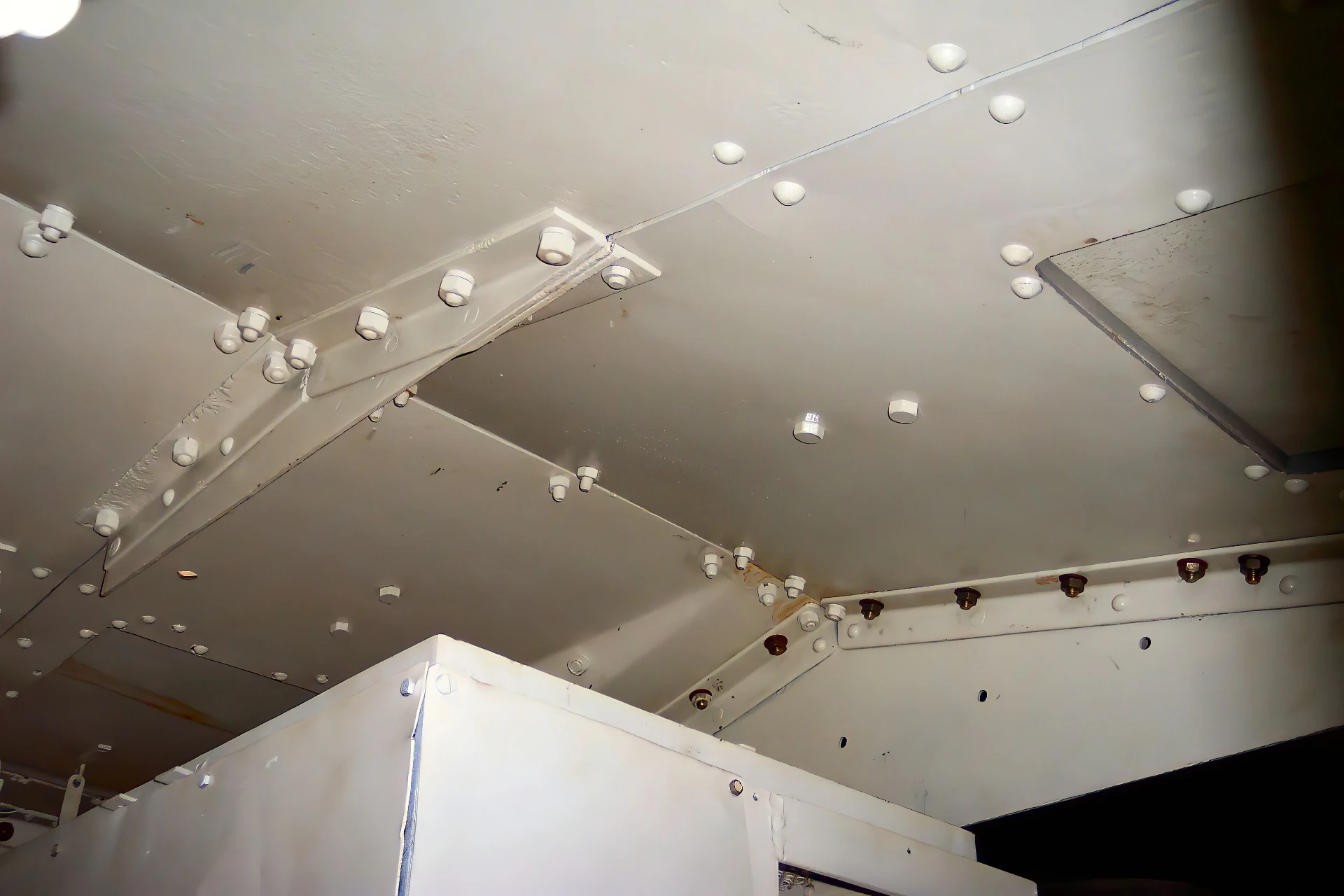
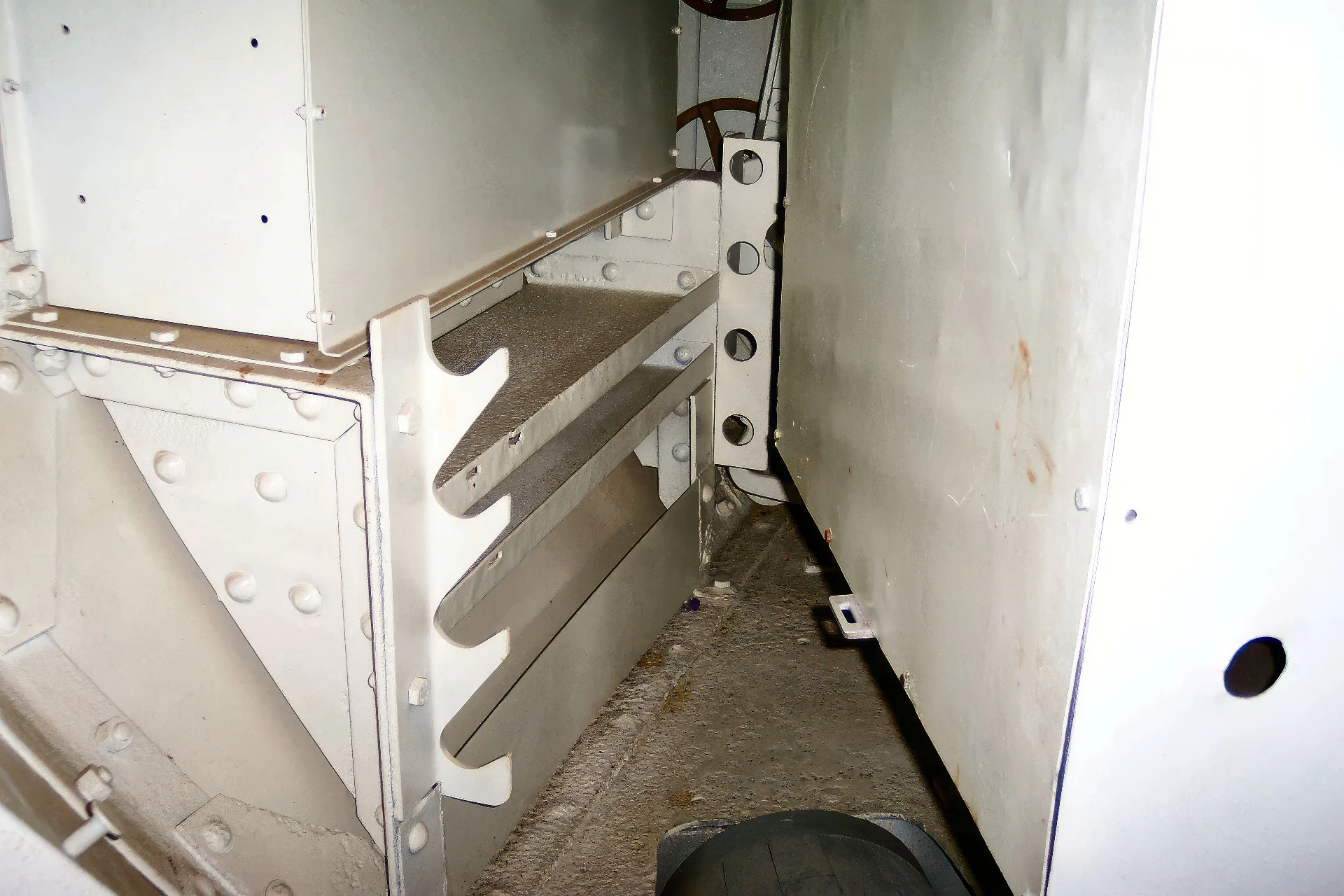
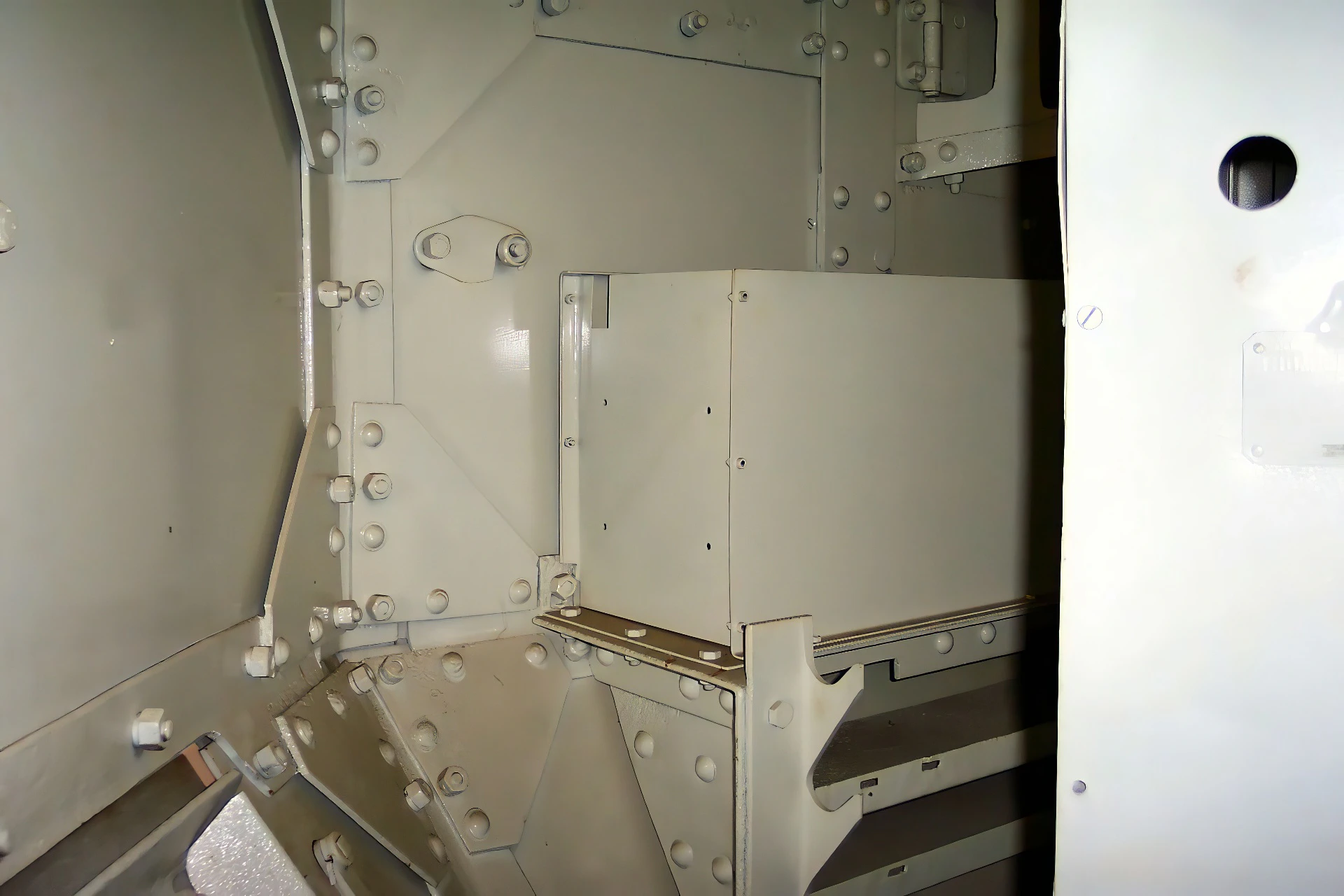

| Saint Chamond – WalkAround | |
|---|---|
| Fotógrafo | Unknow |
| Localização | Desconhecido |
| Fotos | 47 |
Overview and Context
The Saint-Chamond was the second French heavy assault tank to enter service during World War I, with approximately 400 units produced between 1917 and 1918. Born out of industrial rivalry with the manufacturers of the first French tank (the Schneider CA1), it was an ambitious but deeply flawed design.
Its primary goal was to bring the firepower of a potent artillery piece, the French 75 mm field gun, directly against enemy trenches and fortifications.
Design and Specifications
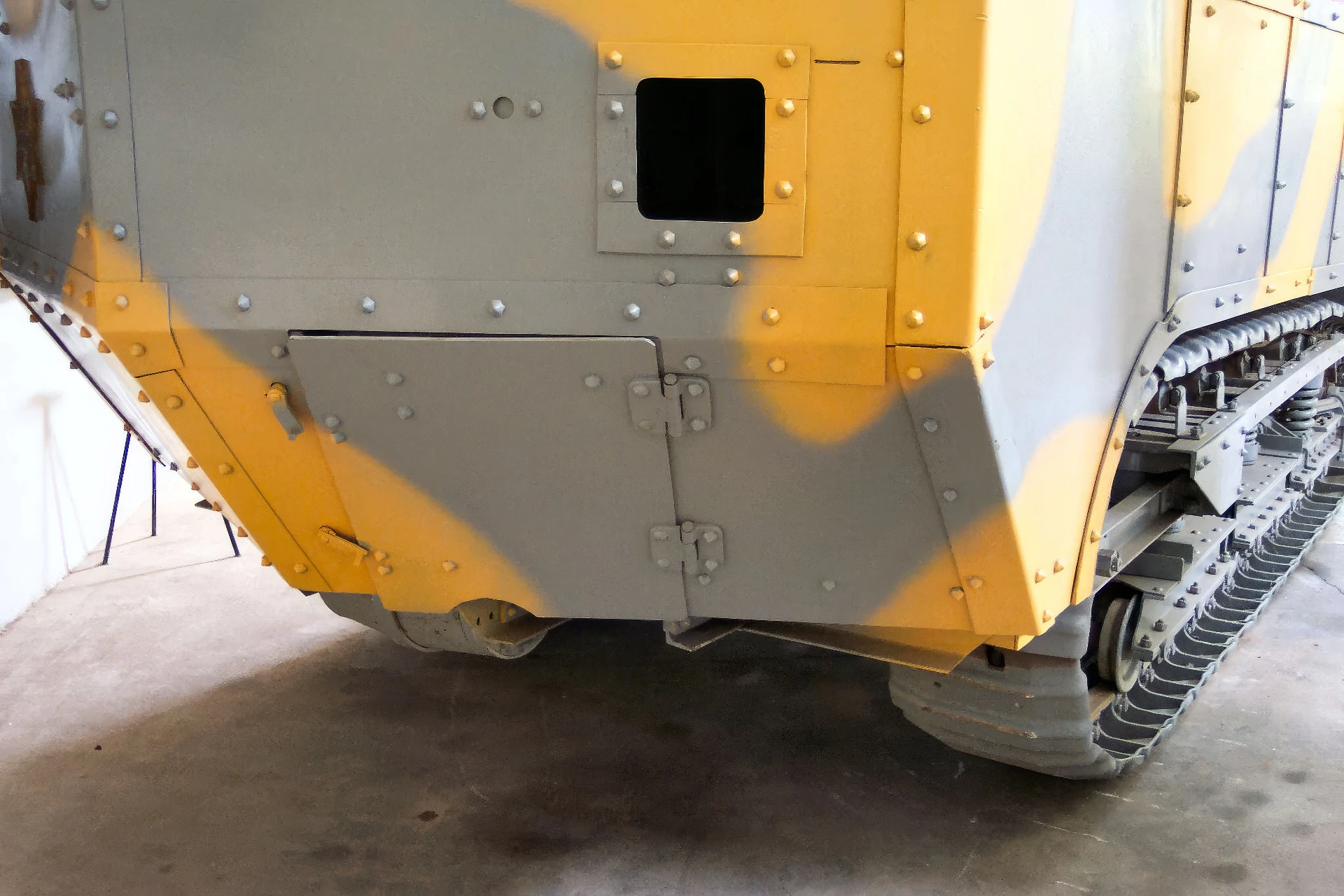
- Shape and Hull: It had a long, boxy superstructure with significant overhangs at both the front and rear of the vehicle, extending well beyond the relatively short, narrow tracks. This gave it a massive, ungainly silhouette.
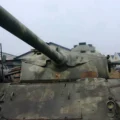
- Armamento principal: A long-barreled 75 mm gun (either the Saint-Chamond L12C TR or the standard Mle 1897 field gun in later versions) was rigidly mounted in the front of the hull, offering only a very limited traverse.
- Secondary Armament: Four 8 mm Hotchkiss machine guns, one mounted in each side (front, rear, left, right).
- Propulsion: The tank used a complex and innovative petrol-electric transmission system (Crochat-Colardeau). A 90 hp Panhard engine drove a generator, which in turn powered two electric motors linked separately to each track. This allowed for smooth steering but was heavy and prone to overheating and mechanical issues.
- Crew: The tank typically required a large crew of eight to nine men.
- Armadura: Initially thin, with maximum armor plating of around 11.5 mm on the front and 8.5 mm on the sides. Later models increased side armor to 17 mm and added a spaced layer to the front to resist German armor-piercing bullets.
Combat Performance and Flaws
Despite its powerful main gun, the Saint-Chamond was plagued by critical operational deficiencies:
- Trench Crossing: The overly long hull combined with the relatively short track length and heavy forward weight caused the tank’s nose to violently dig into the ground or get irrevocably stuck in trenches and shell craters, making it notoriously poor for traversing the scarred terrain of the Western Front.
- Underpowered: The 90 hp engine was inadequate for the tank’s operational weight of around 23 metric tons, severely limiting its cross-country speed and agility (top speed was only about 8-12 km/h).
- Vulnerable: Its thin side armor left the crew vulnerable to heavy machine gun fire, a major issue that was only partially addressed in late-production models.
The Saint-Chamond remained in service until late 1918, mostly performing as a auto-propulsionado arma or being converted into unarmed supply/recovery vehicles, as it was eventually superseded by the more reliable and tactically superior Renault FT light tank and imported British heavy tanks.
Visualizações : 4444