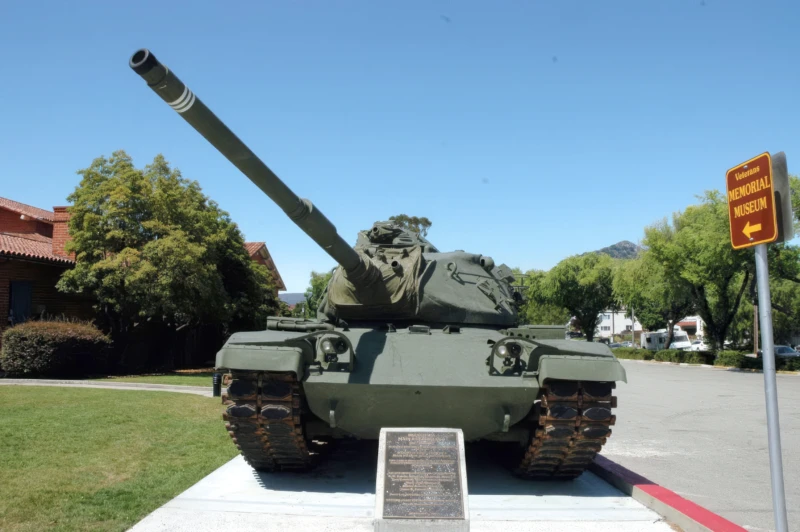
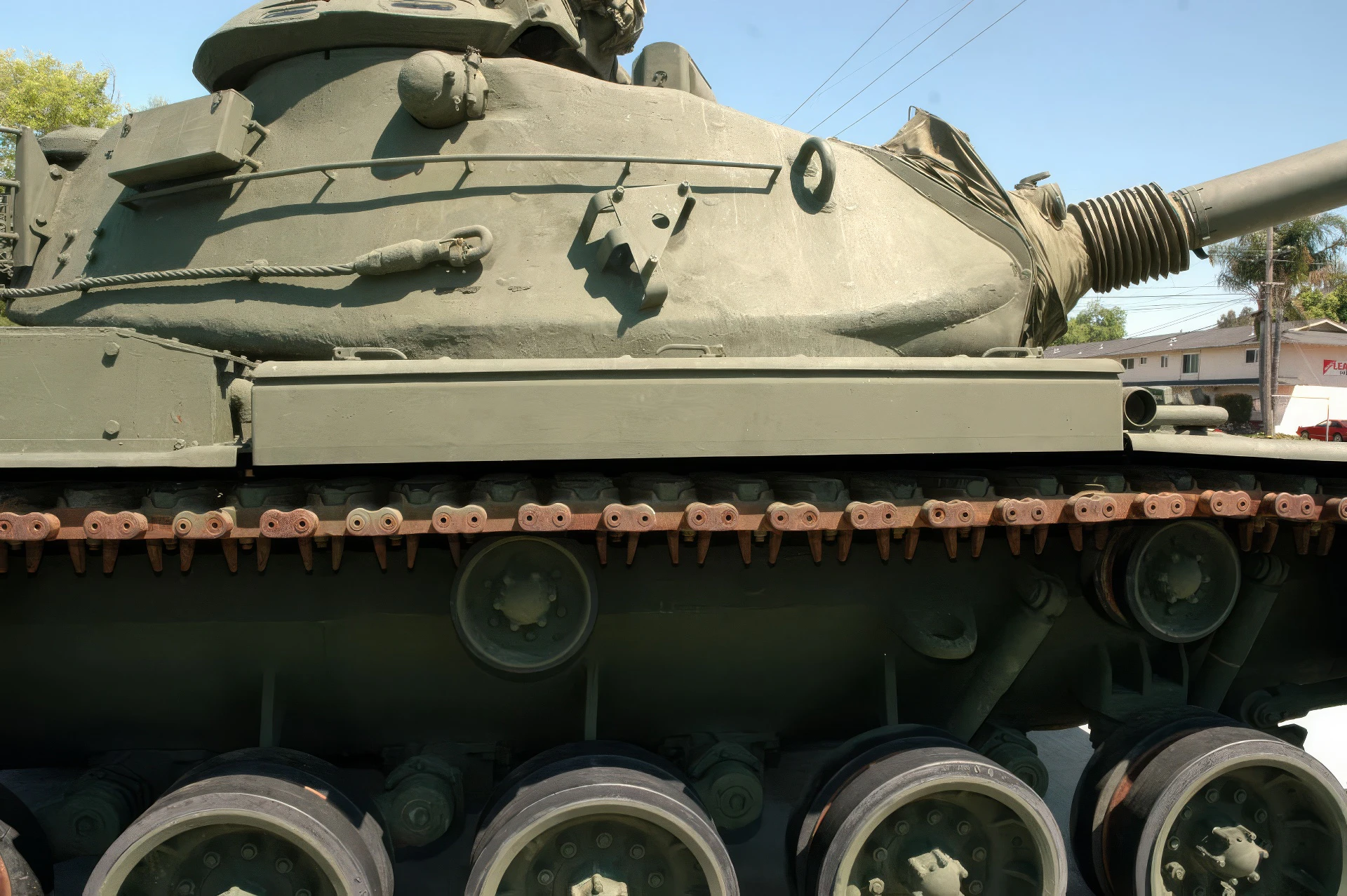
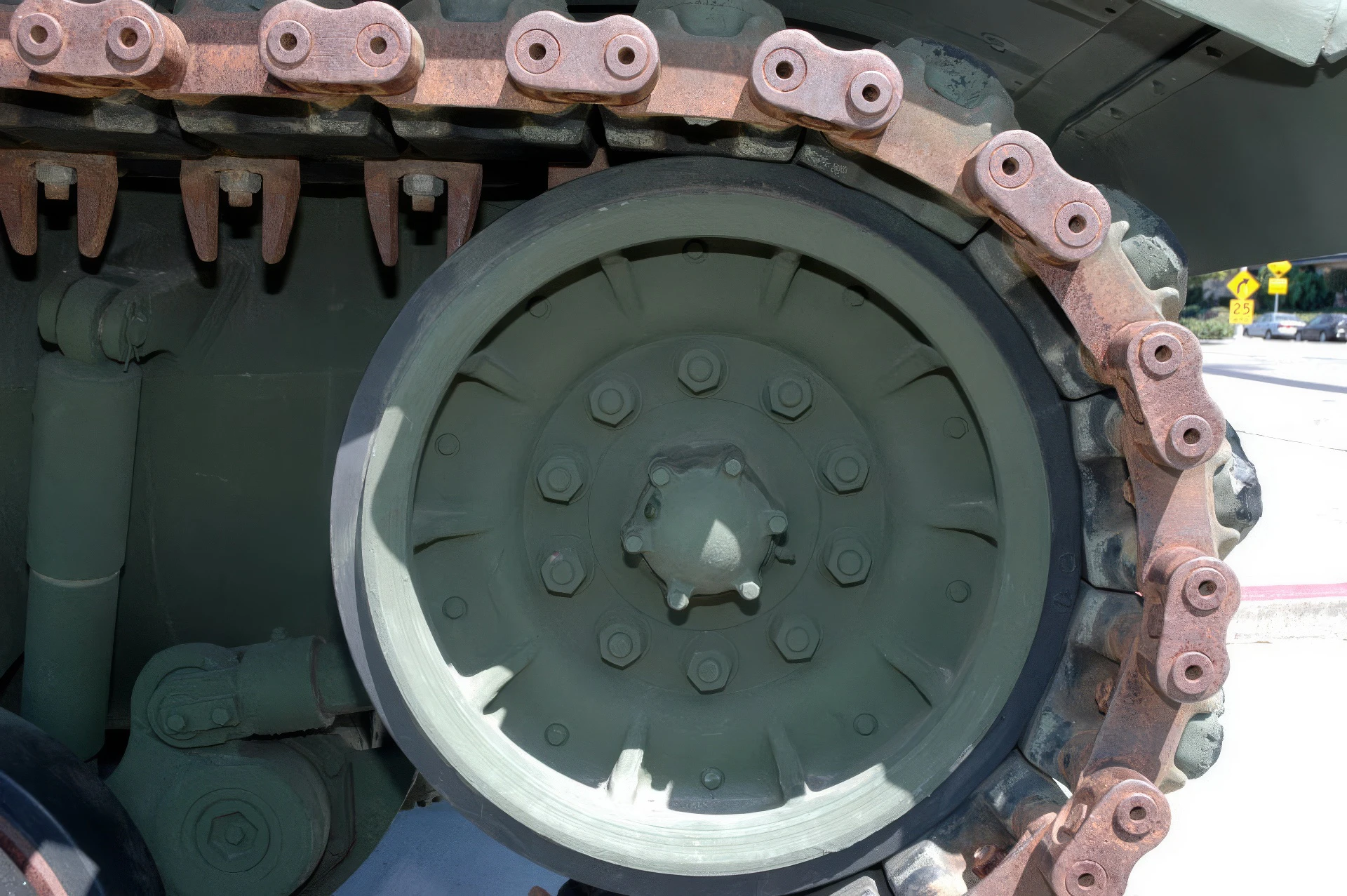
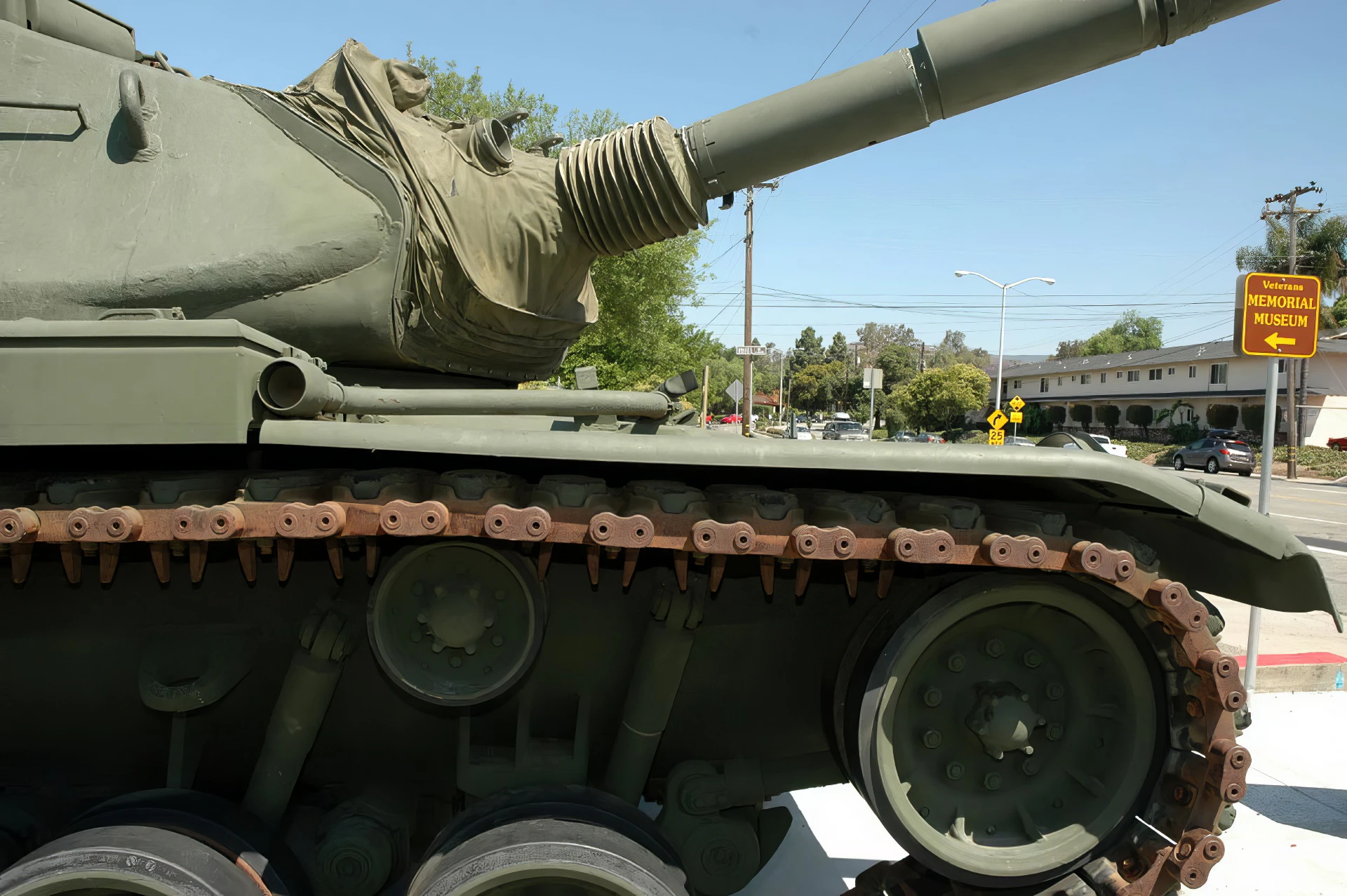
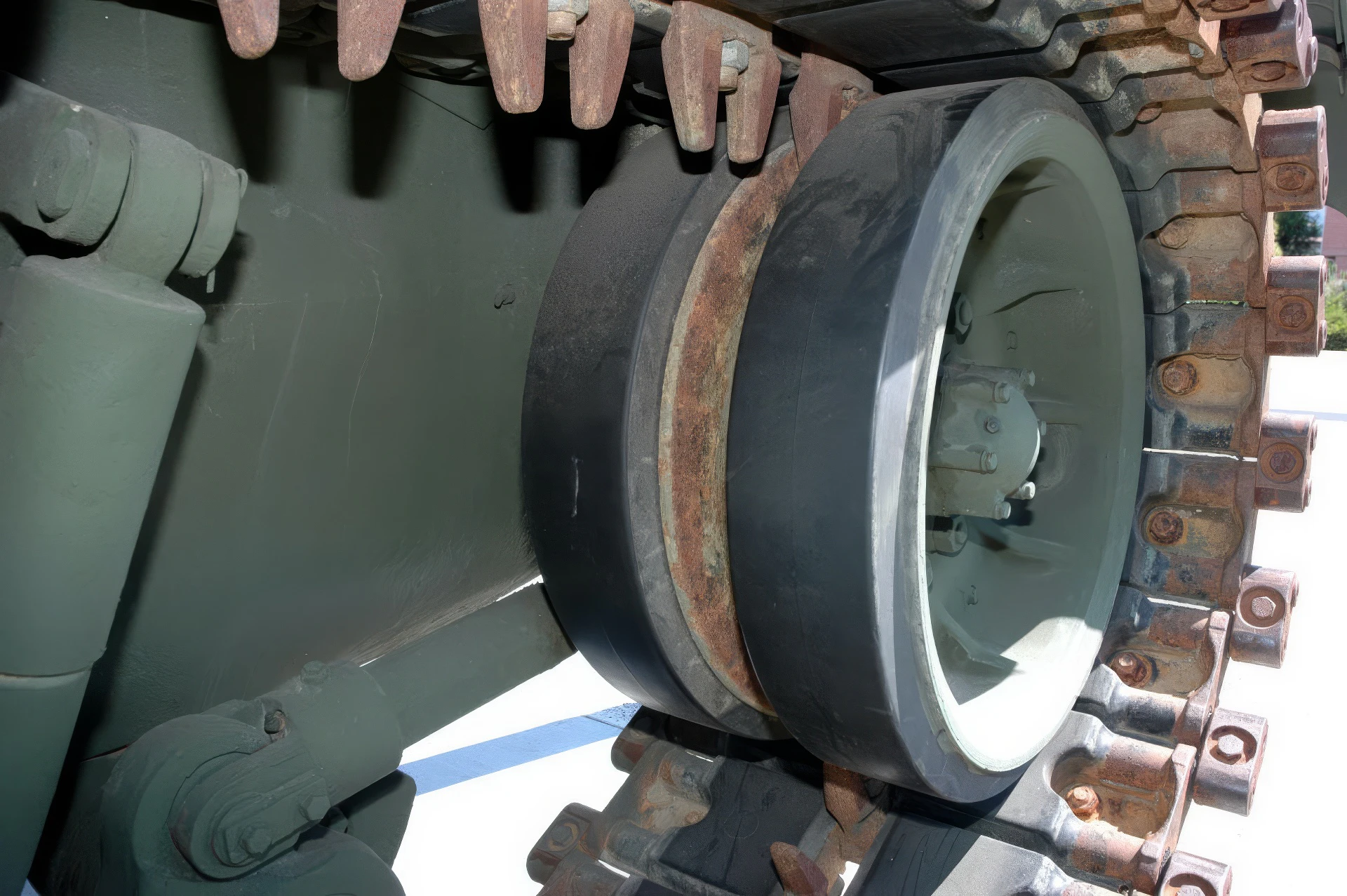
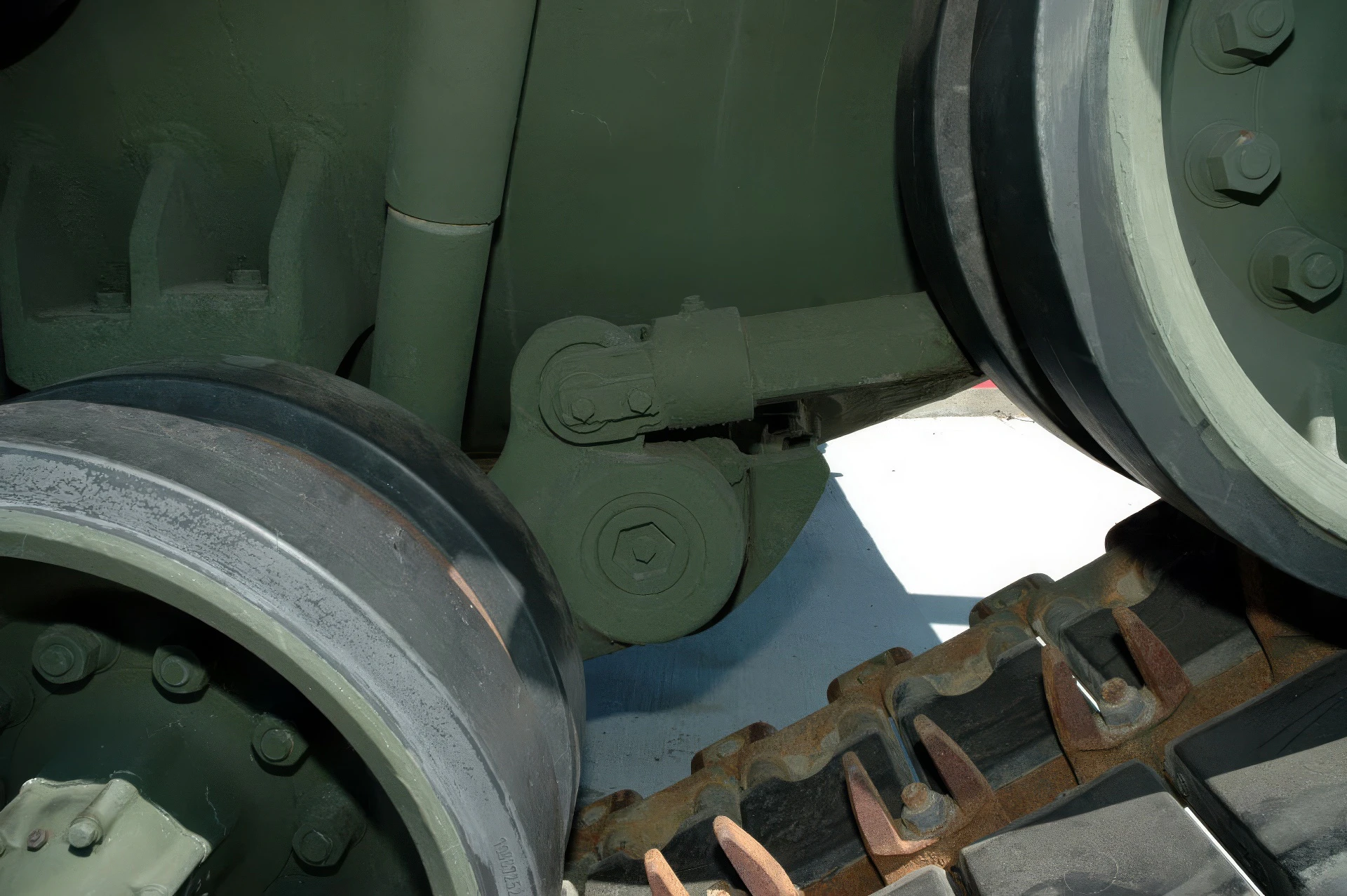
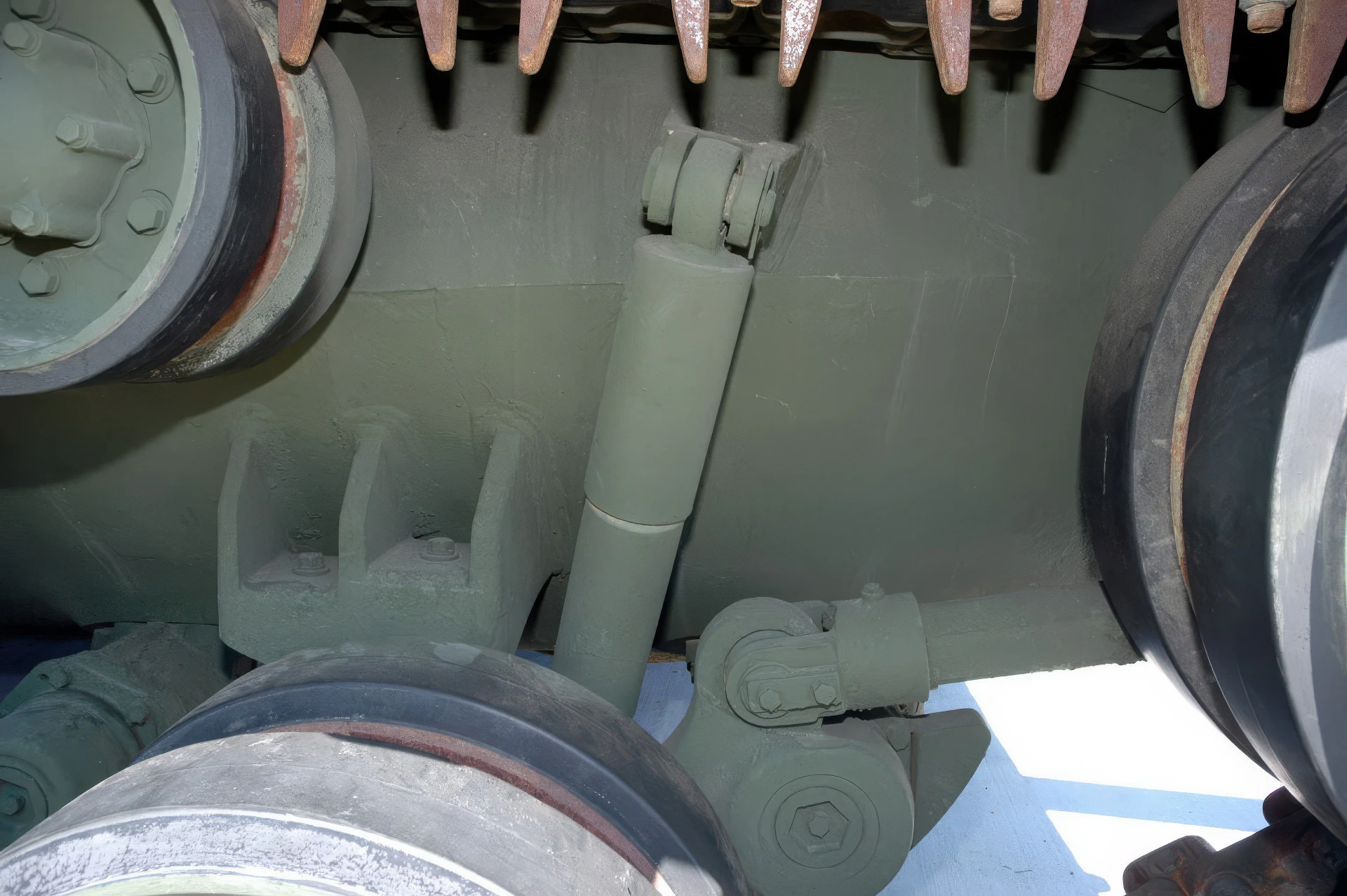
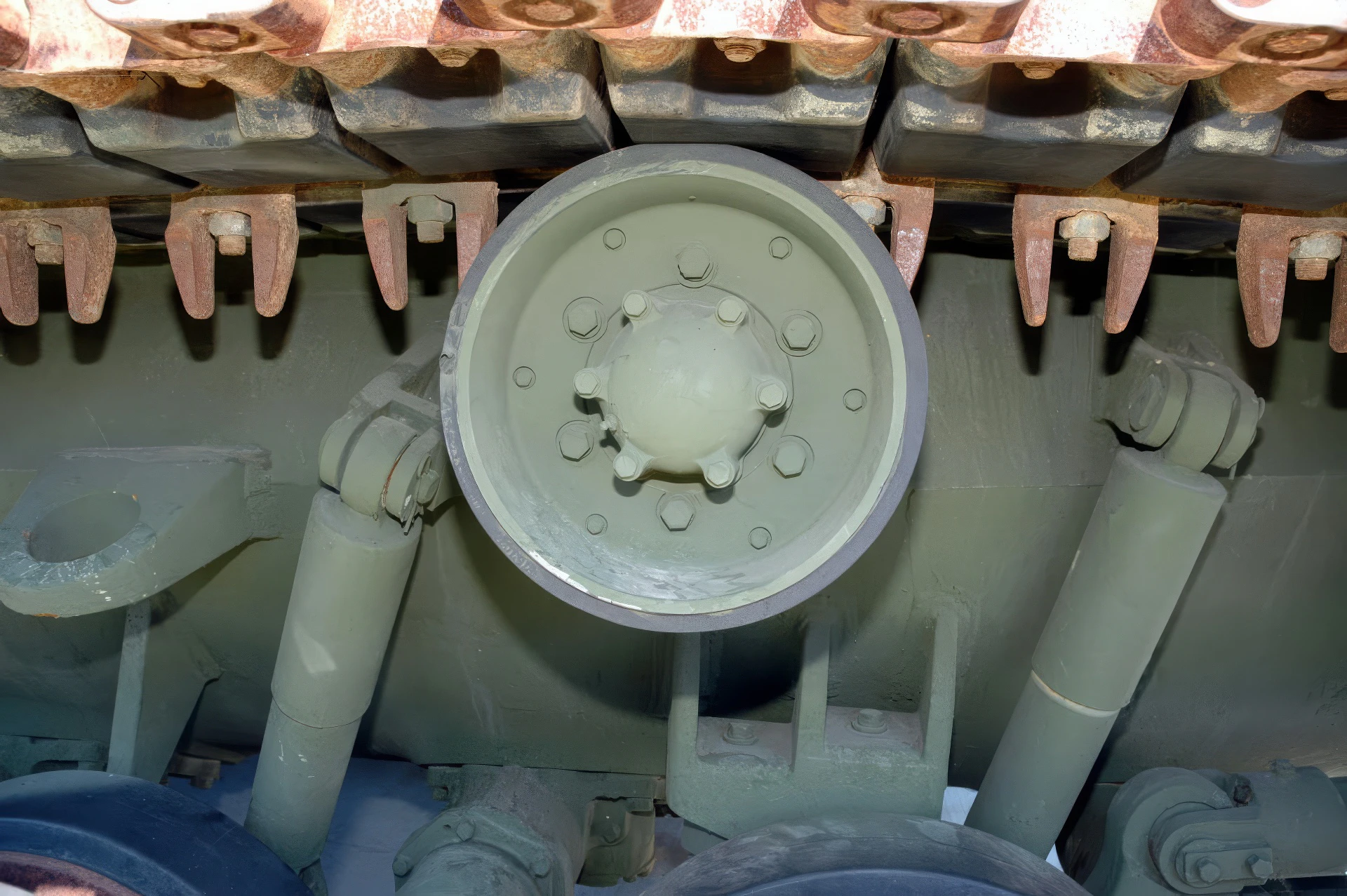
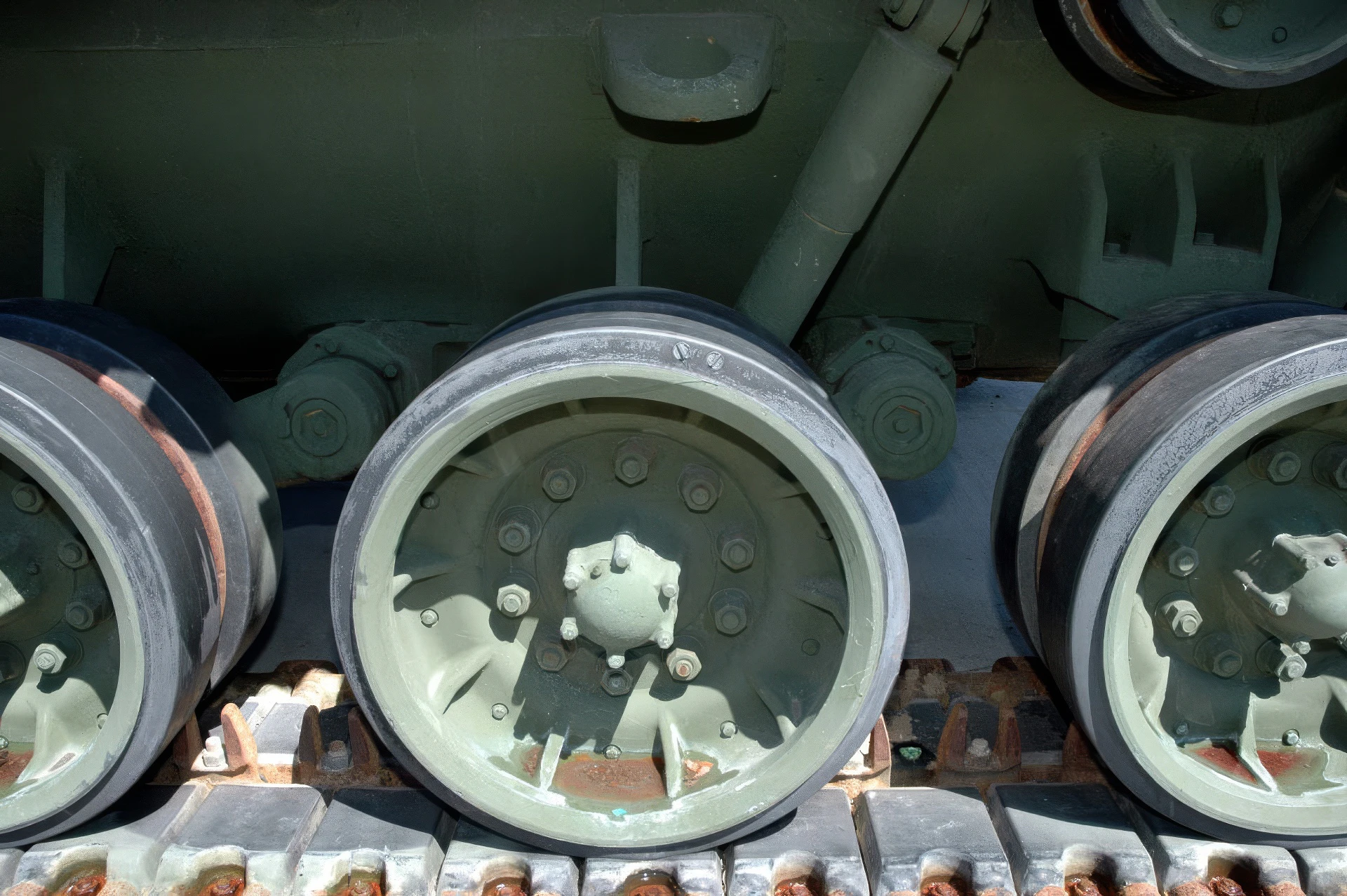
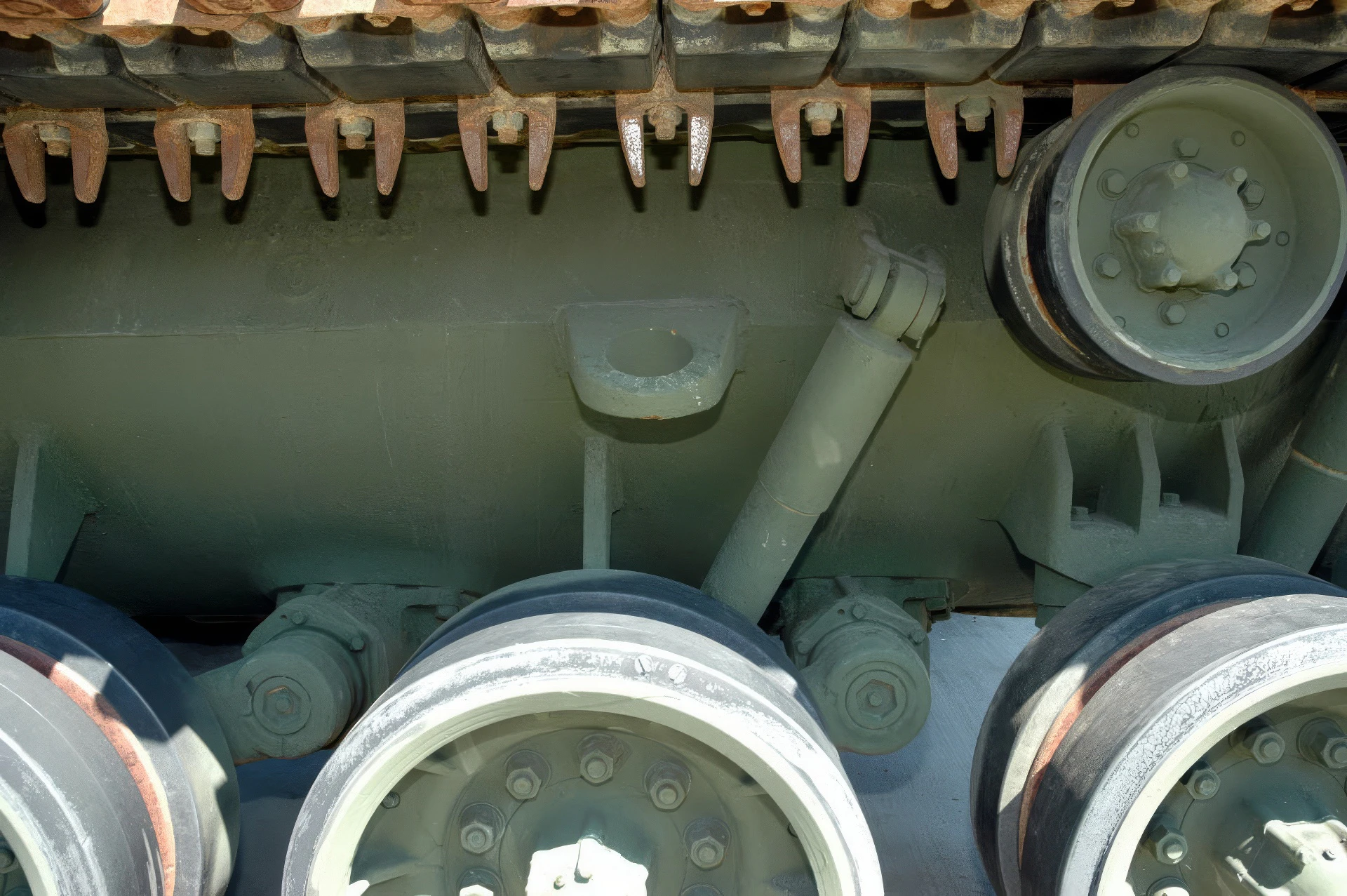
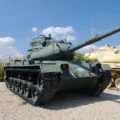
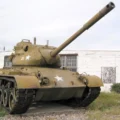
O M60 é um tanque de batalha principal de segunda geração (MBT) americano. Foi oficialmente padronizado como Tanque, Combate, Full Tracked: Canhão de 105 mm, M60 em março de 1959. Embora desenvolvida a partir do M48 Patton, a série de tanques M60 nunca foi oficialmente classificada, mas às vezes agrupada informalmente, como membro da família de tanques Patton. As semelhanças podem ser notadas na variante original do M60 e do M48A3. O Exército dos EUA o considerou um "descendente aprimorado do produto" do design do tanque Patton. Os Estados Unidos se comprometeram totalmente com a doutrina MBT em 1963, quando o Corpo de Fuzileiros Navais aposentou o último batalhão de tanques pesados (M103). A série de tanques M60 tornou-se o principal tanque de batalha da América durante a Guerra Fria. Mais de 15.000 M60s foram construídos pela Chrysler. A produção do casco terminou em 1983, mas 5.400 modelos mais antigos foram convertidos para a variante M60A3 terminando em 1990.
Fonte: Tanque M60 na Wikipédia
| M60A1 Walk Around |
|---|
| Fotógrafo | Vladimir Yakubov |
| Localização | Desconhecido |
| Fotos | 63 |
| M60A3 Patton Tank Walk Around |
|---|
| Fotógrafo | Riso Horcik |
| Localização | Desconhecido |
| Fotos | 69 |
| M60A1 Walk Around |
|---|
| Fotógrafo | Unknow |
| Localização | Desconhecido |
| Fotos | 57 |
The **M60A3** was the final and most technologically advanced variant of the US M60 tank series, serving as a critical component of American and allied armored forces during the latter half of the Cold War. While it retained the M60 family’s general layout and steel armor, its most significant improvements were centered around a highly modernized **Fire Control System (FCS)**, granting it superior first-round hit probability, especially at night.
Key Upgrades and Features
Unlike earlier models, the M60A3 focused on electronic and sighting systems rather than major changes to the main gun or armor:
- Laser Rangefinder: It replaced the older, less accurate optical coincidence rangefinder with a reliable **AN/VVG-2 laser rangefinder**, dramatically increasing ranging speed and accuracy.
- Ballistic Computer: The FCS incorporated a new **solid-state M21 ballistic computer** which automatically calculated fire solutions based on range, ammunition type, crosswind, and tank cant.
- Tank Thermal Sight (TTS): The most crucial addition was the **Tank Thermal Sight (TTS)** for the gunner. This system gave the tank a massive advantage by enabling the detection and accurate engagement of targets in complete darkness or poor visibility (smoke, fog, etc.).
- Main Gun: It retained the proven **105 mm M68 rifled gun** (a US-built version of the British L7), a NATO standard weapon, often fitted with a thermal shroud to reduce barrel warp from heat.
General Specifications
- Weight: Approximately 54 tons (combat loaded).
- Engine: Continental AVDS-1790-2C V-12 air-cooled diesel (750 hp).
- Road Speed: Around 30 mph (48 km/h).
- Crew: 4 (Commander, Gunner, Loader, Driver).
- Armamento: 105 mm M68 rifled gun, 7.62 mm coaxial machine gun, 12.7 mm anti-aircraft machine gun.
- Armadura: Rolled homogeneous steel armor.
Despite its superior FCS, the M60A3’s armor was less survivable against new anti-tank guided missiles and kinetic energy penetrators developed in the 1980s. It was eventually succeeded by the M1 Abrams tank in US service, though the M60A3 remains in use with numerous foreign armies.
Views : 6310